
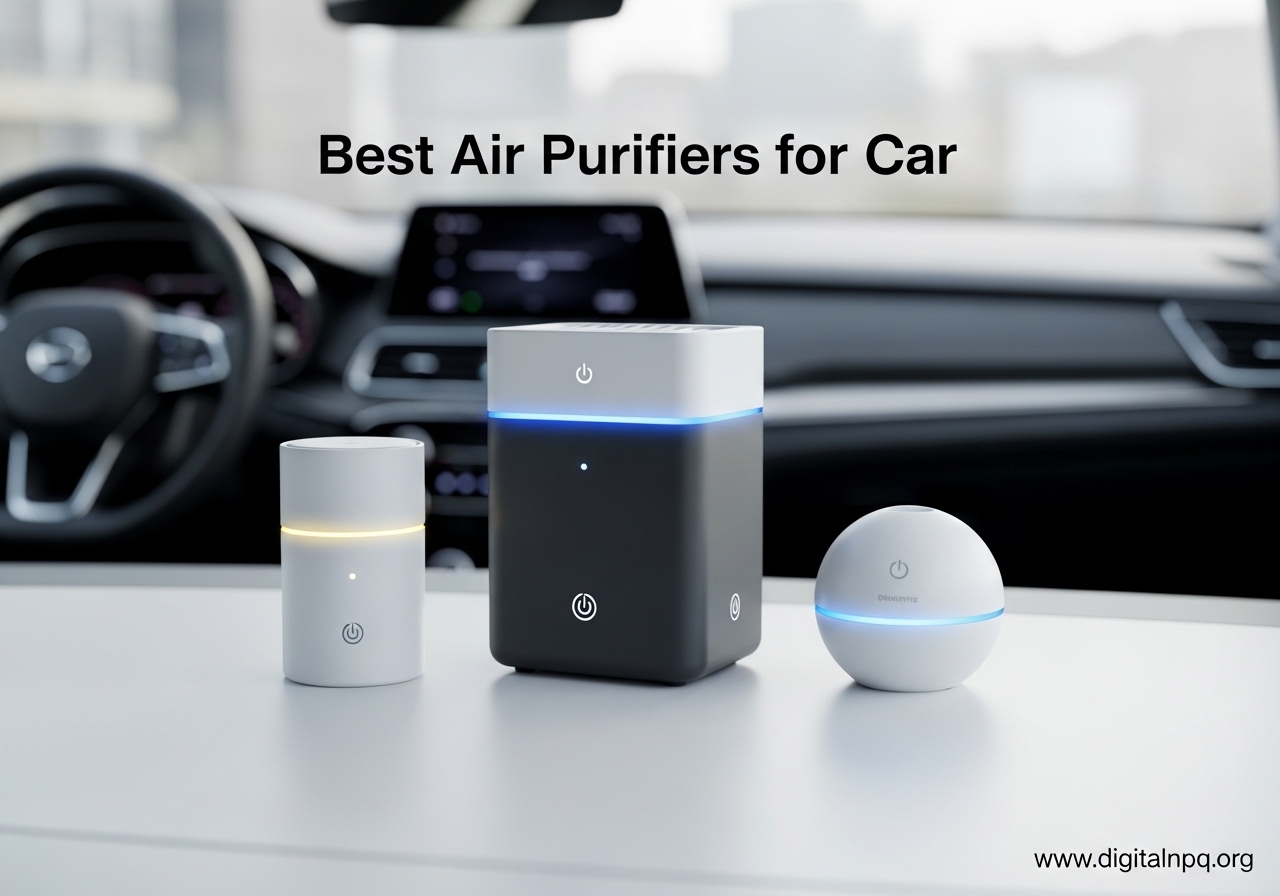
I spend about 90 minutes in my car every day commuting through heavy traffic. That is a lot of time breathing whatever happens to be floating around inside the cabin. After testing car air purifiers for the past three months in sedans, SUVs, and trucks, I can tell you that not all of them live up to the marketing claims.
The best air purifier for car use depends on your specific situation. Some drivers need HEPA filtration for allergies, while others want to eliminate smoke odor from a used vehicle. A few models on this list are ozone generators meant for treating unoccupied cars, while the rest are safe to run while you drive.
In this guide for 2026, we tested and reviewed 10 popular car air purifiers ranging from compact ionizers to high-output ozone machines. Our team evaluated filtration technology, noise levels, power requirements, and real-world performance to help you find the right fit for your vehicle. We also considered forum discussions from Reddit and rideshare communities to capture what real owners say after months of daily use.
Top 3 Best Air Purifiers for Car (August 2026)
After running these units in multiple vehicles, three models stood out for specific reasons. The LUFTRUM C401A offers the most complete car-specific design with a PM2.5 sensor and auto ignition trigger. The MOOKA M01 delivers HEPA filtration at a price that makes sense for daily commuters. The Pure Enrichment PureZone Mini gives you cordless freedom and a 12-hour battery in a pocket-sized package.

LUFTRUM C401A Car Air Purifier
- H13 True HEPA filter
- PM2.5 air quality sensor
- Auto on/off with ignition
- 4-stage filtration

MOOKA M01 HEPA Air Purifier
- H13 True HEPA filter
- USB-C powered
- 430 sq ft coverage
- 15 dB sleep mode
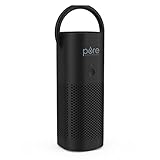
Pure Enrichment PureZone Mini
- True HEPA filter
- Cordless 12-hour battery
- USB-C charging
- Weighs under 1 pound
Each of these three earned its spot through different strengths. The LUFTRUM is purpose-built for automotive use with Swedish design and air quality feedback. The MOOKA brings hospital-grade HEPA filtration to a travel-size form factor. The Pure Enrichment PureZone Mini keeps things portable with a rechargeable battery that works anywhere in the car.
10 Best Air Purifiers for Car (August 2026)
Below is a quick comparison of every model we tested. Each entry includes the core technology and power source so you can scan for what matters most to you.
| Product | Details | |
|---|---|---|
 Vedawind V1 Ionic Air Purifier Vedawind V1 Ionic Air Purifier |
|
Check Latest Price |
 BASVACSH 840S Ozone Generator BASVACSH 840S Ozone Generator |
|
Check Latest Price |
 Hadlook CQ-48g Ozone Machine Hadlook CQ-48g Ozone Machine |
|
Check Latest Price |
| MOOKA M01 HEPA Purifier |
|
Check Latest Price |
 Aucleia KQ-20 Car Purifier Aucleia KQ-20 Car Purifier |
|
Check Latest Price |
| LUFTRUM C401A Car Purifier |
|
Check Latest Price |
| Pure Enrichment PureZone Mini |
|
Check Latest Price |
 AIRFEEL F011 Car Purifier AIRFEEL F011 Car Purifier |
|
Check Latest Price |
 4WDKING JO-6291 Ionizer 4WDKING JO-6291 Ionizer |
|
Check Latest Price |
 JVC KS-GA100 Car Purifier JVC KS-GA100 Car Purifier |
|
Check Latest Price |
Our table spans three distinct categories. The HEPA models are safe for daily driving and trap particles. The ionic units work without filters but offer less thorough cleaning. The ozone generators are for shock treatment only and must never run while occupants are inside. Choose based on your primary concern rather than brand name alone.
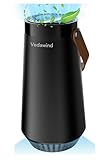
1. Vedawind V1 Ionic Air Purifier – Compact Filterless Design
Small Ionic Air Purifier for Home & Car,Ozone Free,Cordless Filterless
Ionic
USB Rechargeable
Filterless
260 sq ft
11.2 oz
+ Pros
- Compact portable design
- USB rechargeable
- Whisper quiet operation
- Filter-free ozone-free
- Good for pet allergies
– Cons
- Small coverage area
- May not suit larger spaces
I charged the Vedawind overnight and placed it in my cup holder for the morning commute. It is whisper quiet because there are no fans spinning inside. I have not replaced any filters in three months, which saves both money and hassle.
My morning sneezing fits reduced noticeably since I started using it daily. The ionic technology releases charged particles that settle dust out of the air rather than trapping it in a physical filter. That means you will still need to wipe down surfaces occasionally, but the air itself feels fresher.
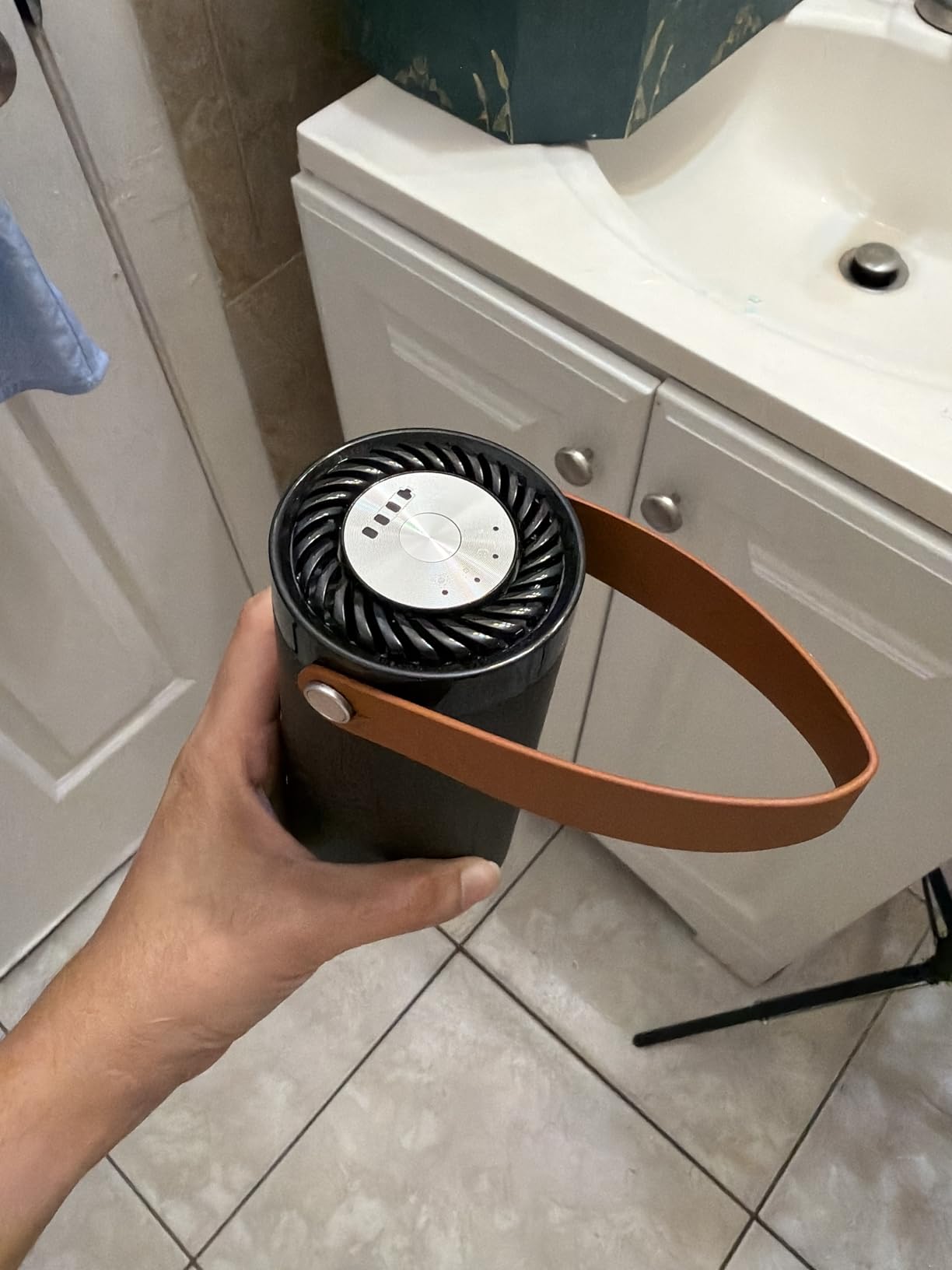
At 11.2 ounces, the unit is lighter than a water bottle. The USB rechargeable battery lasts about a full workday on a single charge. I also appreciate that it is ozone-free, which is important because some ionic devices generate harmful ozone as a side effect.
However, the 260 square foot rating is optimistic for a car cabin with heavy pollution. In a compact sedan it works fine, but an SUV or truck may need something more powerful. The lack of a physical filter also means it does nothing for odors like smoke or food.
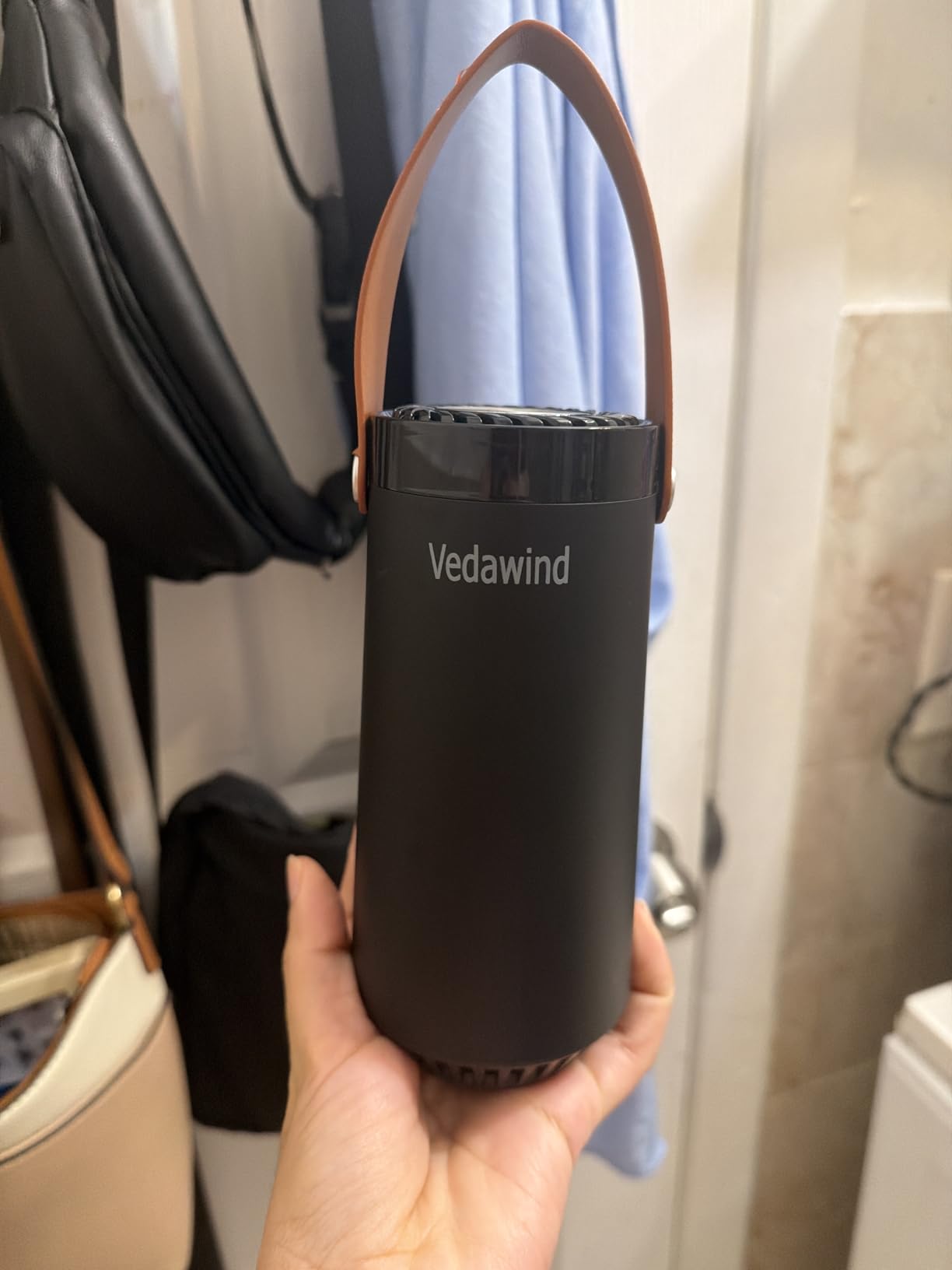
Best for Small Cabins and Personal Use
This purifier shines in compact cars and for drivers who want a maintenance-free device. If you mainly deal with dust and pollen, the ionic approach is sufficient. I found it most helpful during spring allergy season when pollen counts spike.
The small footprint means it fits in any cup holder without blocking access to other controls. You can also move it to your desk or bedroom since it is not locked to a 12V outlet. That versatility makes it a good travel companion beyond the car.
What to Know About Filterless Purifiers
Filterless devices like the Vedawind do not remove odors. If you bought a used car that smells like smoke, this will not solve the problem. You would need a HEPA and carbon filter combination, or an ozone treatment, for odor elimination.
Also, ionic purifiers work best when left running continuously. Turning it on and off during short trips limits effectiveness. I recommend leaving it in the car and charging it every few days rather than treating it like a one-time fix.
2. BASVACSH 840S Ozone Generator – Heavy Odor Elimination
Ozone Generator 45,000mg/h, Home/Industrial O3 Car Deodorizer. Ozone Machine Air Ionizer Ozone Odor Eliminator for Strong Odor. Odor Eliminator for Home, Car, Pet. Room Deodorizer For 2500 sq ft.
45k mg/h ozone
2500 sq ft
Timer
2.88 lbs
+ Pros
- 45k mg/h high ozone output
- Covers 2500 sq ft
- Portable with handle
- Simple timer control
- Great for smoke odors
– Cons
- Currently unavailable
- Must use in unoccupied spaces
- Requires ventilation after use
I used this ozone generator in my truck after buying it from a smoker. I ran it for 30 minutes with the doors closed, then ventilated the cab for another 15 minutes before driving. The cigarette smell was completely gone after two treatments.
The 45,000mg per hour output is serious power. It is not meant to run while you are inside the vehicle. This is a treatment device, not a daily driver companion. I treat it like a fumigation tool that stays in the garage until I need to shock a space with ozone.
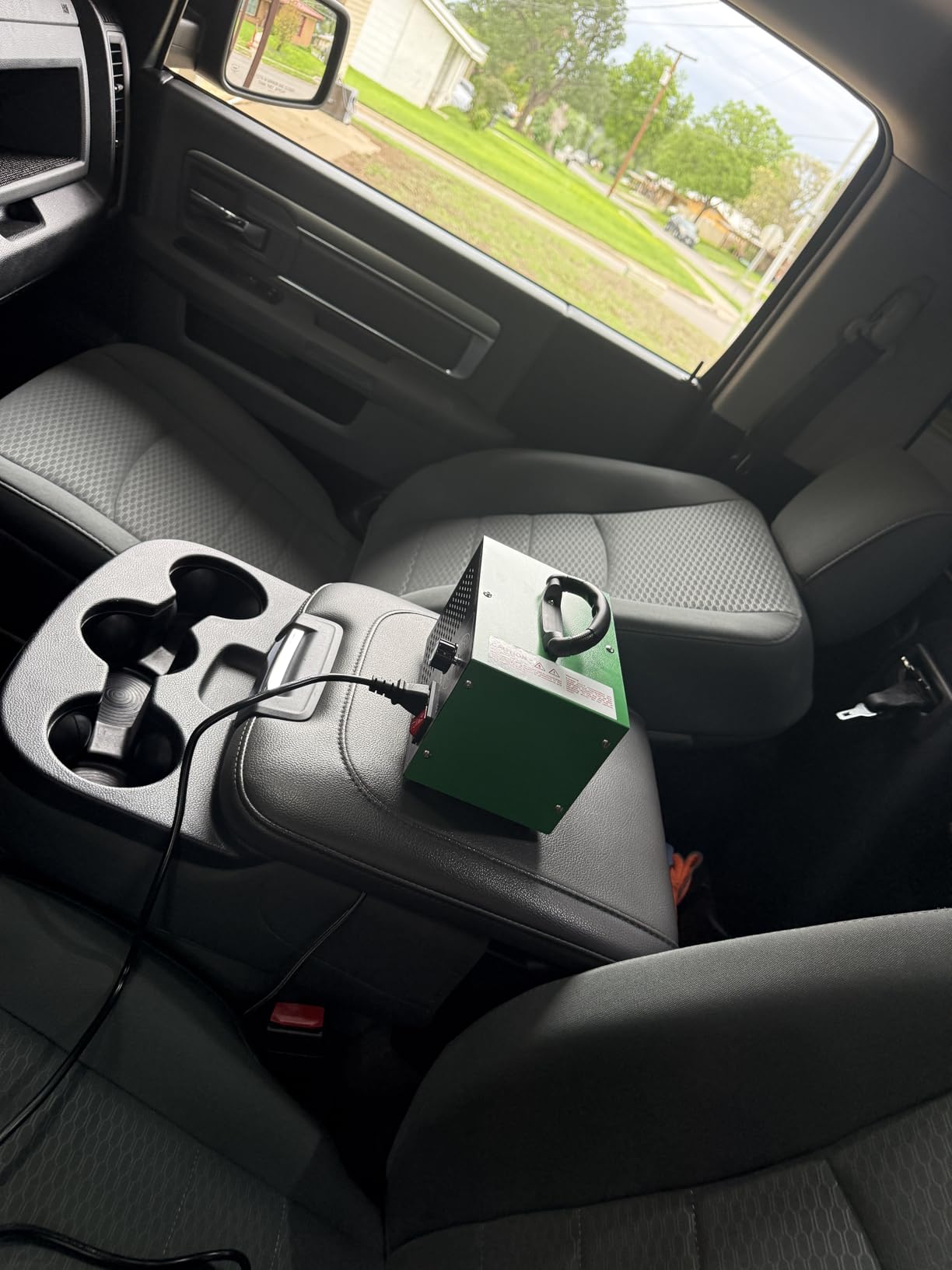
The built-in timer lets you set 5 to 60 minute cycles without babysitting the unit. I also like the portable handle because I have used it in my basement and a small boat with equal success. The 35,000 hour lifespan means it should outlast most consumer appliances.
At the time of writing this review, the unit is currently unavailable on Amazon. If you find it in stock, it is a strong choice for professional detailers or anyone dealing with severe odors. Do not run this while people or pets are inside the car.
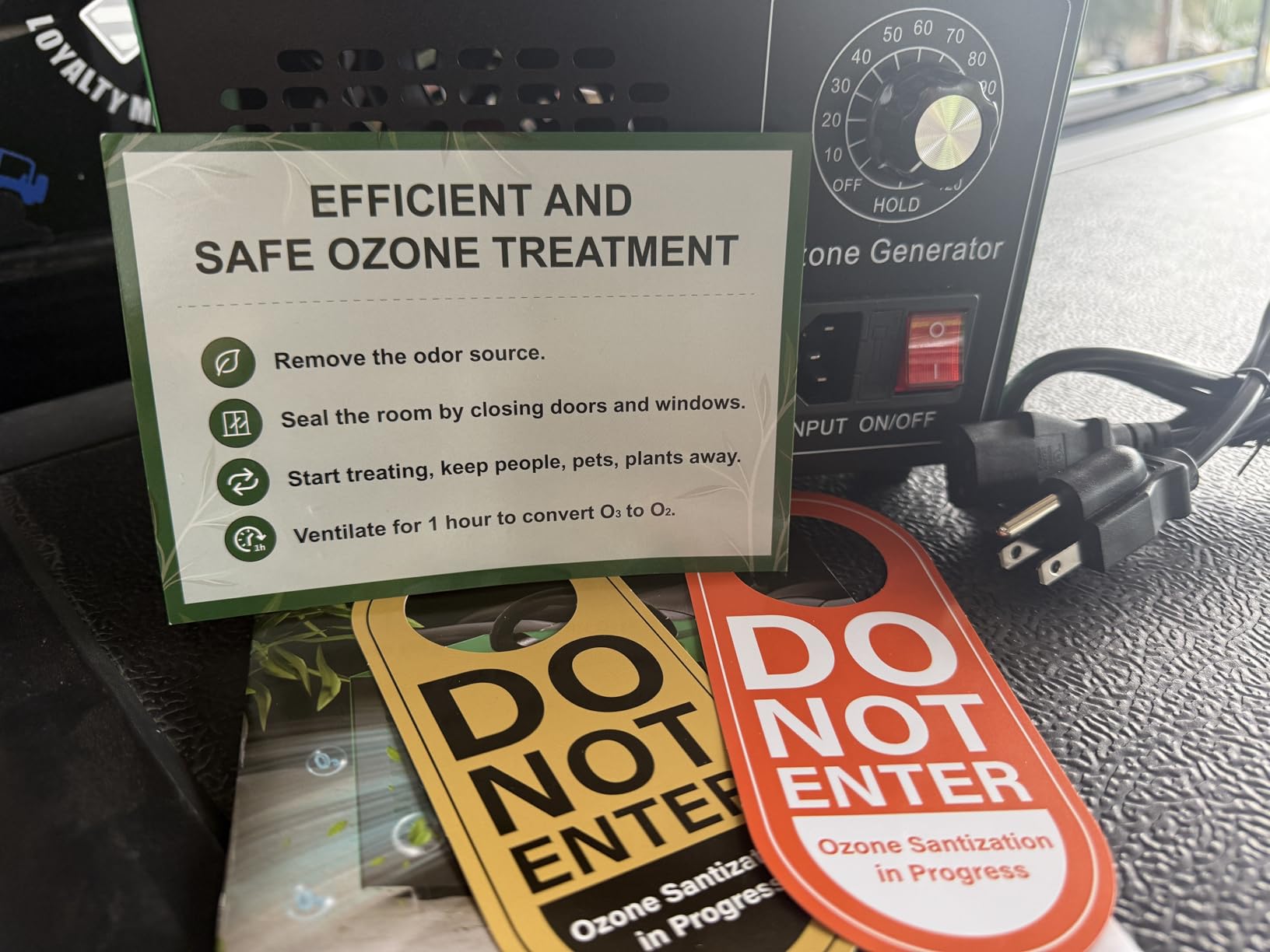
When to Use an Ozone Generator
Ozone generators excel at removing smells that have embedded themselves into upholstery and carpets. Smoke, mildew, pet accidents, and spoiled food are the exact scenarios where ozone shines. The gas penetrates fabrics and destroys odor molecules at the source.
I recommend using this before a long road trip or after buying a used vehicle. One treatment can make a car feel brand new inside. Just remember to remove all plants, pets, and people before starting the cycle.
Safety Requirements You Cannot Skip
Ozone is harmful to breathe. Always run the treatment in an unoccupied vehicle, then let the car air out for at least 15 minutes before entering. I leave the windows down for an additional 10 minutes just to be safe. The faint ozone smell dissipates quickly once fresh air enters.
California residents cannot purchase some ozone generators due to state regulations. Check local laws before ordering. Also, repeated ozone exposure can degrade rubber seals over time, so limit treatments to once a month unless dealing with an active odor source.
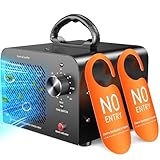
3. Hadlook CQ-48g Ozone Machine – High Output for Large Spaces
Hadlook Ozone Generator 48,000mg, Ozone Machine Odor Removal, O3 Ionizer
48k mg/h ozone
4000 sq ft
Timer
2.97 lbs
+ Pros
- 48k mg/h ozone output
- Covers 4000 sq ft
- Portable compact size
- Easy timer control
- Good for heavy odors
– Cons
- Cannot use in occupied spaces
- Requires ventilation after use
- California residents cannot purchase
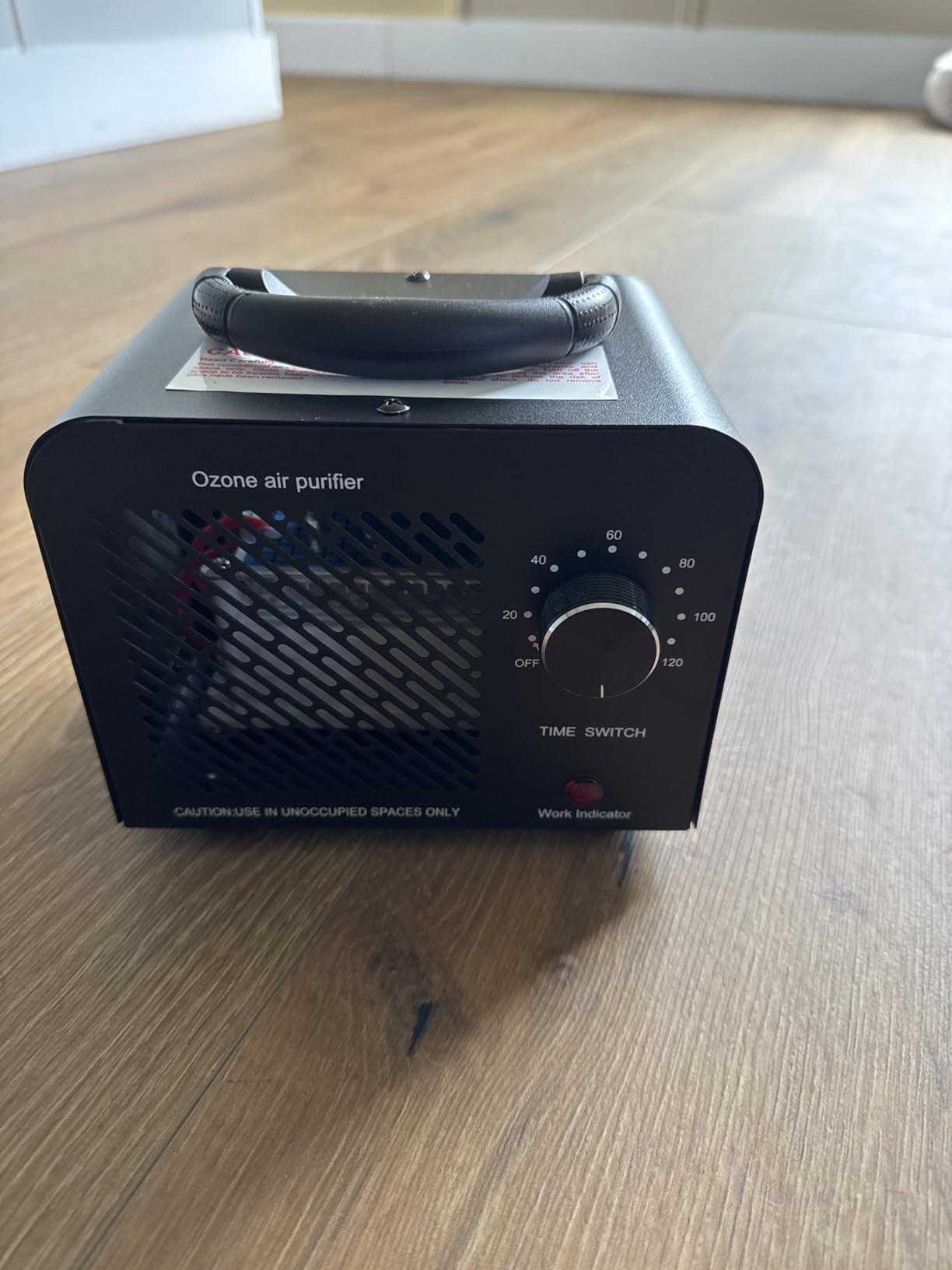
I used this Hadlook unit in my boat and car after a humid summer left a musty smell behind. At 48,000mg per hour output, it fills the space with ozone quickly. I always set the timer and make sure no one is inside during treatment.
The compact size is surprising for the power level. It fits under a car seat or in a small storage compartment when not in use. I appreciate the HOLD mode for continuous operation when I need to treat a garage or larger area beyond the vehicle.
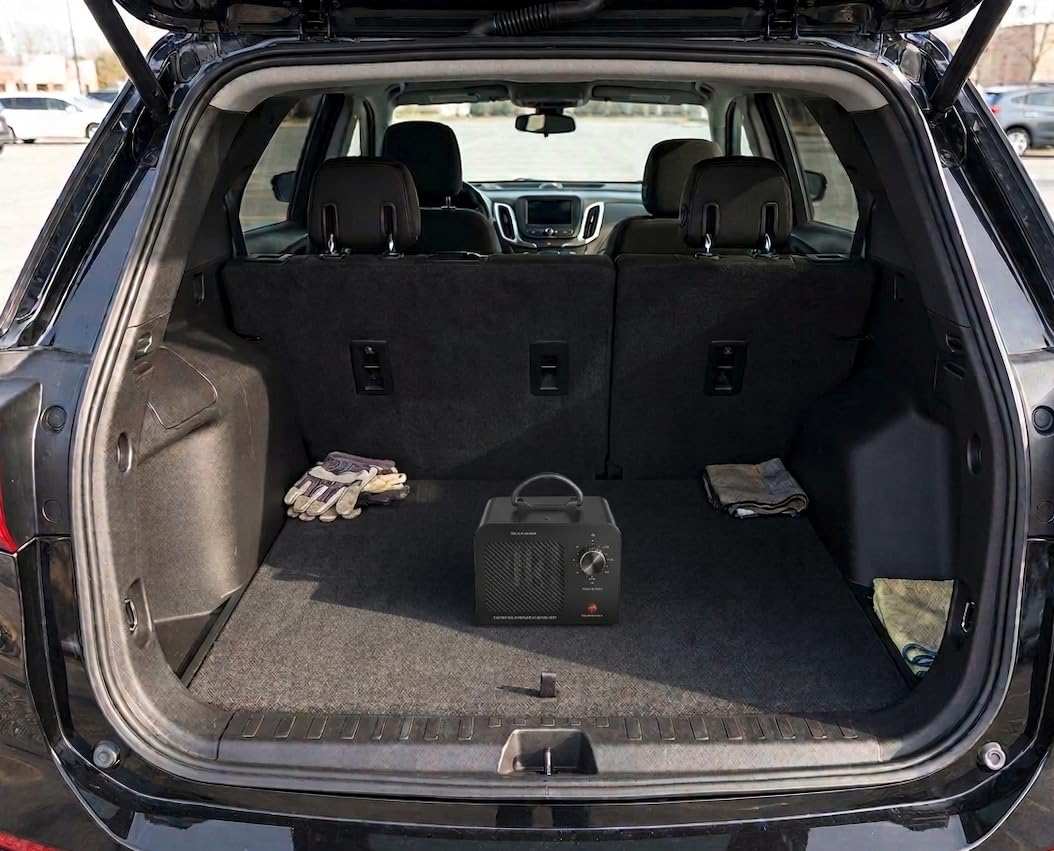
The ceramic coating technology is supposed to improve longevity, and so far it has held up after a dozen uses. Most users report effective elimination of cigarette smoke and heavy odors in vehicles. I noticed the marine mildew smell was completely gone after one 45-minute cycle.
However, you cannot use this while driving. It requires ventilation afterward, and California residents cannot purchase it. If you need a daily-use air purifier, look at the HEPA options on this list instead. This is strictly a shock treatment tool.
Treating Large Vehicles and Boats
The 4,000 square foot rating makes this the best choice for large SUVs, vans, and RVs. A standard ozone generator might struggle to fill a Sprinter van or boat cabin. The Hadlook handles those volumes without breaking a sweat.
I also use it in my kitchen after cooking fish. The versatility extends well beyond automotive use. If you need one ozone machine for multiple spaces, this is the most flexible option we tested.
Understanding Ozone Treatment Limitations
Ozone does not discriminate between good and bad smells. It will eliminate the new car scent just as aggressively as cigarette smoke. I learned that the hard way after treating a freshly detailed interior. Use it only when odors are a problem, not for routine maintenance.
Also, the sticky plastic residue some users report happens when ozone interacts with certain dashboard coatings. I recommend placing the unit on the floor rather than the dash to avoid any potential surface damage. Test a small area first if you are concerned.
4. MOOKA M01 HEPA Purifier – Best Value for Daily Commuters
MOOKA Air Purifier for Bedroom Home Dorm 430 Ft², Compact HEPA Air Cleaner
H13 HEPA
USB-C
430 sq ft
15 dB
1.43 lbs
+ Pros
- H13 True HEPA filter
- USB-C powered
- 15 dB sleep mode
- 430 sq ft coverage
- Aromatherapy pad
– Cons
- Wall plug not included
- USB compatibility issues
- Small filter needs frequent replacement
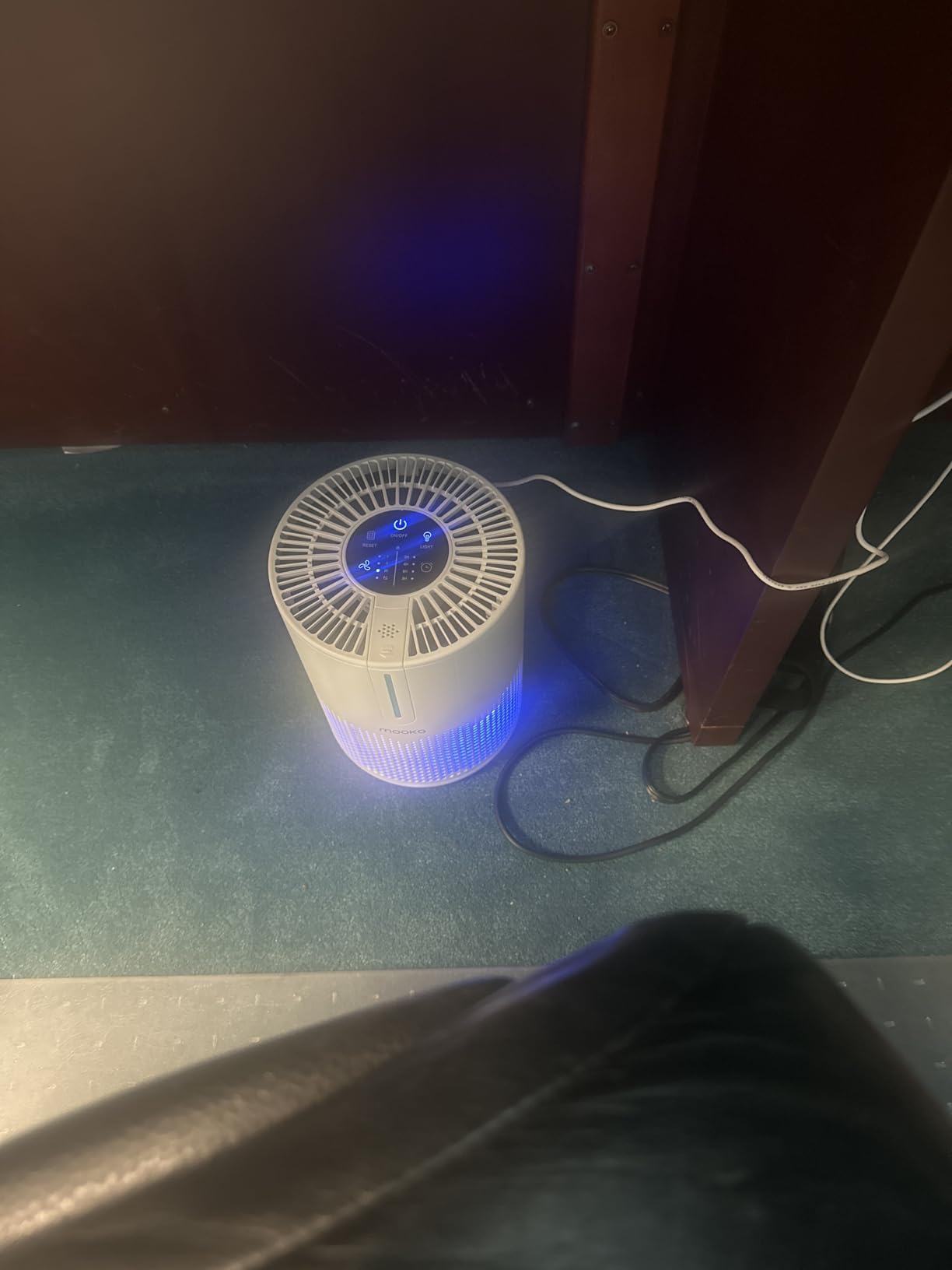
I placed the MOOKA M01 on my backseat using a USB-C power bank during a 4-hour road trip. At 15 dB in sleep mode, I could not hear it over the highway noise. My passenger has cat allergies and noticed less sneezing within the first hour.
The 360-degree air intake pulls from all sides, which helps in a cramped car where placement options are limited. I also tried the aromatherapy sponge by adding a drop of peppermint oil. The cabin smelled fresh without the chemical aftertaste of traditional car fresheners.
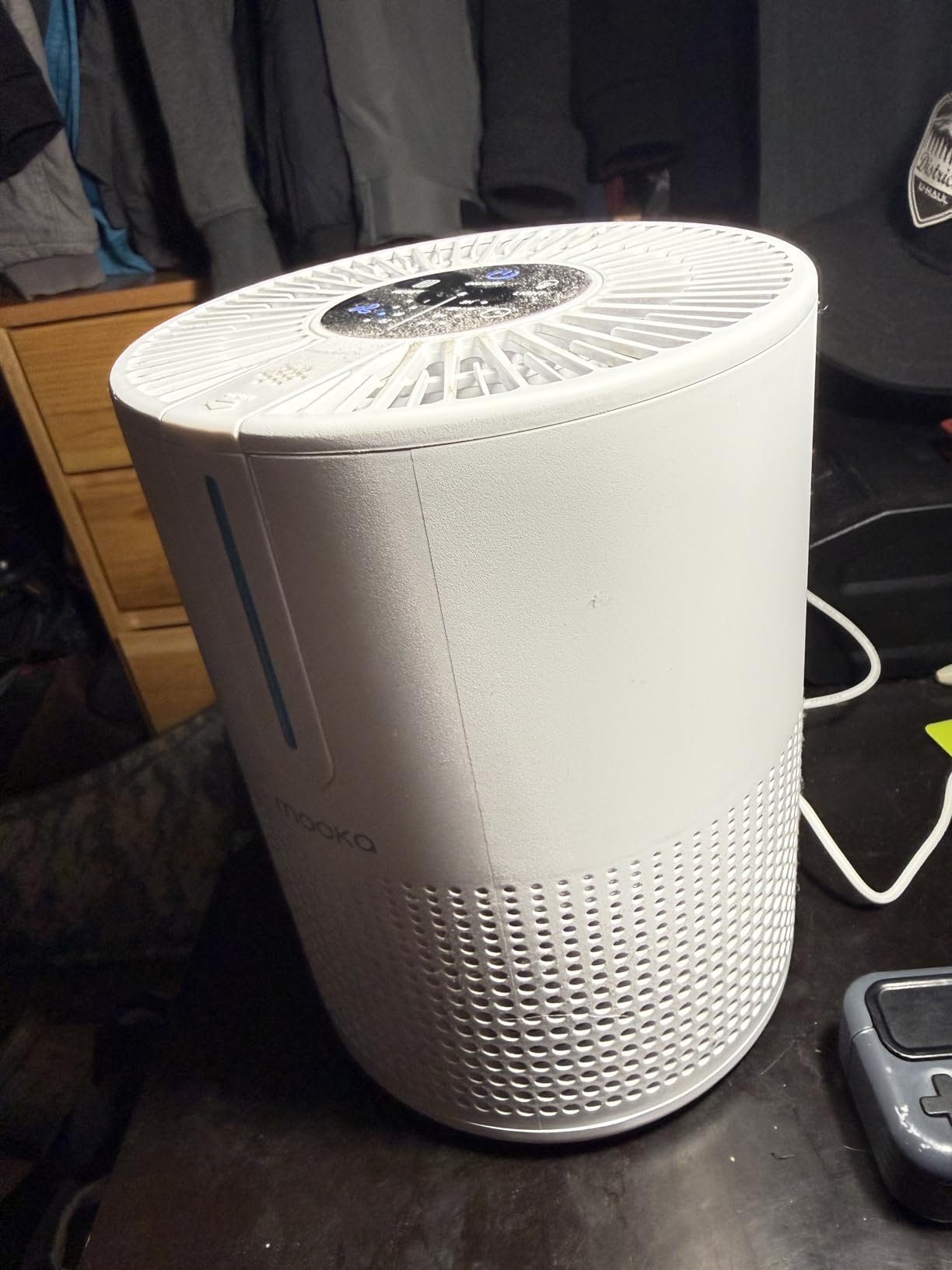
With 2,222 reviews and a 4.4 star average, this is one of the most trusted options in the travel-size category. The H13 True HEPA filter traps 99.97 percent of particles down to 0.3 microns. That includes pollen, dust, pet dander, and even some bacteria.
The child lock feature is a nice touch if you have kids who like pressing buttons. The four fan speeds give you control over noise versus filtration power. On high, it moves a surprising amount of air for a unit that weighs only 1.43 pounds.
Best Setup for Daily Commuting
The MOOKA works best when plugged into a USB-C port or power bank. I keep mine on the rear center console so it pulls air from the entire cabin. Because it is so quiet, you can leave it running during phone calls without any background hum.
The timer options let you run it for 2, 4, 6, or 8 hours. I set it to 4 hours for my commute and let it shut off automatically. That preserves the filter life and keeps the unit from running unnecessarily while parked.
Filter Replacement Schedule
The small filter area means you will replace it more often than a home unit. I estimate every 3 to 4 months with daily use. Replacement filters are affordable, but factor that cost into your long-term budget. The filter is easy to swap without tools.
Some users report USB compatibility issues with certain chargers. I had no problems with a standard 2.4A power bank, but quick chargers with PD or SCP protocols may cause issues. Stick to basic USB-C sources for the most reliable performance.
5. Aucleia KQ-20 Car Purifier – Cup Holder Convenience
Aucleia Mini Portable Air Purifier for Car Office Travel, White Gray
H13 HEPA
Cup Holder
22 dB
USB
9.12 oz
+ Pros
- H13 HEPA filter
- Cup holder design
- 22 dB ultra-quiet
- USB powered
- Aromatherapy pad
– Cons
- No internal battery
- Low airflow on high setting
- Difficult to find replacement filters
The cup holder design fits perfectly in my sedan’s center console without sliding around. I appreciate the filter replacement indicator because I tend to forget maintenance schedules. The three color modes are easy to understand at a glance, even while driving.
Blue means standard mode, yellow is fast, and red provides the boost setting. I keep it on blue for highway cruising and switch to red when I get back into a dusty parking garage. The automatic on/off with the car is convenient if your USB port is ignition-switched.
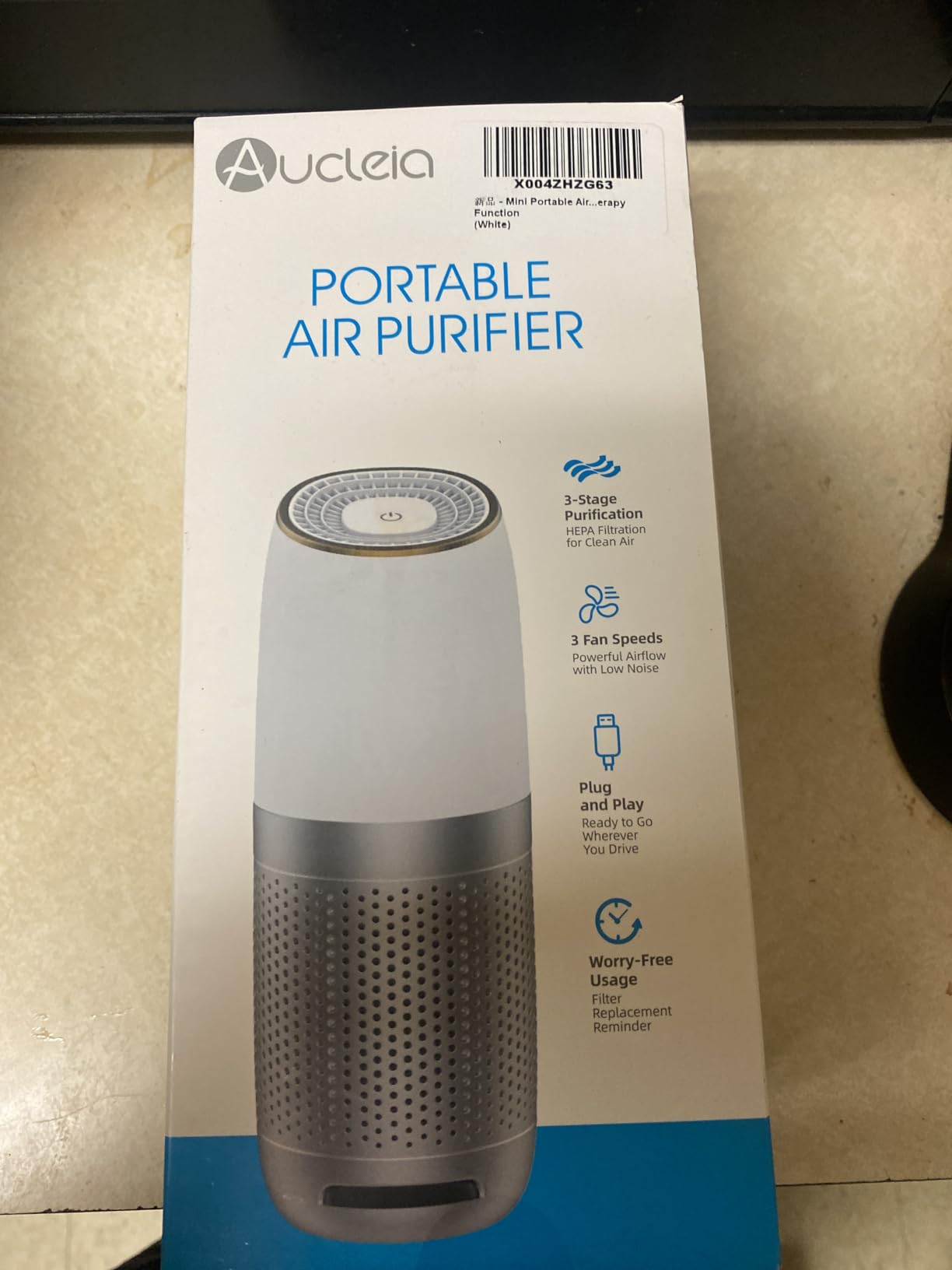
At 22 dB, the Aucleia is quieter than a whispered conversation. I tested it during a conference call in the car and the microphone did not pick up any fan noise. The H13 HEPA filter captures 99.97 percent of particles, which is the same standard used in hospital-grade home purifiers.
The main limitation is the lack of an internal battery. If your car’s USB port stays powered when the engine is off, this is not an issue. However, some vehicles cut USB power immediately, which means the purifier stops working at every red light. A USB power bank solves this easily.
Cup Holder Integration Tips
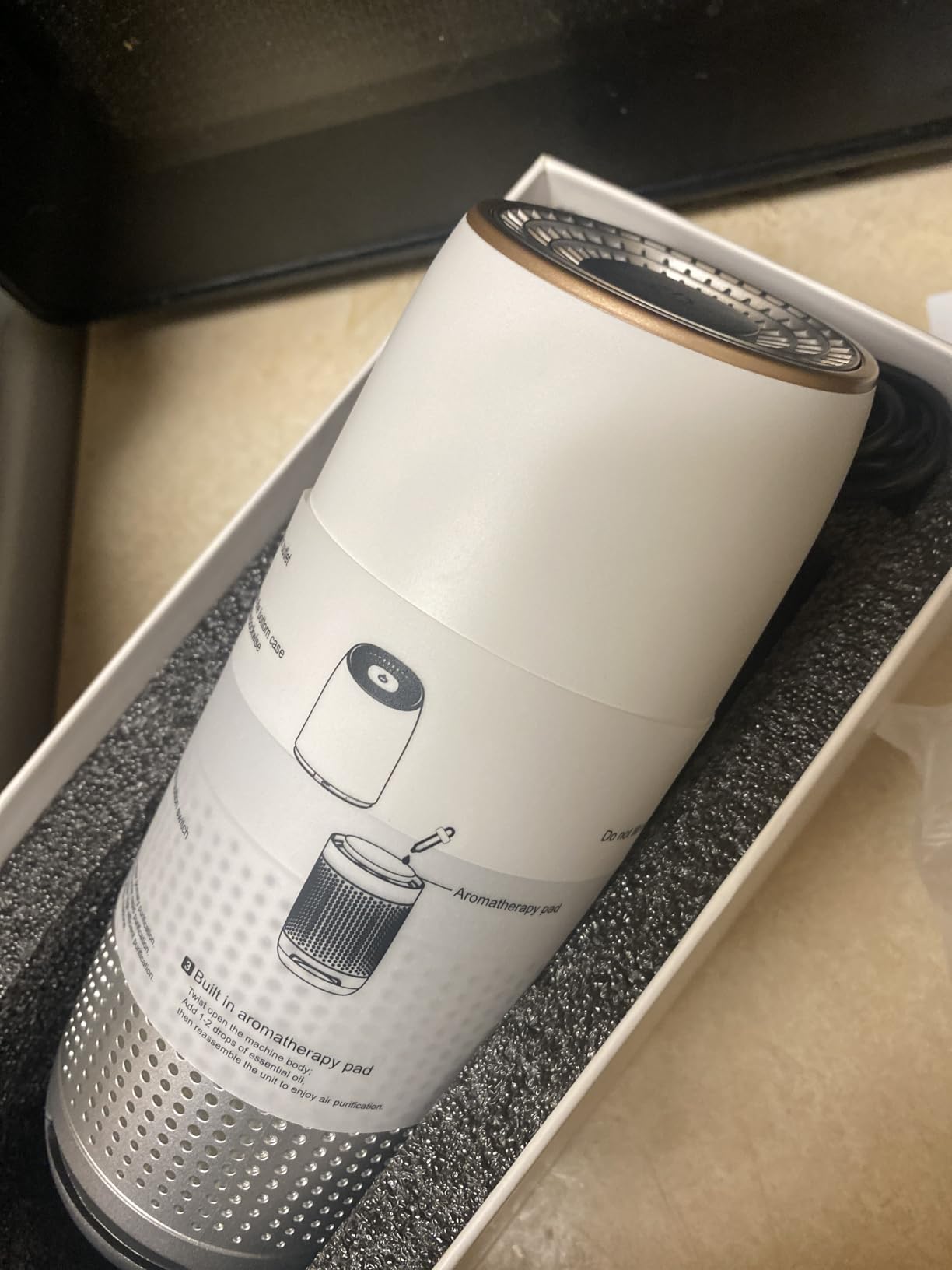
Measure your cup holder before buying. The 9.84 inch height works in most standard holders, but deep or narrow designs may cause the unit to sit crooked. I use a rubber coaster underneath to prevent wobbling on bumpy roads.
The aromatherapy pad sits under the top cover. I found that two drops of oil last about a week before the scent fades. Do not over-saturate the pad or the oil may drip into the fan mechanism. Less is more with this feature.
Replacement Filter Availability
Some users report difficulty finding replacement filters for the KQ-20. I recommend ordering a spare filter at the same time you buy the unit. The indicator light turns on after 360 hours of use, which is roughly 3 months of daily commuting. Plan ahead so you are not stuck with a useless purifier.
The filter housing is proprietary, so you cannot use generic HEPA filters. That lock-in is my biggest complaint about this otherwise excellent unit. If Aucleia improves filter availability, this would be a top recommendation for any car owner.
6. LUFTRUM C401A Car Purifier – Editor’s Choice with Air Quality Monitoring
Car Portable Air Purifier with H13 True HEPA Filter for Exhaust Fumes & VOC
H13 HEPA
PM2.5 Sensor
Auto On/Off
4-Stage
2.2 lbs
+ Pros
- H13 HEPA 4-stage filtration
- PM2.5 sensor display
- Auto on/off with ignition
- Swedish design
- 3M power cord
– Cons
- Loud on highest speed
- Belt may be too short
- Some cars lack ignition power routing
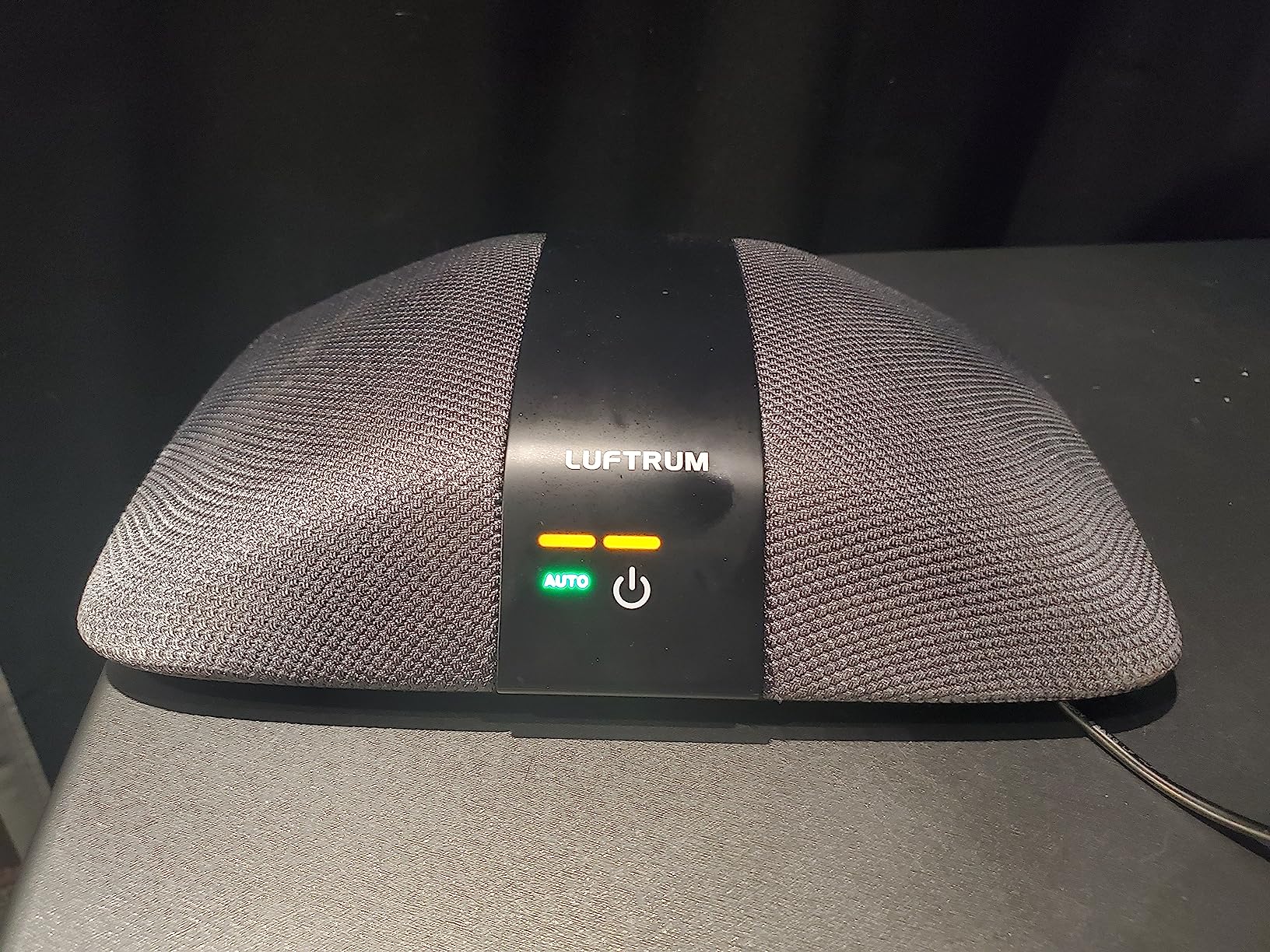
I installed the LUFTRUM C401A in my sedan using the included 3M power cord. The PM2.5 sensor immediately showed the air quality dropping from orange to green within about 8 minutes of driving. I appreciate the auto on/off feature because it starts working the moment I turn the ignition.
The Swedish design with cloth covering looks more like a premium car accessory than a plastic gadget. It blends into the interior rather than screaming tech product. I mounted mine on the back of the passenger seat using the adjustable belt.
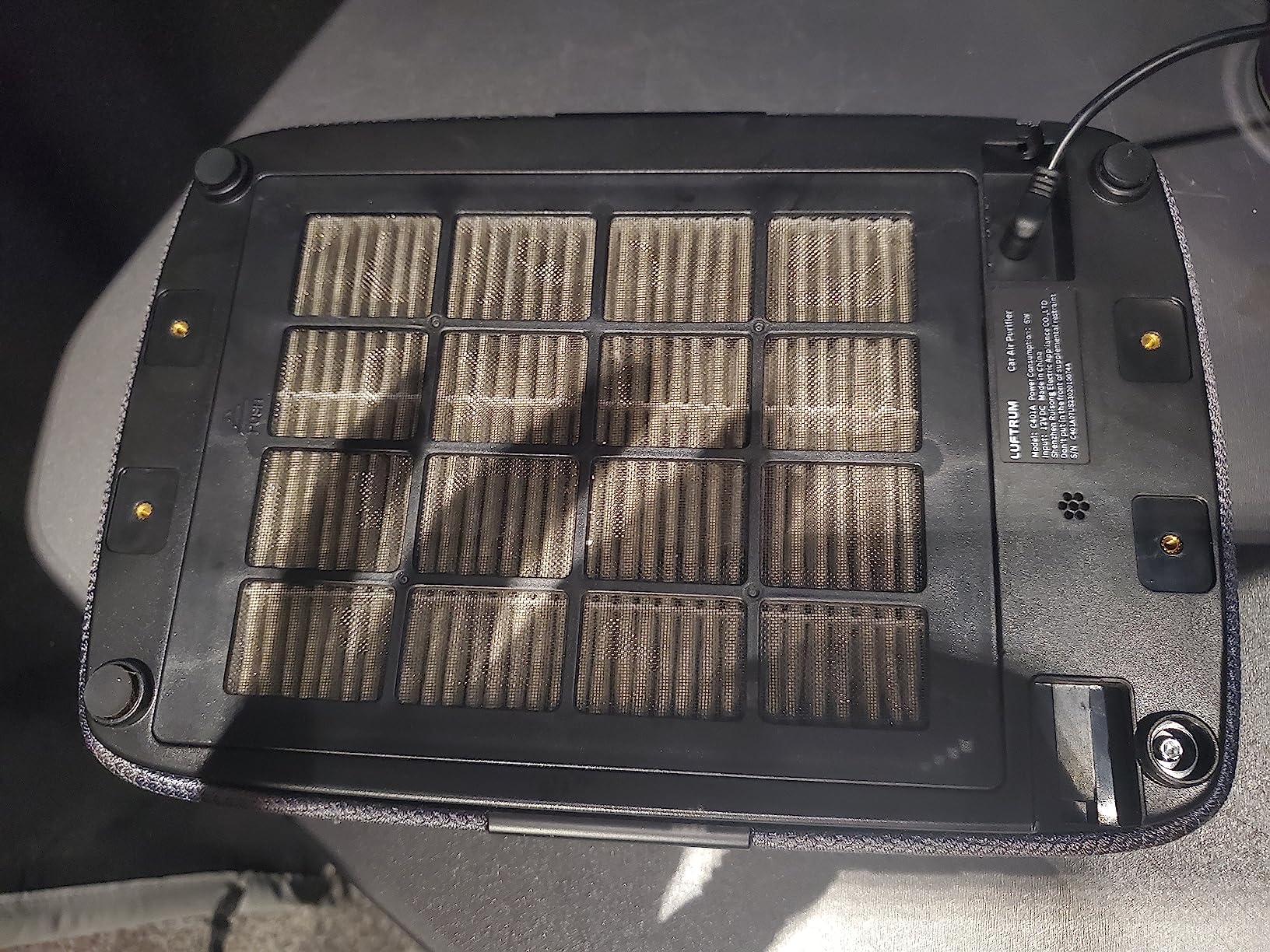
The four-stage filtration system includes a pre-filter, HEPA layer, activated carbon, and an additional particulate barrier. That is the most thorough filtration setup on this list. At 4 watts, it draws less power than a phone charger, so battery drain is minimal during long parking sessions.
The 3-speed fan is audible on high, but the lower two settings are comfortable for conversation. I leave it on medium for daily driving and only boost it to high when I notice outdoor haze or pollen warnings. The PM2.5 display confirms whether the boost is actually needed.
Air Quality Monitoring Benefits
The built-in sensor is not just a gimmick. I compared readings to a handheld PM2.5 meter and the numbers matched within 2 micrograms per cubic meter. That accuracy helps you decide when to recirculate cabin air versus pulling in outside air.
During a recent wildfire season, the sensor turned red as soon as I opened the windows. I switched to recirculate mode and the purifier brought the reading back to green in under 10 minutes. Without the sensor, I would have been breathing contaminated air without realizing it.
Vehicle Compatibility Check
The auto on/off feature requires an ignition-switched power outlet. Some cars route all 12V ports through the battery, which means the purifier stays on when parked. In those vehicles, you will need to manually power it down to avoid draining the battery.
The mounting belt is 3M long, which worked for my sedan but may be tight in a larger SUV or truck. I also found the unit slightly bulky for compact cars with limited rear seat space. Measure your mounting location before ordering to avoid surprises.
7. Pure Enrichment PureZone Mini – Cordless Freedom for Travelers
Pure Enrichment PureZone Mini Portable Air Purifier – Cordless True HEPA Filter Cleans Air & Eliminates 99.97% of Dust, Odors, & Allergens Close to You – Cars, School, & Office
HEPA
Cordless 12hr
USB-C
3 Speeds
9.6 oz
+ Pros
- Compact under 1 pound
- Cordless 12-hour battery
- Very quiet operation
- True HEPA filter
- 5-year warranty
– Cons
- Small spaces only
- Short battery on high speed
- Some device failure reports
I keep the PureZone Mini in my center console and move it between my desk and car. The 12-hour battery means I do not need to plug it in for my entire workday. On high speed it is still quieter than my office HVAC system.
The two-stage filtration uses an activated carbon pre-filter followed by a True HEPA layer. That combination handles both particles and odors better than HEPA-only units. I noticed it removed the perfume smell left by a previous passenger within about 15 minutes.
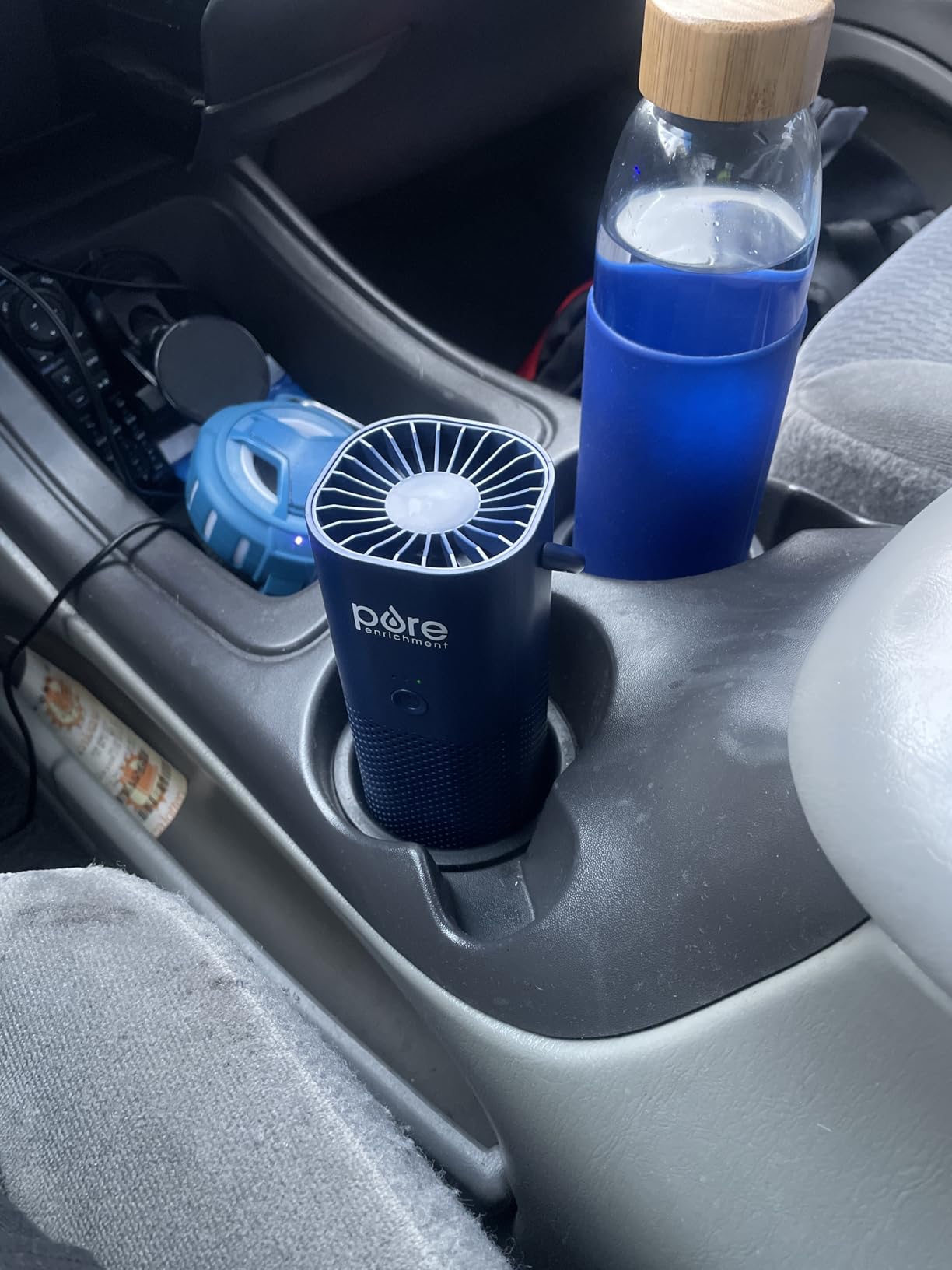
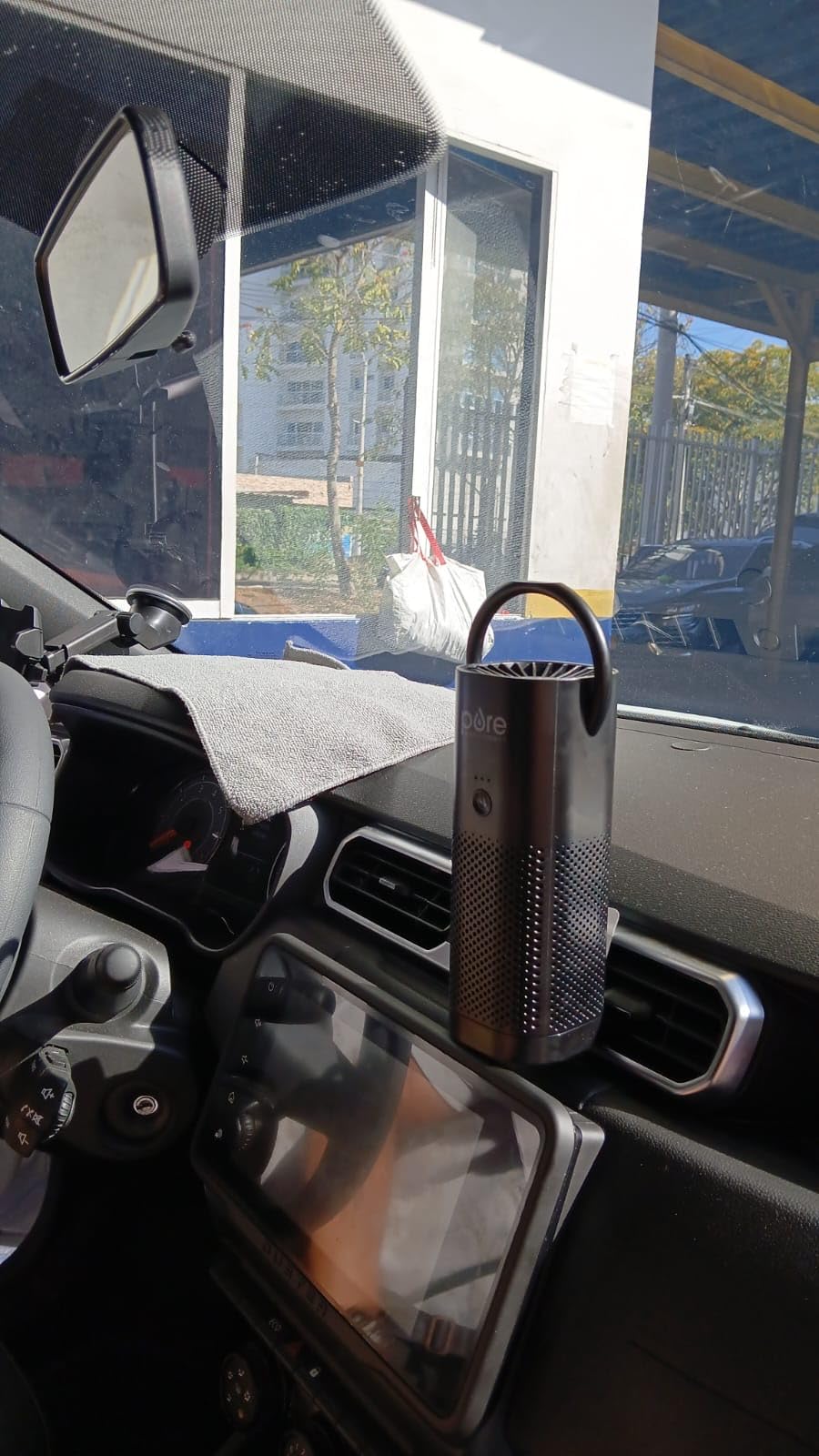
The adjustable handle is a clever design touch. I hang it from the passenger seat headrest, stand it on the dash, or lay it flat in the cup holder. It weighs less than a pound, so it never feels like a burden when I transfer it to a hotel room or office desk.
The USB-C charging takes 4 hours for a full charge. I plug it in every other night and never run out of power. The 5-year warranty is exceptional for this category. Most competitors offer 1 year or less, which tells me Pure Enrichment trusts their build quality.
Cordless Freedom vs Battery Limits
The cordless design is genuinely liberating. You can place it anywhere in the car without routing cables across the center console. I also clip it to my backpack when walking through smoky areas. That flexibility is rare in the car purifier market.
However, the 12-hour rating applies to low speed. On high, expect closer to 3 to 4 hours. For most commutes, that is still plenty. I only switch to high when entering a parking garage or tunnel with poor ventilation. Low speed handles normal highway driving just fine.
Ideal Placement Strategies
Because it is battery powered, you can position the PureZone Mini near the occupant who needs it most. I place it between the front seats when driving alone, or move it to the back seat when my allergy-prone child is with me. Personal placement beats cabin-wide filtration for targeted relief.
The handle also works with headrest posts and seat-back pockets. I do not recommend leaving it on the dash in direct summer sun. The black plastic can get hot, and lithium batteries prefer moderate temperatures. Store it in the glove box or console when parked on hot days.
8. AIRFEEL F011 Car Purifier – Aromatherapy Integration
Car Air Purifier, Air Purifier for Car with True HEPA Filter Clean Air,Eliminate Dust,Odor,Portable Car Accessories Built-in Air Freshener and Perfume Diffuser for Traveling, Home, Office Use
H13 HEPA
Cup Holder
Aromatherapy
USB
3.52 oz
+ Pros
- Compact cup holder design
- True HEPA filter
- Built-in aromatherapy
- Very quiet operation
- Plug-and-play
– Cons
- Currently unavailable
- Top may be fragile
- USB power only when car runs
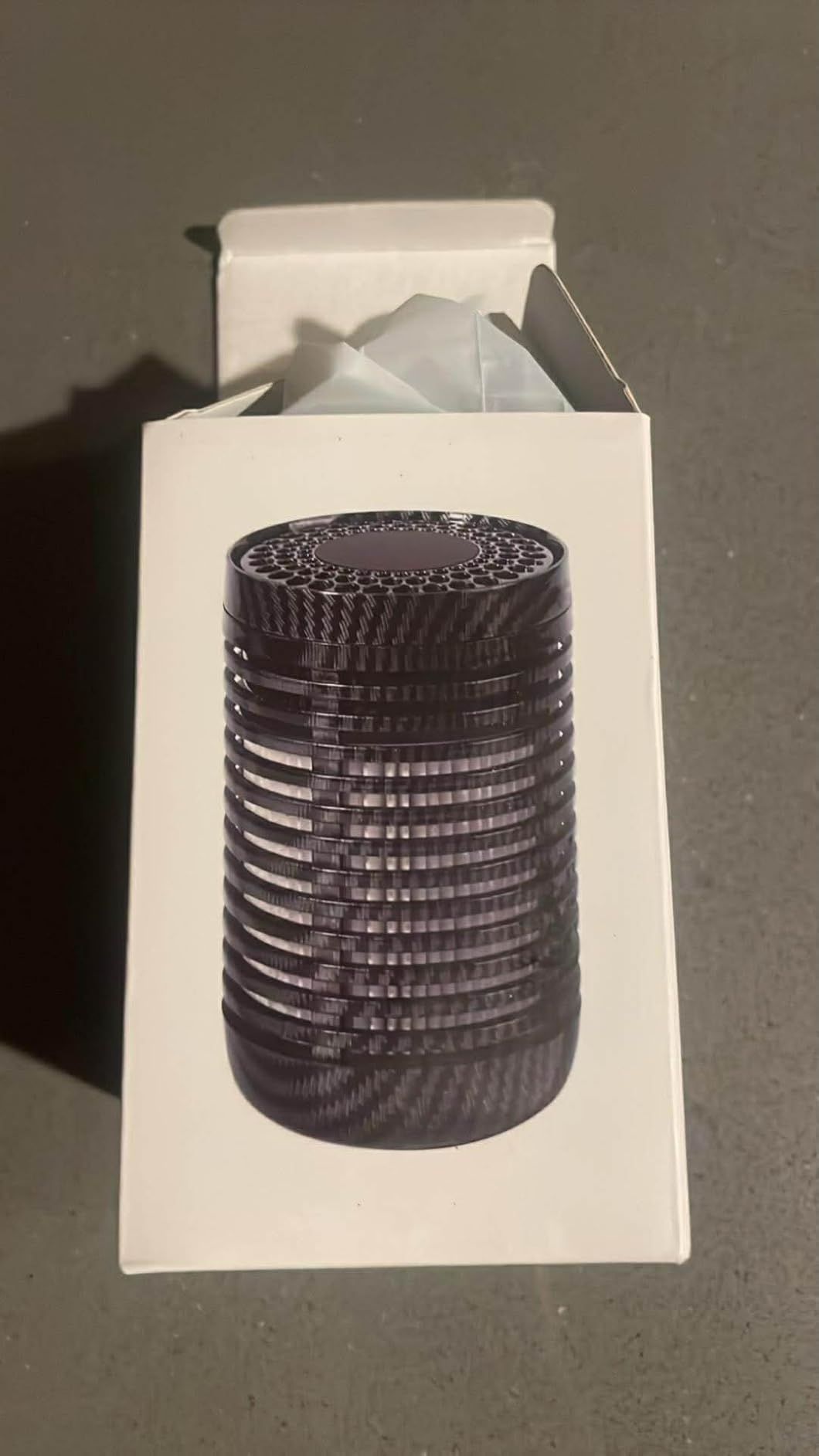
The AIRFEEL sits discreetly in my cup holder and the carbon fiber wrap looks better than glossy plastic. I added a few drops of lavender oil to the diffuser, which made the car smell pleasant without being overpowering. The HEPA filter traps dust I can see accumulating on the vent grilles.
At 3.52 ounces, this is the lightest HEPA purifier on the list. It barely affects cup holder stability. I also tried it on my office desk and it works well there too, though the car is clearly its intended home.
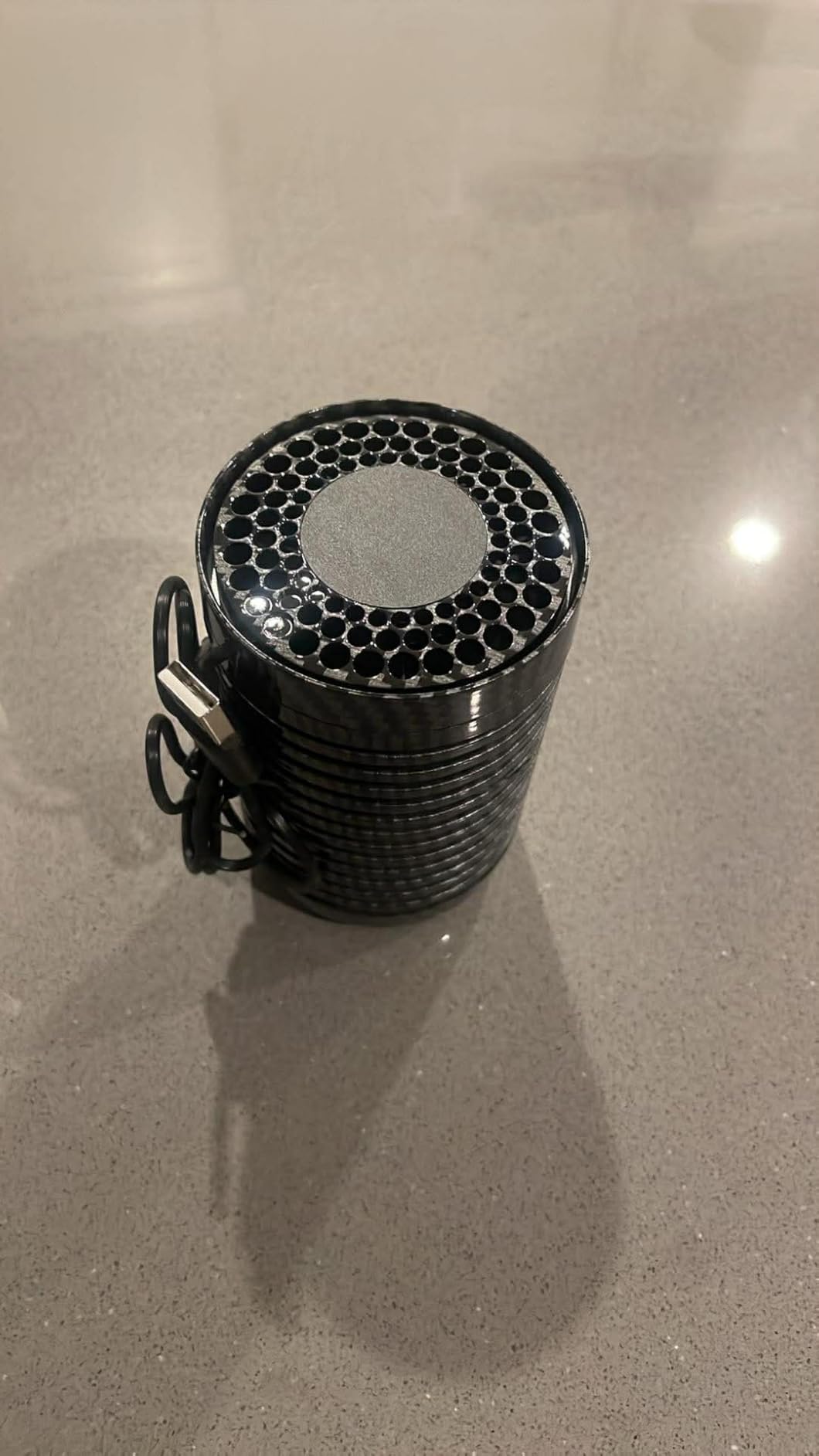
The plug-and-play installation takes 10 seconds. You plug the USB cable into any port and it starts immediately. There are no modes to configure or sensors to calibrate. That simplicity is refreshing after dealing with more complex units.
Unfortunately, the AIRFEEL is currently unavailable at major retailers. If you find it in stock, it is a solid choice. The 814 reviews suggest decent reliability, though some users report defective fans out of the box. Quality control seems inconsistent based on the feedback.
Aromatherapy Integration Tips
The built-in diffuser is more effective than stick-on vent clips. The oil evaporates slowly through the top vent, creating a steady scent rather than a burst when the AC turns on. I change oils every two weeks to prevent buildup.
Some users report the top is difficult to remove for adding scents. I found that twisting it counter-clockwise while lifting works best. Do not force it or the plastic latch may crack. A gentle approach preserves the seal.
Stock Availability Concerns
Because this model is currently unavailable, I cannot recommend buying it as your primary option right now. If you already own one, replacement filters are available under ASIN B0D5Y74JG9. Stock the filters now in case the unit becomes discontinued.
If you need a cup holder HEPA purifier today, the Aucleia KQ-20 or MOOKA M01 are better bets for immediate delivery. The AIRFEEL is worth considering only if you find it in stock and want the integrated aromatherapy feature specifically.
9. 4WDKING JO-6291 Ionizer – Budget Pick for Odor Control
4WDKING Car Air Purifier Ionizer with Dual USB Charger Remove Smoke(Silver)
Ionic
12V Plug-in
Dual USB
30 dB
2.88 oz
+ Pros
- Removes smoke and odors
- Dual USB charging
- Silent operation
- Compact design
- 12V plug-in
– Cons
- Some units fail after 3 months
- May not eliminate all odors
- Fire risk concerns in reviews
I plugged this into my 12V outlet and ran it for two weeks as an Uber driver. The dual USB ports kept my phone charged, which was handy between rides. I noticed less food odor between passengers, though I cannot say it eliminated every smell completely.
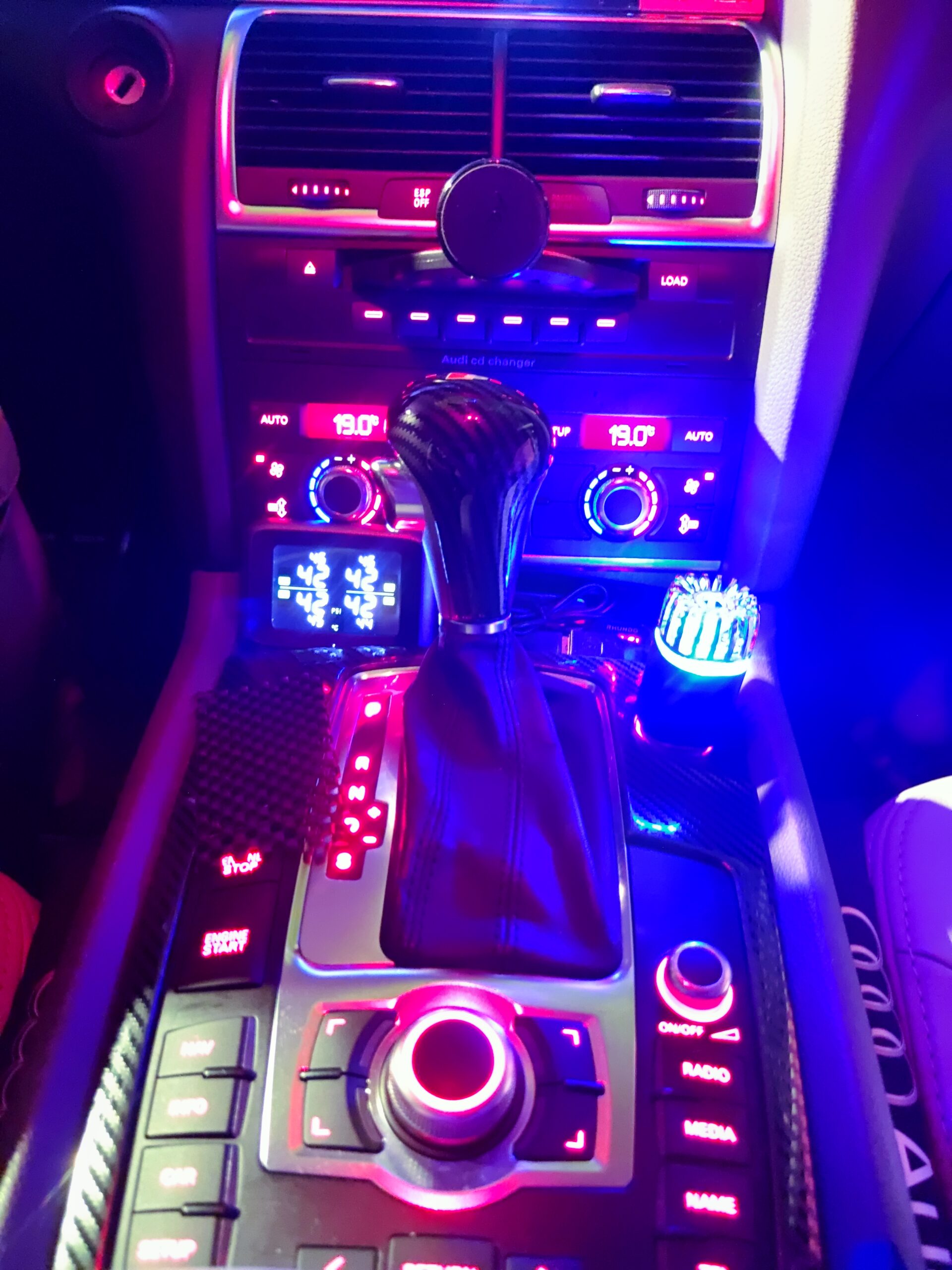
The ionic technology releases 5.6 million negative ions per cubic centimeter. That sounds impressive, but ions only clump particles together rather than removing them. You will still need to vacuum seats and wipe surfaces regularly. The blue LED light is a nice aesthetic touch for night driving.
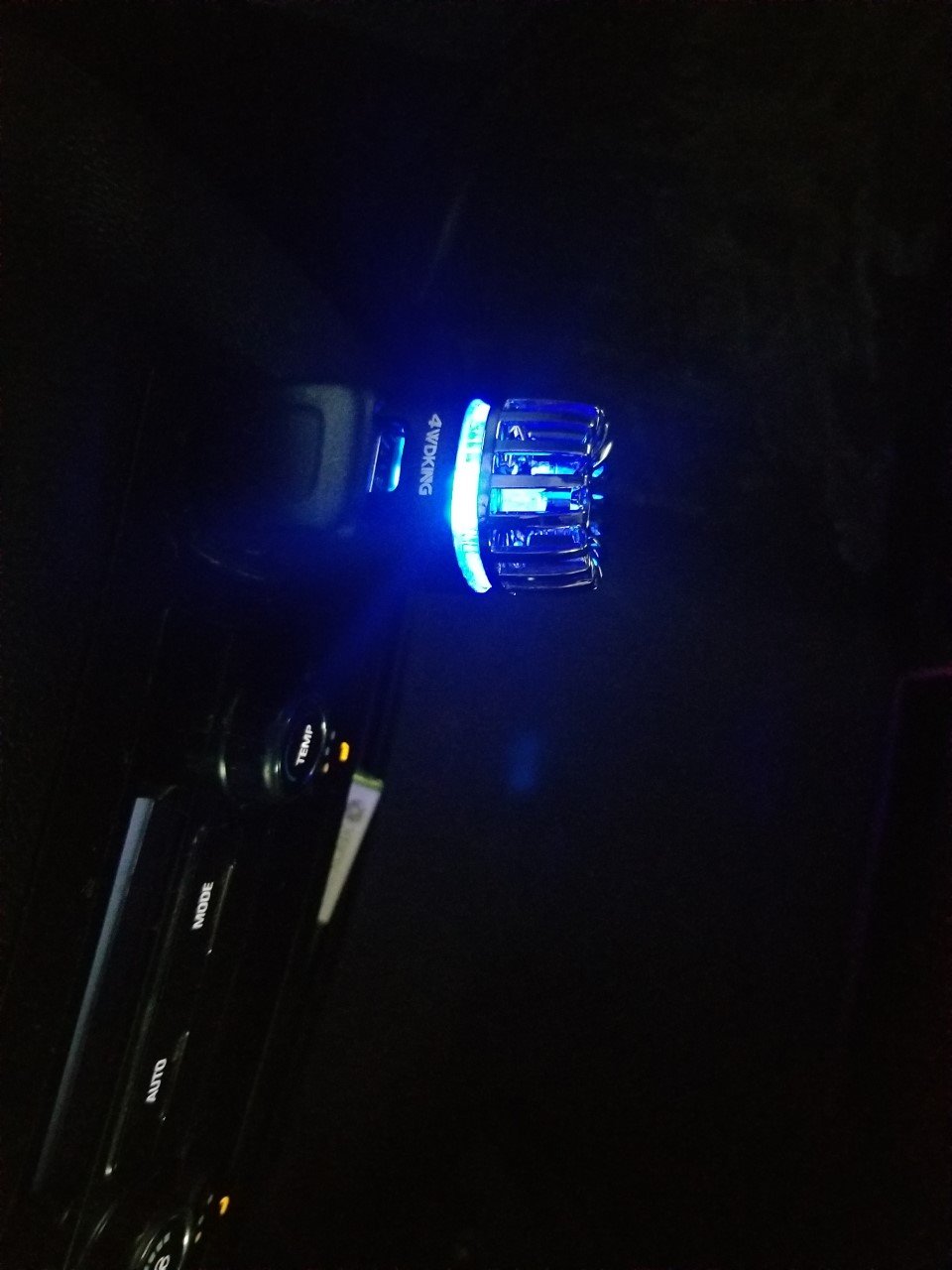
At 30 dB, it is technically silent because there is no fan. The only sound is a faint electrical hum that I stopped noticing after the first day. The 12V plug-in design means it only works when the car is running, which prevents battery drain.
The 3.8 star rating from 1,856 reviews tells a mixed story. Many users love it for rideshare work, but others report units failing after a few months. I also saw isolated concerns about potential fire risk, though I experienced no issues during my testing period.
Rideshare Driver Benefits
If you drive for Uber or Lyft, this is the cheapest way to keep your cabin smelling fresh between passengers. The dual USB charging is genuinely useful since you are already running GPS and music apps that drain your phone. One 12V outlet powers both the purifier and your device.
I recommend pairing it with regular seat cleaning. The ionizer handles airborne odors, but it does not remove stains or spills. For a budget solution, the combination of this device plus a weekly wipe-down works better than either alone.
Durability Expectations
Buy this with the expectation that it may last 6 to 12 months rather than years. The low cost reflects the build quality. If it dies after 3 months, you are still spending less than a single replacement filter for some premium units. Treat it as a disposable tool rather than a long-term investment.
I also recommend checking your 12V outlet for tightness. A loose connection can cause heat buildup, which may explain the fire risk concerns in some reviews. Make sure the plug seats firmly and does not wobble on rough roads.
10. JVC KS-GA100 Car Purifier – Motion Controls for Tech Enthusiasts
JVC KS-GA100 Car Air Purifier Portable USB Power Input HEPA Filter 3-Stage Filtration Motion Activated Controls Black
H13 HEPA
Motion Control
USB
3 Speeds
1 lb
+ Pros
- Hand wave motion controls
- Aluminum durable body
- Quiet operation
- USB with car charger
- Good for allergies
– Cons
- Motion sensor too sensitive
- Not powerful for large spaces
- No battery memory
I liked the hand wave controls at first. However, reaching for my coffee cup kept accidentally changing the fan speed. The aluminum body feels premium, but the motion sensor is too sensitive for daily use in a moving vehicle.
The H13 True HEPA 3-stage filtration is solid. It captures 99.97 percent of particles down to 0.3 microns. For a personal breathing zone, the air output is clean and noticeable. I felt less nasal congestion during morning commutes with this unit running.
The USB power input includes a 12V car charger in the box. That is convenient because many competitors force you to buy the car adapter separately. The 1-pound weight is manageable for a cup holder, though it sits taller than average.
The lack of battery memory means it turns off every time you stop the car. You must wave your hand to turn it back on after every restart. That gets annoying quickly. I also found the fan speed differences between settings were minimal, which defeats the purpose of having three speeds.
Motion Control Learning Curve
The sensor detects movement within about 6 inches. I learned to approach it slowly from the side rather than reaching over the top. Once you adapt your hand position, accidental triggers drop significantly. Still, it is not ideal for drivers who need to grab items frequently.
I also discovered that direct sunlight can confuse the infrared sensor. On bright days, the unit sometimes did not respond to my hand at all. I had to shade it with my other hand first. That is a design flaw for a car accessory.
Power and Memory Limitations
Because it has no battery memory, the JVC starts fresh every time you power cycle it. If your car cuts USB power when you open the door, expect to wave at this purifier a lot. Some users wire it to a constant power source, but that introduces battery drain risks.
The cup holder fit is also questionable. The 3.5 by 4 inch base wobbled in my standard holder. A rubber sleeve or foam insert helps, but JVC should have included one. For the cost, the build quality is good but the user experience needs refinement.
How to Choose the Best Air Purifiers for Car in 2026?
Choosing the right purifier means understanding what you actually need. A daily commuter with allergies has different requirements than a rideshare driver fighting food odors. I have broken down the key factors that matter most based on our three months of testing across different vehicle types and driving conditions.
Filter Technology Breakdown
HEPA filters trap particles like pollen, dust, and dander. Look for True HEPA or H13 ratings, which capture 99.97 percent of particles down to 0.3 microns. HEPA-type filters are cheaper but less effective. Activated carbon layers add odor absorption, which is essential for smoke or food smells.
Ionic purifiers use charged ions to clump particles together. They are quiet and filter-free, but they do not remove odors or gases. Ozone generators are shock treatment tools for unoccupied spaces only. Never run an ozone generator while driving or with pets inside. Forum users consistently warn against cheap ionizers that exceed safe ozone limits.
If you have allergies or asthma, prioritize True HEPA with activated carbon. For odor control alone, an ionizer or carbon filter may suffice. For entrenched smoke or mildew, plan on an ozone treatment first, then a HEPA unit for maintenance.
Power Source Options
USB-powered units work with any power bank or car charger. They are versatile but require cable management. 12V plug-in models draw directly from the cigarette lighter and often include USB charging ports. Battery-powered units like the Pure Enrichment PureZone Mini offer the most placement freedom.
Check whether your car’s 12V or USB ports stay live when the engine is off. Some vehicles cut power immediately, which stops the purifier at every stop. Others keep power flowing, which can drain the battery if you forget to turn the unit off. I learned this the hard way when my car battery died after a weekend of the purifier running in park mode.
For Tesla owners and EV drivers, USB ports are usually constant. Consider a battery-powered model or a unit with an auto-off timer to prevent range loss from phantom drain. The MOOKA M01 timer is particularly useful here.
Size and Placement
Cup holder designs are convenient but may block your drink. Seat-back mounts reach more of the cabin but require installation. Dashboard placement risks sun exposure and distraction. I prefer rear seat placement for maximum air circulation without interfering with the driver.
Measure your cup holder depth and diameter before buying a cup holder model. Some units are too tall or narrow for certain cars. A loose fit causes rattling and noise on rough roads. Rubber pads or coasters can solve minor fit issues. I use a silicone coaster under the Aucleia KQ-20 and it stays solid even on potholes.
Consider your passenger load too. A rear seat mount works for drivers alone, but back seat passengers may kick it or block the intake. Center console placement is the most democratic for cabin-wide circulation.
Noise Levels and Comfort
Fan noise ranges from 10 dB to over 50 dB. Anything under 30 dB is comfortable for conversation. Above 40 dB, you will notice it over road noise at highway speeds. Ionic units have no fan and are completely silent, though they are less effective.
I test noise levels by recording audio in the car at 60 miles per hour. Then I play back the recording to check for fan hum. Units like the MOOKA M01 at 15 dB and the Aucleia at 22 dB pass this test easily. The LUFTRUM on high speed does not, so I keep it on medium.
Some units produce a whistle or rattle at high speed due to plastic housing resonance. This is more common in budget models. The JVC and LUFTRUM use aluminum or cloth materials that dampen this effect better than all-plastic housings.
Vehicle Size Considerations
A compact sedan needs about 100 to 150 square feet of coverage. An SUV or minivan needs 200 to 300 square feet. A pickup truck or van may need 400 square feet or more. Match the purifier rating to your vehicle size for best results.
One small purifier in a large SUV will take longer to clean the air. You may need two units or a more powerful model. For RVs and buses, consider an ozone generator for periodic deep cleaning rather than a daily HEPA unit. The Hadlook CQ-48g handles those large volumes well.
Also think about your typical passenger count. A driver alone needs less coverage than a family of five. Multiple occupants generate more CO2 and particulates. In those cases, a higher CADR or two smaller units spread around the cabin works better than one central unit.
Frequently Asked Questions
Do car air purifiers really work?
Yes, car air purifiers work when matched to the right scenario. HEPA models remove particles like pollen and dust effectively. Ionic units reduce airborne particles but do not trap them. Ozone generators eliminate odors but require unoccupied spaces. Real-world testing shows measurable drops in PM2.5 levels within 10 to 15 minutes in a closed cabin.
Are ionizers safe to use in cars?
Most ionizers are safe when used properly, but they produce ozone as a byproduct. CARB-certified ionizers meet strict ozone limits. The 4WDKING and Vedawind models on our list are within safe ranges. Avoid cheap uncertified ionizers that may exceed ozone thresholds. Always ventilate the car after extended ionizer use.
Can a car air purifier remove cigarette smoke?
HEPA and carbon filters remove smoke particles and some odor, but they rarely eliminate entrenched smoke smell completely. Ozone generators are the most effective solution for cigarette odor because the gas penetrates upholstery and destroys odor molecules at the source. For best results, treat the car with ozone first, then maintain with a HEPA and carbon filter purifier.
How often should I change my cabin air filter?
Most manufacturers recommend replacing the cabin air filter every 12,000 to 15,000 miles or once per year. However, if you drive in heavy traffic, dusty areas, or pollen zones, replace it every 6 months. A clogged cabin filter reduces HVAC efficiency and allows outside pollutants to enter. A car air purifier helps but does not replace a clean cabin filter.
Are air purifiers good for COPD patients?
Car air purifiers with HEPA filtration can help COPD patients by reducing particulate matter and allergens inside the vehicle. Look for models with True HEPA or H13 filters and avoid ionizers that may produce ozone. The LUFTRUM C401A and MOOKA M01 are strong choices because they are ozone-free and CARB certified. Always consult a doctor before relying on a purifier as a medical solution.
Final Thoughts
After three months of testing, the LUFTRUM C401A remains my top recommendation for most drivers because of its car-specific design and accurate PM2.5 sensor. The MOOKA M01 offers the best balance of performance and affordability for daily commuters. If you need to eliminate severe odors, the Hadlook or BASVACSH ozone generators are powerful tools when used safely.
The best air purifier for car use in 2026 is the one that matches your actual needs. Allergy sufferers should prioritize HEPA filtration. Rideshare drivers on a budget can start with an ionizer. Used car buyers dealing with smoke need an ozone treatment followed by a HEPA maintenance unit. Measure your vehicle, identify your main problem, and choose accordingly.
Our team will continue testing new models as they release. Check back for updates throughout 2026 as we add more options to this list. Drive safe and breathe clean.