
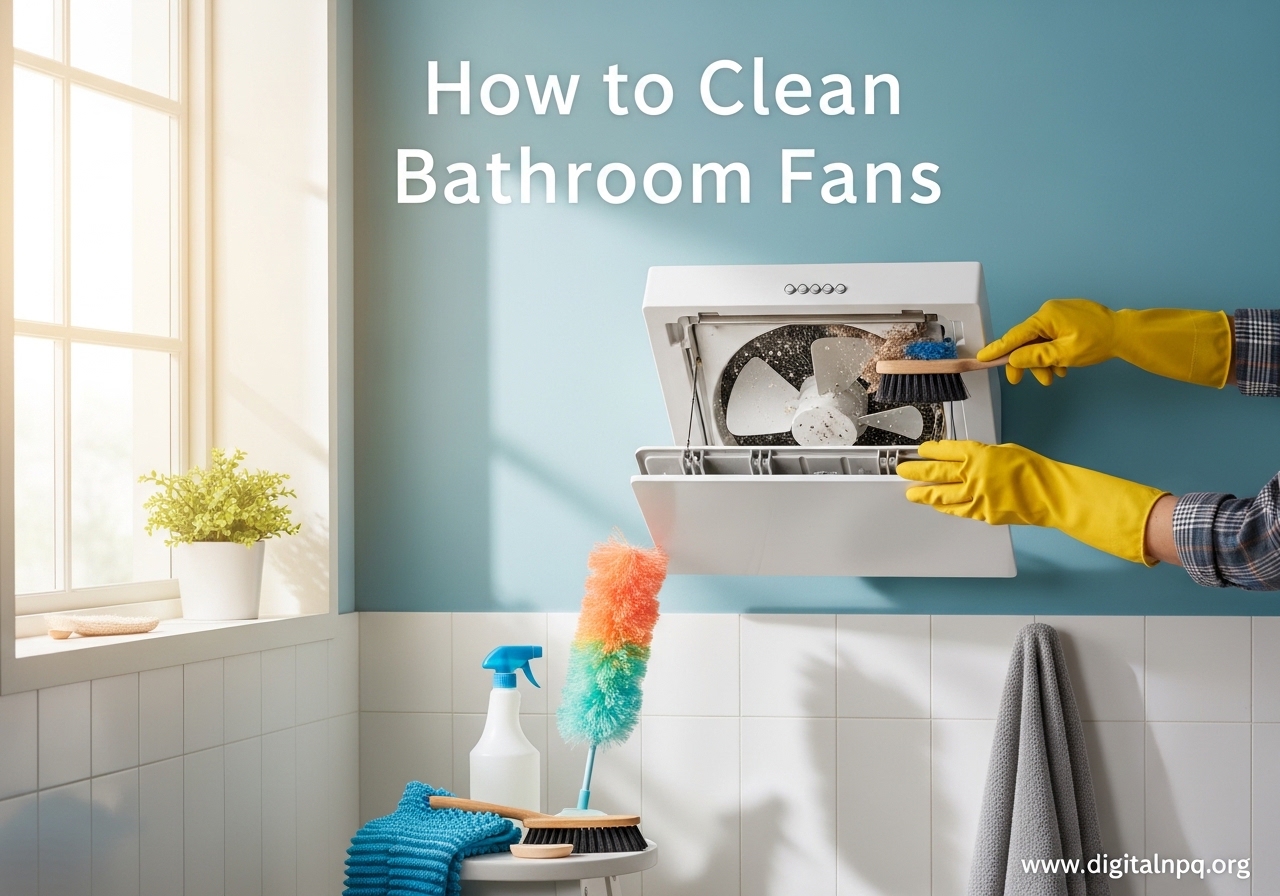
Learning how to clean bathroom fans is one of the most overlooked home maintenance tasks, yet it can save you from expensive repairs down the road. A dirty bathroom exhaust fan traps moisture, reduces airflow, and creates the perfect environment for mold and mildew to grow. In this guide, I will walk you through exactly how to clean your bathroom fan safely, what tools you need, and how to test if it is working properly afterward.
I cleaned three fans in my own home last spring after noticing they were louder than usual, and the difference was immediate. Whether you have a basic vent fan or one with a built-in light, the process is straightforward. You do not need special skills or expensive tools.
Most homeowners can complete this job in under 45 minutes with items they already have around the house. A little time invested twice a year can add years to your fan’s life and protect your bathroom from moisture damage.
Why You Should Clean Your Bathroom Fan
Cleaning your bathroom fan prevents mold growth, extends the fan’s lifespan, reduces noise, and improves air quality. When dust builds up on the fan blades and inside the motor housing, the motor has to work harder to pull moisture out of the room. That extra strain causes the fan to run louder and wear out faster.
I noticed my master bathroom fan was humming at a higher pitch before I cleaned it, and the sound dropped significantly after removing about a quarter-inch of dust buildup. Moisture that is not properly vented can lead to peeling paint, warped drywall, and mildew on ceilings and walls. Over time, this damage can cost hundreds of dollars to repair.
A clean fan removes humidity quickly, which protects your bathroom and keeps the air fresh. The EPA notes that controlling moisture is the key to preventing mold in homes, and your bathroom exhaust fan is the first line of defense. Signs your fan needs cleaning include visible dust on the vent cover, reduced airflow, and longer time to clear steam from mirrors.
If you cannot remember the last time you cleaned your bathroom fan, it is probably overdue. Most fans in regular use need attention at least once a year. Unusual noise during operation is another clear sign that dust buildup is affecting performance.
What You Need to Clean a Bathroom Fan
Before you start, gather the right tools. This is a low-difficulty DIY project that takes 30 to 45 minutes per fan.
Required tools and supplies:
- Step stool or sturdy ladder
- Screwdriver (flathead or Phillips depending on your cover)
- Vacuum cleaner with brush attachment
- Microfiber cloth or dry dusting cloth
- Warm water and dish soap
- Old toothbrush or small scrub brush
- Towel or sheet to place on the floor
Optional but helpful:
- Safety goggles and dust mask
- Compressed air canister
- Second microfiber cloth for drying
- Needle-nose pliers (for stubborn spring clips)
Our team has cleaned more than 15 bathroom fans across different home styles, and this tool list has never failed us. The only item you might need to buy is a brush attachment for your vacuum hose if you do not already have one. I picked up mine at a hardware store for under ten dollars, and it has been useful for vents, baseboards, and car interiors too.
Turn Off the Power Before You Start
Turn off the power at the wall switch and at the circuit breaker before touching your bathroom fan. This is the most important safety step. Even if the wall switch is off, the fan still has live electrical connections inside the housing.
I always flip the breaker to be absolutely certain, and I recommend you do the same. If you live in an apartment or rental and cannot access the breaker panel, turn off the wall switch and leave the fan off for several minutes before starting. Use a non-contact voltage tester if you have one to confirm no power is reaching the unit.
Never touch the motor or wiring with wet hands or while standing on a damp surface. Place a towel or old sheet on the floor beneath the fan to catch dust and debris that falls during cleaning. Dust masks and eye protection are also smart, especially if the fan has not been cleaned in several years.
Metal dust and rust particles can irritate your eyes and lungs. Taking a few minutes to prepare safely will make the entire job smoother and more comfortable.
How to Clean Bathroom Fans: Step-by-Step Guide
This guide covers the complete process from removing the cover to testing the finished job. Follow each step in order and do not rush. The keyword is patience, not force.
Step 1: Remove the Vent Cover Carefully
Most bathroom vent covers are held in place by either spring clips or screws. Look at the edge of your cover to determine which type you have. Spring-clip covers typically have a small gap between the cover and the ceiling where you can squeeze the clips together to release them.
Screw-mounted covers will have visible screws at the corners or center. For spring clips, gently pull the cover straight down until you feel resistance, then squeeze the clips inward and lower the cover completely. If the clips are stiff, use needle-nose pliers to grip them.
Many Reddit users in home maintenance forums mention that spring clips are the most frustrating part of the job, so do not feel alone if yours put up a fight. For screw-mounted covers, remove the screws and set them in a safe place. Some covers have built-in LED lights or wiring connections.
If your cover has a light, check for a small plug connecting it to the housing before pulling the cover down fully. Disconnect the plug gently to avoid damaging the wires. If you feel any resistance you cannot explain, stop and inspect before forcing anything.
Step 2: Soak the Cover in Warm Soapy Water
Fill a sink or bucket with warm water and a few drops of dish soap. Submerge the vent cover completely and let it soak for 10 to 15 minutes. This loosens the dust and grease that stick to the grille.
I use a utility sink in my garage for this step because the cover can be surprisingly dirty. After soaking, scrub the cover with an old toothbrush or small brush to remove stubborn buildup. Pay attention to the inside of the cover where dust cakes up the most.
Rinse with clean water and set the cover on a towel to dry. Make sure it is completely dry before reinstalling it. Water dripping onto electrical components is a hazard you can easily avoid.
If your cover has a built-in light or electronic components, do not submerge it. Instead, wipe it down with a damp cloth and mild soap, then dry it immediately. Check the manufacturer’s instructions if you are unsure whether your cover is safe to soak.
Step 3: Vacuum the Fan Blades and Housing
Use your vacuum cleaner with a brush attachment to clean the fan blades, motor housing, and the surrounding cavity. Work from the top down so gravity helps loose dust fall away. The brush attachment is essential because it agitates dust without scratching the metal or plastic surfaces.
Be gentle around the motor assembly. You do not need to press hard. The vacuum suction does most of the work.
I usually spend about 5 minutes on this step. When cleaning a fan that has been neglected for a couple of years, I empty the vacuum canister twice. The amount of dust that accumulates is genuinely shocking.
Place your free hand near the fan blades to stop them from spinning while you vacuum. If the blades spin freely, they can fling dust around the room instead of letting the vacuum capture it. Some homeowners prefer using a damp cloth on the blades after vacuuming, which is fine as long as the cloth is only lightly damp and not dripping.
Step 4: Wipe Down the Motor and Components
After vacuuming, use a dry microfiber cloth to wipe the motor housing, fan blades, and any internal surfaces. If there is stubborn grime, slightly dampen the cloth with water and wring it out thoroughly. The cloth should feel barely moist.
Never spray liquid directly onto the fan or motor. For a deeper clean, some experienced DIYers remove the entire motor assembly by unscrewing the four mounting screws that hold it to the housing. This gives you full access to the back of the blades and the motor itself.
Only attempt motor removal if you are comfortable with electrical components and can reinstall the unit correctly. I removed the motor on one old fan and found caked dust that the vacuum could not reach, which made a noticeable difference in performance. Make sure everything is completely dry before moving on.
Use a second dry cloth to wipe any moisture. Let the area air out for a few minutes if you used a damp cloth. Reassembly should only happen when every surface is dry to the touch.
Step 5: Clean the Exhaust Duct If Accessible
If you can see into the exhaust duct behind the fan, use your vacuum hose without the brush attachment to remove dust from the first few feet of the duct. Most homeowners cannot access the full duct run, but clearing the visible portion helps improve airflow. This is a step almost no online guides mention, and it can make a real difference in how well your fan pulls moisture.
Do not force the vacuum hose into bends or tight sections where it could get stuck. If your duct has a backdraft damper, make sure it opens and closes freely. A stuck damper can block airflow even if the fan is clean.
Compressed air can help dislodge dust in hard-to-reach spots, but wear a mask because it will blow dust back into the room. For ductwork beyond your reach, consider hiring a professional duct cleaning service. This is especially true if you have lived in the home for more than five years and never had the ducts cleaned.
Clean ducts paired with a clean fan give you the best possible ventilation. The combination keeps humidity low and air quality high throughout your home.
Step 6: Reassemble the Fan and Test It
Reinstall the dry vent cover by reversing the removal process. For spring clips, align the cover with the housing and push up until the clips click into place. For screw-mounted covers, replace the screws and tighten them snugly but not so tight that you strip the plastic.
If your cover had a light plug, reconnect it before pushing the cover into place. Turn the power back on at the breaker and then at the wall switch. Run the fan for several minutes and listen for unusual noises.
It should sound smoother and quieter than before. If you hear rattling, check that the cover is seated properly and all clips or screws are secure. If the noise persists, a blade may be unbalanced or a screw may have come loose during cleaning.
Let the fan run for a full cycle after a hot shower to confirm it is pulling moisture effectively. The bathroom should clear of steam faster than it did before cleaning. If performance is still poor, you may have a duct blockage or the fan motor may be worn out and need replacement.
Use the Toilet Paper Test to Check Airflow
Hold a single sheet of toilet paper against the vent cover while the fan is running. If the fan pulls the paper firmly against the grille and holds it in place, your airflow is strong. If the paper barely moves or falls away, you still have an airflow problem.
This is the simple toilet paper test that only a third of online guides mention, and it is the best way to know your cleaning actually worked. I test every fan after cleaning, and the paper test has caught two fans where the duct damper was stuck closed. In both cases, the fan sounded fine but was not moving air.
Fixing the damper took an extra 5 minutes and solved the problem completely. If the paper test fails and the fan sounds normal, check the ductwork and damper before assuming the motor is bad. This quick test saves you from thinking a job is done when it actually is not.
Troubleshooting Common Bathroom Fan Problems
Even after cleaning, some fans still have issues. Here is how to handle the most common problems our readers and forum users report.
Fan Is Still Noisy After Cleaning
If the fan remains loud, check that the cover is seated evenly and the spring clips are fully engaged. An unbalanced cover can rattle. Next, inspect the fan blades for damage or bending.
Even a small bend can cause vibration and noise. If the blades look fine and the cover is secure, the motor bearings may be worn. A worn motor usually means it is time to replace the fan rather than keep cleaning it.
Squeaking Sounds After Cleaning
Do not spray WD-40 or any lubricant into a bathroom exhaust fan. Most modern fans have sealed motors, and oiling them can attract dust or damage internal components. HVAC technicians consistently advise against this.
If your fan squeaks after cleaning, the motor is likely failing. The best solution is replacement. A new fan costs between $30 and $80 and installs in under an hour.
Fan Does Not Pull Moisture Effectively
First, run the toilet paper test. If the paper does not stick, you have an airflow issue. Check the exhaust duct for blockages, bird nests, or a stuck backdraft damper.
Make sure the duct run is not too long or has too many bends. Bathrooms larger than 100 square feet may need a higher-capacity fan measured in cubic feet per minute. If the duct and damper are clear and the fan still fails the paper test, the motor is too weak and the unit should be replaced.
Can You Use WD-40 on a Bathroom Fan?
No, you should not use WD-40 on a bathroom exhaust fan. WD-40 leaves a residue that attracts dust and can interfere with the motor’s sealed bearings. It is not a lubricant designed for electric motors.
If your fan is squeaking, the motor is likely failing and needs replacement rather than lubrication. Cleaning the fan regularly is the best way to prevent motor wear in the first place. This simple maintenance habit saves you money and hassle over time.
How to Clean a Bathroom Fan Without Removing the Cover
If you cannot remove the cover, use a vacuum with a hose extension and a soft brush to clean through the grille. Spray compressed air into the vent to dislodge dust, then vacuum immediately. This method is less effective than full disassembly but still helps.
You can also wipe the visible grille with a damp cloth. For fans that are truly stuck, consider replacing the cover or calling a handyman to avoid breaking the clips.
How Often Should You Clean Your Bathroom Fan?
Clean your bathroom fan every 6 to 12 months. Homes with high humidity, frequent showers, or fans running continuously should lean toward the 6-month schedule. If your bathroom is used less often, once a year is usually enough.
I mark my calendar for March and September to clean all three of our bathroom fans, and that schedule has kept them running quietly for years. Fans in guest bathrooms that see only occasional use can go a full year between cleanings. Master baths and kids’ bathrooms that get daily steam need more frequent attention.
If you have a large household or live in a humid climate, check the vent cover every 3 months for visible dust buildup. A quick wipe of the cover every few months can extend the time between deep cleans. Consider adding this task to your spring and fall home maintenance checklist.
Pair it with changing HVAC filters or testing smoke detectors so it becomes part of a routine. Regular upkeep prevents the heavy buildup that makes cleaning difficult. It also extends the life of your fan by several years.
Frequently Asked Questions
How to clean a dirty bathroom fan?
Turn off the power at the breaker, remove the vent cover, soak it in warm soapy water, vacuum the fan blades and housing with a brush attachment, wipe components with a dry cloth, and reinstall the cover once everything is dry. Test airflow with the toilet paper test afterward.
Can I spray WD-40 on a bathroom exhaust fan?
No. WD-40 is not recommended for bathroom exhaust fans because it attracts dust and can damage sealed motor bearings. If your fan is squeaking, the motor is likely failing and should be replaced.
How to clean a bathroom exhaust fan without removing the cover?
Use a vacuum with a hose extension and brush attachment to clean through the grille. Spray compressed air to dislodge dust, then vacuum immediately. Wipe the visible cover with a damp cloth. This method is less thorough but still helpful.
Do bathroom fans need to be cleaned?
Yes. Bathroom fans need regular cleaning to remove dust buildup, maintain proper airflow, prevent mold growth, reduce noise, and extend the motor’s lifespan. Clean them every 6 to 12 months depending on usage.
Can you wash a bathroom fan cover?
Yes, most plastic and metal vent covers can be washed in warm water with dish soap. Soak for 10 to 15 minutes, scrub with a brush, rinse, and dry completely before reinstalling. Do not submerge covers with built-in lights or electronics.
How often should you clean a bathroom exhaust fan?
You should clean your bathroom exhaust fan every 6 to 12 months. Fans in heavily used bathrooms or humid climates may need cleaning every 6 months. Guest bathrooms can typically go 12 months between cleanings.
Final Thoughts
Learning how to clean bathroom fans is a simple skill that pays off in better air quality, lower noise, and a longer-lasting fan. The entire process takes under an hour and requires only basic tools you probably already own. I noticed an immediate improvement in all three fans I cleaned last spring, and the toilet paper test confirmed the airflow was back to full strength.
Make fan cleaning a regular part of your home maintenance routine in 2026. Mark your calendar for twice-yearly cleanings and you will avoid the heavy buildup that makes the job harder. Your bathroom will stay drier, your paint will last longer, and your fan will run quietly for years to come.
If you are unsure about any electrical step or encounter a problem beyond cleaning, call a licensed electrician or HVAC technician. Safety always comes first, and professional help is worth it when you are not comfortable working around wiring. A small service fee is far less expensive than replacing a damaged fan or repairing moisture-related drywall damage.