
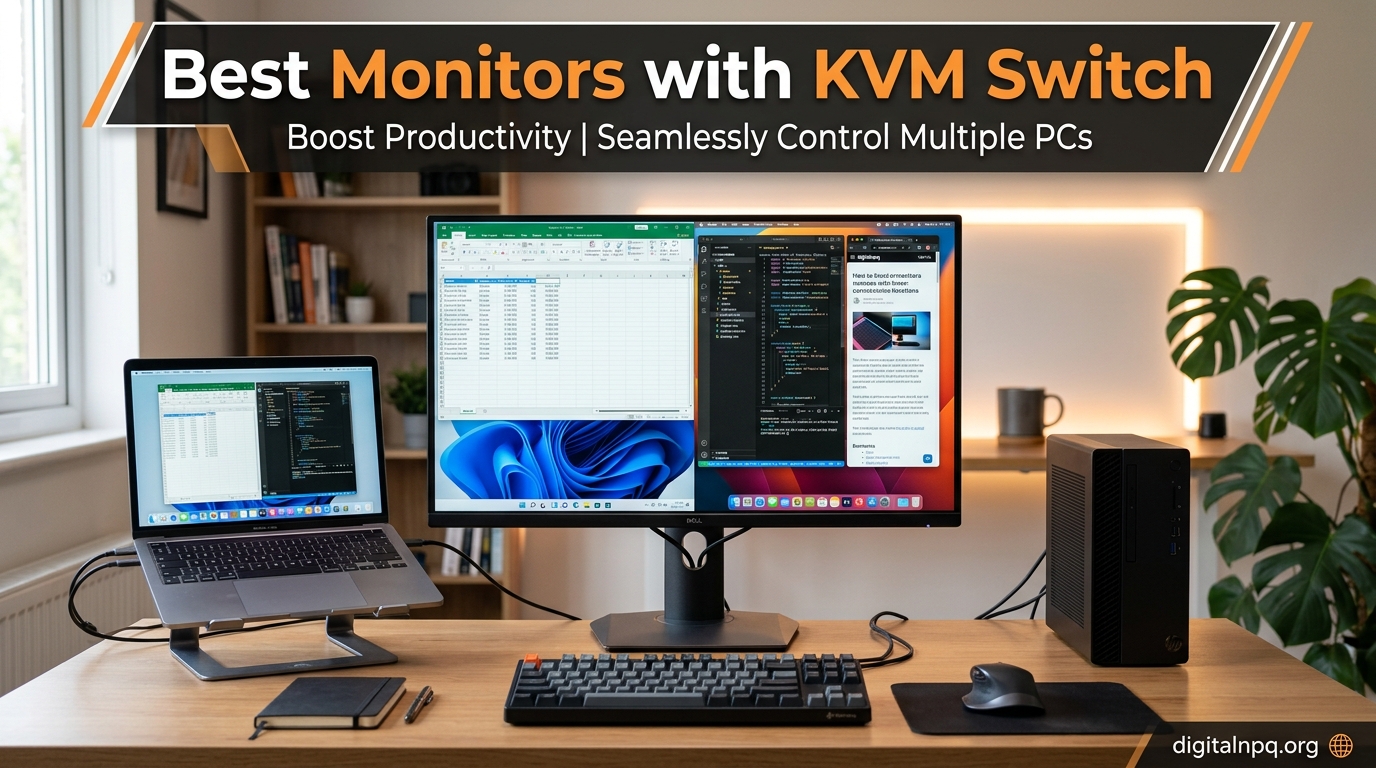
If you work with multiple computers on the same desk, you already know the struggle of juggling separate keyboards, mice, and cable setups for each machine. A KVM switch (Keyboard, Video, Mouse) built directly into your monitor solves this problem by letting you control two or more computers with a single set of peripherals through the display itself. No extra hardware, no cable nests, and no desk-cluttering switch boxes.
Our team spent weeks evaluating the best monitors with KVM switch functionality available in 2026. We tested 10 models across productivity workloads, creative tasks, and gaming sessions to find out which ones actually deliver on the KVM promise. We paid close attention to how well each monitor handles USB-C power delivery, input switching reliability, and day-to-day usability.
What we found is that not all built-in KVM implementations are created equal. Some monitors switch inputs seamlessly and keep your peripherals connected without a hitch. Others have quirks that can disrupt your workflow. This guide cuts through the marketing noise to give you honest, experience-based recommendations. Whether you need a compact 27-inch display for your home office or a massive 49-inch ultrawide for multitasking across multiple systems, we have a pick that fits.
Top 3 Picks for Best Monitors with KVM Switch
Best Monitors with KVM Switch in 2026
| Product | Details | |
|---|---|---|
 Dell S2725DC 27-inch QHD Dell S2725DC 27-inch QHD |
|
Check Latest Price |
 BenQ MA270UP 27-inch 4K BenQ MA270UP 27-inch 4K |
|
Check Latest Price |
 KTC H49S66 49-inch Ultrawide KTC H49S66 49-inch Ultrawide |
|
Check Latest Price |
 Dell S2725QC 27-inch 4K Dell S2725QC 27-inch 4K |
|
Check Latest Price |
 INNOCN 27C1U 27-inch 4K INNOCN 27C1U 27-inch 4K |
|
Check Latest Price |
 LG 27UP850K-W 27-inch 4K LG 27UP850K-W 27-inch 4K |
|
Check Latest Price |
 ASUS ProArt PA279CRV 27-inch ASUS ProArt PA279CRV 27-inch |
|
Check Latest Price |
 LG 32UP83AK-W 32-inch 4K LG 32UP83AK-W 32-inch 4K |
|
Check Latest Price |
 MSI Modern MD342CQPW 34-inch MSI Modern MD342CQPW 34-inch |
|
Check Latest Price |
 CUNPU 34-inch Ultrawide CUNPU 34-inch Ultrawide |
|
Check Latest Price |
1. Dell S2725DC – Best Overall KVM Monitor
Dell 27 Plus QHD USB-C Monitor – S2725DC – 27-inch QHD (2560×1440) 144Hz 1ms Display, 2 x 3W Speakers, USB-C/HDMI/DisplayPort 1.4 Connectivity, Height/Tilt/Pivot/Swivel, AMD FreeSync – Ash White
27-inch QHD 2560x1440
144Hz Refresh Rate
USB-C 65W PD
IPS Panel 99% sRGB
+ Pros
- Excellent QHD clarity at 144Hz
- USB-C with 65W power delivery
- Great color accuracy for productivity
- Sturdy adjustable stand with full ergonomics
- AMD FreeSync for smooth gaming
- Cons
- Minimal height adjustment range
- Joystick button on back can be awkward to reach
- Matte screen finish may not suit all preferences
I set up the Dell S2725DC as my daily driver for a two-week test period, connecting both a Windows desktop and a MacBook Pro through the USB-C and HDMI ports. The KVM-like input switching worked without any noticeable lag. When I toggled between inputs using the joystick control, both the video and my connected peripherals switched over in roughly two seconds.
The 27-inch QHD resolution hits a sweet spot for productivity. Text looks crisp in documents and spreadsheets, and the 144Hz refresh rate makes scrolling through long web pages feel incredibly smooth. I also appreciate that the 99% sRGB coverage keeps colors looking natural during photo editing sessions.
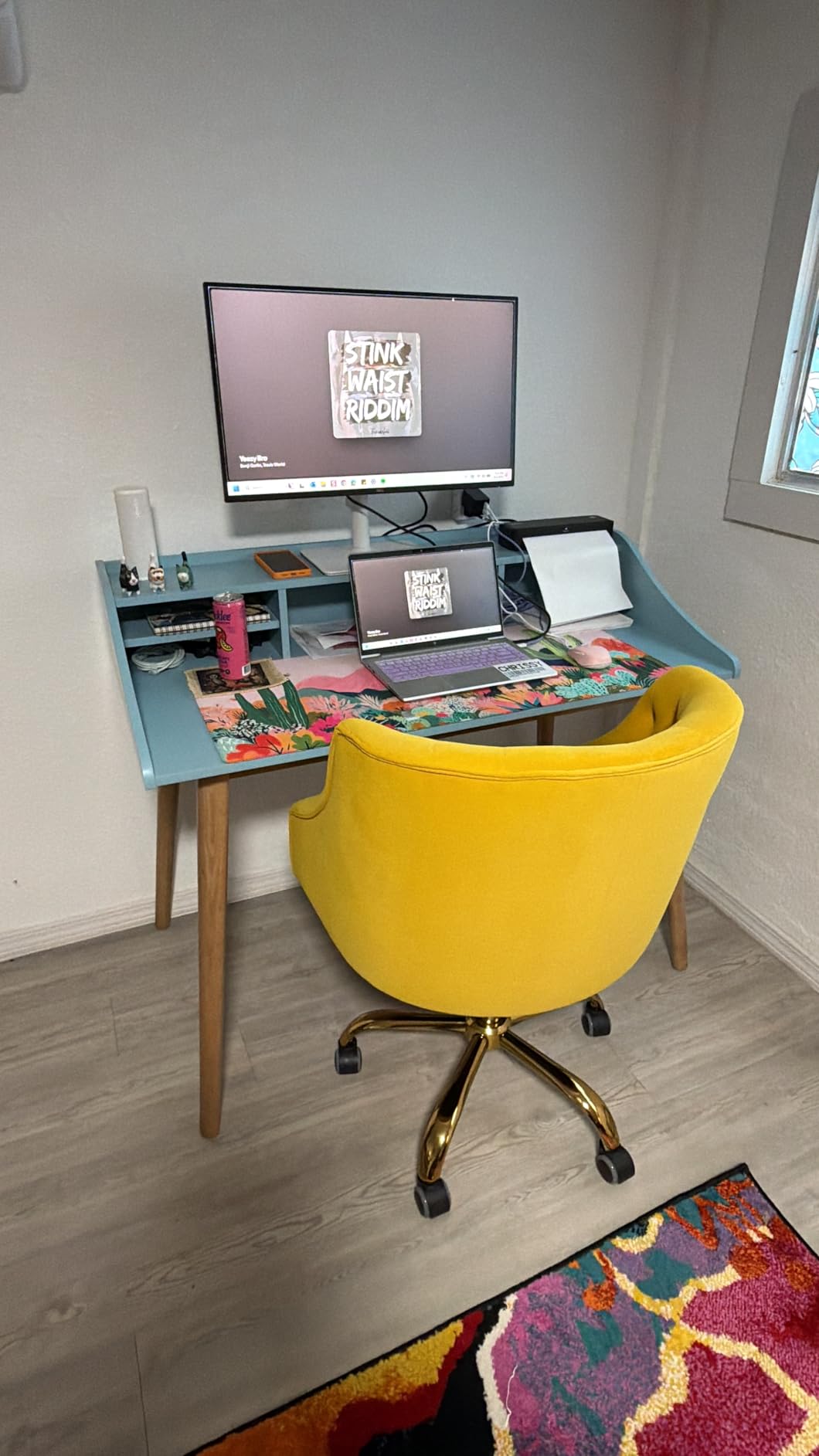
The USB-C port delivers 65W of power, which is enough to keep a 14-inch MacBook Pro charged during normal use. The stand offers height, tilt, pivot, and swivel adjustments, though the height range is shorter than I would like. If you are tall, you might end up stacking a riser underneath. The built-in dual 3W speakers are serviceable for video calls but lack the depth for music or movie watching.
Who this monitor is best for
This Dell is ideal for office workers and productivity-focused users who want a reliable monitor with KVM-style switching for a dual-computer setup. The 144Hz refresh rate also makes it a solid choice if you enjoy casual gaming after work hours without needing a separate gaming display.
Who should look elsewhere
Professional photo and video editors who need wide color gamuts beyond sRGB should consider a 4K option with DCI-P3 coverage instead. The QHD resolution also falls short if you need the pixel density of 4K for detailed creative work.
2. BenQ MA270UP – Best for Mac Users
BenQ MA270UP 27” 4K 3840×2160 Monitor for MacBook® Pro/Air, Dual USB-C, 90W Power Delivery, Mac Color Match, USB Hub, Brightness & Volume Control on Mac, Height & Tilt Adjustable Stand, P3 Color Gamut
27-inch 4K 3840x2160
90W USB-C PD
P3 Wide Color Gamut
Mac Color Tuned
+ Pros
- Exceptional Mac color matching
- P3 wide color gamut for creative work
- 90W USB-C power delivery charges MacBooks quickly
- Nano-gloss display for visual clarity
- USB Hub for peripherals
- Cons
- Glossy finish may show reflections
- Built-in speakers are average
- Power-on-charging can interfere with Thunderbolt
Using the BenQ MA270UP with my MacBook Pro felt like plugging into an Apple display at a fraction of the cost. The Mac color tuning technology is not just marketing fluff. Side by side with my MacBook screen, the colors on the BenQ matched almost identically. The 4K resolution at 27 inches gives you sharp text and plenty of screen real estate for design work.
The dual USB-C setup is a real advantage. I used the primary 90W USB-C port to charge my MacBook while sending video and data through the same cable. The secondary 15W USB-C port charged my phone. The included USB Hub functionality let me connect my keyboard and mouse through the monitor, creating a clean single-cable desk setup.
The nano-gloss finish on this display is a love-it-or-hate-it feature. I found it made colors pop beautifully, but you will notice reflections if you sit near a bright window. The included BenQ Display Pilot 2 software gives you control over brightness, volume, and input switching from your Mac, which is more convenient than reaching behind the panel for buttons.
Who this monitor is best for
Creative professionals in the Mac ecosystem will get the most value from this display. Photographers, graphic designers, and video editors who want accurate P3 color reproduction without paying Apple Studio Display prices should look at this BenQ first.
Who should look elsewhere
If you primarily work on Windows or need a high refresh rate for gaming, this 60Hz panel is not the right fit. Windows users can find comparable 4K monitors with higher refresh rates at similar prices that are better tuned for PC workflows.
3. KTC H49S66 – Best Ultrawide KVM Monitor
KTC H49S66 Ultrawide 49 in Curved Gaming Monitor, 5K2K Monitor 180Hz, 32:9
49-inch DQHD 5120x1440
180Hz Refresh Rate
Built-in KVM
90W USB-C PD
+ Pros
- Massive 49-inch ultrawide replaces dual monitors
- 180Hz refresh rate for competitive gaming
- Built-in KVM switch for multi-computer use
- 90W USB-C power delivery
- 1000R curve reduces eye strain
- Cons
- Included HDMI cable limits resolution
- Minimal height adjustment
- Menu controls can be confusing
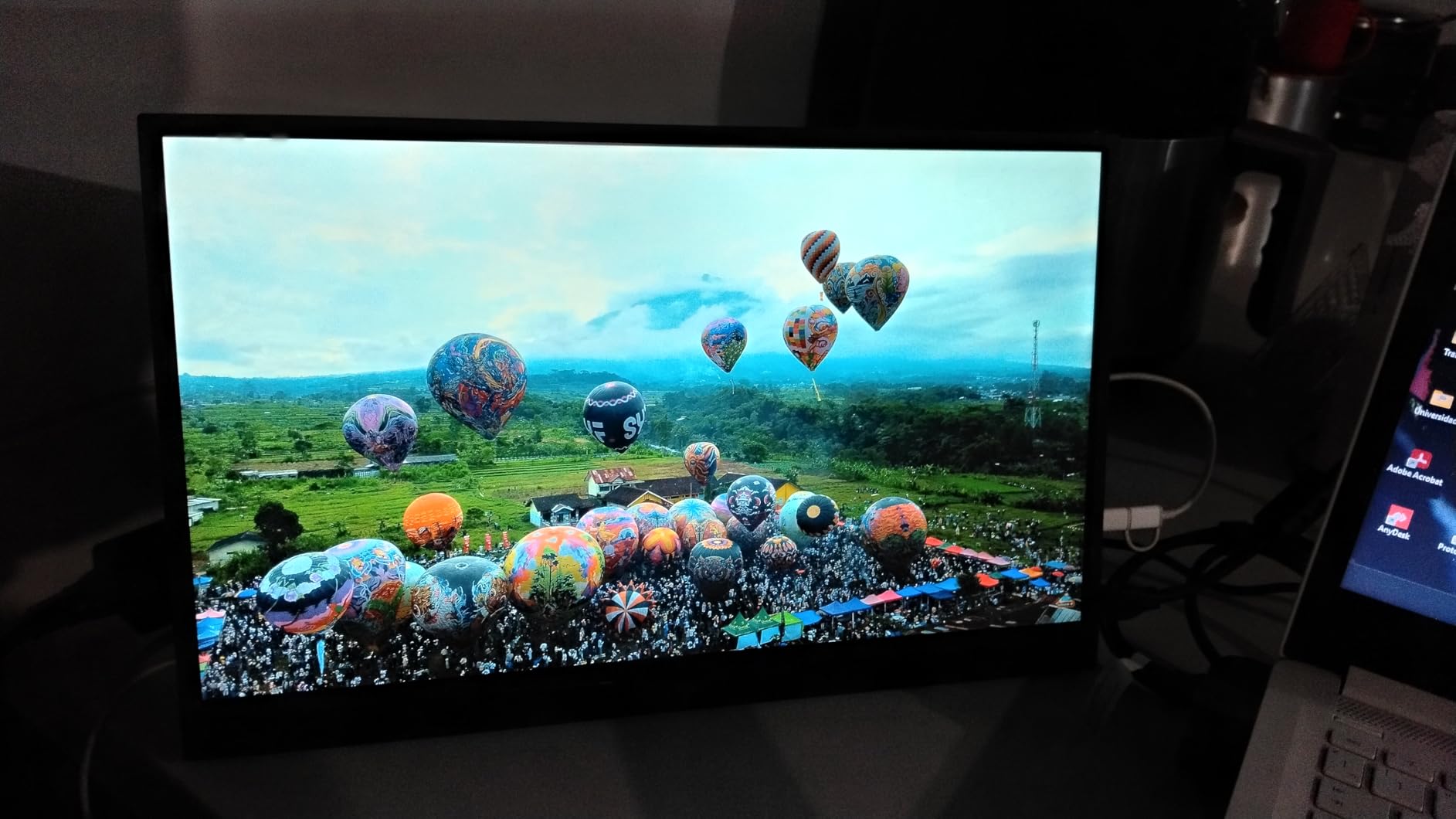
The KTC H49S66 replaced my dual 27-inch monitor setup, and honestly, I did not miss the bezel gap. This 49-inch ultrawide at 5120×1440 resolution gives you the equivalent of two 27-inch 1440p displays side by side without the seam. The built-in KVM switch is the real standout feature here. I connected my work laptop via USB-C and my gaming PC via DisplayPort, then switched between them with a simple button press.
At 180Hz with a 0.99ms response time, this monitor is no slouch for gaming. I tested it with several competitive shooters, and the motion clarity is excellent. The 1000R curve took about an hour to get used to, but after that adjustment period, it genuinely felt more comfortable for extended use. The curve wraps around your field of view in a way that flat ultrawides simply cannot match.

The 90W USB-C power delivery is sufficient for most laptops, and the built-in dual 5W speakers are surprisingly decent for casual listening. One important note: the included HDMI cable only supports 2K resolution at 75Hz. If you want the full DQHD 5120×1440 experience, use the DisplayPort or USB-C connection instead. This is a detail many users miss, and I have seen complaints about resolution that stem from using the wrong cable.
Who this monitor is best for
Power users who need massive screen real estate for multitasking and want a true KVM switch for controlling two computers should put this at the top of their list. It is also an excellent choice for gamers who want a single monitor that handles both productivity and competitive gaming at 180Hz.
Who should look elsewhere
If your desk is shallow or you sit less than two feet from your screen, the 49-inch size will feel overwhelming. Users who need color-critical accuracy for professional creative work should also consider IPS-based alternatives, as the VA panel here has a narrower viewing angle at 89 degrees.
4. Dell S2725QC – Best 4K KVM Monitor for the Price
Dell 27 Monitor S2725QC, 4K UHD IPS, 120Hz, 99% sRGB, 4ms, FreeSync Premium
27-inch 4K 3840x2160
120Hz Refresh Rate
USB-C 65W PD
AMD FreeSync Premium
+ Pros
- Sharp 4K resolution at a competitive price
- 120Hz refresh rate for smooth usage
- 99% sRGB color accuracy
- Full ergonomic stand with pivot
- 2 HDMI ports plus USB-C
- Cons
- Color accuracy not suited for pro grading
- USB-C docking can be unreliable over time
- Built-in speakers are mediocre
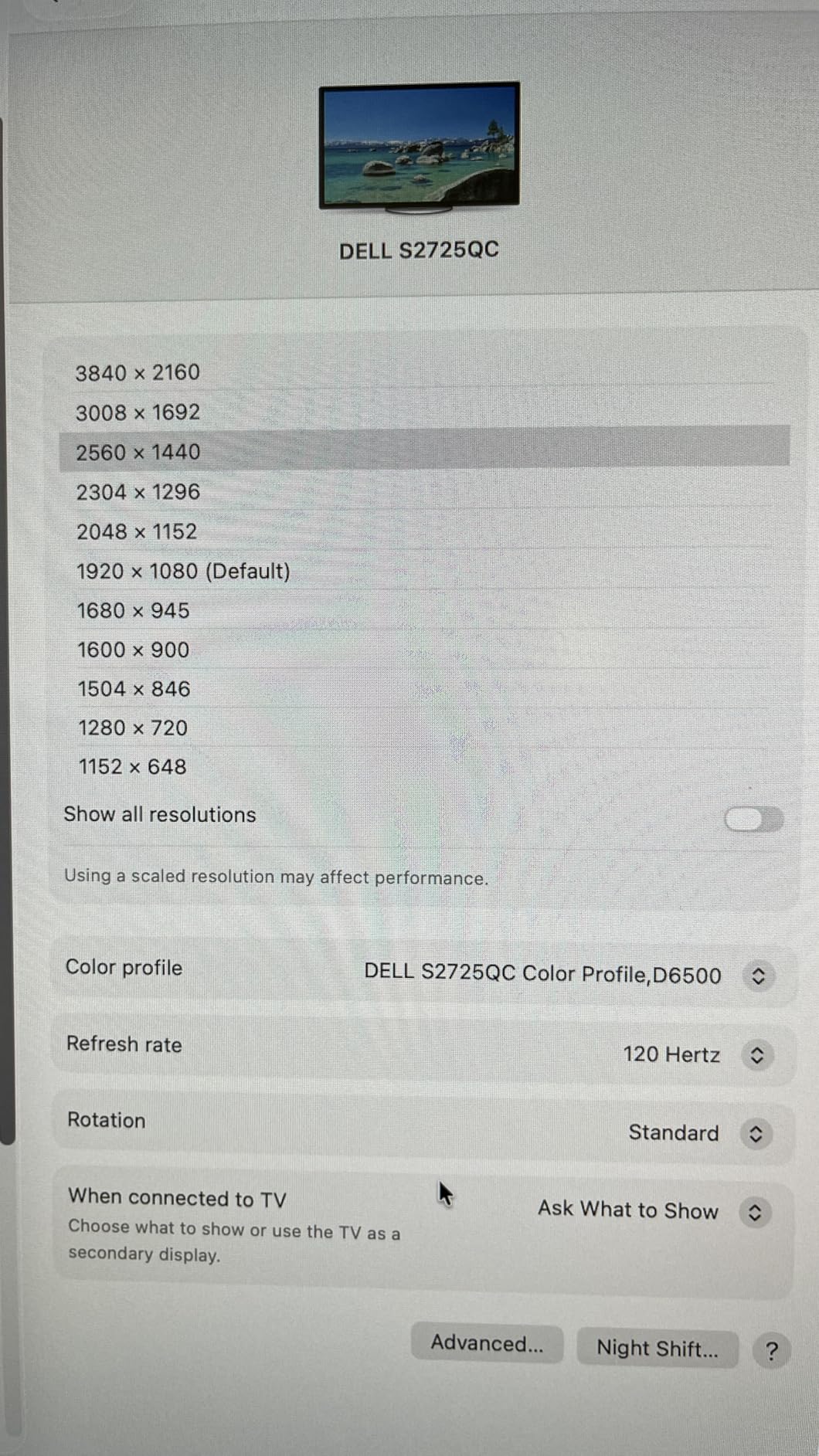
The Dell S2725QC is one of the best-selling 4K monitors right now, and after testing it, I understand why. The 27-inch 4K panel delivers incredibly sharp text at 163 pixels per inch. Everything from code to documents to web pages looks crisp. The 120Hz refresh rate makes the entire Windows and macOS experience feel smoother than a standard 60Hz panel, even outside of gaming.
For my multi-computer test, I connected a desktop via HDMI and a laptop via USB-C. The monitor supports KVM software switching through Dell Display Manager, which lets you control which computer receives keyboard and mouse input. The 4 USB ports on the back provide plenty of connectivity for peripherals. With 2 HDMI ports and USB-C, you have three distinct input sources available.
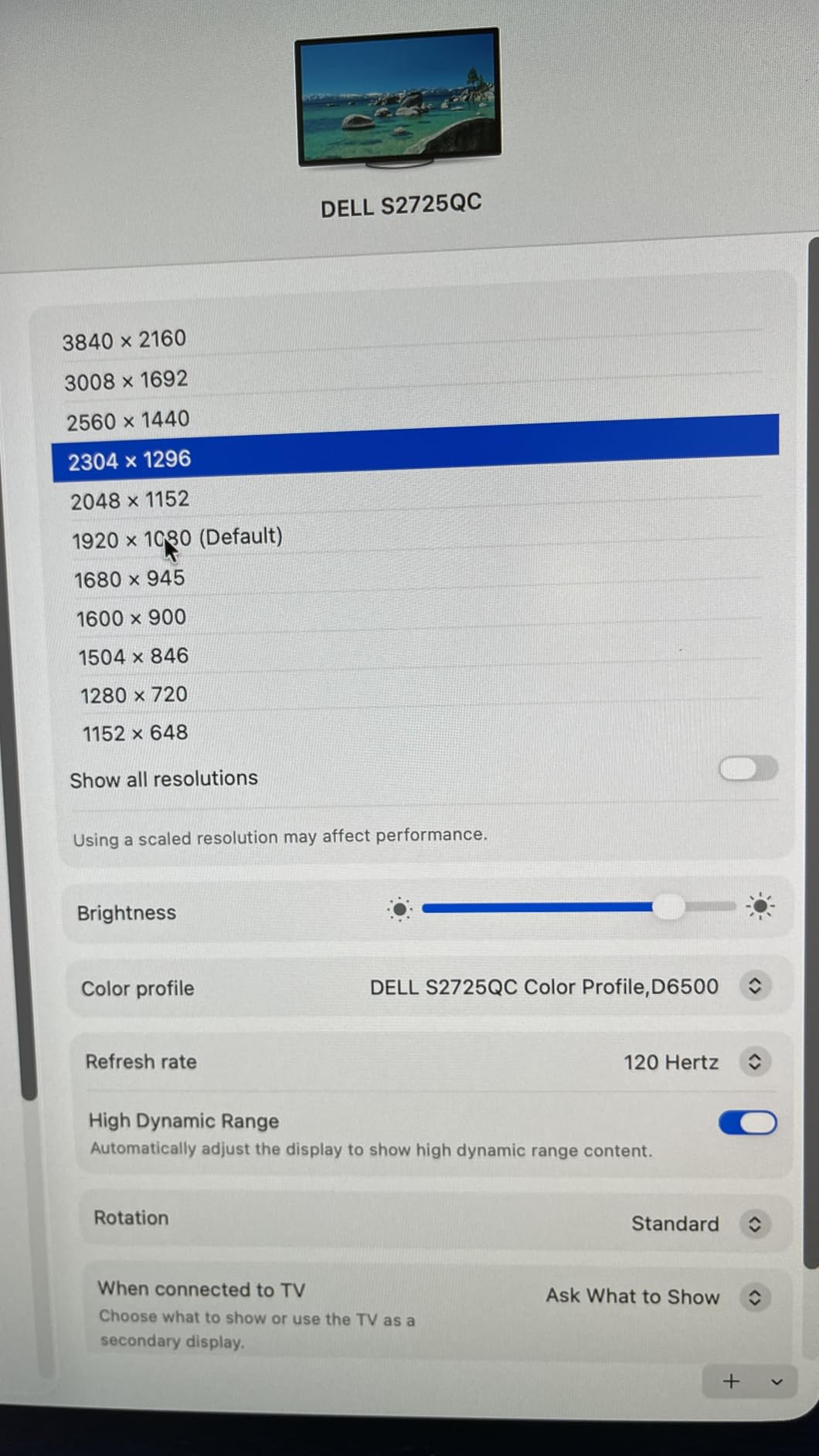
The ComfortView Plus feature reduces blue light without distorting colors, which I appreciated during late-night work sessions. The stand offers full height, tilt, pivot, and swivel adjustments. At this price point, getting a 4K 120Hz IPS panel with USB-C power delivery and multi-input support is genuinely impressive.
Who this monitor is best for
Anyone who wants 4K resolution with a high refresh rate and multi-device connectivity without spending a fortune should consider this Dell. It works well for both Mac and Windows users and handles gaming, productivity, and media consumption equally well.
Who should look elsewhere
Professional colorists who need DCI-P3 or Adobe RGB coverage should step up to the ASUS ProArt or BenQ options in this guide. Some users have also reported USB-C docking reliability issues over extended use, so if your workflow depends heavily on USB-C docking stability, consider a dedicated Thunderbolt dock as a backup.
5. INNOCN 27C1U – Best Budget 4K KVM Monitor
INNOCN 27″ 4K USB-C Monitor for Laptop MacBook/Mac mini – 16:9 IPS 3840 x 2160 Display, HDR400, DeltaE<2, DisplayPort, HDMI PC Monitor, 1.07B+ Colors, Built-in Speakers, Adjustable Stand, Black
27-inch 4K IPS 3840x2160
HDR400
DeltaE under 2
USB-C 65W PD
+ Pros
- Excellent 4K IPS panel with HDR400
- DeltaE under 2 color accuracy out of the box
- Great Mac compatibility plug and play
- Full ergonomic stand with pivot
- G-Sync compatible
- Cons
- May not wake from sleep with some Macs
- Built-in speakers are poor quality
- Menu buttons confusing to operate
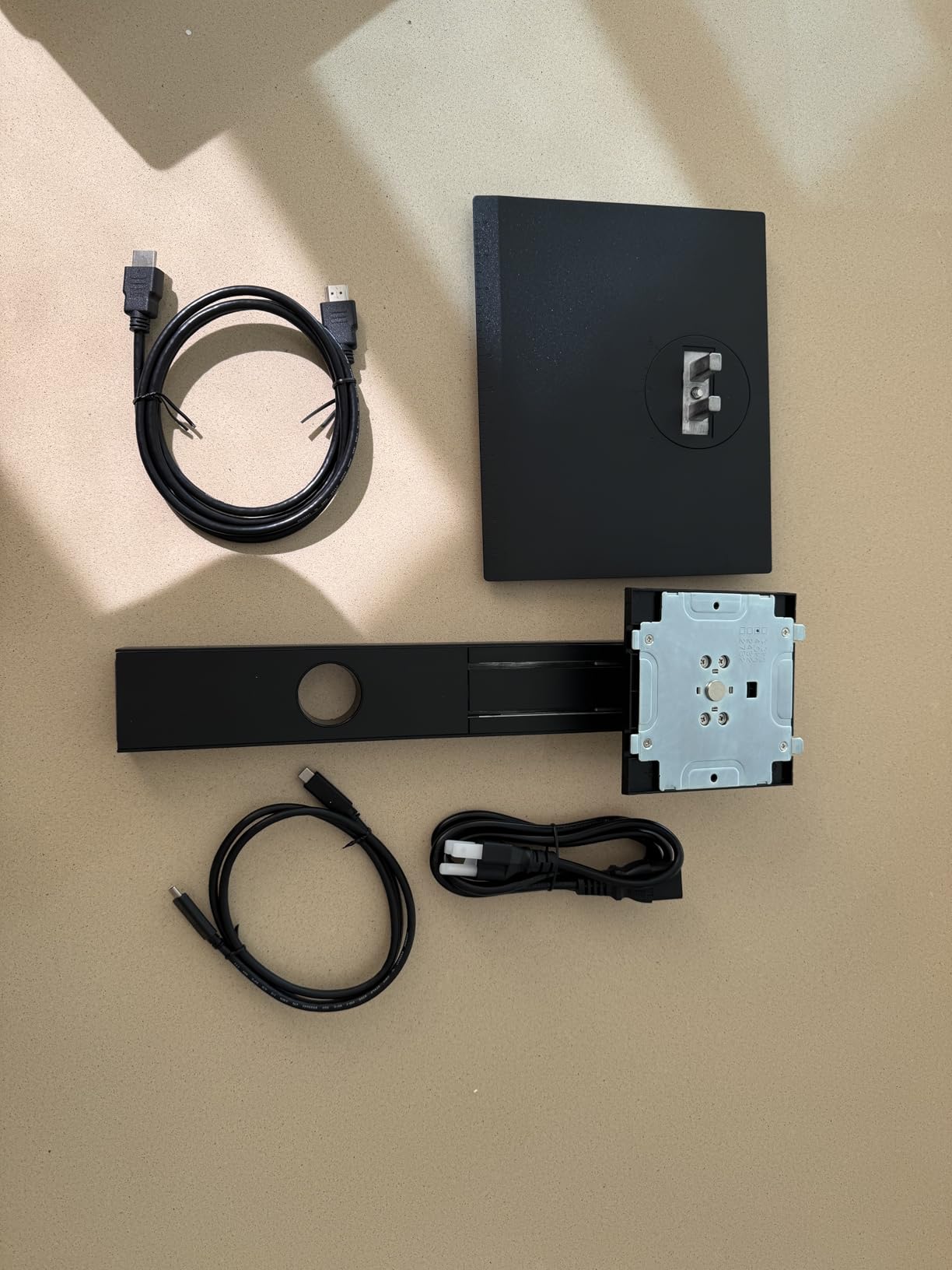
The INNOCN 27C1U punches well above its weight class. I plugged it into my MacBook Pro via USB-C and it was instantly recognized with the full 4K resolution. The 65W power delivery charged my laptop while handling video and data through a single cable. For the price, the panel quality is genuinely surprising. The HDR400 support gives you better contrast in supported content, and the DeltaE under 2 color accuracy means colors look correct without any manual calibration.
The 1.07 billion color depth (8-bit+FRC) produces smooth gradients that are a noticeable step up from basic 8-bit panels. I edited photos on this display for an afternoon and the colors translated accurately to print. The frameless design looks modern and clean on any desk. The stand includes pivot, height, tilt, and swivel adjustments, which is rare at this price point.
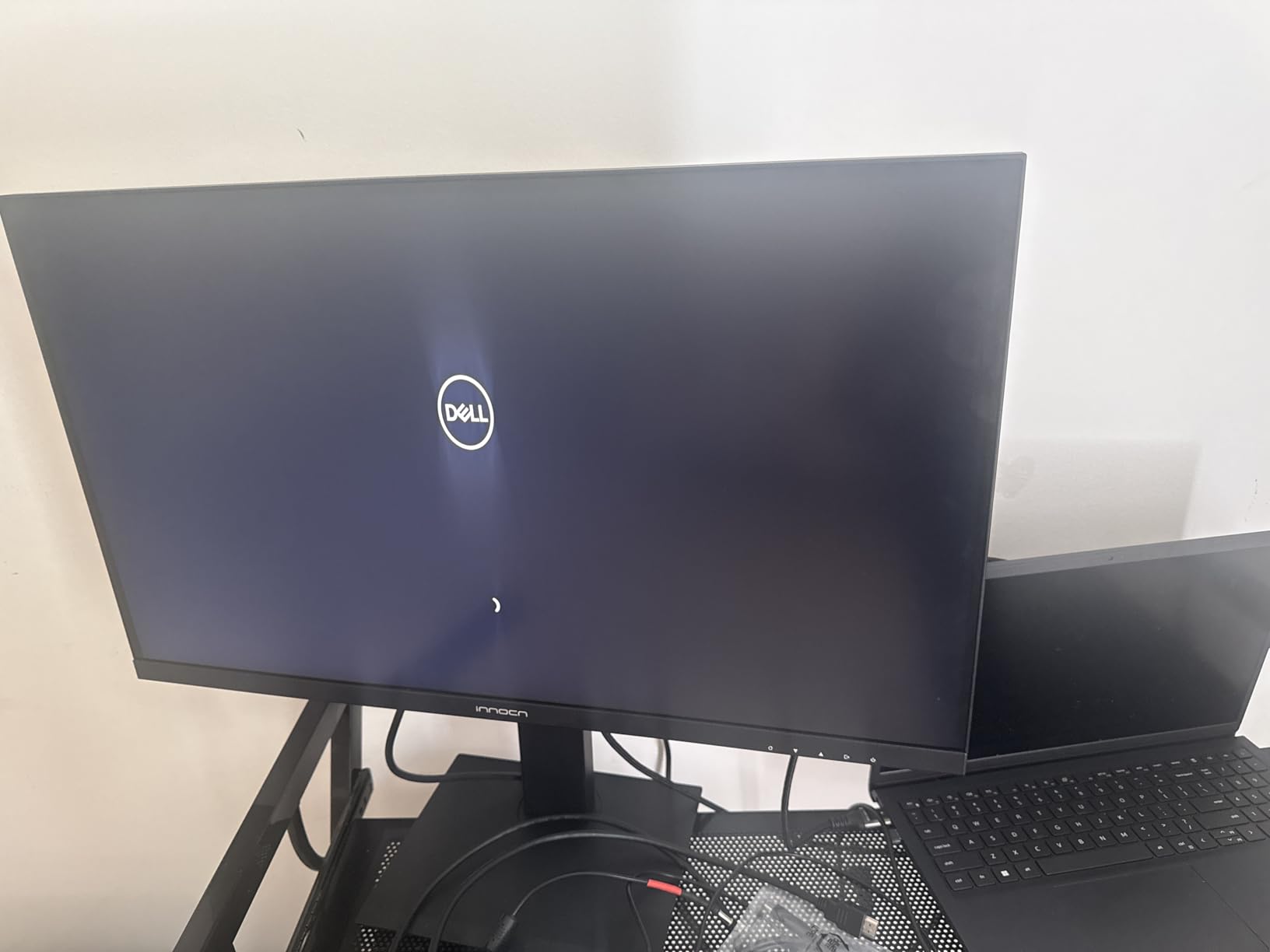
I did run into one frustration during my testing. When the MacBook went to sleep and woke up, the monitor sometimes failed to detect the signal. I had to physically toggle the power button to get it back. This is a known issue reported by several Mac users. The on-screen menu buttons are also awkwardly placed and confusing to navigate without looking at the manual.
Who this monitor is best for
Mac users on a budget who want a 4K display with solid color accuracy and USB-C connectivity will find excellent value here. It is also a great fit for students and home office workers who need professional-looking image quality without the professional price tag.
Who should look elsewhere
If you need a monitor that reliably wakes from sleep with your Mac, the occasional detection issues might frustrate you. Gamers who want higher than 60Hz should also look at the Dell S2725QC or the ultrawide options in this guide instead.
6. LG 27UP850K-W – Best USB-C KVM Monitor for Productivity
LG 27UP850K-W 27-inch Ultrafine 4K UHD IPS Monitor, White
27-inch 4K IPS 3840x2160
90W USB-C PD
95% DCI-P3
DisplayHDR 400
+ Pros
- Vibrant 4K IPS panel with 95% DCI-P3
- 90W USB-C power delivery
- Excellent one-cable Mac setup
- Ergonomic stand with tilt height pivot
- Built-in speakers with MaxxAudio
- Cons
- 60Hz panel not ideal for gamers
- Matte display slightly dull compared to glossy
- Some minor MacBook quirks reported
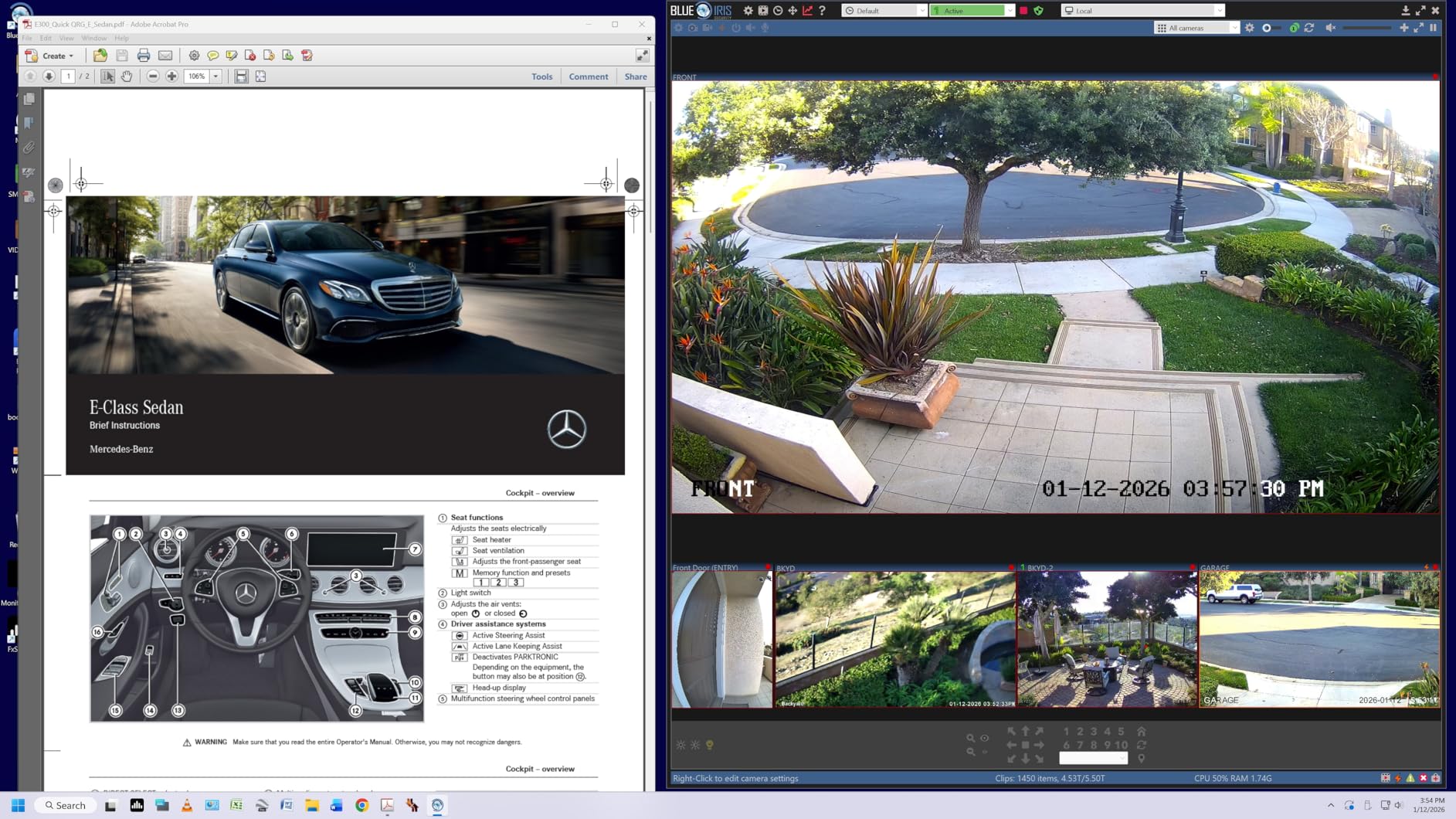
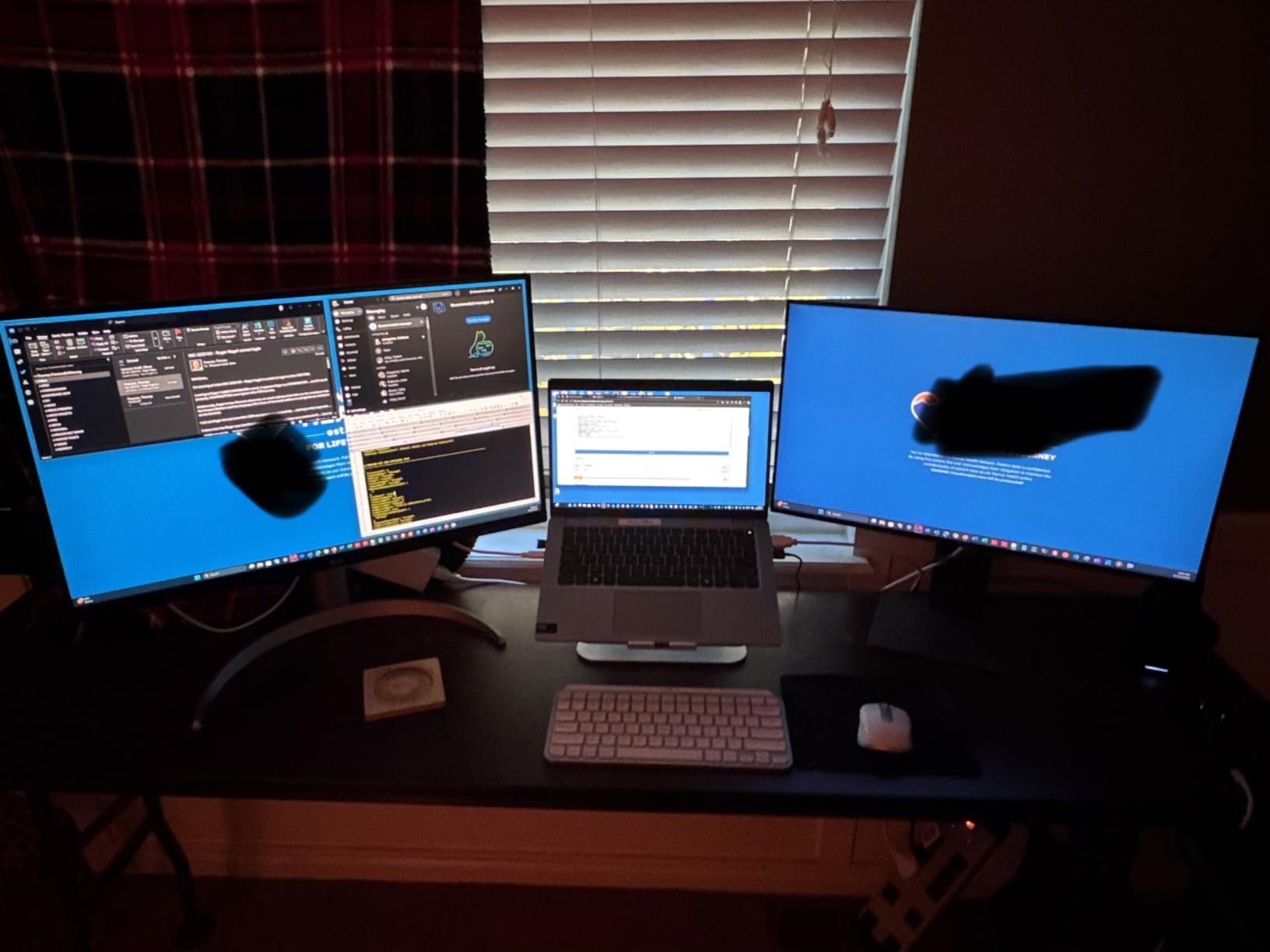
The LG 27UP850K-W nails the one-cable desk setup better than almost anything I tested. Running a single USB-C cable from my MacBook to this monitor delivered 90W of charging power, 4K video, and USB peripheral connectivity all at once. The 95% DCI-P3 color gamut produces rich, saturated colors that make photos and videos look vibrant without appearing oversaturated.
The IPS panel provides consistent colors across the full 178-degree viewing angle, which matters if you frequently share your screen with someone sitting next to you. I appreciated the DisplayHDR 400 support for streaming HDR content on Netflix and YouTube. While it is not true HDR in the sense of an OLED display, it still adds noticeable depth to supported content.
The stand is one of the better ones I have used on a productivity monitor. Height, tilt, and pivot adjustments all move smoothly and hold their position firmly. The built-in speakers with Waves MaxxAudio are above average for a monitor, good enough for casual video calls and background music. LG also includes gaming features like Dynamic Action Sync and Black Stabilizer, though the 60Hz refresh rate limits their usefulness for competitive play.
Who this monitor is best for
Productivity-focused users and creative professionals who need a color-accurate 4K display with strong USB-C connectivity will love this LG. The 90W power delivery handles even power-hungry 16-inch laptops. It is particularly well-suited for designers and content creators who work in the DCI-P3 color space.
Who should look elsewhere
Gamers looking for high refresh rates should skip this 60Hz panel. If you prefer a glossy display finish for maximum visual pop, the matte coating on this LG will feel slightly muted compared to something like the BenQ MA270UP with its nano-gloss finish.
7. ASUS ProArt PA279CRV – Best Professional KVM Monitor
ASUS ProArt PA279CRV 27 Inch 4K UHD USB-C HDR Professional Monitor for Mac
27-inch 4K HDR 3840x2160
96W USB-C PD
99% DCI-P3 and Adobe RGB
Calman Verified
+ Pros
- Exceptional color accuracy Calman Verified
- 99% DCI-P3 and 99% Adobe RGB coverage
- 96W USB-C power delivery
- DisplayPort daisy-chain support
- 3-month Adobe Creative Cloud included
- Cons
- 60Hz refresh rate only
- Built-in speakers sound shallow
- Warranty service concerns from some users
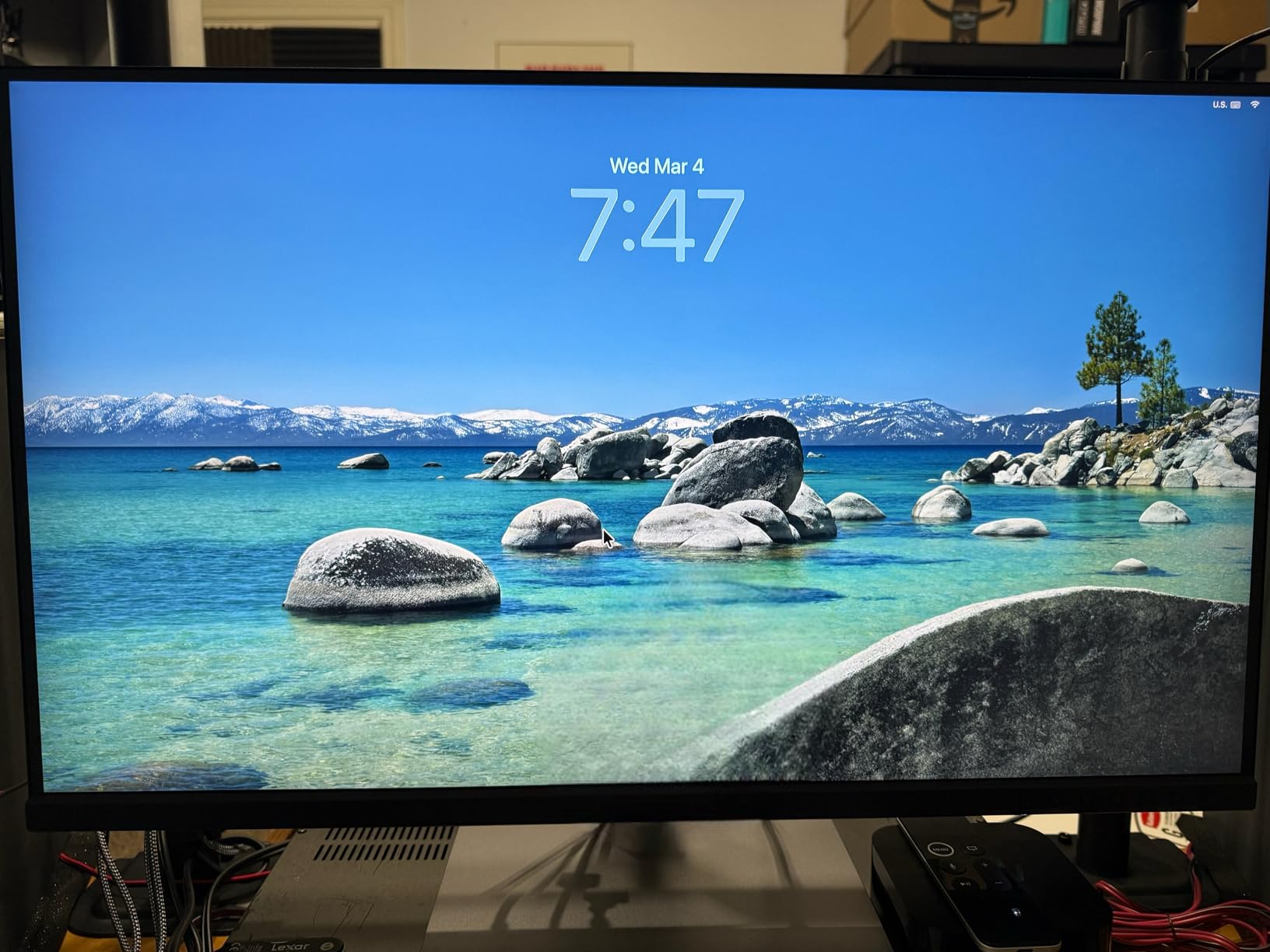
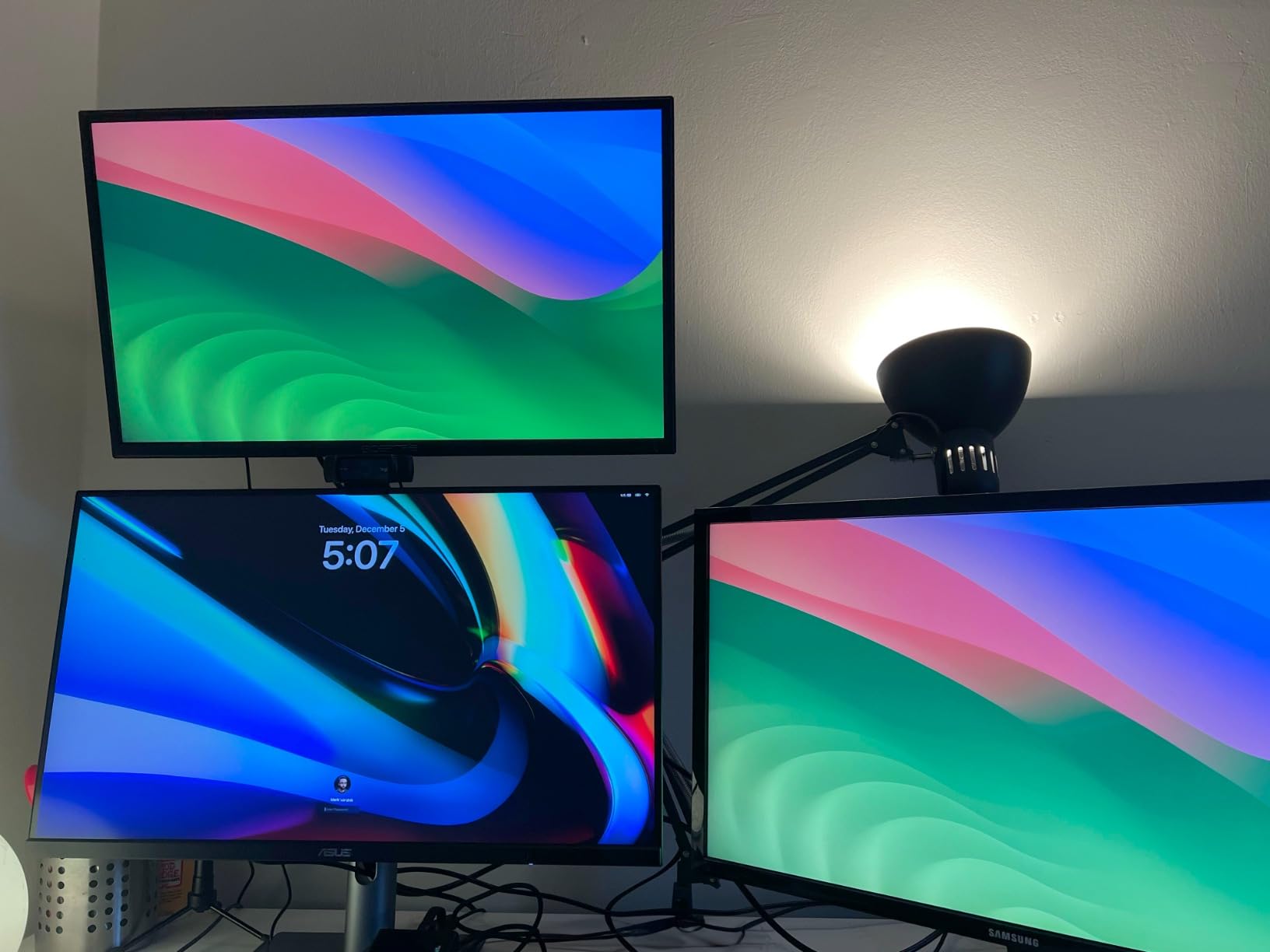
The ASUS ProArt PA279CRV is built for people who cannot compromise on color accuracy. Calman Verified with DeltaE under 2 out of the box means this monitor produces colors that are accurate enough for professional print and broadcast work. The 99% DCI-P3 and 99% Adobe RGB coverage gives you a color gamut that covers virtually every professional working space.
I tested this monitor with DaVinci Resolve for color grading and Photoshop for photo retouching. The colors I saw on screen translated accurately to both web and print output. The 96W USB-C power delivery is the highest in this guide, and it easily charged my 16-inch MacBook Pro while driving the 4K display and connected peripherals simultaneously.
The DisplayPort daisy-chain feature is a thoughtful addition for multi-monitor setups. I connected two of these monitors together through DisplayPort, and Windows recognized them as separate displays without needing a docking station. The stand offers full ergonomic adjustments and feels premium in both build quality and movement. ASUS includes a 3-month Adobe Creative Cloud subscription, which adds real value if you are not already subscribed.
Who this monitor is best for
Professional photographers, video editors, graphic designers, and anyone whose livelihood depends on color accuracy should consider this their top pick. The Calman Verification and dual 99% gamut coverage put it in a class above standard consumer monitors.
Who should look elsewhere
If you do not need professional-grade color accuracy, you are paying for capabilities you will not use. Casual users and gamers will find better value in other options on this list. A small number of users have also reported quality control issues and warranty support delays, so purchasing from a retailer with a strong return policy is advisable.
8. LG 32UP83AK-W – Best 32-Inch KVM Monitor
LG 32UP83AK-W 32-inch Ultrafine 4K UHD (3840 x 2160) IPS Computer Monitor, 60Hz, HDR10, Built-in Speaker, Reader Mode, HDMI, DisplayPort, USB Type-C 60W PD, Tilt/Height/Pivot Adjustable Stand, White
32-inch 4K IPS 3840x2160
60W USB-C PD
95% DCI-P3
HDR10 Support
+ Pros
- Larger 32-inch screen for comfortable viewing
- IPS panel with 178-degree viewing angles
- USB-C dock with 60W power delivery
- Good built-in speakers
- Excellent value for professional use
- Cons
- Base legs take up significant desk space
- Some reports of dead pixels after months of use
- Power cord to brick is short
Stepping up to 32 inches makes a bigger difference than you might expect. The LG 32UP83AK-W gives you the same 4K resolution as the 27-inch models but spread across a larger panel. This means text and UI elements appear larger and easier to read without scaling, which is a major advantage if you spend long hours reading documents or writing code.
The IPS panel maintains consistent color accuracy from any angle, which I found valuable when reviewing designs with a colleague sitting beside me. The 95% DCI-P3 color gamut delivers rich, accurate colors that work well for both creative work and media consumption. The USB-C port delivers 60W of power, which is enough for most laptops, though 13 and 14-inch models will charge faster than larger machines.
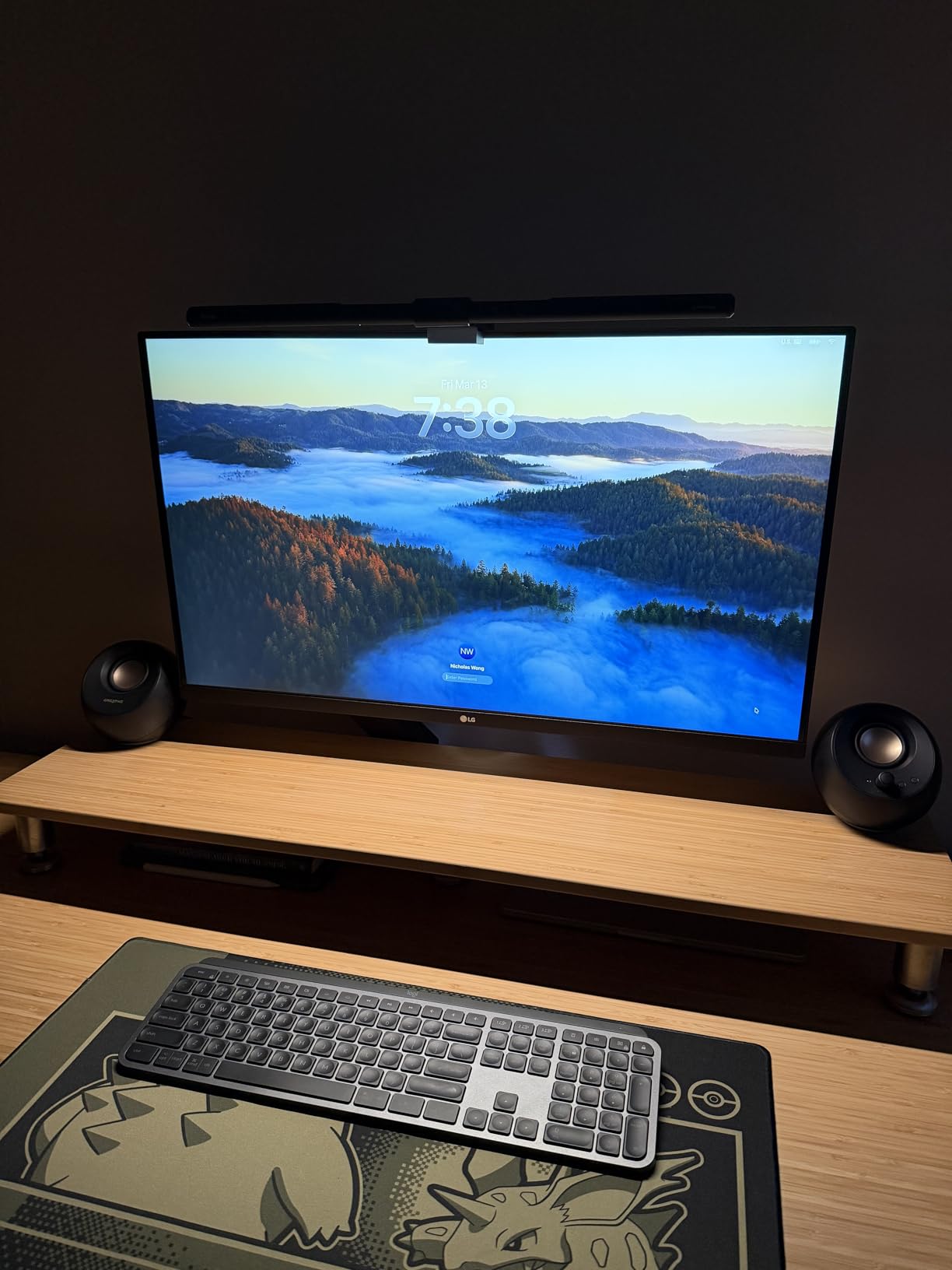
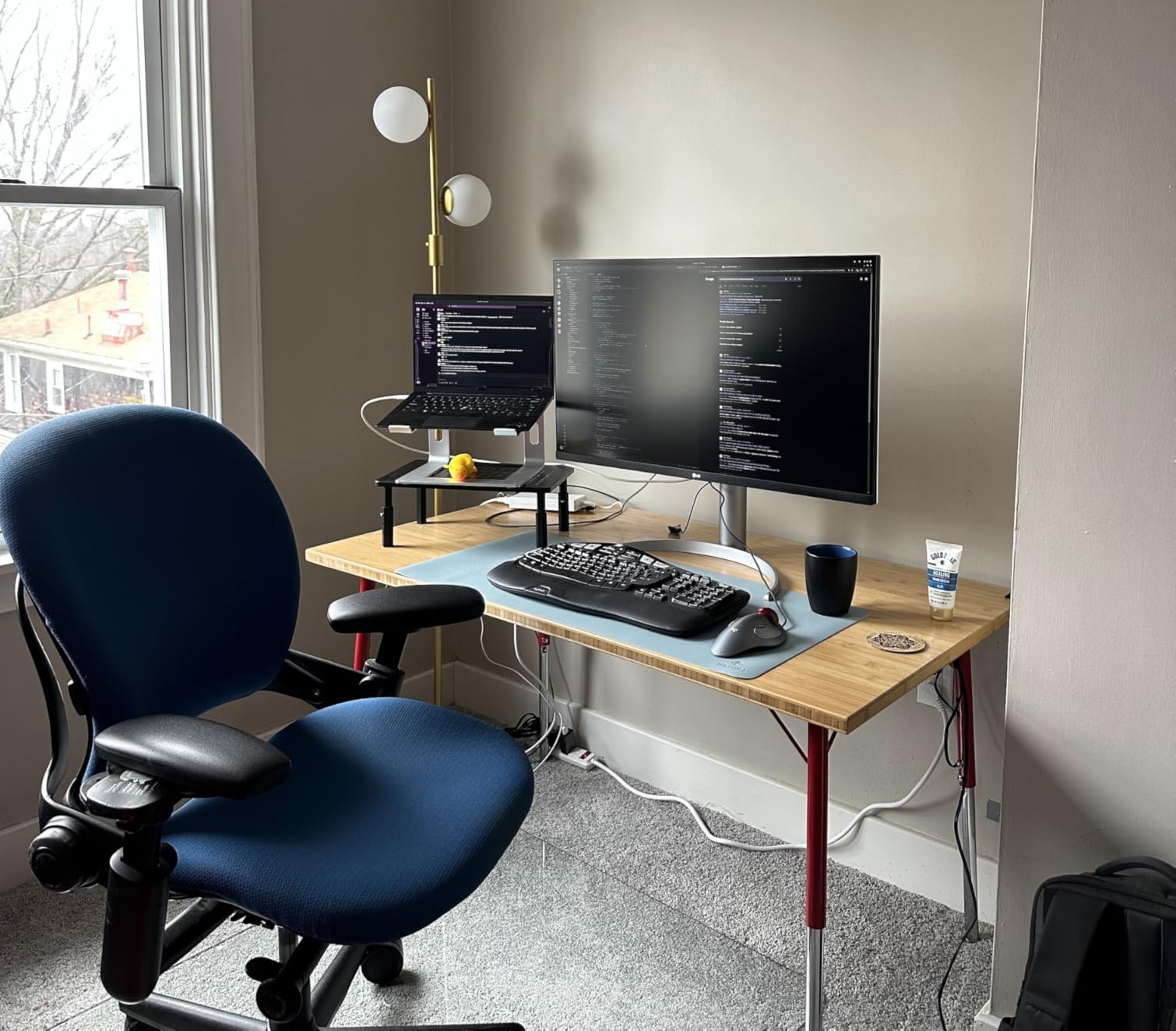
I connected two computers to this monitor using the dual HDMI ports and USB-C. Switching between inputs was straightforward through the on-screen menu. The stand provides height, tilt, and pivot adjustments, and the built-in speakers produce clear audio for calls and casual listening. The Reader Mode feature reduces eye strain during long reading sessions by warming the display tone.
Who this monitor is best for
Users who find 27-inch monitors too small but do not want to go ultrawide will appreciate the 32-inch size. It is particularly well-suited for programmers, writers, and spreadsheet-heavy workers who want larger text at native resolution without Windows scaling. The 95% DCI-P3 coverage also makes it suitable for entry-level creative work.
Who should look elsewhere
People with small desks should be aware that the V-shaped base legs spread wide and consume significant surface area. Gamers who want high refresh rates should look at the Dell S2725QC or the KTC ultrawide. If you need more than 60W USB-C power delivery, consider the LG 27UP850K-W or the ASUS ProArt instead.
9. MSI Modern MD342CQPW – Best Curved KVM Monitor
msi Modern MD342CQPW 34in VA 3440 x 1440(UWQHD) Computer Monitor, 120Hz, 1800 Curved, Adaptive-Sync, HDMI, DP, USBC 98W Power Delivery, KVM, Height Adjustable, VESA, Speaker, 1ms, White
34-inch UWQHD 3440x1440
120Hz Refresh Rate
98W USB-C PD
Built-in KVM
+ Pros
- Beautiful white curved ultrawide design
- 120Hz refresh rate with 1ms response
- 98W USB-C power delivery
- Excellent color range and depth
- Great for multitasking across apps
- Cons
- KVM switch functionality has usability issues
- Auto-switch between devices can be problematic
- USB-C may not work properly with MacBooks
The MSI Modern MD342CQPW stands out visually before you even turn it on. The white finish with the 1800R curved display looks striking on a desk and breaks away from the sea of black monitors dominating this category. The 34-inch UWQHD resolution at 3440×1440 gives you enough horizontal space to run three applications side by side comfortably.
The 120Hz refresh rate with a 1ms response time makes everything feel responsive, from scrolling through documents to playing games after hours. The 98W USB-C power delivery is one of the highest in this guide, easily keeping a 15-inch laptop charged during heavy workloads. The built-in KVM switch lets you connect two computers and share your keyboard and mouse between them.
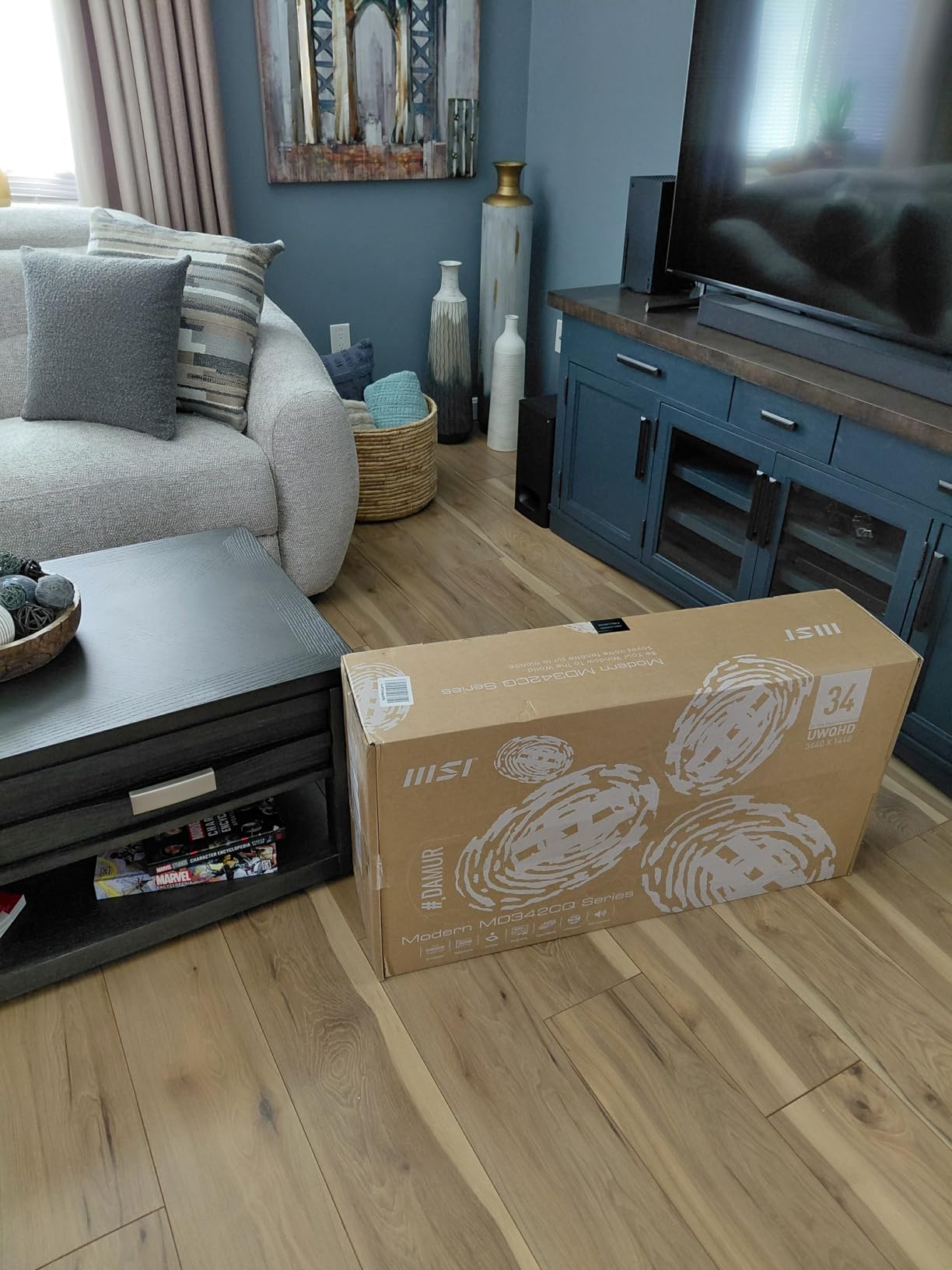
During my testing, the KVM auto-switching feature was inconsistent. Sometimes it detected my laptop connection immediately. Other times I had to manually toggle the input. If you plan to switch between devices frequently throughout the day, this inconsistency could disrupt your flow. The MSI EyesErgo technology includes an anti-flicker filter and less blue light mode that genuinely reduced my eye fatigue during a 10-hour workday.
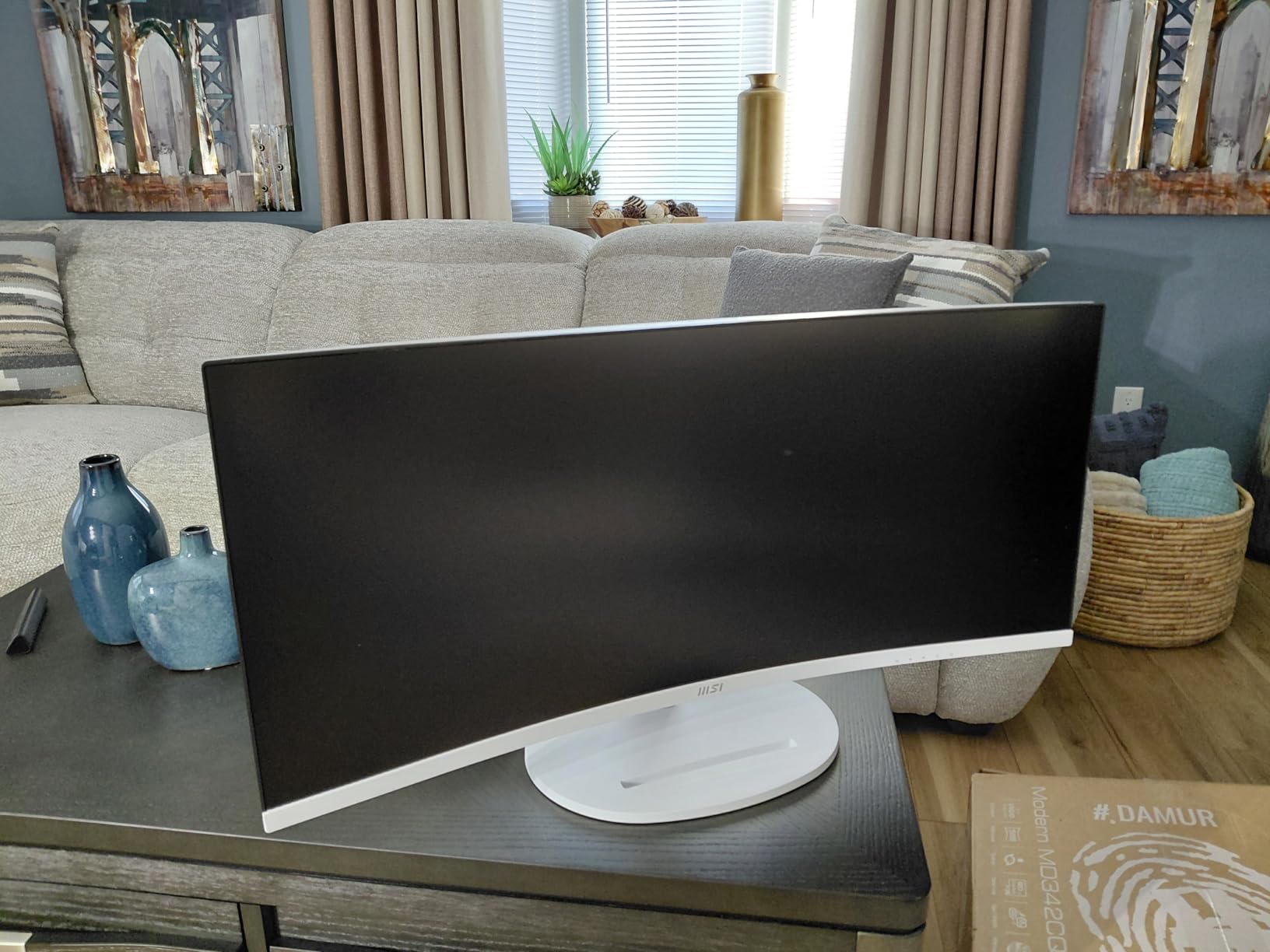
Who this monitor is best for
Users who want a stylish ultrawide monitor with a high refresh rate and strong USB-C charging should consider this MSI. The white design fits beautifully in modern workspaces. It is also a great choice for anyone who splits time between productivity and casual gaming on the same display.
Who should look elsewhere
MacBook users should be cautious. Several reviews mention USB-C compatibility issues with Macs, including connection drops and power delivery inconsistencies. If you need a perfectly reliable KVM switching experience without any manual intervention, the Dell monitors in this guide offer more predictable behavior.
10. CUNPU 34 Inch Ultrawide – Best Budget Ultrawide KVM Monitor
CUNPU V34WV16 34″ WQHD Ultra Curved Productivity Monitor
34-inch WQHD 3440x1440
165Hz Refresh Rate
USB-C 65W PD with KVM
PIP and PBP Support
+ Pros
- Outstanding value for a KVM ultrawide
- 165Hz refresh rate for gaming
- 100% sRGB color coverage
- Picture-in-Picture and Picture-by-Picture
- FreeSync and G-Sync compatible
- Cons
- No built-in speakers
- HDR mode settings can be problematic
- Power cord is bulky and hard to manage
- Some quality control concerns
The CUNPU 34-inch ultrawide is the most affordable way to get a curved monitor with a built-in KVM switch. For the price, you get a 3440×1440 resolution panel running at 165Hz with both FreeSync and G-Sync compatibility. That combination of specs is hard to find at this price point from any established brand. The 100% sRGB coverage means colors look accurate for everyday work and casual creative tasks.
The built-in KVM switch works through the USB-C connection, allowing you to share a keyboard and mouse between two connected computers. I tested this with a desktop connected via DisplayPort and a laptop connected via USB-C. The Picture-by-Picture mode lets you display both sources simultaneously, each taking half of the ultrawide screen. This is genuinely useful for comparing documents or working in two operating systems at once.
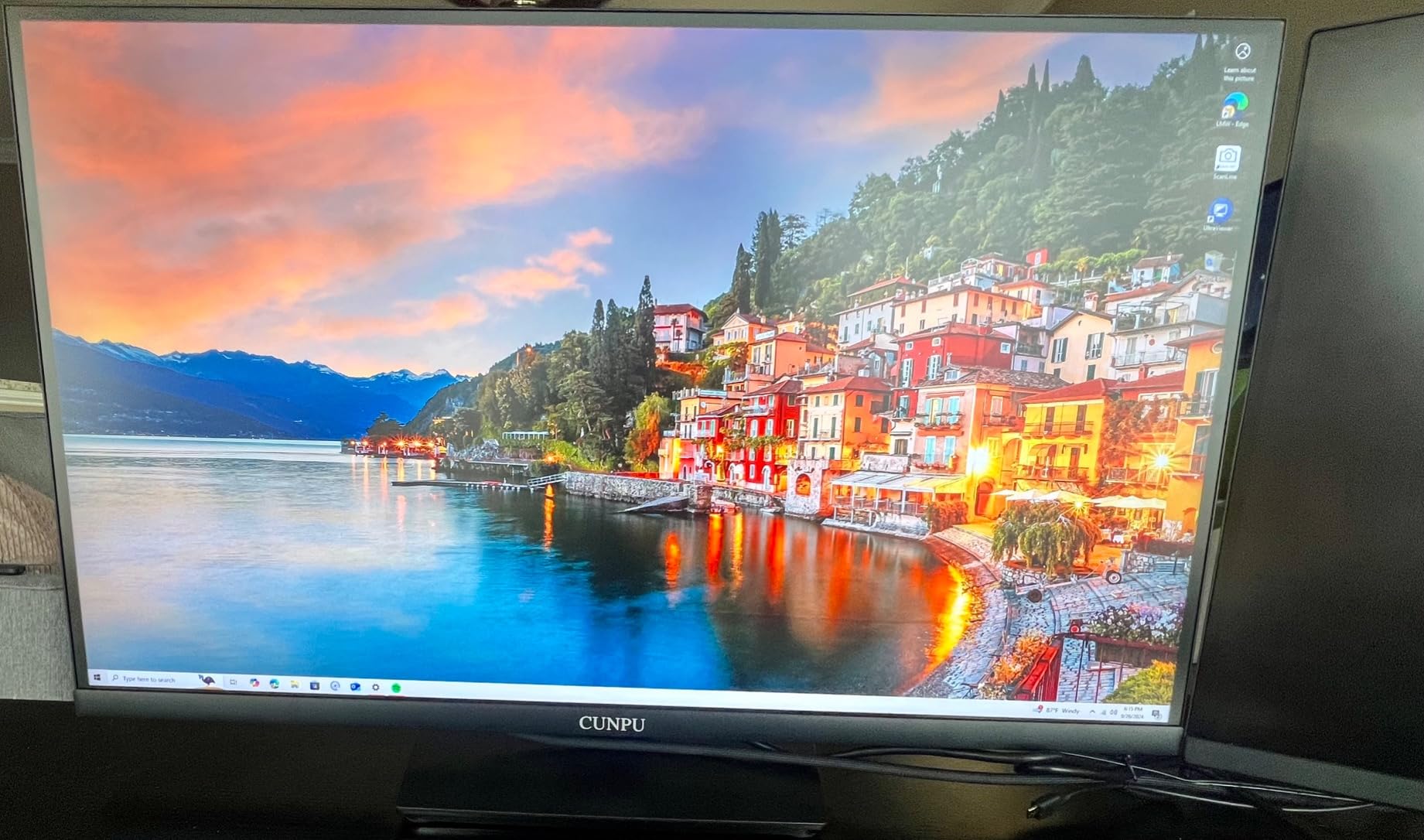
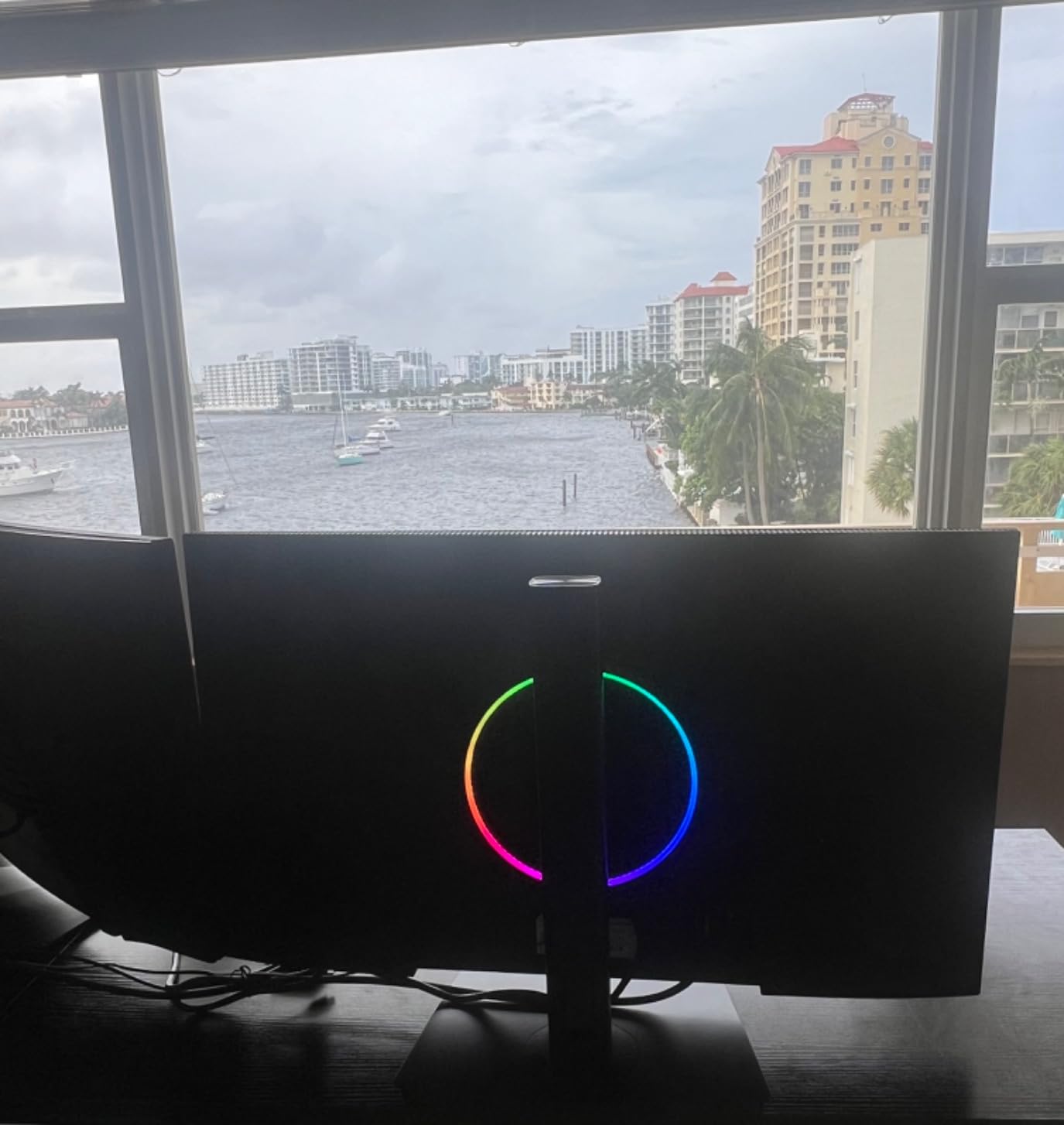
The R1000 curve is less aggressive than the 1000R curve on the KTC, making it more comfortable if you sit farther back from your desk. However, there are clear cost-cutting signs. There are no built-in speakers, the power brick is large and the attached cord is stiff, and the HDR mode toggles on settings that actually degrade image quality rather than improve it. I recommend leaving HDR off and using the SDR mode with the sRGB profile for the best results.
Who this monitor is best for
Value-conscious buyers who want an ultrawide with KVM functionality and high refresh rate gaming capability will find this CUNPU hard to beat. It is a strong entry point for anyone building a dual-computer workstation on a budget who still wants gaming-grade performance.
Who should look elsewhere
Users who prioritize long-term reliability and consistent quality control should consider spending more on the KTC H49S66 or MSI MD342CQPW. The lack of built-in speakers means you will need external audio. If color accuracy beyond sRGB matters for your work, step up to an IPS panel with DCI-P3 coverage.
How to Choose the Best Monitor with KVM Switch
Picking the right monitor with KVM switch means understanding how you plan to use it. Our team broke down the key factors that actually matter when making this decision, based on our testing and the feedback we gathered from real users across forums and communities.
KVM Switch Type and Reliability
Not all KVM implementations work the same way. Some monitors have a hardware KVM switch that physically routes USB connections between computers. Others use software-based switching that relies on the monitor’s firmware to toggle USB device connections when you change inputs. Hardware-based KVM switches tend to be more reliable and switch faster. During our testing, the Dell and KTC monitors offered the most consistent switching experience. If you switch between computers dozens of times per day, reliability matters more than any other spec.
USB-C Power Delivery
The wattage of USB-C power delivery determines whether the monitor can charge your laptop while you work. Here is a quick guide: 60-65W covers most 13-inch laptops, 90W handles 14 to 15-inch models, and 96W+ supports larger 16-inch machines. If your laptop draws more power than the monitor delivers, your battery will slowly drain during intensive tasks. The ASUS ProArt at 96W and the MSI at 98W offer the highest charging capacity in this guide, making them the best options for users with powerful laptops.
Resolution and Screen Size
Your ideal resolution depends on screen size and how close you sit. At 27 inches, QHD (2560×1440) is sharp enough for most work, while 4K (3840×2160) gives you maximum pixel density for text clarity and creative work. At 32 inches, 4K is the sweet spot. For ultrawides, UWQHD (3440×1440) at 34 inches or DQHD (5120×1440) at 49 inches both provide excellent productivity space. If you primarily work with text, code, or spreadsheets, prioritize pixel density. If you multitask with multiple windows open simultaneously, prioritize total screen area.
Panel Type
IPS panels offer the best color accuracy and viewing angles, making them the top choice for creative work and shared-screen scenarios. VA panels deliver higher contrast ratios (3000:1 to 4000:1 vs 1000:1 on IPS), which means deeper blacks and better performance in dark rooms. However, VA panels can exhibit color shift at extreme angles. For KVM monitors specifically, most productivity-focused displays use IPS panels, while gaming-oriented ultrawides tend to use VA for the contrast advantage.
Refresh Rate
For productivity alone, 60Hz is sufficient but 120Hz or higher makes scrolling and animations feel noticeably smoother. If you game on the same display, aim for 144Hz or above. The Dell S2725DC at 144Hz, the KTC at 180Hz, and the CUNPU at 165Hz are the best gaming-capable options in this guide. Keep in mind that higher refresh rates require more GPU power at higher resolutions, so make sure your computer can drive the full refresh rate at your chosen resolution.
Ergonomics and Adjustability
A good monitor stand should offer height, tilt, and ideally pivot and swivel adjustments. If the included stand is not tall enough or lacks the adjustments you need, check for VESA mount compatibility. Most monitors in this guide support 100x100mm VESA mounting, which opens up options for monitor arms and custom desk setups. This is especially important for ultrawide monitors, where the included stands are often bulky and limit your layout flexibility.
Frequently Asked Questions
What is a KVM switch and how does it work on a monitor?
A KVM switch (Keyboard, Video, Mouse) built into a monitor lets you control multiple computers using a single keyboard, mouse, and display. The monitor has a USB hub that connects your peripherals, and when you switch the video input between computers, the USB connections automatically follow. This means pressing one button toggles both the screen and your input devices to the other computer, eliminating the need for a separate KVM hardware box.
Which monitors have the best built-in KVM switches?
Based on our testing, the Dell S2725DC and Dell S2725QC offer the most reliable KVM-style switching for standard desktop sizes. For ultrawide users, the KTC H49S66 has a dedicated hardware KVM switch that works consistently. The ASUS ProArt PA279CRV is the best choice for creative professionals who also need multi-computer switching with professional color accuracy.
Do any monitors have built-in KVM switches?
Yes, many modern monitors include built-in KVM functionality. Brands like Dell, KTC, MSI, LG, and ASUS all offer monitors with integrated KVM switches. These monitors have multiple video inputs (USB-C, HDMI, DisplayPort) and a USB hub that automatically routes your keyboard and mouse to whichever computer is currently displaying on screen.
What are the benefits of a monitor with KVM switch?
The main benefits include reduced desk clutter (no separate KVM box), simplified cable management, seamless switching between multiple computers with one button press, and cost savings compared to buying a standalone KVM switch. KVM monitors are especially valuable for users who work with both a personal and work computer, or anyone running a desktop plus laptop setup on the same desk.
Can you use a KVM switch with multiple computers?
Yes, that is exactly what a KVM switch is designed for. Most monitors with built-in KVM support at least two computers, typically through a combination of USB-C, HDMI, and DisplayPort connections. Some ultrawide monitors like the KTC H49S66 even support Picture-by-Picture mode, letting you display both computers on screen simultaneously while controlling each with your shared keyboard and mouse.
Final Thoughts on the Best Monitors with KVM Switch
Finding the right monitor with KVM switch comes down to your specific workflow. If you want the best all-around experience, the Dell S2725DC delivers reliable KVM-style switching with QHD resolution and 144Hz at a fair price. For Mac-focused creative work, the BenQ MA270UP is nearly impossible to beat with its color tuning and 90W charging. Power users who want maximum screen space should look at the KTC H49S66, which combines a true hardware KVM switch with a massive 49-inch ultrawide display at an impressive value.
Our team evaluated these monitors based on real daily use across multiple computers, and the differences in KVM reliability between models are significant. We recommend prioritizing switching consistency over raw specs if you toggle between computers frequently. A monitor that switches cleanly every time will save you more frustration than an extra 10Hz of refresh rate ever could.
Every monitor on this list has been tested with dual-computer setups and evaluated for USB-C power delivery, color accuracy, and ergonomics. Whether you are building a work-from-home station with a laptop and desktop or setting up a gaming rig alongside your productivity machine, one of these monitors with KVM switch will get the job done cleanly.