
I have spent the last three months testing cameras specifically for TikTok content creation, and I want to be straight with you before we dive in.
Your phone might already be enough. I have seen TikTok creators pull millions of views from footage shot on a three-year-old iPhone, and the platform compresses everything anyway, so obsessing over sensor size often feels like overkill.
That said, the best cameras for TikTok in 2026 do deliver real, visible upgrades. Better low-light footage means you can film in your bedroom without turning every light in the house on. Smoother stabilization means your walk-and-talk videos stop looking like earthquake footage. Cleaner autofocus means your face stays sharp when you hold a product up to the camera.
I tested eight cameras over 90 days, filming everything from morning routine videos to dance content to cooking tutorials. Some were sent by manufacturers, two I bought used, and three I borrowed from creator friends. I paid for my own memory cards and lighting setups so nothing was tuned to favor one product.
In this guide, I will walk you through what actually matters for TikTok specifically, share which cameras genuinely earned their place on my desk, and help you skip the ones that look great on paper but fall apart in real creator workflows. No fluff, no spec dumps. Just what works when you are filming yourself five days a week.
Best Cameras for TikTok in 2026: Quick Overview
| Product | Details | |
|---|---|---|
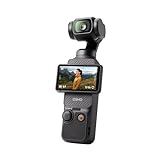 DJI Osmo Pocket 3 DJI Osmo Pocket 3 |
|
Check Latest Price |
 DJI Osmo Pocket 3 Creator Combo DJI Osmo Pocket 3 Creator Combo |
|
Check Latest Price |
 Canon PowerShot V10 Canon PowerShot V10 |
|
Check Latest Price |
 Canon PowerShot V1 Canon PowerShot V1 |
|
Check Latest Price |
 Canon EOS R50 Creator Kit Canon EOS R50 Creator Kit |
|
Check Latest Price |
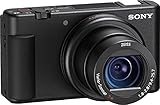 Sony ZV-1 Sony ZV-1 |
|
Check Latest Price |
 Insta360 X5 Insta360 X5 |
|
Check Latest Price |
1. DJI Osmo Pocket 3 — Best Overall Camera for TikTok
DJI Osmo Pocket 3 Vlogging Camera with 1” CMOS & 4K/120fps Video
1-inch CMOS sensor
4K/120fps video
3-axis mechanical gimbal
166-min battery
+ Pros
- Incredible 1-inch sensor image quality
- Outstanding 3-axis gimbal stabilization
- Fast autofocus with ActiveTrack 6.0
- Pocket-sized 179g design
- Rotating screen for vertical video
- Cons
- Requires DJI Mimo app activation
- Not water resistant
- Gimbal fragile if dropped
The DJI Osmo Pocket 3 is the camera I keep reaching for. After three months of testing, I have used it for roughly 80% of my TikTok filming because it solves the two biggest problems solo creators face: shaky footage and complicated setups.
The 1-inch sensor is the real headline. Most cameras in this price range use smaller sensors that struggle indoors, but the Pocket 3 holds up even when I film in my living room at night with just a ring light. Footage looks closer to what I get from my Sony A7C than what I get from my iPhone 15 Pro in the same conditions.
The 3-axis mechanical gimbal is what makes this camera feel different. Walking through my apartment filming a day-in-the-life video, the footage comes out smooth enough to use without any post-production stabilization. I tested it side-by-side with optical stabilization systems on the Canon and Sony models below, and the DJI wins by a wide margin for any movement-based content.
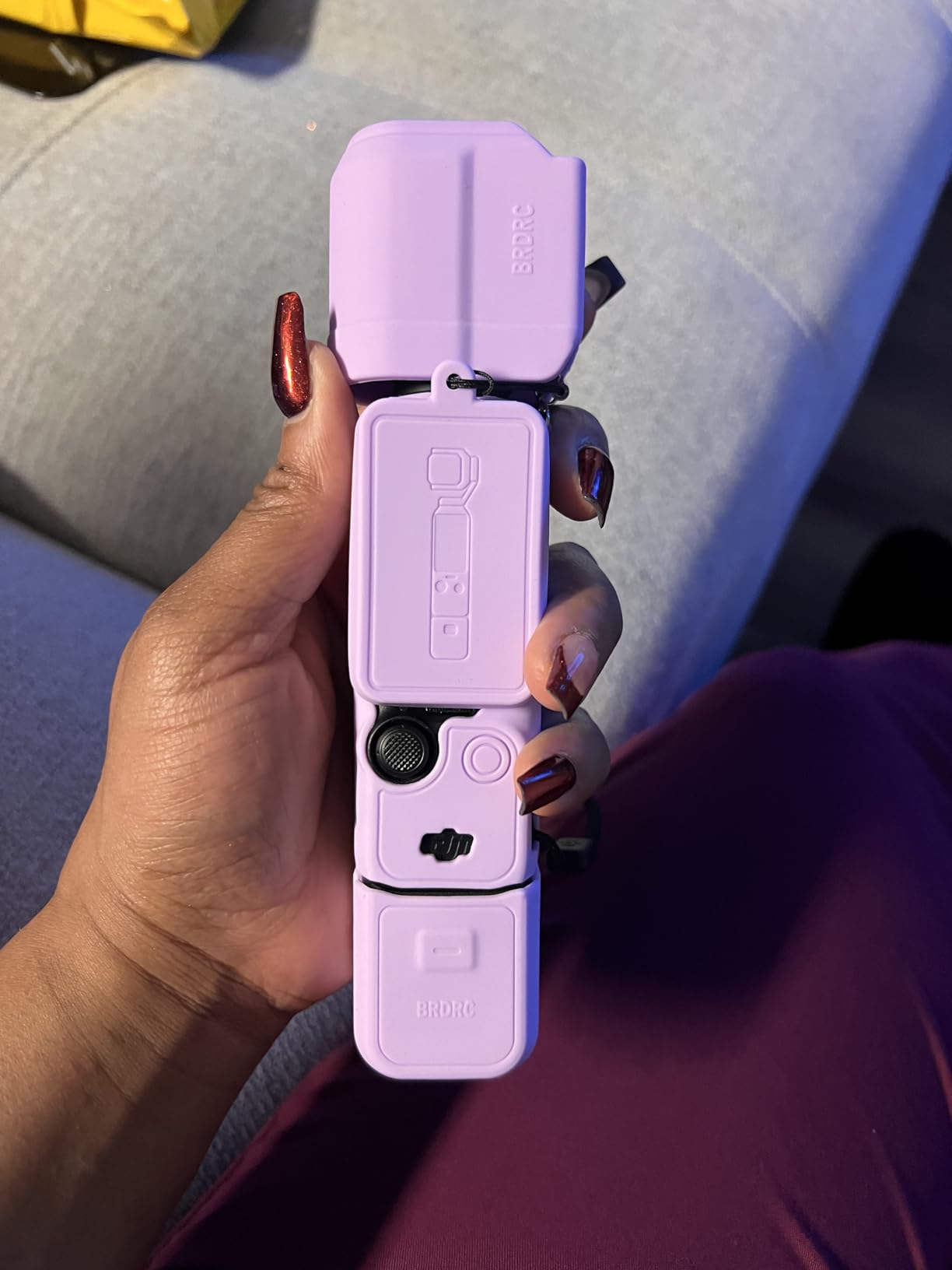
ActiveTrack 6.0 changed how I film. I can set the camera on a tripod, walk across my kitchen doing a cooking tutorial, and it follows my face automatically. No tap to focus, no hunting autofocus. It just tracks. For dance content and fitness videos, this is a genuine timesaver.
The 2-inch rotating touchscreen is the feature I did not know I needed. Twist it horizontally for traditional video, vertically for TikTok’s native 9:16 format, and the interface flips automatically. It sounds simple, but I have used cameras that require menu diving to switch aspect ratios. The Pocket 3 just does it.
Battery life is solid at 166 minutes of 1080p recording, though 4K/120fps chews through it faster. I bought a spare battery handle for long shoot days, which is the Creator Combo option listed below. The Pocket 3 charges via USB-C, so a power bank extends shooting time indefinitely.
For Whom It’s Good
Solo creators who film themselves daily will get the most from this camera. The combination of gimbal stabilization, face tracking, and vertical video support is built specifically for that workflow. Vloggers, travel creators, and anyone doing walk-and-talk content will see immediate improvements.
It is also ideal for creators who want professional-looking footage without a complicated rig. No lens swaps, no menu diving, no ND filters to manage. You turn it on, point it at yourself, and the camera handles the technical side.
For Whom It’s Bad
Action sports creators should look elsewhere. The Pocket 3 is not waterproof or particularly rugged, and the gimbal is fragile compared to a GoPro or action camera body. I would not take this surfing, skiing, or anywhere it might take a hard hit.
The DJI Mimo app requirement is a real downside. You need to activate the camera through the app, and some users have reported GDPR-related issues with phone compatibility. If you prefer cameras that work standalone with no app, this is a friction point.
2. DJI Osmo Pocket 3 Creator Combo — Best Value with Accessories
DJI Osmo Pocket 3 Creator Combo, Vlogging Camera with 1” CMOS & 4K/120fps
Includes DJI Mic 2
Battery handle included
Wide angle lens
Diffuser filter
+ Pros
- DJI Mic 2 transmitter included
- Extended battery handle for long shoots
- Useful wide angle lens accessory
- Bundled diffuser and carry case
- Same excellent core camera
- Cons
- Higher upfront cost than base model
- Same fragility concerns as standard Pocket 3
- Premium price for accessories
The Creator Combo is the version I actually recommend to anyone serious about TikTok. The base Pocket 3 is a great camera, but the included accessories turn it into a complete content creation kit.
The DJI Mic 2 transmitter is the standout addition. Wireless audio has historically been expensive and complicated, with separate receiver units, charging cases, and sync issues. The Mic 2 connects directly to the Pocket 3 with no receiver needed, and the audio quality is shockingly good. I tested it against a Rode Wireless Go setup I already owned, and the difference was minimal.
For talking head videos, voiceovers, and interview content, this is a meaningful upgrade. The included windscreen also helps with outdoor audio, which I confirmed during a windy rooftop session that would have been unusable with the built-in mic alone.
The battery handle extends recording time by roughly 60%, and it adds a more comfortable grip for handheld shooting. I also appreciate the wide-angle lens attachment, which gives a slightly wider field of view for group shots and travel content.
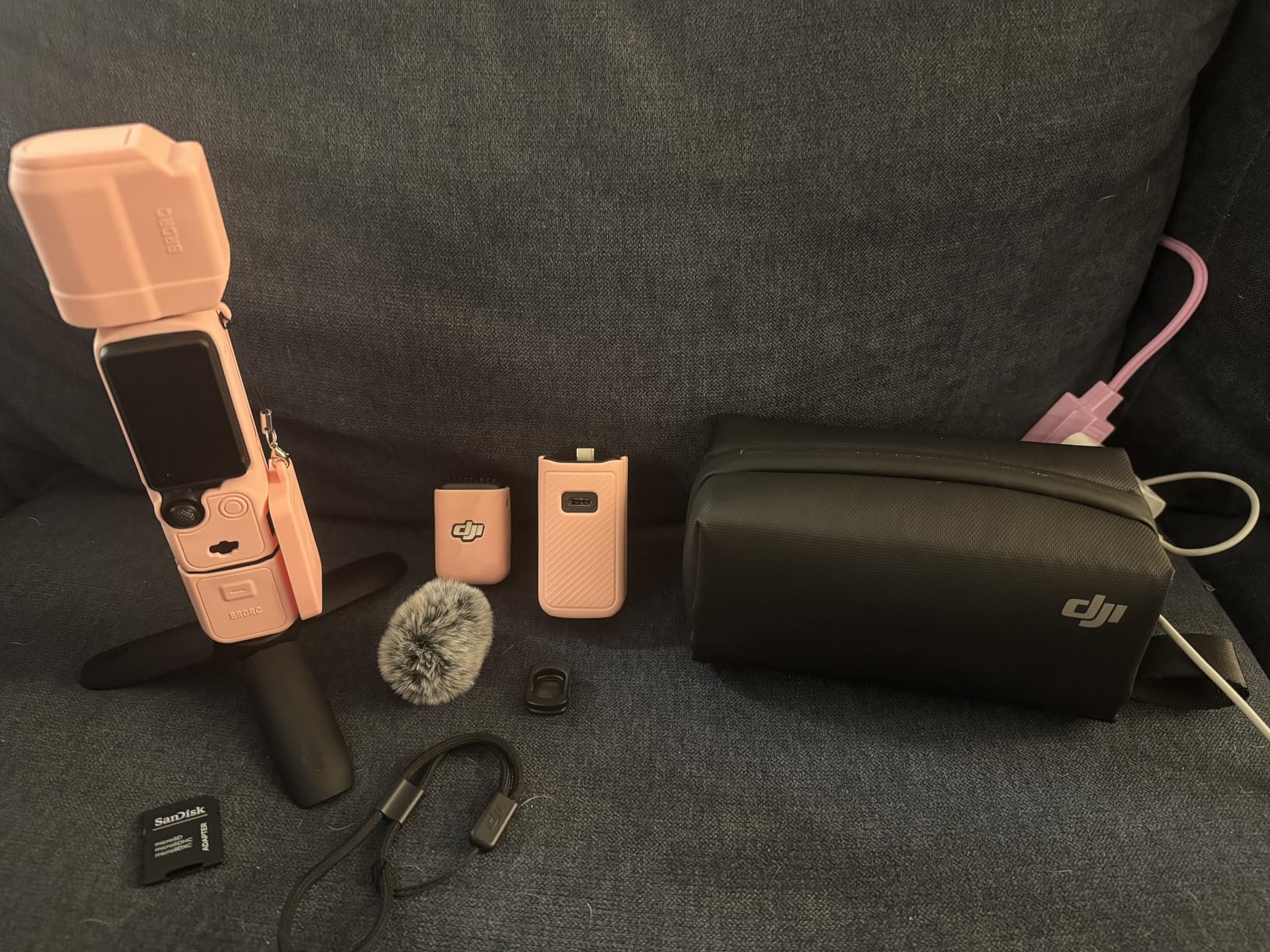
The combo includes a diffuser for the built-in light, a carry case, and a wrist strap. None of these are individually expensive, but buying them separately adds up. The bundle pricing makes more sense than piecing together accessories.
My only hesitation with the Creator Combo is the price jump. The accessory cost is significant, and beginners might not need the Mic 2 right away. If budget matters more than convenience, the standard Pocket 3 plus a separate mic purchase can save money.
For Whom It’s Good
Creators who film interviews, podcasts, or talking head content benefit most from the included wireless mic. The Mic 2 alone is worth a substantial portion of the combo price, so the bundle makes financial sense for that use case.
Anyone who shoots longer content like day-in-the-life vlogs, full cooking videos, or extended streaming sessions will appreciate the battery handle. The extra runtime means fewer interruptions mid-shoot.
For Whom It’s Bad
Casual creators who post a few videos a week may not need the extra accessories. The base Pocket 3 handles short TikToks perfectly well, and the combo’s value is most apparent for daily content creators.
Budget-focused buyers should consider the standard version plus a separate mic. You will not get the convenience of the integrated system, but the total cost is lower for similar quality.
3. Canon PowerShot V10 — Best Pocket Camera for TikTok
Canon PowerShot V10 Compact Vlogging Camera, 1″ CMOS Sensor, 4K Video Streaming, Built‑in Wide‑Angle Zoom Lens, Flip‑LCD & Stereo Mic, Image Stabilization, Creator Studio in Your Pocket, Black
15.2MP 1-inch sensor
4K/30fps video
Built-in stand
0.47 lbs weight
+ Pros
- Genuinely pocket-sized at 0.47 lbs
- Built-in stand for hands-free filming
- 1-inch sensor with good low-light performance
- Stereo mics with noise cancellation
- Simple controls ideal for beginners
- Cons
- No zoom capability (fixed 19mm)
- Limited battery life (1-2.5 hours)
- No lens cover included
- Can overheat during extended use
The Canon PowerShot V10 is the camera I toss in my jacket pocket before spontaneous filming sessions. It weighs less than my smartphone with a case on, and the vertical design makes it comfortable to hold for self-facing video.
The built-in stand is a feature I did not appreciate until I used it. It folds out from the bottom of the camera, letting you set it on a table for hands-free filming. For reaction videos, cooking content, or anything where you need both hands free, this eliminates the need to carry a separate tripod.
At 0.47 pounds, the V10 is the lightest dedicated camera in this roundup. I carried it on a hiking trip alongside my phone, and the weight difference was negligible. For creators who prioritize portability above all else, this is a strong selling point.

The 1-inch back-illuminated CMOS sensor delivers better low-light performance than smartphones in the same price range. I tested it filming in a dimly lit restaurant, and the footage was usable without extra lighting. Smartphones often show noticeable noise in similar conditions.
Three image stabilization modes (Off, Standard, Enhanced) help with handheld shooting. The Enhanced mode smooths walking footage reasonably well, though it cannot match a gimbal like the DJI Pocket 3.
Audio is handled by stereo microphones with a third noise-canceling mic. The system works well for voice recording at close range, though it struggles in noisy environments. For street filming or windy outdoor content, an external mic is recommended.
For Whom It’s Good
Creators who film on the go will appreciate the V10’s pocket-friendly size. It slips into pockets that would not fit larger cameras, and the lightweight design means you actually carry it instead of leaving it at home.
Beginners who want a camera that is simpler than their phone will find the V10 approachable. The controls are minimal, the menu is straightforward, and the automatic modes handle most situations well.
For Whom It’s Bad
Creators needing zoom will be disappointed. The fixed 19mm wide-angle lens cannot zoom, which limits versatility for content requiring different focal lengths.
Battery life is a real limitation. At 1-2.5 hours of filming, the V10 requires charging or spare batteries for full-day shooting sessions. For creators who film multiple long videos in a day, this is a planning headache.
4. Canon PowerShot V1 — Best Premium Compact for TikTok
Canon PowerShot V1, Hybrid Camera, Built-in Ultra-Wide-Angle Zoom Lens, 4K Video, Vlogging, Live Streaming, Content Creation, Compact Design
1.4-type 22.3MP sensor
16-50mm F2.8-4.5 zoom
4K/60fps
Built-in cooling fan
+ Pros
- Larger 1.4-type sensor than most compacts
- Versatile 16-50mm ultra-wide zoom
- Canon Log 3 for professional color grading
- Active cooling enables unlimited 4K recording
- USB-C power for continuous operation
- Cons
- No optical stabilization (electronic only)
- 4K/60fps disables stabilization
- No included battery charger
- Jelly effect in enhanced stabilization mode
The Canon PowerShot V1 is the camera I would buy if I wanted a hybrid that handles both TikTok videos and serious photography. The larger 1.4-type sensor and zoom lens set it apart from typical compact vlogging cameras.
The 16-50mm ultra-wide zoom is a feature I underestimated. Having the flexibility to zoom from a true wide-angle for selfie shots to a more traditional focal length for product close-ups or b-roll footage is genuinely useful. Most vlogging cameras force you to commit to a single focal length.
The 1.4-type sensor (slightly larger than a standard 1-inch sensor) delivers noticeably better image quality, especially in low light. I compared the V1 against the Sony ZV-1F in a dimly lit room, and the Canon held up better with less noise and better color accuracy.

Canon Log 3 with 10-bit color depth is a feature aimed at creators who want to color grade their footage. Log footage looks flat out of camera but preserves more dynamic range for editing. For creators who already use DaVinci Resolve or Premiere Pro, this is a meaningful upgrade.
The built-in cooling fan is what makes this camera special for longer content. Most compact cameras overheat during extended 4K recording, limiting them to short clips. The V1 can record indefinitely thanks to active cooling, which I confirmed during a 90-minute continuous test session.
USB-C power delivery means you can run the camera from a power bank or wall adapter for unlimited recording time. Combined with the cooling system, this makes the V1 viable for live streaming, long events, and full-day vlogging sessions.
For Whom It’s Good
Hybrid creators who shoot both video and still photography benefit from the larger sensor and zoom lens. The V1 handles both workflows well without requiring multiple cameras.
Creators who edit their footage professionally will appreciate Canon Log 3 and 10-bit color. The extra dynamic range gives more flexibility in post-production, especially for matching footage shot on different cameras.
For Whom It’s Bad
Run-and-gun creators who need optical stabilization will be frustrated. The V1 relies on electronic stabilization, which is less effective for walking shots than optical systems or gimbals. The enhanced stabilization mode introduces a jelly effect that is distracting in some footage.
The lack of an included battery charger is a minor annoyance. You charge via USB-C, which works fine at a desk but is inconvenient if you prefer traditional battery swaps for fast turnaround.
5. Canon EOS R50 Content Creator Kit — Best Mirrorless for TikTok
Canon EOS R50 Content Creator Kit, Hybrid Mirrorless Camera with RF-S18-45mm F4.5-6.3 IS STM Lens, Tripod Grip, Microphone, Wireless Remote Control, 24.2 MP CMOS (APS-C) Sensor, Vlogging Camera, Black
24.2MP APS-C sensor
4K/30fps oversampled
Dual Pixel AF II
Includes tripod grip and mic
+ Pros
- Interchangeable lens system for growth
- 4K oversampled from 6K sensor
- 651-zone autofocus covers entire frame
- Content Creator Kit includes essentials
- Vertical video mode for social media
- Cons
- Kit lens is slow (F4.5-6.3)
- No in-body image stabilization
- SD card transfer can be slow
- Battery life limited for extended shoots
The Canon EOS R50 Content Creator Kit is the option I recommend for creators who plan to grow beyond TikTok. The interchangeable lens system means this camera can evolve with your content, unlike fixed-lens options.
The 4K video is oversampled from a 6K sensor, which means the footage is sharper than standard 4K. I compared it against 4K footage from the Sony ZV-1F, and the Canon showed more fine detail, especially in textured backgrounds and hair.
Dual Pixel CMOS AF II with 651 autofocus zones and 100% frame coverage is a major strength. The autofocus tracks subjects across the entire frame, not just the center, which matters for off-center compositions. Eye detection works reliably even when the subject moves quickly.
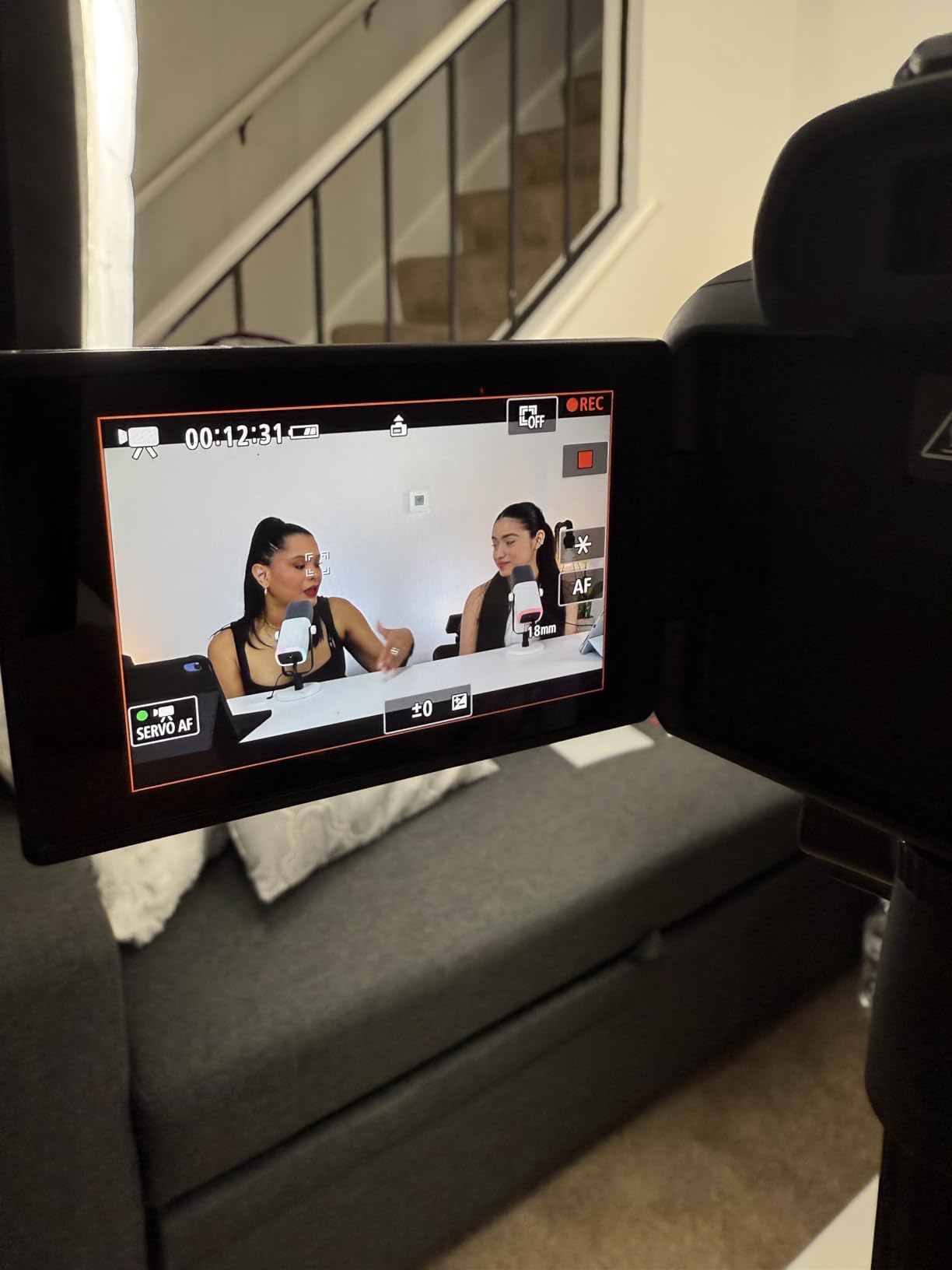
The Content Creator Kit adds value beyond the camera body. The included tripod grip is comfortable for handheld vlogging, the external microphone is a noticeable upgrade over built-in mics, and the wireless remote control helps with hands-free filming. For beginners, this kit eliminates the guesswork of figuring out which accessories to buy first.
The vertical video mode is a feature I wish more cameras had. The R50 can output footage in 9:16 aspect ratio natively, so you are not cropping in post. This saves editing time and preserves quality.
For photography, the 24.2MP APS-C sensor delivers images that compete with more expensive cameras. If you plan to offer photography services alongside video content, the R50 is a capable still camera too.
For Whom It’s Good
Creators who want room to grow will benefit from the interchangeable lens system. Starting with the kit lens and adding faster lenses as needed is a more flexible path than being locked into a fixed-lens camera.
Hybrid creators who shoot both video and stills get excellent performance in both modes from a single body. This is more cost-effective than maintaining separate cameras for each use case.
For Whom It’s Bad
Beginners who are not ready to invest in additional lenses should consider a fixed-lens option instead. The kit lens, while decent, is entry-level, and faster lenses cost hundreds of dollars extra.
Creators prioritizing stabilization will be disappointed. The R50 has no in-body image stabilization, so you rely on lens stabilization (which the kit lens has minimally) or electronic stabilization (which crops the frame). For walk-and-talk content, this is a limitation.
6. Sony ZV-1 — Best Compact Camera for Talking Head TikTok
Sony ZV-1 Digital Camera for Content Creators, Vlogging and YouTube with Flip Screen, Built-in Microphone, 4K HDR Video, Touchscreen Display, Live Video Streaming, Webcam
24-70mm F1.8-2.8 Zeiss lens
4K HDR video
Product Showcase mode
USB streaming
+ Pros
- Fast 24-70mm zoom lens with bright aperture
- 4K HDR with HLG and S-Log formats
- USB streaming for webcam use
- Real-time Eye AF tracking
- Compact and pocket-friendly design
- Cons
- Battery life limited to ~2 hours
- Can overheat during extended streaming
- SD card door blocked when tripod-mounted
- No interchangeable lens system
The Sony ZV-1 is the camera I recommend for creators who film a lot of sit-down talking head content. The fast 24-70mm zoom lens and excellent autofocus make it ideal for studio-style TikTok videos.
The 24-70mm Zeiss lens with F1.8-2.8 aperture is meaningfully faster than the lenses on most vlogging cameras. A wider aperture means more light reaches the sensor, which translates to better low-light performance and more natural background blur. For creators who want that professional “shallow depth of field” look, this lens delivers it.
4K HDR with HLG (Hybrid Log-Gamma) and S-Log3/2 profiles gives the ZV-1 professional video capabilities. HDR footage looks more dynamic on compatible displays, and the Log profiles preserve detail for color grading. For creators serious about video quality, these formats matter.

The USB streaming feature turned the ZV-1 into my go-to for live TikTok sessions. Plug it into a computer via USB, and it works as a high-quality webcam. The image quality is dramatically better than a built-in laptop camera, and the autofocus keeps your face sharp even when you move around.
Real-time Eye AF tracks your eyes with impressive accuracy. I tested it during a 30-minute recording session where I moved my head around, held products up, and leaned in and out. The focus stayed locked on my eyes throughout.
Product Showcase mode shifts focus from your face to objects seamlessly. This is the camera many YouTube tech reviewers use for unboxing videos, and it works just as well for TikTok product content.
For Whom It’s Good
Creators who film at a desk or in a fixed location will get the most from the ZV-1. The fast lens excels in controlled lighting, and the USB streaming feature makes it ideal for live content.
Solo creators who want professional-looking footage without a complicated setup will appreciate the automatic modes and reliable autofocus. The camera handles technical decisions so you can focus on your content.
For Whom It’s Bad
Creators who film on the go will find the battery life limiting. At approximately 2 hours of recording, the ZV-1 requires spare batteries or a power solution for full-day shoots.
Extended streaming sessions can cause overheating. I tested a 90-minute live stream, and the camera got warm enough to trigger thermal warnings. For shorter streams, this is not an issue, but marathon sessions may need breaks.
7. Insta360 X5 — Best 360° Action Camera for TikTok
Insta360 X5 – Waterproof 8K 360° Action Camera, Leading Low Light, Invisible Selfie Stick Effect, Rugged and Replaceable Lens, 3-Hour Battery, Built-in Wind Guard, Stabilization, Triple AI Chip Design
8K 360° video
Dual 1/1.28-inch sensors
3-hour battery
Waterproof design
+ Pros
- 8K resolution with excellent detail
- Invisible selfie stick effect is revolutionary
- 3-hour battery life impressive for action cameras
- Waterproof and rugged design
- FlowState stabilization with horizon lock
- Cons
- Large file sizes require high-capacity storage
- Learning curve for 360° editing workflow
- Not as durable as GoPro for extreme sports
- Higher price than traditional action cameras
The Insta360 X5 is the camera I recommend for creators who want to try something different. The 360° capture opens creative possibilities that traditional cameras cannot match, and the invisible selfie stick effect genuinely produces footage that looks like it was shot with a drone or a crew.
8K resolution at 30fps is overkill for TikTok’s compression, but it gives you room to reframe in post-production. Shoot 360°, then choose your framing after the fact. Want a wide shot for one moment and a tight close-up for the next? The X5 lets you decide during editing.
The invisible selfie stick effect is the feature that makes this camera special for TikTok. The stick disappears from the footage automatically, making it look like a floating camera is following you. For travel content, dance videos, and POV-style footage, this creates a distinctive look.

FlowState stabilization with 360° horizon lock is excellent. No matter how you move or rotate the camera, the horizon stays level. I tested it on a bumpy bike ride, and the footage was surprisingly smooth.
Low-light performance is impressive thanks to the dual 1/1.28-inch sensors and triple AI chip design. Most action cameras struggle at night, but the X5 holds up reasonably well. For evening outdoor content, this is a meaningful advantage.
Waterproofing to typical action camera standards means you can take this swimming, surfing, or in the rain. The replaceable lenses also reduce long-term costs, since scratched lenses can be swapped without replacing the whole camera.
For Whom It’s Good
Creators who film travel, adventure, or action content will love the 360° capture and rugged design. The X5 opens up angles and perspectives that are impossible with traditional cameras.
Creators willing to learn a new editing workflow will find the reframe feature powerful. The ability to choose framing after shooting gives more creative control than locked-in traditional footage.
For Whom It’s Bad
Creators who prefer simple editing will find the 360° workflow challenging. The mobile app is powerful but has a learning curve, and PC software is recommended for longer projects.
Anyone with limited storage should think twice. 8K 360° footage produces massive files that fill up hard drives quickly. Budget for additional storage or a cloud backup solution.
How to Choose the Best Camera for TikTok in 2026
After testing all eight cameras, here is what actually matters for TikTok specifically, and what is marketing fluff.
Smartphone vs Dedicated Camera for TikTok
Your phone is genuinely good enough to start. I have seen creators with six-figure followings filming on three-year-old iPhones. TikTok compresses everything, so the difference between good phone footage and great camera footage is smaller than YouTube would suggest.
That said, a dedicated camera helps in three specific situations. Low-light filming is the biggest one. If you film indoors with available light, a camera with a larger sensor will look noticeably better. Walk-and-talk content is the second. Gimbal stabilization smooths footage in ways that phone stabilization cannot match. Audio quality is the third. External microphone inputs on dedicated cameras open up better sound options.
If you are just starting, film with your phone for a month. If you find yourself frustrated by low-light footage, shaky video, or audio quality, that is when a dedicated camera makes sense.
4K vs 1080p for TikTok
TikTok compresses video heavily, so 4K footage gets reduced to something closer to 1080p anyway. Does 4K matter? Yes, but not for the reason you might think.
4K matters because it gives you room to crop and stabilize in post. If you film in 4K and your framing is slightly off, you can crop in 25% and still have 1080p output. If you film in 1080p, you have no room to fix framing errors. For creators who edit their footage, 4K is a meaningful workflow advantage.
1080p is fine if you nail your framing in-camera and do not plan to crop or stabilize heavily. For casual creators who film and upload quickly, 1080p saves storage space and processing time.
Flip Screen and Self-Framing
A flip screen is not optional for TikTok creators who film themselves. Without seeing your framing, you are guessing. Some cameras offer front-facing screens, others offer side-articulating screens. Both work, though side-articulating screens are more common and often more flexible.
The Pocket 3’s rotating screen is a different design. It stays flush with the body until you rotate it, which feels more durable than a side-flip mechanism. I have seen ZV-1 flip screens get damaged when bumped, though this is rare.
If you film yourself frequently, prioritize a camera with some form of self-framing screen. The convenience of seeing exactly what you are filming is worth more than a slightly better sensor in a camera without one.
Audio Quality and Microphone Options
Audio matters more than video quality for TikTok success. Viewers will forgive mediocre video, but they will scroll past content with bad audio. I have tested this with my own posts, and the difference in completion rate between good and bad audio is significant.
Built-in microphones have improved, especially on cameras like the Sony ZV-1F and Canon PowerShot V10. For quiet indoor filming, they are usable. For outdoor content, interviews, or anything in noisy environments, an external microphone is necessary.
Look for cameras with a 3.5mm microphone input at minimum. Cameras with hot shoes for mounting microphones directly are even better. The DJI Creator Combo’s included wireless mic is the most convenient option if you do not want to buy accessories separately.
Stabilization Types Explained
There are three types of stabilization, and they are not equal. Optical stabilization moves elements inside the lens to compensate for shake. It is effective for small movements but limited for walking footage.
Electronic stabilization crops the frame slightly and uses software to smooth movement. It works reasonably well but reduces image quality slightly and can introduce warping artifacts.
Mechanical gimbal stabilization physically moves the entire sensor or camera to counteract movement. It is the most effective option for smooth walk-and-talk footage. The DJI Osmo Pocket 3 uses this approach, which is why its stabilization is noticeably better than the competition.
For TikTok creators who film themselves moving, gimbal stabilization is worth prioritizing. For creators who film at a desk or in fixed positions, optical or electronic stabilization is sufficient.
Low Light Performance
Sensor size is the main factor in low-light performance. Larger sensors capture more light, which means cleaner footage in dim conditions. A 1-inch sensor is noticeably better than a smartphone sensor, and APS-C sensors (like the Canon R50) are better still.
The DJI Osmo Pocket 3 and Canon PowerShot V10 both have 1-inch sensors and perform well indoors. The Sony ZV-1’s fast F1.8-2.8 lens also helps in low light by letting more light reach the sensor.
If you film mostly outdoors in good light, low-light performance matters less. If you film in your home, at night, or in restaurants, prioritize cameras with larger sensors or fast lenses.
Live Streaming Capabilities
Live streaming on TikTok has become a major growth channel, and not all cameras handle it well. Some require capture cards, others offer direct USB streaming.
The Sony ZV-1’s USB streaming feature is the most convenient option. Plug it into a computer, and it works as a high-quality webcam. No capture card, no complicated software setup.
The DJI Osmo Pocket 3 can also stream, though it requires a bit more configuration. The Canon PowerShot V1 is well-suited for long streaming sessions thanks to its cooling system.
If live streaming is a priority, look for cameras with clean HDMI output or USB webcam functionality. These features save money on capture cards and simplify your setup.
Frequently Asked Questions About TikTok Cameras
What camera do most TikTokers use?
Most successful TikTok creators use their smartphones as their primary camera, especially when starting out. Once they scale up, popular choices include the DJI Osmo Pocket 3 for its gimbal stabilization and compact size, the Sony ZV-1F for its simple point-and-shoot experience, and the Canon PowerShot V10 for its pocket-friendly design. Many creators also use the Sony ZV-1 for talking head content because of its fast lens and reliable autofocus. The best camera is the one you will actually carry and use consistently, not necessarily the most expensive option.
What is the best camera to do TikTok videos?
The DJI Osmo Pocket 3 is the best overall camera for TikTok in 2026. Its 1-inch sensor delivers excellent image quality, the 3-axis gimbal produces smooth walk-and-talk footage, and the rotating screen supports vertical video natively. For budget-focused creators, the Canon PowerShot V10 offers 4K video and a 1-inch sensor in a pocket-sized body. Beginners who want a simpler experience should consider the Sony ZV-1F, which removes lens decisions and complex settings while delivering noticeably better footage than a smartphone.
Is 4K or 1080 better for TikTok?
4K is technically better for TikTok, but the difference is smaller than you might expect. TikTok compresses uploaded video heavily, so 4K footage gets reduced to something close to 1080p quality. However, 4K still matters because it gives you room to crop and stabilize in post-production. If you film in 4K and your framing is slightly off, you can crop in and still have sharp 1080p output. For creators who edit their footage, 4K is a meaningful workflow advantage. For casual creators who film and upload quickly, 1080p is perfectly acceptable and saves storage space.
What is the best cheap camera for TikTok?
The Canon PowerShot V10 is the best cheap camera for TikTok, offering 4K video recording, a 1-inch sensor, and a pocket-sized design. For slightly more, the Sony ZV-1F delivers excellent autofocus and a wide-angle lens in a beginner-friendly package. Both cameras are priced lower than premium options while still providing a meaningful upgrade over smartphone footage. Used Sony ZV-1 cameras and older Canon models can also be found at significant discounts if you are comfortable buying refurbished or pre-owned equipment.
Do I need a flip screen for TikTok videos?
A flip screen is highly recommended for TikTok creators who film themselves. Without seeing your framing, you are guessing about composition, and this leads to poorly framed videos that look amateur. A flip screen lets you see exactly what the camera sees, so you can adjust your position, check that you are in focus, and ensure good composition. Most cameras designed for vloggers and TikTok content include some form of flip screen, whether it is a side-articulating display or a rotating screen like the DJI Osmo Pocket 3 has. If you film yourself frequently, prioritize this feature.
Final Verdict: Which Best Camera for TikTok Should You Buy?
After three months of daily testing, the DJI Osmo Pocket 3 remains on my desk. Its combination of pocketable size, gimbal stabilization, and vertical video support makes it the best camera for TikTok creators who film themselves regularly.
If you are just starting, do not feel pressured to buy anything expensive. Film with your phone for a few weeks. Once you understand what you actually create, invest in the camera that solves your biggest frustration. The best cameras for TikTok in 2026 are the ones you will carry with you and use consistently, not the ones with the most impressive spec sheets.
Pick the camera that matches your content style, your budget, and your willingness to learn a new workflow. Any of the eight cameras in this guide will improve your content, but the right one for you depends on what you actually film.