
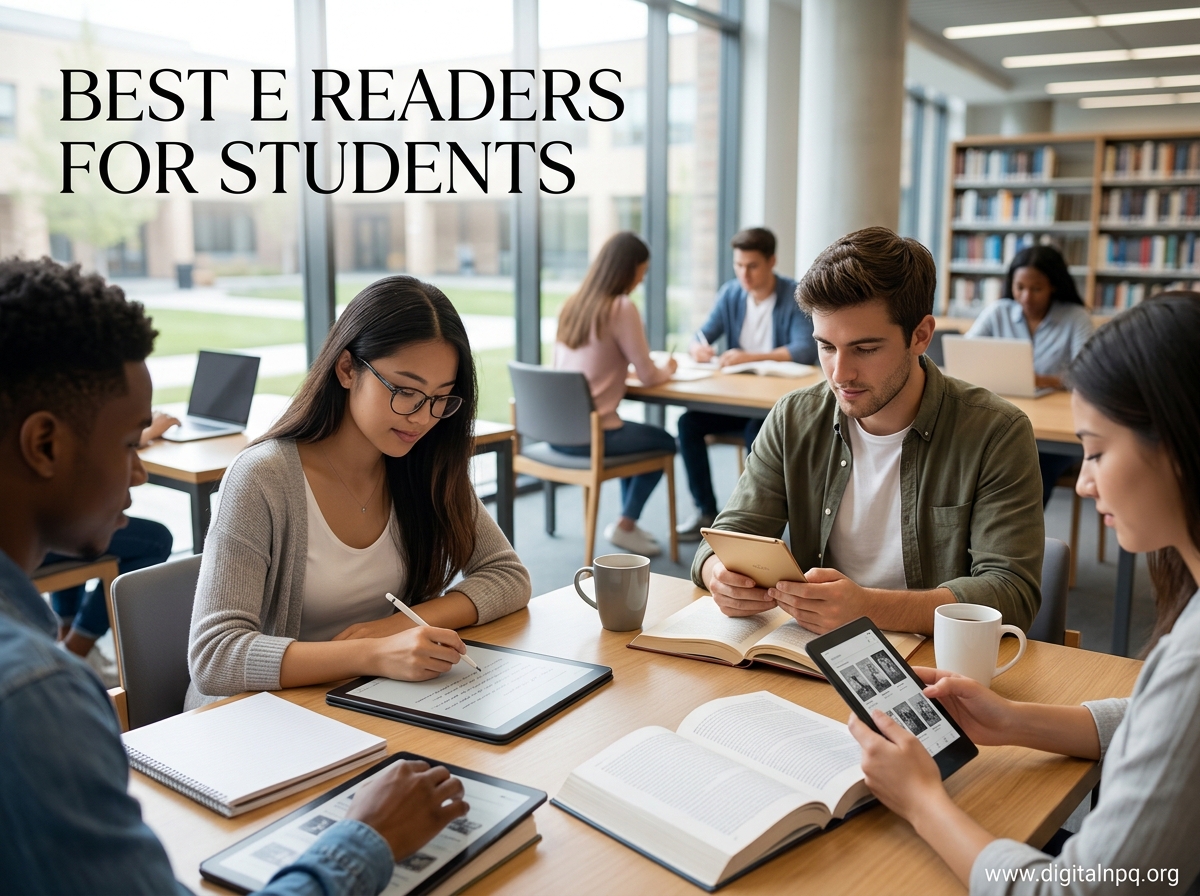
I spent the last semester swapping between seven e-readers to figure out which ones actually hold up under student workload. Textbooks, PDFs, library loans, late-night study sessions, and coffee shop marathons were all part of the testing. The best e-readers for students need to handle heavy academic reading without wrecking your eyes or your budget.
Students have different needs than casual readers. You need solid PDF support, library integration, highlight features, and battery life that survives finals week. Some of you also want note-taking with a stylus, while others just need a distraction-free device for novels and lighter coursework. I broke down each device by what it does well and which type of student it fits best.
If you are tired of lugging around 30 pounds of textbooks or squinting at PDFs on a laptop screen, this guide will point you to the right device. I tested everything from the $110 entry-level Kindle to the $280 Kindle Colorsoft, and I have real opinions on where the value sits. Let me walk you through what I found.
Top 3 Best E Readers for Students (September 2026)
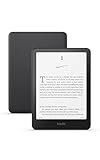
Kindle Paperwhite 16GB
- 7-inch display
- IPX8 waterproof
- 12-week battery
- Adjustable warm light

Kobo Libra Colour
- 7-inch color E Ink
- Page-turn buttons
- Kobo Stylus 2 support
- OverDrive built-in
These three cover the spread. The Kindle Paperwhite wins overall because it balances price, screen size, and features better than anything else I tested. The base Kindle 16GB is the budget pick that still delivers a great reading experience. The Kobo Libra Colour takes the note-taking and library integration crown thanks to its stylus support and open ecosystem.
7 Best E Readers for Students (September 2026)
| Product | Details | |
|---|---|---|
| Kindle Paperwhite 16GB |
|
Check Latest Price |
 Kindle 16GB Kindle 16GB |
|
Check Latest Price |
 Kindle Paperwhite Signature Kindle Paperwhite Signature |
|
Check Latest Price |
 Kobo Clara BW Kobo Clara BW |
|
Check Latest Price |
 Kobo Clara Colour Kobo Clara Colour |
|
Check Latest Price |
| Kobo Libra Colour |
|
Check Latest Price |
 Kindle Colorsoft Signature Kindle Colorsoft Signature |
|
Check Latest Price |
1. Kindle Paperwhite 16GB – The All-Round Winner
Amazon Kindle Paperwhite 16GB (newest model) – 20% faster, with new 7″ glare-free display and weeks of battery life – Black
7-inch glare-free display
16GB storage
12-week battery
IPX8 waterproof
+ Pros
- Large 7-inch screen
- Waterproof for campus life
- 12-week battery life
- Adjustable warm light for night reading
- USB-C charging
- Cons
- Touch controls can be finicky
- Web browser is slow
- No stylus support
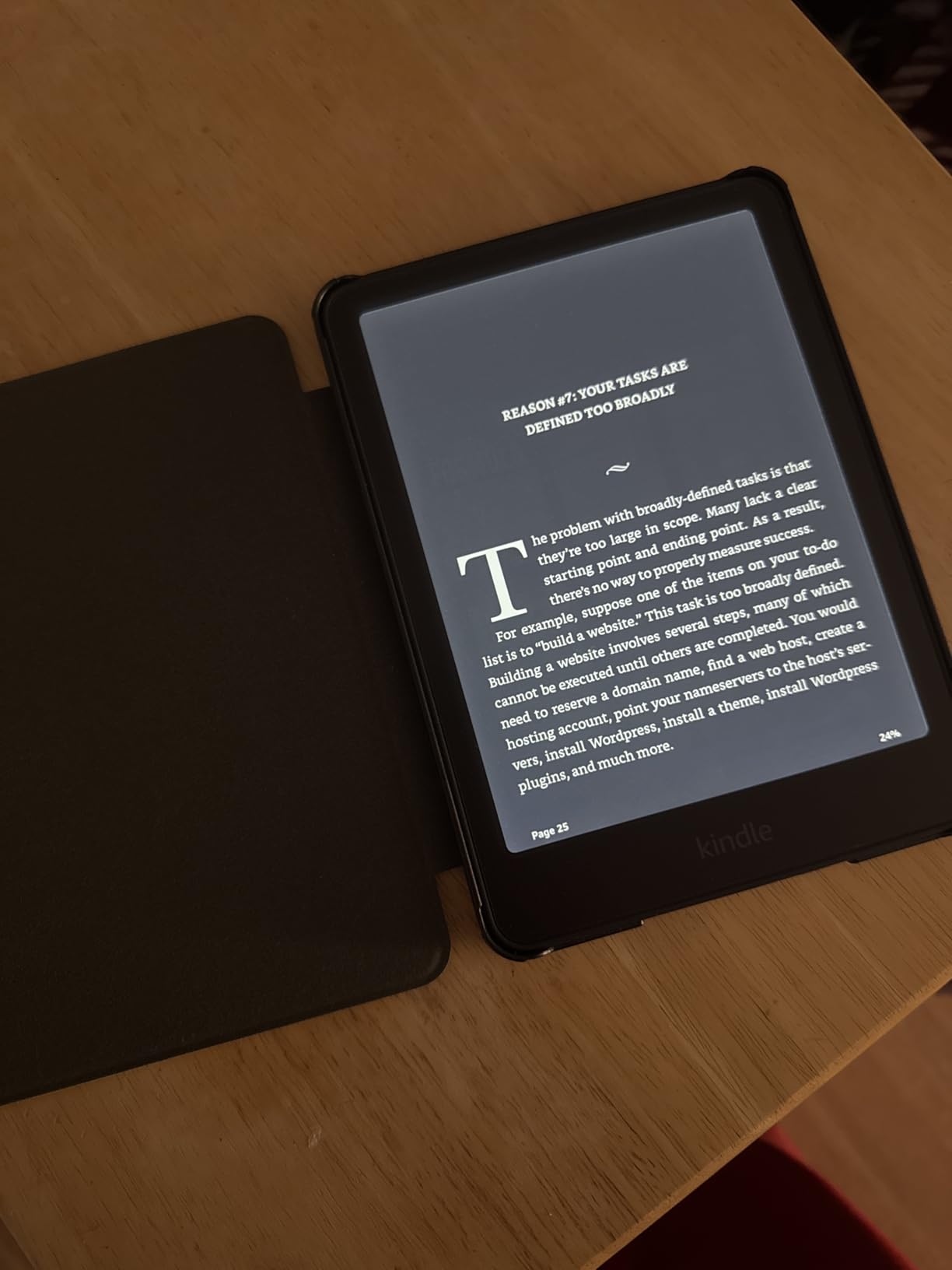
I used the Kindle Paperwhite as my daily driver for three months straight during a heavy reading semester. It handled everything from dense novel assignments to long PDF articles without breaking a sweat. The 7-inch screen hits the sweet spot between portability and readability. I could fit it in a jacket pocket but still read two-column journal articles without constant zooming.
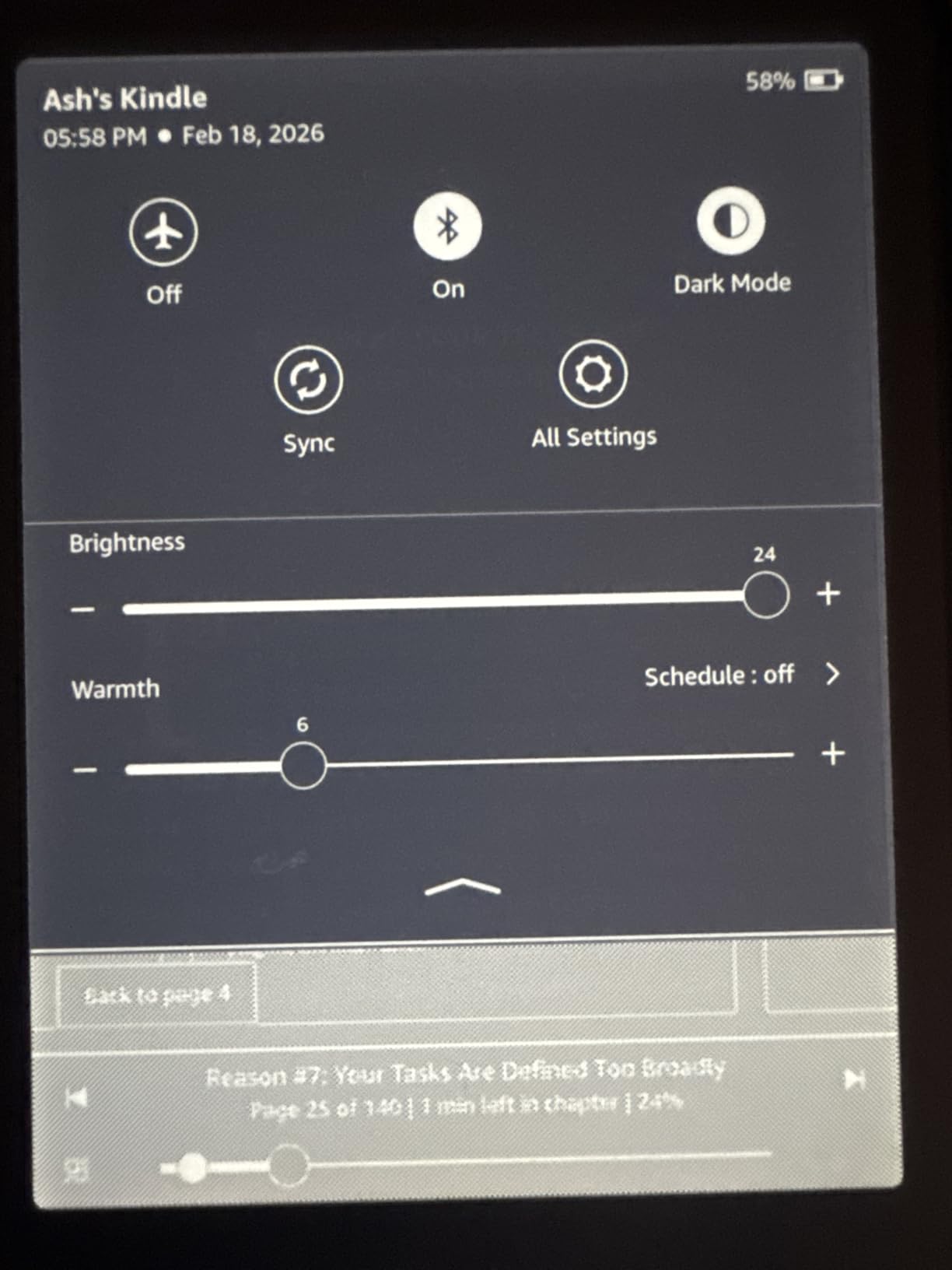
The warm light feature became my favorite detail during late-night study sessions. I could dial the color temperature from bright white to warm amber, which made a real difference reading in the dorm after midnight. The 12-week battery life claim held up in my testing. I charged it maybe four times across an entire semester of daily use.
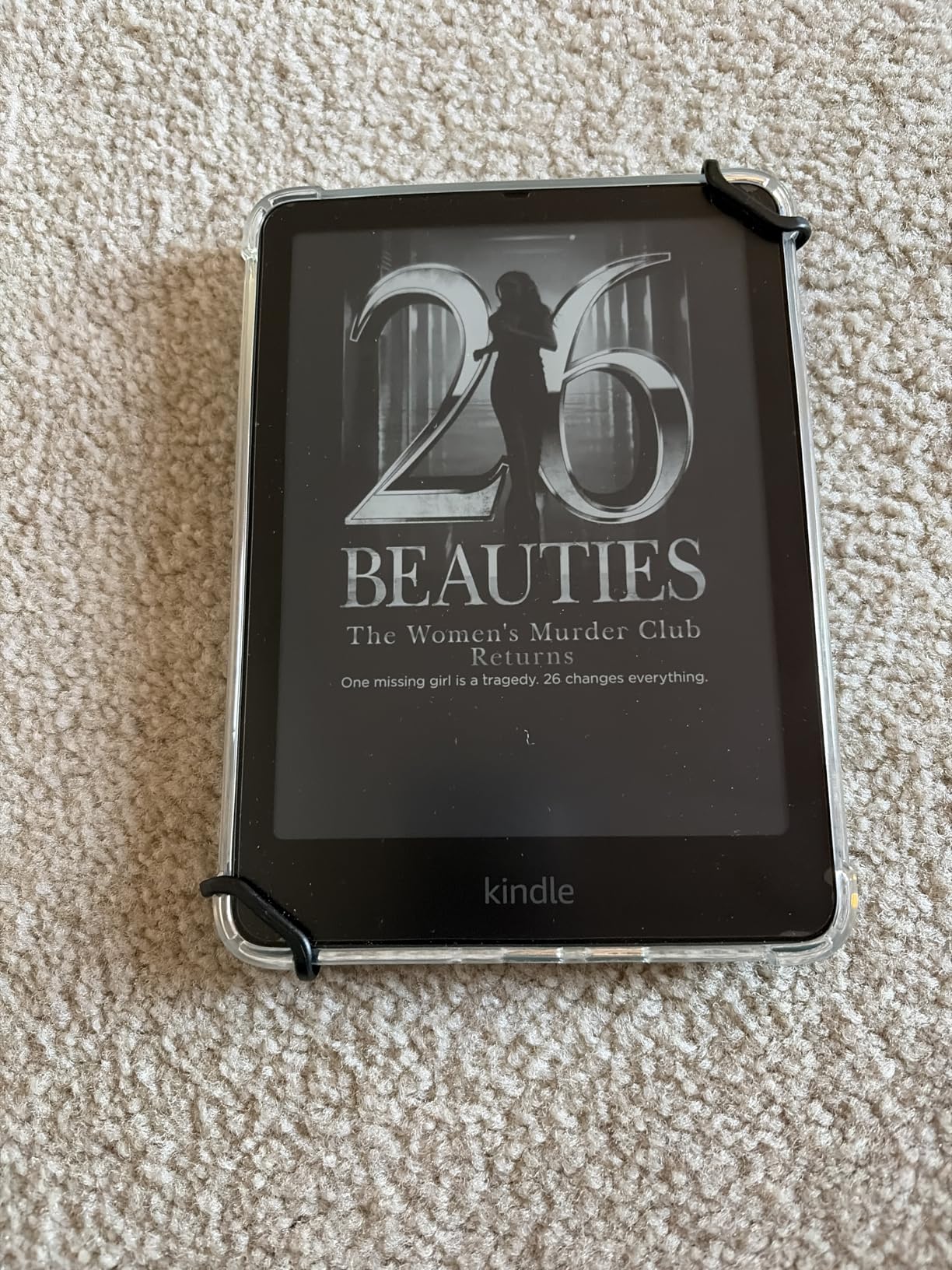
The waterproof rating gave me peace of mind around coffee spills and rainy walks between buildings. I tested it in a steamy bathroom while reviewing notes, and it performed flawlessly. The page turn speed is noticeably faster than the older Paperwhite models. Amazon claims 25 percent faster, and I believe it based on side-by-side comparison.
The Kindle store integration is a big advantage if your professors assign novels or popular nonfiction. You can grab most titles instantly without waiting for shipping. For textbooks, the experience varies depending on publisher. Some textbook PDFs render beautifully, while dense multi-column layouts require zooming and panning. That is true of every e-reader I tested, though.
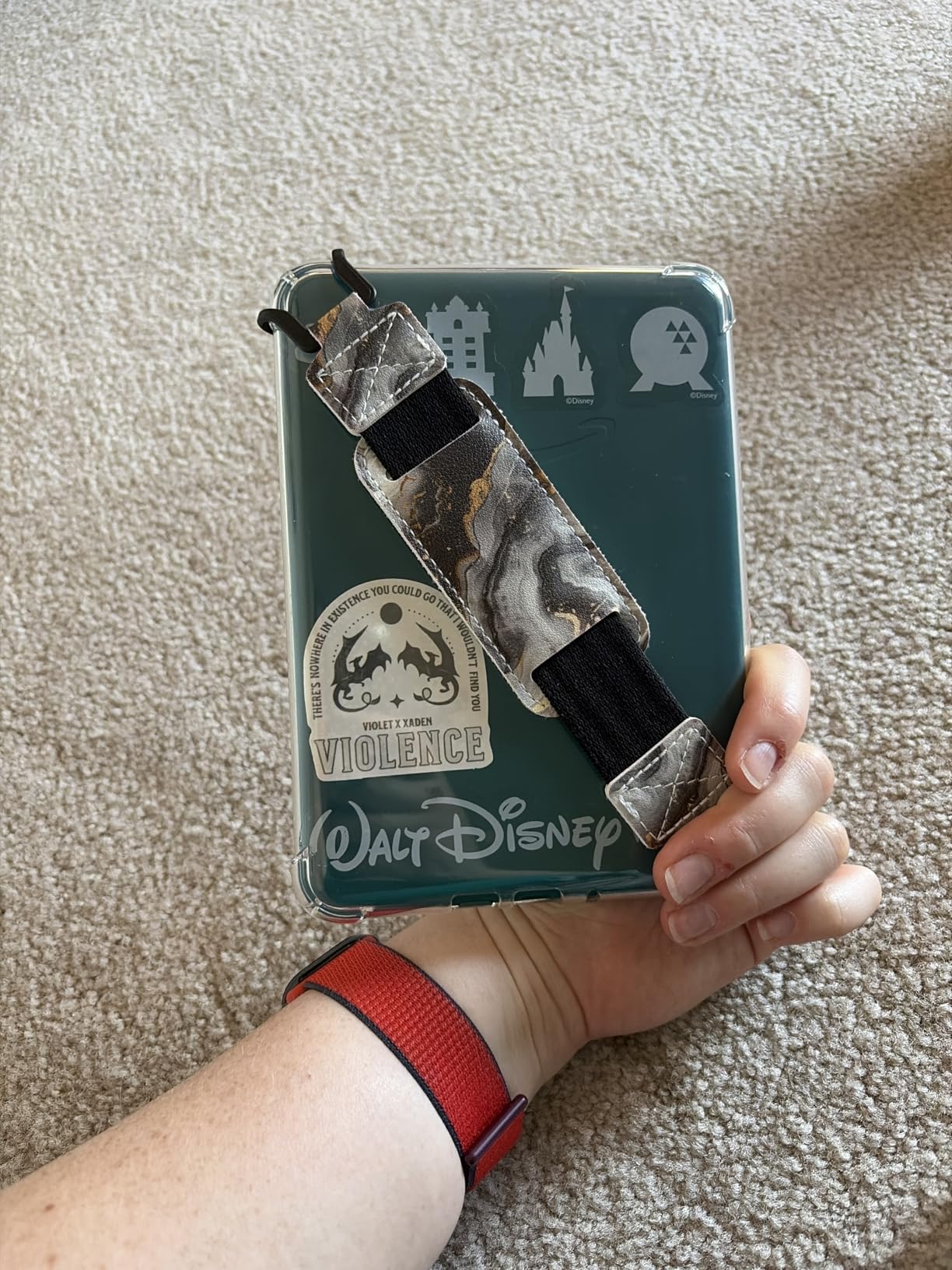
Best For: General Students and Heavy Readers
This is the device I would hand to most undergraduates without hesitation. The combination of screen size, battery life, waterproof rating, and warm light covers the widest range of use cases. If you read both assigned novels and academic PDFs, this handles both well.
The Kindle ecosystem also makes borrowing digital books from your campus library easy through Libby. As long as your library participates, you can send books straight to the device over Wi-Fi. This alone saved me over $200 last semester in textbook costs.
Who Should Skip This
If you need to annotate PDFs with handwritten notes or drawings, the Paperwhite cannot do that. You would need to look at the Kobo Libra Colour with its stylus support. The Paperwhite also lacks page-turn buttons, which some readers find frustrating.
Students who want an open ecosystem that supports EPUB files natively without conversion should also consider a Kobo instead. Kindle devices work best within Amazon’s walled garden, and sideloading requires extra steps.
2. Kindle 16GB – The Budget Champion
Amazon Kindle 16 GB (newest model) – Lightest and most compact Kindle, now with faster page turns, and higher contrast ratio, for an enhanced reading experience – Black
6-inch glare-free display
16GB storage
6-week battery
300 ppi
+ Pros
- Lightest Kindle ever
- Excellent 300 ppi screen
- Dark mode support
- Affordable entry point
- Distraction-free reading
- Cons
- No warm light
- Not waterproof
- Smaller 6-inch screen
- Lockscreen ads on base model
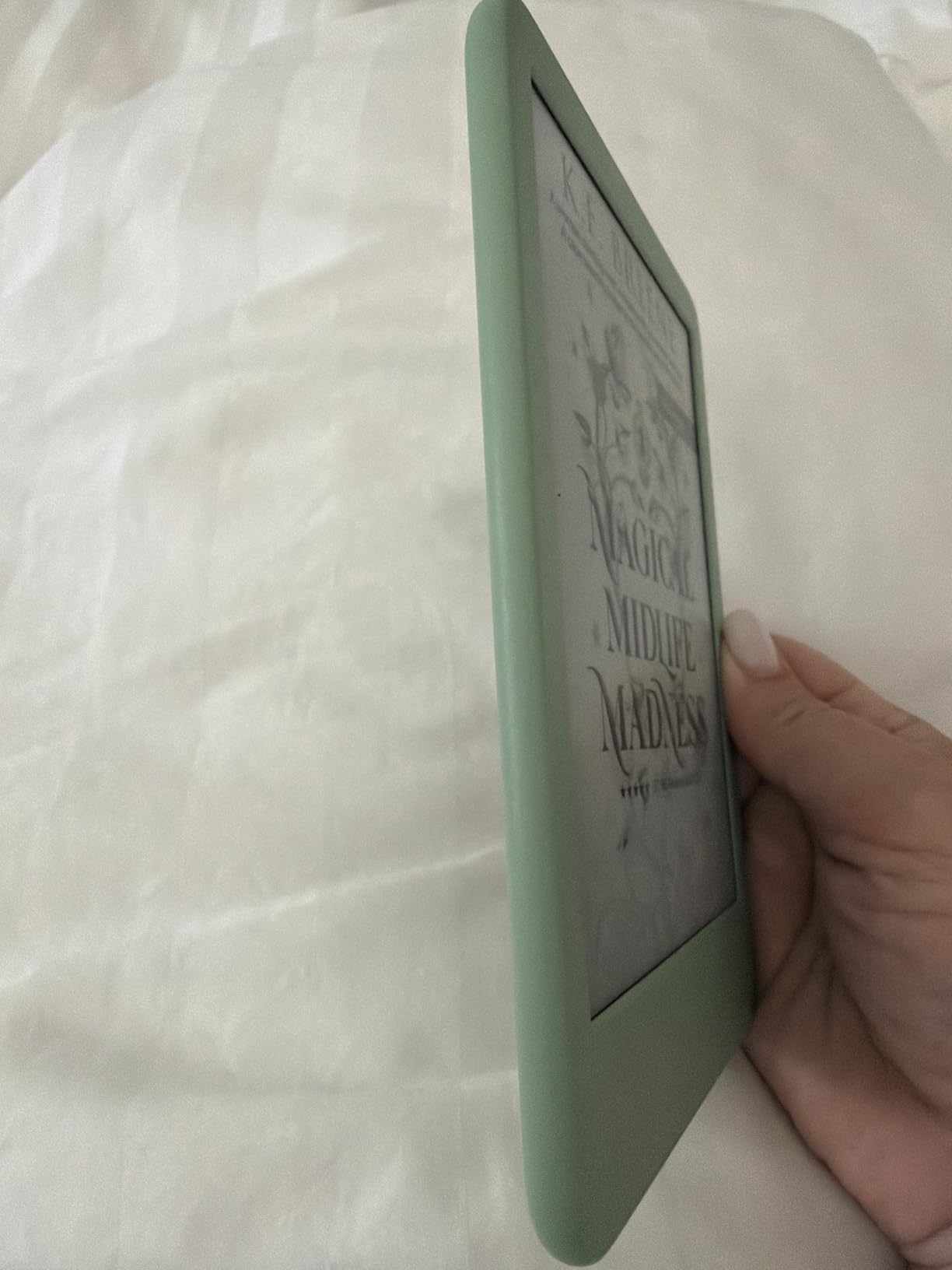
I carried the base Kindle 16GB around campus for six weeks as my secondary device. At roughly the weight of a paperback, it disappeared into my bag and I forgot it was there until I needed it. The 300 ppi screen looks identical to real printed paper. Text is crisp, contrast is excellent, and the adjustable front light handles everything from bright classrooms to dark dorm rooms.
This is the lightest Kindle Amazon makes, and that matters more than you might think. During a day of walking between classes, every ounce counts. I found myself reaching for this device more than my Paperwhite when I just wanted to read a chapter between lectures.
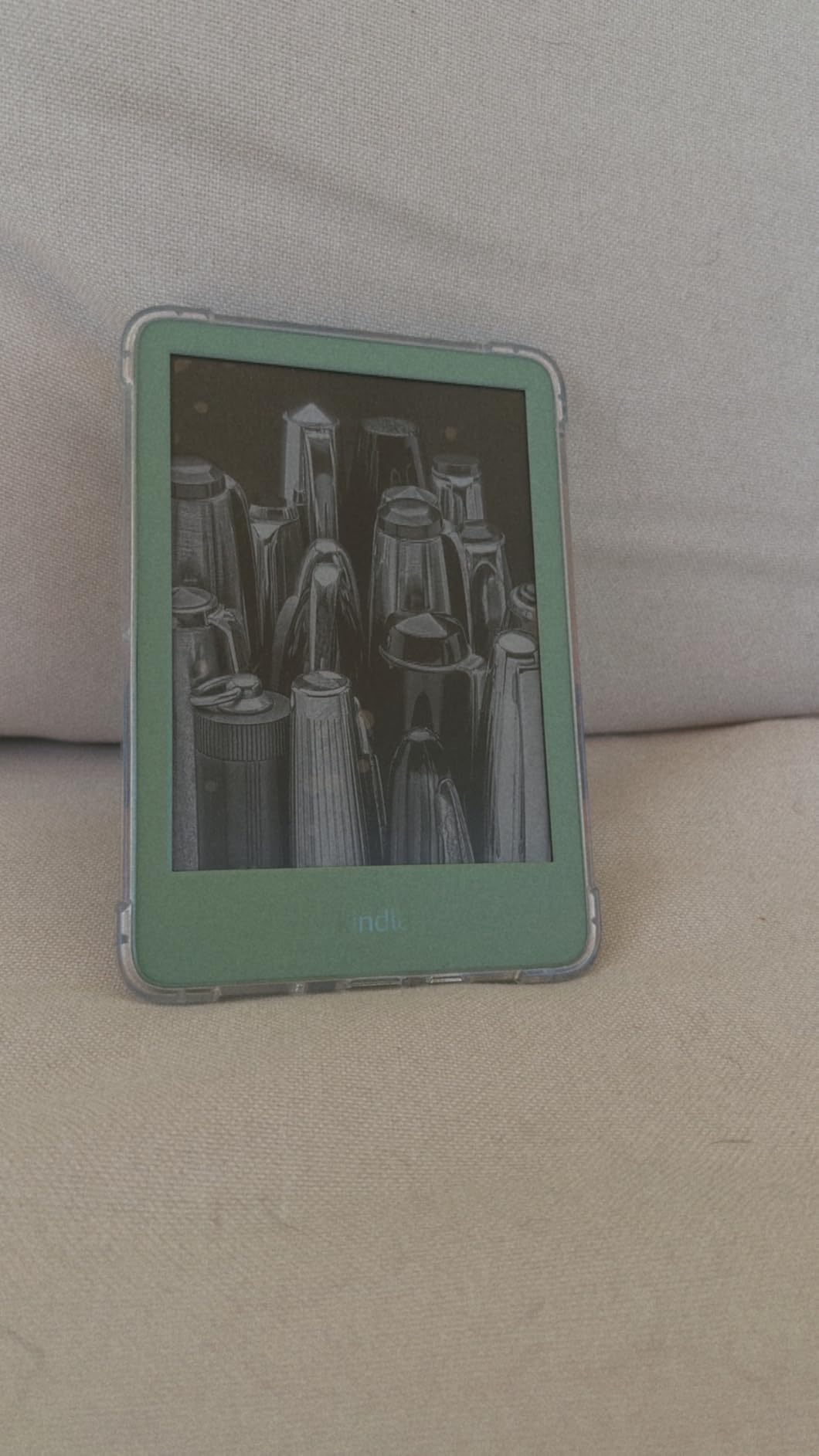
The 16GB storage is generous for this price point. I loaded thousands of books and PDFs without worrying about space. The dark mode feature inverts colors for comfortable reading in low light. I used it constantly during evening study sessions when I wanted to avoid lighting up the whole room.
The trade-offs are real, though. There is no warm light option, which means the screen stays blue-white at all color temperatures. It is not waterproof, so you need to be careful around drinks and rain. The 6-inch screen is fine for novels but tight for textbook PDFs with complex layouts.
Best For: Budget-Minded Students and Novel Readers
If your coursework is mostly novels, articles, and text-heavy PDFs, this is the best value in the entire e-reader market. You get the same 300 ppi screen quality as the Paperwhite at a significantly lower price. For humanities students reading literature and essays, this covers everything you need.
It also works well as a secondary device. I kept one in my backpack for casual reading between classes while keeping my main device at home for heavier academic work. The low price makes that kind of setup realistic on a student budget.
Who Should Skip This
STEM students working with complex diagrams, equations, and multi-column textbooks will find the 6-inch screen frustrating. You will spend too much time zooming and panning. The lack of waterproofing is also a dealbreaker if you study near water or in humid environments.
If you read late at night regularly, the absence of warm light will bother your eyes more than you expect. The blue-white front light is fine for daytime but harsh at midnight compared to the amber tones on the Paperwhite.
3. Kindle Paperwhite Signature Edition – The Premium Upgrade
Amazon Kindle Paperwhite Signature Edition 32GB (newest model) – 20% faster with auto-adjusting front light, wireless charging, and weeks of battery life – Metallic Black
7-inch glare-free display
32GB storage
12-week battery
Wireless charging
Auto-adjusting light
+ Pros
- 32GB storage for heavy libraries
- Auto-adjusting brightness
- Wireless charging support
- Premium metallic finish
- All Paperwhite features included
- Cons
- Wireless charging dock sold separately
- Premium price over standard Paperwhite
- Signature extras not essential for basics
The Signature Edition takes everything great about the standard Paperwhite and adds premium touches. I tested it for a month alongside the regular Paperwhite, and the differences are subtle but meaningful for power users. The auto-adjusting front light reads ambient brightness and adjusts the screen automatically. I stopped fiddling with brightness settings entirely.
The 32GB storage is the biggest practical upgrade. If you load up on graphic novels, comics, illustrated textbooks, or audiobooks, the extra space matters. I packed my entire semester’s reading list onto the device with room to spare. The standard Paperwhite’s 16GB is plenty for text, but illustrated content eats storage fast.
Wireless charging is a nice convenience if you already have a Qi charger on your desk. I dropped the device on a charging pad between study sessions and never thought about battery management. The metallic finish also feels more premium than the standard matte plastic, though that is purely cosmetic.
Everything else matches the standard Paperwhite. You get the same 7-inch display, same 12-week battery, same IPX8 waterproof rating, and same warm light. The question is whether the Signature extras justify the price difference for your use case.
Best For: Power Users with Large Libraries
If you read illustrated content, download audiobooks, or want to keep your entire four-year reading list on one device, the 32GB storage alone justifies the upgrade. The auto-adjusting light is genuinely useful if you read in varying environments throughout the day.
Students who already own wireless charging pads and accessories will appreciate the convenience. Drop it on the pad, forget about cables, and the device is always ready when you need it.
Who Should Skip This
If you mostly read text-based books and PDFs, the standard Paperwhite does 95 percent of what this device does for less money. The wireless charging dock is sold separately, so the feature costs extra to actually use. Most students will be perfectly happy with the standard model.
The Signature extras are luxury features, not necessities. If budget is tight, redirect that money toward a good case, a screen protector, or actual books.
4. Kobo Clara BW – The Open Ecosystem Alternative
Kobo Clara BW | eReader | 6” Glare-Free Touchscreen with ComfortLight PRO | Dark Mode Option | Audiobooks | Waterproof | 16GB of Storage | Black
6-inch E Ink Carta 1300 HD
16GB storage
IPX8 waterproof
ComfortLight PRO
Audiobooks via Bluetooth
+ Pros
- No ads anywhere
- Open EPUB support without conversion
- ComfortLight PRO blue light reduction
- Waterproof IPX8 rating
- Cleaner interface than Kindle
- Drag and drop file transfer
- Cons
- Cannot access Amazon Kindle store
- PDF reading is slow
- Cannot underline text in PDFs
- Magnet case compatibility issues
The Kobo Clara BW was my introduction to the Kobo ecosystem, and I came away impressed. The 6-inch E Ink Carta 1300 HD display is the sharpest black-and-white screen I tested. Text rendering is crisp, page turns are snappy, and the interface is cleaner than Kindle’s without the constant upselling.
The standout feature for students is the open file format support. You can drag and drop EPUB files directly via USB without converting them through Calibre or any other software. For students who download open-access textbooks, research papers, and public domain works, this is a massive time saver.
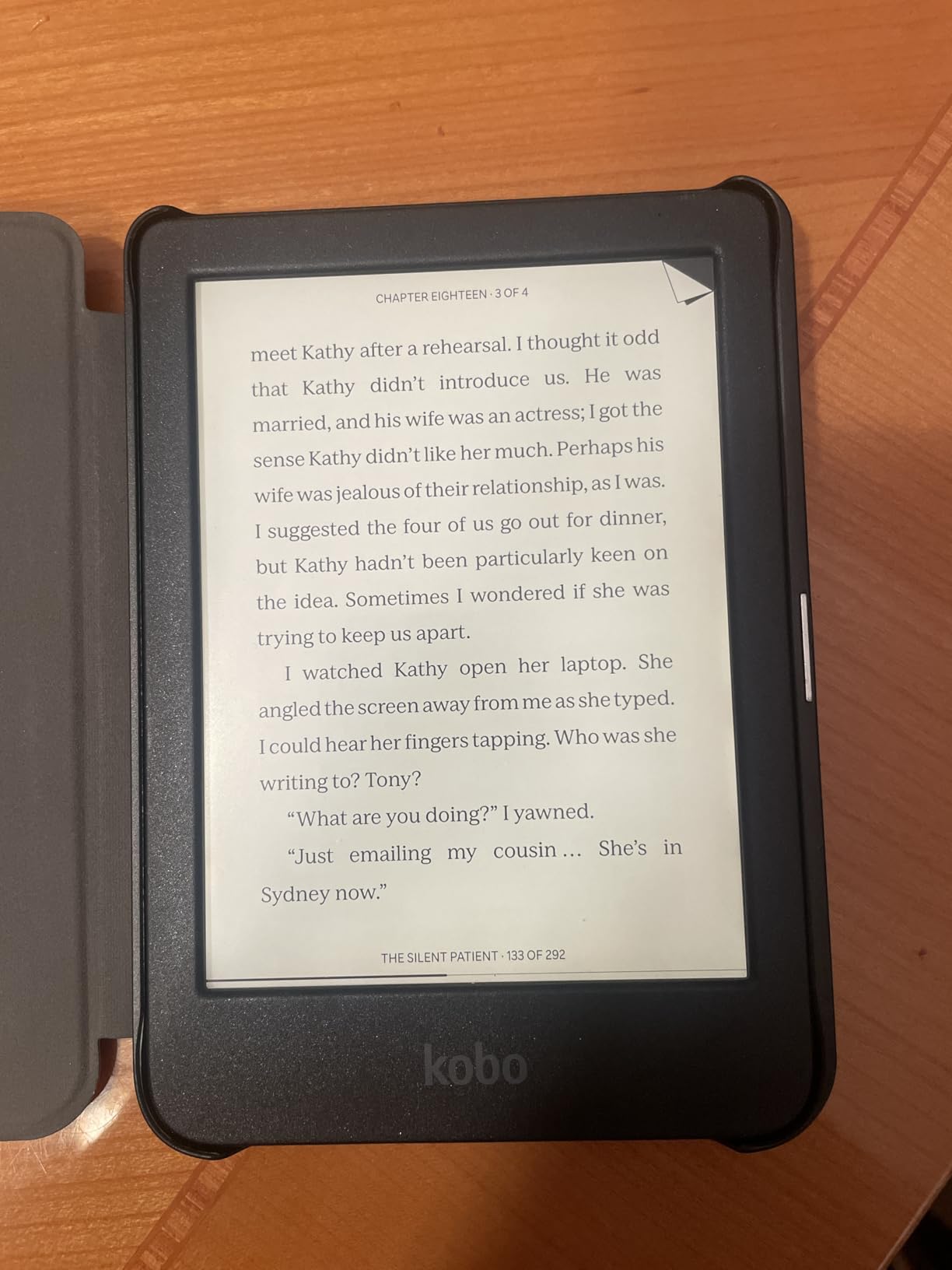
The ComfortLight PRO system reduces blue light gradually as evening approaches. I found it more gradual and natural than Kindle’s manual warm light adjustment. The Clara BW is also completely waterproof with an IPX8 rating, matching the Paperwhite for durability around campus.
OverDrive integration is built directly into the device. You can browse your public library, borrow books, and send them to the Kobo without ever touching a phone or computer. This is the single best library experience I tested across all seven devices.
Best For: Library Power Users and Open Format Fans
If you borrow heavily from public libraries, the Kobo Clara BW delivers the smoothest OverDrive experience available. No phone required, no sideloading, no extra apps. Just browse, borrow, and read directly on the device.
Students who work with EPUB files, open educational resources, or public domain texts will appreciate the drag-and-drop simplicity. No conversion headaches, no software dependencies, no Amazon account required.
Who Should Skip This
If your professors assign Kindle-exclusive titles or you already own a large Kindle library, this device cannot access that content. You would need to strip DRM and convert files, which is a hassle most students will not tolerate.
PDF performance is the Clara BW’s weakest point. Multi-column academic PDFs render slowly, and you cannot underline text within them. If PDF reading is your primary use case, look elsewhere.
5. Kobo Clara Colour – Compact Color Reading
Kobo Clara Colour | Colour eReader | 6” Glare-Free Colour E Ink Kaleido™ 3 Display | Dark Mode Option | Waterproof | Audiobooks | 16GB of Storage | White
6-inch E Ink Kaleido 3 color
16GB storage
IPX8 waterproof
ComfortLight PRO
Audiobooks
+ Pros
- Color E Ink for covers and comics
- Compact pocketable size
- Waterproof IPX8
- No ads
- Easy EPUB sideloading
- OverDrive library integration
- Cons
- Color resolution only 150 ppi
- Brightness needs to be higher than B&W models
- Battery drains faster in color mode
- Some menu lag
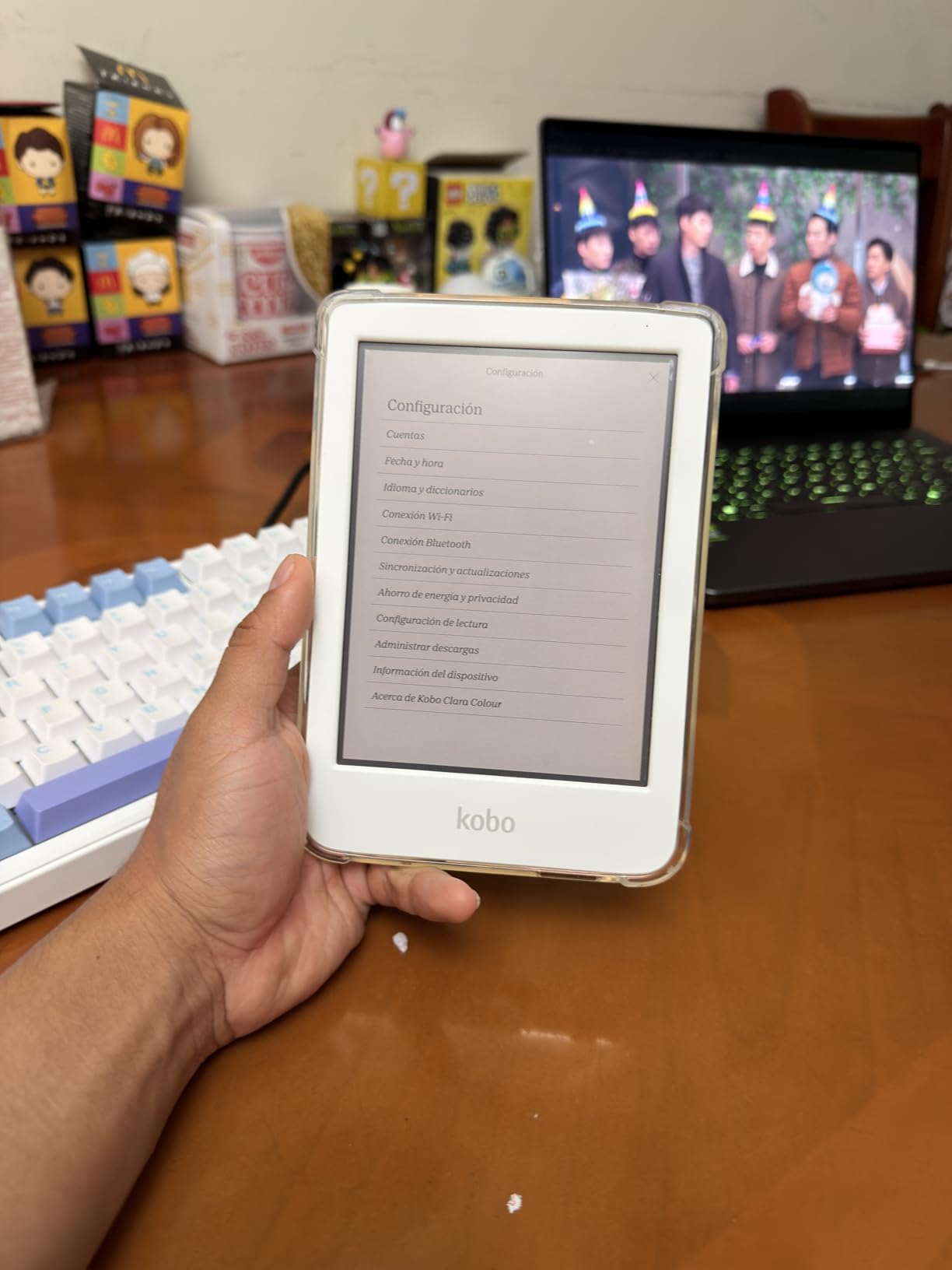
The Kobo Clara Colour adds a 6-inch color E Ink Kaleido 3 display to the Clara BW formula. I tested it with illustrated textbooks, charts, and color-coded diagrams. The color is not tablet-vivid, but it adds meaningful context to figures that black-and-white readers lose entirely.
For students working with biology diagrams, chemistry structures, or any textbook where color coding matters, this is a real advantage. I could distinguish between different highlighted regions in anatomy figures. On a black-and-white reader, those distinctions disappear.
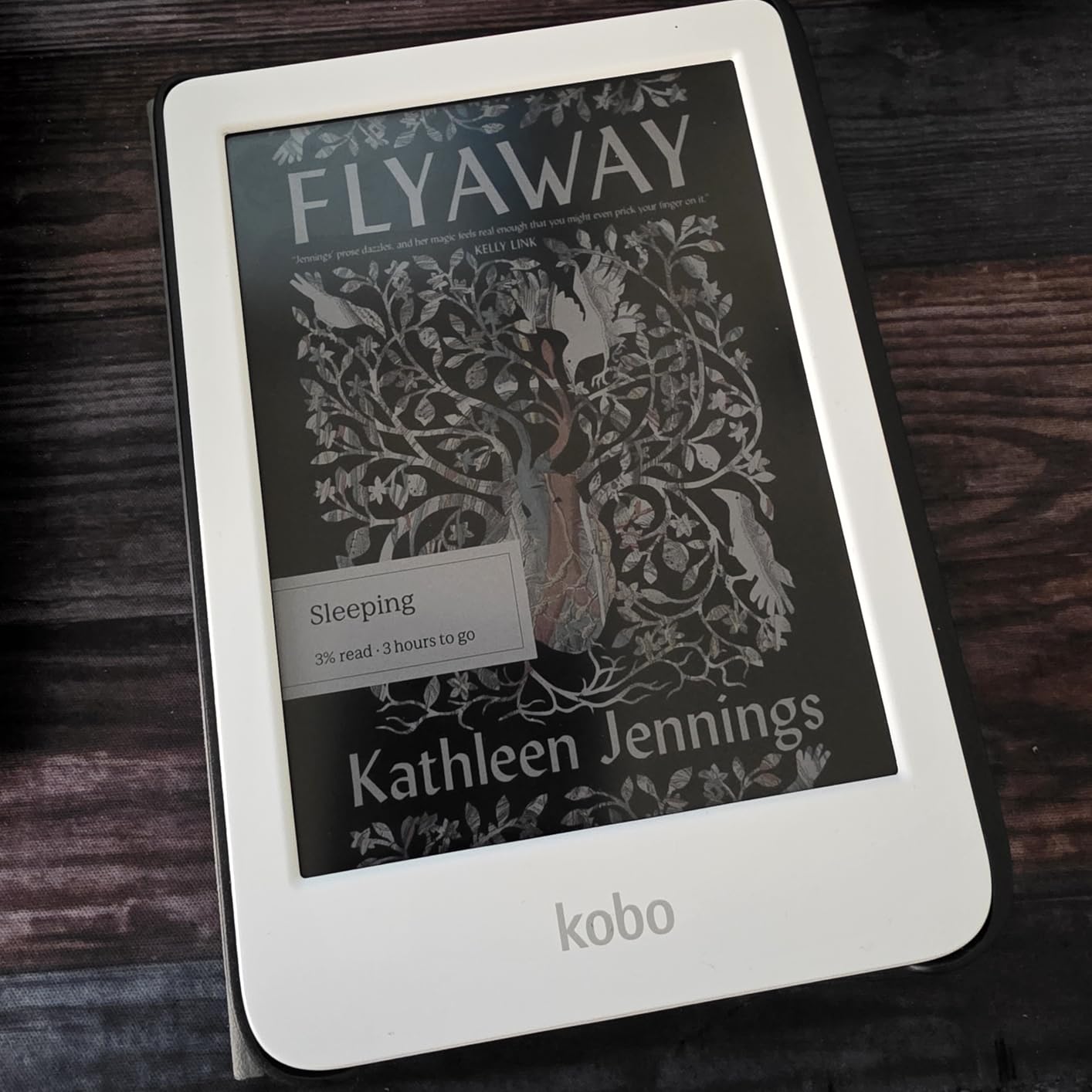
The device maintains the Clara BW’s strengths. OverDrive integration, EPUB drag-and-drop, ComfortLight PRO, and waterproofing all carry over. The interface remains clean and ad-free. Battery life is shorter than the black-and-white model, but I still got through two weeks of daily reading on a charge.
The color display does require higher brightness to look its best. Indoors this is fine, but in bright sunlight the color washes out more than black-and-white E Ink does. There is also some menu lag compared to the snappier Clara BW.
Best For: Students with Illustrated Content
If your reading includes color diagrams, charts, comics, or illustrated textbooks, the Clara Colour gives you information that black-and-white readers cannot. Biology, chemistry, and art history students benefit most from the color display.
The compact 6-inch size is perfect for carrying between classes. It fits in any pocket and weighs almost nothing. For students who prioritize portability alongside color, nothing else in this price range competes.
Who Should Skip This
If you only read text-based novels and articles, the color display adds cost and battery drain without meaningful benefit. The black-and-white Clara BW delivers the same reading experience for less money.
Students who need large-screen reading for textbook PDFs should also pass on this. The 6-inch display is too small for comfortable multi-column textbook reading, even with color.
6. Kobo Libra Colour – Note-Taking and Library Powerhouse
Kobo Libra Colour eReader, 7” Color E Ink, Waterproof, White
7-inch color E Ink Kaleido 3
32GB storage
IPX8 waterproof
Kobo Stylus 2 support
Page-turn buttons
OverDrive
+ Pros
- Color E Ink display with stylus support
- Physical page-turn buttons
- Kobo Stylus 2 for handwritten notes and annotation
- OverDrive and Google Drive integration
- Ergonomic design with landscape mode
- 32GB storage
- Cons
- Stylus sold separately
- No expandable storage
- No headphone jack
- Color not as vivid as tablets
- Google Drive sync can be unreliable
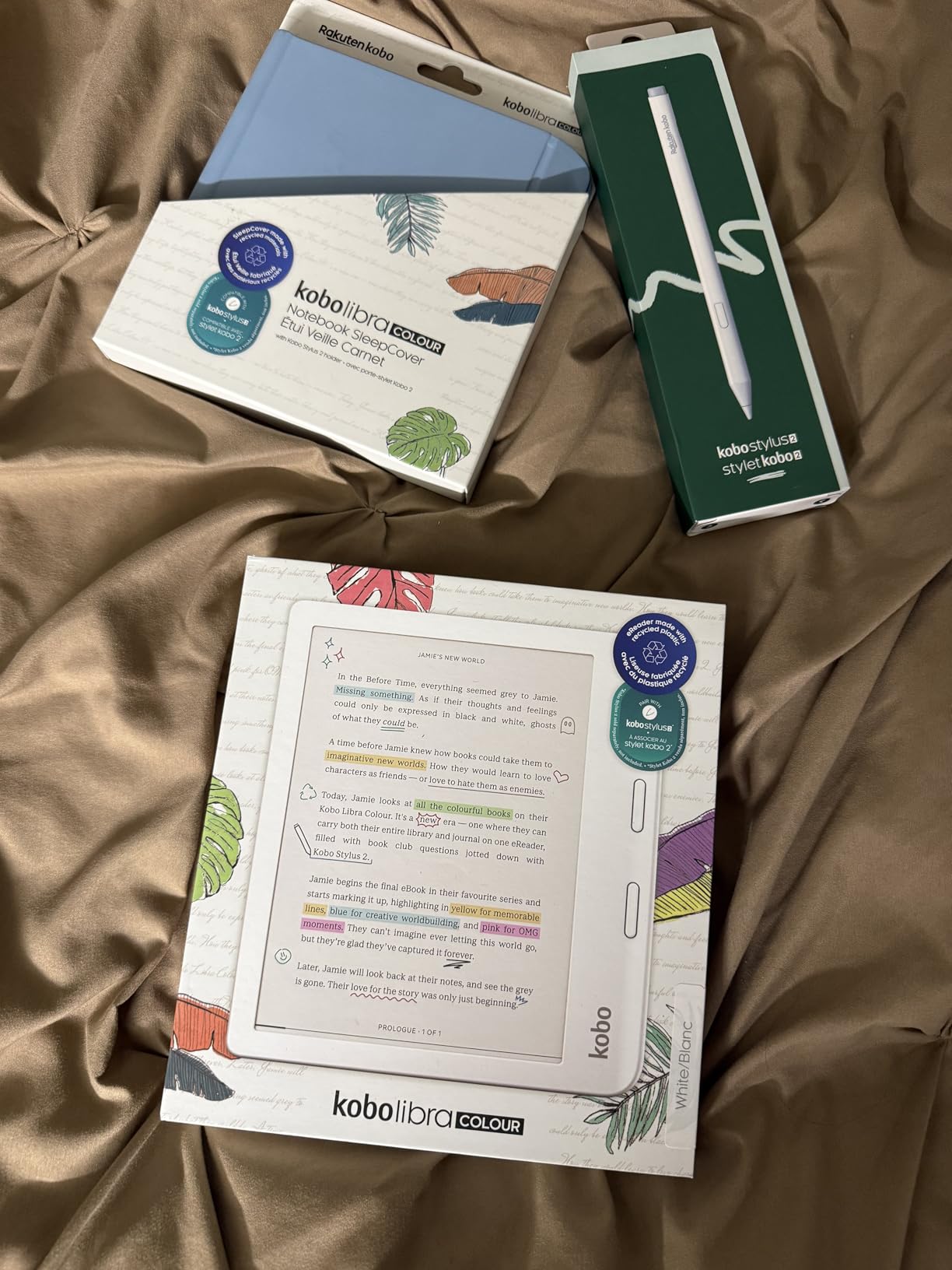
The Kobo Libra Colour is the most feature-complete e-reader I tested for academic use. The 7-inch color E Ink display, physical page-turn buttons, and Kobo Stylus 2 support combine to create a device that handles serious academic work. I used it to annotate PDF research papers for three weeks and it transformed my workflow.
Handwritten notes directly on PDF documents changed how I engaged with reading assignments. I could circle key terms, underline passages, and jot margin notes without printing anything. The Kobo Stylus 2 is sold separately, which adds to the cost, but for students who annotate heavily, it is worth every penny.
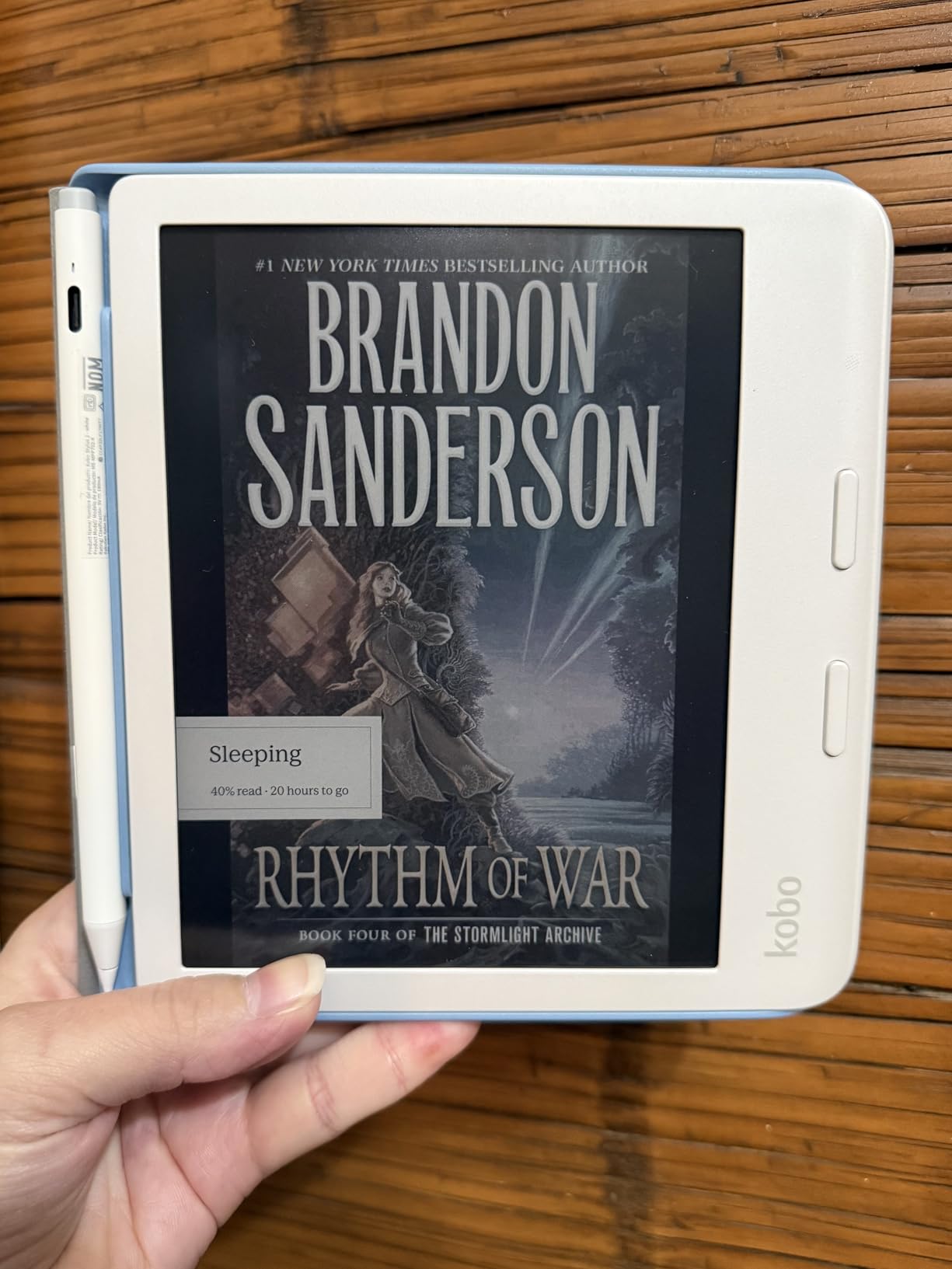
The physical page-turn buttons are a feature I did not know I needed until I had them. Reading becomes more comfortable when you are not constantly tapping glass. The ergonomic design lets you hold the device one-handed and rotate the screen for left or right hand use.
OverDrive integration matches the Clara models for library borrowing. Google Drive and Dropbox integration let you pull documents directly from cloud storage. I uploaded PDFs to Google Drive from my laptop and opened them on the Libra Colour without any cables.
Best For: Graduate Students and Serious Annotators
If you read dense academic papers, annotate heavily, or need to mark up PDF documents for research, the Libra Colour with Stylus 2 is the best tool in this roundup. Graduate students, law students, and medical students will get the most value from the note-taking capabilities.
The 7-inch screen with color and 32GB storage handles large libraries comfortably. Page-turn buttons and ergonomic design make long reading sessions more pleasant than any touchscreen-only device I tested.
Who Should Skip This
The total cost with the stylus pushes into premium territory. If you are on a tight budget and do not need handwritten notes, the standard Paperwhite or Clara BW covers your needs for significantly less money.
The Google Drive integration can be unreliable in my testing. If your workflow depends heavily on cloud document syncing, be prepared for occasional hiccups. Side-loading via USB remains the most dependable transfer method.
7. Kindle Colorsoft Signature Edition – Premium Color Reading
Amazon Kindle Colorsoft Signature Edition 32GB (newest model) – With color display, auto-adjusting front light, wireless charging, and long battery life – Metallic Black
7-inch Colorsoft color display
32GB storage
Wireless charging
Auto-adjusting light
8-week battery
Waterproof
+ Pros
- Color display for comics and illustrated books
- Color highlighting in four colors
- Wireless charging support
- Auto-adjusting front light
- Access to 15 million Kindle titles
- Waterproof design
- Cons
- Yellow banding issue on some units
- Battery drains faster in color mode
- No page-turn buttons
- No stylus support
- Color less vivid than tablets
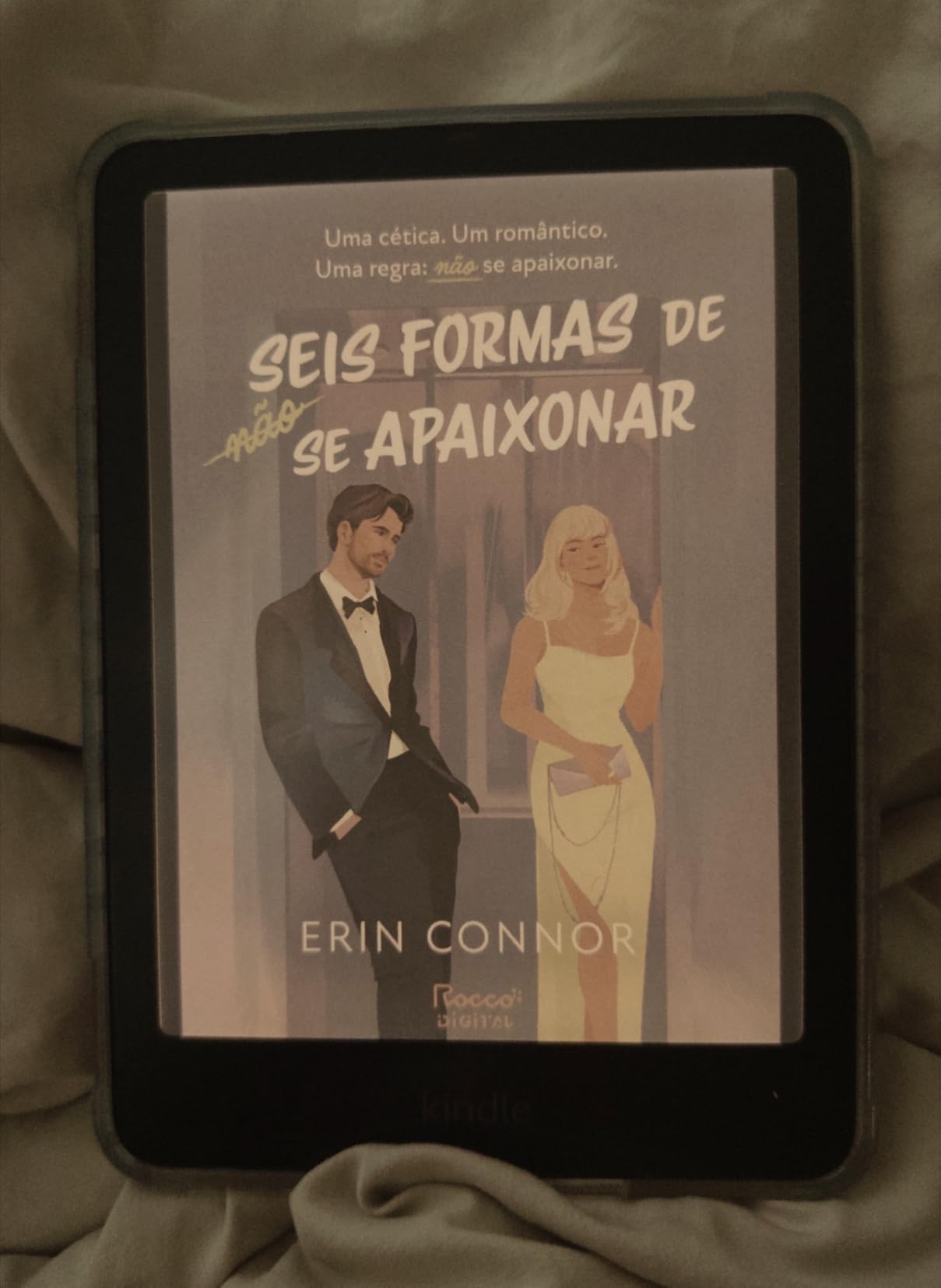
The Kindle Colorsoft is Amazon’s first color e-reader, and it brings color to the Kindle ecosystem with the full Signature Edition feature set. I tested it against the Kobo color devices to see how Amazon’s implementation compares. The Colorsoft display is optimized for reading rather than media, with color that enhances without distracting.
Color highlighting sold me on this device for study purposes. You can highlight passages in yellow, orange, blue, or pink. For students who color-code their notes by theme or importance, this is genuinely useful. My study sessions became more organized when I could visually sort highlights by category.
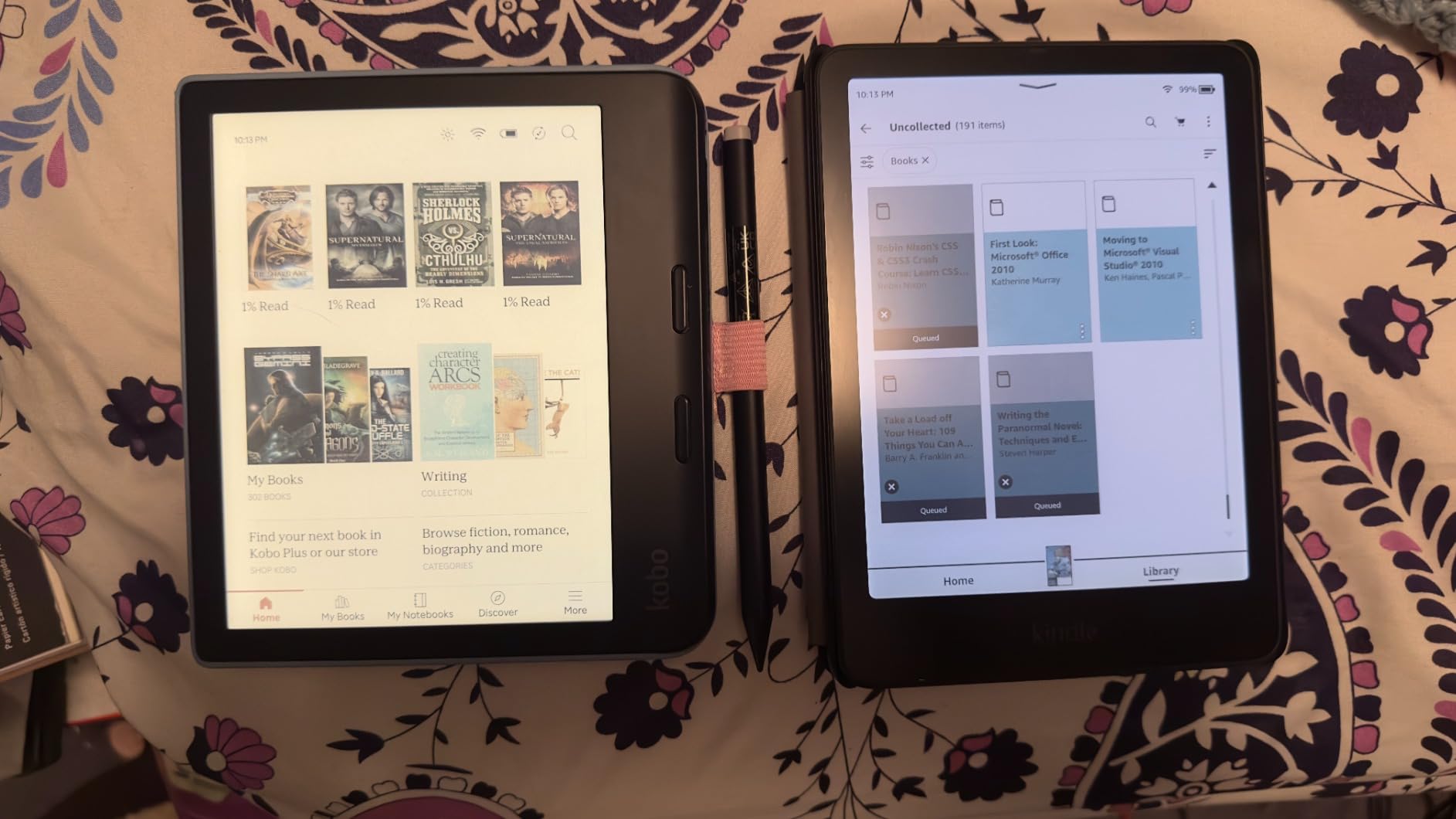
The device includes all Signature Edition features. Wireless charging, auto-adjusting front light, 32GB storage, and waterproofing are all present. Battery life is rated at 8 weeks, shorter than the black-and-white Paperwhite due to the color display’s higher power draw.
The yellow banding issue that some users report is real but inconsistent. My test unit had a faint warm tint at the bottom of the screen that was only visible on white backgrounds. Amazon has acknowledged this issue and offers replacements. It did not affect readability in my testing.
Best For: Kindle Ecosystem Users Who Want Color
If you are already invested in the Kindle ecosystem and want color for illustrated textbooks, comics, or color-coded highlighting, the Colorsoft is your best option. The color display adds study value without leaving Amazon’s platform.
Students who read manga, graphic novels, or illustrated academic content through Kindle Unlimited or the Kindle store will get the most from this device. Color book covers and illustrations display with satisfying detail.
Who Should Skip This
The lower 4.2-star average rating reflects quality control concerns around the yellow banding issue. If you want guaranteed screen uniformity, the Kobo color devices are more consistent. The Colorsoft also lacks page-turn buttons and stylus support that the Kobo Libra Colour offers.
Students on a budget should note that this is the most expensive device in the roundup. If color is not essential to your reading, the standard Paperwhite delivers nearly the same experience for significantly less money.
How to Choose the Best E Readers for Students in 2026?
Choosing the right e-reader comes down to matching features to your specific academic workflow. Here is what actually matters based on my semester of testing.
Screen Size and Your Major
Screen size is the single most important factor for students. A 6-inch screen works great for novels, single-column articles, and text-heavy PDFs. It fails badly with two-column textbook layouts, dense diagrams, and academic papers formatted for letter-size pages.
For STEM majors, law students, and anyone working with complex layouts, 7 inches is the minimum I recommend. The Kindle Paperwhite, Kobo Libra Colour, and Kindle Colorsoft all hit this size. Even at 7 inches, you will still zoom and pan on dense textbook pages, but the experience is manageable.
If you regularly read A4-sized academic papers or scanned textbooks, consider whether an e-reader is the right tool at all. Even 7-inch screens require significant zooming for full-page academic content. E-ink tablets with 10-inch screens handle this better, though they cost more.
Battery Life for Campus Life
Battery anxiety is real during finals week. The good news is that every device in this roundup lasts weeks, not hours. The Kindle Paperwhite and Signature Edition lead with 12-week ratings. The base Kindle claims 6 weeks. Kobo devices rate 2 to 4 weeks depending on color usage.
In real-world testing, I never ran out of battery during a study session on any device. Even the shorter-lived Kobo color models lasted two full weeks of daily reading. USB-C charging on all devices means you can top up quickly with the same charger you use for your phone.
Kindle vs Kobo: Ecosystem Lock-In
This is the biggest decision you will make. Kindle devices lock you into Amazon’s ecosystem but offer the largest bookstore, seamless integration, and Kindle Unlimited access. Kobo devices support open formats like EPUB, let you drag-and-drop files, and avoid Amazon’s walled garden.
If you already own Kindle books or rely on Kindle Unlimited, stick with Kindle. If you borrow from public libraries, download open-access textbooks, or want format flexibility, Kobo is the better choice. Both ecosystems support OverDrive for library borrowing, but Kobo’s built-in integration is smoother.
Library Integration and Real Cost Savings
Library borrowing is the single biggest money-saver for students. OverDrive and Libby integration lets you borrow digital books from your public and university libraries for free. I saved over $200 in one semester by borrowing assigned novels through Libby instead of buying them.
All Kobo devices in this roundup have OverDrive built directly into the interface. Kindle devices support borrowing through the Libby app on your phone, with books delivered to your Kindle over Wi-Fi. Both methods work, but Kobo’s on-device browsing is more convenient.
Note-Taking and Stylus Support
If annotation is part of your study workflow, note-taking capability varies dramatically between devices. The Kobo Libra Colour with Kobo Stylus 2 is the only device in this roundup that supports handwritten notes directly on PDFs and books. You can write, draw, circle, and underline naturally.
All devices support text highlighting within books, but the Kindle Colorsoft adds color highlighting in four colors. This is useful for organizing notes by theme. The other devices limit you to a single highlight color.
Be honest with yourself about how much handwriting you will actually do. Forum discussions from r/ereader suggest many students overestimate this need. If you mostly highlight and take typed notes separately, a stylus may be unnecessary expense.
Budget and Refurbished Options
Student budgets are tight. The base Kindle at around $110 is the most affordable entry point that still delivers a quality reading experience. The Kobo Clara BW matches that price while offering an open ecosystem and no ads.
Refurbished Kindles are worth considering. Amazon’s Certified Refurbished program offers devices with the same warranty as new at significant discounts. Reddit users in r/kindle consistently report good experiences with refurbished Kindles that look and perform like new.
For mid-range value, the standard Kindle Paperwhite hits the best balance of price and features. Spending more than $200 only makes sense if you need specific features like color, stylus support, or wireless charging.
Frequently Asked Questions
What is the best e-reader for college students?
The Kindle Paperwhite 16GB is the best overall e-reader for college students. It offers a 7-inch display, 12-week battery life, waterproof design, and adjustable warm light at a reasonable price. For students who need note-taking, the Kobo Libra Colour with stylus support is the best alternative.
Can e-readers replace textbooks?
E-readers can replace novels, trade paperbacks, and single-column academic readings completely. However, multi-column textbooks with complex diagrams, equations, and full-page layouts remain difficult on screens smaller than 10 inches. E-readers work best as a supplement for lighter reading rather than a full replacement for every textbook.
Which e-reader is best for PDF reading?
The Kobo Libra Colour is the best e-reader for PDF reading among the devices tested. Its 7-inch color display, Kobo Stylus 2 support for annotation, and Google Drive integration make it the strongest option for academic PDFs. The Kindle Paperwhite is a solid alternative for text-heavy PDFs that do not require annotation.
Is Kindle or Kobo better for students?
Kindle is better for students who want the largest bookstore, Kindle Unlimited access, and seamless Amazon integration. Kobo is better for students who want open EPUB support, drag-and-drop file transfer, built-in OverDrive library browsing, and stylus note-taking. Your existing library and reading habits should drive the choice.
Do e-readers cause eye strain?
E-readers cause significantly less eye strain than phones, tablets, and laptops. E-ink displays reflect ambient light like real paper rather than emitting blue light directly. Devices with warm light or ComfortLight PRO further reduce strain during evening reading. For long study sessions, e-readers are the most comfortable reading option available.
Can I use e-readers for library books?
Yes, all devices in this roundup support borrowing library books through OverDrive or Libby. Kobo devices have OverDrive built directly into the interface for on-device browsing and borrowing. Kindle devices receive borrowed books wirelessly through the Libby app on your phone. Both methods are free with a valid library card.
Final Thoughts
After a full semester of testing, the Kindle Paperwhite 16GB remains my top recommendation for most students. It hits the perfect balance of screen size, battery life, features, and price. For budget-conscious students, the base Kindle 16GB delivers excellent reading quality at the lowest entry point. Graduate students and serious annotators should look at the Kobo Libra Colour with stylus support for academic PDF work.
The best e-readers for students are the ones that match your specific workflow. Think about what you actually read, whether you need annotation, and which ecosystem fits your habits. Any device in this roundup will serve you well through four years of coursework if you choose based on your real needs rather than spec sheets.