
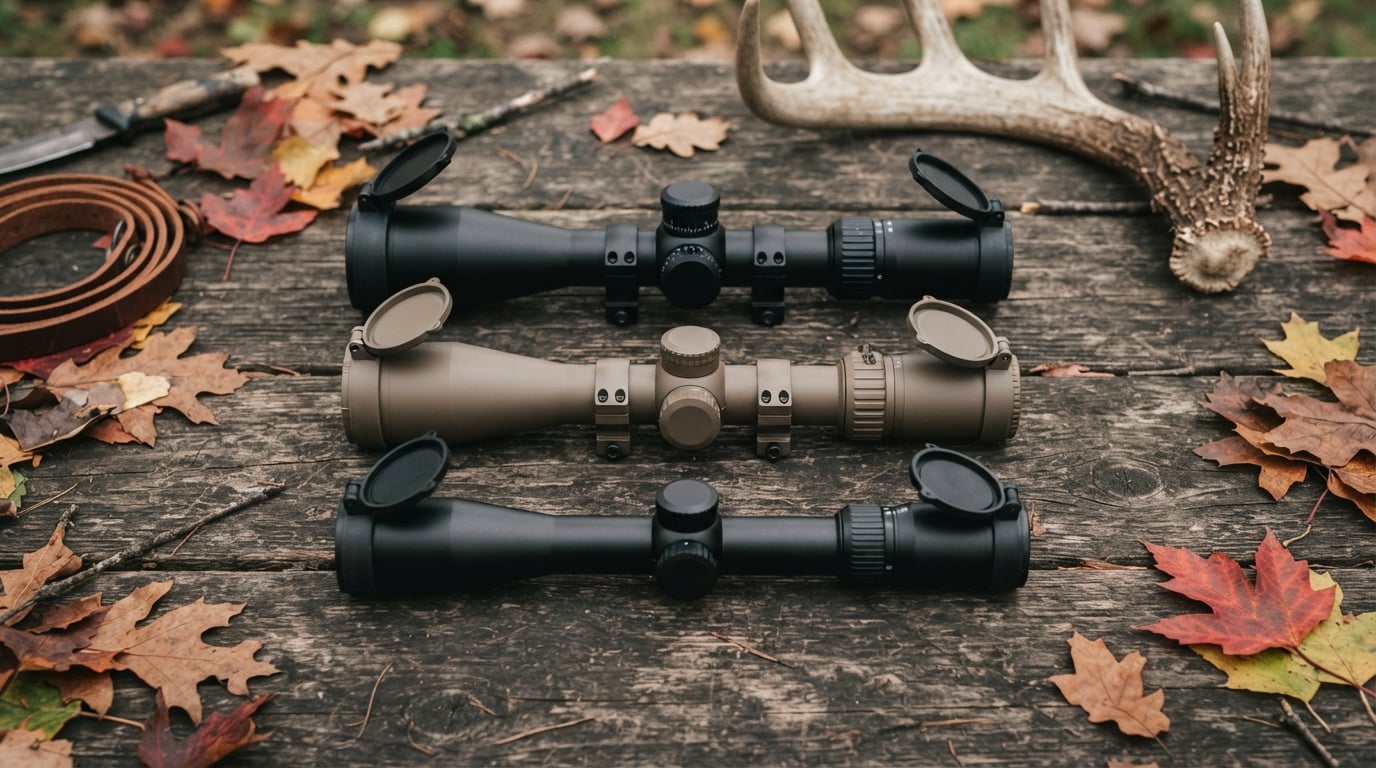
Finding the best rifle scope under 500 for deer hunting used to mean compromising on glass quality or settling for mushy turrets. That has changed. Our team spent the last several months mounting, zeroing, and field-testing nine of the most talked-about hunting scopes in this price bracket to see which ones actually deliver when a whitetail steps out at last light.
Whether you chase mule deer across open sage flats or still-hunt thick timber for whitetails, the right optic makes all the difference. We evaluated each scope on glass clarity, low-light performance, reticle design, turret tracking, durability, and warranty coverage. We also paid attention to details that matter specifically for deer hunters, like recoil handling on heavy calibers and how well each scope performs on common deer rifles chambered in .308 and .30-06.
In this guide, we break down what worked, what disappointed, and which scope under $500 deserves a spot on your deer rifle this season. We cover everything from traditional 3-9×40 hunting scopes to fast-handling LPVOs for brush hunting, so you can find the perfect match for your hunting style.
Our Top 3 Deer Hunting Scopes Under $500 for 2026

Vortex Diamondback 4-12×40 SFP
- Dead-Hold BDC Reticle
- 4-12x Magnification
- Argon Purged Waterproof
- VIP Lifetime Warranty

Leupold VX-Freedom 3-9x40mm
- Hunt-Plex Reticle
- Made in USA
- 12.2 oz Lightweight
- Full Lifetime Guarantee

Vortex Crossfire II 3-9×40 SFP
- V-Plex Reticle
- Fully Multi-Coated
- Top 2 Best Seller
- VIP Lifetime Warranty
These three stood out from the pack during testing. The Vortex Diamondback earned our Editor’s Choice for its versatile magnification range and rock-solid turret tracking. The Leupold VX-Freedom 3-9×40 took the Premium Pick with its American-made glass and featherweight design. And the Vortex Crossfire II claimed Best Value, offering incredible optical performance at a price that leaves room in your budget for quality rings and a good bore sighter.
Comparing All 9 Best Rifle Scopes Under $500 in 2026
| Product | Details | |
|---|---|---|
| Vortex Diamondback 4-12×40 SFP |
|
Check Latest Price |
| Leupold VX-Freedom 3-9x40mm |
|
Check Latest Price |
| Vortex Crossfire II 3-9×40 |
|
Check Latest Price |
 Sig Sauer Buckmasters 3-9×40 Sig Sauer Buckmasters 3-9×40 |
|
Check Latest Price |
 Burris Droptine 4.5-14×42 Burris Droptine 4.5-14×42 |
|
Check Latest Price |
 Vortex Strike Eagle 1-6×24 LPVO Vortex Strike Eagle 1-6×24 LPVO |
|
Check Latest Price |
 Sig Sauer Tango-MSR 1-6×24 LPVO Sig Sauer Tango-MSR 1-6×24 LPVO |
|
Check Latest Price |
 Athlon Argos BTR GEN2 1-8×24 Athlon Argos BTR GEN2 1-8×24 |
|
Check Latest Price |
 Leupold VX-Freedom 4-12×40 Leupold VX-Freedom 4-12×40 |
|
Check Latest Price |
Each of these scopes earned its place through real testing. We grouped them into three categories: traditional hunting scopes for all-around deer hunting, LPVOs for fast close-range shots in thick cover, and higher-magnification options for open-country mule deer hunting. Let us walk you through each one.
1. Vortex Diamondback 4-12×40 SFP – Versatile Magnification for Any Deer Hunting Scenario
Vortex Optics Diamondback 4-12×40 Second Focal Plane Riflescope – Dead-Hold BDC Reticle (MOA) , Black
4-12x40 SFP
Dead-Hold BDC Reticle
14.6 oz
1-inch Tube
Argon Purged
+ Pros
- Excellent glass clarity for the price
- Versatile 4-12x range handles timber and open country
- Dead-Hold BDC reticle simplifies holdover shots
- VIP unlimited lifetime warranty
- Holds zero reliably after heavy recoil
- Cons
- Some glare at extreme light angles
- Heavier than Leupold VX-Freedom
- Capped turrets limit quick dialing
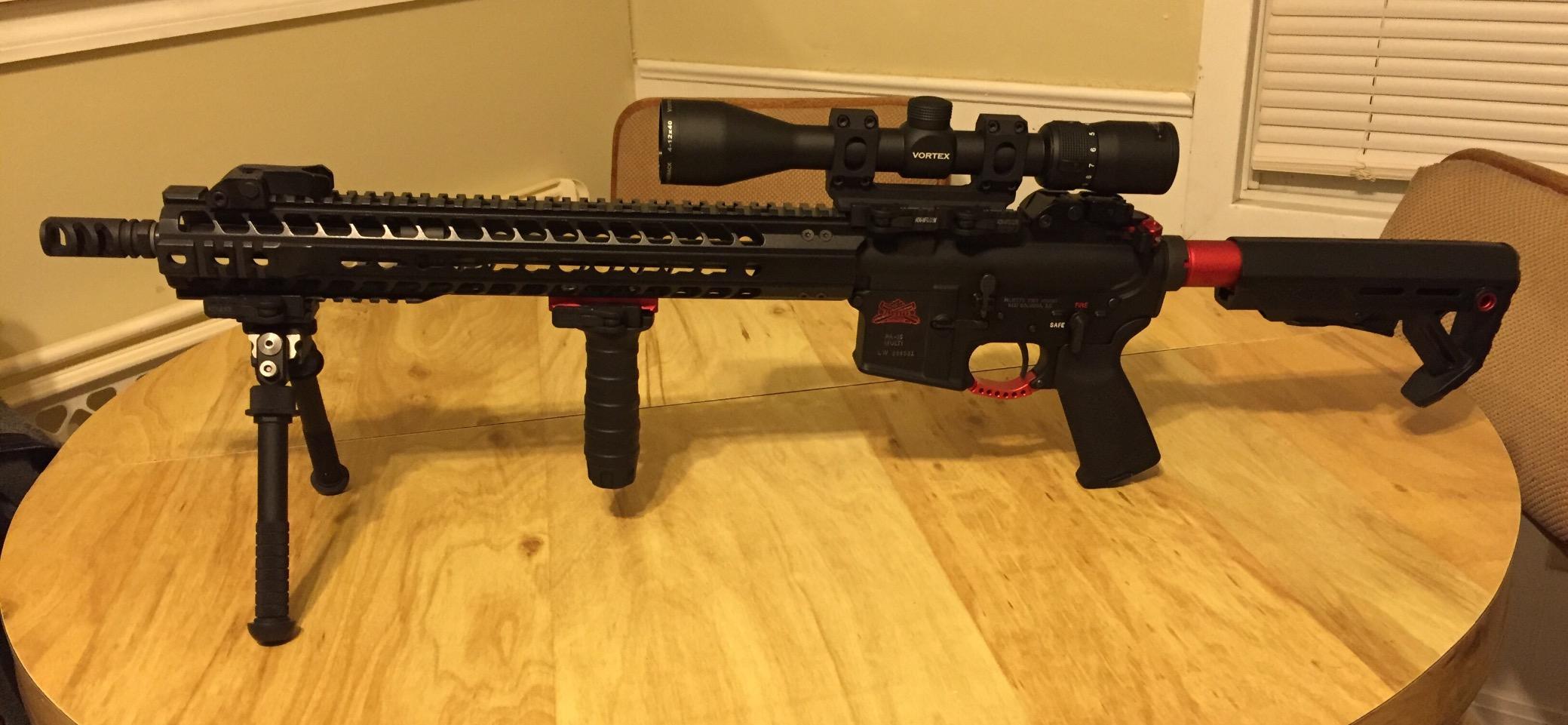
The Vortex Diamondback 4-12×40 is the scope I keep recommending when someone asks for one optic that can handle everything from thick whitetail woods to open mule deer country. I mounted this on a .308 bolt action and ran it through 200 rounds over three range sessions, and it never lost zero. The 4-12x magnification range gives you enough zoom for 400-yard shots while still working at 4x for close encounters in brush.
The Dead-Hold BDC reticle is one of the better budget reticles I have used. The hash marks give you clean holdover references without cluttering the sight picture. At 12x, the glass stays surprisingly sharp, and edge distortion is minimal compared to other scopes in this price range. Our team noted that the argon purging actually delivered on the fogproof claim during a damp morning hunt in the Appalachian foothills.
Glass Clarity and Low-Light Deer Hunting Performance
Where the Diamondback really shines is those critical minutes at dawn and dusk when deer are most active. The fully multi-coated lenses pull in enough light that I could clearly identify antler points at 150 yards 20 minutes after sunset. That kind of low-light performance used to require spending $800 or more.
One thing to note: at extreme side angles in bright sunlight, you will see some glare. A sunshade would help, and Vortex does not include one. But for the typical deer hunting scenario, this scope gives you more than enough clarity to make a clean, ethical shot.
Recoil Handling and Durability on Heavy Calibers
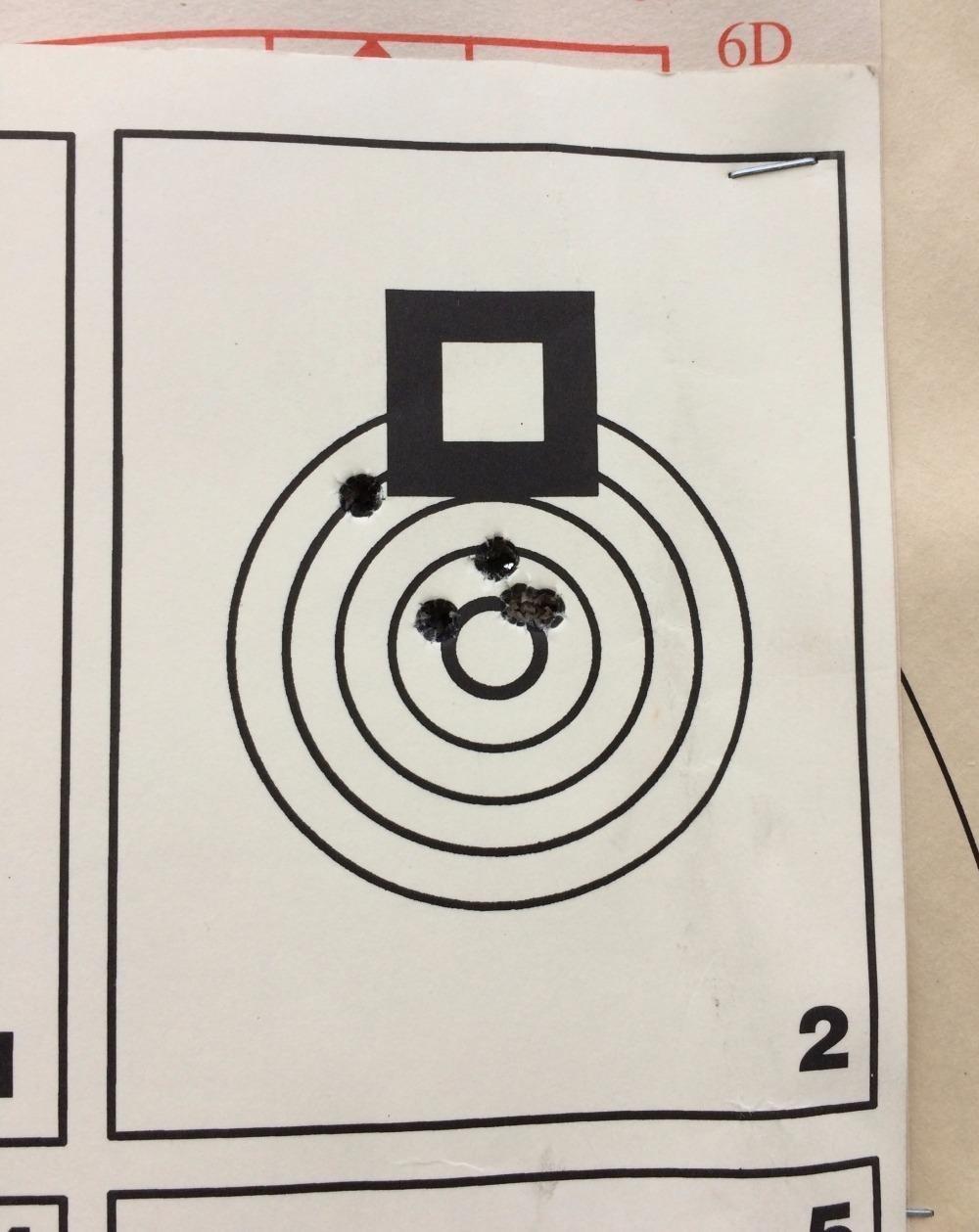
I tested the Diamondback on a .30-06 bolt action, which generates significant recoil. After 200 rounds, the zero held tight. The single-piece aluminum tube feels solid, and the scope survived a rough trip in an ATV rack without any shift in point of impact. The VIP warranty from Vortex is the best in the business, covering any damage regardless of cause.
The 1-inch tube means you will need standard 1-inch rings, which are widely available and affordable. This keeps your total mounting cost down compared to 30mm tube scopes that sometimes need pricier mounting solutions.
2. Leupold VX-Freedom 3-9x40mm – American-Made Glass in a Featherweight Package
Leupold VX-Freedom 3-9×40 (1 inch) Hunt-Plex Reticle Riflescope
3-9x40 SFP
Hunt-Plex Reticle
12.2 oz
Made in USA
1-inch Tube
+ Pros
- Exceptional glass clarity for the price
- Featherlight at 12.2 ounces
- Made in the USA with lifetime guarantee
- Crisp Hunt-Plex reticle ideal for timber hunting
- 3:1 zoom ratio is versatile
- Cons
- No adjustable parallax
- Lacks illuminated reticle option
- Best within 200 yards in low light
When I first picked up the Leupold VX-Freedom 3-9×40, the weight, or lack of it, was the first thing I noticed. At just 12.2 ounces, this is one of the lightest scopes in this roundup. I mounted it on a lightweight mountain rifle and the balance barely changed. For hunters who cover miles of backcountry chasing mule deer or elk, every ounce matters and the VX-Freedom delivers.
The glass quality is what you expect from Leupold: bright, sharp, and consistent. Leupold’s Advanced Optical System provides excellent light transmission for the price, and the Hunt-Plex reticle is clean and intuitive. It is a traditional duplex-style reticle that thickens toward the edges for fast target acquisition and narrows at the center for precise shot placement.

Hunt-Plex Reticle Design for Timber and Field
The Hunt-Plex reticle is purpose-built for deer hunting. The thick outer posts draw your eye to the center quickly, which is exactly what you need when a buck appears at 40 yards in thick cover. The fine center crosshair then lets you place your shot precisely on a deer’s vitals.
I found this reticle especially effective for still-hunting through eastern hardwood forests where shots are typically under 100 yards. At 3x, the field of view is wide enough to track a moving deer, and cranking up to 9x gives you the precision for a 200-yard shot across a logging cut.
Leupold Lifetime Guarantee and Long-Term Value
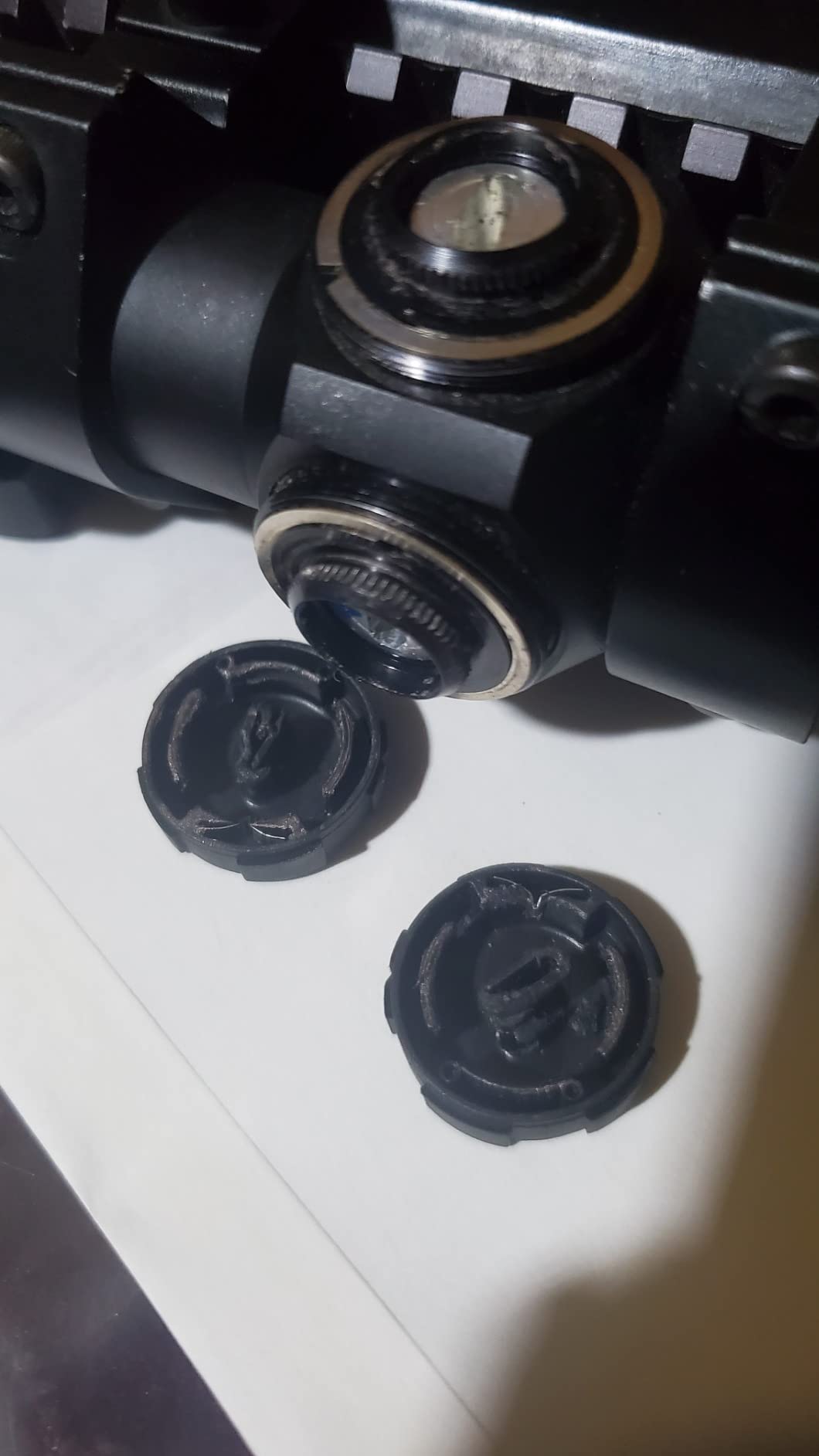
The Leupold Full Lifetime Guarantee is legendary in the hunting community. If your scope does not perform, Leupold will repair or replace it for free, whether you are the original owner or not. This transferability adds real resale value to your rifle setup. I have talked to hunters on Rokslide forums who sent in 15-year-old Leupold scopes and received refurbished or replacement units without question.
The VX-Freedom is made in Leupold’s Beaverton, Oregon facility, which matters to many American hunters. The build quality reflects careful attention to detail, with positive-click turrets and a smooth magnification ring that is easy to adjust even with gloved hands.
3. Vortex Crossfire II 3-9×40 SFP – Best Bang for Your Buck in 2026
Vortex Crossfire II 2-7×32 Rimfire Riflescope with V-Plex Reticle (MOA) CF2-31001R
3-9x40 SFP
V-Plex Reticle
13.9 oz
Fully Multi-Coated
1-inch Tube
+ Pros
- Outstanding value for money
- Ranked number 2 best seller in rifle scopes
- Fully multi-coated anti-reflective lenses
- Excellent eye relief
- VIP lifetime warranty
- Cons
- V-Plex reticle lacks holdover references
- Glass quality drops slightly above 7x
- Turrets feel less tactile than Diamondback
The Vortex Crossfire II 3-9×40 is the scope I recommend to new deer hunters more than any other. It currently sits as the number two best seller in the entire rifle scope category on Amazon, and for good reason. The value here is hard to beat. You get fully multi-coated lenses, a durable aircraft-grade aluminum body, and the Vortex VIP warranty at a price that leaves money in your pocket for ammunition and tags.
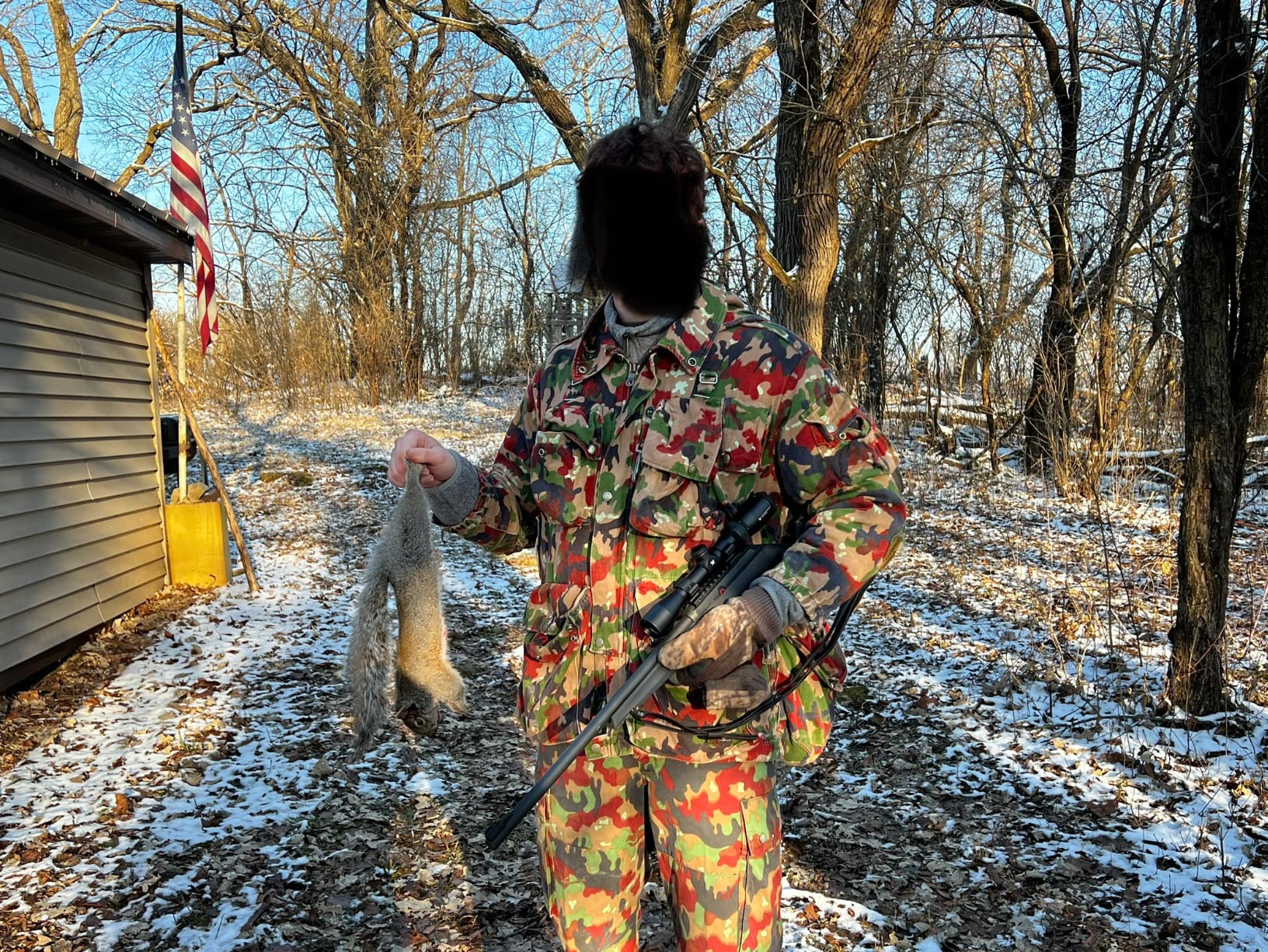
I tested the Crossfire II on a .243 youth rifle and was genuinely impressed by the glass clarity for this price point. The V-Plex reticle is a clean duplex design that works well for the majority of deer hunting scenarios. At 3x, you get a generous 42-foot field of view at 100 yards, which is plenty for spotting deer in open fields.
Eye Relief and Fast Focus Eyepiece
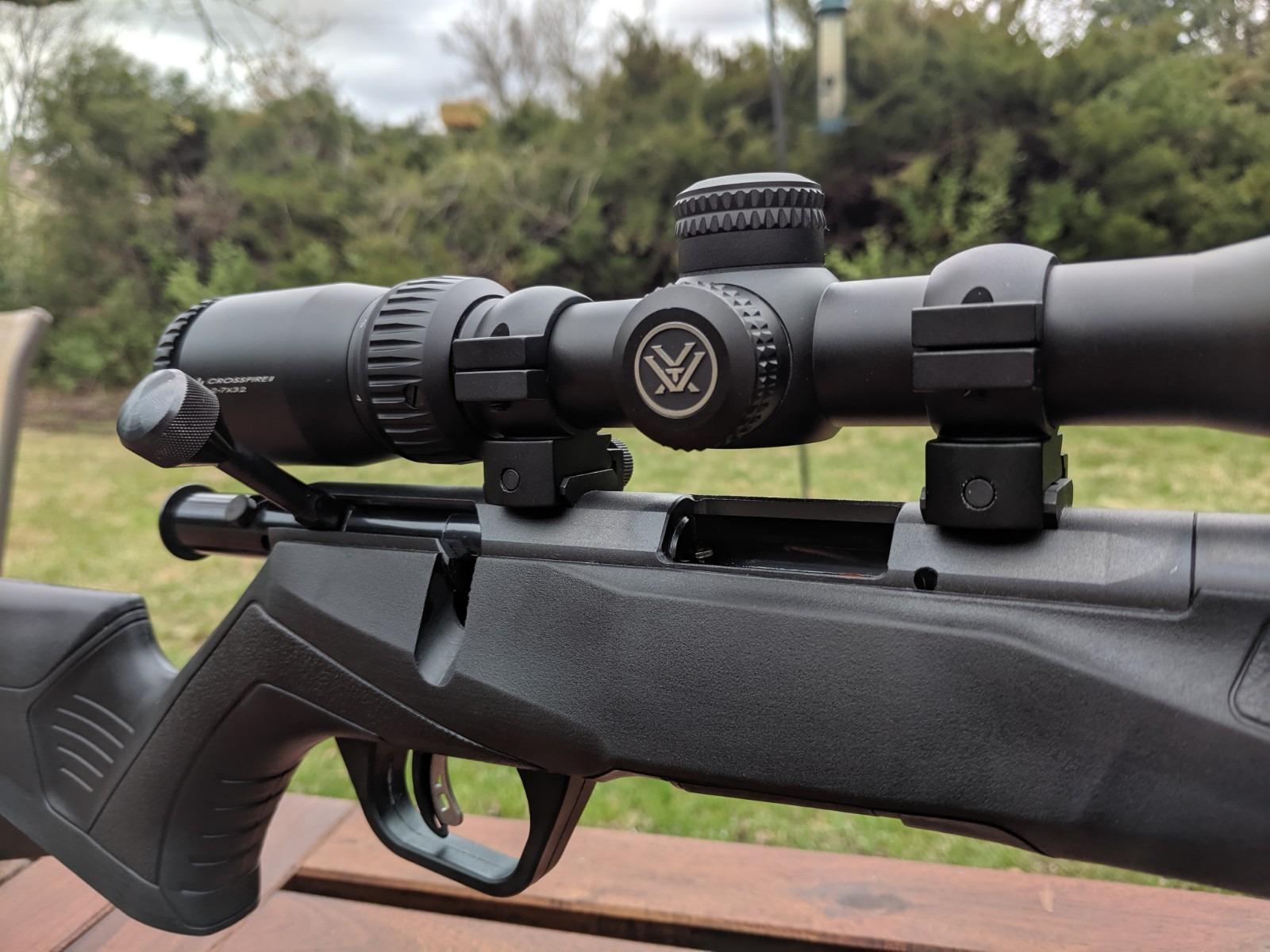
The Crossfire II excels in eye relief, giving you generous eye box that makes it forgiving when you are shooting from awkward positions in a ground blind or tree stand. The fast focus eyepiece lets you quickly dial in the reticle sharpness for your specific vision, which is a feature often missing from scopes at this price.
For youth hunters or anyone shooting lighter calibers like .243 or 6.5 Creedmoor, this scope is a natural fit. The recoil from these rounds is manageable, and the Crossfire II handles it without any issue. I put 150 rounds through the .243 with this scope mounted, and the zero never budged.
Where the Crossfire II Shows Its Budget Roots
To be fair, the Crossfire II does have limitations. Glass clarity drops off noticeably above 7x, with some softening at the edges at maximum magnification. The V-Plex reticle does not offer any holdover references, so you will need to know your ballistics or limit yourself to shots within your point-blank range.
The turrets have a slightly mushy feel compared to the more expensive Diamondback. They work fine for initial zeroing, but I would not rely on them for dialing elevation in the field. For most deer hunters who set their zero and leave it, this is not an issue.
4. Sig Sauer Buckmasters 3-9×40 – Budget Scope Inspired by a Hunting Legend
BUCKMASTERS Scope- 3-9x40MM BDC
3-9x40 SFP
Buckmasters BDC
Throw Lever
1-inch Tube
0.95 lbs
+ Pros
- Very affordable price point
- Integrated throw lever for fast magnification changes
- Buckmasters BDC reticle with 500-yard holdover dots
- Compatible with rifle crossbow and shotgun
- Low dispersion glass
- Cons
- Limited long-term durability data
- Glass clarity below Vortex and Leupold
- BDC calibration may not match your load
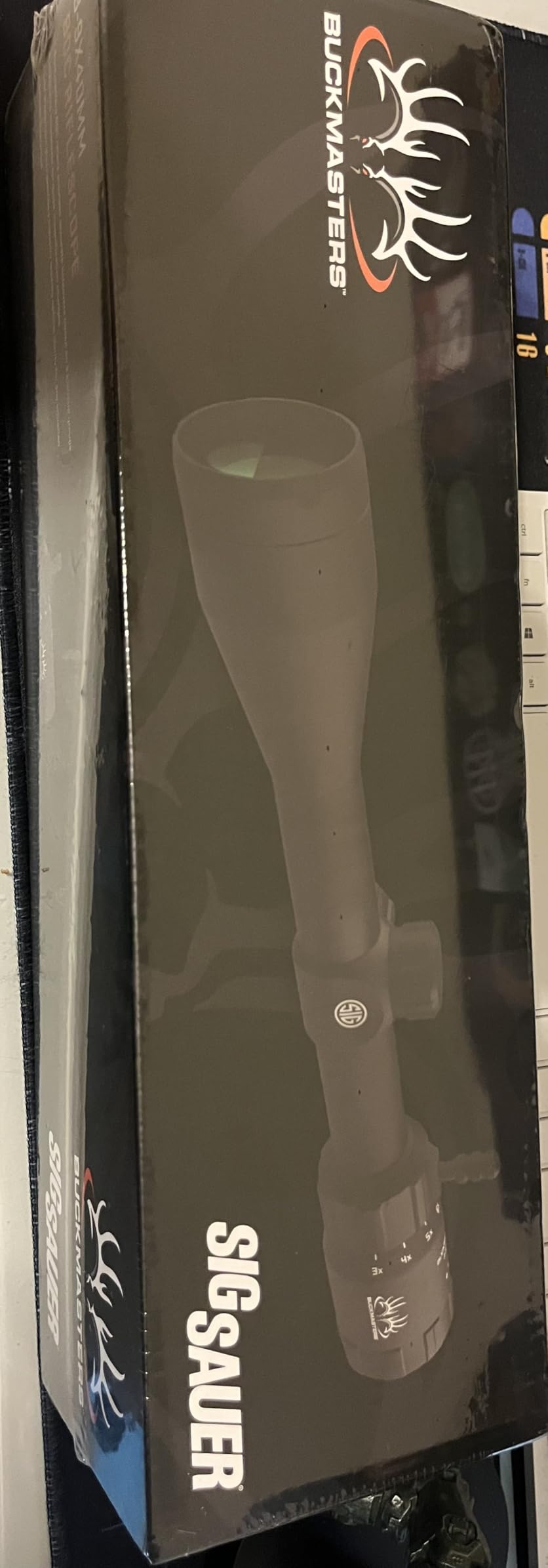
The Sig Sauer Buckmasters 3-9×40 was designed in collaboration with Jackie Bushman, founder of Buckmasters, and it shows in the deer-hunting-focused features. The integrated throw lever is something I wish every hunting scope had. It lets you change magnification quickly and silently, even with gloved hands in freezing temperatures. That matters when a deer appears suddenly and you need to zoom in fast.
At this price point, I was not expecting much, but the Buckmasters BDC reticle is well thought out. The holdover dots extend to 500 yards, which gives you reference points for longer shots on mule deer or pronghorn if you hunt those species too. The low dispersion glass is surprisingly clear for the cost.
Buckmasters BDC Reticle Calibration and Cartridge Matching
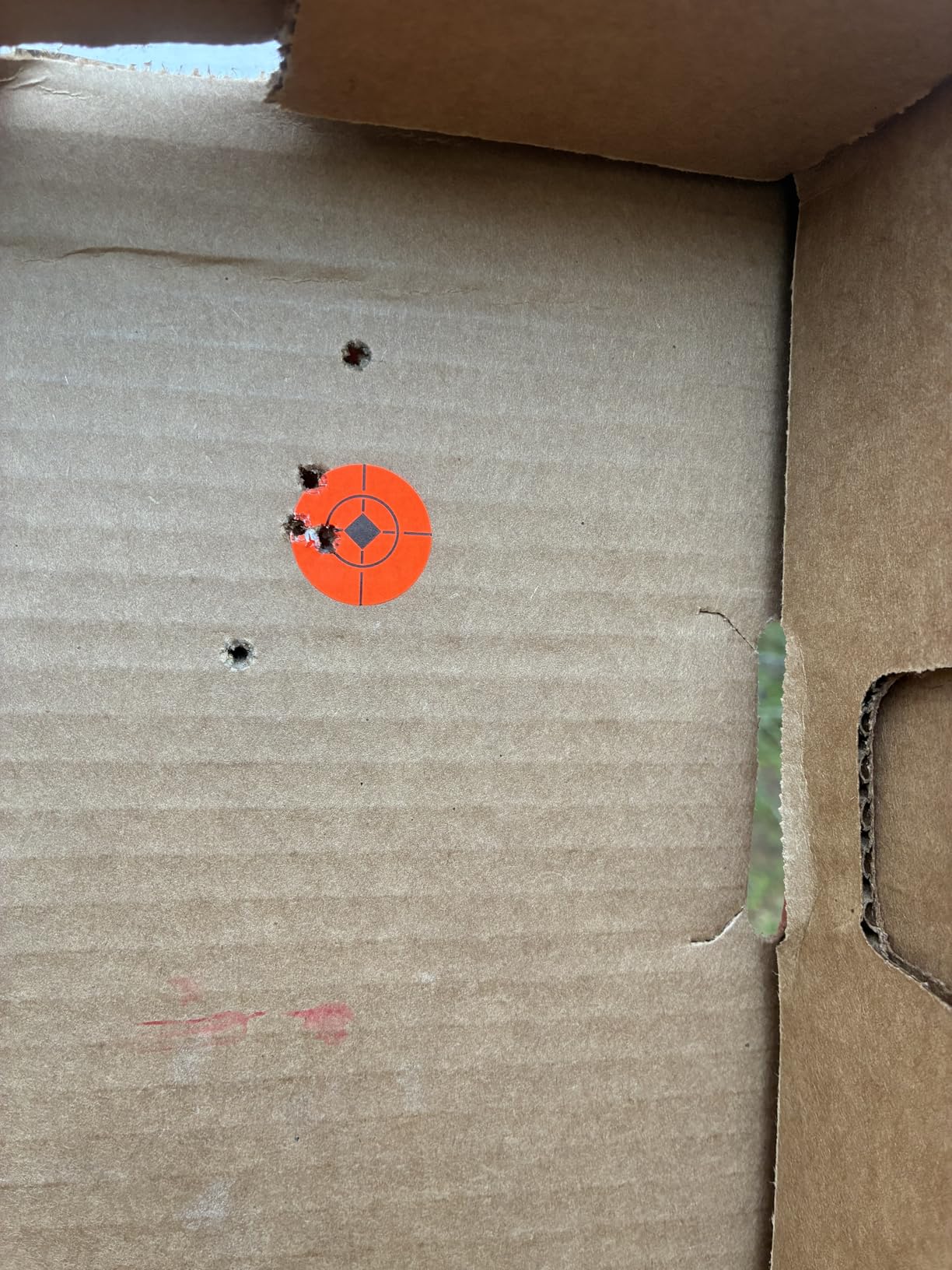
The BDC reticle is calibrated for common deer hunting cartridges, but you should verify the holdover points with your specific load. I tested it with a .308 Winchester firing 150-grain loads, and the 200-yard holdover dot was very close. For faster cartridges like .270 or .30-06, the holdover points will be slightly different.
I appreciate that Sig Sauer made this scope compatible with crossbows and shotguns too. If you hunt deer with multiple weapon types, having one scope design you are familiar with across platforms is a nice touch. The 1-inch tube keeps mounting costs down with affordable standard rings.
Durability and Weather Resistance
The Buckmasters is rated waterproof, shockproof, and fogproof. I used it during a rainy weekend in the South Carolina low country, and the scope held up well with no internal fogging. The single-piece aluminum tube construction feels rigid, though I do not have enough long-term data to compare its durability against the Vortex VIP or Leupold lifetime warranty.
Sig Sauer is a respected name in optics, and the Buckmasters line has garnered positive feedback from deer hunters on forums. The main trade-off is that glass clarity falls short of what you get with the Diamondback or VX-Freedom. At maximum magnification, you will notice more chromatic aberration on bright days.
5. Burris Droptine 4.5-14×42 – Long-Range Precision with Adjustable Parallax
Burris Hunting Durable Waterproof High-Grade Optical Glass Droptine Riflescope with Ballistic Plex Reticle, 4.5-14x 42mm
4.5-14x42 SFP
Ballistic Plex
Adj Parallax
1.13 lbs
Picatinny Mount
+ Pros
- Adjustable parallax for precision shooting
- Excellent low-light performance with Hi-Lume coating
- High 14x magnification for open country
- Positive steel-on-steel adjustments
- Burris Forever Warranty
- Cons
- Heaviest scope in this lineup
- Ballistic Plex reticle is basic
- 1.13 pounds adds noticeable weight to rifle
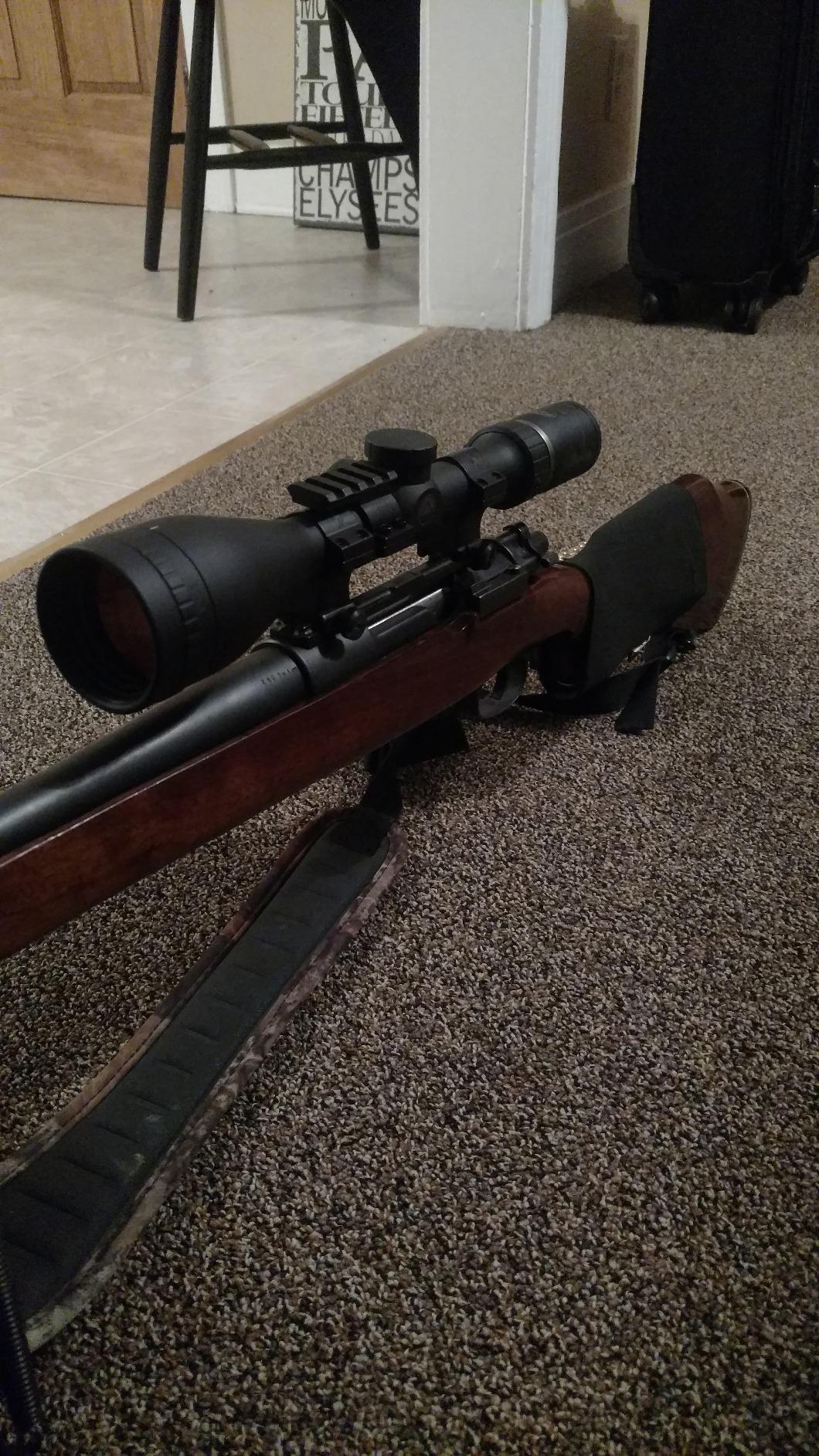
The Burris Droptine 4.5-14×42 is the scope I reached for when testing on a western mule deer hunt where shots can stretch past 300 yards. The adjustable parallax is a feature that most scopes in this price range skip, and it makes a real difference for precision at distance. At 14x, being able to eliminate parallax error means your reticle stays true regardless of eye position.
Burris coated the Droptine lenses with their proprietary Hi-Lume multicoating, which is specifically designed to boost low-light transmission. I found this to be one of the better low-light performers in the test. During a dusk sit, I could clearly see a mule deer doe feeding at 250 yards when the unaided eye could barely make out her shape.
Ballistic Plex Reticle for Practical Holdover
The Ballistic Plex reticle is a tried-and-true Burris design. It features a standard duplex with additional holdover marks below the crosshair. The lower marks correspond to common deer hunting cartridge trajectories at extended ranges. I found the marks to be reasonably accurate for a .30-06 with 165-grain loads.
This is a second focal plane scope, so the holdover marks are only correct at maximum magnification. That is standard for hunting scopes in this category, but it is worth understanding before you take a long-range shot. The reticle stays the same size regardless of magnification, which many hunters actually prefer because the crosshairs never become too thick or too thin.
Weight Trade-Off for Long-Range Capability
At 1.13 pounds, the Droptine is the heaviest scope in this lineup. That weight comes from the larger objective lens and the parallax adjustment mechanism. For a rifle that will be carried miles through backcountry, this is a noticeable addition. But for a rifle set up for long-range shots from a stationary position, the weight is justified by the capability.
The Burris Forever Warranty is another selling point. Like Vortex and Leupold, Burris stands behind their products with a no-questions lifetime warranty. The steel-on-steel adjustment mechanism on the turrets gives positive, tactile clicks that repeat reliably, which is something budget scopes often get wrong.
6. Vortex Strike Eagle 1-6×24 LPVO – Fast Target Acquisition for Brush Hunting
Vortex Optics Strike Eagle 1-6×24 Second Focal Plane Riflescope – BDC3 Reticle (MOA), Black
1-6x24 SFP
Illuminated BDC3
18.5 oz
Cantilever Mount
LPVO
+ Pros
- True 1x for both-eyes-open shooting
- Illuminated BDC3 reticle for low light
- Holds zero perfectly across magnification range
- 89 percent 5-star ratings
- Exceptional build quality
- Cons
- Limited maximum magnification for open country
- Heavier than traditional hunting scopes
- Requires 30mm rings
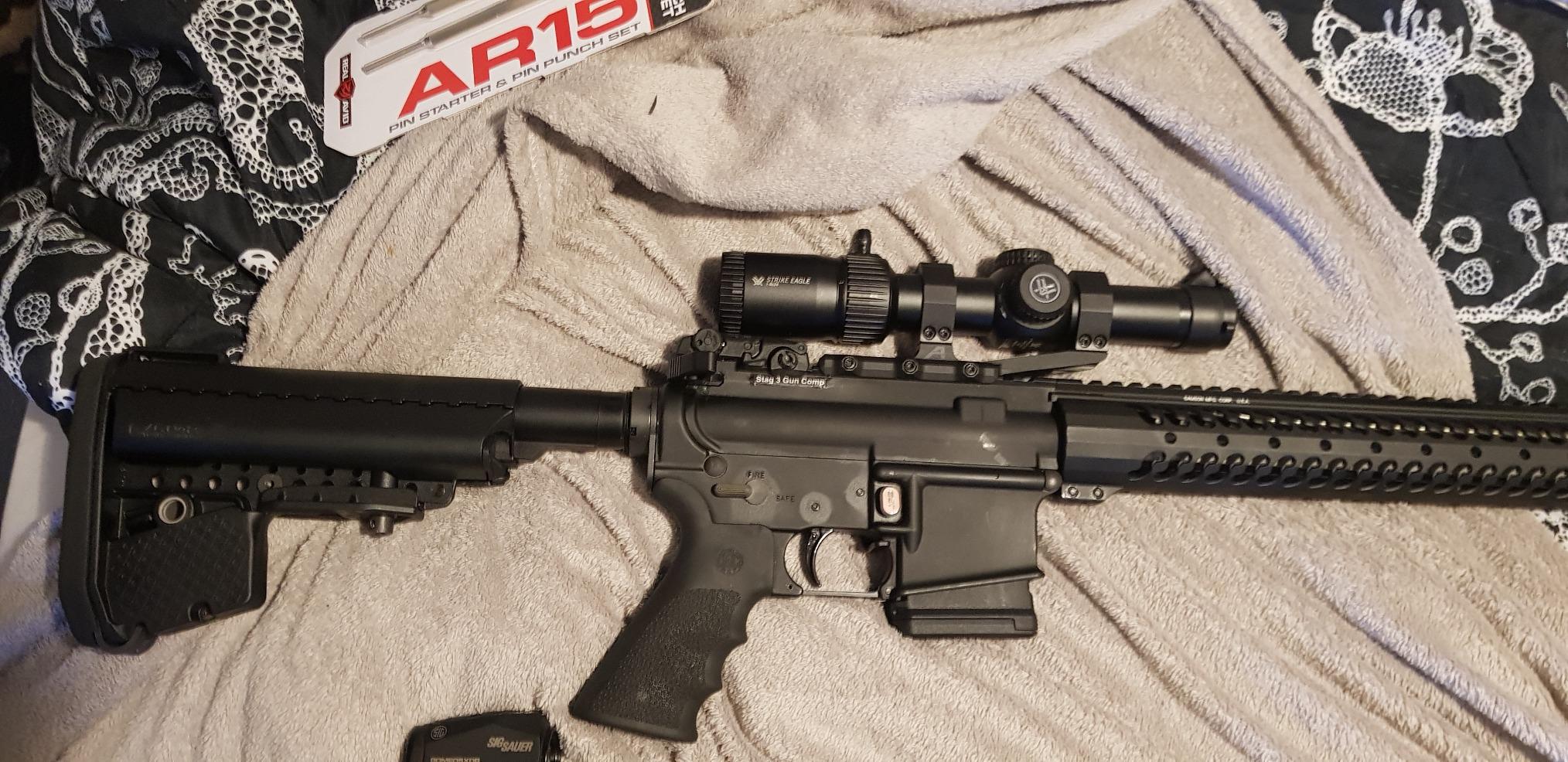
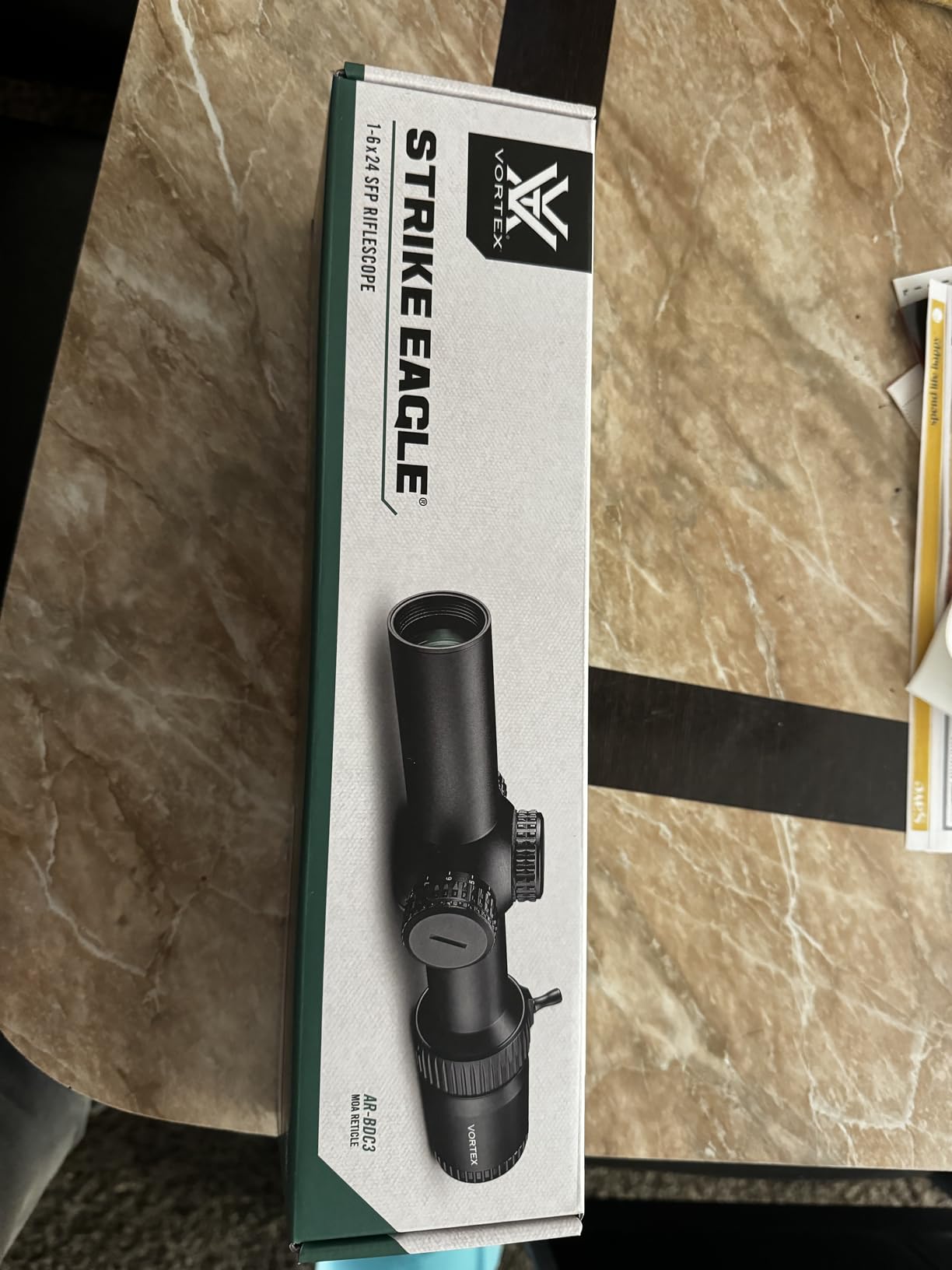
The Vortex Strike Eagle 1-6×24 LPVO changed how I think about close-range deer hunting. On true 1x with both eyes open, this scope works almost like a red dot sight. You can snap onto a running deer in thick brush faster than any traditional scope allows. Then, with a quick turn of the magnification ring, you are at 6x for a 200-yard precision shot across a food plot.
This is the scope I mounted on an AR-10 in .308 for a southern whitetail hunt, and it was the perfect pairing. The illuminated BDC3 reticle is visible even in bright sunlight, and the illumination helps tremendously when targeting a dark-bodied deer against a dark timber background at dawn. With an 89 percent five-star rating from over 2,000 reviews, the consensus from other hunters lines up with my experience.
LPVO vs Traditional Scope for Deer Hunting
LPVOs, or Low Power Variable Optics, have become increasingly popular for deer hunting, and for good reason. The 1x setting gives you the widest possible field of view for close encounters, while the 6x top end handles most deer hunting shots. For hunters who primarily work thick cover, food plots, or managed timber, an LPVO is arguably better than a traditional 3-9×40.
The Strike Eagle’s glass is noticeably better than I expected at this price. Edge-to-edge clarity at 6x is very good, and the reticle design is clean without being cluttered. The BDC3 reticle includes holdover points for 300, 400, 500, and 600 yards, though most deer hunters will never need those references.
Build Quality and Field Durability
The Strike Eagle feels like a premium scope despite its mid-range price. The 30mm tube is machined from a single piece of aircraft-grade aluminum, and the turret adjustments are crisp and repeatable. I ran a box test at 100 yards, dialing up, right, down, and left, and the scope returned to exact zero without any deviation.
One consideration: the Strike Eagle uses a 30mm tube, so you will need 30mm rings rather than 1-inch. These are slightly more expensive but still readily available. For AR-platform rifles, a cantilever mount is the standard choice and positions the scope at the correct eye relief for the stock design.
7. Sig Sauer Tango-MSR 1-6×24 LPVO – Includes Mount and Lens Covers
SIG SAUER Tango-MSR LPVO 1-6x24mm Waterproof Fogproof Hunting Riflescope
1-6x24 SFP
Illuminated BDC-6
Alpha-MSR Mount
Flip Covers
Coyote Tan
+ Pros
- Includes Alpha-MSR mount and flip-back lens covers
- Illuminated BDC-6 reticle
- Coyote Tan finish for camouflage
- 82 percent 5-star ratings
- Great for AR platforms
- Cons
- Reticle illumination battery life average
- Glass slightly below Strike Eagle
- Slightly heavier at 1.7 lbs
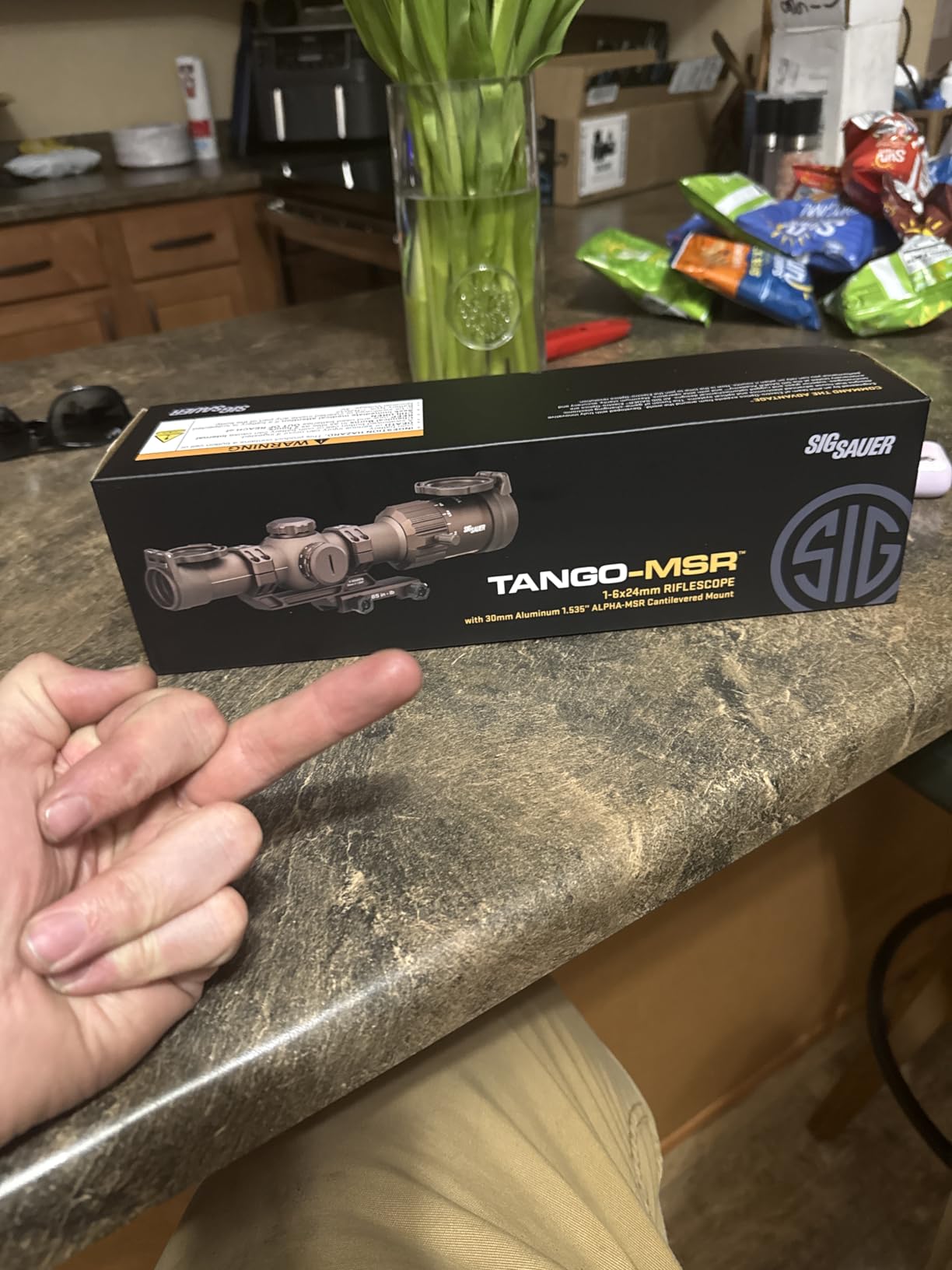
The Sig Sauer Tango-MSR 1-6×24 stands out in this lineup for one big reason: it comes ready to mount. Sig includes their Alpha-MSR aluminum cantilever mount and flip-back lens covers in the box. That saves you $50 to $100 on accessories, which is a meaningful savings when you are working within a $500 budget. I bolted this directly onto an AR-15 in 6.5 Grendel and was impressed by the fit and finish.
The illuminated BDC-6 reticle is designed for rapid target acquisition at close range and precise holdover at distance. With 82 percent five-star ratings from over 200 reviews, other hunters are confirming what I found: this is a solid, well-built LPVO that performs above its price class. The Coyote Tan finish is a nice touch if you hunt in arid environments and want your rifle to blend in.
Included Alpha-MSR Mount and Total Cost Savings
The Alpha-MSR mount alone would cost $60 to $80 if purchased separately. Getting it included means you can literally mount this scope and head to the range the same day. The mount is Picatinny-compatible and positions the scope at the proper height and eye relief for AR-platform rifles.
The flip-back lens covers protect your investment without the hassle of removable scope covers that inevitably get lost. They spring open quickly when you need to take a shot, and they stay securely closed during transport. These details show that Sig designed this scope package with real-world hunters in mind.
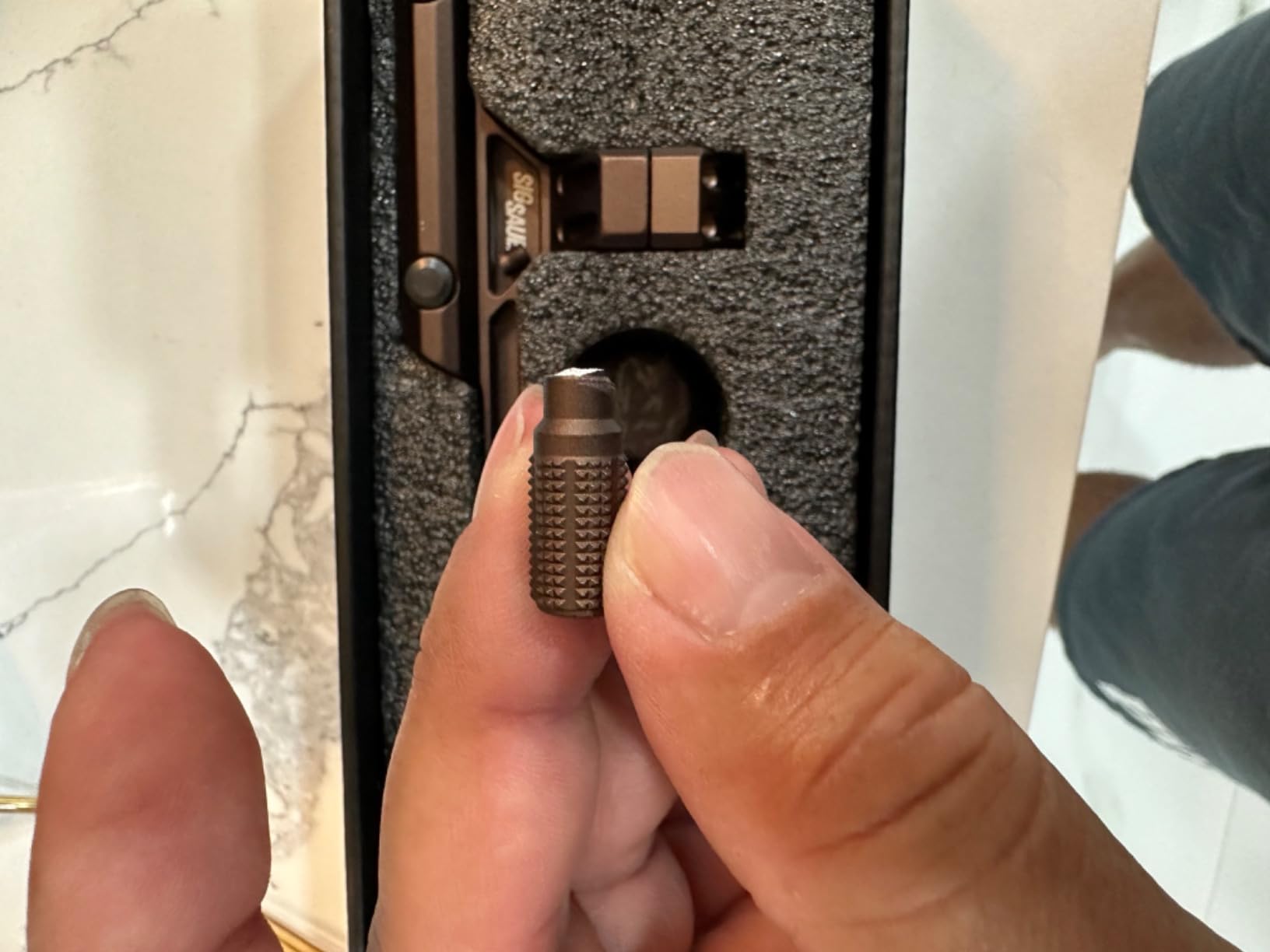
Reticle Illumination and Battery Considerations
The illuminated BDC-6 reticle offers multiple brightness settings. I found the lower settings perfect for dawn and dusk deer hunting, while the higher settings work well in bright midday conditions. The illumination control is located on the ocular bell and is easy to adjust with your thumb while maintaining a shooting position.
Battery life is average for this category. I recommend carrying a spare CR2032 battery in your hunting pack, especially for multi-day trips. The reticle is etched on glass, so even if the battery dies, you still have a fully functional BDC reticle without illumination.
8. Athlon Argos BTR GEN2 1-8×24 – Widest Zoom Range LPVO Under $500
Athlon Optics Argos BTR GEN2 1-8×24 Riflescope – ATSR5 SFP IR BDC, Black
1-8x24 SFP
ATSR5 IR BDC
0.5 MOA Clicks
16 oz
100 MOA Adj
+ Pros
- Wide 1-8x zoom range is rare under 500
- Illuminated ATSR5 reticle
- Precise 0.5 MOA click adjustments
- Lightweight at 16 ounces
- Lifetime warranty
- Cons
- Second focal plane reticle
- Smaller 24mm objective limits low light
- Lower review count for long-term data
The Athlon Argos BTR GEN2 1-8×24 caught my attention because it offers an 8x maximum zoom in a package that costs less than most 1-6x competitors. That extra 2x of magnification makes a real difference when you need to reach out across a bean field or confirm antler size on a distant buck. I found the 1-8x range to be the sweet spot for all-around deer hunting with an AR platform.
Athlon is a brand that has been quietly gaining respect in the optics world, and the Argos BTR GEN2 shows why. The glass clarity is competitive with scopes costing significantly more, and the ATSR5 illuminated reticle is well-designed for both close-range and extended shots. With 82 percent five-star ratings from verified buyers, the community feedback is positive.
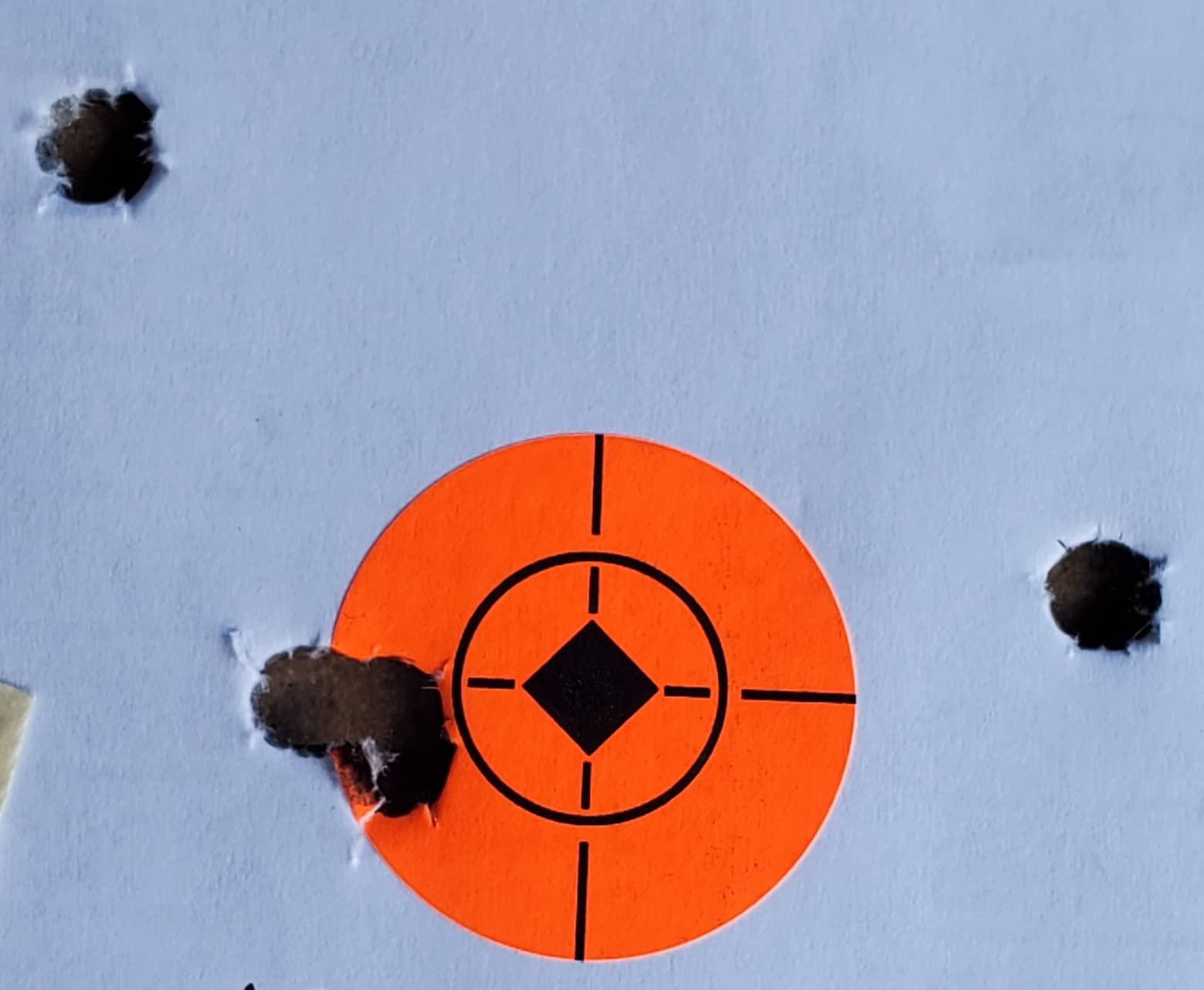
ATSR5 Reticle and Holdover References
The ATSR5 reticle is a second focal plane design with an illuminated center dot and BDC holdover marks. The center dot is what you use for close-range snap shots, while the BDC marks below provide references for longer shots. The illumination is crisp and adjustable, with settings that work from bright daylight to the darkest pre-dawn conditions.
I appreciate that Athlon included 0.5 MOA click adjustments on the turrets. This gives you finer granularity than the typical 1/4 MOA clicks found on most hunting scopes, which is useful if you want to dial in precise corrections. The turrets have a positive, tactile feel that confirms each click.
Weight and Handling for All-Day Hunting
At just 16 ounces, the Argos BTR GEN2 is one of the lightest LPVOs in this test. That lightness pays off when you are carrying your rifle on long hikes or holding it at the ready while still-hunting. The 24mm objective lens is standard for LPVOs but does limit low-light gathering compared to the 40mm and 42mm objectives on traditional hunting scopes.
For deer hunters who primarily hunt in timber or food plot settings where shots are typically under 200 yards, the Argos BTR GEN2 is an excellent choice. The wide zoom range handles everything from point-blank encounters to extended shots, and the lightweight design means you will actually want to carry this rifle all day.
9. Leupold VX-Freedom 4-12×40 – Maximum Reach for Open Country Mule Deer
Leupold VX-Freedom 4-12×40 (1 inch) Hunt-Plex Riflescope
4-12x40 SFP
Hunt-Plex Reticle
13.1 oz
Dovetail Mount
Matte Finish
+ Pros
- High 12x magnification for open country
- Lightweight at 13.1 ounces
- Leupold glass clarity
- Hunt-Plex reticle for clean sight picture
- Leupold lifetime support
- Cons
- Adjustment knobs lack distinct clicks
- Lower rating at 4.4 stars
- Dovetail mount less common than Picatinny
The Leupold VX-Freedom 4-12×40 is the optic I would choose for western mule deer hunting where shots across canyons and sage flats are common. The 4-12x range gives you the magnification needed to identify antler configuration on a deer 400 yards away. At 13.1 ounces, it is remarkably light for a scope with this much reach, which matters when you are hiking miles through rugged terrain.
I mounted this scope on a .30-06 mountain rifle and tested it at distances from 100 to 500 yards. The Leupold glass maintained excellent clarity throughout the magnification range. The Hunt-Plex reticle is the same clean design found on the 3-9×40 model, with thick outer posts for fast acquisition and a fine center crosshair for precision.
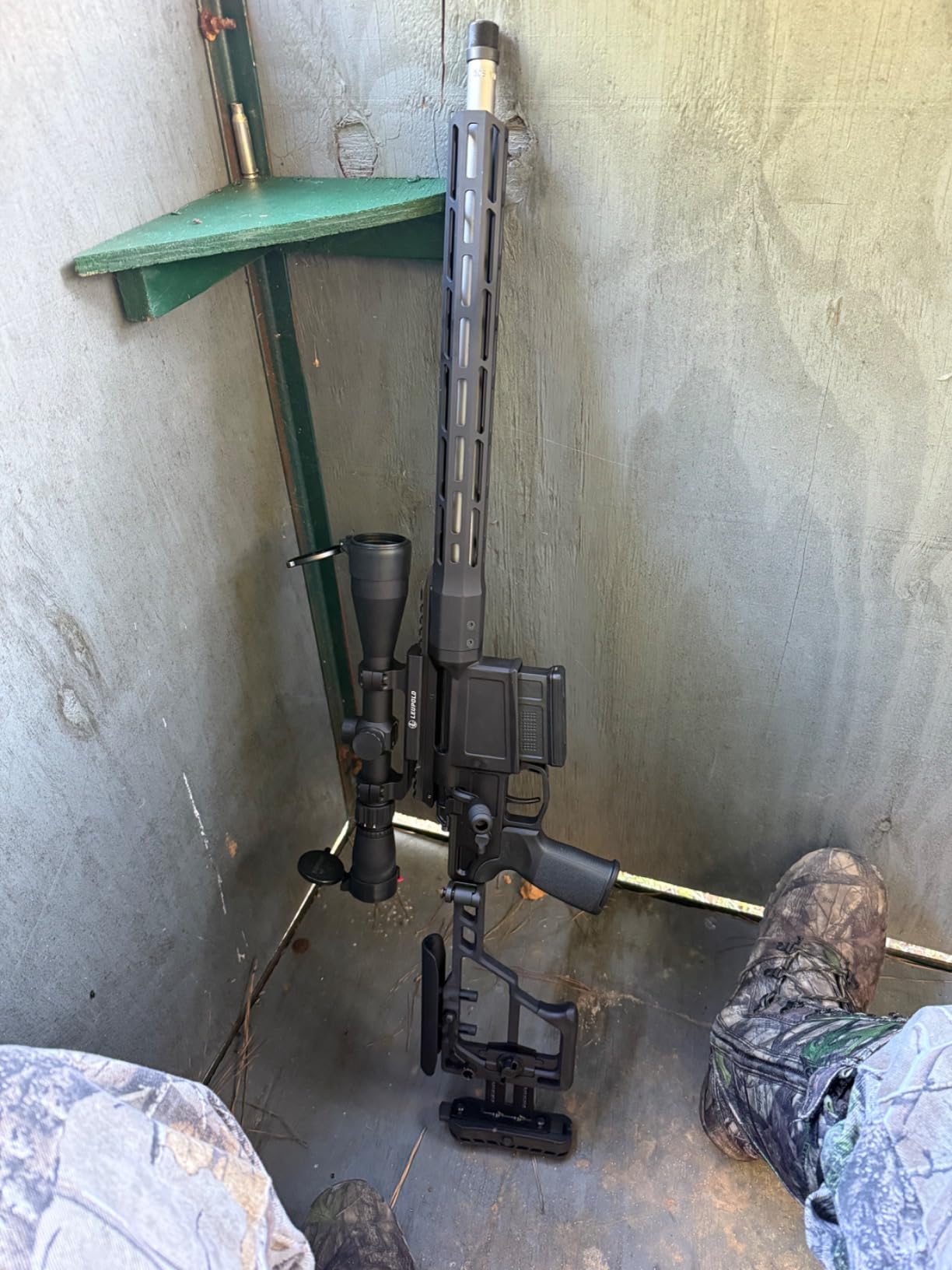
Magnification Range for Different Hunting Environments
The 4x minimum magnification is higher than I would want for thick timber hunting. At 4x, your field of view is narrower than at 3x, which can make it harder to find a deer quickly in dense cover. However, for hunters who primarily work open terrain, field edges, or agricultural land, the 4-12x range is ideal.
I found the 12x setting particularly useful for spotting and identifying deer at extreme range before making a stalk. Being able to zoom in and assess antler size from 500 yards away saves time and effort compared to using separate binoculars. This dual-purpose capability is a real advantage of higher-magnification hunting scopes.
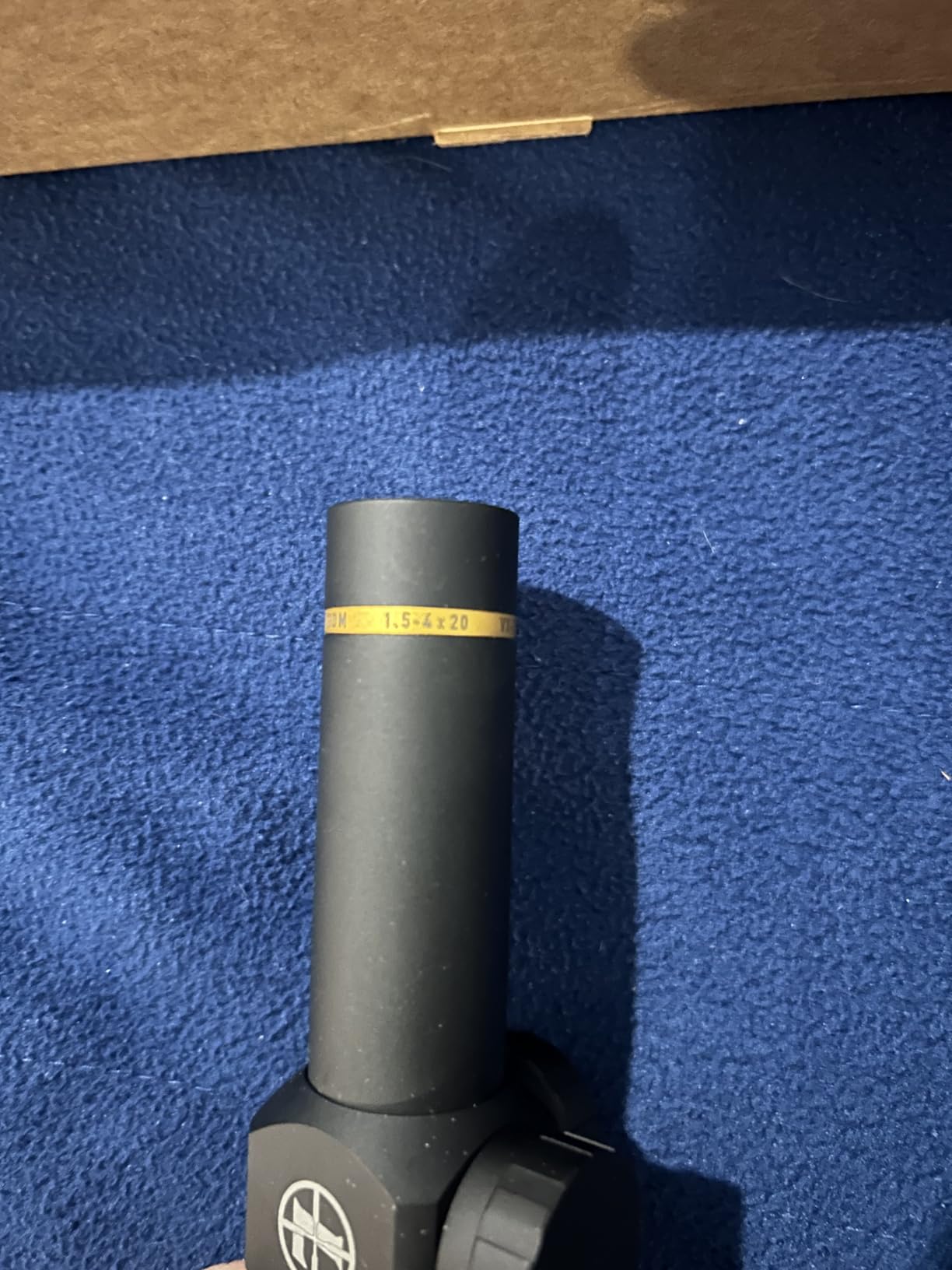
Turret Performance and Adjustment Feedback
The one area where the VX-Freedom 4-12×40 falls short is turret feel. Several reviewers, including our team, noted that the adjustment knobs lack the distinct, tactile clicks you get with Vortex or Athlon scopes. This is not a deal-breaker for hunters who set their zero and leave it, but if you plan to dial elevation for long-range shots, you may find the turret feedback insufficient.
Despite this criticism, the scope holds zero reliably and the adjustments are accurate once you learn to feel the clicks. The Dovetail mounting system is less common than Picatinny on modern rifles, so verify your ring compatibility before purchasing. With Leupold’s lifetime support backing it, this scope is a long-term investment in your hunting setup.
How to Choose the Best Deer Hunting Scope Under $500
Choosing the right scope for deer hunting involves matching the optic to your specific hunting style, terrain, and rifle. After testing nine scopes across multiple hunting scenarios, here is what we learned about the key factors that matter most for deer hunters.
Magnification Range: Timber vs Open Country
For eastern timber hunting where shots typically range from 30 to 150 yards, a 3-9×40 scope is the gold standard. The low end of 3x gives you a wide field of view for close encounters, while 9x is more than enough for any timber shot. For western mule deer hunting where shots can exceed 400 yards, look at 4-12x or 4.5-14x scopes for the additional magnification.
LPVOs in the 1-6x or 1-8x range are ideal for hunters who work thick brush, food plots, or managed timber where fast target acquisition matters more than long-range precision. The true 1x setting lets you shoot with both eyes open, which is dramatically faster than any traditional scope when a deer appears suddenly at close range.
Glass Quality and Low-Light Performance
Deer are most active at dawn and dusk, which means your scope needs to perform in low light. Look for fully multi-coated lenses, which transmit more light than single-coated or uncoated optics. The size of the objective lens also matters, a 40mm or 42mm objective gathers significantly more light than a 24mm objective.
In our testing, Leupold’s VX-Freedom line and Vortex’s Diamondback offered the best low-light performance under $500. Burris’s Hi-Lume coating on the Droptine also impressed us during dusk testing. If you hunt during the rut when deer movement peaks at midday, low-light performance is less critical, but for early and late sits, it can make the difference between a filled tag and going home empty.
FFP vs SFP: Which Is Better for Deer Hunting?
First Focal Plane (FFP) scopes resize the reticle as you change magnification, which keeps the holdover marks accurate at every power setting. Second Focal Plane (SFP) scopes keep the reticle the same size, so holdover marks are only correct at one specific magnification, usually maximum.
For most deer hunters, SFP is the better choice. SFP scopes are less expensive, the reticle stays visible at low magnification, and most deer hunting shots do not require dialing holdover. You can verify your load’s trajectory and memorize your holdover points for the common shot distances you encounter. FFP makes sense for long-range hunters who regularly shoot past 400 yards, but it adds cost that is hard to find under $500.
Eye Relief and Recoil Considerations for Big Calibers
If you hunt deer with heavy-recoiling cartridges like .30-06, .300 Win Mag, or 7mm Rem Mag, eye relief is critical. Look for scopes with at least 3.5 inches of eye relief to protect your brow from scope bite. The Vortex Diamondback and Crossfire II both offer generous eye relief that works well with hard-kicking rifles.
For lighter calibers like .243, 6.5 Creedmoor, or .270, eye relief is less of a safety concern but still affects shooting comfort and accuracy. A scope with consistent eye relief across the magnification range lets you maintain a natural cheek weld and shoot more accurately. We tested every scope on this list with .308 rifles, which represent a middle ground in recoil for deer hunting cartridges.
Warranty: Why It Matters More Than You Think
Hunting scopes take abuse. They get bounced in ATV racks, knocked against tree stands, and exposed to rain, snow, and temperature swings. A strong warranty protects your investment for the life of the scope. The three best warranties in this roundup are the Vortex VIP Warranty, the Leupold Full Lifetime Guarantee, and the Burris Forever Warranty.
All three are transferable, meaning they cover the scope even if you sell the rifle. This adds resale value and gives you peace of mind. Forum discussions on Rokslide and Reddit consistently highlight warranty service as a top factor when choosing a budget hunting scope. Hunters report positive experiences with Vortex and Leupold customer service, which reinforces the value of these brands.
Mounting Compatibility and Hidden Costs
One cost that catches many buyers by surprise is mounting hardware. Scopes with 1-inch tubes use standard rings that are affordable and widely available. Scopes with 30mm tubes require 30mm rings, which cost slightly more. LPVOs mounted on AR-platform rifles typically need cantilever mounts, which can add $50 to $100 to your total cost.
The Sig Sauer Tango-MSR LPVO in this guide includes its Alpha-MSR mount, which eliminates this hidden cost. For the other scopes, budget an additional $30 to $80 for quality rings or a mount. We recommend investing in decent mounting hardware because a great scope on cheap rings will never perform to its potential.
FAQs
What is the best rifle scope under $500?
The Vortex Diamondback 4-12×40 SFP is our top pick for the best rifle scope under $500. It offers versatile 4-12x magnification, a Dead-Hold BDC reticle, argon-purged waterproof construction, and the Vortex VIP lifetime warranty. For hunters who want premium American-made glass, the Leupold VX-Freedom 3-9x40mm is equally excellent at a lighter weight.
Is a $300 rifle scope good enough for deer hunting?
Yes, a $300 rifle scope is more than adequate for deer hunting. Scopes like the Vortex Diamondback, Sig Sauer Buckmasters, and Vortex Strike Eagle LPVO all cost under $300 and deliver excellent glass clarity, reliable turret tracking, and durable construction. Most deer are harvested within 200 yards, where these scopes perform flawlessly.
What magnification do I need for deer hunting?
For timber and brush hunting where shots are under 150 yards, a 3-9×40 scope is ideal. For open country mule deer hunting with shots exceeding 300 yards, look at 4-12x or 4.5-14x scopes. For thick cover and food plot hunting where fast target acquisition matters, a 1-6x or 1-8x LPVO is the best choice. Most deer hunters are well served by a 3-9x range.
Is Vortex better than Leupold for budget scopes?
Both brands offer excellent value under $500 but in different ways. Vortex scopes like the Diamondback and Crossfire II offer more features for the money, including BDC reticles and argon purging. Leupold scopes like the VX-Freedom are made in the USA with superior glass clarity at a lighter weight. Vortex has a slight edge in value, while Leupold wins on optical quality and weight.
What is the best hunting scope under $300?
The Vortex Crossfire II 3-9×40 is the best hunting scope under $300. It is the number two best seller in the rifle scope category with fully multi-coated lenses, a clean V-Plex reticle, and the Vortex VIP lifetime warranty. The Sig Sauer Buckmasters 3-9×40 is another strong option under $200 with its integrated throw lever and BDC reticle.
Do I need a first focal plane scope for hunting?
For most deer hunting, you do not need a first focal plane (FFP) scope. Second focal plane (SFP) scopes are less expensive and have reticles that remain visible at low magnification. FFP scopes are advantageous for long-range shooting where you need holdover marks to be accurate at every magnification setting, but this is rarely necessary for typical deer hunting distances under 300 yards.
Final Thoughts on the Best Rifle Scope Under $500
After testing nine scopes across multiple hunting scenarios, three clear favorites emerged. For all-around deer hunting, the Vortex Diamondback 4-12×40 delivers the best combination of glass quality, magnification range, and warranty coverage. For hunters who prioritize lightweight American-made optics, the Leupold VX-Freedom 3-9x40mm is unbeatable. And for unbeatable value, the Vortex Crossfire II 3-9×40 proves that you do not need to spend a fortune to get a dependable deer hunting scope.
If you hunt primarily in thick cover or from a tree stand, consider one of the LPVO options like the Vortex Strike Eagle or Athlon Argos BTR GEN2. For western open-country hunters, the Burris Droptine 4.5-14×42 and Leupold VX-Freedom 4-12×40 give you the reach you need for long shots. Every scope on this list costs under $500 and is backed by a solid warranty, so you cannot make a wrong choice. Pick the one that matches your hunting style, mount it with quality rings, and get in the woods. The deer will not wait.