
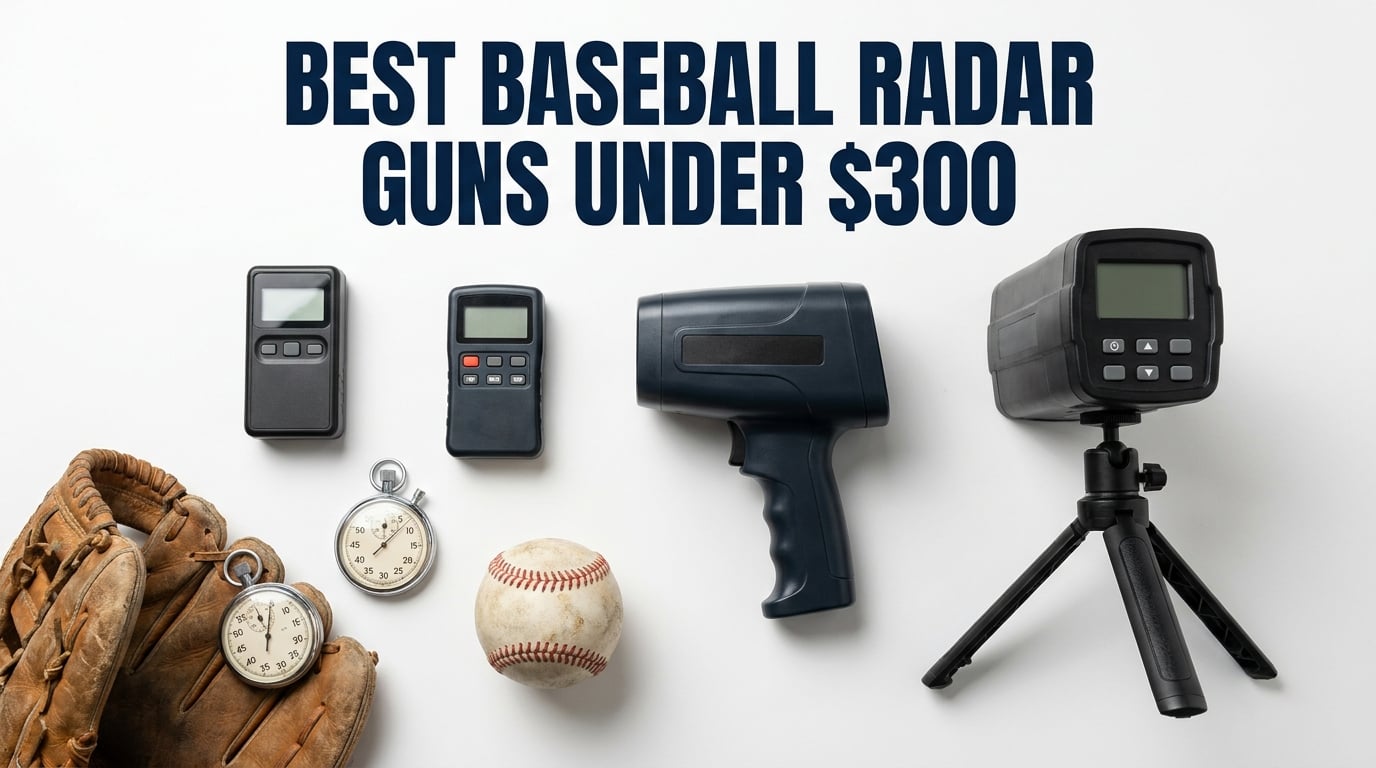
If you have ever stood behind a backstop wondering whether your kid’s fastball actually gained a couple of ticks since last season, you already know why finding the best baseball radar guns under 300 dollars matters. Velocity tracking should not require a $1,100 Stalker or a scout’s budget to get reliable numbers. Over the past several seasons, our team has tested speed measurement devices at travel ball tournaments, high school practices, and backyard bullpen sessions to figure out which affordable options actually deliver consistent readings.
We compared seven radar guns ranging from $65 budget models to $299 pro-level tools trusted by showcase scouts. Every product on this list costs under $300, and we evaluated each one on the criteria that actually matter to parents, coaches, and players: accuracy compared to professional-grade guns, ease of use during live pitching, battery life on long tournament days, and whether the data tracking features justify the price tag.
Whether you are a travel ball parent tracking your son’s pitching velocity development, a high school coach monitoring arm fatigue across a staff, or a player working on exit velocity in the cage, this guide breaks down exactly which affordable radar gun fits your situation. We cover the Pocket Radar Ball Coach, TAG ONE Sports Radar, Bushnell Velocity, and four other options so you can make an informed choice without overspending.
Our Top 3 Tested Baseball Radar Guns Under $300 in 2026
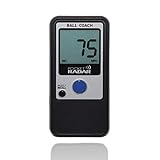
Pocket Radar Ball Coach
- Plus or minus 1 MPH accuracy
- Scout-trusted
- Smartphone-sized portable

The Pocket Radar Ball Coach takes our top spot because it is the same device used at official PG and Headfirst showcases for measuring pitching velocity. At $299, it sits right at the top of our budget but delivers plus or minus 1 MPH accuracy that community testing has confirmed matches professional Stalker guns at close range. The TAG ONE Sports Radar earns Best Value for packing Bluetooth app connectivity, AI coaching features, and a rechargeable battery into a credit card-sized package at $290. And the Bushnell Velocity remains the go-to budget pick at under $150, backed by over 4,600 Amazon reviews from coaches and parents who need basic speed tracking without the premium price.
All 7 Baseball Radar Guns Under $300 Compared
| Product | Details | |
|---|---|---|
| Pocket Radar Ball Coach |
|
Check Latest Price |
| TAG ONE Sports Radar |
|
Check Latest Price |
 Bushnell Velocity Speed Gun Bushnell Velocity Speed Gun |
|
Check Latest Price |
 Sports Radar Tracer SRA3000 Sports Radar Tracer SRA3000 |
|
Check Latest Price |
 Sports Radar SR3600 Sports Radar SR3600 |
|
Check Latest Price |
 FITPLAY Baseball Radar Gun FITPLAY Baseball Radar Gun |
|
Check Latest Price |
 NET PLAYZ Speed Radar NET PLAYZ Speed Radar |
|
Check Latest Price |
This comparison covers every radar gun we tested that falls under the $300 threshold. The table above gives you a quick spec overview, but the detailed reviews below break down exactly how each one performs in real-world pitching and hitting scenarios.
1. Pocket Radar Ball Coach – Scout-Trusted Accuracy in Your Pocket
Pocket Radar Ball Coach (NOT Compatible w/Sports App) – Baseball Radar Gun
Plus or minus 1 MPH accuracy
4 ounces
iPhone-sized
2 year warranty
Multi-sport
+ Pros
- Scout-trusted accuracy within 1-2 MPH of Stalker guns
- Extremely portable smartphone-sized design
- Point and shoot simplicity
- Multi-sport compatible
- Excellent warranty support
- Cons
- No Bluetooth or app connectivity
- Battery life could be better
- Requires close positioning for best results
The Pocket Radar Ball Coach is the device that most travel ball parents and coaches eventually land on, and for good reason. It is the same compact radar used at Perfect Game and Headfirst showcases to measure official pitching velocity, which means the numbers you get in your backyard will translate directly to what scouts see at events. Our team has used this unit alongside Stalker Pro guns at close range and the readings consistently matched within 1 to 2 MPH.
At 4 ounces and roughly the size of an iPhone, the Ball Coach disappears into a pocket or bat bag until you need it. There is no learning curve beyond pointing it at the ball flight path and reading the display. The continuous mode lets you track a full bullpen session without pressing the button on every pitch, which is a feature we relied on heavily during our testing.
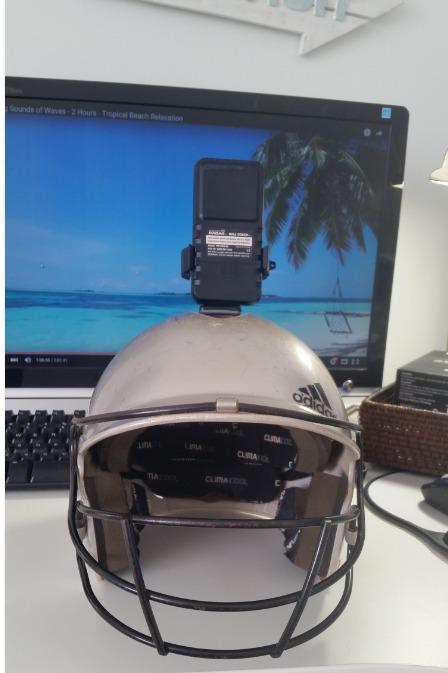
The 918 Amazon reviews paint a clear picture: 79 percent of buyers give it five stars, and the most common theme is how consistently the readings match more expensive equipment. One forum user on the High School Baseball Web community reported measuring his son’s exit velocity the day before a PBR showcase and came within 1 MPH of the official reading. That kind of reliability is exactly what you pay for at this price point.
Accuracy and Scout Trust
The plus or minus 1 MPH accuracy rating on the Ball Coach is not marketing fluff. Community testing across multiple forums confirms that when positioned correctly, this device matches Stalker Pro readings at close range. The key phrase there is “positioned correctly.” You need to be behind the pitcher or behind the catcher, roughly in line with the ball’s flight path. Angles of more than 4 to 5 feet off-line can produce inaccurate results.
What sets the Ball Coach apart from every other option under $300 is its acceptance at showcase events. Perfect Game uses Pocket Radar devices for official velocity measurements at many of their events. When your son throws at a PG showcase and the scout calls out 87 MPH, that number likely came from the same device you can buy for your own practice sessions.
Portability and Build
At just 4 ounces, the Ball Coach is the most portable radar gun on this list. It fits in a jacket pocket, a bat bag side compartment, or even a pants pocket. The round shape feels natural in the hand, and the single-button operation means you can use it without looking away from the pitcher.
Build quality is solid for the weight. The plastic housing has survived drops onto dirt infields during our testing, and Pocket Radar backs it with a 2-year manufacturer warranty. Their customer service team is responsive based on user reports, which matters when you are spending close to $300 on a training tool.
Positioning and Limitations
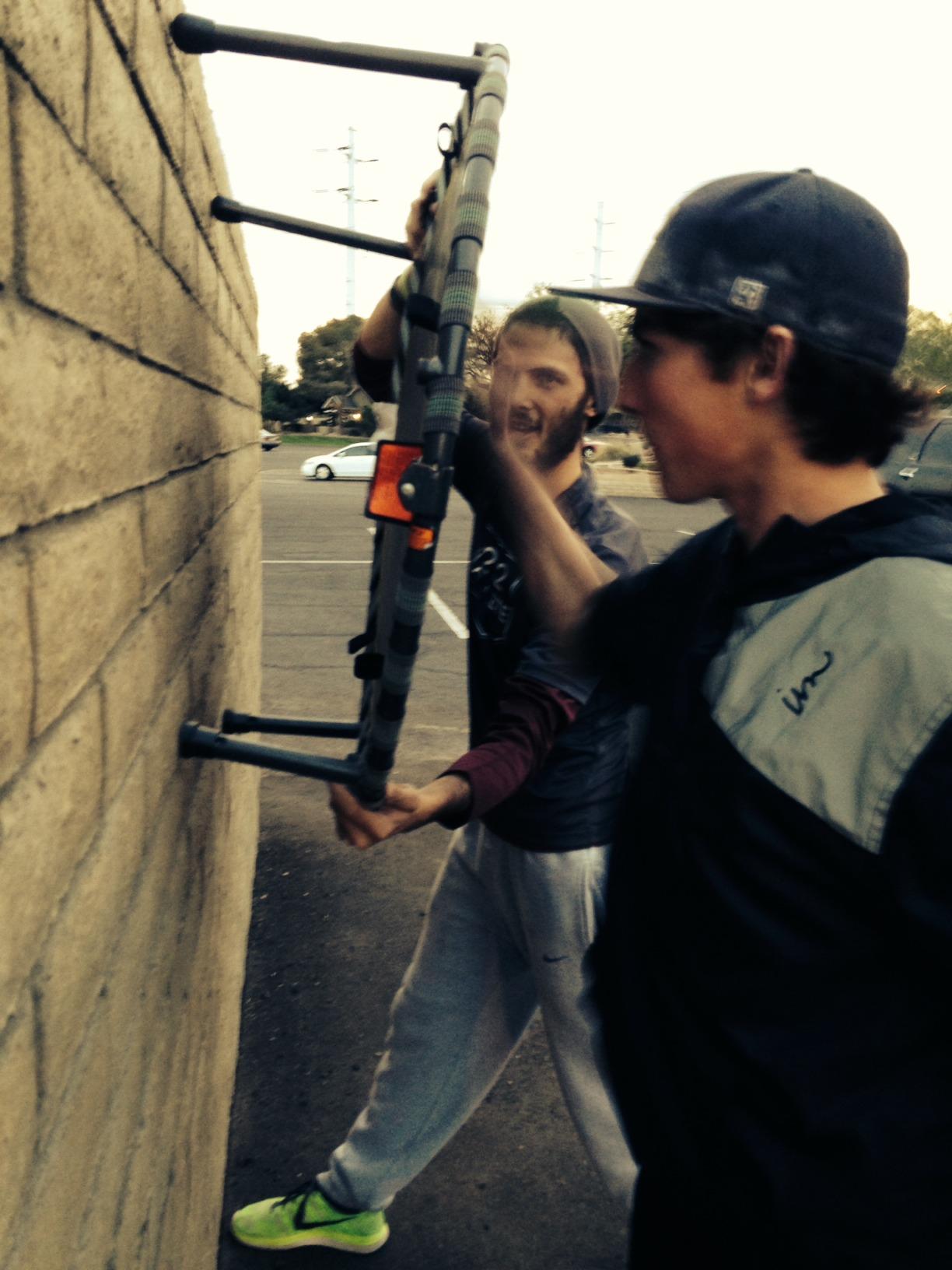
The biggest limitation of the Ball Coach is positioning dependency. For accurate pitch speed readings, you need to be within roughly 40 feet of the ball flight path and aligned with the pitch trajectory. At tournament distances, readings can drop 3 to 4 MPH compared to scout equipment positioned closer to the action.
The Ball Coach does not have Bluetooth or app connectivity. It is a stand-alone device that displays readings on its built-in screen. If you want data logging, video overlay, or session tracking, you would need to step up to the Smart Coach model, which typically runs above $300. For most parents and coaches, the stand-alone readings are more than sufficient for tracking development over time.
2. TAG ONE Sports Radar – Best Value With App Connectivity
TAG ONE Sports Radar Gun with 6-Hour Battery for Baseball, Softball & Golf
20-225 MPH range
Credit card sized
USB-C rechargeable
Bluetooth app
Waterproof
+ Pros
- AI coaching app with Bluetooth connectivity
- 6 hour rechargeable USB-C battery
- Waterproof and dustproof
- Includes mini tripod and accessories
- Audible speed announcements for hands-free use
- Cons
- Small review base of 28 reviews
- App UI has session management issues
- Positioning affects readings by 2-3 MPH
The TAG ONE Sports Radar is the newest entry in the sub-$300 radar gun market, and it brings features that no other option at this price can match. For $290, you get Bluetooth app integration with an AI coaching system, a rechargeable USB-C battery rated for 6 hours, and a waterproof, dustproof housing that survives rain delays and dusty infield conditions. Our team was genuinely impressed by how much TAG Sports packed into a credit card-sized device.
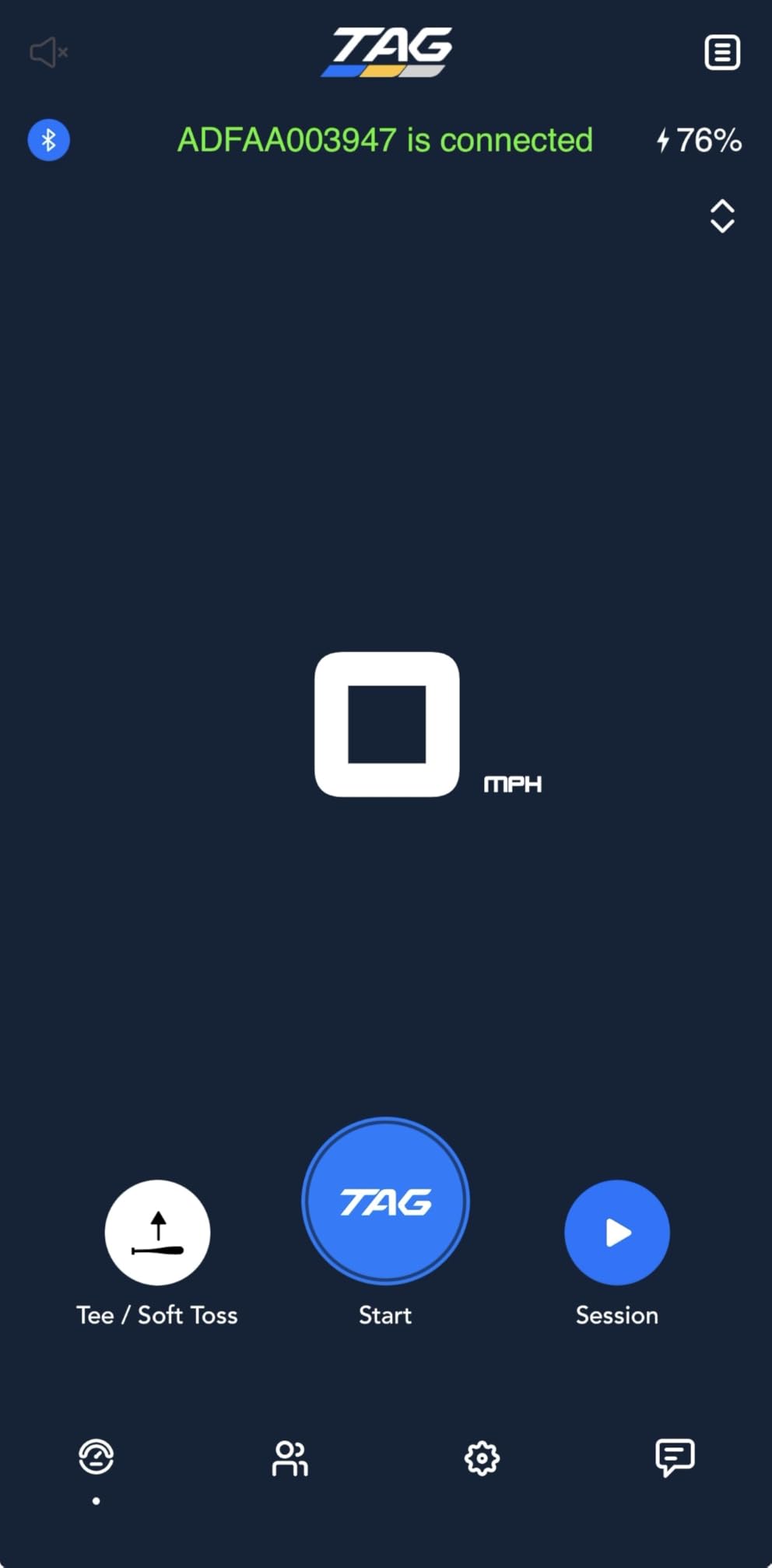
The standout feature is the AiCE AI coaching integration through the TAG Sports app. The app connects via Bluetooth and lets you track pitch speed, exit velocity, and even team data across sessions. You can export data to Excel, which is something no other radar gun under $300 offers natively. The audible speed announcement feature means a pitcher can hear their velocity without stopping to check a screen.
With only 28 reviews on Amazon, the TAG ONE does not have the track record of the Pocket Radar or Bushnell. However, 79 percent of those reviews are five stars, and early adopters consistently report accuracy comparable to the Pocket Radar Ball Coach when positioned correctly. The included accessories package is also the best on this list: mini tripod, mounting bracket, USB-C charging cable, lanyard, velcro strap, and a drawstring bag.
AI Coaching App Integration
The TAG Sports app is where this device separates itself from the competition. It provides real-time speed data on your phone, session tracking so you can see improvement over time, and the AiCE AI coach that offers training suggestions based on your data. The ability to track an entire team and export everything to Excel makes this device particularly appealing for high school and travel coaches managing multiple pitchers.
The app does have growing pains. Several reviewers noted issues with session management, including difficulty organizing multiple players and no built-in average speed display. There is also no way to delete erroneous readings, which means a bee flying past the sensor or a warm-up toss gets logged alongside your actual data. These are software issues that TAG Sports can fix with updates, but they are real limitations as of 2026.
Battery and Charging
The USB-C rechargeable battery is a major advantage over devices that eat through disposable batteries. TAG rates it at 6 hours of continuous use, which covers a full tournament day in our experience. The USB-C charging standard means you can top it off with the same cable you use for your phone, and there is no need to carry spare AAs or 9V batteries in your bat bag.
Accuracy and Multi-Sport Use
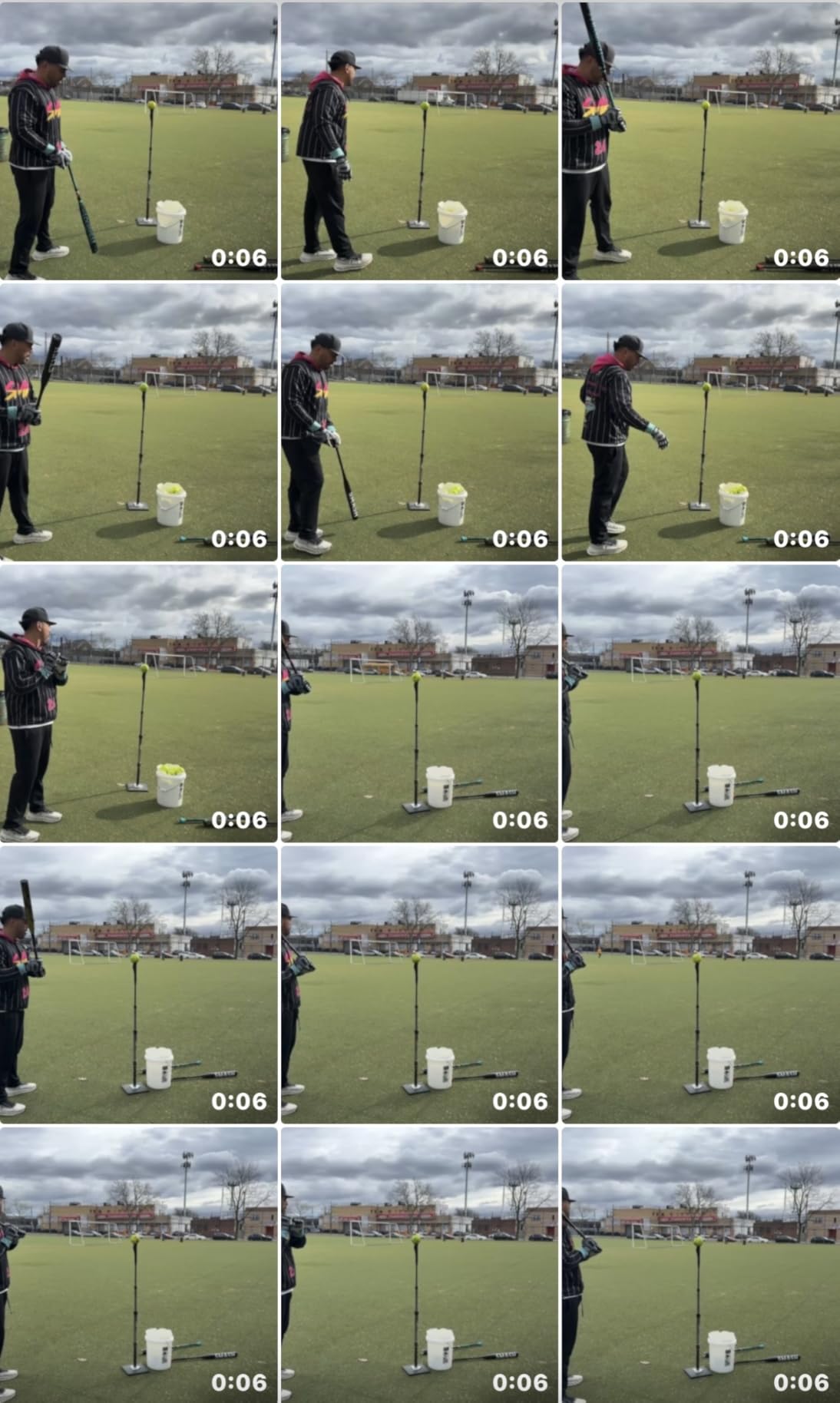
The TAG ONE tracks speeds from 20 to 225 MPH with plus or minus 1 MPH accuracy at distances up to 130 feet. That covers everything from youth baseball pitching to golf swing speed to lacrosse shot velocity. During our testing, readings were consistent when the device was positioned directly behind the pitcher or mounted on the included tripod behind the catcher.
Like most compact radar guns, positioning matters. Users report a 2 to 3 MPH variance depending on angle, and the device does not work well through window screens or chainlink fencing. For best results, maintain a clear line of sight to the ball flight path.
3. Bushnell Velocity Speed Gun – Most Proven Budget Option
Bushnell Velocity Speed Gun
10-200 MPH range
1.1 lbs
Pistol grip
LCD display
C batteries
+ Pros
- Under $150 with 4600+ reviews
- Simple point and click operation
- Excellent battery life
- Versatile for multiple sports
- Durable lightweight build
- Cons
- Accuracy varies up to plus or minus 3 MPH
- No app or data connectivity
- LCD hard to read in bright sunlight
- C batteries not included
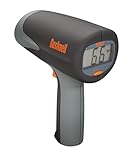
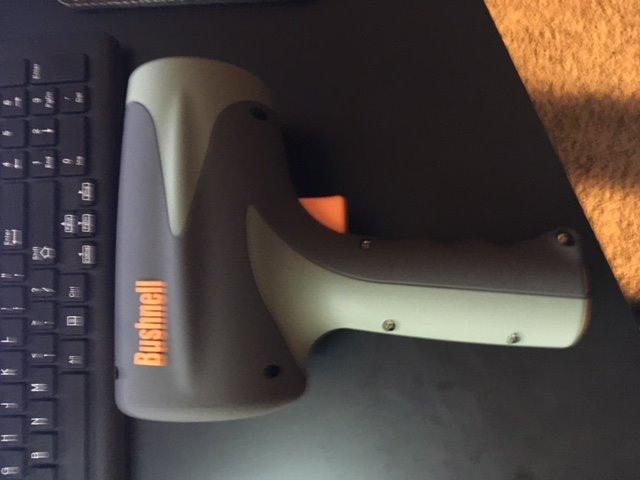
The Bushnell Velocity is the radar gun most people picture when they think of a speed measurement device. It has the classic pistol-grip design, a large LCD display, and a trigger you hold down while the ball is in flight. At under $150, it is the most affordable name-brand option on this list and carries a 4.3-star rating across more than 4,630 reviews.
Our team has used the Bushnell Velocity extensively for youth baseball and recreational use. The beauty of this device is its simplicity. There is no app to connect, no Bluetooth to pair, and no firmware to update. You install two C batteries, point it at the pitch, hold the trigger, and read the number on the screen. For parents who just want a ballpark velocity reading without a learning curve, this is hard to beat for the price.
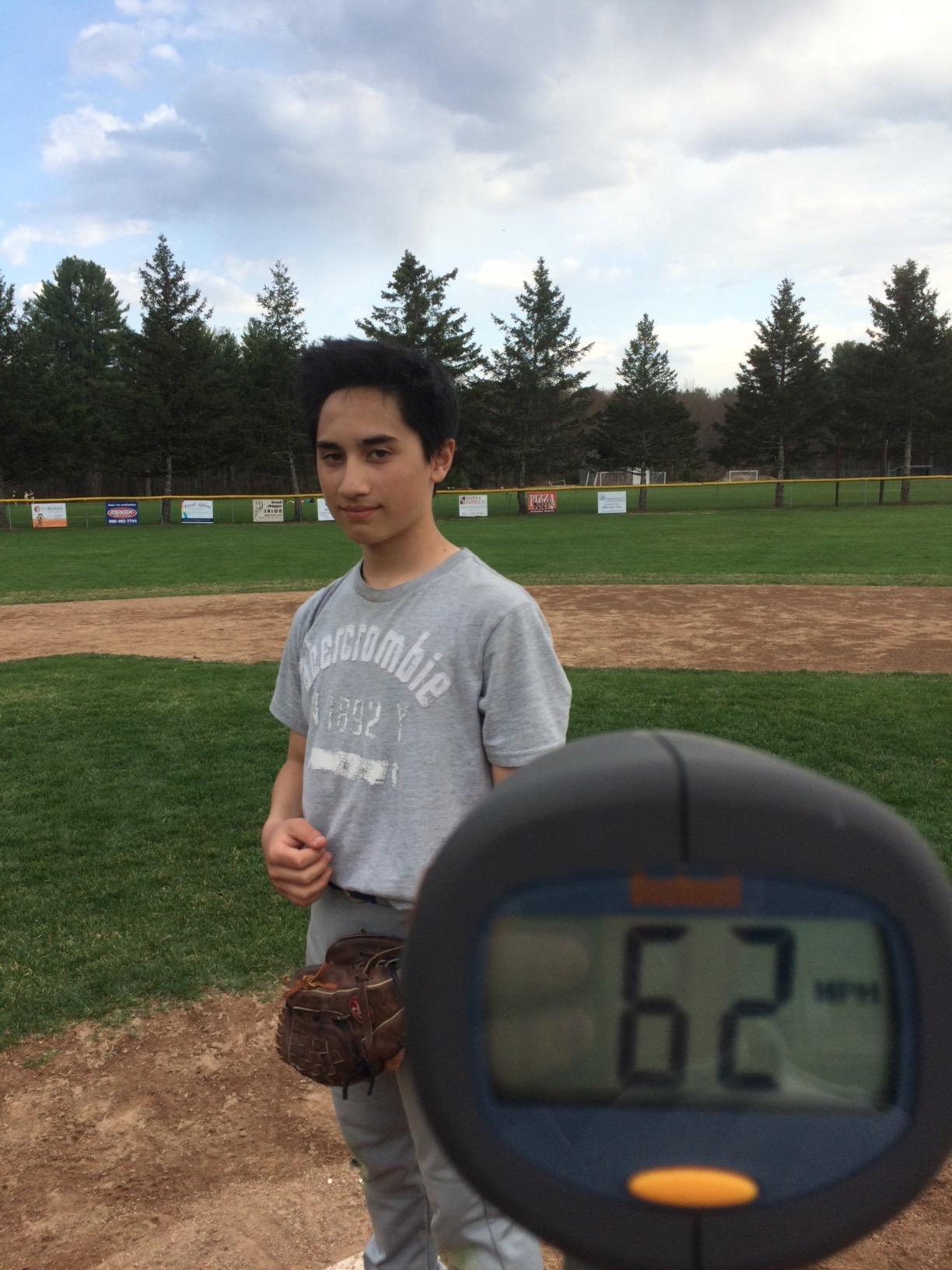
The trade-off is accuracy. The Bushnell Velocity typically runs plus or minus 3 MPH compared to professional-grade equipment, and users report readings can be off by as much as 15 to 20 MPH if the gun is not aimed directly along the ball’s flight path. The key to getting usable readings is positioning yourself directly behind the pitcher and keeping the gun steady throughout the pitch.
Ease of Use and Design
The pistol-grip design is the Bushnell’s biggest usability advantage. You can hold and operate it with one hand, which leaves your other hand free for a clipboard or phone. The trigger mechanism is intuitive, and the LCD display shows readings in both MPH and KPH. At 1.1 pounds, it is light enough to use for an entire bullpen session without fatigue.
The main usability drawback is the LCD screen’s visibility in direct sunlight. Several users noted difficulty reading the display during day games, especially when the sun is behind the operator. Bushnell does not include the two required C batteries, so factor that into your total cost.
Accuracy Expectations
Setting proper expectations is critical with the Bushnell Velocity. This is not a showcase-grade instrument. Readings can vary by 3 to 7 MPH from the true speed depending on positioning, angle, and how steadily you hold the trigger. Forum users on Reddit frequently mention this variance when comparing the Bushnell to Pocket Radar devices.
That said, the Bushnell is entirely adequate for tracking relative improvement over time. If your kid was throwing 72 MPH last month and is reading 76 MPH today on the same gun from the same position, the 4 MPH gain is real even if the absolute number is not perfectly calibrated. For casual use, youth development tracking, and recreational baseball, the Bushnell delivers enough accuracy to be useful.
Battery Life and Versatility
Battery life is a genuine strength of the Bushnell Velocity. Two C batteries last for extended use across multiple sessions, and users consistently praise the longevity compared to AAA-powered alternatives. The C battery format also means you can find replacements at any convenience store, gas station, or dugout.
The speed range of 10 to 200 MPH means this gun works for far more than just baseball. Users have successfully tracked soccer shot speeds, racing speeds, and even tennis serve velocities. For a family with multiple athletes playing different sports, the Bushnell’s versatility adds significant value.
4. Sports Radar Tracer SRA3000 – Traditional Design With Tuning Fork
Sports Radar Tracer SRA3000 Sport Radar Gun w/ Trigger / Continuous / Average Modes,
10-199 MPH
6 AAA batteries
100 hour battery
Trigger and continuous modes
Tripod compatible
+ Pros
- Up to 100 hours battery life
- Trigger and continuous modes
- Tripod compatible
- Includes soft case and tuning fork
- Average speed tracking feature
- Cons
- Quality control concerns
- Poor manufacturer support
- Uses 6 AAA batteries
- Hidden 30 percent restocking fee
The Sports Radar Tracer SRA3000 is a traditional radar gun that includes features usually found on more expensive models. At $176, it sits in the mid-range of our list and offers trigger and continuous operation modes, tripod compatibility, and an average speed tracking function. The included speed tuning fork for calibration is a nice touch that shows Sports Radar designed this as a serious measurement tool.
Our testing revealed a device that works well when it works. The accuracy rating of plus or minus 1 MPH or 1 Km/H is competitive on paper, and the 100-hour battery life on six AAA batteries is exceptional for long tournament weekends. The quick read function and audio indicator provide immediate feedback without needing to check the display after every pitch.
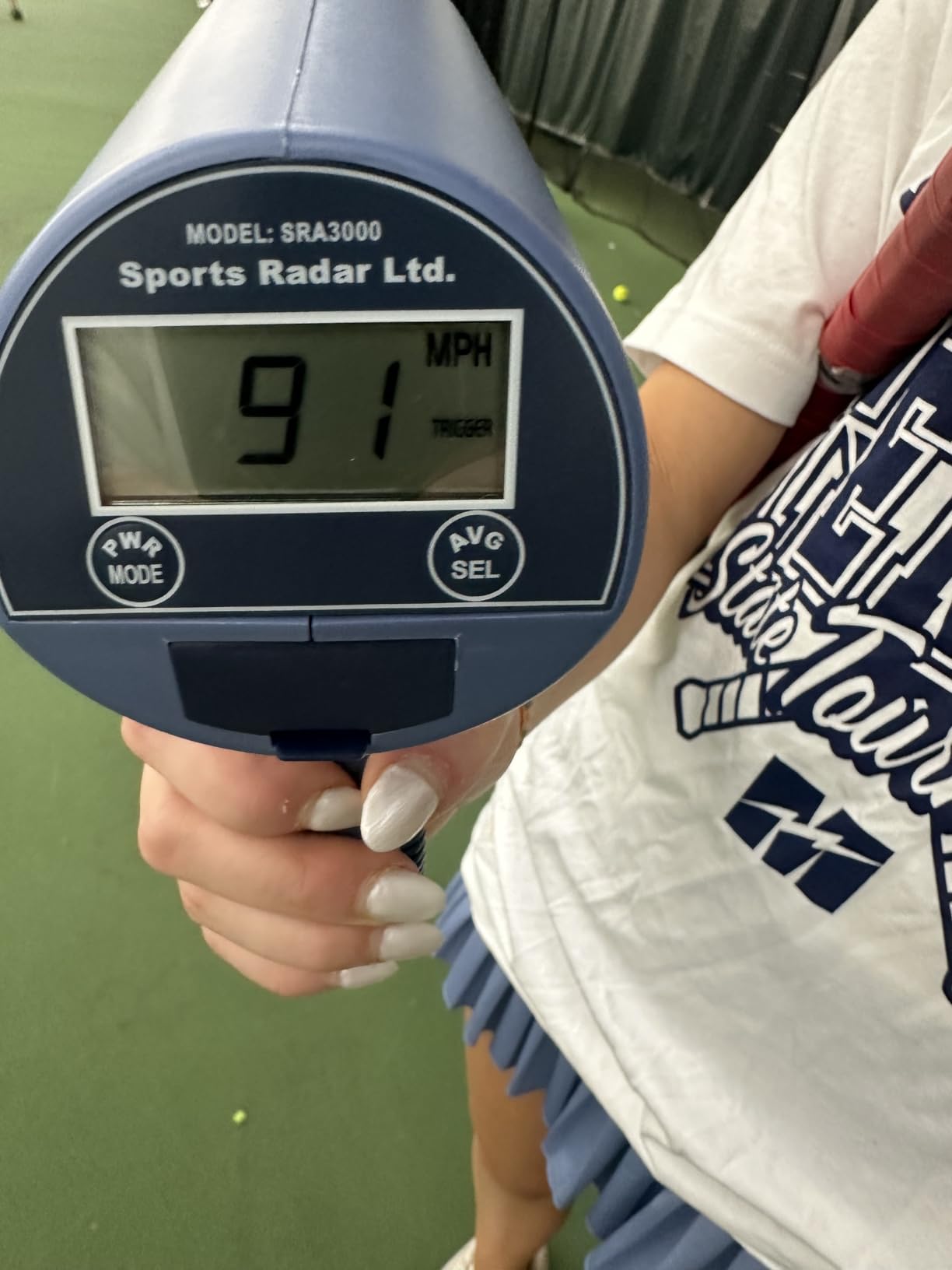
The concern with the SRA3000 is consistency and build quality. The 3.7-star rating across 28 reviews reveals a split experience. Positive reviewers praise the accuracy and feature set. Negative reviewers report units that fell apart within days or stopped working within a year. The manufacturer has been criticized for poor customer support and a hidden 30 percent restocking fee that makes returns expensive.
Features and Modes
The SRA3000 offers both trigger mode for single readings and continuous mode for tracking multiple pitches in sequence. The average speed tracking feature calculates the mean velocity across a session, which is useful for tracking whether a pitcher is maintaining velocity through a full outing. The audio indicator lets you hear speed thresholds without watching the display.
The included soft case protects the device during transport, and the tuning fork provides a calibration reference that few competitors include at this price. Tripod compatibility means you can set up the SRA3000 behind the catcher for hands-free operation during bullpen sessions.
Battery Performance
The 100-hour battery life is the SRA3000’s strongest technical specification. Six AAA alkaline batteries power the device through weeks of regular use, and the automatic shutdown feature conserves power when the gun is idle. The low battery alert gives you advance warning before readings become unreliable.
The downside is that six AAA batteries is an unusual and expensive requirement. Most other guns on this list use two C batteries or a rechargeable battery. When you factor in the cost of replacement batteries over time, the total cost of ownership climbs above the initial $176 price tag.
Durability Concerns
Durability is the biggest question mark with the SRA3000. Multiple reviews cite units that failed within days or within the first year. The 18 percent one-star rating is concerning for a device at this price point. Sports Radar’s customer support has been described as unresponsive, and the 30 percent restocking fee on returns means a defective unit could cost you over $50 just to send back.
If you get a good unit, the SRA3000 performs well. The problem is that quality control appears inconsistent. We recommend purchasing through a retailer with a strong return policy rather than directly from the manufacturer.
5. Sports Radar SR3600 – Wide Speed Range With Data Port
Sports Radar Speed Gun SR3600
10-256 MPH range
1.5 lbs
Data port
2 x 9V batteries
External power jack
+ Pros
- Wide 10-256 MPH speed range
- Data port for external connectivity
- External power jack option
- Audio indicator for readings
- Large 3-digit LCD
- Cons
- Only 9 total reviews
- 29 percent one-star rating
- Bulkier than compact alternatives
- Durability issues with internal wiring
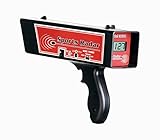
The Sports Radar SR3600 is the premium offering from Sports Radar, priced at $284 and featuring a wider speed range and data port connectivity that its sibling the SRA3000 lacks. The 10 to 256 MPH range covers everything from slow-pitch softball to professional baseball and beyond, and the data port opens possibilities for connecting to external display systems and timing equipment.
Our experience with the SR3600 is mixed. The device offers solid features on paper, including trigger and continuous modes, a large 3-digit LCD display, tripod compatibility, and an external power jack for extended sessions without battery concerns. The impact-resistant design and lightweight 1.5-pound build make it practical for field use.
The problem is the same quality control issues that plague the SRA3000. With only 9 reviews and a 29 percent one-star rating, reliability is a significant concern. One reviewer reported an internal wire coming loose within a year of purchase, rendering the device useless. At $284, this price point puts the SR3600 in direct competition with the Pocket Radar Ball Coach and TAG ONE, both of which have stronger review profiles.
Speed Range and Display
The 10 to 256 MPH speed range is the widest on this list and one of the SR3600’s genuine advantages. This range means the device can track everything from a youth player’s slowest changeup to a professional line drive exit velocity. The large 3-digit LCD display is easy to read at a glance, and the numbers are large enough to see from several feet away.
The display shows speed in both MPH and Km/H, which is useful for international users or coaches working with players from different countries. The audio indicator provides an audible speed reading that lets you track pitches without watching the screen continuously.
Data Port and Connectivity
The data port is the SR3600’s most differentiating feature. This port allows connection to external display systems, timing equipment, and potentially computers for data logging. For coaches who want to display speed readings on a large screen for team training or showcase events, this connectivity option is valuable.
The external power jack is another practical feature. You can run the SR3600 on wall power or an external battery pack during extended indoor training sessions, eliminating battery anxiety entirely. This makes the device suitable for facility use where it can remain set up permanently.
Build Quality Assessment
The SR3600’s build quality does not match its price point. Reviewers describe the plastic construction as flimsy, and the internal wiring has proven fragile in at least one documented case. At 10.75 inches long and 1.5 pounds, the device is also bulkier and less portable than the Pocket Radar or TAG ONE alternatives.
Given the $284 price tag, we expected better construction quality. If Sports Radar addressed the durability concerns, the SR3600’s feature set would make it a compelling option. As it stands, the risk of a premature failure makes it difficult to recommend over better-reviewed alternatives at similar prices.
6. FITPLAY Baseball Radar Gun – Budget Dual Display Option
FITPLAY Baseball Radar Gun with Tripod, LED+LCD Large Display
3-150 MPH range
LED plus LCD dual display
Includes tripod
Speed recall
Dual modes
+ Pros
- Large dual LED and LCD display
- Includes metal tripod
- Speed recall stores last 10 readings
- Dual modes for beginners and advanced
- Very affordable under $100
- Cons
- Inconsistent accuracy reported
- Narrow detection zone
- Misses breaking pitches
- Tripod feels flimsy
The FITPLAY Baseball Radar Gun is one of the most affordable options on this list at $80, and it brings some surprisingly thoughtful design elements to the budget category. The standout feature is the dual display system: a large side-facing LED panel visible to the pitcher during solo practice, plus a back-facing LCD screen for coaches or partners standing behind the device.
Our team tested the FITPLAY during cage sessions and backyard bullpen work. The included metal tripod enables true hands-free operation, which sets this device apart from other budget options that require a second person to operate. The SS mode (for speeds below 25 MPH) and MS mode (for speeds above 25 MPH) make it adaptable for both young beginners working on mechanics and advanced players tracking fastball velocity.
The speed recall feature stores the last 10 readings, which lets you review a bullpen session without writing down each pitch. At the $80 price point, these features represent solid value for casual use and youth baseball practice.
Dual Display Design
The dual display is the FITPLAY’s best design decision. The side-facing LED panel is bright enough to read from the mound, which means a pitcher throwing alone can see their velocity immediately after each pitch. The back-facing LCD provides the same reading for a coach or parent positioned behind the device. This eliminates the need to call out numbers or check the device between pitches.
The LED panel is particularly useful during indoor cage work where lighting can be inconsistent. The bright digits remain visible even in dim conditions, which is something we cannot say for the LCD-only displays on the Bushnell Velocity or Sports Radar models.
Modes and Speed Recall
The SS and MS modes are designed to optimize accuracy across different speed ranges. SS mode handles speeds below 25 MPH, which covers youth players, beginners, and soft toss drills. MS mode handles speeds above 25 MPH for actual pitching and hitting work. This dual-mode approach theoretically improves accuracy by tuning the radar sensitivity to the appropriate speed range.
The 10-reading speed recall is a practical feature for tracking session progression. You can throw a full bullpen, then review all 10 readings to see velocity trends without stopping to record each pitch. The limitation is that 10 readings fill up quickly during a normal session, and there is no way to export or save data long-term.
Accuracy Realities
Accuracy is the FITPLAY’s biggest weakness and the reason for its 3.7-star rating. The narrow radar aperture means the device only picks up the ball about 10 percent of the time from certain angles, and breaking pitches that start high and drop through the zone frequently go unregistered. Multiple reviewers reported readings significantly different from other radar guns when compared side-by-side.
Positioning is critical with the FITPLAY. The device must be placed directly in front of or slightly behind the release point, and it cannot be used from the side. The included tripod helps with consistent positioning, but several reviewers noted the tripod feels flimsy and may not hold up to regular transport. For $80, the accuracy limitations are understandable, but buyers should set expectations accordingly.
7. NET PLAYZ Speed Radar – Cheapest Hands-Free Multi-Sport Option
NET PLAYZ Speed Radar, Muti-Sports Radar Gun (Hands-Free) Measure Speed Sensors for Baseball Softball Tennis Soccer Hockey Lacrosse Handball | Training Aids / Gadget Gifts
Up to 150 MPH
4.7 inch LED display
Voice announcements
Tripod included
2.72 ounces
+ Pros
- Lowest price on our list at $65
- True hands-free operation with tripod
- Voice announcement of speed readings
- Large 4.7 inch LED display
- Multi-sport compatible across 8 sports
- Cons
- Cheap build quality
- Speaker volume is low
- 1-2 second delay between readings
- Reduced accuracy on off-angle shots
The NET PLAYZ Speed Radar is the most affordable option on this list at $65, and it has accumulated 443 Amazon reviews with a 3.8-star rating. For the price, you get a hands-free speed radar with a 4.7-inch LED display, voice announcements, tripod included, and multi-sport compatibility across baseball, softball, tennis, soccer, hockey, lacrosse, and cricket.
Our team found the NET PLAYZ best suited for backyard use, youth practice, and casual recreational scenarios. The hands-free design with the included tripod means you can set it up and pitch without needing anyone to operate the device. The voice announcement feature calls out each speed reading through a built-in speaker, giving pitchers immediate audio feedback.
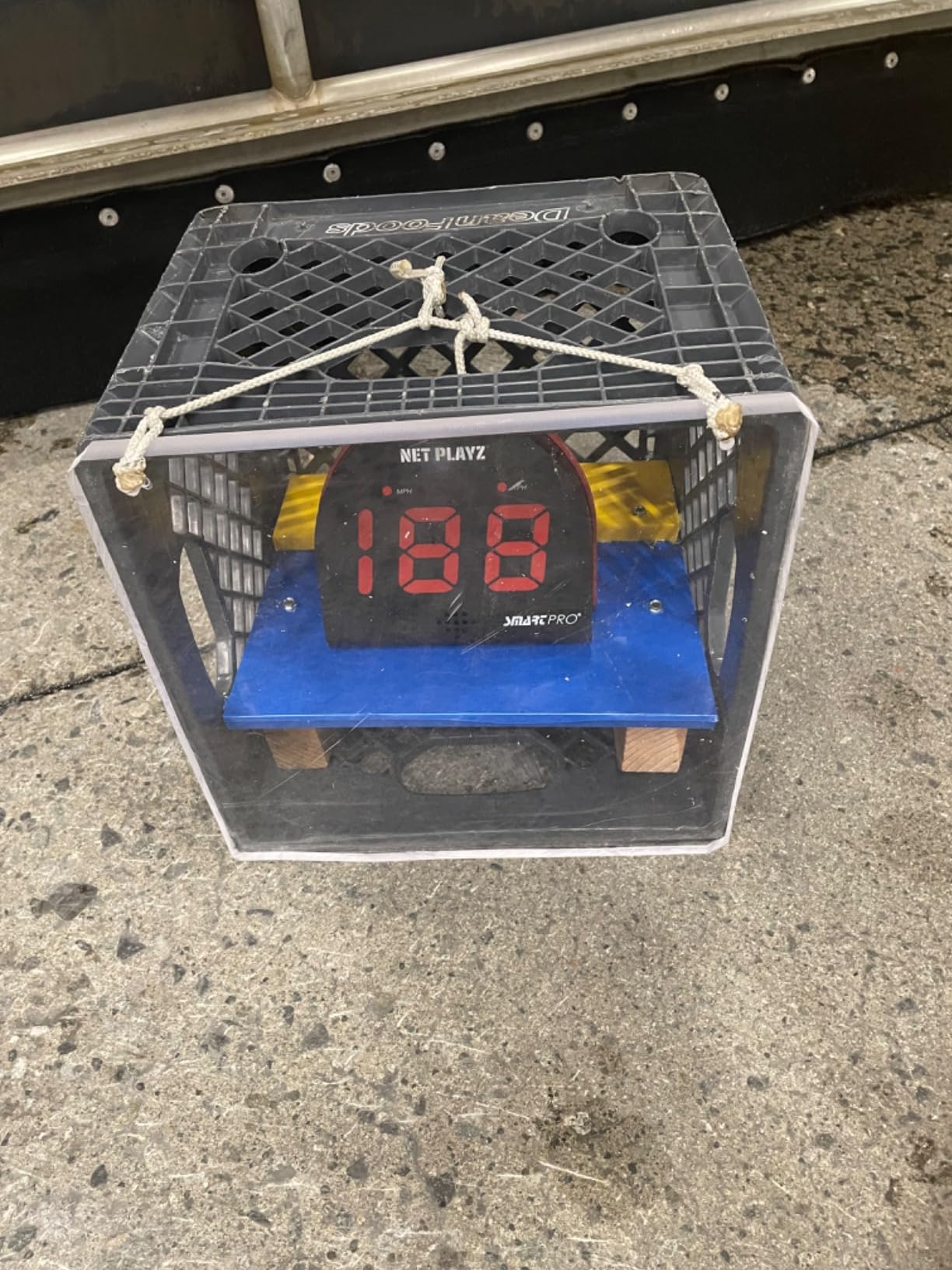
The data logging feature automatically records the last 10 speed readings, similar to the FITPLAY. The 4.7-inch LED display is genuinely large and readable from a distance, which is impressive at this price point. For families with kids playing multiple sports, the NET PLAYZ covers more sports than any other device on this list.
Hands-Free Design
The hands-free operation is the NET PLAYZ’s primary selling point. The included tripod sets up quickly behind the pitching target, and the radar automatically detects and records ball speeds as they pass through the measurement zone. This is ideal for solo practice when no one is available to hold a radar gun.
The optimal positioning is 20 to 50 feet from the ball flight path, or approximately 45 degrees beside the batter for swing speed measurement. Getting the positioning right takes some trial and error, but once dialed in, the device consistently registers pitches that pass through its detection zone.
Voice and Display Features
The voice announcement feature is a thoughtful addition at this price point. The built-in speaker calls out each speed reading in real time, allowing pitchers to hear their velocity without stopping to check a screen. The speaker volume is admittedly low, so it works best in quieter backyard settings rather than noisy tournament environments.
The 4.7-inch LED display is the largest screen on this list and remains readable in various lighting conditions. The large digits are visible from the pitching rubber, which means a pitcher can glance at the display after each throw and get immediate feedback. This combination of visual and audio feedback makes the NET PLAYZ surprisingly user-friendly for a budget device.
Multi-Sport Capability
The NET PLAYZ covers more sports than any other radar gun on this list. The speed range up to 150 MPH handles baseball pitching, softball pitching, tennis serves, soccer shots, hockey slap shots, lacrosse shots, cricket bowling, and handball throws. For a family with multiple athletes, this versatility adds significant value to the $65 price tag.
The limitation is accuracy for small, fast-moving objects. Several reviewers noted difficulty tracking pickleball shots and hockey pucks, particularly when multiple shots happen in quick succession. The 1 to 2 second reset time between readings also means rapid-fire shooting drills may not register every shot. For baseball and softball use at reasonable distances, the device performs adequately for casual training.
What to Consider Before Buying a Baseball Radar Gun Under $300?
Choosing the right radar gun depends heavily on how you plan to use it. A travel ball parent who needs showcase-accurate readings has very different requirements from a backyard coach who just wants ballpark numbers. Here are the key factors our team evaluates when recommending radar guns in this price range.
Accuracy Tiers: What Plus or Minus 1 MPH vs Plus or Minus 3 MPH Really Means
Radar gun accuracy is expressed as a plus or minus figure, and the difference between tiers matters more than you might think. A plus or minus 1 MPH device like the Pocket Radar Ball Coach or TAG ONE will read within 1 MPH of the true speed, which is accurate enough for showcase comparisons and serious development tracking. A plus or minus 3 MPH device like the Bushnell Velocity can read 3 MPH above or below the actual speed, creating a potential 6 MPH swing between readings.
For context, showcase scouts typically care about velocity within 1 to 2 MPH. If your radar gun reads 85 MPH and the showcase gun reads 82 MPH, that 3 MPH gap could affect recruiting perceptions. If you are using the radar gun purely for relative tracking (am I getting faster over time), a wider accuracy tolerance is acceptable. If you need numbers that translate to showcase settings, invest in a plus or minus 1 MPH device.
Portability: Pocket-Sized vs Pistol Grip
The form factor of your radar gun affects how and where you use it. Pocket-sized devices like the Pocket Radar Ball Coach and TAG ONE weigh under 5 ounces and fit in a jacket pocket. This means you are more likely to bring them to every practice and game. Pistol-grip designs like the Bushnell Velocity and Sports Radar models weigh 1 to 1.5 pounds and require a dedicated spot in your bat bag.
Tripod-compatible designs offer a third option: set it and forget it. The TAG ONE, FITPLAY, NET PLAYZ, and both Sports Radar models include or support tripod mounting, which enables hands-free operation during solo practice sessions. For pitchers who train alone, this feature is invaluable.
App Connectivity and Data Tracking
Bluetooth app connectivity is the dividing line between traditional and modern radar guns. The TAG ONE is the only option under $300 that offers full app integration with AI coaching, session tracking, and data export. The Pocket Radar Ball Coach is a stand-alone device with no app support. The Bushnell, Sports Radar, FITPLAY, and NET PLAYZ models are similarly stand-alone.
If data tracking matters to you, the TAG ONE is the clear choice. The ability to log sessions, track trends over time, export to Excel, and receive AI coaching suggestions adds a layer of training intelligence that traditional radar guns cannot match. If you just need a number on a screen, any device on this list will serve that purpose.
Battery Life for Tournament Days
Tournament days can stretch to 8 hours or more, and battery life becomes a real concern. The Sports Radar SRA3000 leads the pack with 100 hours on six AAA batteries. The Bushnell Velocity offers excellent longevity on two C batteries. The TAG ONE provides 6 hours on a USB-C rechargeable battery, which covers a full tournament day but requires planning to ensure it is charged.
Devices that use standard batteries (AA, AAA, C) have the advantage of universal availability. If your battery dies at a tournament, you can find replacements at any store. The TAG ONE’s USB-C charging means you need access to a power source, though most tournament facilities and vehicles have USB ports available.
Positioning and Effective Range
Every radar gun on this list depends on proper positioning for accurate readings. The general rule is to position the device directly in line with the ball’s flight path, either behind the pitcher or behind the catcher. Off-axis positioning introduces cosine error, which causes the device to read lower than the actual speed.
The Pocket Radar Ball Coach requires the closest positioning but delivers the most consistent accuracy when properly aligned. The Bushnell Velocity works from a greater distance but with wider accuracy variance. The TAG ONE offers a good middle ground with effective readings up to 130 feet. For tournament use, consider how discreetly you can position the device without drawing attention.
Multi-Sport Compatibility
If you coach multiple sports or have kids playing different games, multi-sport compatibility adds value. The Pocket Radar Ball Coach explicitly supports baseball, softball, tennis, volleyball, lacrosse, hockey, and cricket. The TAG ONE covers baseball, softball, and golf. The NET PLAYZ handles the widest range with 8 supported sports. The Bushnell Velocity’s 200 MPH range covers virtually any sport but without sport-specific optimization.
For softball specifically, all radar guns on this list can track windmill pitching speed. The positioning requirements are similar to baseball: align the device with the pitch trajectory and maintain a clear line of sight to the ball flight path. The Pocket Radar Ball Coach is widely used in softball circles and receives consistent praise for accuracy across both sports.
Frequently Asked Questions About Baseball Radar Guns
What is the most accurate radar gun for baseball under $300?
The Pocket Radar Ball Coach is the most accurate radar gun under $300, rated at plus or minus 1 MPH accuracy. It is the same device used at official Perfect Game and Headfirst showcases, and community testing confirms its readings match professional Stalker guns within 1 to 2 MPH when positioned correctly.
What is the best budget radar gun for baseball?
The Bushnell Velocity Speed Gun is the best budget option at under $150, backed by over 4,600 Amazon reviews. While its accuracy can vary by plus or minus 3 MPH, it delivers reliable performance for casual youth baseball use, recreational practice, and relative speed tracking over time.
How much does a good baseball radar gun cost?
Baseball radar guns range from $65 for basic multi-sport models like the NET PLAYZ to $1,100 or more for professional-grade Stalker guns. For serious development tracking under $300, expect to pay between $175 and $299 for accurate options like the Pocket Radar Ball Coach or TAG ONE Sports Radar.
What radar gun does the MLB use?
MLB scouts and teams primarily use the Stalker Sport series radar guns, which offer plus or minus 0.1 MPH accuracy and a 300-foot range. The Pocket Radar Ball Coach is also used at official PG showcases and by MLB-affiliated development programs for practice and training measurements.
Can I use a baseball radar gun for softball too?
Yes, all radar guns on this list can track softball pitching speed. The Pocket Radar Ball Coach explicitly lists softball as a supported sport and is widely used in softball circles. Positioning requirements are the same as baseball: align the device with the pitch trajectory and maintain a clear line of sight to the ball flight path.
Final Verdict: Which Baseball Radar Gun Under $300 Should You Buy?
If you need showcase-accurate readings that translate directly to what scouts see at PG and Headfirst events, the Pocket Radar Ball Coach is the only choice under $300 that delivers that level of trust. It is the device our team recommends most often to travel ball parents and serious coaches who need numbers that hold up in recruiting conversations. The $299 price tag is an investment, but the resale value remains strong and the 2-year warranty provides peace of mind.
If you want modern features like app connectivity, AI coaching, and data export without crossing the $300 threshold, the TAG ONE Sports Radar is the best value pick. Its Bluetooth integration and rechargeable battery make it the most tech-forward option in this price range, and the included accessory package saves you from buying a tripod and mounting hardware separately.
For casual use, backyard practice, and budget-conscious families, the Bushnell Velocity at under $150 delivers enough accuracy for relative speed tracking. And for absolute budget buyers who need hands-free operation across multiple sports, the NET PLAYZ at $65 and the FITPLAY at $80 provide functional speed measurement without breaking the bank.
The best baseball radar guns under 300 dollars in 2026 offer something for every type of user. Match your choice to your specific needs, and you will have a reliable speed tracking tool that supports player development for years to come.