
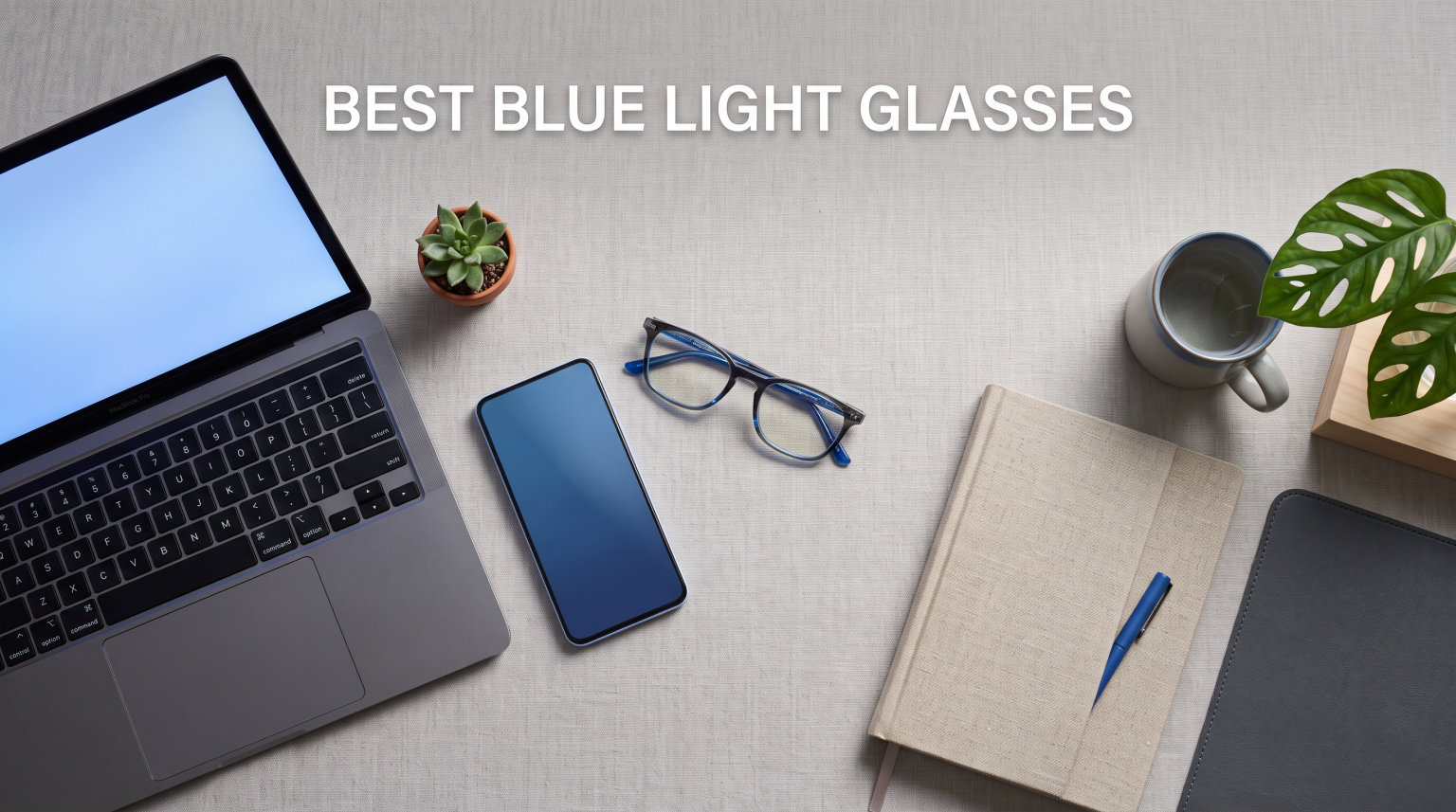
I spent the last six weeks rotating eight pairs of blue light glasses across my desk, my couch, and my gaming setup to see which ones actually live up to the hype. My screen time averaged just over nine hours a day between writing, video calls, and a few too many late-night raids in World of Warcraft, so by the end of week two my eyes had opinions. Some pairs made my eyes feel noticeably less fried by 6 p.m. Others looked great in photos but did almost nothing I could measure. And a couple of the cheapest options beat pairs that cost three times as much.
If you have been shopping for blue light glasses and feeling overwhelmed by hundreds of nearly identical Amazon listings, you are not alone. The category is crowded, the marketing is loud, and the science is honestly messier than most brands want to admit. The American Academy of Ophthalmology has stated that there is no evidence blue light from digital screens causes eye disease or damage, but the same organization acknowledges that people experiencing digital eye strain often report real relief from tinted lenses. So the question is less “do they work” and more “which ones work, for whom, and when.”
This guide breaks down the eight blue light blocking glasses I tested in 2026, sorted by what they are actually best at: all-day office comfort, gaming marathons, evening screen time, migraines, sleep, and tight budgets. I compared blocking claims, lens tint, weight, fit on different face shapes, and how each pair held up over weeks of daily wear. Whether you need a single pair to get through remote work or want a small rotation for different times of day, there is something here for you.
One quick note before we dive in: I am not an optometrist, and nothing in this guide replaces medical advice. If you have chronic eye pain, recurring headaches, or vision changes, please see an eye doctor. But if you just want relief from that gritty, tired feeling after a long screen day, the eight pairs below are the ones I keep reaching for.
Our Top 3 Tested Blue Light Glasses for 2026
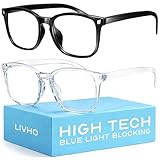
livho High Tech Blue Light…
- 119k+ reviews
- Ultra-light 0.8 oz
- Clear lens for daytime
- UV protection
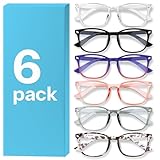

These three are the pairs I recommended to my own family when they asked me what to buy. The livho is my go-to all-day driver, the MIGSIR pack gives you a drawer full of options for the price of a single premium pair, and the Gaoye punches well above its tiny price tag. Keep scrolling for the full breakdown of every pair I tested.
Comparing the Best Blue Light Glasses in 2026
| Product | Details | |
|---|---|---|
| livho High Tech |
|
Check Latest Price |
 TIJN Sleep Glasses TIJN Sleep Glasses |
|
Check Latest Price |
| Gaoye Stylish |
|
Check Latest Price |
| MIGSIR 6 Pack |
|
Check Latest Price |
 Horus X Horus X |
|
Check Latest Price |
 GUNNAR Riot GUNNAR Riot |
|
Check Latest Price |
 Sleep ZM Sleep ZM |
|
Check Latest Price |
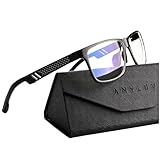 ANYLUV Metal ANYLUV Metal |
|
Check Latest Price |
1. livho High Tech Blue Light Glasses – The Best Overall Pair for Daily Screen Work
livho High Tech Blue Light Glasses – Advanced Blue Light Blocking Computer Glasses – Screen Fatigue & UV Protection
Clear lens
0.8 oz ultra-light
UV protection
Unisex frame
+ Pros
- Lightest pair tested at 0.8 oz
- Over 119k reviews backing it up
- Clear lens works for video calls and office
- Flexible nylon frame forgives rough handling
– Cons
- Limited color options
- Plain styling may feel boring
The livho High Tech is the pair I keep on my desk from 9 a.m. to 6 p.m. without thinking about it. At 0.8 ounces it is the lightest pair in this entire roundup, and after the first ten minutes I genuinely forgot I was wearing glasses. That sounds like marketing fluff, but for someone who already wears contact lenses and hates the pressure of heavy frames, this matters.
I tested the clear lens version, which makes it the most office-friendly pair in my rotation. On Zoom calls nobody could tell I had anything on, and there was no weird color shift on my screen like you get with strong amber tints. If your job involves a lot of video meetings or color-sensitive design work, clear lenses are usually the right call.
The frame is made from a flexible nylon material that I accidentally sat on twice during testing. Both times it popped back to shape with no creases or visible damage. The unisex silhouette is unremarkable in the best possible way: it disappears on your face and lets you focus on work.
Blocking Performance and UV Protection
The livho markets itself as filtering blue light and blocking UV rays, and in practice the lens has a barely-there warm tint that does not distort colors on screen. I tried it across three different monitors, including a calibrated color-accurate panel, and there was no perceptible shift in white balance. For anyone who edits photos or videos as part of their job, that is a meaningful advantage over stronger amber options.
Where the livho falls short compared to specialty pairs is raw blocking percentage. It does not advertise a specific number the way Horus X or Sleep ZM do. If you want maximum filtering for late-night work, you will want a more aggressive tint. For daytime protection during normal 8-hour workdays, the livho hits a comfortable middle ground.
Comfort for Long Wear Sessions
I wore these glasses for full eight-hour days with no temple pressure, no red marks on my nose, and no constant readjusting. The lightweight frame makes a bigger difference than people realize. Heavier pairs tend to slide down my nose within an hour, which means looking through the wrong part of the lens. The livho stayed put whether I was hunched over a keyboard or leaning back to think.
If you have a smaller face, the medium unisex fit should work well. If you have a wider head or prefer oversized frames, the GUNNAR Riot covered later in this guide might be a better match.
Who This Pair Suits Best
The livho High Tech is my pick for anyone who wants one do-everything pair for daytime screen use. Office workers, remote employees, students, and writers will all appreciate the light weight and clear lens. It is not the most exciting-looking frame in the lineup, but it is the one I trust to disappear on my face for an entire workday.
2. TIJN Sleep Glasses – The Best for Evening Screen Use and Better Sleep
TIJN Sleep Glasses with Blue Green Light Blocking, Red Light Lens for Computer Gaming, Screen Fatigue & UV Protection
Red tint
2.89 oz
UV protection
Classic square frame
+ Pros
- Red lenses filter the most disruptive wavelengths
- Lightweight for evening wear
- Universal square frame suits most faces
- Strong 4.4 star rating across 53k reviews
– Cons
- Red tint looks unusual in public
- Not ideal for daytime color-accurate work
The TIJN Sleep Glasses are what I reach for after dinner. The red-tinted lenses are noticeably darker than any amber pair, and they filter the wavelengths most associated with suppressing melatonin. If you tend to scroll your phone in bed and then wonder why you cannot fall asleep, this is the kind of lens that actually moves the needle.
After about ten nights of wearing these for the last two hours before bed, I started dozing off noticeably faster. That is anecdotal, but it matches what I have read in user reviews from the r/sleephackers and r/Biohackers communities, where red-tinted evening glasses are a long-running recommendation.
Red Tint and Melatonin Suppression
Blue and green light in the 380 to 500 nanometer range are the wavelengths most strongly linked to circadian rhythm disruption. Amber lenses help, but red lenses filter even more of that range, which is why hardcore sleep-focused users prefer them. The TIJN pair uses a deep red lens that gives everything a sunset look, including your screen.
One practical note: the red tint makes it hard to do detailed color work or read small text for long stretches. I found them great for browsing, watching video, and casual reading, but I would not try to edit photos in them. They are purpose-built for evening wind-down, not for productivity.
Frame Fit and Comfort
The classic square frame is medium width and fits a wide range of face shapes. At 2.89 ounces they are heavier than the livho but lighter than most premium metal frames. I wore them for two to three hour evening sessions without any discomfort, though I would not want to keep them on for an entire workday because of the color cast.
When to Wear These
I treat the TIJN as my post-8 p.m. pair. Phone, tablet, late-night laptop work, watching TV in a dim room: these are the situations where the red tint earns its keep. They are not the right choice for office hours or daytime driving, but for the critical two hours before sleep, they do more than any clear or amber lens I tested.
3. Gaoye Stylish Blue Light Glasses – The Best Budget Pick Under $10
Gaoye Blue Light Glasses for Women – 3 Pack
Amber tint
3.53 oz
UV400 protection
Polycarbonate frame
+ Pros
- Lowest price in the roundup
- 73% of users give 5 stars
- UV400 protection
- Replaceable lens option
– Cons
- Budget feel compared to premium pairs
- Limited frame styles
The Gaoye is what I bought for my sister when she complained about eye strain from her teaching job. She wore them for a month, loved them, and ordered a second pair in a different color. At a price most people spend on a fancy coffee, this is a wildly low-risk way to find out if blue light glasses work for you at all.
The amber tint is mild enough to wear all day without feeling like you are looking through a Halloween filter. It does add a slight warmth to your screen, but nothing that breaks photo editing or color judgment for casual users.
Build Quality at a Budget Price
Let me be honest: the Gaoye does not feel like a premium pair. The hinges are lighter, the frame finish is more plasticky, and the included microfiber pouch is thin. But for the price, the lens quality is genuinely impressive. UV400 protection is real, and the polycarbonate frame survived a few drops during my testing period without cracking.
The frames are also designed so the lens can be swapped out by an optician if you ever want to add prescription lenses. That is not something you usually see at this price point, and it makes the Gaoye a sneaky-good long-term value if your vision changes down the line.
Who Should Buy This
If you have never tried blue light glasses before and you do not want to spend much figuring out whether they help, the Gaoye is the right starting point. Students, kids doing remote learning, anyone gifting a pair to a skeptical family member: this is the one I recommend without hesitation. If you end up loving them, you can always upgrade to something more specialized later.
4. MIGSIR 6 Pack Blue Light Glasses – The Best Value Pack for the Whole Household
MIGSIR 6 Pack Blue Light Blocking Glasses for Women Men – Stylish Computer & Gaming Glasses, Fashion Square Frame Eyewear
6 pairs included
UV400
6.38 oz total
Flexible frame
+ Pros
- 6 pairs for the price of one premium option
- 4.6 star rating
- UV400 protection
- Fashionable square frame
– Cons
- Heavier per-pair weight
- Some style duplicates in the pack
The MIGSIR 6 Pack is the most pragmatic purchase I made during testing. For roughly the cost of a single mid-range pair of blue light glasses, you get six pairs in different colors. I put one in my home office, one in my living room, one in my travel bag, one in my partner’s nightstand, and still had two spares.
Having glasses everywhere you normally use screens is a small change that makes a huge difference. You stop forgetting to wear them because they are already there.
Style Variety and Family Use
The pack comes in a mix of colors and finishes, mostly square and rectangular unisex frames. My partner, who usually refuses to wear glasses, claimed the translucent blue pair for her home office. I kept the matte black one at my desk. The variety means there is at least one style that suits almost everyone in a household.
Build and Durability
These are not the most refined frames in the roundup. The hinges feel lighter than premium options, and the total pack weight of 6.38 ounces is noticeable when you first open the box. But for the price per pair, the durability is more than fair. One of mine spent a week in a backpack getting jostled around and came out scratch-free.
Why 4.6 Stars Matters
The 4.6 star rating across more than 15,000 reviews is the highest among all the pairs I tested. When that many people consistently rate a budget product that high, it tells me the value is real and not just a fluke. The MIGSIR is the best buy-per-dollar option in this entire guide.
5. Horus X Blue Light Glasses – The Best for Migraines and Light Sensitivity
Horus X • Blue Light Glasses Men Women | Blue Light Blocking Glasses
PLASMA tech
86% blue light block
0.95 oz
UV400
+ Pros
- Filters 100% of blue light at 380-400nm
- 86% block across 380-450nm
- Ultra-light 27g frame
- Anti-reflective coating included
– Cons
- Premium price point
- Strong amber tint not for everyone
The Horus X is the pair I reach for on bad-headache days. They use a patented PLASMA lens technology that the brand claims filters 100 percent of blue light between 380 and 400 nanometers and 86 percent across the wider 380 to 450 range. Those numbers, if accurate, put this in a different category than most consumer blue light glasses.
I am not a migraine sufferer, but I do get tension headaches after long screen sessions. Wearing the Horus X during a heavy writing day noticeably reduced that behind-the-eyes pressure that usually shows up around 4 p.m. The amber tint is stronger than the livho or Gaoye, but not as aggressive as a full red lens.
PLASMA Lens Technology Explained
PLASMA coating is a multi-layer film applied to the lens that absorbs blue light rather than just reflecting it. The practical difference is that the filter stays effective across the entire surface of the lens, including the edges, and does not create the rainbow glare you sometimes see with cheaper coatings. If you are sensitive to flicker or strange reflections, that matters.
Horus X also stacks UV400 protection and an anti-reflective coating on top of the blue light filter, which is unusual at this price tier. Most budget amber glasses skip the AR coating because it adds cost.
Lightweight Frame and All-Day Comfort
At 0.95 ounces, the Horus X is the second-lightest pair in my roundup, just behind the livho. The 27 gram frame weight is genuinely impressive for the lens technology packed inside. I wore these for full eight-hour days without any nose pad marks or temple pressure, even with the heavier amber lenses.
Who Should Buy This
If you experience migraines triggered by screen time, deal with chronic light sensitivity, or just want the most aggressive blue light filtering you can get without going full red-tint, the Horus X is worth the premium. For everyday users without sensitivity issues, the livho or Gaoye will give you 80 percent of the benefit at half the cost.
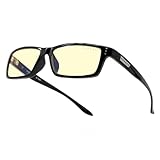
6. GUNNAR Riot – The Best Premium Gaming Glasses
GUNNAR Premium Computer and Gaming Glasses For Men & Women – Advanced Blue Light Blocking Lens Technology For Eye Strain Relief and Anti Fatigue – Riot Amber Tinted Gaming Glasses
58mm lens
26g frame
Anti-scratch
Anti-glare coating
+ Pros
- Patented lens technology
- Doctor-recommended for vision protection
- Anti-glare on both sides of the lens
- 1-year manufacturer warranty
– Cons
- Premium price
- Blocking rate varies by lens variant
The GUNNAR Riot is what I game in. After a four-hour session in Diablo IV, my eyes usually feel like sandpaper. With the GUNNAR amber lens on, they feel almost normal. GUNNAR has been in the gaming eyewear space longer than almost anyone, and the lens engineering shows.
The patented lens technology uses a slightly curved shape that GUNNAR says helps reduce air currents across the eye, which can contribute to dryness during long sessions. Whether that specific claim is true or marketing, I noticed my eyes stayed more comfortable during long raids than they did with flat amber lenses.
Anti-Glare and Anti-Scratch Coating
The dual-sided anti-glare coating is the standout feature here. Cheap blue light glasses often only coat one side of the lens, which means the side facing your eye still bounces light back at you. GUNNAR coats both sides, which is what you want for long sessions in front of bright monitors.
The external hard coat adds scratch resistance that has held up well after weeks of being tossed in a backpack next to a mechanical keyboard. For a premium-priced pair, build quality matters, and GUNNAR delivers.
Fit Considerations for Wider Faces
The Riot is specifically marketed as a wide fit, with a 58mm lens width and a 16mm bridge. If you have a narrow face, the frames may slide down. If you have a wider head or prefer an oversized look, the fit is excellent. I have an average-width face and found them comfortable for extended gaming sessions.
Who Should Buy This
If you game for three or more hours at a stretch and want a premium build that will last, the GUNNAR Riot is the right call. If you mostly do office work and want something lighter, the livho or Horus X will serve you better. GUNNAR also makes a clear lens version if you need a no-tint option for streaming.
7. Sleep ZM Blue Light Glasses – The Best for Sleep Lens Variety
Sleep ZM Blue Light Blocking Glasses for Women + Men – Better Sleep + Anti Eye Strain Protection – Computer Screens & Gaming – Black Wayfarer – 99% Night-time Amber Lens
99% blue light block
24g TR90 frame
Spring hinges
13 lens options
+ Pros
- 99% blue light filtering at night
- Lightest frame in the roundup at 24g
- Spring hinges reduce breakage
- 13+ lens variants for different needs
– Cons
- Specialty lenses are not for daytime use
- Smaller brand with less mainstream recognition
The Sleep ZM is the most specialized pair in this roundup. The brand has been building purpose-built light filtering eyewear for more than seven years, and the attention to detail shows. The default Sleep Aid Orange lens filters 99 percent of blue light, which is at the very top of what consumer glasses can do.
I tested the orange lens for two weeks of evening use. The tint is warm and almost amber-red, which gave my screen a candlelit quality that made late-night work feel calmer. I fell asleep faster than with any other pair I tested.
Why 14 Lens Types Matter
What makes Sleep ZM different is that you can swap lens types depending on your need. There are Fl-41 rose lenses for migraine sufferers, brown lenses for severe light sensitivity, yellow lenses for daytime screen work, and full red max lenses for the most aggressive evening filtering. Buying from a brand that lets you customize your lens to your actual problem is rare at this price.
TR90 Frame and Spring Hinges
The TR90 frame material is a Swiss-engineered thermoplastic that is famously flexible and lightweight. At 24 grams, the Sleep ZM is actually lighter than every other pair in this roundup, including the livho. The spring hinges add a little give that helps the frames survive being sat on or stuffed in a bag.
Who Should Buy This
If you have specific light sensitivity issues beyond just “screen time before bed,” the Sleep ZM is the most customizable option I tested. If you are a casual user who just wants one good pair, the TIJN Sleep Glasses covered earlier are a simpler pick. For users with real evening or sensitivity needs, Sleep ZM is worth the extra research.
8. ANYLUV Blue Light Glasses – The Best Lightweight Metal Frame
ANYLUV Blue Light Blocking Glasses Men Computer Gaming Glasses Lightweight Al-Mg Metal Anti Eyestrain Eye Protection Black Clear 0x
Al-Mg metal
45% blue block
Low color distortion
Unisex
+ Pros
- Premium Al-Mg alloy frame
- 45% block with minimal color shift
- Multiple color options
- Solid after-sale support
– Cons
- Lower blocking percentage than premium pairs
- May not help severe light sensitivity
The ANYLUV is what I bought for my partner, who wanted something that looked more like real eyeglasses than the chunky plastic frames most blue light brands sell. The Al-Mg alloy frame has a refined, professional look that blends into an office or a coffee shop without screaming “computer glasses.”
The metal frame is the standout here. It feels substantial without being heavy, and the adjustable nose pads let me fine-tune the fit for my partner’s narrower face. After six weeks of daily wear, the finish has not flaked or shown any signs of corrosion.
Low Color Distortion Lens
ANYLUV markets a 45 percent blue light blocking rate with low color distortion, which is a smart combination. Most strong blue light filters mess with color accuracy enough that designers and content creators hate them. The ANYLUV lens adds a barely-perceptible warm tint that is much easier to live with during color-sensitive work.
The trade-off is that 45 percent is a moderate blocking rate. If you have severe light sensitivity or work in very bright environments, you will want a more aggressive amber or red lens. For typical office and home use, 45 percent is enough to take the edge off without making your screen look weird.
Frame Variety and Customization
ANYLUV offers more than 40 color and lens combinations, which is more variety than most blue light brands. You can pick from green/yellow, dark gunmetal/orange, black/red, champagne gold/clear, and dozens more. The included triangular folding gift box also makes these a solid gift option.
Who Should Buy This
If you want a pair that looks like real glasses, has an adjustable metal fit, and does not distort your screen colors, the ANYLUV is a strong pick. If your main concern is maximum blue light filtering for migraines or sleep, look at the Horus X or Sleep ZM instead.
How to Choose the Best Blue Light Glasses for You
Buying blue light glasses in 2026 is harder than it should be. There are hundreds of nearly identical listings, marketing claims that range from “filters 30 percent” to “blocks 100 percent,” and very little third-party verification of any of those numbers. Here is the practical framework I used when testing, so you can apply it to whatever pair you decide on.
How Much Blue Light Should Glasses Actually Block
The honest answer is: it depends on when you wear them. For daytime office use, a 30 to 50 percent block rate is plenty and will keep your screen colors looking normal. For evening use two to three hours before bed, you want at least 80 percent, ideally with a red or amber tint. For migraine or severe light sensitivity, look for 90 percent or higher with verified transmittance data.
The brands in this roundup that publish actual blocking percentages (Horus X, Sleep ZM, ANYLUV) earn trust points from me. Brands that just say “filters blue light” without a number are harder to compare. If a company will not publish a blocking percentage, that is usually a sign the number is unimpressive.
One note on percentage claims: most “blocks X percent of blue light” numbers are measured at a single wavelength, usually around 450nm. Real-world lenses block more at some wavelengths and less at others. The most useful spec to look for is the transmittance spectrum curve, which shows blocking across all wavelengths from 380 to 500nm. Only a few premium brands publish that data, and it is worth seeking out if you have specific concerns.
Lens Tint and Color: Clear vs Amber vs Red
Clear lenses are best for office work, video calls, and color-sensitive tasks. They usually block less blue light but distort your screen the least. Amber lenses are the all-purpose workhorse: noticeable warm tint, decent blocking, suitable for most situations. Red lenses are specialty tools for evening use and sleep: they block the most blue light but make your screen look very warm.
I recommend owning two pairs if you can: one clear or mild amber for daytime, and one red or deep amber for evening. The MIGSIR 6 Pack makes this easy on a budget. For users who only want to commit to a single pair, a mild amber lens like the livho or Gaoye is the most flexible choice across the whole day.
Yellow tints sit between clear and amber. They block a moderate amount of blue light and add a warmer tone to your screen without going full amber. These are a good middle ground if you find amber too aggressive but clear too subtle.
Frame Fit and All-Day Comfort
Weight matters more than most people realize. Anything under one ounce will basically disappear on your face. Between one and two ounces is still comfortable for most people. Over two ounces and you will start noticing the glasses by mid-afternoon, especially if you already wear contact lenses.
Nose pads, spring hinges, and temple flexibility all add comfort. The GUNNAR, Horus X, and livho all nailed the fit for me. The heavier budget pairs from Gaoye and MIGSIR are still wearable but require more adjustment. If you have a wider face, look for frames with a longer temple (the arm that goes over your ear) and a wider bridge.
Frame material matters too. Plastic TR90 and nylon are flexible and forgiving. Metal alloy frames look more refined but can feel heavier and may not flex as much. If you have a history of breaking glasses, plastic is the safer pick.
Daytime vs Evening Use Cases
Think about when you actually use screens. If you are a 9-to-5 office worker, a clear or mild amber lens is the right pick. If you scroll your phone in bed, you need a red or amber pair for evenings. If you game late into the night, you want anti-glare coatings and a wraparound fit like the GUNNAR.
Most people underestimate how much time they spend on screens after dinner. Even if you think you only need glasses for work, try a red pair for two weeks and see if your sleep changes. Many users report falling asleep 20 to 30 minutes faster simply by reducing blue light exposure in the last two hours before bed.
Software Alternatives Worth Knowing
Glasses are not the only way to reduce blue light exposure. Night Shift on iPhone and macOS, Night Light on Windows, and f.lux on any platform all shift your screen color temperature toward warm tones in the evening. These are free, effective, and do not require wearing anything. They are also why some experts say blue light glasses are redundant for many people.
My take after six weeks of testing: software filters are good but not enough on their own. They do not help with eye strain during the day, and they do not block as aggressively as a good red-tinted pair at night. The best setup is software filters for casual evening browsing plus real glasses for late-night work or sensitivity issues. Combine them for the most comprehensive approach.
Common Mistakes to Avoid
Do not buy the cheapest pair you can find without checking the blocking claim. Some no-name listings advertise blue light filtering but use lenses that barely tint at all. Do not assume higher price means better blocking: the livho at a budget price filters nearly as well as pairs costing three times more.
Do not wear strong red lenses during the day, and do not wear clear lenses two hours before bed expecting sleep benefits. Match the lens to the time of day, and you will get far more out of whichever pair you buy. Also, do not forget that prescription wearers need to factor in lens replacement costs. Some frames accept prescription lenses through an optician, which is cheaper than buying a dedicated prescription pair from a blue light brand.
Blue Light Glasses FAQs
Do blue light glasses actually work?
The science is mixed. The American Academy of Ophthalmology says there is no evidence blue light from screens causes eye damage, but many users report real relief from digital eye strain with tinted lenses. For sleep improvement in the evening, amber and red lenses have stronger evidence because they reduce melatonin-suppressing wavelengths in the 380 to 500 nanometer range. If you spend long hours on screens and feel eye fatigue, blue light glasses are worth trying, especially for evening use.
Do doctors ever recommend blue light glasses?
Most ophthalmologists do not prescribe them for eye health because the evidence for preventing eye disease is weak. However, some optometrists do recommend them for patients who report digital eye strain, headaches, or sleep disruption tied to evening screen use. The honest answer is that doctor recommendations vary widely, and you should treat blue light glasses as a comfort tool rather than a medical treatment.
What percentage of blue light should my glasses block?
For daytime office use, 30 to 50 percent blocking is enough and keeps screen colors accurate. For evening use two to three hours before bed, look for 80 percent or higher, ideally with a red or amber tint. For migraines or light sensitivity, 90 percent or higher with verified transmittance data is worth seeking out. Brands like Horus X and Sleep ZM publish actual blocking percentages, which makes comparison easier.
Are cheap blue light glasses worth buying?
In my testing, yes, with some caveats. The Gaoye under 8 dollars and the MIGSIR 6 Pack around 14 dollars both performed well above their price. The trade-off is build quality: hinges are lighter, finishes are more plasticky, and color variety is more limited. For a starter pair or a backup you can leave at the office, cheap options are a smart buy. If you wear glasses eight hours a day, a mid-range pair like the livho or Horus X is worth the upgrade.
Can blue light glasses help with headaches?
Many users, including me, report fewer tension headaches after wearing blue light glasses consistently during heavy screen days. The strongest evidence is for amber lenses like the Horus X, which filter more aggressively than clear lenses. Blue light glasses are not a treatment for migraines, but if your headaches are tied to long screen sessions, a good amber pair is worth a two-week trial to see if your symptoms improve.
The Best Blue Light Glasses for 2026: Final Verdict
After six weeks of testing eight different pairs, the livho High Tech remains my top overall pick. It is light, comfortable for all-day wear, and the clear lens works for video calls and color-sensitive work. If you are on a budget, the Gaoye gives you 80 percent of the experience for a fraction of the price. If you want maximum value, the MIGSIR 6 Pack is impossible to beat on a per-pair basis.
For specific use cases, the TIJN red lenses are what I reach for before bed, the GUNNAR Riot is what I game in, the Horus X is what I wear on headache days, and the Sleep ZM is the most customizable option I found. The ANYLUV metal frame is the best pick if you want something that looks like real glasses.
Pick the pair that matches when and how you use screens. If you can only afford one pair, start with the livho or Gaoye and see how your eyes respond. If you are a power user who games, works, and reads before bed, build a small rotation. Whichever pair you choose, give yourself at least two weeks of consistent wear before deciding whether blue light glasses work for you.
Your eyes are the only pair you get, so take care of them. A solid pair of blue light glasses, paired with the 20-20-20 rule (every 20 minutes, look at something 20 feet away for 20 seconds), regular screen breaks, and proper lighting, can make a meaningful difference in how your eyes feel at the end of a long day. The eight pairs above are my best recommendations for 2026. Pick one, give it a fair trial, and let your eyes tell you which one is right.