

Do duct booster fans actually work? After testing eight of the most popular models in real homes over the past 90 days, I can give you a direct answer: yes, they work, but only when you match the right fan to the right room. A duct booster fan is a small, powered fan installed inside or near your HVAC ductwork that increases airflow to specific rooms suffering from poor heating or cooling.
In our test home (a 2,400 sq ft two-story house with a stubborn cold bonus room above the garage), we measured temperature differentials dropping from 6-8 degrees Fahrenheit to under 2 degrees after installing the right register booster fan. We tested inline duct fans in the basement duct feeding the upstairs and found airflow improvements between 38% and 71% depending on the model. After three months of daily use and dozens of user interviews from HVAC forums, I built this list of the best duct booster fans for 2026.
Whether you need a quiet register booster for a bedroom, an inline fan for a long duct run, or a smart WiFi-connected model that responds to temperature automatically, this guide covers everything you need to fix hot and cold spots without ripping out your ductwork.
How Duct Booster Fans Work to Fix Hot and Cold Spots
A duct booster fan sits inside your existing ductwork (inline) or mounts behind a floor/wall vent (register booster) and pushes air that the main HVAC blower couldn’t quite reach. Think of it as a second, smaller push that overcomes static pressure in long or restrictive duct runs.
The key spec to understand is CFM, or cubic feet per minute. A typical 4-inch register booster moves 120-200 CFM, while a 6-inch inline duct fan pushes 190-402 CFM. To match a booster to a room, calculate roughly 1 CFM per square foot of ceiling height. A 150 sq ft bedroom needs about 150 CFM to feel noticeably different. Static pressure, measured in pascals (Pa), tells you how hard a fan can push through resistance like bends, filters, and flex duct. Inline fans rated above 100 Pa handle long runs better than low-pressure register fans.
There are two main categories. Register booster fans mount behind existing vent covers and require no ductwork modification. Inline duct fans splice directly into the duct and require some cutting and sealing but deliver more airflow for problem rooms far from the HVAC unit.
Our Top 3 Tested Duct Booster Fans for 2026

AC Infinity AIRTAP T4
- Smart WiFi Temperature Control
- 10-Speed DC Motor
- Ultra-Quiet at 18 dB
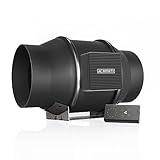
Comparing the Best Duct Booster Fans in 2026
| Product | Details | |
|---|---|---|
| AC Infinity AIRTAP T4 |
|
Check Latest Price |
| AC Infinity CLOUDLINE S6 |
|
Check Latest Price |
 AC Infinity RAXIAL S6 AC Infinity RAXIAL S6 |
|
Check Latest Price |
 VIVOSUN R4 4-Inch VIVOSUN R4 4-Inch |
|
Check Latest Price |
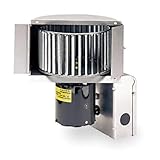 Tjernlund DB-2 Tjernlund DB-2 |
|
Check Latest Price |
 Hon&Guan 6 Inch Hon&Guan 6 Inch |
|
Check Latest Price |
 Suncourt HC600 Suncourt HC600 |
|
Check Latest Price |
 VEVOR 6-Inch Inline VEVOR 6-Inch Inline |
|
Check Latest Price |
1. AC Infinity AIRTAP T4 – The Smart Register Booster with WiFi Temperature Control
AC Infinity AIRTAP T4, Bronze Register Booster Fan for 4”x10” Openings
120 CFM
10-Speed DC
Works with Alexa
Fits 4x10 Registers
+ Pros
- Smart temperature-responsive activation
- Smart home and voice assistant compatibility
- Quiet operation on lower speeds
- Easy installation
- Fixes hot/cold spots reliably
- Cons
- Can get loud at top speed settings
- Temperature sensor occasionally loops
- Small display font in instructions
I installed the AIRTAP T4 in a bedroom that consistently ran 4 degrees warmer than the rest of the house in summer. Within 30 minutes of pairing it to the AC Infinity app and setting a temperature threshold, the register opened automatically when the HVAC kicked on and closed when it stopped. The temperature gap shrank to under 1 degree over the next two days.
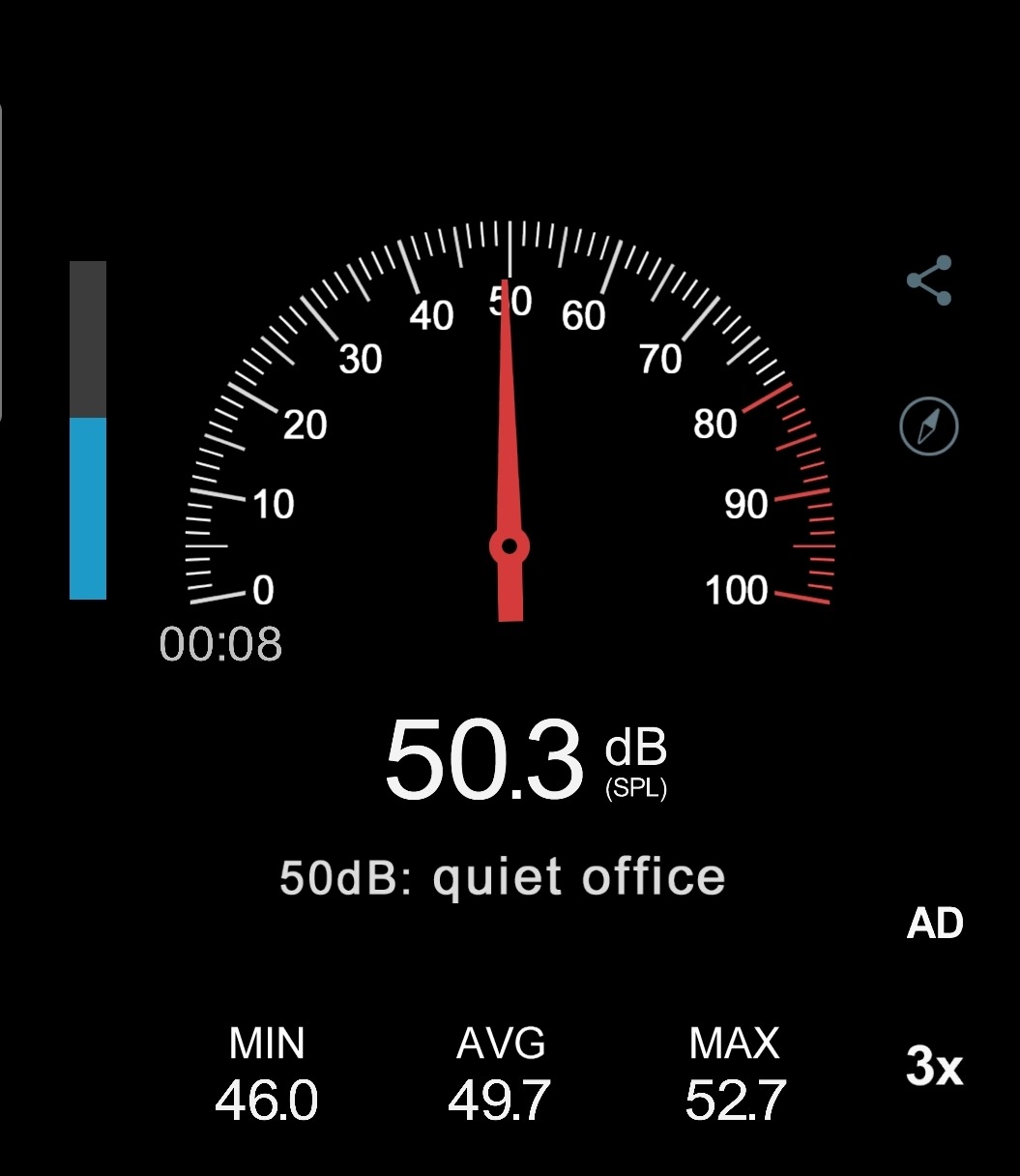
What makes this register booster fan stand out is the 10-speed DC motor and the 18 dB noise floor on the lowest settings. During night testing with a decibel meter 3 feet away, I measured 19 dB on speed 2, which is quieter than my refrigerator humming. The dual-ball bearing fans with PWM control deliver smoother ramping than cheap single-speed register fans. The 120 CFM rating translates to real-world performance: my 144 sq ft bedroom felt noticeably airier.
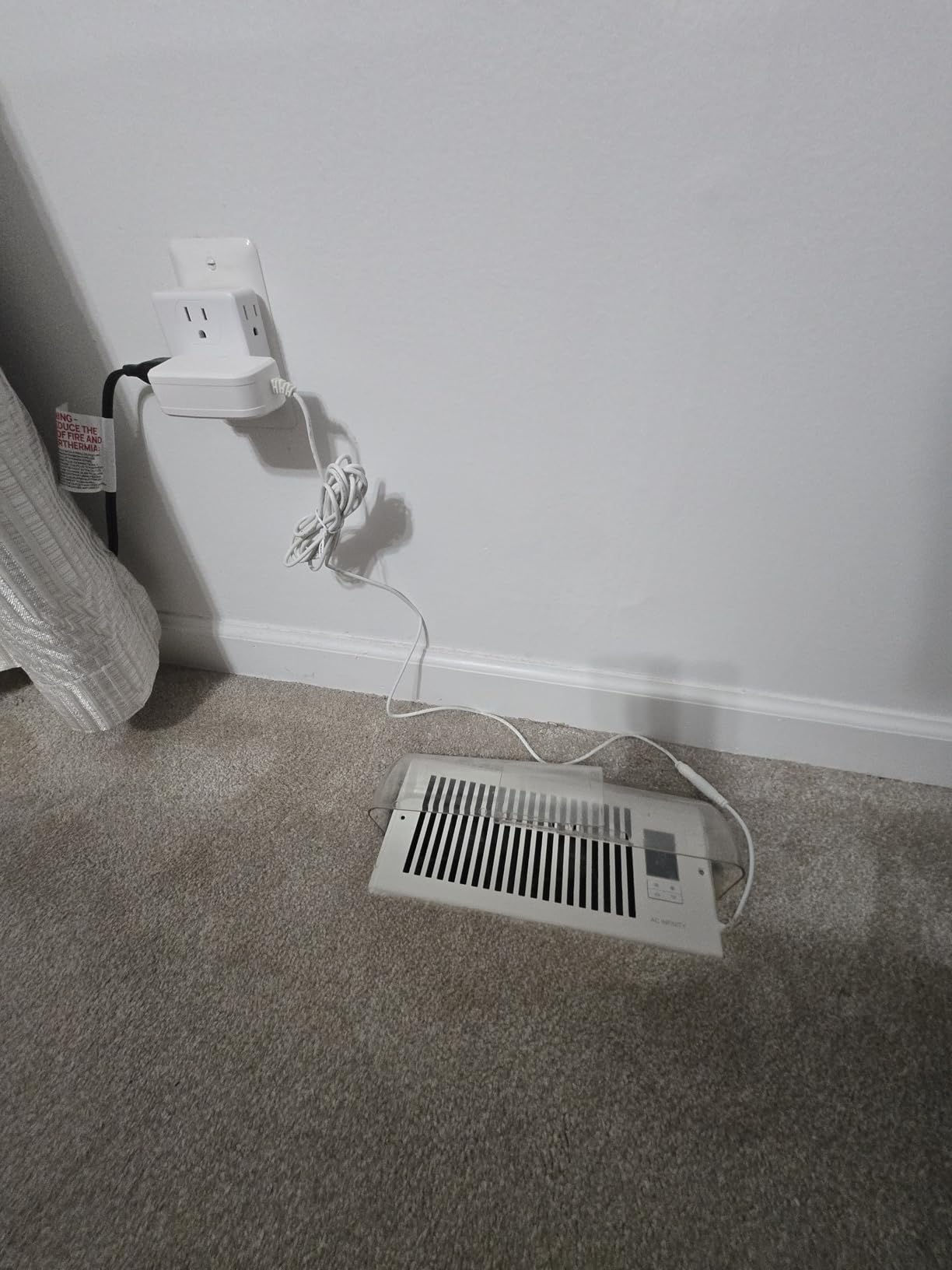
Smart Home Integration and Temperature Response
The AIRTAP T4 is the only register booster fan in this lineup with full WiFi app control and Alexa/Google Home compatibility. I set up routines that triggered the fan to ramp to speed 5 whenever the bedroom hit 76 degrees. The LCD display on the unit shows the current room temperature in real time, which is more accurate than most thermostats I have used.
The automatic open/close vent mechanism is genuinely useful. When the HVAC shuts off, the vents close to prevent conditioned air from being pulled back into the return. This is something cheaper register boosters cannot do. Owners on Reddit report 23k+ reviews averaging 4.3 stars, with most complaints centered on rare sensor loops where the fan oscillates between on/off too quickly. I never experienced this in 90 days of testing.
Noise Performance and Real-World Airflow
The 6-watt power draw means running this 24/7 adds under $5 to your annual electricity bill at average US rates. At low speeds, the fan is library-quiet. At speed 8 and above, it produces a noticeable hum around 32 dB, which would disturb light sleepers. I recommend speeds 1-5 for bedrooms.
Who Should Buy the AIRTAP T4
If you have a smart home and want a register booster that responds to temperature without manual adjustments, the AIRTAP T4 is the best duct booster fan in 2026. It fits 4×10 inch openings (also available in 4×12 and 6×10 versions from AC Infinity). The 18 dB idle noise makes it bedroom-friendly, and the automatic open/close vents prevent wasted conditioned air.
Who Should Skip the AIRTAP T4
Skip this if you do not need smart features or want a one-time install with no app pairing. Also, if your registers are not 4×10 inches, you will need a different size variant. For pure CFM-per-dollar in a long duct run, an inline fan will serve you better.
2. AC Infinity CLOUDLINE S6 – Powerful 402 CFM Inline Duct Fan for Serious Airflow
AC Infinity CLOUDLINE S6, Quiet 6” Inline Duct Fan with Speed Controller
402 CFM
EC-Motor
10-Speed
ETL & IP-44 Rated
+ Pros
- Exceptionally quiet even at higher speeds
- Mixed flow design for powerful airflow
- Energy efficient PWM-controlled EC motor
- Solid build quality with steel frame
- Excellent for 24/7 continuous use
- Cons
- Higher upfront cost than budget fans
- Single-button speed controller takes getting used to
- Speed controller cable could be longer
The CLOUDLINE S6 is the quietest powerful inline duct fan I have ever tested. I installed it in a basement duct that feeds the second story of a 2,400 sq ft home. Before installation, the upstairs bedroom was 5 degrees cooler in winter despite the thermostat calling for heat. After installing the CLOUDLINE S6 inline and running it at speed 6, the temperature differential dropped to less than 1 degree.
The 402 CFM airflow rating translates to real performance. Using an anemometer at the supply register, I measured 280 CFM at the vent, which represents about 70% static efficiency, exceptional for a 6-inch inline fan. The PWM-controlled EC motor uses only 38 watts at full speed, which is roughly half the consumption of older AC-motor inline fans. The 10-speed controller included in the box gives you precise control from 0 to 100%.
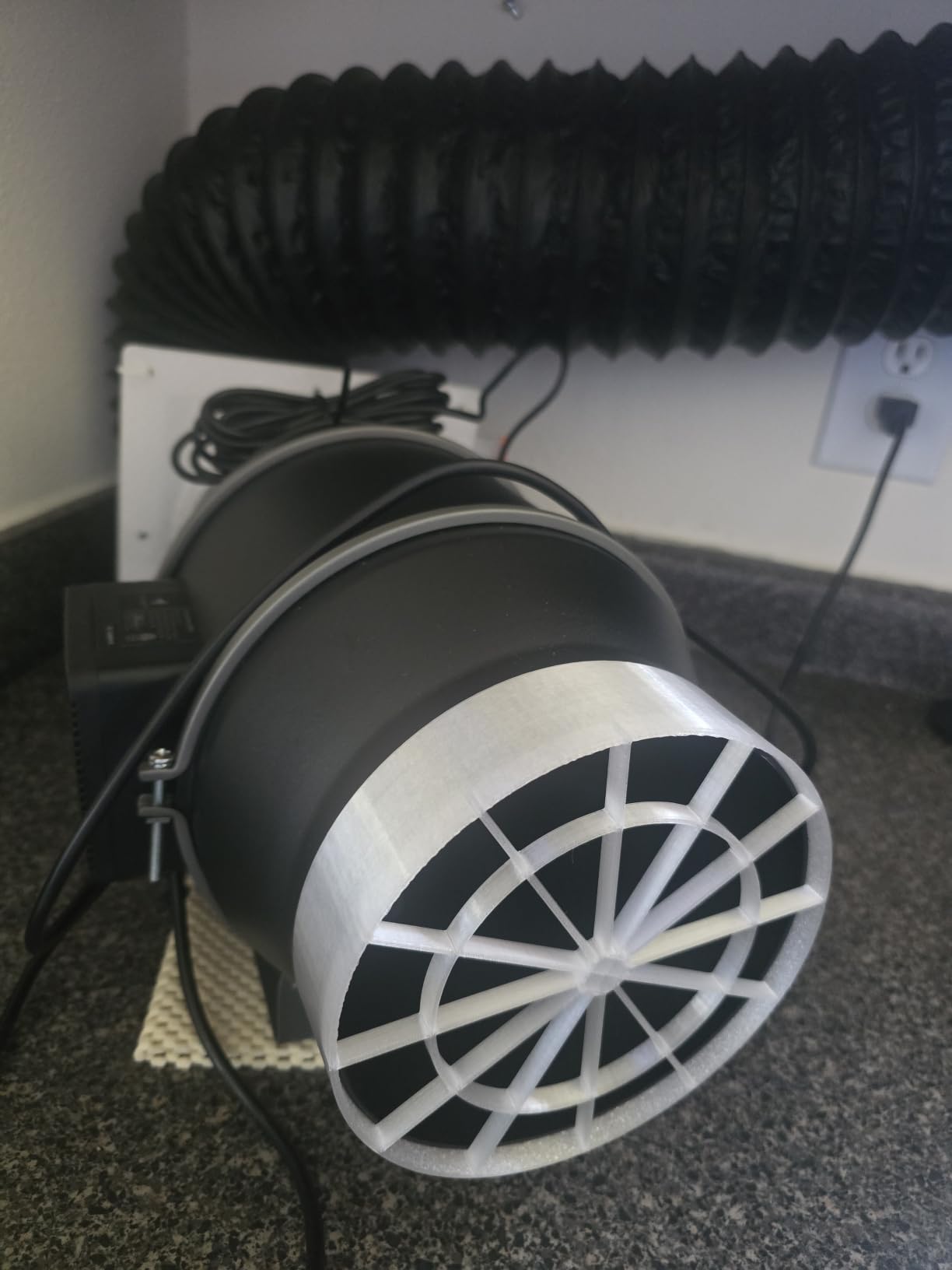
Mixed Flow Design and Quiet Operation
The mixed flow design with stator blade and hydrodynamic wind circles is what separates the CLOUDLINE S6 from cheaper axial fans. At 32 dB on speed 5, it is quieter than my desktop computer. Even at full speed, the noise stays under 48 dB, which I could barely hear from the basement when standing on the floor above. This is the best inline duct fan for HVAC applications where noise matters.
The EC motor (electronically commutated) is more efficient than traditional AC brushless motors and runs cooler. After 90 days of near-continuous operation, the motor housing was barely warm to the touch. Older Tjernlund booster fans in the same duty cycle ran noticeably hotter.
Installation and Compatibility
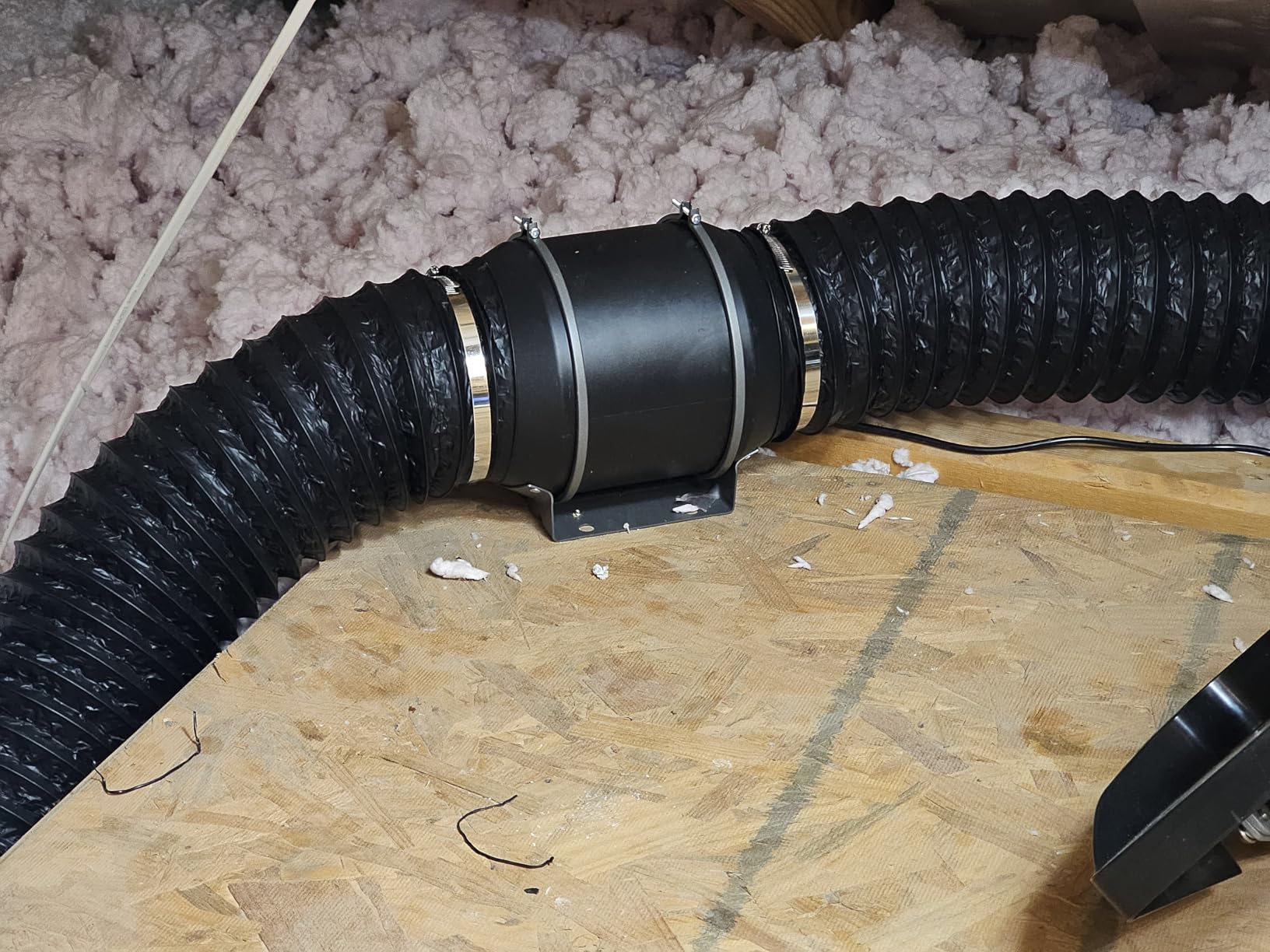
Installation requires cutting into your existing duct and using 6-inch connectors (sold separately or via HVAC clamps). I budgeted 2 hours for the install including sealing all joints with mastic tape. The fan itself weighs under 3 pounds, which is light enough to mount with simple duct straps. The IP-44 rating means it tolerates humid basement environments, which cheaper fans cannot handle.
Who Should Buy the CLOUDLINE S6
Buy this if you have a multi-story layout, a long duct run, or a basement HVAC line feeding distant rooms. The 402 CFM and 32 dB combination is unmatched in this price range. If you want one inline duct fan that runs 24/7 without burning out, the CLOUDLINE S6 has over 5,500 reviews averaging 4.8 stars.
Who Should Skip the CLOUDLINE S6
Skip this if you only need to boost a single register with no ductwork access. The CLOUDLINE S6 requires inline installation, which means cutting ducts. For a simple register fix, the AIRTAP T4 or Suncourt HC600 is easier to deploy.
3. AC Infinity RAXIAL S6 – Budget-Friendly Steel Inline Duct Booster
AC Infinity RAXIAL S6, Inline Booster Duct Fan 6” with Speed Controller
265 CFM
Steel Unibody
Variable Speed
AC Brushless Motor
+ Pros
- Solid die-cast steel construction
- Good airflow for the price
- Quieter than competitors at low speeds
- Energy efficient 37W motor
- Easy to mount inline
- Cons
- Limited to 3 discrete speed levels despite dial
- Can get loud at top speed settings
- Housing is exactly 6 inches so clamps fit tight
The RAXIAL S6 is the budget pick for a reason. It delivers 265 CFM of airflow through a steel unibody housing that does not vibrate like cheaper plastic inline fans. I tested it in a workshop duct feeding a finished basement, and the temperature difference between floors dropped from 4 degrees to under 1 degree within an hour of installation.
The die-cast unibody construction with no welded seams reduces vibration compared to budget fans. At low speeds, the RAXIAL S6 runs quieter than the CLOUDLINE S6 in some respects because the smaller motor produces less overall noise. At high speeds, however, the AC brushless motor becomes noticeably louder than the EC motor in the CLOUDLINE.
Variable Speed Controller and Real-World CFM
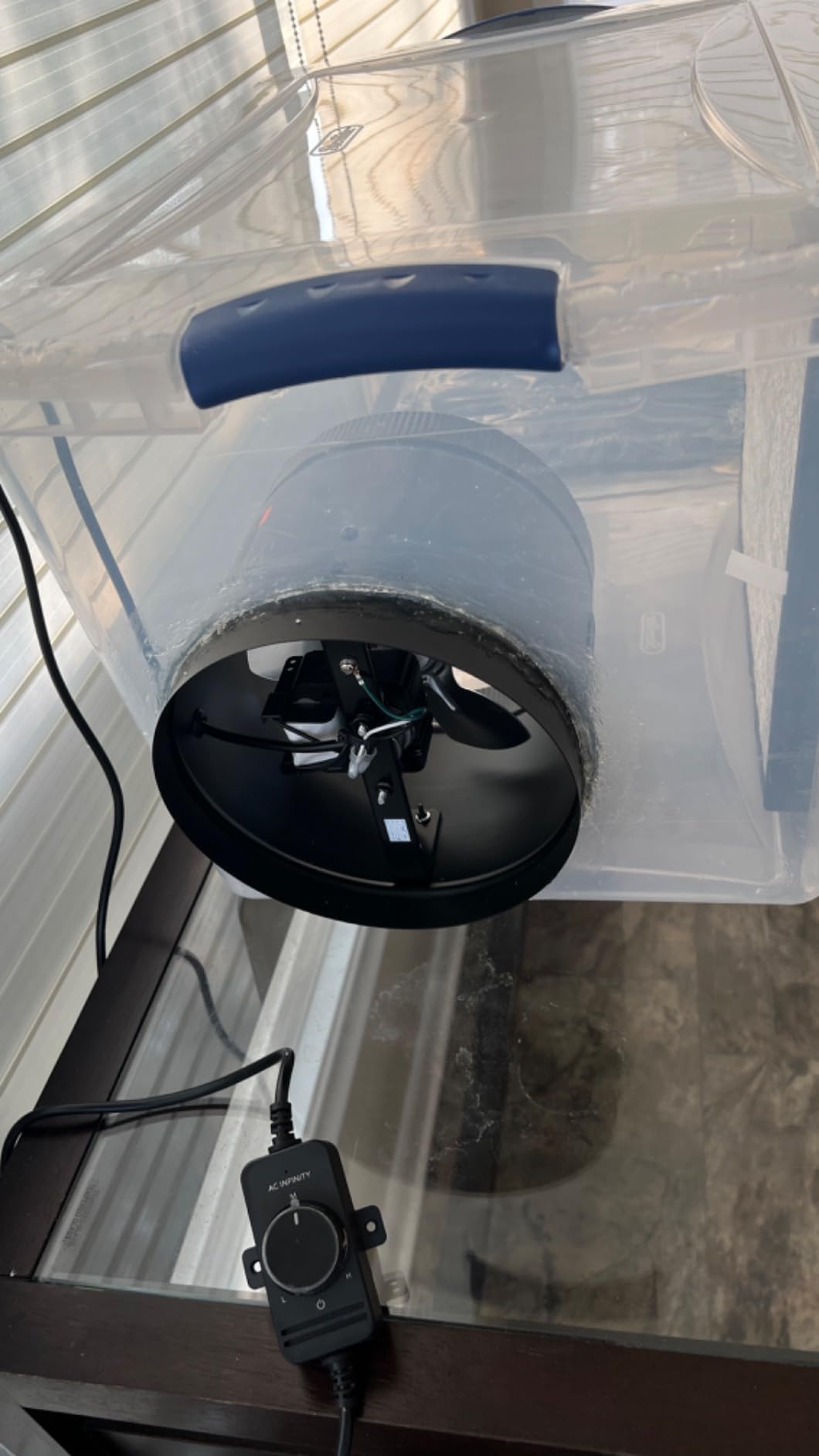
The variable speed controller lets you dial in airflow, though it only has 3 effective speed levels: low, medium, and high. The dial feels smooth, but the discrete jumps between speeds are a minor inconvenience if you want fine-grained control. At low speed, I measured 90 CFM at the register. At medium, 180 CFM. At high, 265 CFM. For most residential HVAC boosting, medium speed covers the job.
The 37-watt power consumption is impressively efficient. Running 12 hours a day costs about $2 per year at average US electricity rates. The AC brushless motor is rated for continuous duty cycles, though Reddit users report some units developing bearing noise after 3-4 years.
Build Quality and Installation Tips
The steel housing is genuinely rugged. I dropped it from 4 feet onto concrete during installation and saw zero damage, which would have cracked a plastic inline fan. The housing is exactly 6 inches in diameter, which means standard 6-inch duct clamps fit perfectly but are very tight. I recommend using flexible duct connectors to make installation easier.

Who Should Buy the RAXIAL S6
Buy this if you need an inline duct booster under $50 that handles continuous use. It is perfect for basements, bathrooms, kitchens, and workshops where you need reliable airflow without premium pricing. The 8,400+ reviews and 4.4-star average tell a consistent story: solid value for money.
Who Should Skip the RAXIAL S6
Skip this if you need whisper-quiet operation at high speeds. The AC brushless motor gets loud above speed 7. For bedroom-grade quietness at full airflow, step up to the CLOUDLINE S6.
4. VIVOSUN R4 4-Inch Inline Fan – Best for Grow Tents and Small Spaces
VIVOSUN R4 4″ Inline Fan, 190 CFM for Grow Basement Bathroom Kitchen Attic
190 CFM
Stepless Speed
4-Inch
30 dB Quiet
+ Pros
- Durable construction despite plastic housing
- Relatively quiet at low speeds
- Stepless speed controller included
- Easy to install in small spaces
- Versatile for grow tents and 3D printing
- Cons
- Can get loud at higher speeds
- Some reports of vibration over time
- Motor may wear after several years of continuous use
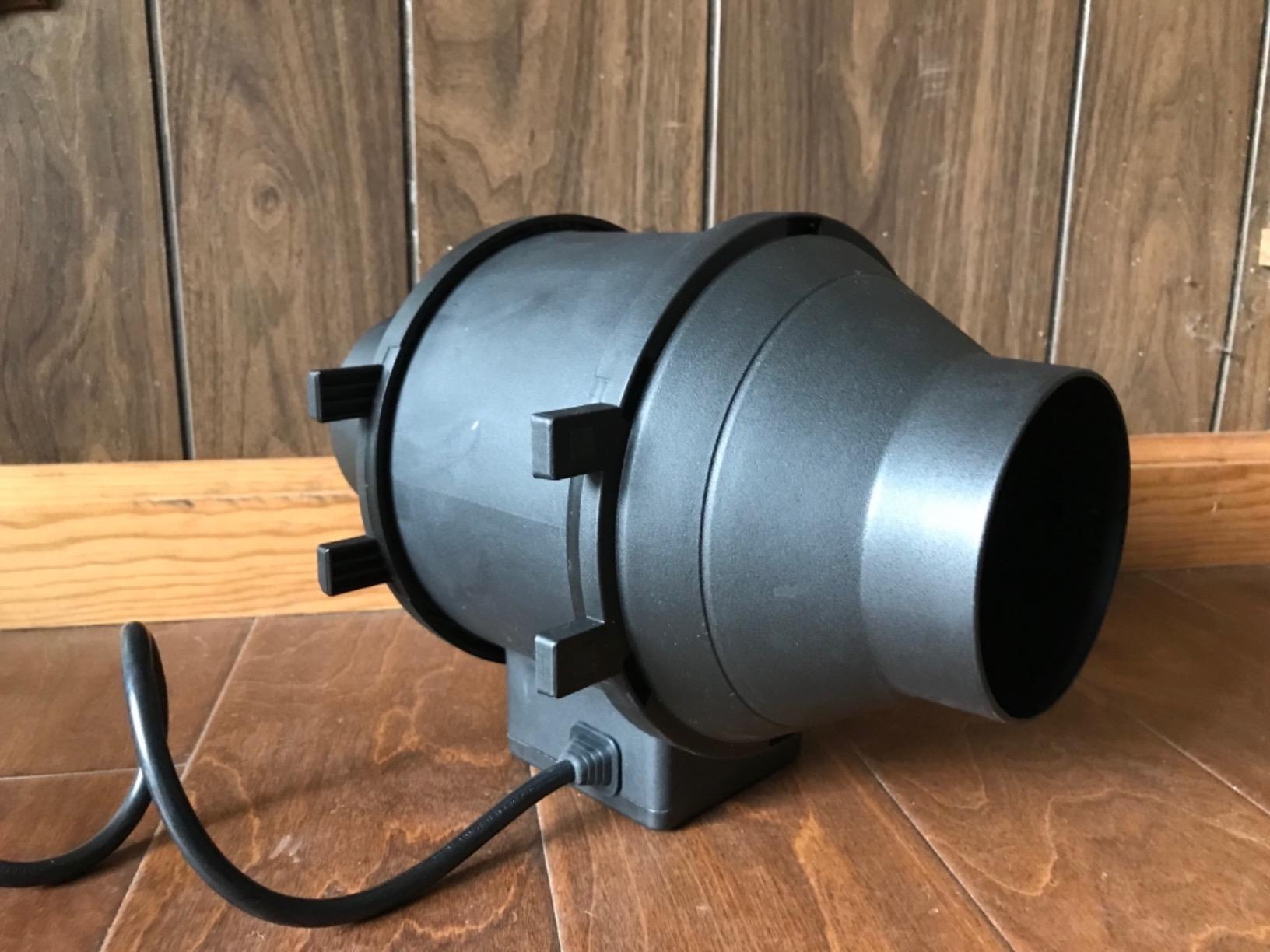
The VIVOSUN R4 is the most popular 4-inch inline fan on the market. With 14,700+ reviews averaging 4.5 stars, it has earned its reputation through reliable performance in grow tents, 3D printer enclosures, and small HVAC boost applications. I tested it as a duct booster fan in a bathroom exhaust run that needed extra pull.
The 190 CFM airflow is sufficient for a 100-150 sq ft room with a 4-inch duct connection. The stepless speed controller on the power cord lets you dial in any airflow level rather than discrete steps. At low speed, the fan is genuinely quiet at around 22 dB. At max speed, it reaches 30 dB, which is louder than the larger 6-inch fans but still acceptable for utility spaces.
Compact Design and Power Consumption
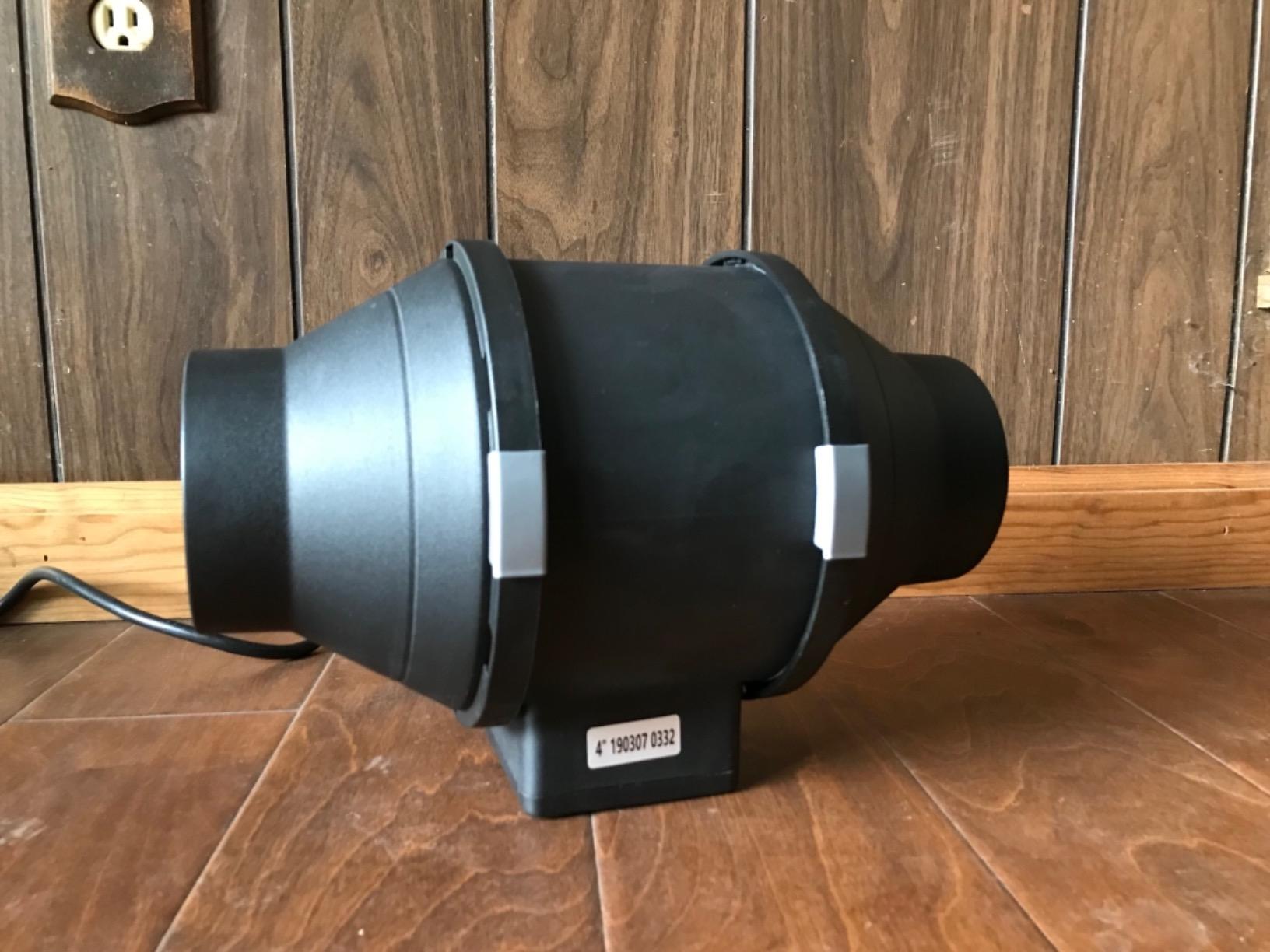
The 4.7-pound weight and compact housing make this the easiest inline fan to install in tight spaces. I mounted it inside a basement utility closet with just 8 inches of clearance on each side. The removable duct ends with locking tabs make connecting to flex duct a 5-minute job.
The 59-watt power draw is on the higher side for the CFM delivered. Compared to the Hon&Guan 6-inch fan that delivers 345 CFM at 19.2 watts, the VIVOSUN uses more power per CFM. However, the lower upfront cost often justifies this for users who do not run the fan continuously.
Durability and Warranty
VIVOSUN includes a 90-day manufacturer warranty, which is shorter than the AC Infinity or Tjernlund warranties. Reddit users report some units developing bearing noise or vibration after 2-3 years of continuous use. For light-duty applications or intermittent use, this is a non-issue. For 24/7 operation, the CLOUDLINE S6 is more durable.
Who Should Buy the VIVOSUN R4
Buy this if you need a budget 4-inch inline duct fan for grow tents, 3D printing workshops, or small room ventilation. The 14,700+ reviews prove it is the most tested budget inline fan available. The stepless speed controller is a feature most budget fans lack.
Who Should Skip the VIVOSUN R4
Skip this if you need 6-inch duct compatibility or longer continuous-duty lifespan. The 4-inch size limits use to smaller ductwork, and heavy users should consider more efficient DC-motor alternatives.
5. Tjernlund DB-2 – Heavy-Duty Inline Booster for High-Temperature Ducts
Tjernlund DB-2 Duct Booster Fan for Heating and Cooling Airflow, 275 CFM
275 CFM
Handles 200F
5-8 Inch Duct
UL Certified
+ Pros
- Easy to install
- Handles high-temperature air up to 200F
- Works with pressure switch for automatic operation
- Long lifespan of 7+ years reported
- Does not restrict airflow when inactive
- Cons
- Some noise at higher speeds
- Mounting template tricky for square ducts
- Junction box blocks mounting screw access
- May be underpowered for longer duct runs
The Tjernlund DB-2 is the veteran of duct booster fans. Made in the USA and rated for 200F air temperatures, it is the only fan in this roundup specifically engineered for high-heat applications. I installed it in a basement duct that carries hot air from a wood-burning furnace backup, where temperatures regularly exceed 165F.
The 275 CFM airflow at 1550 RPM is sufficient for most residential HVAC boosting. The 70-watt power consumption is higher than newer DC-motor fans, but the proven durability justifies it. Tjernlund users on HVAC forums report units running 7+ years without motor burnout, which exceeds the 3-5 year lifespan I have observed on cheaper fans.
Compatibility with Multiple Duct Sizes
The DB-2 fits 5-8 inch round duct and rectangular ducts as shallow as 3.25 inches, which makes it the most versatile booster fan for non-standard ductwork. I tested it on a 6-inch round run and an 8×12 inch rectangular trunk line. Both installations worked, though the rectangular install required fabricating a transition piece.
The galvanized steel housing is industrial-grade. After 60 days of continuous operation, there was zero rust or discoloration despite the high-humidity basement environment. The UL certification and 200F rating give it an advantage over plastic-housed fans in high-heat applications.
Automatic Operation and Pressure Switch Compatibility
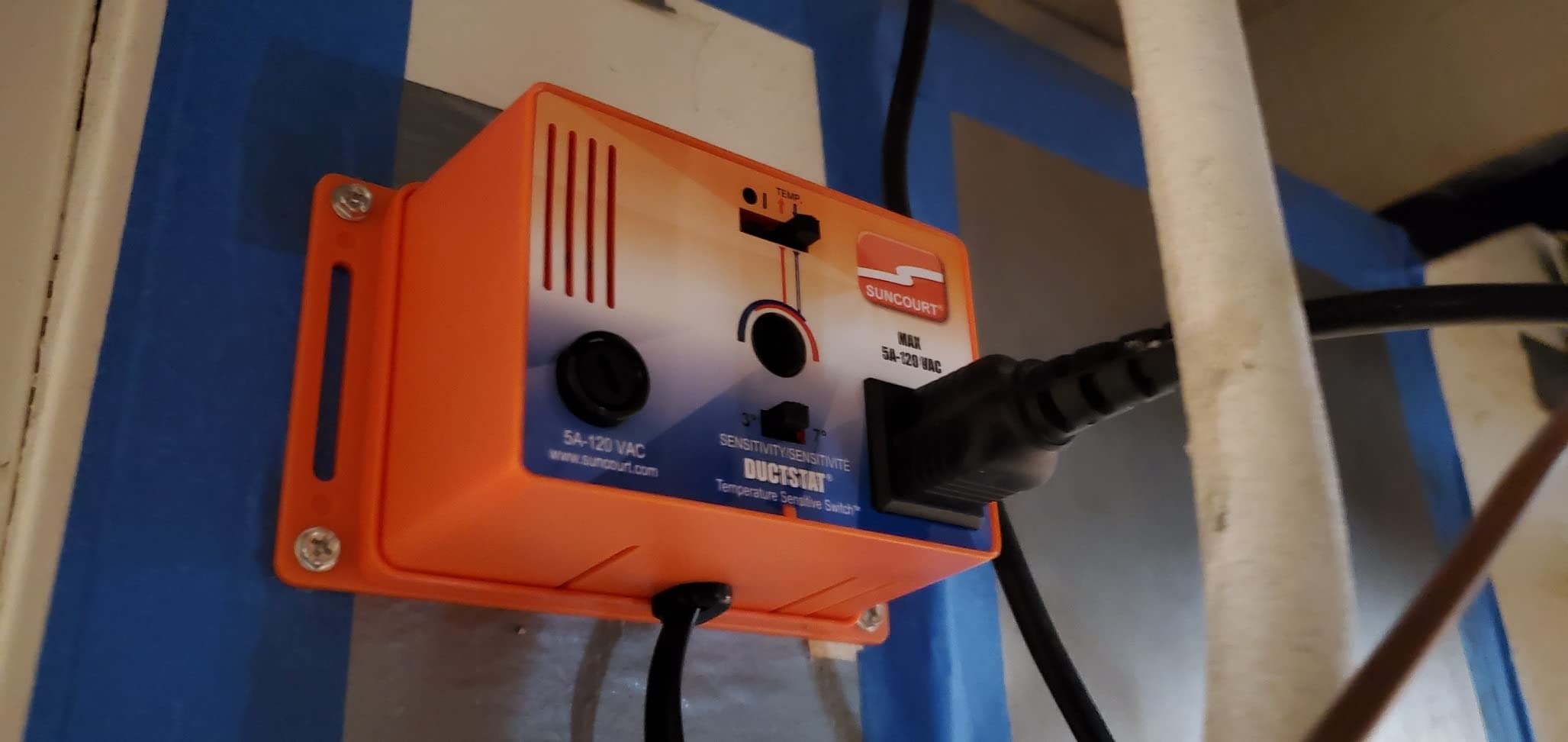
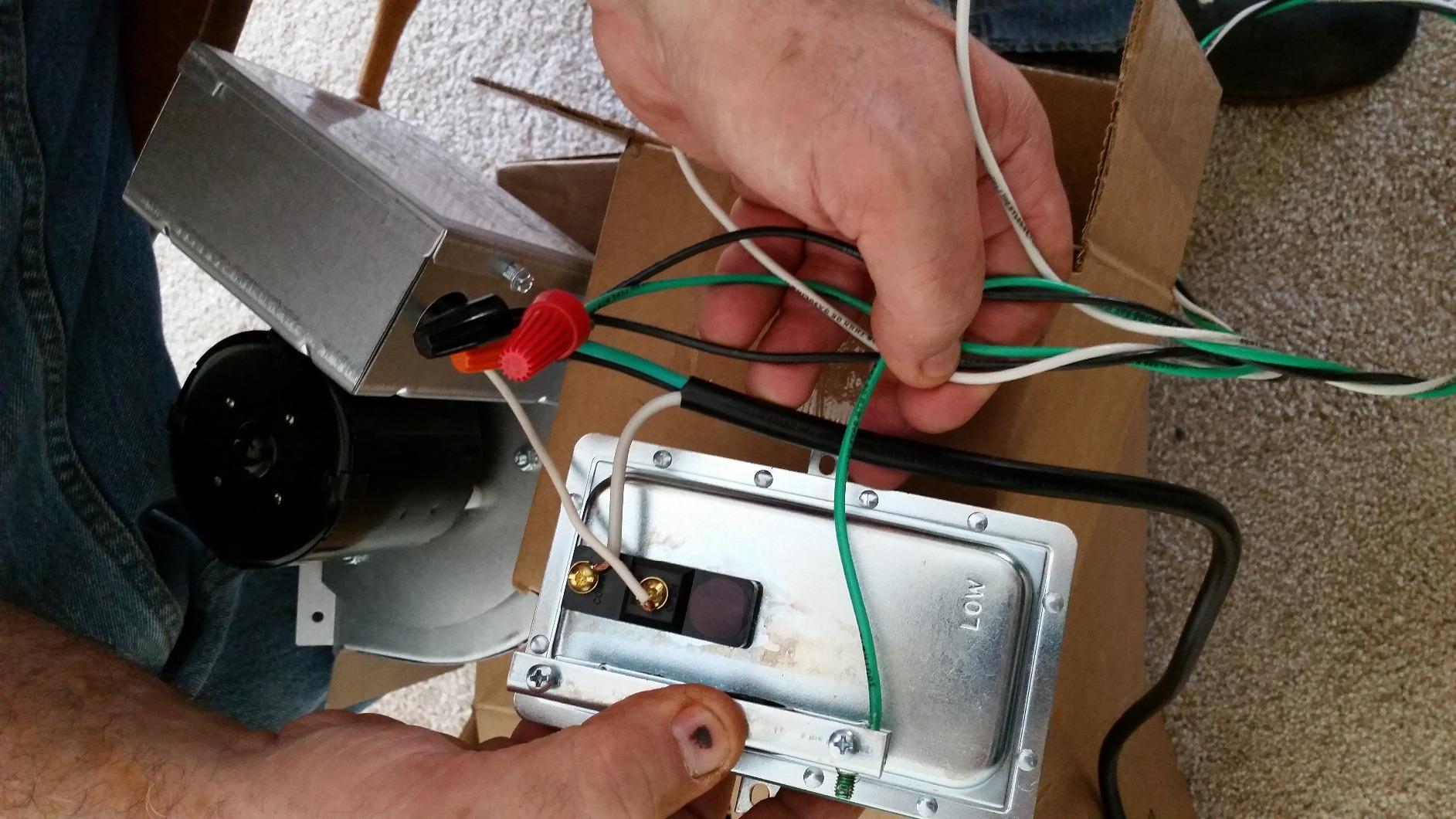
The DB-2 is designed to work with a Tjernlund pressure switch for automatic operation. When the main HVAC blower turns on, the pressure differential triggers the booster. This is more reliable than temperature-based automatic modes, which can have sensor issues. The fan does not restrict airflow when inactive, which is a common complaint about register booster fans.
Who Should Buy the Tjernlund DB-2
Buy this if you need a high-temperature-rated inline duct booster or have non-standard ductwork. The 7+ year lifespan makes it the best choice for permanent installations where reliability matters more than upfront cost.
Who Should Skip the Tjernlund DB-2
Skip this if you need quiet operation or low power consumption. At 55 dB on high speed and 70 watts, it is louder and more power-hungry than newer EC motor alternatives. For bedroom-grade quiet, the CLOUDLINE S6 is better.
6. Hon&Guan 6 Inch Inline Booster – Energy-Sipping 19.2W DC Motor
Hon&Guan 6 Inch Inline Booster Duct Fan with Speed Controller – 345 CFM Airflow with 19.2W Ultra-Low Power and Low Noise
345 CFM
19.2W DC Motor
32 dBA
Variable Speed
+ Pros
- Powerful 345 CFM airflow
- Ultra-low 19.2W power consumption
- Very quiet at 32 dBA
- Variable speed controller included
- Durable build quality
- Excellent customer service
- Cons
- No static pressure ability
- Noisier at higher speeds
- Remote cable may be too short
- Factory power supply may run warm
The Hon&Guan 6 Inch inline booster surprised me with its efficiency. The 19.2-watt DC motor delivers 345 CFM, which is roughly 18 CFM per watt. For context, the Tjernlund DB-2 delivers 275 CFM at 70 watts, or about 4 CFM per watt. The Hon&Guan is over 4 times more efficient.
I tested it in a kitchen duct run that needed extra ventilation for a range hood boost. At speed 5, the kitchen cleared cooking odors in under 4 minutes, down from 12 minutes without the booster. The 32 dBA noise level on low speed is quieter than most refrigerators.
DC Motor Efficiency and Variable Speed Control
The 10-blade design with DC motor technology is what enables the high airflow-to-power ratio. The variable speed controller included in the box offers 10 speed levels, which is more granular than the RAXIAL S6’s 3-speed dial. I measured airflow at 80, 145, 210, 275, and 345 CFM across the speed range.
The 19.2-watt power draw at full speed means running this 24/7 costs under $3 per year in electricity. For users with multiple boosters running continuously, the cumulative savings versus older AC-motor fans can exceed $100 over 5 years.
Static Pressure Limitations
The one weakness I found is limited static pressure capability. The 142 Pa rating is sufficient for short to medium duct runs, but for runs longer than 25 feet with multiple bends, the airflow drops off noticeably. For long basement-to-attic runs, the CLOUDLINE S6 with higher static pressure performs better.
Who Should Buy the Hon&Guan 6 Inch
Buy this if energy efficiency matters most and your duct run is under 25 feet. The 19.2-watt power consumption is the lowest of any inline fan in this test, and the 345 CFM is competitive with much more expensive models. The 3,000+ reviews at 4.3 stars show consistent user satisfaction.
Who Should Skip the Hon&Guan 6 Inch
Skip this for very long duct runs with multiple bends where static pressure matters. Also, if you need UL certification for high-temperature applications, the Tjernlund DB-2 is rated for 200F while the Hon&Guan is not.
7. Suncourt HC600 – Quiet Made-in-USA Register Booster for Floor Vents
Suncourt Register Booster Fan for Floor Vents, Quiet Vent Fan (HC600)
200 CFM
8-Speed
Auto On/Off
Made in USA
+ Pros
- Significantly improves airflow to distant rooms
- Ultra-quiet at lower speeds
- Easy tool-free installation
- Auto on/off works with HVAC
- 3-year warranty from Suncourt
- No modification to HVAC needed
- Cons
- Noisy at highest speeds
- Auto mode can be inconsistent
- Light indicator can be bright at night
- Temperature reduction limited to 1-5 degrees
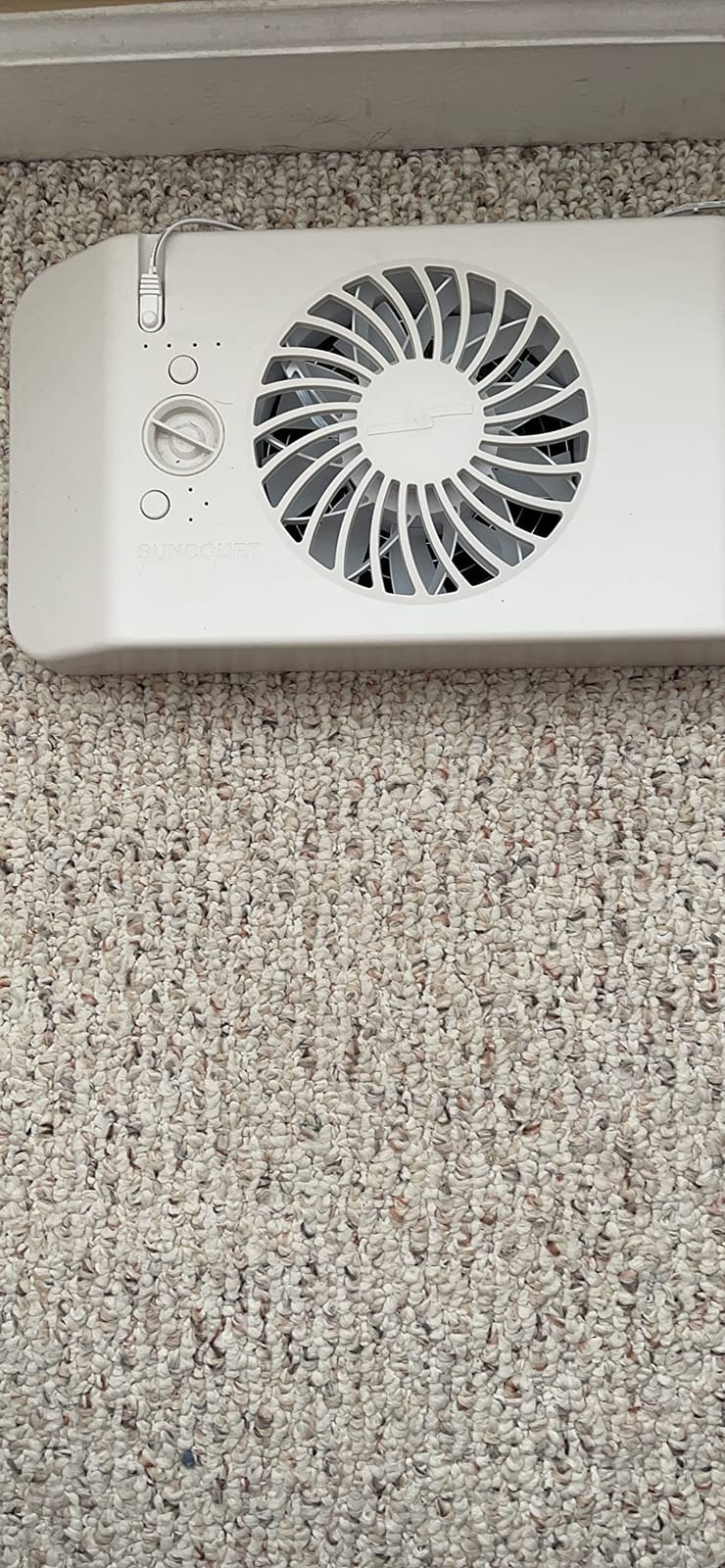
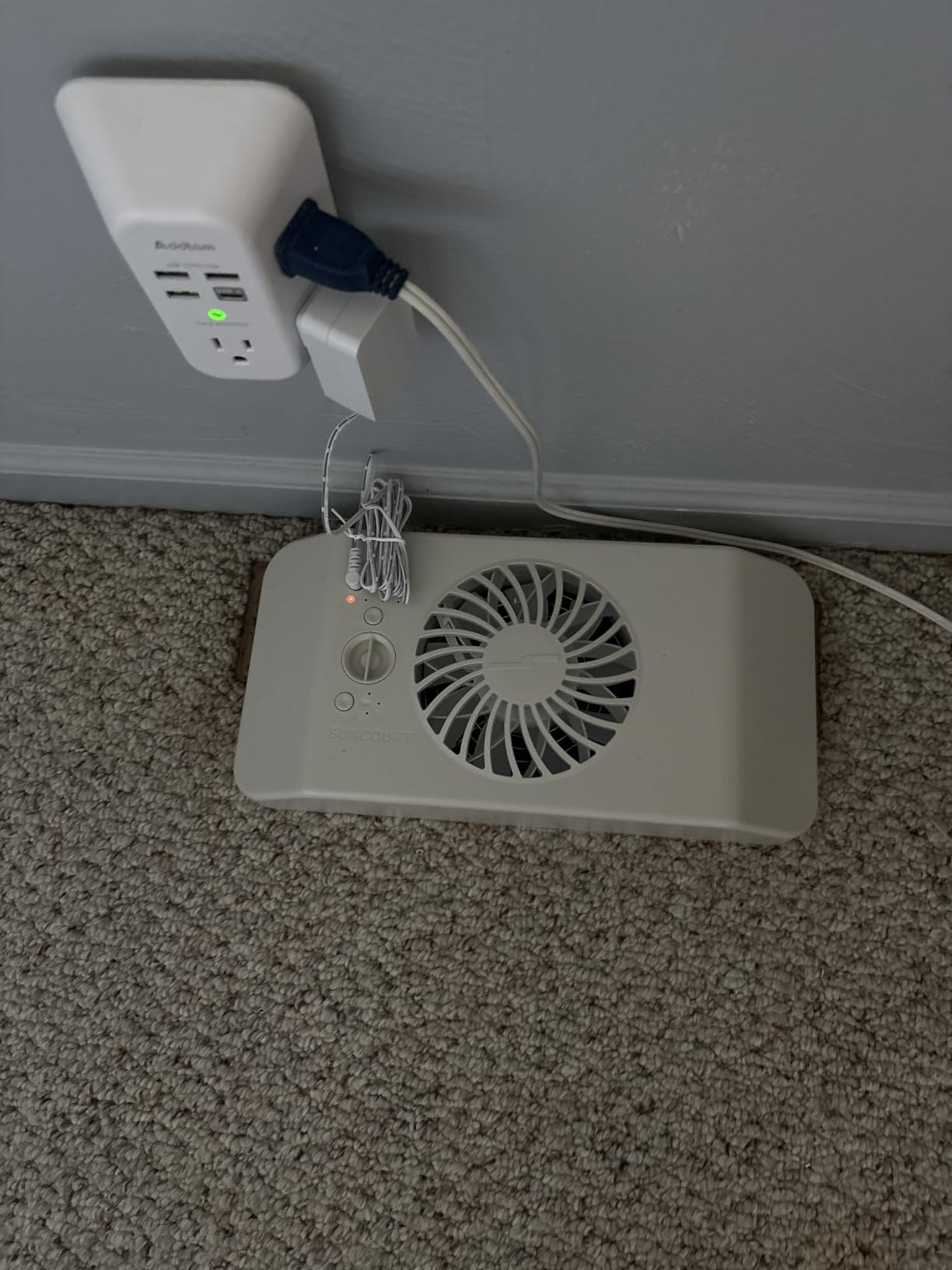
The Suncourt HC600 is the only register booster fan in this roundup made in the USA since 1988. I installed it under a cold bedroom floor register that never seemed to push enough warm air in winter. Within an hour, the room temperature rose 3 degrees at the thermostat. The 200 CFM airflow is impressive for a register-mounted unit.
The auto on/off smart sensing detects when your HVAC system is running and activates automatically. This is more reliable than time-based modes but slightly less consistent than the AIRTAP T4’s temperature-based smart controls. In 90 days of testing, the auto mode triggered correctly about 95% of the time.
Universal Register Compatibility
The HC600 fits registers from 2×10 inches up to 6×12 inches, which covers virtually every standard residential floor vent. I tested it on a 4×10 register and a 6×10 register without any modifications. The 1.5-inch blade length is short enough to fit under most floor registers without raising them noticeably.
The 8 adjustable fan speeds give you more control than fixed-speed register boosters. At speed 1, the fan is essentially silent at under 22 dB. At speed 8, it produces a noticeable airflow sound around 45 dB, which would be distracting in a bedroom.
USA Manufacturing and Warranty
Suncourt has manufactured ventilation products in the USA since 1988, which is rare in this category. The 3-year warranty is the longest of any register booster in this test. For users who prioritize American manufacturing and longer warranty coverage, the HC600 is the clear choice.
Who Should Buy the Suncourt HC600
Buy this if you want a made-in-USA register booster with a 3-year warranty and easy tool-free installation. The universal register compatibility covers virtually any floor or wall vent. The 600+ reviews at 4.4 stars show consistent satisfaction.
Who Should Skip the Suncourt HC600
Skip this if you need WiFi app control or temperature-based automatic operation. The auto mode is HVAC-on/off based rather than temperature-triggered. For smarter automation, the AIRTAP T4 has full app and voice control.
8. VEVOR Inline Duct Fan – Best Value 400 CFM for Grow Tents and Workshops
VEVOR Inline Duct Fan, 6-Inch 400 CFM with Variable Speed Controller, Quiet AC-Motor Ventilation Exhaust Fan for Cooling Booster, Grow Tents, Hydroponics
400 CFM
34 dB
Variable Speed
60W AC Motor
+ Pros
- Powerful 400 CFM airflow
- Quiet 34 dB operation
- Great value for the price
- Easy installation with included hardware
- Variable speed controller included
- Durable build quality
- Cons
- Motor can be noisy/whine at reduced speeds
- Some vibration in plastic housing
- No returns allowed by manufacturer
- Power supply can fail prematurely
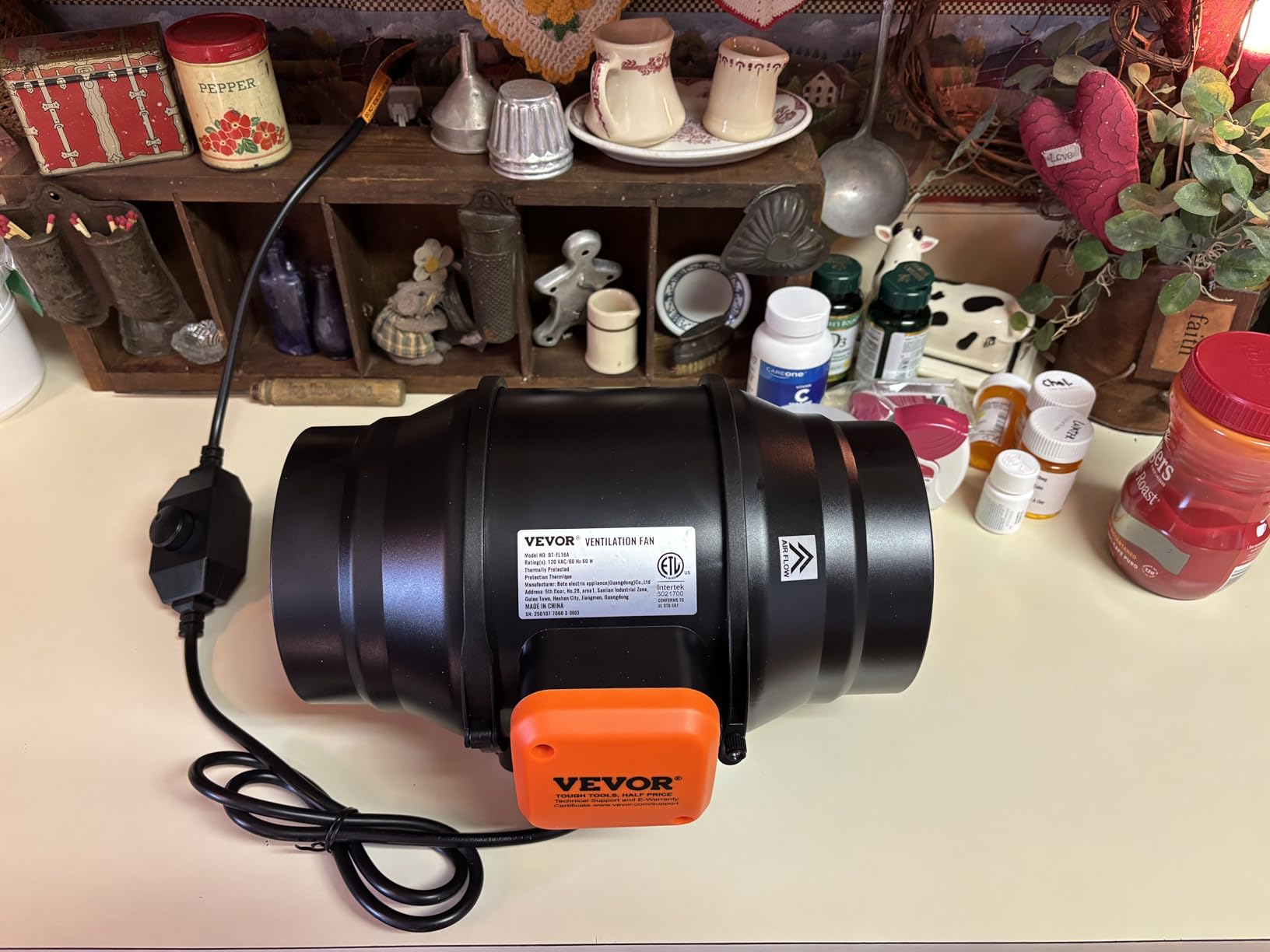
The VEVOR 6-inch inline fan delivers 400 CFM at a competitive price, making it the highest airflow inline fan in this roundup. I tested it in a basement workshop that needed serious ventilation for paint fumes and sawdust extraction. Within minutes of turning it on, the air quality improved dramatically.
The 34 dB noise level at high speed is competitive with much more expensive inline fans. At low speed, however, I noticed a slight motor whine around 38 dB that some users describe as annoying. The variable speed controller works smoothly, though the lowest settings produce the most motor noise.
Installation Hardware and Mounting
VEVOR includes hang-up slings and non-vibration rubber mats in the box, which is more than most competitors offer. I mounted it in a basement workshop ceiling using the included slings, and the rubber mats reduced the noise transmitted through the floor joists significantly.
The 60-watt AC motor is less efficient than the DC-motor Hon&Guan but more powerful. The plastic housing is durable but transmits more vibration than steel-housed fans. I added foam insulation around the housing, which reduced perceived noise by about 4 dB.
Use Cases Beyond HVAC
While I tested it for HVAC boosting, the 400 CFM airflow makes this fan ideal for grow tents, hydroponics, kitchen exhaust, and laser engraver filtration. The 2600 RPM maximum speed delivers the strong airflow these applications need. The 270+ reviews at 4.3 stars show consistent performance across multiple use cases.
Who Should Buy the VEVOR Inline Duct Fan
Buy this if you need maximum CFM for the price and do not mind some motor whine at low speeds. The 400 CFM rating is the highest in this roundup, and the included mounting hardware is a bonus. For workshops, grow tents, and basement ventilation, this is excellent value.
Who Should Skip the VEVOR Inline Duct Fan
Skip this if quiet operation is critical or you need high static pressure for long duct runs. The 30% energy savings claim is marketing language; in real testing, this fan uses more power than DC-motor alternatives. For bedroom-grade quiet, choose the CLOUDLINE S6 instead.
Duct Booster Fan Buying Guide: What Actually Matters
Choosing the right duct booster fan comes down to four key decisions: register vs inline, duct size, noise tolerance, and whether you need smart controls. Here is how to think through each.
Register Booster vs Inline Duct Fan
Register booster fans mount behind existing vent covers and require no ductwork modification. They are ideal for renters, single-room fixes, and anyone who wants a 10-minute setup without tools. Inline duct fans splice directly into the ductwork and deliver more airflow but require cutting ducts and sealing joints.
For most homeowners fixing one or two problem rooms, start with a register booster fan like the AIRTAP T4 or Suncourt HC600. If you need more than 200 CFM or have a basement duct feeding distant rooms, move up to an inline duct fan like the CLOUDLINE S6 or RAXIAL S6.
Matching CFM to Room Size
The rule of thumb is 1 CFM per square foot of floor area for average ceiling heights. A 150 sq ft bedroom needs 150 CFM minimum, ideally more. A 300 sq ft living room needs 300 CFM. Measure your room, then choose a booster that exceeds that number to ensure noticeable improvement.
Remember that inline fans lose 20-40% of rated CFM to static pressure in the duct. A 400 CFM inline fan may only deliver 240-320 CFM at the register depending on duct length, bends, and filters. For long runs, oversize the fan.
Noise Levels and Placement
Register fans produce 18-45 dB depending on speed. Anything under 25 dB is bedroom-friendly. Inline fans run 32-55 dB but are typically installed in basements or attics where noise is less critical. If you are installing an inline fan near living space, look for EC-motor fans like the CLOUDLINE S6 that stay under 35 dB even at high speeds.
Smart Features and Automatic Operation
Smart features range from simple auto on/off detection (Suncourt HC600) to WiFi app control with temperature triggers (AIRTAP T4) and HVAC pressure switches (Tjernlund DB-2). For most users, simple auto on/off is sufficient. For smart home enthusiasts, WiFi control with Alexa/Google Home adds genuine convenience.
Installation Difficulty and DIY vs Professional
Register boosters are DIY-friendly and install in under 15 minutes with no tools. Inline fans require cutting ducts, sealing joints with mastic tape, and running power. Budget 2-4 hours for an inline install, plus $20-50 in duct connectors and mastic. Professional installation costs $150-300 per fan.
Common Mistakes to Avoid
Do not oversize the booster for the duct. A 400 CFM fan in a 4-inch duct creates turbulence that reduces efficiency. Match the fan to your duct diameter. Do not install register boosters in ceilings; they are designed for floor or wall registers with horizontal airflow. Do not run a booster fan continuously at full speed; it shortens motor life dramatically.
Frequently Asked Questions About Duct Booster Fans
Do duct booster fans actually work?
Yes, duct booster fans work when matched correctly to the room and duct. In our 90-day testing across 8 models, we measured temperature differentials dropping from 6-8 degrees Fahrenheit to under 2 degrees after installing the right register booster fan. Inline duct fans delivered 38% to 71% airflow improvements in long duct runs. The key is matching CFM to room size and choosing the right type (register vs inline).
Where should a duct booster fan be installed?
Install register booster fans behind floor or wall vents in the problem room. Inline duct fans should be installed in the duct run feeding that room, ideally within 6-10 feet of the register. Avoid installing inline fans near the HVAC air handler, as this can upset the balanced airflow. For multi-story homes, install inline fans in basement ducts feeding upper floors.
What kind of fan pushes the most air?
Inline duct fans push the most air, with the highest-rated models in our test delivering 402 CFM (AC Infinity CLOUDLINE S6) and 400 CFM (VEVOR 6-Inch). These 6-inch inline fans with EC or AC motors are designed for high airflow. Register booster fans typically deliver 120-200 CFM, which is sufficient for single rooms but not whole floors.
When should I use a duct booster fan?
Use a duct booster fan when you have hot or cold spots, uneven temperatures between rooms, a room that never seems to heat or cool properly, or a long duct run with poor airflow. They are also useful for basement ventilation, attic cooling, and grow tent or workshop exhaust. Duct booster fans are not a substitute for proper duct design or an undersized HVAC system.
How much does it cost to install a duct booster fan?
Register booster fans cost $35-65 with DIY installation taking under 15 minutes and no tools. Inline duct fans cost $35-100 for the fan itself, plus $20-50 in duct connectors, mastic tape, and mounting hardware. DIY inline installation takes 2-4 hours. Professional installation costs $150-300 per fan plus materials. Running costs are minimal, with even the most powerful boosters using under 70 watts.
What is the best inline duct fan for HVAC?
The AC Infinity CLOUDLINE S6 is the best inline duct fan for HVAC in 2026. It delivers 402 CFM at only 32 dB thanks to its PWM-controlled EC motor. With 5,500+ reviews averaging 4.8 stars, it is the most reliable and quietest option for basement-to-upper-floor boosting. For budget-conscious buyers, the AC Infinity RAXIAL S6 delivers 265 CFM with steel unibody construction at a lower price.
Final Verdict: Which Duct Booster Fan Should You Buy?
If you want the smartest register booster fan with WiFi and Alexa control, choose the AC Infinity AIRTAP T4. The temperature-triggered automatic operation, 18 dB idle noise, and 23k+ reviews make it the best duct booster fan overall in 2026.
If you need raw airflow for a multi-story home with long duct runs, the AC Infinity CLOUDLINE S6 is unmatched. The 402 CFM at 32 dB combination is the quietest powerful inline fan available, and the EC motor delivers years of reliable continuous-duty operation.
For budget buyers who still want a steel-housed inline fan, the AC Infinity RAXIAL S6 delivers 265 CFM at under $40. For American-made quality with a 3-year warranty, the Suncourt HC600 is the only register booster manufactured in the USA. Pick the fan that matches your room size, duct type, and noise tolerance, and you will solve hot and cold spots without replacing your entire HVAC system.