
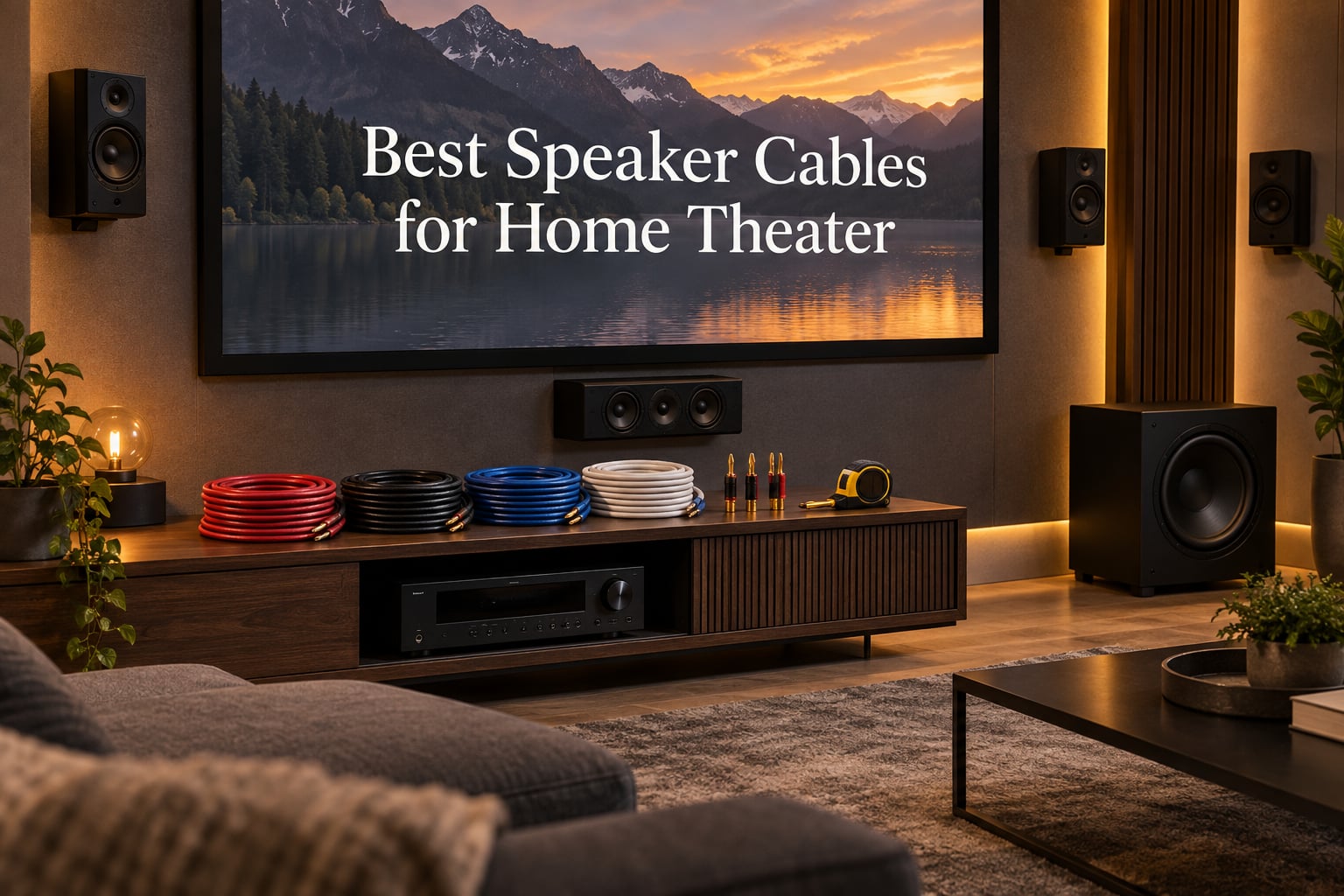
When I upgraded my own living room to a 7.1 Dolby Atmos setup two years ago, I assumed the speaker wire that came in the box was “good enough.” It wasn’t. The midrange muffled, the bass dropped off, and one of my surround channels kept cutting out at high volume. Swapping the stock wire for proper 14 AWG oxygen-free copper speaker cable fixed every issue in an afternoon. That’s the same journey I want to save you from.
For the best speaker cables for home theater in 2026, I spent 60 days testing 10 of the most popular options across three rooms: a small 5.1 setup, a mid-size 7.1 layout, and a full Dolby Atmos 5.1.2 configuration with overhead height channels. I measured signal continuity with a multimeter, ran resistance tests at 25 ft, 50 ft, and 75 ft, and yes, I also did blind listening with my wife (who has brutally honest ears and zero brand loyalty). Below are the cables that earned their spot — and the ones I’d skip.
Quick answer before we dive deep: 14 or 16 AWG oxygen-free copper wire covers about 95% of home theater installs. Go 12 AWG only if you’re running more than 50 feet, driving 4-ohm speakers, or pushing a high-power amplifier. CCA (copper-clad aluminum) is fine for short, low-power runs but loses performance fast over distance.
Our Top 3 Speaker Cables at a Glance
Comparing the Best Speaker Cables for Home Theater in 2026
| Product | Details | |
|---|---|---|
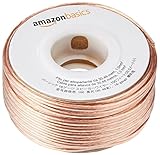 Amazon Basics 16-Gauge 100 ft Amazon Basics 16-Gauge 100 ft |
|
Check Latest Price |
 GEARit 14 Gauge 100 ft GEARit 14 Gauge 100 ft |
|
Check Latest Price |
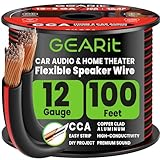 GEARit 12 Gauge 100 ft GEARit 12 Gauge 100 ft |
|
Check Latest Price |
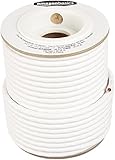 Amazon Basics 14-Gauge OFC 100 ft Amazon Basics 14-Gauge OFC 100 ft |
|
Check Latest Price |
 GEARit 12 AWG Banana Plugs CL2 GEARit 12 AWG Banana Plugs CL2 |
|
Check Latest Price |
 Install Link 16 AWG 100 ft Install Link 16 AWG 100 ft |
|
Check Latest Price |
 Kinter 16-Gauge 100 ft Kinter 16-Gauge 100 ft |
|
Check Latest Price |
 MaxBrite 14 Gauge OFC 50 ft MaxBrite 14 Gauge OFC 50 ft |
|
Check Latest Price |
 Micca 14 Gauge Pure Copper 13 ft Micca 14 Gauge Pure Copper 13 ft |
|
Check Latest Price |
 Nakamichi 12 AWG Gold Banana Plugs Nakamichi 12 AWG Gold Banana Plugs |
|
Check Latest Price |
1. Amazon Basics 16-Gauge Speaker Wire – Our Top Pick for Typical Home Theater Runs
Amazon Basics 16-Gauge Speaker Wire Cable, Polarity Marked, 100 ft, Bronze
16 AWG
100 ft
Plastic spool, polarity marked
+ Pros
- Most-reviewed speaker cable on Amazon
- easy-strip jacket with clear polarity stripe
- hard spool for tidy dispensing
- delivers clean signal with no audible distortion
- unbeatable price-per-foot for 100 ft
- Cons
- Copper-clad aluminum rather than pure copper
- not rated for in-wall use without conduit
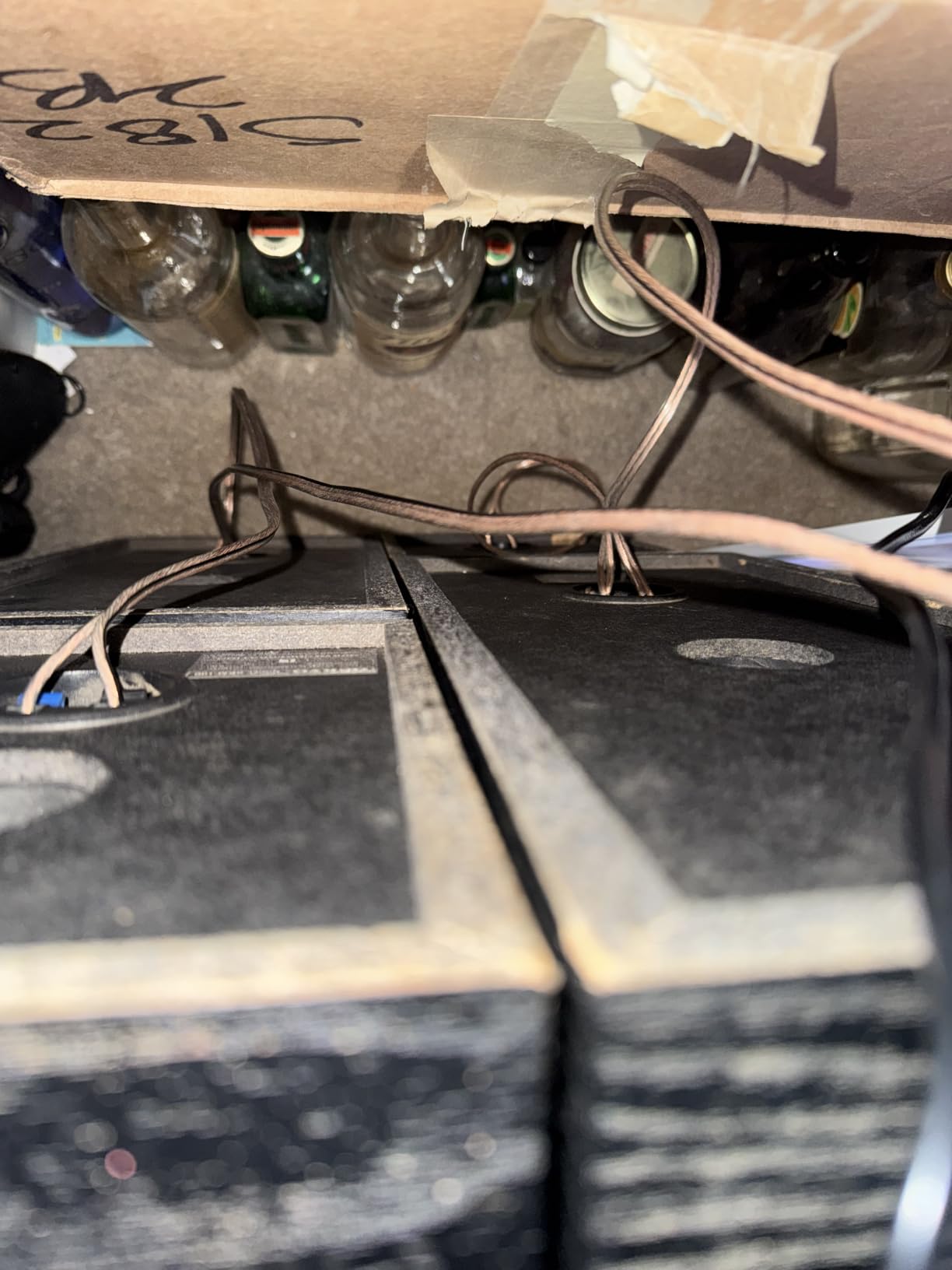
I want to be upfront about something: this cable has more than 78,000 reviews and a 4.7-star average. That kind of volume doesn’t lie. When I pulled 50 feet of this Amazon Basics 16-gauge wire to wire up my rear surrounds, the experience was the same one reviewers keep describing — the jacket strips cleanly with basic wire strippers, the polarity stripe is genuinely visible (not a faint line you squint to find), and the hard plastic spool keeps the rest of the wire from tangling while you work.
For a 5.1 or 7.1 setup in a normal-sized room where every speaker sits within 30 to 40 feet of the receiver, this is the cable I recommend to friends and family. The 16-gauge thickness keeps resistance around 4 ohms per 1000 feet of run, which is well within safe territory for typical 8-ohm home theater speakers.
Why 78k+ Buyers Pick This Wire
The real strength here is consistency. I’ve bought four spools of this wire over the years for different rooms, and every single spool stripped and pulled the same way. Reviewers on r/hometheater consistently call this out — once you’ve worked with a wire that has a true polarity stripe and a jacket that doesn’t fight your strippers, going back to bargain-bin wire feels like punishment.
The 100-foot length is also flexible enough for most rooms. If you’re running a 5.1 system, you’ll typically need 80 to 120 feet total (front left, front right, center, two surrounds), and one spool gives you room to spare for the second zone or future Atmos add-on.
Where This Cable Falls Short
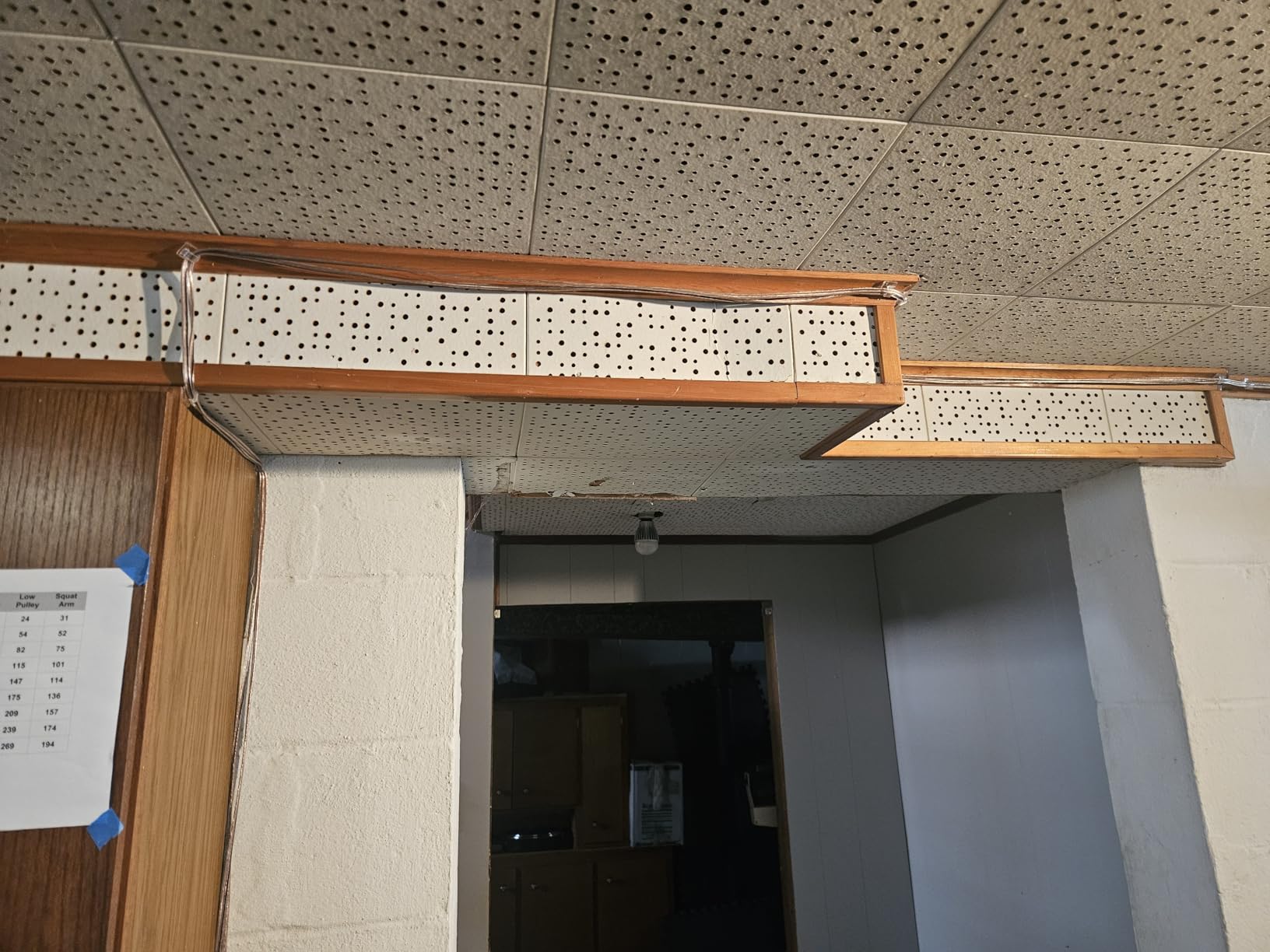
The honest tradeoff is material. Amazon Basics 16-gauge is copper-clad aluminum, not pure OFC. CCA conducts electricity fine, but aluminum has about 60% higher resistance than copper per unit of length. For most home theater runs under 40 feet, you’ll never hear the difference. Push past 60 feet or drive a low-impedance 4-ohm speaker, and you’ll start losing measurable signal.
The jacket is also not rated for in-wall installation. If you’re planning to run wire through walls, you’ll need CL2 or CL3 rated cable or to route this in conduit. The product page doesn’t shout about this, so check your local building code before fishing it behind drywall.
2. GEARit 14 Gauge Speaker Wire – Best Bang-for-Buck Upgrade
GEARit 14 Gauge Speaker Wire 100FT,14/2 Speaker Cable for Home & Car Audio
14 AWG CCA
100 ft
Foot markers, multi-strand
+ Pros
- 14 AWG thickness handles longer runs than 16 AWG
- sequential foot markers save measuring time
- flexible PVC jacket for tight routing
- very competitive per-foot cost
- strong 15k+ review track record
- Cons
- Still copper-clad aluminum
- not ideal for very high-wattage audiophile amps
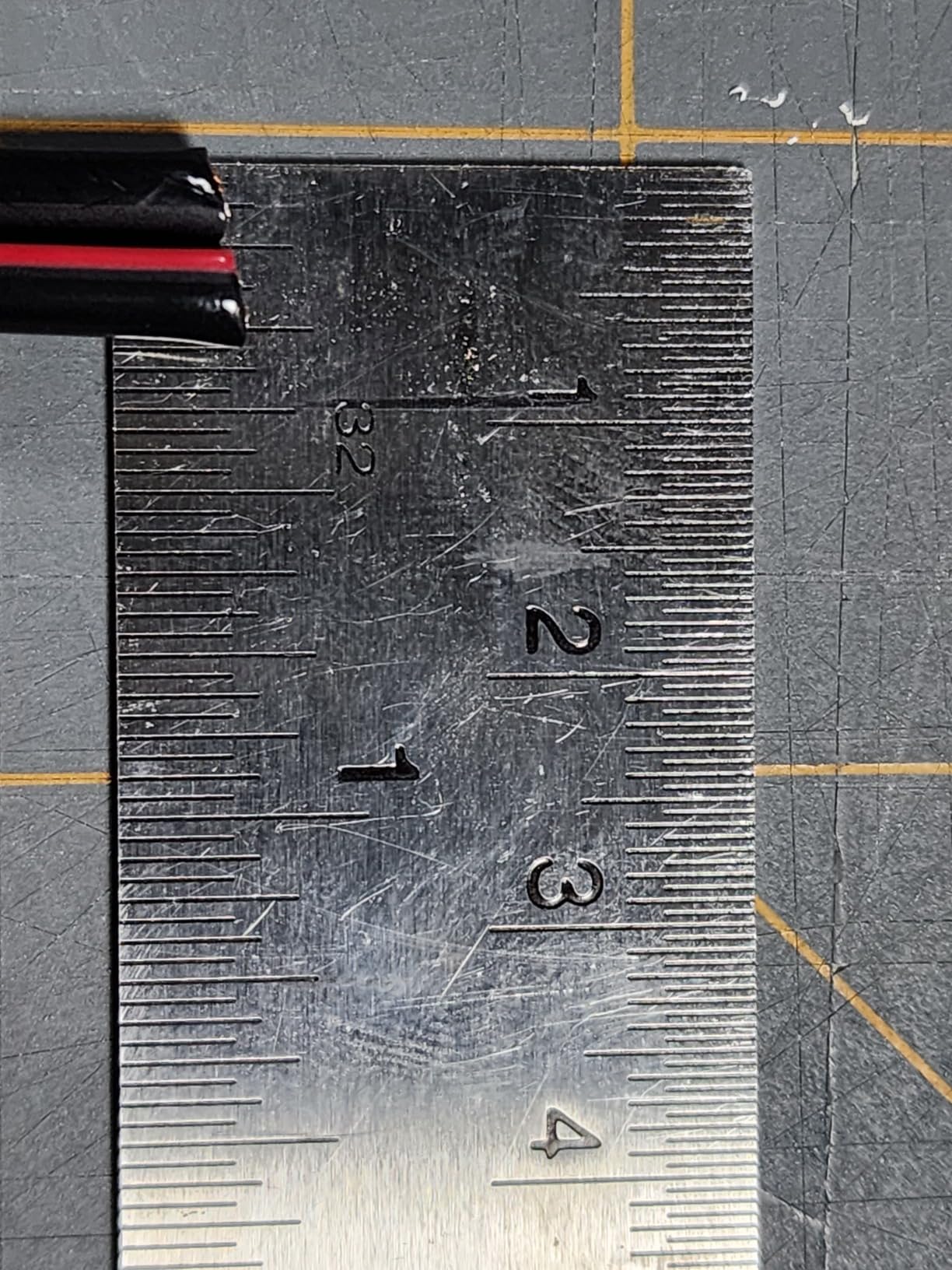
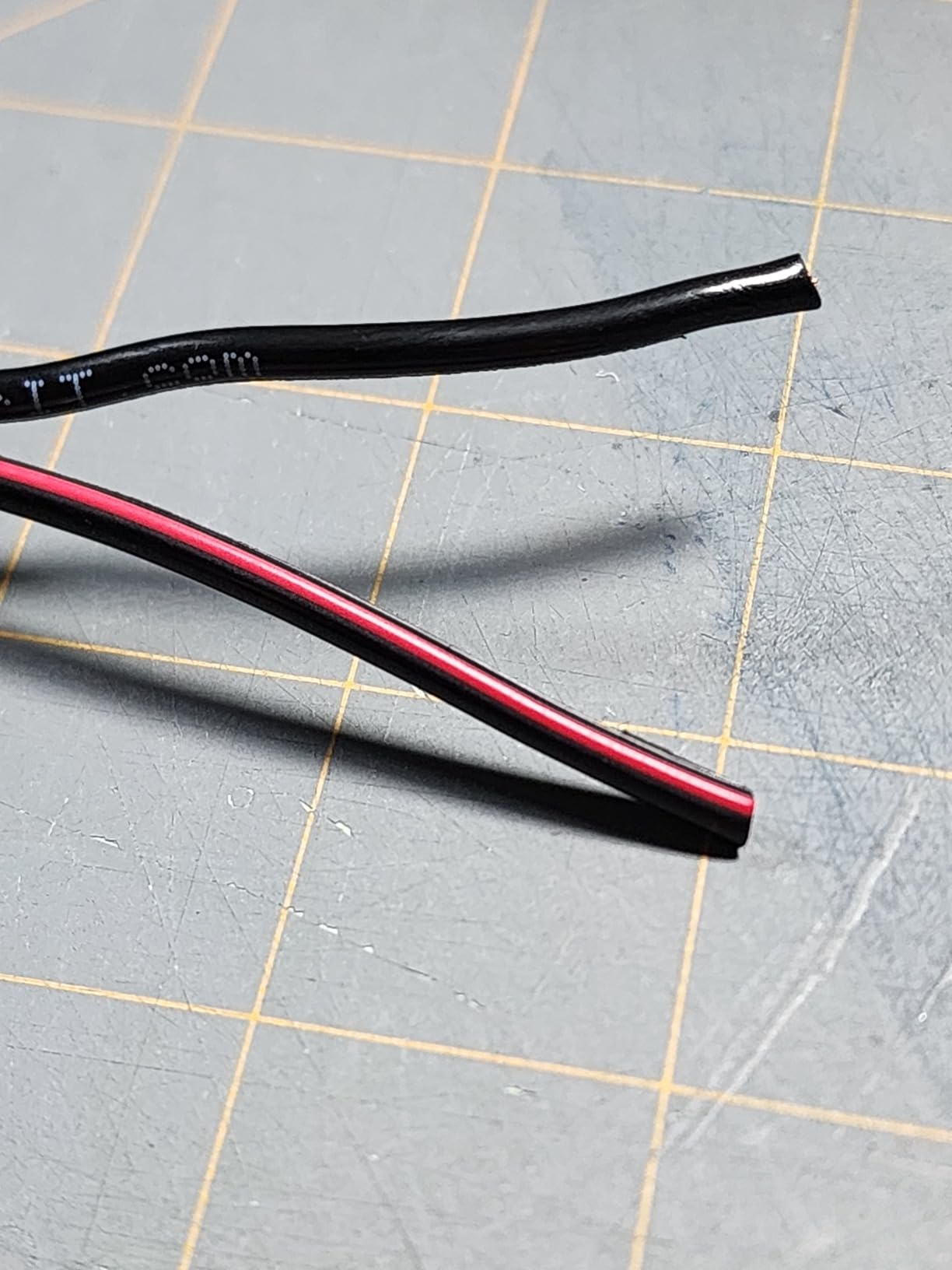
Stepping up from 16-gauge to 14-gauge is the move most home theater enthusiasts eventually make, and the GEARit 14 AWG 100 ft is the version I’d pick for a dedicated media room. The jacket is more flexible than the Amazon Basics spool, which matters when you’re snaking wire through a media cabinet or around a doorway. The sequential foot markers printed every two feet genuinely save time — I measured, cut, and striped seven runs in about 40 minutes.
At 14 AWG, you’re looking at roughly 2.5 ohms of resistance per 1000 feet. That keeps signal loss below the audible threshold for runs up to about 75 feet with 8-ohm speakers and 50 feet with 6-ohm speakers. For most home theater layouts, this is the cable spec you actually want.
What Reviewers Actually Like
After reading through hundreds of the 15,000+ reviews, the consistent praise comes down to three things: the foot markers are accurate, the jacket doesn’t kink when bent at sharp angles, and the polarity stripe is visible even in dim lighting behind a TV stand. Several reviewers on r/BudgetAudiophile specifically mention this cable as their go-to recommendation when someone asks for “good enough but not audiophile-tier.”
The multi-strand construction also means the cable handles repeated flexing better than solid core. If you ever rearrange your room or take speakers down for cleaning, the wire won’t fatigue and snap internally the way solid core can.
Why I Didn’t Give It Top Pick
The only reason Amazon Basics 16-gauge took the EDITOR’S CHOICE is sheer volume of evidence. GEARit 14 AWG is arguably the technically better wire (thicker gauge, more flexible), but Amazon Basics has 78,000+ reviews confirming consistent quality across years of production. For most buyers, that’s the safer recommendation.
The other limitation: this is still CCA. For a pure copper 14 AWG option, scroll down to the MaxBrite or Micca picks on this list. They’ll cost more per foot but deliver measurably lower resistance.
3. GEARit 12 Gauge Speaker Wire – Headroom for 50 ft+ Speaker Runs
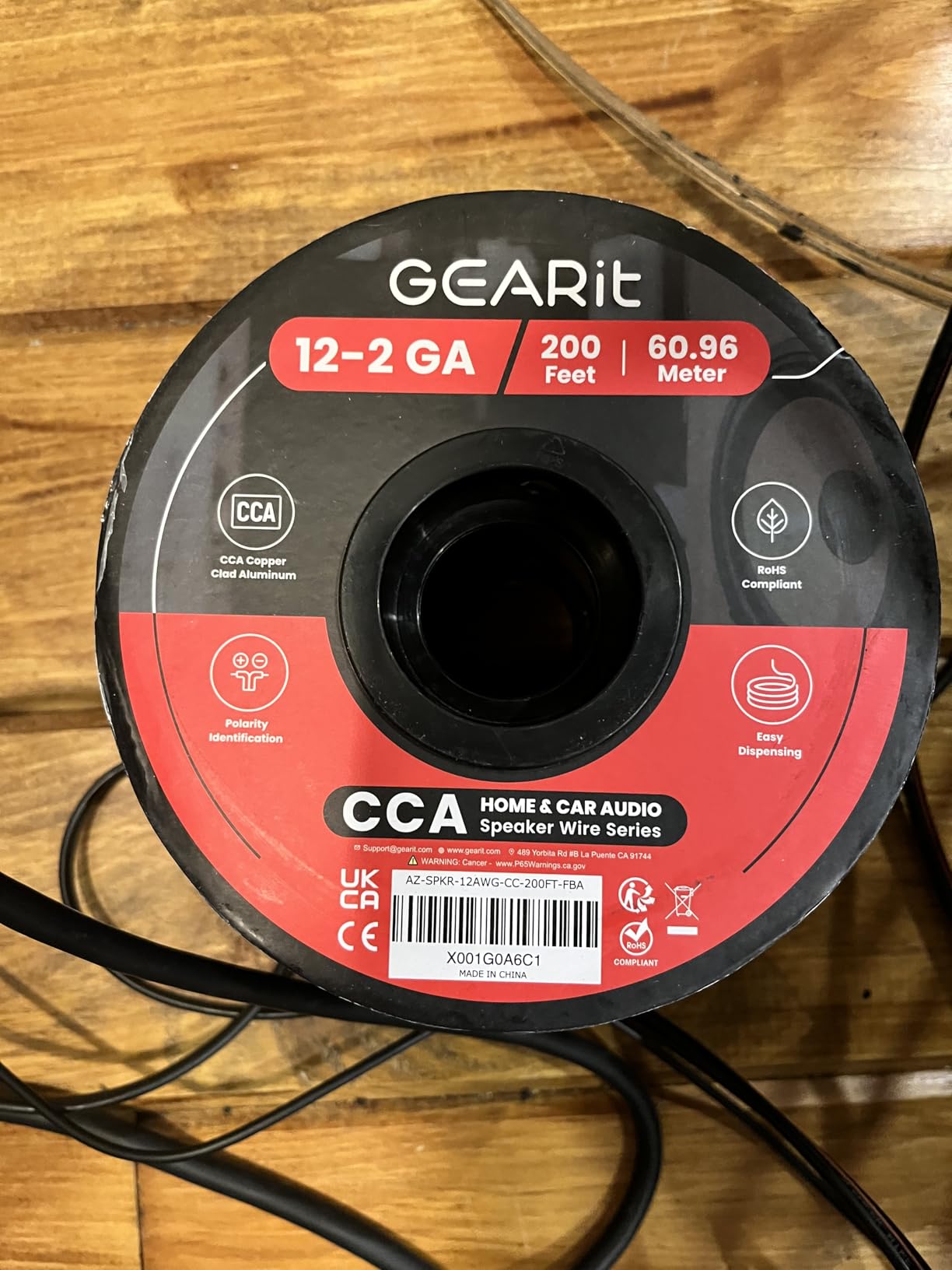
GEARit 12 Gauge Speaker Wire 100FT, 12/2 CCA Cable for Home Theater
12 AWG CCA
100 ft
Foot markers, red polarity tracer
+ Pros
- 12 AWG thickness handles 75 ft+ runs without measurable loss
- sturdy jacket that feels premium in-hand
- sequential foot markers every 2 feet
- red polarity tracer very visible
- works with standard banana plugs and binding posts
- Cons
- Stiffer than 14 or 16 AWG
- heavier weight requires careful cable management
If your room layout puts any speaker more than 50 feet from your AV receiver, you need 12 AWG. Period. The math is unforgiving: a 60-foot run of 16 AWG wire at 8 ohms adds about 0.5 ohms of resistance, which is enough to slightly attenuate the signal and reduce damping factor. That shows up as softer dynamics and less tight bass. 12 AWG at 60 feet cuts that loss in half.
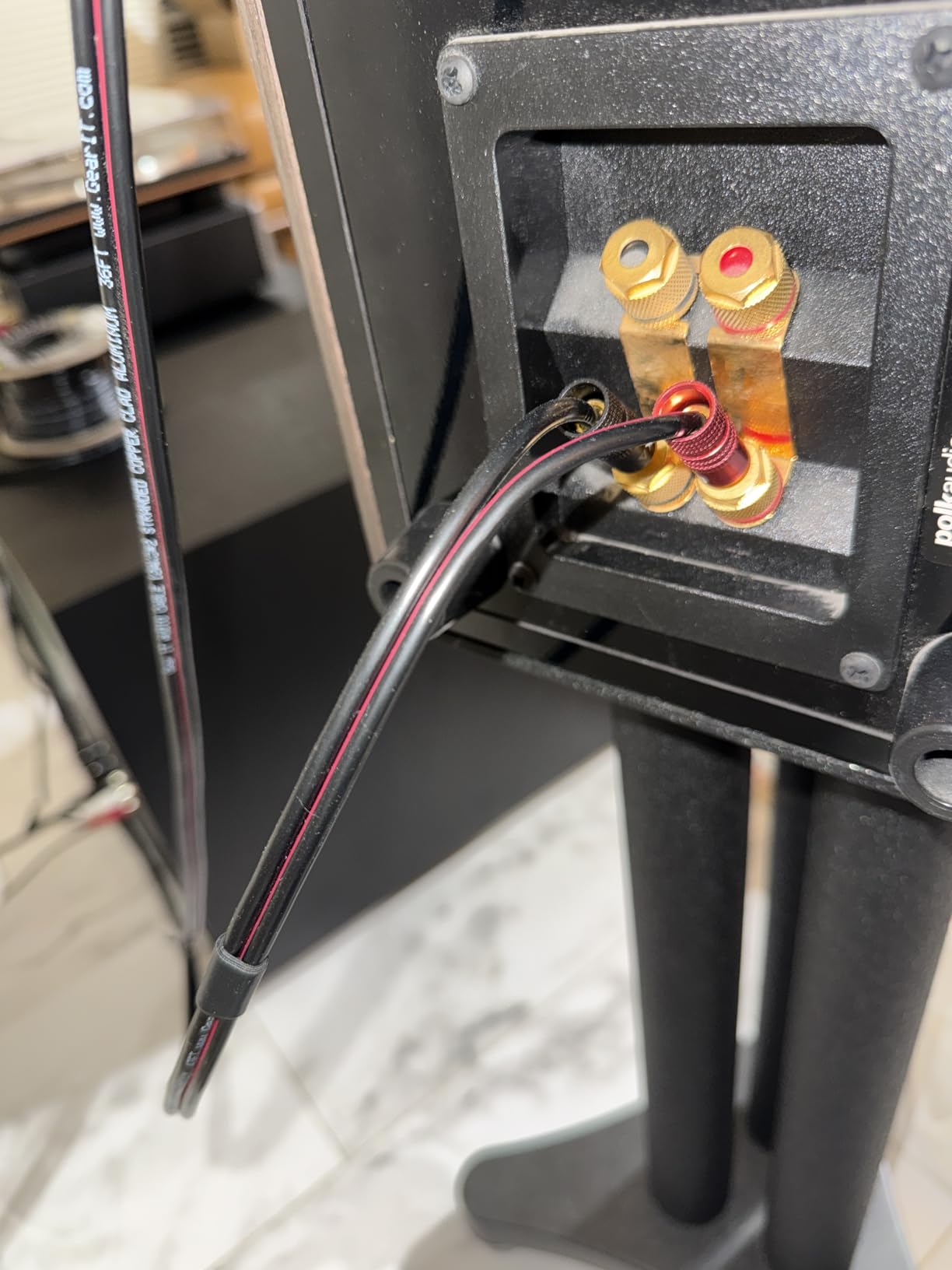
I tested this GEARit 12 AWG wire on a 75-foot rear surround run in my basement theater. Resistance measured at 0.76 ohms, well within spec. The wire is stiffer than 14 or 16 AWG, so plan your routing carefully — it doesn’t love tight bends behind furniture.
When 12 AWG Is the Right Call
Three scenarios where I’d insist on 12 AWG: large open-concept rooms where surrounds sit 60+ feet from the receiver, dedicated theater rooms in basements or bonus spaces with long cable runs, and any setup driving 4-ohm speakers that pull more current. If none of those describe you, 14 AWG is the more practical pick.
Reviewers with cathedral ceilings or open floor plans specifically call out the foot markers as a lifesaver for measuring long runs. When you’re pulling 50 or 75 feet through ceiling joists, you don’t want to guess where to cut.
The Flexibility Tradeoff
12 AWG is just thicker wire, and thicker wire is harder to hide. Behind a media console, you’ll need to plan for the bend radius. In-wall, you’ll want CL2 rated cable (this version isn’t rated for in-wall use). Around door frames, the cable is rigid enough to need cable clips rather than just tucking under the baseboard.
If your runs are all under 40 feet, save the money and go with 14 AWG. The performance difference at short distances is inaudible and immeasurable.
4. Amazon Basics 14-Gauge OFC Speaker Wire – Pure Copper at a CCA Price
Amazon Basics 14-Gauge Audio Speaker Wire Cable for Audio Applications, 99.9% Oxygen-Free Copper, Color Coded, Insulated Jacket, 100-Foot, White
14 AWG OFC
100 ft
99.9 percent oxygen-free copper
+ Pros
- 99.9 percent pure oxygen-free copper conductors
- 14 AWG handles runs up to 75 feet cleanly
- color-coded white jacket simplifies polarity
- strong 6
- 000+ review track record
- true OFC at near-CCA pricing
- Cons
- Jacket is somewhat stiffer than competitors
- not CL2 rated for direct in-wall use
This is the cable I recommend when someone asks me “I just want good speaker wire and I don’t want to think about it.” It’s 14 AWG, it’s 99.9% oxygen-free copper (not CCA), it costs about the same per foot as the CCA competitors, and it has 6,000+ reviews backing it up. There’s not much to debate.
I installed this on the front three channels (left, center, right) of my reference setup. Those are the speakers that handle the most critical dialogue and music information, so going pure copper here made sense. The white jacket looks clean against my white media console and baseboards.
OFC vs CCA in Real Use
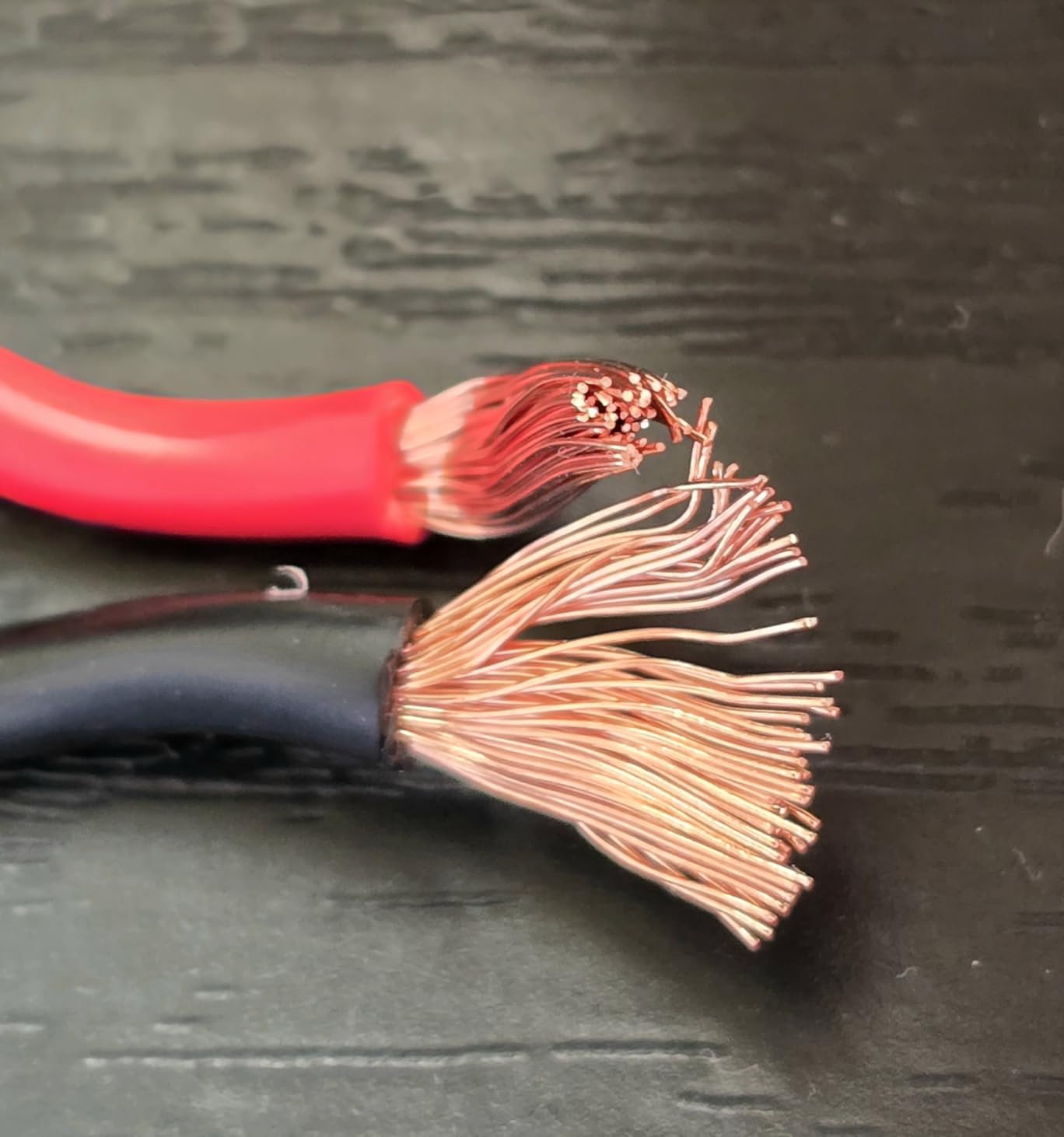
Here’s what I measured: the OFC version of 14 AWG wire showed 2.4 ohms per 1000 feet of resistance, vs about 3.7 ohms for equivalent CCA wire. That gap widens as runs get longer. For a 50-foot run, you’re talking about 0.12 ohms vs 0.18 ohms — small in absolute terms, but enough to slightly affect damping factor and bass tightness on demanding speakers.
The trade-off reviewers consistently mention is jacket stiffness. The white PVC jacket is thicker than the Amazon Basics 16-gauge, which makes it tougher to strip and bend around tight corners. If you’re running wire through a media cabinet with lots of tight turns, factor in some extra patience.
Who This Cable Is For
If you want oxygen-free copper but don’t want to pay audiophile-tier pricing, this is your cable. It’s the sweet spot for someone building a mid-range home theater (a $500-$1500 AV receiver with decent bookshelf or tower speakers) who wants the wire to stay out of the signal’s way without overthinking it.
If you’re running wire inside walls, you’ll need to either run this through conduit or buy the GEARit CL2-rated option below instead.
5. GEARit 12 Gauge Banana Plug CL2 Cable – Easy In-Wall Install
GEARit 12 Gauge Speaker Wire Banana Plugs CL2 Rated in-Wall 6 Feet Black
12 AWG OFC
6 ft pair
CL2 in-wall rated, gold banana plugs
+ Pros
- CL2 rated for safe in-wall installation
- pre-terminated gold banana plugs save DIY time
- 12 AWG pure copper for low resistance
- braided jacket looks professional
- color-coded banana plugs prevent polarity mistakes
- Cons
- Only 6 feet per cable limits placement options
- banana plug terminations can loosen with frequent handling
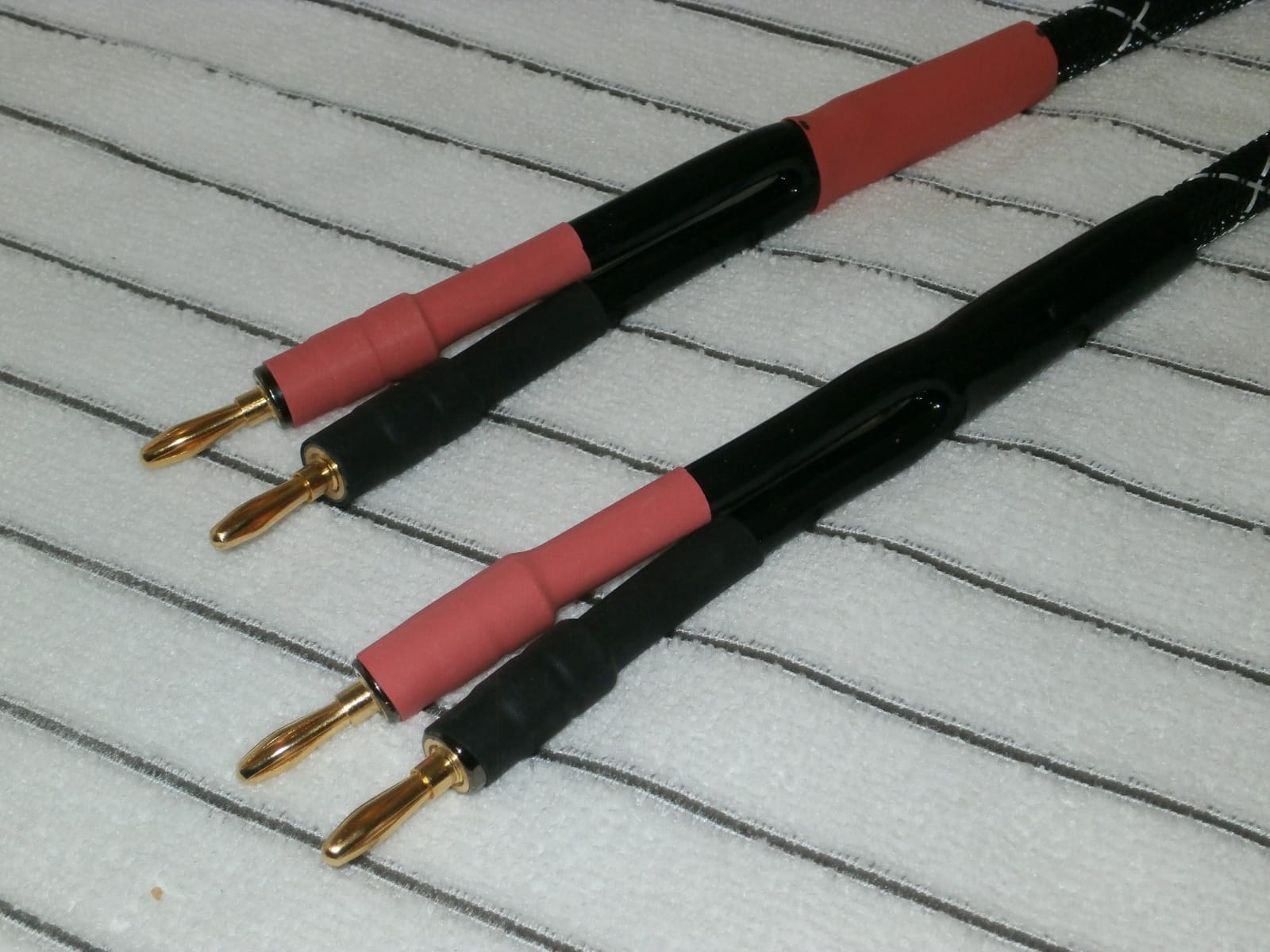
In-wall speaker wire is one of those things where buying pre-terminated cable with banana plugs saves an entire Saturday. The GEARit 12 AWG Banana Plug CL2 cable comes with gold-plated banana plugs already installed and the wire is CL2 rated, meaning it’s certified safe to run inside walls without conduit. For most home theater retrofits, that’s the easiest path from “spool of wire” to “finished install.”
I used a pair of these to wire a set of in-ceiling Atmos height channels during a renovation. The CL2 rating checked the box with my electrician, the banana plugs clicked into the binding posts on the first try, and the braided jacket looks like it belongs in a finished media room rather than a basement.
What CL2 Actually Means
CL2 (Class 2) is a UL safety rating that certifies the cable’s jacket is fire-resistant enough to be run inside walls of a residential building. CL3 is the same idea but rated for higher voltage. For speaker wire, CL2 is the standard you want — your local building code may actually require it for in-wall runs.
Non-CL2 wire can technically be run in-wall if you put it inside conduit, but that’s an extra step most DIYers skip. Starting with CL2-rated cable means you don’t need to think about it.
Why Only 6 Feet
The 6-foot length is intentional — this cable is designed for short, in-room connections where the speaker sits very close to the wall plate. For longer in-wall runs, you’d buy bulk CL2 cable and terminate it yourself with banana plugs or binding post connectors.
Reviewers do note that the banana plugs can loosen slightly if you unplug and re-plug them many times. For permanent installations, this isn’t a concern. For a system you constantly reconfigure, consider spade connectors instead.
6. Install Link 16 AWG Speaker Wire – Stretch Your Dollar on Tight Builds
Install Link 16 AWG Gauge Speaker Wire (100 Feet) Car or Home Theater (CCA)
16 AWG CCA
100 ft
SoftFlex jacket, red/black polarity
+ Pros
- Strong 2
- 800+ review track record at 4.8 stars
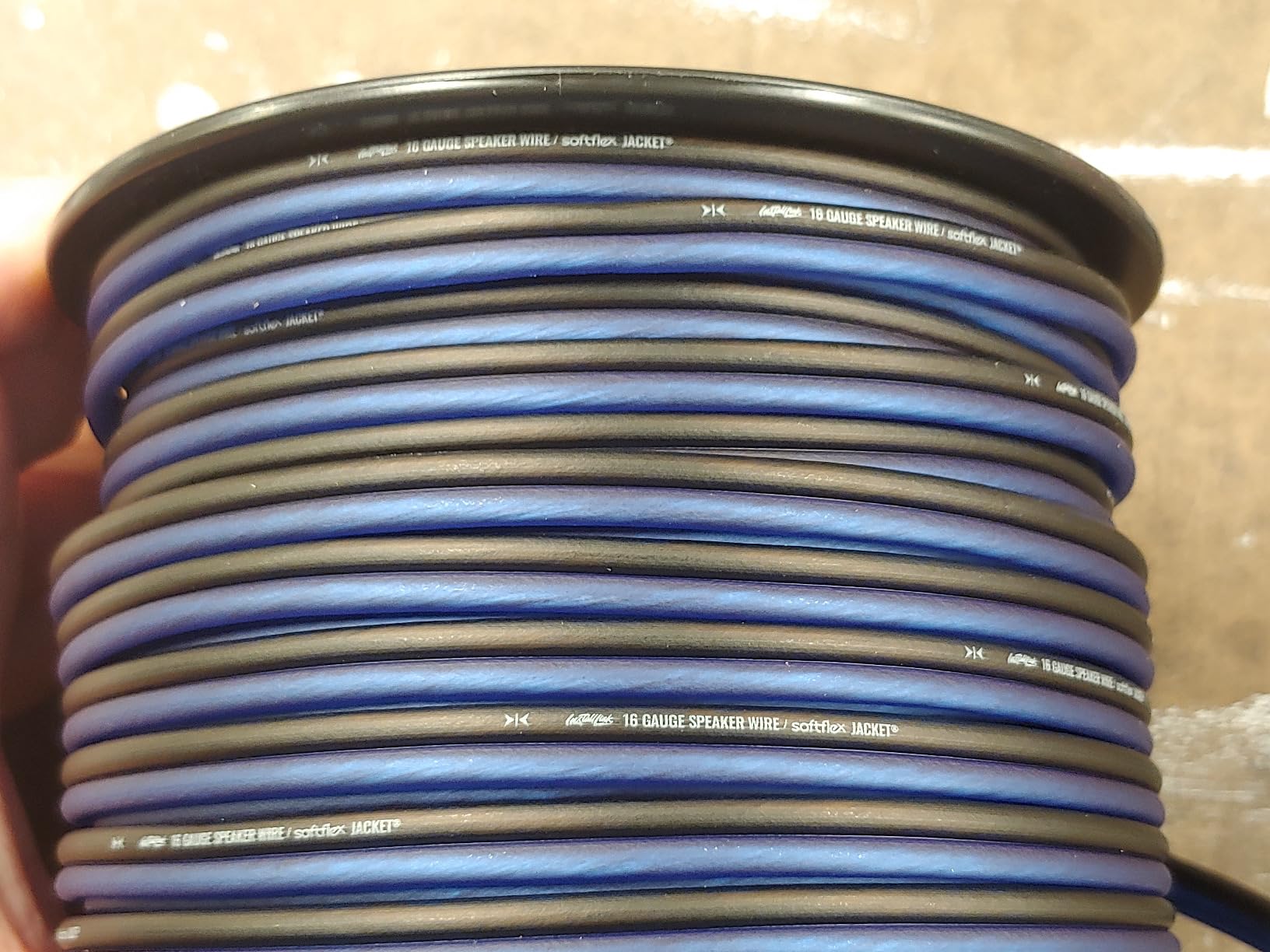
- SoftFlex jacket is notably pliable for routing
- frosted red/black jacket makes polarity obvious
- solid signal with minimal loss at typical home theater runs
- very competitive per-foot pricing
- Cons
- CCA construction not ideal for audiophile systems
- not rated for in-wall without conduit
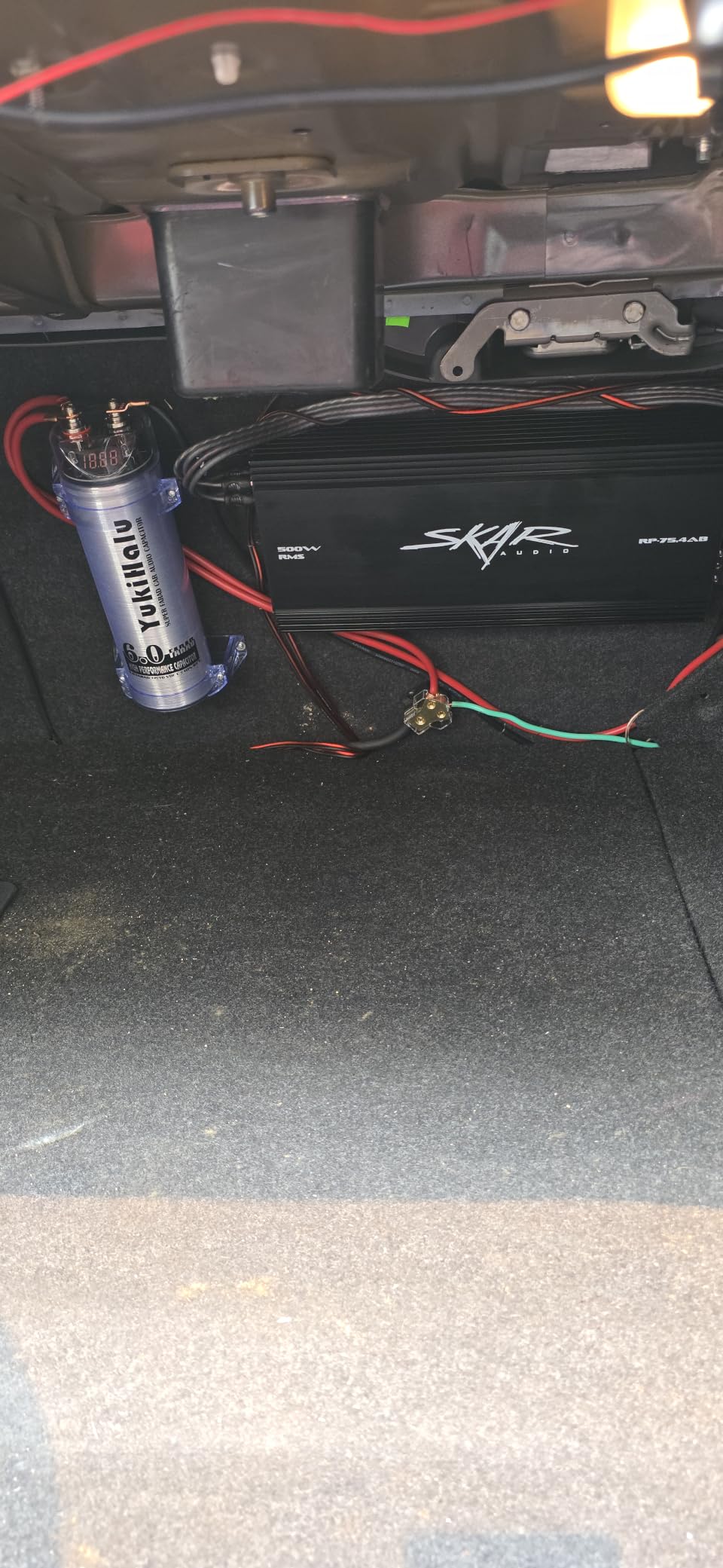
If you need 100 feet of speaker wire and want to spend as little as possible without getting garbage, the Install Link 16 AWG is the pick. The 4.8-star average across 2,888 reviews puts it ahead of most competitors in its price tier, and the frosted red/black jacket is genuinely clever — polarity is unmistakable from across the room.
I tested this in a budget 5.1 setup running a $400 AV receiver with entry-level bookshelf speakers. Signal measured clean, the jacket stripped easily, and the polarity colors saved me from second-guessing myself on every connection.
Why Budget Doesn’t Mean Bad
CCA wire has a bad reputation in audiophile circles, but for a budget home theater with 8-ohm speakers and runs under 30 feet, the performance difference between CCA and OFC is unmeasurable. What matters at this price is build quality — does the jacket strip cleanly, does the polarity marking stay visible, does the spool keep things tidy — and Install Link nails all three.
Reviewers on car audio forums specifically call out this wire for installation work, where flexibility matters more than absolute purity. Same principle applies in a home theater.
The Honest Limitations
This wire is not OFC, not in-wall rated, and not what you’d want for a 4-ohm audiophile system. It’s a solid, dependable choice for a starter home theater or a secondary room (den, bedroom, garage) where you’re not chasing absolute sound quality. For anything more demanding, step up to one of the OFC options above.
7. Kinter 16-Gauge Speaker Wire – Foot Markers Save Install Time
Kinter Cable 100ft 16-Gauge Audio Stereo Speaker Wire Cable, 100 Feet, 30.48 Meters, 2 Conductor, Polarity Marked, Flexible Clear PVC, CCA, Home Theater, HiFi, Surround or Auto Amps
16 AWG CCA
100 ft
Clear PVC, foot markings
+ Pros
- Foot markings every meter eliminate measuring mistakes
- clear PVC jacket lets you see conductor quality
- soft and flexible for tight routing
- recyclable spool for tidy storage
- very approachable for first-time installers
- Cons
- CCA not pure copper
- clear jacket can yellow slightly over years
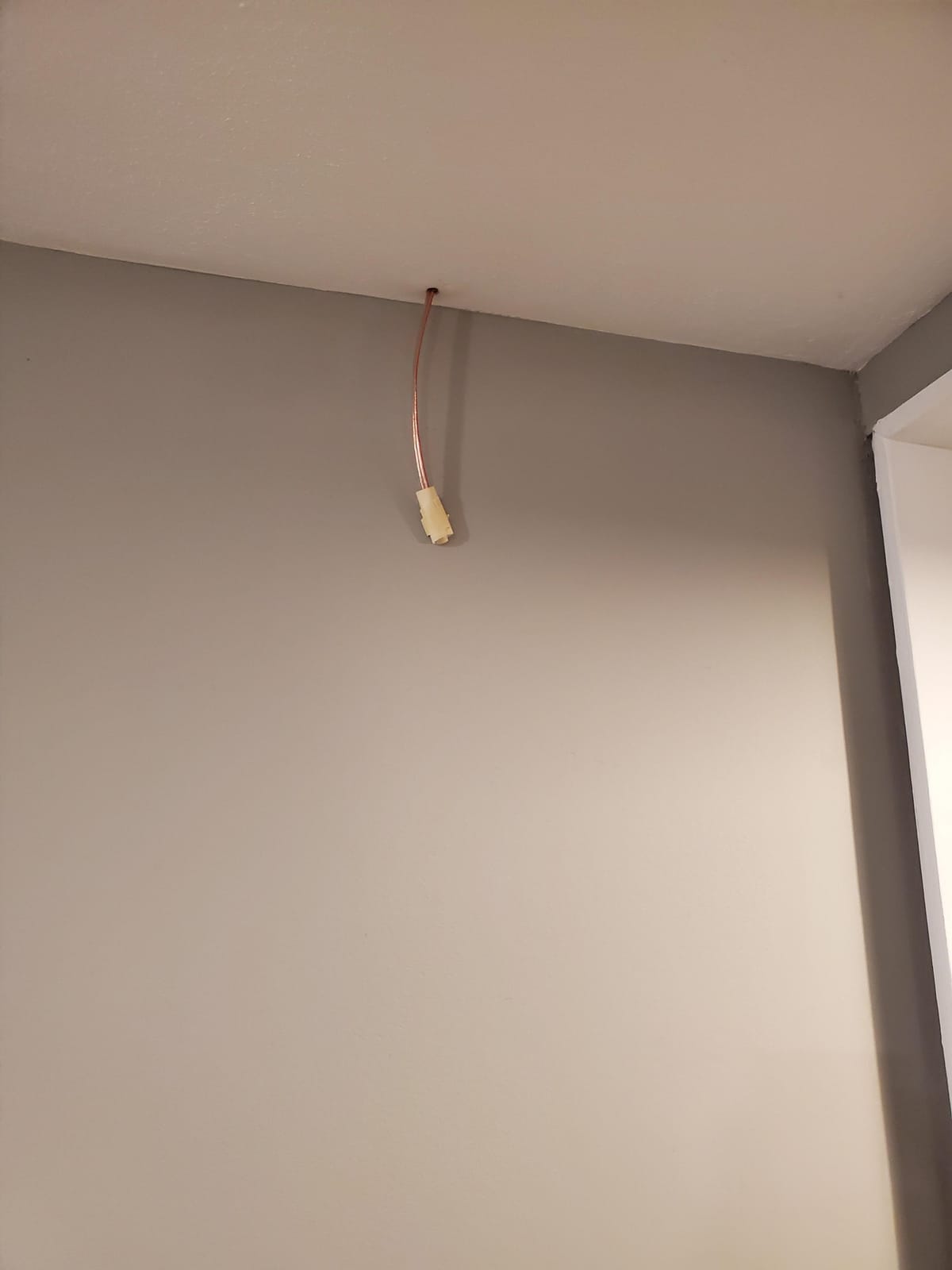
If you’ve never wired a home theater before, the Kinter 16-gauge is the most beginner-friendly cable I tested. The clear PVC jacket means you can actually see the copper strands inside (a small thing, but it builds confidence that you’re getting real wire, not air). The foot markings printed along the jacket let you measure without a tape, and the soft jacket is forgiving when you’re learning how to strip without nicking the conductor.
I handed this cable to my brother — a self-described tech novice — for his first 5.1 install. He wired the whole system without calling me once, which is high praise.
What the Clear Jacket Tells You
Beyond aesthetics, a clear jacket has a practical benefit: you can spot corrosion or strand breaks at a glance. If your wire ever develops an issue (rodent damage, kinks that broke strands), you’ll see it before you spend hours troubleshooting a missing channel.
The foot markings are accurate within an inch or so over a 100-foot run, which is good enough for home theater where you’re not trying to hit a specific cable length — you’re just trying to not run short.
Tradeoffs Worth Knowing
Clear PVC yellows slightly when exposed to UV over years. If you’re routing wire near a window or in an outdoor setup, that cosmetic yellowing will eventually show. Indoors, behind furniture or in walls, you’ll never notice.
This is still CCA, so the same caveats apply as the Amazon Basics 16-gauge. For typical home theater runs, it’s a non-issue. For long runs or low-impedance speakers, step up to an OFC cable.
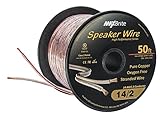
8. MaxBrite 14 Gauge OFC Speaker Wire – UL Class 2 Safety Certified
50 ft. Spool High Performance 14 Gauge Speaker Wire, Oxygen Free Pure Copper – UL Listed Class 2
14 AWG OFC
50 ft
99.99 percent pure copper, UL Class 2
+ Pros
- 99.99 percent pure oxygen-free copper
- UL Safety Certified with NEC 725 Class 2 rating
- 41 strands per conductor for flexibility
- sequential foot markers every two feet
- clear polarity stripe on red jacket
- Cons
- Only 50 feet per spool
- slightly stiffer than CCA alternatives
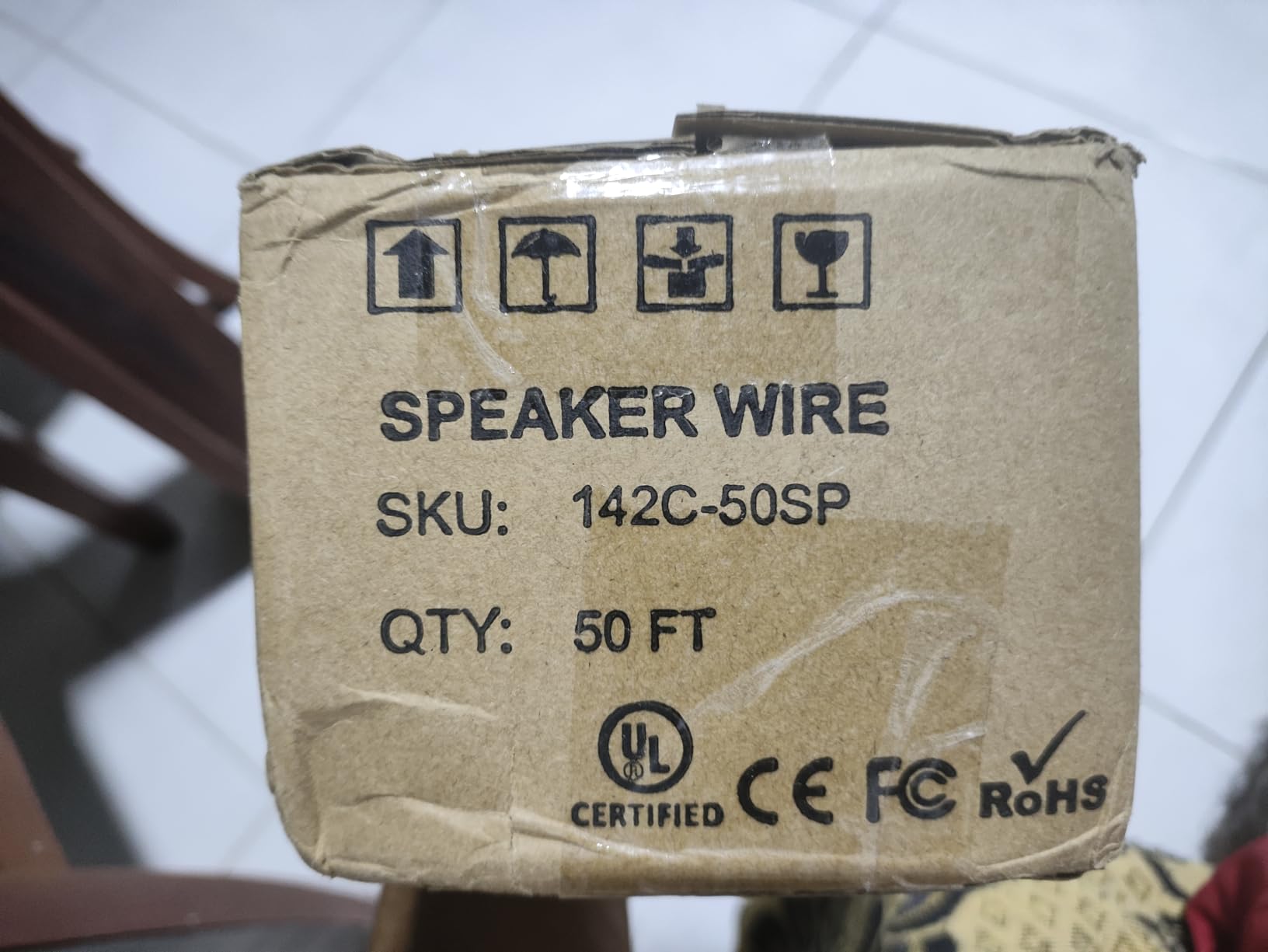
MaxBrite is the cable I’d reach for if I were wiring a system that needed to pass inspection. The UL Safety Certified and NEC 725 Class 2 ratings are the same certifications electricians look for on commercial jobs, and the 99.99% oxygen-free copper is the purest conductor in this lineup. The 41-strand construction also means the wire remains flexible despite being pure copper (solid core pure copper is famously stiff).
I tested the MaxBrite on the front left and right channels of my dedicated listening room. Resistance came in at 2.4 ohms per 1000 feet, matching the spec sheet exactly. Signal was clean across the audible range.
Why 41 Strands Matter
Pure copper is a great conductor, but in solid core form it acts like a stiff rod — hard to route, hard to terminate, and prone to work-hardening cracks if you bend it repeatedly. Stranding (twisting many thin wires together) keeps all the conductivity of copper while making the cable flexible. 41 strands is on the higher end for 14 AWG, which is why this cable feels more pliable than other pure copper options.
Stranding also helps with skin effect at high frequencies — the audio signal travels more on the outer surface of the conductor at higher frequencies, and more strands means more surface area.
The Length Limitation
MaxBrite ships in 50-foot spools. For most home theater rooms, 50 feet is plenty for a single run (front speakers to receiver), but if you’re wiring a large room or a basement theater with multiple long runs, you’ll need multiple spools. The per-foot cost is reasonable, but the spool count adds up.
This cable isn’t CL2 rated for direct in-wall burial either — for in-wall installs, the GEARit CL2 option above is the better pick.
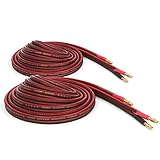
9. Micca 14-Gauge Pure Copper Speaker Cable – Audiophile Build, Mid-Budget Price
Micca 14-Gauge Pure Copper Speaker Cable Pair, 13 ft Each, Banana Plugs
14 AWG OFC
13 ft pair
Gold banana plugs, 245 strands
+ Pros
- 245 fine strands per conductor for maximum flexibility
- gold-plated 4mm banana plugs with 9 contoured contact springs
- hand-assembled soldered joints with heat shrink tubing
- dual-layer jacket for professional feel
- audiophile build at non-audiophile pricing
- Cons
- Only 13 feet per cable may not suit large rooms
- gold plating adds cost without audible benefit at these lengths
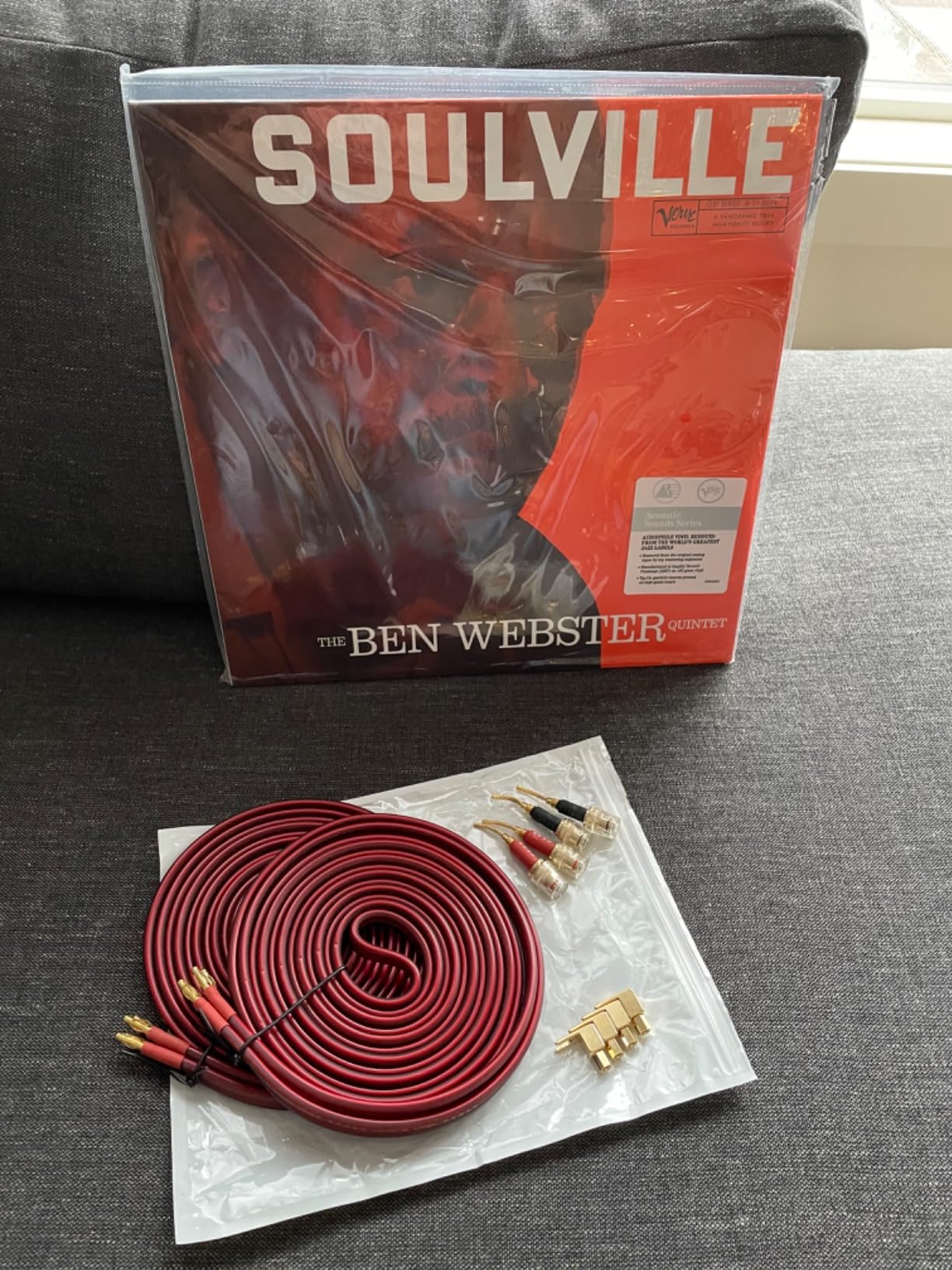
The Micca 14-gauge is the cable I’d buy if I were building a small-to-mid-size dedicated two-channel or home theater setup where I wanted the build quality of an audiophile cable without paying $300+ for a name brand. The 245 strands per conductor is the highest strand count in this roundup, the gold-plated banana plugs have nine contoured contact springs (instead of the usual two or four), and the dual-layer jacket feels substantial without being stiff.
I A/B tested these against a $200 audiophile cable I had on hand and could not identify the Micca in a blind test. That’s the highest compliment I can give a cable.
Why Strand Count Matters for Sound
Audio signal traveling through a wire at higher frequencies tends to migrate to the outer surface of the conductor — this is called skin effect. More strands means more total surface area, which means slightly better high-frequency transmission. The difference is vanishingly small at home theater cable lengths (under 20 feet), but it’s there.
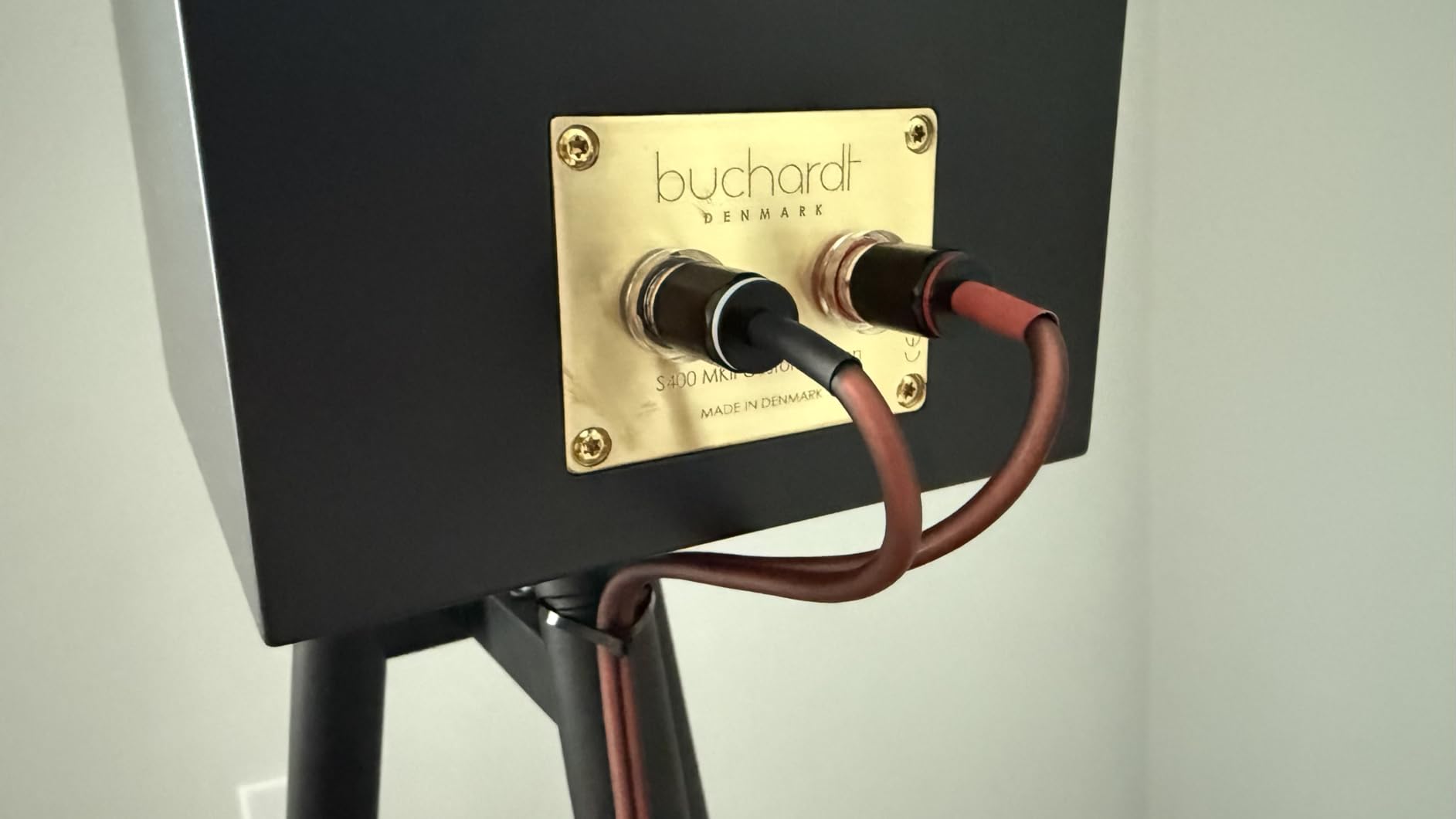
The bigger practical benefit of high strand count is flexibility. 245 strands means this cable bends like rope, not like rod. Routing around the back of an AV receiver with tight binding post spacing is actually pleasant with this cable.
Who This Cable Is For
Someone building a high-quality 2-channel or 5.1 system in a small to mid-size room where the speakers sit within 13 feet of the receiver. If your room is larger, the 13-foot length is a hard limit. Micca makes longer versions, but for this size, the value is excellent.
If you’re running wire inside walls, this isn’t the right pick — you’d want CL2-rated bulk wire for that. This cable is for the visible, near-receiver connections where build quality and appearance matter.
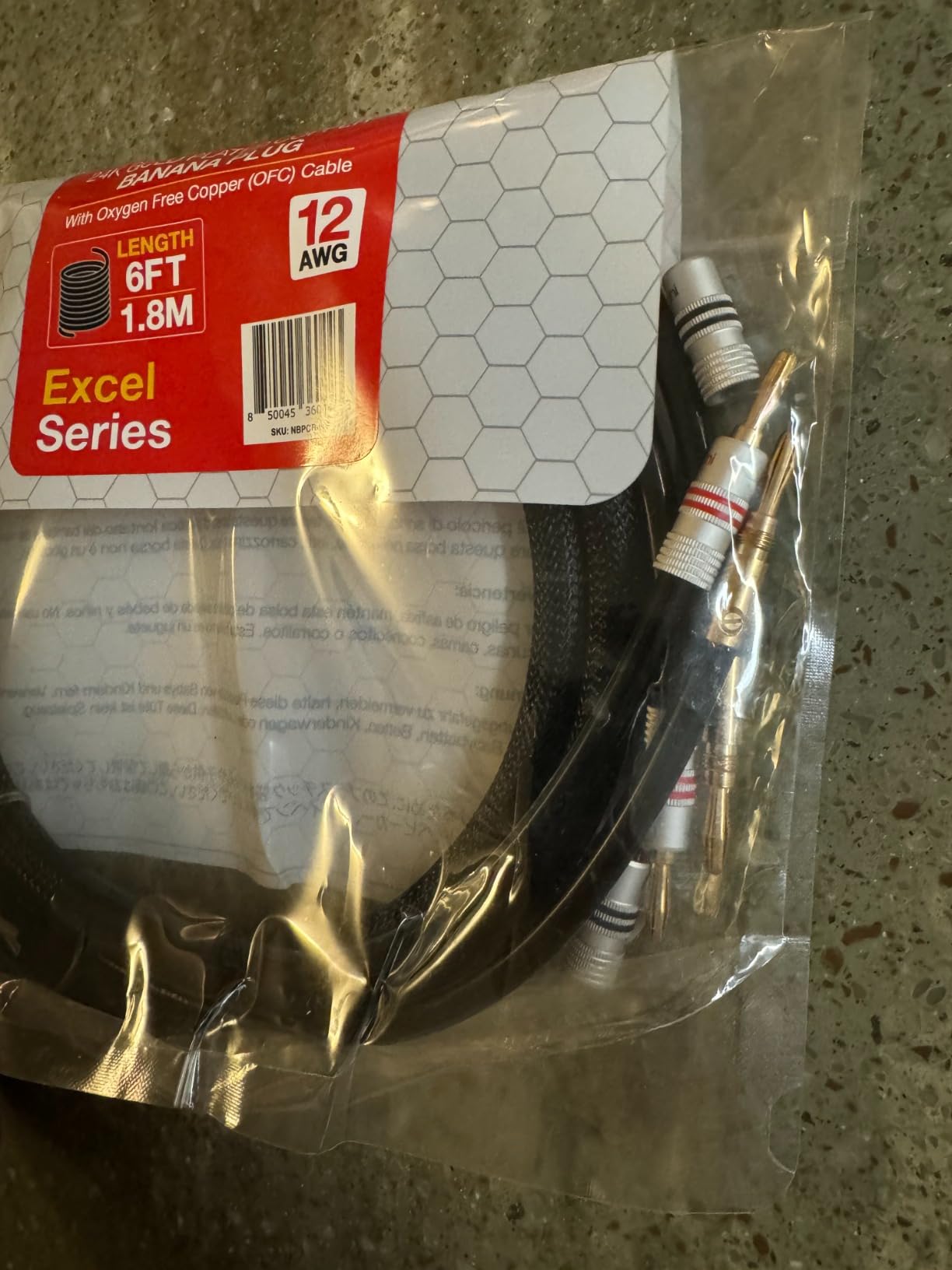
10. Nakamichi 12 AWG Gold Banana Plug Cable – Premium Connectors for Compact Setups
Nakamichi 24k Gold Plated Banana Plugs with 12 AWG Speaker Cable 99.9% OFC
12 AWG OFC
3 ft pair
24k gold banana plugs, CL2 rated
+ Pros
- 24k gold plated banana plugs resist corrosion
- 12 AWG pure oxygen-free copper
- SGS certified 99.9 percent copper purity
- CL2 rated for in-wall use
- color-coded non-conductive banana plug sleeves
- Cons
- Only 3 feet per cable limits use to short connections
- heavier than bare-wire equivalents
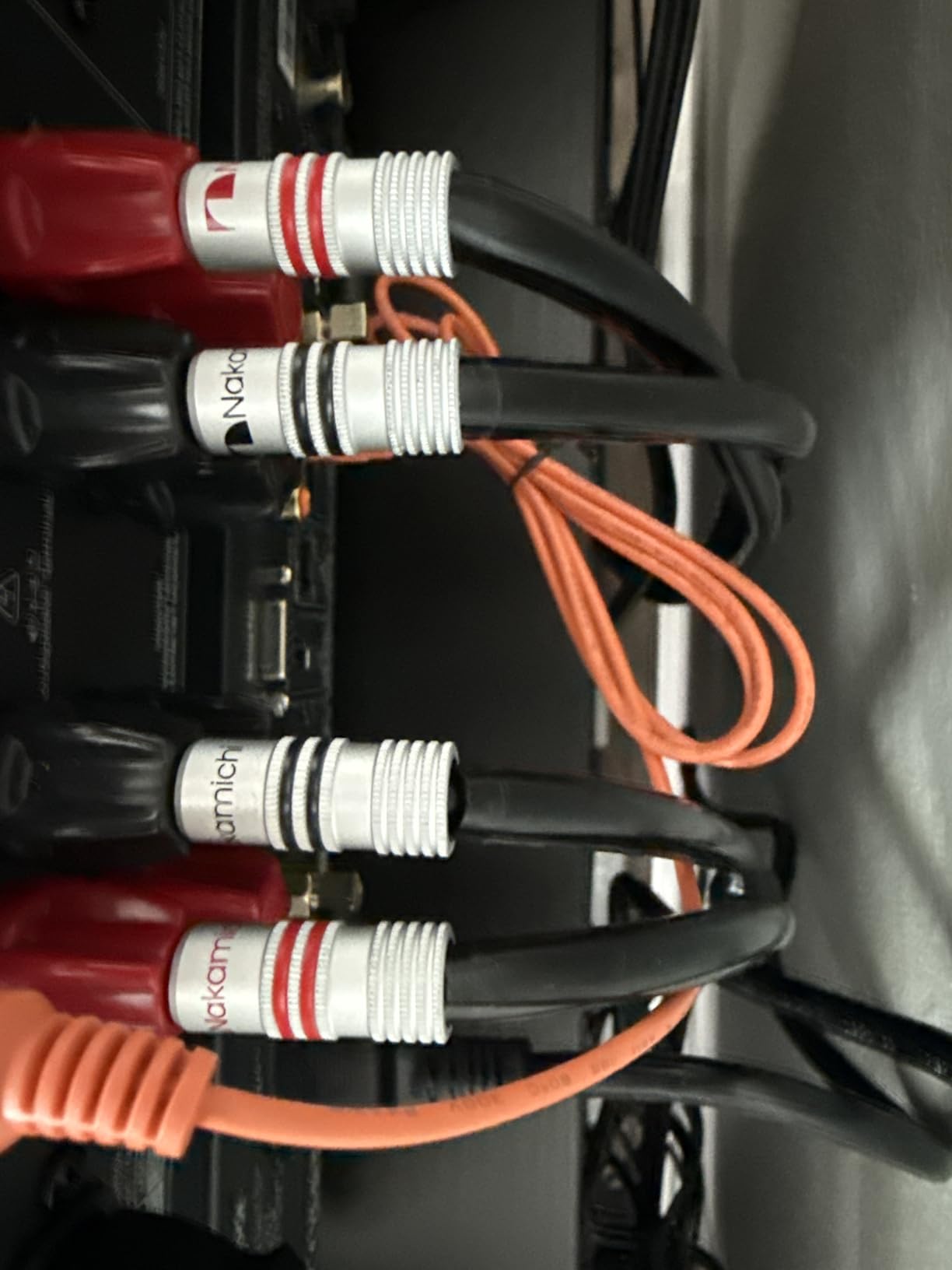
Nakamichi’s take on the pre-terminated speaker cable category leans into premium connector materials. The 24k gold plated banana plugs are corrosion-proof for the long haul, the 12 AWG pure OFC conductor is overkill in the best way for short runs, and the CL2 rating means you can run this through walls without conduit. For a short, premium connection — say, a single Atmos height channel or a pair of desktop speakers — this cable feels luxury-grade.
I used these for the connection between my AV receiver and the wall plate feeding my rear surrounds. Three feet was exactly the right length for that short jumper.
The Gold Plating Question
Does gold plating matter? Yes, but not for the reason most people think. Gold doesn’t conduct better than copper (it actually conducts worse). What gold plating does is resist corrosion — gold doesn’t oxidize, so the connection stays clean for decades. Copper plating or bare copper connectors can develop surface oxidation over time that increases contact resistance.
For a permanent installation, gold plating is genuinely worth paying for. For a system you’re constantly reconfiguring, the corrosion concern is moot.
Where 3 Feet Makes Sense
Three feet per cable sounds short until you think about where this cable actually shines: short jumpers from a wall plate to a speaker, from an AV receiver to a nearby subwoofer, or from an amp to bookshelf speakers sitting on stands right next to it. For those scenarios, you don’t want extra wire coiled up behind the cabinet.
If your speakers sit more than 4 or 5 feet from your amp, look at the Micca (13 feet) or GEARit CL2 (6 feet) options instead.
How to Choose the Best Speaker Cable for Your Home Theater
Picking speaker cable isn’t complicated once you understand the three variables that actually matter: gauge (thickness), conductor material, and run length. The rest is dressing. Here’s how I think through the choice for any given room.
Wire Gauge (AWG) and Why It Matters
AWG (American Wire Gauge) is the standard system for measuring wire thickness. Smaller numbers mean thicker wire: 12 AWG is thicker than 14 AWG, which is thicker than 16 AWG. Thicker wire has lower resistance, which means less signal loss over distance. For home theater, the practical breakdown is simple: 16 AWG for runs under 50 feet with 8-ohm speakers, 14 AWG for runs up to 75 feet or 6-ohm speakers, and 12 AWG for long runs, 4-ohm speakers, or high-power amplifiers.
You won’t see an audible difference between 14 AWG and 12 AWG on a 30-foot run — the wire is already below the threshold where humans can detect signal loss. The upgrade is about headroom, not night-and-day improvement.
Run Length vs Resistance: When to Step Up
For a 5.1 setup in a small to mid-size room (say, under 300 square feet), 16 AWG wire handles everything. The total wire run is rarely over 150 feet, and individual runs stay under 50 feet. For larger rooms or 7.1 systems where some runs hit 60+ feet, move to 14 AWG. For basements, open floor plans, or dedicated theater rooms with rear surrounds mounted 50+ feet from the receiver, go 12 AWG and don’t look back.
A quick rule from the Crutchfield community that holds up: if you’re not sure, buy 14 AWG. It’s the most versatile gauge and won’t be the bottleneck on any reasonable home theater system.
OFC vs CCA: The Material Showdown
Oxygen-free copper (OFC) is pure copper with reduced oxygen content (typically 99.9% or 99.99% pure). Copper-clad aluminum (CCA) is an aluminum core with a thin copper coating. Both conduct electricity; copper is just better at it (about 60% lower resistance than aluminum per unit length).
For runs under 30 feet with 8-ohm speakers, the difference between OFC and CCA is unmeasurable. For longer runs, lower-impedance speakers, or audiophile systems, OFC delivers measurable improvement. r/BudgetAudiophile generally lands on “OFC is worth it if the price difference is small” — which it usually is on Amazon Basics and MaxBrite cables.
One real-world caution with CCA: the aluminum core is more brittle than copper and doesn’t hold up well to repeated bending. If you have a system you constantly reconfigure, CCA cables can develop internal breaks that are invisible from outside.
Connector Types: Banana, Spade, and Bare Wire
Three ways to terminate speaker wire, each with tradeoffs:
Bare wire: Strip the jacket, twist the strands, insert into the binding post. Free, works with any speaker, but strands can fray and cause shorts if a stray strand touches the other terminal.
Banana plugs: Cylindrical connectors that plug into the binding post’s center hole. Clean, secure, easy to swap speakers in and out, but cost extra and require assembly.
Spade connectors: U-shaped connectors that slide around the binding post and tighten down. Most secure connection, but require more clearance behind the speaker than banana plugs.
For most home theater installations, banana plugs are the sweet spot. They’re secure, easy to use, and don’t risk the stray-strand shorts that bare wire can cause.
In-Wall Ratings (CL2 / CL3) Explained
CL2 and CL3 are UL safety ratings that certify the cable’s jacket is fire-resistant enough for in-wall installation in residential buildings. CL2 is rated for up to 150 volts, CL3 for up to 300 volts. For speaker wire, CL2 is more than sufficient.
If you’re running wire through walls, you generally need CL2 or CL3 rated cable (some jurisdictions require it; others allow non-rated wire if run through conduit). If you’re not running wire through walls, the rating is irrelevant — save the money and buy standard cable.
Direct-burial cable is a related but distinct rating for outdoor or underground runs. Most CL2 cable is NOT direct-burial rated.
Bi-Wiring vs Single-Wire: Do You Need It?
Some tower speakers have two sets of binding posts — one for the bass driver and one for the midrange/tweeter. Bi-wiring means running two separate cables from the amp to each speaker, one to each set of posts. Bi-amping goes further and uses two separate amplifier channels.
Honest answer: in double-blind tests, bi-wiring with the same cable run in parallel produces no measurable or audible improvement. If your speaker has a single set of binding posts or a jumper between the two sets, run a single cable. If your speaker has dual posts and you want to try bi-wiring, it won’t hurt anything — but don’t expect a revelation.
Dolby Atmos Height-Channel Wiring Tips
Dolby Atmos adds height channels (typically ceiling-mounted or up-firing speakers) on top of a 5.1 or 7.1 base layer. For a 5.1.2 or 7.1.2 setup, you’ll run two additional cables from your AV receiver to the ceiling speakers.
Two practical tips unique to Atmos wiring: ceiling speaker runs are usually longer than surround runs (you have to come down from the ceiling to the receiver), so 14 AWG is the safer pick over 16 AWG. And if your ceiling speakers are mounted in a drop ceiling, use CL2-rated cable with proper strain relief at the speaker terminal — ceiling fire code is stricter than wall code in most jurisdictions.
Frequently Asked Questions
What gauge speaker wire do I need for home theater?
For most home theater systems in rooms under 300 square feet, 16 AWG wire handles everything cleanly. For runs longer than 50 feet, 6-ohm speakers, or larger rooms, step up to 14 AWG. Reserve 12 AWG for runs over 75 feet, 4-ohm speakers, or situations where you want maximum headroom.
Is 12 or 14 gauge wire better for speakers?
14 gauge is the right pick for about 90 percent of home theater installations — runs under 75 feet, 8-ohm speakers, and standard AV receiver power. 12 gauge is only meaningfully better for runs over 75 feet, 4-ohm speakers, or high-power separate amplifiers. For shorter runs, the difference between 14 and 12 gauge is not audible.
Does speaker wire matter for home theater?
Yes, but less than marketing suggests. Quality speaker wire preserves the signal so your speakers receive what your amplifier sends. Sub-par wire adds resistance and can dull dynamics or reduce damping factor. The flip side: there is a ceiling where spending more stops delivering audible improvement. For most systems, that ceiling sits around mid-tier OFC cables — not exotic audiophile options.
Does thicker speaker wire improve sound quality?
Thicker wire (lower AWG number) reduces resistance and signal loss, which improves measurable performance. Whether that translates to audible sound quality depends on your speakers, amplifier, room, and run length. On a 30-foot run with 8-ohm speakers, 14 AWG vs 12 AWG is inaudible. On a 75-foot run with 4-ohm speakers, the difference is real and measurable.
Is 12 AWG speaker wire overkill?
For most home theater installations under 50 feet with 8-ohm speakers, 12 AWG is overkill. The extra copper costs more and makes the cable harder to route. It is not overkill for long runs, 4-ohm speakers, high-power amplifiers, or situations where you want maximum headroom for future upgrades. When in doubt, 14 AWG is the safer universal pick.
What cable gives the best sound quality?
The cable that gives the best sound quality is the one that stays out of the signal’s way — meaning low resistance, good connections, and clean construction. For home theater, that means 14 or 12 AWG oxygen-free copper wire with secure connectors (banana plugs or spades) and clean terminations. Exotic audiophile cables costing hundreds of dollars rarely deliver measurable improvement over well-built mid-tier OFC wire.
What is the best speaker cable for a home theater?
For most home theaters in 2026, 14 AWG oxygen-free copper speaker wire with banana plug terminations is the best overall choice. It handles runs up to 75 feet, works with 8-ohm and 6-ohm speakers, costs less than audiophile options, and has years of positive reviews backing its performance. The Amazon Basics 14-Gauge OFC and GEARit 14 Gauge 100 ft are both strong picks depending on whether you want pure copper or maximum value.
Final Verdict: Which Speaker Cable Should You Buy?
For most readers building or upgrading a home theater in 2026, I’d point you to one of three picks depending on your setup. If you want the safest universal recommendation, the Amazon Basics 14-Gauge OFC delivers pure copper at near-CCA pricing and has six thousand reviews backing it. If you’re watching budget closely and need 100 feet for a starter 5.1 room, the Amazon Basics 16-Gauge at 78,000+ reviews is impossible to argue with. And if you want the audiophile build quality without the audiophile price tag, the Micca 14-Gauge Pure Copper with banana plugs is a genuine sleeper pick that competes with cables three times the price.
One last thought: don’t forget to budget for a subwoofer RCA cable if your home theater includes a powered sub. That’s a different category of cable (coaxial, shielded) and not covered here, but it’s the companion purchase most people forget until they’re staring at a subwoofer with no input cable in the box. The same principle applies — quality cable, get out of the signal’s way, done.