
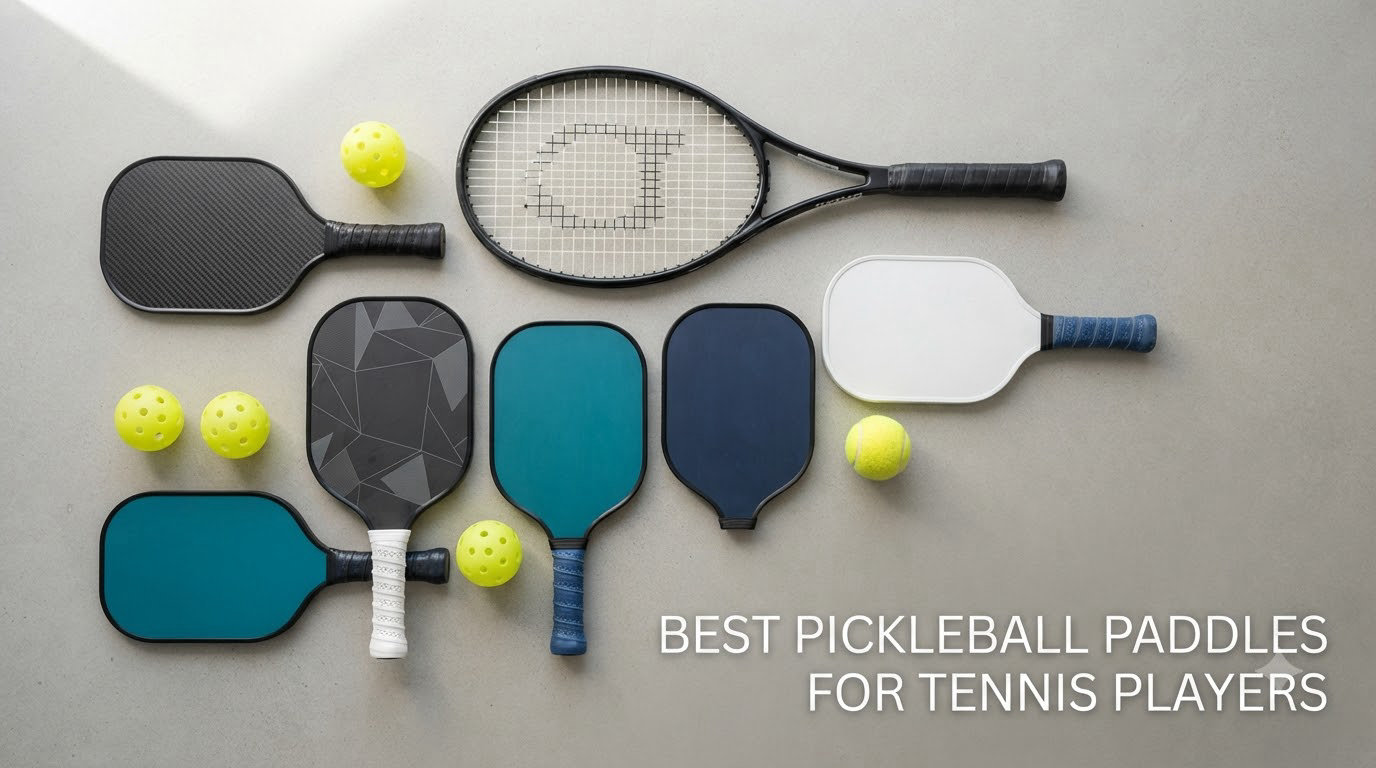
Most tennis players who buy their first pickleball paddle make the same mistake: they walk into a shop, pick up whatever shape feels familiar, and spend a season wondering why the ball keeps sailing past the paddle face. Nothing about the transition is hard except the equipment. A tennis racquet is long, heavy at the sweet spot, and swung with a full extension. A default pickleball paddle is short, wide, and light, and that combination forces you to shorten a stroke that took twenty years to build.
That is why the best pickleball paddles for tennis players are not simply the most popular paddles on the shelf. They are the ones that match a tennis swing path: an elongated face, a long handle that fits two hands on the backhand, a weight that does not collapse on contact, and a core thick enough to absorb impact. We spent weeks putting twelve paddles through that filter, comparing dimensions, core thickness, weights, grip sizes and owner feedback before writing a word of this guide.
The payoff is bigger than equipment. A tennis player who switches to a matched paddle can transfer footwork, court positioning, and shot tolerance within a few sessions. The wrong paddle costs you that head start and, for some players, adds elbow soreness on the way.
Everything below is measured against what a racket player already knows: swing path, reach, spin mechanics, and arm fatigue. No cost figures appear in this guide, so read the specifications instead and use the product pages to check current details.
Our Top 3 Pickleball Paddles for Tennis Players in 2026
We narrowed twelve paddles down to three that cover the widest range of tennis backgrounds. Each one earned its place for a different reason, and each is backed by a large base of owner reviews rather than marketing copy.


The Jojolemon paddle carries the highest owner rating in the group, and its plush 16mm core absorbs the elbow sting that a stiff racquet delivers. The XSPAK Pro has the deepest owner review history of anything we looked at, and its 5.5 inch handle suits a two-handed backhand taken straight from tennis. The Vatic Pro Prism is the softest, most placement-focused option, built for a player who wants to move opponents rather than blast past them.
Quick Overview of All 12 Paddles Side by Side
Here is every paddle in the guide with the specifications that matter most to someone arriving from a tennis court. Weight, face length, and core thickness drive feel more than any other numbers on the sheet.
| Product | Details | |
|---|---|---|
 Jojolemon 16mm Shark Power Jojolemon 16mm Shark Power |
|
Check Latest Price |
| XSPAK Pro Series T700SC |
|
Check Latest Price |
| Vatic Pro Prism 16mm |
|
Check Latest Price |
 CPX Pro Carbon Fiber Paddle CPX Pro Carbon Fiber Paddle |
|
Check Latest Price |
 JOOLA Ben Johns Hyperion JOOLA Ben Johns Hyperion |
|
Check Latest Price |
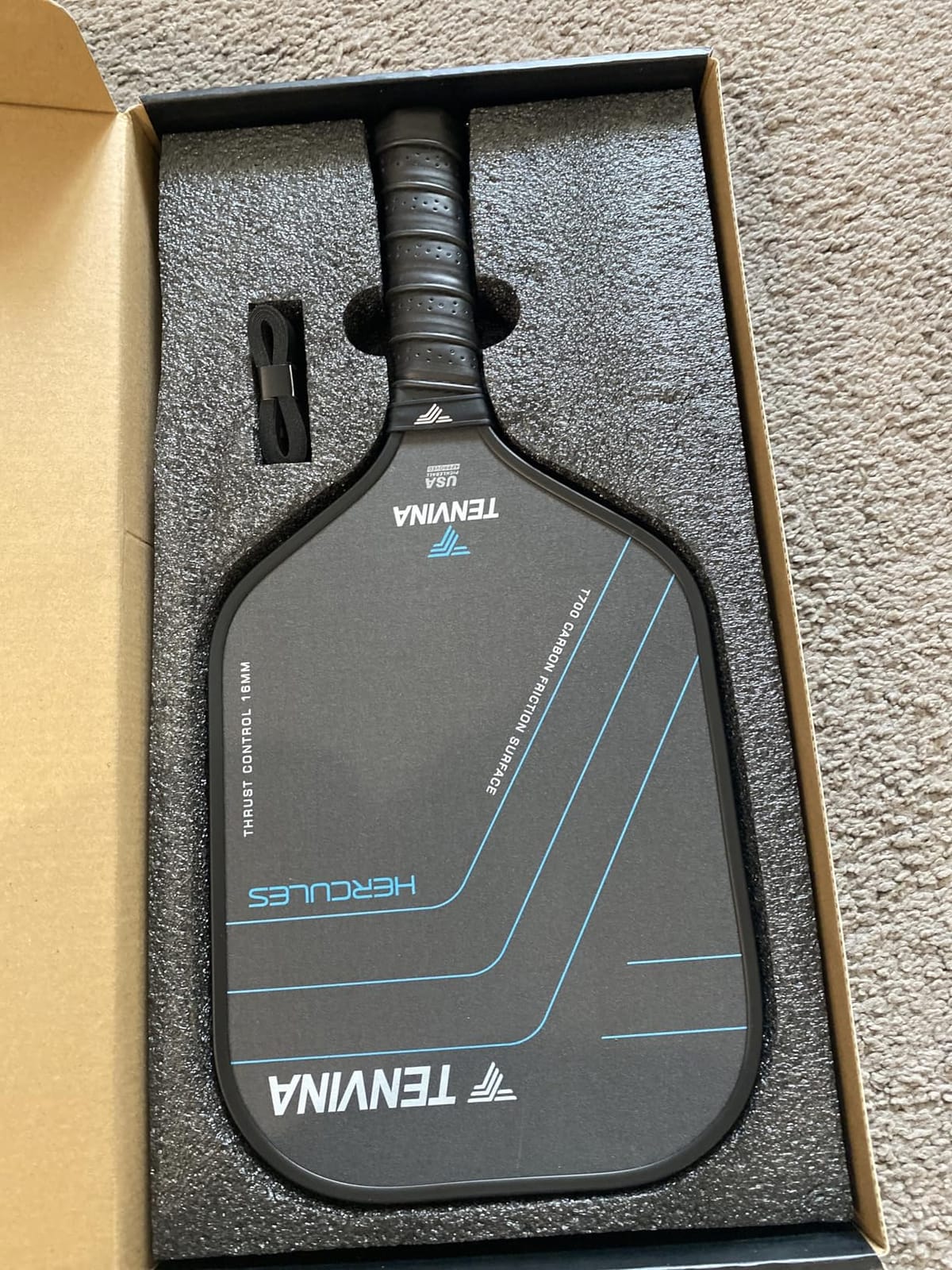
 TENVINA T700SC TENVINA T700SC |
|
Check Latest Price |
 CRBN X Series Power CRBN X Series Power |
|
Check Latest Price |
 HISK RAV PRO HISK RAV PRO |
|
Check Latest Price |
 HEAD Radical Elite HEAD Radical Elite |
|
Check Latest Price |
 HEAD Radical XL HEAD Radical XL |
|
Check Latest Price |
 JOOLA Pro IV JOOLA Pro IV |
|
Check Latest Price |
 Selkirk Sport Labs 007 Selkirk Sport Labs 007 |
|
Check Latest Price |
What Tennis Players Should Look For in a Pickleball Paddle
Four specifications decide whether a paddle suits a tennis player: the shape of the face, the length of the handle, the weight you feel when you swing, and the thickness of the core. Everything else is preference. Here is the short answer before the detail.
Look for an elongated shape in the 16 to 16.5 inch range, a longer handle of 5.5 inches or more, a heavier build in the 7.9 to 8.5 ounce range, and a core thickness of 14mm or 16mm. Those four numbers are the difference between a paddle that extends your game and one that fights it.
Elongated Shapes Extend Your Reach Like a Racquet
A tennis racquet is long. A standard pickleball paddle is short and wide, which means a ball hit just past the shoulder can travel past your reach before you can get there. Elongated faces fix this. They give you extra length in the direction you already swing, so crosscourt shots and wide-angle volleys land in the same place your tennis positioning says they should.
Length also lifts the sweet spot toward your hand, which is where a tennis stroke generates the most pace. That matters more than raw power because a high sweet spot converts a well-struck shot into depth instead of a pop-up into the net.
Longer Handles Make the Two-Handed Backhand Comfortable
Plenty of club tennis players learned a two-handed backhand, and most first paddles give them nowhere to put the second hand. A standard handle measures around 4.25 inches. A longer handle in the 5.25 to 5.5 inch range lets both hands sit where a racquet grip would have placed them, and the extra leverage cuts down on the twisting force that arrives at the elbow and wrist.
This is also why handle length shows up repeatedly in owner feedback across the paddles in this guide. Players who switch to a long handle report an immediate sense that their backhand has come back, even before they change anything else.
Heavier Weight Stops the Paddle From Flailing at Contact
Racquet players are used to a head that stays put through contact. Pickleball paddles in the 7 ounce range feel like a sanded-down tennis racquet with a noodle head, and the ball squirts. Paddles between 7.9 and 8.5 ounces carry enough mass to hold a line, so a well-struck ball keeps its direction and a badly struck ball still lands somewhere useful.
Weight is not the same as bulk. Thickness and face material decide how stiff a paddle feels, while weight decides how it moves through the air. A tennis player wants just enough weight to plow through a defensive block without adding so much that fast hands suffer.
Core Thickness Decides Softness and Plow-Through
A 13mm core is light and lively, which suits players who already generate pace. A 16mm core is noticeably softer at impact and absorbs more of the shock that comes with a low ball. A 14mm core sits between the two and is a common compromise for doubles players who still want to swing hard.
Pro players use both 14mm and 16mm paddles, and the reason is usually playing style rather than skill level. A player who relies on heavy pace and a fast swing can handle a thinner core, while a player who absorbs a lot of pace on the block and has any elbow history will be far happier in 16mm. If you are coming from tennis and you already feel the impact in your forearm, start at 16mm.
Spin Face and Grip Size Finish the Picture
A raw carbon or textured face grips the ball and generates spin, which is what lets you use a tennis topspin motion and still land the ball on the court. A smooth polymer face produces less spin and will frustrate anyone trying to add sidespin on a serve.
Grip size is the specification people most often ignore and most often regret. A 4.25 inch grip suits smaller hands, and players with larger hands regularly report cramping from it. Check the handle measurement before you buy, and know that an overgrip adds a few millimeters of diameter if you need to fill out a handle that sits between two sizes.
1. Jojolemon 16mm Shark Power – Soft Core and Heavy Spin Combined
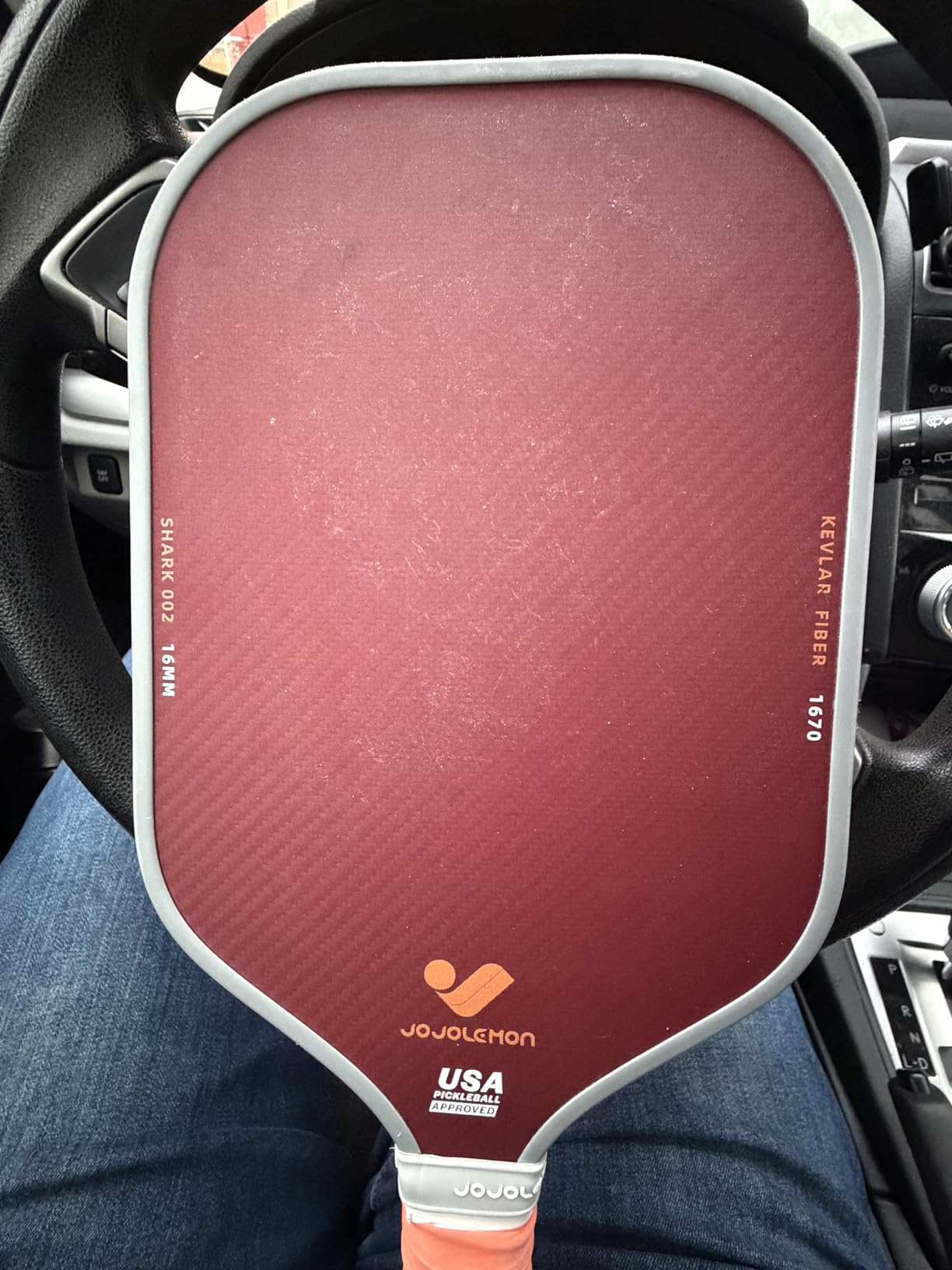
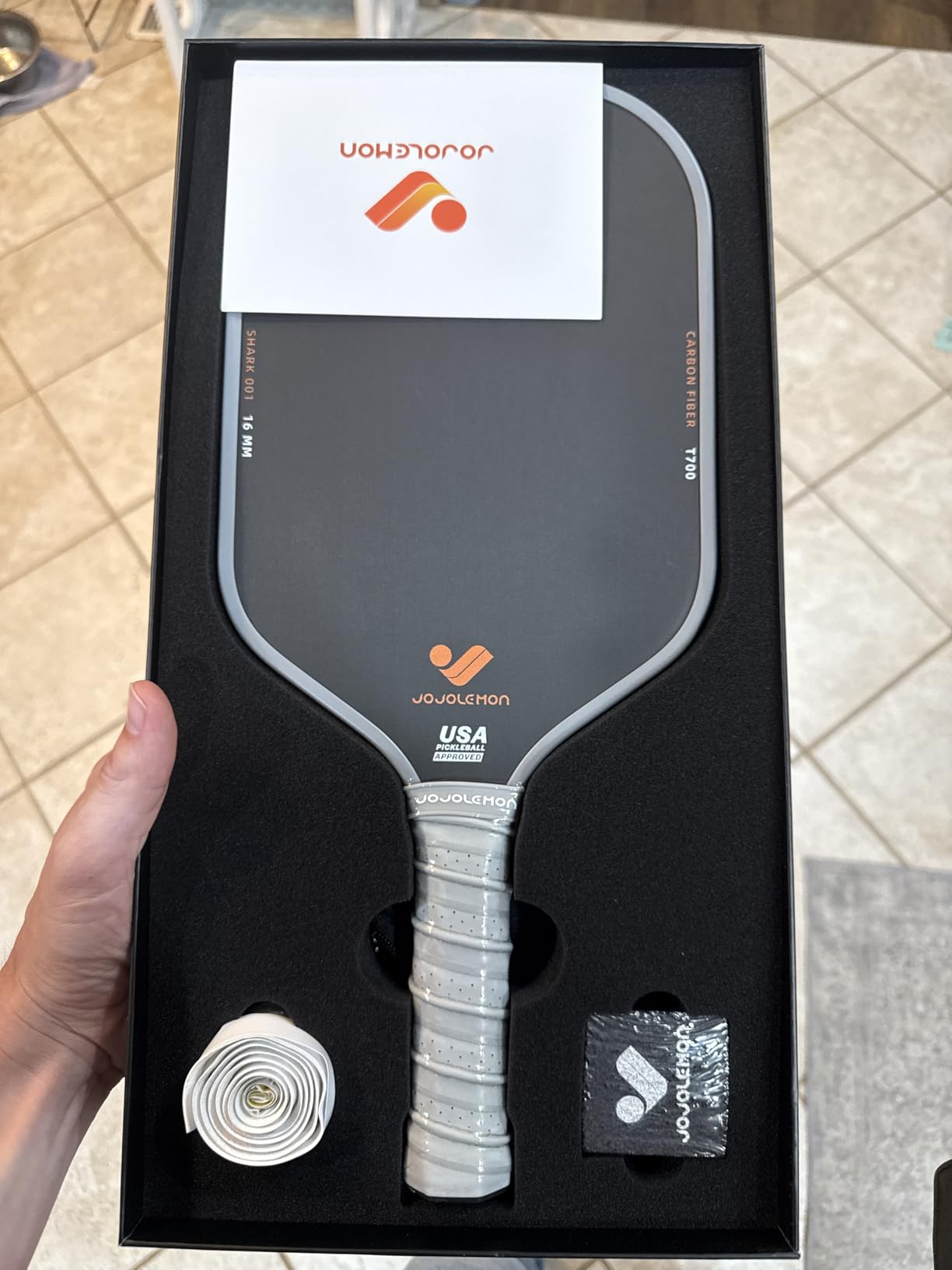
JOJOLEMON Pickleball Paddles Featuring a Raw Carbon Fiber Paddle Face and 16mm Power Polymer Core Pickleball Rackets Designed for Spin and Consistency
8 oz
16.5 in length
4 1/4 in grip
16mm core
+ Pros
- Highest owner rating in this roundup
- 16mm core absorbs impact and elbow sting
- Large sweet spot at a light 8 oz
- Raw carbon weave generates heavy spin
- Bundle includes cover extra grips and eraser
- Cons
- 4 1/4 in grip does not suit larger hands
- Power feels modest until weight is added
- Sweet spot needs a break-in period
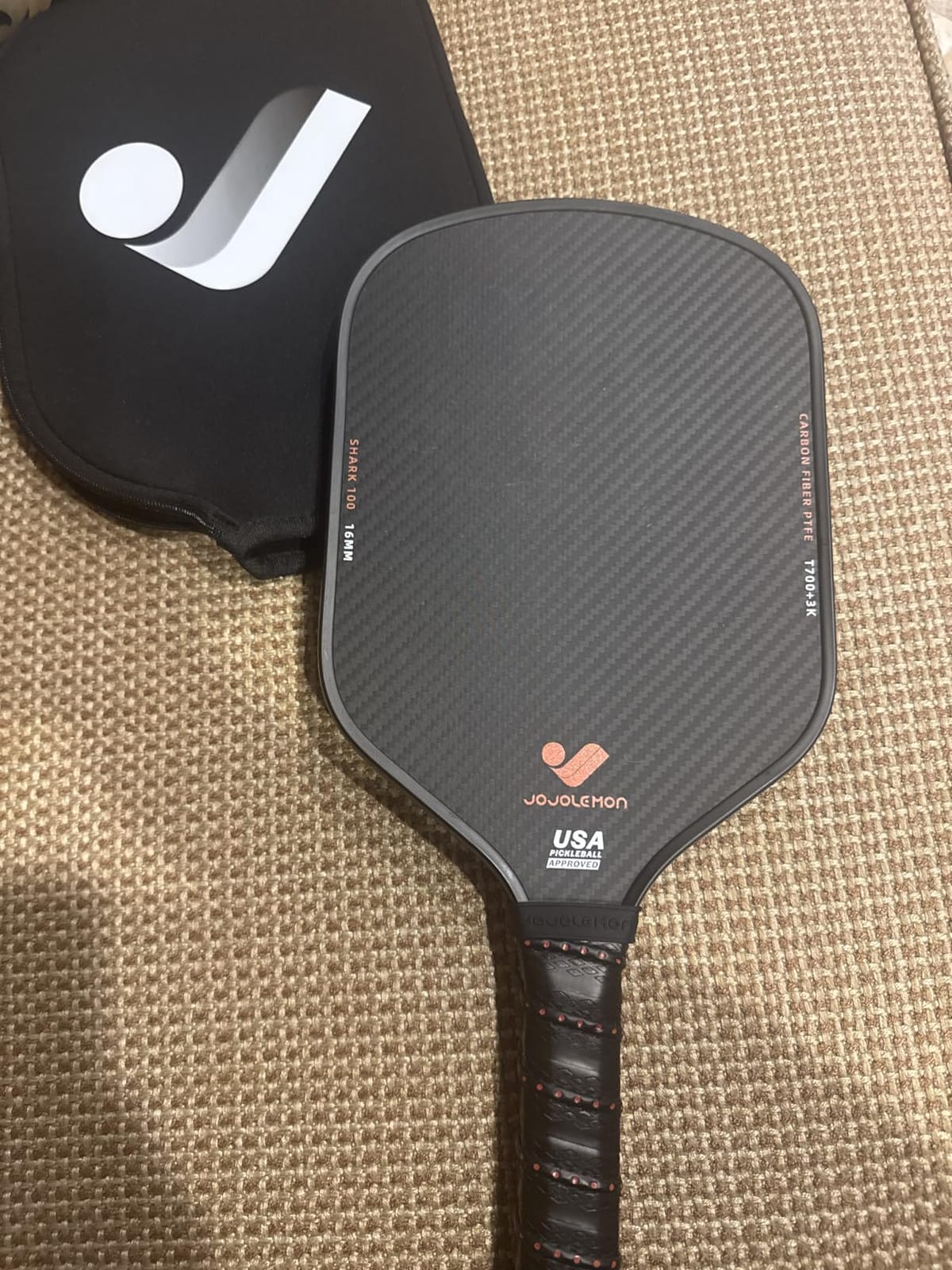
This is the paddle we recommend first, and for a tennis convert the reason is straightforward: it takes the punishment and keeps the shot placement. The 16mm Shark Power polymer core with foam edges absorbs impact on fast blocks, and owners repeatedly mention that elbow discomfort essentially disappeared after switching.
The face is Toray T700SC raw carbon with a textured four-directional weave, which is among the most aggressive grit treatments we tested. Spin on serves and lobs is strong enough that a tennis topspin motion transfers directly, and the thermoformed unibody construction also makes this one of the more durable options in the roundup.
Why the Highest Owner Rating Comes From This Combination
Almost every owner review that compares paddles says the same thing: this plays like a more expensive name-brand paddle. Several reviewers mention putting it side by side with borrowed JOOLA and Selkirk paddles and preferring it on touch.
The reason is the combination of a soft core with a grippy face. Most paddles force a choice between absorbing impact and generating spin, and this one asks you to make less of a compromise than most. At 8 ounces it also stays light enough for quick hands at the kitchen.
Grip Length Is the Main Limitation
The handle is 4.25 inches, which is short for a player who wants a two-handed backhand or who has larger hands. If you came from a long tennis grip, this paddle will feel cramped at the butt. An overgrip helps with diameter but does nothing for length.
If a long handle is non-negotiable for you, look at the XSPAK Pro or the HISK RAV PRO instead. Both give you 5.5 inches and a similar soft-core feel.
Power Needs a Little Help
At 8 ounces with a 16mm core, the power is on the modest side. Owners describe a break-in period before the sweet spot feels right, and a common next step is adding a small amount of lead tape to firm it up.
The box also includes a paddle cover, extra grip tape, and a surface eraser, which matters more than it sounds because a raw carbon face shows ball marks quickly. Keep the eraser in your bag.
2. XSPAK Pro Series T700SC – Long Handle and Big Sweet Spot
XSPAK PRO Series Thermoformed T700SC Tournament Carbon Fiber Pickleball Paddle, USAPA Certified Honeycomb Core with Comfort Cushion Grip, Dominant Power & Larger Sweet Spot
8 oz
16.5 in length
5.5 x 4.35 in grip
USAPA certified
+ Pros
- 5.5 inch handle suits two-handed backhands
- Large sweet spot for consistency
- Soft cushioned grip reduces fatigue
- Deep owner review history
- Cons
- Muted pop versus power paddles
- 4.35 in diameter suits larger hands
- Edge guard tape wears at the corners
The XSPAK Pro is the closest thing in this roundup to a direct answer for a two-handed backhander. The handle measures 5.5 inches with a 4.35 inch diameter, and that extra length is what makes the second hand fit naturally. The face is 16.5 inches long, so reach is close to what a tennis player expects.
With more than three thousand owner reviews behind it, this is also the most thoroughly tested paddle here. The pattern in those reviews is consistent: control, spin, and forgiveness, with several owners saying it performs at a level they did not expect from this tier of paddle.
Why the 5.5 Inch Handle Changes a Two-Handed Backhand
On a two-handed backhand, the second hand sits at the butt of the grip. When that hand has nowhere to go, the stroke collapses into a one-handed block with a half-committed second hand, and that is a real source of elbow load. A 5.5 inch handle fixes the geometry before the player has to change anything else.
The 4.35 inch diameter is worth noting. Owners with smaller hands report that it feels bulky, so if your grip circumference is on the lower end, try it in person.
T700SC Carbon Face and Raw Spin
The thermoformed T700SC carbon fiber face is what generates the spin owners praise on serves and lobs. A textured carbon face grips the ball the way a rough tennis string bed grips it, which is exactly the sensation a topspin player expects.
The thermoforming process also stiffens the face under pressure, which keeps the response consistent on off-center contact. That is part of why the sweet spot stays usable well away from center.
Control First, With Muted Power
The recurring criticism is muted pop. This is a control paddle that produces usable power rather than a power paddle that produces control on demand. If you win points by driving the ball flat and deep, you will feel the difference against a dedicated power model.
For most tennis converts, control is the more valuable of the two. The extra time to set the swing up is what allows a first-timer to shape a shot instead of simply swinging harder.
3. Vatic Pro Prism 16mm – Soft Feel and Precise Placement
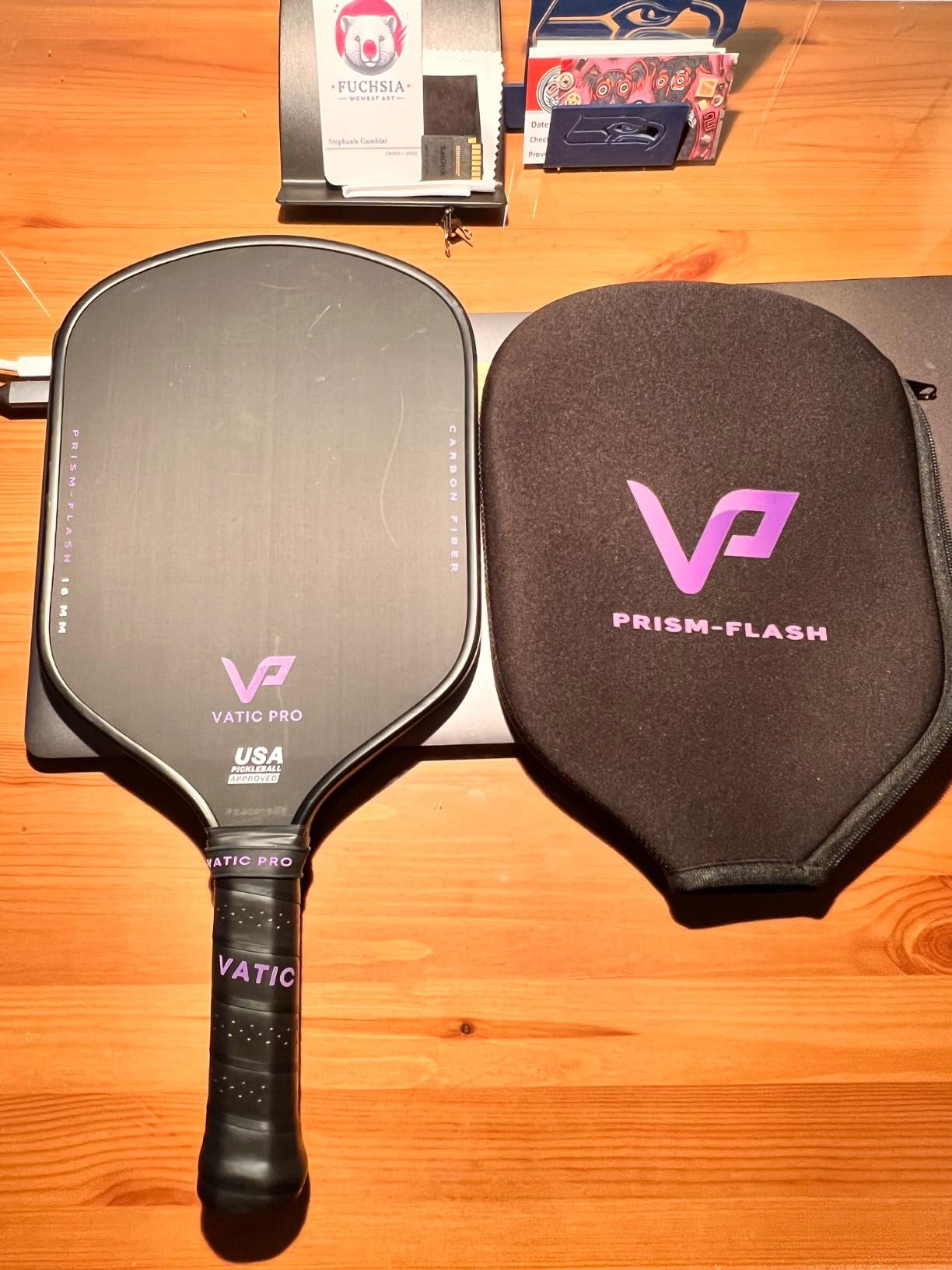
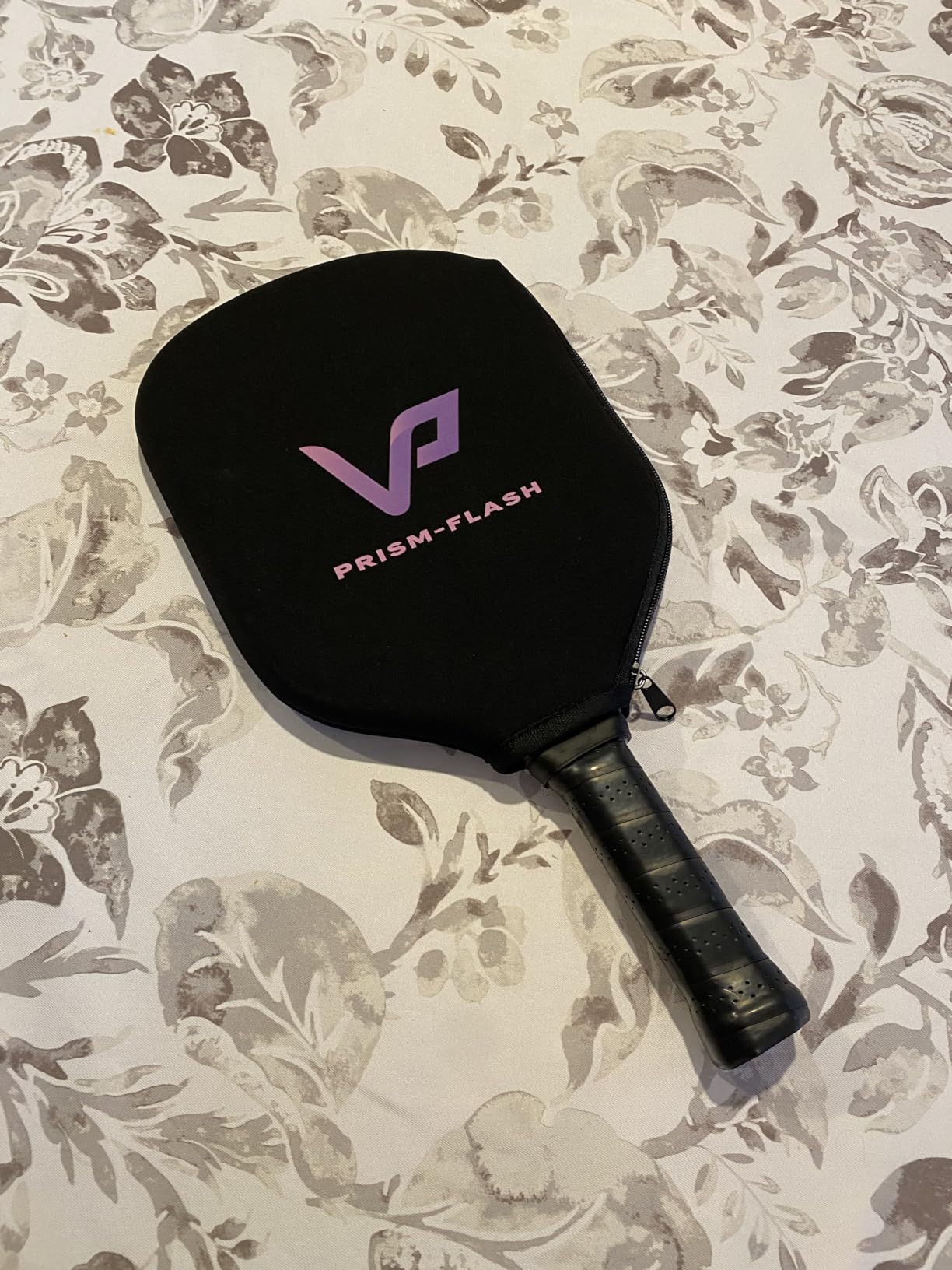
Vatic Pro Prism Flash Carbon Fiber 16mm – Foam Injected Walls – Includes Paddle Cover
16mm core
16.3 in length
5.3 in grip
Raw T700 face
+ Pros
- Excellent touch and shot placement
- Raw carbon face adds topspin
- Soft dampened feel with no dead spots
- Includes a paddle cover
- Cons
- Low power and minimal pop
- Grippy surface shows wear marks
- Slower swing speed than aggressive paddles
The Vatic Pro Prism is the paddle we suggest to a tennis player who plays a percentage game and wants to place the ball rather than blast it. At 16.3 inches long with a 5.3 inch handle, the shape still nods to a racquet, but the construction pushes hard toward feel.
That is what the cold-molded unibody and foam-injected edge walls deliver. Owners describe almost no dead spot around the perimeter, which means off-center contact still goes where you aimed it. That tolerance is precisely the skill tennis players bring with them, and this paddle rewards it instead of punishing it.
Why a 16mm Core Softens the Impact
The 16mm core gives a noticeably softer response on a fast ball, and that softness translates directly into a lower risk of elbow flare-ups on long doubles sessions. Tennis players who already manage a sore forearm will feel the difference fastest here.
The foam-injected walls add damping right at the edge of the face, where mishits normally feel harsh. Polyurethane inserts add a further layer of shock absorption that reviewers specifically praise.
Raw Carbon for Topspin and Placement
The raw T700 carbon fiber face gives the ball a rough surface to grip, so a tennis topspin motion produces genuine dip and curl. Owners report noticeably better serves and a more predictable bounce, which is what makes the control feel usable rather than passive.
This is a USAPA-approved paddle used by PPA and MLP professionals, so nothing about the construction is experimental. The trade-off runs through the whole design: it is a deliberate choice of feel over speed.
Where the Lack of Power Bites
If your game depends on hard drives that force opponents back, this is the wrong tool. Owners are candid that the power is low and the swing speed is slower than more aggressive paddles. You will need to out-position opponents rather than blast past them.
For an all-court player who dinks, resets, and places angles, that trade is more than fair. Tennis players who prefer a controlled topspin point often find this plays closer to their real game than a power model does.
4. CPX Pro Carbon Fiber Paddle – Tennis-Style Grip and Easy Spin
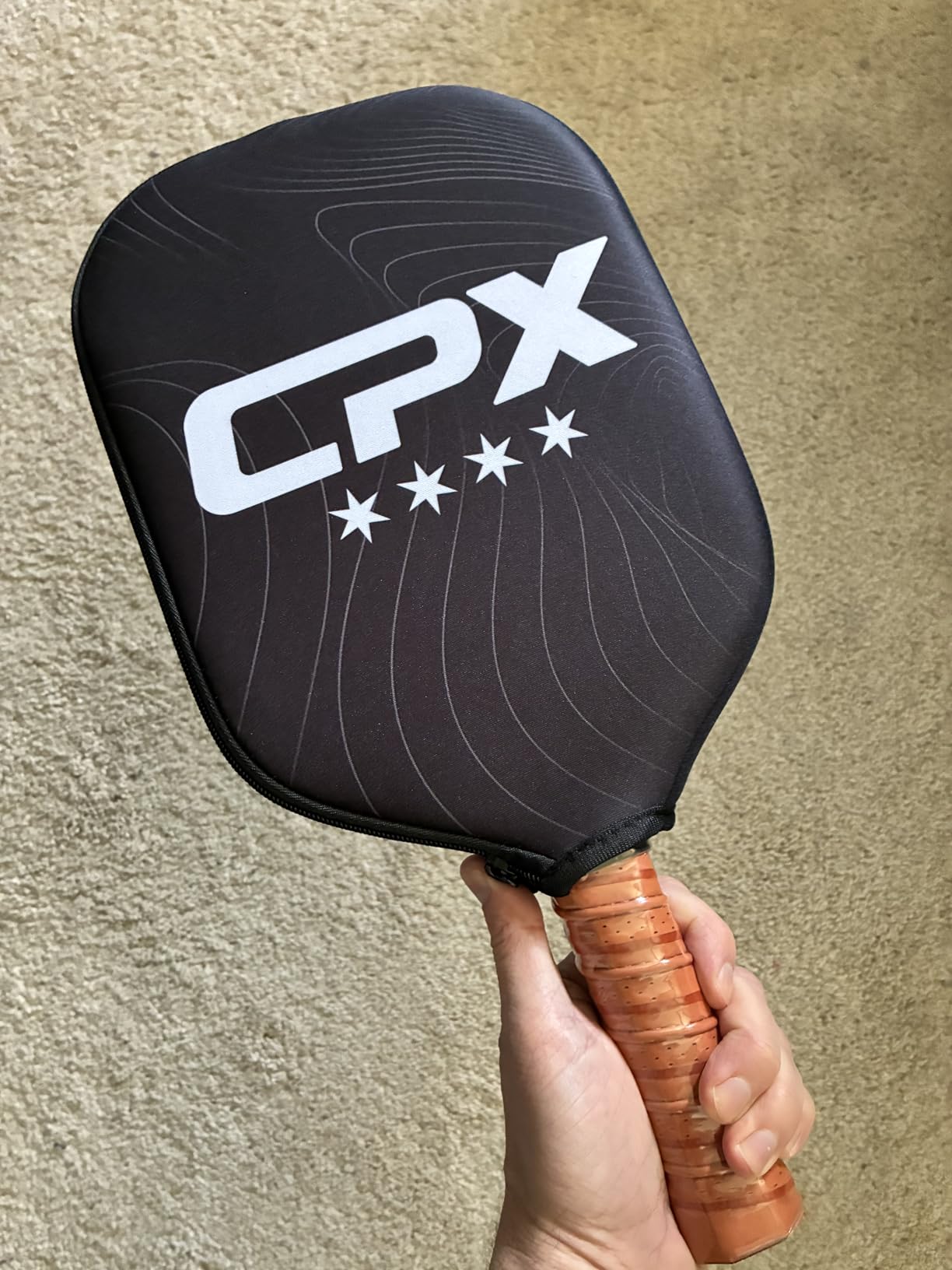
CPX Pro Carbon Fiber Pickleball Paddle – Professional Grade, Matte Finish, Honeycomb Core, Tennis Style Grip – Edgeless Paddle Designed in Chicago, USA (Black, Pro)
235 g / 8.2 oz
4.1 in grip
Carbon fiber face
Honeycomb core
+ Pros
- Tennis-style grip feels familiar to racket players
- Honeycomb core reduces vibration
- Carbon fiber face with matte finish
- Lightweight at 8.2 oz
- Cons
- Sweet spot is smaller than average
- 4.1 in grip suits smaller hands
- Can mishit very low balls
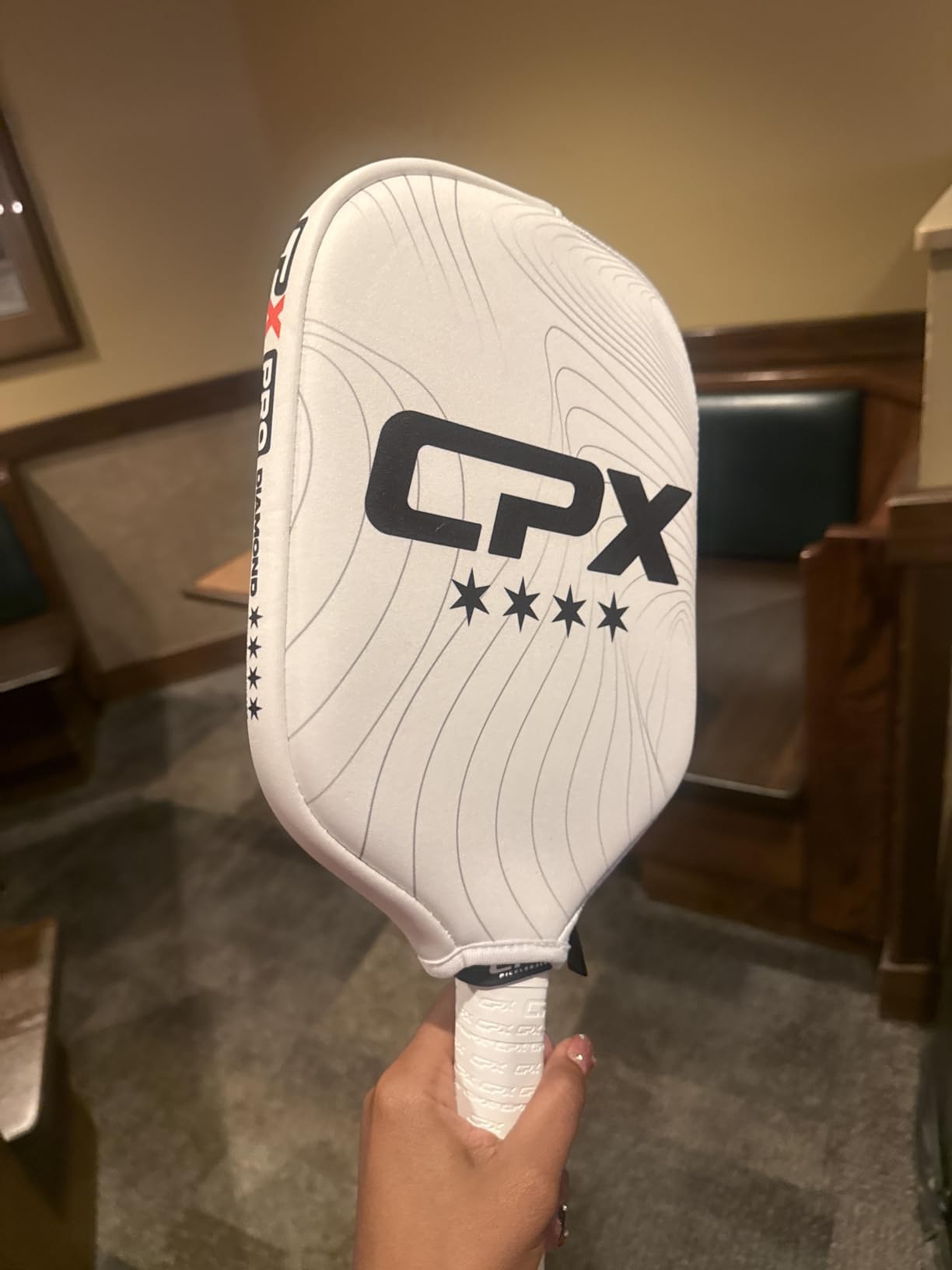
The CPX Pro is the paddle we suggest to a player who wants the grip to feel like tennis from the very first session. It uses a tennis-style grip with ventilation, so the hand position that felt automatic on a racquet feels close to automatic here. That single detail removes more frustration in the first hour than a spec sheet can measure.
At 235 grams, or 8.2 ounces, it sits in the middle of the range that feels familiar to a racquet swing. The paddle is edgeless, which means a slightly softer feel at the perimeter, and the sandblasted carbon face produces enough friction to make topspin rolls sit on the line. Owners describe it as a bridge paddle for people moving over from tennis, with the durability of the carbon and honeycomb build noted often.
Why the Tennis-Style Grip Matters Most
Pickleball grips are usually shorter and thicker than a racquet grip. The CPX Pro’s ventilated tennis pattern is closer to what your hand already knows, and it reduces the urge to reposition at every volley. For a player switching mid-session from a tennis court, that familiarity is worth more than any added spin.
One caveat: the 4.1 inch grip is on the small side. Owners with larger hands report that it runs short, and an overgrip is the usual fix. Check your hand against it before committing.
Carbon Fiber Face With a Matte Sandblast Finish
The matte carbon face gives the ball something to bite into, which is what allows a tennis forehand loop to land as a soft, dipping shot. Reviewers report noticeable spin on serves and lobs, which is the fastest way for a tennis player to see results from their existing technique.
The tradeoff is a sweet spot smaller than a widebody paddle provides. Power hitters sometimes find late balls landing near the bottom edge. Slightly slower contact cures that more often than a different paddle does.
Honeycomb Core and the Edgeless Shape
The honeycomb polymer core is the reason this paddle does not punish you on blocks and short-angle volleys. Owners mention arm fatigue dropping noticeably over long sessions, which is a meaningful benefit for doubles players who play match after match.
The edgeless design removes the hard rim that some paddles use for extra pop, trading a little punch for a softer landing. The published dimensions for this model list a one-size frame, so check the current product page for the exact face length before you order.
5. JOOLA Ben Johns Hyperion – Balanced Power and Control
JOOLA Ben Johns Hyperion CAS 16 Pickleball Paddle – Carbon Abrasion Surface with High Grit & Spin, Sure-Grip Elongated Handle, 16mm, with Polypropylene Honeycomb Core, USAPA Approved
8.3 oz
16mm core
5.5 x 4.25 in grip
CAS textured face
+ Pros
- Carbon Abrasion Surface produces strong spin
- Well balanced control and power
- Elongated grip supports two-handed backhands
- Sure-Grip handle absorbs shock
- Cons
- Honeycomb core can crush with heavy use
- Grip runs small and needs an overgrip
- 120 day warranty
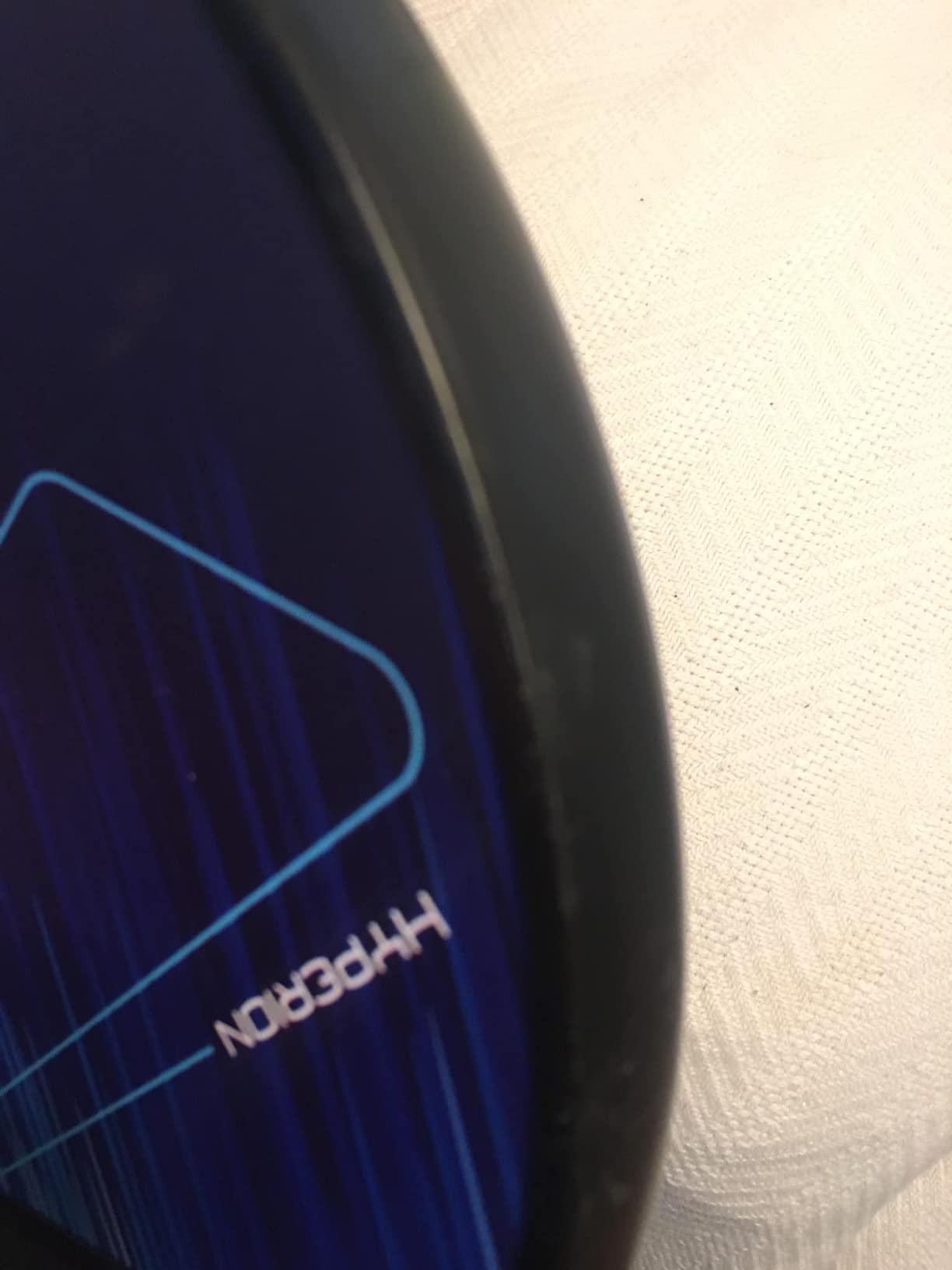
The JOOLA Hyperion is the paddle for a tennis player who wants to hit through the ball. Owners who came from racquet sports describe it as the paddle that sped up their transition most, largely because it does not punish an aggressive swing the way a control-first model does.
The Carbon Abrasion Surface is a textured carbon face that grips the ball hard, and the hybrid-ply layering balances that aggression against control. A 16mm Response polypropylene honeycomb core keeps the impact from becoming punishing.
Why an Aggressive Player Likes This Balance
Baseliners want to hit through a ball with pace and depth. The Hyperion delivers both without the face turning unpredictable on off-center contact, which is the failure mode that makes pure power paddles frustrating for players still learning the timing of a short swing.
Reviewers describe the sweet spot as generous and the transition between aggressive and defensive shots as smooth, which is exactly what an all-court tennis player needs.
Durability Is the Weak Point
The most serious theme in the reviews is core degradation. Owners report that pop and spin fade within weeks or months with heavy use, and a few describe the honeycomb core crushing inside the frame. That is a meaningful warning for anyone who plays daily and hits hard.
The 120 day warranty is short by comparison with paddles in this list, and some owners describe the claims process as difficult. If you play a lot, plan on a second paddle rather than assuming this one lasts.
Grip Size and the Sure-Grip Handle
The 5.5 by 4.25 inch handle is long enough for a two-handed backhand, which is the main reason it appears on this list. The perforated Sure-Grip handle absorbs sweat and shock well, though it runs on the smaller side, and many owners add an overgrip straight away.
Do that before your first session, not after your grip starts slipping in a long match.
6. TENVINA T700SC – Multiple Shapes and Thicknesses
TENVINA Pickleball Paddles Set of 2, Multi-Layer T700SC Textured Carbon Fiber Pickleball Paddle, 16MM Thicknesses Pickle Ball Paddle, Strong Spin & Power Surface, USAPA Approved Pickle Racket
9 oz
16.4 in length
16mm or 13mm options
Two paddles per set
+ Pros
- Multiple shapes and thicknesses in one range
- Textured carbon face grips the ball hard
- High friction surface resists abrasion
- Two-paddle set with covers and grip tape
- Cons
- Elongated and thick cores trade away raw power
- Listing branding is inconsistent
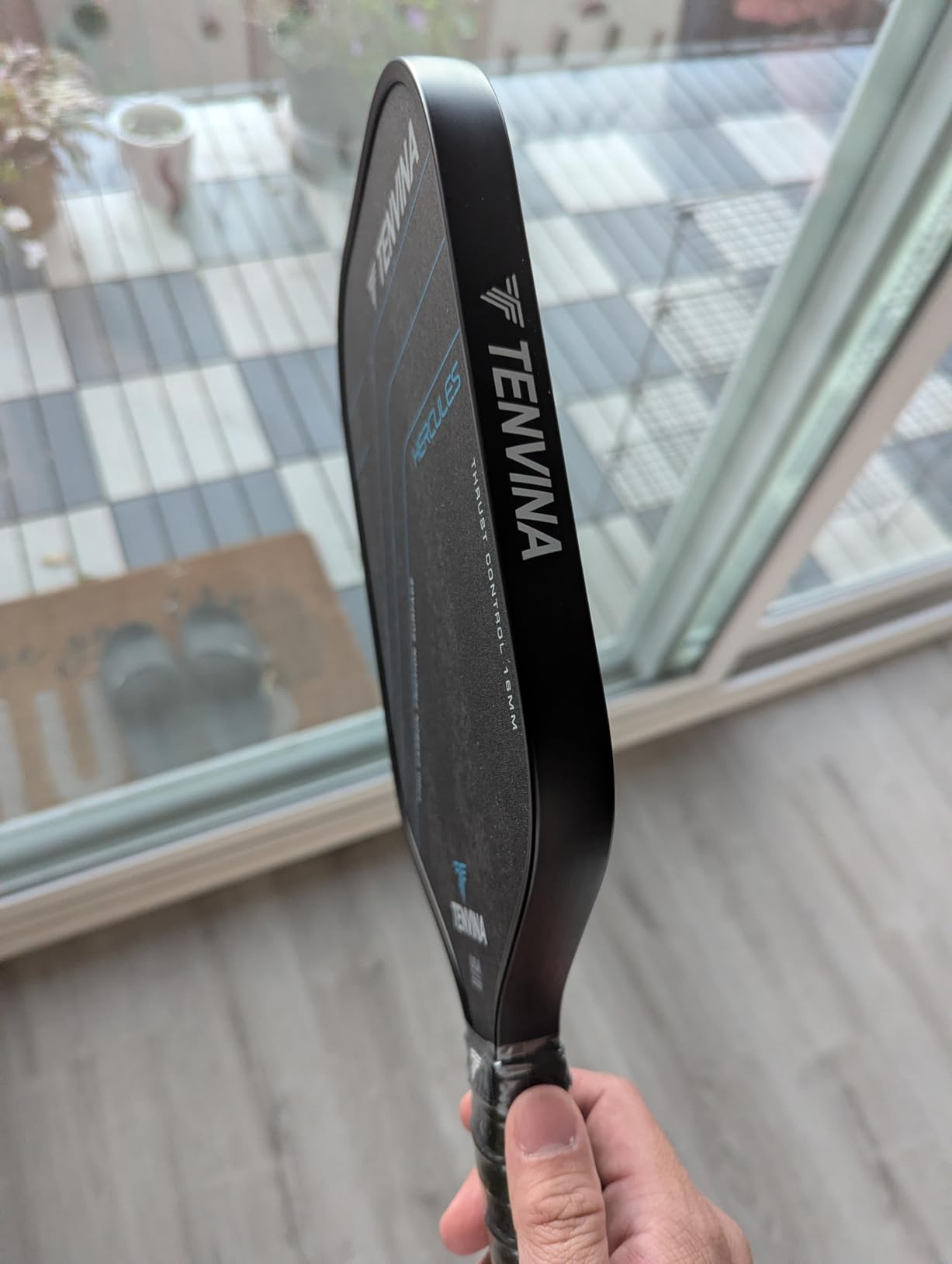
The TENVINA range is the most flexible option in this guide, and that flexibility is unusual. It is available in elongated and wide shapes and in 16mm and 13mm thicknesses, which means a tennis player can try both a control-oriented and an aggressive configuration without changing brands.
The multi-layer T700SC carbon face uses a matte-textured surface for friction, and owners credit it with strong spin and good abrasion resistance. At 9 ounces it carries the most mass among the featherweight carbon paddles here, and that weight is the reason it plows through a defensive block instead of dying in the air.
One Range, Two Very Different Paddles
The 16.4 inch elongated THRUST shape with a 16mm core is the version most tennis players should choose. The wider POISE shape at 13mm suits a player who wants a larger hitting area and more pace off the face. Trying both is the fastest way to find out which end of the spectrum suits your swing.
Owners who use both report that the elongated 16mm version plays closer to a racquet while the wider version feels twitchier. That tracks with everything else on this page.
Weight as a Stability Aid
At 9 ounces, this is a deliberately heavy frame, and for an aggressive baseliner that weight is a feature. It resists deflection on a low block and gives you a stable platform for driving a ball flat and deep.
The polymer honeycomb core keeps the response forgiving, and a one-year warranty backs the construction. The tradeoff is the same one that comes with any heavy paddle: quick hands suffer slightly at the kitchen.
One Practical Warning
Owners point out that the branding on the listing does not always match the TENVINA name shown on the product itself. Check the details carefully when you order so you receive the shape and thickness you intended.
Each set includes two paddles, two covers, and two rolls of grip tape, which is convenient if you and a partner both play.
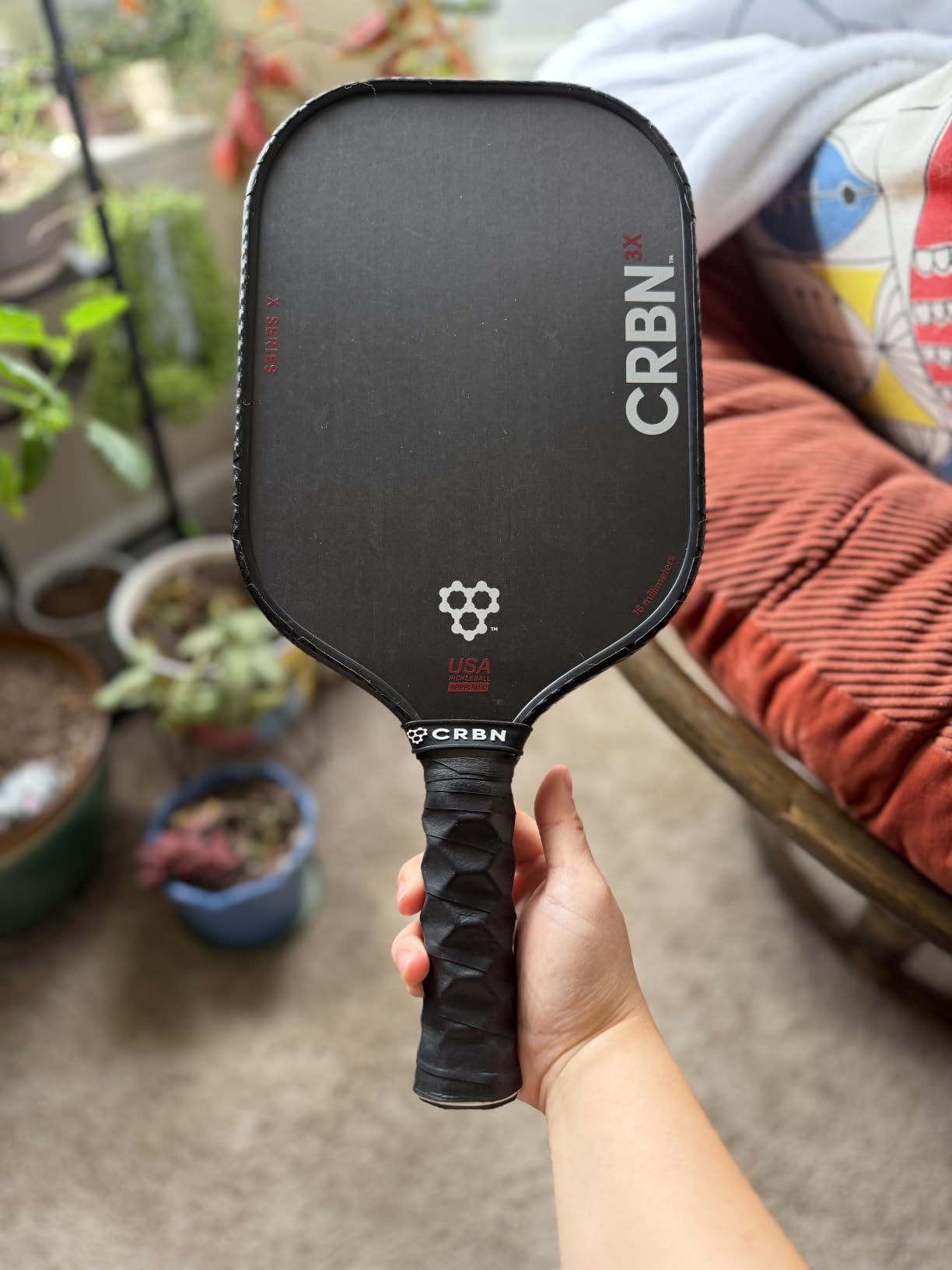
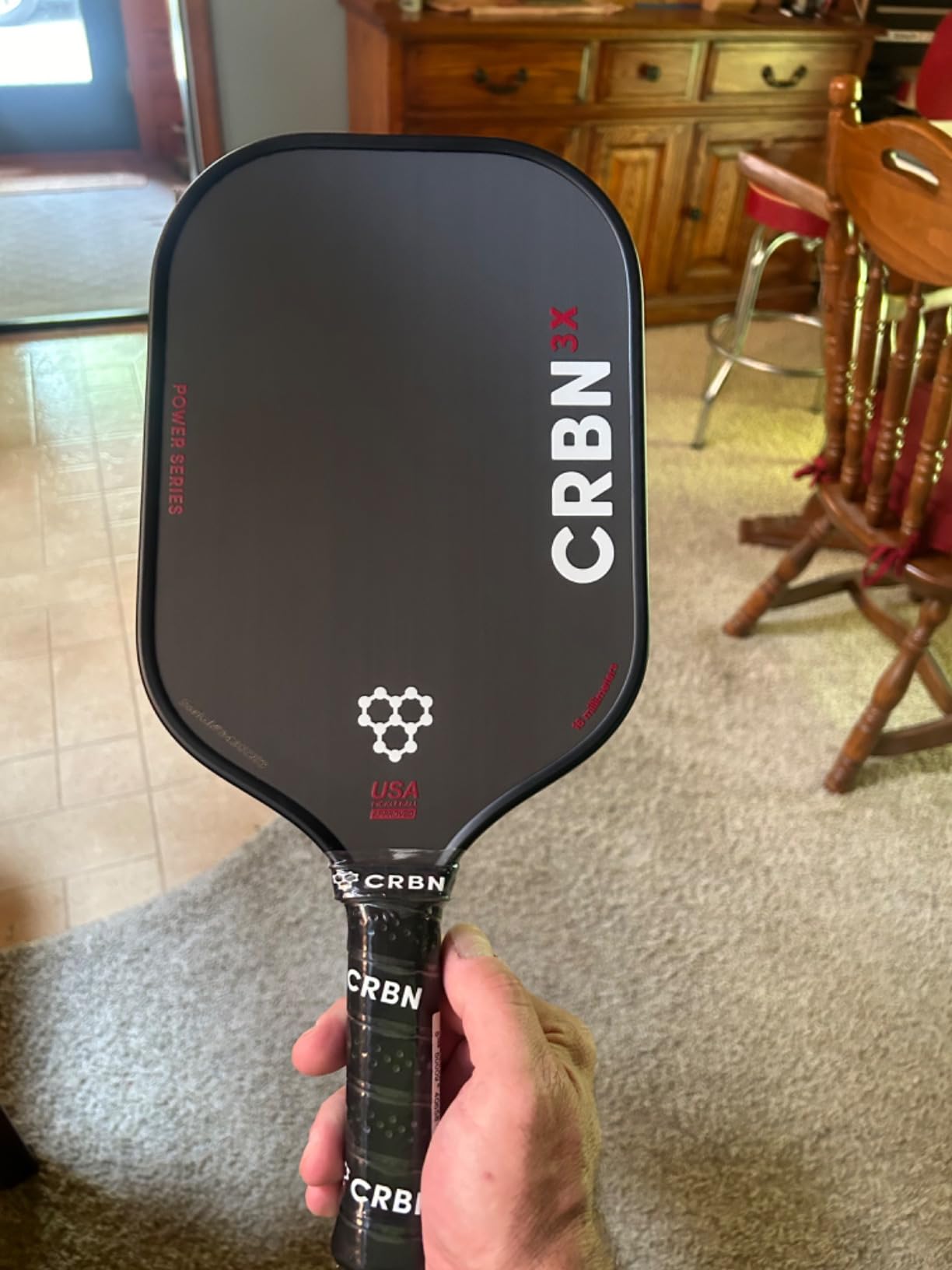
7. CRBN X Series Power – Light, Stiff and Built for Aggression
CRBN Pickleball, X Series Power Carbon Fiber Paddle, (3X 16mm)
7.8-8.1 oz
16.5 in length
5.25 in handle
16mm core
+ Pros
- Very light while still stiff and solid
- Large sweet spot improves consistency
- Strong spin and pop for attacking play
- Includes a neoprene cover
- Cons
- 4 in handle is small for larger hands
- Face collects ball residue quickly
- Sits in the premium tier
The CRBN X Series is one of the lightest attacking paddles in this group, and that is its whole argument. At 7.8 to 8.1 ounces it is noticeably lighter than most of the paddles here, yet the unibody carbon construction keeps it stiff enough to hit through a ball without twisting.
Several owners arrive from tennis and specifically like the attacking feel. The 16.5 inch face gives real reach, the sweet spot is large, and the 16mm core is a rare combination on a frame this light. Spin and pop are both strong, which suits a player who wants to finish points rather than extend them.
Light Weight With Real Stiffness
Most light paddles feel hollow because they trade stiffness for weight. The unibody construction here stiffens the whole frame, so the face still responds on off-center contact. That is why the sweet spot stays as large as it is despite the low overall mass.
The tradeoff is feel. Owners who prefer a dampened, plush response tend to move toward a foam-edged 16mm option instead.
Handle Length and Two-Handed Technique
The 5.25 inch handle is long enough to support a two-handed backhand, which is a genuine advantage over the standard short-grip paddles. Grip circumference is 4.25 inches, so it fits larger hands better than a 4 inch model would.
Even so, owners with larger hands report cramping and recommend swapping the grip early. It is a cheap fix and it prevents a lot of avoidable discomfort.
Maintenance and Value
The face shows ball residue quickly, and owners recommend keeping an eraser nearby. On a grit-textured face, that is a routine habit rather than a defect.
This paddle sits in the premium tier of the market, and some owners feel the technology does not justify that tier on its own. If you value the combination of low weight and attacking power, that combination is genuinely hard to find elsewhere at this weight.
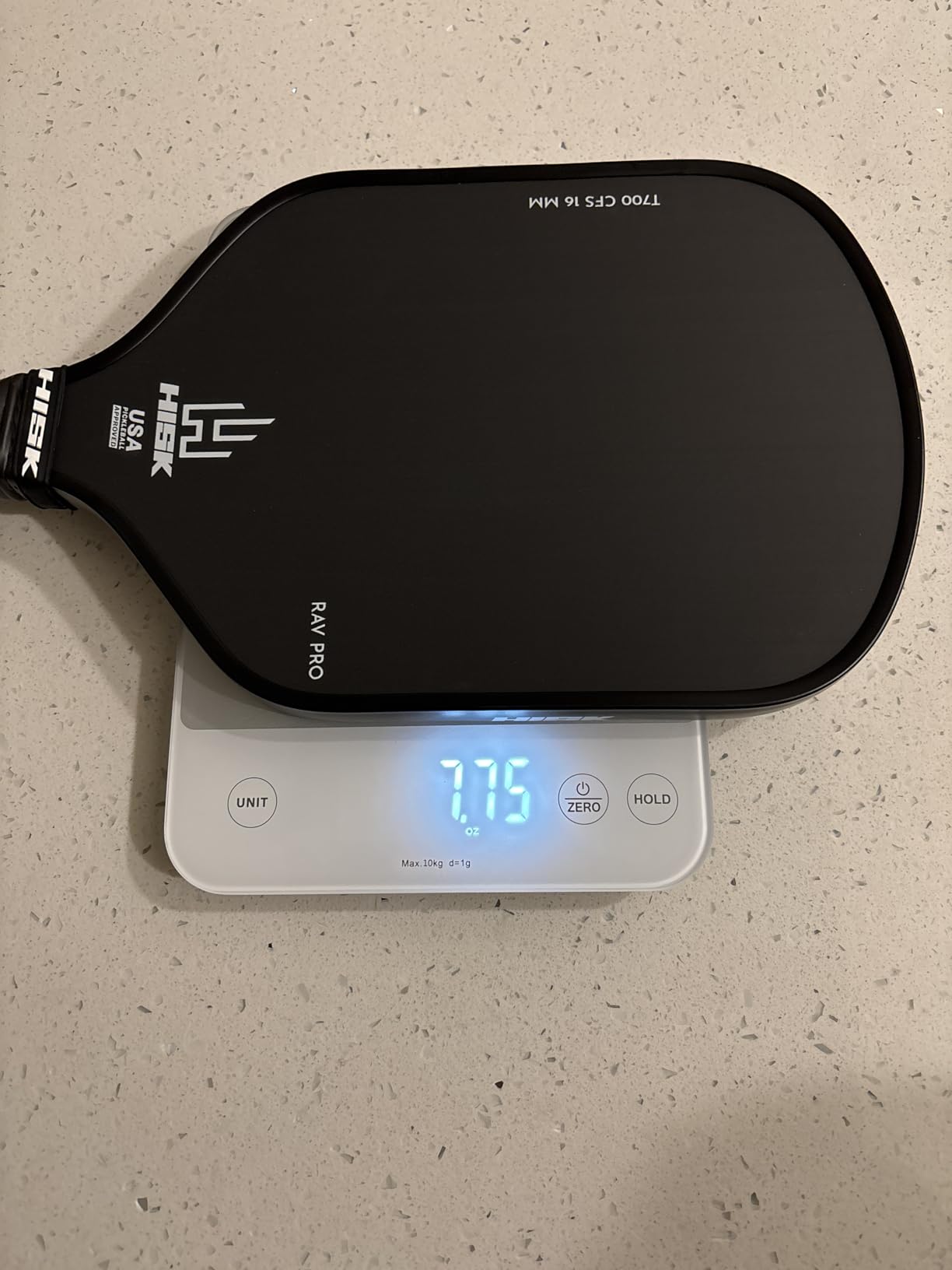
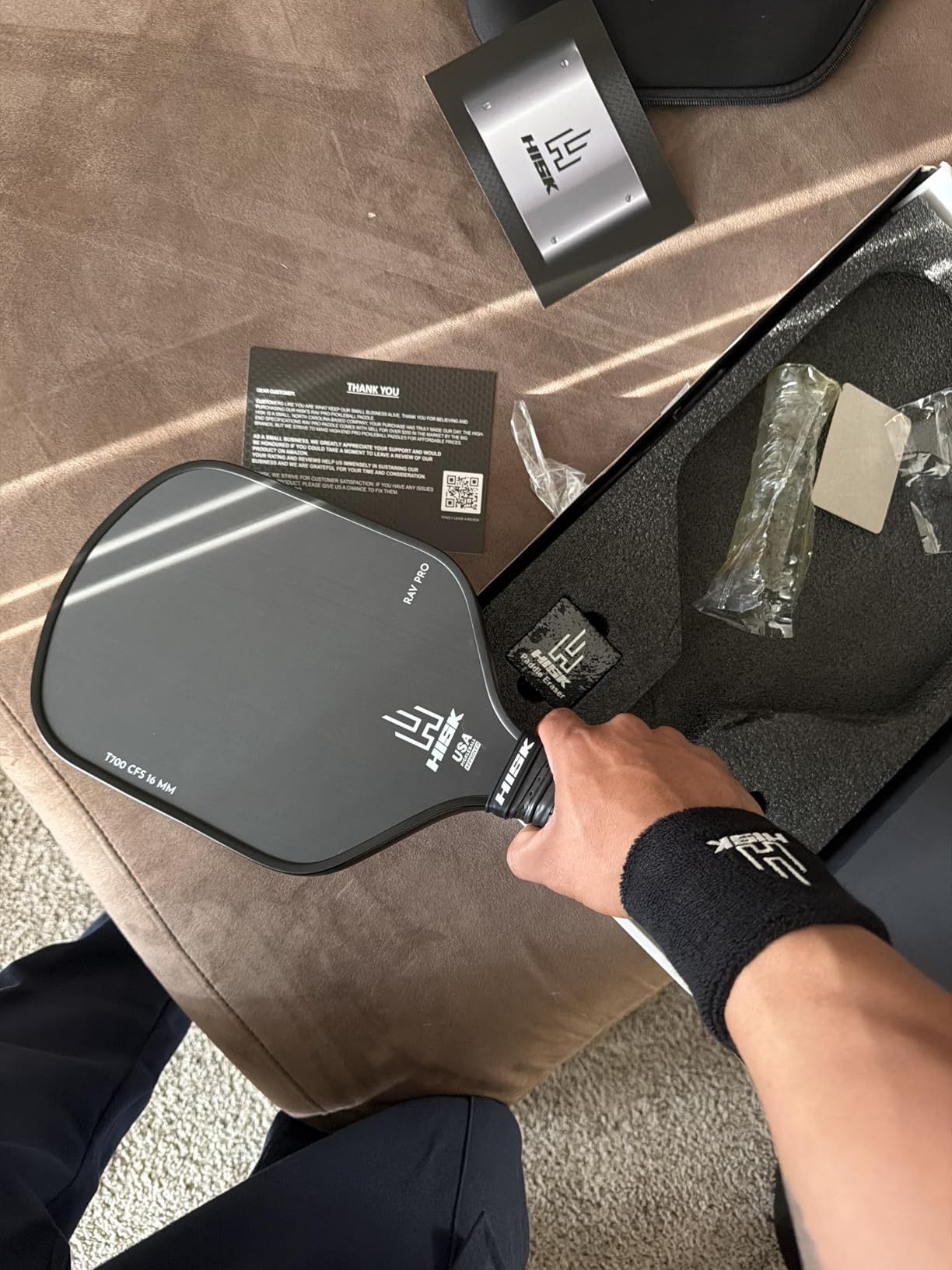
8. HISK RAV PRO – Raw Carbon Grip and a Long Handle
HISK RAV PRO T700 Toray Raw Carbon Fiber Pickleball Paddle USAPA Approved
7.9 oz
16.33 in length
5.5 in handle
16mm foam-edged core
+ Pros
- Raw carbon weave produces real spin
- Light 7.9 oz build reduces fatigue
- 5.5 in handle suits two-handed backhands
- Bundled cover overgrip wristbands and eraser
- Cons
- Small sweet spot and low power
- Rectangular handle takes time to adapt
- Face size demands accuracy
The HISK RAV PRO is a spin-first paddle with genuine tennis credentials. The 16.33 inch elongated face and 5.5 inch handle are exactly the geometry a racquet player is looking for, and the exposed Japanese Toray T700 raw carbon weave is about as aggressive a surface as this category offers.
Owners coming from tennis call it the best raw carbon paddle they have tried for the money, largely because spin generation lets them keep their existing topspin technique. The 16mm core with perimeter foam edging keeps the impact manageable at that light 7.9 ounce weight.
What Raw Carbon Actually Does
Raw carbon has no coating over the weave, so the texture you feel is the carbon itself. That produces more friction on contact, which means more spin on serves, lobs, and rolled drives. For a tennis player whose entire game is built on brush and slice, this is the single most valuable feature you can buy.
It is also less forgiving than a coated face. Balls that land slightly off center kick unpredictably compared with a softer paddle, so give yourself a few sessions to adjust.
Long Handle, Straightforward Profile
The 5.5 inch handle and comfortable larger diameter make this one of the best options in the guide for a two-handed backhand. The profile is more rectangular than the usual octagonal shape, and owners note it takes a short adjustment period before the corners stop feeling sharp.
Lead tape on the sides is a common owner modification here, used to add drive and slightly enlarge the effective sweet spot.
Where It Falls Short
Power is low, and the sweet spot is small. Owners are clear that you have to generate the pace yourself, which is a real limitation for a player used to leaning on a racquet head. The face size is on the smaller side and rewards accurate contact.
If you are an experienced ball-striker who wants spin and control, that is a fair deal. If you want free power, look at the CRBN or the TENVINA instead.
9. HEAD Radical Elite – Widebody Forgiveness for New Players
HEAD Fiberglass Pickleball Paddle – Radical Elite Paddle w/Honeycomb Polymer Core & Comfort Grip
230 g / 8.1 oz
16 in length
4 1/4 in grip
13.0 mm core
+ Pros
- Large forgiving sweet spot
- Light and lively at the net
- Comfortable for larger hands
- One year manufacturer warranty
- Cons
- Smooth face limits spin
- Not built for advanced spin play
- Intermediate-level construction
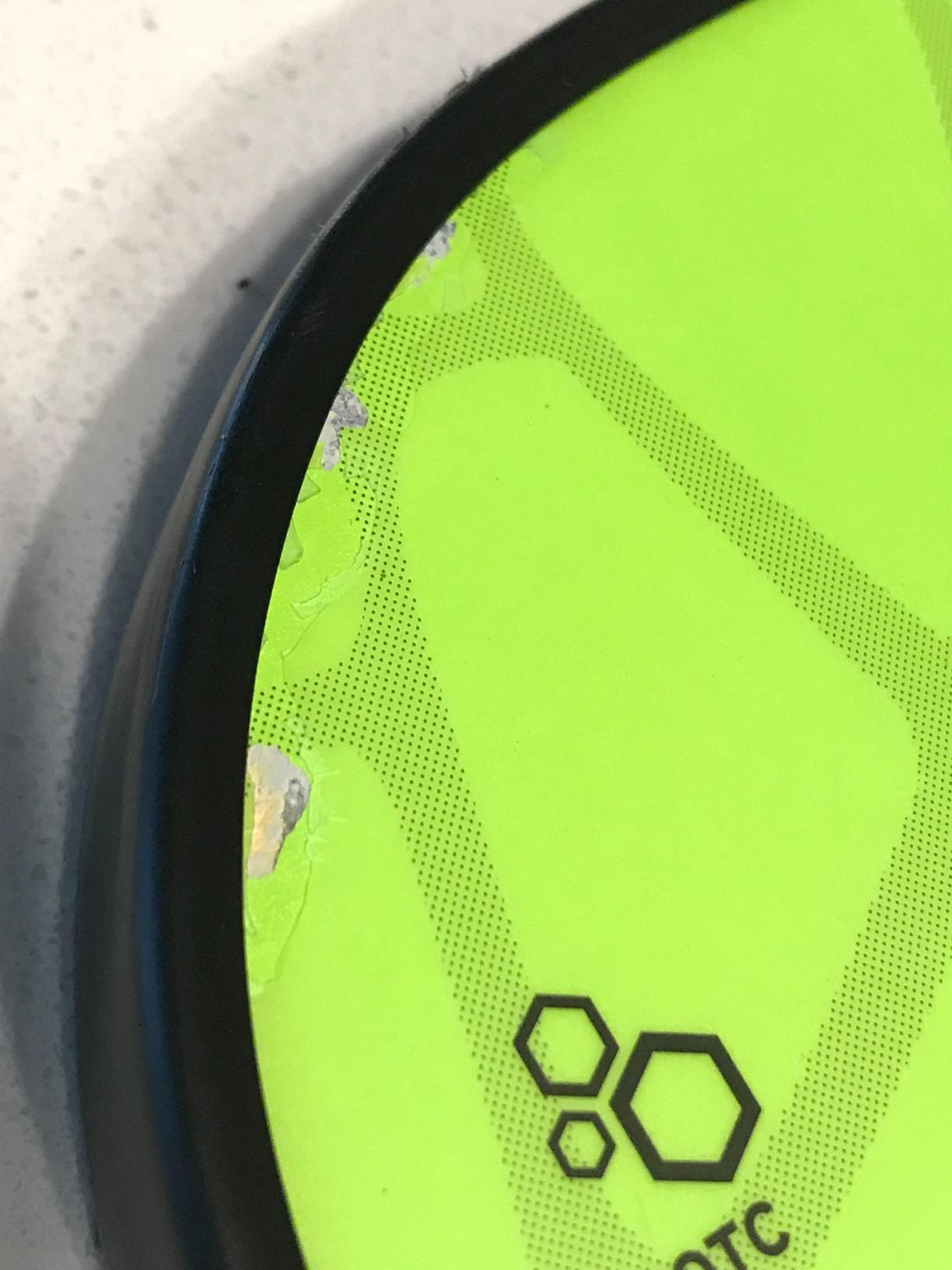
The HEAD Radical Elite is the paddle most tennis players should consider if they are new to the game and want something forgiving rather than aggressive. At 230 grams and 8.1 ounces it is light enough for quick hands at the kitchen, and the 16 by 7.88 inch face gives you a genuinely large hitting area for a first swing.
What you give up is spin. The face is fiberglass over a polypropylene honeycomb core, which is lively and reliable but not textured. If your plan is to add heavy sidespin to your serve, look elsewhere. If your plan is to learn the game and keep the ball in play, this paddle is hard to argue with.
Why a Widebody Works for a New Pickleball Player
A widebody face forgives contact away from the middle, which matters enormously in the first months. Tennis players are used to missing balls, so forgiveness keeps a good rally alive long enough to learn the geometry of the court. Owners consistently recommend the Radical Elite as a first or second paddle for exactly this reason.
The 16 inch length is shorter than the elongated options, so reach is more limited. That is the one compromise you accept for the larger hitting area.
What the 13mm Core Does to Your Swing
The 13.0 mm polypropylene honeycomb core keeps the paddle lively. That is a good match for a player who generates pace easily and wants the ball to come off the face fast, and it means less work on short dinks and reflex volleys.
It is also the reason this paddle feels less stable on a heavy block. Owners who move to a stiffer, thicker core usually report an immediate drop in arm stress. If elbow soreness is already part of your tennis life, a 16mm option will serve you better in the long run.
Grip Comfort and Face Design
The 4.25 inch Ergo Grip handle fits larger hands unusually well, and several owners single that out as a reason they kept using the paddle. Vibration is minimal, and the distinct face graphics help you orient forehand and backhand without looking down.
Where It Falls Short for Tennis Players
The smooth surface is the consistent complaint across reviews. Spin generation is minimal, so topspin and slice techniques that work in tennis do not translate cleanly here. Most owners treat this as a learning paddle and move up once they want to shape the ball deliberately.
10. HEAD Radical XL – Elongated Reach in a Light Frame
HEAD Graphite Pickleball Paddle – Radical XL Lightweight Paddle w/Honeycomb Polymer Core & Comfort Grip
215 g / 7.6 oz
17 in length
13.0 mm core
4 1/4 in grip
+ Pros
- Light 7.6 oz build for quick hands
- 17 in shape gives strong reach
- Textured graphite face aids placement
- Ergo Grip handle limits vibration
- Cons
- Thin 13 mm core delivers less power
- Narrow 7 in width reduces the hitting area
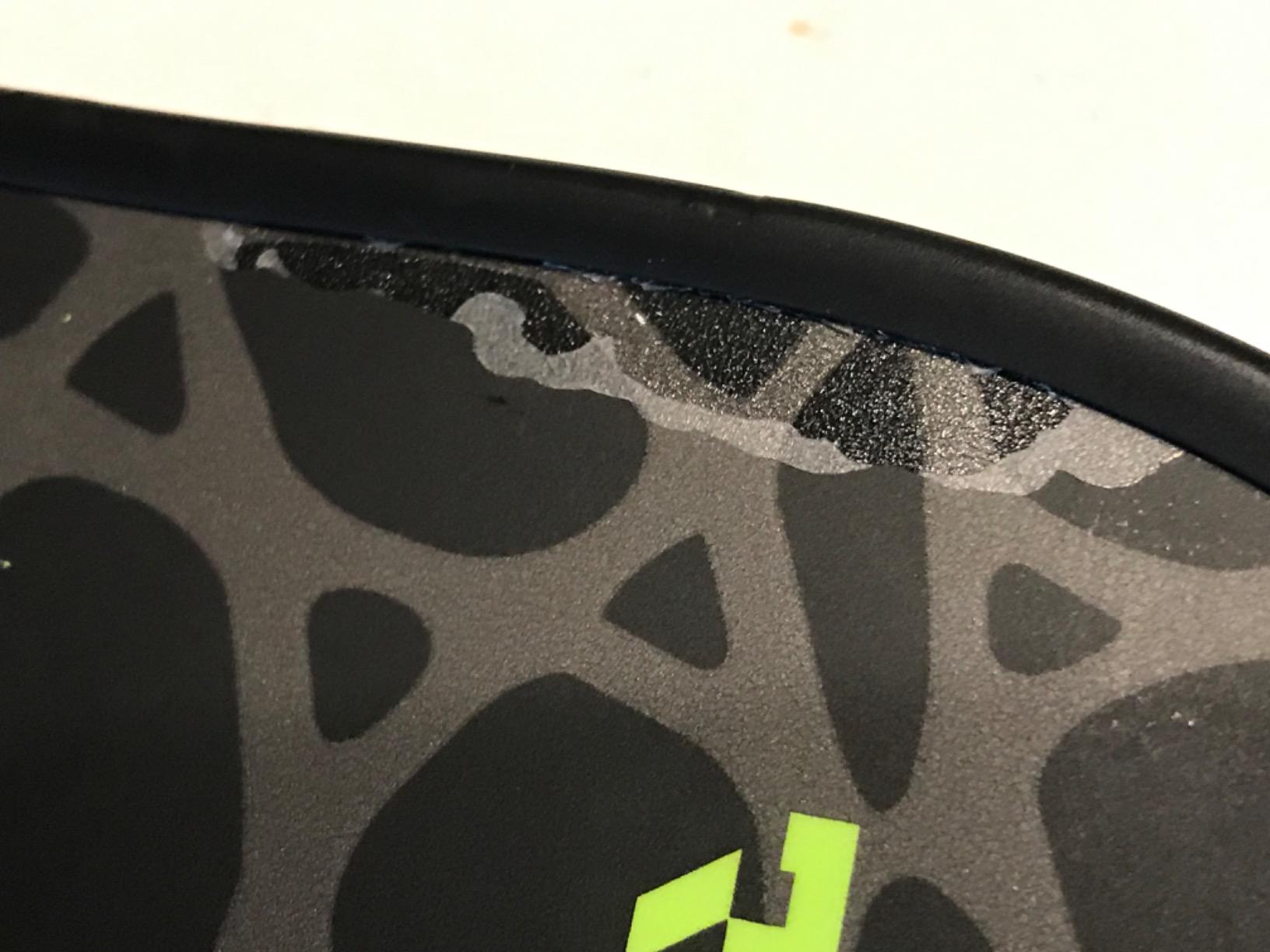
The HEAD Radical XL is the reach specialist. At 17 inches long it is one of the longest faces in this roundup, and at 7.6 ounces it is among the lightest. That combination makes it a natural fit for a doubles player who spends the match at the kitchen and needs to cover a wide angle quickly.
The textured graphite face improves grip and shot placement compared with a smooth polymer face, and the Ergo Grip handle keeps vibration down on impact. This is a control-first paddle aimed at advanced players who already control the pace of a rally.
Reach Versus Hitting Area
The 17 by 7 inch face trades width for length, and that is the entire design philosophy. You cover more court, and you give up some margin for error on balls that land near the sideline. For a net player that is a good trade; for a baseline grinder it is not.
Compared with a standard widebody, the extra length also raises the sweet spot toward your hand, which is where a tennis stroke already produces its most pace.
Why 7.6 Ounces Helps Doubles Players
Weight matters most at the kitchen, where reaction time is short and the ball is coming back fast. A 7.6 ounce paddle is easy to move and quick to redirect, and that is exactly the movement pattern of a tennis player at the net.
Because the paddle is so light, it feels lively off the face. The 13.0 mm core is thin by modern standards, which is how the weight is kept down and the responsiveness stays fast.
The Cost of the Thin Core
Thin cores deliver less power. Reviewers note that hard drives come back softer than expected, so you will win points with placement and speed rather than pace. The narrow width also means a smaller effective hitting area when the ball is nearly overhead.
If you want reach and low weight, this delivers both. If you want reach and power, look at the TENVINA elongated model instead.
11. JOOLA Pro IV – Maximum Power With a Learning Curve
JOOLA Ben Johns Perseus Pro IV 16mm Pickleball Paddle – Tech Flex Power – Elongated Shape for Power & Spin – Propulsion Core Increases Power & Touch – UPA-A Certified – USAP Approved – NFC Chip
7.9 oz
16.5 in length
5.5 in handle
16mm core
+ Pros
- Exceptional power and spin
- Precise placement once mastered
- Elongated shape adds reach and swing speed
- Tech Flex Power frame construction
- Cons
- Core crushing and cracking reported by some owners
- 180 day warranty with difficult support
- Control takes real practice
- Some variants lost tournament approval
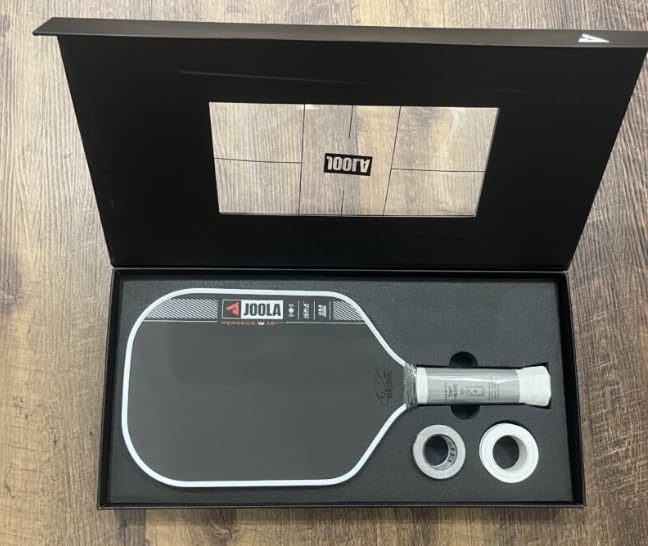
The JOOLA Pro IV produces more power than anything else in this roundup, and the geometry is ideal for a tennis player: a 16.5 inch elongated face with a 5.5 inch handle at 7.9 ounces. The Hyperfoam edge wall enlarges the sweet spot, and the Tech Flex Power frame keeps material out where it adds response instead of weight.
Enthusiastic owners describe elite-level power and spin with impressive control once learned. The raw carbon surface grips the ball hard enough to add real sidespin to a serve, which is the fastest way for a tennis player to feel at home.
Power That Demands Technique
This paddle rewards a full swing. Owners describe the first few weeks as a period of overwhelming the ball, with placement improving substantially once the swing path is shortened. A tennis player with good racquet mechanics usually adapts faster than most because the timing transfers.
Dinking control is genuinely precise once you get there, which makes it a legitimate all-court paddle rather than a serve-and-volley special.
Durability Concerns Are Real
This paddle has the highest share of one-star complaints of anything in the roundup, with a meaningful group reporting core crushing, plastic cracking, and rattling within months. Some customers also describe frustrating warranty service, and the warranty itself runs only 180 days.
Reviewers also flag that some variants lost tournament approval. If you compete rather than recreational play, confirm the approval status of the specific model before you commit.
Why the 5.5 Inch Handle Still Stands Out
For a two-handed backhander, the handle length is the reason to keep looking at this model even with the durability concerns. Both hands fit where a racquet grip would have put them, and the extended leverage reduces the load on the elbow and wrist.
Available in Perseus, Hyperion, Scorpeus, and Magnus shapes at 14mm and 16mm, so you can pick a thicker core if the thinner frame worries you.
12. Selkirk Sport Labs 007 – Raw Carbon With a Lifetime Warranty
Selkirk Sport LUXX Control Pickleball Paddle | Carbon Fiber X7 Core
0.31 kg
Invikta elongated shape
19mm X7 core
InfiGrit face
+ Pros
- Limited lifetime warranty is rare in this category
- InfiGrit raw carbon tuned for spin
- Large sweet spot for all-court play
- EVA foam handle and throat dampen vibration
- Cons
- Top tier cost narrows the value case
- Smallest owner review base of the twelve
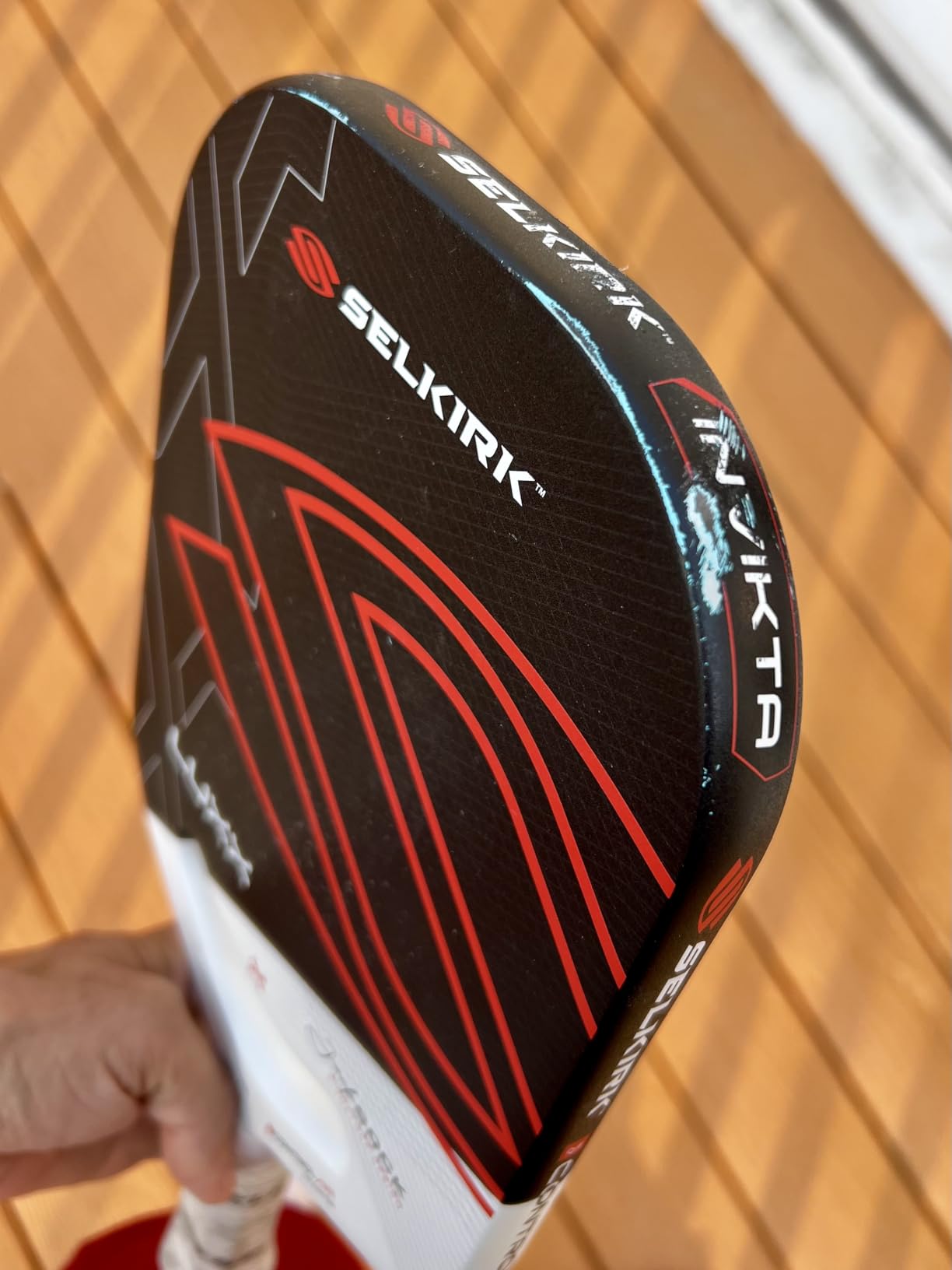
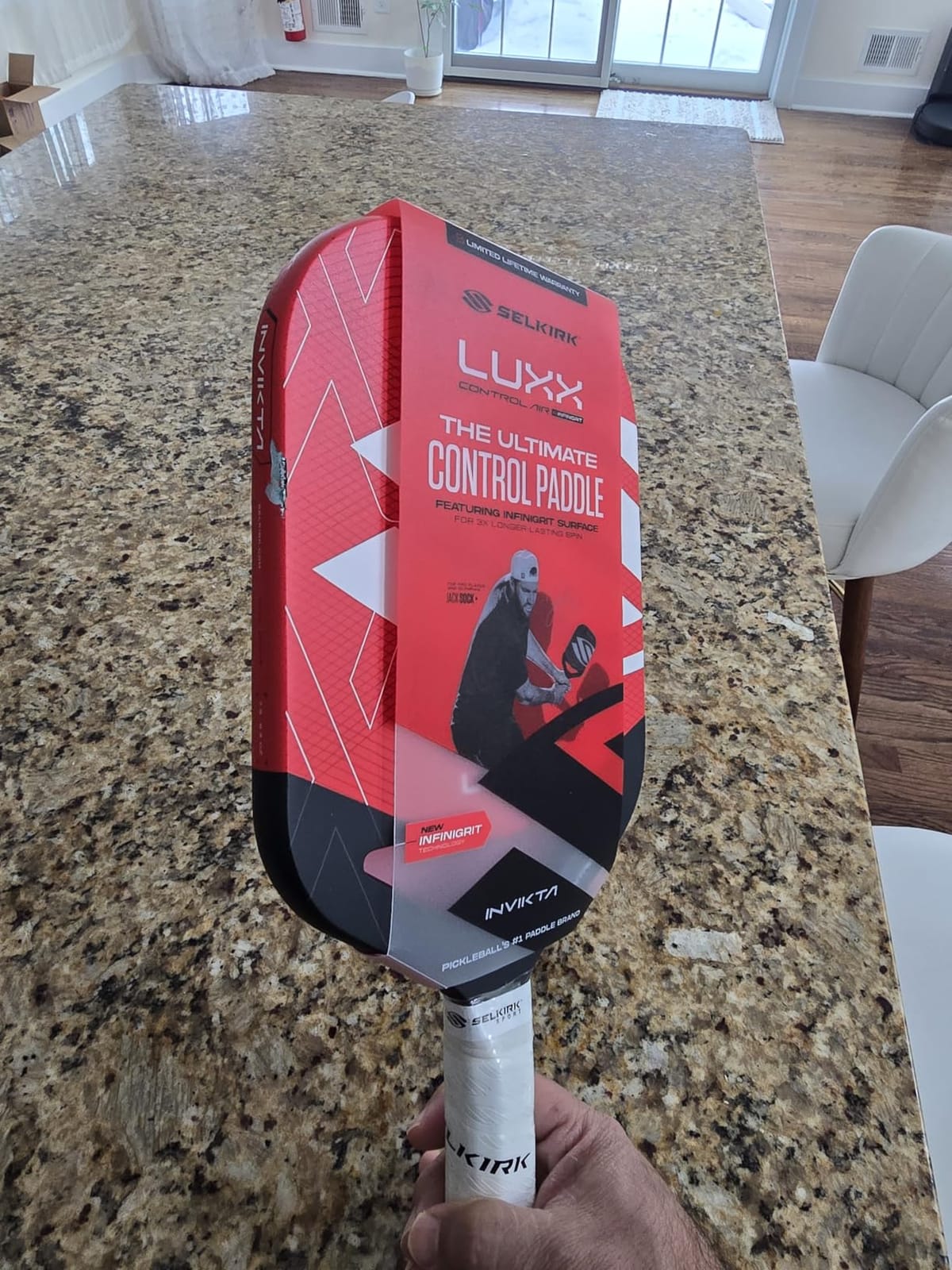
The Selkirk Sport Labs 007 sits at the premium end of this roundup, and its selling point is the warranty. A limited lifetime warranty is uncommon among the twelve paddles we reviewed, and it changes the risk calculation for anyone who plays hard enough to worry about a frame cracking.
The construction is serious. The InfiGrit raw carbon surface is tuned for spin and durability rather than maximum grit, Florek carbon fiber enlarges the sweet spot, and the 19mm X7 honeycomb core is the thickest core in the group. EVA foam in the handle and throat absorbs vibration on every contact.
Why a 19mm Core Feels Different
A 19mm core sits well past the usual 16mm ceiling and produces a noticeably softer, more muted response. For a player with elbow history who plays long doubles sessions, that cushioning is the point. The trade is power, which is modest for a paddle at this tier.
Owners describe the sweet spot as generous, which softens the feel of the paddle considerably. You are not buying a missile here; you are buying predictability.
InfiGrit Versus Raw Weave
InfiGrit is engineered to resist abrasion while still producing spin, which addresses the durability problem raw carbon faces usually have. Over a season of weekly play, that matters if you are the type who plays until the face wears down.
It is not as abrasive as the exposed weave on the HISK RAV PRO, so a pure spin chaser will get more bite elsewhere. An all-court player will find this balance more useful.
Weight Against Cost
At 0.31 kg, the 007 is one of the lighter paddles here, so it will not tax a tennis elbow the way a heavy frame can. The Invikta elongated shape gives the reach a racket player expects.
This is the top tier of the roundup, and the review base is the smallest, so owner feedback is thinner than for the alternatives. If you want a lifetime warranty and a soft 19mm feel, the case is clear. If you want proven value, the same budget stretches further with a mid-range carbon paddle.
How to Match a Paddle to Your Tennis Playing Style
The right paddle follows from how you actually play, not from your rating. A baseliner and a serve-and-volley player coming from tennis want very different things, and the specs that matter change with the style.
Aggressive Baseliner: Weight and Plow-Through
If your tennis game is built on depth, pace, and hitting through the ball, you want a heavier paddle that resists deflection on a low ball. The TENVINA at 9 ounces gives you the most mass in the group, and the JOOLA Hyperion gives you a better balance of power and control with a longer handle. Both will let you keep a full swing without the face collapsing.
Look for 8 ounces or more, an elongated face, and a textured carbon surface. Expect less hand speed in exchange, and accept that you will win points from position rather than reflex.
Serve-and-Volley Player: Reach and Quick Hands
Serving and volleying in tennis means covering a lot of court quickly from a forward position. In pickleball the same instinct shows up as moving forward after the serve and closing at the kitchen. That game favors reach and a light, quick paddle.
The HEAD Radical XL at 17 inches and 7.6 ounces is built for exactly that, and the CRBN X Series offers similar speed with more power if you find the thin core too soft. Both are more about moving the ball to a place than hitting through it.
All-Court and Transition Player: The Middle Ground
The transition player needs to drive, reset, and finish at the net with the same paddle, which is why so many tennis converts end up in the middle of the weight range. The Jojolemon, the XSPAK Pro, and the CPX Pro all sit there, and any of them will work as your game shifts between offense and defense.
A 16mm core at around 8 ounces is the safest starting point in this group. It absorbs enough impact for the kitchen and generates enough spin for a tennis-style serve.
Touch and Finesse Player: Soft Cores and Placement
If your tennis game is built on angles, drop shots, and placement, a control paddle will reward that more than a power paddle. The Vatic Pro Prism gives you a soft touch at a moderate weight, and the Selkirk Sport Labs 007 goes further with a 19mm core if your arm needs more cushioning.
Both trade power for feel. You will win points by placing the ball out of reach rather than blasting it, which is closer to how many tennis players already win points.
Singles Play: Sweet Spot Beats Raw Power
Singles demands consistency over a long point, and a large sweet spot is worth more than extra pace. The HEAD Radical Elite and the CRBN X Series both forgive off-center contact well, and the XSPAK Pro adds a long handle on top of that.
Thin the sweet spot at your own risk. A player who mishits a third of first drives will not out-muscle anyone, and a forgiving face will keep the rally alive long enough for your positioning to work.
Tennis Elbow, Grip Size and Lead Tape Customization
Almost every tennis player arrives with some history of forearm or elbow discomfort, and paddle choice interacts with that history in ways that specs alone do not explain. Three adjustments make the biggest difference.
Choose Softness Before Weight
Core thickness governs how much shock reaches your forearm. A 16mm core with foam edges, like the Jojolemon or the XSPAK, absorbs noticeably more than a 13mm core such as the HEAD Radical XL. Owners of arm-sensitive paddles consistently report that elbow sting drops as soon as they move up in core thickness.
Weight is secondary but not irrelevant. A heavy paddle asks more of your shoulder and elbow to move it, which is why we would pair a heavier frame with a thicker core rather than a heavy thin core.
Get the Grip Size Right Before the First Session
A grip that is too small forces your hand to squeeze constantly, and a constant squeeze is a well-known source of forearm fatigue. Measure your hand or compare against the paddles you already own. Grip diameters in this group run from 4 inches on the CRBN up to 4.35 inches on the XSPAK.
If you are comfortable with larger hands, a 5.25 inch handle is the practical minimum for a two-handed backhand, and 5.5 inches is the most common long-handle length in this roundup. An overgrip adds diameter but not length, so a player who needs a longer handle should filter for 5.25 or 5.5 inches rather than trying to solve it with tape.
Lead Tape for a Custom Swing Weight
Lead tape is the simplest way to tune a paddle to your swing, and owners across this roundup use it for the same three reasons. Adding a few grams to the sides and throat raises swing weight and makes the paddle plow through more easily. Adding weight to the head enlarges the effective sweet spot. Adding it near the handle firms up a grip that feels too vague in the hand.
Apply it in thin, even strips, keep the total under about half an ounce, and test before you play a match. Too much and you will feel the imbalance before your opponent does.
Paddle Demo Programs Are Worth the Trip
Because feel is so personal in this sport, trying a paddle in a shop beats every review. A local club that runs a demo night, or a retailer that lends paddles through a trial program, will save you from a poor match between your hand and a handle size. Tennis players tend to over-order the first paddle and under-order the second one, so a demo is a cheap correction.
Frequently Asked Questions
Which pickleball paddle is good for tennis players?
An elongated paddle with a handle of 5.25 inches or longer, a weight around 8 ounces, and a 16mm core is the best match for a tennis player. The length keeps reach familiar, the long handle fits a two-handed backhand, and the thick core absorbs the impact that a stiff racquet delivers. The top pick here also carries a textured raw carbon face so a tennis topspin motion still produces spin.
What is the best pickleball paddle for singles?
Singles rewards consistency, so a large sweet spot matters more than raw power. The HEAD Radical Elite and CRBN X Series both forgive off-center contact well, and the XSPAK Pro adds a 5.5 inch handle on top of a generous hitting area. A player who mishits a third of first drives needs forgiveness more than pace.
What are the top 3 pickleball paddles for tennis players?
Our top three are the Jojolemon 16mm Shark Power for its soft core, heavy spin and 4.8 owner rating, the XSPAK Pro Series T700SC for its 5.5 inch handle and deep review history, and the Vatic Pro Prism 16mm for touch and placement. Each covers a different gap: arm comfort, two-handed backhand geometry, and control.
Do pro pickleball players use 14mm or 16mm cores?
Both, and the choice usually reflects playing style rather than skill. Pro players who rely on heavy pace and a fast swing often hold a thinner 14mm core, while players who absorb a lot of pace on blocks and value comfort tend toward 16mm. A tennis player new to the sport usually gets more out of 16mm because the softer impact reduces the load on the elbow.
What is the ideal swing weight for a pickleball paddle?
Around 8 ounces is the sweet spot for most racket players. Heavier than that and quick hands suffer at the kitchen, lighter than that and the paddle feels hollow on a hard block. Adding a small amount of lead tape to a slightly lighter frame is a common way to fine-tune the feel without changing paddles.
Final Verdict: Which Pickleball Paddle Should You Buy in 2026
Start with the Jojolemon 16mm Shark Power if you want the softest impact and the strongest spin in the same frame. It is the paddle we would hand to a tennis player carrying any elbow history into the sport.
Choose the XSPAK Pro if you play a two-handed backhand and want a 5.5 inch handle with a large sweet spot behind it, and the Vatic Pro Prism if you would rather place the ball than blast it. Pick the CPX Pro if you want the grip itself to feel like a racquet from the first session.
Go heavier with the TENVINA if you are a baseliner who wants to plow through the ball, lighter with the HEAD Radical XL if you live at the kitchen, and rawer with the HISK RAV PRO if spin is your game. Whichever one you pick, match the grip size to your hand before your first match and check the product page for current details.