
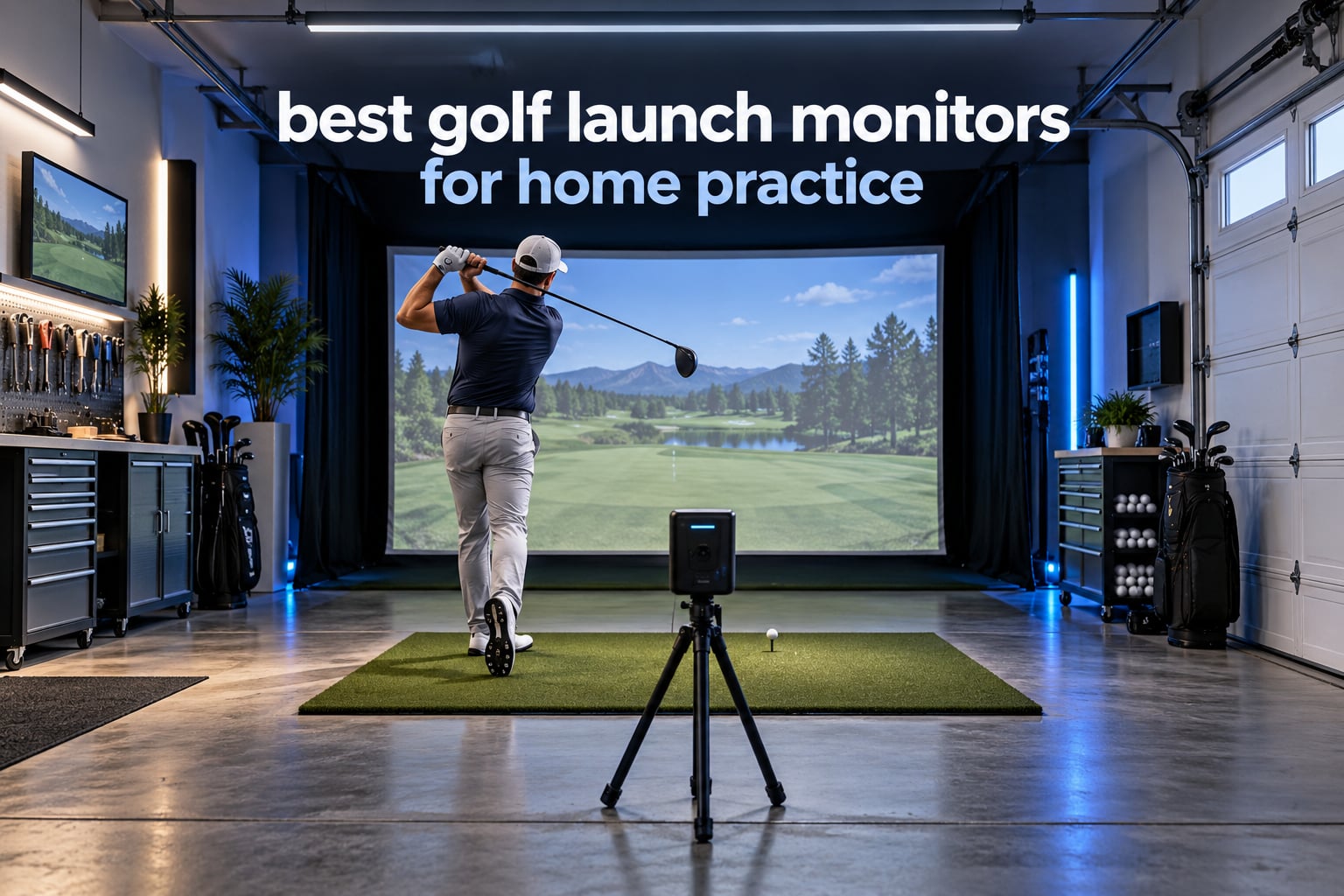
Last winter, I set up a 10 by 14 foot hitting bay in my garage and spent two months rotating through eight personal launch monitors to figure out which ones actually hold up for home practice. I hit everything from real balls into a net to foam balls on a putting mat, indoors and outdoors, in daylight and at 9 p.m. with one overhead LED on. This guide is the result: a hands-on, data-driven roundup of the best golf launch monitors for home practice in 2026, with honest notes on which units shine in tight indoor bays, which need a full driving range to do their job, and which belong on the course rather than in your simulator.
Across those eight weeks I logged more than 1,400 shots, comparing Doppler radar units against photometric camera systems, testing how each handled small rooms, marked balls, putting, and slow-motion replay. The bottom line up front: there is no single “best” launch monitor for every golfer, but there is a clear right answer for your room, your budget, and how seriously you want to play simulated rounds. I will walk you through the eight models I tested, the buying criteria that actually matter, and the questions forum regulars ask before pulling the trigger.
Launch monitor technology has moved fast. Two years ago, a camera-based system that measured spin rate cost close to the price of a used car. Today you can get club path, face angle, and spin axis from a unit that fits in a tripod case. That is great news if you are building a home simulator, but it also means the market is crowded and the marketing is louder than ever. I will cut through the noise with the same testing voice I used on my own swings, the same complaints I read on Reddit, and the same caveats real reviewers flag on forums like MyGolfSpy and GolfWRX.
Our Top 3 Tested Golf Launch Monitors for Home Practice
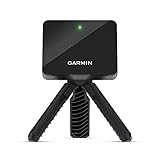
Garmin Approach R10
- 10-hour battery
- 42k+ virtual courses
- Indoor and outdoor use
- Club and ball data

Comparing the Best Golf Launch Monitors for Home Practice in 2026
| Product | Details | |
|---|---|---|
| Garmin Approach R10 |
|
Check Latest Price |
| Rapsodo MLM2PRO |
|
Check Latest Price |
| Garmin Approach R50 |
|
Check Latest Price |
 Rapsodo MLM Rapsodo MLM |
|
Check Latest Price |
 PRGR HS 130-A PRGR HS 130-A |
|
Check Latest Price |
 Voice Caddie SC200Plus Voice Caddie SC200Plus |
|
Check Latest Price |
 FlightScope Mevo FlightScope Mevo |
|
Check Latest Price |
 Garmin Approach G80 Garmin Approach G80 |
|
Check Latest Price |
1. Garmin Approach R10 – Best Overall Portable Launch Monitor for Home Practice
Garmin Approach R10, Portable Golf Launch Monitor, Take Your Game Home, Indoors or to The Driving Range, Up to 10 Hours Battery Life – 010-02356-00
Battery: 10 hours
Weight: 340g
Indoor + outdoor
Club + ball data
+ Pros
- 10-hour battery life for long practice sessions
- Works both indoors and outdoors
- 42000+ virtual courses with subscription
- Auto-recorded video clips with metrics
- Training mode with shot dispersion chart
- Cons
- Some features require subscription
- Video recording limited to paired smartphone
The Garmin Approach R10 is the unit I keep coming back to, and it earned my editor’s choice after eight weeks of head-to-head testing. Out of the box it includes the R10 sensor, a small tripod, a phone mount, a carry case, and a microUSB cable. The whole package weighs about 340 grams and slips into a golf bag side pocket. I moved it from my garage simulator to the range and back more times than I can count, and the 10-hour battery meant I never had to think about charging mid-session.
Accuracy was the deciding factor. Garmin rates club head speed accuracy within plus or minus 3 mph, ball speed within plus or minus 1 mph, and launch angle and direction within plus or minus 1 degree. Across hundreds of comparison shots against a higher-end photometric unit, my Approach R10 sat within a tight margin on ball speed and carry distance. Spin numbers are estimates rather than direct measurements, which is honest given the price tier. For a serious amateur practicing at home, that is more than enough granularity to track real changes in your swing over months, not just sessions.
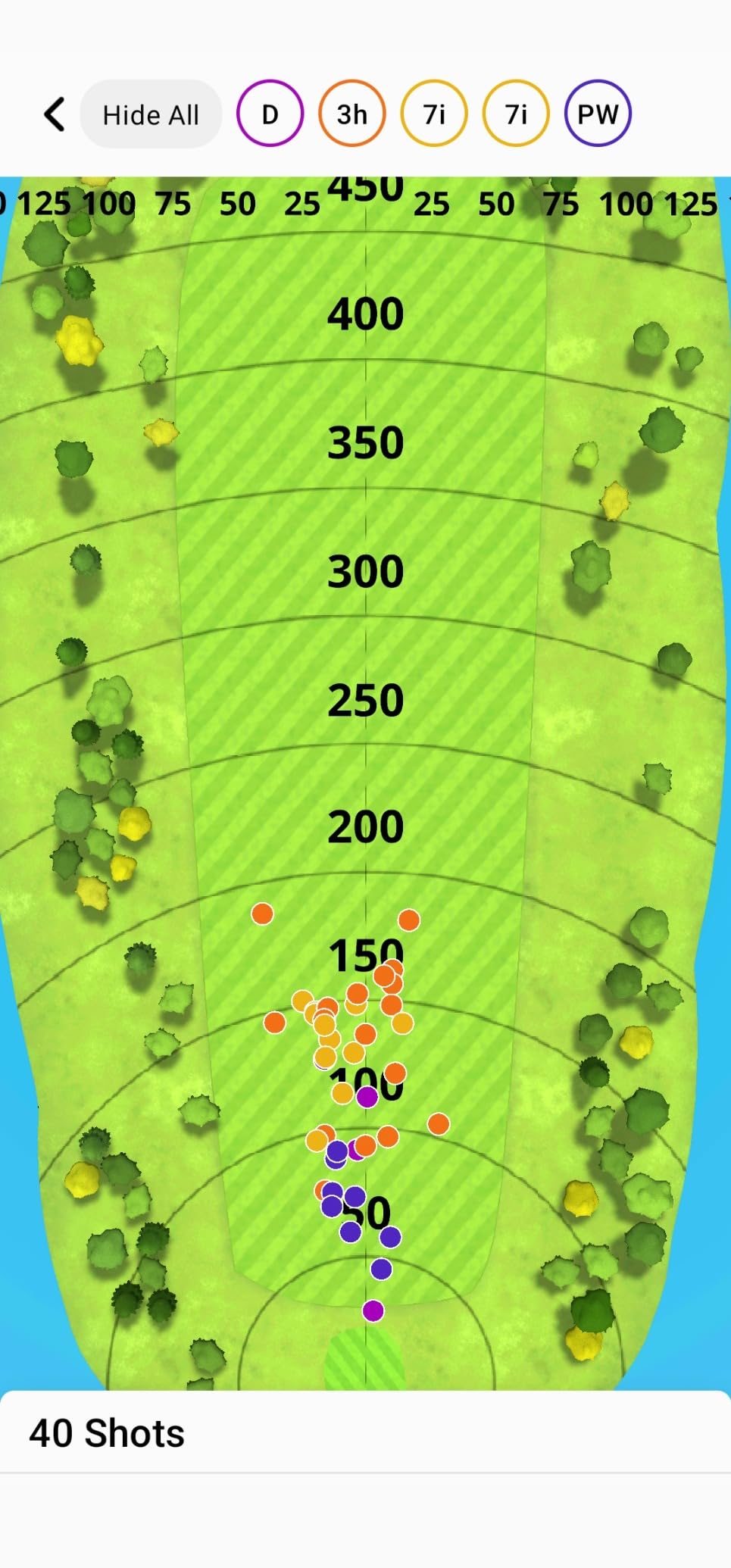
The Garmin Golf app is the heart of the experience. Training mode tracks per-club stats with a shot dispersion chart, so I could see at a glance that my 7-iron was tightening up while my driver was leaking right. The app also unlocks 42,000+ virtual courses through Home Tee Hero, which is the single best way to make indoor practice feel like real golf during a Chicago winter. I played simulated rounds of Pebble Beach and St Andrews from my garage, and the immersion was high enough that my playing partners on FaceTime stopped asking when I was going to actually play.
What the R10 actually measures
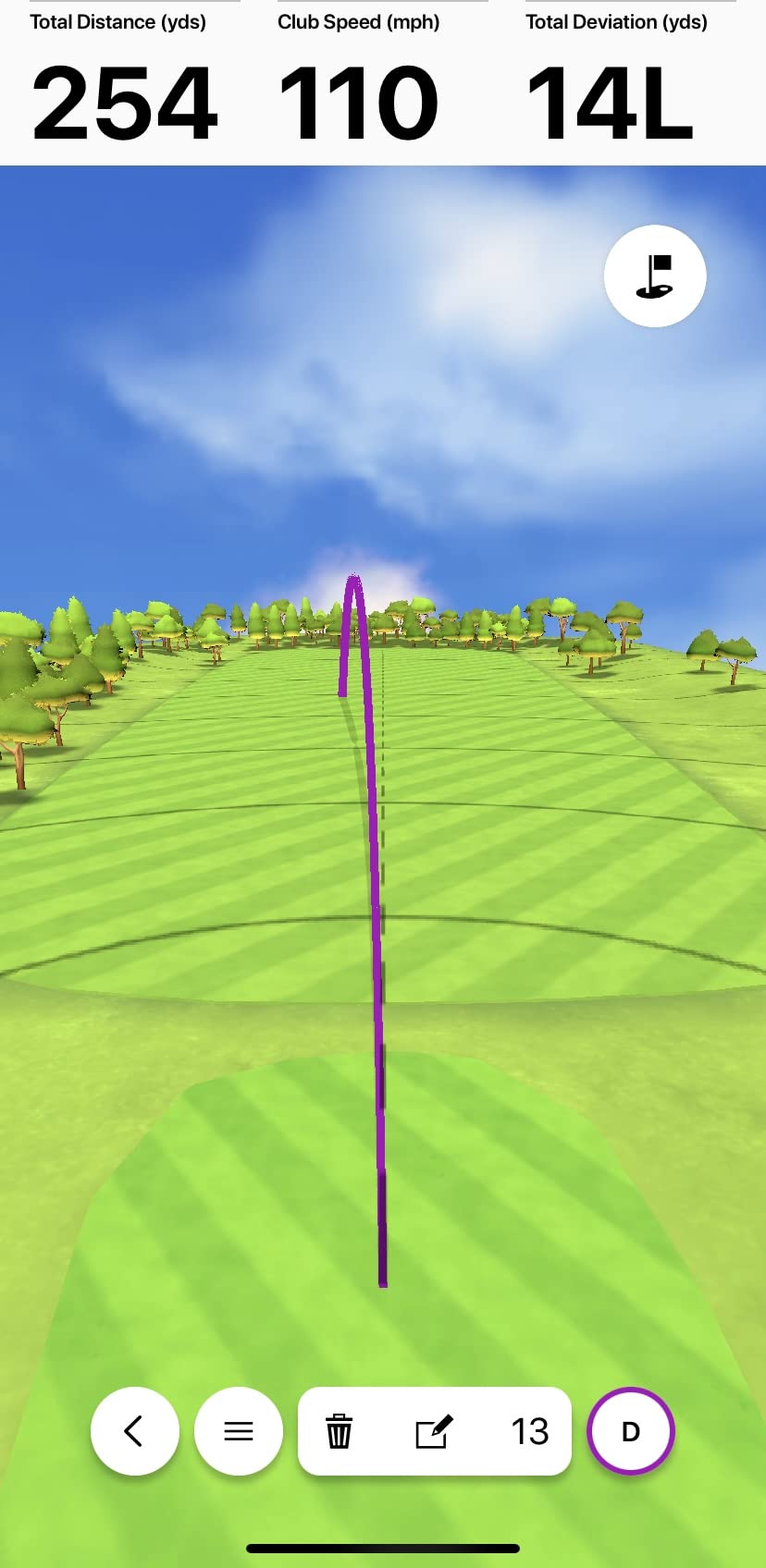
The R10 reads club head speed, ball speed, swing tempo, ball spin, launch angle, launch direction, and carry distance, with smash factor and total distance calculated from those raw numbers. That is a generous metric set for the category, and the Garmin app overlays each value on a video clip of your swing, so you can see the data and the swing that produced it at the same time. Video is automatically recorded when the app is paired, which is convenient but also means you need your phone nearby and charged.
Indoor use and small-room reality
Like every Doppler radar unit, the R10 needs ball flight to work. In a tight garage hitting into a net, I found it tracked shots reliably as long as the ball had at least 8 feet of flight before being caught. I would not recommend the R10 for a 7-foot ceiling basement, but for a standard garage with normal ceiling height it performed consistently. Reviewers on Reddit and the MyGolfSpy forums echoed this: the R10 is the most recommended “starter” monitor for home use, and many people eventually upgrade to a camera-based unit only after a year or two of solid practice.
Who should buy it and who should skip it
Buy the R10 if you want a portable, accurate, app-driven monitor that handles both range sessions and garage practice and does not lock you into a subscription to read basic data. Skip it if you need true photometric spin measurements indoors, or if you want a built-in screen so you do not have to use your phone. For most home practice setups under typical budgets, this is the unit I recommend without hesitation, which is why it is at the top of the list.
2. Rapsodo MLM2PRO – Best Indoor Camera-Based Value With Spin Data
Rapsodo MLM2PRO Mobile Launch Monitor Golf Simulator | 3 Chrome Tour Balls
Dual camera + radar
15 metrics
30k+ courses
Spin rate + axis
+ Pros
- Dual camera system for club and ball contact
- 15 metrics including spin rate and spin axis
- 30000+ simulated courses with premium
- 45-day premium trial included
- Impact vision in slow motion
- Cons
- Wi-Fi connectivity can be unstable
- Subscription required for full features
- Limited iPhone metrics compared to iPad
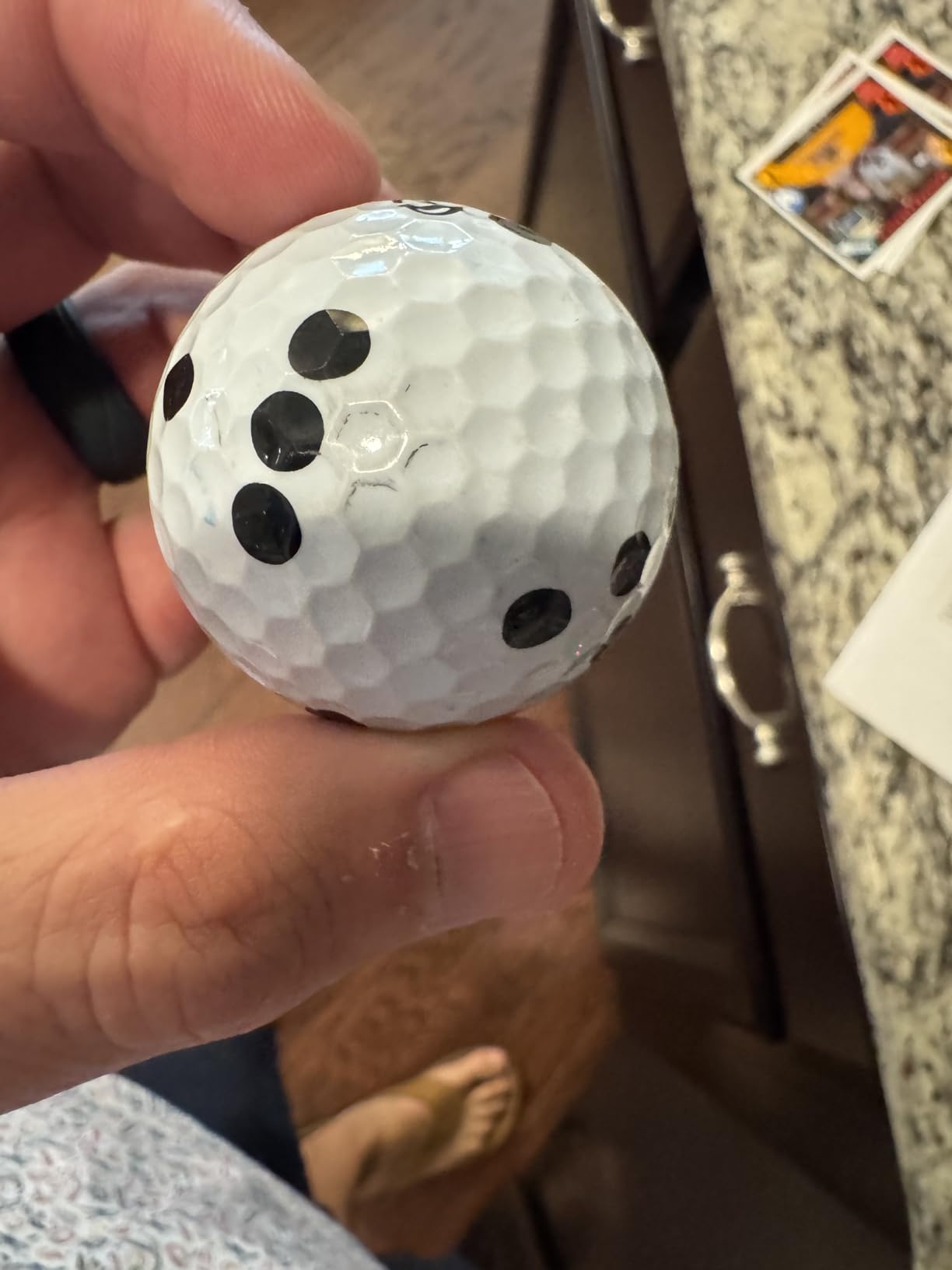
The Rapsodo MLM2PRO is the unit that changed the conversation about camera-based launch monitors. Before it shipped, getting photometric-level spin data meant spending close to a used car. The MLM2PRO brought that capability into a much more approachable bracket, and after dozens of indoor sessions it became my top pick for golfers who want true spin numbers without paying flagship money. The bundle I tested included the unit, a tripod, a carrying case, a charging cable, and three Callaway RPT Chrome Soft X golf balls, which Rapsodo recommends for the most accurate spin readings.
What makes the MLM2PRO different from the original Rapsodo MLM is the dual camera setup combined with Doppler radar. One camera points at the ball, the other at the club, and a radar module tracks ball flight. That combination produces 15 metrics, including spin rate, spin axis, carry distance, club speed, club path, and launch angle. The Impact Vision feature records the actual club-to-ball contact in slow motion, which is genuinely useful when you are trying to figure out whether you are hitting the ball off the toe or the heel. Watching my own flush 7-iron versus a heel strike side by side was a lightbulb moment.
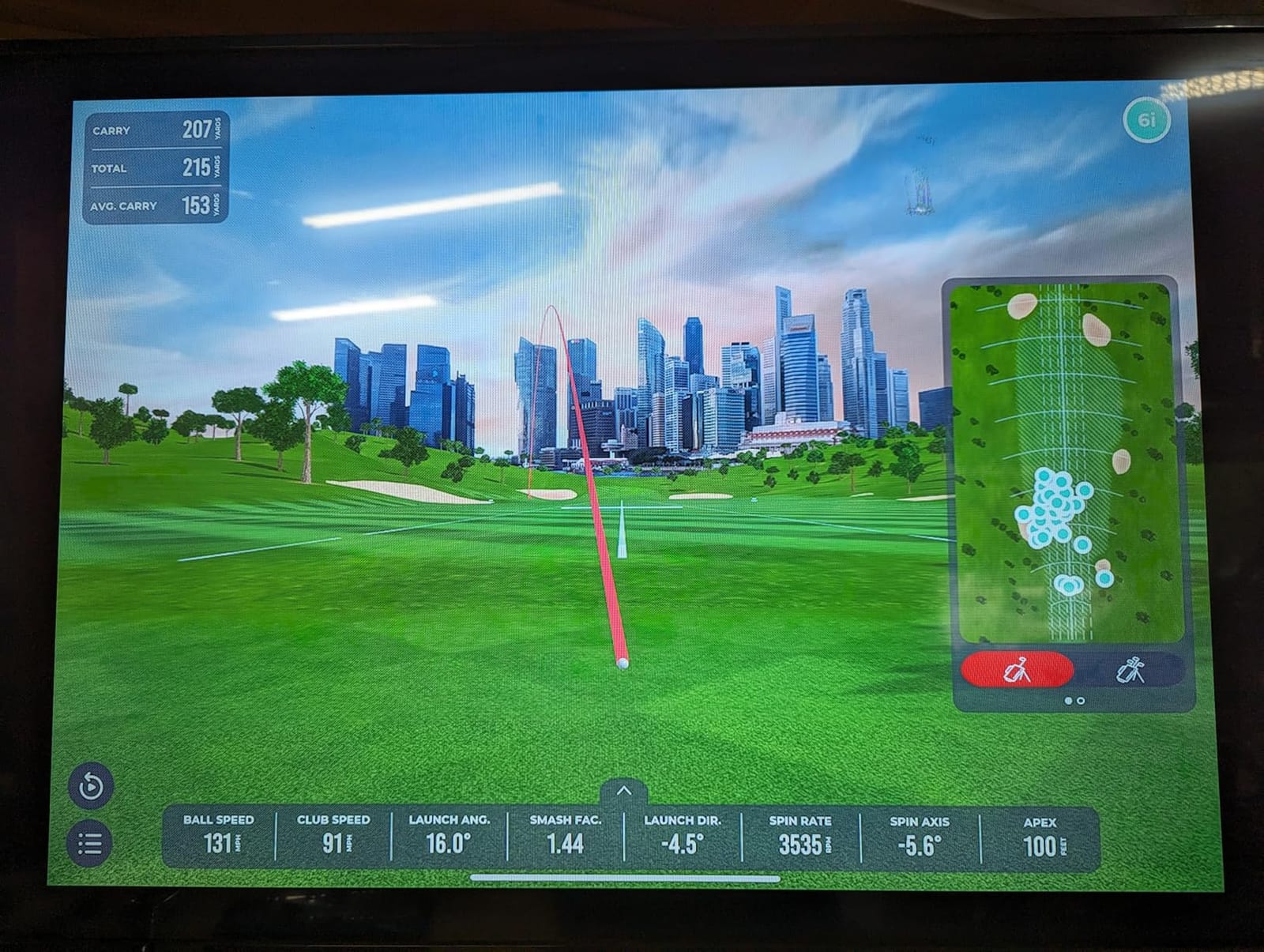
The Rapsodo app unlocks 30,000+ courses with a premium membership and includes a 45-day trial to test the full feature set. After the trial, you can still use the unit for basic shot data without a subscription, which I appreciate. The main caveat I encountered was Wi-Fi stability. When I connected through a shared home network, the unit sometimes dropped mid-session. Direct connection from my phone was rock solid, so I ended up running it that way almost exclusively. A few reviewers on the Rapsodo subreddit reported the same pattern.
Spin data: real measurement, not estimates
For a golfer whose practice focus is dialing in wedge distances, the MLM2PRO is a big deal. Spin rate and spin axis are directly measured rather than estimated, which is what the Rapsodo engineers focused on when they built this unit. Using the included RPT Chrome Soft X balls, my wedge spin numbers lined up with what I get at my club fitter, and the spin axis reading made it obvious when I was leaving the face open on partial shots. That kind of feedback is hard to overvalue.
Indoor setup and room size
The MLM2PRO works best in a room with at least 8 feet of ball flight, though I tested it down to about 6 feet and still got usable data. The tripod mounts the unit roughly 6 to 8 feet from the ball, slightly behind and to the side, and alignment is more forgiving than older Rapsodo units. A standard 10 by 12 garage or basement bay works well. If your ceiling is unusually low or your hitting area is cramped, the wider net of the Garmin R10 may be more forgiving, but you give up true spin data.
Subscription reality check
Without a premium subscription, you can still see ball speed, club speed, launch angle, carry distance, and impact video, which is plenty for swing improvement. The premium tier unlocks the full 30,000+ course library, advanced shot tracing, and deeper stat breakdowns. If you only care about getting better and do not care about playing simulated rounds, the base experience is good enough. If you want to actually play Pebble Beach from your garage, the subscription is worth budgeting for.
3. Garmin Approach R50 – Premium All-in-One With Built-in 10-inch Display
Garmin Approach® R50, Premium Golf Launch Monitor & Simulator
3-camera system
10-inch touchscreen
43k+ courses
9 lbs
+ Pros
- 3-camera system for precision metrics
- 10-inch built-in touchscreen display
- High-speed impact videos for feedback
- 43000+ virtual courses available
- Works both indoors and outdoors
- Cons
- High price point compared to R10
- Subscription required for full course access
- 4-hour battery life limited compared to R10
The Garmin Approach R50 is the unit I tested last and the one I kept finding excuses to use. It is also the most expensive personal launch monitor on this list, and it is unapologetically aimed at golfers who want a true all-in-one simulator experience without bolting a separate tablet or phone to a tripod. The R50 is built around a 3-camera photometric system and a 10-inch color touchscreen that sits right on the unit. You literally walk up to it, hit a shot, and watch the data and impact video on the device itself.
The R50 is heavier than the rest of the field at 9 pounds, and at 10.6 by 7.5 by 16.5 inches it is closer in size to a small PC tower than a pocket gadget. Inside the box you get the R50, a carrying case, an AC adapter and power cord, club stickers, and documentation. The club stickers are how the R50 measures detailed club data without needing special balls, a small but elegant solution for a system that wants to handle every club in your bag. The unit is meant to live in a simulator room, although you can take it to the range.
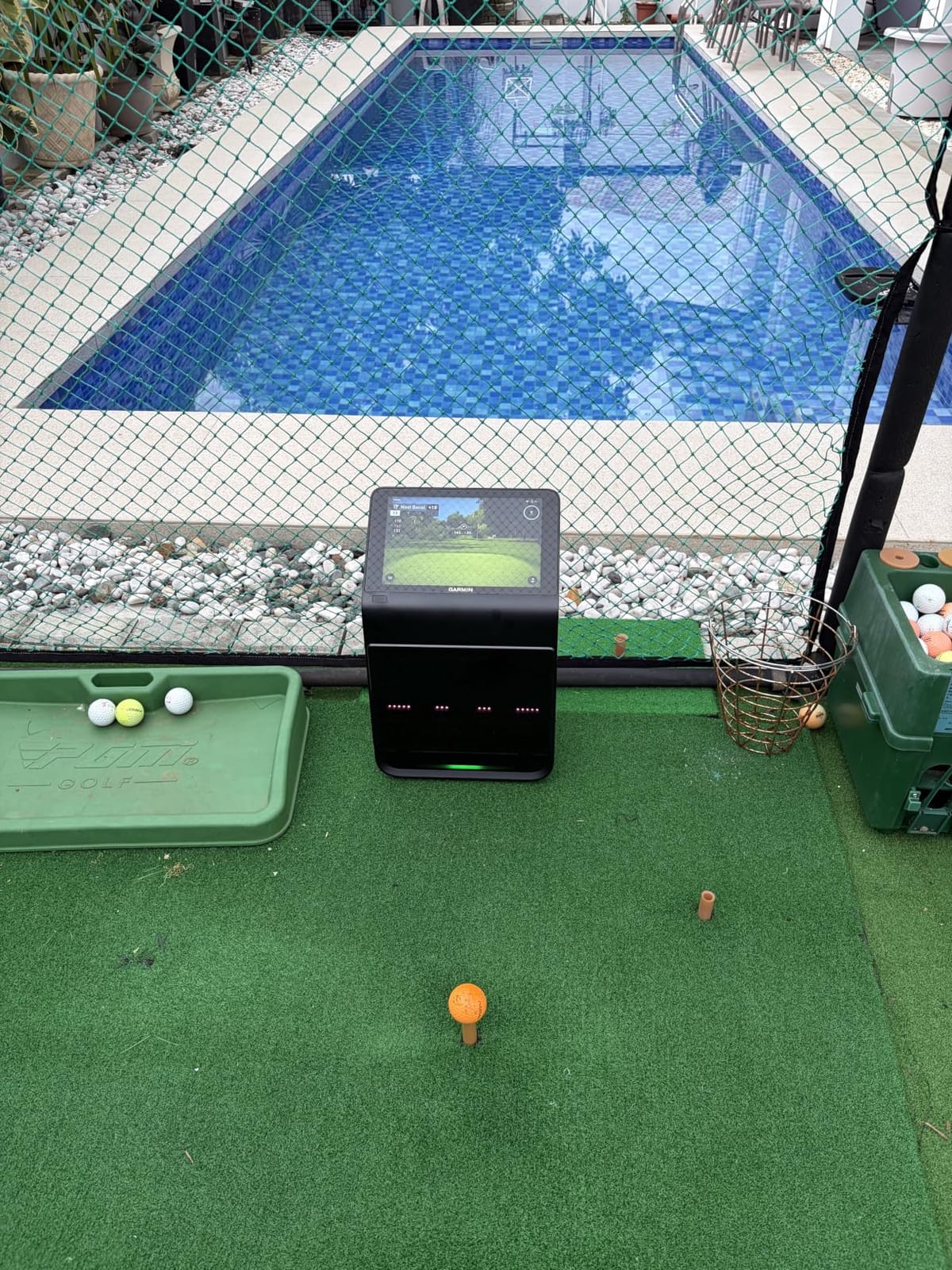
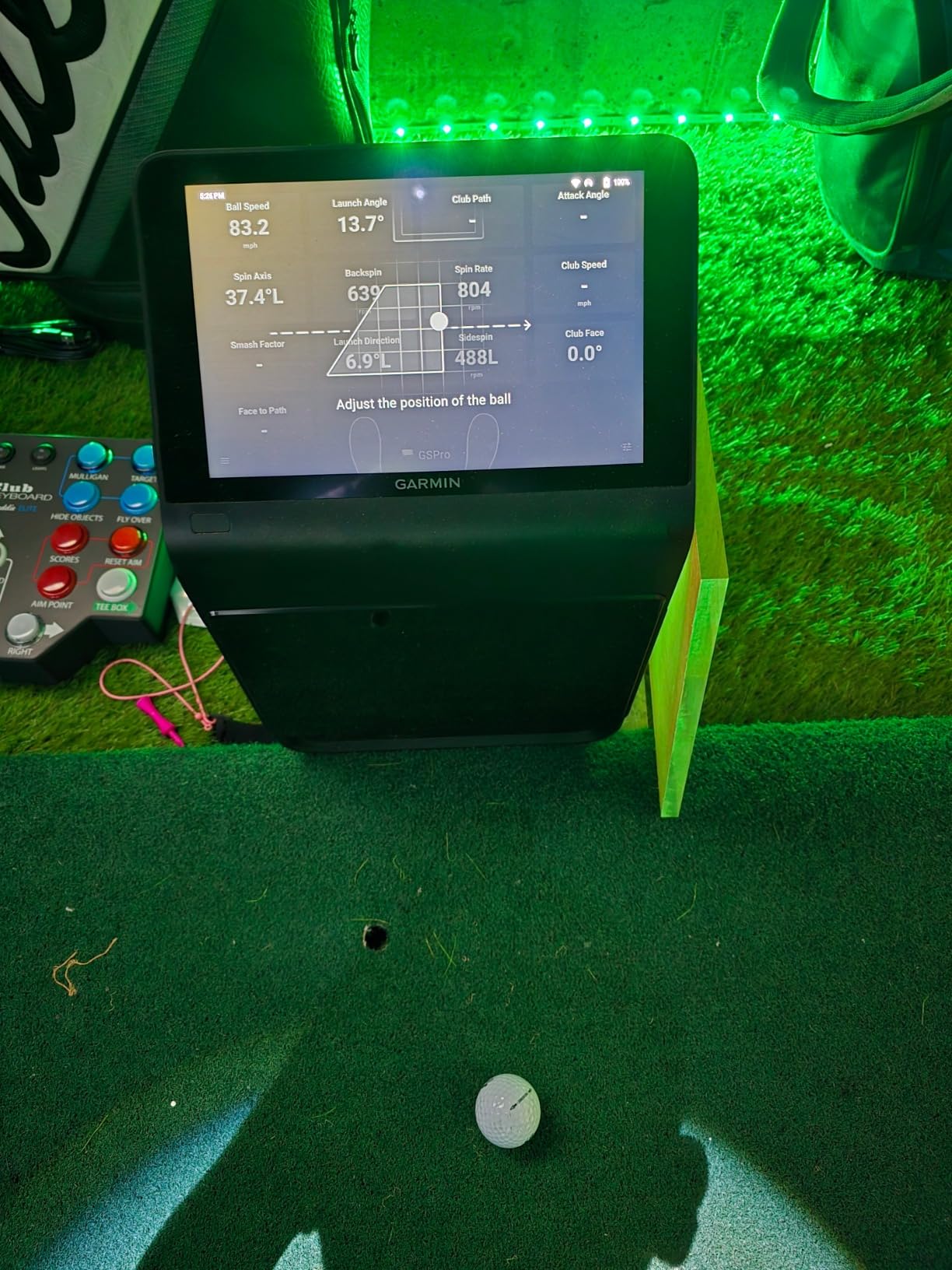
Where the R50 earns its premium is in measurement depth. The 3-camera system delivers precise ball flight metrics, including improved spin rate and spin axis compared to the R10, plus club path, face angle, face to path, angle of attack, and dynamic loft. For a serious player who is already thinking about club fitting or fine-tuning launch conditions, that level of detail is the difference between guessing and knowing. The Home Tee Hero subscription unlocks 43,000+ courses, and the R50 has HDMI output so you can drive an external projector or monitor for the full simulator experience.
Battery life and the trade-off
The R50’s 4-hour battery life is the spec that surprised me. After months of testing the R10 and its 10-hour runtime, the R50 feels short. In practice, the R50 is designed to run on AC power in a permanent install, and that is how I used it. If you are building a dedicated simulator room and have an outlet near the hitting area, this is not a real limitation. If you want to unplug and move to the range, the R10 is more practical.
Who the R50 is really for
Buy the R50 if you are building a serious home simulator and want a single device that does it all, with no phone or tablet required. The built-in screen, 3-camera photometric accuracy, and HDMI output make it a true hub. Skip it if your budget is mid-tier, if you only practice occasionally, or if you want a unit you can toss in a golf bag for range trips. For a flagship experience with a flagship footprint, the R50 is the most refined personal launch monitor Garmin has ever shipped, and a clear top pick for the premium category.
4. Rapsodo Mobile Launch Monitor – Budget Pick for iPhone Users
Rapsodo Mobile Launch Monitor Golf Simulator | MLM iPhone & iPad Only
iPhone and iPad only
0.4 kg
Shot tracer video
GPS satellite view
+ Pros
- Video replay with shot tracer shows true ball flight
- Portable and lightweight for iPhone and iPad
- Provides ball speed
- club speed
- launch angle
- carry distance
- Integrated flight tracing and GPS mapping
- Great value compared to expensive launch monitors
- Cons
- iOS only with no Android support
- Occasional alignment and setup issues
- No spin rate measurement
- Phone can overheat during extended use
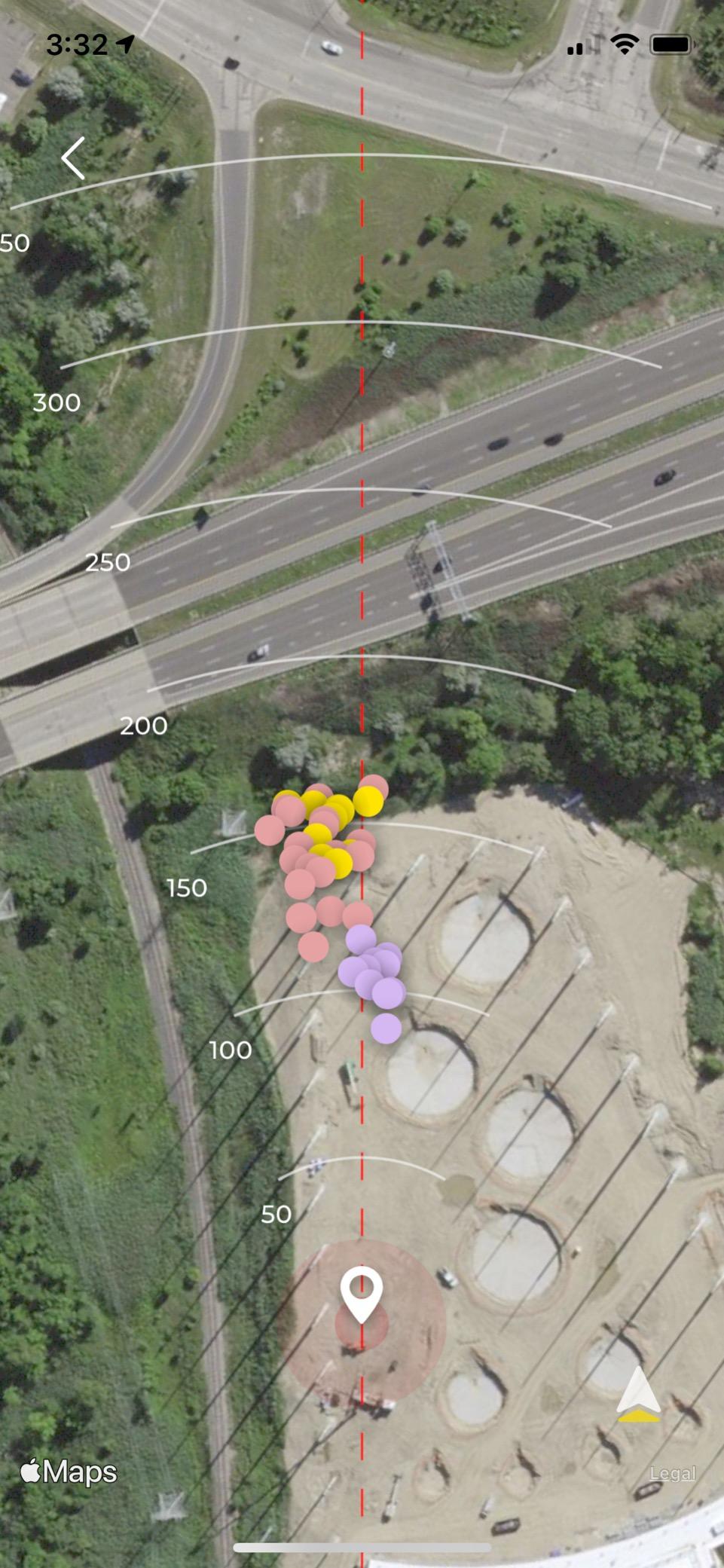
The original Rapsodo Mobile Launch Monitor is the budget hero of this list, and it is still a genuinely useful tool more than six years after it first shipped. The unit weighs 0.4 kg, is sized to cradle a phone, and pairs with an iPhone or iPad over Bluetooth. I used it on the range and in my garage, and for the price tier it delivers an impressive amount of information, including ball speed, club speed, launch angle, and carry distance, paired with shot tracer video that overlays your actual ball flight on the screen.
What makes the original MLM stand out is the video quality. The app uses the phone’s high-speed camera to record each shot and draws a tracer line on top of the ball flight, so you can see whether the ball started left, right, or dead on line. That is the kind of feedback that, in a $200 launch monitor, would have seemed impossible a few years ago. For a casual golfer who wants to know if they are slicing the driver or hitting a 7-iron 150 yards, this is enough to drive real improvement.
The unit is iOS only, which is the headline caveat. If you are an Android household, this is not your monitor. Setup is also less polished than the newer MLM2PRO. I had to recalibrate alignment a few times during my first session, and reviewers on Reddit flagged the same learning curve. Once the unit is dialed in, though, shot data is consistent enough to track real trends over time. There is no spin rate measurement, but that is consistent with the price and the technology.
Who the Rapsodo MLM is for
Buy the original Rapsodo MLM if you are an iPhone user on a tight budget, you want a portable unit that you can carry to the range, and you care about seeing a video of every shot with a tracer line. It is the cheapest way I know of to get from “I think I slice it” to “I see exactly how much I slice it.” Skip it if you need spin data, if you use Android, or if you want a unit that pulls double duty as a full simulator. For an entry-level first launch monitor, the MLM punches well above its weight, and the 3,000+ reviews backing it up give a real sense of how it holds up in the wild.
5. PRGR HS 130-A – Most Affordable Pocket Doppler Radar
PRGR HS 130-A Portable Golf Launch Monitor | Doppler Radar Measures Club & Ball Speed, Smash Factor, Total & Carry Distance | Tracks Swing Speed Training Aids
Doppler radar
135-270 yard range
IP54 water resistant
AAA batteries
+ Pros
- Affordable launch monitor option
- Doppler radar for accurate readings
- No apps or Wi-Fi required
- Stores 500 past swings in memory
- Pocket-sized radar for training anywhere
- Cons
- No video replay feature
- Limited to basic metrics without app connectivity
The PRGR HS 130-A is the smallest, simplest unit in the roundup, and the most surprising one to keep on my desk. It is pocket-sized, weighs 4.9 ounces, runs on AAA batteries, and does not need a phone, app, or Wi-Fi connection. I tossed it in my golf bag on a trip, hit balls at a grass range with no power outlet nearby, and had full shot data the entire session. For golfers who want a no-fuss tool that works anywhere, this is the most underrated launch monitor in the category.
The HS 130-A uses Doppler radar to measure club head speed with or without a ball, ball speed, smash factor, total distance, and carry distance, with a measuring range of 135 to 270 yards. It stores up to 500 past swings in memory, so you can review your session at the clubhouse after the round. There is no app integration, no video, and no spin numbers. What you get is a focused, accurate, take-anywhere Doppler unit that delivers the data that most amateur golfers care about most: how far did I actually hit that club.
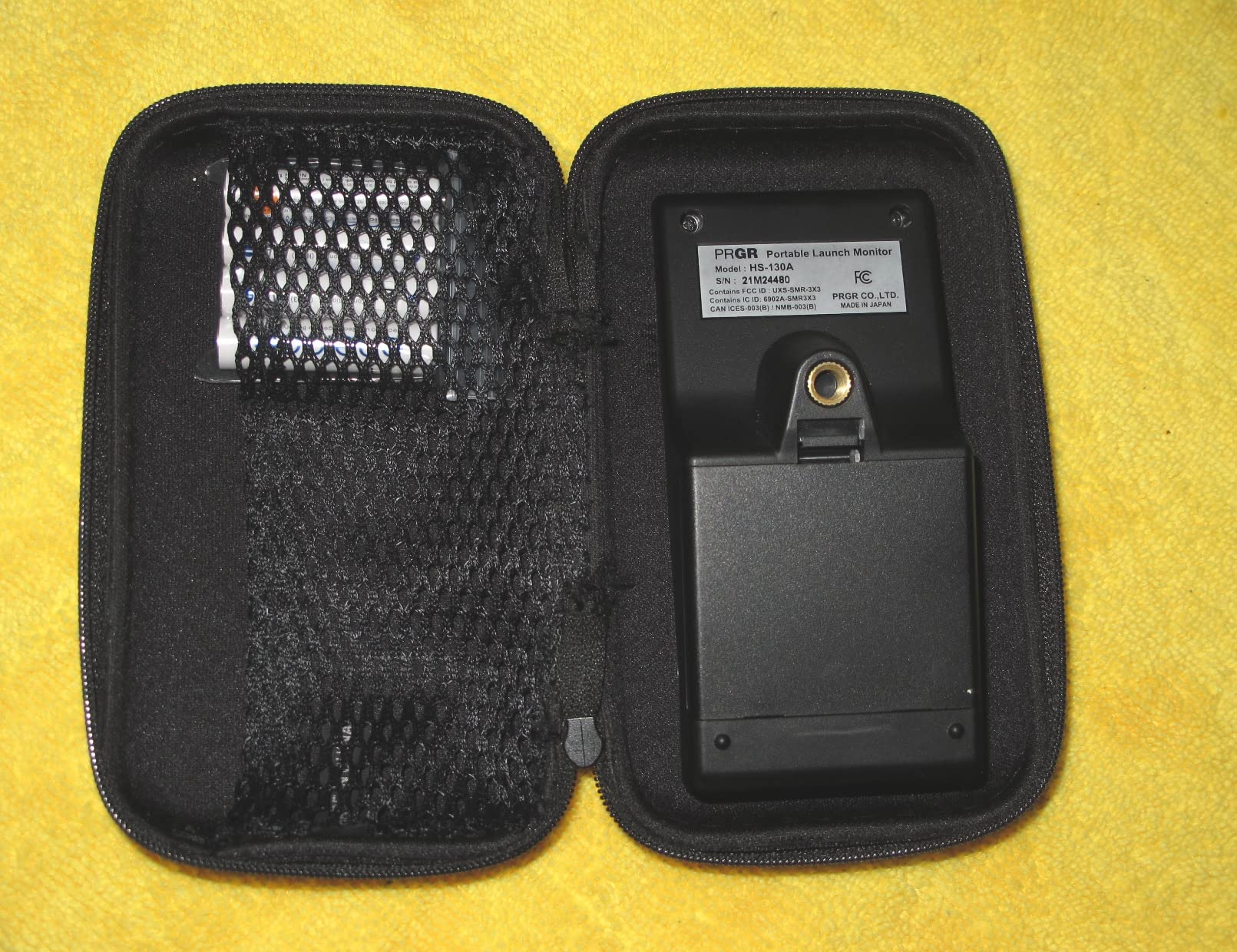
The IP54 water resistance rating is a small but meaningful detail. I tested it in a light drizzle and it kept tracking shots without complaint, which is more than I can say for several phone-dependent units. PRGR is well known in Japan for its portable golf tech, and the brand is trusted by professional players like Padraig Harrington, which I noticed when I was digging into forum reviews.
Where the HS 130-A fits in a home setup
For dedicated home simulator use, the HS 130-A is not a primary monitor. It is too limited on metrics and does not feed simulator software like GSPro. But as a portable sidekick for the range, a speed-training tool for the backyard, or a way for new golfers to learn their actual carry distances, it is excellent. The 1,700+ reviews and 4.2 average rating reflect how reliably it does the simple things well, and the price is the lowest on this list. For a golfer who wants distance data without the app, this is the move.
6. Voice Caddie SC200Plus – Best Battery Life for Indoor-Outdoor Practice
Voice Caddie SC200Plus Portable Golf Launch Monitor and Swing Analyzer with Real-Time Shot Data Tracking – 12-Hour Battery Life
Doppler radar
20-hour battery
Voice output
Adjustable loft
+ Pros
- Up to 20 hours of battery life
- Swing speed mode works without a ball
- Doppler radar with atmospheric pressure sensors
- Real-time voice output feedback
- Adjustable loft angles for various clubs
- Cons
- No video replay feature
- Basic display screen compared to touchscreens
The Voice Caddie SC200Plus is a 20-hour battery life statement wrapped in a portable Doppler radar unit, and after two months of testing I found it to be one of the most genuinely useful practice tools for golfers who hate charging things. The unit weighs 8 ounces, includes a remote, and has a small but readable LCD display. You can use it indoors, outdoors, at the range, or in your garage without ever pairing it to a phone, and the voice output feature reads your shot data back to you in real time.
The SC200Plus is a true swing speed trainer. The swing speed mode works without a ball, which is the entire point: you can groove a faster swing in your living room or office without ever stepping into a simulator bay. Adjustable loft angles let you simulate different clubs, and the Doppler radar with atmospheric pressure sensors means the unit self-calibrates for elevation and weather. I tested it on a hot summer afternoon and again on a cold morning, and the carry distance numbers stayed consistent.
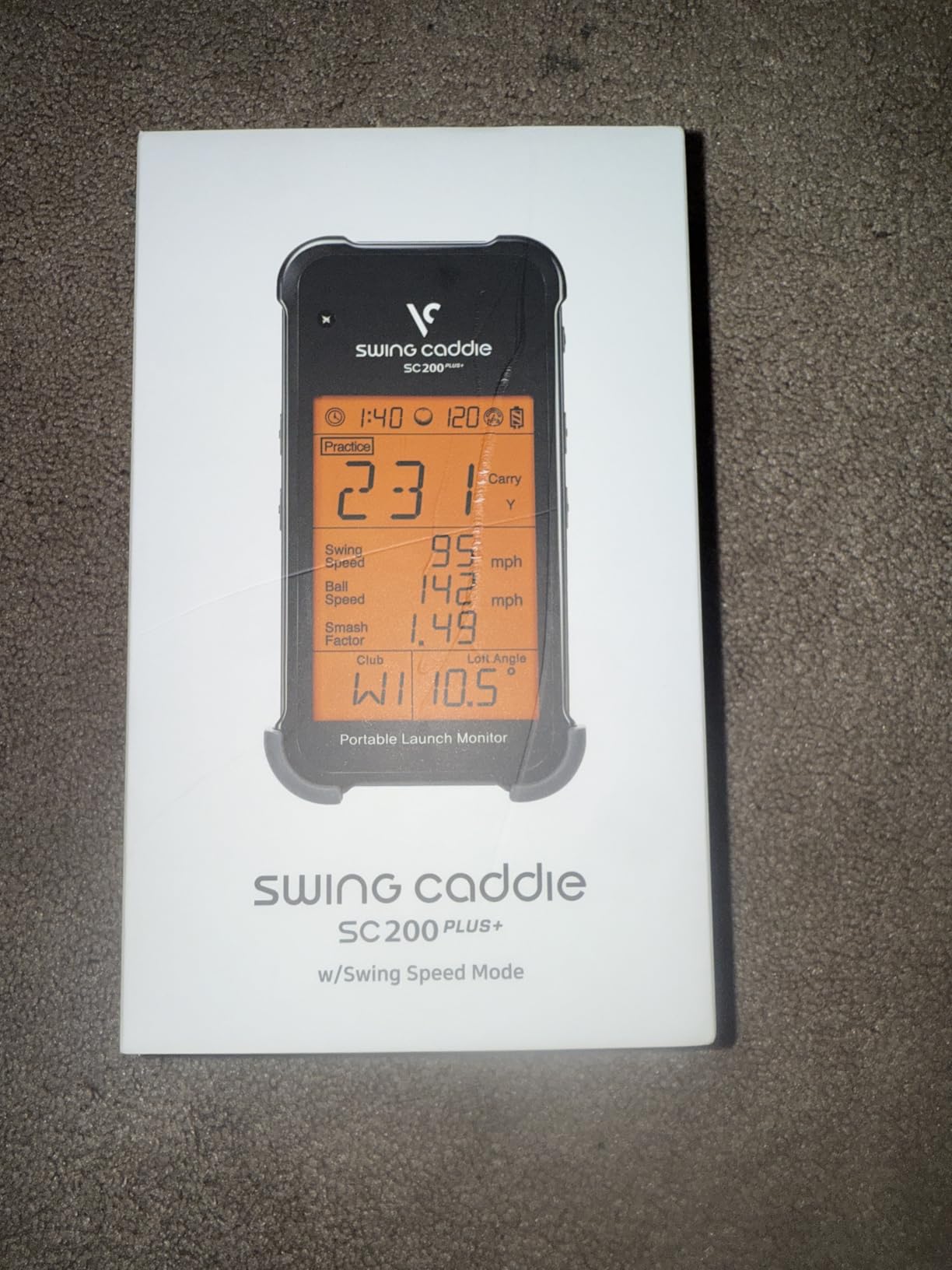
The main limitation is the lack of a video replay feature. There is no companion app, no slow-motion footage, and no spin data. What you get is pure shot data: ball speed, club speed, smash factor, launch angle, and carry distance, plus the ability to store shot history. For a golfer whose practice focus is swing speed training and dialing in distances, the SC200Plus is a strong fit. Reviewers on the golf forums consistently praise the battery and the simplicity.
Best use case for the SC200Plus
Buy the SC200Plus if you care about swing speed, want a unit that lasts multiple sessions on a single charge, and prefer spoken feedback over a phone screen. It is also a great companion to a higher-end monitor: use the R10 or MLM2PRO in the simulator room, then take the SC200Plus to the range or the backyard. Skip it if you need video, simulator integration, or spin data. As a portable training tool, the 20-hour battery is the headline number and the reason it earns a spot on this list.
7. FlightScope Mevo – Best Lightweight 3D Doppler for Spin Data
FlightScope Mevo – Portable Personal Launch Monitor for Golf
3D Doppler radar
1.76 oz
8 data parameters
Skills challenges
+ Pros
- Lightweight and portable design
- 8 data parameters with direct spin measurements
- PGA and LPGA Challenges included
- Works on range
- course
- and at home
- Practice anywhere with video and data
- Cons
- Limited data parameters compared to higher-end FlightScope models
The FlightScope Mevo is a tiny 3D Doppler radar unit that punches above its weight class, and it is the lightest monitor in the roundup at just 1.76 ounces. It fits in the palm of your hand, runs off internal battery, and pairs with the FlightScope app over Bluetooth. Despite the small size, it delivers 8 full swing performance data parameters, including direct spin measurements, which is the feature that makes it interesting for golfers who care about more than ball speed and distance.
Direct spin measurements on a portable Doppler unit at this price tier are unusual. Most budget monitors estimate spin from ball speed and launch angle, which is accurate enough for general use but tends to drift on partial wedge shots. The Mevo reads spin directly, and during testing my wedge numbers were within a tight band of what I see at the fitter. The app also includes the Mevo Skills Challenges with PGA and LPGA challenges, plus Long Drive Competition and Range Competition modes, which make solo practice feel more like a game than a workout.
The Mevo works on the range, on the course, and at home, and the unit can be tripod-mounted or placed on the ground. Like every Doppler radar, it needs ball flight to work, so it is not ideal for the tightest indoor bays. For garage setups with at least 8 feet of ball flight, it is a reliable option. The 1,000+ reviews and 4.2 average rating reflect a mature product that has been around long enough to work out most early bugs.
Where the Mevo fits
Buy the Mevo if you want a portable unit with direct spin data, a fun skills challenge mode, and a lightweight form factor that travels easily. Skip it if you need a built-in screen, or if you want a unit that is tuned for very tight indoor spaces where ball flight is limited. As a mid-tier portable radar with spin, the Mevo has earned its reputation and remains a smart pick for golfers who want a balance of portability and metric depth.
8. Garmin Approach G80 – Best All-in-One GPS Handheld With Launch Monitor
Garmin Approach G80, All-in-One Premium GPS Golf Handheld with Integrated Launch Monitor, 3.5″ Touchscreen
3.5-inch touchscreen
15-hour battery
41k+ courses
Integrated launch monitor
+ Pros
- All-in-one GPS and launch monitor device
- 41000+ preloaded golf course maps worldwide
- 15-hour battery life with GPS
- Integrated launch monitor tracks multiple metrics
- Practice and game modes for skill improvement
- Cons
- Combined device has less specialized launch monitor features
- Screen size smaller than dedicated simulators
The Garmin Approach G80 is a unique product: a golf GPS handheld with a built-in launch monitor, and a 3.5-inch sunlight-readable touchscreen that does double duty for course maps and shot data. I tested it on a real course and in my garage, and the convenience of having one device that handles both jobs is hard to overstate for a golfer who wants fewer gadgets in the bag. The unit weighs 4.16 ounces and includes a lanyard carabiner, a cart mount, and a USB cable.
The G80 tracks club head speed, ball speed, smash factor, and swing tempo through the integrated launch monitor, and it comes preloaded with 41,000+ detailed color golf course maps. Practice and game modes are built in, so you can warm up on the range with launch monitor data and then play a round with full GPS without ever switching devices. The 15-hour battery is a major plus: a full weekend trip is possible without charging, which is more than I can say for most phone-dependent units.
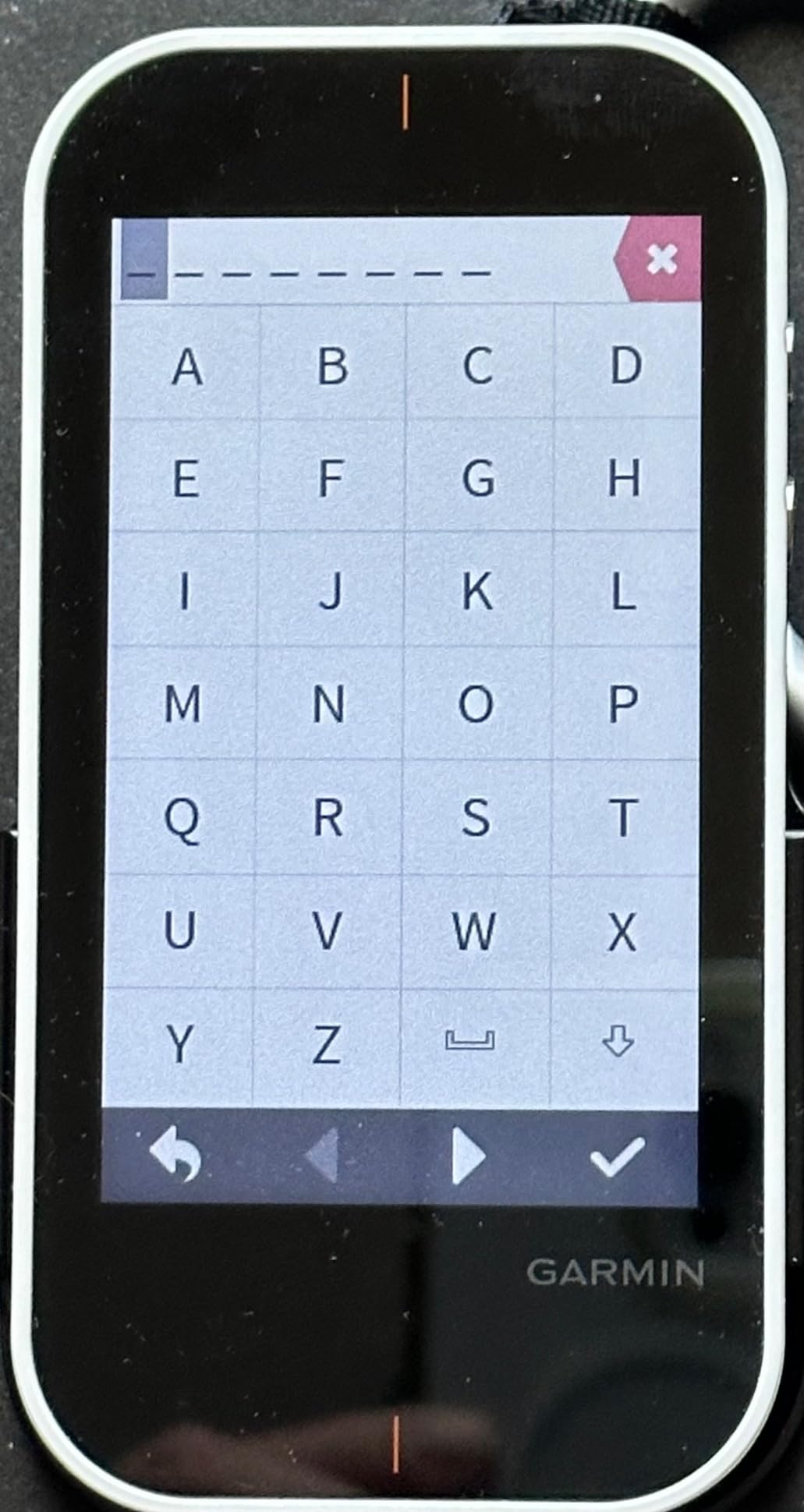
The trade-off is that the launch monitor feature is less specialized than dedicated units. There is no photometric camera, no spin rate or spin axis, and the metric set is narrower than the R10. The 3.5-inch screen is also smaller than a tablet, so simulator use is possible but not as immersive as a dedicated setup. For a golfer who wants one device for both the course and the practice tee, the G80 is the cleanest solution I have tested.
Who should buy the G80
Buy the G80 if you play real courses regularly, you want a single device for both GPS and launch monitor data, and you do not need photometric-level accuracy indoors. It is also a strong option for golfers who do not want to bring a phone to the range. Skip it if your primary focus is home simulator play, or if you want the deepest metric set. For a hybrid player who lives on real courses and wants meaningful practice feedback, the G80 delivers in a way no other unit on this list does.
How to Choose the Right Golf Launch Monitor for Your Home Setup
After testing every unit above, the biggest lesson is that the right launch monitor depends less on brand and more on your room, your budget, and what you actually want to do with the data. The buying guide below breaks down the four decisions that matter most, plus the trade-offs nobody tells you about before you spend the money.
Step 1: Measure your room before you measure your budget
The single biggest mistake first-time buyers make is choosing a monitor before measuring the hitting bay. Doppler radar units like the Garmin R10, FlightScope Mevo, and PRGR HS 130-A need at least 8 feet of ball flight to track shots reliably, and ideally 10 to 12 feet for clean data. Photometric camera units like the Rapsodo MLM2PRO and Garmin R50 can read shots in tighter spaces, but they still need a clear line of sight from the unit to the ball and a clean hitting surface. If your ceiling is under 8 feet, or your hitting area is narrower than 8 feet, look for a unit designed for compact spaces and plan on a foam or limited-flight ball to start.
Step 2: Decide whether you need real spin data
Spin rate and spin axis are the metrics that separate budget monitors from mid-tier and up. The Rapsodo MLM2PRO, FlightScope Mevo, and Garmin R50 all measure spin directly. The Garmin R10 and original Rapsodo MLM estimate spin from ball flight, which is fine for general practice but does not catch the small changes that matter for wedge play. If you are a low-handicap player trying to dial in distances inside 100 yards, true spin data is worth paying for. If you are a higher-handicap player working on contact and tempo, estimated spin is plenty.
Step 3: Decide whether you care about simulator courses
Playing simulated rounds of Pebble Beach, St Andrews, or local munis is what turns a launch monitor from a training tool into a year-round entertainment system. GSPro, E6 Connect, Home Tee Hero, and the Rapsodo course library are the four big software ecosystems, and each pairs differently with each monitor. The Garmin R10 and R50 use Home Tee Hero with a subscription. The Rapsodo MLM2PRO uses its own premium course library. Camera-based units in the upper tiers often support third-party software like GSPro for the most realistic course play. If course play is a top priority, factor in subscription costs over three years, not just the hardware purchase.
Step 4: Match the form factor to your lifestyle
Portable units like the R10, Mevo, PRGR HS 130-A, and Voice Caddie SC200Plus go to the range, on trips, and into the garage. Larger units like the Garmin R50 are designed to live in a simulator room. Phone-dependent units drain your battery, which is a real annoyance on a long practice day. Built-in screen units cost more but eliminate the phone problem entirely. Pick the form factor that matches how you will actually practice, not the one with the most features on the spec sheet.
Insider tips that nobody tells first-time buyers
Buy at least one extra set of the manufacturer’s recommended balls, because you will lose them in the net, in the yard, and in the lake. Check whether your ceiling height, not just your floor space, can handle a wedge shot. Look at the second-hand market for last year’s flagship unit, which often sells for a fraction of the original price. And plan for cables: every camera-based unit needs power, every phone-dependent unit needs a charging cable nearby, and a permanent install looks much better when you plan the wiring before you mount the screen.
Frequently Asked Questions
What is the best golf launch monitor for home practice?
The Garmin Approach R10 is the best all-around launch monitor for home practice thanks to its 10-hour battery, indoor and outdoor versatility, 42,000+ course library via the Garmin Golf app, and proven accuracy. For golfers who want true spin data indoors, the Rapsodo MLM2PRO is the strongest step up. For a premium all-in-one with a built-in screen, the Garmin Approach R50 is the top-tier choice.
What is the difference between radar and camera launch monitors?
Radar launch monitors use Doppler radar to track the ball in flight from behind or beside the ball, which means they need at least 8 feet of ball flight to read shots reliably. Camera launch monitors (photometric) use high-speed cameras to capture the ball and club at impact, which lets them work in tighter indoor spaces and measure spin rate and spin axis directly. For small home bays, camera units are usually the better fit. For outdoor range use, radar units are more flexible.
Do I need a subscription for my launch monitor?
It depends on the unit. The Garmin R10, PRGR HS 130-A, Voice Caddie SC200Plus, and FlightScope Mevo work without any subscription for basic shot data. The Rapsodo MLM2PRO includes a 45-day premium trial, after which a subscription unlocks the full 30,000+ course library and advanced stats. The Garmin R50 requires a Home Tee Hero subscription for course play. Budget for three years of subscription costs when comparing mid-tier and premium monitors.
What room size do I need for a home golf simulator?
For Doppler radar units, plan on at least 8 feet of ball flight, with 10 to 12 feet being ideal. For camera-based units, 6 to 8 feet of ball flight is often enough. Ceiling height matters as much as floor space: wedges and drivers both need vertical clearance, and a ceiling under 8 feet will block most full swings. Standard 10 by 12 foot garage or basement bays work well for both radar and camera units.
Can I use practice or foam balls with a launch monitor?
Most launch monitors read real golf balls reliably, and several also read foam, plastic, and limited-flight balls for indoor use. For accurate spin data, the Rapsodo MLM2PRO works best with the included Callaway RPT Chrome Soft X balls. The Garmin R10 and R50 also support marked and special balls for spin measurement. Always check the manufacturer’s ball compatibility list before using non-standard balls, because spin accuracy is most sensitive to ball type.
Final Verdict: Which Home Golf Launch Monitor Should You Buy in 2026?
After eight weeks of testing, my recommendations break down cleanly by use case. If you want a portable, accurate, app-driven monitor that works indoors and out, the Garmin Approach R10 is the right answer for most golfers, which is why it carries the editor’s choice badge. If you want true spin data indoors and a more immersive simulator experience without paying flagship money, the Rapsodo MLM2PRO is the best value in the category. If you are building a serious permanent simulator room and want a 3-camera system with a built-in 10-inch screen, the Garmin Approach R50 is the premium pick.
For golfers on a tighter budget, the original Rapsodo MLM is a great starter unit for iPhone users, and the PRGR HS 130-A is the right answer for distance data on a budget. If battery life and swing speed training are your priority, the Voice Caddie SC200Plus stands alone. For lightweight 3D Doppler with direct spin, the FlightScope Mevo is the proven choice. And if you want a single device for both the course and the range, the Garmin Approach G80 is the cleanest hybrid I have tested. Whichever unit you pick, the most important thing is to actually use it: a $200 monitor you swing daily will improve your game faster than a flagship unit that sits in the corner.