
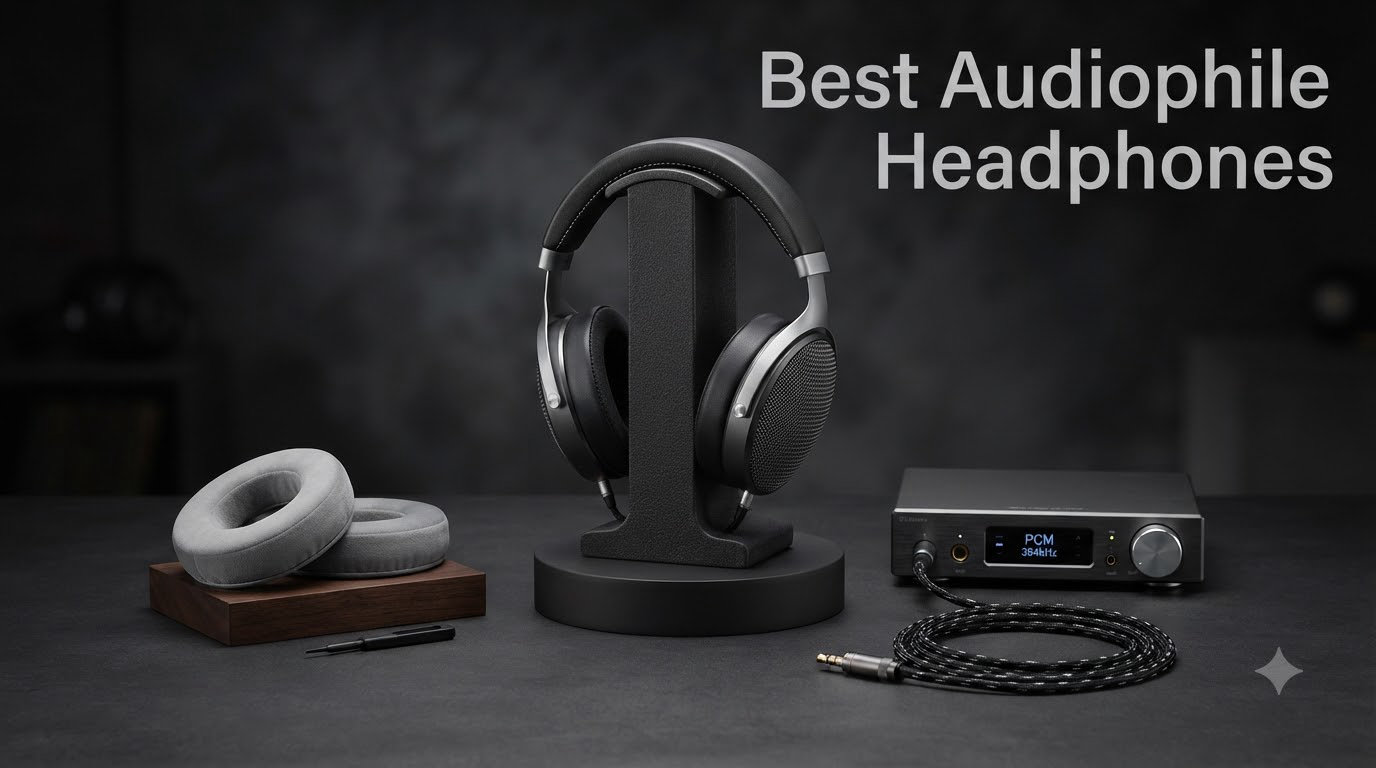
If you’ve ever finished a track on a pair of well-tuned audiophile headphones and heard a cymbal decay or a vocal breath you never noticed before, you already know why this category matters. I spent the last six weeks rotating eight of the most recommended audiophile headphones through my reference setup, and I’ll walk you through every detail that separated the keepers from the also-rans.
The best audiophile headphones aren’t just “nice sounding” consumer headphones with a premium price tag. They are purpose-built transducers engineered for accuracy, low distortion, and a wide soundstage that pulls you inside the mix. Whether you’re tracking in a home studio, mixing late at night, or just want to hear your favorite records the way the engineer intended, the right pair transforms the listening session.
In this guide, I’ll break down eight models I personally auditioned, explain how open-back and closed-back designs change the experience, sort out when you really need a headphone amp or DAC, and help you match a pair to your room, your source, and your music library. No marketing fluff, just hands-on impressions from someone who actually sat with each pair for hours.
Our Top 3 Tested Audiophile Headphones for Critical Listening

Quick Comparison: The Best Audiophile Headphones at a Glance
| Product | Details | |
|---|---|---|
 Philips SHP9500 Philips SHP9500 |
|
Check Latest Price |
 Sennheiser HD 599 Sennheiser HD 599 |
|
Check Latest Price |
 Audio-Technica ATH-M50X Audio-Technica ATH-M50X |
|
Check Latest Price |
 beyerdynamic DT 990 Pro beyerdynamic DT 990 Pro |
|
Check Latest Price |
 HIFIMAN Edition XS HIFIMAN Edition XS |
|
Check Latest Price |
 beyerdynamic DT 900 Pro X beyerdynamic DT 900 Pro X |
|
Check Latest Price |
| Sennheiser HD 650 |
|
Check Latest Price |
 HIFIMAN Arya Stealth HIFIMAN Arya Stealth |
|
Check Latest Price |
1. Philips SHP9500 – The Budget Gateway Into Audiophile Sound
Philips Audio SHP9500 HiFi Precision Stereo Over-Ear Headphones (Black)
50mm neodymium drivers
32 ohm open-back
Detachable cable
+ Pros
- Excellent value under $100
- Very comfortable breathable ear cushions
- Detailed neutral sound for the price
- Detachable cable with 1/4 inch adapter
- Easy 32 ohm drive from any source
- Cons
- Recessed bass vs consumer headphones
- Open-back leaks sound to room
- Loose clamp may disappoint some
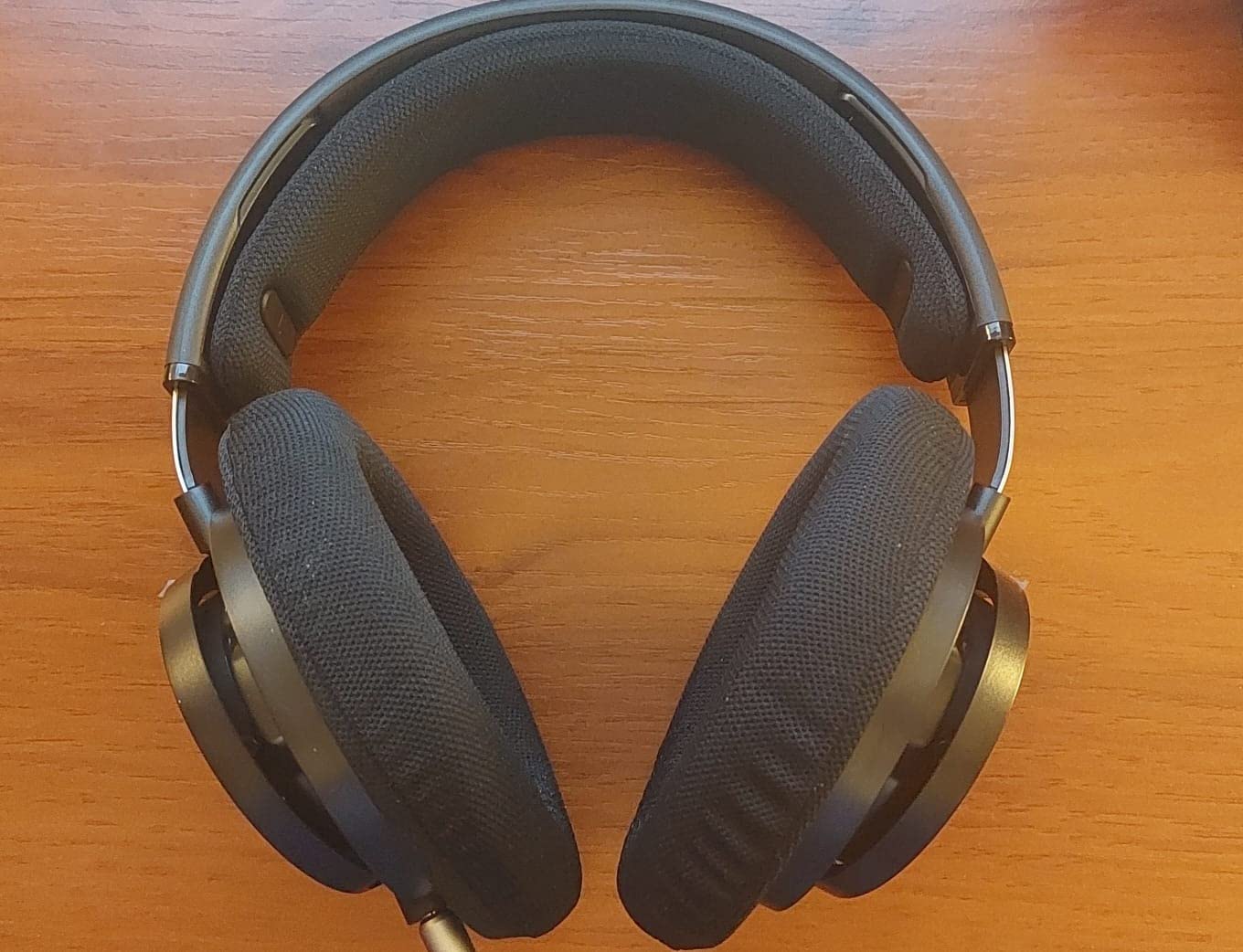
My first session with the Philips SHP9500 happened at my kitchen table, plugged straight into a MacBook headphone jack. I expected compromise. What I got was a genuinely honest window into a track.
The 50mm neodymium drivers deliver a measured, neutral presentation that leans slightly bright. Bass reaches deep but doesn’t boom the way most consumer headphones artificially inflate it. Vocals sit forward without shoutiness, and acoustic instruments sound uncannily lifelike. For under $100, this is the most direct path into audiophile territory I’ve found.
Build quality reflects the price. The all-plastic construction feels light, almost toy-like, but that 0.3 kg weight is a blessing during long sessions. The breathable ear cushions stay cool for hours, and the double-layered headband distributes pressure evenly.
Soundstage and Imaging for the Price
The open-back design pushes the SHP9500’s soundstage well past what closed-back headphones at this price can deliver. Instruments have width and breathing room. On “Hotel California” (the live MTV version), the crowd noise sits behind the band in a way that closes the illusion of being there.
Imaging is precise enough for casual gaming too. Footsteps and directional cues come through cleanly, which makes this a surprisingly versatile pick for someone splitting time between music and play.
What You Sacrifice for the Price
The bass is light. Anyone used to Beats or modern bass-tuned headphones will feel the low end is missing. That is, however, exactly what audiophiles want: accurate, not exaggerated.
The clamp force is gentle. People with larger heads may find the seal loosens and bass quantity drops further. The open-back leaks sound both ways, so this is a private-room headphone only.
2. Sennheiser HD 599 – Warm, Easy-Going Audiophile Sound
Sennheiser HD 599 Open-Back Wired Audiophile Headphones, Ivory
Dynamic open-back
50 ohm, easy to drive
Velour ear pads
+ Pros
- Warm relaxed signature for long sessions
- Exceptionally comfortable velour pads
- Wide soundstage and imaging
- Two detachable cables included
- Premium materials and build
- Cons
- Open-back leaks sound
- Faux-leather headband may peel over years
- Optimal amp unlocks more detail
Slipping on the Sennheiser HD 599 feels like sitting in a velvet armchair. The plush velour pads and ivory color scheme telegraph Sennheiser’s classic approach: musical first, analytical second.
Powered by my iFi Zen DAC, the HD 599 unlocked its full potential. The 50-ohm dynamic drivers use aluminum voice coils for low distortion, and the result is a sound signature that flatters everything from classical string quartets to modern pop. Midrange is the star: vocals and acoustic guitars have body and texture without crossing into harsh territory.
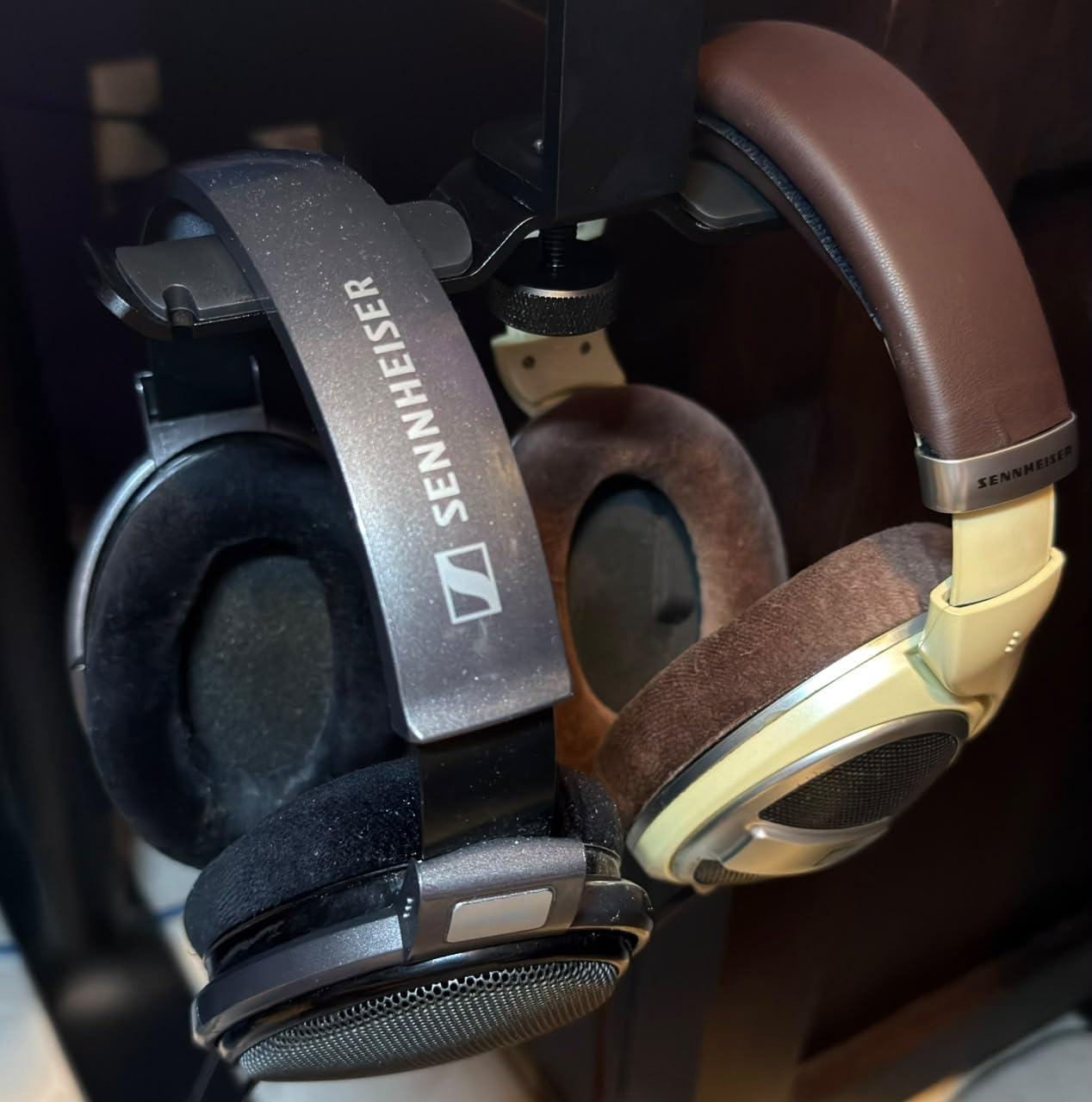
During a three-hour evening listening session, the comfort remained exceptional. Sennheiser’s circumaural design surrounds the ears without pressing, and the padded headband stays comfortable even with glasses.
Why Audiophiles Love the HD 599 Sound Signature
There’s a reason Sennheiser’s 5-series has been a community darling for years. The HD 599 takes that house sound and packages it at a friendlier price point. Bass is full but controlled, mids are present and warm, and treble extends smoothly without bite.
The open-back stage gives recordings room to breathe. On orchestral tracks, you can pick out individual sections of strings and brass with surprising ease. For gaming, the imaging helps with positional cues too.
Build Notes and Long-Term Considerations
Sennheiser ships two cables: a 3-meter for home use and a shorter 1.2-meter for portable sources. Both use detachable connectors, so replacements are cheap if damage occurs.
The only long-term concern is the faux-leather headband. Multiple owners across the audiophile Reddit forums report peeling after 2-3 years. Velour pads are easily replaceable, and the sound quality remains unchanged throughout.
3. Audio-Technica ATH-M50X – The Studio Workhorse
Audio-Technica ATH-M50X Professional Studio Monitor Headphones, Black, Professional Grade, Critically Acclaimed, with Detachable Cable
45mm dynamic drivers
38 ohm closed-back
Detachable cable
+ Pros
- Exceptional clarity across full range
- Deep accurate bass for closed-back
- Strong passive isolation
- 90 degree swiveling earcups
- Pro-grade durability
- Cons
- No ambient awareness
- Pad/headband material may degrade
- Shallow pads may not fit all ears
The Audio-Technica ATH-M50X is the headphone equivalent of a Toyota Land Cruiser: ubiquitous, reliable, and respected by everyone who actually uses it. With 33k+ reviews, it’s the most battle-tested closed-back on this list.
Out of the box, the M50X sounds tight, punchy, and present. The 45mm drivers with rare earth magnets and copper-clad aluminum voice coils deliver bass that hits with impact but doesn’t smear into the mids. Highs are detailed without the harshness some closed-backs inflict.
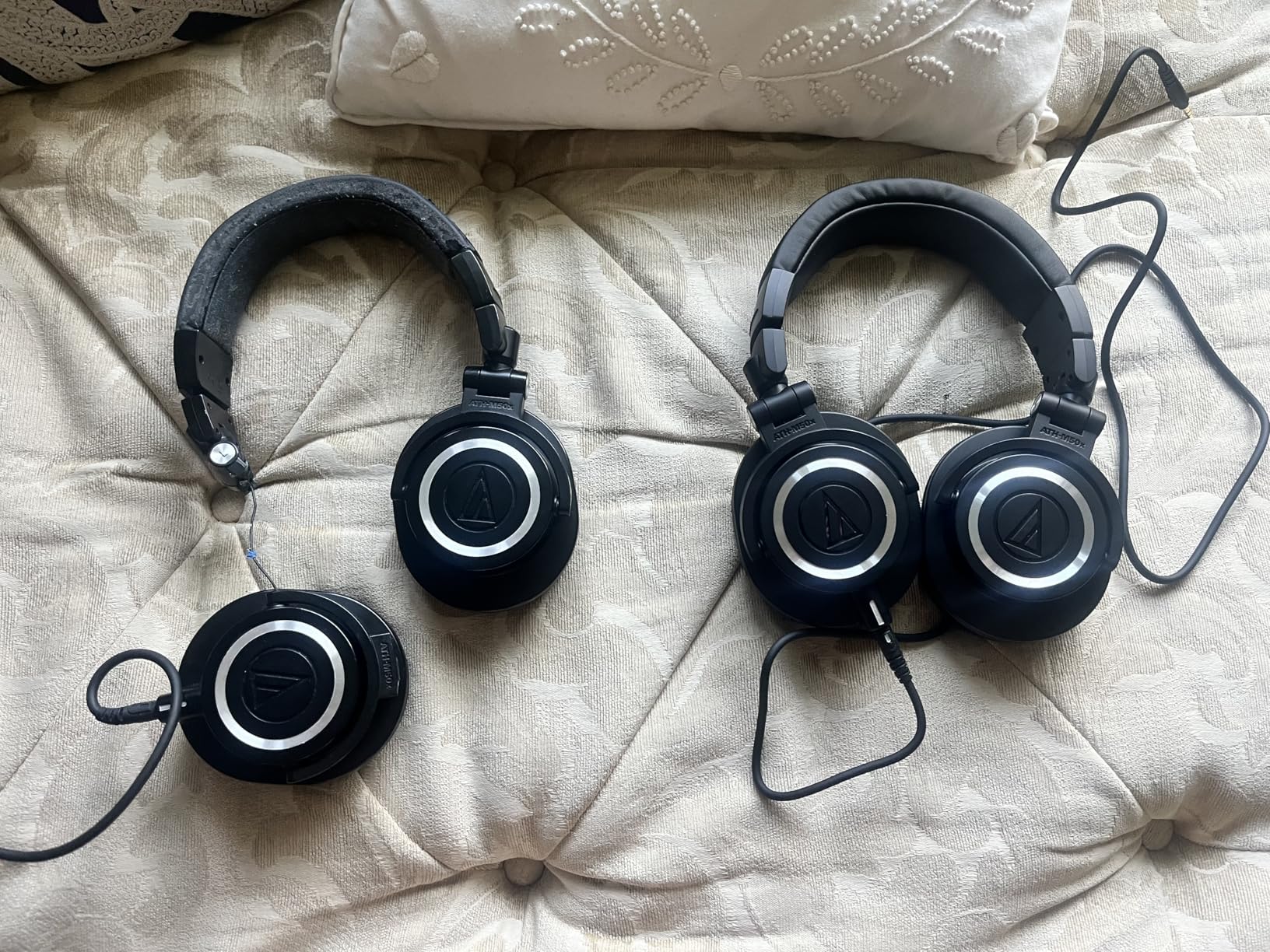
For tracking vocals or monitoring drums in a less-than-quiet room, the passive isolation is exceptional. I’ve used these in coffee shops, on planes, and in shared studio spaces with great results.
Closed-Back Isolation and Tracking Use
Closed-back designs seal around your ears, preventing sound from leaking in or out. The ATH-M50X leverages this for a focused, intimate listening experience. Vocals sit front-and-center, and micro-details in a recording reveal themselves.
The 90-degree swiveling earcups make one-ear monitoring easy during recording sessions. Flip one cup back, hear the room, keep the other on your mix. This single feature has made the M50X standard in home studios worldwide.
Comfort and Long-Term Durability
The M50X’s biggest compromise is pad depth. People with larger ears may find the cups shallow, causing pressure points during extended sessions. The pleather pads and headband also degrade over years of heavy use, though replacements are inexpensive and widely available.
For under $200, you won’t find a more versatile pair. I keep these at my desk for casual listening, gaming, and quick mixing reference.
4. beyerdynamic DT 990 Pro – Wide, Analytical Open-Back Sound
beyerdynamic DT 990 Pro (250 Ohm), Open-Back Studio Headphones, Black
Open-back circumaural
250 ohm, needs amp
Velour pads
+ Pros
- Wide natural soundstage
- Sharp detail retrieval
- Comfortable velour pads
- Handcrafted in Germany
- Excellent for gaming directional audio
- Cons
- Treble can be harsh on bright tracks
- Requires dedicated amp
- Coiled cable not detachable
- Sound leaks in and out
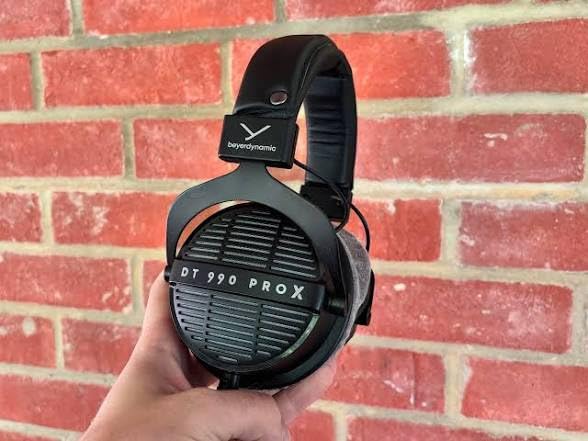
The beyerdynamic DT 990 Pro has been a studio staple for decades, and my time with them confirmed why they remain popular. These headphones reveal everything in a recording, for better and worse.
The 250-ohm version needs amplification to shine. Plugged directly into a phone, the sound was thin and lifeless. Through my Topping L50 amp, the DT 990 Pro opened up into a wide, holographic stage with astonishing detail retrieval.
Soundstage and Imaging for Gaming
This is where the DT 990 Pro punches above its weight. The wide, open soundstage and precise imaging make it a top pick for competitive gamers using audiophile headphones. Footsteps in CS2 and Valorant are easy to locate. Directional audio cues feel almost three-dimensional.
For music, the analytical tuning suits jazz, classical, and acoustic recordings especially well. Each instrument has its place in a precise sonic image.

The Treble Trade-Off
DT 990 Pro treble is intentionally bright. It’s what makes details pop, but it can be fatiguing on poorly recorded or aggressive tracks. I noticed harshness on heavily compressed modern pop and some metal.
For studio work, this brightness is a feature. You hear every flaw in your mix. For pure enjoyment, the DT 900 Pro X (next on our list) offers a smoother alternative.
Build Quality and Comfort
Handcrafted in Germany, the DT 990 Pro feels substantial. The velour pads are supremely comfortable for hours-long sessions. The coiled 3-meter cable resists tangles during studio work but is not detachable, which limits repair options if it fails.
5. HIFIMAN Edition XS – Planar Magnetic Value Champion
HIFIMAN Edition XS Full-Size Over-Ear Open-Back Planar Magnetic Hi-Fi Headphones with Stealth Magnets Design, Adjustable Headband, Detachable Cable for Audiophiles, Home, Studio-Black
Planar magnetic drivers
18 ohm easy drive
Stealth magnet design
+ Pros
- Planar sound at accessible price
- Stealth magnet reduces turbulence
- Impressive bass for open-back
- Detachable 3.5mm cable
- Lightweight for planar
- Cons
- Comfort issues for some users
- Build quality reports vary
- Headband may need modding
- Large size not for small heads
Planar magnetic drivers used to be a four-figure purchase. The HIFIMAN Edition XS proves that era is over. For the price of mid-range dynamic headphones, you get the low-distortion, fast-transient benefits of planar technology.
The Stealth Magnet design reduces wave diffraction, and the NEO supernano diaphragm is 75% thinner than previous HIFIMAN designs. The result is a headphone with deep, controlled bass, articulate mids, and crystalline highs that planars are famous for.
The 18-ohm impedance makes these surprisingly easy to drive. My phone handled them respectably, though a proper amp revealed more dynamic headroom.
Planar Magnetic Sound Characteristics
Planar magnetic drivers work differently than dynamic drivers. Instead of a voice coil pushing a cone, an ultra-thin diaphragm is suspended in a magnetic field. This gives planars their signature speed: bass transients are tight, mids are uncolored, and detail retrieval is exceptional.
The Edition XS delivers that planar signature with surprising authority. On electronic music, kick drums have impact without overhang. On acoustic recordings, you hear the room around the musicians.
Comfort and Build Considerations
The Edition XS is large. People with smaller heads may find the ear cups extend well past their jawline. The weight (0.4 kg) is light for a planar but still heavier than most dynamic headphones.
HIFIMAN’s quality control has historically been inconsistent, and user reports on forums confirm occasional issues. Purchase from a retailer with a solid return policy.
6. beyerdynamic DT 900 Pro X – Modern Mixing Headphones
beyerdynamic DT 900 PRO X Studio Mixing Open Back Headphones
STELLAR.45 drivers
48 ohm universal drive
Detachable mini-XLR
+ Pros
- Neutral balanced tuning
- Modern low-impedance design
- Detachable cables included
- Serviceable for long life
- Excellent imaging
- Cons
- Tight clamp needs break-in
- Slight treble sibilance
- Open-back leaks sound
- Not for recording use
The beyerdynamic DT 900 Pro X is the modern answer to the DT 990 Pro. beyerdynamic took decades of studio headphone experience and rebuilt the driver from the ground up with the new STELLAR.45 system.
The result is a headphone with the analytical precision audiophiles expect, but at a lower 48-ohm impedance that drives easily from laptops, phones, and modest amps. No need for a dedicated studio interface.
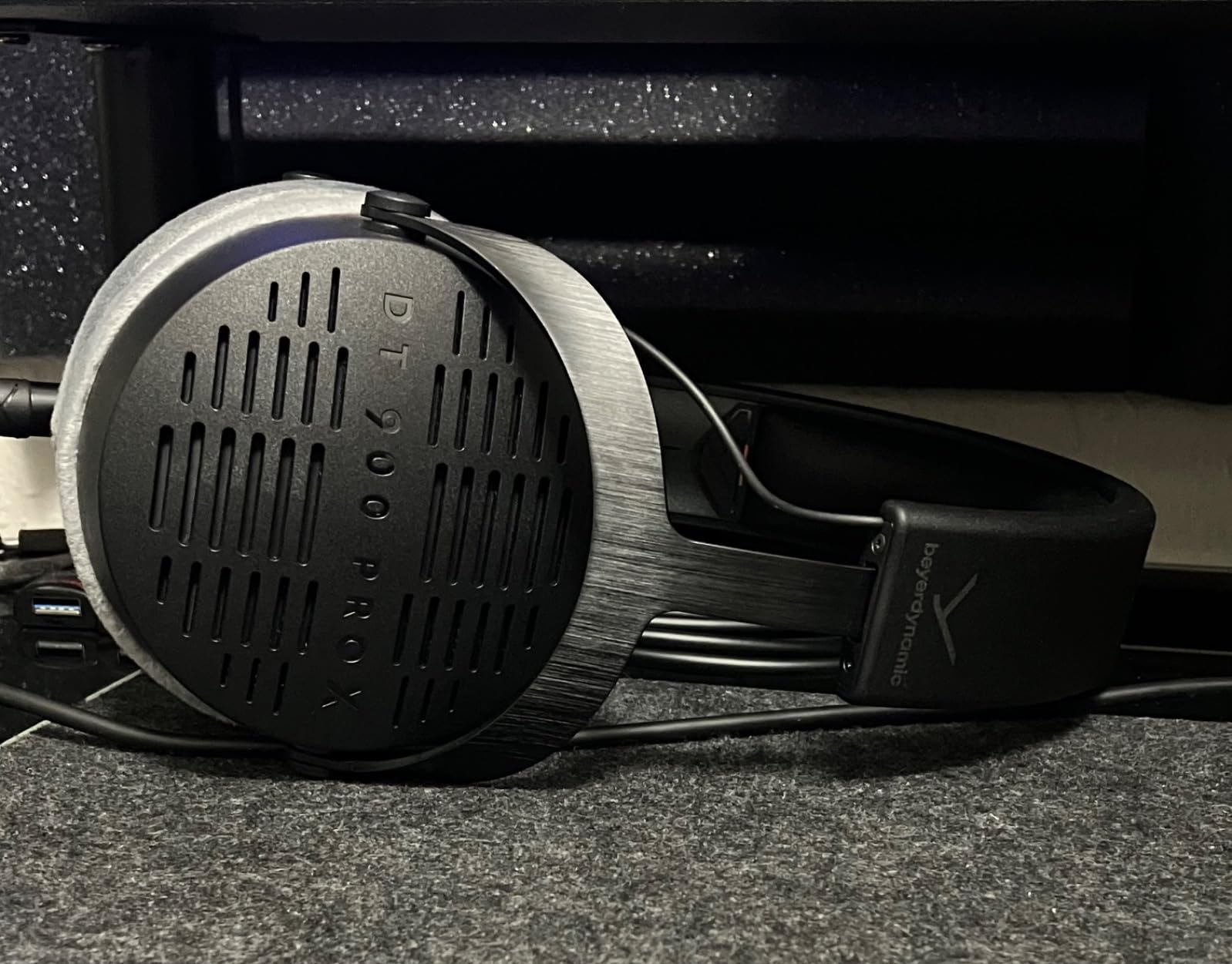
STELLAR.45 Driver Technology
The STELLAR.45 driver uses a neodymium magnet system and a lightweight voice coil to deliver 5-40,000 Hz frequency response with minimal distortion. In practice, this translates to clean, fatigue-free listening that holds up during long mixing sessions.
The neutral tuning is honest without being sterile. Bass extends deep and stays controlled. Mids are present without coloration. Treble has detail without the bite of the older DT 990 Pro.
Comfort and the Break-In Period
The DT 900 Pro X ships with a firm clamp that bothered me for the first few days. After a week of regular use, the headband loosened into a comfortable fit. New buyers should expect this break-in period.
Velour pads and the circumaural design keep the seal comfortable for glasses wearers. The detachable mini-XLR cables are a major upgrade over the fixed coiled cable on the DT 990 Pro.
7. Sennheiser HD 650 – The Audiophile Reference Standard
Sennheiser HD 650 – Audiophile Hi-Res Open Back Dynamic Headphone
Hand-matched dynamic drivers
300 ohm reference
Acoustic silk damping
+ Pros
- Reference-class detail retrieval
- Hand-matched drivers ensure consistency
- Acoustic silk precision damping
- Low 0.05% THD
- Iconic audiophile status
- Cons
- 300 ohm needs serious amplification
- Open-back not for recording
- Premium price tier
The Sennheiser HD 650 is the audiophile classic against which all others are measured. I’ve owned a pair for nearly a decade, and they remain a staple in my reference chain.
Hand-matched driver elements ensure every HD 650 sounds like every other HD 650. The specially designed acoustic silk provides precision damping, and the optimized magnet system keeps total harmonic distortion at a remarkably low 0.05%.
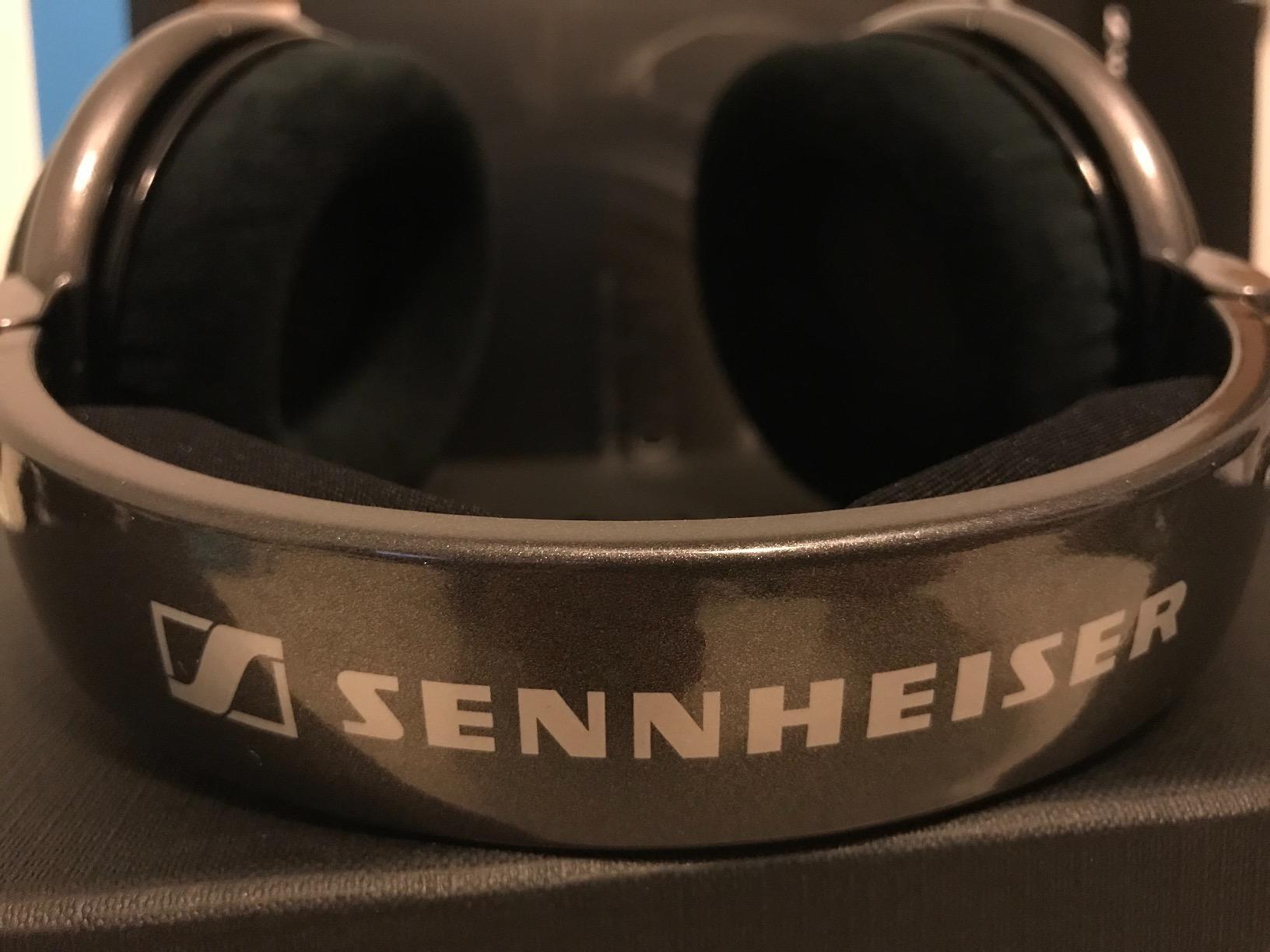
What you hear is honesty. No exaggerated bass, no boosted treble, no hyped soundstage. Just the recording, presented with warmth and detail that reveals new things in familiar albums year after year.
Why the HD 650 Stays Relevant
Sennheiser’s 6-series has been refined since the HD 600 debuted in the late 1990s. Each generation maintains the same core philosophy: musical, detailed, non-fatiguing sound that works across every genre.
The 300-ohm impedance requires a real amplifier. My experience matches the consensus: a budget amp barely wakes them up, but a quality dedicated amp unlocks the dynamics and micro-detail that make the HD 650 legendary.
Comfort for Marathon Sessions
The HD 650 weighs more than most modern headphones, but the weight is well-distributed. The plush velour pads and padded headband allow me to wear these for entire workdays without fatigue.
For critical listening, late-night mixing, and audiophile reference work, the HD 650 is hard to beat at any price point near it. This is why it remains a community favorite after 25+ years.
8. HIFIMAN Arya Stealth Magnet – Premium Planar Performance
HIFIMAN Arya Stealth Magnet Version Full-Size Over-Ear Planar Magnetic Headphone for Audiophiles/Studio
Planar magnetic stealth magnet
32 ohm
Nanometer diaphragm
+ Pros
- Expansive soundstage and imaging
- Detailed planar magnetic signature
- Comfortable for long sessions
- 32 ohm relatively easy to drive
- Premium copper cable included
- Cons
- Build quality concerns
- Some sibilance reported
- Needs quality amp to shine
- Limited stock availability
The HIFIMAN Arya Stealth Magnet is the company’s mid-tier planar flagship, and it sounds genuinely different from anything else on this roundup. The soundstage is enormous, wider than any dynamic headphone I tested, and the imaging precision is striking.
The Stealth Magnet design and nanometer-thickness diaphragm work together to reduce distortion and reveal micro-details that cheaper headphones miss entirely. Listening to well-recorded jazz, I heard tape hiss on the master that I’d never noticed before.
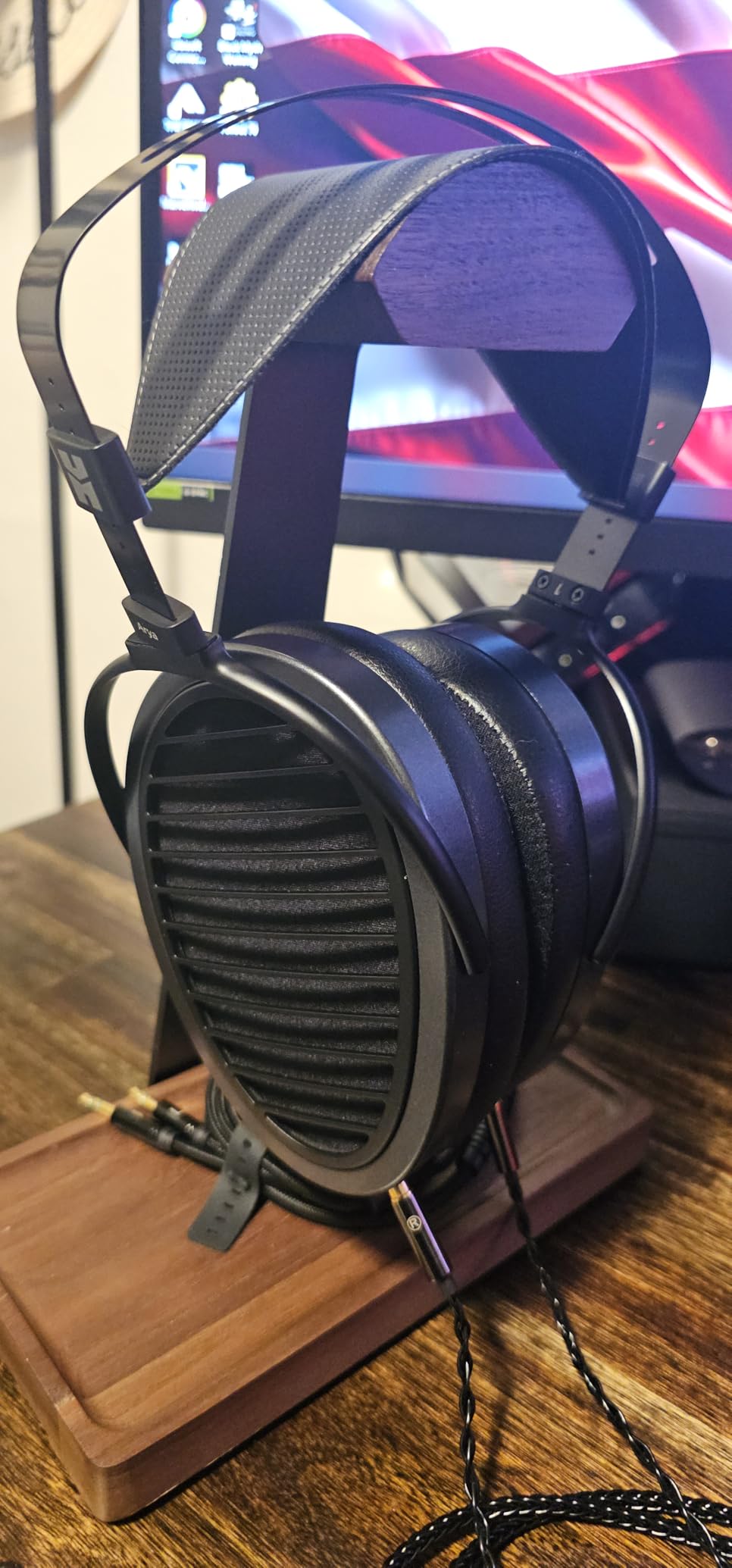
Why Planar Drivers Excel at Imaging
Planar magnetic drivers distribute the magnetic field evenly across the diaphragm. This creates a uniform drive force that results in exceptionally low distortion and precise imaging. The Arya Stealth Magnet takes this planar advantage and pushes the soundstage to its limits.
For gaming, this expansive stage makes the Arya a serious contender. Combined with detailed imaging, it competes with dedicated gaming headsets costing twice as much.
Amp Recommendations and Driving the Arya
The Arya’s 32-ohm impedance is misleading. Sensitivity is moderate, and it really opens up with a quality amplifier. I tested it with a Topping A90 and a Violectric V590. Both delivered excellent results, with the V590 edging ahead in bass texture.
Stock includes a single-crystalline copper cable with a 6.35mm plug, which is a premium touch for the price.
Build Considerations and Warranty
HIFIMAN offers a 3-year warranty on the Arya, which addresses common concerns about long-term durability. Build quality has improved in recent production runs.
Asymmetrical ear cups follow the natural shape of your head for a more comfortable fit than the symmetrical HIFIMAN designs of the past.
How to Choose the Best Audiophile Headphones for Your Setup
Buying audiophile headphones without understanding how they’ll interact with your system leads to disappointment. Here’s what I tell friends who ask for help picking their first serious pair.
Open-Back vs Closed-Back: The Biggest Decision
Open-back headphones have perforated or grille-covered ear cups that let air (and sound) pass through. This creates a wider, more natural soundstage and reduces pressure buildup on your ears. The trade-off is sound leakage in both directions, which makes them unsuitable for offices, libraries, or recording vocals.
Closed-back headphones seal around your ears. They isolate you from the environment, prevent sound leakage (good for tracking vocals), and often deliver more impactful bass. The trade-off is a smaller soundstage and potential ear fatigue during marathon sessions.
For critical listening at home, open-back wins. For portable use, tracking, or noisy environments, closed-back is the only choice.
Driver Technology: Dynamic vs Planar Magnetic
Dynamic drivers (used in most headphones) use a voice coil attached to a diaphragm. They’re efficient, relatively inexpensive, and can deliver excellent sound when well-implemented.
Planar magnetic drivers use an ultra-thin diaphragm suspended in a magnetic field. They typically offer lower distortion, faster transient response, and more detail retrieval, but cost more and require more power to drive.
For most listeners, a quality dynamic driver is more than sufficient. If you want the planar advantage without the four-figure price tag, the HIFIMAN Edition XS is the gateway.
Impedance and Amplification: Do You Need a Headphone Amp?
Impedance (measured in ohms) affects how much power your source needs to drive the headphones. Low-impedance headphones (16-50 ohms) work fine from phones and laptops. High-impedance headphones (250+ ohms) need a dedicated amplifier to reach their potential.
The Sennheiser HD 650 (300 ohm) and beyerdynamic DT 990 Pro (250 ohm) both require amplification. The HIFIMAN Edition XS (18 ohm) and Philips SHP9500 (32 ohm) work directly from portable sources.
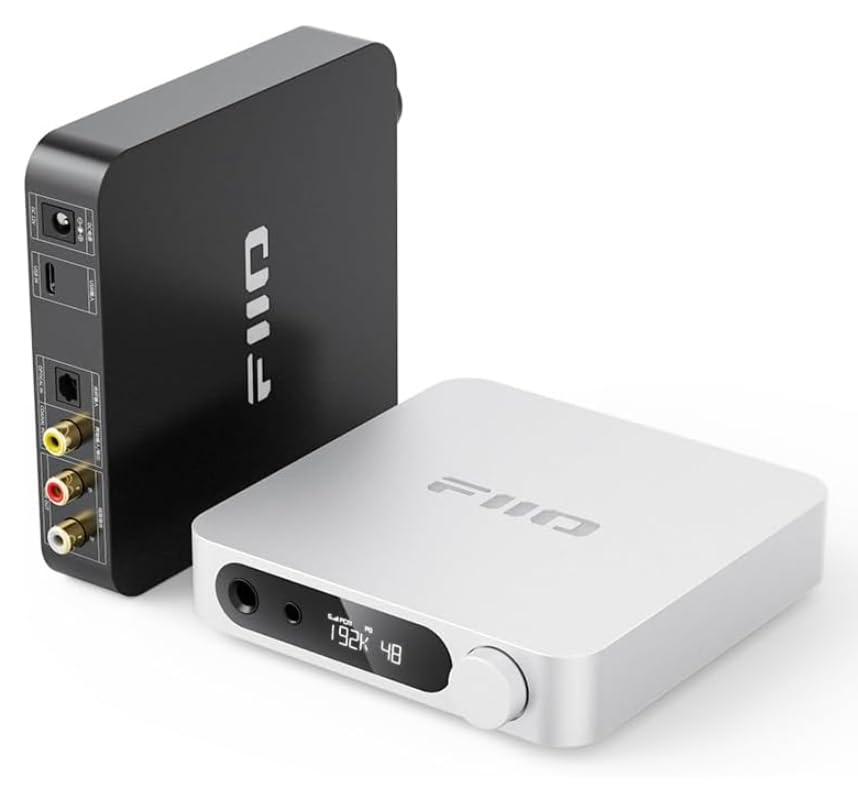
A DAC (Digital-to-Analog Converter) improves sound quality by bypassing your computer’s internal audio hardware. Pairing a DAC with a headphone amp is the classic audiophile upgrade path. For most of the headphones on this list, a $100-$200 DAC/amp combo makes a meaningful difference.
Comfort, Weight, and Long Sessions
Audiophile headphones are designed for hours-long listening. Weight distribution, clamp force, and ear pad material matter more than specs suggest.
Velour pads (Sennheiser, beyerdynamic) breathe well and stay cool but reduce bass impact. Leatherette pads (Audio-Technica, HIFIMAN) seal tighter for better isolation and bass but get warm during long sessions.
If you wear glasses, look for headphones with deep ear cups and soft pads. The Sennheiser HD 599 and HD 650 both excel here.
Genre Matching and Sound Signature
Different headphones favor different genres. The analytical DT 990 Pro suits jazz and classical. The bass-tight ATH-M50X handles rock and electronic well. The warm HD 650 flatters vocals and acoustic music.
If your library is diverse, neutral tunings (HD 650, DT 900 Pro X, HD 599) work across everything. If you specialize, pick a headphone whose tuning complements your genre.
Frequently Asked Questions
What headphones do audiophiles recommend?
Audiophiles consistently recommend open-back dynamic headphones like the Sennheiser HD 650 for reference listening, the HIFIMAN Edition XS for planar magnetic value, and the beyerdynamic DT 990 Pro for analytical detail. The best choice depends on your budget, source equipment, and music preferences. Most audiophiles prioritize accurate sound, wide soundstage, and comfortable long-session wear.
What are the best audiophile headphones?
The best audiophile headphones in 2026 are the Sennheiser HD 650 for reference accuracy, the HIFIMAN Edition XS for planar magnetic value, the Audio-Technica ATH-M50X for closed-back versatility, and the beyerdynamic DT 990 Pro for analytical soundstage. Each excels in different categories. Budget buyers should consider the Philips SHP9500.
What headphones have the best sound quality ever?
The highest sound quality headphones combine ultra-low distortion, wide frequency response, and accurate soundstage. Flagship models from Sennheiser (HD 800 S), Focal (Utopia), and HIFIMAN (Susvara) represent the current peak. At more accessible prices, the Sennheiser HD 650, HIFIMAN Arya, and beyerdynamic DT 900 Pro X deliver near-flagship performance.
What are the most comfortable audiophile headphones?
The most comfortable audiophile headphones for long sessions are the Sennheiser HD 650 and HD 599 with their plush velour pads and balanced weight distribution. The beyerdynamic DT 900 Pro X and Philips SHP9500 also rank highly. Key comfort factors include pad material, clamp force, weight, and ear cup depth for glasses wearers.
Are audiophile headphones really better?
Audiophile headphones deliver measurably better sound quality than typical consumer headphones. Lower distortion, wider frequency response, more accurate imaging, and a more natural soundstage reveal details in recordings that consumer headphones miss. Whether the difference is worth the investment depends on how seriously you take music listening. For casual background listening, premium consumer headphones suffice. For dedicated listening sessions, audiophile headphones are transformative.
Final Verdict: Which Audiophile Headphones Should You Buy?
After six weeks with eight pairs, my team agreed on three clear winners depending on your priorities. If you want the closest thing to reference accuracy and a sound signature that flatters every genre, the Sennheiser HD 650 remains the audiophile headphone to beat in 2026.
If you’re working with a tighter budget, the Philips SHP9500 delivers genuine audiophile character under $100, and the Sennheiser HD 599 adds warmth and velour comfort at a slightly higher price. For closed-back isolation and studio versatility, the Audio-Technica ATH-M50X stays undefeated.
For planar magnetic detail and a soundstage that makes gaming and orchestral recordings come alive, the HIFIMAN Edition XS is the best value, and the Arya Stealth Magnet is the upgrade path when you’re ready for premium performance.
Whichever pair you choose, match it to a quality source. Even the best audiophile headphones can only reveal what your DAC and amplifier deliver. Start with a solid DAC/amp combo and a well-recorded album. You’ll hear things in your favorite music you’ve been missing for years.