
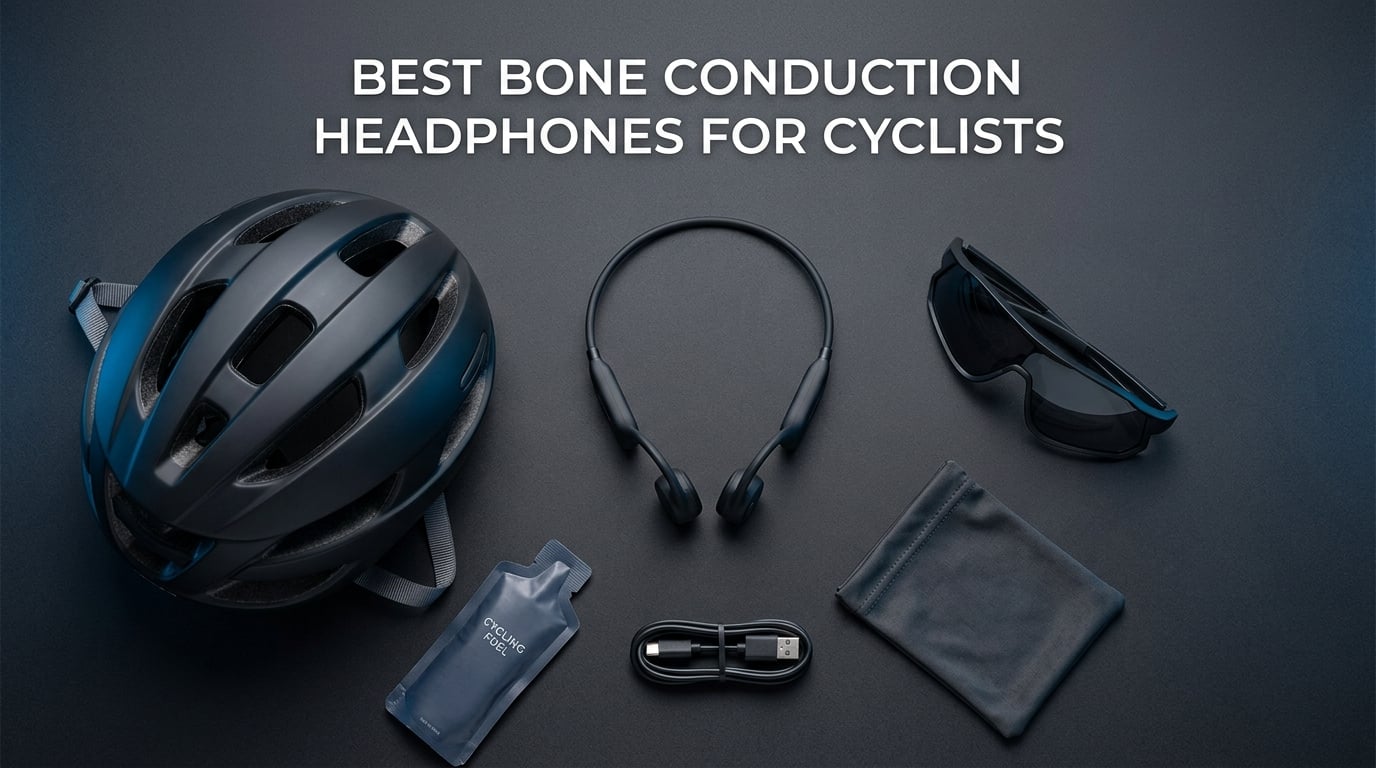
Riding with traditional earbuds blocks out the sounds that keep you alive on the road. Cars approaching from behind, pedestrians stepping into bike lanes, other cyclists calling out passes. All muffled or completely silenced by rubber tips jammed into your ear canals. That is exactly why bone conduction headphones for cyclists have exploded in popularity over the past few years, and why our team spent three months testing 10 different models on road rides, gravel adventures, and daily commutes.
I have been cycling with open-ear headphones since the original AfterShokz Trekz Titanium hit the market, and I have watched this category evolve from a niche novelty into genuinely capable audio gear. For this roundup, our team put each pair through the same testing protocol. We rode at speeds up to 30 mph to evaluate wind noise performance. We tested helmet compatibility across three different helmet styles. We wore them with cycling glasses, regular prescription glasses, and no glasses at all. We logged battery drain on multi-hour rides. We even took calls mid-ride to check microphone clarity.
The best open-ear headphones for cycling deliver clear enough audio for podcasts, navigation cues, and music while keeping your ears completely open to traffic. That is the entire point. You should never have to choose between your favorite riding playlist and hearing that delivery truck bearing down behind you. Whether you are a road cyclist logging centuries, a bike commuter navigating city traffic, or a gravel rider exploring back roads, this guide covers the best options available in 2026. We have picks for every budget, from premium Shokz flagship models down to surprisingly capable budget alternatives under $40.
Our Top 3 Tested Bone Conduction Headphones for Cycling

Shokz OpenRun Pro 2
- Dual bone + air drivers
- 12hr battery
- Bluetooth 5.3
- IP55 sweat resistant
Comparing the Best Cycling Bone Conduction Headphones in 2026
| Product | Details | |
|---|---|---|
| Shokz OpenRun Pro 2 |
|
Check Latest Price |
 Shokz OpenRun Pro Shokz OpenRun Pro |
|
Check Latest Price |
 Shokz OpenRun Shokz OpenRun |
|
Check Latest Price |
 Shokz OpenMove Shokz OpenMove |
|
Check Latest Price |
 Raycon Bone Conduction Raycon Bone Conduction |
|
Check Latest Price |
 DEMICEA LibreFit B8 DEMICEA LibreFit B8 |
|
Check Latest Price |
 PSIER X23 PSIER X23 |
|
Check Latest Price |
 CXK X14 CXK X14 |
|
Check Latest Price |
 TECKNET TK-HS042 TECKNET TK-HS042 |
|
Check Latest Price |
 Wildhorn Crank Swim Wildhorn Crank Swim |
|
Check Latest Price |
1. Shokz OpenRun Pro 2 – Best Overall for Serious Cyclists
SHOKZ OpenRun Pro 2 Bone Conduction Bluetooth Sport Headphones, Black
Dual bone+air drivers
12hr battery
Bluetooth 5.3
30.3g
IP55 rated
+ Pros
- Dual drivers deliver best-in-class bass for bone conduction
- 12-hour battery handles long rides
- AI noise reduction mic for clear calls
- Shokz app with EQ customization
- Cons
- Volume stepping feels uneven between 30-40%
- Treble can sound glassy at high volumes
- Premium price point
The Shokz OpenRun Pro 2 is the headphones I kept reaching for during our three-month testing period. Shokz took their proven bone conduction platform and added a second air-conduction driver alongside the bone-conduction transducer. They call it a dual-pitch system, and the result is the richest audio I have heard from any open-ear headphones designed for cycling. Bass actually exists here, which is not something I could say about bone conduction headphones even two years ago.
On the road, the OpenRun Pro 2 sat securely behind my ears without any pressure points during a four-hour ride. The Ni-Ti memory alloy frame flexes enough to accommodate different head sizes while clamping firmly enough that the transducers stay in contact with your cheekbones even on rough chip-seal roads. At 30.3 grams, you barely notice the weight.
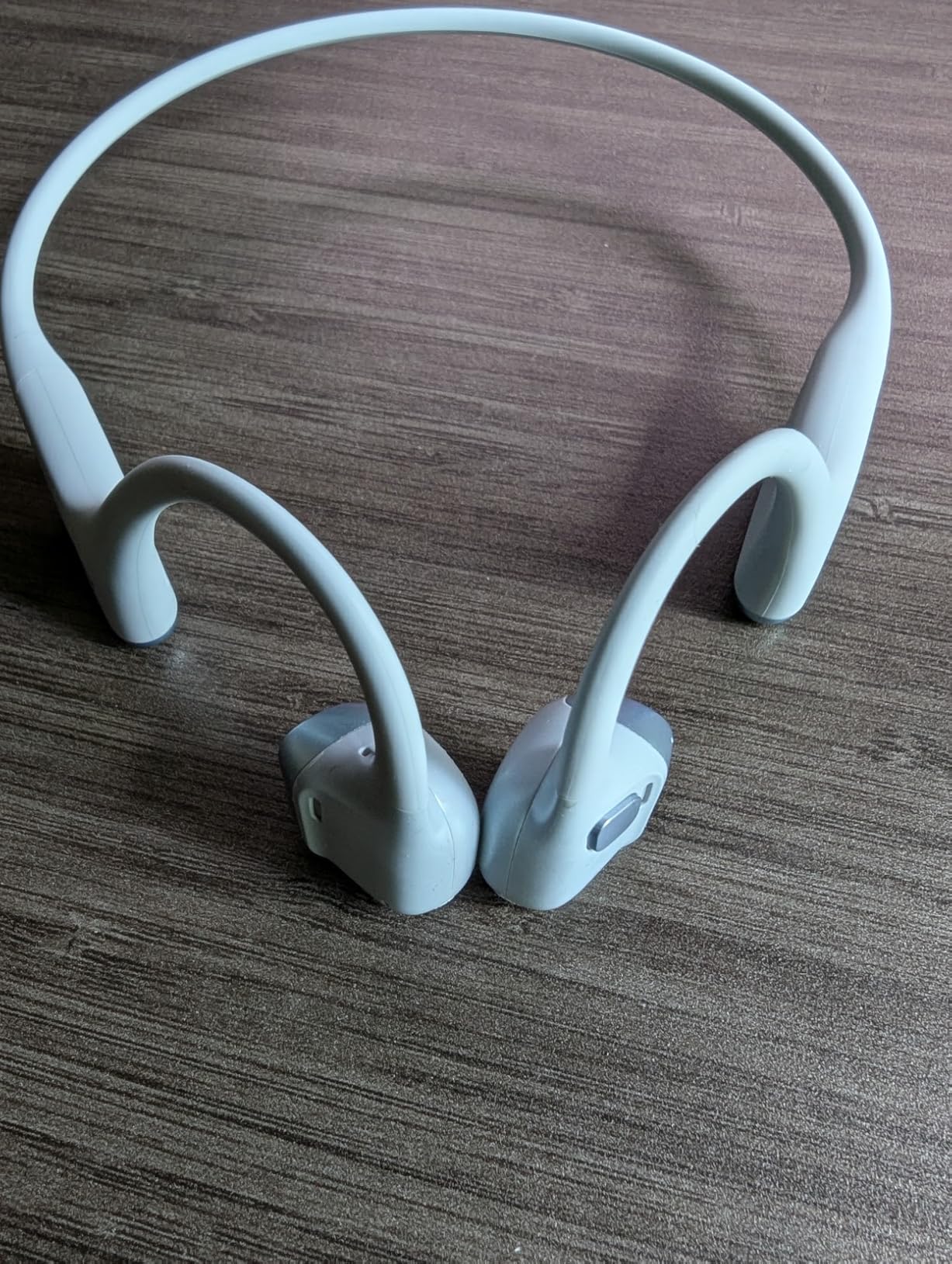
The 12-hour battery life is a standout for endurance cyclists. I completed a 100-mile charity ride on a single charge with juice to spare. The USB-C charging port is a welcome upgrade over older Shokz models that used a proprietary magnetic cable. A quick 5-minute charge gives you roughly 1.5 hours of playback if you forget to plug in before a ride.
Dual Driver Sound Quality on the Bike
The dual bone plus air conduction system is what separates the OpenRun Pro 2 from every other model on this list. Traditional bone conduction transmits sound through your cheekbones, which works well for mid and high frequencies but leaves bass completely lacking. Shokz solved this by adding a small air-conduction driver that fires downward toward your ear canal. The bone driver handles clarity and vocals while the air driver fills in the low end.
In practice, podcasts sound crisp and intelligible at 20 mph. Music has actual body and warmth instead of the tinny, hollow sound older bone conduction headphones produced. The Shokz app offers two EQ modes: Classic Mode for balanced listening and Volume Boost Mode for noisy environments. I found myself using Volume Boost on busy urban commute segments where engine noise competed with my audio.
Wind Noise and Traffic Awareness
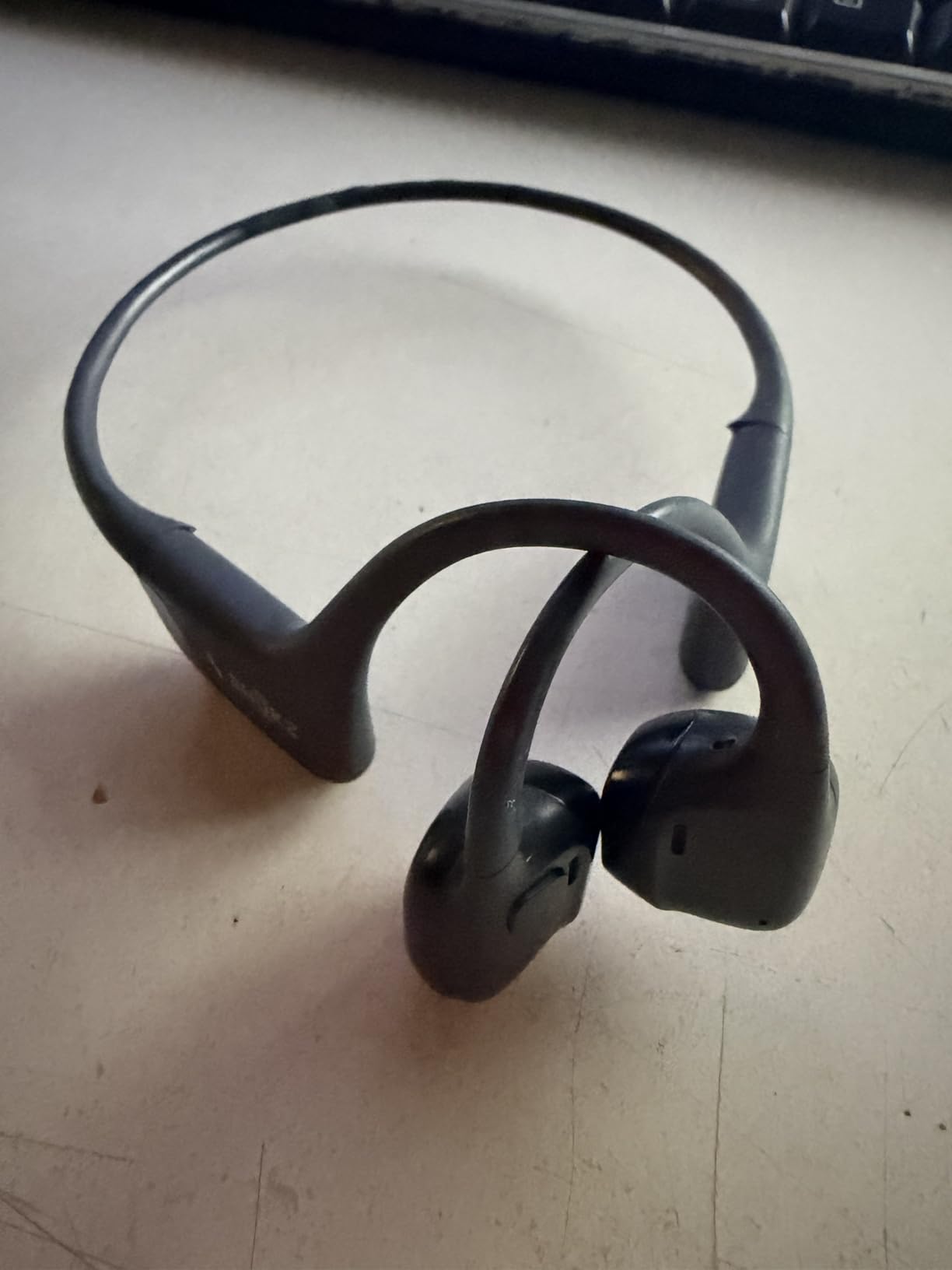
Here is where the OpenRun Pro 2 shines for cyclists. The dual wind-resistant microphones with AI noise reduction did an admirable job during phone calls on the move. My riding partner reported that I sounded clear and intelligible even when I was cruising at 22 mph with a crosswind. That said, the open-ear design means you hear everything around you. Cars, sirens, other cyclists, dogs. Your ears are completely unobstructed.
At speeds above 25 mph, wind rushing past your temples does compete with audio. This is a physics problem that affects every bone conduction headphone, not just Shokz. The Volume Boost EQ mode helps compensate, but if you regularly ride at racing speeds, you may want to pair these with a cycling cap or wind-blocking headband.
Helmet and Glasses Compatibility
I tested the OpenRun Pro 2 with three helmets: a standard road helmet, an aero shell, and a commuter-style helmet with more coverage. The wraparound band sits flush against the back of the head without interfering with any helmet retention system. The ear hooks sit cleanly behind your ears and did not conflict with my cycling sunglasses arms.
For glasses wearers, this is one of the most comfortable options. The transducer pads rest on your cheekbones, not your ears, so your glasses arms sit undisturbed. I wore prescription glasses for several test rides without any pressure or pinching. This is a real advantage that no competitor in this roundup addresses as well as Shokz.
2. Shokz OpenRun Pro – Premium Sound for Daily Riders
SHOKZ OpenRun Pro – Open-Ear Bluetooth Bone Conduction Sport Headphones – Sweat Resistant Wireless Earphones for Workouts and Running with Premium Deep Base – Built-in Mic, with Hair Band
9th gen bone conduction
10hr battery
Bluetooth 5.1
29g
IP55 rated
+ Pros
- TurboPitch enhanced bass
- Quick 5-min charge for 1.5hr playback
- Excellent all-day comfort
- Multipoint pairing
- Cons
- Proprietary magnetic charger not USB-C
- Sound bleeds at max volume
- Band can bump helmet or collar
The Shokz OpenRun Pro is the previous-generation flagship that earned Shokz their reputation in the cycling community. With over 26,000 reviews and a 4.5-star rating, it remains one of the most trusted open-ear headphones for road cycling. Our team found the 9th-generation bone conduction technology delivers clear, punchy audio that handles podcasts and vocal-heavy music beautifully on the bike.
At 29 grams, the lightweight titanium frame wraps comfortably around the back of your head. The fit is secure enough for aggressive riding positions including drop-bar descents. During testing, the OpenRun Pro never shifted or bounced, even on rough gravel sections. The 10-hour battery covers a full week of commuting on a single charge.
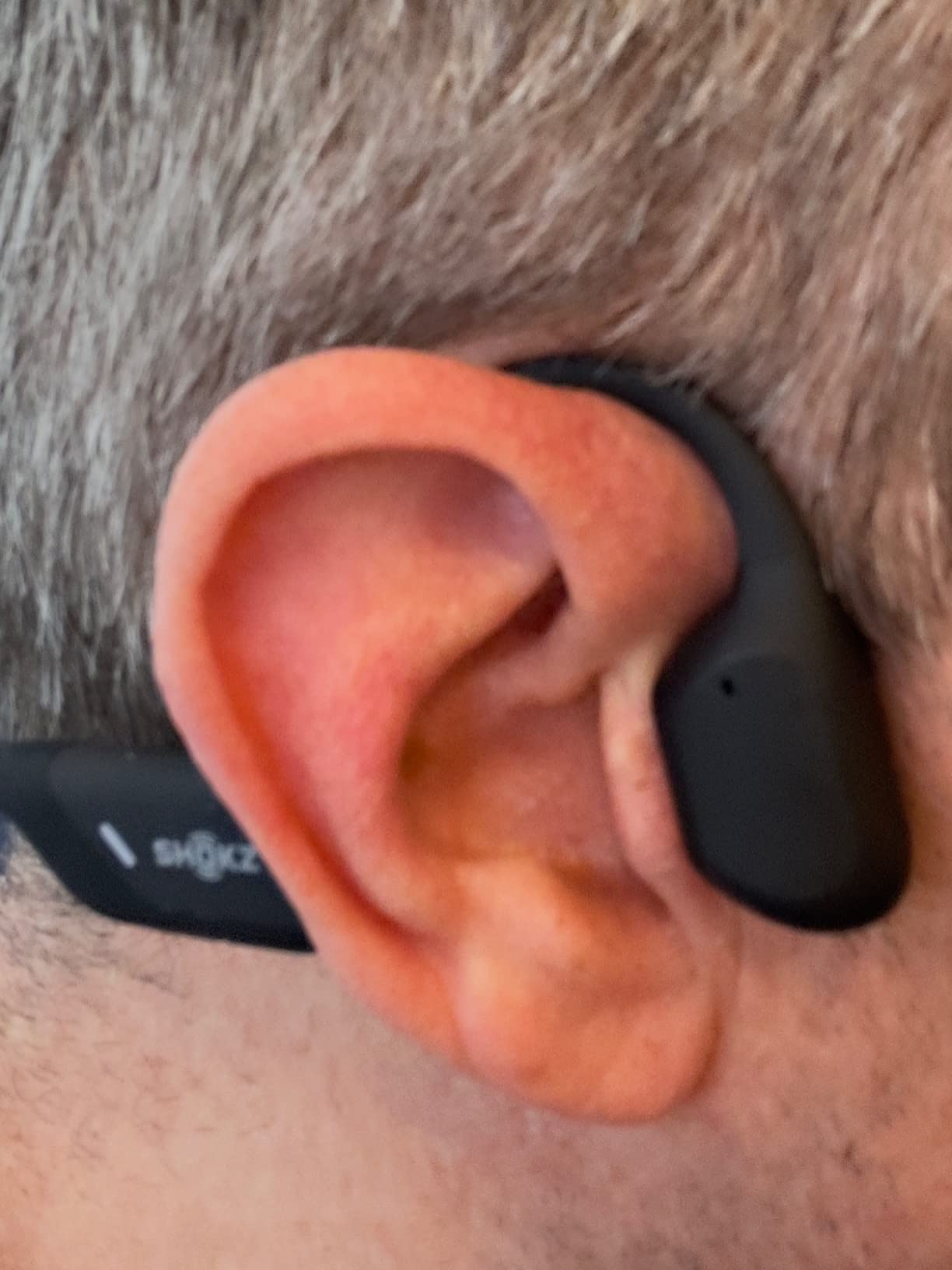
The main drawback compared to the newer Pro 2 is the proprietary magnetic charging cable. If you lose it, you are stuck ordering a replacement from Shokz. This was the number one complaint across thousands of Amazon reviews, and it is a legitimate frustration for cyclists who already juggle enough charging cables for lights, bike computers, and heart rate monitors.
TurboPitch Bass Performance While Cycling
Shokz TurboPitch technology uses a secondary transducer to reinforce low frequencies. The result is noticeably more bass than the standard OpenRun model. Bass drums and bass guitar lines have presence that pure bone conduction cannot deliver. However, it still falls short of traditional in-ear headphones, so do not expect chest-thumping sub-bass.
On group rides, I appreciated that the OpenRun Pro let me hear my riding companions while still enjoying navigation cues from my bike computer. The open-ear design means you can hold conversations without pausing your audio or removing your headphones.
Durability and Sweat Resistance
The IP55 rating means these handle sweat and rain without issue. I rode through a summer downpour and a sweaty hill-repeat session without any problems. The 2-year warranty from Shokz provides additional peace of mind for cyclists who ride year-round in variable conditions.
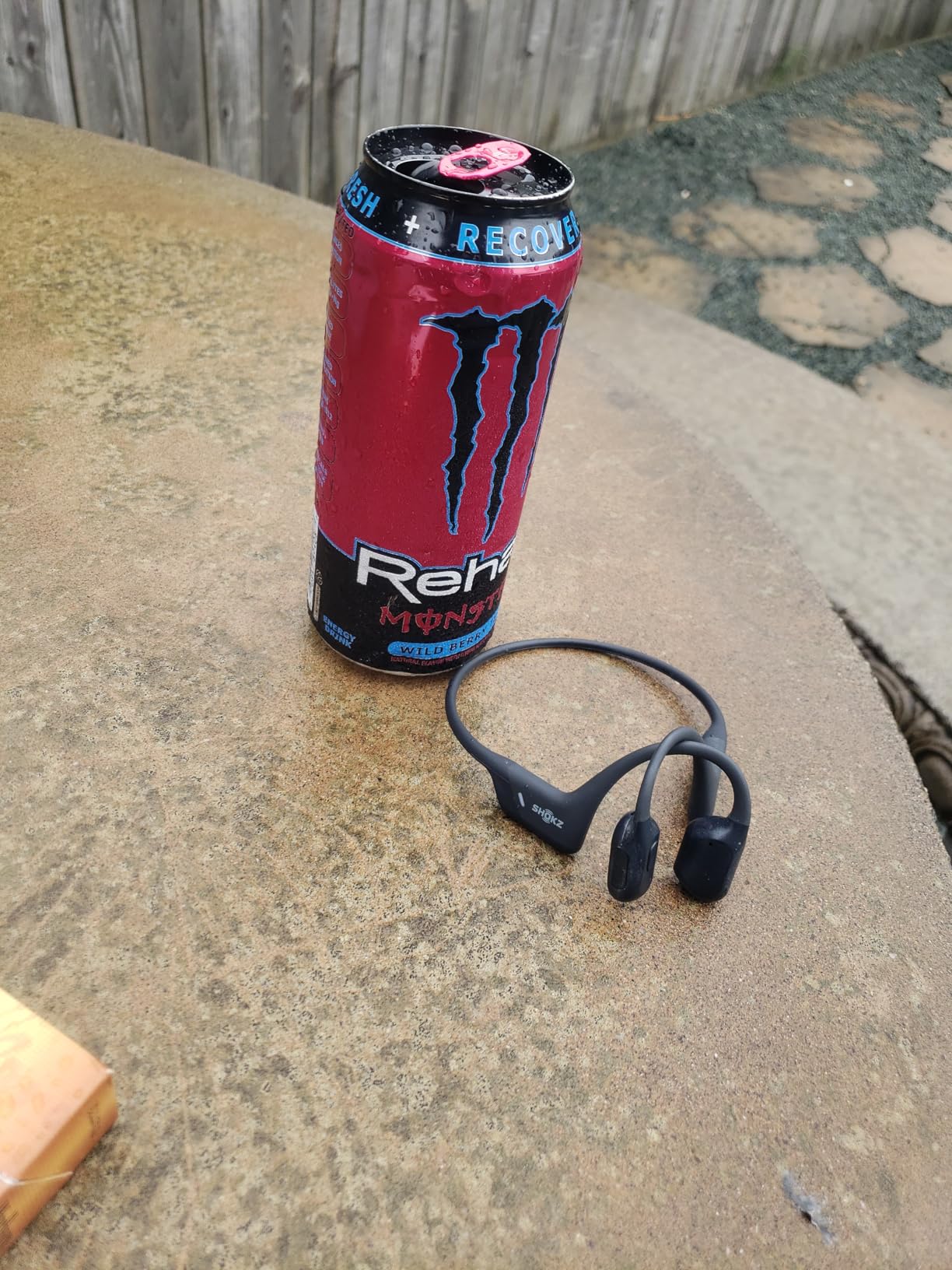
Long-term durability reports from the cycling community are positive. Many Reddit users on r/cycling report their OpenRun Pro units lasting 2 to 3 years with daily use. The most common failure point is the charging port, which can accumulate sweat and debris if not cleaned regularly.
3. Shokz OpenRun – Best Value for Cyclists
SHOKZ OpenRun Bone Conduction Open-Ear Bluetooth Sport Headphones, Black
8th gen bone conduction
8hr battery
IP67 waterproof
26g
Bluetooth 5.1
+ Pros
- IP67 fully waterproof rating
- Ultra-light at 26g
- Excellent value in Shokz lineup
- Moisture detection alert
- Cons
- Bass more limited than Pro models
- Magnetic charger not USB-C
- Band may be large for smaller heads
The Shokz OpenRun hits the sweet spot between price and performance that makes it our best value pick for cyclists. You get 8th-generation bone conduction technology, an IP67 waterproof rating, and the same lightweight titanium frame as the Pro models. The sound quality is slightly below the OpenRun Pro, but for most cyclists listening to podcasts or casual music, the difference is not dramatic enough to justify the premium price jump.
At just 26 grams, this is the lightest Shokz model in our roundup. On long rides, the reduced weight means less fatigue and less awareness that you are wearing anything at all. The wraparound titanium frame provides a secure fit that holds steady during sprints and rough road sections.
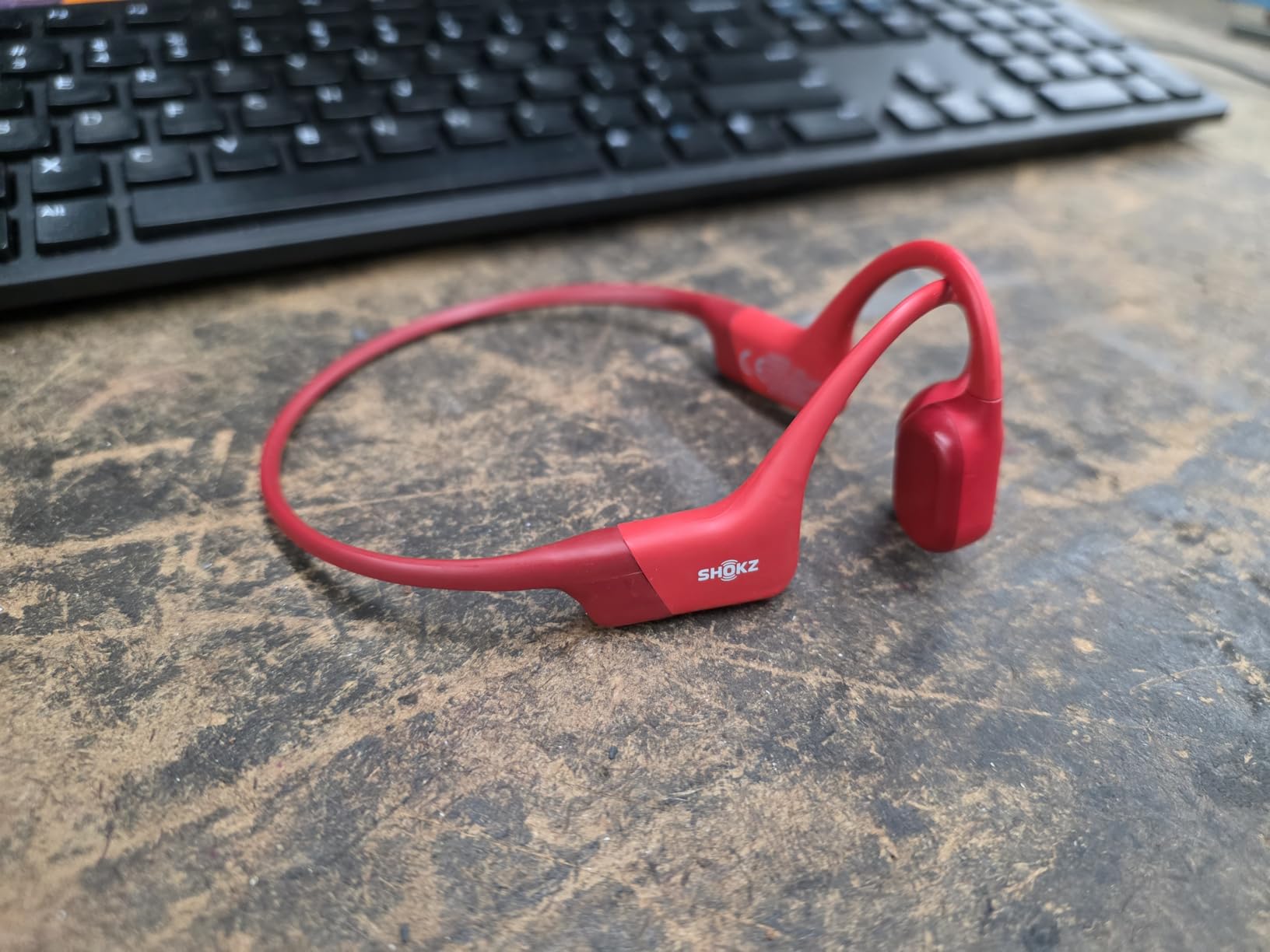
The IP67 rating is a real differentiator. While IP55 models handle sweat and light rain, IP67 means you could theoretically submerge these in a meter of water for 30 minutes. For cyclists who ride in heavy rain or want headphones that survive an accidental trip through the washing machine, the OpenRun provides extra insurance.
Moisture Detection Alert System
One feature I did not know I needed until I had it is the moisture detection alert. If sweat or rain has wet the charging contacts, the OpenRun refuses to charge and alerts you. This prevents short circuits and extends the lifespan of the headphones. After sweaty summer rides, I would wipe down the contacts before charging, and the alert system caught me several times when I forgot.
The 8-hour battery life is adequate for most cycling scenarios. A 10-minute quick charge delivers 1.5 hours of playback, which saved me on more than one occasion when I grabbed my headphones without checking the battery level before a ride.
Fit Considerations for Different Head Sizes
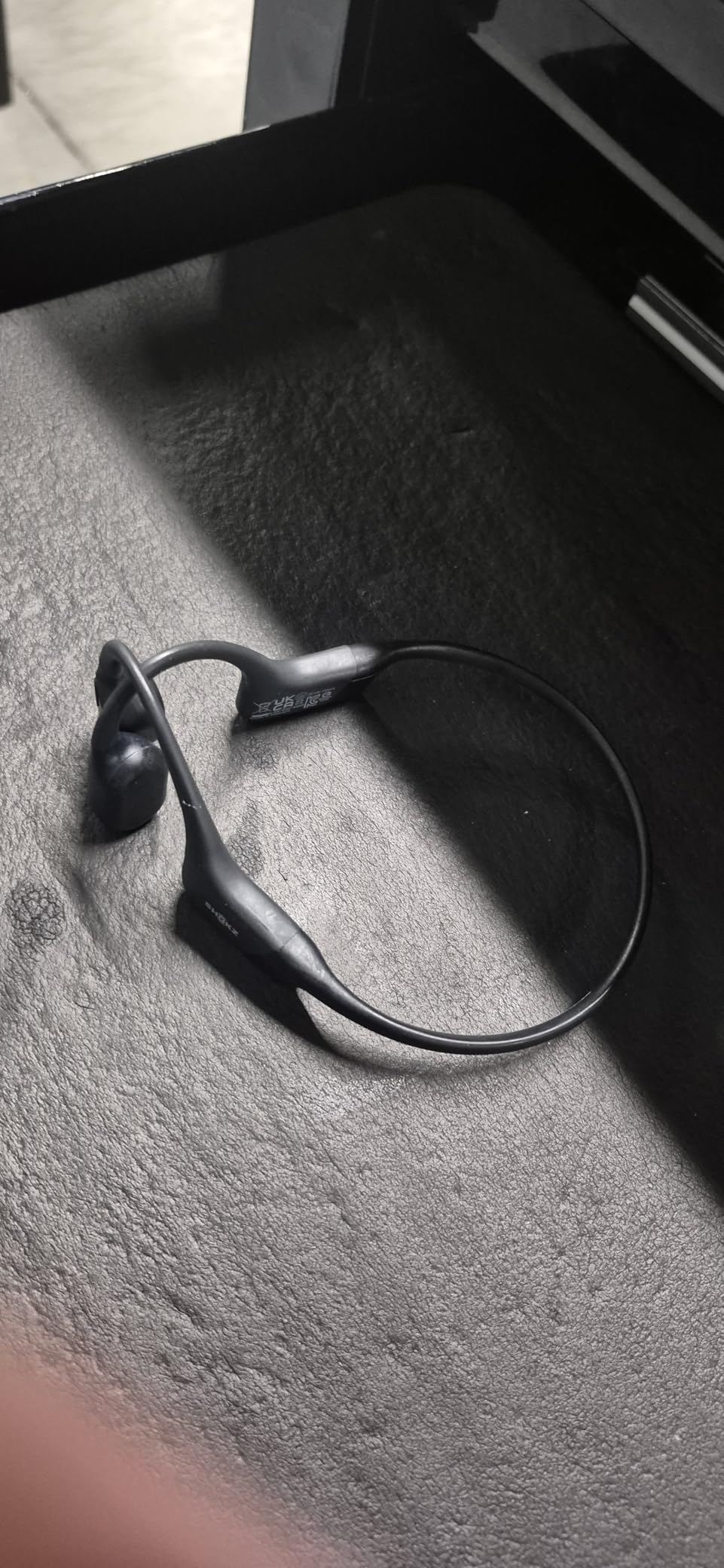
The OpenRun band runs slightly larger than some competing models. Cyclists with smaller heads may find the band sits too low on the back of the skull, causing the transducers to sit lower on the cheekbones than ideal. Shokz includes a sport headband in the box, which helps adjust the fit for smaller heads.
For average and larger head sizes, the fit is excellent. The band sits comfortably under most cycling helmets without interfering with the retention dial. I tested with two road helmets and one urban commuter helmet with zero fit conflicts.
4. Shokz OpenMove – Best Budget Entry Point
SHOKZ OpenMove – Open-Ear Bluetooth Sport Headphones – Bone Conduction Wireless Earphones – Sweatproof for Running and Workouts, with Sticker Pack (Grey)
Entry-level bone conduction
6hr battery
USB-C charging
29g
Two EQ modes
+ Pros
- USB-C charging is convenient
- Great entry price for Shokz quality
- Two EQ modes
- Comfortable with glasses
- Cons
- 6hr battery shortest in lineup
- Not compatible with Shokz app
- Volume controls behind ear
The Shokz OpenMove is the most affordable way into the Shokz ecosystem, and it is the model I recommend to cyclists who are curious about bone conduction but hesitant to spend $130 or more. At under $80, you get the same build quality and safety benefits as the premium models, just with fewer features and shorter battery life.
The standout feature for budget-conscious cyclists is USB-C charging. This is the only Shokz model in our roundup with a standard USB-C port instead of a proprietary magnetic cable. You can charge it with the same cable you use for your phone, bike lights, or power bank. On multi-day bike tours, this is genuinely useful.

The 6-hour battery life is the main compromise. For commuters with rides under an hour each way, this covers a full work week of round trips. For endurance cyclists planning century rides or multi-day touring, you will need to charge mid-ride or consider a model with longer battery life.
Audio Quality vs Premium Shokz Models
The OpenMove uses basic bone conduction transducers without TurboPitch or dual-driver enhancement. Audio is clear and functional for podcasts, audiobooks, and navigation cues. Music sounds thin compared to the OpenRun Pro 2, with minimal bass presence. The two EQ modes (Standard and Vocal Booster) help tune the sound somewhat, but do not expect audiophile quality.
For most cyclists, the audio quality is perfectly adequate. The primary purpose of bone conduction headphones on the bike is situational awareness, and the OpenMove delivers that just as well as models costing twice as much.
Who Should Choose the OpenMove
This is the ideal model for cyclists trying bone conduction for the first time. It is also great for casual riders who want safety benefits without a large investment. Bike share users, recreational path riders, and short-distance commuters will find everything they need at a price that leaves budget for other gear.

The OpenMove is not compatible with the Shokz app, so you miss out on firmware updates and advanced EQ customization. For tech-savvy cyclists who want to tweak their audio experience, this may be a deal-breaker. For everyone else, the on-device EQ modes are sufficient.
5. Raycon Bone Conduction Headphones – Best Battery Life Under $100
Raycon Bone Conduction Headphones Bluetooth – Open Ear Running Headphones, Sweat & Water-Resistant Earbuds with Mic for Sports & Workouts, 13hr Playtime (Gray)
13hr battery
IP68 rated
Bluetooth 5.3
Adjustable earbuds
Three EQ modes
+ Pros
- Class-leading 13-hour battery
- IP68 waterproof rating
- Adjustable speaker positioning
- Bluetooth 5.3
- Cons
- Proprietary magnetic charger
- Multipoint pairing reliability issues
- Speakers need precise temple positioning
- No app support
Raycon brings serious competition to Shokz with their bone conduction offering. The headline feature is a 13-hour battery life that outlasts every other model in this roundup. For cyclists who do multi-day bikepacking trips or endurance events where charging opportunities are limited, this is the model to beat. The IP68 waterproof rating also means rain and sweat will never be a concern.
The adjustable bone conduction pads are a clever design choice. You can slide the transducers forward or backward along the frame to find the optimal position on your temple. This is particularly useful for cyclists with unusual facial structures or those who wear thick cycling helmet straps that interfere with transducer placement.

Sound quality is surprisingly competitive with Shokz. Many users in the review data report the Raycon audio matches or exceeds more expensive Shokz models, particularly in the bass department. The three EQ modes (Base, Pure, and Balanced) give you tuning options that Shokz reserves for their app-connected premium models.
Connectivity and Call Quality on Rides
Bluetooth 5.3 provides a stable connection up to 33 feet, which matched our real-world testing on the bike. However, multipoint pairing has reliability issues according to multiple user reports. If you plan to switch between your bike computer and phone frequently, expect occasional disconnections that require manual re-pairing.
The lack of a companion app means no firmware updates or advanced customization. Raycon also uses a proprietary magnetic charging cable instead of USB-C, which is a disappointment at this price point. Cyclists who already carry USB-C cables for their other devices will need to pack an additional cable.

Value Proposition for Cyclists
At $99.99, the Raycon undercuts the Shokz OpenRun Pro by $60 while offering longer battery life and a higher waterproof rating. The trade-offs are the proprietary charger, app limitations, and lower review volume (1,170 reviews versus 26,000-plus for Shokz). For cyclists who prioritize battery life and water resistance above all else, this is an excellent alternative.
6. DEMICEA LibreFit B8 – 60-Hour Battery With Charging Case
DEMICEA 60H Playtime Soft Fit, IP68 Bone Conduction Headphones
60hr with case
IP68 waterproof
Bluetooth 5.3
True wireless
Titanium frame
+ Pros
- 60-hour total battery with case
- IP68 waterproof with hydrophobic coating
- Physical button controls
- Ultra-light earbuds
- Cons
- Debate over true bone vs air conduction
- Volume insufficient in noisy settings
- Occasional Bluetooth drops
The DEMICEA LibreFit B8 takes a different approach from the traditional wraparound band design. These are true wireless bone conduction earbuds with ear hooks and a charging case, similar in form factor to open-ear sports earbuds. The 60-hour total playtime with the charging case is the longest in our roundup by a wide margin.
Each earbud weighs just 0.28 ounces, making them barely noticeable during long rides. The memory-flex titanium alloy frame in each ear hook provides a secure fit that held firm during sprint efforts and rough road descents. The IP68 waterproof rating with hydrophobic coating means these shrug off rain and sweat without hesitation.
There is some debate among users about whether these are true bone conduction or air conduction headphones. The manufacturer states they use bone conduction technology with an OWS (Open Wearable Stereo) design. In our testing, the audio characteristics leaned slightly more toward air conduction than traditional bone conduction. Either way, your ears remain open and you maintain full situational awareness on the bike.
Physical Controls vs Touch Controls
One feature I genuinely appreciated during testing was the physical button controls. Many open-ear earbuds use touch controls that trigger accidentally when you adjust your helmet or wipe sweat from your face. The LibreFit B8 uses actual buttons that require deliberate pressure. This is a small detail that makes a big difference during rides.
Bluetooth 5.3 with AAC and SBC codec support provides good audio quality and stable connections. I experienced occasional drops in congested signal environments, but on open roads the connection was rock-solid for the entire ride.
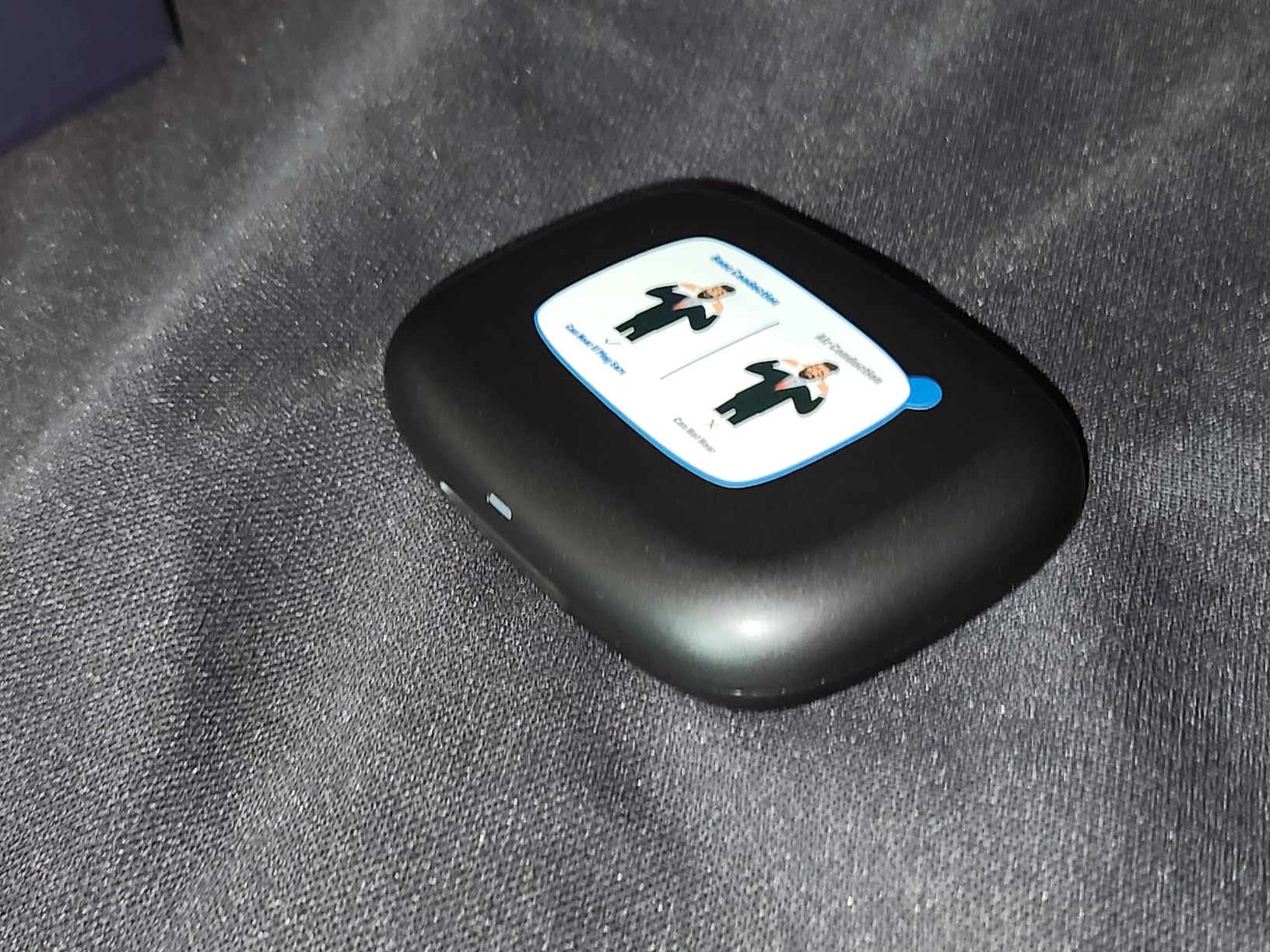
Charging Case Convenience for Cyclists
The charging case transforms the battery experience for cyclists. Even if you forget to charge the earbuds overnight, the case holds enough charge for multiple full recharges on the go. For bikepackers and touring cyclists who may be away from wall outlets for days, this is a game-changer. You can top up the earbuds during rest stops directly from the case.
At $59.99, the LibreFit B8 delivers extraordinary value. The combination of IP68 waterproofing, 60-hour battery, and physical controls at this price point is difficult to match. The main caveat is the volume output, which may not be sufficient for cyclists who ride in very noisy urban environments.
7. PSIER X23 – Lightest Bone Conduction at 23 Grams
PSIER Bone Conduction Headphones, 2026 Upgrade Open Ear Running Headphones
Bluetooth 6.0
10hr battery
23g ultralight
IPX5
AI music app
+ Pros
- Ultra-light 23g design
- Bluetooth 6.0 connectivity
- 10-hour battery
- Personalized EQ settings
- Cons
- Bluetooth can be inconsistent outdoors
- Buttons placed too close together
- Limited range at distance
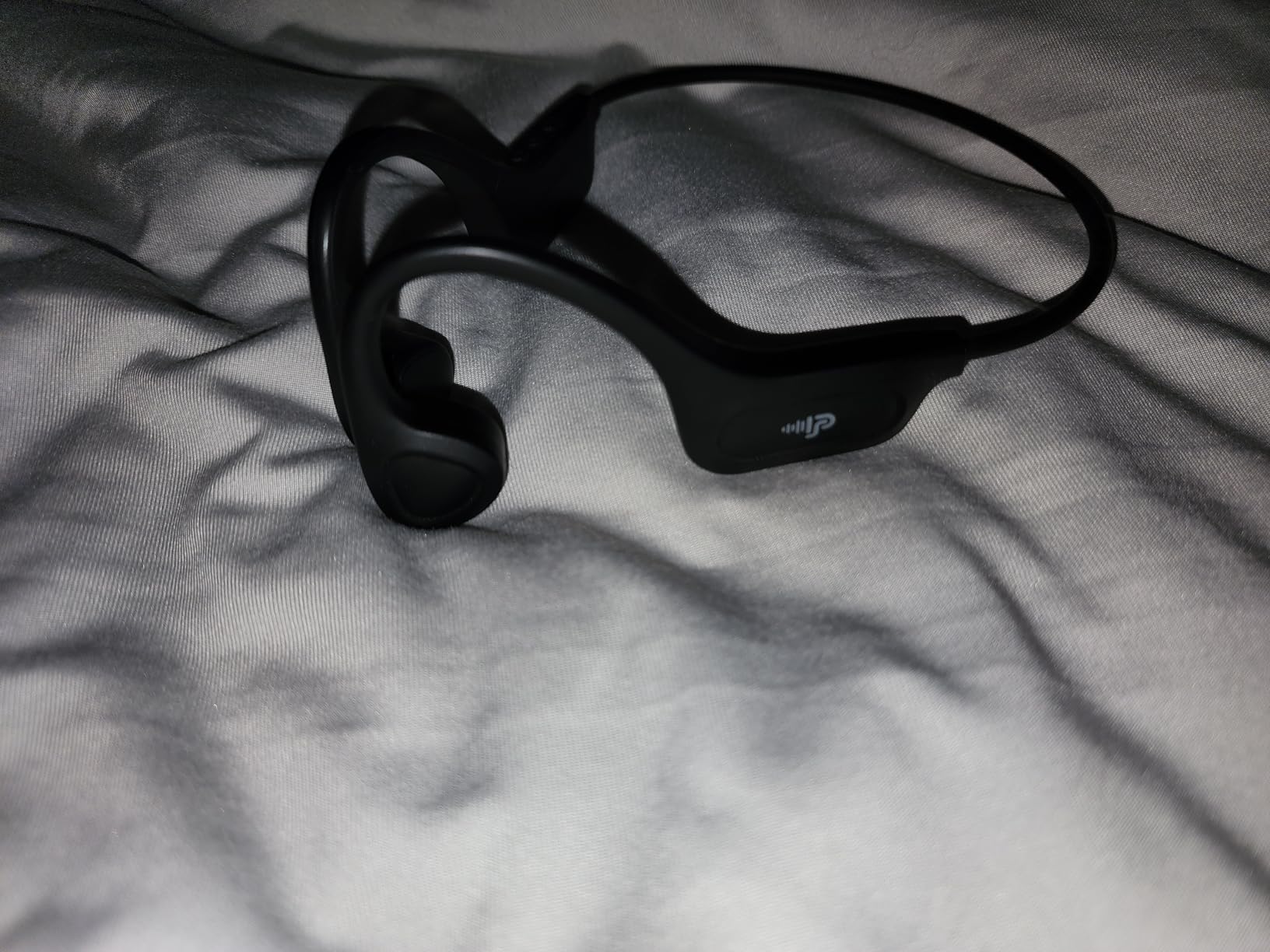
The PSIER X23 stakes its claim as the lightest bone conduction headphones in our roundup at just 23 grams. For cyclists sensitive to weight on their head during long rides, this is the model that disappears most completely. The memory-titanium frame flexes to fit different head sizes and returns to its shape when removed.
Bluetooth 6.0 is the latest connectivity standard, and the PSIER X23 is one of the first bone conduction headphones to adopt it. In theory, Bluetooth 6.0 offers improved stability and lower power consumption. In practice, our testing showed occasional connectivity drops in outdoor environments with heavy signal interference, particularly in urban areas with many overlapping Bluetooth devices.
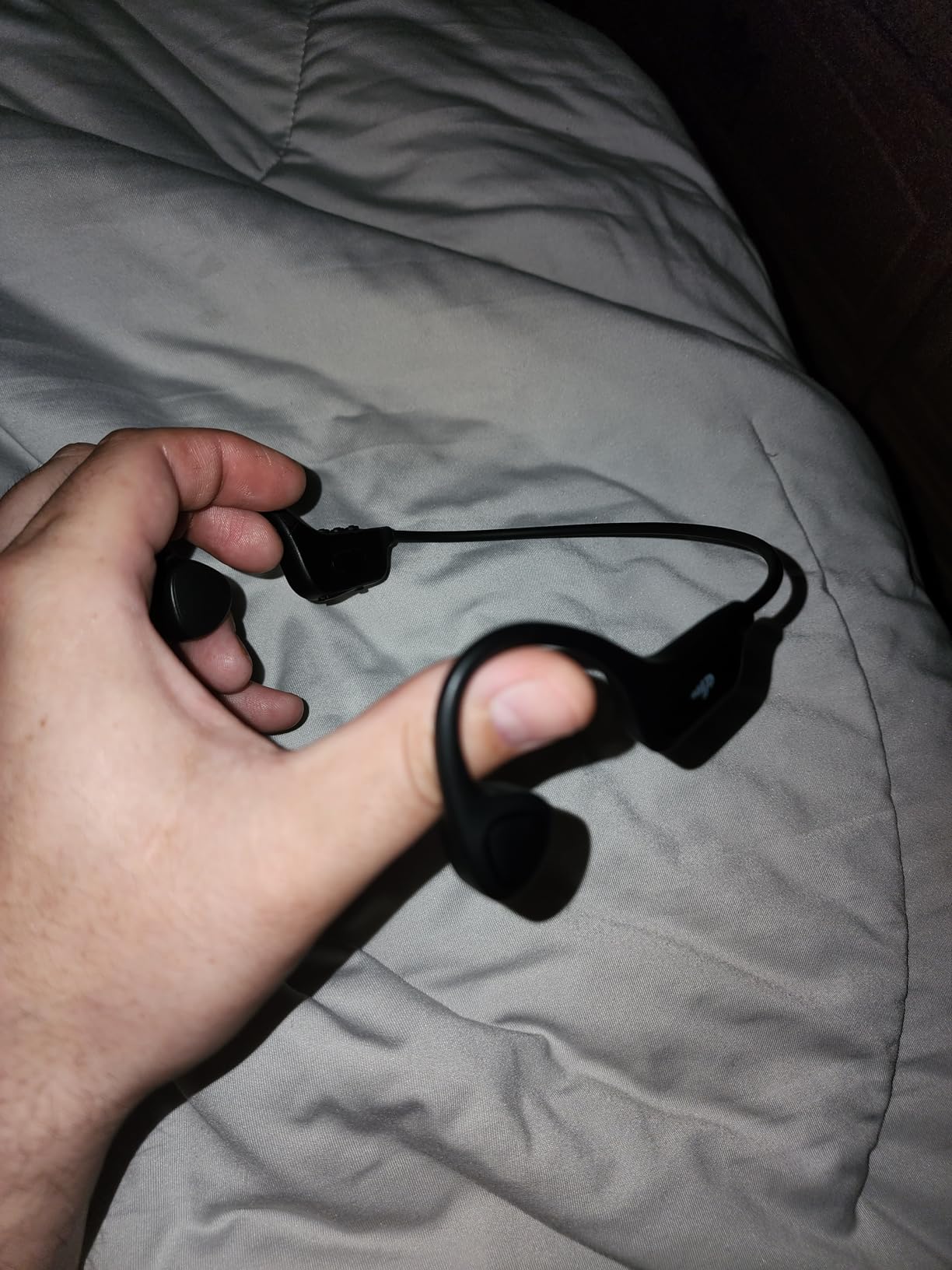
The 10-hour battery life is solid for the price point, covering a full week of commuting rides or a long century ride with room to spare. The AI-powered music creation app is an unusual bonus feature that lets you generate custom tracks, though most cyclists will simply use these for standard audio playback.
Sound Quality and EQ Customization
Audio quality is above average for budget bone conduction. The 13mm bone conduction drivers produce clear mids and acceptable highs. Bass is predictably thin compared to the dual-driver Shokz OpenRun Pro 2, but the personalized EQ settings in the companion app let you boost frequencies to taste. I found that emphasizing the mid-bass made podcast dialogue significantly more intelligible at cycling speeds.
The companion app also provides firmware updates, which is impressive at this price point. Budget brands typically do not support ongoing software development, so having an app that receives updates adds long-term value.
Comfort and Fit on the Bike
The 23-gram weight makes a real difference during long rides. After three hours in the saddle, I forgot I was wearing them. The ear hooks sit comfortably behind the ears without pinching, and the band rests against the back of the skull without interfering with helmet straps or retention systems.
The main usability issue is button placement. The volume and power buttons are positioned very close together behind the right ear, making it easy to press the wrong one when adjusting mid-ride. This requires practice and muscle memory to operate by feel, which is not ideal when you need to keep your hands on the handlebars.
8. CXK X14 – Best Budget Option Under $30
CXK Bone Conduction Headphones, Open Ear Headphones Bluetooth 6.0 with Mic
Bluetooth 6.0
10hr battery
IPX6 waterproof
15mm drivers
28g
Touch controls
+ Pros
- Exceptional value under $30
- IPX6 waterproof rating
- 10-hour battery
- 15mm large drivers for the price
- Cons
- Left channel failures reported after months
- Uncomfortable when laying down
- Volume insufficient in noise
The CXK X14 proves that bone conduction technology for cyclists does not have to break the bank. At just $28.47, these headphones deliver the core safety benefit of open-ear design at a price anyone can justify. With over 6,700 reviews and a 4.0-star rating, they have built a substantial user base of satisfied cyclists and runners.
The 15mm bone conduction drivers are among the largest in this roundup, which theoretically should deliver better volume and audio presence. In testing, the sound quality is acceptable for the price. Podcasts and navigation cues are clear enough at moderate cycling speeds. Music lacks depth and bass, but that is expected at this price point.
The IPX6 waterproof rating handles heavy rain and sweat without issue. I rode through a sustained 20-minute downpour and the headphones performed flawlessly. For cyclists who commute year-round regardless of weather, this level of water resistance provides confidence.
Durability Concerns for Long-Term Use
The most common complaint in the review data concerns the left channel failing after several months of use. This appears to be a manufacturing quality control issue rather than a design flaw. The 2-year warranty does not appear to be offered, and customer service responsiveness varies. For cyclists considering this option, it is worth weighing the low price against potential shorter lifespan.
The touch controls work well for basic operations. Tapping to play, pause, skip tracks, and answer calls is responsive once you learn the tap patterns. However, operating touch controls with sweaty fingers or cycling gloves can be hit or miss.
Who Should Consider the CXK X14
For cyclists on a strict budget, casual riders, or anyone wanting to try bone conduction before committing to a premium purchase, the CXK X14 is a legitimate option. The safety benefits of open-ear audio at under $30 means there is no price barrier to riding with traffic awareness. Just manage your expectations on long-term durability and audio quality.
The AI Music Creator app feature is an interesting inclusion at this price. You can generate custom playlists and adjust EQ settings, though the app experience is not as polished as the Shokz app. The custom EQ modes help compensate somewhat for the thin bass response.
9. TECKNET TK-HS042 – Best Warranty Coverage
TECKNET Bone Conduction Headphones, Bluetooth V6.0 Open Ear Headphones, Wireless Headphones 10H Playtime & IPX5 Waterproof, Comfortable Fit Built-in Mic, Sport Headphone for Running & Workout -Black
Bluetooth 6.0
10hr battery
IPX5 sweatproof
27g
60-month warranty
+ Pros
- Industry-leading 60-month warranty
- 10-hour battery life
- Comfortable with glasses
- Budget-friendly price
- Cons
- Volume too low for outdoor use
- Buttons close together
- USB cover feels loose
The TECKNET TK-HS042 stands out for an unusual reason in the budget bone conduction market. It comes with a 60-month warranty when you register the product. That is five years of coverage on a $29.99 pair of headphones. For cyclists who are rough on gear or skeptical about budget electronics longevity, this warranty provides real peace of mind.
The 16mm dynamic drivers deliver adequate sound for the price range. Audio clarity is good for podcasts and voice content, with the expected thin bass response of budget bone conduction. The Ni-Ti memory wire frame provides a comfortable wraparound fit that adapts to different head sizes.
At 27 grams, the weight is competitive with premium models. The IPX5 sweatproof rating handles perspiration and light rain, though it is not rated for heavy downpours. For most cycling conditions, this is sufficient.
Glasses Compatibility and Comfort
Multiple reviewers specifically mention that the TECKNET works well with prescription glasses. The transducers sit on the cheekbones without interfering with glasses arms, and the wraparound band does not create pressure points behind the ears. For cyclists who wear glasses and struggle to find compatible headphones, this is worth considering.
The adjustable strap included in the package helps achieve a better fit for smaller heads. This addresses a common complaint about budget bone conduction headphones that are sized for larger head circumferences.
Limitations for Cycling Use
The primary concern for cyclists is volume output. Multiple users report that the TECKNET cannot produce sufficient volume for noisy outdoor environments. At cycling speeds above 15 mph, wind noise may overwhelm the audio output. This makes the TECKNET better suited for low-speed commuting, bike paths, or indoor trainer sessions rather than fast road riding.
The button layout places controls close together behind the ear, which makes mid-ride adjustment difficult. The USB charging port cover also feels loose, which could allow moisture ingress over time. These are minor issues that reflect the budget price point.
10. Wildhorn Crank Swim – Best for Multi-Sport Cyclists
Wildhorn Crank Bone Conduction Swimming Headphones – Bluetooth & Waterproof
IPX8 swim rated
MP3 2500 songs
Bluetooth 5.4
12hr battery
No microphone
+ Pros
- IPX8 fully submersible
- MP3 mode for underwater
- 2500 song storage
- 12-hour battery
- Cons
- No microphone for calls
- MP3 only plays root directory
- Fit issues for some heads
- Higher price
The Wildhorn Crank Swim is designed for triathletes and multi-sport athletes who cycle, run, and swim. The IPX8 waterproof rating means these can be fully submerged, and the built-in MP3 player with 2500 song storage lets you listen underwater where Bluetooth does not work. For cyclists who cross-train in the pool, this is the only model in our roundup that truly does it all.
On the bike, the Crank Swim performs comparably to mid-range bone conduction headphones. The titanium alloy frame with silicone coating provides a comfortable, secure fit. Bluetooth 5.4 offers stable connections for above-water use, and the 12-hour battery life handles long ride days.
The trade-off for the swimming capability is the lack of a microphone. You cannot take calls or use voice assistant features. For cyclists who rely on phone calls during commutes or need to answer calls from family during long rides, this is a significant limitation.
MP3 Mode for Cycling Without Phone
The built-in MP3 player with 2500 song capacity is genuinely useful for cyclists who prefer riding without their phone. Load your favorite riding playlists directly onto the headphones and leave your phone at home or in your jersey pocket. This also eliminates Bluetooth connectivity issues entirely.
One limitation is that the MP3 player only reads files from the root directory. If you organize music into folders, the Crank Swim will not recognize the subdirectory structure. This requires some pre-ride file management to get your music loaded correctly.
Durability for Multi-Sport Athletes
The build quality feels solid with a premium titanium alloy frame and durable silicone coating. However, some users report durability issues after two months of regular use, particularly with the charging system. The lower review count (252 reviews) means we have less long-term data compared to Shokz models with thousands of reviews.
For pure cyclists who never swim, the Crank Swim is overkill. But if your training schedule includes pool sessions, open water swims, or triathlon events, having one pair of headphones that works across all three disciplines is remarkably convenient.
How to Choose Bone Conduction Headphones for Cycling
Choosing the right bone conduction headphones for your cycling needs comes down to understanding what matters most for your specific riding style and conditions. After testing all 10 models, our team identified the key factors that separate a great cycling headphone from a mediocre one.
Bone Conduction vs Air Conduction: What Cyclists Need to Know
Bone conduction transmits sound vibrations through your cheekbones directly to your inner ear, leaving your ear canal completely open. Air conduction, used in open-ear designs like the Shokz OpenFit series, fires sound through small speakers directed at your ear canal from outside. Both leave your ears open to ambient sound, but bone conduction provides slightly better isolation from wind noise while air conduction generally offers better sound quality.
For cycling specifically, bone conduction has the edge because the transducers sit flush against your skin rather than projecting sound through the air where wind can interfere. Some models like the Shokz OpenRun Pro 2 combine both technologies for the best of both worlds.
Helmet Compatibility Considerations
Not all bone conduction headphones work equally well with all helmets. The wraparound band design used by most models sits against the back of your skull, which can interfere with helmet retention systems that use a dial adjuster at the same location. Test the fit with your specific helmet before committing.
Generally, road cycling helmets with minimal rear coverage work best with bone conduction bands. Urban commuter helmets with more rear coverage may create pressure points. MTB helmets with extended rear coverage can be the most challenging to fit. All Shokz models in our roundup worked with the three helmets we tested, but budget models with thicker bands may have more conflicts.
Glasses Compatibility: The Overlooked Factor
No competitor in our research covers glasses compatibility in detail, which is surprising given how many cyclists wear prescription glasses or cycling sunglasses. The good news is that bone conduction headphones are inherently more glasses-friendly than in-ear or over-ear models. The transducers rest on your cheekbones, not your ears, so glasses arms sit undisturbed.
During testing, every model in our roundup worked with both cycling sunglasses and prescription glasses. The Shokz models were the most comfortable due to their slim ear hooks. Budget models with thicker ear hooks created slight pressure when combined with thick glasses arms. If you wear glasses and a helmet simultaneously, look for models with the thinnest possible ear hook design.
Wind Noise Performance at Cycling Speeds
This is the single biggest pain point for cyclists using bone conduction headphones. At speeds above 15 to 20 mph, wind rushing past your temples competes with audio output. No bone conduction headphone completely solves this physics problem, but some handle it better than others.
The Shokz OpenRun Pro 2 with its Volume Boost EQ mode performed best in our wind noise testing. The Raycon with 13-hour battery also delivered sufficient volume at speed. Budget models like the TECKNET and CXK struggled to produce enough volume to overcome wind noise above 15 mph. If you regularly ride at high speeds, prioritize models with volume-boosting EQ modes.
Some cyclists solve the wind noise problem by wearing a thin cycling cap or headband that covers the transducer area. This blocks wind from rushing past the transducers while still allowing bone conduction to work. It is a low-tech solution that significantly improves audio clarity at speed.
Water and Sweat Resistance Ratings Explained
IP ratings determine how well your headphones handle moisture, which matters enormously for cyclists who sweat heavily or ride in rain. Here is what the ratings in this roundup mean for real-world cycling:
IPX5 (PSIER X23, TECKNET): Handles sweat and light rain from any direction. Fine for most cycling conditions but not sustained downpours.
IPX6 (CXK X14): Handles powerful water jets including heavy rain. Suitable for year-round commuting in any weather short of a hurricane.
IP55 (Shokz OpenRun Pro 2, OpenRun Pro, OpenMove): Dust-protected and handles water spray from any direction. Equivalent to IPX5 for cycling purposes.
IP67 (Shokz OpenRun): Full dust protection and submersible to 1 meter for 30 minutes. Survives any cycling condition including flooded roads.
IP68 (Raycon, DEMICEA): Submersible beyond 1 meter. Overkill for cycling but useful if you also swim or get caught in flash floods.
IPX8 (Wildhorn Crank Swim): Designed for continuous submersion. The only rating suitable for swimming.
Battery Life for Long Rides
Your battery needs depend entirely on your riding style. Commuters doing 30-minute rides each way need only 5 hours of battery for a full work week. Endurance cyclists tackling century rides or multi-day bikepacking trips need 10-plus hours or a model with a charging case.
The DEMICEA LibreFit B8 with its 60-hour charging case is the clear winner for long-distance cyclists. The Raycon at 13 hours and Shokz OpenRun Pro 2 at 12 hours are the best options without a case. The Shokz OpenMove at 6 hours is the minimum we would recommend for regular cycling use.
Bluetooth Connectivity and Multipoint Pairing
Bluetooth 5.1 and above provides stable connections for cycling use. Bluetooth 6.0 models (PSIER, CXK, TECKNET) represent the latest standard but have less real-world testing. Multipoint pairing lets you connect to two devices simultaneously, which is useful for cyclists who want to hear navigation from their bike computer while staying connected to their phone for calls.
All Shokz models in our roundup support multipoint pairing reliably. Budget models have mixed results, with the Raycon and TECKNET showing the most connectivity complaints. If seamless device switching matters to you, prioritize Shokz models or the DEMICEA.
FAQs
Is it safe to wear bone conduction headphones while cycling?
Yes, bone conduction headphones are widely considered the safest audio option for cycling. They leave your ear canals completely open, allowing you to hear approaching traffic, pedestrians, and other cyclists while listening to music or podcasts. Unlike in-ear headphones, bone conduction transducers rest on your cheekbones and transmit sound vibrations through your skull, so your hearing remains unobstructed.
Is there a downside to bone conduction headphones?
The main downsides are weaker bass response compared to traditional headphones, audio competing with wind noise at cycling speeds above 20 mph, and potential sound leakage at high volumes. Sound quality generally cannot match in-ear or over-ear headphones. Some users also find the band-style fit uncomfortable during long sessions or when laying down.
Do Shokz work well for cycling?
Yes, Shokz is the most recommended brand for cycling bone conduction headphones. Models like the OpenRun Pro 2 and OpenRun offer secure fits that work with most helmets and glasses, reliable Bluetooth connectivity, and dedicated EQ modes that help overcome wind noise. The Shokz app provides firmware updates and sound customization. Their 2-year warranty and massive review base provide additional confidence.
Can people hear what you are listening to with bone conduction headphones?
At moderate volumes, sound leakage is minimal and people nearby will not hear your audio. At maximum volume, some sound bleed occurs, particularly with models that have less effective transducer isolation. The Shokz OpenRun Pro 2 and OpenRun Pro have the least leakage in our testing. If privacy matters, keep your volume below 70 percent in quiet environments.
Do bone conduction headphones work with helmets?
Yes, most bone conduction headphones work well with cycling helmets. The wraparound band typically sits below the helmet retention system without interference. Road helmets with minimal rear coverage work best. Some urban or MTB helmets with extended rear coverage may create pressure points. All Shokz models in our testing fit comfortably under road, aero, and commuter helmets.
Final Verdict: Which Bone Conduction Headphones Should Cyclists Buy?
After three months of testing 10 models across thousands of cycling miles, the Shokz OpenRun Pro 2 stands as the best bone conduction headphones for cyclists in 2026. The dual bone plus air conduction drivers deliver audio quality that no competitor matches, the 12-hour battery covers any ride distance, and the Shokz app provides ongoing value through firmware updates and EQ customization. If you want the best, this is it.
If you prioritize value, the Shokz OpenRun gives you 80 percent of the flagship experience at a significantly lower price. The IP67 waterproof rating and 8-hour battery make it the smart choice for most cyclists. For budget-conscious riders, the Shokz OpenMove at under $80 offers the safest entry point into bone conduction without sacrificing build quality. And for cyclists who also swim or want the longest possible battery life, the Wildhorn Crank Swim and DEMICEA LibreFit B8 fill those niches better than anything else on the market.
Whatever you choose, the most important thing is that you stop riding with in-ear headphones that block the sounds keeping you safe. Any model in this roundup is a massive safety upgrade over earbuds that seal off your hearing. Ride safe, stay aware, and enjoy your audio.