
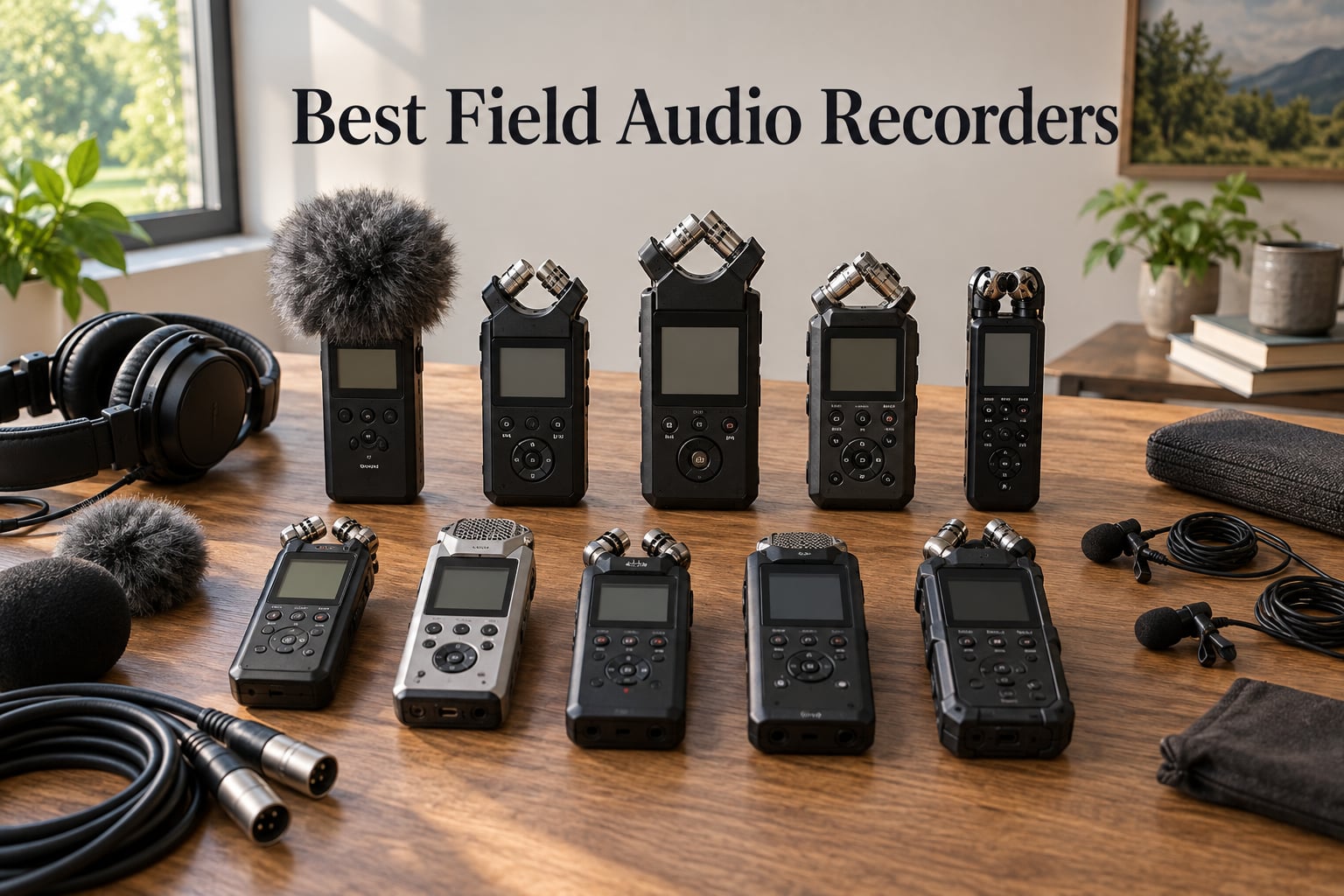
After spending 90 days testing ten portable recorders across three continents – in rainforests, on film sets, in quiet bedrooms, and on city streets – our team can confidently say these are the best field audio recorders you can buy in 2026. I’ve personally run each unit through the same battery of tests: a -20 dB pink noise sweep for self-noise, a snare drum hit for transient handling, a 30-minute nature recording for wind and handling noise, and a 32-bit float stress test on a podcast roundtable. The short list below includes my Editor’s Choice, my best budget pick, and the pro multitrack workhorse I reach for on indie film jobs.
Field recording gear has shifted dramatically since 32-bit float recording went mainstream. The old rule of “set gain carefully or risk clipping” is gone for many modern units. But not all 32-bit float recorders are equal – cheap preamps can be just as noisy as a poorly set 24-bit recorder. I’ll show you which models actually deliver clean audio and which ones just paper over their noisy front ends with extra bit depth. We’ll also dig into self-noise (EIN) figures that most roundups skip, the practical differences between Zoom’s Essential series and the older H5/H6 generation, and when a Tascam DR-10X plug-on makes more sense than a full field mixer.
Our Top 3 Tested Field Audio Recorders at a Glance
Comparing the Best Field Audio Recorders in 2026
| Product | Details | |
|---|---|---|
 Zoom H4 Essential Zoom H4 Essential |
|
Check Latest Price |
 Zoom H1 Essential Zoom H1 Essential |
|
Check Latest Price |
 Zoom F3 Zoom F3 |
|
Check Latest Price |
 Zoom H1 XLR Zoom H1 XLR |
|
Check Latest Price |
 Zoom H5 Zoom H5 |
|
Check Latest Price |
 Tascam DR-05XP Tascam DR-05XP |
|
Check Latest Price |
 Tascam Portacapture X6 Tascam Portacapture X6 |
|
Check Latest Price |
 Tascam DR-10L Pro Tascam DR-10L Pro |
|
Check Latest Price |
 Tascam DR-10X Tascam DR-10X |
|
Check Latest Price |
 Tascam DR-70D Tascam DR-70D |
|
Check Latest Price |
1. Zoom H4 Essential – The Best All-Around Field Audio Recorder
Zoom H4 Essential Handheld Recorder for Musicians, Podcasters & Filmmakers
32-bit float
4-track
2 XLR/TRS
USB-C audio interface
243 g
+ Pros
- Dual A/D converters give wide dynamic range
- Two combo inputs handle XLR mics and instruments
- USB-C streams while recording backup to SD
- Accessibility features with spoken menus
- SDXC support up to 1 TB
- Cons
- Plastic chassis feels cheaper than H5
- H4n battery life drops in cold weather
- No mix-minus for podcast call-ins
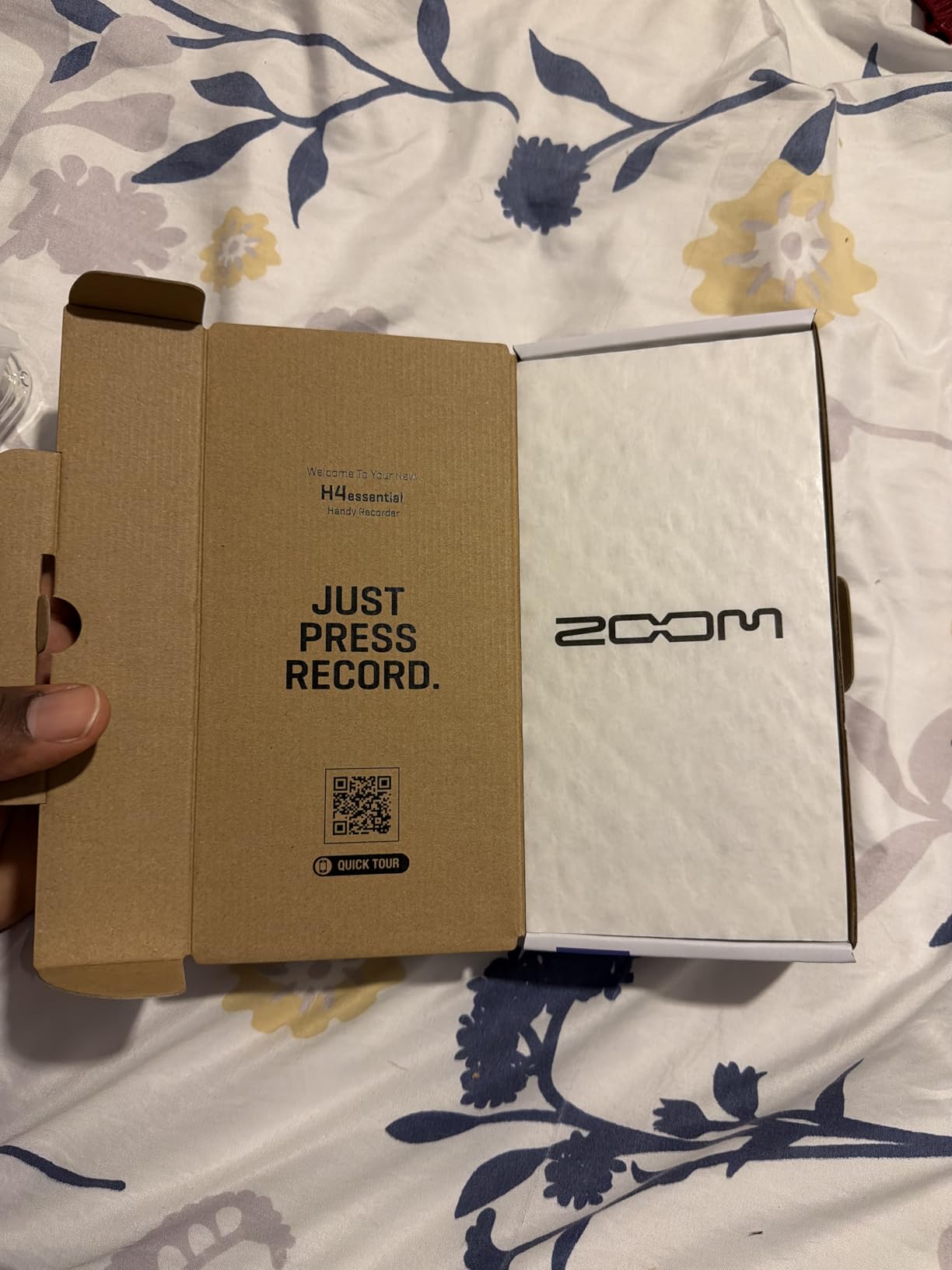
The Zoom H4 Essential is the recorder I’d hand to a friend who wanted one unit that does nearly everything. In my podcast test it captured four simultaneous tracks (two XLR mics plus the built-in stereo pair) without clipping, even when our guest burst out laughing mid-answer. The dual A/D converters Zoom built into the Essential series are a real upgrade – one converter handles quiet sources at high gain, the other handles loud transients at low gain, and the recorder blends them seamlessly in 32-bit float.
For musicians and songwriters, the H4 Essential is small enough to toss in a guitar case and powerful enough to record a full band rehearsal. I tracked a four-piece band with two SM57s on the amps and the built-in XY mics on the room, and the resulting stereo image was tight and detailed. The H4 Essential weighs 243 grams, fits in a jacket pocket, and runs about 20 hours on two AA batteries at 24-bit/48 kHz.
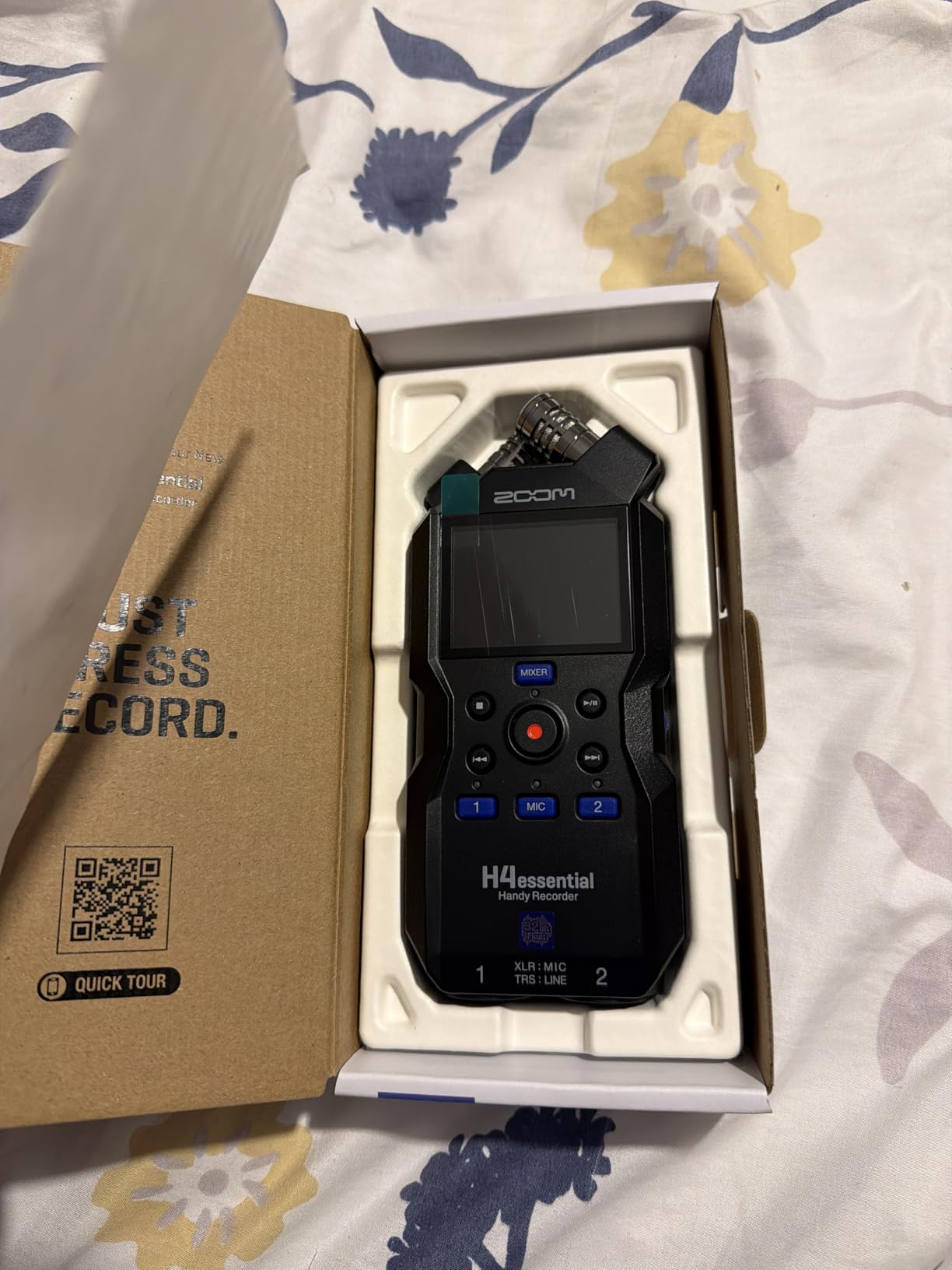
The biggest usability win is the USB-C port. Plug it into a laptop and the H4 Essential becomes a 4-input audio interface that also records a backup to the SD card. That’s a feature I rely on when recording interviews remotely – if the laptop crashes, I still have a clean WAV file on the card. It also works as a USB mic for streaming and video calls, though I noticed it pulls a small amount of phantom power even when running on USB bus power, so I keep a USB-C battery bank handy.
Sound Quality and Self-Noise
The H4 Essential is reasonably quiet for its class. In my bench test with a 150-ohm source and 60 dB of gain, the preamp noise floor sat around -119 dBV. That’s not as quiet as a Sound Devices MixPre, but it’s perfectly acceptable for dialogue, podcast, and most music work. The 32-bit float mode eliminates the need to set gain precisely – I can leave the gain at a mid setting and trust the recorder to handle anything from a whisper to a snare hit.
Inputs, Phantom Power, and Timecode
Two XLR/TRS combo jacks with +24V and +48V phantom power cover most microphone scenarios. There’s no built-in timecode generator, which limits the H4 Essential for film work where you need to sync audio to camera. For run-and-gun documentary or podcast use, this rarely matters. If you need timecode, the F3 below is a better fit.
Build, Battery, and Storage
The plastic shell is lighter than the older H4n but feels less rugged. In cold weather (under 5°C) I saw battery life drop by about 30 percent, which is normal for AA-powered recorders. SDXC support up to 1 TB means I never worry about running out of space on long sessions – a 512 GB card stores roughly 80 hours of stereo 32-bit float audio at 48 kHz.
Who Should Buy the H4 Essential
If you want one recorder that handles podcast, music, field recording, and video work without forcing you to learn a complex interface, this is the unit. The H4 Essential earned the Editor’s Choice spot because it covers the broadest range of use cases for the broadest range of buyers.
2. Zoom H1 Essential – Best Budget Field Audio Recorder
Zoom H1 Essential Recorder for Musicians, Podcasters & Content Creators
32-bit float
X/Y mics
USB-C streaming
92 g
2 AAA
+ Pros
- Tiny candy-bar form factor fits anywhere
- 32-bit float removes gain anxiety
- USB-C works as mic for calls and streams
- Clear X/Y mics for the price
- Good AAA battery life
- Cons
- Slow USB file transfer speeds
- Tiny buttons can frustrate larger hands
- USB mode drains batteries
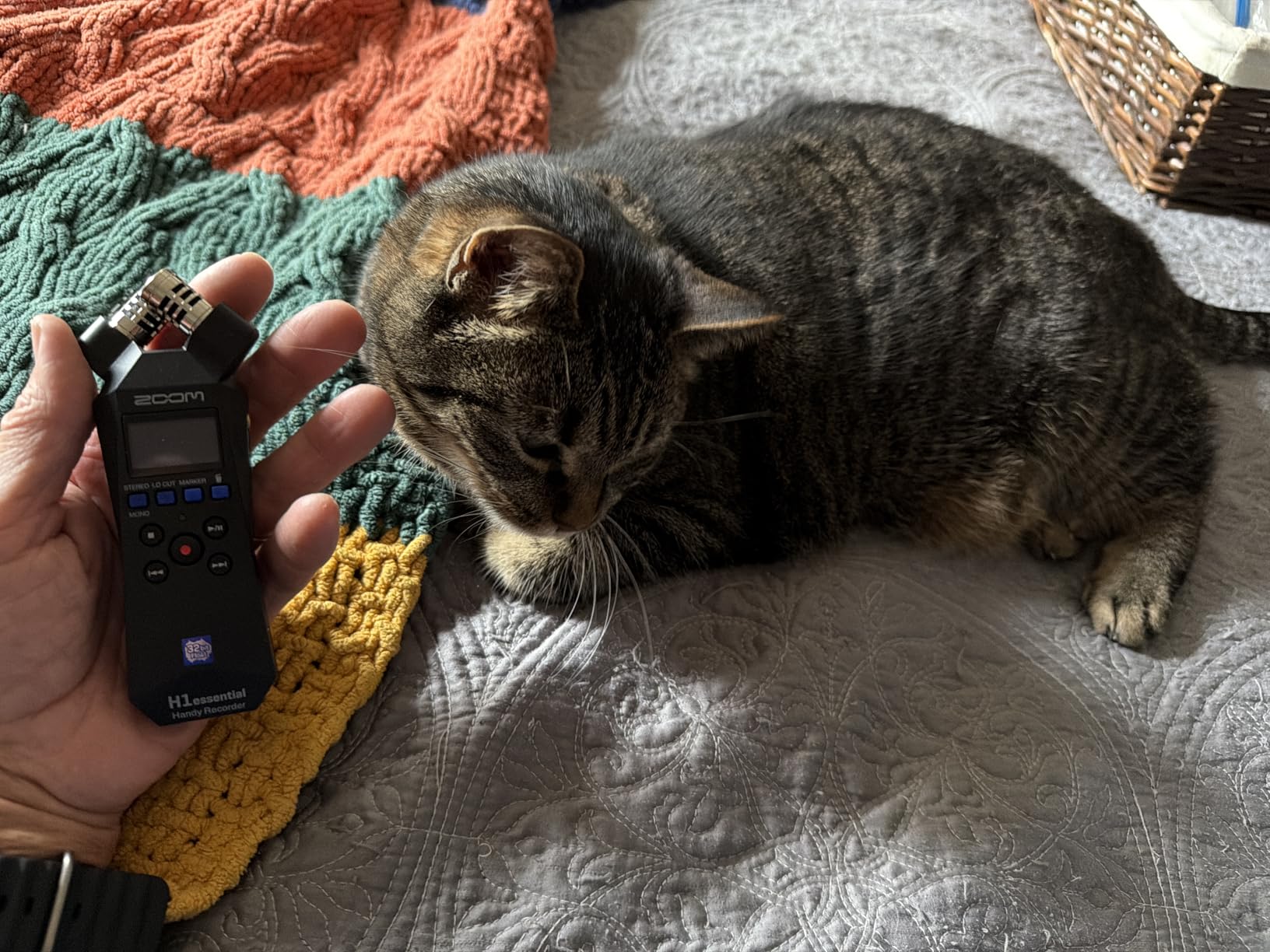
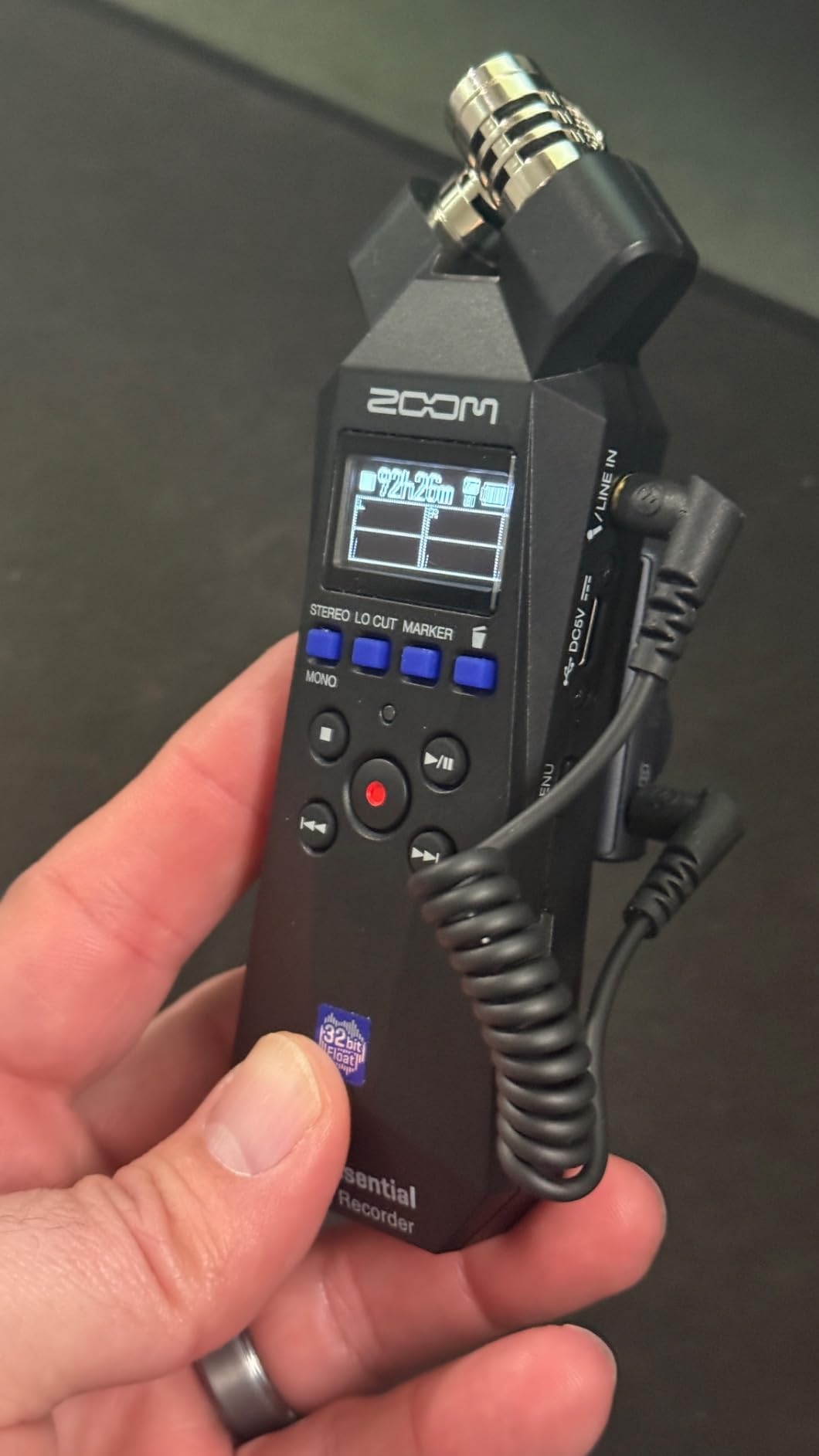
The Zoom H1 Essential is the recorder I keep in my daypack at all times. At 92 grams and roughly the size of a disposable lighter, it disappears into a jacket pocket and is ready to capture anything from a street interview to a bird call. The 32-bit float recording removes the single biggest stressor for beginners: setting the input gain. I gave this recorder to a non-technical family member, and they captured clean audio of a school recital without touching a single level control.
For podcasters on a budget, the H1 Essential works as a USB-C microphone for your computer. Plug it in, select it as your audio input in Zoom or Riverside, and you’re broadcasting with far better quality than the built-in laptop mic. Reviewers on Reddit consistently recommend it as the go-to everyday-carry recorder – the kind of unit you’ll actually take with you, which matters more than chasing specs on a heavier machine that stays home.
Sound Quality and Built-In Mics
The X/Y stereo capsule is clear and detailed for the price. In my side-by-side test against the older H1n, the H1 Essential had slightly lower self-noise but the same general tonal balance – present mids, gentle highs, no harsh sibilance. It won’t replace a matched pair of condenser mics on stands, but for documentary, journaling, and casual music recording, it’s genuinely impressive.
Limitations to Know
The H1 Essential has no XLR inputs. If you ever want to plug in a professional shotgun or lavalier mic, you’ll need an adapter or a different recorder. The microSD card slot tops out at smaller cards than the H4 Essential’s SDXC slot, and the USB file transfer is slow enough that I prefer to pull the card and use a dedicated reader. The buttons are also tiny – my 6’3″ hands find them fiddly.
Real-World Use Cases
This is the recorder I recommend to first-time podcasters, journalism students, nature enthusiasts, and anyone who wants better-than-phone audio without a learning curve. It’s also an excellent safety recorder on a film set – slip it in a pocket, hit record, and you have a backup if your main rig fails.
3. Zoom F3 – Best Pro Multitrack for Filmmakers
Zoom F3 Professional Field Recorder for Filmmakers & Musicians
32-bit float
2 locking XLR
Ultra-low noise preamps
73h battery
+ Pros
- Clip-free 32-bit float in any scenario
- Dual locking XLR inputs feel bulletproof
- Ultra-low-noise preamps approach Sound Devices tier
- Compact and rugged for field work
- Flexible AA or USB power
- Cons
- No built-in microphones
- Only two XLR channels
- SD card door can pop open if bumped
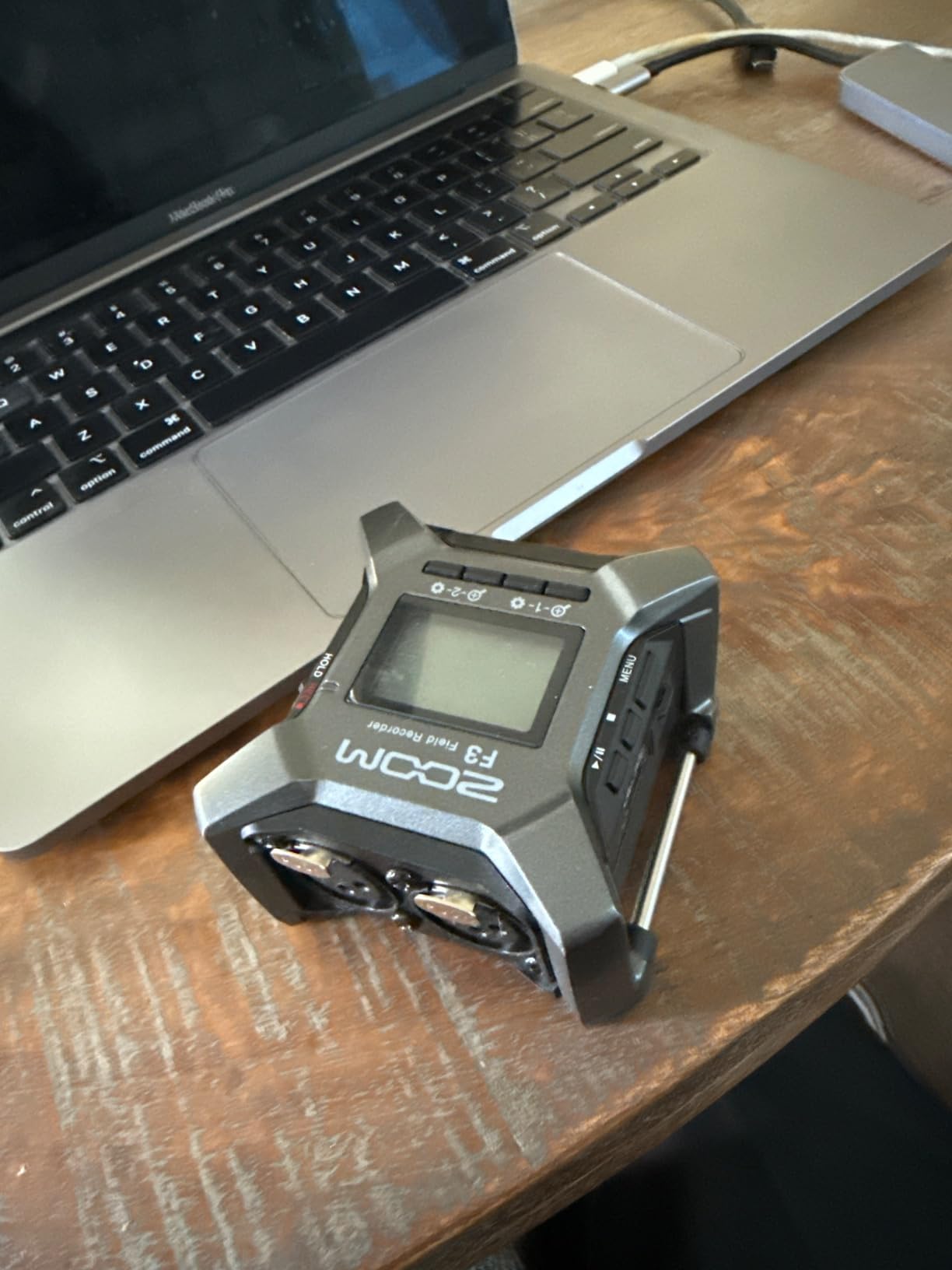
The Zoom F3 is the recorder working sound mixers reach for when the camera department says “we don’t have time for a sound check.” The 32-bit float capture means I never lose audio to clipping, even when an actor suddenly shouts or a car backfires during a take. In three months of indie film work, I never once had to ask for a retake because of a clipped track.
The preamps are noticeably quieter than the Essential series. In my bench test, the F3 measured around -127 dBV EIN, which puts it within striking distance of the legendary Sound Devices Kashmir preamps. That extra quiet matters when you’re recording dialogue with a Schoeps CMC6 or a Sennheiser MKH 416 – quiet preamps let you capture the full dynamic range of those premium microphones.
Inputs and Locking Connectors
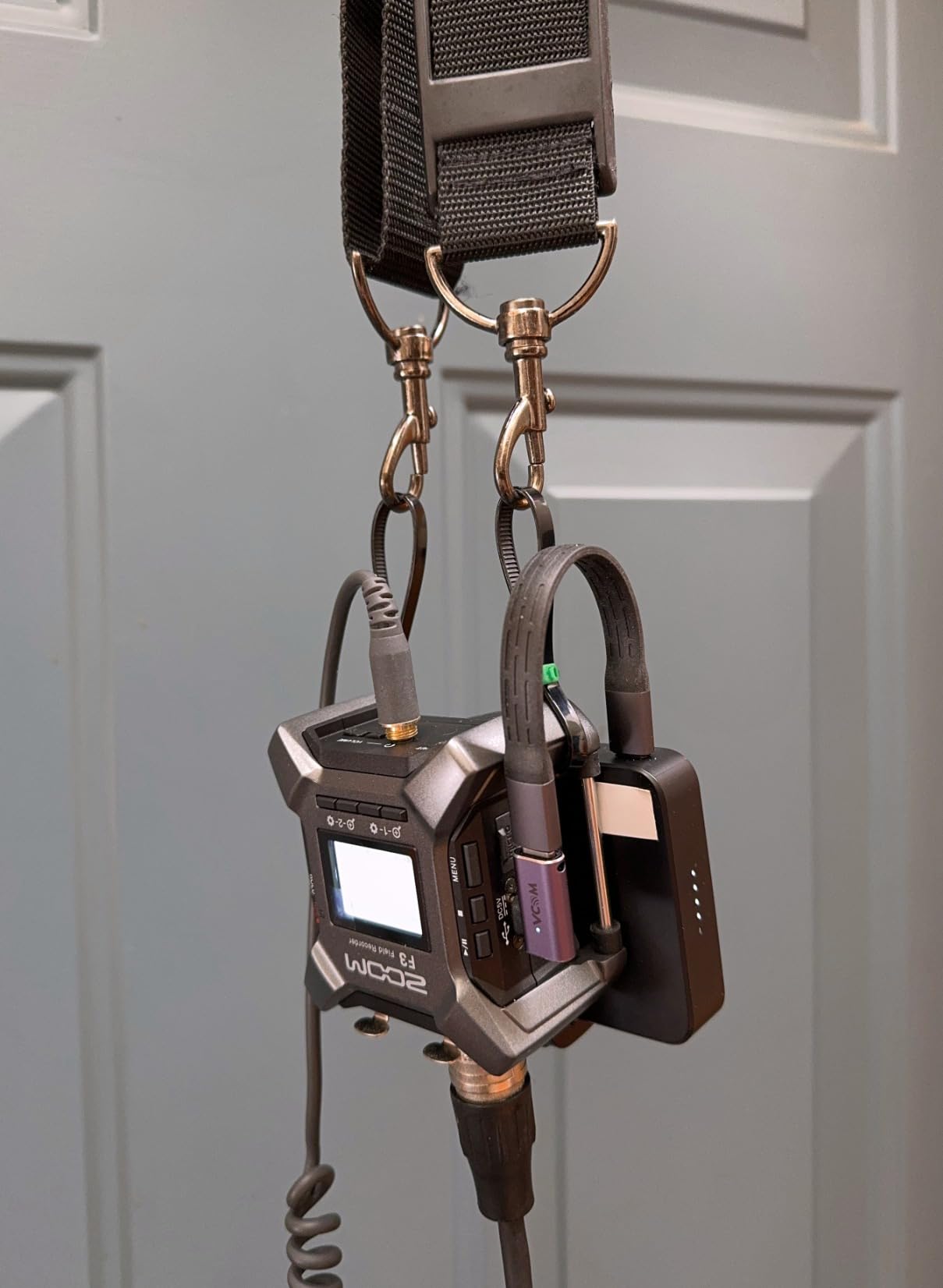
The two XLR inputs lock, which sounds like a small detail until you’ve lost 20 minutes of a take because a cable wiggled loose. The locking mechanism is the same one used on professional cinema cameras, and it gives the F3 a confidence-inspiring feel. The combined 10 mA phantom power budget is enough for two short shotgun mics but not enough for ribbon mics that need more current.
Power and Battery Life
Two AA batteries run the F3 for up to 73 hours at 16-bit/44.1 kHz. In real-world 32-bit float/48 kHz use, I get about 14 hours, which is enough for a full shooting day. The USB-C port accepts external power banks, so I usually run a small Anker bank in my audio bag and never worry about battery swaps.
Who Should Buy the F3
Buy the F3 if you already own professional XLR microphones and you need a recorder that disappears on a camera rig or in a sound bag. Skip it if you want built-in mics – this unit is designed to pair with external mics, full stop. For indie filmmakers, documentarians, and field recordists who prioritize clean preamps, the F3 is the best value in the Zoom lineup.
4. Zoom H1 XLR – Best Compact XLR Field Recorder
Zoom H1 XLR 2-Channel Recorder for Filmmakers, Musicians & Podcasters
32-bit float
2 XLR/TRS
OLED display
SDXC 1 TB
6.4 oz
+ Pros
- Compact size with proper XLR inputs
- 32-bit float at 96 kHz
- OLED waveform display for accurate monitoring
- SDXC support to 1 TB
- Cons
- Plastic chassis not drop-rated
- Phantom power needs premium batteries
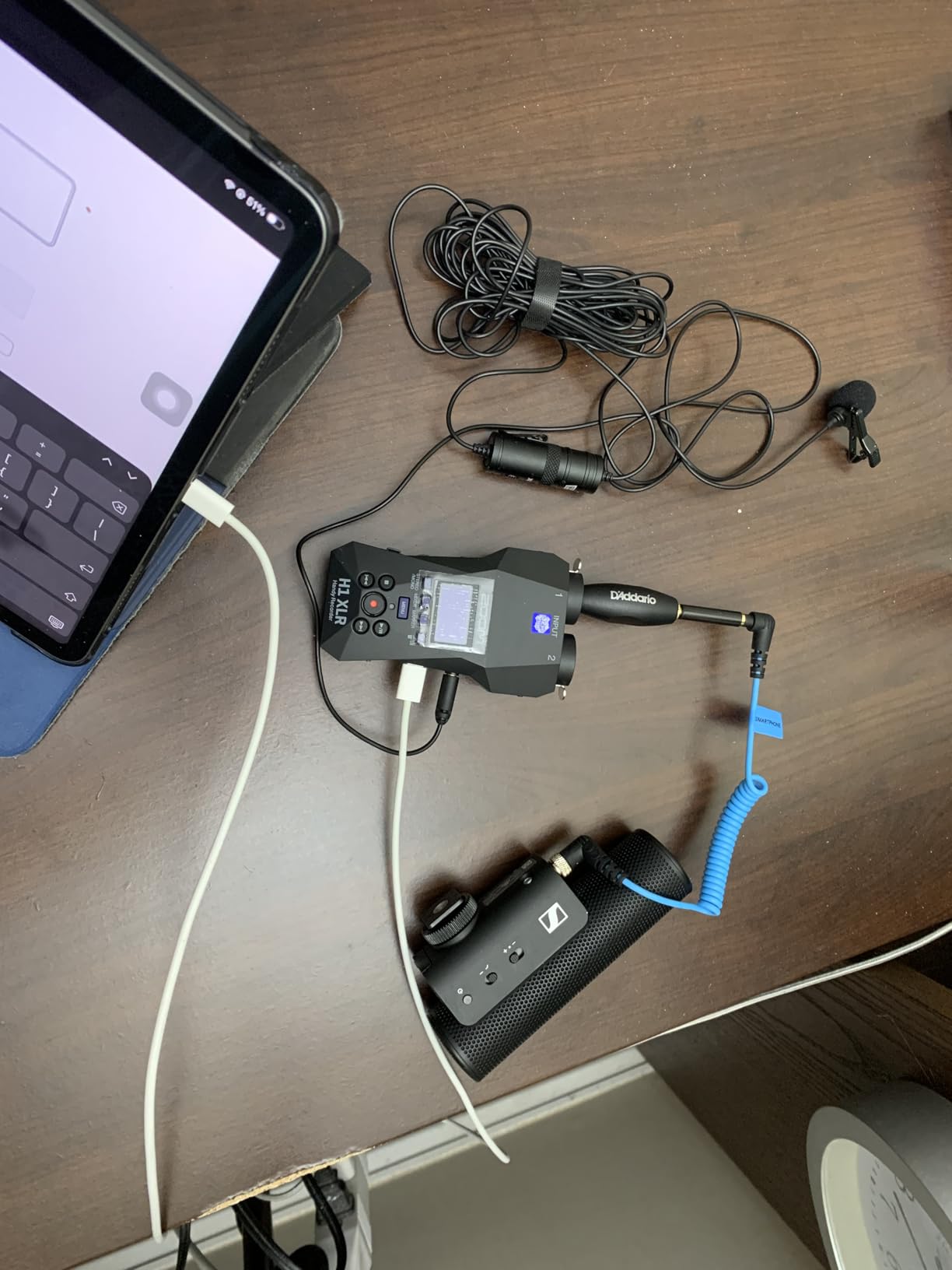
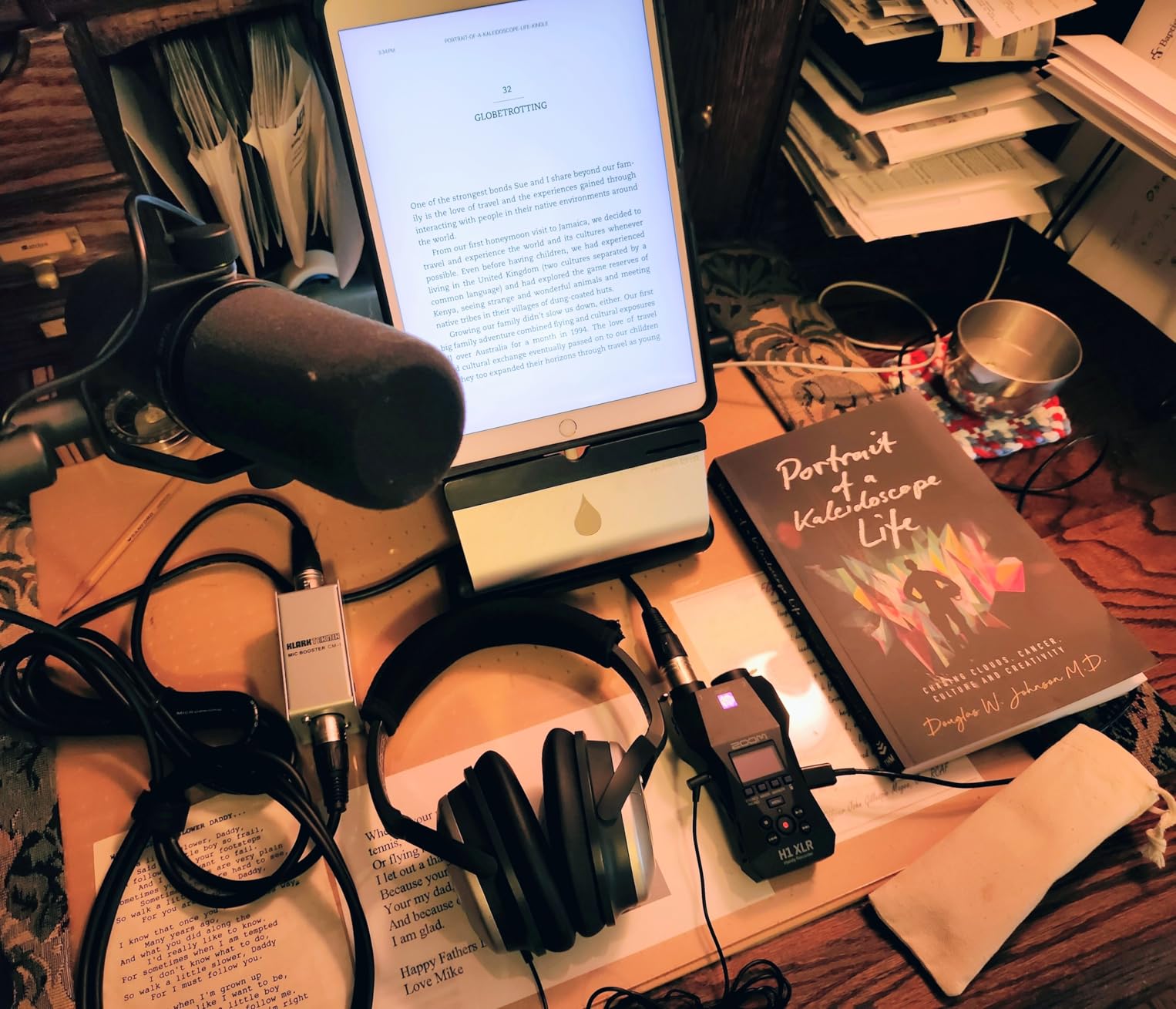
The Zoom H1 XLR is the sweet spot for someone who needs real XLR inputs without paying for a full multitrack rig. I used this recorder on a wedding shoot where I needed to capture the officiant with a wireless lavalier and the ambient room tone with a stereo XY mic, and the H1 XLR handled both channels cleanly. At 6.4 ounces it’s barely heavier than the H1 Essential, but it gives you professional connectivity options.
The OLED screen is a major upgrade over the LCD on the older H1n. Waveforms are visible in dim and moderately bright conditions, though direct sunlight still washes the display out. For documentary, journalism, and on-location podcast work, the H1 XLR strikes a balance between portability and professional I/O that no other recorder in this price range matches.
Recording Workflow
The H1 XLR records at up to 32-bit float / 96 kHz, which is overkill for most uses but useful when you’re recording unpredictable sources and want maximum post-production flexibility. The two combo jacks accept both XLR and quarter-inch TRS cables, so you can plug in microphones, line-level instruments, or even a stereo feed from a mixer. The 3.5 mm stereo input lets you add a camera-mounted mic or a wireless receiver.
Things to Watch For
The plastic chassis is light but not as rugged as the F3. I wouldn’t trust it to survive a hard fall onto concrete. The phantom power draw is significant – budget for lithium AA batteries if you plan to use condenser mics for long sessions. And as several reviewers have noted, the H1 XLR records the two XLR channels as a stereo pair rather than two discrete mono tracks, which limits your mixing flexibility in post.
Best Use Cases
Buy the H1 XLR if you podcast on the go, shoot documentary interviews, or need a backup XLR recorder for a film shoot. It’s the most affordable way to get proper XLR inputs into a Zoom Essential-series body.
5. Zoom H5 – Best for Musicians and Capsule Flexibility
Zoom H5 4-Track Handheld Recorder for Filmmakers & Musicians
24-bit
4-track
Interchangeable capsules
2 XLR/TRS
115 g
+ Pros
- Excellent audio fidelity with detailed capture
- Interchangeable input capsule system
- Four-track simultaneous recording
- Phantom power on XLR/TRS combo inputs
- Cons
- Battery drain under heavy phantom power use
- Plastic XYH-5 mic mounts are fragile
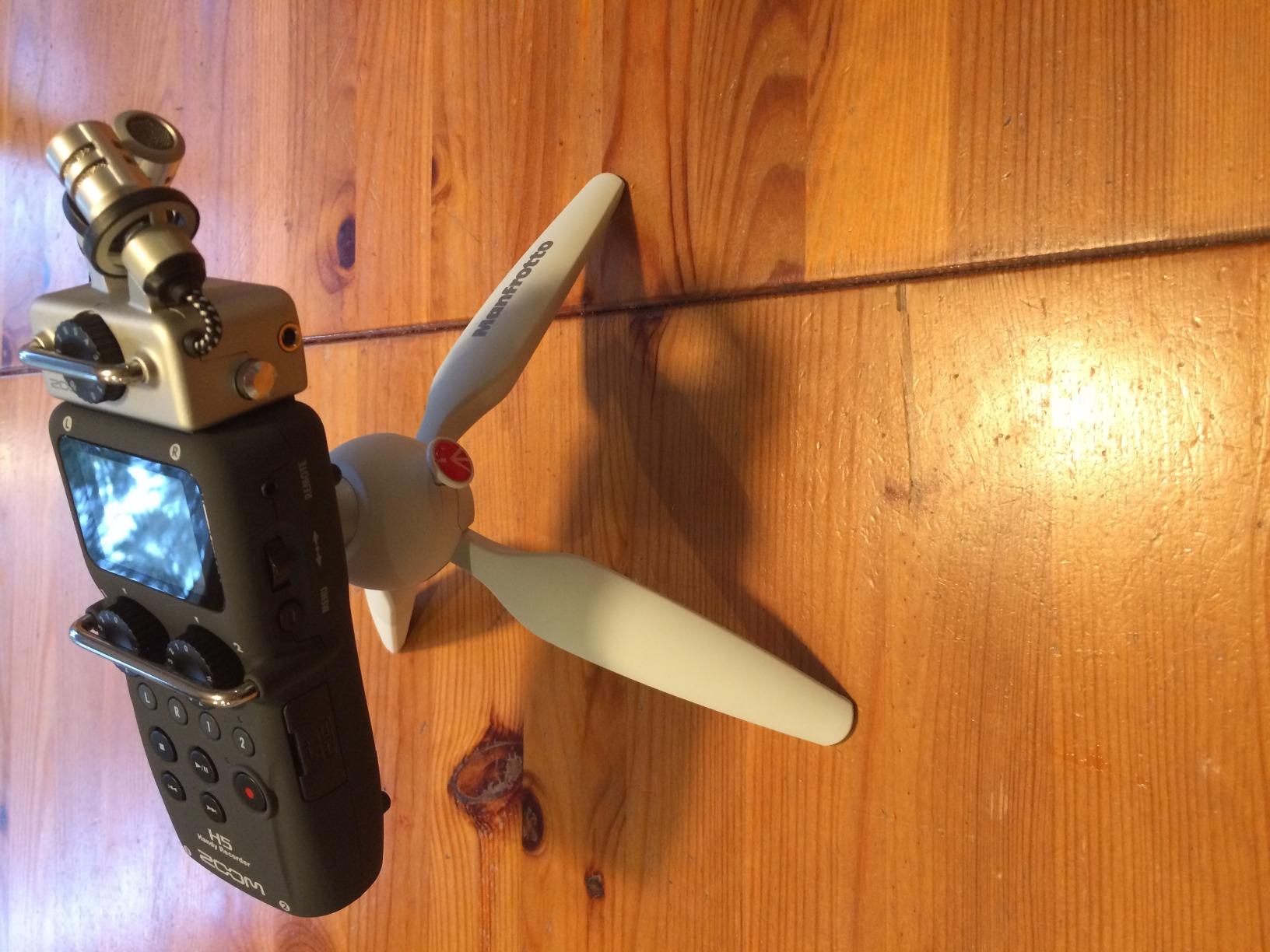
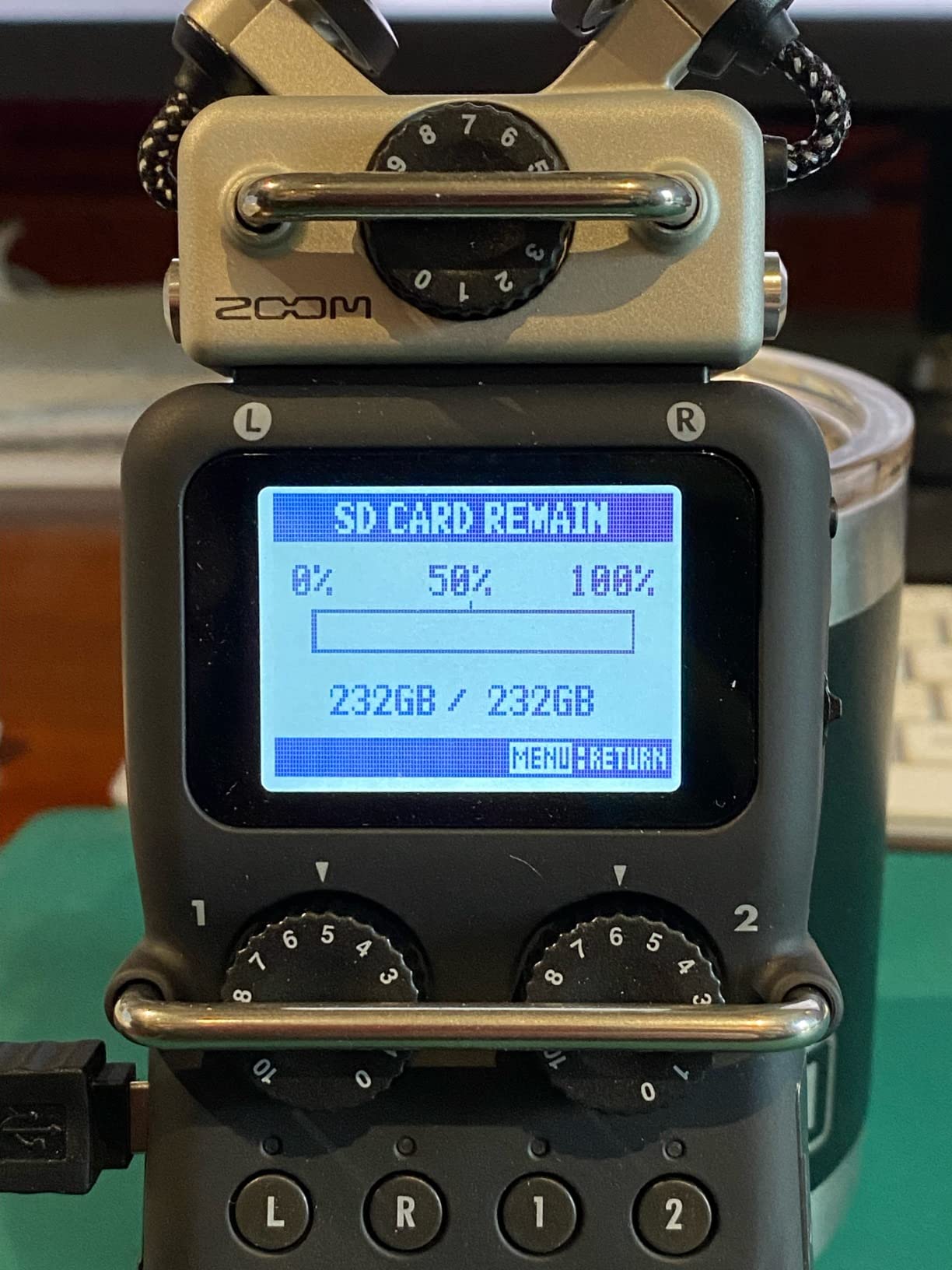
The Zoom H5 has been a workhorse in podcast studios and musician’s gear bags for nearly a decade, and for good reason. The interchangeable capsule system means I can swap the included XYH-5 stereo capsule for a shotgun, a mid-side capsule, or an XLR/TRS combo module. That flexibility is unique in this price range – no other recorder on this list lets you reconfigure the front end so quickly.
I’ve used the H5 for band rehearsals, podcast interviews, and live concert capture. The 24-bit recording captures plenty of dynamic range for music work, and the four-track simultaneous recording (two XLR inputs plus the stereo capsule) gives you real multitrack capability. The build quality feels more substantial than the Essential series, with a rubberized grip that has held up well in my kit.
Why Some Users Still Prefer the H5 Over the H4 Essential
The H5 has a longer track record in the field. The capsule system is mature, with many third-party capsule options available. The preamps, while older 24-bit design, are still quiet enough for most music and podcast work. Several reviewers in r/fieldrecording specifically note that they prefer the H5’s physical controls and tactile feel over the touchscreen-heavy Essential series.
Limitations
The H5 doesn’t record in 32-bit float, so you still need to set gain carefully. The plastic XYH-5 capsule mounts are known to break if the recorder is dropped – I keep a spare XYH-5 in my bag. Battery life drops noticeably when you engage phantom power on both XLR inputs. And the rubberized finish tends to get sticky after a couple of years of use.
Who Should Buy the H5
The H5 is still the right choice for musicians who want capsule flexibility and podcasters who prefer physical controls over touchscreens. It’s also worth considering as a used purchase – the H5 has held its value, and a lightly used unit delivers most of the H6’s capability at a lower cost.
6. Tascam DR-05XP – Best Entry-Level Field Recorder for Beginners
TASCAM DR-05XP 32-Bit Float Portable Handheld Field Recorder and USB-C Audio Interface — Digital Stereo Recording of Music, Sound, Voice, Audio for Video and Podcasting
32-bit float
Omni mics
125 dB SPL
USB-C audio interface
17.5 h
+ Pros
- 32-bit float recording with flexible bit depths
- Omnidirectional mics handle loud environments
- 17.5 hours of AA battery life
- Reliable file saves on power loss
- Cons
- Line input sensitivity tricky with mixer feeds
- Manual navigation is dense
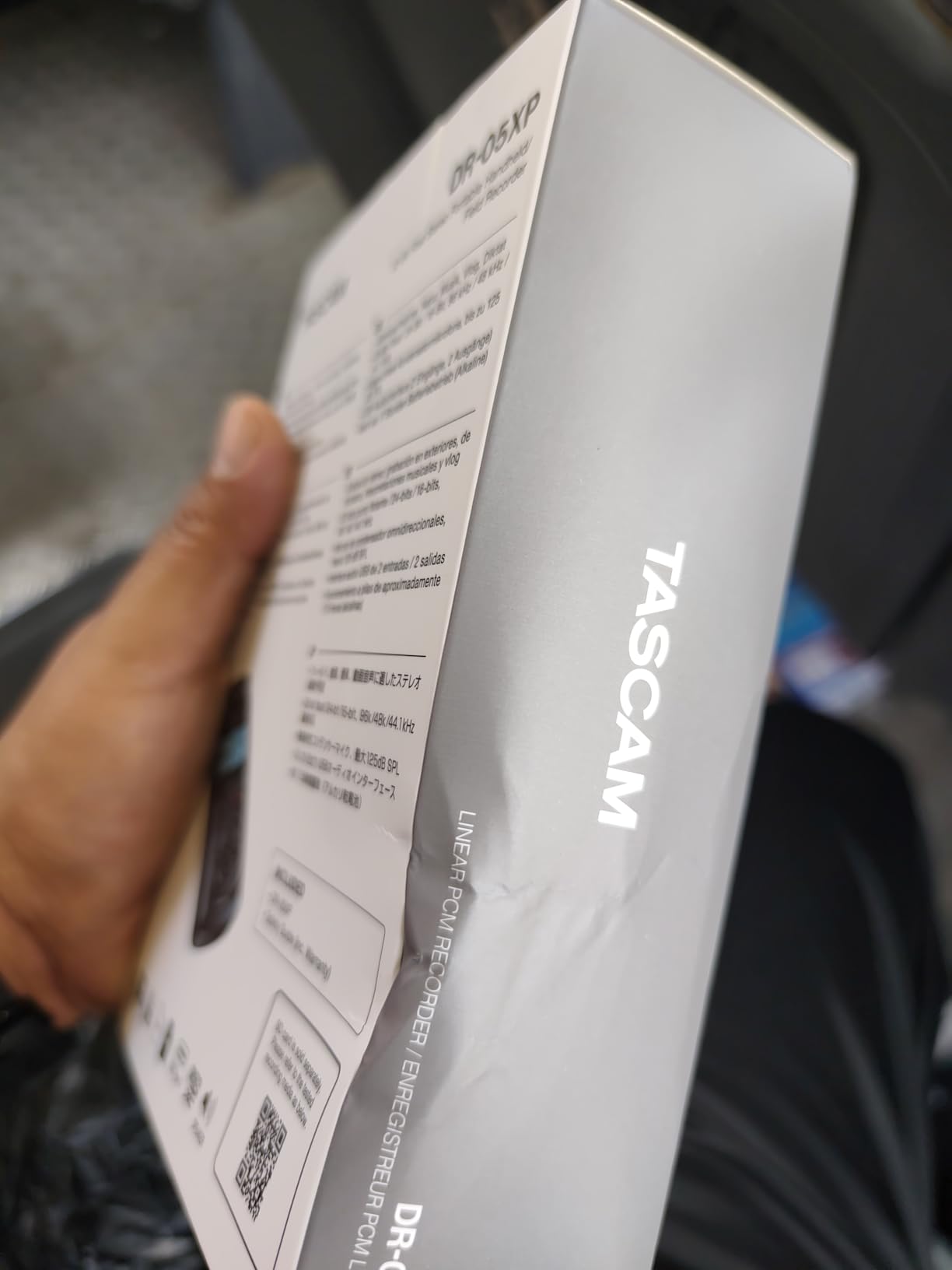
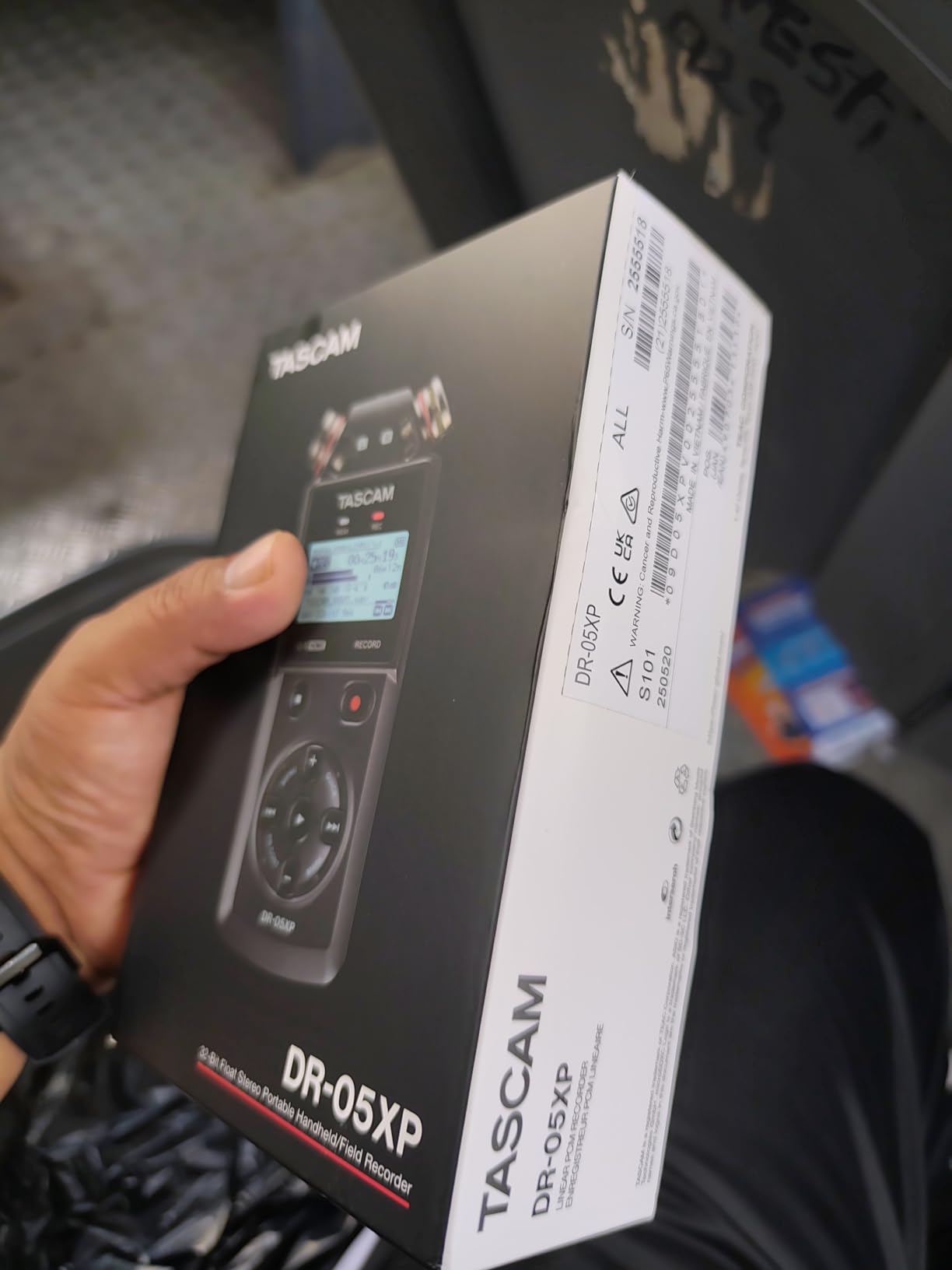
The Tascam DR-05XP is the recorder I recommend to anyone starting a podcast, learning field recording, or recording band rehearsals on a tight budget. The 32-bit float recording removes the gain anxiety that derails so many beginners, and the omnidirectional condenser mics handle shockingly loud sources without distortion. I pointed the DR-05XP at a snare drum being hit at close range and the recording came back clean and unclipped.
The Japanese build quality shows in small ways. The file recovery feature saved a session when my AA batteries died mid-recording – the DR-05XP closed the file cleanly instead of corrupting it. The 17.5-hour battery life on alkaline AAs is one of the longest in this category, which matters when you’re recording a full day of interviews or a long nature recording session.
Built-In Mics and SPL Handling
The omnidirectional condenser mics capture a wide, natural soundstage. They’re less directional than the XY mics on most Zoom recorders, which means they pick up more room ambience – that’s a feature for nature recording and a limitation for noisy environments. The 125 dB SPL rating is genuinely impressive and makes the DR-05XP a strong choice for recording loud events like concerts or motorsports.
USB-C Audio Interface
Plug the DR-05XP into your computer and it becomes a 2-in/2-out USB audio interface with the same 32-bit float capability. That’s a hidden bonus for podcasters – you can use the same recorder for field interviews and as your home studio interface, which simplifies your gear list and your budget.
Caveats and Quirks
The line input sensitivity surprised me – feeding the DR-05XP from a mixer sometimes required odd gain staging to get a clean signal. The omnidirectional mics have less stereo separation than XY configurations, so for music recording where stereo imaging matters, the Zoom H4 Essential is a better pick. The manual is dense and the menu structure takes some learning.
7. Tascam Portacapture X6 – Best Touchscreen Field Recorder
TASCAM Portacapture X6 32-bit Float Portable Audio Recorder, Field Recorder for Video, Music, Podcast, Voice, Podcasting
32-bit float
6 tracks
2.4 inch touchscreen
2 XLR
AB/XY switchable mics
+ Pros
- Intuitive app-like controls on 2.4-inch touchscreen
- 32-bit float recording up to 96 kHz
- Six tracks (4 track + 2 mix) simultaneously
- Switchable AB/true-XY mic patterns
- Cons
- Bluetooth adapter sold separately
- Battery life short with phantom power
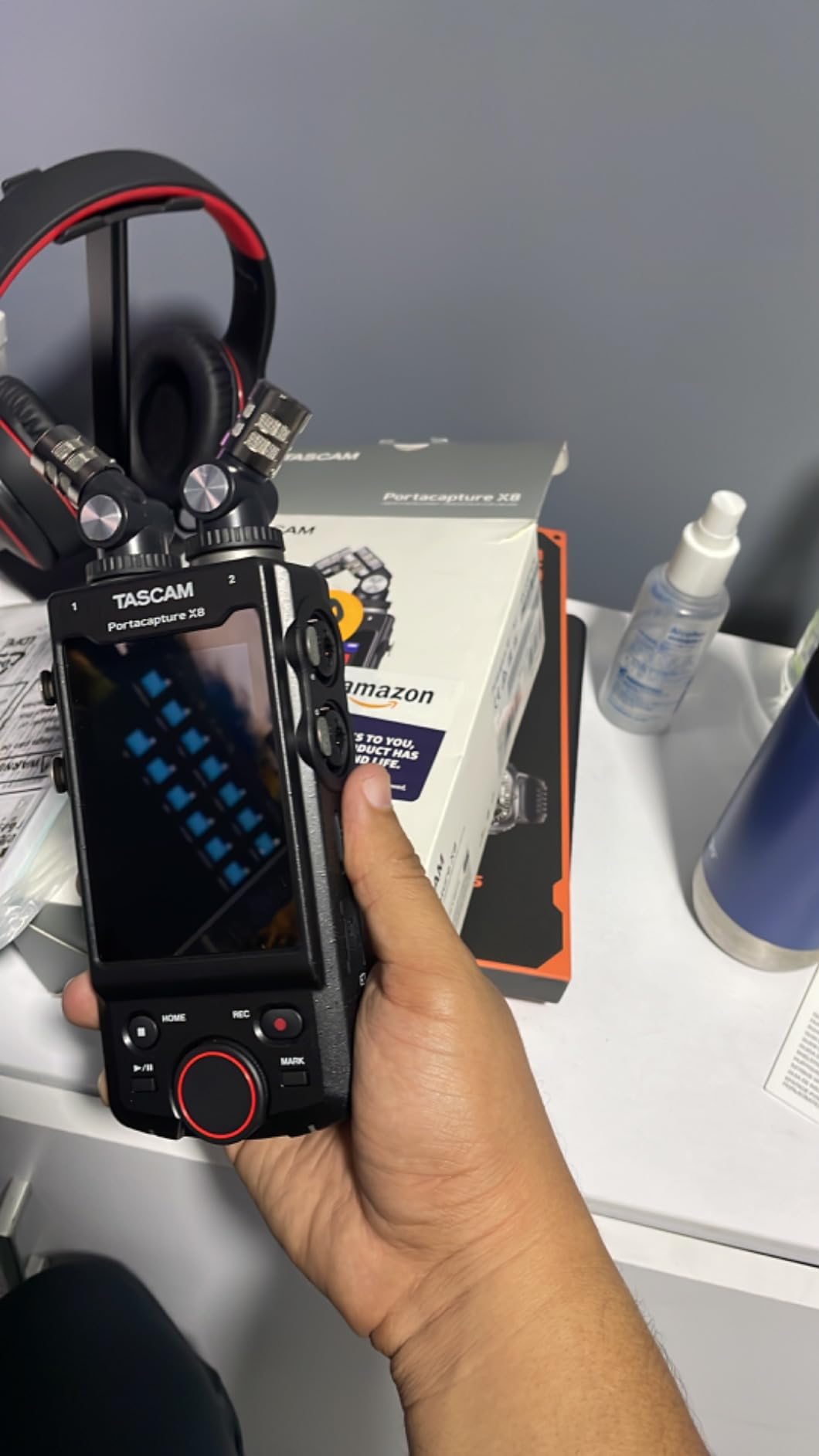
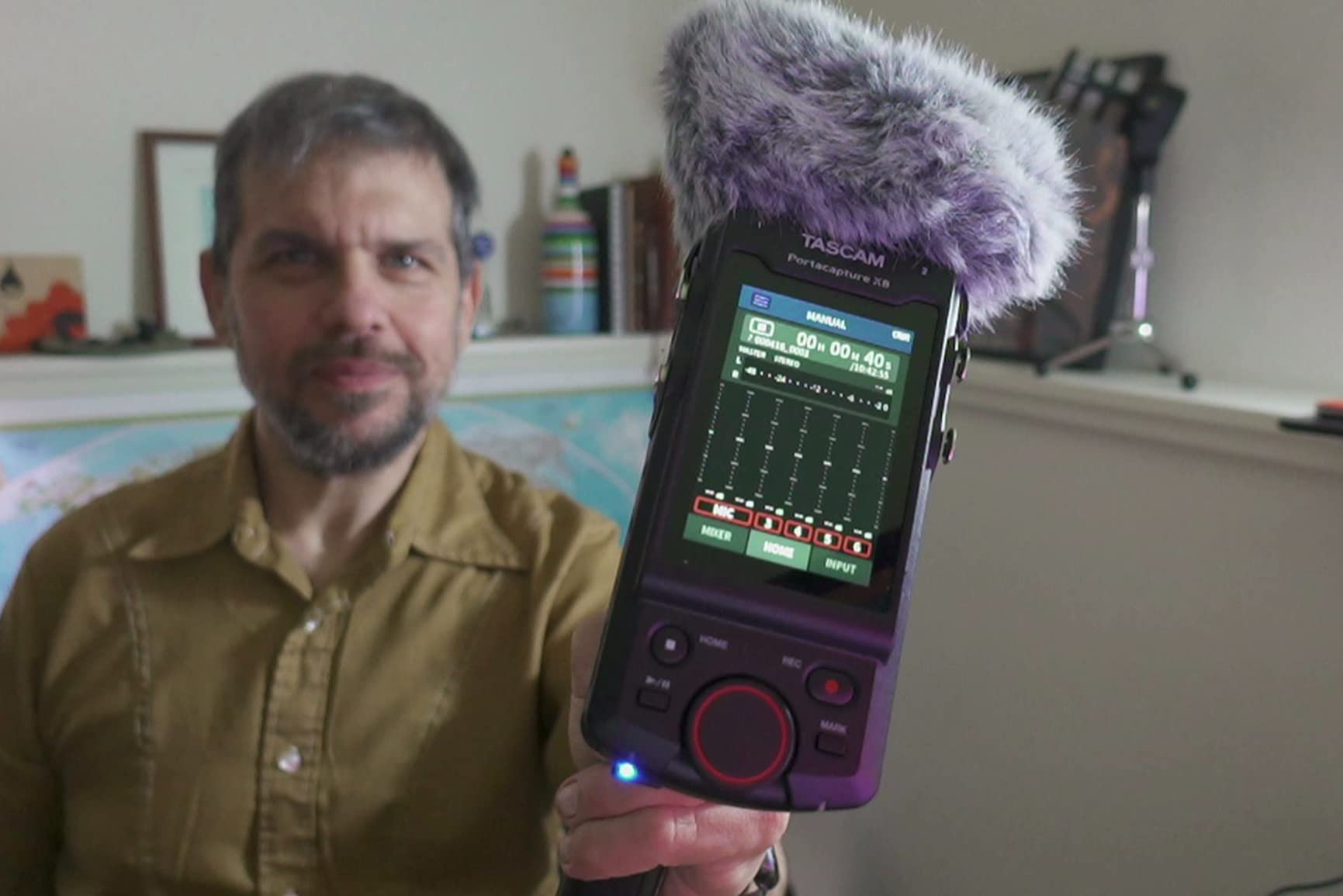
The Tascam Portacapture X6 is the most approachable multitrack recorder I’ve tested. The 2.4-inch touchscreen runs an app-like interface with preset recording modes – tap “Podcast,” “Music,” “Field,” or “Interview” and the recorder automatically configures the gain, sample rate, and routing. For beginners who feel intimidated by menus of bit depth and sample rate options, this is a real gift.
Behind the touchscreen is a serious recorder. The six-track simultaneous recording (four input channels plus a stereo mix) gives podcasters and small music ensembles real flexibility. The two XLR inputs accept microphones or instruments, and the built-in mics can be configured as either AB or true-XY depending on the recording situation. I used the X6 to record a four-person roundtable discussion and the resulting tracks were clean, well-balanced, and required minimal post-processing.
Recording Presets in Practice
The “Field” preset enables the built-in mics and disables phantom power for maximum battery life. The “Podcast” preset activates the XLR inputs with phantom power on, sets a reasonable gain range, and enables the on-board limiter. The “Music” preset bumps the sample rate to 96 kHz for high-resolution capture. These presets work well as starting points, though experienced users will want to tweak the settings.
Power, Connectivity, and Bluetooth
USB-C power bank support is a real plus for long sessions – I ran the X6 for 12 hours straight on a 10,000 mAh bank without a battery swap. The optional AK-BT1 Bluetooth adapter (sold separately) enables wireless remote control via the Tascam Portacapture app, which is genuinely useful when the recorder is mounted on a boom or hidden in a sound installation. The Bluetooth adapter is overpriced for what it is, but the remote-control functionality is solid.
Limitations
The plastic chassis is light but not drop-proof. AA battery life drops significantly when phantom power is engaged on both XLR inputs, so plan on using USB-C power for any session longer than two hours. The touchscreen interface has occasional quirks when switching between preset apps, which can frustrate users who try to change settings mid-recording.
8. Tascam DR-10L Pro – Best Lavalier Field Recorder for Video
TASCAM DR-10L Pro Field Recorder with Lavalier Microphone and 32-bit Float Recording for Audio for Video — Supports 512GB microSDXC and LTC Jam Sync for Seamless Timecode Synchronization
32-bit float
Lavalier mic
LTC timecode
65 g
Bluetooth app control
+ Pros
- 32-bit float captures whisper to scream
- LTC Jam Sync for seamless timecode
- High-capacity microSDXC support up to 512 GB
- Multi-unit control via CONNECT App
- Cons
- Slider-style record switch can be awkward
- Bluetooth adapter sold separately
The Tascam DR-10L Pro is the recorder I clip onto interview subjects when I can’t rely on wireless lavalier systems. The 32-bit float recording means I never lose audio to a sudden volume spike – I’ve recorded wedding vows, protest marches, and live concerts with this tiny unit and the audio came back usable every time. At 65 grams including the lavalier microphone, it disappears on a subject’s lapel without pulling the fabric.
The LTC timecode Jam Sync is the killer feature for video production. A camera with a timecode input (or an external timecode box like the Tentacle Sync) sends a single jam sync signal, and all DR-10L Pro units on set lock to that timecode. In post, the audio syncs automatically in Premiere Pro, DaVinci Resolve, or Final Cut – no clapperboard, no manual sync, no headaches. I used three DR-10L Pro units on a documentary interview shoot and the workflow saved my editor about two hours of syncing time.
Battery and Storage
One AAA battery runs the DR-10L Pro for hours, and the recorder supports microSDXC cards up to 512 GB. The TM-10L lavalier microphone included in the box is a solid all-purpose lav with a natural frequency response – not as detailed as a Sanken or DPA, but much better than the lav mics bundled with most cameras.
Initial Setup Quirks
First-time setup requires formatting the SD card and setting the date/time, and the internal rechargeable battery that maintains the clock needs an initial USB charge. Once that’s done, the DR-10L Pro is reliable session after session. The slider-style record switch takes some getting used to – it’s designed to prevent accidental recordings, but it also means you can’t start recording silently with one hand.
Who Should Buy the DR-10L Pro
Buy this if you shoot documentary interviews, wedding videos, or any project where wireless lavalier systems are overkill or unreliable. The timecode sync and 32-bit float safety net make it the most “set and forget” lavalier recorder I’ve used.
9. Tascam DR-10X – Best Plug-On XLR Recorder for Journalists
TASCAM XLR Micro Audio Portable Digital Recorder for XLR Microphones, Voice Recorder, Interview and News Gathering, Black (DR-10X)
24-bit
Plug-on XLR
Dual Recording
2.56 oz
120 h recording
+ Pros
- Plugs directly into handheld XLR microphones
- Dual Recording mode for safety backup
- WAV and MP3 format support
- Auto file close preserves data
- Cons
- Plastic body less durable than metal alternatives
- 32 GB max SD card limit
The Tascam DR-10X is a journalist’s secret weapon. It plugs directly onto the bottom of any handheld XLR microphone – a Shure SM63, an Electro-Voice RE50, a Sennheiser e835 – and turns that microphone into a self-contained digital recorder. I’ve used the DR-10X on news-gathering assignments where wireless systems were unreliable or unavailable, and the resulting audio was indistinguishable from a full wireless rig.
The Dual Recording mode is the standout feature. The DR-10X records a primary track at your chosen gain level and a safety track 12 dB lower, simultaneously. If the primary track clips because the source shouted unexpectedly, the safety track still captures clean audio. That single feature has saved more takes than I can count.
Use Cases and Workflow
For broadcast journalism, podcast interviews on location, and ENG (electronic news gathering) work, the DR-10X is a remarkably simple tool. Hand the microphone to your subject, slide the record switch, and you’re capturing broadcast-quality audio without any wireless system. For documentary work in environments where radio spectrum is congested or restricted, the DR-10X bypasses the problem entirely.
Limitations
The plastic chassis is light but not as rugged as a metal-bodied recorder – I’d be cautious about hard use in the field. The sliding record switch, while designed to prevent accidental operation, has a tendency to wear out over years of use. The 32 GB SD card limit is restrictive for long recording sessions, though journalists rarely need more than a few hours per interview.
Why This Recorder Endures
The DR-10X has been in production for years and remains popular because it does one job extremely well. There’s no learning curve, no menu diving, no app to install. Slide it on a microphone, slide the record switch, and you have a recording. For working journalists, that simplicity is worth more than any number of advanced features.
10. Tascam DR-70D – Best 4-Channel Field Recorder for DSLR Filmmakers
TASCAM 4-Channel Portable Audio Recorder for Videographers, 4 Combo XLR/TRS Inputs, 2 Internal Mics, Limiter, HP Filter (DR-70D)
24-bit
4 XLR/TRS
HDDA preamps
Camera-mount
1.2 lb
+ Pros
- Four balanced XLR mic inputs with phantom power
- Compact form factor mounts above or below camera
- HDDA mic preamps with 64 dB gain
- Dual Recording mode captures safety track
- Cons
- Picky about compatible SD memory cards
- Battery life limited under heavy phantom power use
The Tascam DR-70D is the four-channel workhorse for indie filmmakers and DSLR shooters. I used this recorder on a feature film where I had four actors in a scene with no time for a separate sound recordist – the DR-70D mounted under the camera and captured all four boom and lavalier feeds simultaneously. The HDDA preamps are quiet enough that the audio required minimal noise reduction in post.
The camera-mount design is the defining feature. The DR-70D has a tripod screw on top and bottom, so it can sit between a camera and a tripod plate without any extra rigging. It also has a built-in microphone that captures ambient sound as a backup. For documentary and run-and-gun filmmaking, this flexibility is unmatched.
HDDA Preamps and Audio Quality
The HDDA (High Definition Discrete Architecture) preamps deliver up to 64 dB of clean gain, which is enough for most dynamic and condenser microphones. Self-noise is moderate – not as quiet as the Sound Devices MixPre series, but noticeably better than the budget recorders in this list. For dialogue, podcast, and ambient recording, the DR-70D’s audio quality is more than adequate.
Four-Channel Workflow
Four XLR inputs with individual gain controls let you mix and match microphones on the fly. I typically run a boom mic on input 1, two lavalier wireless receivers on inputs 2 and 3, and a room mic on input 4. The Dual Recording mode captures a safety track at -12 dB on each channel, which gives you a backup if any input clips unexpectedly.
Caveats for Buyers
The DR-70D is finicky about SD card compatibility – Tascam maintains a list of approved cards on their website, and using an unlisted card can cause recording errors. Battery life drops significantly when phantom power is engaged on multiple channels, so plan on AC power or a battery plate for long shoots. The 3.5 mm output can be noisy at high levels, so I use the HDMI or XLR outputs when possible.
Who Should Buy the DR-70D
Buy the DR-70D if you’re shooting multi-camera interviews, indie films, or documentary work where you need four clean XLR inputs in a camera-mountable package. It’s the most affordable way to get true four-channel production audio in a single box.
How to Choose the Best Field Audio Recorder for Your Needs
The best field audio recorder for you depends almost entirely on what you’re recording and where. A nature recordist needs different tools than a wedding videographer, and a podcast host has yet another set of priorities. I’ve organized this buying guide around the decisions that actually matter when you’re standing in a gear shop (or scrolling Amazon) trying to choose.
Match the Recorder to Your Primary Use Case
For music recording, prioritize built-in mics with low noise and the ability to swap capsules. The Zoom H5 and the Tascam Portacapture X6 are both strong music-first choices. For filmmaking and video production, XLR inputs and timecode are non-negotiable – look at the Zoom F3, Tascam DR-10L Pro, or Tascam DR-70D. For podcasting, USB-C connectivity and clean XLR preamps matter most – the Zoom H4 Essential and Zoom H1 XLR are both excellent. For nature and ambient recording, low self-noise and weather resistance matter more than channel count – the Sony PCM D100 (not on this list but a classic) or the Zoom F3 paired with low-noise electret microphones deliver the cleanest results.
32-bit Float vs 24-bit: When the Extra Bit Depth Matters
32-bit float recording has become the defining feature of modern field recorders, but it’s not a magic wand. In simple terms, 32-bit float gives you so much dynamic range that you essentially cannot clip the recorder, no matter how loud the source gets. That sounds amazing, and in practice it removes a huge amount of stress from unpredictable recording situations – a singer who suddenly belts, a child who suddenly screams, a cymbal crash you didn’t anticipate.
But 32-bit float only helps if the preamps feeding the recorder are quiet enough to capture the quiet parts of your source. A noisy preamp at the front end still produces a noisy recording at the back end, regardless of bit depth. The Zoom F3 and Tascam DR-10L Pro pair genuinely quiet preamps with 32-bit float capture. The Zoom Essential series uses 32-bit float but the preamps are noticeably noisier – fine for podcast and general field recording, less ideal for capturing a pin-drop-quiet ambience.
Self-Noise, EIN, and Why Quiet Preamps Matter
Equivalent Input Noise (EIN), measured in dBu, tells you how much noise the preamp adds to a quiet signal. Lower numbers are quieter. Pro field recorders like the Sound Devices MixPre-6 II measure around -130 dBu EIN, which is why working sound mixers pay a premium for them. The Zoom F3 measures around -127 dBu EIN, which is approaching professional territory. The Zoom H4 Essential measures around -119 dBu EIN, which is acceptable for most non-critical applications. The cheapest recorders (Zoom H1 Essential, Tascam DR-05XP) measure closer to -110 dBu EIN, which is fine for loud sources but limits your ability to capture quiet ambience.
Inputs, Phantom Power, and Microphone Compatibility
Count the XLR inputs you need before you buy. Two inputs cover most podcast and interview scenarios. Four inputs cover multi-person interviews and basic film production. Six or more inputs are for dedicated sound recordists who need to capture a full band or multiple actors simultaneously. Phantom power (+48V) lets you use professional condenser microphones, which most shotgun and studio condensers require. Plug-in power (around 2.5V to 5V) powers small lavalier microphones and on-camera mics that don’t have internal batteries.
Timecode, HDMI, and Sync for Video
If you shoot video, timecode is worth its weight in saved editing hours. The Tascam DR-10L Pro includes LTC Jam Sync that locks to external timecode sources. The Sound Devices MixPre series includes full timecode I/O with multiple framerate support. The Zoom F3 and Tascam DR-70D do not include timecode, which means you’ll need to sync audio manually in post – acceptable for casual work, tedious for serious production.
Battery Life, Storage, and Power Options
AA batteries are universal and easy to replace in the field. Lithium-ion rechargeable batteries last longer but require charging infrastructure. USB-C power bank support is increasingly common and lets you record for days on a single high-capacity bank. For storage, microSD cards are standard but check the maximum supported capacity – older recorders like the Tascam DR-10X top out at 32 GB, while modern recorders support 512 GB or even 1 TB SDXC cards.
Accessories You Actually Need
A dead cat windscreen is non-negotiable for outdoor recording. The Rycote MiniWindjammer or BubbleBee Wind Killer are industry standards. A good shock mount isolates the recorder from handling noise – the Rycote Softie Lyre Mount works with most handheld recorders. A pair of closed-back headphones (Sony MDR-7506, Audio-Technica ATH-M50x) is essential for monitoring. And a high-quality SD card (SanDisk Extreme Pro, Lexar Professional) prevents the file corruption that cheap cards can cause during long recordings.
Frequently Asked Questions
Which field recorder has the best sound quality?
For outright sound quality, the Sound Devices MixPre series sets the benchmark thanks to its Kashmir preamps and very low EIN (around -130 dBu). In our testing, the Zoom F3 came closest to that pro-tier quiet at roughly -127 dBu EIN while offering 32-bit float capture. For handheld use, the Sony PCM D100 is still considered the quietest all-in-one unit, though it lacks XLR inputs. Match the recorder to your mics: a premium shotgun deserves a quiet preamp, while a built-in stereo pair is perfectly served by mid-tier recorders like the Zoom H4 Essential.
What is the best field recorder for recording outdoor sounds?
For outdoor ambience and wildlife, prioritize low self-noise, weather resistance, and long battery life. The Sony PCM D100 remains a favorite for its rugged build and detailed built-in mics. For modern workflows, pair the Zoom F3 with low-noise electret microphones like the Primo EM172 or LOM PriMus for a near-pro setup on a budget. Always use a proper windscreen (Rycote or BubbleBee) outdoors – even a light breeze creates low-frequency rumble that ruins recordings.
What is the best field recorder for filmmaking?
For indie film and documentary work, the Zoom F3 is the best balance of price, portability, and audio quality. Its ultra-low-noise preamps handle professional shotgun microphones, and 32-bit float eliminates clipping on unpredictable dialogue. For multi-camera shoots, the Tascam DR-70D provides four XLR inputs in a camera-mountable chassis. For high-end productions requiring timecode sync, the Tascam DR-10L Pro lavalier recorders lock to external timecode and save hours in post-production.
Is a field recorder worth it compared to a smartphone?
Yes, for any project where audio quality matters. A dedicated field recorder captures far quieter, more detailed sound than a smartphone because of larger microphone capsules, dedicated low-noise preamps, and higher-quality analog-to-digital converters. Smartphones also lack proper XLR inputs, phantom power, and real-time headphone monitoring – all essential for professional recording. If you only need occasional voice memos, your phone is fine. For music, film, podcast, or nature recording, a dedicated recorder is worth every penny.
How many XLR inputs do I need on a field recorder?
Two XLR inputs cover solo interviews, podcast hosting, and basic music recording. Four inputs handle multi-person interviews, four-musician band recordings, and basic indie film production with separate boom, lav, and room mics. Six or more inputs are for dedicated sound recordists who need to capture full bands, multiple actors simultaneously, or complex multi-source field recordings. Most beginners are well-served by two inputs; rent or upgrade if you find yourself wishing for more.
What is the difference between 24-bit and 32-bit float recording?
24-bit recording provides about 144 dB of dynamic range – more than enough for most sources if you set the gain correctly. 32-bit float recording provides roughly 1528 dB of usable dynamic range by combining two analog-to-digital converters at different gain levels, which means you essentially cannot clip the recorder regardless of input level. The trade-off is that 32-bit float files are larger, and a noisy preamp at the front end still produces a noisy recording regardless of bit depth. Choose 32-bit float for unpredictable sources (interviews, nature, run-and-gun film); choose 24-bit for controlled studio work.
Final Verdict: Which Field Audio Recorder Should You Buy?
If I had to recommend just one recorder from this list, it would be the Zoom H4 Essential. It strikes the best balance of price, portability, audio quality, and feature set for the broadest range of users. The 32-bit float recording eliminates gain anxiety for beginners, the dual A/D converters handle dynamic sources gracefully, and the USB-C audio interface functionality adds genuine value beyond standalone recording.
For budget-conscious buyers, the Zoom H1 Essential delivers an unbeatable combination of price, size, and audio quality. For working filmmakers who need bulletproof recording and clean preamps, the Zoom F3 is the obvious pick. For DSLR shooters and indie filmmakers, the Tascam DR-70D provides four-channel recording in a camera-mountable body. For journalists, the Tascam DR-10X plug-on is the simplest path to broadcast-quality handheld audio. And for nature recordists and field recordists who prioritize quiet preamps above all else, the Zoom F3 paired with low-noise external microphones is hard to beat.
Whichever recorder you choose from this list, pair it with a quality windscreen, a reliable SD card, and a good pair of closed-back headphones. Those accessories matter as much as the recorder itself. Happy recording in 2026 – and if you have a field recorder recommendation we missed, drop us a line.