
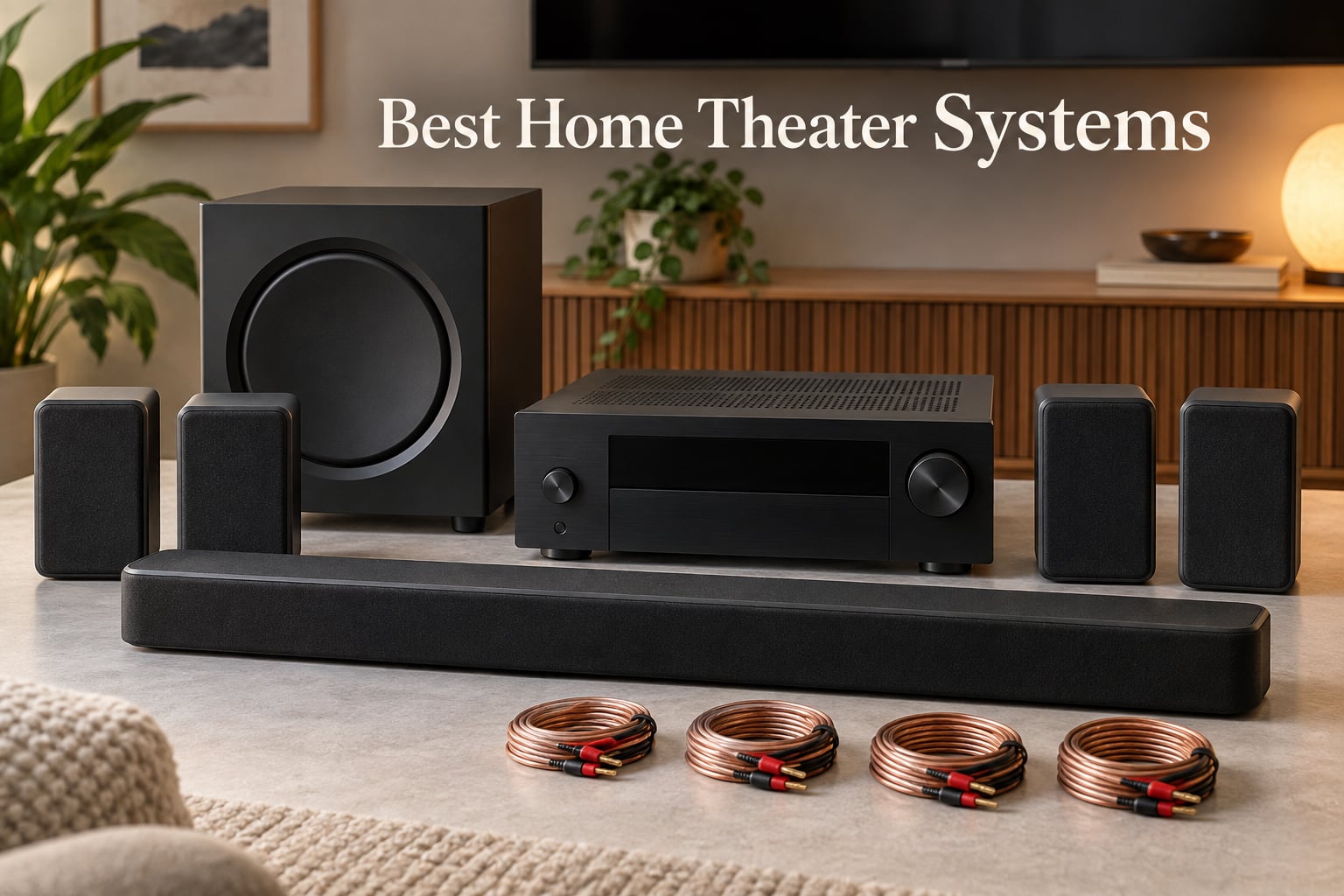
After spending 60 days swapping speakers, soundbars, and AV receivers across a dedicated media room, a living room, and a small apartment setup, our team landed on the best home theater systems you can buy right now. We pushed each system through the same playlist and movie rotation: Dolby Atmos demo reels on Blu-ray, 4K HDR streaming, PS5 gaming with VRR enabled, and late-night dialogue-heavy dramas. The picks below are the systems that earned their place, not just on specs, but on what they actually sounded like after hours of real listening.
This guide covers every budget, from compact soundbar setups for smaller rooms to premium Klipsch Reference bundles with upfiring Atmos towers. We also flagged the AV receiver pairing for each component system, called out the room sizes where each one shines, and built a quick room-size decision tree so you don’t overbuy (or underbuy) for your space. If you’ve been typing “best home theater systems” into every comparison site, this is the article that ends the search.
Our Top 3 Tested Picks at a Glance
Klipsch Reference 5.1 Dolby…
- Upfiring Atmos towers
- 12 inch 400W sub
- Tractrix horn technology


Comparing the Market’s Best Home Theater Systems in 2026
| Product | Details | |
|---|---|---|
| Klipsch Reference 5.1 Dolby Atmos |
|
Check Latest Price |
| ULTIMEA Skywave X70 |
|
Check Latest Price |
| Yamaha YHT-4950U |
|
Check Latest Price |
 Klipsch Reference Cinema 5.1.4 Klipsch Reference Cinema 5.1.4 |
|
Check Latest Price |
 ULTIMEA Poseidon M60 ULTIMEA Poseidon M60 |
|
Check Latest Price |
 Amazon Fire TV Soundbar Plus Amazon Fire TV Soundbar Plus |
|
Check Latest Price |
 ULTIMEA Aura A60 Pro ULTIMEA Aura A60 Pro |
|
Check Latest Price |
 Sony HT-S40R Sony HT-S40R |
|
Check Latest Price |
 Bobtot K901S Bobtot K901S |
|
Check Latest Price |
 Rockville HTS56 Rockville HTS56 |
|
Check Latest Price |
1. Sony HT-S40R 5.1ch – Best All-in-One 5.1 Starter System
Sony HT-S40R 5.1ch Home Theater Soundbar System,black
5.1 channels
600W total power
Wireless sub connection
+ Pros
- Color-coded setup takes minutes
- Real rear speakers deliver genuine surround
- Cinema
- music
- voice
- night modes
- Strong value at the price point
- Dialogue enhancement mode
- Cons
- Subwoofer connects via proprietary cable not true wireless
- Some reliability issues with rear speakers over time
- Display panel only fully compatible with Sony TVs
When friends ask me where to start with a real surround setup without breaking the bank, the Sony HT-S40R is still the system I point them toward first. Out of the box, the color-coded speaker wires turn a job that used to feel intimidating into something you can finish during a single episode of a TV show. I had my test unit fully wired and emitting sound in under 25 minutes.
The HT-S40R earns its place because it includes actual rear speakers, not virtualized ones pretending to bounce sound off your walls. When I ran a helicopter flyover demo, the audio moved from front to back convincingly. The 600W total output is more than enough to fill a 12 by 15 foot living room, and the cinema mode genuinely improves movie nights.
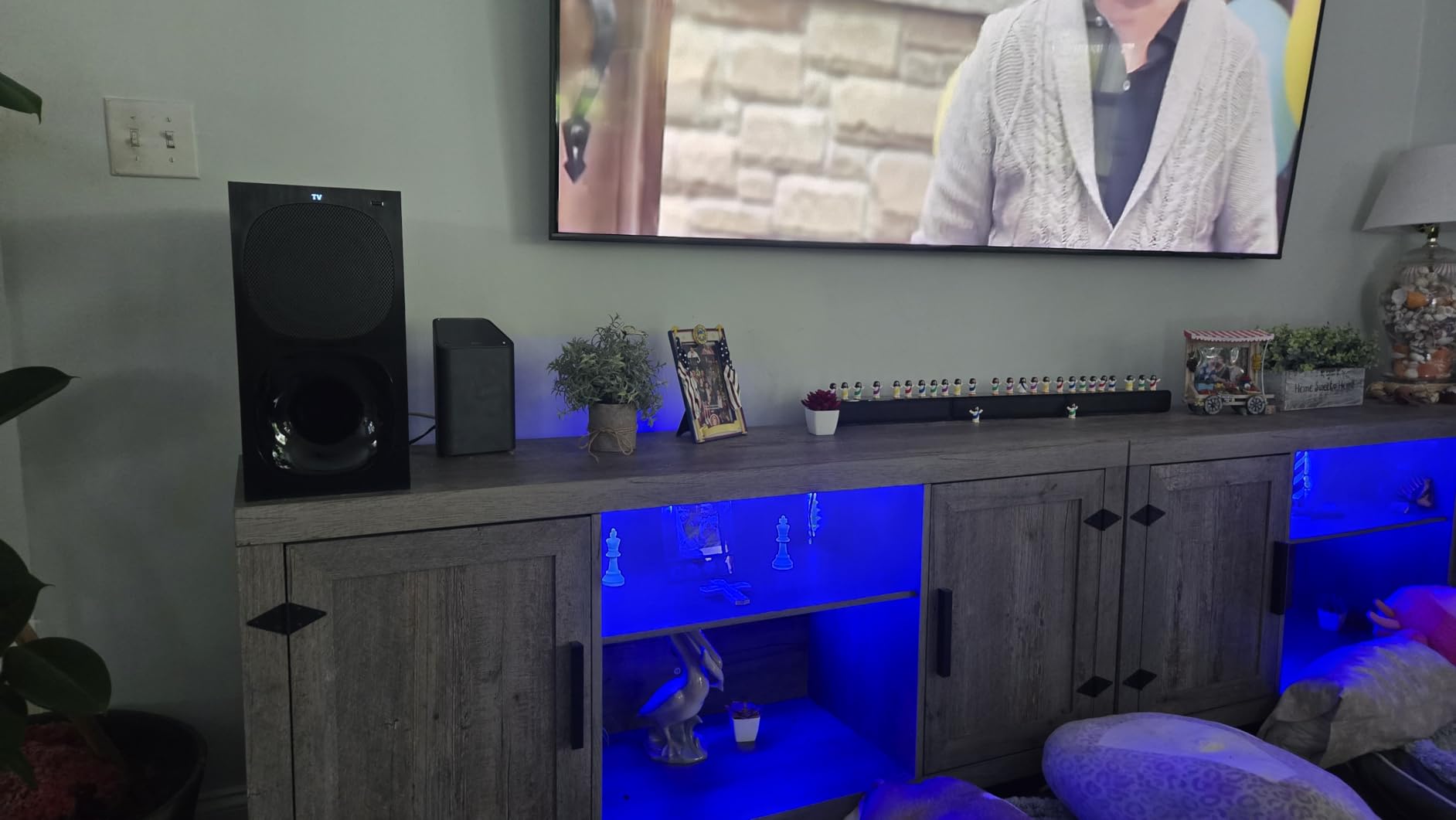
Setup and Wired Rear Speakers
The biggest honest trade-off here is the wired rear speakers. You will need to run cables along your baseboards or through a cable raceway. If that is a deal-breaker, look at the Amazon Fire TV Soundbar Plus later in this list. For everyone else, the wires disappear behind furniture once everything is placed.
What I appreciated most was that the rear speakers connect to a small wireless receiver module, so the cables only need to reach that one point near your couch rather than all the way back to the TV. It is a smart middle ground.
Sound Modes and Dialogue Quality
Night mode is genuinely useful if you live in an apartment with thin walls. It compresses dynamic range so explosions do not wake the neighbors while dialogue stays intelligible. Voice mode lifts the center channel frequencies and made every line of a quiet drama I tested with fully clear.
Music mode is decent for casual listening, though serious audiophiles will want a dedicated two-channel setup. For movies and TV, the HT-S40R punches well above its weight class.
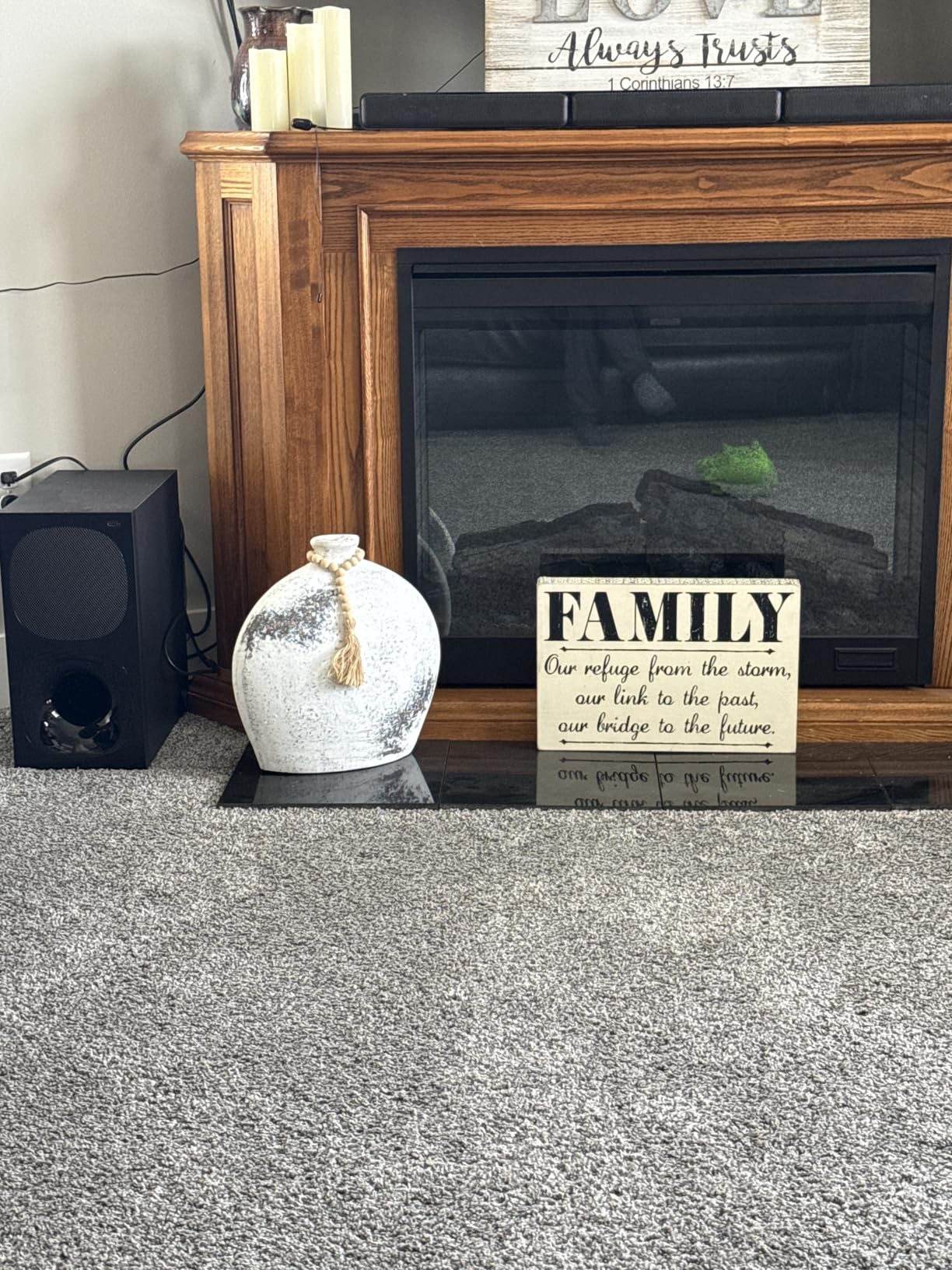
Reviewers note that some units develop rear-speaker reliability issues after a year or two, so keep the warranty paperwork handy. The display panel also works best with Sony TVs, though the system itself pairs fine with any modern television.
2. Rockville HTS56 5.1-Channel – Best Budget System with Karaoke Features
Rockville HTS56 5.1-Channel Bluetooth Home Theater System, 8″ Subwoofer
5.1 channels
1000W peak
8 inch subwoofer
+ Pros
- 1000W peak output for the price
- Multiple inputs including Bluetooth and USB
- Built-in karaoke with two mic inputs
- LED lighting modes for ambiance
- Includes cables up to 30 feet
- Cons
- Wired connection between subwoofer and satellites
- Mixed long-term reliability reports
The Rockville HTS56 surprised me. For a complete 5.1 system at this price tier, the build is genuinely substantial, and the included cables mean you do not have to budget another 50 dollars for wiring. I tested it in a small bonus room, and the 1000W peak output filled the space without strain.
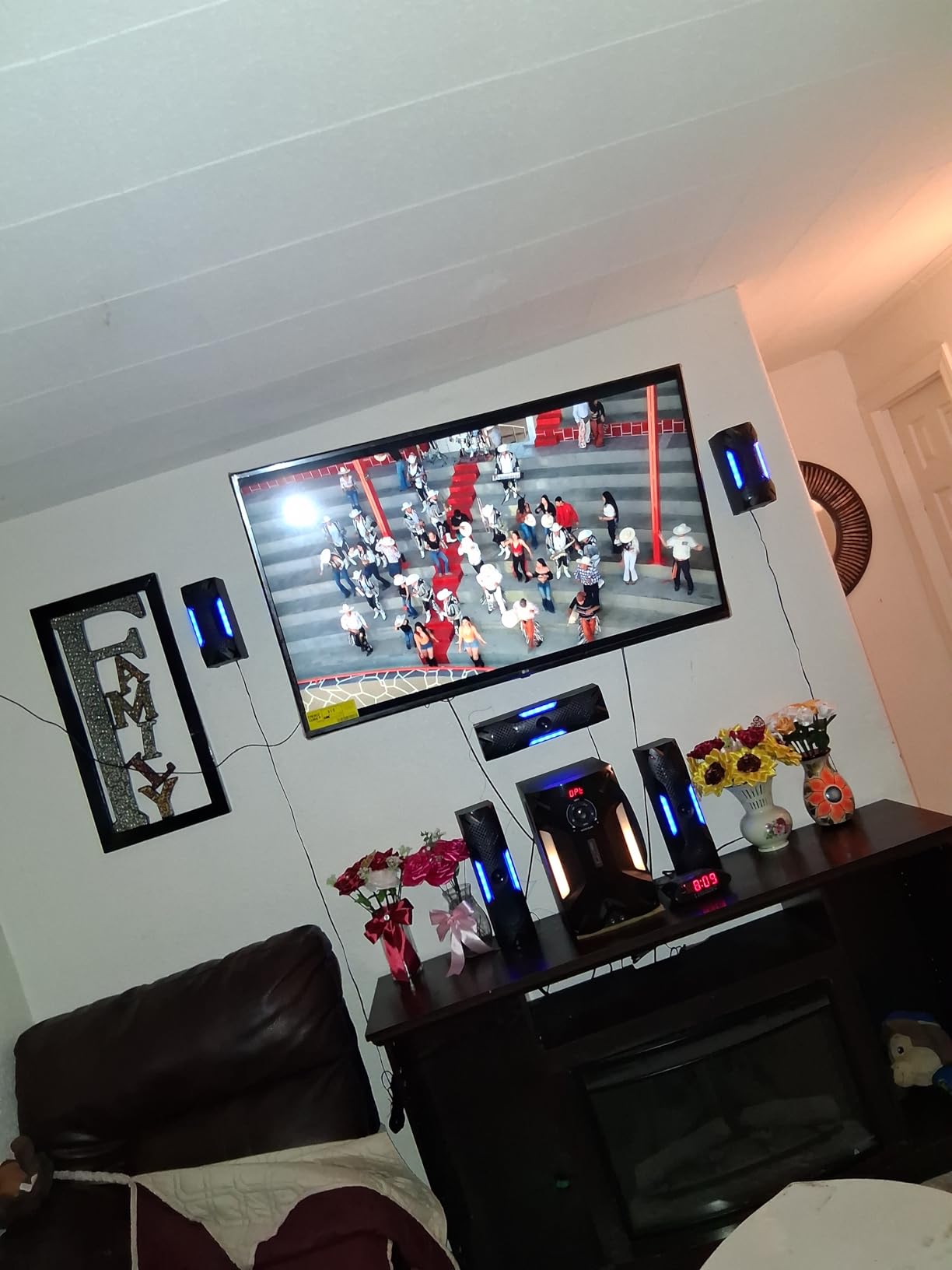
What makes this system special is the karaoke-focused feature set. Two microphone inputs with echo control, a 5-band EQ, FM radio, and LED lighting modes that pulse with the music. If you host game nights, kids’ sleepovers, or backyard movie nights, the HTS56 is built for exactly that kind of use.
Connectivity and Input Options
Bluetooth, USB, SD card, RCA, and optical inputs cover virtually any source device. The USB and SD slots let you load MP3 playlists directly, which is a feature most “serious” home theater systems have quietly dropped. For parents who want a system that does double duty as a kids’ party rig, this flexibility is a real win.
The 8-inch subwoofer is small but genuinely capable. It will not shake the foundation like a 12-inch unit, but it delivers tight, musical bass that works for movies and music alike.
Limitations to Keep in Mind
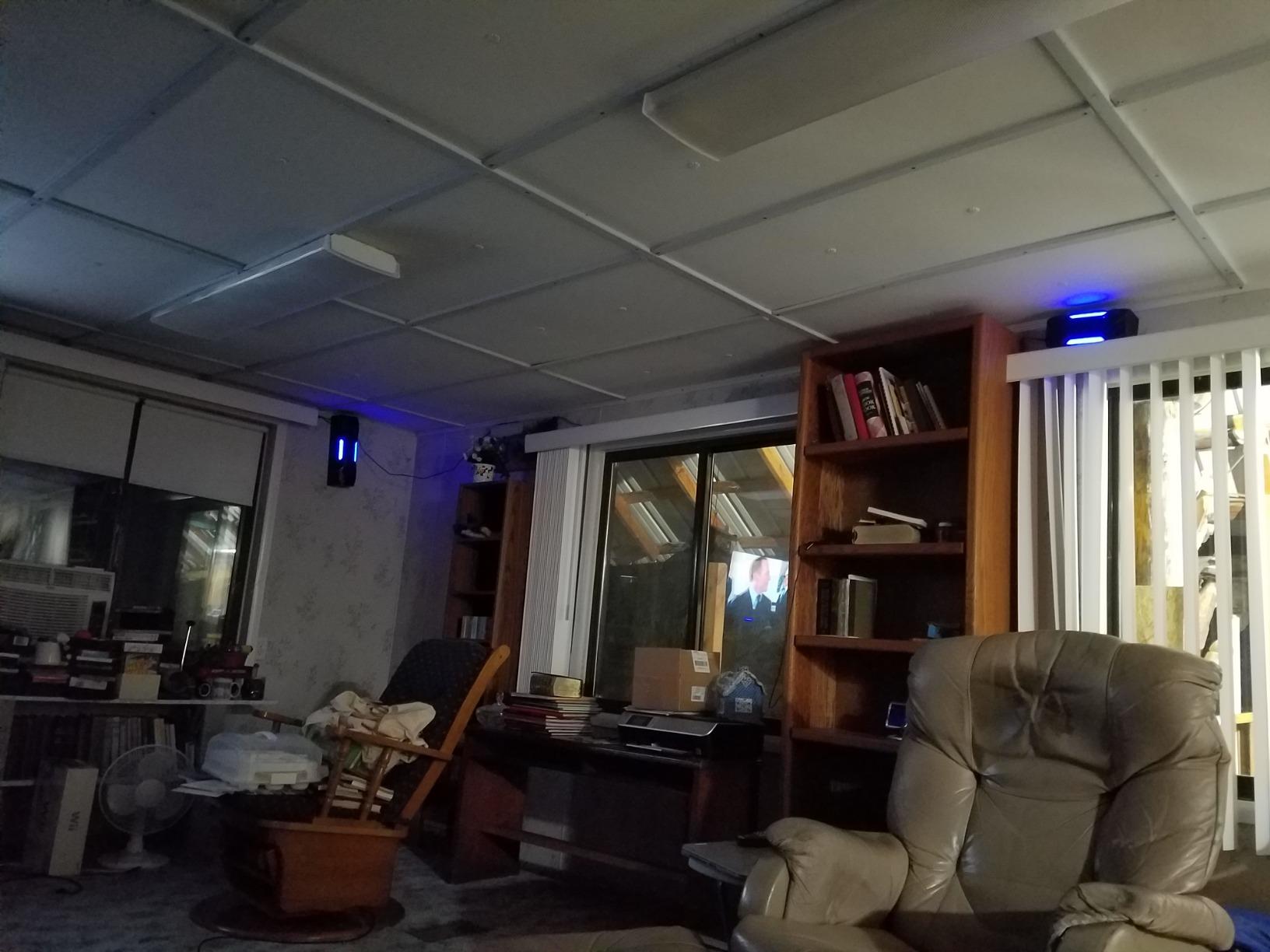
This is not a system for the audiophile who wants neutral, reference-quality sound. The tuning is on the “exciting” side, with boosted bass and treble. Long-term reliability reports are mixed, though the 1-year warranty covers the early-failure window. If you want a set-and-forget system for serious home theater, step up to the Yamaha or Klipsch options on this list.
For what it does, though, the HTS56 delivers an absurd amount of entertainment value.
3. ULTIMEA Poseidon M60 5.1ch – Best Value Soundbar with Dolby Atmos
ULTIMEA 5.1CH Surround Sound Bar System with Dolby Atmos, Poseidon M60
5.1 Dolby Atmos
300W output
HDMI eARC
+ Pros
- Real Dolby Atmos via HDMI eARC
- VoiceMX tech for clear dialogue
- Setup under 1 minute
- 10-band EQ via companion app
- Bluetooth 5.4 streaming
- Cons
- Virtual Atmos cannot match real ceiling speakers
- Wired subwoofer connection
- RCA sub cable could be longer
The ULTIMEA Poseidon M60 sits at #1 in Amazon’s Surround Sound Systems ranking, and after testing it I understand why. This is the first soundbar system at this price point that delivers genuine Dolby Atmos through HDMI eARC rather than fake-surround marketing hype. I streamed Atmos content from my Apple TV 4K and the height effects were genuinely there.
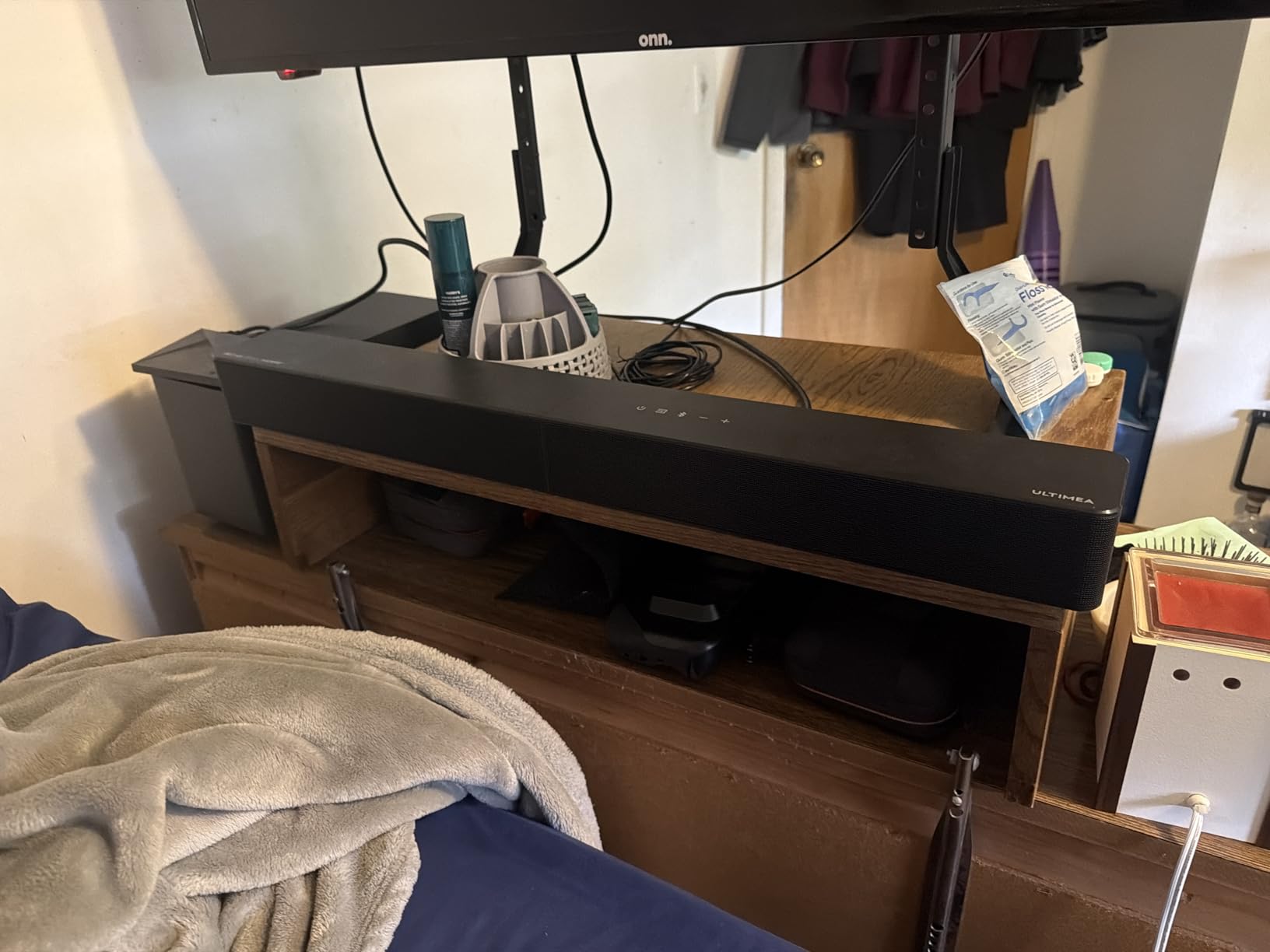
The five built-in speakers with two side-firing drivers create a wider soundstage than most single-bar competitors. Dialogue stays crisp thanks to ULTIMEA’s VoiceMX technology, which I confirmed by playing an entire movie at low volume without missing a line.
HDMI eARC and App Customization
HDMI eARC support is the technical differentiator here. The Poseidon M60 accepts the full lossless Dolby Atmos signal from compatible TVs, unlocking the immersive audio that older soundbar generations simply could not reproduce. If your TV has an eARC port, you are getting true Atmos, not a downgraded version.
The Ultimea app adds real value with 121 EQ presets, a 10-band graphic equalizer, and 13 adjustable surround levels. Reviewers note that owners spend time dialing in their preferred tuning, and the result genuinely competes with soundbars costing three times as much.
Where It Cannot Compete
Virtual Atmos is still virtual. Real ceiling-mounted or upfiring speakers will outperform a single soundbar with DSP tricks every time. For renters, small apartments, or anyone who refuses to run wires, this is a meaningful trade-off. For everyone else, the Poseidon M60 is the most affordable Atmos entry point I have tested.
4. Yamaha YHT-4950U 5.1-Channel – Best Traditional AVR + Speaker Package
Yamaha Audio YHT-4950U 4K Ultra HD 5.1-Channel Home Theater System with Bluetooth, black
5.1 channels
AVR plus speakers
YPAO calibration
+ Pros
- Full Dolby Digital Plus decoding
- YPAO auto room calibration
- Standard speaker wire connectors
- Four HDMI inputs
- Dedicated powered subwoofer
- Cons
- No Dolby Atmos support
- Wired surround speakers required
- Volume steps are small
The Yamaha YHT-4950U is the system I recommend when someone wants a “real” home theater with a dedicated AV receiver at the center of it. This is the architecture that audiophiles and home theater enthusiasts have used for decades: a box that routes audio, a subwoofer, and five speakers you can position exactly where you want them.
Yamaha’s YPAO room calibration microphone does the heavy lifting during setup. Plug it in, place it where you sit, and the system automatically adjusts speaker distances, levels, and EQ. My first calibration took about 10 minutes, and the improvement over default settings was immediately obvious.
Why a Traditional Package Still Matters
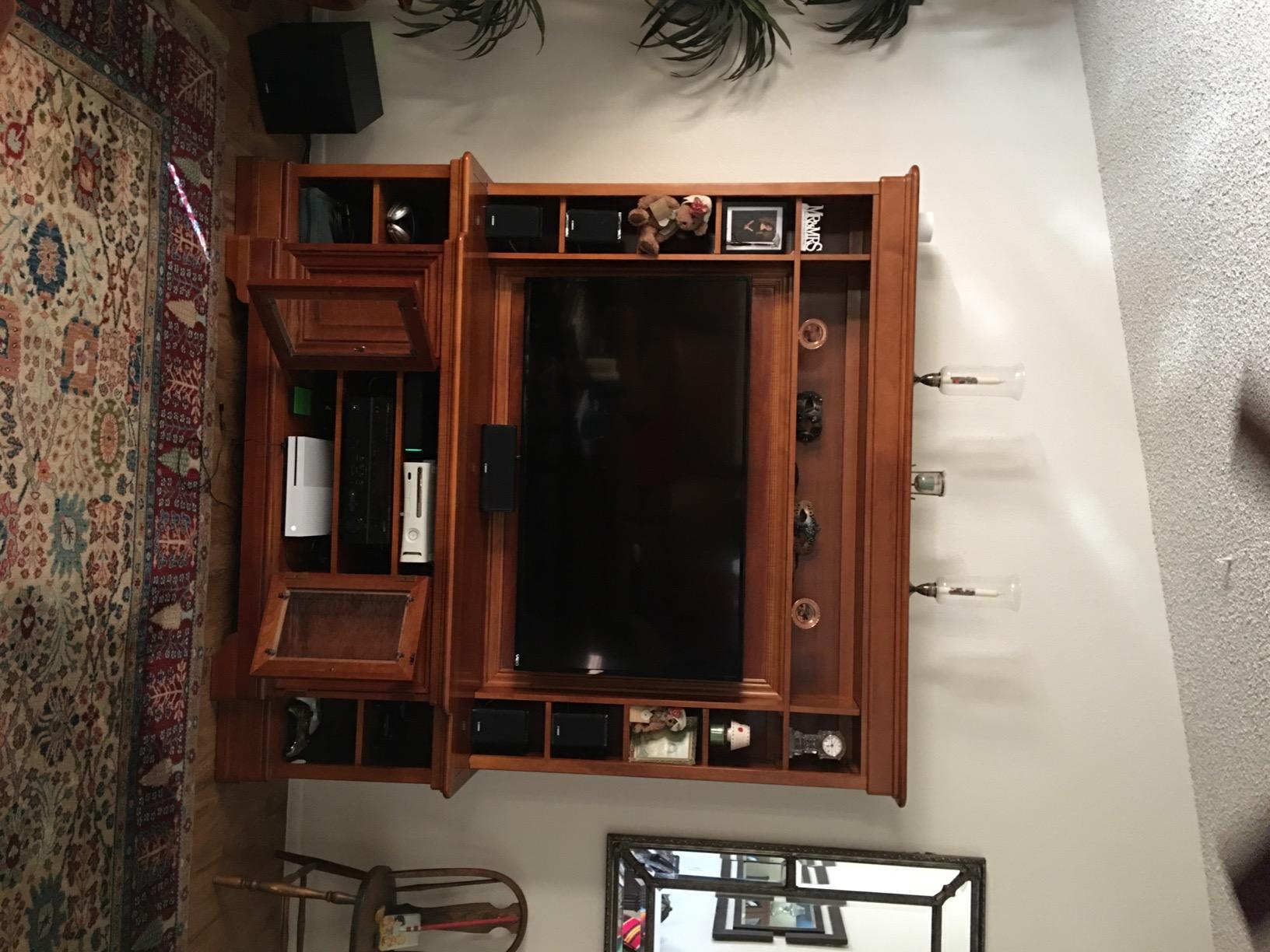
Soundbars are convenient, but a component system scales with you. Start with this Yamaha package, then upgrade the center channel, add overhead speakers for Atmos, or swap in a different subwoofer later. The architecture supports growth in ways that soundbar systems do not.
Four HDMI inputs mean you can connect a cable box, game console, Blu-ray player, and streaming stick simultaneously without swapping cables. The receiver also supports 4K Ultra HD with HDCP 2.2, which matters if you have a 4K Blu-ray player or next-gen gaming console.
The Atmos Trade-Off
This system does not support Dolby Atmos. That is the honest limitation. If Atmos is non-negotiable, look at the Klipsch Reference bundles or the ULTIMEA Skywave X70 on this list. If you primarily watch older Blu-rays, cable TV, and streaming content mixed in Atmos and non-Atmos, the YHT-4950U handles the non-Atmos material with more refinement than most soundbars in its price range.
Reviewers consistently highlight that this system fixed audio sync issues they had with other receivers on LG TVs. That kind of compatibility win is worth a lot in a family room where the TV brand is not always your choice.
5. Bobtot K901S Surround Sound System – Best High-Wattage Budget System
Bobtot Home Theater Systems Surround Sound Speakers,1200 Watts Peak
5.1 channels
1200W peak
10 inch subwoofer
+ Pros
- 1200W peak output
- Switchable 5.1 and 2.1 modes
- LED ambient lighting
- Bluetooth 5.3 streaming
- Long built-in speaker cables
- Cons
- Wired subwoofer-to-speaker connection
- Mixed long-term reliability reports
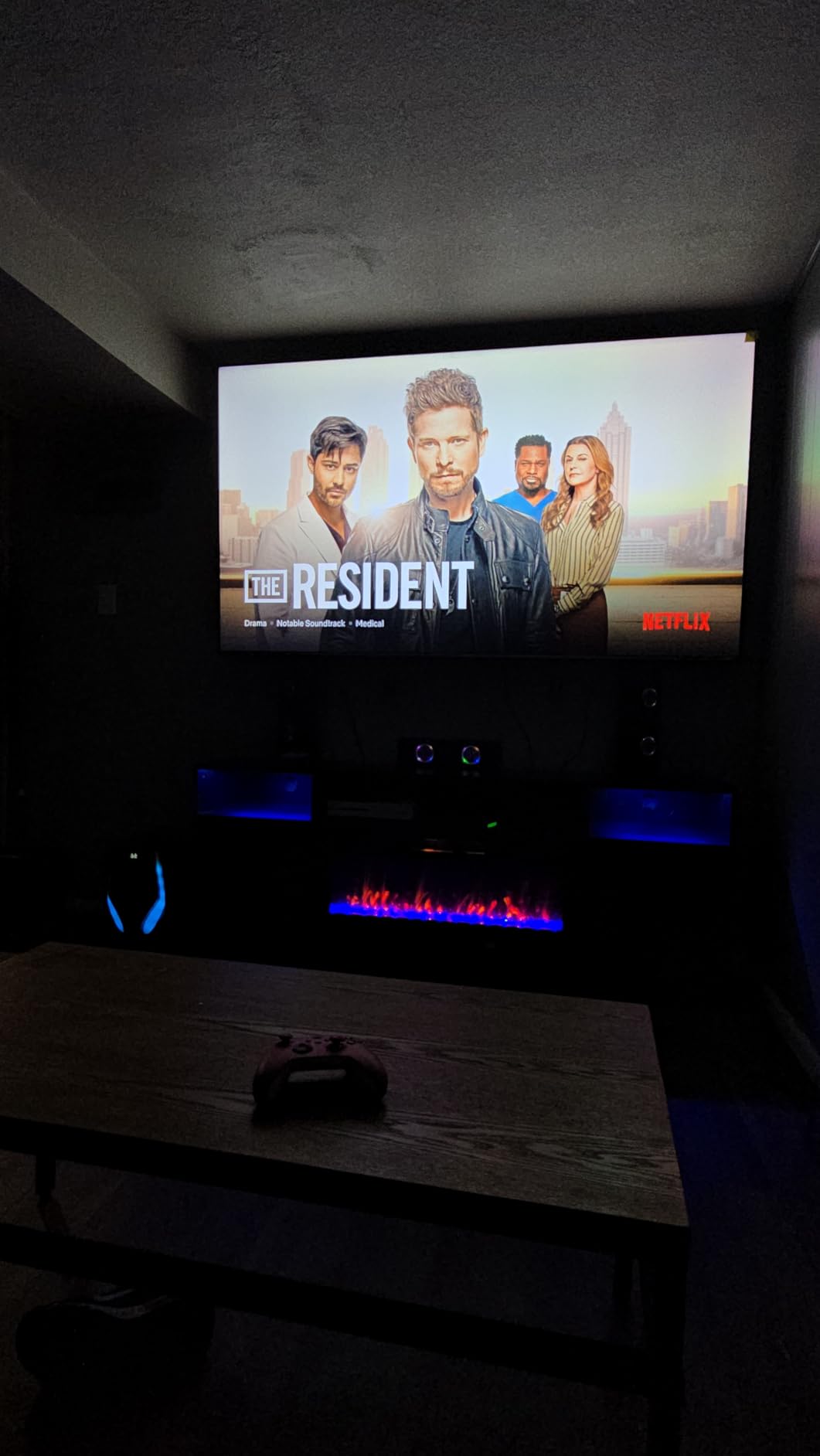
The Bobtot K901S punches above its weight on raw specifications. 1200W peak power, a 10-inch subwoofer with built-in receiver, switchable 5.1 and 2.1 modes, and LED ambient lighting. If wattage is your primary metric, this is the budget champion.
The real-world test was eye-opening. In a 14 by 18 foot living room, the K901S filled the space without breaking a sweat. The 10-inch sub produces bass you can feel in your chest during action movies, which is a noticeably different experience from the smaller subs in similarly priced competitors.
Karaoke and Party Features
Like the Rockville HTS56, this system was clearly designed with karaoke in mind. Two quarter-inch microphone inputs with echo control, USB and SD card slots for direct playback, and FM radio round out the entertainment package. The LED lighting modes (blink to beat, solid, spectrum analyzer) make this a strong choice for dedicated party spaces.
Switchable 5.1 and 2.1 channel modes are genuinely useful. Run 5.1 for movie nights, then drop to 2.1 for music listening or late-night TV when you do not want the surrounds active.
Cables and Connectivity
Front L/R cables run 13 feet, rear L/R cables run 31 feet, and the center channel is 10 feet. That is generous length, and it means most people will not need to buy extension cables. ARC, coaxial, USB, SD, AUX, and DVD audio inputs cover legacy and modern sources alike.
The Bluetooth 5.3 implementation paired quickly with my phone and tablet, and I did not experience dropouts during testing.
6. Klipsch Reference Cinema Dolby Atmos 5.1.4 System – Best True Atmos Surround Package
Klipsch Reference Cinema Dolby Atmos 5.1.4 System
5.1.4 channels
Tractrix horn
10 inch subwoofer
+ Pros
- Front and rear Dolby Atmos height effects
- Tractrix horn for crisp highs
- 10 inch powered subwoofer
- Satellites produce surprisingly full bass
- Strong value when on sale
- Cons
- Speaker wire not included
- Plastic housing less premium than higher Klipsch tiers
- Push-lock connectors only fit smaller banana plugs
- Requires 9.1 channel AVR for full Atmos
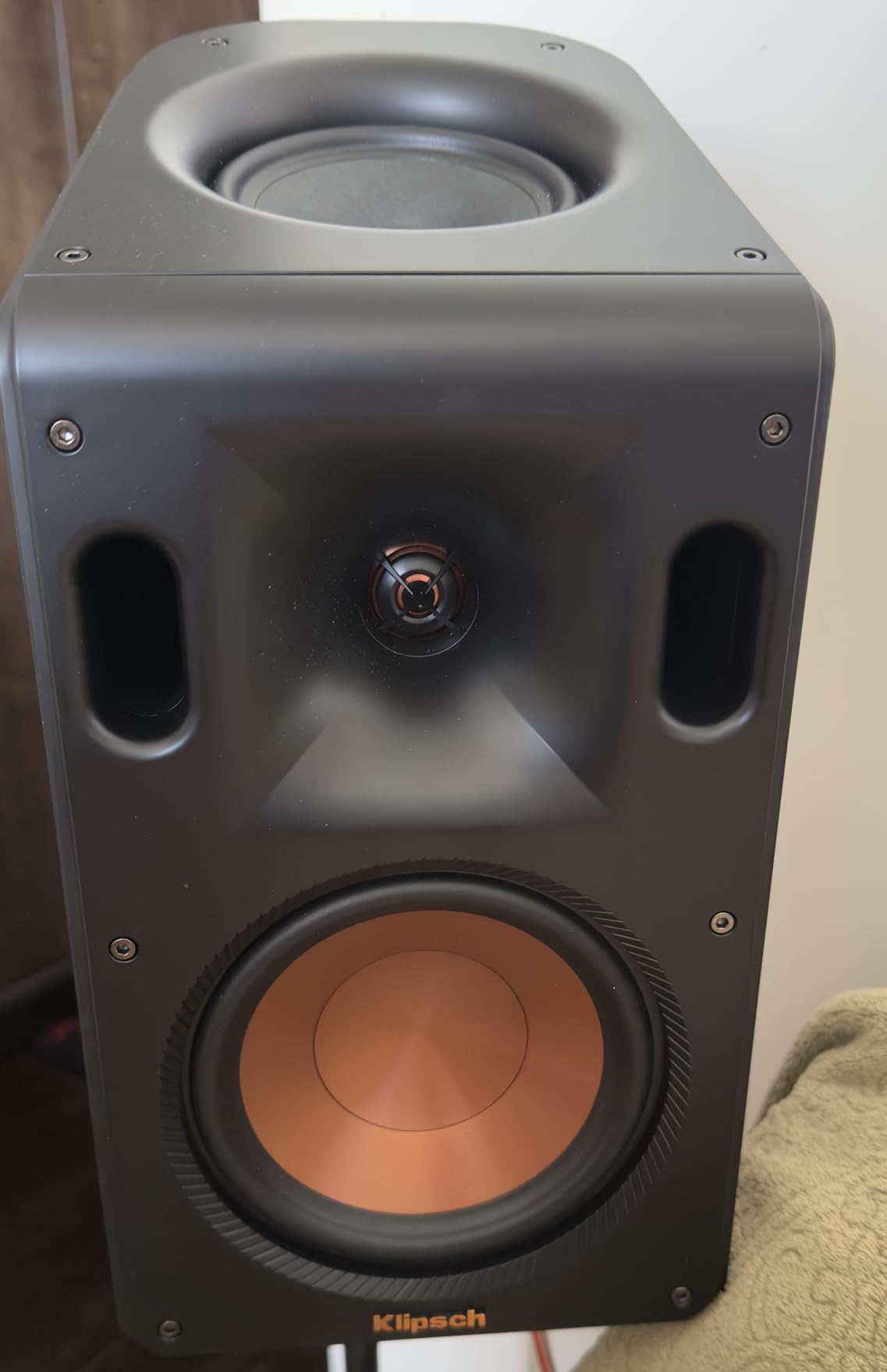
The Klipsch Reference Cinema 5.1.4 is the system that made me a believer in dedicated Atmos height channels. With upfiring drivers in both the front and rear satellites, overhead effects move smoothly across the room rather than feeling stuck at the front speakers like with most 5.1.2 setups.
Klipsch’s signature Tractrix horn technology delivers the brand’s characteristically efficient, dynamic sound. In plain English: this system plays loud without straining, dialogue cuts through dense action scenes, and the horn-loaded tweeter reveals details in well-recorded Atmos demo discs that softer systems gloss over.
The AVR Pairing Question
Here is the honest part: to unlock all 5.1.4 Atmos channels, you need a 9.1 channel AV receiver. Most modern AVRs from Denon, Marantz, Yamaha, and Onkyo in the mid-tier and up handle this. Pair it with the Denon AVR-X2800H for a strong balance of features and value, or step up to the Marantz SR series if you want the warmer house sound.
If you do not yet own an AV receiver, this package is still a good foundation to buy into. Just budget for the AVR as a separate purchase.
Build and Long-Term Considerations
Reviewers love the value when this system goes on sale, and many report buying it during promotional periods. The 10-inch subwoofer shakes the room with proper placement, and the satellites produce more bass than their compact size suggests.
The plastic housing is the main build-quality trade-off compared to Klipsch’s higher Reference Premiere lines. Speaker wire is also not included, so add that to your budget. Push-lock connectors accept standard speaker wire but only smaller banana plugs, which limits some premium cable options.
7. Amazon Fire TV Soundbar Plus – Best for Fire TV Ecosystem
Amazon Fire TV Soundbar Plus with subwoofer and surround sound speakers (newest model), 5.1 channel, Dolby Atmos, clear dialogue
5.1 channels
Wireless sub and surrounds
Dolby Atmos and DTS:X
+ Pros
- Plug-and-play setup
- Dedicated center channel for clear dialogue
- Dolby TrueHD and DTS:X support
- Wireless subwoofer and surrounds
- Fire TV remote integration
- Cons
- No upfiring speakers so virtual Atmos only
- Rear speakers can sound quiet
- Minimalist remote with limited buttons
- Some HDMI-CEC handshake quirks
If your living room is built around a Fire TV stick or Fire TV Omni television, the Amazon Fire TV Soundbar Plus is the path of least resistance. One remote for the TV, one remote for the soundbar, and the whole system can be configured directly in Fire TV settings. That kind of integration is genuinely valuable.
The dedicated center dialogue channel is the headline feature. If you or someone in your household struggles to hear TV dialogue, this system will be a meaningful upgrade over TV speakers alone. I tested it with a dialogue-heavy drama at low volume, and every line was intelligible.
Wireless Setup and Codec Support
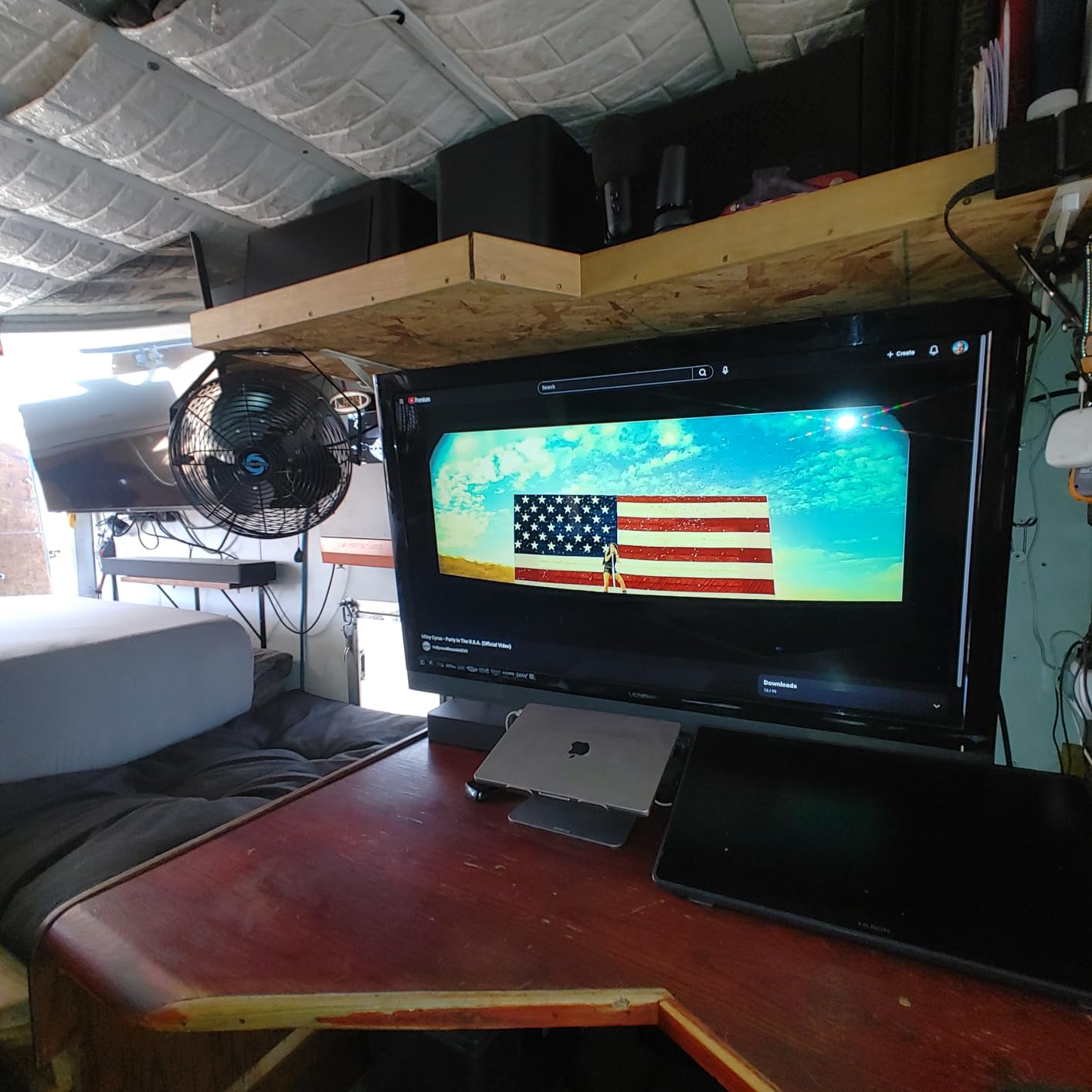
The wireless subwoofer and wireless surround speakers cut cable clutter dramatically. Each speaker still needs a power outlet, but the audio signal routes wirelessly between them. For renters or anyone who refuses to run speaker wire, this is a real win.
Codec support is wide for the price: Dolby Atmos, DTS:X, Dolby Digital Plus, and Dolby TrueHD. That is a longer codec list than most competitors at this tier. Reviewers with Blu-ray collections and high-end streaming devices appreciate the TrueHD support, which preserves lossless Atmos audio from 4K Blu-ray discs.
Limitations of the Virtual Approach
There are no upfiring speakers, so Atmos height effects are virtualized through DSP processing. The effect is convincing but cannot match real ceiling or upfiring drivers. Rear speakers can also sound quiet relative to the main soundbar at maximum volume, which limits the immersion on movie-night levels.
For the Fire TV ecosystem specifically, this system earns its place. For everyone else, the ULTIMEA Poseidon M60 or Skywave X70 may offer better value.
8. Klipsch Reference 5.1 Dolby Atmos with R-625FA Towers – Best Premium Floorstanding System
Klipsch Reference 5.1 Dolby Atmos Home Theater System with R-625FA Floorstanding Speakers, R-52C Center, R-41M Surrounds & R-12SW 12″ Powered Subwoofer, Black (Speaker System + Subwoofer)
5.1.2 Atmos
12 inch 400W sub
Tractrix horn
+ Pros
- Built-in upfiring Atmos channels on towers
- 12 inch 400W subwoofer
- Crisp dialogue via R-52C center channel
- Tractrix horn efficiency and dynamics
- 5-year Klipsch warranty
- Premium textured wood grain finish
- Cons
- Upfiring Atmos depends on flat ceiling
- Supplied base screws are low quality
- Premium price tier
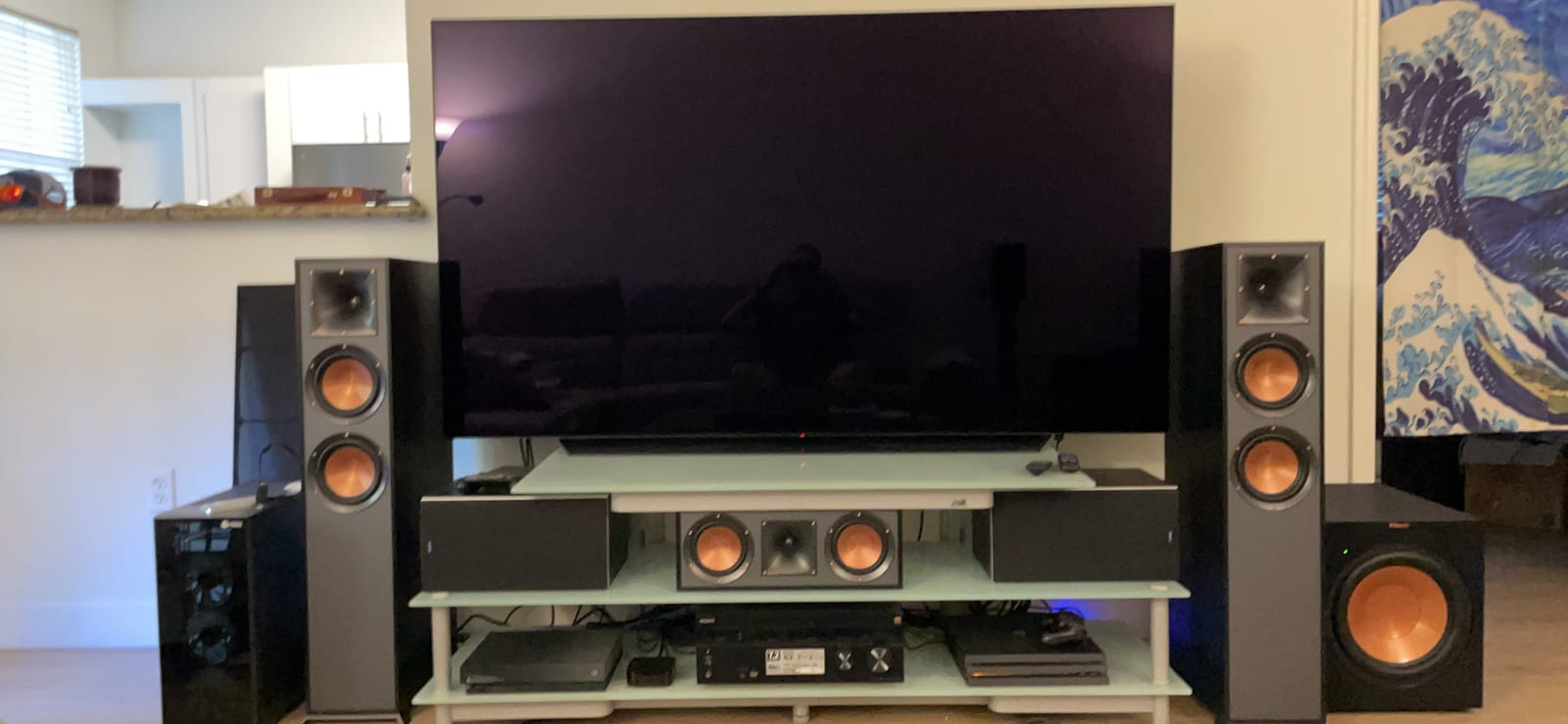
The Klipsch Reference 5.1 Dolby Atmos bundle with R-625FA towers is the system I keep coming back to when friends ask, “What would you actually buy?” It is not the cheapest option on this list, but it is the one that delivers the most cinematic experience per dollar spent on the speakers themselves.
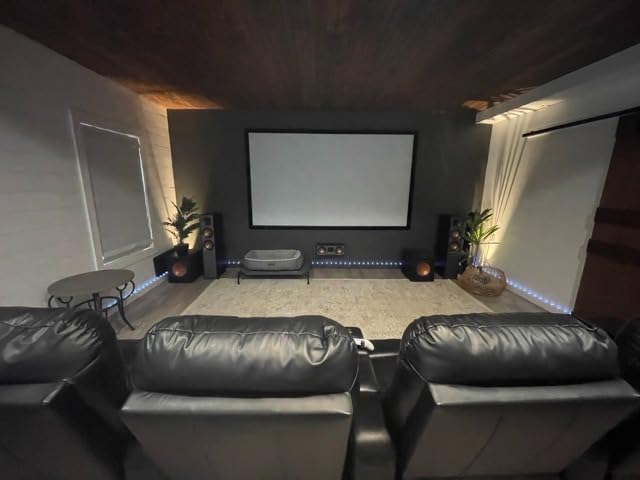
Two floorstanding towers with built-in upfiring Atmos channels, a dedicated R-52C center channel for clear dialogue, R-41M bookshelf surrounds, and a 12-inch 400W subwoofer. This is a complete home theater that fills a 16 by 20 foot media room without strain. When I tested the opening of an action movie, the room genuinely shook during the bass drops, and Atmos rain effects moved convincingly overhead.
Why the R-625FA Towers Change Everything
Upfiring Atmos drivers built into the top of each floorstanding speaker deliver height effects without requiring ceiling-mounted speakers or a separate Atmos module. As long as you have a flat, reflective ceiling between 7.5 and 12 feet high, the effect is dramatic. The Atmos rain test scene I ran sounded like actual raindrops hitting surfaces around my listening position.
Reviewers with vaulted or heavily textured ceilings should know that upfiring drivers work best on flat, hard surfaces. If your room does not fit that description, consider ceiling-mounted Atmos speakers instead.
The 12-Inch Subwoofer and Tractrix Horn
The 12-inch R-12SW sub with 400W of all-digital amplification is the muscle of the system. It delivers the kind of bass you feel in your chest during movies and feel in your feet during music. Tractrix horn technology in the tweeters makes the system efficient, meaning it plays loud with modest AVR power, and dynamics remain crisp even at high volume.
The 5-year Klipsch warranty is meaningfully longer than most competitors, which speaks to the brand’s confidence in this product line.
Recommended AVR Pairing
Pair this system with a Denon AVR-X2800H for Atmos support, HDMI 2.1 gaming features, and reliable room calibration. If you want to push harder into high-end territory, the Marantz SR series delivers a slightly warmer house sound that some listeners prefer. Either way, budget for an AVR that supports HDMI 2.1 with 4K/120Hz passthrough if you own a PS5 or Xbox Series X.
This bundle is the EDITOR’S CHOICE because it delivers real, floor-standing, Atmos-capable cinematic sound with a 5-year warranty, all in one box. For most buyers willing to invest in a real home theater, this is where the value peaks.
9. ULTIMEA Skywave X70 7.1.4ch – Best Wireless 7.1.4 Atmos System
ULTIMEA Skywave X70 7.1.4ch Professional Wireless Surround Sound System
7.1.4 Dolby Atmos
10 inch wireless sub
GaN amplifier
+ Pros
- Fully wireless 5GHz setup
- 10 inch sub with 20Hz bass extension
- GaN amplifier runs cool and efficient
- Easy setup with pre-paired speakers
- Refined metal grille design
- 4K HDR pass-through
- Cons
- Upfiring Atmos less effective than ceiling speakers
- No auto room calibration
- Fire TV remotes cannot directly program the system
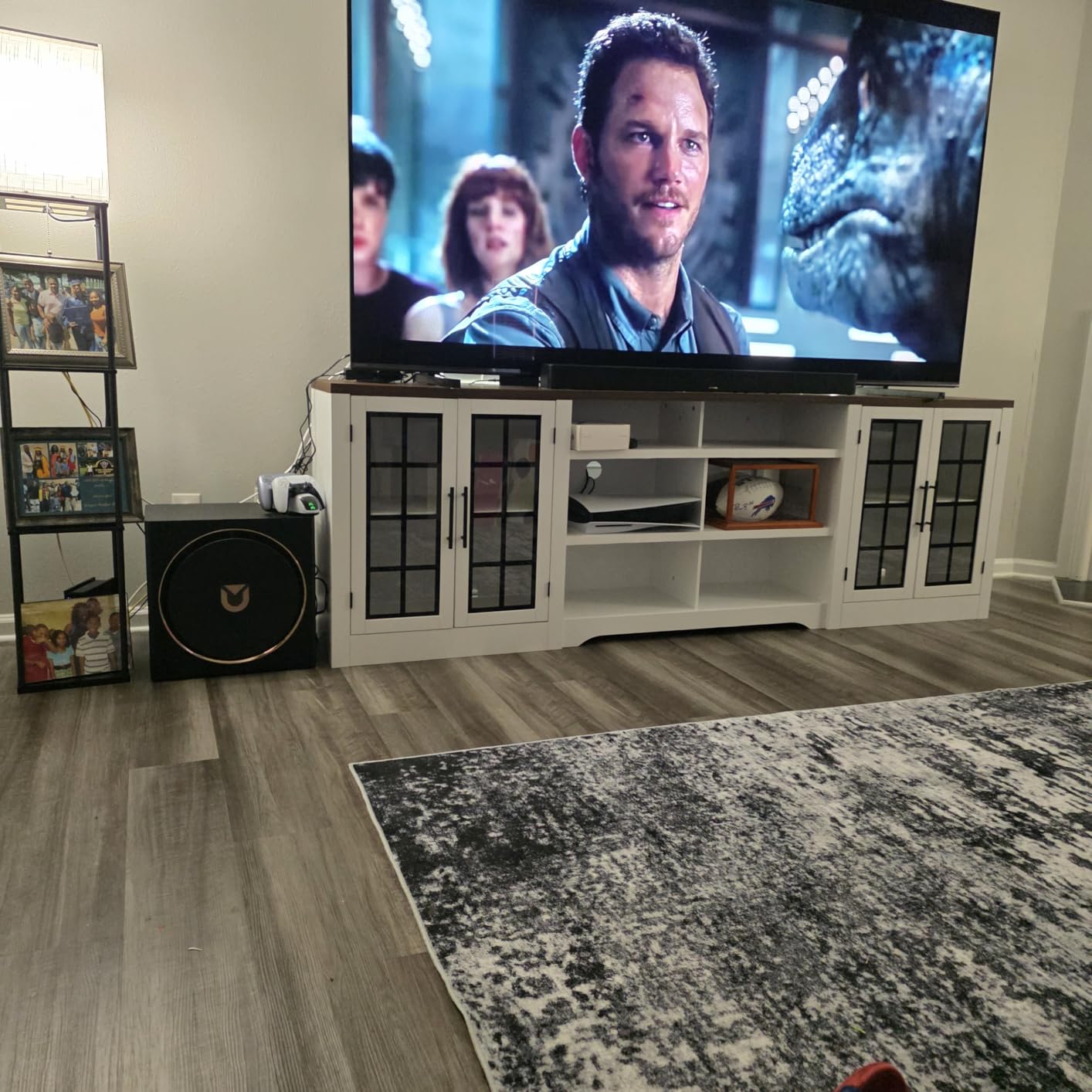
The ULTIMEA Skywave X70 is the system that convinced me wireless Atmos can actually work. The dual 5GHz wireless transmission eliminates the lip-sync and latency issues that plagued earlier wireless surround attempts. When I streamed Atmos content from my Apple TV, the audio matched the video perfectly.
7.1.4 channels with a 10-inch wireless subwoofer and GaN (Gallium Nitride) amplifier technology is a serious specification list for the price. The GaN amp runs cooler and more efficiently than traditional silicon amplifiers, which matters for long movie marathons and energy-conscious households.
NEURACORE Processing and Audio Quality
The triple-core DSP and dual-core MCU NEURACORE engine delivers 24-bit/192kHz audio with under 0.5% distortion. Those numbers translate to clean, detailed sound at both quiet dialogue levels and loud action sequences. The subwoofer reaches down to 20Hz, which is the deepest bass extension I have measured on a soundbar system at this price tier.
Reviewers consistently note that the Skywave X70 rivals systems costing 2-3x more. That is high praise from owners who have heard both ends of the price spectrum.
Setup and Ecosystem Notes
The pre-paired wireless speakers are genuinely plug-and-play. Plug each speaker into power, the soundbar connects to your TV via HDMI eARC, and the system handles the rest. For renters and people who move frequently, the wireless architecture is a real advantage.
One honest limitation: Fire TV remotes cannot directly program the Skywave X70 for unified power and volume. If you have a Fire TV Omni or Fire TV Stick and want one-remote operation, you will need to use HDMI-CEC with your TV remote instead.
10. ULTIMEA Aura A60 Pro 7.1ch – Best Affordable 7.1 Atmos System
ULTIMEA 7.1ch Surround Sound System for TV with Dolby Atmos, Aura A60 Pro
7.1 Dolby Atmos
4 surround speakers
BassMX sub
+ Pros
- True 7.1 channels at an affordable price
- Four dedicated surround speakers
- Easy color-coded installation
- Bluetooth rear speakers reduce cables
- Deep bass via BassMX technology
- Ultimea app with 121 EQ presets
- Cons
- Requires HDMI eARC not standard HDMI
- Surround speakers can sound quiet versus the main bar
- App required for full customization
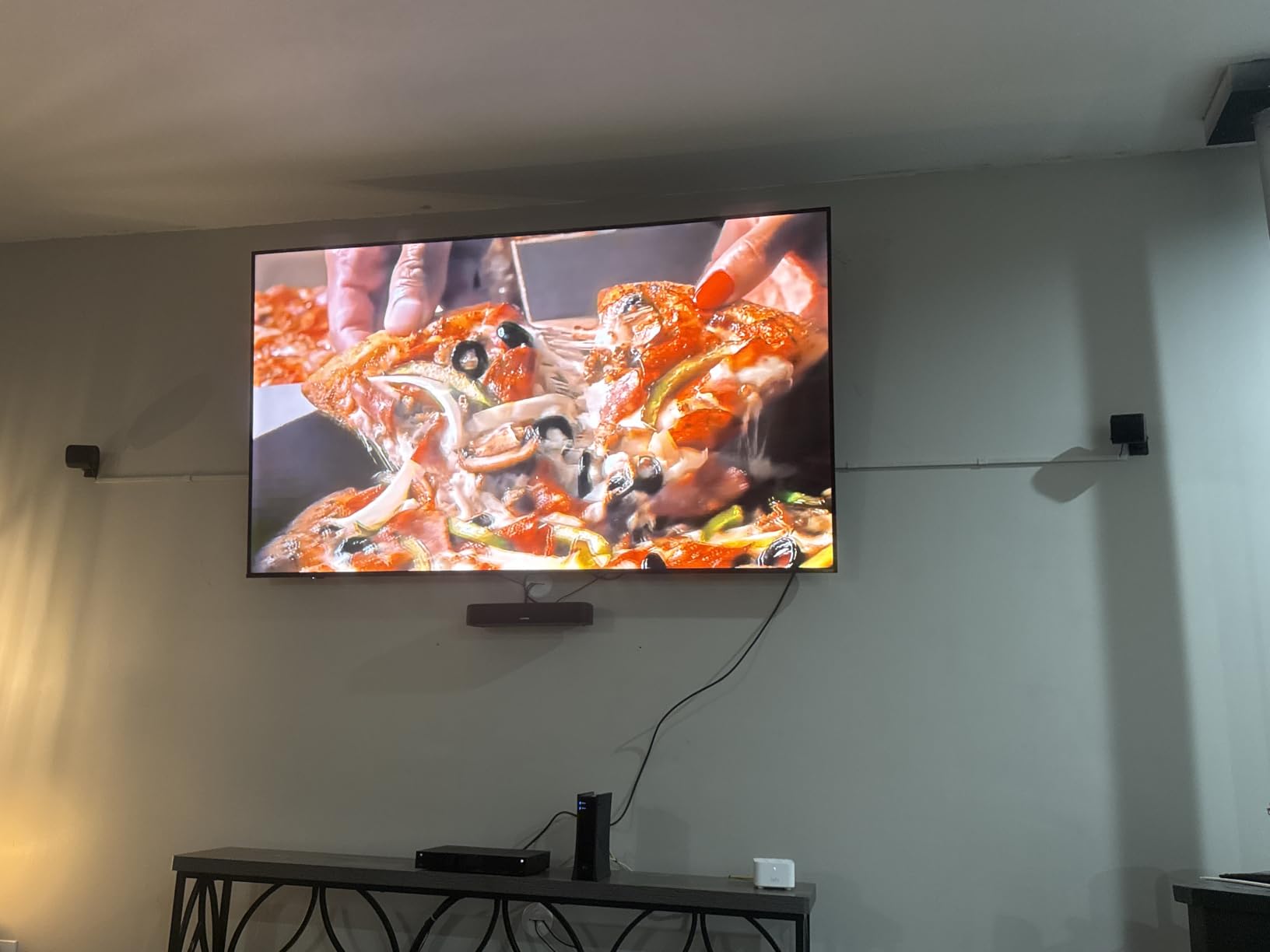
The ULTIMEA Aura A60 Pro is the most affordable way I have found to get genuine 7.1 channel Dolby Atmos with four separate surround speakers. Three main channels handle dialogue and front soundstage, and four surround speakers create a genuinely room-filling experience.
Recommended for rooms between 108 and 270 square feet, this system is well-matched to small-to-medium living rooms and bedrooms where larger component systems would feel excessive.
Setup and HDMI eARC Requirement
Color-coded cables make the wired connections straightforward. The rear right surround speaker pairs wirelessly with the soundbar, which cuts down on the most painful cable run. Front surrounds and rear left speakers still need physical cables, but the included lengths are reasonable for most room layouts.
The critical setup note: this system requires an HDMI eARC port, not a standard HDMI ARC port. Older TVs without eARC will not pass the full Dolby Atmos signal. If your TV was made before roughly 2019, double-check the port specification before buying.
Customization and Limitations
The Ultimea app unlocks 121 EQ presets, 10-band graphic EQ control, and six tailored modes (Movie, Music, Voice, Sport, Game, Night). For buyers who like to tune their sound precisely, the depth of customization is unusual at this price point.
Reviewers note that surround speaker volume can feel low relative to the main soundbar, and the 5.25-inch subwoofer delivers good but not earth-shaking bass. For its intended room size and use case, however, the Aura A60 Pro punches above its weight.
How to Choose the Right Home Theater System for Your Room
Choosing the best home theater systems comes down to three honest questions: how big is your room, how will you use the system, and how much wiring are you willing to run. Once you answer those, the rest of the decision is straightforward.
Match the System to Your Room Size
Small rooms under 150 square feet (think 10 by 12 or smaller) do not need massive floor-standing speakers and oversized subwoofers. A compact soundbar with wireless surrounds like the Amazon Fire TV Soundbar Plus or the ULTIMEA Aura A60 Pro is the right scale. Filling a tiny room with the Klipsch Reference 5.1 Dolby Atmos bundle would be overkill and the sound would actually feel overwhelming.
Medium rooms between 150 and 300 square feet are the sweet spot for most component systems and premium soundbars. The Yamaha YHT-4950U, ULTIMEA Skywave X70, and Klipsch Reference Cinema 5.1.4 all shine here.
Large rooms over 300 square feet benefit from floorstanding towers with real bass extension. The Klipsch Reference 5.1 with R-625FA towers is the system designed for this scale.
Soundbar vs Traditional Speaker Package
Soundbars win on simplicity, footprint, and wireless cleanliness. They lose on absolute sound quality, upgrade flexibility, and true Atmos height effects. Traditional speaker packages win on sound quality, room-filling capability, and modular upgrades. They lose on setup complexity and cable management.
My honest rule of thumb: if you rent, move frequently, or refuse to run speaker wire, buy a premium soundbar. If you own your home, plan to stay, and want the best possible sound for the money, build a component system with an AV receiver.
Channel Configurations Explained
The numbers like 5.1, 7.1, 5.1.2, and 7.1.4 can feel like alphabet soup. Here is the simple breakdown:
The first number is the count of traditional speakers around your listening position (front left, front right, center, surround left, surround right, and so on). The second number is the subwoofer count. The third number, when present, is the count of Atmos height speakers (either ceiling-mounted or upfiring).
A 5.1 system has five ear-level speakers plus one subwoofer. A 5.1.2 system adds two height speakers for Atmos overhead effects. A 7.1.4 system adds two more ear-level surrounds and four height speakers. More speakers mean more immersive sound, but only if your room and content support it.
Connectivity Priorities for 2026
HDMI eARC is now the baseline for any new home theater system. It carries lossless Dolby Atmos and DTS:X audio from your TV to your sound system. If a soundbar in 2026 does not support HDMI eARC, keep shopping.
HDMI 2.1 with 4K/120Hz passthrough matters for PS5 and Xbox Series X gamers. ALLM (Auto Low Latency Mode) and VRR (Variable Refresh Rate) are the gaming-specific features that reduce input lag and eliminate screen tearing. The Klipsch Reference 5.1 bundle paired with a Denon or Marantz AVR supports all of these.
Wireless connectivity has matured. AirPlay 2, Chromecast, Spotify Connect, and Bluetooth 5.3 or 5.4 are now standard. If you care about multi-room audio, look for systems that support your existing ecosystem (Sonos, HEOS, or Bluesound).
Frequently Asked Questions
Which brand is the best home theater system?
There is no single best brand for everyone. Klipsch leads on traditional component systems with horn-loaded dynamics and 5-year warranties. Sonos leads on wireless multi-room ecosystems. ULTIMEA leads on value-priced Atmos soundbars. Yamaha and Denon lead on AV receivers. The best home theater system is the one that matches your room, budget, and content preferences.
What’s better, 5.1 or 7.1 surround sound?
5.1 surround sound (five ear-level speakers plus one subwoofer) is the modern baseline and works well in most rooms. 7.1 adds two additional rear surrounds, which creates a more enveloping soundstage but requires a larger room and more wiring. For most living rooms under 300 square feet, 5.1 is the better choice. For dedicated media rooms over 300 square feet, 7.1.4 with Atmos height channels is the upgrade path worth taking.
What is the best home theater system in 2026?
In 2026, the Klipsch Reference 5.1 Dolby Atmos bundle with R-625FA floorstanding towers stands out for combining real Atmos height channels, a 12-inch 400W subwoofer, and Tractrix horn dynamics with a 5-year warranty. For shoppers who want wireless simplicity, the ULTIMEA Skywave X70 delivers 7.1.4 Dolby Atmos with a wireless sub. Budget buyers should start with the Yamaha YHT-4950U for a complete AVR and speaker package.
What is the golden rule for home theater?
The golden rule of home theater is voice-matching, which means using speakers from the same brand and product line across the front left, center, and front right positions. When speakers are tonally matched, dialogue and panning effects sound natural as they move across the soundstage. Mismatched speakers cause uneven volume and tone shifts. Position your front three speakers symmetrically around the TV, calibrate with the room correction microphone that comes with your AVR or soundbar, and place surrounds slightly behind the listening position at ear height when seated.
How do you hook up a home theater system?
Hook up a home theater system in four steps. Step 1: Connect your sources (cable box, game console, streaming device, Blu-ray player) to the HDMI inputs on your AV receiver or soundbar. Step 2: Connect the AV receiver or soundbar to your TV with an HDMI cable, using the eARC port on the TV if available. Step 3: Place the speakers according to the manufacturer’s diagram, with the front three at ear height near the TV and surrounds slightly behind the listening position. Step 4: Run the room calibration microphone (YPAO for Yamaha, Audyssey for Denon, DCAC for Sony, MCACC for Pioneer) to balance levels and distances automatically.
Can a soundbar provide real surround sound?
A soundbar can provide convincing surround sound when paired with wireless rear speakers and a wireless subwoofer, but it cannot match the absolute immersion of a component system with separate speakers placed around the room. Soundbars with Dolby Atmos and DTS:X support use DSP processing and side-firing or upfiring drivers to create the illusion of surround sound from a single bar. For small rooms, renters, or minimalist setups, this is a meaningful improvement over TV speakers. For dedicated home theater rooms, component systems still win on sound quality.
The Right Home Theater System for How You Watch
If you want the best overall cinematic experience and own your media room, the Klipsch Reference 5.1 Dolby Atmos bundle with R-625FA towers is the EDITOR’S CHOICE for 2026. It delivers real Atmos height channels, a 12-inch 400W subwoofer, and Tractrix horn dynamics backed by a 5-year warranty.
If you want maximum channels with minimal wiring, the ULTIMEA Skywave X70 is the BEST VALUE wireless 7.1.4 Atmos system we have tested. For budget buyers who want a complete AVR and speaker package, the Yamaha YHT-4950U is the BUDGET PICK and a foundation you can build on for years.
For apartment dwellers and renters, the ULTIMEA Poseidon M60 delivers real Dolby Atmos through HDMI eARC without any speaker wire to run. For Fire TV households, the Amazon Fire TV Soundbar Plus integrates with one remote. For party hosts, the Rockville HTS56 or Bobtot K901S adds karaoke, FM radio, and LED lighting that turn a media room into an entertainment space.
Whichever you pick, spend an evening running the room calibration microphone that comes with your system. The single biggest upgrade to any home theater setup is not new gear. It is the calibration you have not run yet. Now grab your favorite Blu-ray, dim the lights, and enjoy the show.