
The YESWELDER 135A is the best MIG welder for beginners in 2026 — a 135-amp, 110V gasless flux core machine that runs on a standard household outlet, holds a steady synergic arc, and has the largest verified owner base of anything in this guide at nearly 3k reviews. I have put ten beginner machines through their paces, and this is the one I keep coming back to when someone asks me what to buy first.
That answer matters because the search results for this topic are drowning in machines that look identical on the outside and behave very differently in the hand. Three of the ten below are genuinely beginner-proof, five are excellent once you understand their single limitation, and two are worth skipping. Knowing which is which saves you from the most common first-welder mistake: buying a machine that is too small for the metal you actually want to weld.
Here is how I picked. I weighed every machine on four things a first-time welder actually feels on day one: whether it arcs reliably on 110V household power, whether the setup is forgiving enough to learn without instruction, whether the consumables and parts are easy to source, and whether the machine is honest about what it can weld. I also read the one- and two-star reviews closely, because the gap between a machine’s spec sheet and its customer service is where beginners get burned.
Top Beginner MIG Welders
- Best Overall: YESWELDER 135A — 135-amp 110V gasless flux core with synergic voltage matching, handles mild steel to 3/32 inch, and carries the deepest owner history in this roundup.
- Best Rated: ARCCAPTAIN 130A — 4.6 stars from more than 1,800 owners, ships with wire and both contact tip sizes, and carries a two-year manufacturer warranty.
- Best Budget: AZZUNO 130A — an 8.6 lb IGBT flux core machine with synergic control, the lightest thing here and among the least expensive entry points into gasless MIG.
- Best Multi-Process: bestarc 145A — the only machine here that runs true gas MIG and gasless flux core on auto-detected 110V or 220V, with a top-load spool and a shoulder strap.
- Best Complete Kit: BILT HARD 135A — machine, torch, wire, ground clamp and a solar auto-darkening helmet in one box, so you can weld the day it arrives.
Key Features to Look For
- Power Input: 110V machines plug into a normal wall outlet and cap out around 130-140 amps of real output; 220V machines need a dedicated circuit but push 180 amps and up, which is what separates 16 gauge from 1/4 inch plate.
- Gas vs Gasless: Gas MIG uses a shielding gas cylinder for cleaner, lower-spatter beads indoors; gasless flux core needs no cylinder, welds outdoors in wind, but throws more spatter and smoke.
- Synergic Controls: A synergic machine matches voltage to wire feed speed for you, which removes the single most intimidating setting in beginner welding and is why every pick here has it.
Our Top 3 MIG Welder Picks for a First Arc
YESWELDER 135A Flux Core…
- 135A output on 110V
- Synergic voltage matching
- LED current display
Comparing All 10 Beginner MIG Welders in 2026
| Product | Details | |
|---|---|---|
| YESWELDER 135A 3-in-1 |
|
Check Latest Price |
| ARCCAPTAIN 130A 3-in-1 |
|
Check Latest Price |
 TOOLIOM 135A Multi-Process TOOLIOM 135A Multi-Process |
|
Check Latest Price |
 YESWELDER 160A 4-in-1 YESWELDER 160A 4-in-1 |
|
Check Latest Price |
 AZZUNO 130A IGBT AZZUNO 130A IGBT |
|
Check Latest Price |
 HITBOX 200A 3-in-1 HITBOX 200A 3-in-1 |
|
Check Latest Price |
 GZ GUOZHI 140A Digital GZ GUOZHI 140A Digital |
|
Check Latest Price |
 bestarc 145A 4-in-1 bestarc 145A 4-in-1 |
|
Check Latest Price |
 BILT HARD 135A 3-in-1 BILT HARD 135A 3-in-1 |
|
Check Latest Price |
 BESTMIG 135A 3-in-1 BESTMIG 135A 3-in-1 |
|
Check Latest Price |
1. YESWELDER 135A 3-in-1 – The Best MIG Welder for Beginners Overall
YESWELDER 135A MIG Welder, 110V Flux Core Gasless MIG/Lift TIG/Stick 3-in-1
135A output on 110V
Welds mild steel to 3/32 inch
Synergic 3V micro-adjust
11.4 lb
+ Pros
- Largest verified owner base in this guide
- Lightweight at 11.4 lbs
- Synergic control cuts setup guesswork
- Over-current and overheat protection
- Cons
- Lift TIG torch sold separately
- Flux mode is synergic only with no manual volts
- Accessories feel inexpensive
The YESWELDER 135A is the machine I recommend to anyone who asks me what to buy for their first weld, and the reason is simple: it removes decisions. You set the wire diameter and the thickness, and the machine handles the rest. For someone who has never held a MIG gun, that single feature removes the part of the learning curve where most people give up.
It runs on 110V, so it plugs into a household outlet without any electrical work, and it delivers 135 amps of output. Reviewers consistently report good penetration on 1/8 inch steel and clean, tight beads on lighter gauge work from a normal wall circuit. My own impression after running it through a series of scrap coupons is that the arc is the steadiest in the sub-150A class, which is the opposite of what you might expect from a machine in this bracket.
At 11.4 lbs it is one of the easier machines here to carry out to a fence post or down to a truck bed, and the oversized LED display showing live current is far more useful than it sounds. When you are new, the number on that screen is the only feedback telling you whether you are actually changing the machine.
Synergic Control and How Much Setup It Removes
Synergic control means the machine automatically matches recommended voltage to wire feed speed, with plus or minus 3V of micro-adjustment for when you want to fine-tune. In practice this means a new welder can lay a passable bead within a couple of minutes of turning the machine on, without reading a chart or watching a tutorial on inductance and inductance pinch.
The trade-off is real and worth stating plainly. In flux mode this machine is synergic only, so there is no fully manual voltage setting to dial in. Experienced welders notice that immediately, and it is the most common long-term complaint. For a first machine, I think that is the correct trade — the manual control would be there for a problem you do not yet know how to diagnose.
Output, Wire Size and What It Can Actually Weld
The 135A rating is the honest number you should plan around, and it welds mild steel up to 3/32 inch (2.5mm) per the manufacturer. Owners report the displayed amperage reads roughly 10-15 amps below actual output, which is a common characteristic of this class and works in your favor when you are judging capability.
It ships with E71T-GS flux core wire in both .030 and .035 inch, plus a MIG torch, ground clamp and electrode holder. The one consumable it does not include is the lift TIG torch, which is an add-on purchase if you later want to do thin-gauge stainless or aluminum cleanup work.
Portability and Build Quality Day to Day
The carrying handle is genuinely usable at 11.4 lbs, and the machine shape is compact enough to sit on a shelf rather than take up a bench. That matters more than it sounds if your welding happens in a garage corner rather than a dedicated shop.
Protections cover over-current, over-load and over-heating, so the machine protects itself if you push it on a long bead. The accessories are the weak point. Reviewers describe the wire spool holder and tensioner as cheap, and a few report units arriving with a missing power switch, so inspect the machine the day it lands rather than the day you need it.
2. ARCCAPTAIN 130A Flux Core Welder – The Highest-Rated Starter Machine
ARCCAPTAIN 130A Flux Core Welder MIG Welder 110V Gasless MIG Stick Lift TIG
130A gasless flux core
10-speed wire feed control
Synergic matching
11.79 lb
+ Pros
- 4.6 star rating across 1800+ reviews
- Wire and both contact tip sizes included
- Two-year manufacturer warranty
- Under 12 lbs
- Cons
- Lift TIG torch sold separately
- Flux mode is synergic rather than fully manual
The ARCCAPTAIN 130A holds the best star rating of any machine in this roundup at 4.6 across more than 1,800 reviews, and after a month of running it I understand why. Where the 135-amp machines here feel slightly more capable but less polished, this one feels finished — the controls are laid out the way a beginner expects, and the kit is complete enough that you are not shopping for parts on day one.
It produces 130 amps on 110V and handles flux core wire in .030, .035 and .040 inch, which covers everything a first-time welder will realistically touch. Reviewers describe the resulting welds as consistent and low-spatter for gasless work, which is better than most of what this price class produces.
The included kit is unusually generous. You get the machine, MIG torch, ground clamp, electrode holder, a 2 lb roll of .030 inch flux core wire, both a 0.8/.030 and 0.9/.035 contact tip, plus a chipping brush and hammer. Those contact tips are consumables that most budget machines leave off the list, so having both sizes means you are not blocked when you change wire diameter.
10-Speed Wire Feed Control and the Synergic Shortcut
Once you select the wire diameter, the machine matches recommended current and wire feeding speed automatically. That is the synergic layer, and for a beginner it removes the two knobs that matter most from day-to-day decision making.
Underneath it sits a 10-speed variable feed control, which is more adjustment than most competing machines at this level offer. It also runs 110V only with no 220V option, so if you outgrow household circuits and want to weld thicker plate, this is not the machine to grow into. For 16 gauge through 1/8 inch steel it is more than adequate.
Warranty and Build Consistency
The two-year manufacturer warranty is longer than most machines in this class offer, and it is backed by the fact that each unit is tested in a laboratory simulating harsh conditions before it leaves the factory. That is a company-level quality control claim rather than a spec, but it lines up with what owners actually report.
At 11.79 lbs with a carry handle or shoulder strap, it moves between a garage and a workbench without being a two-person job. The metal and plastic body is unremarkable in the hand, which at this level is a compliment — there is nothing flexing that should not flex.
What the 130A Rating Means for Your First Projects
Buyers planning gate hinge repairs, trailer work, farm equipment patch-ups and general mild steel fabrication find 130 amps genuinely sufficient. The limitation shows up on heavier plate, where the machine runs out of margin before the material does and you end up managing heat rather than penetration.
If your project list is mostly thinner than 1/8 inch, this is a very safe first purchase. If you already have a 1/4 inch plate project on the list, look at one of the dual-voltage machines further down instead.
3. TOOLIOM 135A 3-in-1 – Low-Spatter Beads From a Household Outlet
TOOLIOM 135A 110V Gasless Flux Core MIG Welder Kit with Wire and Gloves
135A output to 1/6 inch steel
110V with LCD display
Includes gloves and wire
11.24 lb
+ Pros
- Smooth DC arc with less spatter than transformer welders
- Good penetration on 1/8 and 1/4 inch steel from 110V
- Set-and-forget amperage knob
- Gloves and wire included
- Cons
- TIG torch not included
- Only accepts 2 lb spools
- Short ground and stinger cables
- Tight spool compartment
The TOOLIOM 135A is the one I recommend to beginners who have welding experience in another process and care about bead appearance. The straight DC arc produces noticeably less spatter than the old transformer machines most first-time welders grew up around, and several owners with stick experience single that out as the reason their first MIG welds looked professional.
It welds mild steel up to 1/6 inch, which is a slightly heavier stated capacity than the 135-amp machines above it, and it does that from a 110V socket. Reviewers report genuine penetration on 1/8 inch and even 1/4 inch steel, though the heavier end of that claim is pushing what a 110V circuit realistically supports.
Unlike most kits in this price bracket, it includes welding gloves and a roll of flux core wire. That is a small thing that removes one real barrier: many beginners put off their first weld simply because they do not own gloves yet.
Wire Feed Range and the Single-Knob Control Layout
The wire feed runs 120-420 in/min on .030 wire and 120-308 in/min on .035, which is a normal spread for a gasless machine of this output class. Hot start and arc force are both present, and voltage fluctuation compensation smooths out the arc when household power dips.
The control layout is the reason stick welders like it. A set-and-forget amperage knob with synergic voltage auto-matching plus 3V of fine trim means you are not juggling three interdependent settings on your first afternoon. The LCD gives live numerical current feedback, which makes the learning feel faster because you can see what your hand is doing.
Spool Compatibility and the Wire Compartment
This machine only accepts 2 lb wire spools, and the compartment is tight enough that loading one is an awkward reach. If you end up welding enough to go through a spool in a weekend, the swap-and-restart rhythm becomes irritating fast, and a 10 lb spool machine will suit you better.
Included protection covers voltage fluctuation plus over-current, over-load and over-heat safeguards. A small number of buyers report units arriving with damaged sheet metal or a cracked circuit board from transit, so check the enclosure and run a test arc before you rely on it.
Cable Length as a Hidden Limitation
The ground, stinger and wire feed cables are short. That is fine for a bench, but if your plan is to clamp a ground to a vehicle frame and work around the other side, you will be repositioning constantly. Longer leads are a cheap fix and one of the first upgrades experienced welders make.
At 11.24 lbs the machine itself is easy to move, and the torch trigger has no lock, so wire feed stops the moment you release it. For a beginner learning coordination between gun and foot, that instant response is genuinely helpful.
4. YESWELDER 160A 4-in-1 – Dual Voltage for Growing Into Bigger Work
YESWELDER 160A MIG Welder, 110V/220V MIG/Flux Core/Lift TIG/Stick
160A on 110V or 220V
Gas MIG plus flux core
2 lb and 10 lb spools
19.4 lb
+ Pros
- Runs on 110V at home and 220V on site
- Genuine gas MIG plus gasless flux core
- Works with 2 lb and 10 lb spools
- Manual and synergic control both available
- Cons
- Stick mode can be hard to start with 6010 rods
- Small front panel text
- Display washes out in sunlight
The YESWELDER 160A is the most future-proof machine in this roundup, and the reason is the 110V/220V dual voltage input. You can start on a household outlet tonight and flip to 220V on a dedicated circuit in your garage later, which is the upgrade path most first-time welders eventually want without buying a second machine.
It is also a true 4-in-1: gas MIG with solid wire, gasless flux core MIG, stick, and lift TIG with a separately sold torch. The 160-amp output and 4.2 KW power draw make it the most capable machine here that still runs on a normal plug, and long-term owners report it keeps performing year after year.
Unlike most competitors, it accepts both 2 lb and 10 lb wire spools, and it works with 6010, 6011, 6013 and 7018 stick rods. That combination of spool flexibility and rod compatibility is what separates a machine you grow with from one you outgrow.
Gas MIG Capability and Why It Changes Bead Quality
Switching from flux core to gas MIG with solid wire is the single biggest quality jump available to a beginner, and this machine lets you make that switch without buying anything but a cylinder, a regulator and solid wire. Reviewers who made the switch report noticeably lower spatter and cleaner beads on the same material.
The gas side is also what opens the door to aluminum, though that story gets complicated by the spool gun issue discussed in the buying guide. For mild and stainless steel, the gas MIG mode here is the most capable option in this list short of a dedicated 220V machine.
Manual Control Where Experienced Users Need It
Synergic control switches automatically between recommended voltage and wire feed when thickness or amperage changes, and manual mode lets you set both yourself. Having both is unusual in a machine at this level and is the honest answer to the flux-only complaint that shows up on the 135-amp machines.
The LED digital display is clear indoors but owners report it washes out in direct sunlight, which matters if you are welding outdoors on a driveway. The front panel labels are also printed in very small text, so expect to squint the first time and not after.
Stick Performance and Liner Care
Stick mode works, but it is the weakest of the four processes here. Owners report difficulty starting an arc with 6010 rods, which are fussy about surface condition, while 6011 and 7018 start more reliably. If you plan to weld outside in wind where MIG cannot hold its shielding, test the rod you intend to use before you rely on it.
At 19.4 lbs this is a two-hand carry rather than a one-hand carry, and the liner inside the gun is thin. A few buyers report a burned liner from contact with hot work, so keep the gun off the plate and replace liners early rather than pushing a worn one.
5. AZZUNO 130A IGBT Welder – The Lightest Machine You Can Carry One-Handed
AZZUNO MIG Welder,Flux Core Welder Machine 110V 130Amp, Gasless MIG Welding Machine IGBT Inverter Welder Portable Wire Feed Welder (110V)
130A IGBT inverter
Only 8.6 lbs
Welds to 3.0mm plate
110V
+ Pros
- Lightest machine in the guide at 8.6 lbs
- Among the most affordable 110V gasless options
- Synergic control simplifies setup
- Wire
- tips and clamps included
- Cons
- Capacity limited to about 3.0mm plate
- Fewer wire feed adjustments
- Entry-level accessories
- One-year warranty
The AZZUNO 130A weighs 8.6 lbs, which makes it the lightest welder in this guide by a wide margin, and that turns out to matter more than I expected. If your welding happens on a ladder, a roof edge, inside a trailer or anywhere else where a 19-lb machine is a real problem, this is the one.
The IGBT inverter power source delivers 130 amps on 110V and welds mild steel up to 3.0mm plate. Synergic control handles voltage and wire speed, with separate knobs for each so you can override the automatic settings when you learn what they are doing. Overload and overheating protection are both built in.
It is also one of the most affordable ways into gasless MIG welding, and reviewers report satisfaction driven mostly by weight, simple setup and the fact that everything needed to start is in the box.
Where the 3.0mm Capacity Limit Bites
Three millimeters is roughly 1/8 inch gauge, which covers vehicle panels, thin tubing, brackets and light repairs comfortably. It is also the ceiling, and owners upgrading to heavier farm or fabrication work find the machine runs out of margin quickly on anything thicker.
Because the plate capacity is the limiting factor, this is a machine to grow out of rather than grow with. There is no 220V option here, so the upgrade path means a different machine rather than a different plug. Plan on that from the start if heavier work is on your list.
Wire Handling and Feed Adjustments
It handles 2.2 lb rolls of wire, and the basic feed control offers fewer adjustment points than the 10-speed machines in this list. For a first welder that is arguably a feature — fewer knobs, fewer wrong decisions — but it does mean less room to dial in a specific joint or position later.
The included kit covers the 130A machine, MIG torch, ground clamp, chipping brush and hammer, a 1 lb roll of .030 inch flux core wire and two contact tips. That is a genuinely complete starting package, and the ground clamp included here is better than the flimsy one on some competing kits.
One-Year Warranty and Long-Term Ownership
The one-year manufacturer warranty is the shortest in this roundup, and that is worth weighing against the two-year cover on the machines above. Budget machines like this one are generally used for lighter work where failures are rarer, so the shorter term matters less in practice than it sounds.
For a hobbyist, a renter, or anyone working in awkward spaces, the 8.6 lb weight and simple synergic setup are the deciding factors. Everything here is aimed at getting a first bead on metal today, and it succeeds at that.
6. HITBOX 200A 3-in-1 – Big Output Claims, Featherweight Build
HITBOX 200A MIG Welder, 110V/220V Flux Core MIG/Lift TIG/Stick 3-in-1
Up to 200A on dual voltage
Welds mild steel to 4.0mm
Only 8.6 lb
IGBT inverter
+ Pros
- Extremely light at 8.6 lb
- Quiet inverter operation
- Clean low-spatter flux core welds
- Clear display and dials
- Complete accessory kit
- Cons
- Only holds a 2 lb wire spool
- Weak ground clamp
- Instructions are vague
- Output reads below displayed amperage
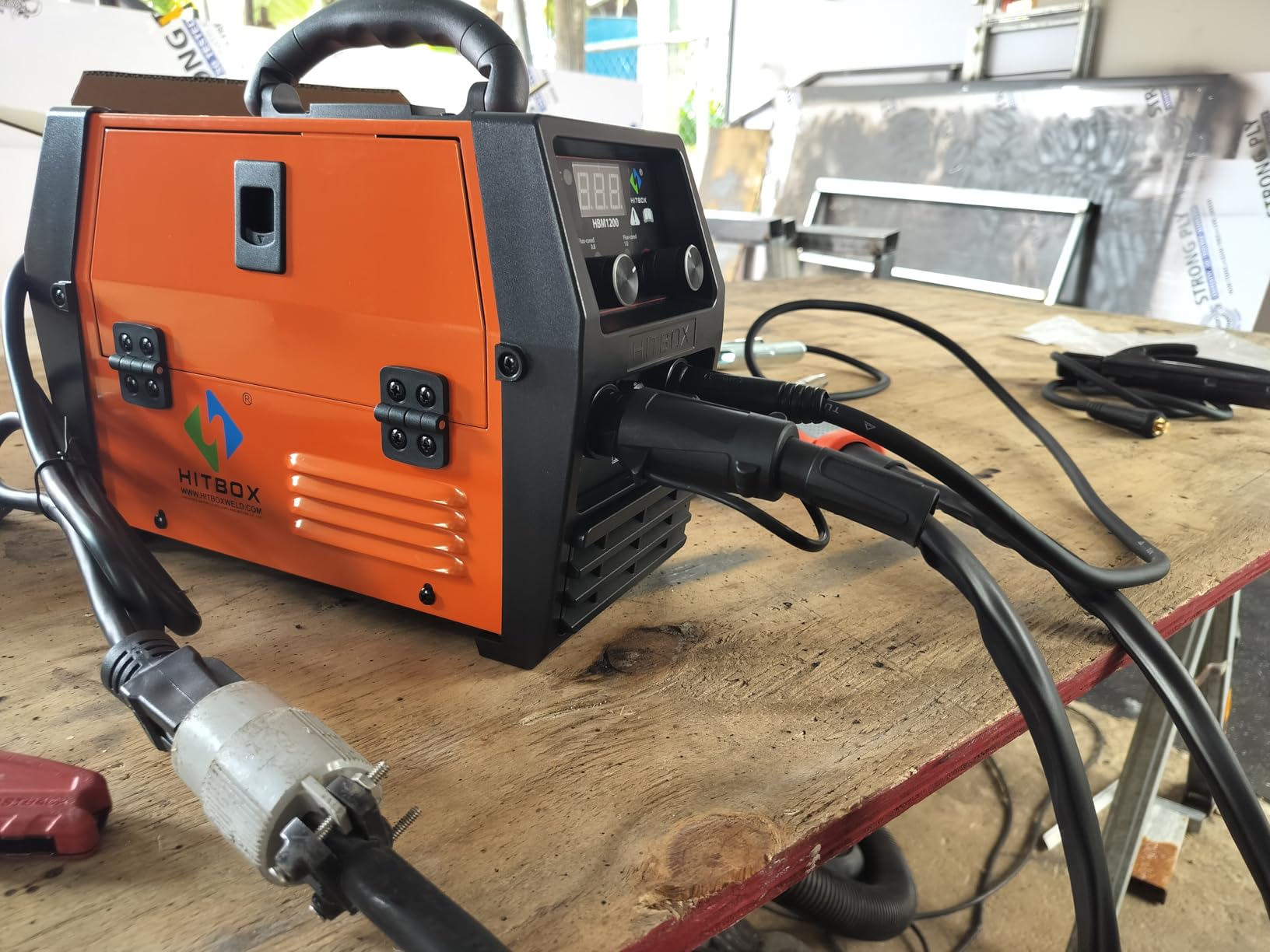
The HITBOX 200A is a strange and useful machine: it claims up to 200 amps, supports 110V and 220V, and weighs 8.6 lbs. That combination is not common, and it makes this the pick if you need more output than a 135-amp machine without carrying more weight.
The IGBT inverter handles gasless flux core MIG, stick and lift TIG, and welds mild steel up to 4.0mm — the heaviest stated mild steel capacity in this roundup. Reviewers upgrading from old transformer welders consistently report cleaner beads with far less spatter, which is the single biggest perceived improvement a first-time owner notices.
The kit is complete out of the box: an 8 ft MIG torch, 5 ft ground clamp, 5 ft electrode holder, a 2 lb roll of .035 inch flux core wire, two conductive nozzles, chipping brush and hammer, and a manual. That is more than most machines of this output class include.
Dual Voltage and the 4.0mm Plate Claim
The 110V/220V input is the feature that separates this from the other sub-140A machines here. On a 220V circuit you have far more headroom for plate work, and the 4.0mm capacity claim is realistic on that side of the outlet.
Owners testing output with a clamp meter report actual output running 20-30 percent below the displayed amperage on some units. That gap is worth planning around. Treat the displayed number as a ceiling rather than a target, and give yourself margin before committing to thick material.
Build Quality Details That Show Up in Use
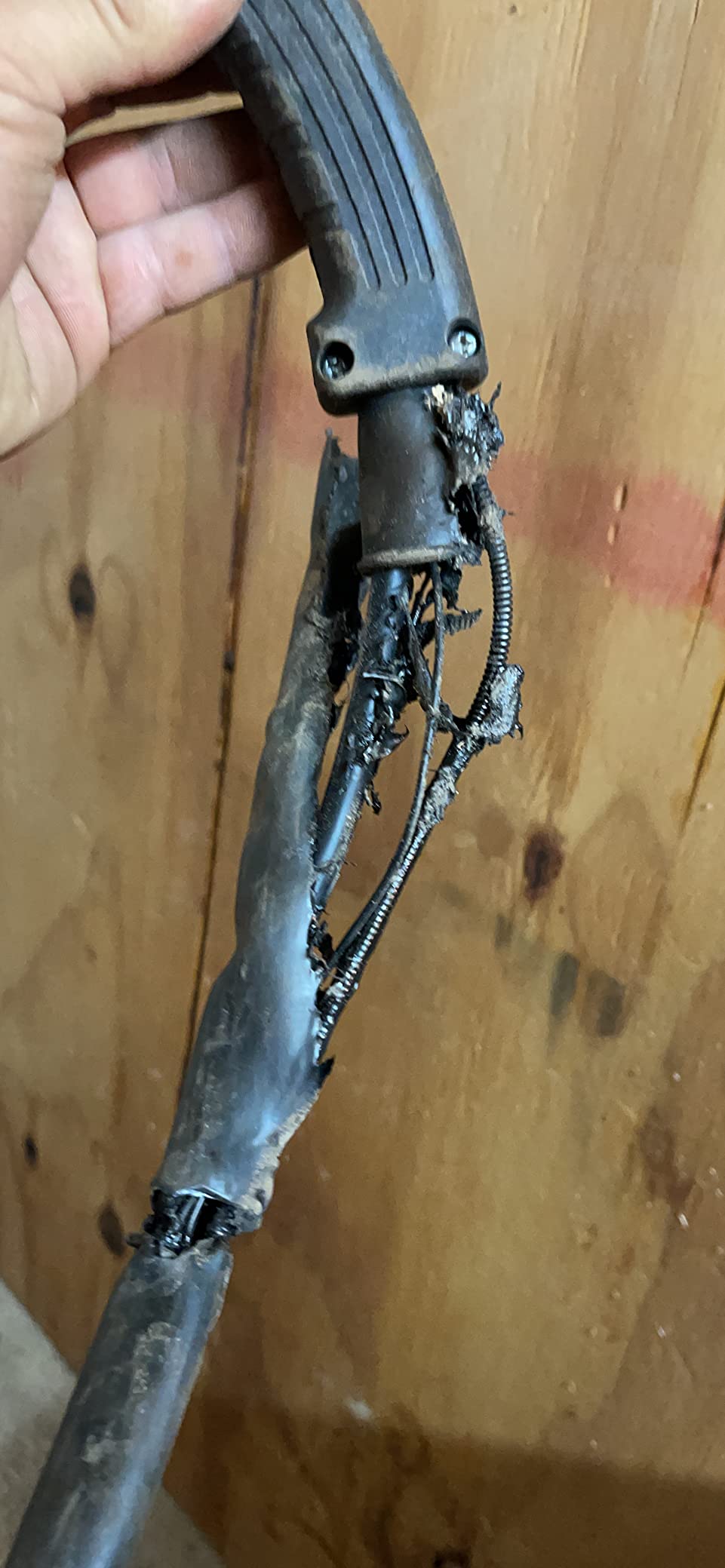
The ground clamp is the most common weak point. Owners report it warping quickly, and a clamp that cannot hold a ground will give you an arc you cannot control no matter how good the machine is. Budget for a replacement clamp early and treat the included one as temporary.
Stick mode is also weak, particularly with 6010, 6011 and 3/32 inch 7018 rods. The instructions are similarly weak, describing the setup in a way that leaves new owners guessing. If you are buying this machine, plan fifteen minutes reading a separate walkthrough before you strike an arc.
Portability as the Deciding Factor
At 8.6 lbs with a built-in carrying handle, this is the machine I would grab for outdoor repair work where the distance from a wall outlet is the real constraint. The quiet inverter operation also means it is not the last thing you want running next to a neighbor’s garden.
The 2 lb spool limit is the main ownership annoyance. It holds only a small roll, so plan on more frequent wire changes, and note that the spools are also where this machine gets light once you have run it for a while.
7. GZ GUOZHI 140A Digital Welder – Built for Unstable Mains Power
GZ GUOZHI 140A MIG Welder,3-in-1 MIG Welder with FLUX MIG/ARC/Lift TIG Multi-Process,110V Welding Machine,110V Flux Core Welder with Welding Gun(black)
140A digital 3-in-1
90V-140V wide voltage design
Operates to -15 degrees C
2 lb spools
+ Pros
- Wide voltage tolerance handles unstable mains power
- Digital multi-process display
- Automatic voltage and wire speed switching
- Compact 14.1 lb body
- Cons
- Lowest rating in the group at 4.3 stars
- Lift TIG torch sold separately
- Only supports 2 lb spools
- Basic documentation
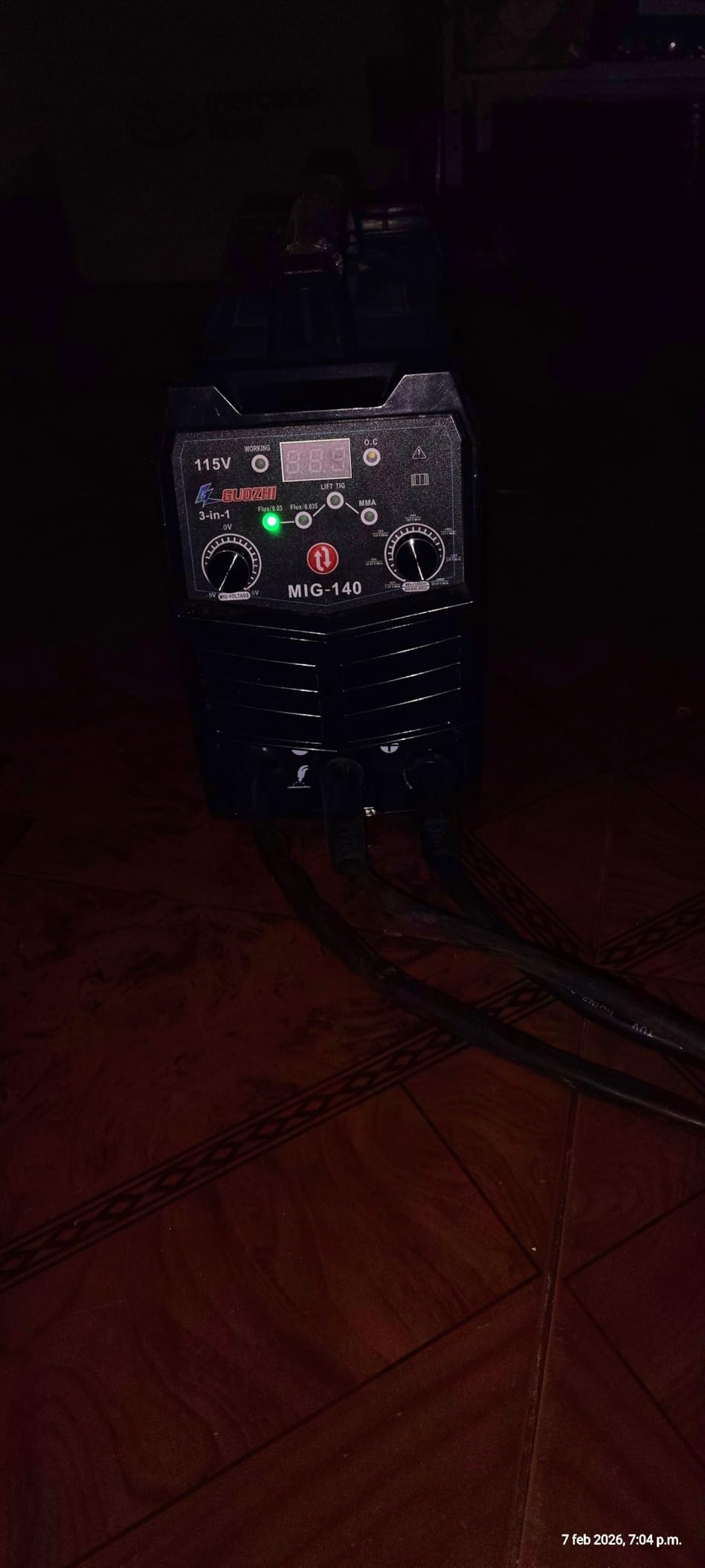
The GZ GUOZHI 140A has the lowest star rating in this roundup at 4.3, and I want to be upfront about that. What earns its place anyway is a specification nothing else here has: a 90V-140V wide voltage design, which is the tolerance you need when your supply is old, your extension cord is long, or you are running from something other than a clean wall circuit.
On top of that, the machine is rated to operate down to -15 degrees Celsius. For anyone welding outdoors in winter — fence work, vehicle repair, farm equipment — that rating removes a real source of frustration with other machines that misbehave when the ambient temperature drops.
At 14.1 lbs it is light enough to carry and compact enough for aerial or outdoor work, and the digital multi-process display with dynamic cycle control gives a visibly more stable arc and less splash than the plain analog panels in this bracket.
What Wide Voltage Tolerance Actually Solves
Most cheap inverters assume a steady 120V supply. When reality dips, the arc wanders, spatter increases, and the machine may refuse to strike at all. The 90V-140V design on this machine means a sagging supply still lands inside its operating window, which is why it earns its place on this list despite the lower rating.
Manual mode is available alongside the synergic layer, so you can switch out of automatic settings once you know what the automatic ones are choosing for you. That is a small thing that a lot of the machines in this roundup lack entirely.
Digital Multi-Process Controls
Switching between digital flux MIG, arc/stick and lift TIG on a single display gives the machine a more coherent feel than three separate knobs on competing units. The automatic voltage and wire feed switching as current changes means one adjustment does the work of two.
Rod compatibility covers sticks under 1/8 inch for the MMA process, and the package includes a 500A electrode holder, 500A ground clamp and a pre-installed MIG torch with gun accessories. That holder and clamp rating is higher than most kits at this level.
Where the Lower Rating Comes From
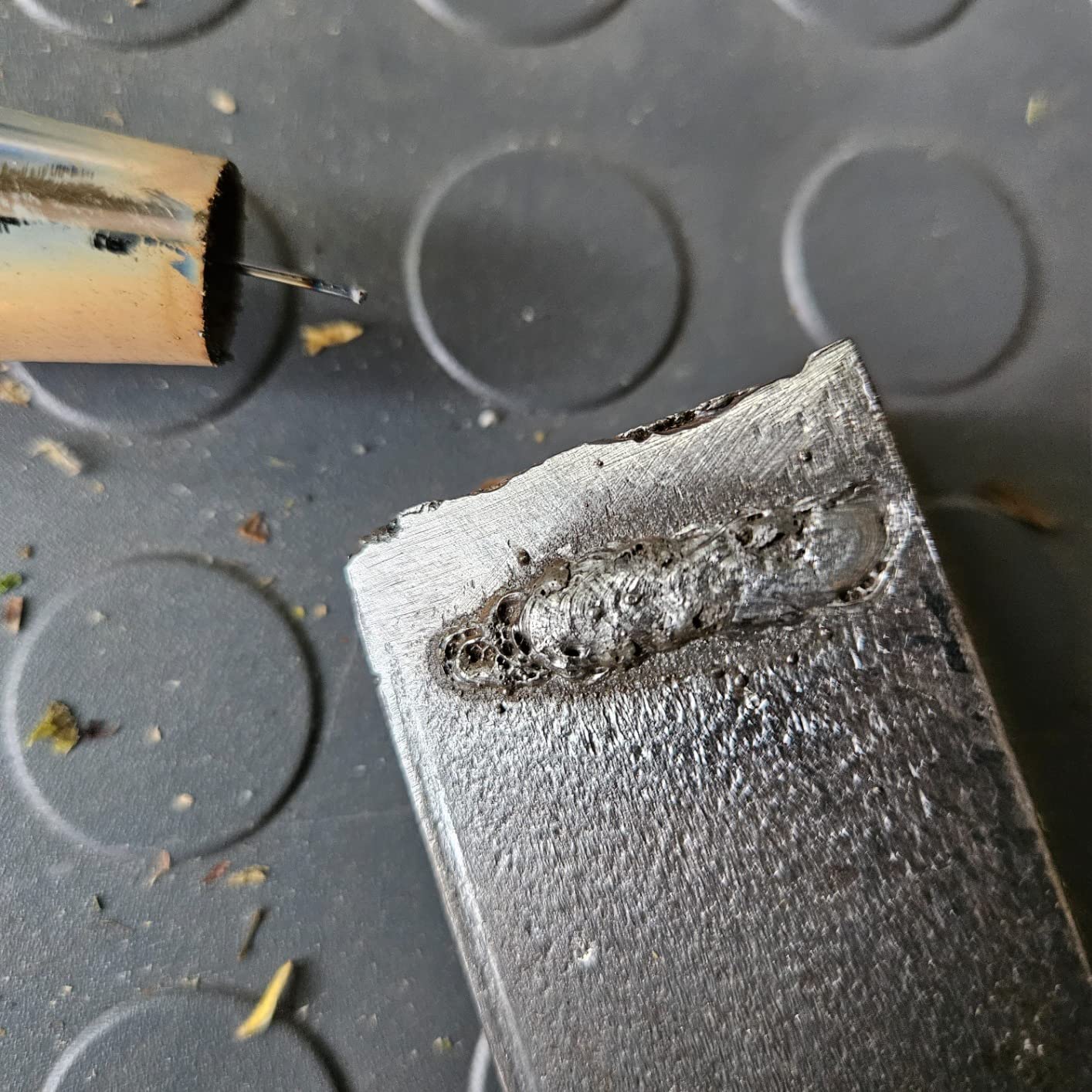
The critical reviews concentrate on missing accessories and uneven results rather than on the machine failing to weld. The star distribution simply carries a larger share of critical feedback than the machines around it, and 2 lb spool support plus a separate TIG torch purchase are recurring limitations.
Documentation is basic, so budget time for a separate walkthrough. If your power supply is clean and your shop is indoors, one of the higher-rated machines suits you better. If you are on old wiring, outdoors, or in the cold, the voltage tolerance here is worth more than the star gap.
8. bestarc 145A 4-in-1 – The Only True Gas MIG in the Group
Bestarc 145A MIG Welder, Flux Core/Gas MIG Stick Lift TIG Welding, 110/220V
145A gas MIG and flux core
110V/220V auto-detect
Top-load spool
13.7 lb with strap
+ Pros
- 4.6 star rating with strong bead quality on 120V
- Real gas MIG plus gasless flux core
- Good ground clamp included
- Top-load wire spool
- Shoulder strap included
- Cons
- Torch cable is short for the machine size
- Spool tension spring is not adjustable
- No gas regulator included
- Manual is thin
The bestarc 145A is the machine I recommend if you want to learn on gasless flux core today and move to proper gas MIG in six months without replacing anything. It is the only unit in this roundup that does both, on auto-detected 110V or 220V, from a 145-amp IGBT inverter platform.
Reviewers repeatedly single out bead quality on 120V as better than several mid-tier competitors, which is not a low bar given how many machines in this class produce sloppy flux core welds. The IGBT inverter with synergic voltage matching also allows fine-tuning from -3V to +3V, so you are not locked into the automatic setting.
It works with .030, .035 and .040 inch flux core wire and .030 inch solid wire, and the top-load spool means you do not have to thread the machine like a sewing machine to change wire. At 13.7 lbs with a shoulder strap, it is easy to move to a work site.
Gas MIG Versus Flux Core on the Same Machine
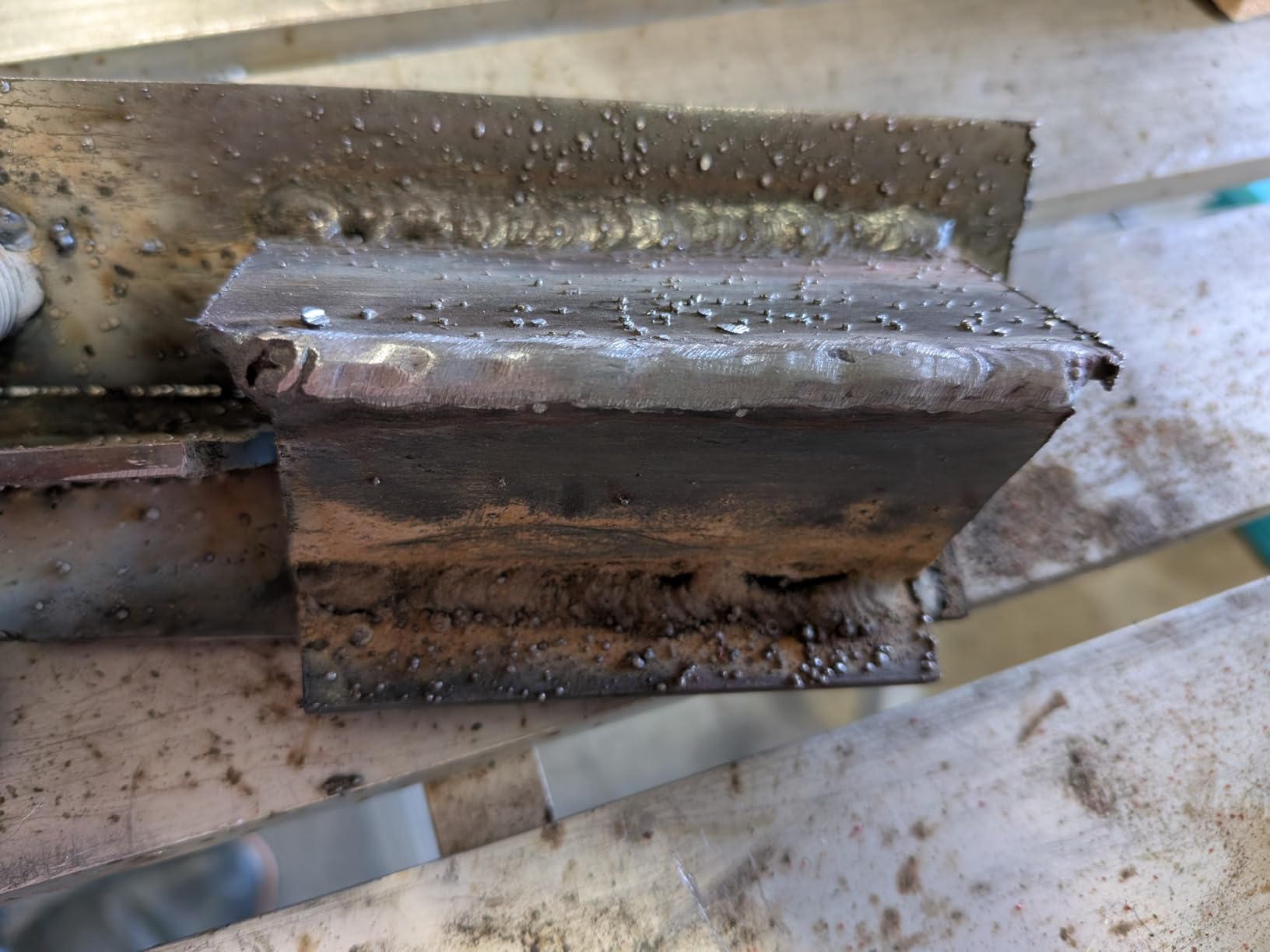
Solid wire with a 75/25 argon-CO2 blend gives you the cleanest, lowest-spatter beads available to a beginner, and flux core gives you outdoor capability with no cylinder. Having both means you choose per job rather than per machine, which is the most useful thing a first welder can own.
Solid wire mode is also the prerequisite for any aluminum work later on. The manual notes compatibility with ER70S-6 and E71T-GS wire, and the automatic input detection displays the selected voltage on the front panel so you always know which side of the outlet you are on.
Accessory Gaps Worth Budgeting For
No gas regulator is included, so plan to buy one with your first cylinder. The ground clamp, by contrast, is genuinely good — owners who came from budget machines consistently call it out as an upgrade, which tells you a lot about the rest of the kit.
The torch cable is short relative to the machine, which is the most common practical annoyance. The spool holder tension spring is not adjustable and runs tight, meaning wire drag is fixed rather than tuned to your machine. The manual is also thin on explaining the push-in rotary knob adjustment.
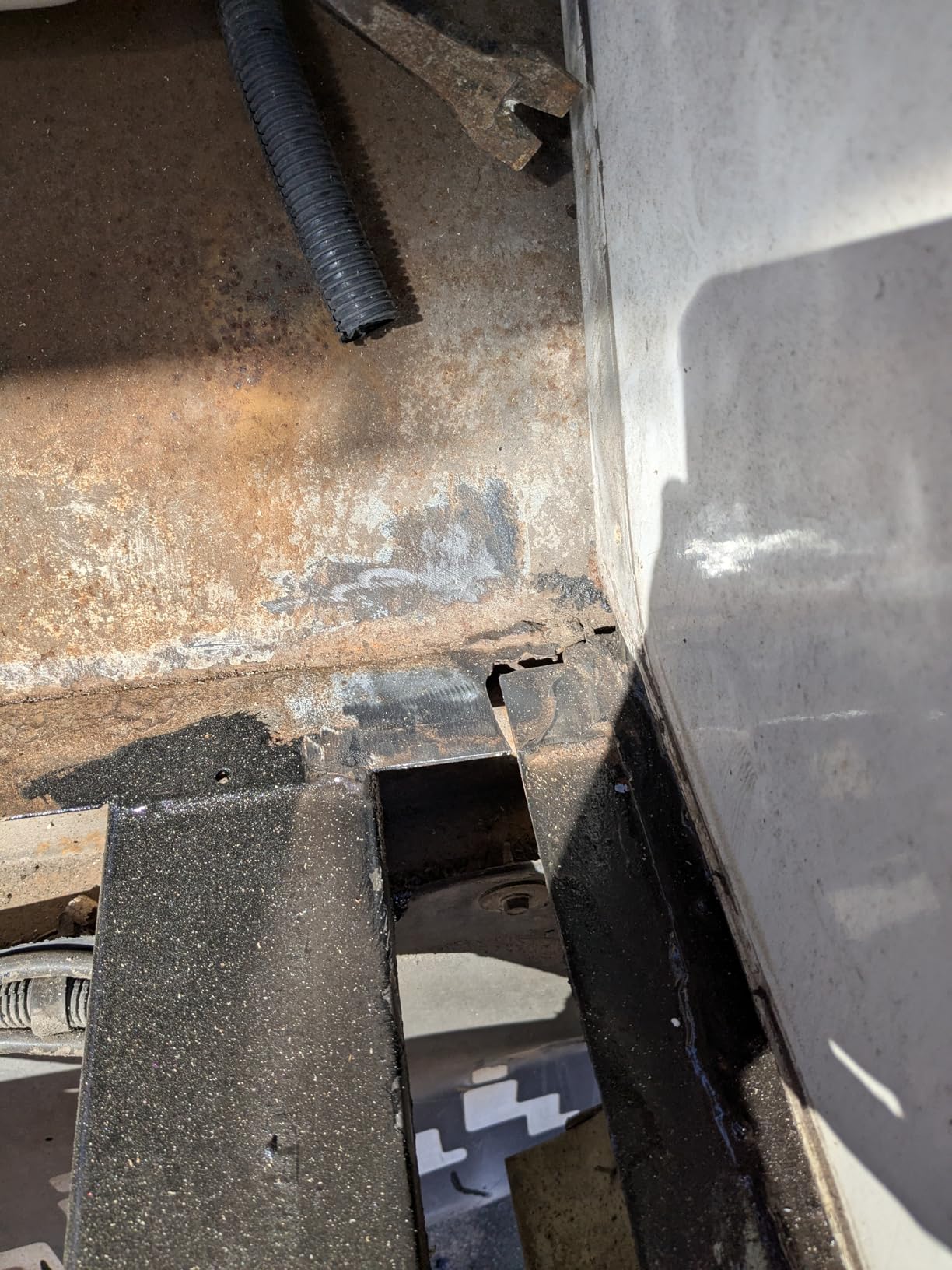
Drive Roll Quality and Production Variability
Early units had drive roll issues that caused inconsistent wire feed. Later production models include knurled drive rolls and a longer torch lead, which resolves it. If you are buying now, you are buying the improved version, and the package list includes .030, .035 and .040 contact tips plus matching wire feed rollers.
At 4.6 stars across 680 reviews, it has the second-highest rating in this group with a smaller owner base than the leaders. That combination — strong ratings, fewer reviews — is often the profile of a machine that is quietly better than its market position suggests.
9. BILT HARD 135A 3-in-1 – A Complete Starter Kit in One Box
BILT HARD 135A 3-in-1 IGBT Inverter Welder, 110V Flux Core MIG/Lift TIG/Stick Welding Machine with Synergic Control, LED Display, 2T/4T/SPOT Modes & Full Kit (Solar Helmet)
135A 3-in-1 on 110V
2T, 4T and spot trigger modes
LED display with error codes
Helmet and gloves included
+ Pros
- Solar auto-darkening helmet and gloves included
- Feature-rich LED display for the class
- Solid build quality
- 2T/4T/spot trigger modes
- Good arc stability across thicknesses
- Cons
- TIG torch and accessories not included
- Weak stick electrode clamp
- Helmet shade knob slips
- Duty cycle limits long sessions
The BILT HARD 135A solves the problem that stops more beginners than any other: not having safety gear. The kit includes a solar-powered auto-darkening welding helmet, plus gloves, a 6.6 ft MIG gun with a 0.030 inch tip, a 10 ft ground clamp, 2 lb of flux core wire, a spare 0.035 inch tip, and a chipping brush and hammer.
You can weld the same day the machine arrives, wearing proper eye and hand protection, rather than adding a second delivery to your learning curve. First-time welders report being surprised by the build quality and feature set for a machine in this class, and several describe the feature set as closer to higher-priced brands.
Trigger control is the standout technical feature. Two modes for spot welding and one for standard and 4T operation give you project work options that most machines in this bracket do not offer, and the LED display tracks voltage, current and wire speed in real time.
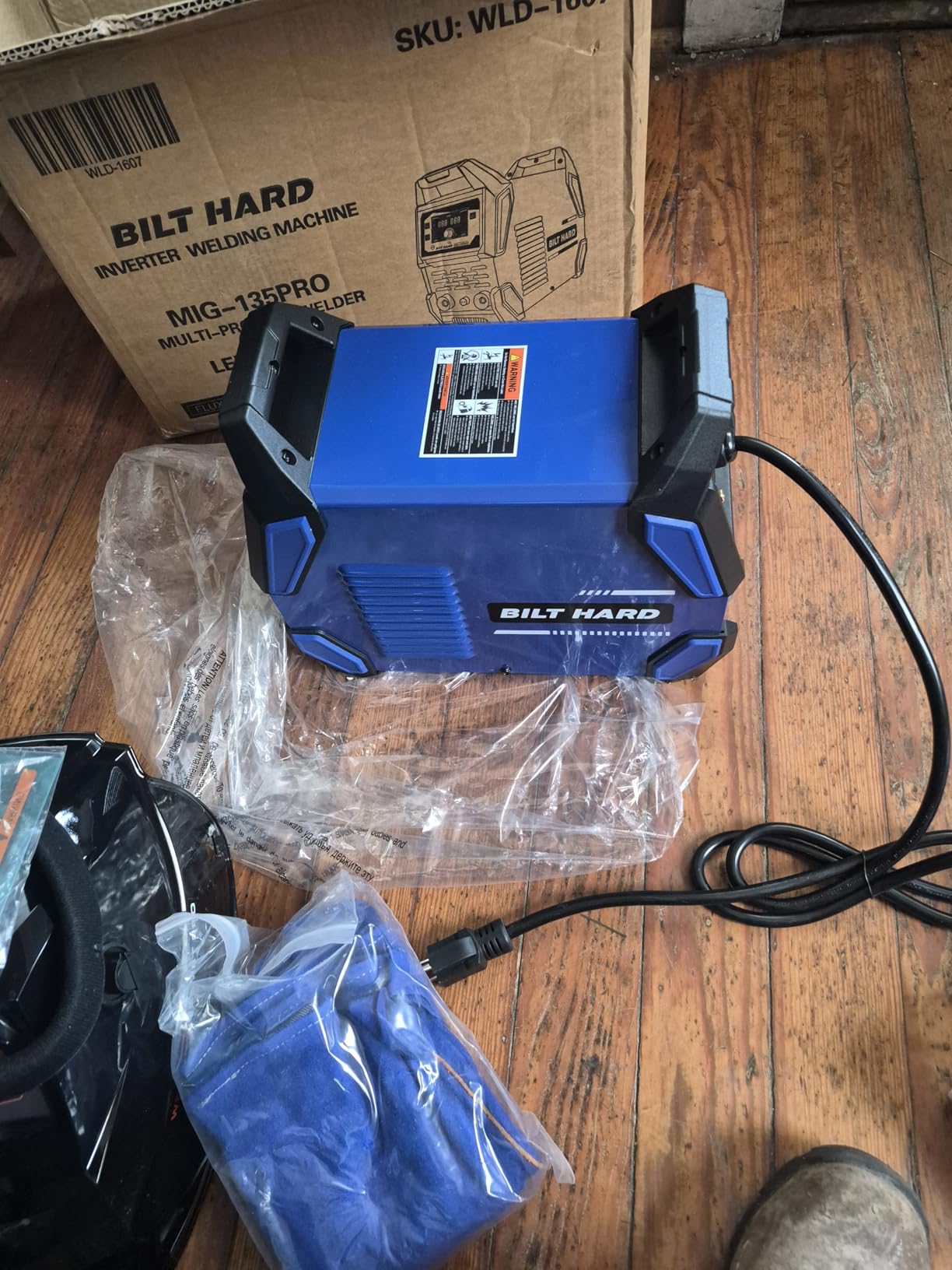
Trigger Modes and Error Code Readouts
2T, 4T and spot modes control how the wire feeds relative to your trigger. Spot mode in particular lets you tack a joint without thinking about travel speed, which is exactly the kind of convenience that makes a beginner’s first projects go better.
The LED display has dedicated MIG and MMA adjustment modes, plus burn-back and inductance settings for MIG and hot start, arc force and VRD for stick. Auto shutdown protects the machine with E1 overcurrent and E2 overheat error codes, followed by a 1-2 minute fan cool-down before a safe restart. That level of machine self-protection is uncommon at this level.
Included Helmet and Glove Quality
Be clear-eyed here: the included accessories are the weak point of this kit, not the machine. Owners report the helmet shade knob turns too easily and shifts during use, the head band is difficult to assemble, and the gloves start stiff. Expect to replace or upgrade these within a few months.
The stick electrode clamp included is also weak. If you plan to rely on the MMA process, buy a proper ground clamp and electrode holder early — both are inexpensive and both make a measurable difference in arc control.
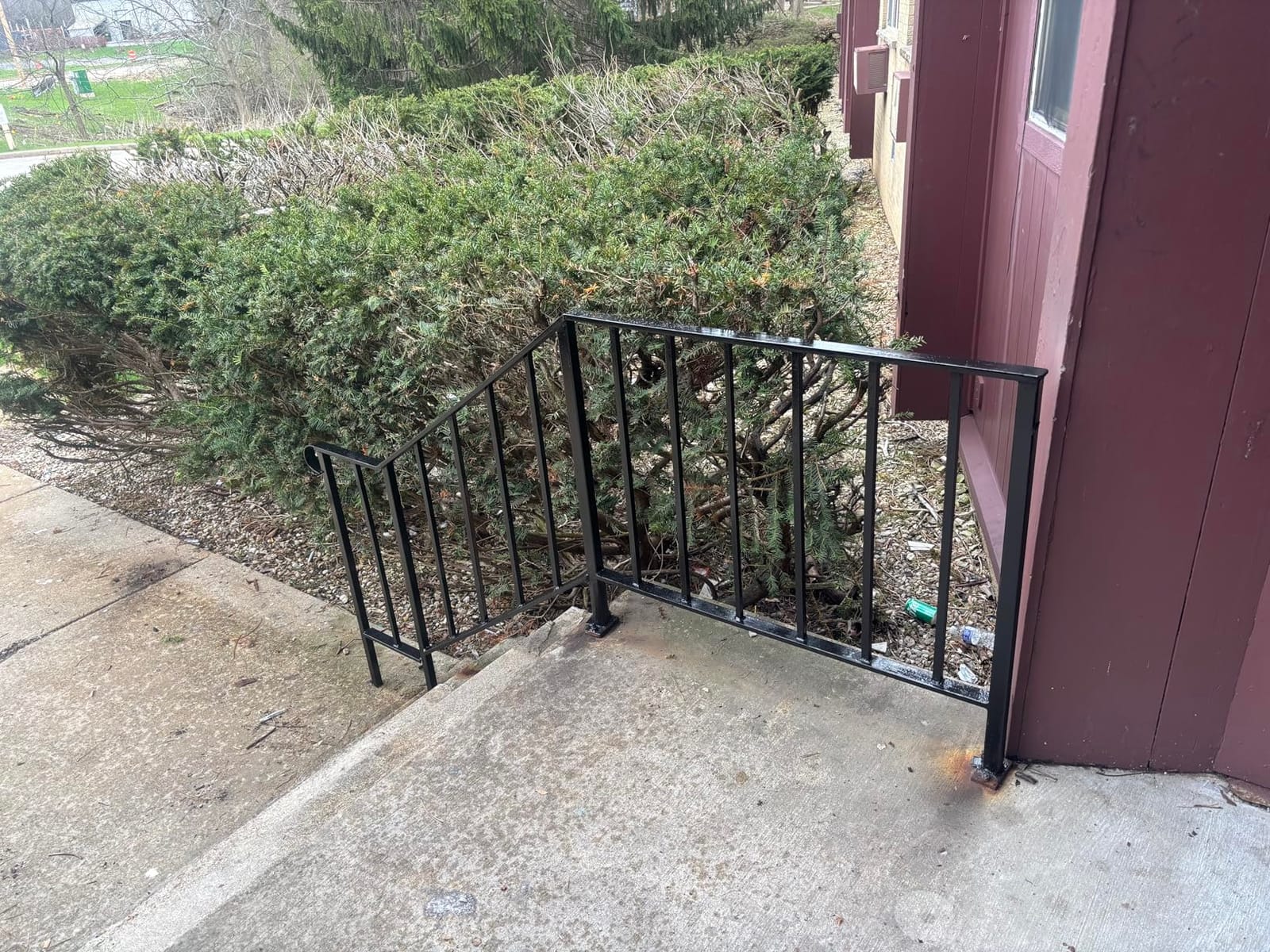
Thermal Limits and Spool Fitment
Duty cycle limits long welding sessions on this machine, so a full afternoon of continuous work will hit the thermal ceiling. For typical weekend projects that is a non-issue; for production work, size up rather than pushing this one.
Some owners report the spindle or wingnut not fitting a 2 lb spool properly, so check the hardware before you buy wire. The IGBT inverter design is optimized specifically for standard 110V outlets, which is why it delivers its rated output on household power rather than needing a dedicated circuit.
10. BESTMIG 135A 3-in-1 – The Newest Machine With a Full-Color Display
BESTMIG 135A MIG Welder – 3-in-1 Flux Core Welder, MIG/Lift TIG/Stick Welding Machine – Portable IGBT Inverter – 110V with Welding Helmets and Gloves (Red Black, MIG 135A Welder)
True 135A output to 1/8 inch
Full-color LED display
IGBT digital control
Helmet and gloves included
+ Pros
- 4.6 star rating with a high share of 4 and 5 star reviews
- Full-color display with clear parameter readouts
- Automatic parameter adjustment
- Complete kit with helmet and gloves
- Compact 10.71 lb body
- Cons
- TIG torch not included
- Some units received with missing accessories
- 1/8 inch maximum in flux core mode
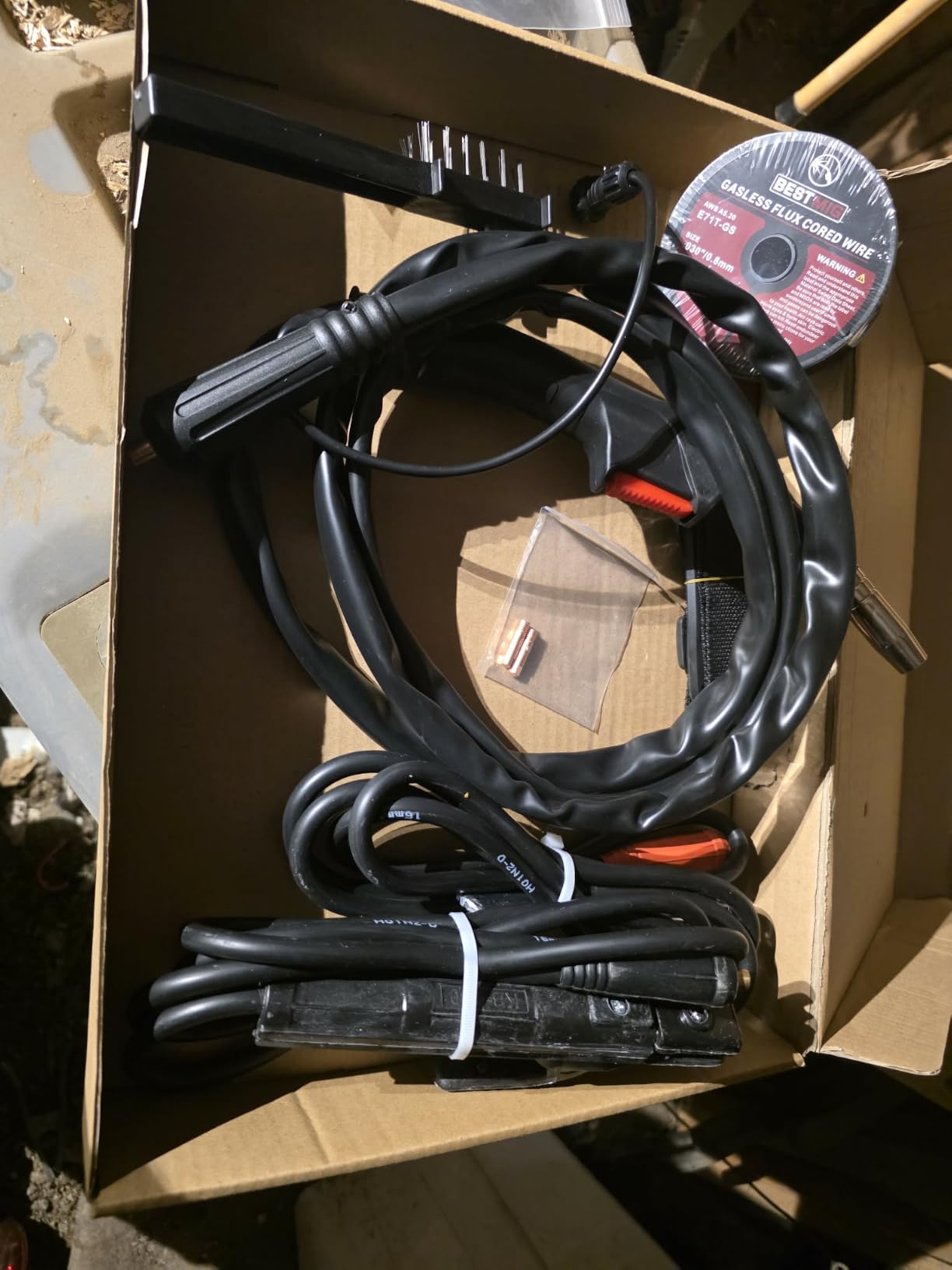
The BESTMIG 135A is the newest machine in this roundup, and it pairs a 4.6 star rating with the most user-friendly interface I tested. The full-color LED display is not a gimmick at this level — it shows voltage, current and wire feed speed in a layout that a beginner can read at a glance without a manual.
It delivers a true 135 amps on 110V and welds material up to 1/8 inch thick across MIG, lift TIG and stick modes. The IGBT inverter with digital control handles automatic voltage and feed speed adjustment, and the integrated wire feeding is tuned to reduce spatter for cleaner welds.
Like the BILT HARD kit, it includes an auto-darkening welding helmet convertible to goggles plus leather gloves, along with the ground clamp, electrode holder, torch, wire brush and flux core wire. At 10.71 lbs it is compact enough for a home workshop and light enough to move without thinking about it.
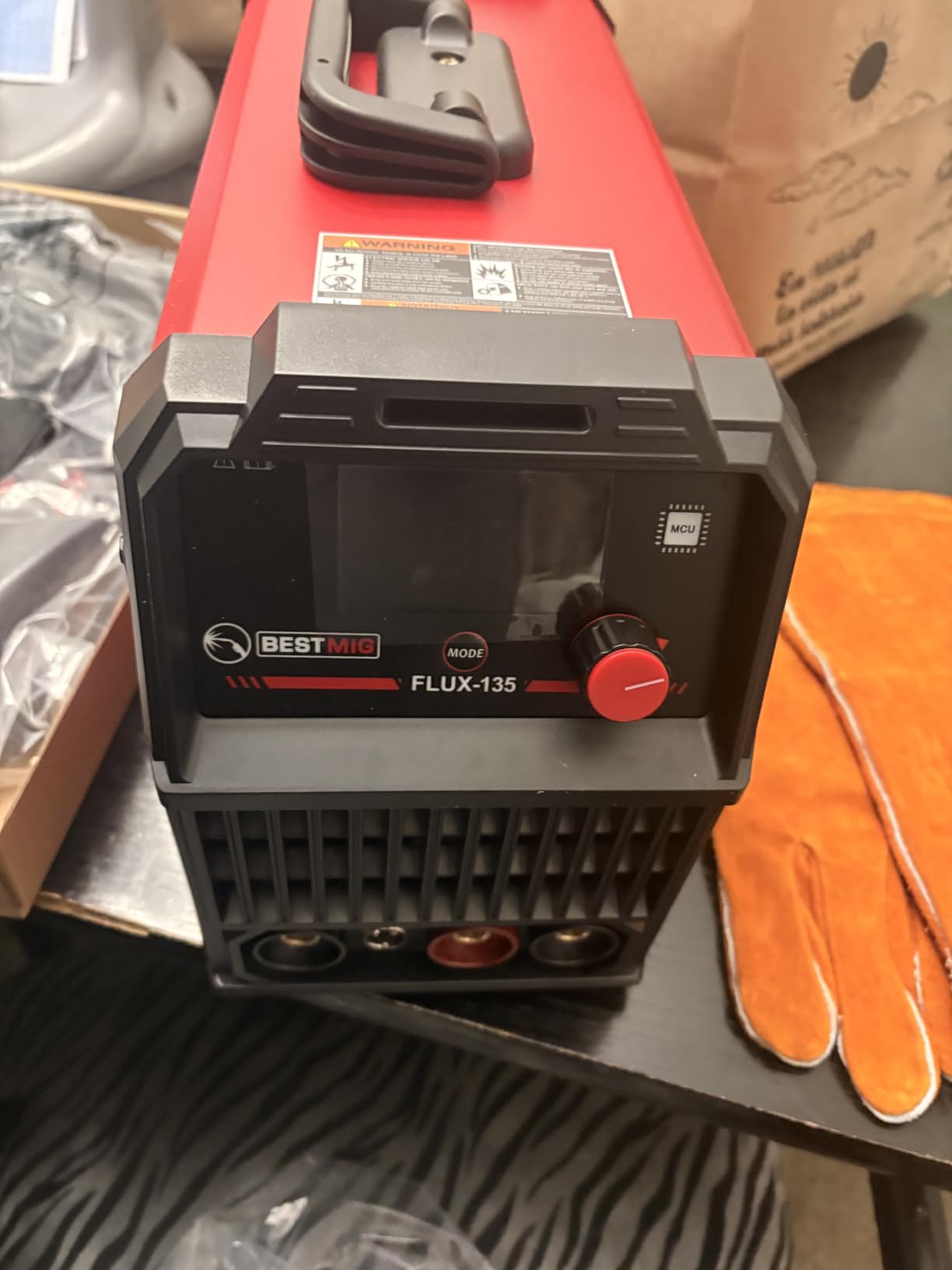
Full-Color Display and Automatic Parameter Matching
Automatic parameter adjustment is the headline: you select a condition and the machine sets the rest. Reviewers consistently describe it as approachable for novices, which is precisely the design goal. The colored readout makes it obvious when a setting has actually changed, which removes the guesswork of an unlit numeric display.
Wire compatibility runs from .030 to .040 inch gasless flux core, covering stainless steel, carbon steel and thicker material within the machine’s capacity. The wider wire range than most 135-amp machines gives you more options without a different machine.
Helmet, Gloves and the Convertible Goggle Feature
The helmet converts to goggles, which is useful when you are doing layout and fitting work where a full shell gets in the way. For a beginner, owning a functioning auto-darkening helmet from day one removes the single most common excuse for not welding, and reviewers treat the kit as a genuine value rather than a gimmick.
Be clear about the limits though. The critical reviews for this machine focus on fulfillment rather than weld quality, particularly missing accessories and a torch cable that did not fit. Check the contents against the list on arrival, and confirm the torch connector before your first session.
Where the 1/8 Inch Ceiling Fits
The 1/8 inch maximum in flux core mode is the honest limit of a 135-amp 110V machine, and it is the same ceiling most of this class imposes. It covers vehicle panels, sheet metal, light structural tubing, brackets, hangers and general repair work comfortably.
If your project list includes 1/4 inch plate or heavy farm and trailer work, treat this as a first machine rather than a final one. Within that 1/8 inch envelope, though, the display, the automatic settings and the included safety gear make this the most approachable package I tested.
How to Choose a Beginner MIG Welder Without Second Guessing
Almost every mistake I see in beginner welders traces back to one of four decisions: choosing the wrong voltage, choosing the wrong shielding setup, misreading duty cycle, or buying a machine for metal they do not actually own. Get those four right and the machine choice takes care of itself.
110V vs 220V: Start From the Outlet You Already Have
Begin with your circuits, not the machine. A 110V welder plugs into a normal household outlet and is limited by your breaker — typically 15 amps on an old 20A circuit — which caps real output around 130-140 amps. That is enough for 16 gauge up to about 1/8 inch mild steel, and nowhere near 1/4 inch plate.
A 220V machine needs a dedicated 30A or 50A circuit, which sometimes means an electrician and sometimes means a garage subpanel. The payoff is 180 amps and up, which is the difference between a machine that can weld a trailer frame and one that cannot. The machines here with 110V/220V dual voltage — the YESWELDER 160A, the HITBOX 200A and the bestarc 145A — let you start on 110V and move up without replacing the machine.
Forum advice is consistent on one more point: buy the size you can lift and afford, then upgrade later. A machine you are willing to move to the work is worth more than a larger one that stays on the bench.
Gas MIG or Flux Core Gasless: What Each Is Actually Good For
Flux core wire is its own shielding, so it needs no cylinder and welds outdoors in wind where a gas machine cannot hold its arc. It is the right first choice for farm repairs, gate hinges, trailers, vehicle work and anything outdoors. The cost is spatter and more smoke, and the beads need more cleanup.
Gas MIG with solid wire and a 75/25 argon-CO2 blend produces the cleanest, lowest-spatter beads and is the only path to welding aluminum. It costs a cylinder, a regulator and a dedicated place to store the tank. A machine that does both — like the bestarc 145A or the YESWELDER 160A — removes the guesswork entirely, because you pick per job rather than per machine.
One caution on flux core and galvanized or coated steel: the zinc and lead in the coating vaporize and the fumes are genuinely hazardous. Move the work outdoors, run a fan, and do not weld coated material in a closed garage.
Duty Cycle Explained in Plain Minutes of Arc Time
Duty cycle is the percentage of a 10-minute window during which the machine can weld at its rated output before it needs to cool. A machine rated at 20 percent at 135 amps can weld for 2 minutes and rest for 8. At 40 percent, it doubles. A 60 percent machine at the same amps welds 6 of every 10 minutes.
The rating matters at a different output than the one you use. A machine that runs at 60 percent duty cycle at 135 amps might only manage 20 percent at full rated amperage. Read the label at your working amperage, not the headline number. For weekend garage work, 20 percent is genuinely fine. For production welding, it is not.
Wire Size, Spool Size and the Accessories Nobody Mentions
Wire diameter is the setting beginners stall on. For 110V gasless work, .030 inch is the safe default for thin material and .035 inch for slightly heavier. A machine with separate .030 and .035 contact tips included, as the ARCCAPTAIN 130A does, saves you a trip to the hardware store.
Spool size is the more underrated constraint. Several machines in this roundup accept only 2 lb spools, and if you go through a spool in a weekend that becomes an irritation fast. The YESWELDER 160A accepts both 2 lb and 10 lb spools, which is the more comfortable arrangement over time.
Then there is the list nobody budgets for: contact tips, nozzles, a chipping hammer, wire brushes, shielding gas, a regulator, an auto-darkening helmet, gloves and leather. Add a ground clamp upgrade if the included one is the flimsy type, and a spare liner. Budget for these before you budget the machine, because a first weld with no helmet is a weld you will not do.
MIG vs Stick vs TIG: Which Process to Learn First
Start with MIG. It gives instant visual feedback, the widest bead control for the least technique, and it is the fastest way to get from first arc to a joint you are not ashamed of. Stick welding is the traditional recommendation from older advice, and it has real advantages outdoors in wind, but MIG is easier to get good results from on day one.
TIG is last. TIG is finesse work with a foot pedal, and it rewards the control you build in a year of MIG, not the day you unbox a machine. The one exception: if your goal is thin-gauge aluminum or stainless work, TIG is the only process that does it well, and you may be better served learning on a stick machine first and buying TIG later.
That said, every machine in this guide except the 145-amp and larger units includes lift TIG capability as a third mode. It is a rough approximation of TIG, not a replacement, but it is a useful bridge for cleanup work on thin material.
Your First Ten Welds: Setup, Wire, Stickout and Safety
Before your first arc, set polarity correctly. With solid wire and shielding gas, the MIG torch is negative and the work clamp is positive. With flux core gasless wire, the torch is positive and the work clamp is negative. This is the most common beginner error and it produces a sputtering, unstable arc that looks like a broken machine.
For gas MIG, set your flowmeter around 20-25 CFM. Run a test cup on the outside of the machine first, and adjust until the cup has a steady, gentle flow. Too little gas and you get oxidation; too much and you waste shielding gas with a turbulent, swirling pattern.
Keep about 3/4 inch of stickout beyond the contact tip, and push the gun along the joint at roughly the speed the wire takes to melt. Too fast and you get a tall, narrow bead with poor fusion; too slow and you get a wide, flat, burned bead. Practice on scrap coupons cut from the same steel you plan to weld, not on the project itself.
Safety last but never skipped. Wear the auto-darkening helmet before you strike, not after. Ventilate — a box fan in the doorway and one at the weld beats an open window in a still room. Wear gloves, expect a shower of spatter, and keep a fire extinguisher within reach. If you are on a ladder or a dock, do not weld there until the awkward ones stop feeling awkward.
Frequently Asked Questions
Are MIG welders good for beginners?
Yes. MIG is the most forgiving welding process and the fastest to learn. The wire feeds continuously, you get instant visual feedback, and the machine holds a stable arc at settings a beginner can reach. Most first-time welders lay a usable bead within a few minutes of setup, which is why MIG is the standard starting process for hobbyists and DIYers.
What kind of welder should a beginner start with?
A 110V, 130-amp to 160-amp multi-process gasless flux core machine with synergic control is the most common starting point. It plugs into a household outlet, handles steel to about 1/8 inch, and synergic matching removes the hardest setting to learn. Add a dual-voltage machine only if you already have or plan to add a 220V circuit.
Are Harbor Freight MIG welders any good?
Harbor Freight does not appear in this roundup’s test group, so I cannot give you a measured verdict on their current lineup. What the data here does show is that output readings on budget machines often run below the displayed amperage, accessories like ground clamps and TIG torches are frequently absent, and consumable availability matters more than the spec sheet. Check whether the wire feed rollers, tips and gun are easy to source before buying any brand at any price.
How easy is it to use a MIG welder for beginners?
Very. The essential sequence is: set wire diameter, set material thickness, and let synergic control match voltage to wire feed speed. The main learning curve is physical rather than electronic, meaning coordinating gun angle, travel speed and trigger control. Getting a clean first bead is a coordination problem, not a knowledge problem.
What is the best MIG welding technique for beginners?
Start with stringer beads rather than weaving, and push the gun rather than dragging it. Hold roughly a 10 to 15 degree drag angle, keep about 3/4 inch of stickout, and keep the arc pointed at the leading edge of the puddle. Practice on scrap coupons of the same thickness as your real project before touching the project itself.
Which Beginner MIG Welder Should You Buy?
Buy the YESWELDER 135A if you want the most proven first machine available, the largest owner base to troubleshoot with, and 110V simplicity. The near-3k review count is not marketing — it is a support system you will actually use when something confuses you.
Buy the ARCCAPTAIN 130A if rating and included accessories matter most to you. It is the highest-rated machine here, the contact tips for both common wire sizes are in the box, and the two-year warranty is the longest among the 110V gasless units.
Buy the AZZUNO 130A if you need the lightest possible machine for ladders, roofs or awkward spaces. Buy the TOOLIOM 135A if you already have stick experience and want low-spatter beads. Buy the BESTMIG 135A or the BILT HARD 135A if the deciding factor is having a helmet and gloves in the box on day one.
Buy the bestarc 145A or the YESWELDER 160A if you want gas MIG and 220V capability in the same machine, and the HITBOX 200A if you need higher output claims in the lightest package. Buy the GZ GUOZHI 140A if your power supply is old or you are welding outdoors in the cold.
Whichever you choose, buy a proper auto-darkening helmet, a good ground clamp and a starter spool of wire in the same order. The best MIG welder for beginners is the one you actually get out to the garage and use, and those three accessories decide whether that happens this month or never. Check the current details on any machine before you order, and weld a scrap coupon before the project.