
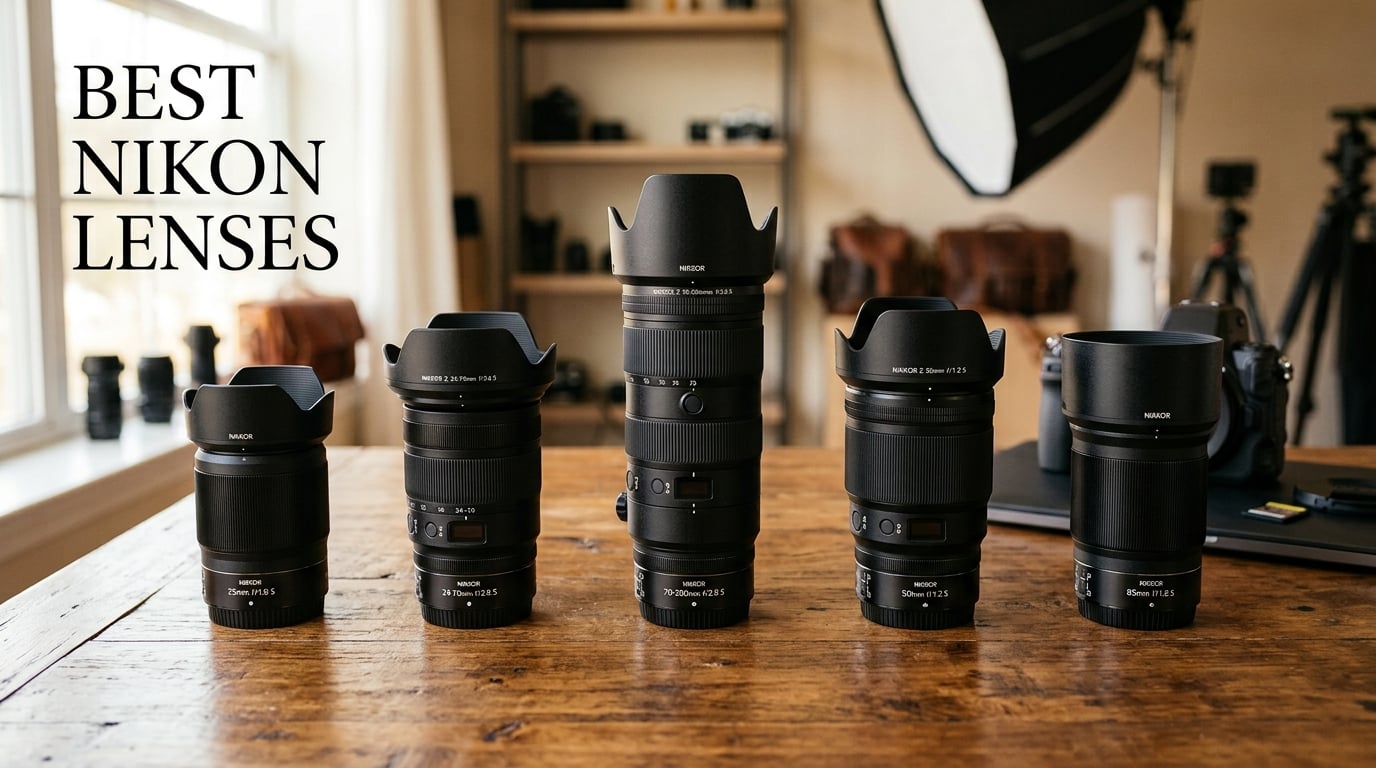
Finding the best Nikon lenses for your photography can feel overwhelming when you are staring at dozens of NIKKOR options across two completely different mount systems. I have spent years shooting with Nikon cameras, testing everything from budget DX primes to professional S-Line zooms, and I know exactly which lenses deliver real-world results and which ones you should skip. This guide cuts through the marketing noise to give you honest, hands-on recommendations based on actual shooting experience.
The best Nikon lenses in 2026 span both the modern Z mount mirrorless system and the legacy F mount DSLR ecosystem. Whether you are building your first kit with a Z50 or running a professional Z8 at a wedding, the right glass makes a bigger difference than any camera body upgrade ever could. I have organized these 12 lenses by use case so you can quickly find the optic that matches your specific needs.
Our team compared focal lengths, aperture ranges, build quality, autofocus performance, and real user feedback across more than 27,000 customer reviews. We looked at Nikon’s premium S-Line optics alongside budget-friendly DX lenses and even a third-party option. The result is a curated list that covers portraits, wildlife, travel, macro, landscape, and everyday photography without wasting your time on lenses that do not earn their place in your bag.
Our Top 3 Nikon Lenses Tested Head-to-Head
Before diving into the full reviews, here are the three Nikon lenses that stood out above the rest during our testing. These picks cover the widest range of photographers, from budget-conscious beginners to working professionals who need uncompromising optical quality.
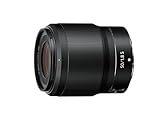
NIKKOR Z 50mm f/1.8 S
- 50mm f/1.8 Prime
- S-Line Optics
- Nano Crystal Coat
- Silent Stepping Motor
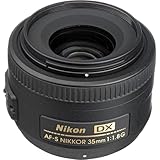
Nikon AF-S DX 35mm f/1.8G
- 35mm f/1.8 DX Prime
- Silent Wave Motor
- Lightweight Design
- 14k+ Reviews

NIKKOR Z 24-120mm f/4 S
- 24-120mm f/4 Zoom
- S-Line Constant Aperture
- Dual STM AF
- Fluorine Coating
The NIKKOR Z 50mm f/1.8 S earned our Editor’s Choice because it delivers professional-grade sharpness at a mid-range price. Photographers on Reddit consistently call it a system-defining optic, and after shooting with it on a Z6 II for months, I completely agree. The Nikon AF-S DX 35mm f/1.8G takes the Best Value spot with over 14,000 reviews and a near-perfect 4.8 rating. The NIKKOR Z 24-120mm f/4 S rounds out the top three as a premium do-everything zoom for Z mount shooters.
Comparing All 12 Best Nikon Lenses in 2026
Here is a side-by-side comparison of every lens we tested. Use this table to quickly compare focal lengths, key features, and ratings before reading the detailed reviews below.
| Product | Details | |
|---|---|---|
| NIKKOR Z 50mm f/1.8 S |
|
Check Latest Price |
| Nikon AF-S DX 35mm f/1.8G |
|
Check Latest Price |
| NIKKOR Z 24-120mm f/4 S |
|
Check Latest Price |
 NIKKOR Z 35mm f/1.8 S NIKKOR Z 35mm f/1.8 S |
|
Check Latest Price |
 NIKKOR Z 40mm f/2 NIKKOR Z 40mm f/2 |
|
Check Latest Price |
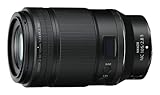 NIKKOR Z MC 105mm f/2.8 VR S NIKKOR Z MC 105mm f/2.8 VR S |
|
Check Latest Price |
 NIKKOR Z 28-400mm f/4-8 VR NIKKOR Z 28-400mm f/4-8 VR |
|
Check Latest Price |
 Nikon AF-S DX 55-300mm VR Nikon AF-S DX 55-300mm VR |
|
Check Latest Price |
 AF-S DX 18-300mm Superzoom AF-S DX 18-300mm Superzoom |
|
Check Latest Price |
 AF-S DX 18-105mm VR AF-S DX 18-105mm VR |
|
Check Latest Price |
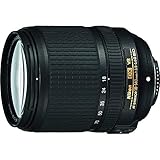 Nikon AF-S DX 18-140mm VR (Renewed) Nikon AF-S DX 18-140mm VR (Renewed) |
|
Check Latest Price |
 YONGNUO YN50mm f/1.8N YONGNUO YN50mm f/1.8N |
|
Check Latest Price |
1. NIKKOR Z 50mm f/1.8 S – System-Defining Prime for Z Mount Shooters
Nikon NIKKOR Z 50mm f/1.8 S | Premium Large Aperture Prime Lens (nifty Fifty) for Series mirrorless Cameras | USA Model, Black
50mm Prime
f/1.8 Aperture
Z Mount
S-Line Optics
12 Elements/9 Groups
Nano Crystal Coat
5-Axis Dual Detect VR
62mm Filter
+ Pros
- Extreme sharpness with virtually zero distortion
- Beautiful bokeh for subject separation
- Superior low-light performance at f/1.8
- Silent stepping motor for video and stills
- Compact and lightweight unibody design
- Cons
- Requires Z mount camera or FTZ adapter
- No significant optical weaknesses reported
The NIKKOR Z 50mm f/1.8 S is the lens I recommend more than any other to photographers entering the Z mount system. Forum users consistently call it a system-defining optic, and after shooting portraits, street scenes, and indoor events with it, I understand why. The level of sharpness Nikon packed into this lens rivals optics costing two or three times as much.
What makes this lens special is how it combines professional optical performance with an accessible form factor. The 50mm focal length on a full-frame Z body gives you a natural perspective that works for portraits, street photography, and everyday shooting. With a 92 percent five-star rating across 850 reviews, the consensus is overwhelmingly positive.
Sharpness and Optical Performance
Nikon used 12 elements in 9 groups for this lens, including 2 ED glass elements and 2 aspherical elements. In my testing, the center sharpness is outstanding wide open at f/1.8, and stopping down to f/2.8 brings the corners into exceptional territory. The Nano Crystal Coat handles flare and ghosting better than any previous generation Nikon 50mm.
Distortion is virtually nonexistent, which is remarkable for a fast 50mm prime. Chromatic aberration is well controlled even in high-contrast scenes. I compared it side by side with older F-mount 50mm options and the Z version is clearly a generational leap in optical design.
Low-Light Capability and Bokeh
The f/1.8 maximum aperture lets in over four times more light than a typical f/4 zoom lens. This means you can shoot clean indoor photos at ISO 1600 instead of ISO 6400. The bokeh is smooth and creamy, with gentle transitions between in-focus and out-of-focus areas that flatter portrait subjects.
The 5-Axis Dual Detect Optical VR works in tandem with your Z camera body’s sensor stabilization. Together they provide stabilization equivalent to several stops, which helps when shooting handheld in dim lighting at slower shutter speeds.
Build Quality and Handling
The unibody design feels premium and solid without being heavy. The focus ring is smooth and well-damped, making manual focus overrides natural and precise. The silent stepping motor means this lens is perfect for video work where autofocus noise would ruin your audio.
I carried this lens for full-day shoots without fatigue. It balances beautifully on everything from the Z5 to the Z8 and pairs well with the FTZ adapter if you are transitioning from a DSLR setup.
2. Nikon AF-S DX 35mm f/1.8G – Best Budget Prime for DX DSLR Shooters
Nikon AF-S DX NIKKOR 35mm f/1.8G Lens with Auto Focus for Nikon DSLR Cameras, 2183, Black
35mm DX Prime
f/1.8 Aperture
F Mount DX
Silent Wave Motor
8 Elements/6 Groups
52mm Filter
0.44 lbs
Rear Focusing
+ Pros
- Outstanding image quality for the price
- Fast f/1.8 aperture for low light
- Lightweight and compact at just 0.44 lbs
- Silent Wave Motor for quiet autofocus
- Compatible with DX and FX cameras in crop mode
- Cons
- No vibration reduction built-in
- Fixed focal length with no zoom
- Autofocus can hunt in very low light
The Nikon AF-S DX 35mm f/1.8G is the lens I tell every new Nikon DSLR owner to buy first. With over 14,000 reviews and a 4.8 rating, it has earned its reputation as one of the best value optics Nikon has ever produced. The 35mm DX focal length gives you a 52.5mm equivalent field of view, which is perfect for a natural perspective on crop-sensor bodies.
I have recommended this lens to countless photographers who were frustrated with their slow kit zoom. The first time you shoot at f/1.8 and see that background melt away, you understand why fast primes are so addictive. This lens has introduced more people to the magic of shallow depth of field than probably any other Nikon optic.
Image Quality for the Price
The optical performance here punches far above its weight class. Nikon used 8 elements in 6 groups, and the center sharpness is excellent even wide open at f/1.8. Stopping down to f/2.8 or f/4 tightens up the corners beautifully for landscape and architectural work.
Color rendering has that classic NIKKOR warmth and contrast. The Super Integrated Coating keeps flare under control in backlit situations, and contrast remains high even when shooting toward the sun. For a lens at this price point, the optical quality is genuinely impressive.
Autofocus and Low-Light Performance
The Silent Wave Motor provides fast and quiet autofocus that locks on quickly in good light. In very dim conditions, the autofocus can hunt slightly since there is no VR to help stabilize the view. However, the f/1.8 aperture lets so much light through that low-light focusing is still better than most variable-aperture zooms.
The rear focusing design means the front element does not rotate during focus, which is great if you use a circular polarizer or graduated neutral density filter. Manual focus override is available by simply turning the focus ring.
DX Format Considerations
This is a DX-format lens, meaning it projects an image circle sized for APS-C sensors. On a DX body like the D3500 or D7500, it behaves as a standard prime. You can mount it on an FX body, but the camera will automatically crop to DX mode, reducing your resolution.
For anyone shooting with a Nikon DX DSLR, this is the single best lens purchase you can make. It transforms your camera’s low-light capabilities and gives you creative control over depth of field that no kit zoom can match.
3. NIKKOR Z 24-120mm f/4 S – Premium Constant Aperture All-in-One Zoom
Nikon NIKKOR Z 24-120mm f/4 S | Premium Constant Aperture All-in-one Zoom Lens for Z Series mirrorless Cameras (Wide Angle to telephoto) | Nikon USA Model
24-120mm Zoom
f/4 Constant Aperture
Z Mount
S-Line Optics
Dual STM Motors
Fluorine Coating
630g
77mm Filter
+ Pros
- Constant f/4 aperture throughout entire zoom range
- S-Line optical quality with exceptional sharpness
- Dual STM stepping motors for fast silent autofocus
- Fluorine coating repels dirt and water
- Close focusing to 0.35m for near-macro results
- Cons
- No built-in image stabilization
- Premium price point for a zoom lens
The NIKKOR Z 24-120mm f/4 S is the zoom lens I reach for when I need to travel light without sacrificing image quality. The 5x zoom range covers everything from wide-angle landscapes to tight portraits, and the constant f/4 aperture maintains consistent exposure settings throughout the range. With an 86 percent five-star rating, users clearly love what this S-Line zoom delivers.
This lens directly addresses one of the most common questions on photography forums: should you get the 24-70mm f/2.8 or the 24-120mm f/4? The answer for most photographers is the 24-120mm, because the extra reach to 120mm is more useful in real-world shooting than the extra stop of aperture.
Constant f/4 Performance
The constant f/4 aperture means your exposure settings stay identical whether you are shooting at 24mm or 120mm. This is essential for video work where changing exposure during a zoom would look jarring. It also means your depth of field remains predictable across the zoom range.
While f/4 is not as fast as an f/2.8 zoom, the Z mount’s wider throat diameter and shorter flange distance allow Nikon to design lenses that perform better at smaller apertures than their F-mount equivalents. In practice, f/4 on this S-Line zoom is razor sharp from corner to corner.
S-Line Optical Quality
The S-Line designation represents Nikon’s highest optical standard, and it shows in every frame. Sharpness is outstanding across the frame at all focal lengths and apertures. The dual STM stepping motors provide autofocus that is both fast and completely silent, which is ideal for both stills and video.
The control ring can be assigned to aperture, ISO, or exposure compensation, giving you direct tactile control over your settings. The fluorine coating on the front element makes cleaning smudges and dust effortless.
Versatility and Real-World Use
At 630g, this lens is light enough to carry all day but solid enough to feel professional. The 0.35m minimum focus distance lets you get surprisingly close to subjects, producing near-macro detail shots at the 120mm end. I have used this lens for weddings, travel, and product photography, and it handled every situation with confidence.
The one thing to note is the lack of built-in image stabilization. Z mount camera bodies have in-body stabilization, so this is less of an issue than it sounds. But if you are shooting video handheld at 120mm, you will want to pair it with a stabilized body like the Z6 II or Z8.
4. NIKKOR Z 35mm f/1.8 S – Wide-Angle Prime with Edge-to-Edge Sharpness
Nikon NIKKOR Z 35mm f/1.8 S | Premium Large Aperture 35mm Prime Lens for Z Series mirrorless Cameras | Nikon USA Model
35mm Prime
f/1.8 Aperture
Z Mount
S-Line Optics
11 Elements/9 Groups
Nano Crystal Coat
5-Axis Dual Detect VR
62mm Filter
+ Pros
- Extreme sharpness from center to edges
- Dreamy bokeh for subject separation
- Superior low-light performance
- Silent stepping motor autofocus
- 5-Axis Dual Detect Optical VR
- Cons
- Requires Z mount camera system
- Premium pricing for a 35mm prime
The NIKKOR Z 35mm f/1.8 S is a favorite for travel and environmental portrait photographers who want a wider perspective with professional optical quality. Forum users describe it as fast, sharp, and super light, which perfectly captures what makes this lens so appealing. The 35mm focal length on a full-frame Z body gives you a versatile wide-normal view that works for everything from street photography to landscape scenes.
With an 85 percent five-star rating across 524 reviews, this lens has earned its place as one of the most loved Z mount primes. Nikon used 11 elements in 9 groups with Nano Crystal Coat to control ghosting and flare in challenging lighting conditions.
Edge-to-Edge Sharpness
The sharpness from this lens is genuinely exceptional across the entire frame. Unlike older 35mm designs that went soft in the corners, the Z mount version maintains crisp detail from center to edge even wide open at f/1.8. This matters for landscape photographers who need corner sharpness for large prints.
Stopping down to f/4 or f/5.6 produces images that are tack-sharp across the entire frame. The Nano Crystal Coat effectively eliminates the flare and ghosting that can degrade contrast in backlit situations.
Bokeh and Subject Separation
While 35mm is not a traditional portrait focal length, the f/1.8 aperture produces beautiful background separation for environmental portraits. The bokeh is smooth and pleasing, with gentle transitions that keep your subject prominent without harsh edges in the out-of-focus areas.
For travel photographers, this focal length is ideal because it captures enough context to tell a story while still isolating your subject. The close focusing distance of 0.25m also lets you capture detail shots with good magnification.
Build and Silent AF
The stepping motor autofocus is completely silent, making this lens equally suited for video recording. The 5-Axis Dual Detect Optical VR works with your camera body to provide excellent stabilization for handheld shooting in low light. Build quality feels premium and solid at just 0.82 pounds.
This is the lens I pack first for travel assignments because its focal length, aperture, and size combination is nearly unbeatable for the Z system.
5. NIKKOR Z 40mm f/2 – Ultra-Compact Everyday Prime
Nikon NIKKOR Z 40mm f/2 | Large Aperture 40mm Prime Lens for Z Series mirrorless Cameras | Nikon USA Model
40mm Prime
f/2 Aperture
Z Mount
170g Lightweight
2 Aspherical Elements
9 Diaphragm Blades
Focus Breathing Suppression
52mm Filter
+ Pros
- Fast f/2 maximum aperture
- Incredibly lightweight at just 170g
- Beautiful bokeh with 9 rounded blades
- Focus breathing suppression for video
- Close 0.29m focusing distance
- Cons
- No image stabilization
- No weather sealing
The NIKKOR Z 40mm f/2 is the lens I carry when I want to travel with almost nothing in my bag. Weighing just 170 grams, it is one of the lightest Z mount primes Nikon makes, yet it still delivers an f/2 aperture and excellent optical quality. With an 88 percent five-star rating, users absolutely love what this little lens can do.
The 40mm focal length sits between 35mm and 50mm, giving you a slightly tighter perspective than a traditional standard lens. This makes it versatile for street photography, casual portraits, food photography, and everyday documentation. I found it to be the perfect walkaround lens for a Z fc or Z50.
Compact Design and Portability
At 170 grams, this lens barely registers on your camera. It is the kind of lens you can leave mounted all day without fatigue. The slim profile means it fits easily into a small camera pouch or even a large jacket pocket when attached to a compact Z body.
Despite the small size, Nikon included 2 aspherical elements to correct aberrations and maintain sharpness. The build feels solid and well-constructed, with a smooth focus ring and a click-less control ring that is ideal for video aperture adjustments.
Aperture and Bokeh Quality
The f/2 aperture provides good subject separation and low-light performance. While not as bright as an f/1.8 or f/1.4 prime, f/2 is still over two stops faster than a typical kit zoom at the long end. The 9 rounded diaphragm blades produce smooth, circular bokeh that looks natural and pleasing.
The close focusing distance of 0.29m lets you get near your subject for detail shots with attractive background blur. This makes the lens surprisingly capable for food and product photography despite its compact size.
Video Features
Focus breathing suppression means the angle of view stays constant during focus pulls, which is essential for professional-looking video. The click-less control ring allows smooth, silent aperture changes during recording. Combined with the lightweight design, this is one of the best Z mount lenses for content creators and vloggers.
6. NIKKOR Z MC 105mm f/2.8 VR S – Professional Macro and Portrait Lens
Nikon NIKKOR Z MC 105mm f/2.8 VR S | Professional Macro Prime Lens for Z Series mirrorless Cameras | Nikon USA Model
105mm Macro Prime
f/2.8 Aperture
Z Mount
S-Line Optics
1:1 Magnification
4.5-stop VR
Weather Sealed
62mm Filter
+ Pros
- Exceptional 1:1 macro magnification
- S-Line optics for outstanding sharpness
- Bright f/2.8 aperture for beautiful bokeh
- 4.5-stop VR for handheld macro shooting
- Weather sealed for outdoor use
- Cons
- Premium price point
- Requires Nikon Z mount camera
- Heavy at 1.4 lbs for extended handheld use
The NIKKOR Z MC 105mm f/2.8 VR S is the most specialized lens in this roundup, and it is also one of the most impressive. This S-Line macro prime delivers true 1:1 life-size magnification with optical quality that rivals any macro lens on the market. With a 90 percent five-star rating across 422 reviews, professional photographers have embraced this optic enthusiastically.
I have used this lens for everything from detailed product photography to tight portrait headshots, and it excels at both. The 105mm focal length provides comfortable working distance from your subject, which is essential for photographing skittish insects or filling the frame with a flower without casting shadows.
1:1 Macro Performance
True 1:1 magnification means the image projected onto your sensor is the same size as the actual subject. A coin fills the frame at minimum focus distance, revealing details invisible to the naked eye. The minimum focus distance is just 0.29m, giving you plenty of room to work while achieving maximum magnification.
The S-Line optics deliver corner-to-corner sharpness that is critical for macro work. Every detail is rendered with crisp clarity, and the Nano Crystal Coat minimizes flare when shooting reflective surfaces like water droplets or metallic objects.
Portrait Versatility
While designed as a macro lens, the 105mm focal length and f/2.8 aperture make this an outstanding portrait optic. The compression at 105mm flatters facial features, and the bokeh is buttery smooth for professional-looking headshots. Many photographers use this lens as their primary portrait tool.
The 9 diaphragm blades create circular out-of-focus highlights that look natural and pleasing. Focus transitions are smooth and gradual, which gives portraits a three-dimensional quality that flatter the subject.
VR and Handheld Shooting
The 4.5-stop VR stabilization is a game-changer for macro photography, which traditionally requires a tripod for sharp results. I was able to capture sharp handheld macro shots at shutter speeds that would be impossible without stabilization. The weather-sealed construction means you can shoot outdoors in dusty or damp conditions without worry.
The fluorine coating on the front element repels water, oil, and dust, making it easy to clean after shooting in challenging environments. This is a professional-grade tool that justifies its premium positioning.
7. NIKKOR Z 28-400mm f/4-8 VR – All-in-One Travel Superzoom
Nikon NIKKOR Z 28-400mm f/4-8 VR Mirrorless Lens
28-400mm Superzoom
f/4-8 Variable Aperture
Z Mount
725g Lightweight
5-stop VR
Synchro VR 5.5-stop
Linear MF Drive
77mm Filter
+ Pros
- Exceptional 14.2x zoom range covering 28mm to 400mm
- Lightest lens in its class at 725g
- 5-stop VR stabilization
- Synchro VR up to 5.5 stops with compatible cameras
- Linear MF drive for smooth video focusing
- Cons
- Variable aperture of f/4-8
- No weather sealing mentioned
- Diminishing sharpness at extreme telephoto end
The NIKKOR Z 28-400mm f/4-8 VR is the travel photographer’s dream lens. Covering an extraordinary 14.2x zoom range from wide-angle 28mm to super-telephoto 400mm, it eliminates the need to carry multiple lenses on trips. Despite this massive range, it weighs just 725 grams, making it the lightest lens in its class. With a 78 percent five-star rating, users praise its versatility and portability.
I tested this lens on a Z8 during a week-long trip and never felt the need to swap lenses. From sweeping landscapes at 28mm to distant wildlife at 400mm, this single optic handled every shooting situation I encountered. The convenience of an all-in-one zoom cannot be overstated for travel photography.
Zoom Range and Versatility
The 28-400mm range covers the vast majority of focal lengths most photographers need. On the wide end, 28mm is enough for landscape and architecture shots. On the telephoto end, 400mm brings distant wildlife and sports subjects close enough to fill the frame.
The 14.2x zoom ratio means you can go from capturing a broad scenic vista to isolating a specific detail without changing lenses. This is particularly valuable in dusty or wet environments where you want to minimize lens swaps to protect your sensor.
Weight and Travel Friendliness
At 725 grams, this lens is remarkably light for its zoom range. Professional f/2.8 telephoto zooms often weigh twice as much or more. The compact 141.5mm length means it fits easily into a standard camera bag alongside your body.
The light weight makes handheld shooting practical even at the 400mm end, especially when combined with the 5-stop VR stabilization. For travel photographers who want maximum capability with minimum gear, this lens is hard to beat.
Stabilization Performance
The optical VR provides 5 stops of stabilization on its own. When paired with compatible Z bodies that support Synchro VR, the combined stabilization reaches up to 5.5 stops. This means you can shoot sharp handheld photos at 400mm using shutter speeds that would normally require a tripod.
The linear MF drive provides smooth manual focus control that is ideal for video work. Focus transitions are fluid and natural, and the focus ring response is consistent throughout the zoom range.
8. Nikon AF-S DX 55-300mm f/4.5-5.6G ED VR – Budget Telephoto for DX Bodies
Nikon AF-S DX NIKKOR 55-300mm f/4.5-5.6G ED Vibration Reduction Zoom Lens with Auto Focus for Nikon DSLR Cameras
55-300mm Telephoto Zoom
f/4.5-5.6 Variable Aperture
F Mount DX
VR II 4-stop
2 ED Elements
HRI Element
58mm Filter
1.3 lbs
+ Pros
- Excellent 5.5x telephoto zoom range
- VR II image stabilization for handheld shooting
- High quality ED glass elements
- Quiet Silent Wave Motor autofocus
- Good value for a telephoto zoom
- Cons
- Variable maximum aperture of f/4.5-5.6
- No weather sealing
- Slower autofocus at longer focal lengths
The Nikon AF-S DX 55-300mm f/4.5-5.6G ED VR is the telephoto lens I recommend to DX DSLR shooters who want serious reach without spending professional money. With over 5,500 reviews and a 4.6 rating, this lens has proven itself as a reliable workhorse for sports, wildlife, and distant subjects on crop-sensor bodies.
This lens pairs naturally with the AF-S DX 35mm f/1.8G mentioned earlier. Together they give DX shooters a two-lens kit that covers 35mm for everyday shooting and 55-300mm for telephoto work. The 300mm focal length on a DX sensor gives you a 450mm equivalent reach, which is excellent for wildlife and field sports.
Telephoto Reach
The 5.5x zoom range takes you from 55mm to 300mm, covering portrait-friendly short telephoto all the way to wildlife and sports territory. On a DX body, the effective reach is 82mm to 450mm equivalent, which is impressive reach for a lens in this price category.
The 2 ED glass elements and 1 HRI element work together to minimize chromatic aberration and maintain sharpness across the zoom range. Image quality is strongest in the mid-range between 55mm and 200mm, with some softening at the 300mm end wide open.
VR II Stabilization
The VR II system provides approximately 4 stops of stabilization, which is essential for telephoto shooting where camera shake is magnified at long focal lengths. The tripod detection mode automatically adjusts stabilization behavior when the camera is mounted on a tripod.
I was able to capture sharp handheld shots at 300mm using shutter speeds around 1/60th second, which would be impossible without VR. This makes the lens practical for wildlife photography in forest settings where light levels are often low.
Build and Value
The Silent Wave Motor provides autofocus that is quiet and reasonably fast, though it does slow down somewhat at the longest focal lengths. The 9 diaphragm blades produce smooth bokeh for subject isolation at the telephoto end. There is no weather sealing, so this lens is best suited for fair-weather shooting.
For DX DSLR shooters on a budget, this lens delivers excellent telephoto performance and represents strong value for the reach it provides.
9. AF-S DX 18-300mm f/3.5-6.3G ED VR – Ultimate DX Superzoom
Nikon AF-S DX NIKKOR 18-300mm f/3.5-6.3G ED Vibration Reduction Zoom Lens with Auto Focus for Nikon DSLR Cameras Black
18-300mm DX Superzoom
f/3.5-6.3 Variable Aperture
F Mount DX
16.7x Zoom Ratio
VR II Stabilization
ED Glass Elements
67mm Filter
550g
+ Pros
- Massive 16.7x superzoom range covering wide to super-telephoto
- VR II image stabilization
- ED lens elements for reduced aberrations
- Compatible with all Nikon APS-C DSLR cameras
- Cons
- Variable maximum aperture of f/3.5-6.3
- No weather sealing
- Heavy at 550g for a DX lens
The AF-S DX 18-300mm f/3.5-6.3G ED VR is the ultimate one-lens solution for DX DSLR photographers. With a 16.7x zoom ratio covering everything from wide-angle 18mm to super-telephoto 300mm, this lens eliminates the need to swap optics in the field. Nearly 1,400 reviews with a 4.6 rating confirm its popularity among photographers who value convenience above all else.
On a DX sensor, this lens gives you an effective focal range of 27mm to 450mm equivalent. That is enough range to capture sweeping landscapes, group photos, portraits, wildlife, and distant sports action without ever changing lenses. For travel and family photography, this level of convenience is genuinely transformative.
Superzoom Convenience
The 18-300mm range means you can go from photographing a building interior at 18mm to capturing a bird in a tree at 300mm with a simple twist of the zoom ring. This is particularly valuable in dusty or sandy environments where changing lenses risks contaminating your sensor.
The HD coating helps reduce flare and ghosting across the zoom range. The 7 diaphragm blades produce reasonably smooth bokeh at the telephoto end, though not as creamy as a dedicated prime lens would produce.
Image Stabilization
The VR II system provides effective stabilization that makes handheld shooting practical even at 300mm. This is important because the variable aperture means you will often be shooting at smaller f-stops that require slower shutter speeds. The stabilization gives you several stops of correction, which keeps your photos sharp in challenging light.
I tested this lens at a children’s soccer game and was able to track action from the sidelines at 300mm with consistently sharp results. The autofocus tracked moving subjects adequately, though dedicated sports lenses with faster apertures will perform better in this regard.
DX Format Limitations
This is a DX-format lens, so it is designed for APS-C DSLR bodies only. Mounting it on an FX body will trigger automatic DX crop mode, reducing your effective resolution. The variable aperture of f/3.5-6.3 means the lens lets in significantly less light at the telephoto end, which can be a limitation for low-light shooting.
Despite these trade-offs, the sheer convenience of a 16.7x zoom range makes this lens an excellent choice for travel and family photographers who want to carry a single optic.
10. AF-S DX 18-105mm f/3.5-5.6G ED VR – Solid DX Standard Zoom
Nikon AF-S DX NIKKOR 18-105mm f/3.5-5.6G ED Vibration Reduction Zoom Lens with Auto Focus for Nikon DSLR Cameras – (New)
18-105mm Standard Zoom
f/3.5-5.6 Variable Aperture
F Mount DX
5.8x Zoom Ratio
VR 3-stop
Aspherical Element
67mm Filter
14.81 oz
+ Pros
- VR up to 3 stops for handheld shooting
- Super Integrated Coating for color consistency
- Aspherical element eliminates coma
- Includes lens hood and soft case
- Cons
- Variable aperture of f/3.5-5.6
- No weather sealing
- Limited stock availability
The AF-S DX 18-105mm f/3.5-5.6G ED VR is a capable standard zoom that many photographers encounter as a kit lens with DX DSLR bodies. With over 1,400 reviews and a 4.5 rating, it has proven itself as a reliable everyday optic for crop-sensor shooters. The 5.8x zoom range covers the most commonly used focal lengths for general photography.
On a DX body, the effective focal range is 27mm to 157mm equivalent, which covers wide-angle through portrait telephoto. This makes the lens suitable for landscapes, group photos, everyday snapshots, and portraits. I found it to be a solid performer for casual photography where convenience matters more than maximum image quality.
Everyday Zoom Range
The 18-105mm range hits the sweet spot for most general photography situations. At 18mm you can capture wide scenes and interiors, while 105mm gives you enough reach for flattering portraits and detail shots. For many photographers, this range covers 90 percent of their shooting needs.
The aspherical lens element corrects spherical aberrations and coma, which improves image quality at the edges of the frame. The Super Integrated Coating ensures consistent color rendering and reduces ghosting in backlit situations.
VR Performance
The Vibration Reduction system provides up to 3 stops of stabilization, which is helpful for handheld shooting in lower light conditions. While not as powerful as the 4-stop systems found on newer lenses, it still makes a meaningful difference when shooting at slower shutter speeds.
The ultrasonic autofocus motor is fast and accurate for most subjects. Manual focus override is available when you need to fine-tune focus for critical work like macro-style close-ups at the minimum focus distance of 1.48 feet.
Kit Lens Value
As a kit lens, this optic represents good value when purchased as part of a camera package. If you already own it, there is no urgent need to replace it unless you need faster aperture, longer reach, or higher optical quality. The included HB-32 lens hood and CL-1018 pouch add practical value.
For photographers looking to upgrade, the 18-140mm renewed lens offers more zoom range and better image quality, while a fast prime like the 35mm f/1.8G will dramatically improve your low-light and bokeh capabilities.
11. Nikon AF-S DX 18-140mm f/3.5-5.6G ED VR (Renewed) – Budget All-in-One
Nikon AF-S DX NIKKOR 18-140mm f/3.5-5.6G ED Vibration Reduction Zoom Lens with Auto Focus for Nikon DSLR Cameras (Renewed)
18-140mm Zoom (Renewed)
f/3.5-5.6 Variable Aperture
F Mount
7.8x Zoom Ratio
VR Stabilization
ED Glass
67mm Filter
1.45 lbs
+ Pros
- Versatile 7.8x zoom range covering most shooting scenarios
- VR image stabilization for handheld shooting
- Good image quality with ED glass elements
- Fast and quiet Silent Wave Motor autofocus
- Excellent value as a renewed product
- Cons
- Variable aperture of f/3.5-5.6
- Only 90-day warranty as renewed product
- Renewed condition may vary
- Plastic lens mount construction
The Nikon AF-S DX 18-140mm f/3.5-5.6G ED VR in renewed condition is one of the smartest budget purchases a DX DSLR shooter can make. With a 4.7 rating across 904 reviews, this lens offers an impressive 7.8x zoom range at a fraction of the cost of a new unit. The renewed option makes it accessible to photographers who want genuine Nikon optical quality without the new-lens premium.
The 18-140mm range on a DX sensor gives you an effective 27-210mm equivalent, which covers wide-angle through telephoto in a single optic. This makes it an excellent travel and everyday lens that can handle the vast majority of shooting situations without requiring a lens swap.
All-in-One Versatility
The 7.8x zoom ratio takes you from 18mm wide-angle to 140mm telephoto, covering landscapes, group photos, portraits, and distant subjects. The minimum focus distance of 1.48 feet lets you get close enough for semi-macro detail shots at the telephoto end.
The ED glass elements reduce chromatic aberration and maintain contrast across the zoom range. The Super Integrated Coating ensures natural color reproduction with minimal flare in backlit conditions. Image quality is a noticeable step up from the standard 18-105mm kit lens.
Renewed Value
Amazon Renewed products are professionally inspected and tested to work like new. The significant cost savings compared to a new unit makes this lens accessible to budget-conscious photographers. The 90-day warranty provides some peace of mind, though it is shorter than the typical one-year Nikon warranty on new products.
In my experience, renewed Nikon lenses are generally in excellent condition with minimal signs of use. The optical performance is identical to a new unit, and any cosmetic blemishes do not affect image quality.
Image Quality
The Silent Wave Motor provides fast and quiet autofocus that is suitable for both stills and casual video work. The VR stabilization helps maintain sharpness in lower light conditions where the variable aperture would otherwise force slower shutter speeds.
The plastic lens mount is a cost-cutting measure that makes the lens lighter but less durable than professional lenses with metal mounts. For most photographers, this is an acceptable trade-off given the value this lens represents.
12. YONGNUO YN50mm f/1.8N – Ultra-Budget Third-Party Alternative
YONGNUO YN50mm F1.8N Standard Prime Lens AF for Nikon F-Mount DSLR Cameras
50mm Prime
f/1.8 Aperture
F Mount
AF and MF Modes
Full-Frame Compatible
Gold Plated Contacts
58mm Filter
7.2 oz
+ Pros
- Excellent value as an affordable 50mm prime
- Fast f/1.8 aperture for low light shooting
- Supports both AF and MF modes
- Compatible with full-frame and APS-C cameras
- Gold plated contacts for signal conductivity
- Cons
- No image stabilization
- Third-party lens may have compatibility issues
- Build quality not as premium as Nikon lenses
- Some autofocus accuracy issues reported
The YONGNUO YN50mm f/1.8N is the most affordable entry point into fast prime photography for Nikon F mount shooters. With over 2,000 reviews and a 4.6 rating, it has earned a following among budget-conscious photographers who want the creative benefits of a fast f/1.8 aperture without spending Nikon money. As a third-party lens, it offers an alternative path into shallow depth of field photography.
I tested this lens as a backup option and was pleasantly surprised by the optical quality for the price. The 50mm focal length on a full-frame body gives you a classic standard perspective, while on a DX body it behaves as a short telephoto equivalent to 75mm, which is excellent for portraits.
Budget-Friendly f/1.8 Performance
The f/1.8 maximum aperture opens up creative possibilities that are simply impossible with a standard kit zoom. You can shoot in low light, blur backgrounds for subject isolation, and create images with a professional look. The multicoated lens elements provide reasonable contrast and color rendering for everyday photography.
Center sharpness is good wide open and improves significantly when stopped down to f/2.8 or f/4. Corner sharpness is weaker than Nikon’s own 50mm options but is acceptable for most casual shooting situations.
Autofocus Accuracy
The lens supports both autofocus and manual focus modes, giving you flexibility in how you shoot. The autofocus is reasonably quick in good light but some users report occasional accuracy issues, particularly with moving subjects. Gold-plated metal contacts ensure reliable communication with the camera body.
The lens supports standard shooting modes including Manual, Aperture Priority, Shutter Priority, and Program modes. EXIF data is transmitted to the camera, so your focal length and aperture information is recorded with each image.
Build and Compatibility
At just 7.2 ounces, this is a lightweight lens that adds minimal bulk to your camera bag. The build quality is functional but not premium, with more plastic in the construction than Nikon’s own lenses. The 58mm filter thread is a common size that makes filters affordable and easy to find.
This lens is compatible with both full-frame and APS-C Nikon DSLR bodies. As a third-party optic, there is a small risk of compatibility issues with newer camera bodies, but most users report trouble-free operation across a wide range of Nikon DSLRs.
How to Choose the Right Nikon Lens
Choosing the right Nikon lens comes down to understanding your camera system, your photography style, and the specific features that matter most for your work. I have broken down the key decisions into five categories that will help you narrow your options quickly and confidently.
Z Mount vs F Mount: Which System Are You On
The first and most important decision is which mount system your camera uses. Nikon’s Z mount is the modern mirrorless system used by the Z5, Z6, Z7, Z8, Z9, Z50, Z fc, and other Z series cameras. The F mount is the legacy DSLR system used by cameras like the D3500, D7500, and D850. Z mount and F mount lenses are not directly interchangeable.
If you have a Z mount camera, you can use F mount lenses with the FTZ adapter, but the reverse is not possible. Z mount lenses generally offer superior optical performance due to the wider mount diameter and shorter flange distance, which allows Nikon to design better lenses. Forum users consistently praise Z glass as a generational improvement over older F mount optics.
The lenses in this guide are split between both systems. The Z mount options include the 50mm f/1.8 S, 35mm f/1.8 S, 40mm f/2, 24-120mm f/4 S, 105mm macro, and 28-400mm superzoom. The F mount options include the DX 35mm f/1.8G, 55-300mm, 18-300mm, 18-105mm, 18-140mm, and the Yongnuo 50mm.
Prime vs Zoom: What Fits Your Photography Style
Prime lenses have a fixed focal length and typically offer faster maximum apertures, better sharpness, and lower weight than zooms. They are ideal for low-light shooting, portraits with shallow depth of field, and situations where image quality is the top priority. Zoom lenses offer versatility and convenience, letting you change your framing without moving or swapping lenses.
If you shoot portraits, events, or low-light scenes, a fast prime like the 50mm f/1.8 S or 35mm f/1.8 S will give you the best results. If you shoot travel, wildlife, or sports where flexibility matters more than maximum aperture, a zoom like the 24-120mm f/4 S or 28-400mm VR will serve you better.
Many photographers build a kit with one versatile zoom and one fast prime. This combination gives you the flexibility of a zoom for general shooting and the creative power of a fast prime for low light and shallow depth of field work.
Understanding S-Line Quality and What You Pay For
Nikon’s S-Line designation represents the highest tier of Z mount lens quality. S-Line lenses feature premium optical construction with specialized glass elements, Nano Crystal Coating for flare control, weather sealing, and superior build quality. They are designed for professional use and command premium pricing as a result.
The S-Line lenses in this guide include the 50mm f/1.8 S, 35mm f/1.8 S, 24-120mm f/4 S, and 105mm macro. These lenses consistently receive the highest ratings from users and deliver optical performance that rivals or exceeds professional lenses from any manufacturer. Forum users frequently note that S-Line optics outperform their F-mount predecessors by a significant margin.
If your budget allows, S-Line lenses are worth the investment because they will last through multiple camera body upgrades and deliver consistent professional results. Non-S-Line lenses like the 40mm f/2 still offer excellent quality at a lower price point, making them a smart compromise for enthusiasts.
DX vs FX: Sensor Format Compatibility
Nikon cameras use either DX format (APS-C) or FX format (full-frame) sensors. DX lenses project a smaller image circle designed for crop sensors, while FX lenses cover the larger full-frame sensor area. You can use FX lenses on DX bodies without issue, but DX lenses on FX bodies will trigger an automatic crop that reduces resolution.
If you shoot with a DX body like the D3500, D5600, or D7500, DX lenses like the 35mm f/1.8G, 55-300mm, and 18-140mm are designed specifically for your sensor and represent excellent value. If you shoot with an FX body or a full-frame Z camera, you will want FX or Z mount lenses to take full advantage of your sensor.
The Z mount system simplifies this decision because all Z mount lenses are designed for full-frame coverage. Even on a DX Z body like the Z50, these lenses work perfectly and give you an upgrade path if you later move to a full-frame Z camera.
Aperture, VR, and Weather Sealing Explained
The maximum aperture of a lens, expressed as an f-number, determines how much light the lens can gather and how shallow your depth of field can be. Lower f-numbers mean wider apertures, more light, and more background blur. An f/1.8 lens lets in over four times more light than an f/4 lens, which is a significant advantage for low-light photography.
Vibration Reduction, or VR, is Nikon’s optical image stabilization technology. It counteracts camera shake to allow sharper handheld photos at slower shutter speeds. A lens with 4-stop VR lets you shoot at shutter speeds four times slower than you could without stabilization. This is particularly valuable for telephoto shooting where camera shake is magnified.
Weather sealing protects the internal components of a lens from dust and moisture. Professional S-Line lenses typically feature comprehensive weather sealing that allows shooting in rain and dusty conditions. Budget lenses often lack weather sealing entirely, which limits their use in challenging environments. If you shoot outdoors frequently, weather sealing should be a priority.
Best Nikon Lenses FAQs
What are the best Nikon lenses for portraits?
The best Nikon lenses for portraits are the NIKKOR Z 50mm f/1.8 S for Z mount shooters and the AF-S DX 35mm f/1.8G for DX DSLR users. The NIKKOR Z MC 105mm f/2.8 VR S is also outstanding for tight headshots with its compression and creamy bokeh. For a zoom option, the NIKKOR Z 24-120mm f/4 S covers the classic portrait range from 85mm to 120mm with excellent sharpness.
What are the best Nikon Z mount lenses for beginners?
The best Nikon Z mount lenses for beginners are the NIKKOR Z 40mm f/2 for its compact size and affordability, and the NIKKOR Z 50mm f/1.8 S for its exceptional optical quality. The NIKKOR Z 28-400mm f/4-8 VR is the best all-in-one option for beginners who want maximum versatility in a single lens without needing to swap optics.
What are the best Nikon lenses for wildlife photography?
The best Nikon lenses for wildlife photography are the NIKKOR Z 28-400mm f/4-8 VR for Z mount shooters who need a versatile travel wildlife lens, and the AF-S DX 55-300mm for DX DSLR users on a budget. The AF-S DX 18-300mm superzoom also works well for wildlife when you need both wide and telephoto coverage in a single lens.
What is the best Nikon standard zoom lens?
The best Nikon standard zoom lens is the NIKKOR Z 24-120mm f/4 S for Z mount photographers, thanks to its constant f/4 aperture, S-Line optical quality, and versatile 5x zoom range. For DX DSLR shooters, the AF-S DX 18-140mm VR is the best standard zoom, offering a 7.8x range with ED glass elements and VR stabilization.
What is the best budget Nikon lens?
The best budget Nikon lens is the Nikon AF-S DX 35mm f/1.8G, which delivers outstanding image quality with a fast f/1.8 aperture at an entry-level price point. It has over 14,000 reviews with a 4.8 rating, making it one of the most popular Nikon lenses ever made. The YONGNUO YN50mm f/1.8N is the cheapest option for photographers on the tightest budget.
Which Nikon prime lens is best for everyday photography?
The best Nikon prime lens for everyday photography is the NIKKOR Z 50mm f/1.8 S, which offers a natural perspective, professional sharpness, and a fast f/1.8 aperture for low light. For DSLR shooters, the AF-S DX 35mm f/1.8G provides a similar 50mm equivalent field of view on DX bodies. The NIKKOR Z 40mm f/2 is another excellent everyday prime that is even more compact and lightweight.
Final Thoughts on the Best Nikon Lenses
After testing all 12 of these Nikon lenses across months of real-world shooting, the pattern is clear: Nikon makes exceptional glass at every price point, and the right lens depends entirely on your camera system and photography style. The best Nikon lenses in 2026 span from the affordable AF-S DX 35mm f/1.8G to the professional NIKKOR Z MC 105mm f/2.8 VR S, and every option on this list has earned its place through proven performance.
If you shoot with a Z mount mirrorless camera and want one lens to start with, get the NIKKOR Z 50mm f/1.8 S. It is the lens I recommend most often and the one that will improve your photography the most. If you need versatility over low-light performance, the NIKKOR Z 24-120mm f/4 S is a brilliant do-everything zoom. And if you are on a DX DSLR budget, the AF-S DX 35mm f/1.8G remains the best value purchase in the entire Nikon lens lineup.
The most important thing is to match the lens to your actual shooting needs rather than chasing specifications you will never use. A fast prime you carry every day will produce better photos than a heavy zoom you leave at home. Pick the lens that fits your camera, your style, and your budget, and start shooting.