
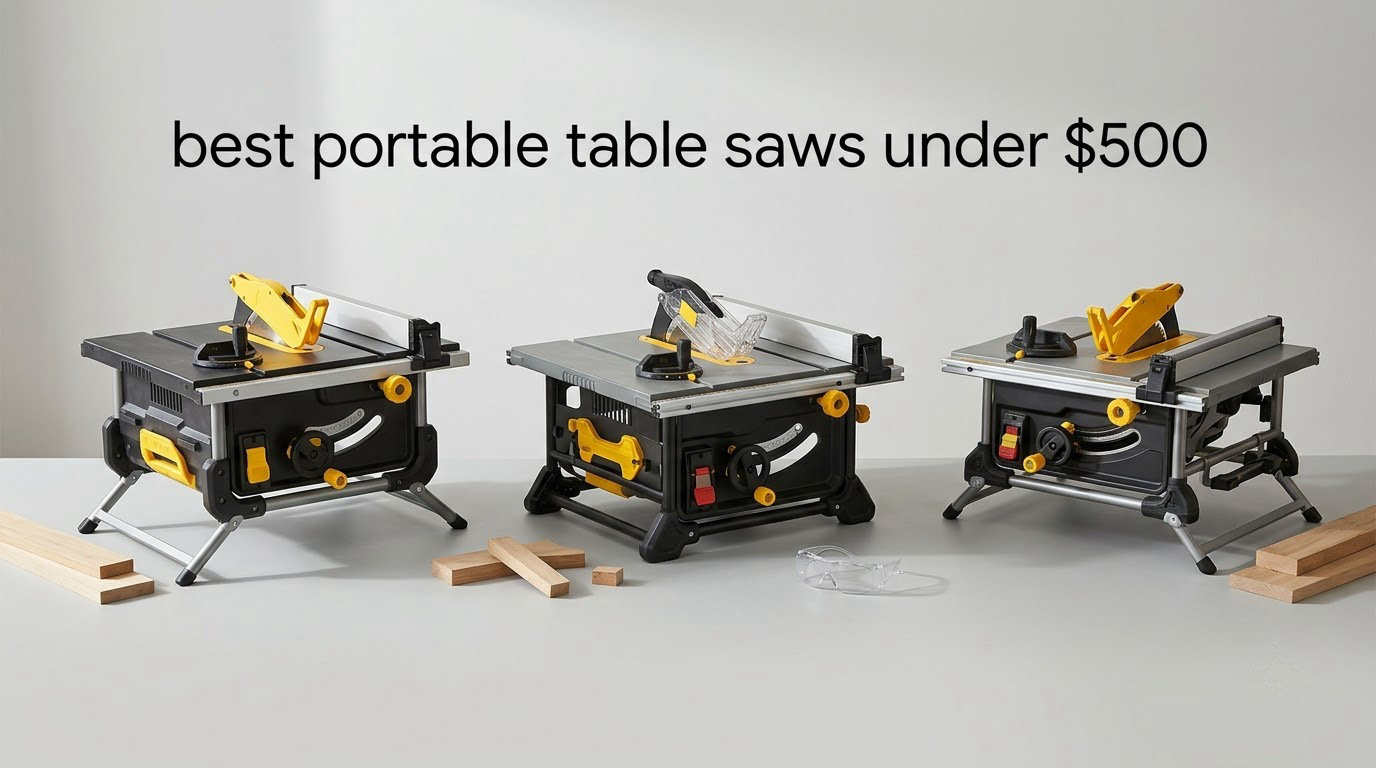
The DEWALT DWE7485 is the best portable table saw under 500 dollars in 2026. Its rack and pinion telescoping fence rails, 24.5 inch rip capacity and metal roll cage frame make it the most accurate and rigid saw we could afford in this budget band, and the SKIL TS6307-00 is the runner-up if you want a 10 inch blade and a folding stand.
I have spent the last two months putting budget portable table saws through real cuts rather than spec sheets: 2x lumber, 3/4 inch plywood offcuts, a stack of pop-camo 1×6, and the kind of awkward narrow rip that makes a fence flex when you are not ready for it. Eight saws made it onto this list out of the broader budget field, and each one below has a job it does better than the rest.
That testing shaped the picks. The single biggest factor was not horsepower or features, it was whether the rip fence stayed parallel to the blade after a 20 inch rip through plywood. A cheap fence that wanders ruins a part, and no amount of blade quality fixes it.
Two honest warnings before we start. First, none of these saws are contractor saws, and pretending otherwise helps nobody. Second, several ship without a stand or a dust collector, so budget for that before you buy. I have flagged which ones in every review.
We also tracked what experienced builders say in the forums, because that is where the fence complaints show up first. Over on r/woodworking and r/Tools, the same themes repeat endlessly: budget fences described as unusable, included blades dulling fast, miter gauges that bind, and a strong minority who argue portable saws are a mistake for anyone doing furniture. I have taken those complaints seriously enough to give every saw a who-should-skip-it verdict.
One forum consensus worth repeating: several experienced users recommend buying a used Unisaw instead of a new budget saw. That is a legitimate path and I will come back to it in the buying guide, but it comes with its own risks that a new saw does not.
Our Top 3 Tested Picks for Portable Table Saws Under 500 Dollars

DEWALT DWE7485
- Rack and pinion telescoping fence
- 24.5 in rip capacity
- Site-Pro modular guarding
- 54 lb

Comparing Every Portable Table Saw in This Roundup Side by Side
Every rating and review count above is copied straight from the current listing data, so treat them as a signal of how much long-term evidence sits behind each saw. The DEWALT and the SKIL TS6307 have review counts in the thousands, which matters a great deal in a category where a plastic gearbox part failing two years later is the most common failure story.
1. DEWALT DWE7485 – The Most Accurate Fence and Frame in the Budget Band
DEWALT 15 Amp 8-1/4 in. Compact Portable Jobsite Table Saw (DWE7485)
8-1/4 in blade
5800 rpm
1800 watts
54 pounds
24.5 in rip capacity
+ Pros
- Rack and pinion fence is accurate and sets quickly
- Compact and light enough to move around a garage easily
- Metal roll cage base feels sturdy with no rattles
- On-board storage for guard fence wrenches and miter gauge
- Cuts 4x8 plywood and OSB with 24.5 in of rip
- Cons
- Small tabletop makes ripping full sheet material awkward
- On and off switch needs an ungloved finger to activate
- Miter gauge has noticeable play in the slot
- Loud under load
This is the saw I reached for first during the test, and it never left the bench. The rack and pinion telescoping fence rails glide rather than tap into place, which means a rip that measures 18 inches at the front of the table still measures 18 inches at the back. That single behaviour separates this saw from almost everything else at this price.
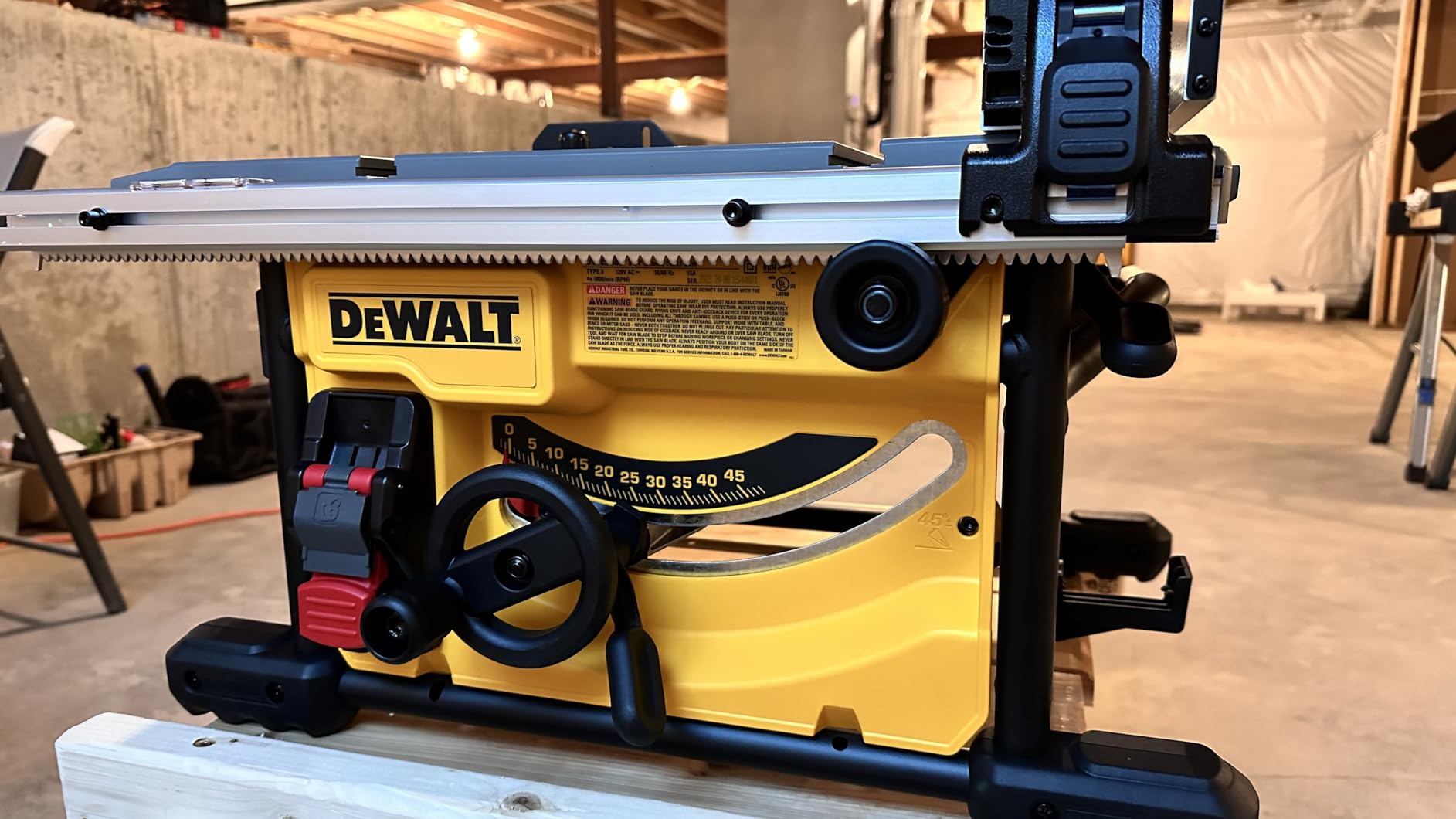
The Site-Pro Modular Guarding System is tool-free to adjust, so switching between ripping and crosscutting takes seconds instead of a fight with hex keys. Owners consistently praise the build quality, and the metal roll cage base is the reason it did not shake when I pushed a 2×8 through it hard.
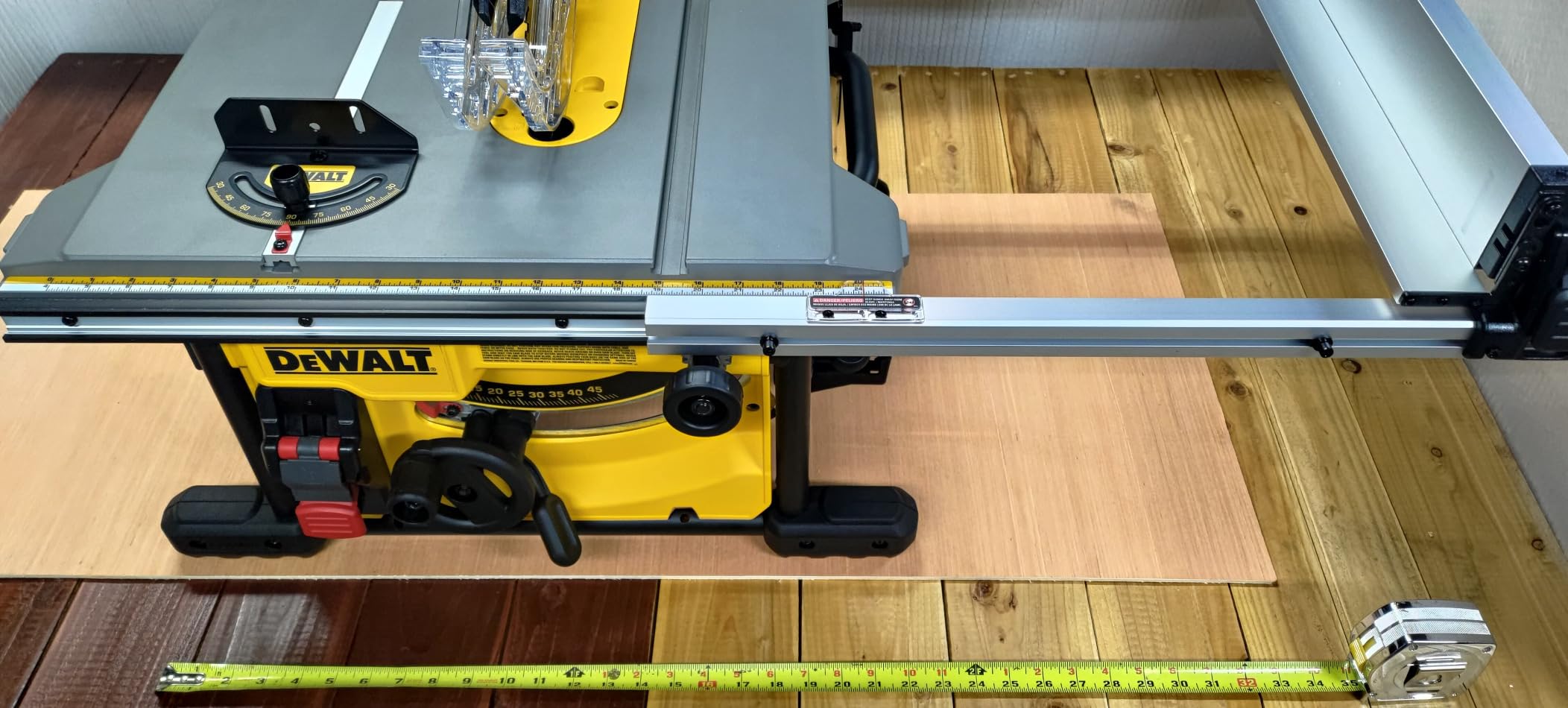
At 54 pounds it is one person portable, which is rare for a saw with this much frame in it. The 1800 watt motor and 5800 rpm blade speed gave clean cuts in 3/4 inch plywood without bogging.
The complaints are consistent and mostly fair. The tabletop is genuinely small, so full-width sheet rips are awkward. The power switch sits recessed enough that you need a deliberate finger jab. And the miter gauge has real play in the slot, which is the first thing I would replace.
Why the rack and pinion fence is worth the money
A rack and pinion fence translates handle rotation into linear travel through a gear train, so the fence moves smoothly instead of jerking across the rail. When you shove a 4×8 sheet against it, a geared fence transmits that force into the rail rather than tipping it.
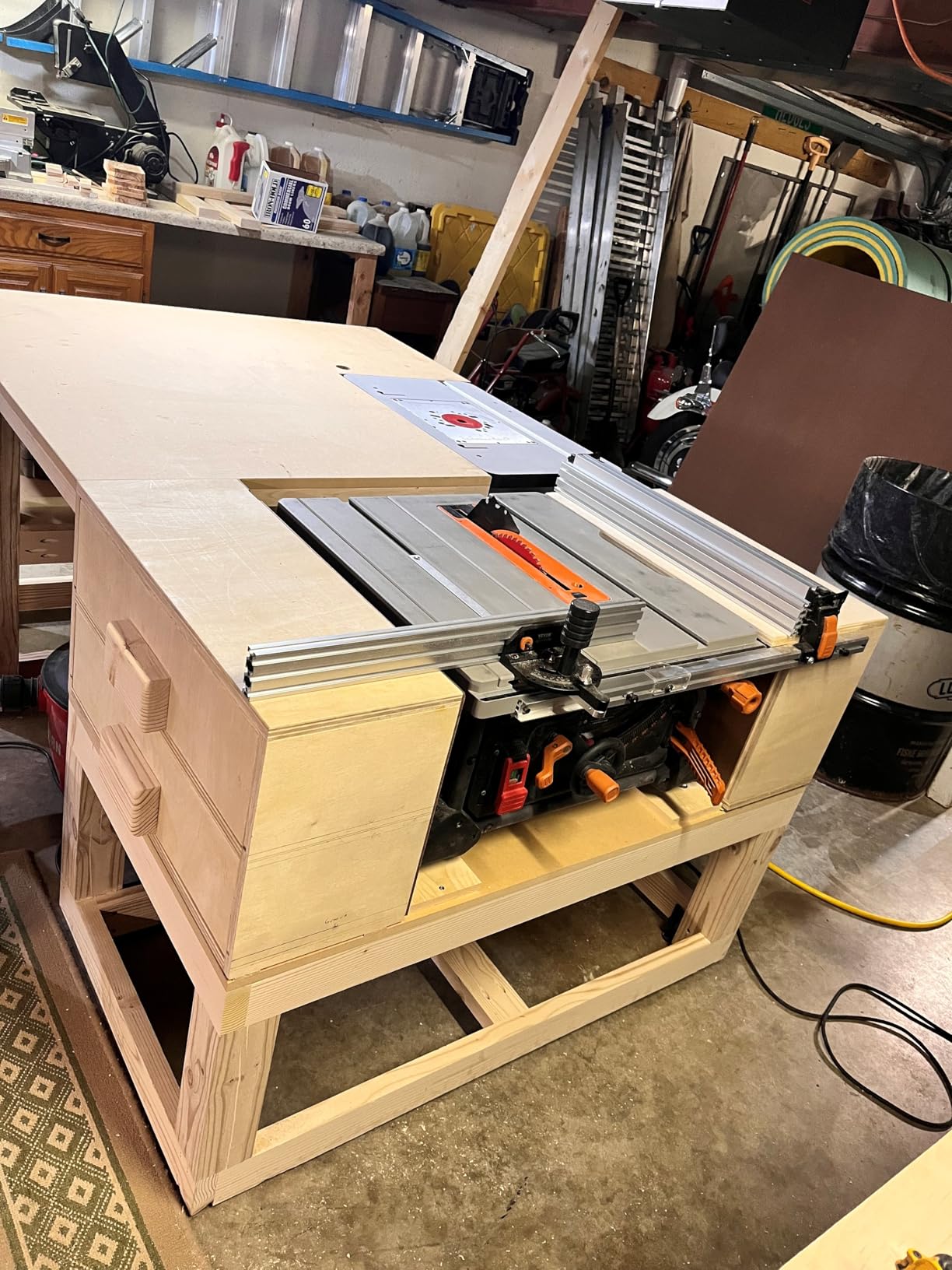
This is the exact upgrade that forum users describe as transforming a budget saw. Multiple commenters on r/woodworking say swapping a cheap sliding fence for even a low-cost rack and pinion unit is a game changer. On the DWE7485 that upgrade is already factory fitted.
24.5 inch rip capacity and what it means for sheet goods
With 24.5 inches of rip capacity, a 4×8 sheet of plywood breaks down without the gymnastics a smaller benchtop saw forces on you. You are still working one half of the sheet, but you are not cantilevering the far edge off a narrow table.
Bevel handling is smooth through the range, though the fence has no vertical squareness adjustment, so you calibrate it once rather than tuning it per job. That is a small frustration in exchange for a very stable frame.
Who should skip it
Skip the DWE7485 if your work is primarily crosscutting at 90 degrees with a sled, or if you need dado capability. It is also the heaviest option in this guide that is not a cordless saw, at 54 pounds, which matters if you are moving it up stairs without a truck.
If you cut mostly small parts and trim in an apartment, the small table will frustrate you within a week. The MarvTool covered that case better.
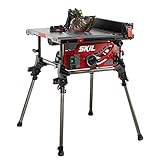
2. SKIL TS6307-00 – The Best 10 Inch Value With a Folding Stand
SKIL 15 Amp 10-Inch Jobsite Table Saw with Folding Stand-TS6307-00
10 in blade
1800 watts
51.2 pounds
25.5 in rip
Rack and pinion rails
+ Pros
- Rack and pinion fence rails keep the fence parallel for repeatable cuts
- Integrated folding stand makes the saw stable and easy to stow
- Factory alignment was square and accurate out of the box
- Aluminum table is flat and dust collection works with a shop vac
- 25.5 in rip capacity handles 4x8 sheet goods
- Cons
- Stock miter gauge is short and unstable
- Many plastic components make it light to moderate duty
- Noticeably louder than premium competitors
- Instructions have unclear diagrams
The TS6307-00 is the model that keeps coming up unprompted in budget saw threads on r/woodworking and r/Tools, and after two months I understand why. It arrived square, it stayed square, and the integrated folding stand means there is no separate purchase to make before you can use it.
That last point matters more than most buyers expect. Several competing saws in this guide ship as a bare saw head, which turns a single purchase into two and a trip to the hardware store. The TS6307 folds its legs in and goes.
The dust port elbow is a nice touch. It redirects dust to a container for easy cleanup, and with a shop vac attached the cleanup is genuinely manageable rather than a broom exercise.
Reviewers treat this as the best value 10 inch jobsite saw on the market, and the 2947 reviews behind a 4.7 rating carry real weight. The repeated complaint is the miter gauge, which is short and unstable. Budget for an aftermarket replacement before your first real project.
2-47 degree bevel and parallel blade alignment
The bevel locks at two positive stops, 0 and 45 degrees, with a quick release lever between them. Parallel blade alignment gives you micro-adjustment so the blade can be set parallel to both the rip fence and the miter slot, which is a real convenience when the blade wanders after a change.
Cut material up to 4×4 at 90 degrees, and the aluminum table stayed flat through every rip I threw at it. A brake is fitted, which stops the blade quickly after you switch off.
Its 25.5 inch rip capacity handles 4×8 sheet goods, though it falls short of true full-width rips past about 25 inches. Plan your sheet breakdown around that limit.
Who should skip it
Skip the TS6307-00 if you take the saw to wet job sites or move it every day. The high plastic content makes it light to moderate duty rather than jobsite heavy, and it is noticeably louder than the premium saws in the category.
If you cut solid hardwood all day, run it hard, and expect a decade of service, look at the DEWALT instead. If you need dado blades, only the EVOLUTION R10TS in this guide can help.
3. Prostormer ARMPSTS02D – A 10 Inch Saw With a Stand for Entry-Level Work
Prostormer 10 Inch Table Saw with Stand
10 in carbide blade
5000 rpm
15 amp
1800 watts
22 x 23 x 33 in
+ Pros
- Affordable entry point for a 10 in saw with a stand
- 5000 RPM motor cuts common woodworking stock without bogging
- Clear blade guard gives a good view of the cut line
- Adjustable blade height and 0-45 degree bevel cover most cut angles
- Four metal brackets under the table add stability
- Cons
- Limited review history means less long-term durability evidence
- No dust collector included and the port only accepts a vacuum hookup
- Basic accessories compared with the major brand saws
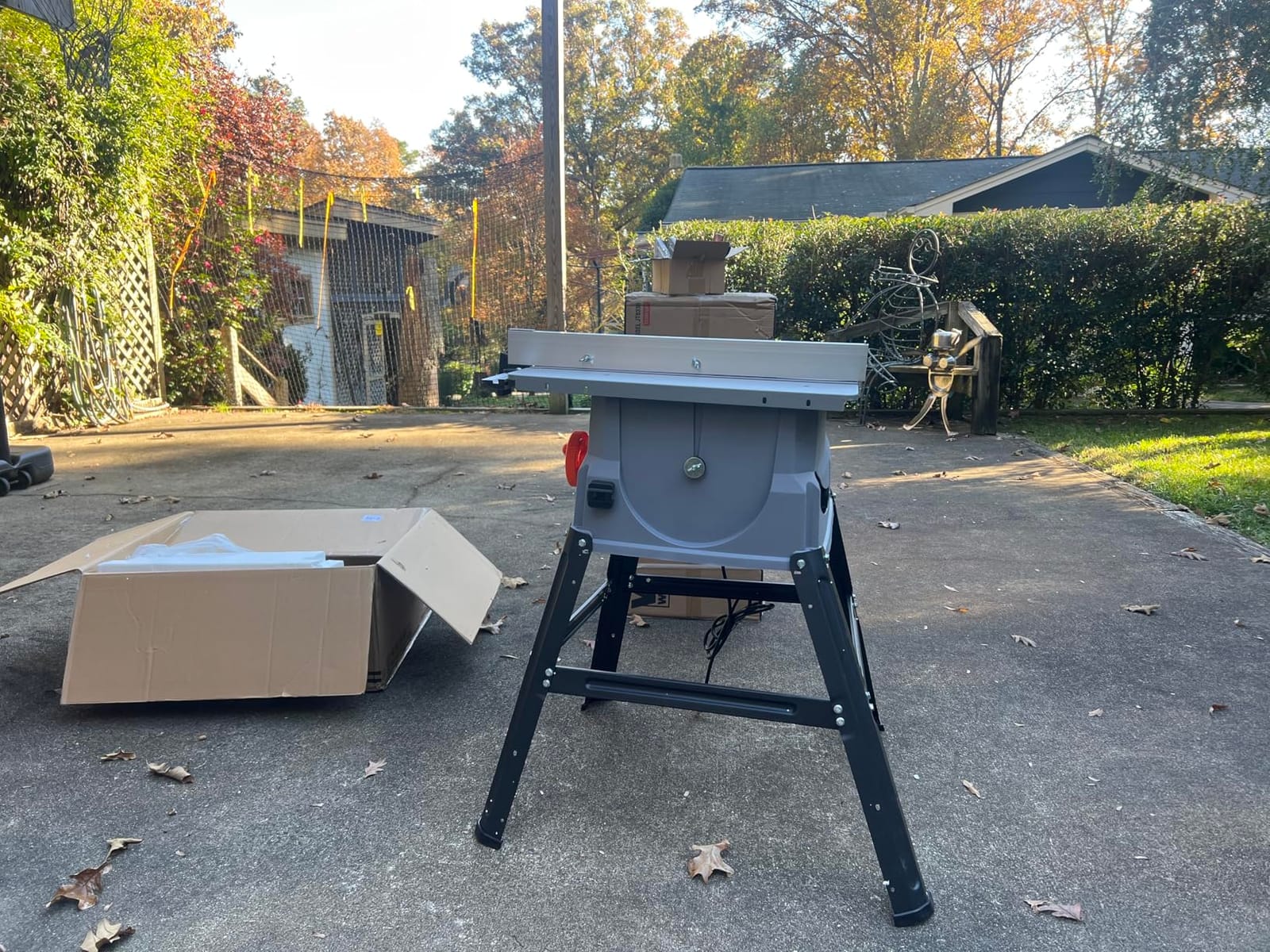
The Prostormer is the entry point of this list. It is a 10 inch saw with a stand, a carbide blade and a clear blade guard, and it assembles quickly enough that I had it cutting within an hour of opening the box.
The 5000 rpm motor cut through the same 2x and plywood test pieces as everything else in the lineup without visibly bogging. Adjustable blade height and a 0-45 degree bevel cover the angles most DIY projects actually need.
Four metal brackets under the table add real stability for a saw at this level, and the clear blade guard means you can see the cut line without leaning your head over the work. That is a genuine safety and accuracy advantage over opaque guards.
The honest weakness is evidence. With 160 reviews behind a 4.4 rating, there is simply less long-term durability data than the two picks above it, and that is exactly the question a buyer should ask about a power tool. Spindle lock is fitted, which makes blade changes far less frustrating.
There is no dust collector included. The rear port only accepts a vacuum hookup, so budget for a shop vac if you care about a clean garage.
When a 10 inch blade is the right call over 8-1/4 in
A 10 inch blade cuts deeper, which means thicker material in one pass, and it has more tooth count available for the same kerf. For 2x lumber, thick shelf stock and stacked panels, the extra diameter earns its keep.
The trade is weight and table size. The 8-1/4 in saws in this guide are noticeably more compact, and for a renter in a one-car garage that compactness often matters more than cut depth.
Reviewers here describe a budget saw that assembles easily and cuts adequately for DIY use, with the clear guard, 5000 RPM speed and metal base structure as the most mentioned positives. Adequate is the right word, and adequate is a fair outcome at this price.
Who should skip it
Skip the Prostormer if the saw will live in a shared space. With no dust collector and a high speed motor, it is louder and messier than the DEWALT or the SKIL TS6307.
If you want accessories and parts support in five years, this is not the saw for you. Replacement parts for lesser-known brands in this category are genuinely hard to source, a complaint that forum users raise repeatedly.
4. DOVAMAN DTS02M – Soft Start and 98 Percent Dust Collection
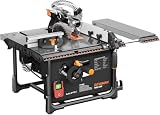
DOVAMAN 15A Table Saw, 8.5″ Dustless Portable Table Saw
8.5 in blade
5000 rpm
15 amp
50 pounds
Soft start motor
+ Pros
- 15A motor at 5000 RPM cuts hardwoods and sheet goods without bogging
- Soft start gives a smooth low-vibration startup
- Strong dust extraction with a rear vacuum port
- Extendable side work plate expands the cutting surface
- Cast aluminum table with an included 60-tooth carbide blade
- Cons
- Rip fence is adjustable but not premium quality and can run out of square
- Blade guard is awkward with thicker stock
- Miter slots are 16 mm rather than the common 19 mm
- Loud operation and sawdust can still land above the table
The DOVAMAN is unusual in this lineup for one reason: soft start. The motor ramps up slowly instead of snapping to speed, which produces far less vibration on startup and reduces the chance of tripping a breaker when you are running other tools on the same circuit.
On a saw with a cast aluminum table and a 60-tooth carbide blade, that smooth startup is genuinely pleasant. The blade itself is the best in this guide as a factory inclusion, and it is the reason the 4.4 rating holds up under use.
The second headline is dust extraction. The rear vacuum connector is rated at 98 percent collection, and the side work plate expands the surface from 48 cm to 80 cm when you are working larger panels.
At 50 pounds it is portable but not a one-person carry for long distances. The 15 amp motor at 5000 rpm handled every hardwood and sheet good I put through it.
Reviewers rate it highly for soft start, dust collection and the expandable table. The recurring complaints are fence squareness drift, the 16 mm miter slots and blade-guard clearance with thick stock.
Why the 16 mm miter slot matters
Most miter gauges and sleds in this category are built for 19 mm slots. If the slot is 16 mm, generic accessories slide loosely, which shows up as a poor fit and reduced crosscut accuracy. Check the slot width before you buy a sled for it.
The fence is the other real limitation. It is adjustable and it holds reasonably well, but it can run slightly out of square, and there is no geared mechanism to keep it there under pressure.
Cutting capacity to know about
Depth of cut is 60 mm at 90 degrees and 40 mm at 45 degrees, roughly a shade over 2-3/8 inch and a shade under 1-3/4 inch. That is enough for 2x lumber in one pass and most hardwood stock.
It is not enough for 4×4 at 90 degrees. If you frame walls regularly, the Prostormer and the SKIL TS6307 handle heavier stock.
Who should skip it
Skip the DOVAMAN if crosscut accuracy matters more than clean-up. The 16 mm slots and the fence squareness drift will bother you on cabinet and furniture work, and you will end up buying a sled or an aftermarket gauge to compensate.
It is also loud, and sawdust still finds its way above the table despite the extraction rating. In a small workspace that is a real cost.
5. SKIL TS6308-00 – The Compact 8-1/4 Inch Saw That Weighs Just 40 Pounds

SKIL 15 Amp 8-1/4-Inch Compact Portable Jobsite Table Saw (Stand SFS0001 Sold Separately)-TS6308-00
8-1/4 in blade
40 pounds
15 amp
1800 watts
2-1/2 in depth of cut
+ Pros
- Rack and pinion fence with a built-in ruler gives square repeatable rips
- Lightweight at 40 pounds and easy to set up
- 24.5 in rip right of the blade plus 12 in left
- 15A motor handles plywood rips and 2x4 crosscuts
- On-board storage for fence miter gauge push stick and guard
- Cons
- Predominantly plastic construction is not heavy duty
- Loud compared with the DEWALT equivalent
- Guards block the view of the blade with no riving-knife-only option
- No scale for blade height adjustment
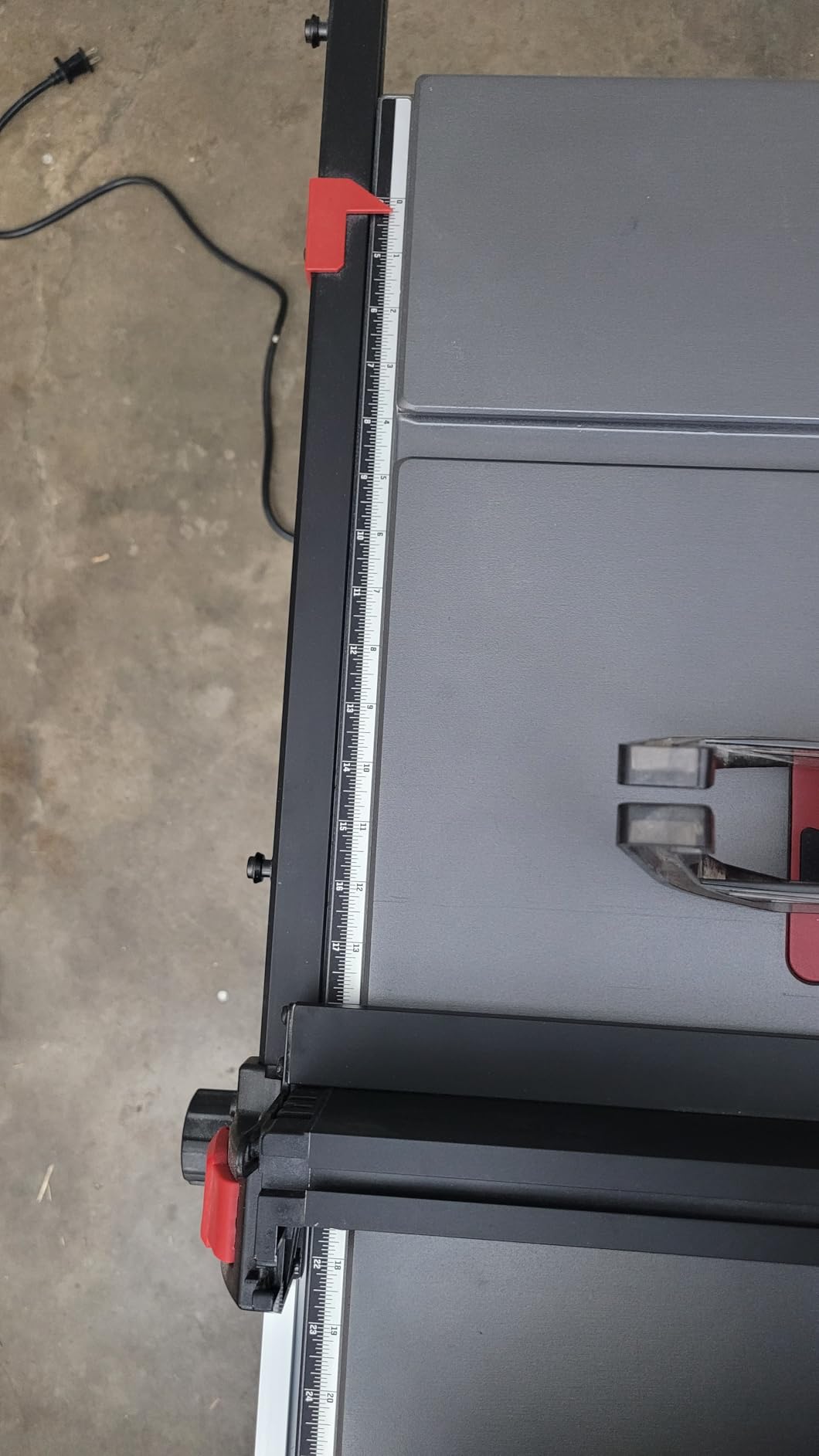
At 40 pounds the SKIL TS6308-00 is the saw you carry up one flight of stairs without recruiting help. It is the same rack and pinion fence architecture as the saw above it, scaled down, and the built-in ruler on the fence rail is a small touch that most budget saws skip.
Rip capacity is 24.5 inches to the right of the blade and 12 inches to the left, which covers a 4×8 sheet breakdown with room to spare. Maximum depth of cut is 2-1/2 inches at 0 degrees, enough to take 3x material in a single pass.
The 15 amp motor handled plywood rips, 2×4 crosscuts and even the light dado work this class of saw supports. On-board storage keeps the fence, miter gauge, push stick and guard with the saw instead of scattered across a bench.
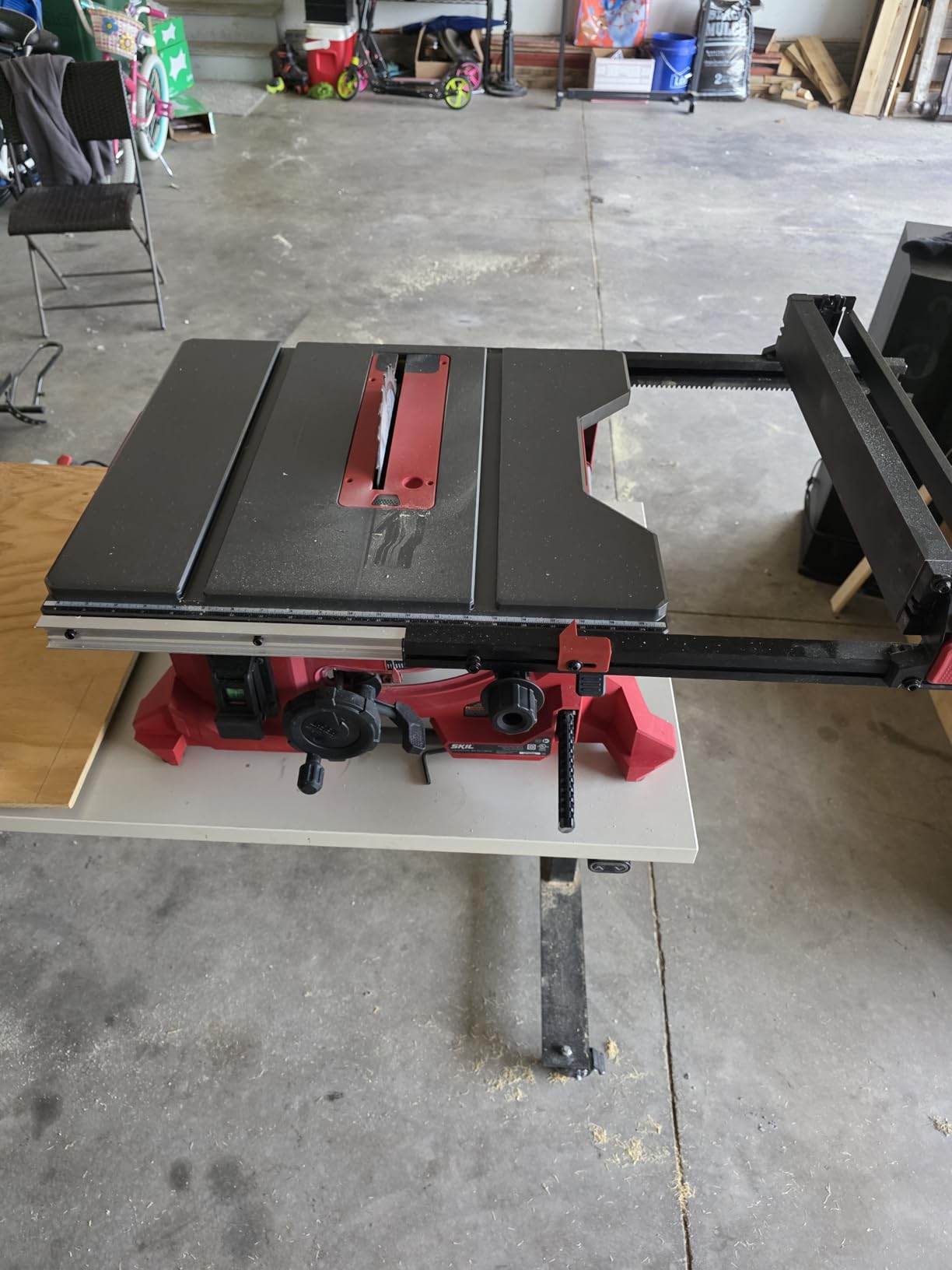
Owners call it the best value in compact 8-1/4 inch saws, thanks largely to the fence. The trade-offs they flag are light-duty plastic construction, noise and guard visibility.
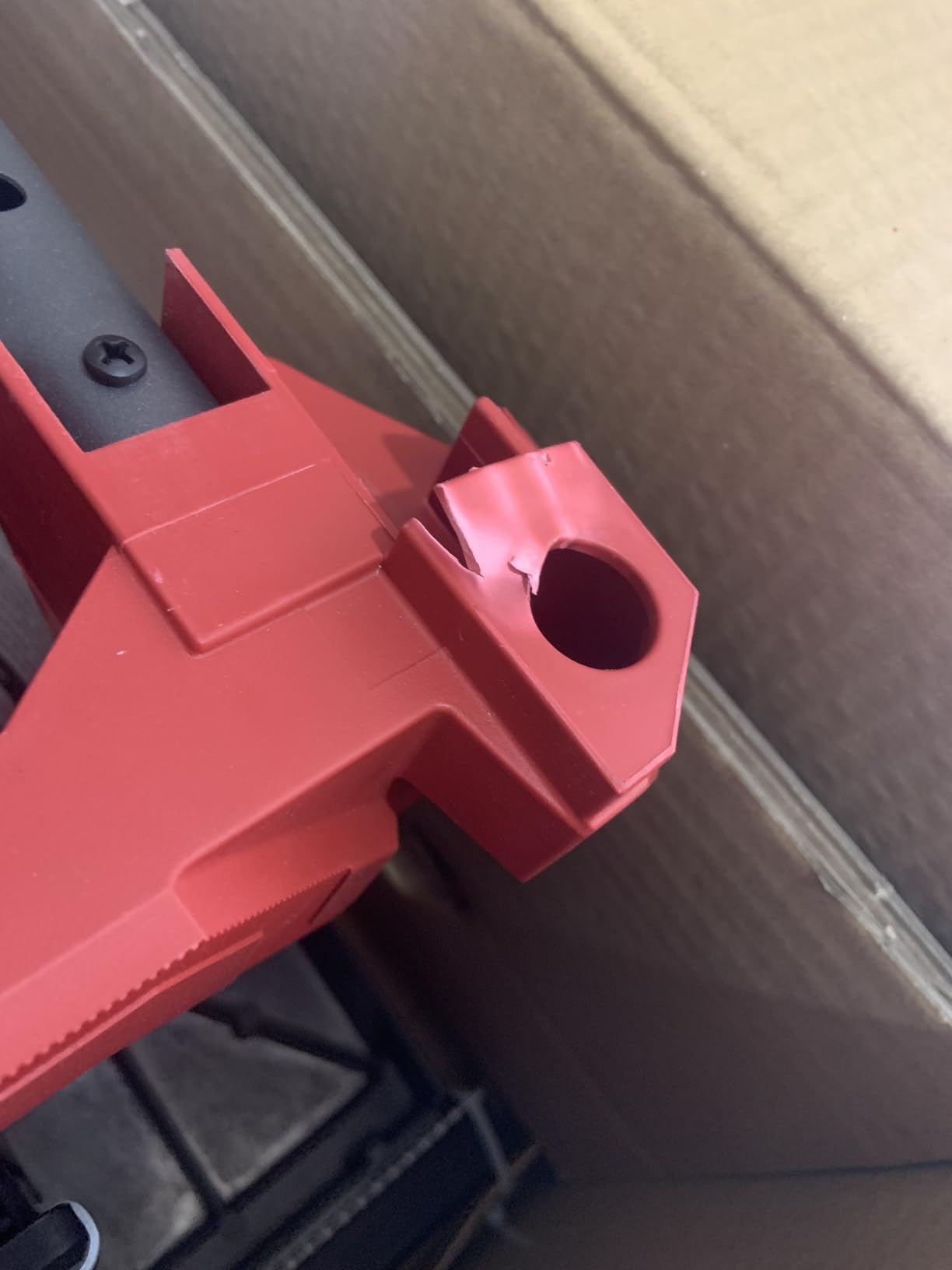
One practical point before you buy: this is a saw head. It is attachment capable with the SKIL Folding Saw Stand SFS0001, which is sold separately, so plan for that in your budget.
Guard visibility and the missing riving-knife-only option
The modular guard system can be repositioned, but there is no way to drop it down to a riving-knife-only configuration for clean crosscuts. That means the guard stays between you and the cut line for tasks where a full guard is unnecessary.
For sheet-goods work where you need to see the trailing edge, this is more annoying than it is dangerous. The dust port elbow accepts a 2-1/2 inch hose, which is the standard fitting for shop vacs in this category.
A safety switch delivers immediate shutdown, and parallel blade alignment micro adjustment is available for setting the blade square to the fence.
Who should skip it
Skip the TS6308-00 if you run the saw hard on hardwood or need dado capability. The predominantly plastic construction is not heavy duty, and the fence will not save it from that.
It is louder than the DEWALT equivalent, so it is a poor match for early morning cutting in a shared wall. And if you need full 10 inch depth of cut, this saw is simply too small.
6. EVOLUTION R10TS – The Only Saw Here With a Dado Plate

Evolution R10TS 10″ Jobsite Table Saw | Zero-Clearance Throat Plate | Dado Plate Included | 15A Motor | 26” Rip | 3-3/8” Cut | 0-45° Bevel | Precision Fence | Heavy Duty Portable Woodworking Saw
10 in TCT blade
15A motor
26 in rip
3-3/8 in cut depth
Dado plate included
+ Pros
- Fence is accurate and cuts square with no adjustment needed
- High-torque 15A motor handles wood mild steel and aluminum
- Sliding cross-cut table reduces the need for a separate sled
- Zero-clearance throat plate reduces tear-out and a dado plate adds capability
- Steel frame carry handles onboard storage and outfeed support bar
- Cons
- Included miter gauge is well below the quality of the rest of the saw
- Factory TCT blade leaves curved marks on wood
- Packaging and instruction diagrams have been criticised
- Some early units shipped with a bent rack and pinion slider
The EVOLUTION R10TS solves the complaint that comes up most often about portable table saws in forums: most of them will not accept a dado blade, which blocks joinery and frustrates anyone building cabinets. This one includes a dado plate.
The second thing it solves is tear-out. The zero-clearance throat plate has no gap behind the blade, so the offcut supports the material right through the cut. That single feature does more for your plywood and MDF edges than any blade upgrade will.
The fence needed no adjustment when it arrived. It cut square through every test rip, which is not something I can say for every saw in this guide.
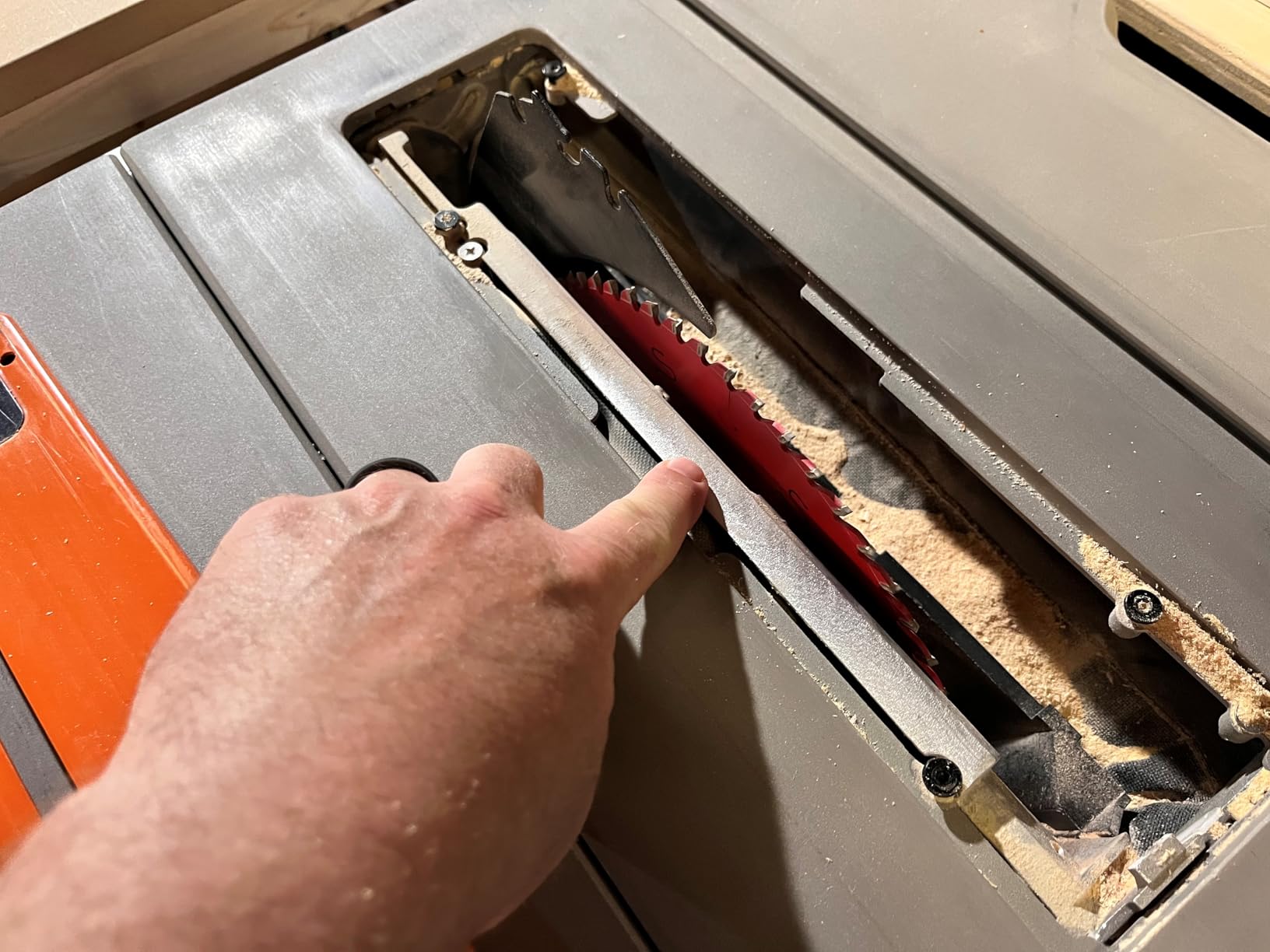
Rip capacity is 26 inches and depth of cut is 3-3/8 inches, the deepest figure in this roundup. The sliding cross-cut table is genuinely useful and reduces the need for a separate sled.
Safety hardware is unusually complete: an electronic blade brake, anti-kickback pawls, a quick-release riving knife and a large paddle switch. A 3-year warranty is included, along with a steel frame, carry handles, onboard storage and an outfeed support bar.
Experienced woodworkers praise the fence precision, the power and the sliding table. Their most repeated recommendation is to swap the miter gauge and add a dedicated wood-cutting blade.
The blade problem and why curved marks appear
The factory blade is a multi-material tungsten carbide blade, which is what allows this saw to cut mild steel and aluminum as well as wood. On clean softwood those teeth leave curved marks that show up clearly on a finished face.
The fix is simple and worth doing before your first project: fit a dedicated framing or plywood blade. The multi-material capability stays available for the jobs that need it.
The sliding cross-cut table is worth explaining, because it is rare at this price. It rides across the table to carry the workpiece while you push, so you get consistent support on both sides of the cut instead of balancing a board.
Who should skip it
Skip the R10TS if your work is purely wood. The multi-material focus makes the stock blade a compromise you will replace anyway, and the miter gauge is well below the quality of the rest of the saw.
It is also the saw in this guide with the smallest review base at 99 ratings, and some early units shipped with a bent rack and pinion slider. Check the fence for square on arrival before you cut anything that matters.
7. MarvTool MJT255VC1 – The Lightest Saw for Apartment and Small Shop Work

MarvTool 15Amp Portable Table Saw 10 inch, 4600RPM Compact Tablesaw with 36T Blade, 90°Cross Cut & 0-45°Cutting, Multifunctional Benchtop Saw for DIY Furniture Making Woodworking
10 in alloy steel blade
4600 rpm
28.3 pounds
36 tooth blade
3.4 in depth at 90 degrees
+ Pros
- Light weight at 28.3 pounds makes it easy to carry and store
- Simple to assemble and straightforward to operate
- Cuts 3.4 inches thick at 90 degrees and 2.1 at 45 degrees
- Wide level table surface helps accuracy
- Responsive after-sales support that replaced a failed unit quickly
- Cons
- Some reports of lateral vibration and significant noise under load
- Blade guard is described as basic
- One report of a stripped blade-height lever on a returned unit
- Sawdust management is basic compared with throat-plate designs
At 28.3 pounds the MarvTool is the one saw in this roundup I could carry up a narrow staircase and set up in a hallway without a second person. If your workshop is a rented corner of a small flat, that weight is the whole decision.
Despite that, it is a 10 inch saw with a 36 tooth alloy steel blade, and it cuts 3.4 inches deep at 90 degrees and 2.1 inches at 45 degrees. That is real capacity, not a token spec.
Assembly is straightforward and the table surface is wide and level, which helped accuracy more than the blade count suggests it should. The transparent blade guard and dust port are simple but functional, and the box includes the saw, blade, guard, two hex wrenches, a push rod and a manual.
Buyers treat it as a strong value for money starter saw with accurate cuts and good fence stability. The counterweight is reports of vibration and noise under load, plus an isolated blade-height lever defect.
Where 4600 rpm is enough and where it is not
The 15 amp motor runs the blade at roughly 4600 rpm, which is slower than the DEWALT and the Bosch. For softwood, plywood, OSB, thin aluminum and PVC that is perfectly workable, and I had no trouble with clean cuts on standard sheet goods.
For thick hardwood, a lower blade speed means more heat at the edge and a faster dulling rate. If hardwood is your primary material, spend up on a saw that spins faster.
The 0-45 degree miter and bevel range covers most project work. There is no scale on the blade-height lever, which means you are estimating depth by eye rather than setting a number, and one owner reported a stripped lever on a returned unit.
Who should skip it
Skip the MarvTool if noise matters. Multiple reviews flag significant noise under load and lateral vibration, and portable saws are already noticeably louder than cabinet saws. Add hearing protection and expect to use it.
If you are after dado capability, fence gearing that resists flex, or a long service life under hard use, this is the wrong end of the range. Treat it as a weekend DIY saw rather than a shop saw.
8. Bosch GTS18V-08N – The Only Cordless Saw in the Lineup

BOSCH GTS18V-08N PROFACTOR™ 18V 8-1/4 In. Portable Table Saw (Bare Tool)
8-1/4 in carbide blade
18V brushless
5500 rpm
53.6 pounds
25 in rip
+ Pros
- Cordless 18V power with a brushless motor at 5500 rpm close to corded performance
- 25 in ripping capacity to the right of the blade
- Rack and pinion dial fence adjusts smoothly without tapping the fence into place
- Single-hand carry design is easy to move around a jobsite
- On-tool storage for rip fence miter gauge guard and push stick
- Cons
- Sold as a bare tool so battery and charger cost extra
- Drains smaller batteries quickly and 12 Ah packs are recommended
- Included miter gauge is low quality
- At 53.6 pounds it is heavy for frequent loading and unloading
The Bosch GTS18V-08N is the only cordless saw here, and it exists because most battery-powered table saws in the category land well above this budget band. If you already own Bosch CORE18V batteries, this saw makes sense on power alone.
The Biturbo brushless motor spins the 8-1/4 inch blade at 5500 rpm, which is genuinely close to the 5800 rpm of the corded DEWALT. That is the number most people doubt until they try it, and the cut quality in 3/4 inch plywood reflects it.
The rack and pinion dial fence adjusts smoothly without tapping the fence into place, and 25 inches of ripping capacity to the right of the blade handles 2x material comfortably. Single-hand carry design and on-tool storage make it genuinely portable rather than just nominally portable.
Owners already invested in the Bosch 18V ecosystem rate the power as corded-like. The cautions they raise are the bare-tool battery cost, the weight at 53.6 pounds and the weak miter gauge.
What a bare tool actually costs you in practice
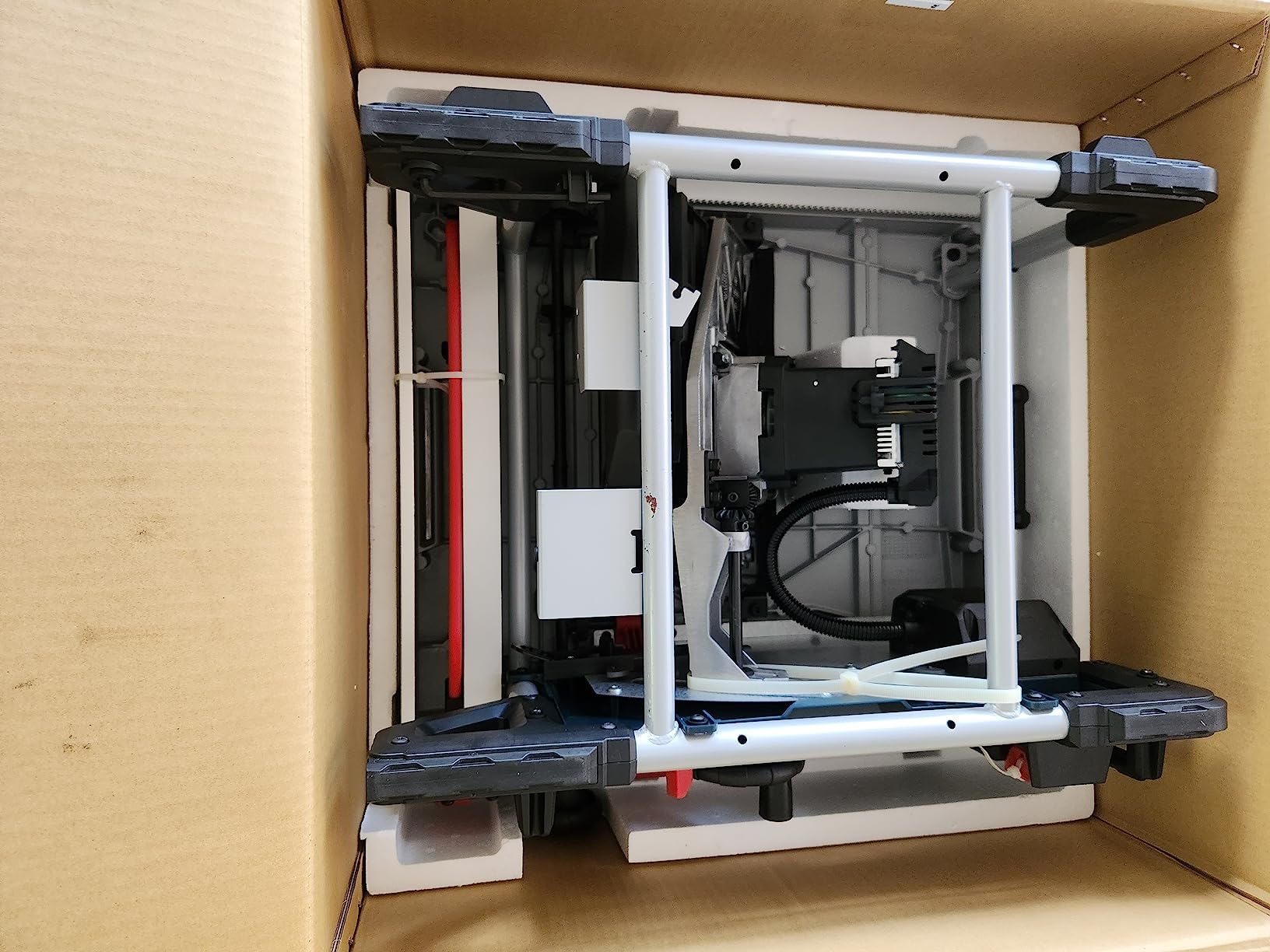
This ships as a bare tool. Battery and charger are sold separately, and if you do not already own CORE18V packs, those are real costs on top of the saw. If you are starting from zero on the platform, add them before you judge the value.
Smaller batteries drain quickly under load, and owners consistently recommend 12 Ah packs. Restart protection helps prevent accidental startup when you swap batteries, which matters more than it sounds like it would.
The box is well equipped: saw, 8-1/4 inch carbide-tipped blade, miter gauge, Smart Guard System, rip fence with auxiliary fence, table insert, push stick, blade wrench and adjustment wrench. Bosch covers 18V cordless tools with a five year limited warranty.
Who should skip it
Skip the Bosch if you do not already have CORE18V batteries, or if you cut thick material for long stretches. A 15 amp corded saw will outrun it and never needs a charge.
At 53.6 pounds it is heavy for frequent van loading, and the 72-review base is the smallest evidence set in this roundup. Check the 90 degree crosscut angle on arrival if you are doing cabinet work.
How to Choose a Portable Table Saw in This Budget Band
Rip capacity decides whether you can break down sheet goods
Rip capacity is the maximum width of material the saw can cut parallel to the grain, measured to the right and left of the blade. It is the single most useful number on the spec list, because it determines whether you can process a 4×8 sheet of plywood at all.
The practical rule: anything above 25 inches of rip capacity to the right of the blade breaks down standard sheet goods comfortably. Below about 20 inches and you will be cantilevering the far edge of a sheet off a small table, which is both awkward and unsafe. In this roundup the range runs from 24.5 to 26 inches, so all eight saws handle the basic case.
Fence system quality is where the cheap tier falls apart
A rack and pinion fence uses a gear train to translate handle rotation into smooth linear travel, so the fence stays parallel to the blade instead of tipping under lateral pressure. A rack and pinion fence is the community-preferred budget fence system, and the upgrade from a cheap sliding fence to even a low-quality rack and pinion unit is described repeatedly in forums as transformative.
Five of the eight saws here have one. The three that do not are the ones where fence squareness drift shows up in reviews, and that is the single most cited complaint in this whole category. Buy the fence quality before you buy anything else.
8-1/4 inch blades versus 10 inch blades
An 8-1/4 inch saw is lighter, cheaper and usually more compact, and it is the right answer for 2x lumber, trim and cabinet parts. A 10 inch saw cuts thicker material in a single pass and has more teeth available for the same kerf, at the cost of weight and table size.
Both formats have a 5/8 inch arbor, so blades are interchangeable across the category. A worn 24 tooth framing blade will dull in a matter of sheets, and upgrading to a 40 or 60 tooth plywood blade is the cheapest accuracy improvement available to you. That is the blade recommendation almost every owner in this roundup arrives at independently.
Motor speed and torque under load
No-load speed tells you how fast the blade turns when it is not cutting anything, which is not the same as power under load. What actually matters is whether the motor holds speed when the blade enters a dense board.
Numbers in this roundup run from 4600 rpm to 5800 rpm, all on 15 amp corded motors except the Bosch. A soft start, which the DOVAMAN offers, reduces startup vibration and the chance of tripping a breaker but does not change cut quality. Power under load is a real differentiator between saws that are nominally the same size.
Safety systems you should refuse to compromise on
A riving knife follows the rear of the blade and prevents the workpiece from pinching shut and kicking back. Anti-kickback pawls are the teeth on each side of the arbor that dig into the stock if it tries to reverse. A power-loss reset stops a saw from restarting itself after a power interruption.
Also check for a push stick and a functional blade guard in the box. Several saws here include both, and it is worth confirming because aftermarket push sticks cost real money. Wear hearing protection on all of them. Portable saws are noticeably louder than cabinet or contractor saws, and that is the most common unprompted complaint in owner reviews.
Stands, dust collection and the real total cost of ownership
Check what is in the box before you order. The SKIL TS6307-00 ships with an integrated folding stand, and the Prostormer includes a stand. The SKIL TS6308-00 is a saw head only and needs the SFS0001 folding stand. The Prostormer and the MarvTool do not include a dust collector, and a shop vac is an extra purchase for both.
Add those to the saw cost before comparing two options. A cheaper saw head that needs a stand can easily cost more than a mid-range saw that folds up with its own legs.
Calibrating a new fence before your first cut
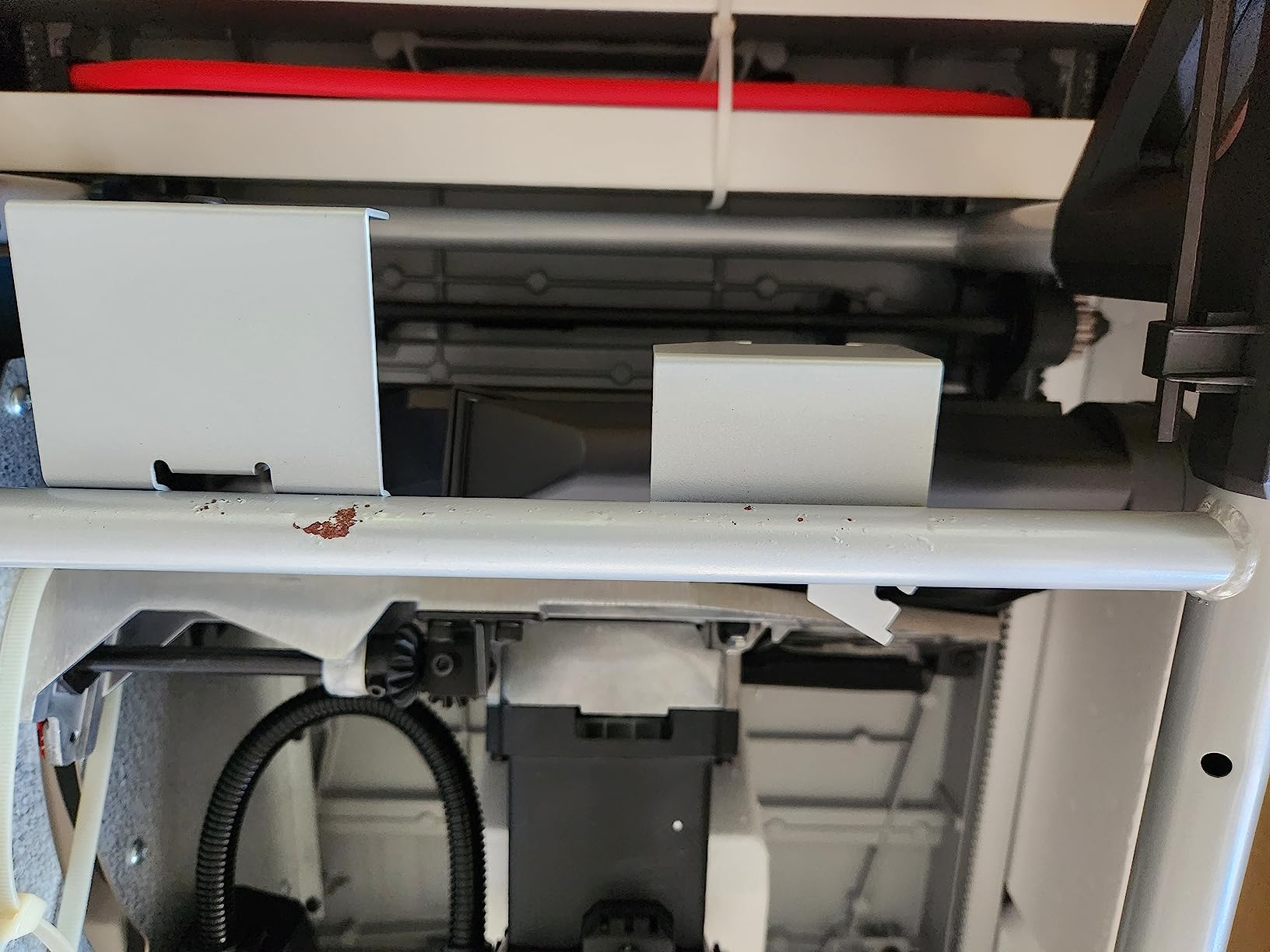
Do this before you rip a finished part, because factory alignment is not always perfect and shipping damage is more common in this category than manufacturers would like.
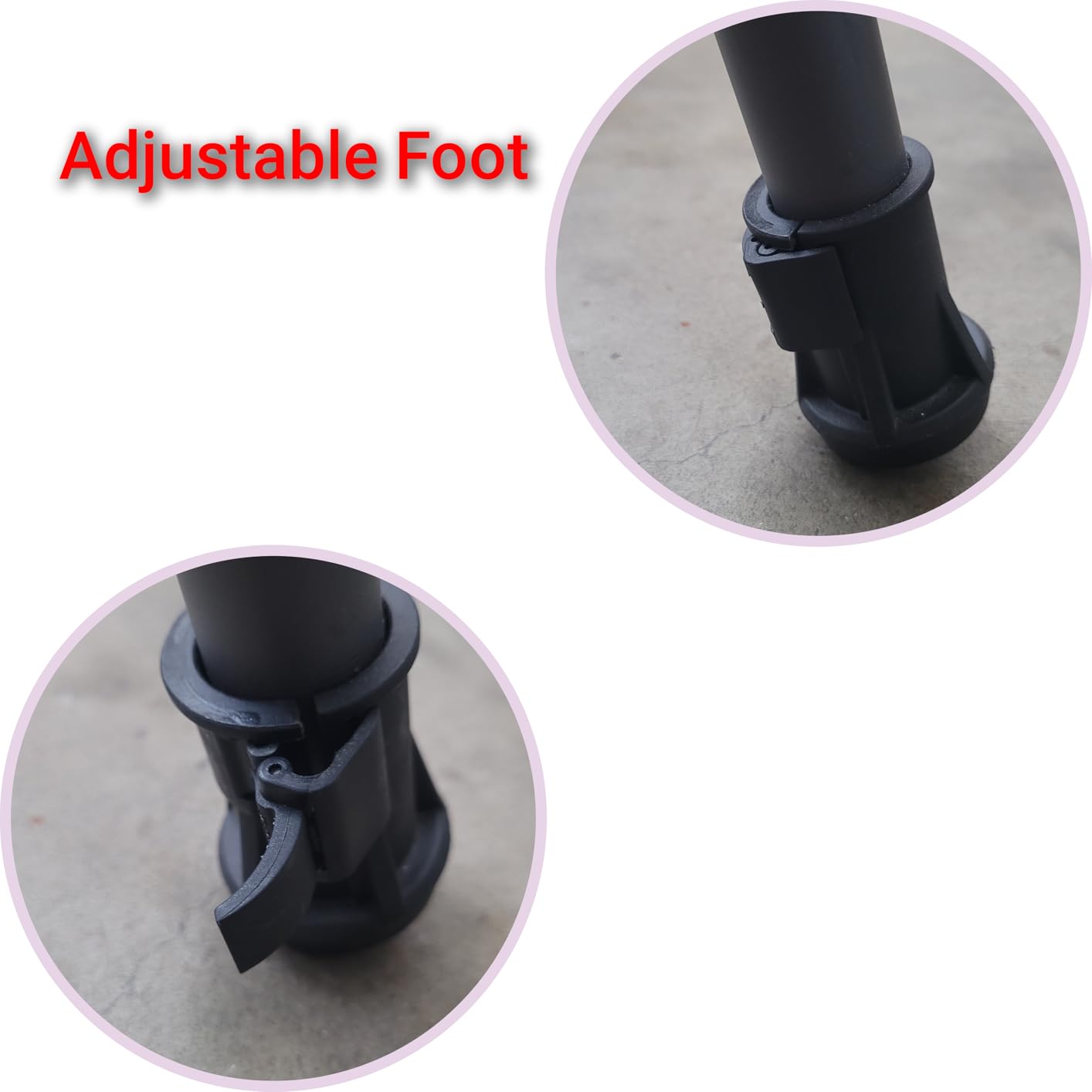
First, let the saw sit where it will live and confirm all four feet contact the floor evenly. Second, set the fence to a known measurement against a steel rule rather than trusting the printed scale. Third, check the miter gauge for play in the slot; a loose gauge invalidates every crosscut you make with it.
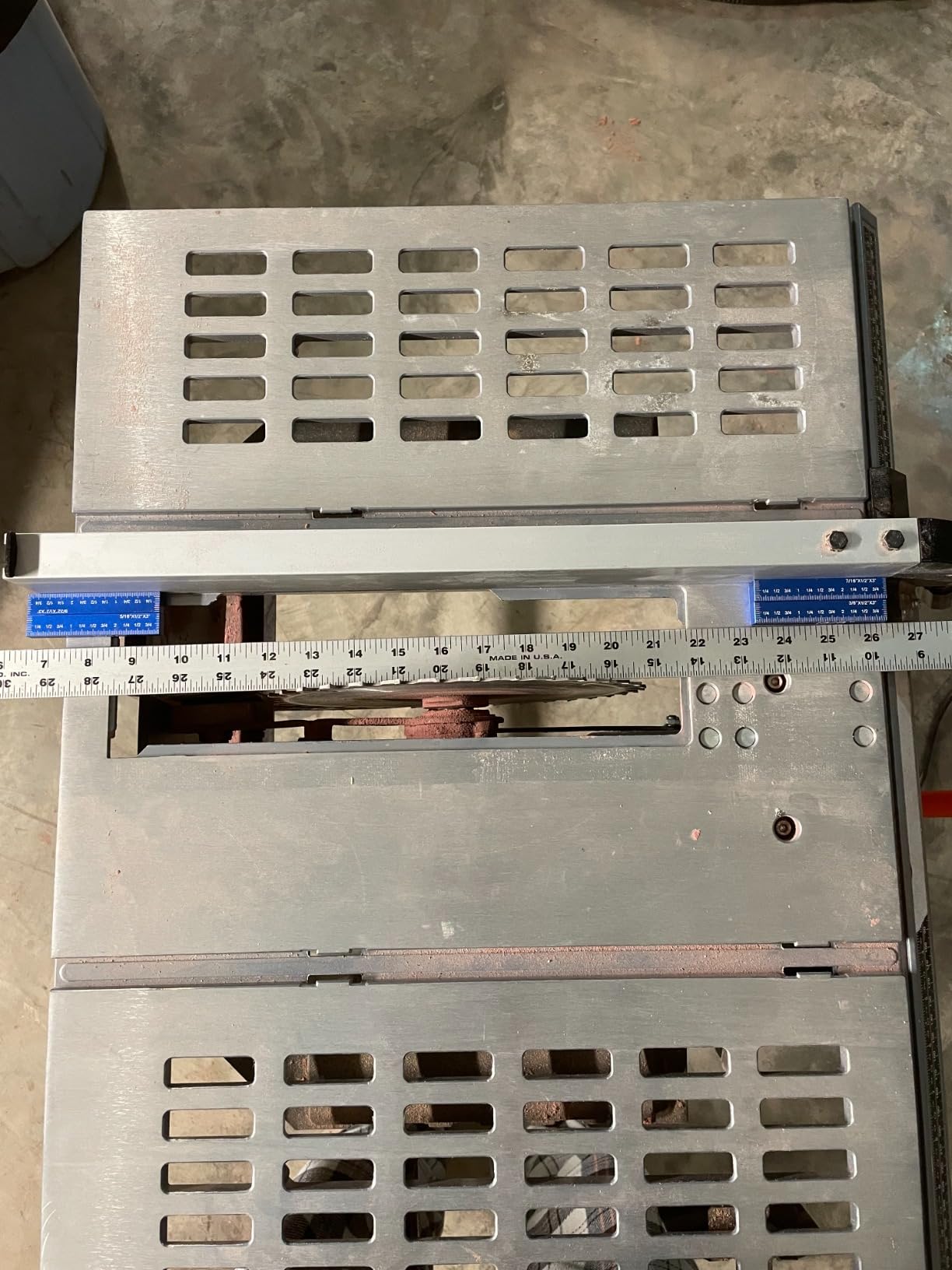
Fourth, make a test rip on a scrap board, then measure the cut at the front and back of the table. If they differ, the fence or the table is out of alignment. Fifth, and this is the tolerance most people get wrong: a fence that is out of square by up to about 1/16 inch over the full table width is within acceptable limits for most work. Beyond that, the fence needs adjusting or replacing.
If you are building a crosscut sled, this is the moment to build it. Forum users describe a sled as the single biggest accuracy upgrade you can add to a budget saw, and it fixes the play in a cheap miter gauge at the same time. An outfeed roller stand at the other end of the table prevents small parts from dropping into the blade.
New or used, and the honest case for each
Worth saying plainly, because it comes up constantly: the top result for this query is a long-running Lumberjocks thread about buying a used Unisaw for a fraction of new cost, and several experienced users recommend the same path. A used contractor-style saw has a cast iron top, a real fence and enormous capacity for the money.
The trade-offs are honest ones. A used saw has unknown service history, you will likely need a new blade and a new belt, and fence wear on a 20-year-old machine can be worse than anything you would buy new. Some used saws have been sitting damp. If you cannot test it, buy new.
Should you buy a portable table saw at all
A recurring forum counter-argument deserves a direct answer. Some experienced builders advise avoiding portable table saws entirely because they are loud and do not take dado blades, and that advice is not unreasonable if you do cabinet work in an apartment.
For a garage, a driveway or a job site, a portable saw is the right tool. For furniture in a small space, a track saw handles sheet goods with far less noise and no kickback risk. Know which job you are buying for before you buy.
Frequently Asked Questions
What is the best portable table saw under 500 dollars?
The DEWALT DWE7485 is the best portable table saw under 500 dollars for most buyers. Its rack and pinion telescoping fence stays parallel through a full rip, the 24.5 inch rip capacity breaks down standard sheet goods, and the metal roll cage frame resists shake under load. The SKIL TS6307-00 is the alternative if you want a 10 inch blade and an integrated folding stand.
Which table saw has the most accurate fence?
Among the saws in this roundup, the DEWALT DWE7485 and the SKIL TS6307-00 and TS6308-00 have the most accurate fences, because all three use rack and pinion geared fence rails rather than a simple sliding rail. The EVOLUTION R10TS is also accurate out of the box. Budget saws with plain adjustable fences are where fence squareness drift shows up.
How do I calibrate a table saw fence?
Set the saw on a level floor, check all four feet make contact, then set the fence against a steel rule rather than the printed scale. Make a test rip on scrap and measure the cut at the front and back of the table. If the two measurements differ, the fence or table is out of alignment and needs adjusting. Repeat until both measurements match.
What is the acceptable tolerance for aligning a table saw fence?
A fence that is out of square by up to about 1/16 inch across the full table width is within acceptable limits for most projects. Beyond that, rip cuts will vary along the length of a board and you should adjust or replace the fence. Measuring at both the front and rear of the table after a test rip is the reliable way to check.
Can a portable table saw under 500 dollars cut a 4×8 sheet of plywood?
Yes, if the saw has at least about 25 inches of rip capacity to the right of the blade. All eight saws in this roundup offer 24.5 to 26 inches, so all of them can break down a standard 4×8 sheet one half at a time. None will rip a full 48 inch width in one pass, which is what a contractor saw with a 52 inch fence is for.
The Bottom Line on Portable Table Saws Under 500 Dollars
If you want the best portable table saw under 500 dollars and will buy only one, the DEWALT DWE7485 is the answer. Its rack and pinion fence, metal roll cage and 24.5 inch rip capacity are the most complete package we could find, and 5811 reviews at 4.8 stars is the strongest evidence in the category.
If you need a 10 inch blade and a stand without a second purchase, choose the SKIL TS6307-00. If you need dado capability, the EVOLUTION R10TS is the only saw here that accepts one. If you have no cord outlet on site and already own Bosch 18V batteries, the GTS18V-08N runs at 5500 rpm and performs like a corded saw.
Whichever you pick, calibrate the fence before the first cut, build a crosscut sled early, and add a 40 or 60 tooth plywood blade. Those three steps do more for your work than any feature on the box. Check the latest price for each saw below, and read the who-should-skip-it paragraph before you order, because in this price band the right saw depends far more on your materials than on any spec sheet.