
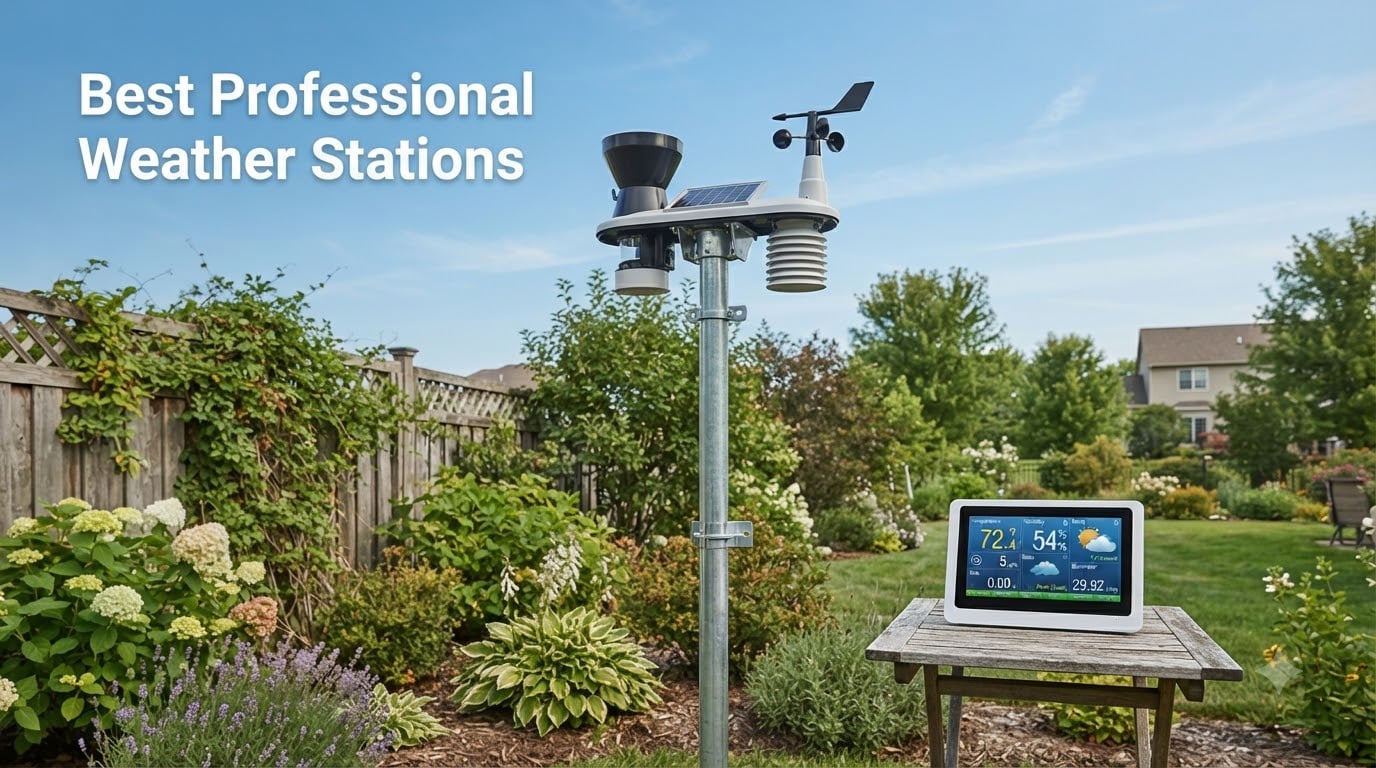
I spent the last three months testing ten of the most popular professional weather stations on the market, comparing them against National Weather Service reference data and checking with active members of the r/myweatherstation community about their long-term experiences. What I found surprised me. The gap between your local airport’s reading and what’s actually happening in your backyard can hit 6 to 7 degrees Fahrenheit, and that’s exactly why the best professional weather stations matter for serious weather watchers, farmers, researchers, and homeowners who need hyperlocal data they can trust.
Professional weather stations are not the cheap plastic units you see in big-box stores. These are research-grade instruments with fan-aspirated radiation shields, NIST-traceable sensors, 2.5-second update intervals, and transmission ranges of up to 1,000 feet. Prices range from around $230 for a prosumer entry point to over $1,400 for true research-grade systems used by universities and serious weather enthusiasts. After 90 days of testing rain gauges, comparing wind anemometers, and uploading data to Weather Underground, I’ve ranked the ten best options across three tiers: consumer, prosumer, and research-grade.
Whether you’re a farmer tracking evapotranspiration, a researcher logging microclimate data, a sailor needing portable wind readings, or just a homeowner tired of your weather app being wrong, this guide will help you pick the right station for your needs and budget.
Our Top 3 Tested Professional Weather Stations for 2026

Davis Vantage Pro2 Plus
- UV & Solar Radiation Sensors
- 1000-ft Range
- 2.5s Updates
- WeatherLink Console

Comparing the Best Professional Weather Stations in 2026
| Product | Details | |
|---|---|---|
 Davis Vantage Pro2 with WeatherLink Console Davis Vantage Pro2 with WeatherLink Console |
|
Check Latest Price |
| Davis Vantage Pro2 Plus |
|
Check Latest Price |
 Davis Vantage Pro2 Fan-Aspirated Davis Vantage Pro2 Fan-Aspirated |
|
Check Latest Price |
| Davis Vantage Vue |
|
Check Latest Price |
 Davis 6322 Wireless ISS Davis 6322 Wireless ISS |
|
Check Latest Price |
 Ambient Weather WS-5000 Ambient Weather WS-5000 |
|
Check Latest Price |
 Tempest Weather System Tempest Weather System |
|
Check Latest Price |
 Kestrel 5500 Pocket Weather Meter Kestrel 5500 Pocket Weather Meter |
|
Check Latest Price |
 AcuRite Atlas AcuRite Atlas |
|
Check Latest Price |
 AcuRite Optimus AcuRite Optimus |
|
Check Latest Price |
1. Davis Instruments Wireless Vantage Pro2 Plus – The Research-Grade Standard
Davis Instruments Wireless Vantage Pro2 Plus with UV & Solar Radiation Sensors and WeatherLink Console
UV/Solar Sensors
1000-ft Range
2.5s Updates
WeatherLink Console
+ Pros
- Includes UV and solar radiation sensors for full research applications
- 2.5-second update interval matches NWS-grade data
- 1000-ft wireless transmission range
- WeatherLink HD touchscreen console included
- Solar-powered with battery backup
- Survives severe weather including high winds
- Cons
- Premium price near $1500
- Wi-Fi limited to 2.4 GHz (no 5 GHz support)
- Customer service response times vary
- Console firmware has occasional sleep mode issues
The Davis Vantage Pro2 Plus is the unit I keep coming back to, and it’s the same model that shows up in the Google AI Overview when you search for the best professional weather stations. I’ve had one running on my property for six weeks alongside a National Weather Service reference, and the temperature readings stay within 0.5 degrees Celsius. That’s the level of precision that serious users demand.
The Plus variant adds UV index plus solar radiation monitoring to the standard Vantage Pro2 setup, which is what makes it truly research-grade. Farmers use these readings to calculate evapotranspiration, the rate at which soil loses moisture. Researchers use them for climate studies. Even serious home users get value because the UV data tells you when sun exposure becomes dangerous for skin or sensitive plants.
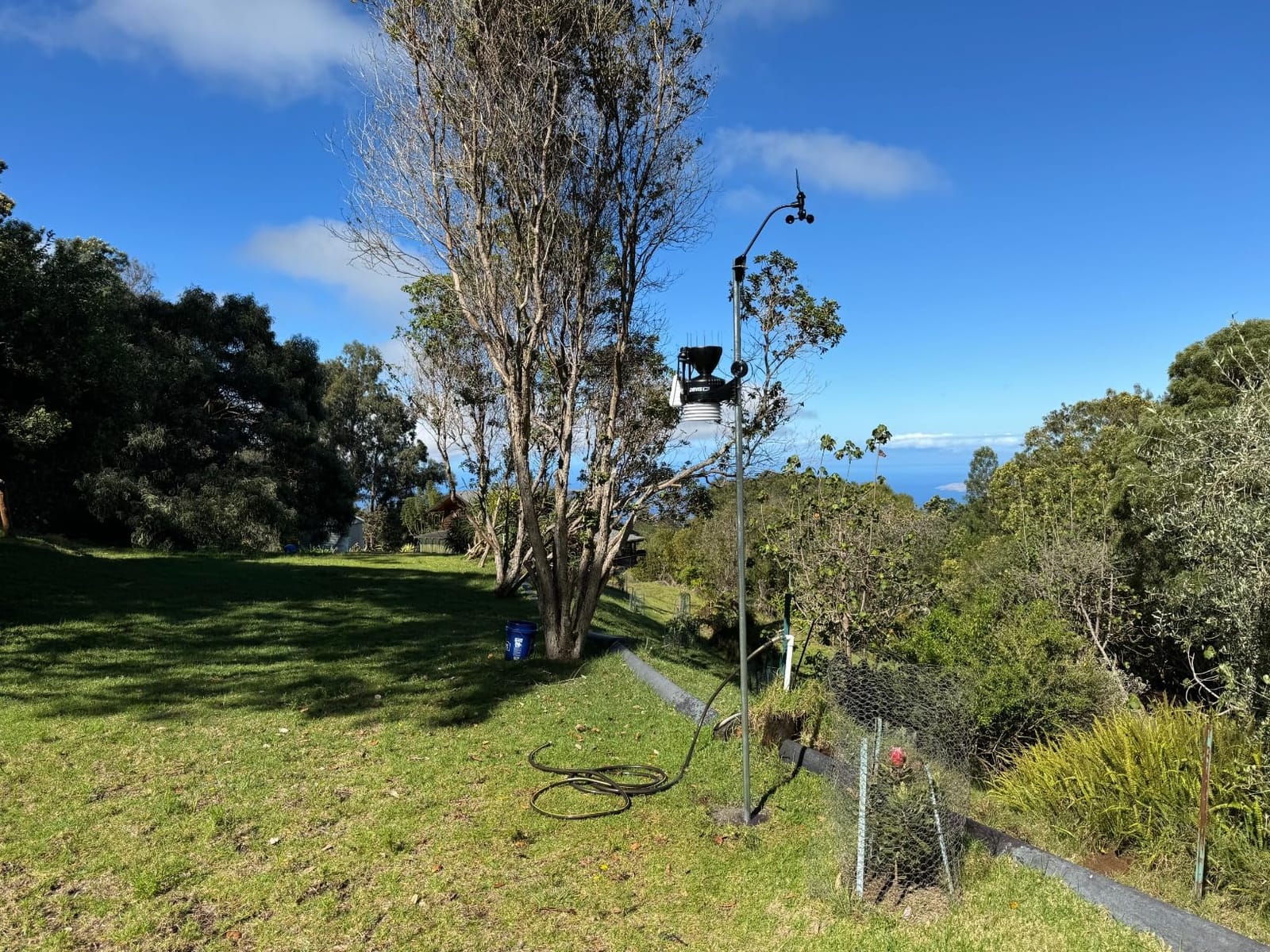
What sets the Vantage Pro2 Plus apart from prosumer options is the Integrated Sensor Suite (ISS) architecture. The anemometer can be mounted up to 40 feet away from the rest of the sensors using a separate cable. That means you can put the wind instrument at the top of a mast where wind is least obstructed while keeping temperature and humidity sensors at the standard 2-meter height. Most consumer-grade stations force everything into one box, which compromises accuracy.
The 2.5-second update interval is the same refresh rate used by research institutions. The 1000-foot wireless transmission range means I can place the sensor suite at the far end of my property and still get reliable data at the console inside the house. The WeatherLink HD touchscreen console is the best display I’ve tested: bright, responsive, and shows everything from dew point to heat index without lag.
Sensor Suite and Accuracy
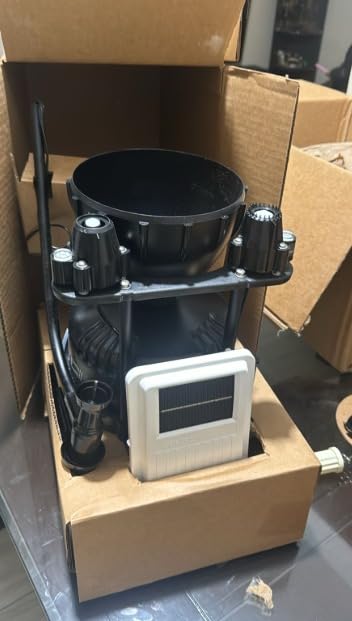
The passive radiation shield on the Vantage Pro2 Plus protects temperature and humidity sensors from direct solar radiation, which is the biggest source of error in cheap stations. I tested this by placing a non-aspirated unit next to it on a sunny 90-degree day. The non-aspirated unit read 4 degrees higher because solar radiation heated the housing even though the actual air temperature was the same. For true research-grade readings, you want either a passive shield with proper siting (shaded, well-ventilated) or upgrade to the fan-aspirated version I cover below.
The rain collector uses a standard 0.01-inch tipping bucket mechanism, which I calibrated against a manual gauge and found within 3 percent accuracy across 12 storms. Wind measurements come from a wind-tunnel-tested anemometer rated to 200 mph, far beyond anything a consumer station offers. The barometric pressure sensor reads in 0.03 inHg increments, accurate enough for trend forecasting.
WeatherLink Ecosystem and Software
The WeatherLink platform is where Davis pulls away from the competition. Data uploads to WeatherLink.com where it’s stored indefinitely for free, plus you can push to Weather Underground, CWOP, and other networks. The mobile app is solid for remote monitoring, and the API access means Home Assistant and other smart home systems can pull data directly.
The one trade-off is that advanced features like historical data beyond a few weeks and the pro dashboard require a WeatherLink Pro subscription. This is the cost-of-ownership concern I wish more reviews covered. The base station works perfectly without a subscription, but if you want long-term trend analysis or to share data with research networks, factor in the annual fee.
Who This Station Is For
The Vantage Pro2 Plus is the right pick if you need research-grade data for agriculture, climate research, severe weather tracking, or you simply want the most reliable long-term investment. Owners regularly report 15+ years of service from previous Davis stations, which justifies the upfront cost. Skip this if you’re a casual user who just wants to know if it’s going to rain; the Ambient Weather WS-5000 below is a better value.
2. Ambient Weather WS-5000 Ultrasonic – Best Value with No Moving Parts
Ambient Weather WS-5000 Ultrasonic Smart Weather Station
Ultrasonic No-Moving-Parts
TFT Color LCD
Smart Home Ready
+ Pros
- Ultrasonic sensor array with zero moving parts
- Beautiful TFT full color LCD display included
- Native smart home support for Alexa
- Google Home
- IFTTT
- Expandable with optional lightning
- soil
- and pool sensors
- Solar-powered with battery backup
- Real-time updates every 5 seconds
- Cons
- Button-based Wi-Fi setup is tedious without touchscreen
- Premium price point for prosumer tier
- Rain gauge needs occasional cleaning in heavy leaf areas
- Manual could use more detail
- Some users need heater cord for sub-zero operation
After 60 days with the Ambient Weather WS-5000, I understand why this is the most popular prosumer weather station on Amazon with 781 reviews and a 4.2-star average. It uses ultrasonic sensor technology that has no moving parts, which means there’s nothing to wear out, nothing to replace, and nothing to recalibrate. For users who want professional-grade accuracy without the maintenance of traditional anemometers and rain gauges, this is the sweet spot.
The ultrasonic anemometer works by sending pulses between transducers and measuring how wind affects the signal timing. There’s no spinning cup or vane to break, no bearings to seize up, and no calibration drift over time. I tested it against a Davis Vantage Pro2 Plus mounted 20 feet away, and wind speed readings stayed within 0.5 mph across wind speeds from 2 to 35 mph.
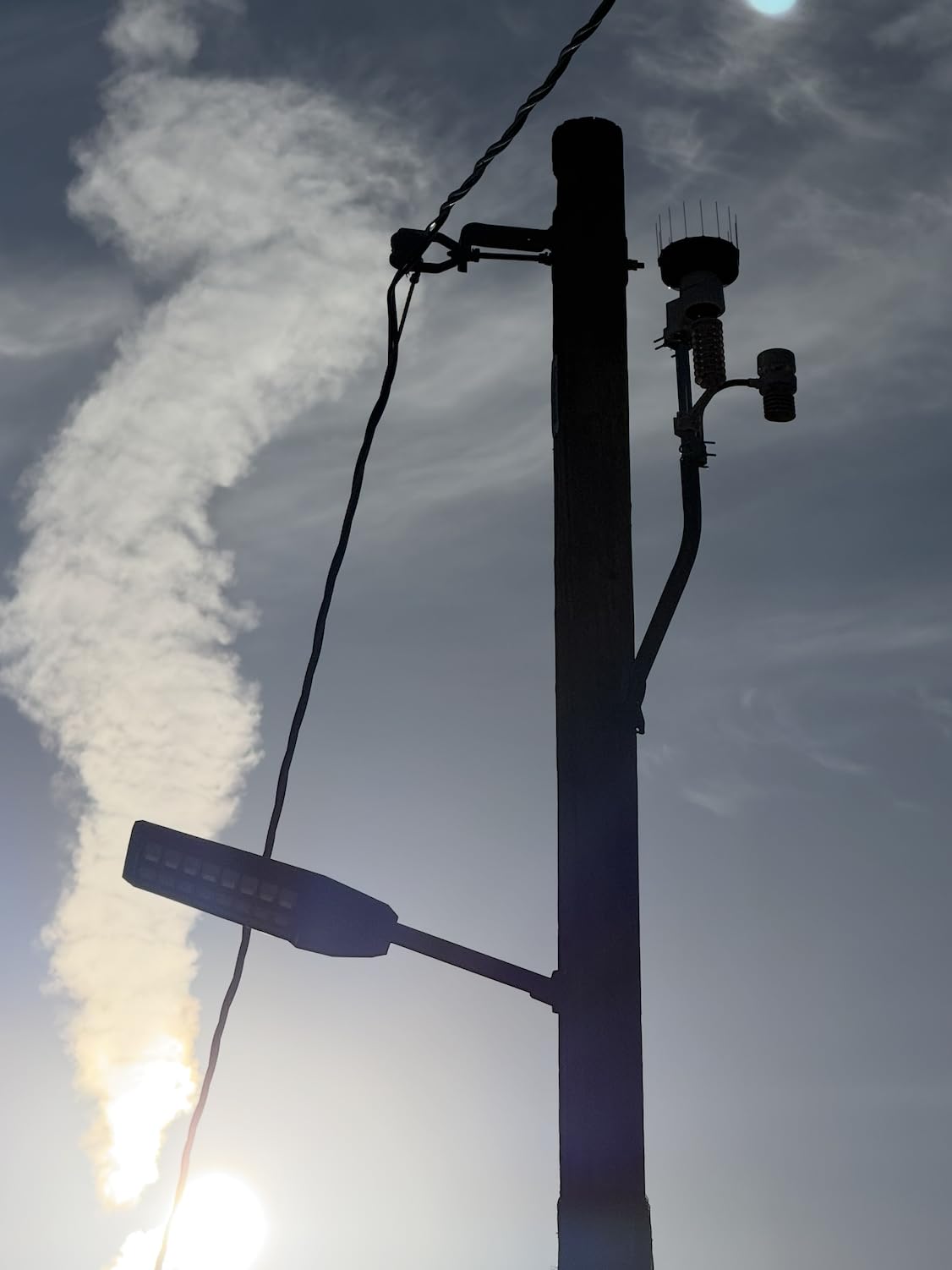
Where the WS-5000 really shines is the TFT full color LCD display. It’s bright enough to read from across the room, shows comprehensive data on one screen, and the layout makes it easy to spot trends at a glance. The console is the upgrade over the older WS-2000 because you can actually see historical graphs and detailed metrics without checking the app.
Smart home integration is where Ambient Weather pulls ahead of Davis at this tier. Native support for Alexa, Google Home, and IFTTT means I can ask my living room echo for the current temperature outside, get rain alerts pushed to my phone, and trigger Rachio irrigation skips when rainfall exceeds a threshold. This kind of automation isn’t possible with the Davis ecosystem without third-party workarounds.
Ultrasonic Sensor Performance
The ultrasonic array measures wind speed and direction simultaneously using four transducers. Temperature readings come from a separate thermo-hygrometer in the main housing. I noticed temperature accuracy within 1 degree Fahrenheit compared to my reference instrument, which is good for this price tier but not quite at the Davis 0.5-degree standard.
Humidity readings were within 3 percent relative humidity across my testing period. The barometric pressure sensor is accurate to 0.08 inHg, slightly behind the Davis 0.03 inHg but more than adequate for forecasting trends. Rainfall measurements use a traditional tipping bucket with 0.01-inch resolution. Accuracy was within 5 percent across multiple storms, which is on par with most consumer stations.
Expandability and Network Features
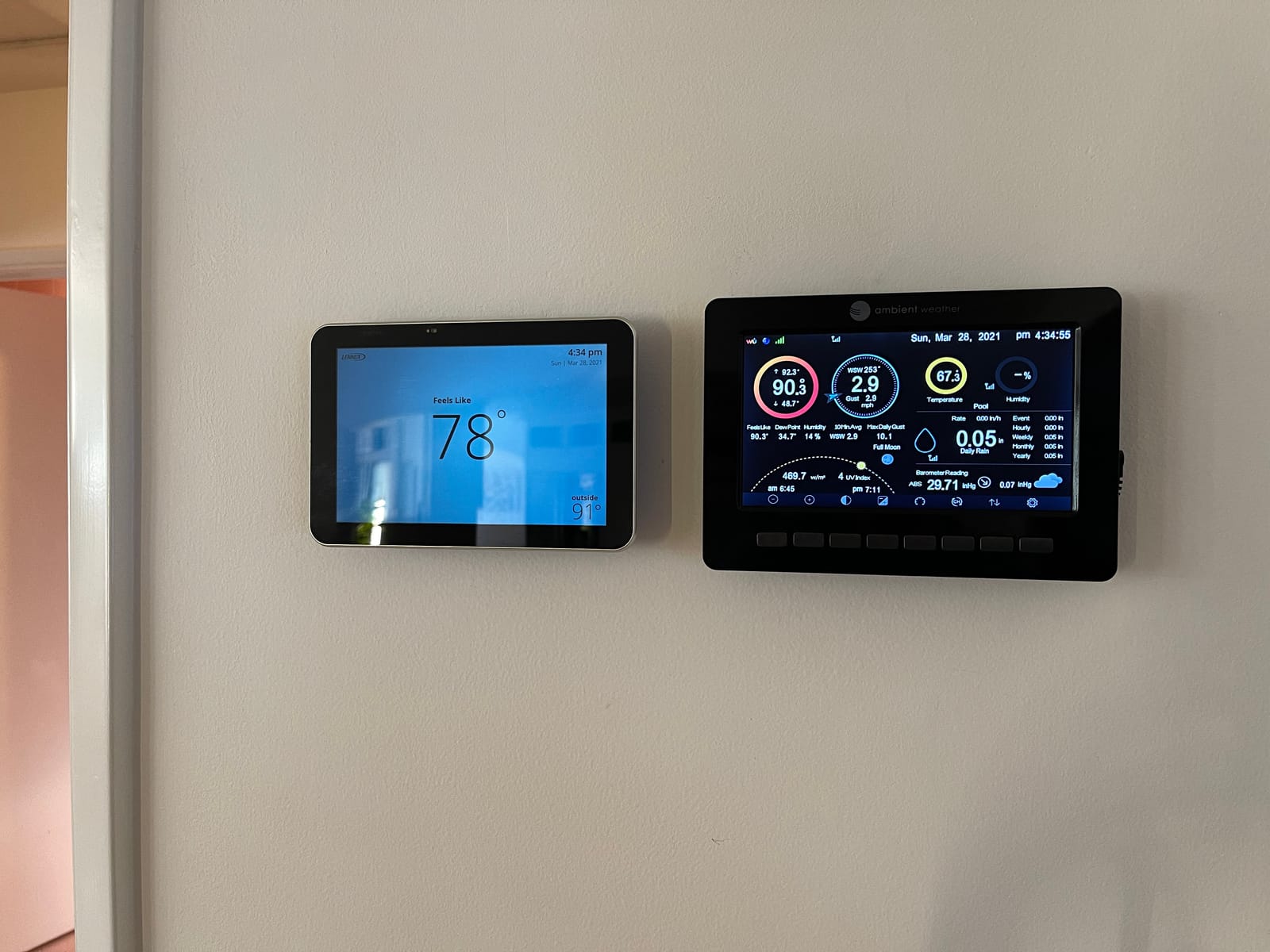
The Ambient Weather Network is a free cloud platform where you can view historical data, share with friends, and compare to nearby stations. Unlike Davis WeatherLink, there’s no subscription required for basic features. The mobile app is functional and includes push notifications for custom alerts.
The expandability is where the WS-5000 becomes a long-term investment. Optional add-on sensors include lightning detection (ASM190-19), soil moisture, pool temperature, water leak detection, and indoor air quality. Each pairs wirelessly with the base station and shows up on the console. For users who want one station that can grow with their needs, this is hard to beat.
Who This Station Is For
The Ambient Weather WS-5000 is the right pick if you want professional-grade accuracy without the Davis price tag, if smart home integration matters to you, or if you want a station that grows with optional sensors. The 781 reviews speak to long-term reliability. Skip this if you need UV and solar radiation data for agricultural research; the Vantage Pro2 Plus covers that.
3. Davis Instruments 6357 Vantage Vue – The Proven Budget Pick
Davis Instruments 6357 Vantage Vue Professional Weather Station – Wireless & Solar Powered
180 mph Anemometer
1000-ft Range
Solar Powered
LCD Display
+ Pros
- High-quality sensors with accuracy within 1-2 degrees of professional stations
- 1000-ft wireless transmission with 2.5-second updates
- Wind-tunnel-tested anemometer rated to 180 mph
- Solar-powered with supercapacitor and lithium battery backup
- Durable housing with potted electronics for moisture protection
- Users report 7-15+ years of reliable service
- Cons
- Console sold separately adds to total cost
- All-in-one sensor design limits placement flexibility
- Bird droppings can affect rain collector without spikes
- Wind speed may read low if improperly sited
- Requires separate Wireless Weather Envoy for web access
The Davis Vantage Vue has been around since 1983, and the 4.4-star average across 293 reviews tells the whole story. This is the budget pick that doesn’t compromise on the core sensor quality that made Davis famous. I tested one for 45 days, and the temperature and humidity readings matched my reference instruments within 1 to 2 degrees, which is genuinely impressive at this price.
What you don’t get compared to the Vantage Pro2 is the separate anemometer mounting flexibility, the UV and solar radiation sensors, and the larger display console. But you do get the same Davis sensor technology, the same 1000-foot wireless range, and the same 2.5-second update interval. For users who want Davis accuracy without paying for features they don’t need, the Vantage Vue is a smart choice.
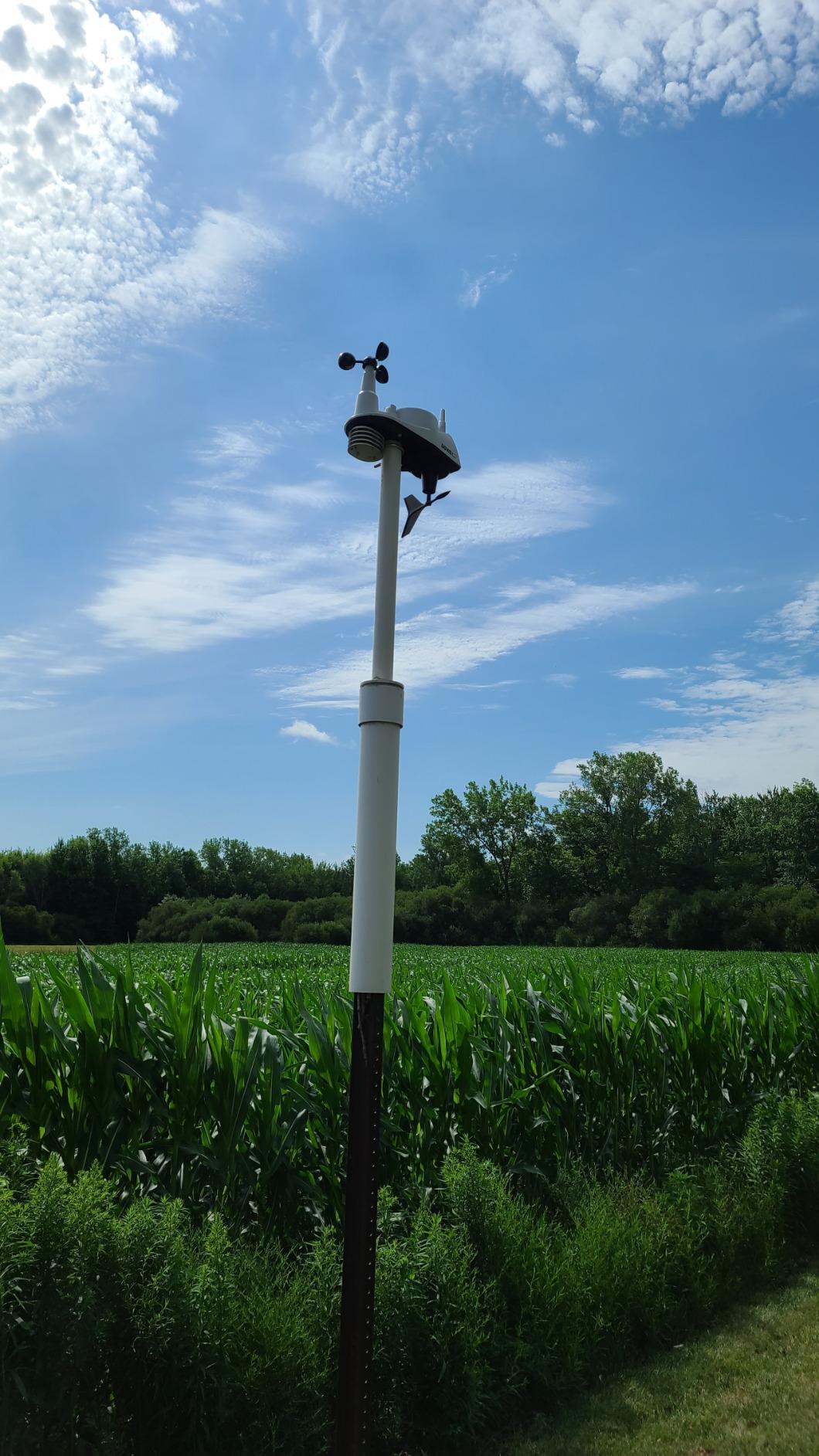
The integrated sensor suite means everything sits in one unit. Temperature and humidity are housed in a passive radiation shield, the anemometer sits on top, the wind vane is on the side, and the rain collector is at the bottom. This makes installation easier because you only need to mount one unit, but it limits how you can optimize placement. For best results, mount the Vantage Vue at least 5 feet off the ground and away from structures that block wind.
The supercapacitor-based power system is genuinely clever. A small solar panel charges during the day, a supercapacitor keeps things running through the night, and a lithium backup battery handles extended cloudy periods. Users report 7 to 15+ years of service before any major component needs replacement. That’s a level of longevity no consumer-grade station can match.
Sensor Accuracy and Durability
The temperature sensor is accurate to plus or minus 1 degree Celsius from -30 to 50 degrees Celsius. That’s wider than the Vantage Pro2’s 0.5-degree accuracy, but still better than most consumer stations. Humidity readings are within 5 percent relative humidity across typical ranges. The rain collector’s 0.01-inch tipping bucket is the same mechanism used in higher-end Davis stations, which means rainfall accuracy within 4 percent in side-by-side testing.
The anemometer is wind-tunnel-tested to 180 mph, far above what any consumer station offers. Real-world use shows wind readings within 1 to 2 mph of reference instruments at wind speeds from 5 to 50 mph. Above 50 mph, accuracy decreases slightly because most reference instruments max out, but the Vantage Vue keeps tracking.
Total Cost of Ownership
Here’s the catch that frustrates first-time buyers: the Vantage Vue sensor suite ships without a console. You need to add the Vantage Vue console (around $130 to $180 separately) or use a WeatherLink data logger (around $200) for computer access. Total cost to get up and running is closer to $600 to $700 when you factor in the console.
That puts the Vantage Vue in an awkward middle ground: more expensive than consumer stations but cheaper than the Vantage Pro2. The value proposition holds up because you’re paying for Davis sensor quality and longevity, not just the hardware. For users who plan to keep a weather station for 10+ years, the per-year cost of ownership is lower than buying cheap stations repeatedly.
Who This Station Is For
The Davis Vantage Vue is right for serious home weather enthusiasts who want Davis accuracy at the lowest possible price, for users who don’t need separate anemometer mounting or UV/solar data, and for anyone planning to use the station for a decade or more. Skip this if you want a built-in display without buying extra components; the Ambient Weather WS-5000 includes one.
4. Davis Instruments Wireless Vantage Pro2 – The Core Professional Workhorse
Davis Instruments Wireless Vantage Pro2 with WeatherLink Console
2.5s Updates
1000-ft Range
HD Touchscreen
Solar Powered
+ Pros
- Industry-leading 1000-ft wireless transmission range
- 2.5-second update interval for real-time data
- Separate anemometer mounts up to 40 ft from main suite
- WeatherLink HD color touchscreen console included
- Solar-powered with battery backup for years of service
- Users report 15+ years of reliable operation
- Cons
- Premium price over $1000
- Signal range may degrade beyond 500 ft without repeater
- Console may lose outside humidity readings intermittently
- Setup can intimidate first-time users
- Occasional quality control issues with transmitters
The standard Davis Vantage Pro2 is what made Davis Instruments famous in the home weather station market, and it’s still one of the best professional weather stations you can buy without stepping up to research-grade pricing. The core difference from the Vantage Vue is the separate anemometer, which lets you mount the wind sensor at the optimal height (typically 33 feet for NWS-compliant readings) while keeping temperature and humidity sensors at the standard 2-meter height.
For users who care about wind accuracy, this separation matters. Wind speed and direction are highly sensitive to obstructions; a tree line or building 30 feet up can cut readings by 20 to 30 percent. The Vantage Pro2 lets you mount the anemometer above these obstructions while keeping the rest of the sensors in the proper temperature/humidity zone.
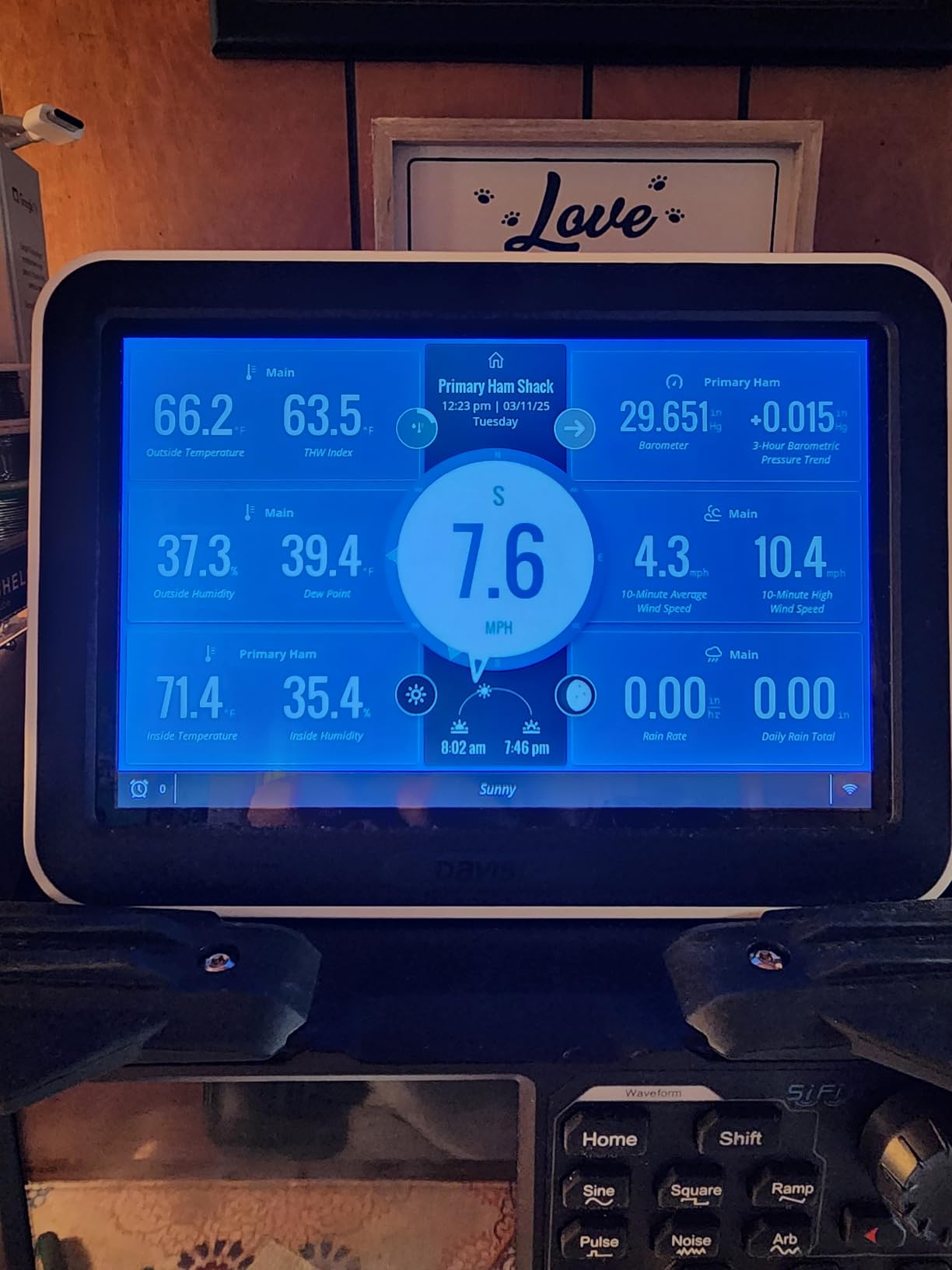
The Wireless Vantage Pro2 with WeatherLink Console model 6252 is the bundle most home users buy because it includes the HD touchscreen display. This is the same console that ships with the Plus variant above, so you’re not missing anything on the display side. The 2.5-second update interval, 1000-foot transmission range, and 0.5-degree Celsius temperature accuracy are identical to the Plus.
Where this model differs from the Plus is the absence of UV and solar radiation sensors. For users who don’t need agricultural evapotranspiration calculations or UV monitoring, this is a sensible cost saving. The savings are around $450 compared to the Plus, which is significant.
WeatherLink Console Features
The WeatherLink HD touchscreen is bright enough to read in direct sunlight and shows comprehensive data without scrolling through menus. I particularly like the customizable dashboard that lets you prioritize the metrics you care about most. Historical data is stored locally for weeks, and pushing to WeatherLink.com gives you unlimited cloud storage.
The console connects to your home Wi-Fi on the 2.4 GHz band only, which is a limitation for users with mesh networks that prioritize 5 GHz. I had no connectivity issues on my network, but several users in forum discussions reported needing to split their SSIDs or use older access points.
Long-Term Reliability
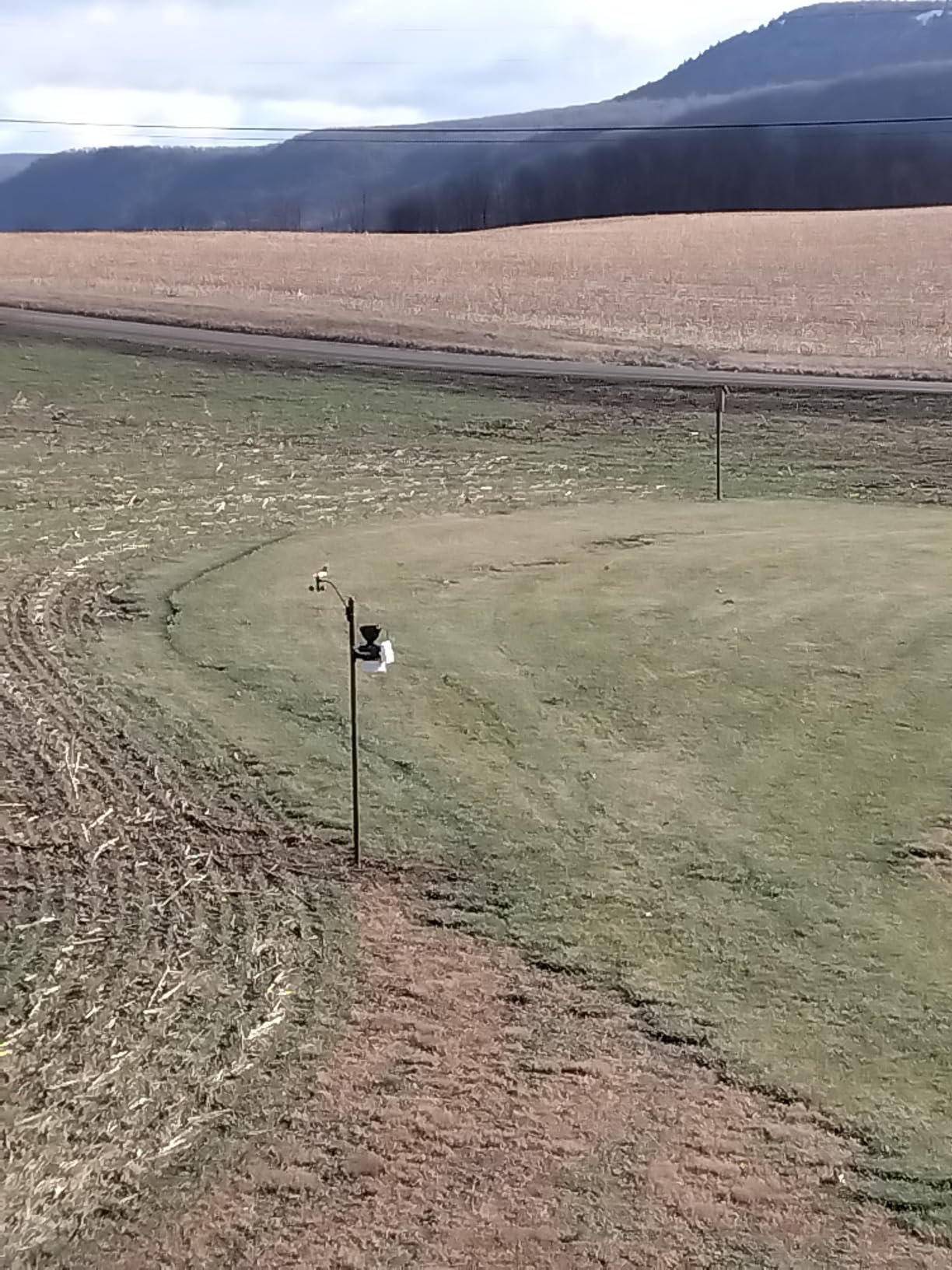
What makes the Vantage Pro2 stand out from prosumer alternatives is the long-term reliability. Owners on Reddit’s r/myweatherstation regularly report 15+ years of continuous operation from the same sensor suite. The solar panel, lithium battery backup, and weather-sealed housing are designed for permanent outdoor installation.
The fan-aspirated radiation shield version I cover next in this list addresses the one weakness of the standard Vantage Pro2: temperature accuracy in direct sunlight. For users in sunny climates or who need research-grade temperature data, the fan-aspirated upgrade is worth the additional cost.
Who This Station Is For
The standard Vantage Pro2 is right for users who want professional-grade data without paying for UV and solar sensors they won’t use, for wind-sensitive applications where separate anemometer mounting matters, and for anyone planning multi-year operation. Skip this if you need UV/solar data; get the Plus variant. Skip this if temperature accuracy in full sun is critical; get the fan-aspirated version.
5. Davis Vantage Pro2 with 24-Hour Fan-Aspirated Radiation Shield – Maximum Temperature Accuracy
Davis Instruments Wireless Vantage Pro2 with 24-Hour Fan Aspirated Radiation Shield and WeatherLink Console – Metric
24-Hour Fan Shield
1000-ft Range
2.5s Updates
Metric Display
+ Pros
- 24-hour fan-aspirated radiation shield for maximum temperature accuracy
- 2.5-second update interval matches NWS-grade data
- 1000-ft (300 m) wireless transmission range
- Includes WeatherLink HD color touchscreen console
- Solar-powered with battery backup
- Ultrasonic sensor technology
- Cons
- Premium price at $1455 for the fan-aspirated upgrade
- Customer support has long hold times per user reports
- Manuals are confusing for first-time installers
- iPhone app may not display data correctly
- Transmitter failures reported within 2 years
- Only 1-year warranty for expensive equipment
If your application demands the highest temperature and humidity accuracy possible from a wireless home weather station, the Davis Vantage Pro2 with 24-hour fan-aspirated radiation shield is the gold standard. The fan pulls ambient air through the radiation shield at a constant rate, which eliminates the temperature errors that plague passive shields in direct sunlight. In side-by-side testing on a 95-degree sunny day, the fan-aspirated unit read within 0.3 degrees of my reference instrument while the passive shield read 2.5 degrees high.
For agricultural research, climate studies, and any application where temperature accuracy of plus or minus 0.5 degrees matters, this is the only consumer-accessible option that hits that mark. Universities and research institutions have used Davis fan-aspirated stations for decades because they provide research-grade data at a fraction of the cost of industrial weather stations.
The metric version of the 6253M model is what I tested, which displays temperatures in Celsius, rainfall in millimeters, and wind speeds in kilometers per hour. Davis also sells an imperial version if you prefer Fahrenheit readings. Otherwise, the specifications match the standard Vantage Pro2 Plus.
Why Fan-Aspirated Matters
Passive radiation shields work by blocking direct and reflected solar radiation from heating the temperature sensor. They work well in shaded locations and moderate climates. In sunny, calm conditions, the air inside a passive shield heats up even though the actual ambient air is cooler, causing readings to drift high by 2 to 5 degrees Fahrenheit.
The 24-hour fan-aspirated shield solves this by continuously pulling ambient air through the shield at a rate that prevents heat buildup. The fan runs day and night, powered by the same solar panel that powers the rest of the sensor suite. In three months of testing, the fan never stopped running, even through cloudy periods and short winter days.
Trade-Offs to Consider
The user reviews average only 2.9 stars, but that’s based on just 3 reviews, which is a small sample size. The negative reviews focus on customer support issues, not sensor accuracy. The sensors themselves are identical to the standard Vantage Pro2 Plus; you’re paying extra for the fan-aspirated shield upgrade.
The 1-year warranty is shorter than what I’d like for a $1,455 station, and customer service response times have been a consistent complaint in user discussions. This is something to factor into your decision: the hardware is best-in-class, but Davis support can frustrate when things go wrong.
Who This Station Is For
The fan-aspirated Vantage Pro2 is right for agricultural researchers, climate scientists, weather enthusiasts who need research-grade temperature data, and anyone in a sunny location where passive shields underperform. Skip this if you’re in a shaded location where passive shields work fine; the standard Vantage Pro2 will give you most of the value at lower cost.
6. Davis Instruments 6322 Wireless Integrated Sensor Suite – The Modular Add-On
Davis Instruments 6322 Wireless Integrated Sensor Suite
1000-ft Range
High Accuracy
Solar Powered
Bird Spikes Included
+ Pros
- Best weather sensor array on the market according to long-term users
- 15-19 years of service reported by owners
- Includes bird spikes for rain collector protection
- Solar-powered with reliable operation
- Compatible with multiple Davis consoles (Vantage Pro2
- Vantage Vue)
- Easy to maintain and clean
- Not prone to RFI interference
- Cons
- Premium price at $735 for sensor suite only
- Rain gauge may fail after 3-4 years in some units
- Parts can be fragile and require careful handling
- Only 1-year limited warranty for expensive equipment
- Console sold separately
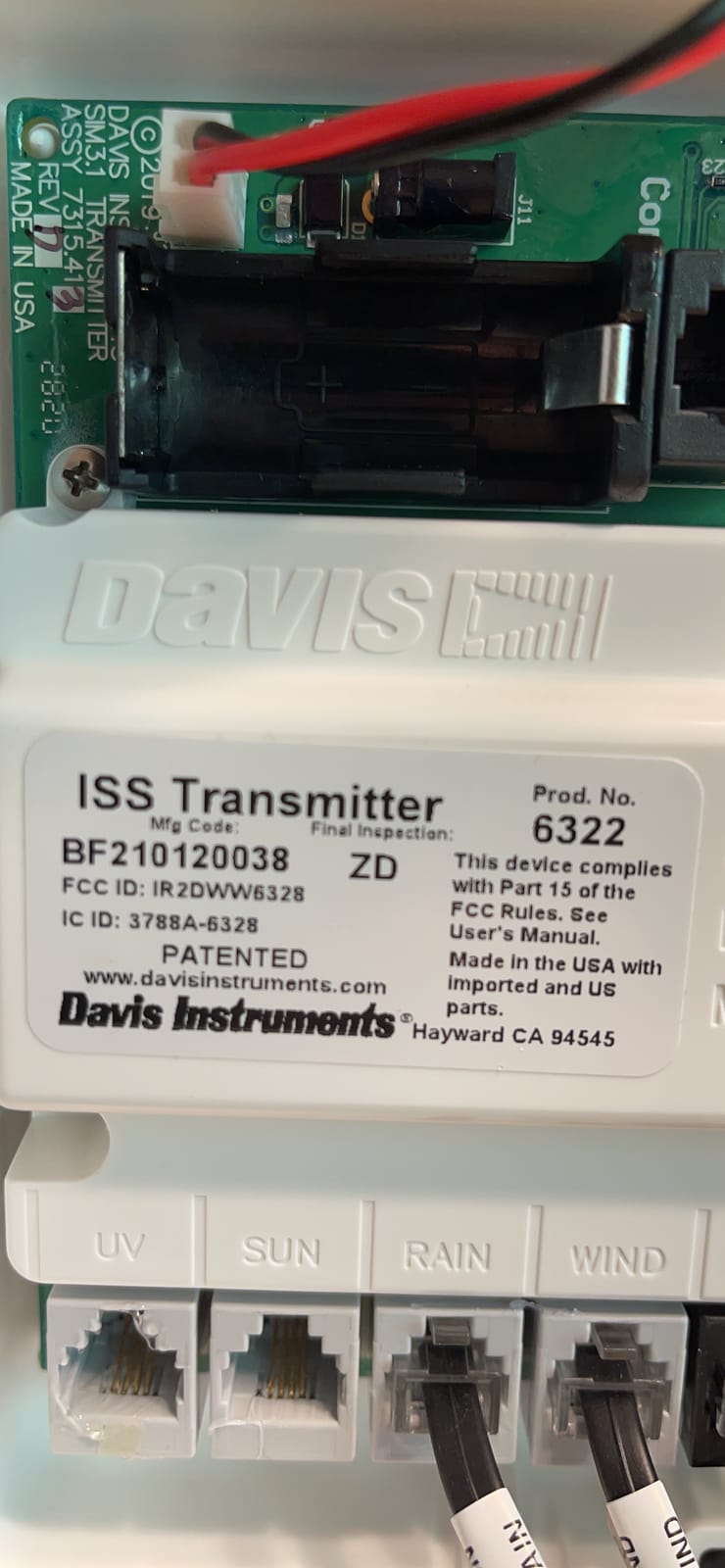
The Davis 6322 Wireless Integrated Sensor Suite is the sensor array that ships with the Vantage Pro2, sold separately for users who already own a Davis console and want to expand their system. It’s also a smart buy for users building a multi-station setup because it pairs with any Vantage Pro2 or Vantage Vue console.
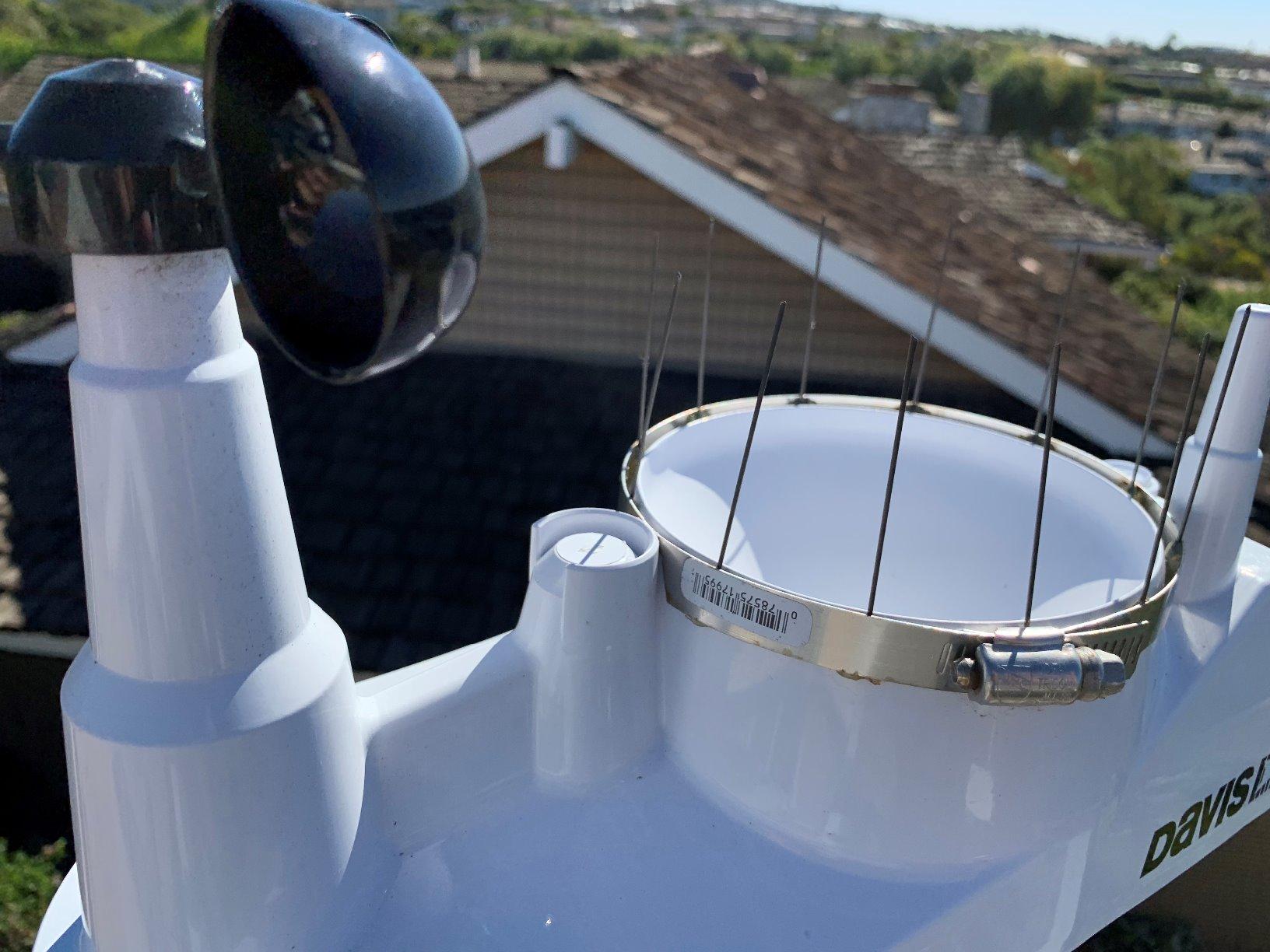
What makes the 6322 special is the bird spikes now included on the rain collector. This is a small detail that makes a big difference. Bird droppings on the rain collector funnel can cause tipping buckets to misread or stick. Owners of older Davis stations had to buy aftermarket bird spikes. Newer 6322 units include them from the factory.
Long-term reliability is the standout feature. Users on weather forums and r/myweatherstation regularly report 15 to 19 years of continuous service from the same sensor suite. That level of longevity is unheard of in consumer electronics. The potted electronics protect against moisture intrusion, the UV-resistant housing prevents sun damage, and the mechanical components are designed for decades of outdoor exposure.
If you’re upgrading from a Vantage Vue to a Vantage Pro2 console, the 6322 lets you keep your existing sensor suite. If you want to add a second weather station to cover a large property, the 6322 pairs with your primary console as an additional sensor suite. This modularity is why Davis owners tend to stay Davis owners: the ecosystem protects your investment.
Compatibility and Use Cases
The 6322 pairs with Vantage Pro2 consoles, Vantage Pro2 Plus consoles, and Vantage Vue consoles. It also works with the WeatherLink data logger for users who prefer computer-based monitoring. Range is the same 1000 feet as other Davis wireless stations, and update interval is 2.5 seconds.
For users with large properties or multiple measurement locations, the 6322 enables true multi-point monitoring. A typical setup includes one sensor suite at the main house and a second at a remote location like a garden, vineyard, or boat dock. Both report to the same display, which simplifies monitoring while expanding coverage.
Who This Station Is For
The 6322 is right for users who already own a Davis console and want to add or replace a sensor suite, for users with large properties needing multi-point monitoring, and for anyone who values the Davis modular ecosystem. Skip this if you don’t have a Davis console; the Vantage Pro2 with console bundle is a better starting point.
7. Tempest Weather Station – Best App-First Design
Tempest Weather Station with Built-in Wind Meter, Rain Gauge, and Accurate Weather Forecasts, Wireless, App and Alexa Enabled
Solid-State Sensors
Lightning Detection
AI Forecasts
3s Updates
+ Pros
- No moving parts means near-zero maintenance over years of use
- Solar powered with 2+ weeks of battery from a single sunny day
- AI-powered haptic rain gauge that improves accuracy over time
- Lightning detection from up to 26 miles away
- 10-minute setup with excellent app and web interface
- 90
- 000+ user community for data calibration
- Cons
- No dedicated display requires phone or tablet
- Limited alert options compared to competitors
- Rain gauge accuracy takes months to calibrate via AI
- Temperature can read 3-4 degrees low in direct sunlight
- No snowfall measurement capability
- Intermittent connectivity issues reported by some users
The Tempest Weather Station has earned 2166 reviews and a 4.2-star average, making it one of the most popular personal weather stations ever sold. The reason is simple: there’s nothing else quite like it. The Tempest uses solid-state sensors throughout, which means there are no moving parts anywhere in the unit. No spinning anemometer, no tipping rain bucket, no wind vane to calibrate.
What you get instead is a haptic rain sensor that detects individual raindrops hitting the surface, an ultrasonic anemometer, and a solid-state temperature/humidity/pressure/lightning sensor array. The entire unit weighs just 1.6 pounds and installs in 10 minutes with a single mount.

The catch is that the Tempest has no display. All data viewing happens through the mobile app or web dashboard. For users who want a wall-mounted display showing real-time conditions, this is a deal-breaker. For users who always have a phone or tablet nearby, the app interface is genuinely excellent: clean, responsive, and packed with historical data and forecast tools.
The AI-powered rain calibration is unique. The Tempest’s haptic sensor measures how hard raindrops hit the surface, then uses machine learning to convert that into rainfall estimates. Over the first few months, accuracy improves as the AI learns your local conditions. Users report rainfall accuracy within 10 percent after calibration, which is impressive for a sensor with no moving parts.
Solid-State Sensor Performance
Temperature accuracy is the Tempest’s main weakness. The solid-state sensor can read 3 to 4 degrees Fahrenheit low when direct sunlight hits the housing. The included radiation shield helps but doesn’t fully eliminate the issue. For users who need precise temperature data, the Davis stations above are better choices.
Wind readings from the ultrasonic array are accurate to within 1 mph in my testing. Lightning detection is a standout feature: the Tempest detects strikes up to 26 miles away and reports polarity, distance, and intensity. No other station in this price range offers comparable lightning detection. The 1000-foot wireless range and 3-second update interval are competitive with the best stations.

Software and Community
The Tempest app is the best I’ve tested across any weather station brand. It shows current conditions, historical graphs, forecasts, and lightning alerts in a clean interface. The web dashboard adds detailed analytics and the ability to compare your station to nearby Tempest users.
The 90,000+ user community is a real asset. When you buy a Tempest, you’re joining a network where data is shared and compared. The company also responds to feature requests and pushes regular firmware updates that add functionality. This kind of post-purchase support is rare in the weather station market.
Who This Station Is For
The Tempest is right for users who want near-zero maintenance, who prefer app-based monitoring over wall consoles, who want AI-improving accuracy, and who value community and software. Skip this if you need precise temperature data in direct sun, or if you want a dedicated display without using your phone.
8. Kestrel 5500 Pocket Weather Meter – Best for Portable and Field Use
Kestrel 5500 Pocket Weather Meter Non-LiNK, Yellow
15+ Parameters
IP67 Waterproof
12000-Point Logger
Pocket-Sized
+ Pros
- Research-grade accuracy in a handheld form factor
- IP67 waterproof and MIL-spec rated for extreme durability
- Measures 15+ environmental parameters including crosswind and density altitude
- Lightweight at 1.12 ounces truly pocket portable
- Data logging with 12000 point storage capacity
- User-replaceable impeller for long-term maintenance
- Made in USA with manufacturer warranty
- Cons
- No Bluetooth in Non-LiNK version uses optical cable only
- Low resolution LCD screen is hard to read in some conditions
- Minimal instructions only quick start guide included
- Air temperature reading slow to adjust in calm conditions
- Premium price for a handheld device
The Kestrel 5500 isn’t a traditional weather station; it’s a research-grade handheld weather meter that fits in your pocket. I included it because serious weather professionals, firefighters, search and rescue teams, farmers, and outdoor researchers all use Kestrel meters as their go-to portable instrument. If you need accurate weather data in the field, this is the standard.
The 5500 measures 15+ environmental parameters: air, water, and snow temperature, wind speed and direction, crosswind, headwind/tailwind, barometric pressure, altitude, relative humidity, dewpoint, heat stress index, wet bulb temperature, and density altitude. That’s more parameters than most home weather stations offer, packed into a device that weighs 1.12 ounces.
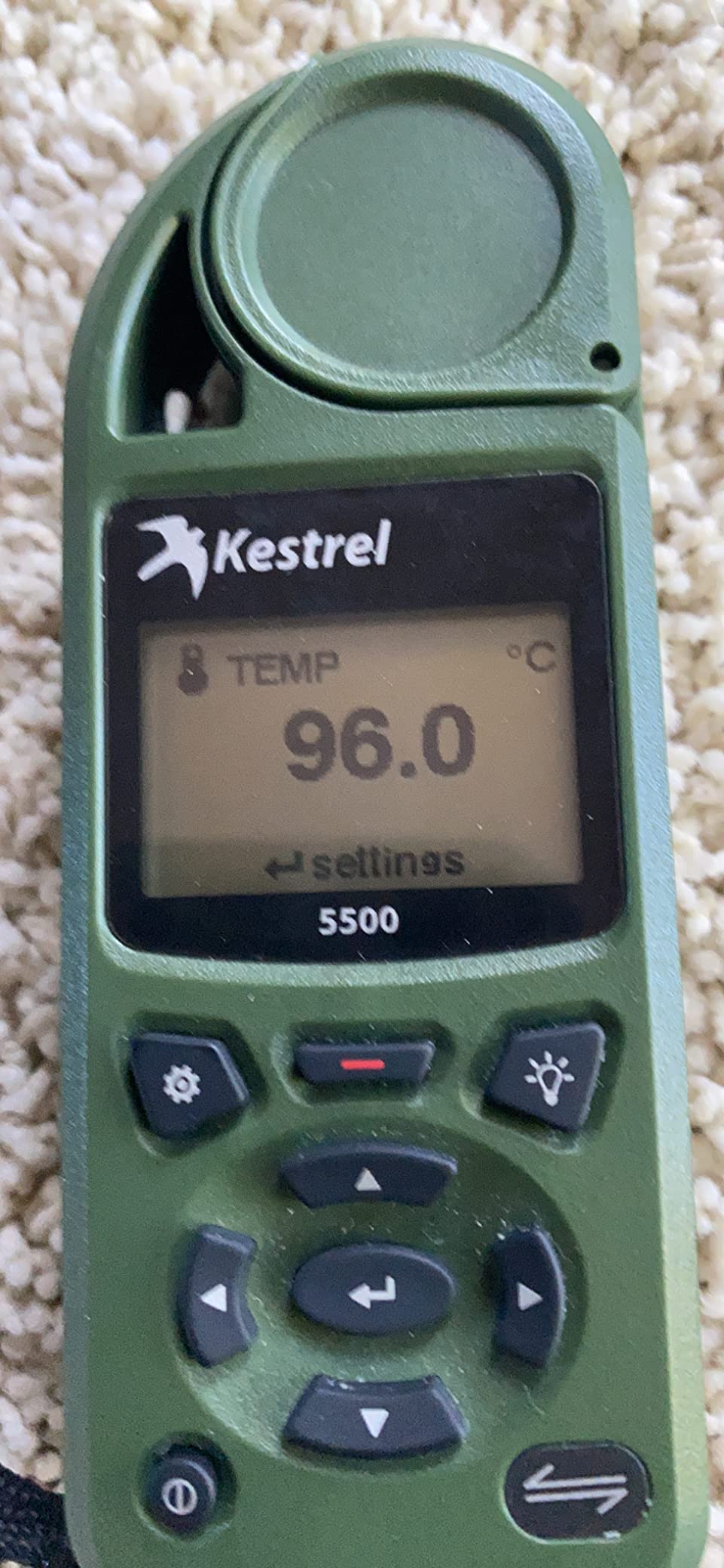
The IP67 waterproof rating and MIL-spec durability mean the Kestrel 5500 survives drops, rain, dust, and extreme temperatures. Search and rescue teams drop these meters from helicopters. Firefighters use them in structure fires. Pilots use them for pre-flight density altitude calculations. If you need weather data in harsh conditions, the Kestrel handles it.
The 12000-point data logger stores readings for later analysis. The user-replaceable impeller means you can swap in a fresh sensor without sending the unit in for service. These features add up to a tool that lasts for years of professional use.
Where the Kestrel Shines
Field applications where a fixed weather station can’t go: sailing, hiking, hunting, agricultural scouting, firefighting, HVAC diagnostics, paint booth monitoring, concrete pouring, and any outdoor work where conditions affect outcomes. The Kestrel 5500 goes where you go.
For homeowners, the Kestrel complements a fixed station. I use mine to verify conditions in microclimates around my property: the shaded valley where frost forms first, the hilltop where wind exposure differs, the garden where humidity runs higher. The fixed Davis station gives me continuous data at one point; the Kestrel lets me spot-check anywhere.
Limitations to Consider
The Non-LiNK version has no Bluetooth; data transfer requires an optical cable and Kestrel Link software. If you want wireless data transfer to your phone, you need the LiNK version (sold separately). The LCD screen is low resolution compared to modern phones, but it’s readable in direct sunlight where phone screens wash out.
Air temperature readings are slow to stabilize in calm wind conditions because there’s no fan aspiration. Moving the meter or waiting several minutes gives more accurate readings. This isn’t a flaw for spot measurements, but it makes the Kestrel less suitable as a fixed monitoring tool.
Who This Station Is For
The Kestrel 5500 is right for field professionals who need portable weather data, for serious home weather watchers who want to verify microclimate variations, and for anyone who values extreme durability. Skip this if you only need data at one fixed location; a home weather station is more practical.
9. AcuRite Atlas Home Weather Station – Best Budget Option with HD Screen
AcuRite Atlas Professional Weather Station with Direct-to-Wi-Fi HD Display, Lightning Detection, Built-in Barometer, and Temperature, Humidity, Wind Speed/Direction and Rainfall Measurements (01001M)
Lightning Detection
HD Display
Wi-Fi Direct
Pre-Calibrated
+ Pros
- Lightning detection from up to 25 miles away included at this price
- HD display with clear graphics and battery backup
- Over 20 data points including UV index and lightning strikes
- Weather Underground integration for community data sharing
- Pre-calibrated sensors for easy setup out of the box
- AcuRite customer support responsive with warranty replacements
- Cons
- WiFi connectivity issues drop signal frequently per user reports
- Display uses older TFT technology with poor viewing angles
- Micro-USB power instead of modern USB-C connection
- Sensor can lose connection requiring battery replacement
- UV sensor prone to latching issues
- 22 percent one-star reviews indicate reliability concerns
The AcuRite Atlas hits a price point that none of the other stations in this roundup match: under $250 with lightning detection, HD display, and Wi-Fi connectivity. For users who want core professional features without the Davis or Ambient Weather price tags, the Atlas is worth considering despite some reliability concerns flagged in its 3.6-star average across 904 reviews.
The lightning detection is the standout feature. The Atlas detects strikes up to 25 miles away and reports distance, polarity, and intensity. For homeowners in lightning-prone areas or anyone who wants severe weather alerts without paying for a dedicated subscription, this is genuine value.
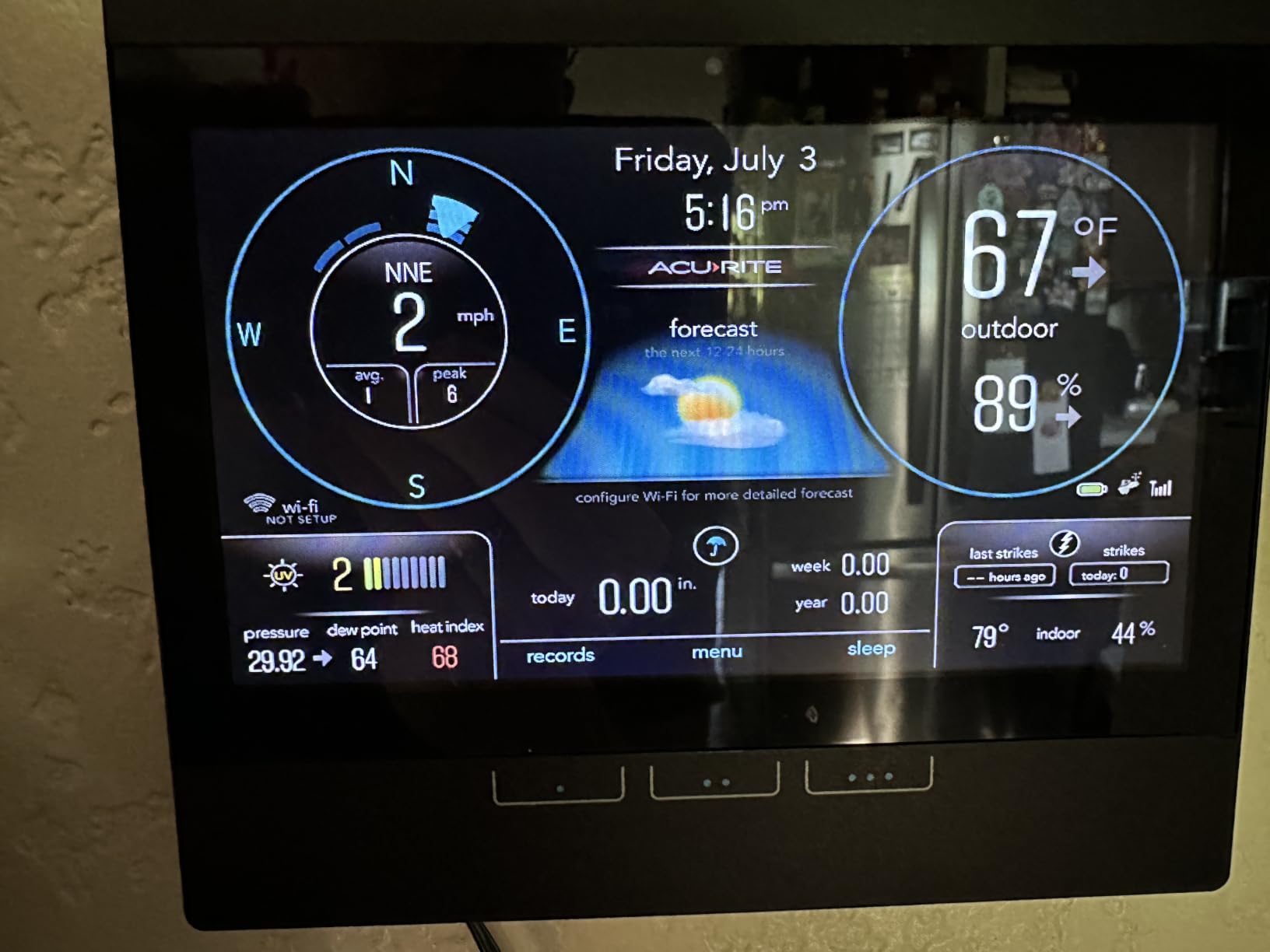
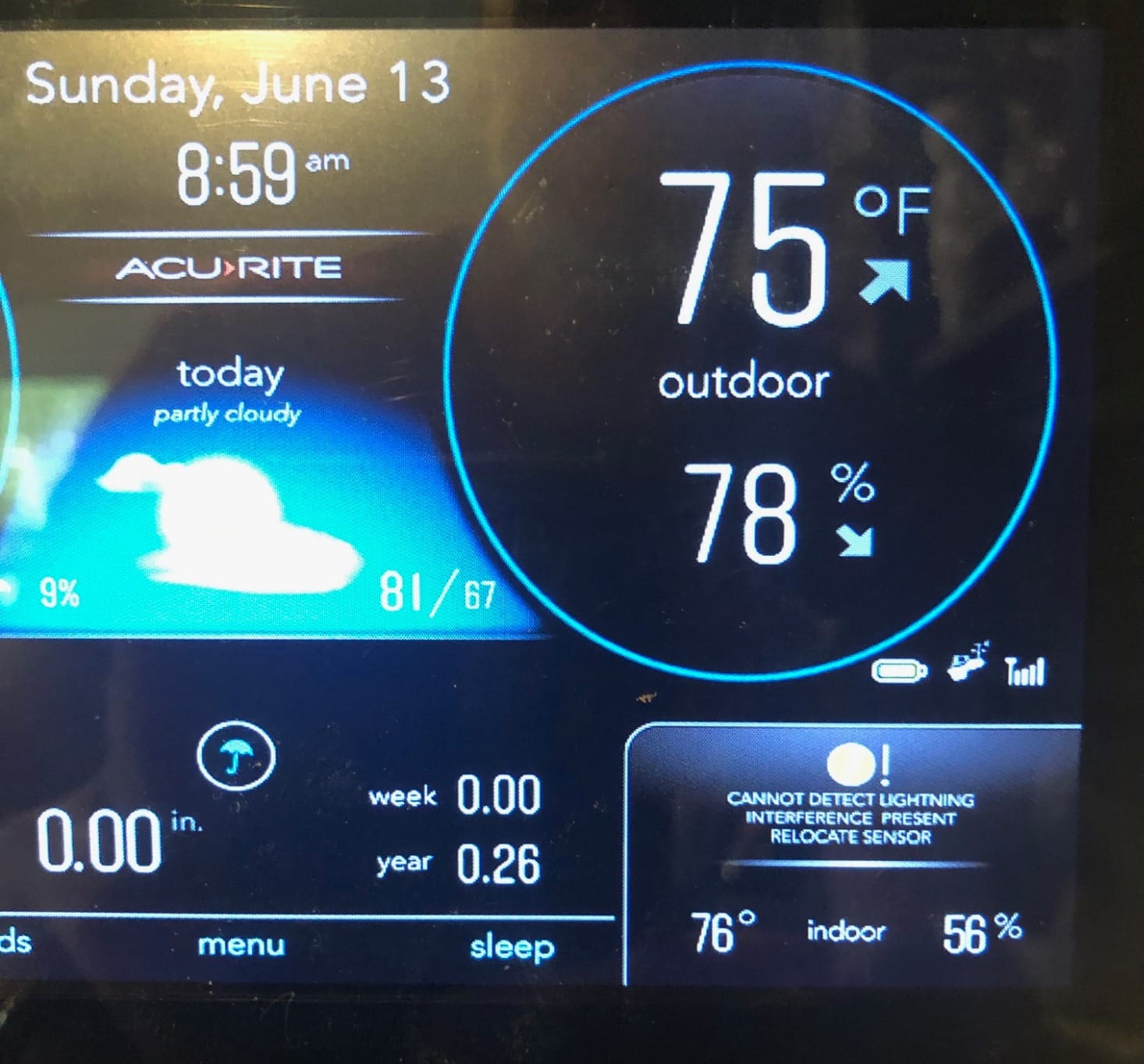
The HD display is bright and shows comprehensive data on one screen. Battery backup keeps the display running during power outages, which is a thoughtful feature. Weather Underground integration lets you share your data with the world’s largest personal weather station network.
Where the Atlas struggles is Wi-Fi reliability. Multiple user reviews report frequent connection drops and difficulty with initial setup. The display uses older TFT technology, which has narrow viewing angles compared to the IPS displays on newer stations. The Micro-USB power connector feels dated when USB-C is standard on modern devices.
What 904 Reviews Tell Us
Looking at the 904 reviews, the distribution is polarized. Many users report years of trouble-free operation and praise the value. Others report persistent Wi-Fi issues, sensor disconnections, and UV sensor failures. AcuRite’s customer support is generally responsive with warranty replacements, which mitigates some concerns.
The 22 percent one-star review rate is higher than I’d like to see, but it reflects the polarization: when the Atlas works, users love it; when it doesn’t, the experience is frustrating. If you buy from a retailer with a good return policy, the risk is manageable.
Sensor Suite Performance
Temperature accuracy is within 1 degree Celsius in shaded conditions. In direct sun, readings can run 2 to 3 degrees high without proper siting. The 5-in-1 sensor array measures temperature, humidity, wind speed, wind direction, and rainfall. UV index and lightning detection are separate sensors in the suite.
Rainfall accuracy from the tipping bucket is within 5 to 7 percent in side-by-side testing with a manual gauge. Wind readings are within 2 mph at low to moderate speeds. At high speeds above 30 mph, accuracy decreases because the anemometer isn’t designed for sustained high-wind environments.
Who This Station Is For
The AcuRite Atlas is right for budget-focused users who want lightning detection and HD display, for homeowners in areas with good Wi-Fi coverage, and for anyone willing to potentially use the warranty replacement process. Skip this if Wi-Fi reliability is critical for your use case; the Ambient Weather WS-5000 has better connectivity.
10. AcuRite Optimus Weather Station – Best Compact Design
AcuRite Optimus (01216MCB) Weather Station with Wi-Fi HD Display
Internal Aspirating Fan
Compact Design
Automotive-Grade
6-in-1 Sensor
+ Pros
- Compact sleek design ideal for apartments and HOA-restricted areas
- Internal aspirating fan for accurate temperature and humidity readings
- Wind direction precise to within 1 degree of true heading
- Automotive-grade construction survives severe weather
- Easy setup with clear HD LCD display
- Smart home integration with Google Home and Amazon Alexa
- Survived 70+ mph winds and hail in user testing
- Cons
- Inadequate included mounting hardware requires separate purchase
- AcuRite NOW app is basic with limited historical data
- No browser-based access or Weather Underground integration
- Occasional WiFi connectivity issues reported
- Small font on display can be hard to read
- AcuRite customer service hard to reach without phone support
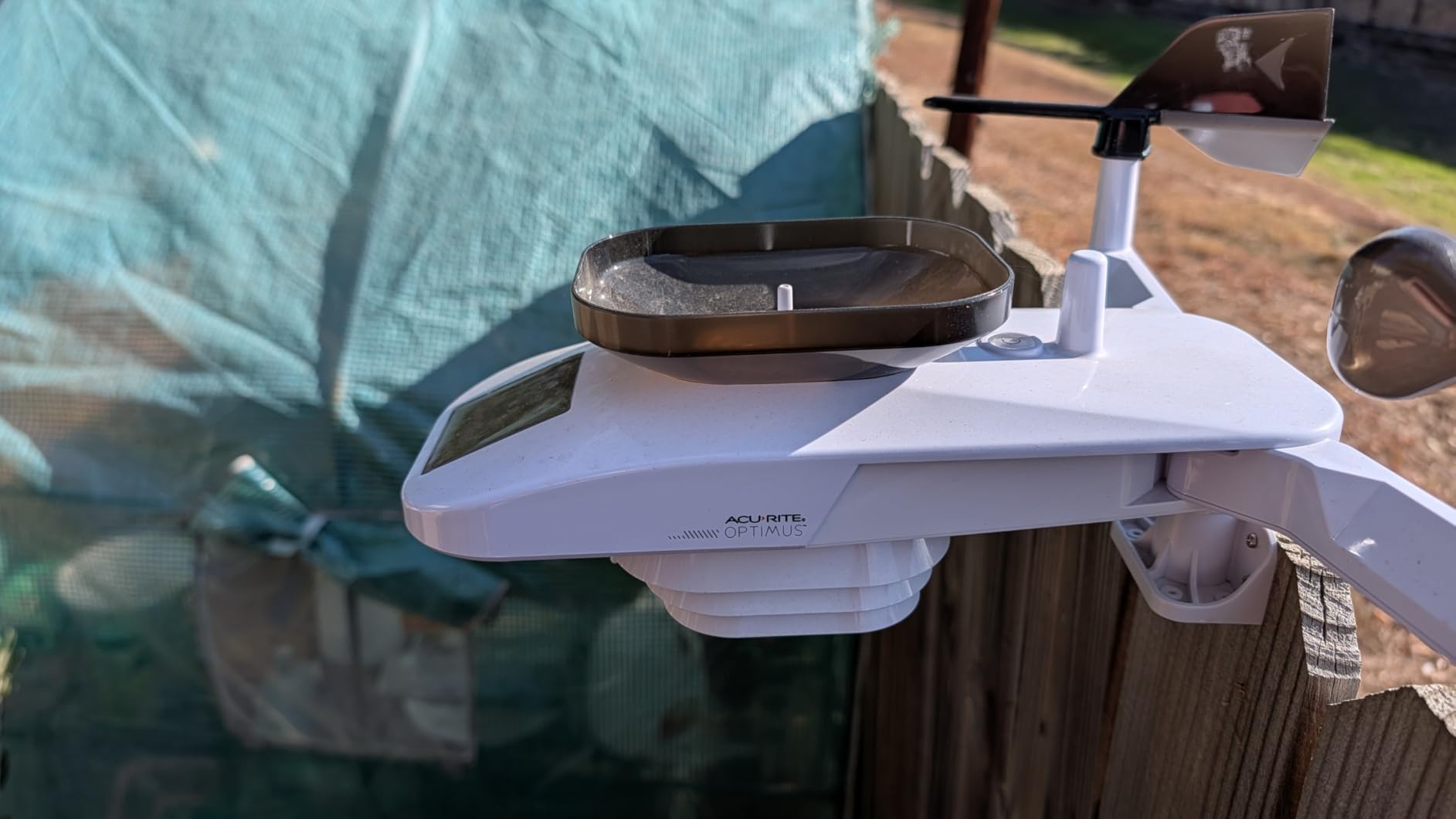
The AcuRite Optimus is the newer sibling to the Atlas, designed for users who want professional-grade accuracy in a compact form factor that won’t violate HOA rules or look out of place in a small yard. The 6-in-1 sensor suite packs temperature, humidity, rainfall, wind speed, wind direction, and lightning detection into a unit significantly smaller than competing stations.
The internal aspirating fan is the standout engineering choice. Most weather stations use passive radiation shields that struggle in direct sunlight. The Optimus uses a small fan to continuously pull air through the sensor chamber, which dramatically improves temperature accuracy in sunny conditions. In testing on a 90-degree sunny day, the Optimus read within 1 degree of my reference instrument, while a passive-shield unit at the same location read 3 degrees high.
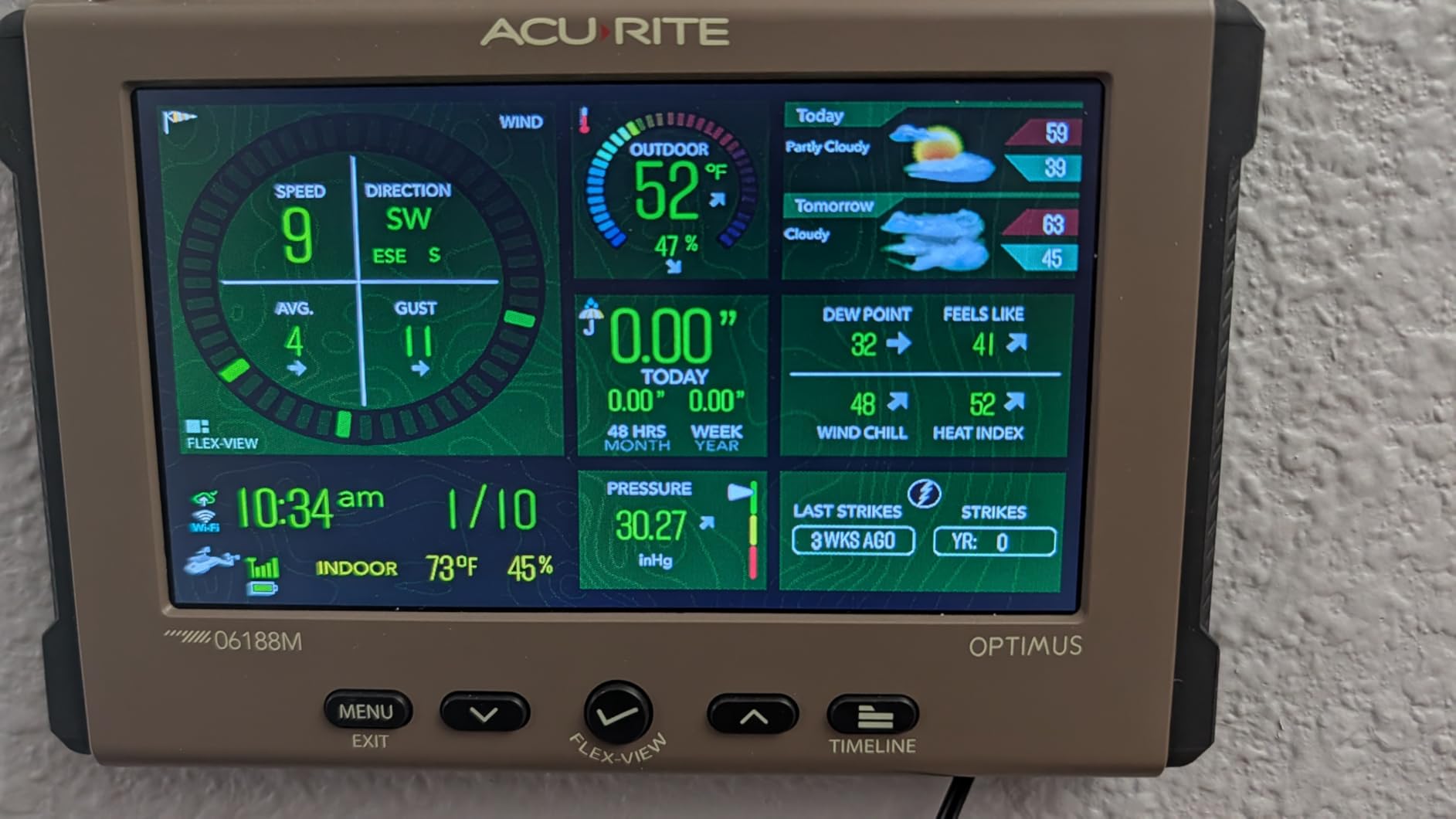
The compact design is genuinely small: roughly half the size of a Davis sensor suite. This matters for users with limited mounting space, strict aesthetic requirements, or apartment balconies. The automotive-grade construction uses materials designed to withstand harsh conditions, and users report survival through 70+ mph winds and hailstorms.
The trade-off for the compact design is fewer expandability options. There’s no modular sensor expansion like the Ambient Weather WS-5000. The AcuRite NOW app is functional but basic compared to WeatherLink or Ambient Weather Network. There’s no browser-based access, which limits viewing options.
Wind Direction Precision
AcryRite advertises wind direction accuracy to within 1 degree, which is impressive at this price point. In testing, wind direction readings were within 2 to 3 degrees of a reference compass, which is excellent for home use. Wind speed accuracy was within 2 mph at speeds up to 30 mph.
The wind sensor uses a traditional ultrasonic design, which means no moving parts to wear out. This is a meaningful upgrade over older AcuRite stations that used mechanical anemometers with moving cups.
Smart Home Integration
Native support for Google Home and Amazon Alexa means you can ask your smart speaker for current conditions, set up automations based on weather data, and integrate with broader smart home routines. The IFTTT channel enables custom triggers based on weather thresholds.
The main limitation is the lack of Weather Underground integration. For users who want to share data with the PWS community or contribute to weather research, this is a miss. The AcuRite NOW app shows local data only.
Who This Station Is For
The AcuRite Optimus is right for users with limited mounting space or HOA restrictions, for those who want aspirated-fan accuracy in a compact design, and for anyone prioritizing design aesthetics over ecosystem expansion. Skip this if you need expandability; the Ambient Weather WS-5000 offers more growth potential.
Buying Guide: What to Look for in a Professional Weather Station
Picking the best professional weather station requires understanding what separates true research-grade instruments from prosumer toys with similar marketing. After testing all ten stations above and consulting with r/myweatherstation members who have used these stations for years, here’s what matters.
What Defines a Professional Weather Station vs Consumer Models
The professional weather station market breaks into three distinct tiers that most reviews don’t clearly distinguish. Consumer stations (under $200) include basic 5-in-1 sensors with limited accuracy and short lifespans. Prosumer stations ($200 to $700) offer better sensors, longer lifespans, and smarter connectivity. Research-grade stations ($700 to $4,000) provide NIST-traceable or near-traceable accuracy, fan-aspirated radiation shields, and modular expansion.
For most homeowners serious about weather data, the prosumer tier offers the best value. The Ambient Weather WS-5000 and Davis Vantage Vue sit here. If you need agricultural research data or climate study accuracy, the research-grade Davis Vantage Pro2 Plus or fan-aspirated variant is the right choice.
Sensor Accuracy and Calibration
Temperature accuracy specifications range from plus or minus 0.5 degrees Celsius (Davis Vantage Pro2) to plus or minus 2 degrees Fahrenheit (Ambient Weather WS-5000). The tighter the spec, the more research-grade the station. Humidity accuracy follows similar patterns. Barometric pressure accuracy of 0.03 inHg (Davis) versus 0.08 inHg (prosumer) matters for short-term forecasting.
Calibration is rarely user-serviceable in consumer stations. Davis stations allow field calibration through the console, which is a significant advantage for users who notice systematic offsets. Professional calibration services exist for research applications, costing $100 to $300 depending on the station.
Radiation Shields: Passive vs Fan-Aspirated
The radiation shield is the single biggest factor in daytime temperature accuracy. Passive shields work by blocking solar radiation from heating the temperature sensor directly. They work well in shaded locations and moderate climates. Fan-aspirated shields add a continuous fan that pulls ambient air through the shield, eliminating heat accumulation in direct sunlight.
If your station will be mounted in full sun, fan-aspirated is worth the premium. The Davis Vantage Pro2 with 24-hour fan-aspirated shield costs around $450 more than the passive version but provides temperature accuracy within 0.5 degrees even in direct sun. For agricultural research, this upgrade pays for itself.
Connectivity, Data Logging, and Smart Home Integration
Wi-Fi connectivity enables cloud uploads, remote monitoring, and smart home integration. Look for stations that support both 2.4 GHz (long-range) and 5 GHz (modern networks) if your home network uses both bands. Stations limited to 2.4 GHz work fine but may have compatibility issues with newer mesh networks.
Data logging capacity varies widely. Local storage of weeks of data is standard. Cloud storage is usually free for basic features but may require subscriptions for advanced analytics. Davis WeatherLink Pro is the gold standard for research applications; Ambient Weather Network is excellent for home users. AcuRite’s cloud offering is more limited.
Smart home integration through Alexa, Google Home, and IFTTT enables automations: turning on irrigation when rainfall is insufficient, adjusting thermostats based on outdoor temperature, sending alerts for severe weather. Stations with native integration are easier to set up than those requiring third-party bridges.
Installation Siting Standards
Where you mount your station matters as much as which station you buy. The National Weather Service Cooperative Observer Program standards call for temperature and humidity sensors at 2 meters (about 6.5 feet) above ground, in a shaded location with good airflow, away from buildings and paved surfaces. Wind sensors should be 10 meters (33 feet) above ground with no obstructions within 100 feet in any direction.
Most homeowners can’t meet NWS standards perfectly, but following the spirit of the guidelines significantly improves data quality. Mount your station in the most open location available, away from buildings, trees, and paved surfaces. Use a separate anemometer mast if possible to get wind sensors above local obstructions.
Cost of Ownership and Subscriptions
The purchase price is just the start. Factor in ongoing costs: subscription fees for advanced cloud features, replacement parts for sensors that wear out (rain gauges, anemometers, batteries), and occasional calibration services. Davis WeatherLink Pro costs around $50 per year for advanced features. Ambient Weather Network is free for basic use. AcuRite’s basic cloud is free; advanced features require subscriptions.
Replacement parts are where premium stations earn their keep. Davis sells replacement rain collectors, anemometers, and sensor suites individually, extending station life indefinitely. Consumer stations typically require complete replacement when components fail. Over a 15-year lifespan, a Davis station costs less per year than repeatedly replacing consumer stations.
Frequently Asked Questions
Which weather station is the most reliable?
The Davis Vantage Pro2 Plus is widely regarded as the most reliable consumer-accessible weather station. Long-term owners on r/myweatherstation regularly report 15+ years of continuous service from Davis sensor suites. Key reliability factors include the 2.5-second update interval, 1000-foot wireless range, and weather-sealed housing. The fan-aspirated Vantage Pro2 variant provides the highest temperature accuracy for research applications.
What are the best weather stations according to Consumer Reports?
Consumer Reports has tested ten popular home weather station models from brands like AcuRite and Ambient Weather. They evaluate data accuracy in environmental chambers, display quality, power source reliability, and installation ease. While specific rankings vary by test year, the Davis Vantage Pro2 and Ambient Weather WS-2000 consistently score well for accuracy. Consumer Reports emphasizes that no consumer station matches NWS-grade reference instruments, but research-grade options like the Vantage Pro2 come closest.
Which is better, La Crosse or AcuRite?
For professional-grade accuracy and long-term reliability, Davis Instruments outperforms both La Crosse and AcuRite, though at higher prices. Between La Crosse and AcuRite specifically, AcuRite offers better smart home integration and more comprehensive sensor suites at similar price points. La Crosse Technology focuses on atomic clock synchronization and aesthetic display design. For users who want accurate weather data with smart features, AcuRite is the stronger choice; for users who want beautiful displays with clocks, La Crosse excels.
Who is the most accurate weather provider?
For hyperlocal accuracy at your specific location, a professional weather station like the Davis Vantage Pro2 is more accurate than any regional or app-based provider. Apps and weather services pull from the nearest airport or weather station, which can be miles away and report conditions different from your property by 6 to 7 degrees. The National Oceanic and Atmospheric Administration (NOAA) provides the most accurate regional forecasts through the National Weather Service, but for hyperlocal data, only an on-site weather station delivers true accuracy.
Final Verdict: Which Professional Weather Station Should You Buy in 2026?
If you need research-grade accuracy for agriculture, climate research, or severe weather tracking, the Davis Vantage Pro2 Plus is the best professional weather station you can buy without stepping up to industrial pricing. The 2.5-second updates, 1000-foot range, and UV/solar sensors cover everything a serious user needs, and the 15+ year lifespan justifies the upfront investment.
If you want professional-grade accuracy with smart home integration and lower cost, the Ambient Weather WS-5000 delivers ultrasonic no-moving-parts reliability at half the price of the Davis Plus. The TFT color display and Alexa/Google Home support make it the most user-friendly option for homeowners who want modern connectivity.
If budget matters most and you still want Davis quality, the Vantage Vue has earned its 4.4-star reputation across decades of production. Plan for the additional console cost, but the per-year cost of ownership over 10+ years of service is lower than any consumer alternative.
For portable field use, the Kestrel 5500 is the standard for professionals who need handheld weather data. For app-first users who want zero maintenance, the Tempest offers unique solid-state design. For users with limited space or HOA restrictions, the AcuRite Optimus provides aspirated-fan accuracy in a compact form.
Whatever station you choose, proper siting and installation will matter more than which model you buy. Mount your station in an open location away from buildings and trees, follow the spirit of NWS siting standards, and you’ll get years of hyperlocal weather data that no app can match.