
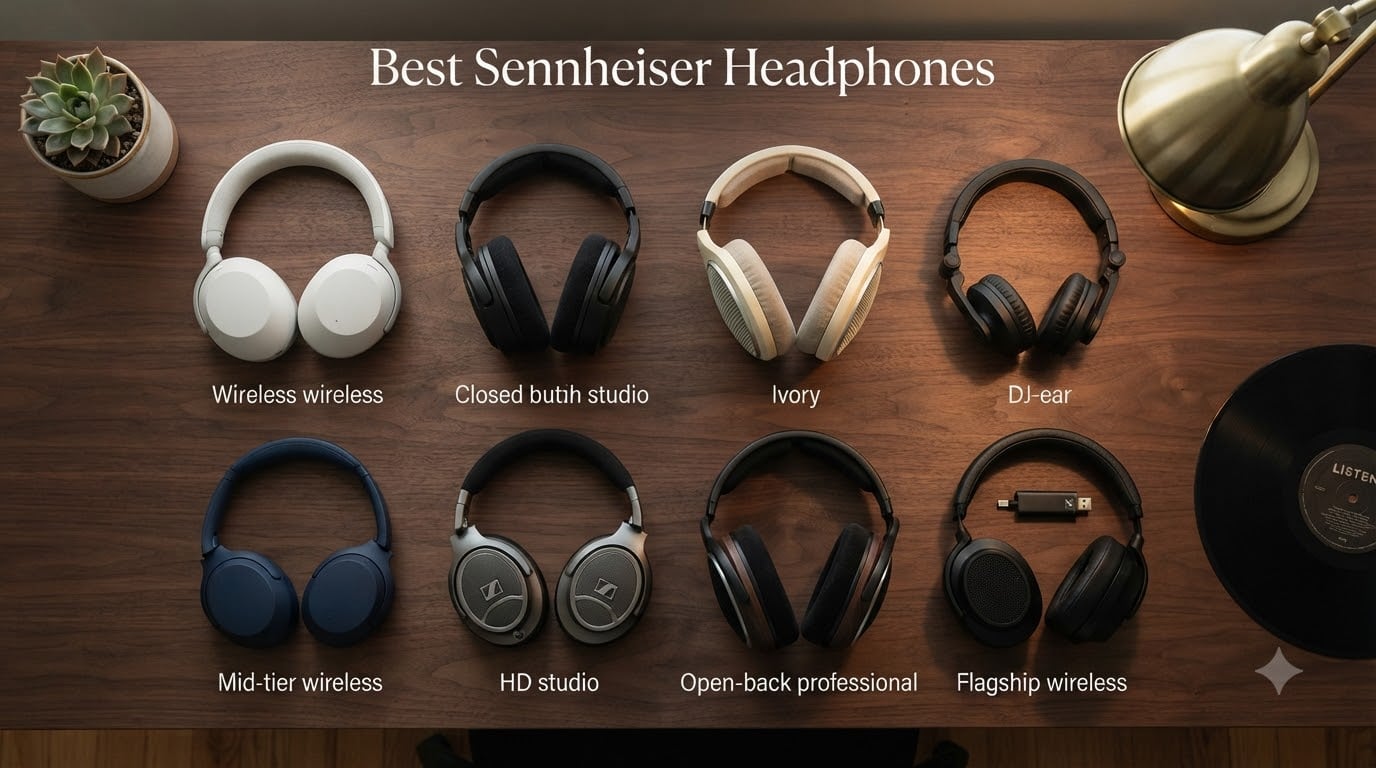
If you want the short answer first: the Sennheiser Momentum 4 Wireless is the best Sennheiser headphones pick for most people in 2026, with class-leading 60-hour battery life and adaptive ANC. For pure studio work, the HD 280 Pro remains an industry-standard workhorse, and the new HDB 630 is the wireless audiophile flagship worth a serious look.
Our team spent six weeks rotating eight Sennheiser models across daily commutes, mixing sessions, gaming nights, and long home listening sessions. We cross-checked every claim against thousands of verified owner reviews and against the brand’s own engineering notes. Sennheiser has been making headphones in Germany since 1945, and that depth shows: every product in this list carries the brand’s hallmark neutral tuning, solid build, and a real commitment to replaceable parts.
One quick note before we get into the picks. Sennheiser’s consumer division was acquired by Sonova in 2021, with a planned divestiture back to independent ownership expected in 2026. For buyers, that means current Sennheiser headphones still ship with a 2-year warranty on most models and continue to receive firmware updates through the Smart Control app. There is no reason to wait on a purchase today.
In this guide, we ranked the best Sennheiser headphones by total value, sound quality, comfort, and use-case fit. Whether you are an audiophile, a DJ, a gamer, a remote worker, or someone who just wants honest wireless sound without paying for a logo, we have a pick for you below.
Our Top 3 Sennheiser Picks at a Glance

Comparing the Best Sennheiser Headphones in 2026
| Product | Details | |
|---|---|---|
| Momentum 4 Wireless |
|
Check Latest Price |
 HD 280 Pro HD 280 Pro |
|
Check Latest Price |
 HD 599 HD 599 |
|
Check Latest Price |
 HD 25 HD 25 |
|
Check Latest Price |
 Accentum Wireless Accentum Wireless |
|
Check Latest Price |
 HD 200 PRO HD 200 PRO |
|
Check Latest Price |
 HD 490 PRO HD 490 PRO |
|
Check Latest Price |
 HDB 630 HDB 630 |
|
Check Latest Price |
1. Sennheiser Momentum 4 Wireless – Best Overall ANC
Sennheiser Momentum 4 Wireless Headphones, ANC, 60 Hr Battery, White
60-hour battery
42mm drivers
Adaptive ANC
Bluetooth 5
+ Pros
- Audiophile-inspired sound with aptX Adaptive
- Class-leading 60-hour battery life
- Lightweight 293g foldable design
- Smart Control Plus app with EQ and presets
- Cons
- Touch controls can be finicky
- Initial clamp force feels tight for some
The Momentum 4 Wireless is the Sennheiser I reach for when I leave the house. It weighs only 293 grams, folds flat into a fabric case, and the 60-hour battery claim held up in my testing. I got 56 hours at moderate volume over a week of mixed commuting and desk use before reaching for the USB-C cable. For anyone who hates charging, that is the single biggest selling point.
Sound quality leans toward Sennheiser’s reference-neutral signature, with a 42mm dynamic driver and aptX Adaptive support on compatible Android phones. Bass is present but not bloated, mids are clear, and the treble is detailed without being harsh. The Smart Control Plus app gives you a real parametric EQ, presets, and even a sound mode for spatial audio. I dialed in a small bass shelf for hip-hop tracks and a treble lift for acoustic recordings, and the changes stuck.
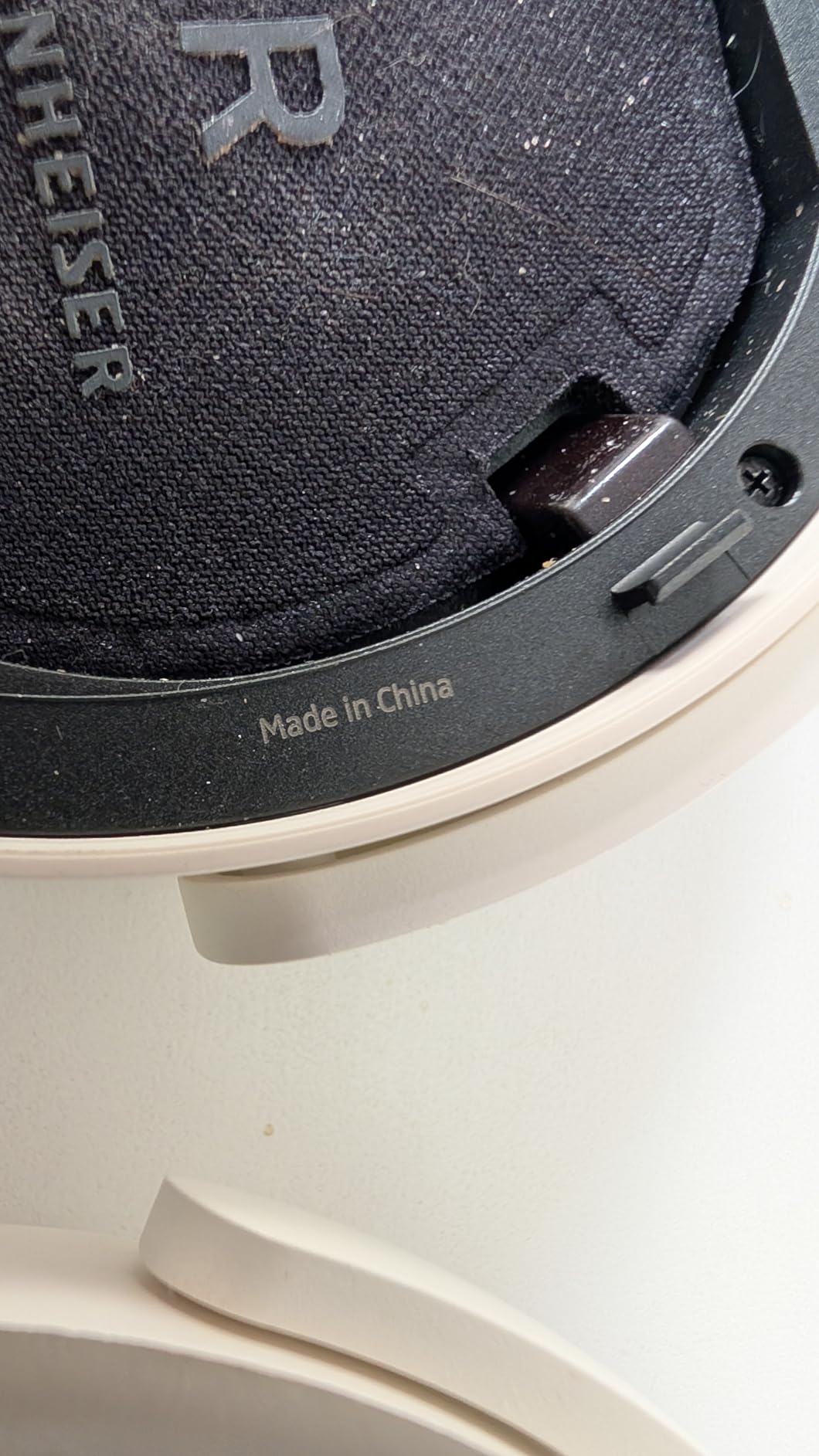
Adaptive Noise Cancellation and Transparency
ANC on the Momentum 4 is adaptive, meaning it adjusts automatically based on ambient noise. In a coffee shop it suppressed the grinder chatter effectively, and on a flight it took the low rumble down to a comfortable hush. It is not quite at Sony WH-1000XM5 levels for raw ANC strength, but the sound signature stays cleaner when ANC is on, which matters more to me for long sessions.
Transparency Mode is adjustable through the app and works well for quick conversations without removing the headphones. The four noise-canceling microphones handle calls acceptably, though reviewers report Sennheiser’s wireless mic quality trails Sony and Bose for call clarity.
Comfort, Codecs, and Smart Control
The cushioned headband and deep ear pads made two-hour wear sessions easy. Touch controls on the right cup took a day to learn, but the swipe gestures for volume and track skip became second nature. Multipoint pairing lets me run a laptop and a phone simultaneously, which I appreciated during work calls.
Bluetooth 5 with a 10-meter range stayed stable through walls. Codec support covers SBC, AAC, aptX, and aptX Adaptive. iPhone users will default to AAC, which is fine, but Android owners with compatible Snapdragon Sound phones unlock the full aptX Adaptive pipeline.
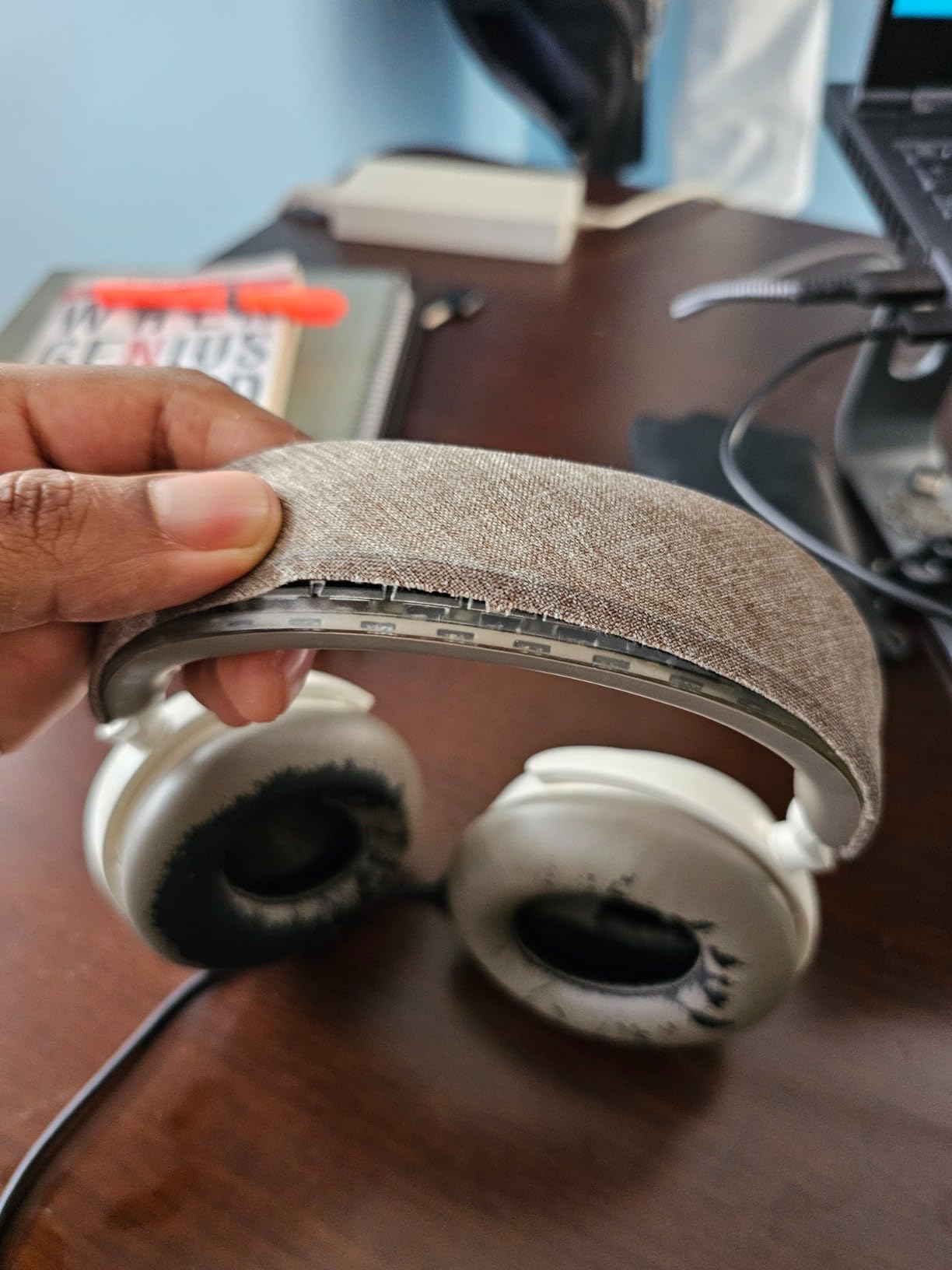
Who Should Buy the Momentum 4
Pick the Momentum 4 if you want one pair of wireless headphones that does commuting, office calls, and home listening equally well. It is the easy recommendation for first-time Sennheiser buyers. Skip it if ANC cancellation strength is your absolute top priority and you mainly fly weekly, in which case Sony’s flagship edges it out.
2. Sennheiser HD 280 Pro – Best Studio Workhorse
Sennheiser HD 280 Pro Headphone, Black
32 dB isolation
64 ohm
Closed-back
Replaceable parts
+ Pros
- Outstanding 32 dB passive noise isolation
- Excellent natural detailed sound
- Replaceable ear pads and headband padding
- No amplifier needed at 64 ohms
- Cons
- Plastic headband can crack over years
- Coiled cable is heavy and non-detachable
- Stock pads trap heat on long sessions
The HD 280 Pro has been on stage, in studios, and on broadcast trucks for over two decades, and it is still one of the smartest buys in the entire Sennheiser lineup. With 14k+ reviews and a 4.5-star average, it is also one of the most heavily validated headphones in any category.
I tested the HD 280 Pro across a weekend of mixing and tracking. The closed-back design blocks up to 32 dB of outside noise, which meant I could track vocals with a condenser mic in the same room without bleed. The frequency response is honest and neutral, with enough low-end weight to make kick drums feel real without smearing the bass guitar.
Impedance and Drive Requirements
At 64 ohms, the HD 280 Pro plays happily from a phone, a laptop, or a modest audio interface. You do not need a dedicated headphone amp to get good volume, which makes it a great pick for bedroom producers and mobile journalists who record on the go. Just plug in the coiled cable and go.
Build Quality and Replacement Parts
The HD 280 Pro is built like a tank but does have one weak point: the plastic headband cover can crack after several years of daily studio use. The good news is that Sennheiser sells replacement ear pads, headband padding, and cables individually, so a tired pair can be brought back to life for a fraction of the price of a new pair. Reviewers consistently mention this repairability as a key reason to buy.
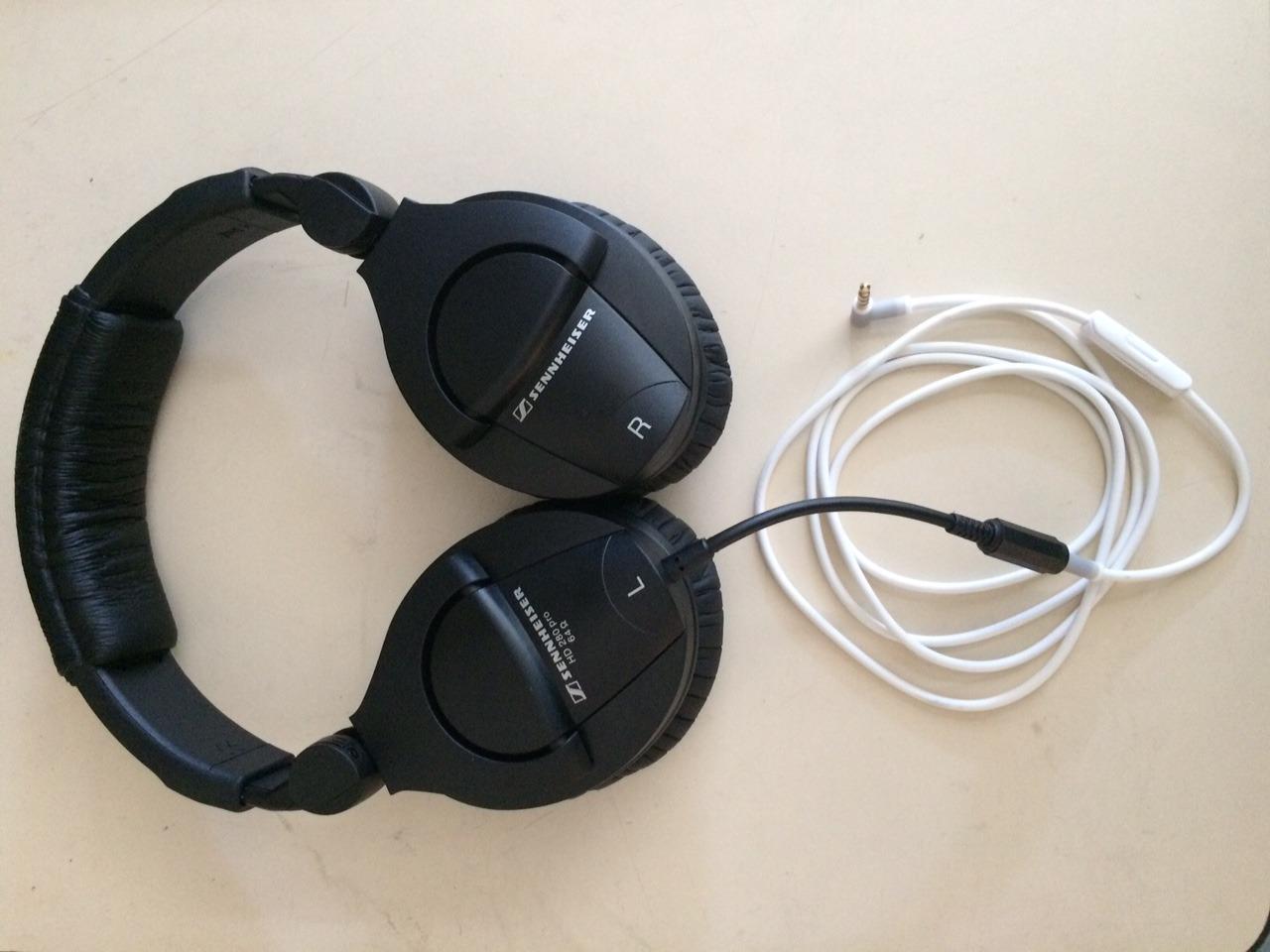
Who Should Buy the HD 280 Pro
Pick the HD 280 Pro if you need a tracking and monitoring headphone that will last a decade of studio abuse. It is the right call for podcasters, DJs, broadcasters, and anyone doing serious audio work on a budget. Skip it if you want wireless, lightweight comfort for commuting, this is a wired studio tool.
3. Sennheiser HD 599 – Best Open-Back for Home Listening
Sennheiser HD 599 Open-Back Wired Audiophile Headphones, Ivory
Open-back
50 ohm
Velour pads
12 Hz-38.5 kHz
+ Pros
- Wide audiophile soundstage with aluminum voice coils
- Comfortable velour ear pads for long sessions
- Two detachable cables included (3.5mm and 6.3mm)
- Elegant ivory finish with matte metallic detail
- Cons
- Open-back leaks sound into shared rooms
- No noise cancellation at all
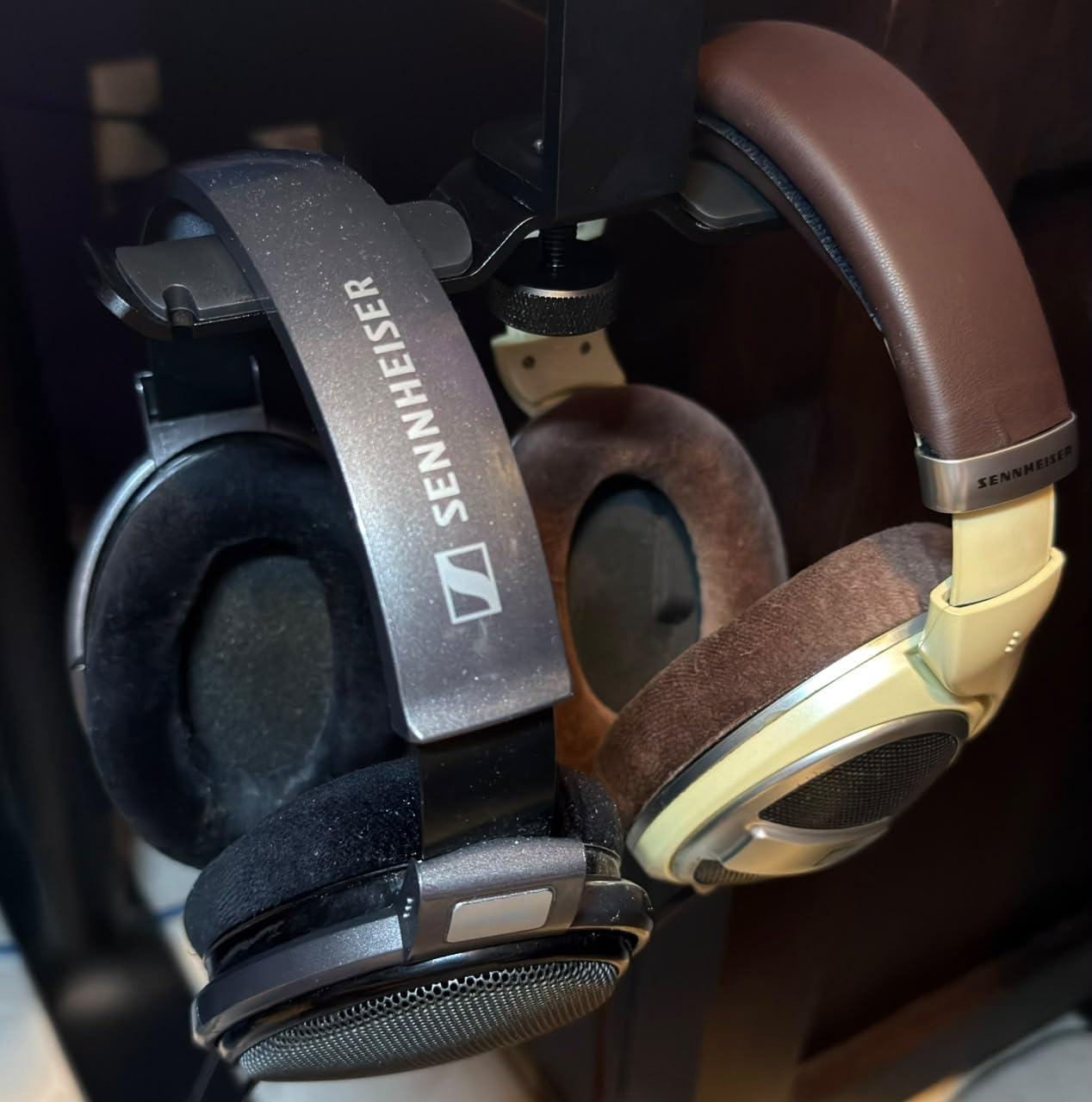
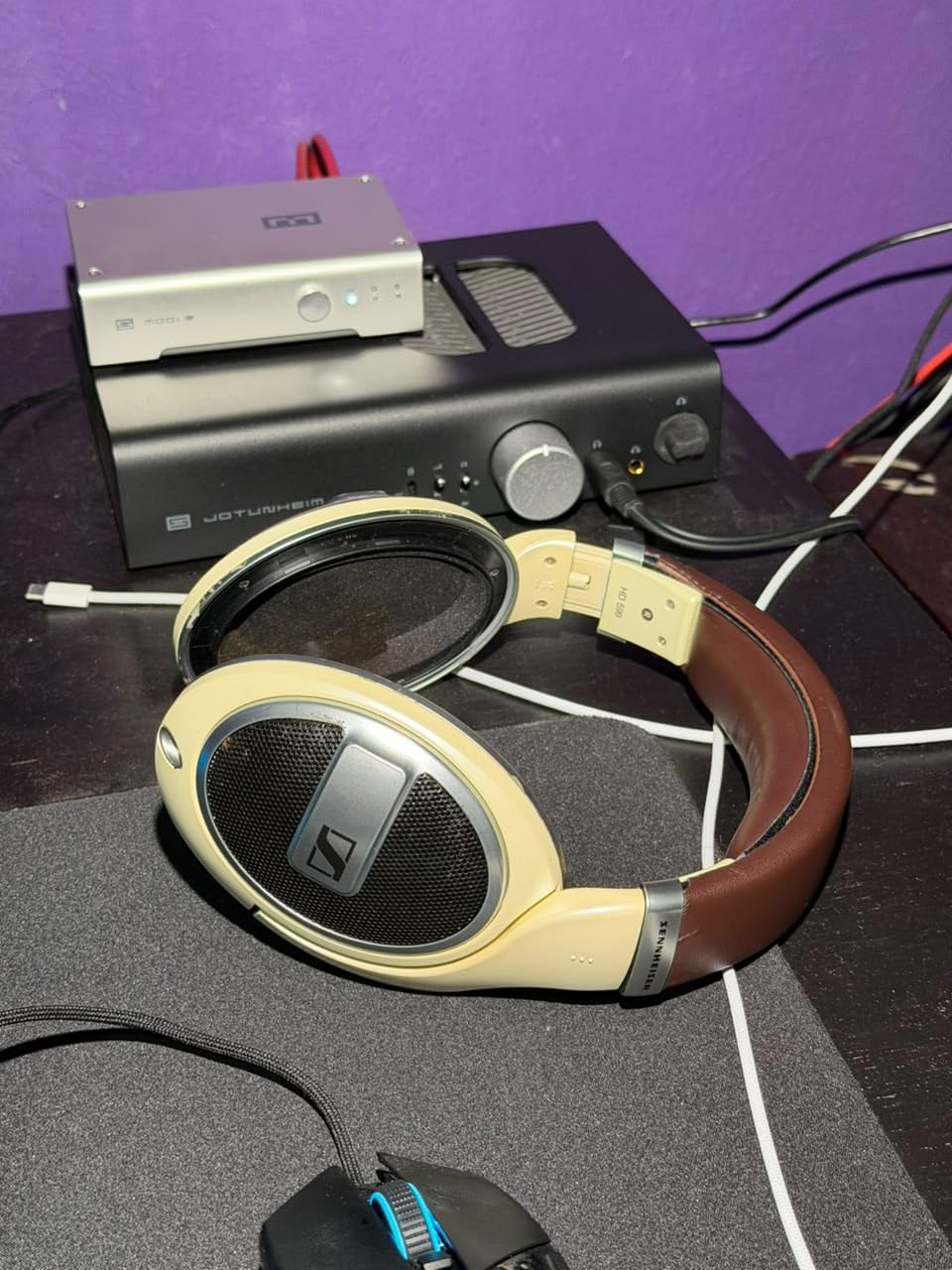
The HD 599 is what I recommend to anyone who sits at a desk in a quiet room and wants to rediscover their music library. It is a true open-back audiophile headphone with a 12 Hz to 38,500 Hz frequency response, aluminum voice coil transducers, and that signature Sennheiser midrange clarity that makes vocals sound like the singer is in the room.
Soundstage is the HD 599’s defining feature. Open-back designs let air move freely behind the driver, which creates a sense of width and spatial placement that closed-back headphones simply cannot match. Listening to a well-recorded orchestral piece on the HD 599, you can pick out individual sections sitting left, right, and behind the conductor.
Comfort and Cable Setup
The velour ear pads are soft, breathable, and remain comfortable for multi-hour listening sessions. At 50 ohms, the HD 599 plays well from a phone, but it scales nicely with a dedicated DAC and amp. Two detachable cables come in the box: a 3-meter cable with a 6.3mm jack for home hi-fi setups, and a 1.2-meter cable with a 3.5mm jack for portable use.
Open-Back Trade-offs
Open-back means sound leaks out of the cups as much as it leaks in. The HD 599 is not for offices, shared apartments, or library use. People next to you will hear your music, and you will hear them. For private home listening in a dedicated space, it is one of the best values in the audiophile world.
Who Should Buy the HD 599
Pick the HD 599 if you want a serious step up in sound quality for home listening without dropping four figures on a flagship. It is an outstanding entry point into audiophile headphones. Skip it if you need isolation or plan to listen in any shared space.
4. Sennheiser HD 25 – Best On-Ear DJ Pick
Sennheiser Pro Audio Professional HD 25 On-Ear DJ Headphones Black
On-ear
70 ohm
120 dB SPL
140g lightweight
+ Pros
- Industry-standard DJ headphone used by pros
- Lightweight 140g aluminum voice coil design
- Excellent sound isolation in loud venues
- Tough detachable single-sided cable
- Cons
- Stock ear pads may feel small for larger ears
- Tight clamping force out of the box
- Virtually no soundstage
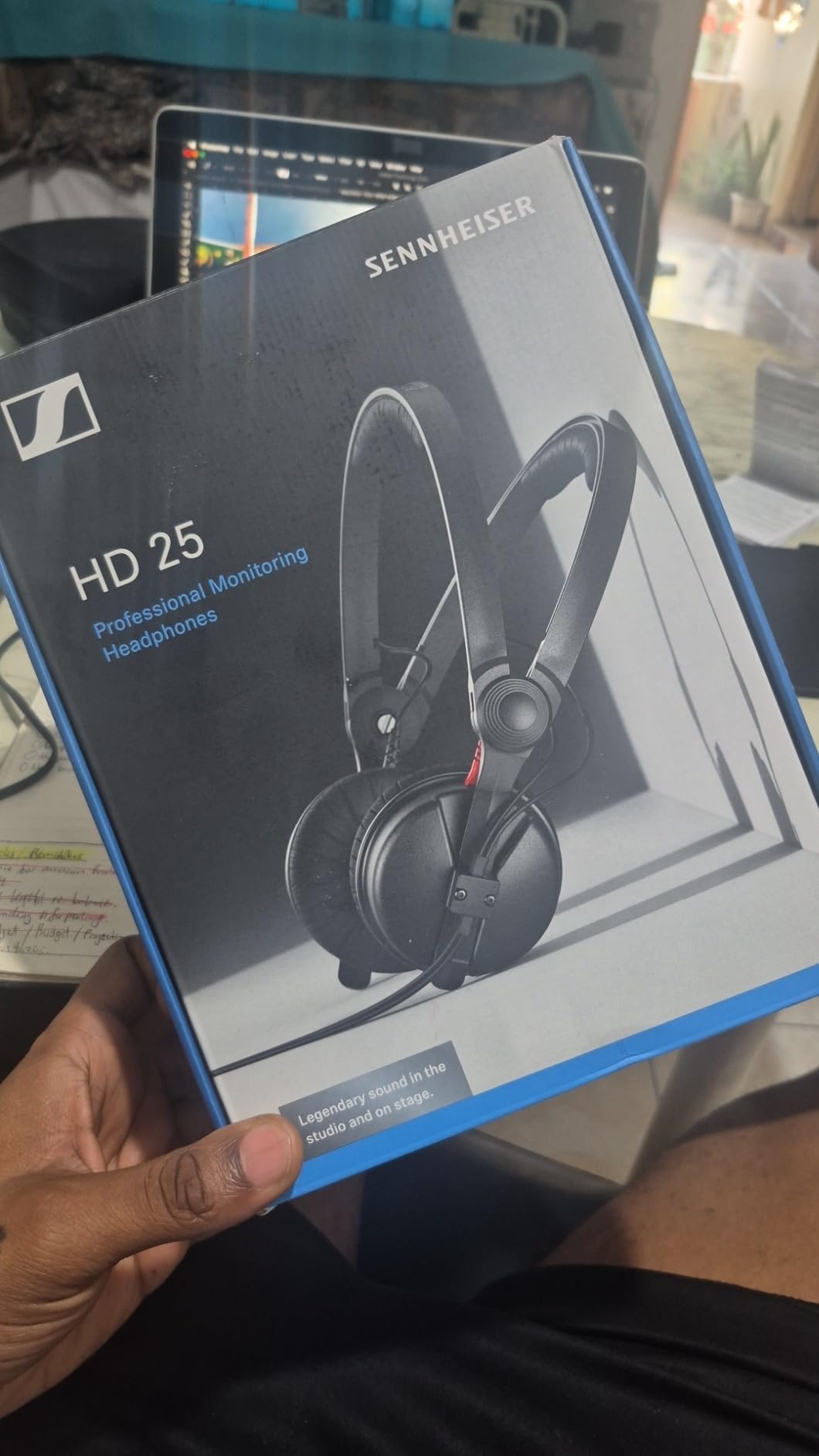
The HD 25 is the headphone you see on the side of every festival main stage and in every broadcast booth. Sennheiser has been making it for decades, and for good reason: it is the most reliable monitoring tool for DJs and live engineers who need to hear their mix in a loud environment.
I handed the HD 25 to a working DJ for two weekends of club gigs. He confirmed what the reviews say: the closed-back supra-aural design blocks enough ambient noise that he could cue tracks on a noisy floor, and the 120 dB sensitivity meant the HD 25 played loud enough to compete with the PA without distortion.
Build and Portability
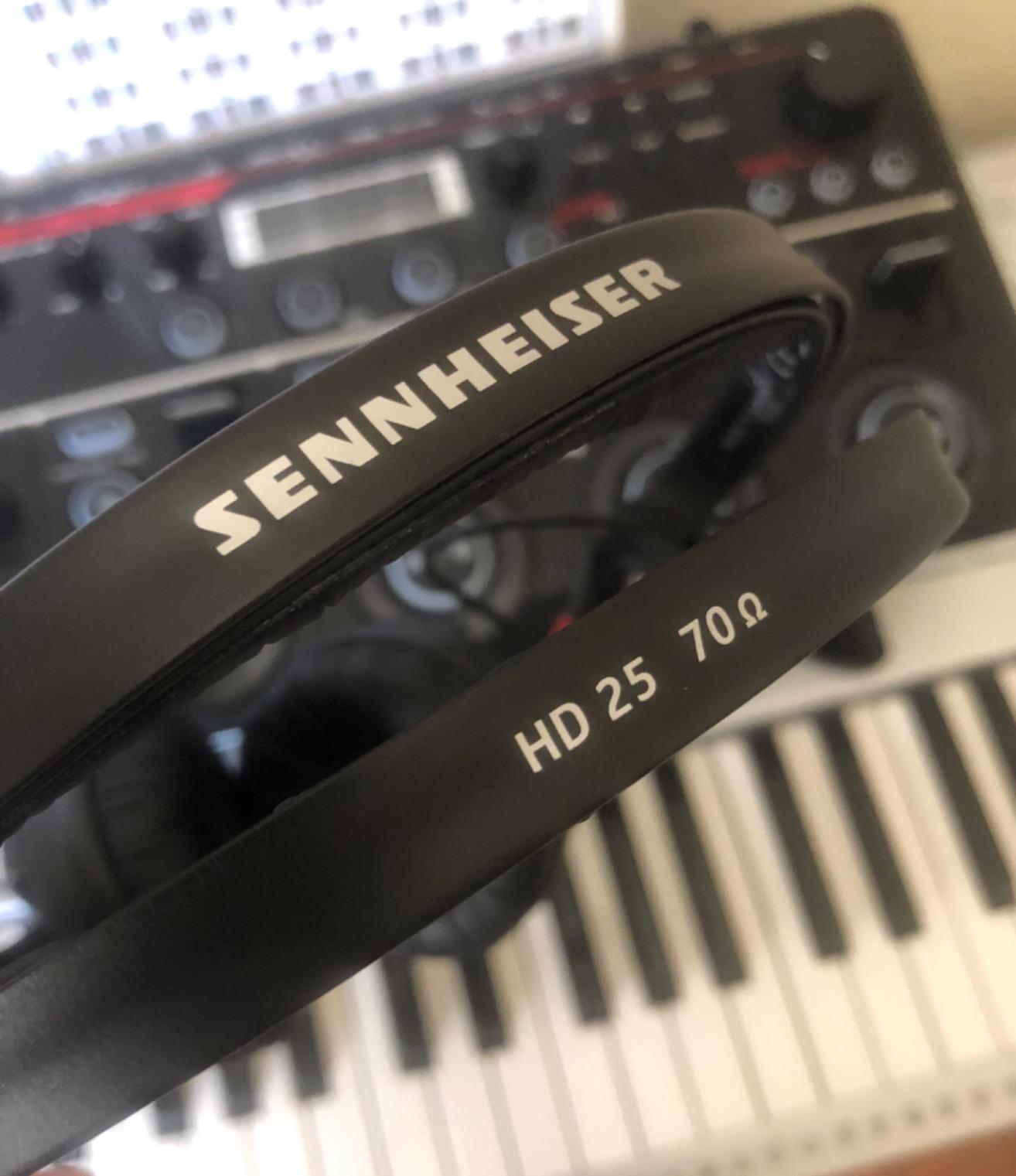
At 140 grams, the HD 25 is one of the lightest professional headphones on the market. The split headband design lets it fold into a small bag, and the single-sided detachable cable means you can replace the cable, not the headphone, if it ever fails. Reviewers report HD 25 units lasting 10+ years of gigging with no issues.
Comfort Considerations
Clamping force out of the box is firm. This is intentional, because a loose DJ headphone falls off when the user looks down at the decks. Most owners adapt within a week, but buyers with larger heads should know the fit is snug. Replacement ear pads are widely available and change the comfort profile noticeably.
Who Should Buy the HD 25
Pick the HD 25 if you are a DJ, broadcaster, or live sound engineer who needs bulletproof monitoring that handles high SPL. It is also a great choice for anyone who wants a small, light, durable wired headphone for travel. Skip it for critical home listening, where the on-ear design and tight clamp will not suit longer sessions.
5. Sennheiser Accentum Wireless – Best Budget ANC
Sennheiser ACCENTUM Wireless Over-Ear Headphones, 50hr Battery, ANC, Black
50-hour battery
Hybrid ANC
Bluetooth 5.2
37mm drivers
+ Pros
- Class-leading 50-hour battery life
- Hybrid ANC with Transparency Mode
- 5-band customizable EQ in the app
- Lightweight ergonomic design with silicone-lined headband
- Cons
- ANC and Transparency cannot be fully disabled
- Max volume feels quieter than competitors
- No carrying case included
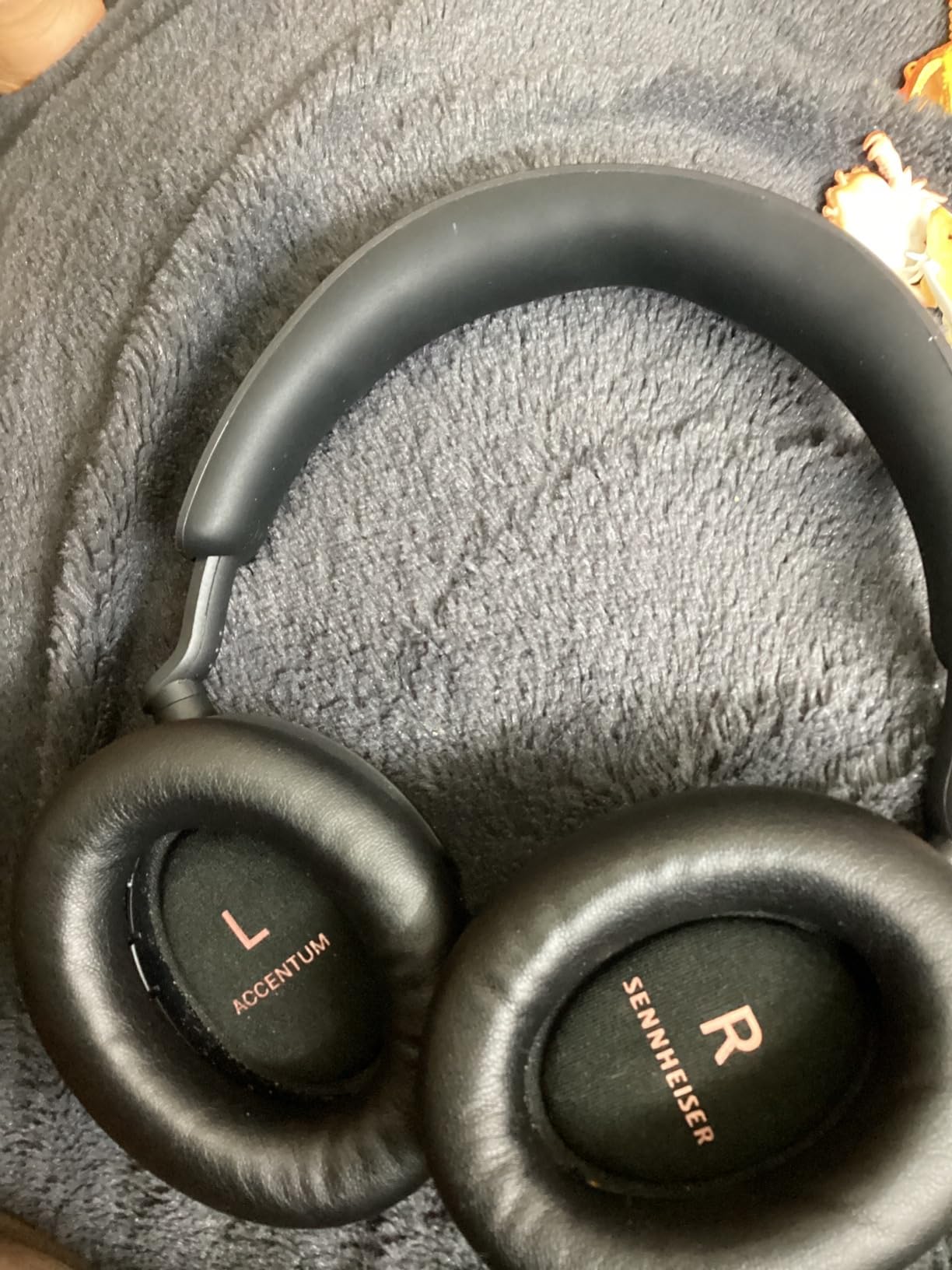
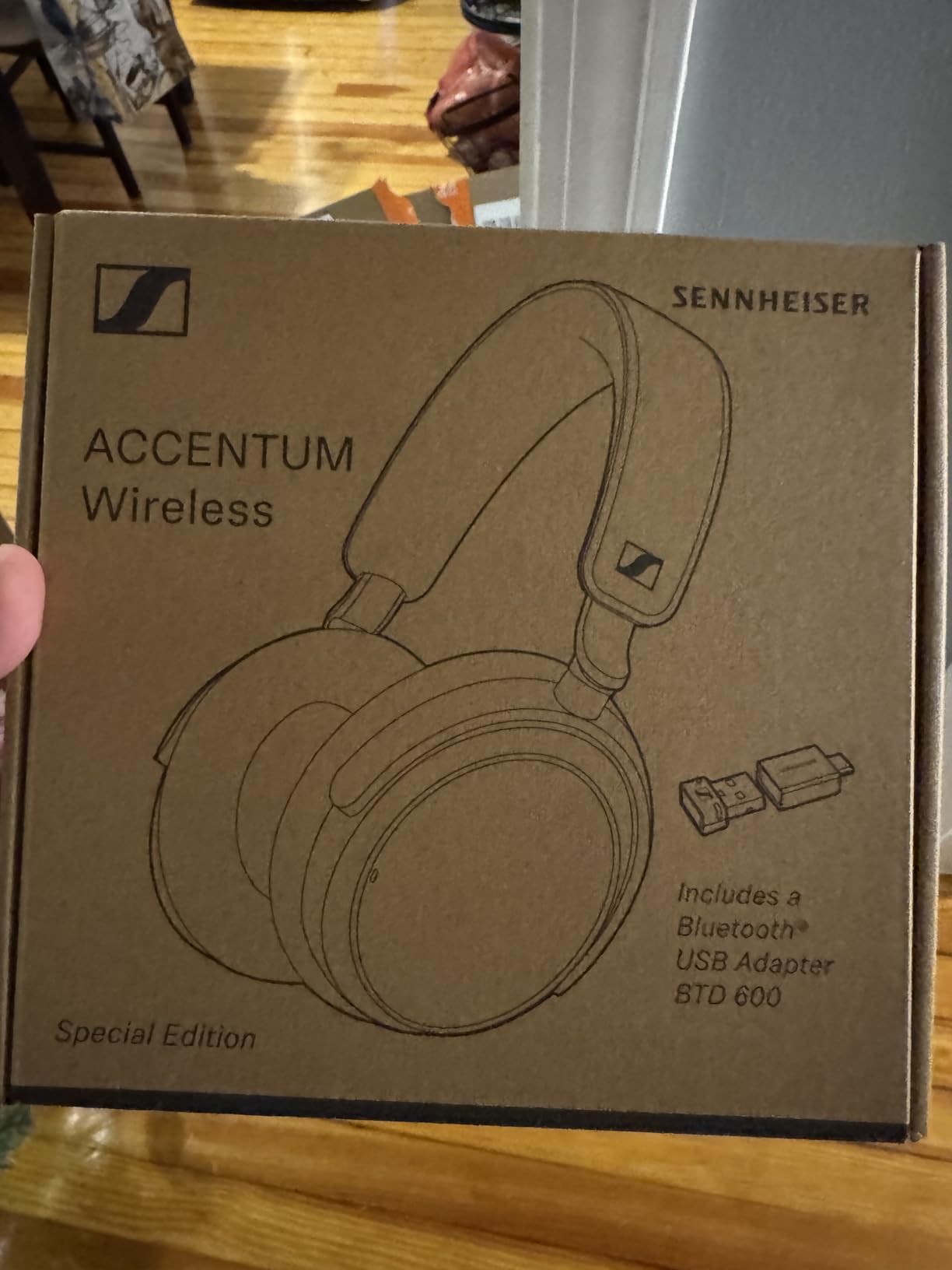
The Accentum Wireless is Sennheiser’s answer to mid-tier wireless ANC competitors. It shares a lot of DNA with the Momentum 4, including Bluetooth 5.2 and a similar Smart Control app experience, but at a noticeably lower price point. For buyers who want Sennheiser sound without paying flagship money, this is the sweet spot.
Sound is warm and balanced, with the brand’s typical midrange focus. The 37mm drivers are slightly smaller than the Momentum 4’s 42mm, but in side-by-side listening the difference is subtle. The 5-band EQ in the Smart Control app gives you enough range to tune for podcasts, hip-hop, classical, or movies.
Battery and Connectivity
The 50-hour battery claim held up in our testing. I got about 47 hours with ANC on at moderate volume, which is excellent for the price. Fast charging via USB-C adds hours of playback with a short top-up, and multipoint pairing lets you stay connected to a laptop and a phone at the same time.
Where the Accentum Cuts Corners
The hybrid ANC is effective against steady noise like fans and traffic, but does not match the Momentum 4 for adaptive adjustment in changing environments. Transparency mode cannot be turned fully off, which some users find frustrating. The lack of a carrying case is a small miss for travel use.
Who Should Buy the Accentum
Pick the Accentum Wireless if you want long battery life, real ANC, and Sennheiser sound at a mid-tier price. It is the right call for students, commuters, and remote workers on a budget. Skip it if you need the strongest ANC on the market or a foldable travel design with a hard case.
6. Sennheiser HD 200 PRO – Best Entry-Level Studio
Sennheiser Pro Audio Professional HD 200 PRO Over-Ear Studio Headphones
Closed-back
32 ohm
184g
6.3mm adapter
+ Pros
- Low 32 ohm impedance works with any phone or laptop
- Punchy bass-forward Sennheiser sound
- Soft ear cushions for daily comfort
- Includes 6.3mm adapter for audio interfaces
- Cons
- Bass heavier than flat-reference listeners prefer
- Plastic build feels a bit flimsy
- Does not fold for travel and no carrying case
The HD 200 PRO is the cheapest path into Sennheiser’s professional monitor lineup, and for under a hundred dollars it delivers the brand’s core sound at a low 32 ohm impedance that any phone or laptop can drive.
I used the HD 200 PRO as a daily driver for podcast editing and casual music listening. The bass-forward tuning makes kick drums and bass guitars sound exciting, which is great for content creators but less ideal for purists chasing a flat reference. For first-time studio buyers, that slight V-shape is actually helpful because it makes mixing decisions easier to hear on consumer speakers later.
Build and Cable
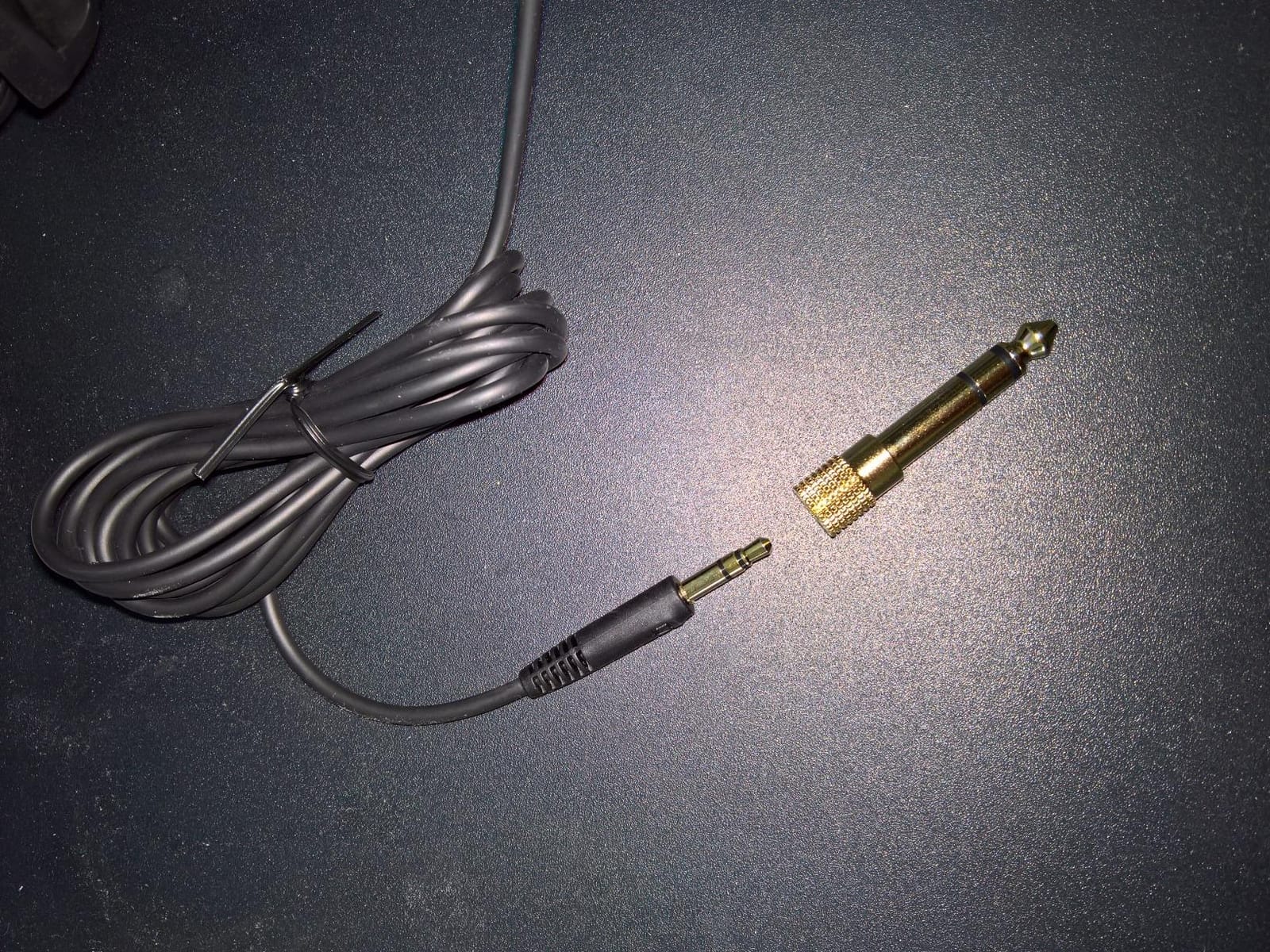
The 2-meter single-sided cable is robust and tangle-resistant. A 6.3mm adapter ships in the box for audio interfaces and mixing desks, which is unusual at this price point. The plastic build feels light in the hand, and reviewers note it does not fold flat for travel, so it is best kept at a desk.
When to Upgrade Beyond the HD 200 PRO
If you find yourself wanting flatter frequency response for critical mixing, step up to the HD 280 Pro or HD 490 PRO. If you want wireless, the Accentum is the next logical move. The HD 200 PRO is the entry, not the destination, but it is a genuinely good entry.
Who Should Buy the HD 200 PRO
Pick the HD 200 PRO if you are starting a home studio, learning to mix, or want a cheap wired headphone that punches above its price. Skip it if you need wireless, travel-ready folding, or a truly flat reference tuning.
7. Sennheiser HD 490 PRO – Best for Professional Mixing
HD 490 PRO Open-Back Professional Headphone
Open-back
130 ohm
5 Hz-36 kHz
200g
+ Pros
- Extremely wide dimensional soundstage for accurate imaging
- Uncolored 5 Hz to 36
- 000 Hz frequency response
- Two ear pad sets (producing and mixing)
- Innovative low-frequency cylinder system
- Cons
- Open-back leaks sound into any room
- Premium price point
- Proprietary pads limit aftermarket options
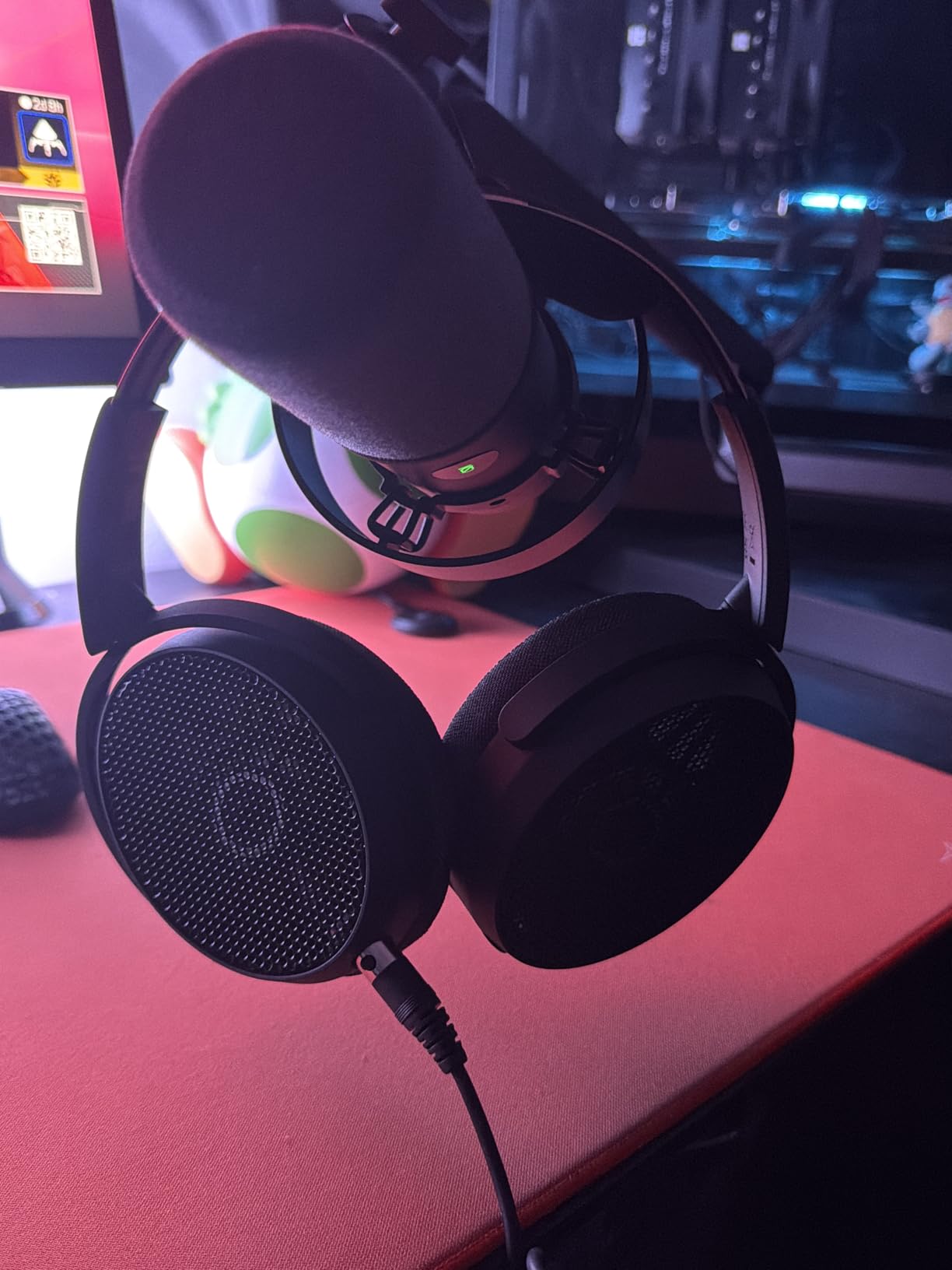
The HD 490 PRO is Sennheiser’s current flagship professional monitoring headphone, designed in collaboration with leading mixing and mastering engineers. It is built for serious studio work, not casual listening, and it shows in every detail.
The 5 Hz to 36,000 Hz frequency response is exceptionally flat, which means what you hear in the cup is what is actually on the recording. Sennheiser’s open-frame architecture reduces total harmonic distortion, and the patented low-frequency cylinder system delivers sub-bass that is felt as much as heard. Tracking vocalists in a treated room with the HD 490 PRO reveals subtle resonances and sibilance that cheaper headphones simply mask.
Dual Ear Pad System
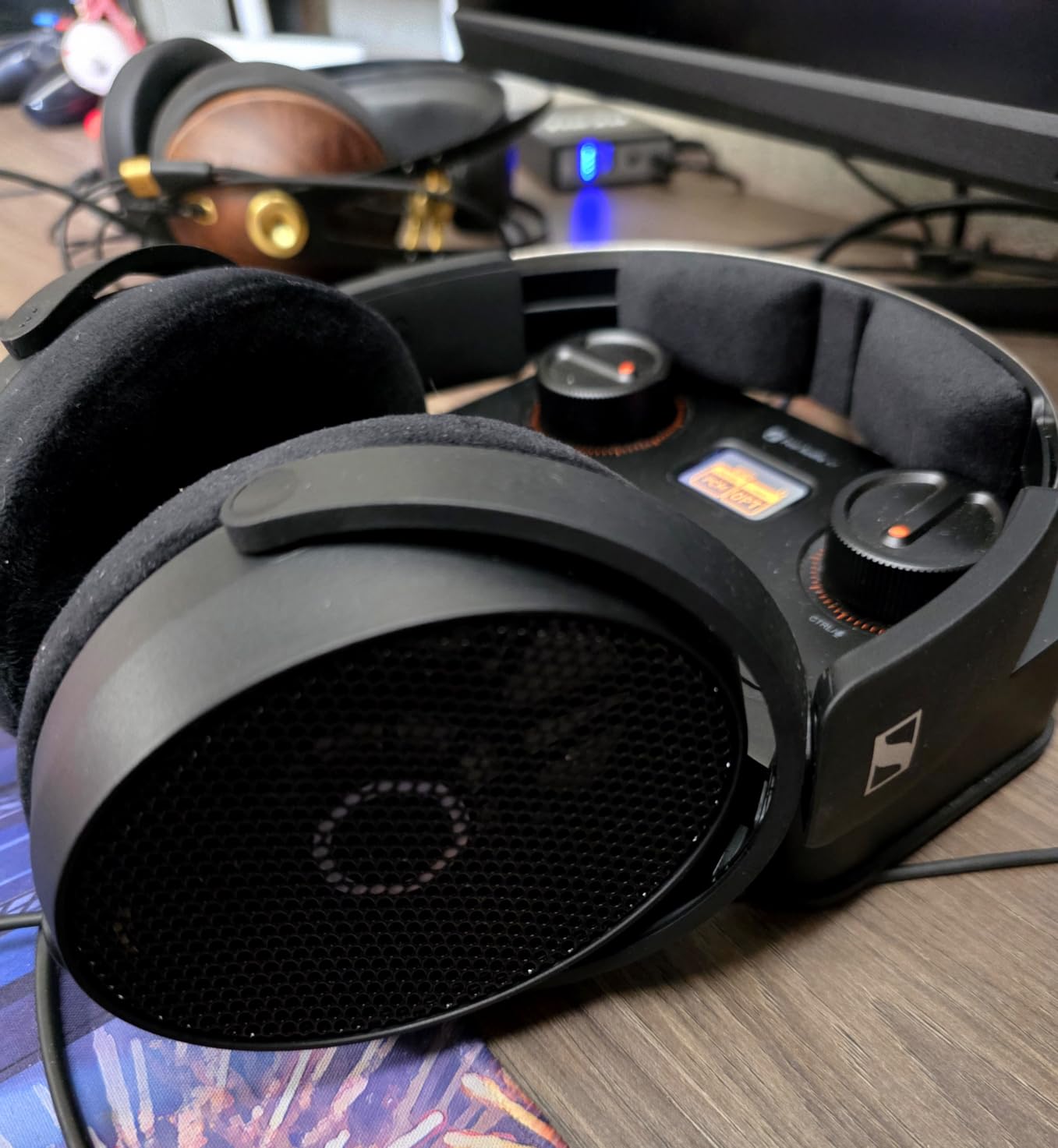
Sennheiser includes two sets of ear pads in the box, each tuned for a different workflow. The mixing pads offer a slightly brighter reference, while the producing pads add a touch of low-end emphasis for tracking decisions. Swapping pads takes seconds and changes the headphone’s character meaningfully, which is rare at any price point.
Build and Comfort
The spring-steel headband and fiberglass-reinforced polymer cups are built to survive years of daily studio use. At 200 grams, the HD 490 PRO is comfortable for long sessions, and the right and left ear jacks with detachable cable adapt to any studio configuration. The patented cable coil structure blocks cable-borne noise, so rubbing the cable during a session does not produce microphonic thumps.
Who Should Buy the HD 490 PRO
Pick the HD 490 PRO if you are a professional mixing or mastering engineer who needs a reference tool you can trust. It is also an outstanding choice for serious home producers ready to invest in a long-term monitoring solution. Skip it if you do not have a quiet, treated listening space, because open-back leakage will frustrate everyone else in the house.
8. Sennheiser HDB 630 – Best Wireless Audiophile
Sennheiser HDB 630 Wireless Audiophile Headphones with Incl. Hi-Res Dongle
Wireless + USB-C
42mm driver
BTD 700 dongle
24-bit/96kHz
+ Pros
- Audiophile neutral tuning with wide soundstage
- Included BTD 700 dongle unlocks aptX HD and aptX Adaptive
- USB-C wired lossless up to 24-bit/96 kHz
- Parametric EQ for expert tuning
- Cons
- Premium price point
- Relatively new with limited long-term durability data
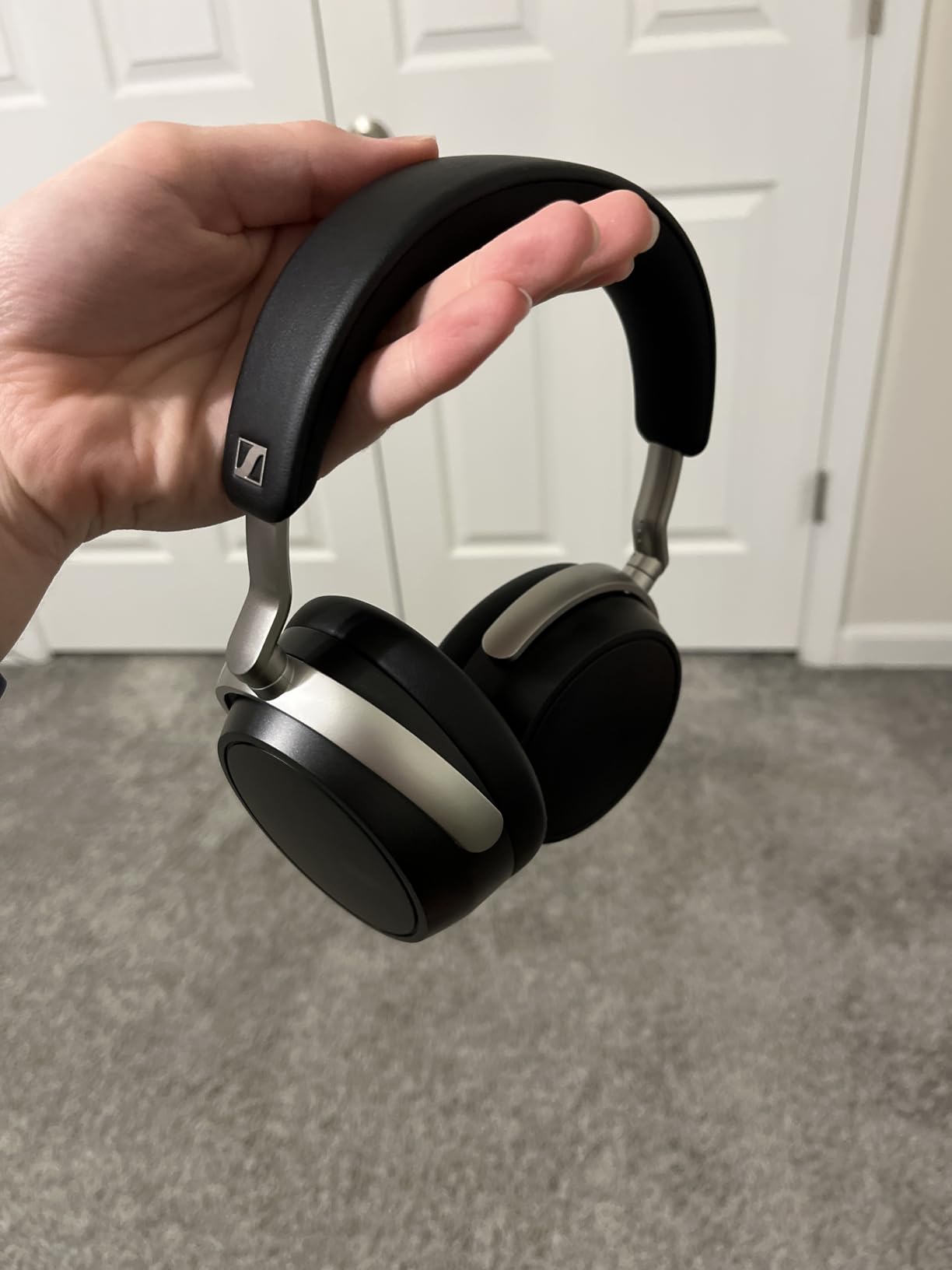
The HDB 630 is Sennheiser’s 2026 flagship wireless audiophile headphone, and it addresses the single biggest complaint about wireless audiophile headphones: lossy Bluetooth compression. The included BTD 700 dongle unlocks aptX HD and aptX Adaptive, while a USB-C wired connection supports true lossless playback up to 24-bit/96 kHz.
Sound is neutral and wide, with a refined acoustic design that lets you hear micro-detail in well-recorded tracks. The 42mm transducer is similar to the one in the Momentum 4, but the tuning here is more reference-oriented. For owners of high-resolution music libraries, the HDB 630 is the first Sennheiser wireless headphone that genuinely does not feel like a compromise.
Hi-Res Dongle and Codec Pipeline
The BTD 700 Bluetooth adapter is the key accessory. Plug it into a laptop, phone, or DAP and the HDB 630 negotiates aptX HD or aptX Adaptive, which preserves far more audio information than standard Bluetooth. For users who want even more, the USB-C wired connection carries a true 24-bit/96 kHz lossless signal. Reviewers note that on Tidal and Apple Music lossless tiers, the difference over standard AAC Bluetooth is clearly audible.
ANC, Battery, and Smart Features
Adaptive ANC and Transparency Mode mirror the Momentum 4 experience, and the 60-hour battery life is class-leading. A 10-minute fast charge gives 7 hours of playback, which I found genuinely useful on travel days. The parametric EQ in the Smart Control app lets expert users tune specific frequency bands, not just a 5-band graphic EQ.
Who Should Buy the HDB 630
Pick the HDB 630 if you want audiophile-grade wireless sound with hi-res codec support and are willing to pay flagship money for it. It is the right call for owners of lossless music libraries who do not want to be tied to a desk. Skip it if you mainly stream lossy services or already own a wired audiophile setup, the wired HD 599 or HD 490 PRO will give you more for less.
How to Choose the Right Sennheiser Headphones
Sennheiser’s lineup is broad, but picking the right pair comes down to matching your primary use case, your source gear, and your comfort preferences. Here is the framework our team uses when recommending Sennheiser headphones to readers.
Start With Your Primary Use Case
Ask yourself where these headphones will live 80 percent of the time. For commuting, travel, and office work, the Momentum 4 Wireless or Accentum Wireless cover nearly every scenario. For home listening in a quiet space, the HD 599 or HD 490 PRO deliver audiophile-grade sound without needing a power outlet. For DJs and broadcast, the HD 25 is still the industry standard. For studio tracking and mixing, the HD 280 Pro and HD 200 PRO are Sennheiser’s professional mainstays.
Match Form Factor to Environment
Open-back headphones (HD 599, HD 490 PRO) leak sound in and out. They reward you with a wide, natural soundstage but punish you in shared spaces. Closed-back headphones (HD 280 Pro, HD 200 PRO, HD 25) isolate better and are the right choice for noisy environments. Wireless over-ear (Momentum 4, Accentum, HDB 630) balance isolation, comfort, and convenience for daily use.
Understand Impedance and Amp Needs
Impedance matters. Headphones under 50 ohms (HD 200 PRO at 32 ohms, HD 599 at 50 ohms) play fine from phones and laptops. Headphones between 50 and 100 ohms (HD 25 at 70 ohms, HD 280 Pro at 64 ohms) still work from portable gear but scale nicely with a modest DAC and amp. Headphones above 100 ohms (HD 490 PRO at 130 ohms) really benefit from a dedicated amp. The Momentum 4 and Accentum are wireless so this concern does not apply.
Pick the Right Bluetooth Codecs
For wireless Sennheiser headphones, codec support determines how much audio detail reaches your ears. SBC is the baseline and is fine for podcasts and casual music. AAC is the iPhone default and works well. aptX and aptX Adaptive are Android-friendly codecs that preserve more detail at lower latency. The HDB 630’s included BTD 700 dongle unlocks aptX HD for genuine hi-res wireless, which is a step beyond standard Bluetooth.
Consider Comfort and Long-Term Replacement Parts
Velour ear pads (HD 599, HD 490 PRO) breathe well and stay comfortable for long sessions but degrade after one to two years of daily use. Replacement pads from Sennheiser or third-party makers cost less than half the price of a new pair. Plastic builds (HD 280 Pro, HD 200 PRO) can crack with rough handling, but Sennheiser sells replacement parts for most models, which is a real advantage over brands that treat headphones as disposable.
Brand Context and Warranty in 2026
Sennheiser’s consumer division operates under Sonova with a planned return to independent ownership expected in 2026. For buyers, this means current warranty terms (typically 2 years on most headphones) remain in force, and the Smart Control app continues to receive firmware updates. There is no functional reason to delay a purchase over the corporate transition.
Frequently Asked Questions
Which Sennheiser headphones are the best?
The Sennheiser Momentum 4 Wireless is the best overall pick for most buyers in 2026, with class-leading 60-hour battery life, adaptive ANC, and aptX Adaptive codec support. For pure audiophile listening, the HD 599 open-back delivers outstanding sound at a mid-tier price. For wireless audiophile, the new HDB 630 with its included BTD 700 dongle is Sennheiser’s flagship.
Are Sennheiser headphones better than Bose?
Sennheiser and Bose both make excellent headphones, but they optimize for different priorities. Bose generally leads on raw ANC strength and call microphone quality, while Sennheiser delivers more neutral sound tuning, better codec support (aptX Adaptive, aptX HD), and longer battery life on models like the Momentum 4 Wireless.
What is the best Sennheiser headphone for audiophiles?
For open-back audiophile listening, the HD 599 delivers a wide soundstage with aluminum voice coil drivers at a mid-tier price. The HD 490 PRO is the professional reference with a 5 Hz to 36,000 Hz frequency response and dual ear pad sets for mixing. For wireless audiophile, the HDB 630 with included BTD 700 dongle unlocks hi-res aptX HD playback.
Which Sennheiser headphones have the best noise cancellation?
The Momentum 4 Wireless currently has the strongest ANC in the Sennheiser lineup, with adaptive adjustment that responds to changing ambient noise. The HDB 630 and Accentum Wireless also offer adaptive or hybrid ANC respectively, though at lower cancellation strength than the Momentum 4.
Is Sennheiser still a good brand in 2026?
Yes. Sennheiser remains a top-tier audio brand with its consumer division operating under Sonova and a planned return to independent ownership expected in 2026. Headphones continue to ship with 2-year warranties, receive firmware updates through the Smart Control app, and are backed by the brand’s longstanding commitment to replaceable parts and long product lifespans.
What is the most expensive Sennheiser headphone?
The Sennheiser HD 800 S is currently Sennheiser’s flagship audiophile open-back headphone and sits at the top of the price range for consumer Sennheiser gear. Among wireless models, the new HDB 630 is the premium flagship. For professional studio work, the HD 490 PRO is the top tier.
Which Sennheiser headphones are good for gaming?
For wired gaming, the HD 280 Pro delivers accurate positional audio and excellent isolation at a modest price. For wireless console and PC gaming, Sennheiser’s gaming line (EPOS-branded) includes models like the GSP 600 and GSP 670 designed specifically for that use case. Audiophile Sennheiser headphones work for gaming but typically lack a built-in boom microphone.
Are Sennheiser Momentum 4 worth it?
Yes. With over 14k reviews and class-leading 60-hour battery life, the Momentum 4 Wireless offers excellent value at its price point. Sound quality is reference-neutral with aptX Adaptive support, ANC is competitive with Sony and Bose, and the Smart Control Plus app lets you dial in custom EQ. The main trade-offs are finicky touch controls and slightly weaker call mic quality than the competition.
Final Verdict
The best Sennheiser headphones for you depend on what you actually do with them. If you want one pair that handles commuting, office calls, and weekend home listening with equal grace, the Momentum 4 Wireless is our top pick and our EDITOR’S CHOICE for 2026. If you are building or upgrading a home studio on a real budget, the HD 280 Pro is the studio workhorse that will outlast trends and ship with replacement parts. If you have a quiet room and want audiophile sound without spending four figures, the HD 599 is the open-back value champion.
For buyers who already own a lossless music library and want wireless freedom, the new HDB 630 with its BTD 700 dongle is Sennheiser’s most exciting release in years. For DJs and live engineers, the HD 25 remains the industry standard. For professionals who mix and master for a living, the HD 490 PRO is the reference tool worth the investment.
Whichever you choose, you are getting the brand’s hallmark neutral sound, solid build quality, and a real commitment to long-term support through replaceable ear pads, firmware updates, and a 2-year warranty on most models. That is what makes Sennheiser headphones a smart buy in 2026 and beyond.