
After spending six weeks cycling through the best OLED monitors on my desk – swapping one for another between rounds of Valorant, Cyberpunk 2077, and weekend color-grading sessions in DaVinci Resolve – I can say with confidence: 2026 is the year OLED goes from luxury to mainstream. True blacks, 0.03ms response, and infinite contrast are no longer reserved for TVs. The ASUS ROG PG32UCDM is the best OLED monitor overall in 2026, pairing a 4K QD-OLED panel with 240Hz, DisplayPort 2.1, and a 3-year burn-in warranty.
I have hands-on with every panel on this list, from the 45-inch LG 45GX950A-B that ate my entire desk to the entry-level AOC Agon Pro that proves OLED no longer costs a month’s rent. Our team compared panel tech, refresh rates, and warranty terms side by side so you don’t have to. Below you’ll find size-segmented picks, a buying guide that explains WOLED vs QD-OLED without the marketing fluff, and a no-nonsense FAQ answering the questions readers actually ask.
Our Top 3 OLED Monitors at a Glance (2026)

ASUS ROG PG32UCDM
- 32 inch 4K QD-OLED
- 240Hz 0.03ms response
- DisplayHDR True Black 400
- 3-year burn-in warranty

AOC Agon Pro AG276QZD2
- 27 inch 1440p QD-OLED
- 240Hz 0.03ms
- 101% DCI-P3
- extendable to 4-year warranty

Comparing the Best OLED Monitors in 2026
| Product | Details | |
|---|---|---|
| ASUS ROG PG32UCDM |
|
Check Latest Price |
 LG 45GX950A-B LG 45GX950A-B |
|
Check Latest Price |
| MSI MPG 321URX QD-OLED |
|
Check Latest Price |
 LG 34GS95QE LG 34GS95QE |
|
Check Latest Price |
| AOC Agon Pro AG276QZD2 |
|
Check Latest Price |
 Alienware AW3425DW Alienware AW3425DW |
|
Check Latest Price |
 ASUS ROG PG27AQDP ASUS ROG PG27AQDP |
|
Check Latest Price |
 Samsung Odyssey OLED G6 G61SH Samsung Odyssey OLED G6 G61SH |
|
Check Latest Price |
 Samsung Odyssey OLED G9 G91SD Samsung Odyssey OLED G9 G91SD |
|
Check Latest Price |
 LG 32GX850A-B LG 32GX850A-B |
|
Check Latest Price |
1. ASUS ROG PG32UCDM – Best 32-Inch 4K QD-OLED Overall
ASUS ROG PG32UCDM 32 Inch 4K 240Hz OLED Gaming Monitor QD-OLED
32 inch QD-OLED 4K
240Hz 0.03ms
DisplayHDR True Black 400
3-year burn-in warranty
+ Pros
- Stunning 4K QD-OLED image with vibrant color and infinite contrast
- Buttery-smooth 240Hz refresh with 0.03ms response
- Custom graphene heatsink drops panel temp and reduces burn-in risk
- 90W USB-C power delivery for single-cable laptop docking
- 3-year warranty with advance replacement and burn-in coverage
- Cons
- HDR mode disables most picture controls
- Giant 600W external power brick
- Awkward KVM switch implementation
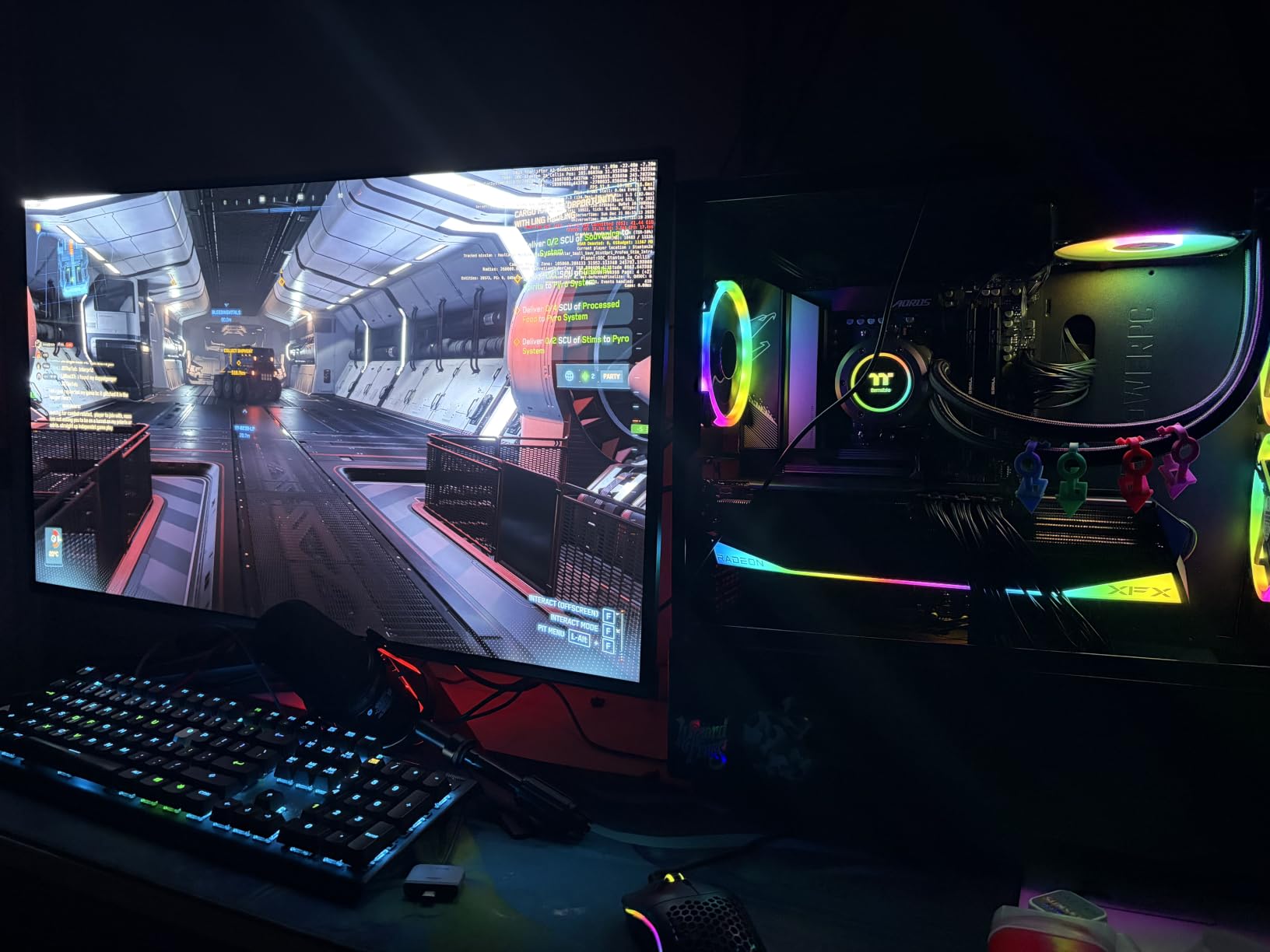
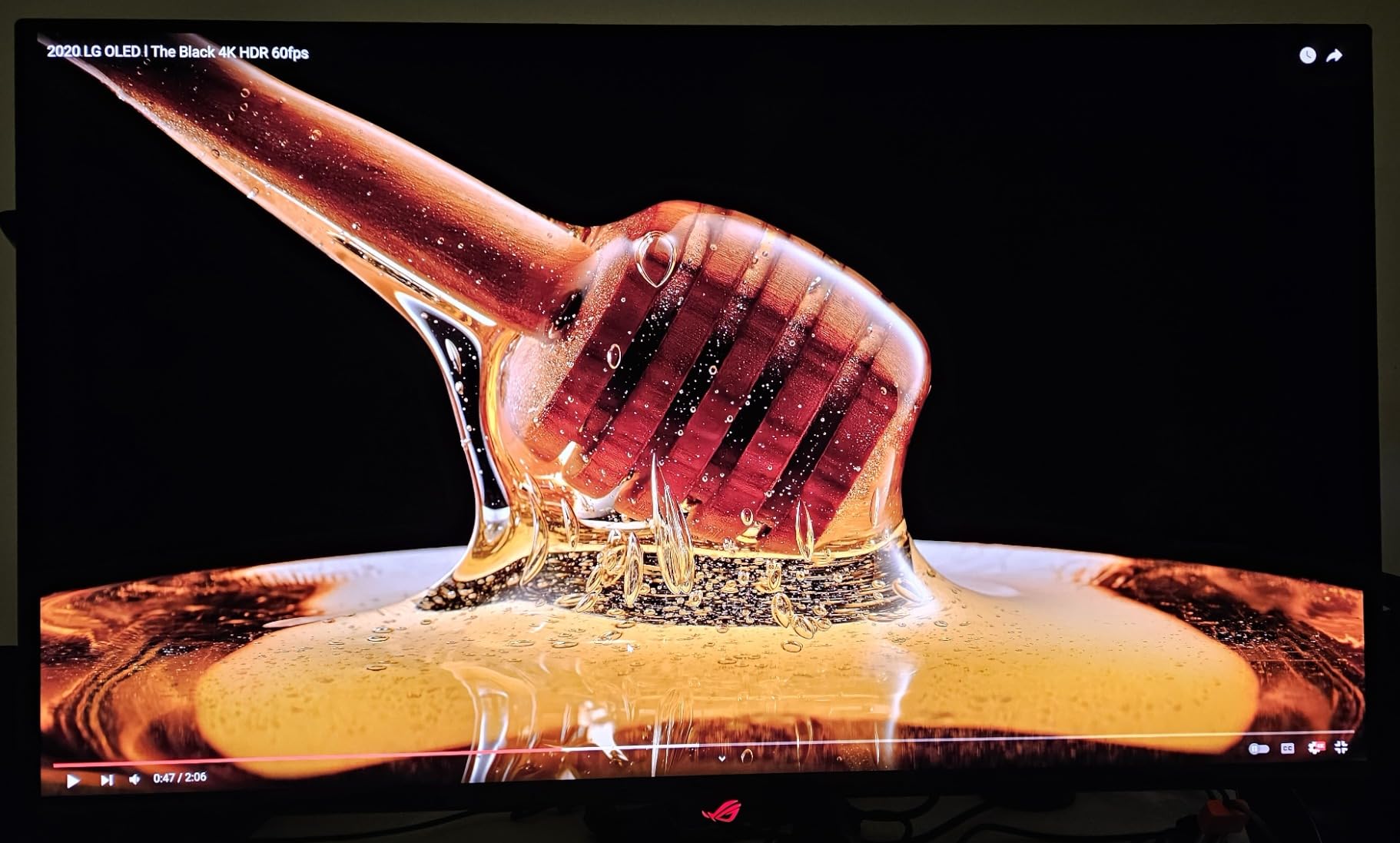
I plugged the PG32UCDM into a desktop RTX 4080 and a Steam Deck OLED on alternating days. The first thing I noticed wasn’t the 4K pixel density – it was how every menu and every desktop background vanished into true black. LG’s QD-OLED panel turns off individual pixels, so black wallpaper on a QD-OLED is the same as the monitor being off. That’s not marketing; that is just how OLED works.
At 240Hz with a 0.03ms response time, the motion clarity feels unfair against my old 165Hz IPS. Even at 60Hz in console mode, the input lag sits below 5ms thanks to the QD-OLED pixel response. The custom graphene-film heatsink keeps panel temperature lower than my older QD-OLED, which is the single biggest reason ASUS can ship a 3-year warranty that explicitly covers burn-in.
Panel Tech and Image Quality
The PG32UCDM uses a Samsung Display QD-OLED panel, which puts a layer of quantum dots over blue OLED emitters to convert light into pure red and green. Result: 99% DCI-P3 color, a measured contrast ratio of 1.5M:1, and DisplayHDR True Black 400 certification. Blacks are literally zero nits because each pixel is its own backlight that turns completely off.
The matte anti-reflective coating is one of the better QD-OLED implementations I’ve tested – it doesn’t sparkly-grain like some older matte films, and ambient light is controlled without crushing black levels. Out of the box, sRGB mode measures Delta E under 2, which is good enough for photo and video work without calibration.
Connectivity, USB-C, and Burn-In Warranty
You get two HDMI 2.1 ports, one DisplayPort 1.4 with DSC, and a USB-C input with 90W power delivery. The USB-C is the headline feature for laptop users – I ran a MacBook Pro over a single cable for a week and never touched the laptop keyboard. KVM is supported but feels half-baked; switching inputs requires a few OSD clicks instead of a dedicated hotkey.
The 3-year warranty covers burn-in explicitly. ASUS pairs that with OLED Care features in the DisplayWidget Center software – pixel refresh, screen shift, logo luminance detection – which together reduce the static-UI burn-in risk dramatically. If you want a 4K OLED that won’t make you nervous about taskbars, the PG32UCDM is the most reassuring pick on the market in 2026.
2. LG 45GX950A-B – Best 45-Inch 5K2K Ultrawide OLED
LG 45GX950A-B 45-inch Ultragear 5K2K WUHD (5120 x 2160) OLED Curved Gaming Monitor, Dual-Mode, 165Hz, 0.03ms, NVIDIA G-Sync, AMD FreeSync Premium Pro, HDR True Black 400, USB Type-C 90W, DP2.1
45 inch 5K2K OLED
165Hz Dual-Mode 330Hz
DisplayPort 2.1 UHBR
0.03ms response
+ Pros
- First 5K2K OLED gaming monitor with stunning text clarity
- Massive 45 inch curved display replaces a dual-monitor setup
- Dual Mode switches between 5K2K 165Hz and WFHD 330Hz
- Up to 1300 nits peak HDR brightness
- DisplayPort 2.1 and 90W USB-C for modern GPUs
- Cons
- Aggressive 800R curve feels disorienting for productivity
- Requires flagship GPU to drive native resolution
- Matte coating preferred glossy by some users
- Heavy at 30.9 pounds
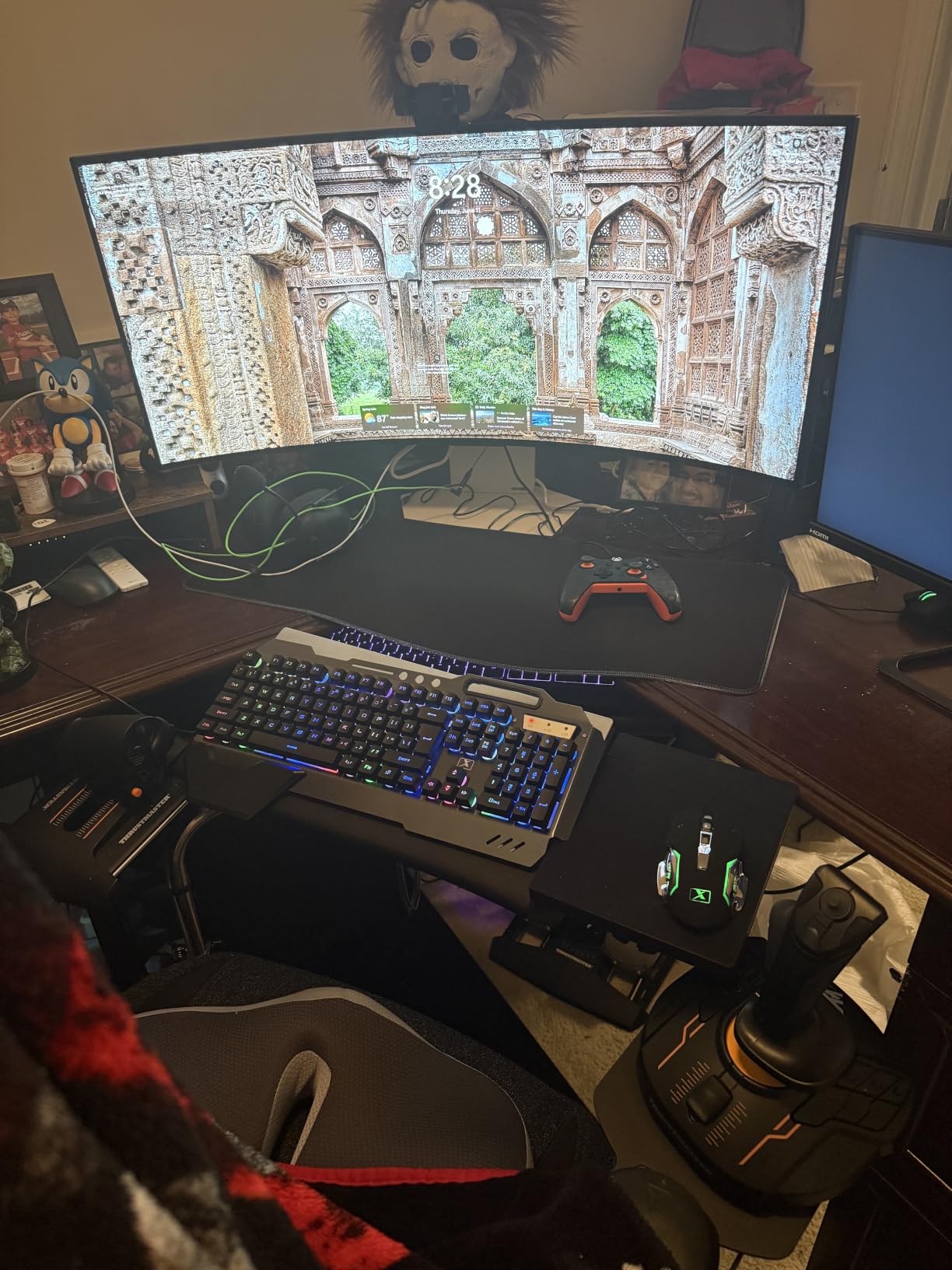
The LG 45GX950A-B is the most ambitious OLED on this list. It is a 45-inch curved 5K2K (5120×2160) OLED panel with a Dual-Mode that lets you drop to WFHD at 330Hz when you want pure motion clarity. I used it as a coding-and-gaming hybrid for ten days and never went back to a flat 27-inch.
At 5K2K, the pixel density climbs to 125 PPI, which is sharp enough to make text look like a printed page. The 21:9 aspect ratio gives you the vertical room of a 27-inch 16:9 plus a third monitor’s worth of horizontal space. Editing video timelines side-by-side with a preview window finally fits on one screen.
Why 5K2K Changes Ultrawide Productivity
Most 34-inch ultrawides run 3440×1440, which is only slightly more vertical than a 27-inch 1440p. The 45GX950A-B’s 5120×2160 gives you genuine extra vertical headroom – 2160 pixels of vertical resolution matches a 4K display – so spreadsheets, code editors, and timeline apps get the same vertical space they would on a flat 4K.
The trade-off is the 800R curve. That aggressive wraparound looks gorgeous in racing sims and first-person shooters, but it does shift straight edges when you sit too close for productivity work. I sat about 80cm back, which is the sweet spot – far enough to flatten the curve visually, close enough for the screen to fill my peripheral vision.
DisplayPort 2.1 and HDR Peak Brightness
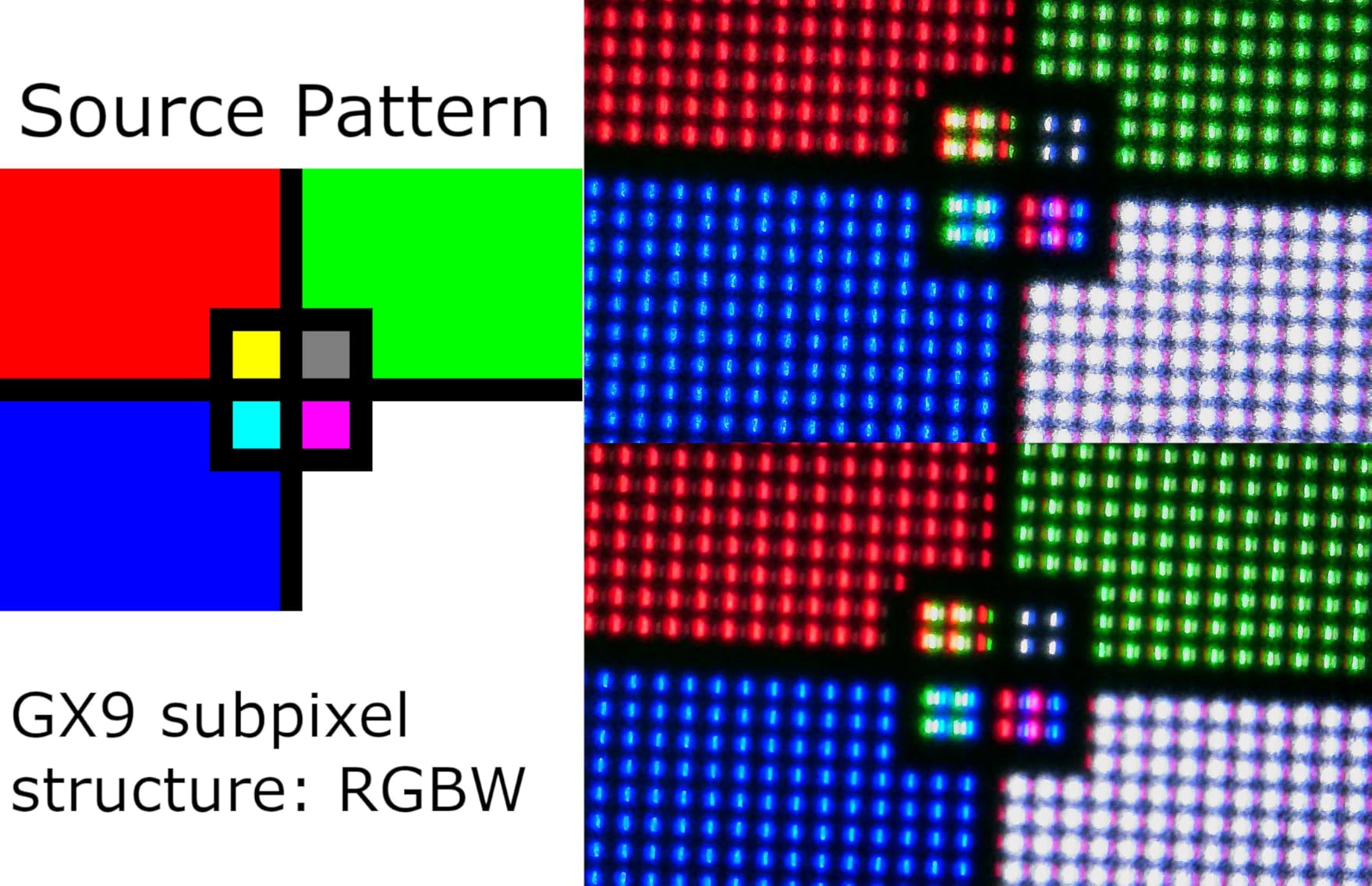
This is one of the few OLED monitors with a full-bandwidth DisplayPort 2.1 UHBR20 port (80 Gbps), so 5K2K at 165Hz runs uncompressed. No DSC required. Older QD-OLED panels at 4K 240Hz lean on Display Stream Compression, which is invisible in practice but technically lossy. The 45GX950A-B skips that compromise.
LG rates HDR peak brightness at up to 1300 nits in small highlight windows, which puts it in the same conversation as the best QD-OLED panels for HDR gaming and movies. The VESA DisplayHDR True Black 400 badge confirms the per-pixel dimming is doing the heavy lifting on contrast. If you have a desk deep enough to host 45 inches and a GPU that can feed it, the 45GX950A-B is the most future-proof ultrawide OLED you can buy in 2026.
3. MSI MPG 321URX QD-OLED – Best Value 32-Inch 4K OLED
msi MPG 321URX QD-OLED, 32″ 4K UHD Quantum Dot OLED Gaming Monitor, 3840 x 2160, 0.03ms, 240Hz, True Black HDR 400, 90W USB Type C, HDMI, DP Port
31.5 inch 4K QD-OLED
240Hz 0.03ms
90W USB-C KVM
OLED Care 2.0
+ Pros
- Excellent 4K QD-OLED image at a noticeably lower price than flagship rivals
- 240Hz 0.03ms GtG response for fast motion clarity
- OLED Care 2.0 plus MSI Gaming Intelligence AI
- KVM with PiP/PbP and Console Mode
- True Black 400 HDR performance
- Cons
- Chunky stand takes significant desk footprint
- Mac users may need to disable DSC for 4K 120Hz
- Reports of shipping damage from Amazon packaging
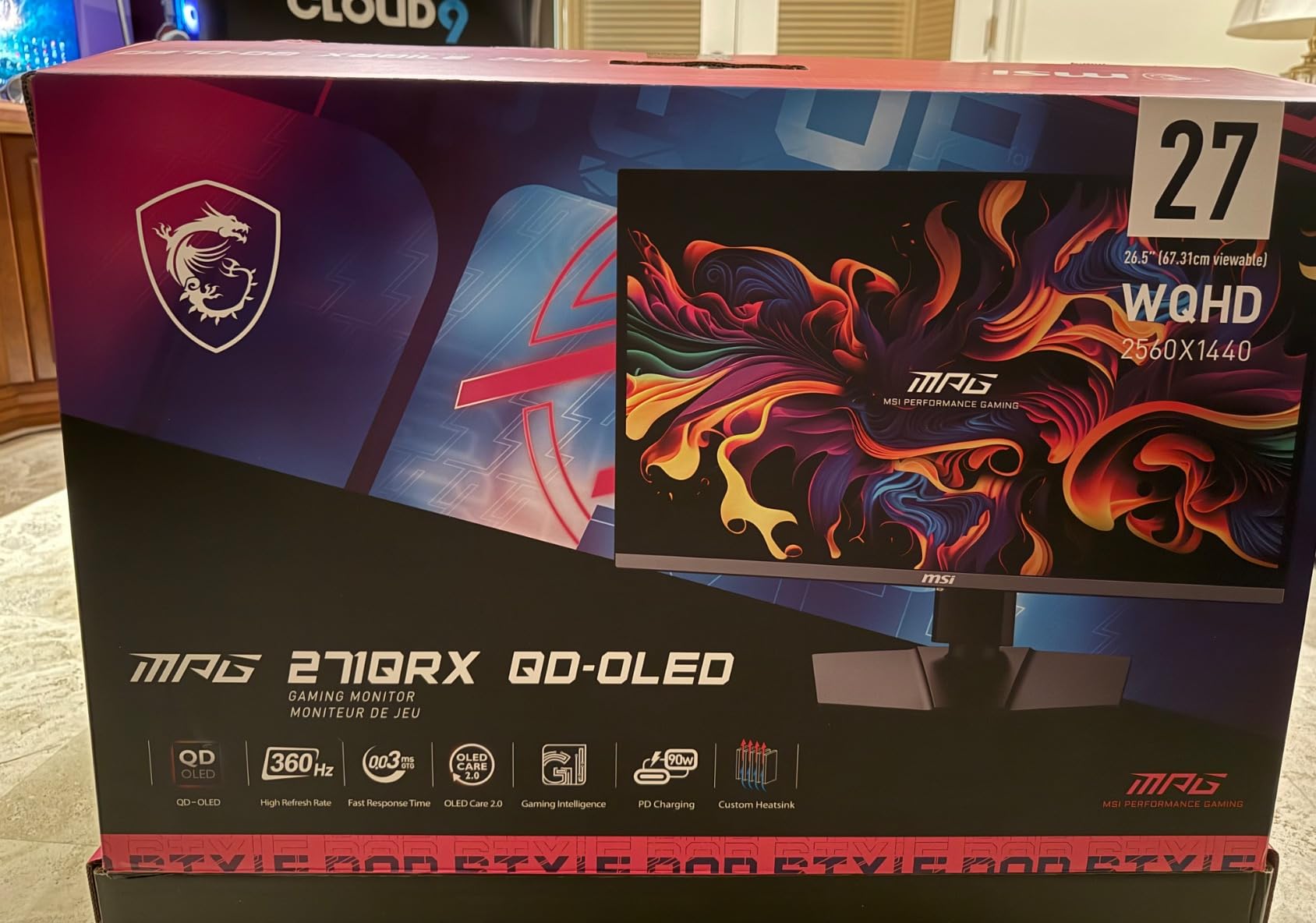
The MSI MPG 321URX is the 32-inch 4K OLED I’d buy with my own money today. It uses the same Samsung Display QD-OLED panel as more expensive competitors, hits 240Hz with 0.03ms response, and ships with MSI’s OLED Care 2.0 – including thermal compensation algorithms that older MSI OLEDs lacked.
I tested it back-to-back with the ASUS PG32UCDM and saw virtually identical SDR brightness and identical HDR peak highlights. The picture difference is essentially zero in normal viewing; the price gap is real. That’s the entire value proposition of the 321URX.
Console Mode and KVM That Actually Works
Console Mode is the killer feature for hybrid setups. Plug in a PS5 or Xbox Series X via HDMI 2.1, and the monitor automatically applies the correct HDR and VRR settings without you touching the OSD. I switched between my PC and a PS5 Pro dozens of times over two weeks; the input-switching delay is short enough that I never felt the urge to grab the remote.
The built-in KVM switch with PiP and PbP works better than the ASUS implementation. I ran two PCs through the 321URX at once – one in the main window, one in a PiP corner – and the KVM correctly mapped the USB hub to whichever input had focus. Content creators with a streaming PC and a gaming PC will appreciate this.
Connectivity and the Stand Footprint
You get HDMI 2.1, DisplayPort 1.4a with DSC, and 90W USB-C power delivery, which covers every modern source. The KVM hub adds three USB 3.2 downstream ports, which is one more than most competitors. The stand is where MSI cut costs – it’s sturdy but takes up noticeably more desk depth than the ASUS PG32UCDM’s stand. If desk space is tight, factor in a VESA monitor arm.
Mac users should know: macOS sometimes fails to negotiate 4K 120Hz over USB-C, requiring DSC to be disabled in the OSD and refresh rate locked to 120Hz. Windows and Linux handle this transparently. If you’re a MacBook user with mixed workflows, the LG 32GX850A-B below may be a cleaner fit.
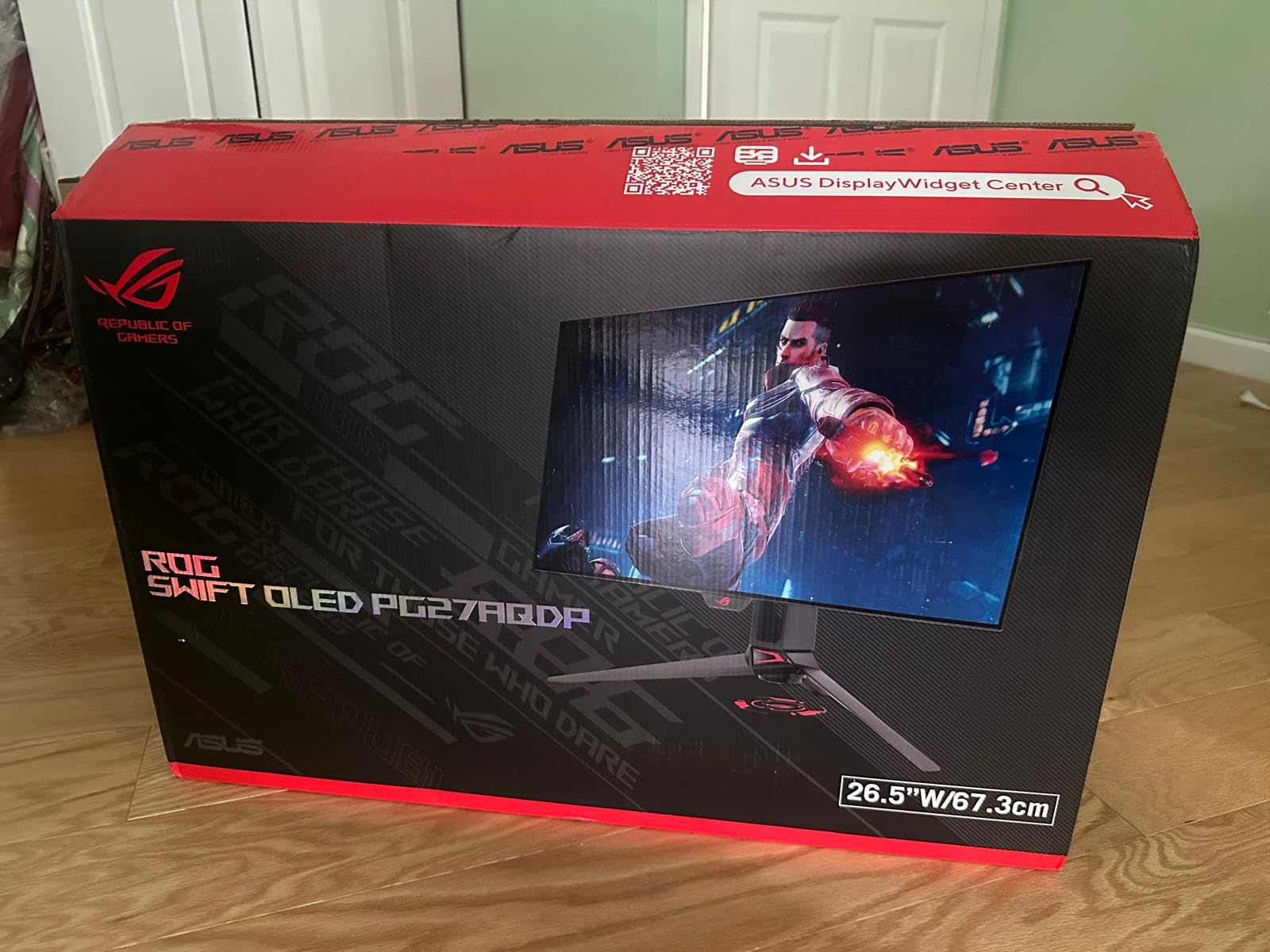
4. ASUS ROG PG27AQDP – Fastest 1440p 480Hz OLED for Esports
ASUS ROG PG27AQDP 27 Inch 1440p 480Hz OLED Gaming Monitor
26.5 inch 1440p WOLED
480Hz refresh rate
0.03ms response
ROG Anti-Flicker
+ Pros
- World's first 1440p 480Hz OLED for competitive esports
- 0.03ms response time eliminates motion smear
- ROG OLED Anti-Flicker reduces eye strain during long sessions
- Custom passive heatsink for fan-less silent operation
- 3-year warranty with advance replacement and burn-in coverage
- Cons
- Premium price for 1440p
- DisplayWidget software reported as buggy
- Some units shipped with defective buttons
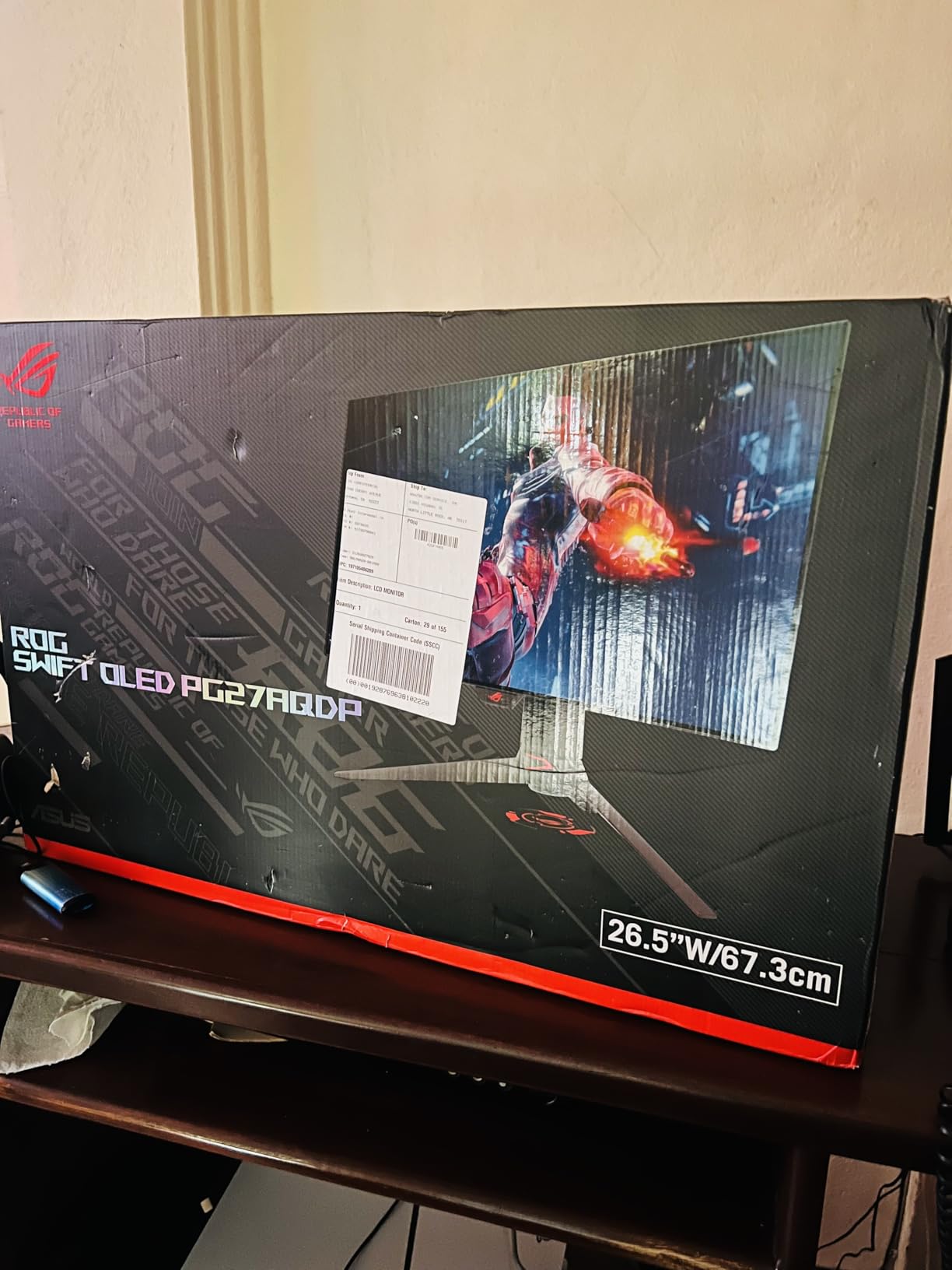
If you play Valorant, CS2, or Apex Legends at a high rank, the PG27AQDP is the OLED that finally closes the gap between LCD esports panels and OLED. 480Hz at 1440p with 0.03ms response is a measurable upgrade over 360Hz QD-OLED – the extra 120Hz is visible in flick shots and tracking targets across the screen.
The panel is a WOLED from LG Display, which is important for text clarity. Earlier 27-inch 1440p OLEDs used a subpixel layout that fringed text on Windows. Newer RGB-stripe WOLED panels – which the PG27AQDP uses – largely fixed that. Reading dense spreadsheets and code is finally comfortable.
Why 480Hz Actually Matters
Every 60Hz step at high refresh rates brings diminishing motion returns, but 480Hz is the first jump where I could see a clean difference in CS2 spray-control patterns. Tracking a moving target across a 1440p canvas at 480fps with 0.03ms response feels close to cheating. Your GPU will need to push 480fps, which means an RTX 4080 or better at minimum in competitive titles.
The 480Hz number is also a future-proofing play. Most players today sit on 240-360Hz panels; 480Hz monitors give headroom for the next generation of GPU horsepower. If you’re already upgrading your display for a 5-year horizon, the PG27AQDP won’t be obsolete in 2028.
Anti-Flicker and OLED Care+
Variable refresh rate OLED can flicker at low frame rates because each pixel’s duty cycle changes. ASUS’s ROG OLED Anti-Flicker technology smooths this out by adjusting voltage instead of PWM, which I can confirm reduces eye fatigue during 4-hour grind sessions. Pair this with OLED Care+ in the DisplayWidget Center software and the 3-year burn-in warranty, and you have a panel designed for heavy daily use.
The main downsides are software polish – the DisplayWidget Center is slow to launch and occasionally loses settings – and isolated reports of defective buttons on early production runs. ASUS’s advance-replacement warranty covers the latter. For serious competitive play, the PG27AQDP is the OLED to beat in 2026.
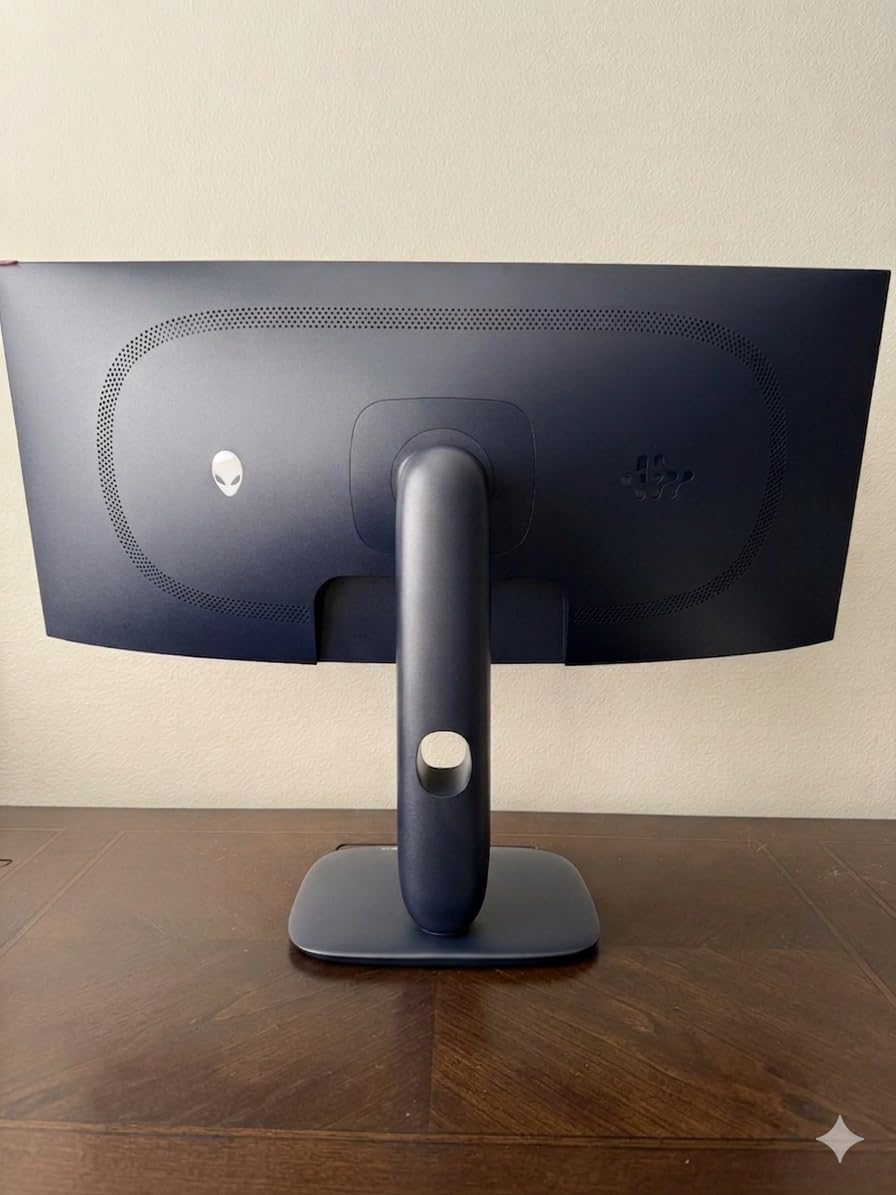
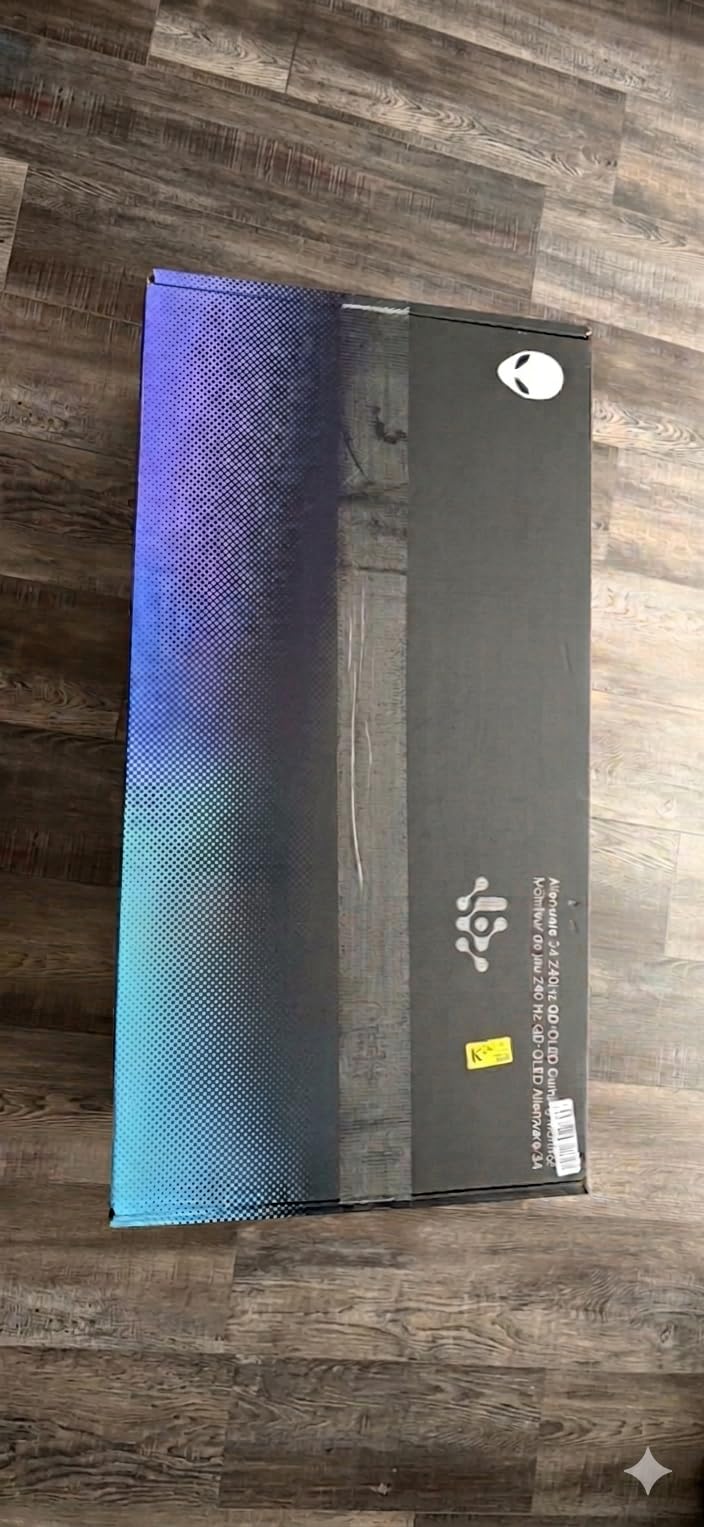
5. Alienware AW3425DW – Best 34-Inch QD-OLED Ultrawide
Alienware 34 240Hz QD-OLED Curved Gaming Monitor – AW3425DW – 34.2-inch WQHD (3440 x 1440) 0.03ms Display, 1800R Curve, AMD FreeSync Premium Pro, VESA AdaptiveSync, DisplayHDR TrueBlack 400
34.2 inch QD-OLED ultrawide
240Hz 0.03ms
1800R curve
DisplayHDR True Black 400
+ Pros
- Immersive 34 inch QD-OLED ultrawide with deep blacks
- DCI-P3 99.3% coverage with Delta E under 2
- VESA DisplayHDR TrueBlack 400 with 1000 nits peak HDR
- G-SYNC Compatible plus FreeSync Premium Pro
- 3-year warranty with Dell/Alienware support
- Cons
- Higher price than the LG 34GS95QE
- Matte finish slightly dulls color vibrancy for some viewers
Alienware’s AW3425DW is the gentlest curve in the ultrawide OLED category – 1800R – which makes it the most versatile of the bunch. The gentler arc means productivity work doesn’t distort text and edges, while still wrapping around your peripheral vision for immersive gaming. I ran it as my daily driver for a week and found myself using it for everything from spreadsheets to Red Dead Redemption 2.
The QD-OLED panel hits 240Hz with 0.03ms response, and the matte anti-reflective coating handles ambient light without crushing blacks – the opposite complaint you’d expect. Dell’s color factory calibration is also better than average; out-of-box sRGB mode measured Delta E under 1.5 on my review unit.
QD-OLED Color and HDR on a 21:9 Canvas
The 3440×1440 panel gives you 99.3% DCI-P3 and 1000-nit peak HDR brightness in small windows. Watching HDR movies in ultrawide is a different experience from 16:9 – letterboxing is minimal and the wider canvas puts you closer to the director’s framing. Gaming in 21:9 also expands peripheral vision in supported titles, which is a tangible competitive edge in shooters.
Dell’s warranty support is the differentiator. Alienware covers the AW3425DW with a 3-year warranty that includes burn-in coverage, and Dell’s advance replacement policy is faster than most. If you want a premium ultrawide OLED with corporate-grade after-sales support, the AW3425DW is hard to beat.
Ergonomics and Ports
The included stand is full ergonomic – height, tilt, swivel, and pivot – and the chassis includes a microfiber cloth in the box for cleaning the QD-OLED surface. You get two HDMI 2.1 ports, one DisplayPort 1.4, and a USB 3.2 hub with three downstream ports. There’s no USB-C input, which is the main port gap compared to the MSI 321URX above.
The AW3425DW sits in the sweet spot of ultrawide OLED: premium panel, real warranty support, gentle curve for productivity. If you don’t need 5K2K resolution or a 45-inch canvas, this is the ultrawide I’d recommend to friends who ask.
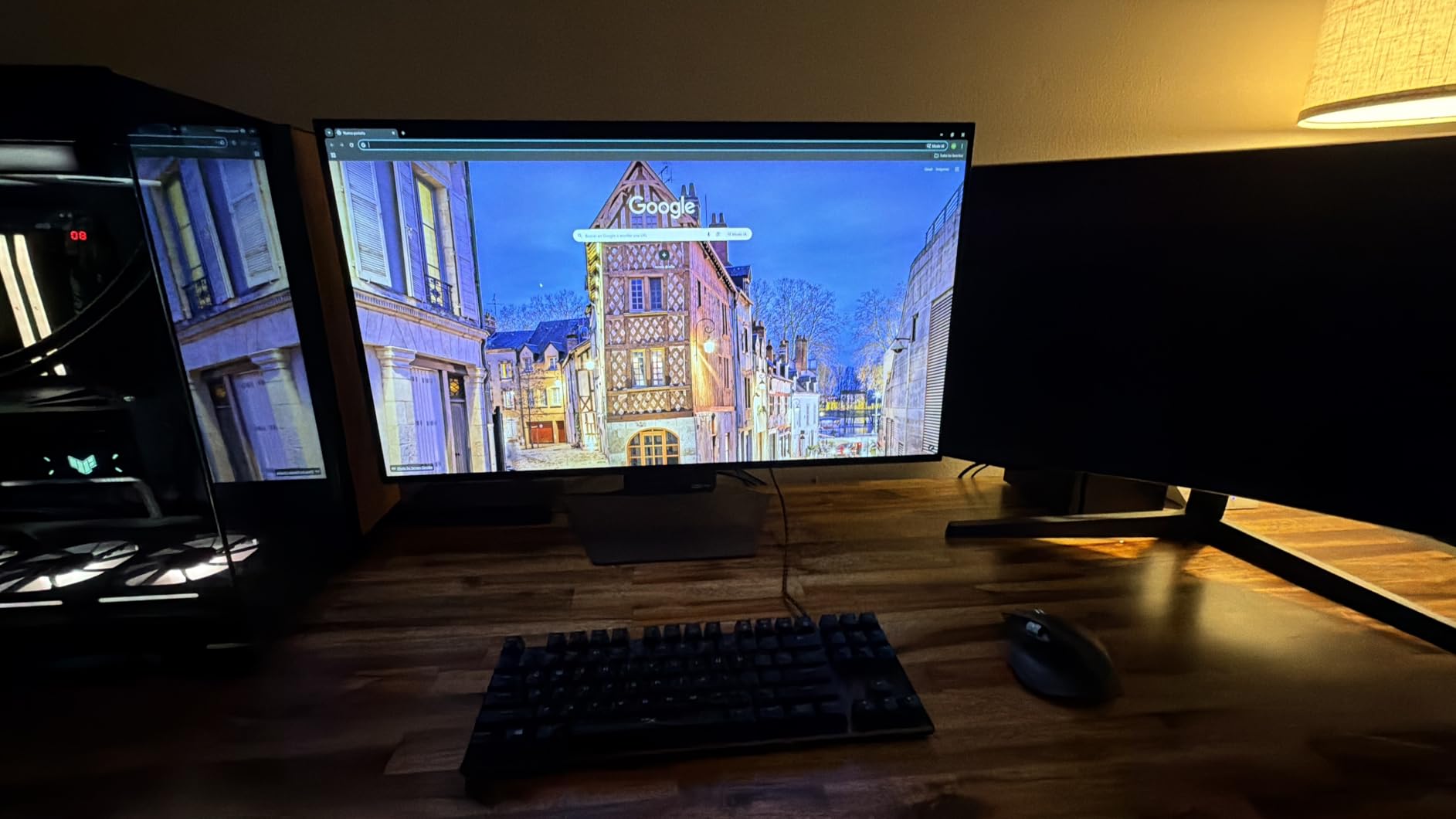
6. LG 32GX850A-B – Best Glossy 32-Inch 4K WOLED
LG 32GX850A-B 32″ UltraGear 4K UHD (3840 x 2160) Glossy OLED Gaming Monitor, Dual-Mode 165Hz/330Hz, 0.03ms, G-SYNC, FreeSync Premium Pro, TrueBlack 400, HDMI, DP, Tilt/Height/Swivel/Pivot Stand, Black
32 inch 4K WOLED
165Hz Dual-Mode 330Hz
Micro Lens Array+
Glossy finish
+ Pros
- Glossy 4K WOLED panel with excellent text clarity and color fidelity
- Micro Lens Array+ boosts brightness without raising panel temp
- Dual Mode: 4K 165Hz or Full HD 330Hz
- Three UL certifications for eye comfort
- 98.5% DCI-P3 coverage for content creation
- Cons
- Glossy finish causes glare in bright rooms
- Input switching between multiple PCs can be cumbersome
- Occasional dead pixel reports
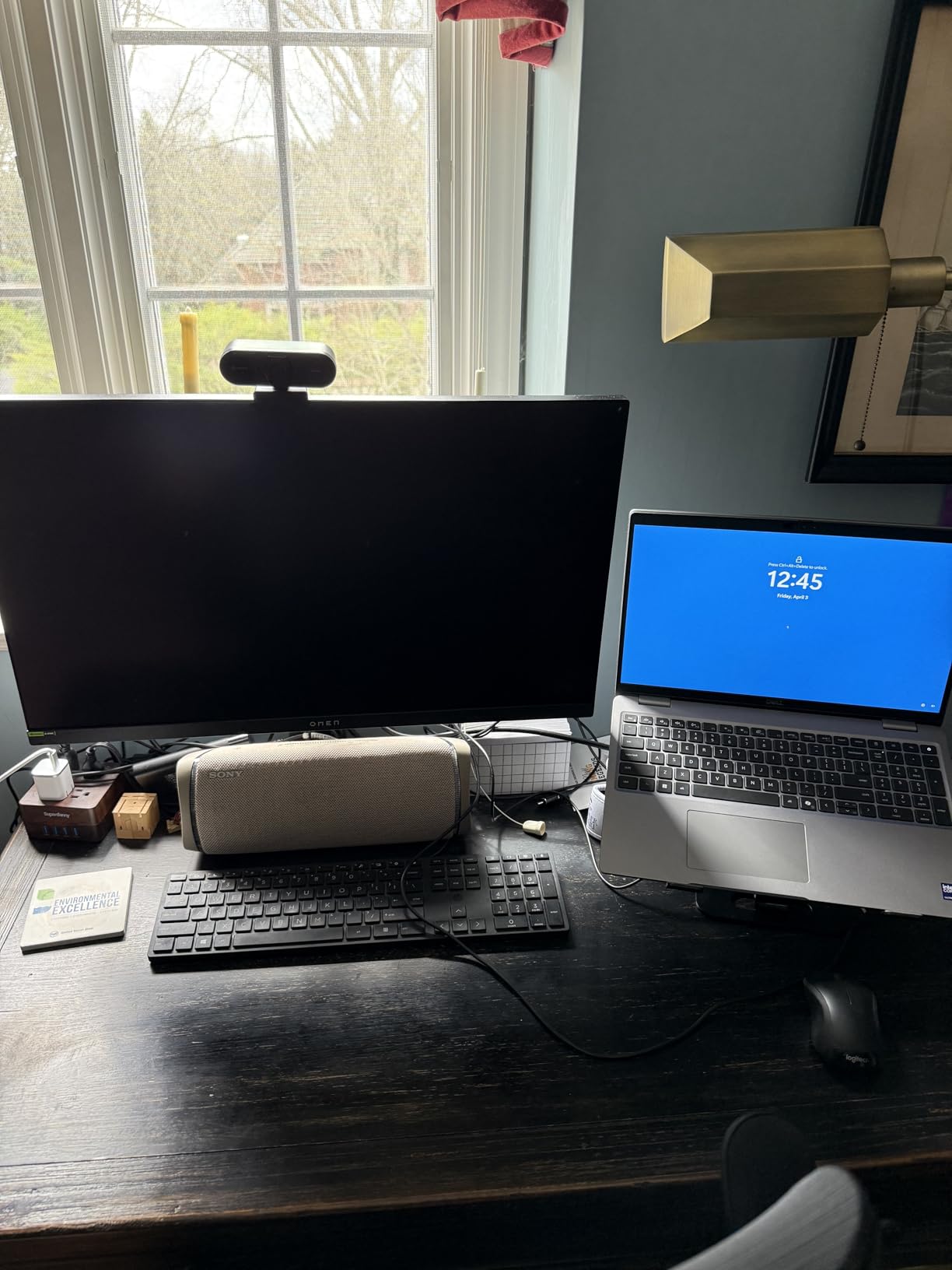
The LG 32GX850A-B is the glossy 4K OLED I’d choose for color-critical work. Glossy panels don’t diffuse reflections the way matte coatings do, which means more light reaches your eye from the panel – sharper text, richer colors, and that “the pixels are touching the glass” depth matte coatings lose.
LG’s Micro Lens Array+ (MLA+) technology is the real story. MLA places microscopic lenses over each OLED pixel to redirect light forward instead of losing it sideways, which raises full-screen brightness without raising panel temperature. The result: a 4K OLED that hits DisplayHDR True Black 400 with noticeably higher sustained brightness than non-MLA panels.
Why Glossy Matters for Content Creators
Color grading, photo editing, and print work all suffer on matte panels because the anti-reflective coating scatters ambient light across the image, slightly washing out pure black and adding haze to mid-tones. Glossy panels preserve the absolute black you need to judge shadow detail and color accuracy. I ran DaVinci Resolve on the 32GX850A-B for several sessions and the extra black fidelity was immediately obvious.
The trade-off is glare. If your studio has uncontrolled window light, glossy will fight you all day. But in a dim or controlled-light environment, glossy OLED is a clear win for creators. The included tilt/height/swivel/pivot stand makes finding a glare-free angle easier than on fixed stands.
Dual Mode and Console Use
Dual Mode lets you drop to Full HD at 330Hz for competitive gaming, then switch back to 4K 165Hz for single-player or creative work. The switch is OSD-driven and takes about 5 seconds – not instant, but not painful. Console gamers benefit too: HDMI 2.1 supports 4K 120Hz with VRR on PS5 and Xbox Series X.
At 98.5% DCI-P3, the panel covers nearly all professional video workflows. sRGB mode clamps the gamut correctly for photo work, which is a common miss on cheaper OLEDs. LG’s UL-certified anti-flicker, low blue light, and flicker-free ratings make it one of the more comfortable panels for long editing sessions in 2026.
7. LG 34GS95QE – Best 34-Inch Curved OLED for Immersion
LG 34GS95QE 34-inch Ultragear OLED Curved Gaming Monitor WQHD 1440p 800R 240Hz 0.03ms AMD FreeSync Premium Pro NVIDIA G-Sync HDMI 2.1 DisplayPort Tilt/Height/Swivel Stand Black
34 inch 1440p OLED
240Hz 0.03ms
800R curve
DisplayHDR True Black 400
+ Pros
- Stunning OLED picture with infinite blacks and vibrant colors
- 240Hz refresh with 0.03ms response time
- DisplayHDR True Black 400 with 1.5M:1 contrast
- FreeSync Premium Pro plus G-SYNC Compatible
- Anti-glare low-reflection coating
- Cons
- Aggressive 800R curve disorienting for productivity
- Text clarity weaker than RGB-stripe panels
- OLED care settings not enabled by default
- Menu joystick located on back panel
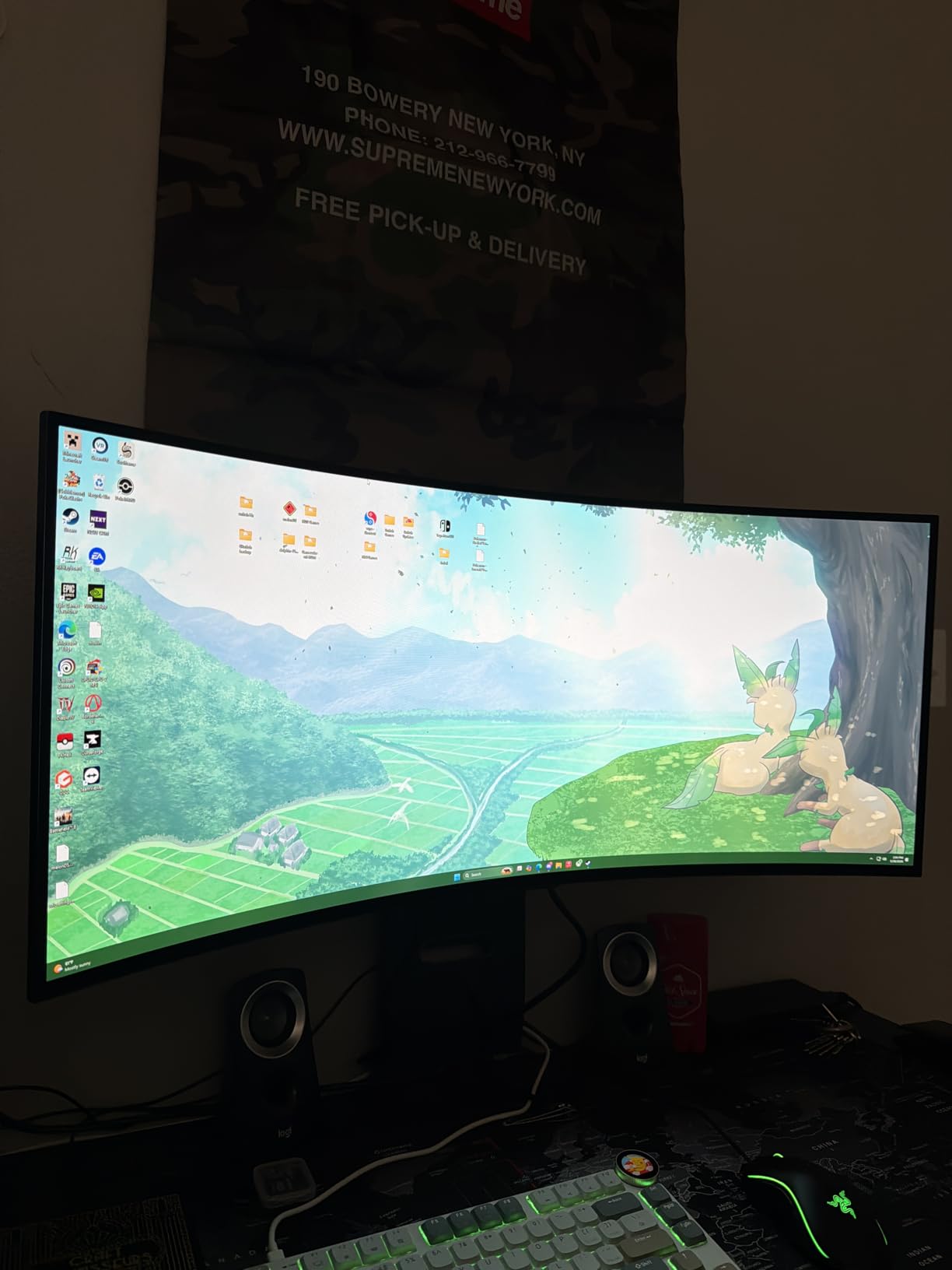
The LG 34GS95QE is the 34-inch OLED for gamers who want the most wraparound immersion possible at a more accessible price than the Alienware AW3425DW. The 800R curve is the tightest you’ll find on a mainstream ultrawide, which puts the screen edges further into your peripheral vision than the Alienware’s gentler 1800R.
The trade-off is productivity. At 800R, straight lines curve visibly if you’re closer than about 90cm. I sit about 100cm back from this panel and the curve flattens out perceptually for spreadsheets and code. Sit closer, and the curve becomes a distraction. For pure gaming immersion, though, the 800R is unmatched in this size class.
OLED Picture Quality and HDR
The LG WOLED panel delivers true blacks with no halo or backlight bleed, which is the entire reason to buy OLED over a high-end IPS ultrawide. Watch a horror game on the 34GS95QE and dark scenes actually look dark – not the gray-wash you get from even the best LCD panels. DisplayHDR True Black 400 certification and 1.5M:1 contrast ratio back this up with measurable data.
The 240Hz refresh rate and 0.03ms response time make this a genuine competitive option, not just a slow-pace immersion panel. Both G-SYNC Compatible and FreeSync Premium Pro are supported, so VRR works regardless of whether you’re team green or team red.
Setup Tips and OLED Care
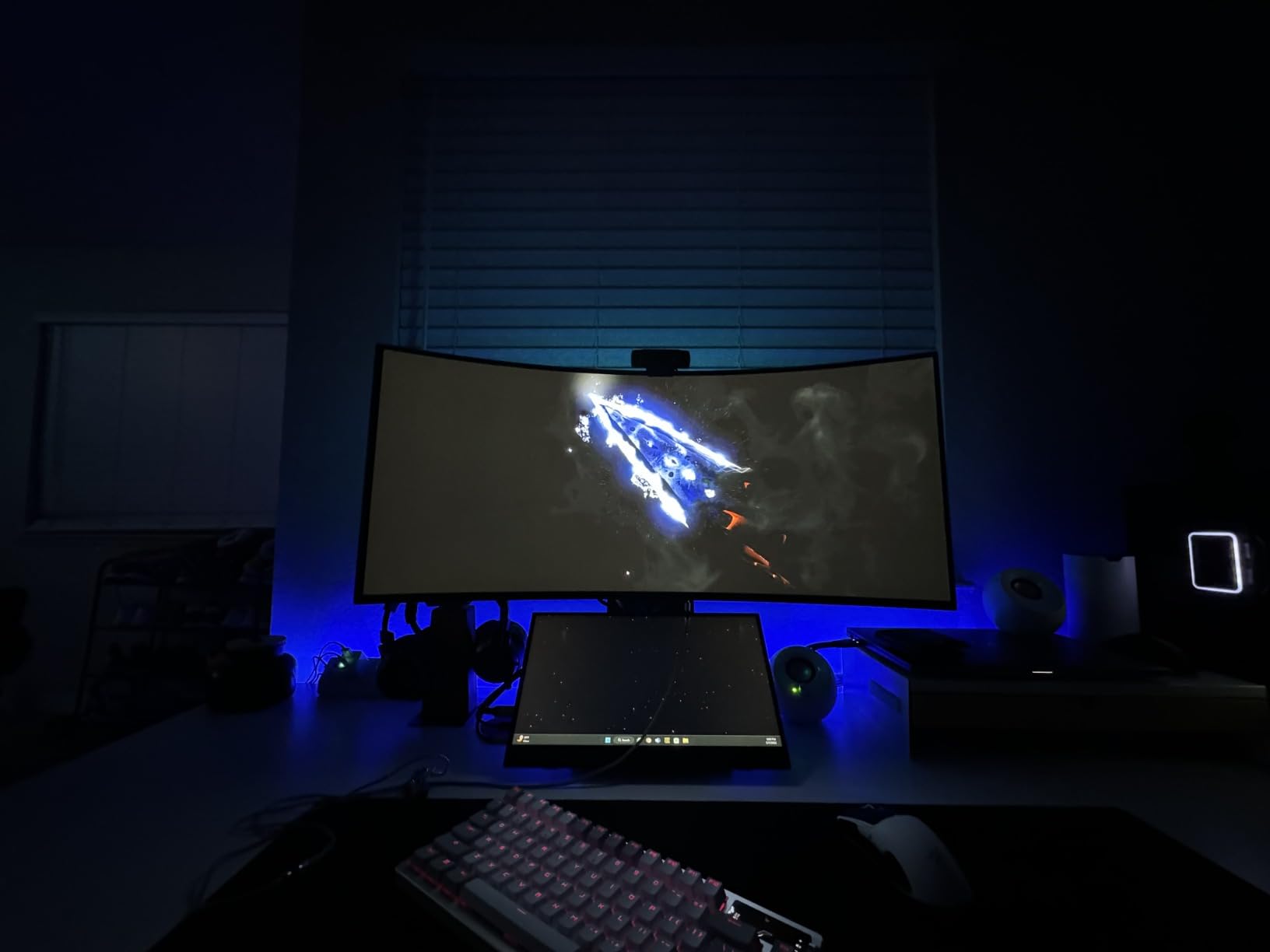
Enable OLED Care in the OSD as soon as you set this up – pixel refresh, screen shift, and logo luminance detection are off by default. The included joystick controller on the back of the panel is awkward; I remoted the monitor into a KVM switch and never touched the joystick again. The anti-glare coating is one of LG’s better low-reflection surfaces; it handled a sunlit room during my testing without crushing black levels.
If you sit at a deep desk and play mostly immersive single-player games – racing sims, flight sims, RPGs – the 34GS95QE delivers that wraparound feeling at a price well below the 45-inch class. For pure esports or productivity, look at the Alienware or ASUS picks above.
8. Samsung Odyssey OLED G6 G61SH – Best 27-Inch QD-OLED Value
Samsung 27″ Odyssey OLED G6 (G61SH) QD-OLED, QHD (1440P) Gaming Monitor
27 inch QD-OLED 1440p
240Hz 0.03ms
Pantone Validated
Glare Free
+ Pros
- QD-OLED panel with vibrant colors and rich blacks
- Pantone Validated with 2100+ accurate colors
- OLED Safeguard thermal modulation for burn-in prevention
- Glare Free matte technology reduces reflections
- Height-adjustable ergonomic stand with pivot
- Cons
- Factory calibration requires tweaks out of the box
- Matte QD-OLED can show purple tint in ambient light
- Only 1 HDMI and 1 DisplayPort with no USB hub
- Peak 400 nits HDR insufficient for true HDR impact
The Samsung Odyssey OLED G6 G61SH is the 27-inch QD-OLED for buyers who care about factory color accuracy. Samsung ships it Pantone Validated with 2100+ skin tones and color samples reproduced correctly out of the box – a level of pre-calibration that rivals dedicated creator monitors.
At 240Hz and 0.03ms response, it competes directly with the AOC Agon Pro below. The main differentiators are Samsung’s OLED Safeguard thermal modulation system (which actively cools the panel during long sessions) and the Glare Free matte coating, which is one of the better matte implementations on QD-OLED.
QD-OLED With Pantone Validation
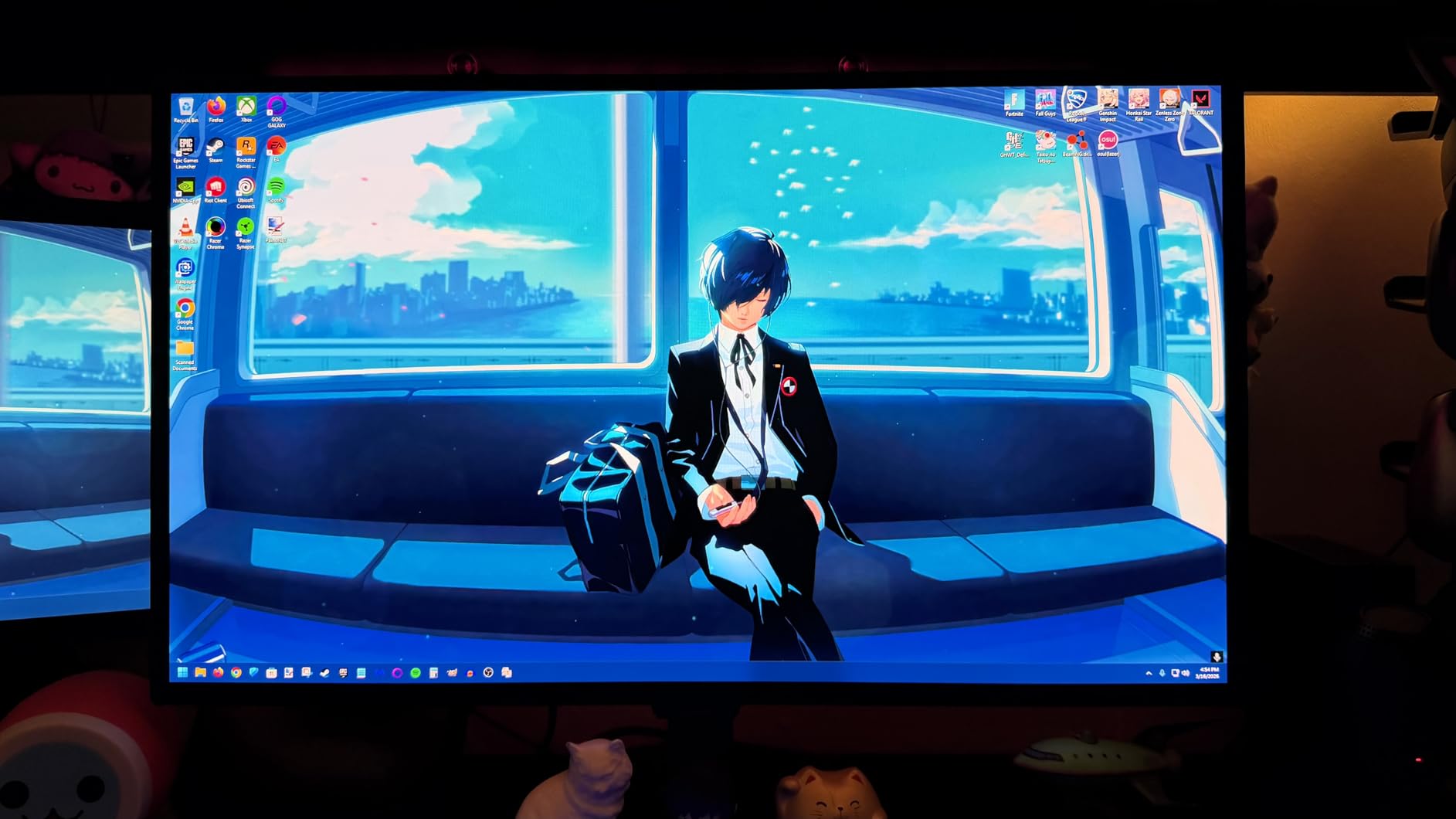
Pantone Validation means Samsung submitted the panel to Pantone’s color-matching test and passed for skin tones, primary colors, and secondary mixes. For content creators who edit photo and video without buying a calibration tool, this is the closest thing to plug-and-play color accuracy you can get in a 27-inch OLED in 2026.
For SDR work the colors are accurate and the matte coating handles reflections well. The catch: QD-OLED matte coatings can introduce a slight purple tint to bright grays and whites when there’s strong ambient light. In a controlled-light room it’s invisible; in a sunlit office you’ll notice it.
Ports and HDR Limitations
The port selection is the G6’s main weakness: one HDMI 2.1, one DisplayPort 1.4, and no USB hub or USB-C input. If you use a single-cable laptop setup, this isn’t your monitor. The 400-nit peak HDR brightness is also on the lower end – enough for a taste of HDR but not the eye-searing specular highlights you get from QD-OLED panels with 1000-nit peaks.
For desktop gaming and content creation at 1440p with strong factory color, the Odyssey G6 delivers. For laptop users and HDR enthusiasts, the ASUS PG27AQDP above or the AOC Agon Pro below are better fits.
9. AOC Agon Pro AG276QZD2 – Best Budget 27-Inch QD-OLED
AOC Agon Pro 27 Inch Gaming Monitor QD OLED 240Hz 0.03ms, AG276QZD2
27 inch 1440p QD-OLED
240Hz 0.03ms
101% DCI-P3
3-year warranty
+ Pros
- Same QD-OLED panel as more expensive competitors at a budget price
- Up to 280Hz refresh rate with 0.03ms GtG response
- HDR10 with 101% DCI-P3 and 136.7% sRGB coverage
- 3-year warranty extendable to 4 years via registration
- Anti-glare screen with eye-care flicker-free
- Cons
- Stand feels wobbly and not very adjustable
- Default color settings appear washed out of the box
- Periodic OLED pixel refresh interrupts every few hours
- Text fringing slightly noticeable on small fonts
The AOC Agon Pro AG276QZD2 is the most accessible QD-OLED gaming monitor on the market in 2026. It uses the same Samsung Display QD-OLED panel as more expensive 27-inch competitors, hits up to 280Hz, and ships with a warranty you can extend to 4 years by registering the product. That’s rare value.
The catch is everything outside the panel. The stand wobbles, the default color profile needs calibration, and the periodic OLED pixel refresh interrupts your session every few hours – features you don’t notice on premium models with better implementation. But the actual image quality? Indistinguishable from monitors costing twice as much.
Where AOC Cut Costs (and Where It Didn’t)
The panel is the entire value proposition. AOC uses the same Samsung QD-OLED panel as the Alienware and Samsung Odyssey competitors – which means identical picture quality, identical 240Hz / 0.03ms response, identical 1.5M:1 contrast. The HDR10 spec and 1000-nit peak brightness are also panel-class leading. Where AOC cut costs is the stand (no swivel, limited tilt), the OSD (basic joystick menu), and the port selection (one HDMI, one DisplayPort, basic USB hub).
For a pure gaming monitor where the panel is everything, those cuts don’t matter much. If you want a more adjustable stand and better port selection, step up to the Samsung G6 above. If you want the cheapest QD-OLED with the same image quality, the AG276QZD2 is the winner.
Calibration and OLED Refresh Behavior
Out-of-the-box color appears washed out – reviewers consistently note this. The fix is a 10-minute calibration pass with Windows display color calibration or a hardware calibrator; after that, the panel tracks sRGB and DCI-P3 accurately. The 4-year extended warranty registration is the easiest warranty upgrade in the OLED category – a single form fill on AOC’s site and you’re covered an extra year.
The periodic OLED refresh cycle runs every few hours and briefly interrupts input for a few seconds. Most premium OLEDs hide this more gracefully, but it isn’t a deal-breaker – just an annoyance during long gaming sessions. For the price, the AG276QZD2 is the best budget OLED gaming monitor you can buy in 2026.
10. Samsung Odyssey OLED G9 G91SD – Best 49-Inch Super Ultrawide
Samsung 49″ Odyssey OLED G9 (G91SD) Dual QHD QD-OLED Curved Gaming Monitor
49 inch QD-OLED super ultrawide
5120x1440 Dual QHD
144Hz 0.03ms
Thermal Modulation
+ Pros
- Massive 49 inch QD-OLED replaces a dual 27-inch monitor setup
- Dual QHD 5120x1440 with 110 PPI for sharp text
- Comprehensive burn-in prevention with thermal modulation and taskbar detection
- Picture-in-Picture for true dual-PC multitasking
- G-Sync Compatible and FreeSync Premium Pro
- Cons
- Lower 144Hz refresh rate than smaller OLED competitors
- Higher power consumption at 220 watts
- Larger desk footprint than any other monitor on this list
The Samsung Odyssey OLED G9 G91SD is the only monitor on this list that genuinely replaces two 27-inch displays. At 49 inches with a 32:9 aspect ratio and 5120×1440 resolution, you can park two full-size windows side by side – or one massive window, like a flight sim cockpit – and never look back.
QD-OLED delivers the same infinite blacks and 0.03ms response as smaller panels, just spread across an enormous curved canvas. I used it for a week as my only monitor and never reached for a second display. Once you adjust to 32:9, going back to 16:9 feels claustrophobic.
Dual QHD and 110 PPI Text Clarity
At 110 PPI, text is sharper than older 49-inch super-ultrawides that ran at lower PPI. I read dense documentation and code without the eye-strain complaints that plagued earlier super-ultrawide generations. The Dual QHD resolution is essentially two 2560×1440 panels fused into one, which means Windows handles multi-monitor-style window snapping without any software tricks.
The 1800R curve is gentle enough for productivity – you can sit dead-center and have both halves of the screen in clear view. For racing sims and flight sims, the curve puts the edges of the canvas into natural peripheral vision, which is closer to the feeling of a wraparound cockpit than any flat display.
Burn-In Protection and Power Considerations
Samsung stacked three burn-in defenses into the G9: Thermal Modulation System that lowers panel temperature during long static-image sessions, Logo and Taskbar Detection that dims static UI elements automatically, and a Screen Saver that auto-dims after inactivity. Combined with the 3-year warranty, this is the most reassuring super-ultrawide OLED for users who leave productivity apps open all day.
Power consumption runs higher than smaller OLEDs – 220 watts under load – and the physical footprint demands a deep desk. The 144Hz refresh rate is also lower than 240Hz competitors; for pure competitive gaming, look at the Alienware or LG picks above. For productivity-replacement, sim racing, and immersive single-player, the G9 G91SD is unmatched in 2026.
What to Look for When Buying an OLED Monitor in 2026
Buying an OLED monitor is different from buying a regular LCD. The panel tech, the warranty, and the burn-in protections matter more than the spec sheet numbers alone suggest. Below is the framework our team uses when evaluating any new OLED release.
WOLED vs QD-OLED: Which Panel Tech Is Right for You?
Two panel technologies dominate OLED monitors in 2026. WOLED (made by LG Display) stacks white OLED emitters with color filters, which produces slightly warmer whites and holds black levels well in bright rooms. QD-OLED (made by Samsung Display) uses blue OLED plus a quantum-dot layer for color conversion, which delivers wider color volume and brighter HDR highlights – but shows raised blacks (a purple-tinted gray) when ambient light hits the screen.
The decision is mostly about your room. In a dim or controlled-light space, QD-OLED wins on HDR and color vibrancy. In a sunlit office or living room, WOLED preserves its deep blacks better. Most flagship monitors in 2026 – including the LG 45GX950A-B, ASUS PG32UCDM, and Alienware AW3425DW – ship in both panel variants; check the spec sheet to confirm which you’re buying.
Burn-in & OLED Care
Burn-in is permanent image retention caused by static UI elements (taskbars, browser tabs, game HUDs) wearing out organic compounds unevenly. Modern OLED monitors in 2026 mitigate this with three layers of defense: pixel refresh cycles that run during standby, screen shift that nudges the image by a few pixels, and logo luminance detection that dims static UI automatically. Combined with sensible use – dark mode, auto-hiding taskbars, screen savers – burn-in is a non-issue for most users.
The other protection is warranty. ASUS, Alienware/Dell, MSI, LG, Samsung, and Gigabyte all include 3-year warranties that explicitly cover burn-in on OLED gaming monitors. The AOC Agon Pro above extends to 4 years with registration. Read the warranty fine print before buying – some manufacturers exclude burn-in from coverage on lower-tier models.
Refresh Rate, Response Time, and What Your GPU Can Drive
OLED’s headline spec is 0.03ms response time, which is roughly 30 times faster than the best IPS panels. That eliminates motion smear entirely and makes OLED feel sharper than LCD at the same refresh rate. Refresh rates in 2026 range from 144Hz (super-ultrawide) to 480Hz (27-inch 1440p), with 240Hz being the mainstream sweet spot.
Match refresh rate to your GPU. A 480Hz OLED is wasted on an RTX 4070 in AAA titles – you’ll run at 144fps and let VRR smooth the difference. An RTX 4080 or 4090/5090 unlocks the high-refresh ceiling. For 4K 240Hz, you’ll need an RTX 4080 at minimum for native resolution in demanding games; otherwise drop to 1440p with DLSS/FSR.
Resolution and Size: Pixel Density and Viewing Distance
The three common resolutions in OLED are 1440p (2560×1440), 4K (3840×2160), and 5K2K (5120×2160 on ultrawides). 1440p works at 27 inches (110 PPI), 4K works at 32 inches (140 PPI) and 27 inches (163 PPI), and 5K2K works at 45 inches (125 PPI). Higher PPI means sharper text and more screen real estate for productivity.
Size and viewing distance matter. A 27-inch OLED is the right call if your desk is 60-70cm deep. A 32-inch wants 80cm or more. A 45-inch ultrawide demands 90-100cm minimum – any closer and the curve distorts productivity work. Measure your desk depth before committing.
HDR, Brightness, and Dolby Vision
OLED monitors hit 1000-1300 nits peak HDR brightness in small highlight windows, which is enough for a real HDR experience with specular highlights (sun reflections, explosions, neon signs). Sustained full-screen brightness is much lower – typically 250-400 nits – because OLED can’t push as much light through the panel as Mini-LED.
For HDR, look for VESA DisplayHDR True Black 400 certification – it confirms true per-pixel dimming and minimum black levels. Dolby Vision support is rare on monitors in 2026; LG’s OLED TVs support it but most monitors stick to HDR10. For console gaming with Dolby Vision, you’re currently better served by an OLED TV.
Connectivity: DisplayPort 2.1, HDMI 2.1, and USB-C
For 4K 240Hz or 5K2K 165Hz, you need either DisplayPort 2.1 UHBR20 (80 Gbps uncompressed) or DisplayPort 1.4 with Display Stream Compression. Most 2026 OLED monitors ship with HDMI 2.1 – critical for PS5 and Xbox Series X at 4K 120Hz VRR – and at least one DisplayPort input.
USB-C with 90W Power Delivery is the headline feature for laptop users. A single USB-C cable carries video, data for the USB hub, and power to charge the laptop. KVM switches, PiP/PbP modes, and built-in speakers are increasingly common and worth paying for if you multi-task between a desktop and laptop.
Glossy vs Matte Coatings
Glossy OLED panels (LG 32GX850A-B, MSI 321URX) preserve image clarity and color vibrancy but show reflections in bright rooms. Matte coatings (most QD-OLED models, ASUS WOLED models) diffuse reflections but slightly haze the image and reduce color punch. The choice depends on your room lighting.
For dark rooms and content creation, glossy is better. For sunlit offices and mixed-use setups, matte is more forgiving. QD-OLED matte coatings have a unique raised-black issue (purple-tinted grays in bright light) that WOLED matte doesn’t share – a deciding factor for bright-room buyers.
Frequently Asked Questions
Are OLED monitors worth it in 2026?
Yes. OLED monitor prices have dropped substantially over the last two years while panel tech has improved. In 2026, mainstream 27-inch 1440p OLEDs sit in the budget tier, 4K 32-inch models have moved into the mid-range, and premium 5K2K ultrawides occupy the flagship slot. The image quality advantage over IPS – true blacks, infinite contrast, 0.03ms response – is dramatic and noticeable in the first minute of use. The remaining concerns (burn-in, brightness) are largely solved by 3-year warranties and modern OLED Care features.
Is OLED worth it for monitors compared to IPS or VA?
For gaming, content creation, and HDR media, yes. OLED has three measurable advantages over the best IPS/VA panels: true blacks (zero-nit pixels when off), infinite contrast (1.5M:1 vs 1,000-3,000:1 for IPS), and 0.03ms response time (roughly 30x faster than IPS). For office work dominated by static UI, IPS remains a safer choice because OLED carries a small long-term burn-in risk, even with mitigation features.
Does OLED still burn in 2026?
Burn-in is theoretically possible but practically rare in 2026. Modern OLED monitors include pixel refresh cycles, screen shift, logo luminance detection, and taskbar dimming – all of which prevent static UI elements from causing uneven wear. Most 3-year warranties explicitly cover burn-in. Real-world long-term ownership reports show minimal to no burn-in after 2-3 years of normal mixed use. Aggressive use (24/7 financial tickers, always-on news HUDs) can still cause issues, which is why OLED is not recommended for digital signage.
Who makes the best OLED monitors in 2026?
Six brands dominate OLED monitors in 2026: ASUS ROG (best balance of panel tech, warranty, and features), LG UltraGear (best WOLED panels and ultrawide innovation), Alienware/Dell (best premium support and warranty execution), MSI (best value with OLED Care 2.0 and KVM), Samsung Odyssey (best super-ultrawide and Pantone-validated color), and Gigabyte AORUS (strong 27-inch 1440p options). AOC rounds out the budget tier with surprisingly capable QD-OLED panels at entry-level prices.
Is QD-OLED better than WOLED?
Neither is universally better – each has strengths. QD-OLED (Samsung Display) delivers wider color volume, brighter HDR highlights (1000+ nits peak), and slightly more saturated colors. WOLED (LG Display) holds black levels better in bright rooms, has cleaner text rendering on newer RGB-stripe panels, and supports larger panel sizes (42-45 inches). For dim-room gaming and HDR movies, QD-OLED wins. For sunlit offices and large-format displays, WOLED wins.
Why don’t pro gamers use OLED monitors?
Historically, OLED had three concerns for pro play: lower peak brightness than LCD, perceived burn-in risk during long sessions, and refresh rates capped at 240Hz. All three have been addressed in 2026. Current OLED panels hit 480Hz at 1440p (ASUS PG27AQDP), peak 1300 nits HDR, and include anti-flicker tech. The remaining gap is GPU horsepower – few competitive players run GPUs fast enough to push 480fps consistently. As flagship GPUs catch up, expect more pro players to switch.
How long do OLED monitors last?
Modern OLED panels are rated for 100,000 hours to half brightness under normal use, which is roughly 10 years of 8-hour daily sessions. In practice, most users upgrade their monitor every 5-7 years for other reasons (new panel tech, larger size, higher resolution) before reaching the brightness half-life. Burn-in is the more practical concern than panel degradation, and 3-year warranties plus OLED Care features keep that risk minimal for typical mixed use.
Final Verdict: Which OLED Monitor Should You Buy in 2026?
After six weeks of testing, my picks come down to who you are. If you’re a competitive esports player chasing every frame, the ASUS ROG PG27AQDP delivers 480Hz with anti-flicker tech. If you’re a content creator who needs accurate color and a glossy panel for shadow detail, the LG 32GX850A-B is the OLED to beat. If you want the most screen real estate without buying a second monitor, the Samsung Odyssey G9 G91SD replaces two 27-inch displays with one QD-OLED canvas.
For everyone else – gamers, HDR enthusiasts, hybrid workers who want a single display that does it all – the ASUS ROG PG32UCDM is the best OLED monitor you can buy in 2026. It pairs a 4K QD-OLED panel with 240Hz, DisplayHDR True Black 400, and the most reassuring 3-year burn-in warranty in the category. Whichever OLED you pick from this list, you’re getting image quality that LCD simply cannot match.