
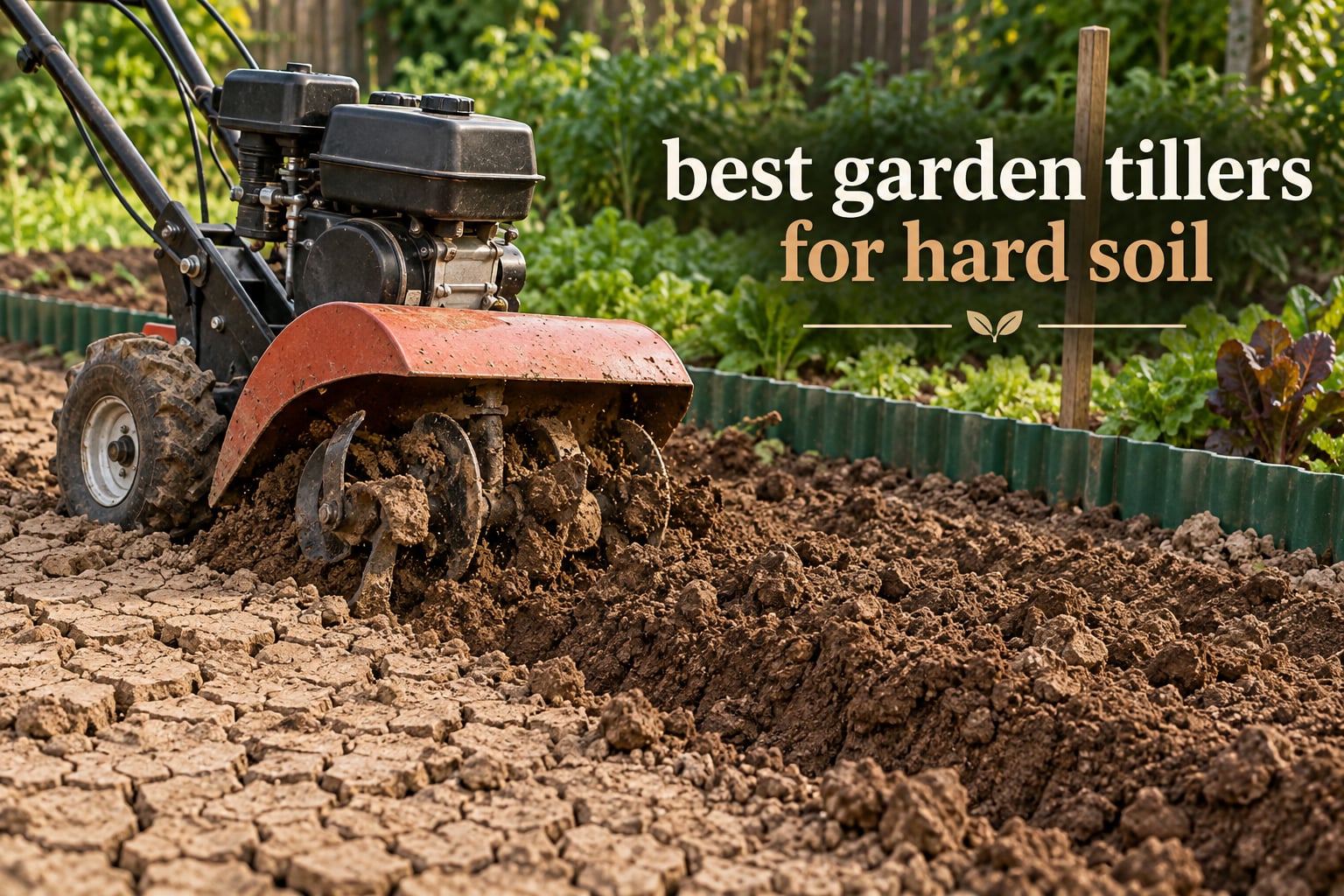
Yes, a tiller will work on hard soil, but only if the machine has enough torque, enough weight and tines that rotate backward against the direction of travel. A light electric cultivator on baked clay will bounce along the surface and never break anything. A rear-tine or counter-rotating machine with a driven wheel will bury itself to 10 inches or more. This guide ranks the best garden tillers for hard soil by exactly that standard, and it names the machines that are the wrong answer.
Hard soil is the frustrating kind. It is the ground that was walked on, driven on, baked dry, or filled in by a builder. It has almost no pore space, so roots cannot cross it, water runs straight off the top, and a garden bed that looks fine from the fence will disappoint you every single season. I have spent a lot of time breaking ground of this kind, and the pattern is consistent: the tool that matters is not the one with the biggest number on the box, it is the one that keeps its tines buried when the load spikes.
That is the standard I applied to every machine below. I compared engine class, tine rotation direction, tine speed, machine weight, drive wheel arrangement, tilling width and tilling depth, then read through the customer review data for what happens in real compacted ground rather than in soft, already-worked beds. Where a machine is genuinely wrong for hard soil, I say so, because a tiller that bounces around your plot for an afternoon is a worse purchase than a more expensive one that does the job once.
One honest note before the rankings. If your soil is machine-compacted construction fill rather than natural clay, a tiller may be the wrong first tool, and I explain below what to reach for instead. That dead end comes up constantly in gardening forums, and pretending a tiller solves it wastes an entire weekend.
The Three Tillers That Actually Move Compacted Soil in 2026
These three are the picks I would carry to genuinely hard ground. The first has the deepest and most consistent record in customer data, the second is the only rear-tine in the group and the deepest digger by a wide margin, and the third is the gas engine that delivers real torque in a frame light enough to lift into a car.


EARTHQUAKE Victory 209cc
- Counter-rotating tines
- 10 inch depth
- 154 lb self-propelled
- bronze gear drive
How All 10 Garden Tillers Compare on Hard Ground in 2026
The table below is the short version. Two columns matter more than the rest when the ground is compacted: how the tines rotate relative to travel, and how much machine is sitting above them.
| Product | Details | |
|---|---|---|
| Sun Joe TJ604E |
|
Check Latest Price |
 LawnMaster CLTE4814 LawnMaster CLTE4814 |
|
Check Latest Price |
| Mantis 7940 Honda |
|
Check Latest Price |
 MZK 40V ET1402 MZK 40V ET1402 |
|
Check Latest Price |
 BILT HARD 18 Inch BILT HARD 18 Inch |
|
Check Latest Price |
| EARTHQUAKE Victory 209cc |
|
Check Latest Price |
 MZK 12 Inch 10.5-Amp MZK 12 Inch 10.5-Amp |
|
Check Latest Price |
 Greenworks 40V 10 Inch Greenworks 40V 10 Inch |
|
Check Latest Price |
 EARTHQUAKE Versa 99cc EARTHQUAKE Versa 99cc |
|
Check Latest Price |
 TAZZ 35310 79cc TAZZ 35310 79cc |
|
Check Latest Price |
Read the width column carefully. A 10 inch machine in the same afternoon gets you roughly half the ground a 21 inch machine does, and on compacted soil the row you can break is limited by how long you can keep the tines down. Wider is not a luxury when the soil fights back.
1. Sun Joe TJ604E – The Corded Electric That Reviewers Say Handles Compacted Clay
Sun Joe Corded Electric Garden Tiller & Cultivator with Steel Tines, TJ604E
13.5-amp corded motor
16 inch tilling width
8 inch depth
27.1 pounds
+ Pros
- Owners report handling compacted and clay-heavy soil
- Light at 27.1 pounds and easy to control
- Folding handle for compact storage
- No gas
- oil or carburetor maintenance
- Cons
- Two-piece handle flexes under heavy torque
- Small rear wheels are awkward to move across a yard
- Needs a heavy-gauge extension cord that is not included
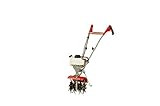
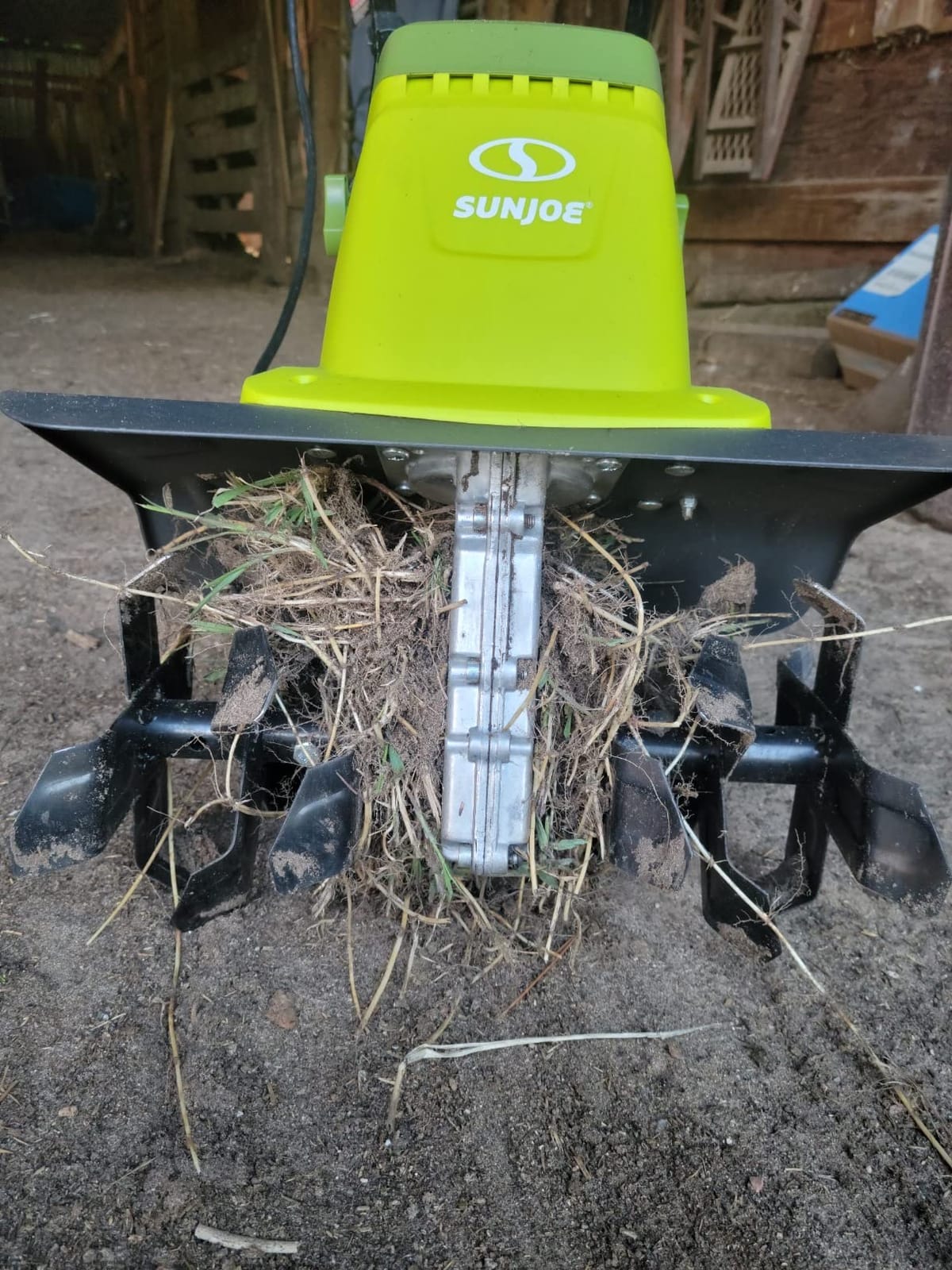
With 16k+ reviews behind it, the TJ604E is the most thoroughly documented machine in this entire guide, and the customer data is unusually consistent about the thing that matters here: owners working compacted clay report reaching the full 8 inch depth. That is a claim I want to treat carefully, because 8 inches is the manufacturer’s maximum figure rather than something I measured myself. What the reviews do suggest is that this motor does not simply stall when the ground firms up the way many entry-level electric cultivators do.
The reason is the 13.5-amp motor and six rust-proof steel-angled tines working across a 16 inch swath. Sixteen inches of width is wider than most of the machines here, and on hard soil that width translates directly into fewer passes. My practical read is that this is a genuinely capable machine for compacted but not rocky ground, and that its reputation is earned rather than marketing.
Why the cord gauge is a hard-soil issue, not a maintenance footnote
On soft, previously worked ground a light extension cord is fine. On compacted clay the motor draws noticeably more current for the same pass, and voltage drop over a long thin cord is what makes an electric tiller stall or trip under load. A heavy-gauge cord is not optional equipment for this machine in hard soil, it is part of the tool.
Owners also report that the supplied wire retaining clips are awkward to attach, and several replaced them with zip ties. That is a two-minute fix, but it is one of those small frictions that adds up on a long afternoon in the garden.
Six tines, three wheel positions, and how depth control actually works
The three-position wheel adjustment sets how deep the tines are allowed to sit, and this is the single most important control on the machine for hard ground. Starting shallow and lowering a position per pass prevents the tines from being buried all at once, which is the fastest way to stall a tiller in clay.
At 27.1 pounds, the TJ604E is heavy enough to keep the tines engaged without pinning your shoulders, and light enough to lift into a trunk. For a plot you will work twice a year, that weight balance is genuinely rare.
Where this tiller falls short
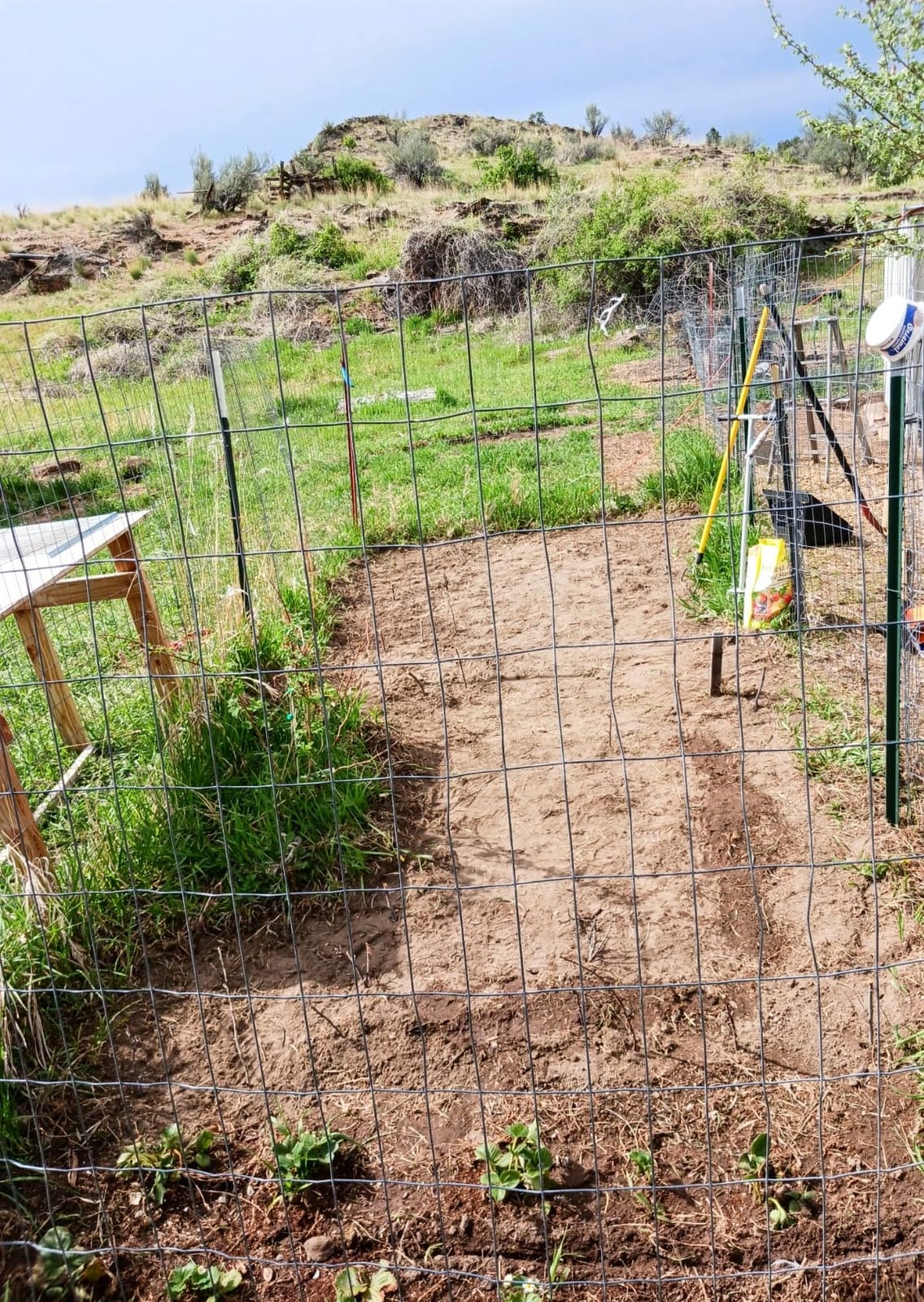
The two-piece handle flexes under load, and owners describe it as feeling flimsy on the deepest passes. The small rear wheels are also a real annoyance when you cross a lawn to reach the plot, and the tilling width means more passes than a wide machine would need.
None of that matters much on clay, which is where this machine earns its place. On rocky ground it is the wrong tool, and I would not buy it for a stony yard.
2. EARTHQUAKE Victory 209cc – Counter-Rotating Power for Genuinely Deep Clay
EARTHQUAKE Victory Rear Tine Tiller, Powerful 209cc 4-Cycle Viper Engine, Rugged Bronze Gear Transmission, Counter-Rotating Tines, Instant Reverse, Pneumatic Wheels, Model: 39381, Red/Black
Counter-rotating rear-tine
209cc Viper 4-cycle
10 inch depth
154 pounds
+ Pros
- Counter-rotating tines dig about 10 inches into heavy clay
- Cast-iron transmission with engineered bronze gears
- Instant reverse handle for clearing tight spots
- Three-position handlebar for one or two-handed control
- Cons
- 154 pounds is unwieldy in confined areas
- Rock jams can damage the transmission and are not warranty covered
- Pneumatic tires struggled to self-propel for one owner
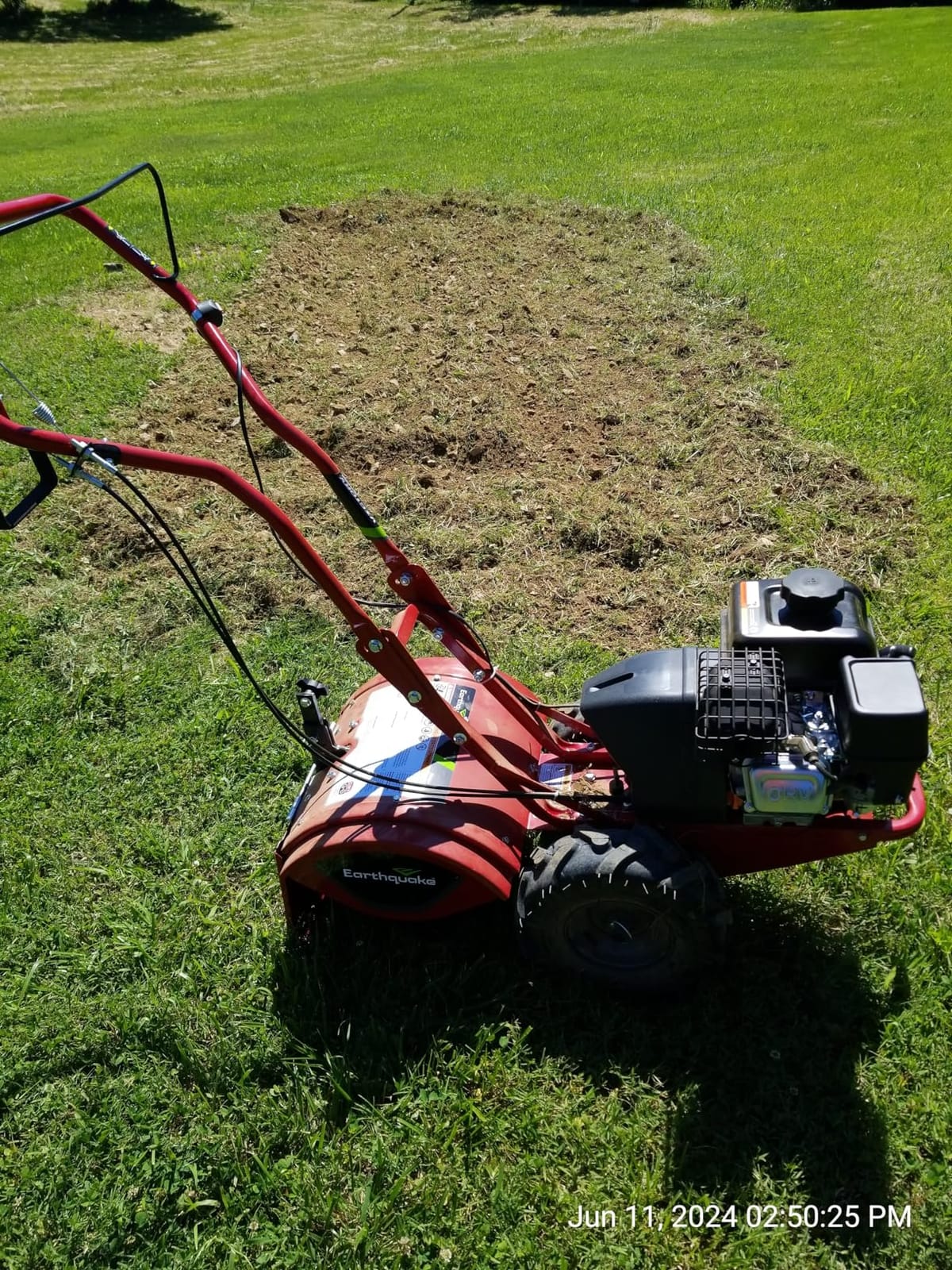
This is the only rear-tine machine in the group, and that single fact changes everything on hard ground. Counter-rotating tines turn opposite to the wheels, so instead of the machine being pushed forward by the tines it drives itself down into the soil. On compacted clay that self-propulsion is the difference between a tiller that works and a tiller that you end up dragging across the plot.
Owners with large plots and clay soils describe the 209cc Viper engine as unusually strong, digging to about 10 inches and handling roots and small stones. The counter-rotating design is not a marketing term here, it is the mechanism doing the work, and it is the reason I rank this machine first among the gas options for genuinely hard ground.
What 154 pounds and a driven rear wheel actually do for you
Mass is the other half of the hard-soil equation. Forward-rotating tines meet resistance they can only overcome if there is enough machine pushing down behind them, and that is why lightweight tillers bounce. This machine puts roughly five times the weight of a typical electric cultivator over the tines, so when the ground firms up the tines sink rather than skip.
The full-width drive wheels mean you can also stand slightly to one side and let the machine do the pulling, which reduces the strain on your arms during long passes. One owner found the pneumatic tires struggled to self-propel on already-tilled ground against the counter-rotating tines, which is a fair and specific complaint about behavior on loose soil rather than hard soil.
Instant reverse and the three-position handlebar
Instant reverse means you change direction at the handle rather than shifting a gear, which matters when you are boxed in against a fence line in a narrow bed. The three-position handlebar allows one-handed or two-handed control, and for a 154 pound machine that handle adjustment is how you keep it manageable.
The side tine shields control dirt throw and the trailing rear shield smooths the seedbed, which saves a separate raking pass on the softer areas at the end of a row.
Where this tiller falls short
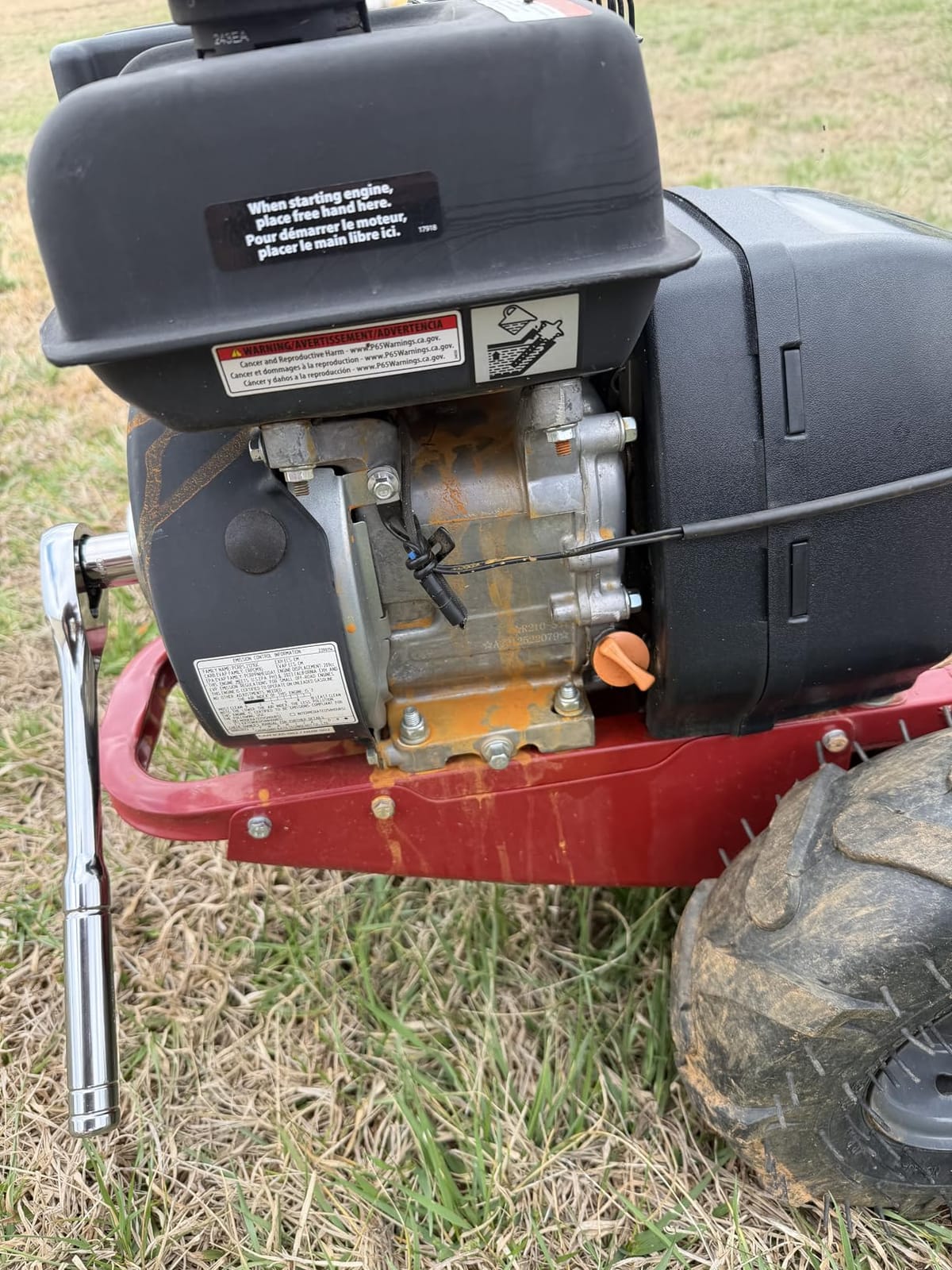
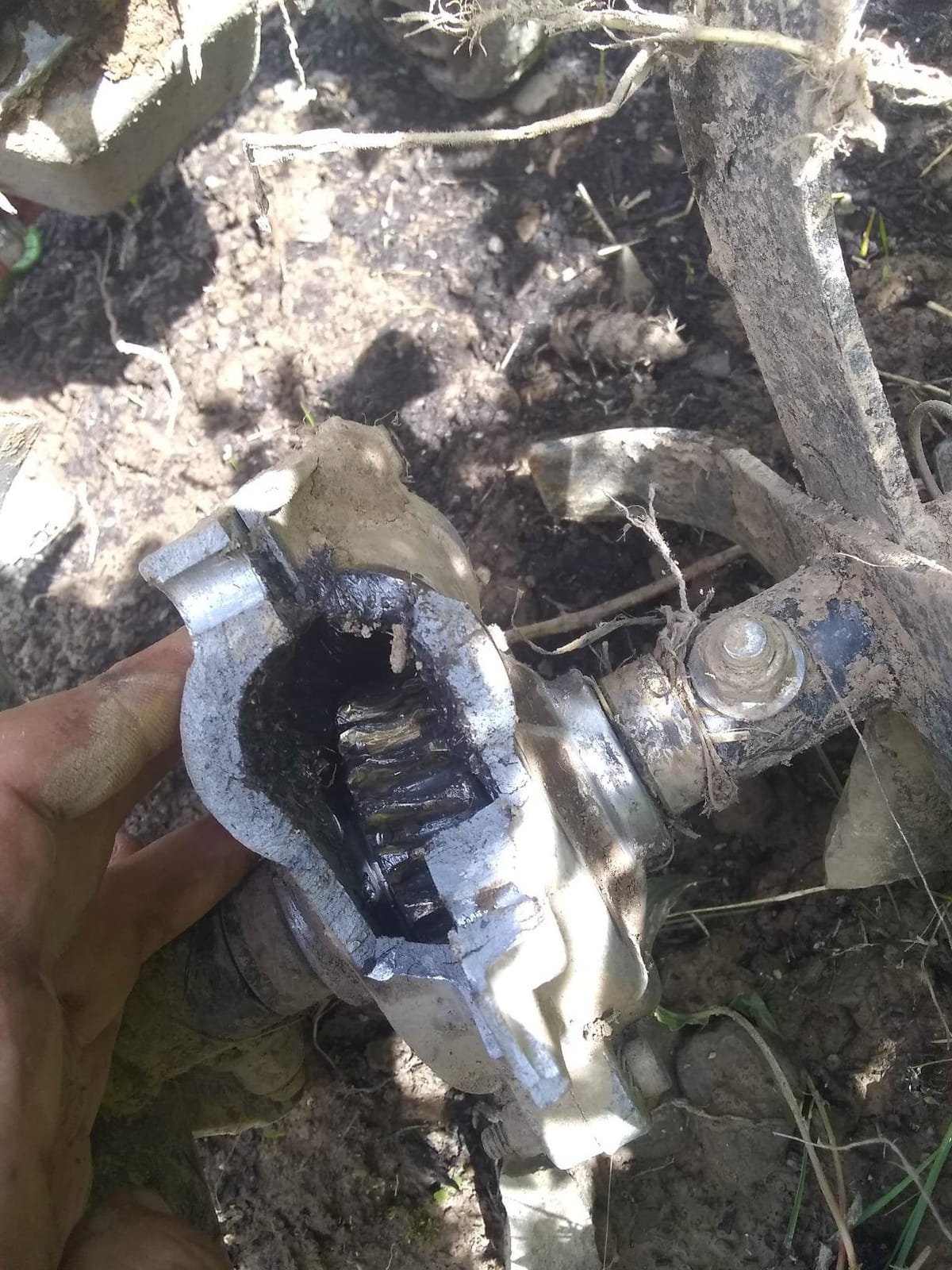
One hundred fifty-four pounds is a genuine problem in confined areas and between established plants, and it is not a machine you want to lift frequently. The transmission is a cast-iron unit with bronze gears, and owners report that rock jams can damage it, which the manufacturer does not cover under warranty.
That rock caveat matters if your ground is stony rather than clay. For pure clay, this is the most capable machine here. For a stony yard, the TAZZ below is the safer bet.
3. Mantis 7940 – Honda 4-Cycle Torque in a 24-Pound Frame
Mantis 7940 4-Cycle Tiller Cultivator Powered by Honda – Lightweight, Powerful and Compact – No Fuel Mix, Sure-Grip Handles – Built To Be Durable and Dependable
Honda 25cc 4-cycle engine
Up to 240 RPM tine speed
24 pounds
2-year limited warranty
+ Pros
- Reliable Honda 4-cycle engine with no fuel mixing
- High tine speed churns compacted soil efficiently
- Only 24 pounds
- easy to maneuver between tight rows
- Made in the USA with a 2-year limited warranty
- Cons
- Small engine and narrow width limit large plots
- Gas and oil storage required between uses
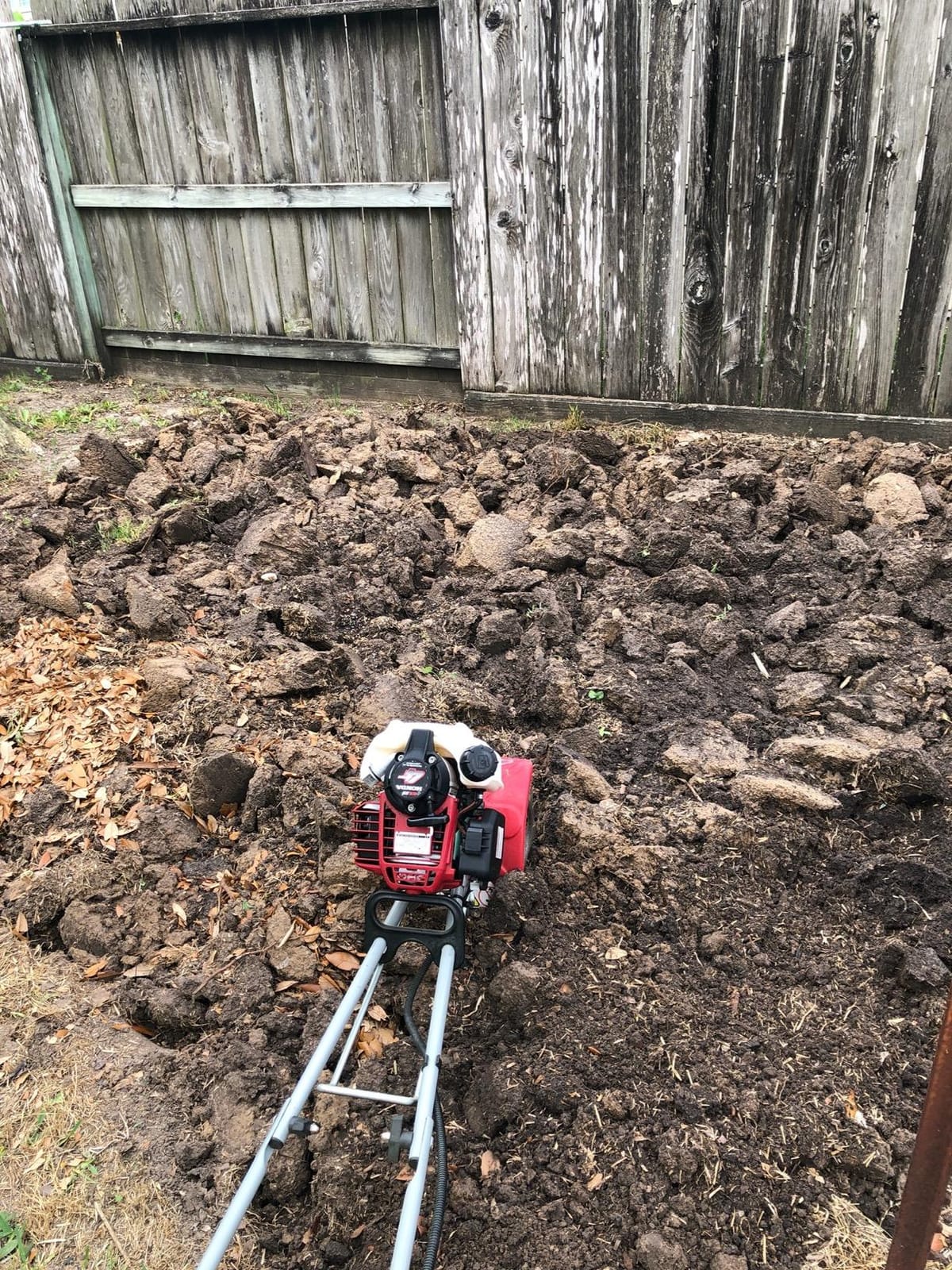
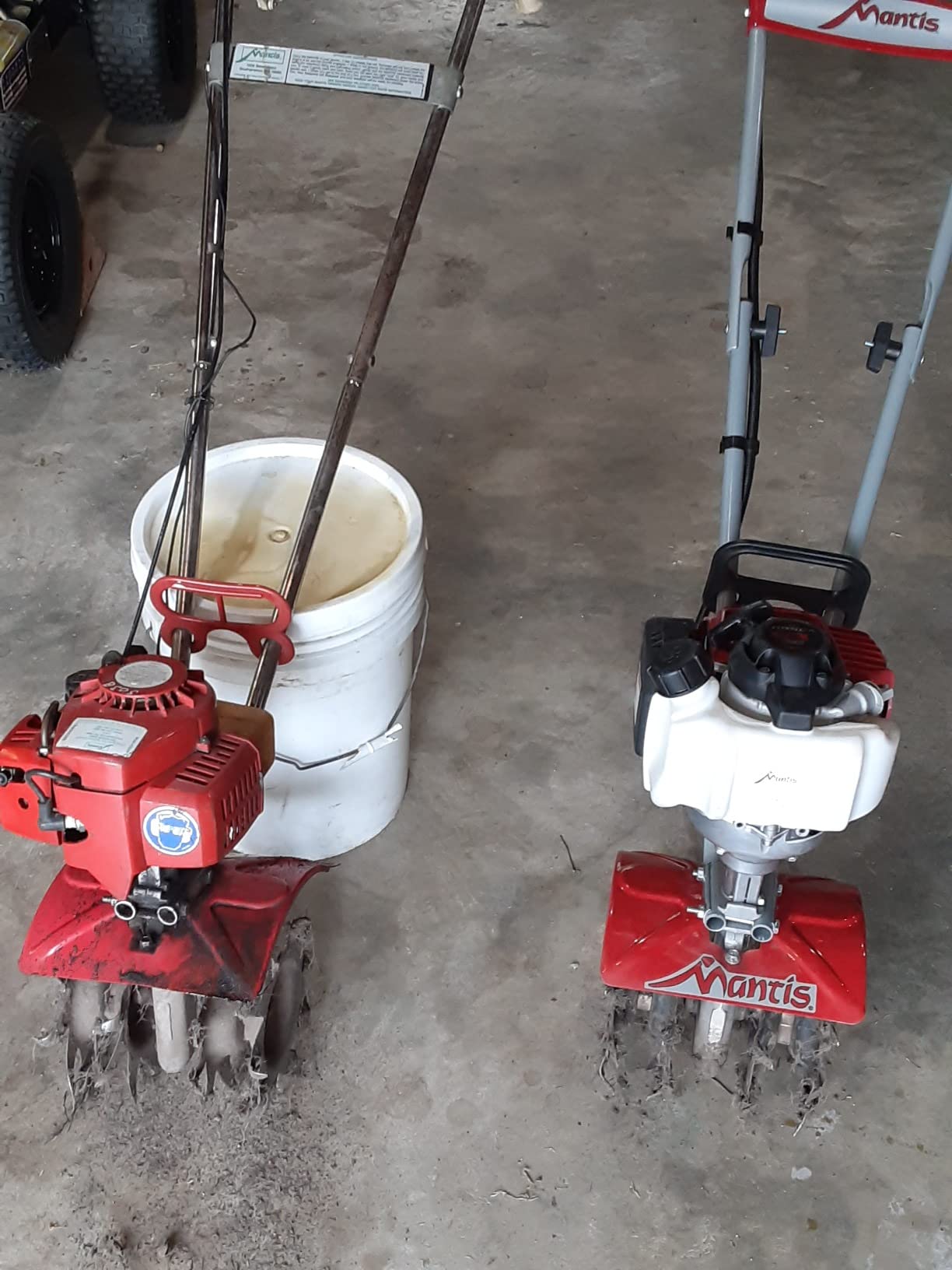
The 7940 does something no other machine in this guide does, which is put genuine engine torque and a 240 RPM tine speed into 24 pounds. Forums describe Mantis machines as indestructible against rocks, and they are equally insistent that they are arm-wrenching when breaking through hard soil. Both of those things are true, and understanding the trade is how you decide if this is your machine.
That warning is real. At 240 RPM the tines are moving fast enough to chip compacted ground rather than smear across it, but the machine is light, so it will not bury itself the way the Earthquake Victory does. The honest verdict is that this is a tiller for hard soil in narrow beds and garden rows, not for breaking a large plot of packed clay.
Why tine speed matters more than you would expect
Two tillers with similar torque can behave completely differently in clay if one runs at 180 RPM and the other at 240 RPM. Faster tines fracture compacted clods into smaller pieces rather than pushing them, which means less total resistance at the blade. The Honda 4-cycle engine here also runs without any fuel mixing, which removes a failure mode that catches first-time gas owners out.
The finger-controlled throttle with infinite speed control lets you back the tine speed off when the ground turns truly hard, which is a control you do not get on most budget machines and a genuine advantage when you are learning what your soil can take.
The Honda engine and the long ownership view
Long-term owners credit the 4-cycle engine for dependability and note the kickstand keeps the machine stable for storage. The 2-year limited warranty is shorter than the 5-year coverage on both Earthquake machines in this guide, so I would weigh that if you are buying for a decade of use rather than a season.
Gas means fuel and oil storage between uses, and that maintenance burden is the reason I put this above the cordless machines for hard soil and below it for convenience.
Where this tiller falls short
The small engine and narrow cutting width limit its usefulness on large plots, and the 24-pound frame means you supply more of the downward force. Users with back or shoulder problems report real fatigue in hard ground, and that is worth taking seriously before buying any light machine for a hard-soil job.
If you have a large area of compacted clay to break, spend the extra money and get weight. If you have two narrow raised beds, this is a better answer than anything else here.
4. BILT HARD 18 Inch – 380 RPM Blade Speed for Crusted Ground
BILT HARD 18 Inch Electric Tiller Cultivator, Corded 15 Amp 6 Steel Tines Tillers for Gardening, Garden Rototiller for Soil Digging with Adjustable Wheels
15-amp corded motor
18 inch width
8.7 inch depth
380 RPM blades
+ Pros
- Widest cutting width in its class at 18 inches
- High blade speed of 380 RPM breaks compacted soil quickly
- Light 25 pound frame with foldable handle
- Four wheel positions for good depth control
- Cons
- Corded design requires routing a heavy extension cord
- Noisy under load compared with brushless battery models
Blade speed is the number that gets overlooked, and on crusted ground it is the one I would look at. At 380 RPM with four angled tines, this machine is chopping rather than smearing, which is exactly the failure mode a low-RPM tiller suffers in compacted soil. Owners specifically single out that combination of speed and width as unusually capable for a corded entry-level machine.
At 18 inches, this is the widest swath in the group, and the 4-position flip-down wheel system gives fine control over how deep the tines sit. The 25-pound weight is light enough to maneuver without feeling flimsy, which puts it in a narrow and useful band.
What 19,000 RPM at the motor translates to in the soil
The motor spins to 19,000 RPM and drives the tines at 380 RPM through a gear reduction. That gearing is why a corded machine can outperform a lower-speed battery model on hard ground, and it is the reason the noise complaints appear. More blade speed means more load on the motor, and the machine is loudest exactly when you are working hardest.
Owners report the depth reaching about 8.7 inches. Again, that is a maximum under favorable conditions, but the four wheel positions let you work up to it gradually rather than stalling on the first pass.
Handling, storage, and the cord
At 42.5 inches long and 25 pounds, this folds down small enough for a garage shelf, and the four quick knobs on the H-handle make the fold fast. For a gardener with limited storage, that is a genuine advantage over the gas machines in this guide.
The cord is the trade. A heavy-gauge extension cord is required, and routing it across a lawn without snagging it is part of the job. Cord management is the single most common complaint about any corded tiller, and it is the reason the battery machines keep gaining ground on small plots.
Where this tiller falls short
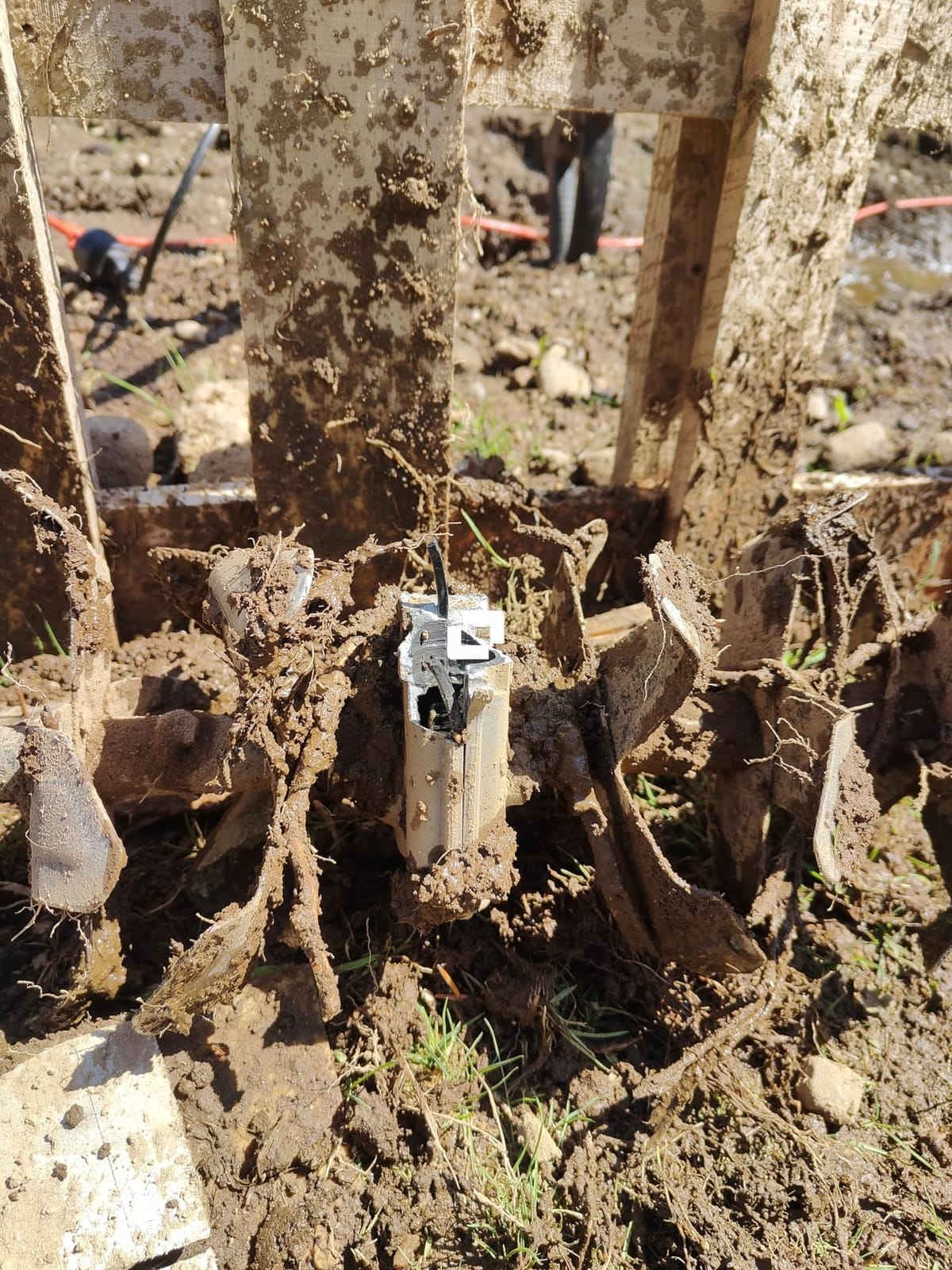
It has no drive wheels, so on the hardest clay you supply all the downward force yourself, the same limitation as the Sun Joe. The 380 RPM speed helps, but speed cannot fully replace weight when the ground is genuinely packed.
For crusted, previously-fallen-over ground this is excellent. For construction fill or deep compaction, it is the wrong size of answer.
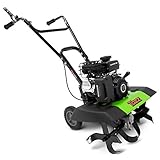
5. TAZZ 35310 – The Front-Tine That Lifts Over Buried Stones
TAZZ 35310 2-in-1 Front Tine Tiller/Cultivator, 79cc 4-Cycle Viper Engine, Gear Drive Transmission, Forged Steel Tines,Green
79cc Viper 4-cycle engine
Bronze gear transmission
Forged steel tines
11 inch depth
+ Pros
- Pushes through rock-heavy soil that stalls lighter tillers
- Low center of gravity turns easily at row ends
- Quieter operation than larger gas tillers
- Operable by a smaller-framed user new to tillers
- Cons
- Assembly instructions are unclear and take about two hours
- Tine retaining pins can flange and need occasional filing
- Cold starts need the choke lever fully engaged
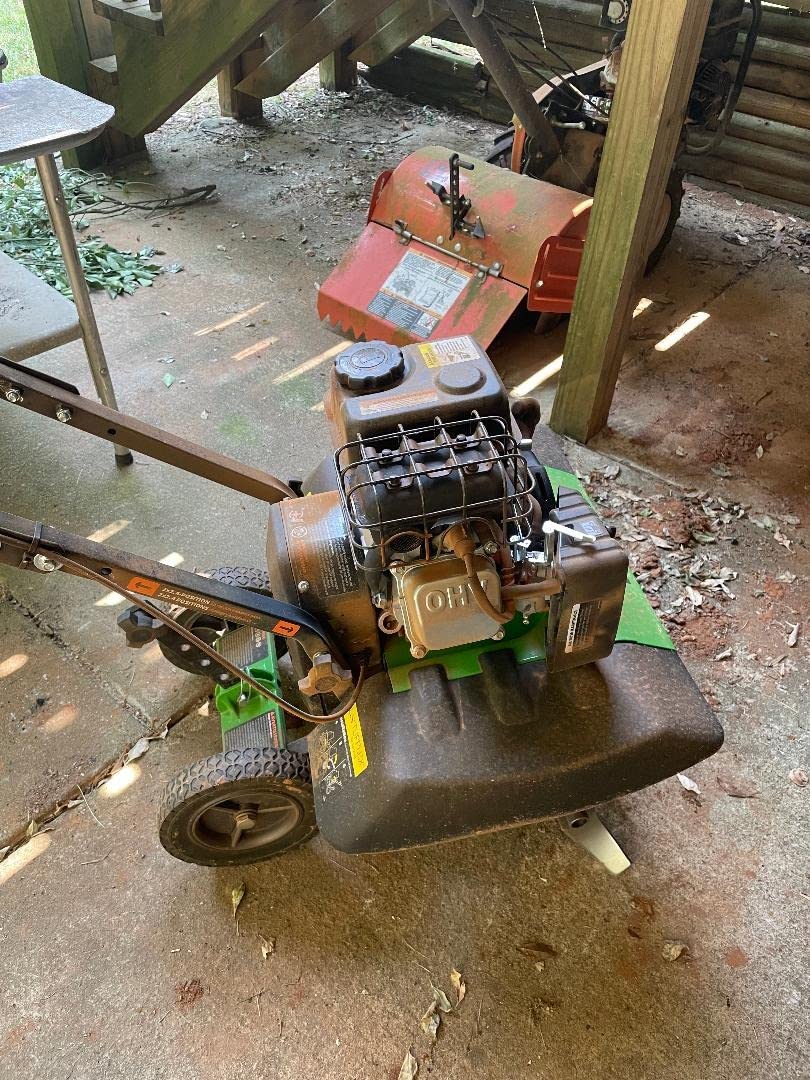
Rocky ground and hard clay are different problems, and the machines that solve them are different. Rocks need a tine design that climbs over an obstruction rather than wedging against it. Owners of this TAZZ describe exactly that behavior, reporting that the forged steel tines lift over buried stones instead of jamming, even in ground that stalls lighter machines.
The 79cc Viper 4-cycle engine is an Ardisam design also used in the two Earthquake machines here, which means the engine quality tier is consistent across the gas options in this guide. For hard ground with stones in it, this is the machine I would pick.
Low center of gravity and why it beats a bigger machine at row ends
The centered, compact footprint and low center of gravity let this machine turn on a dime at the end of a row, which is a bigger practical advantage in a real garden than raw tilling width. Owners also note it runs quieter than larger gas tillers, which matters if you are working next to a house.
The steel handlebar adjusts to four height positions, and one owner specifically reports being a smaller-framed user new to tillers and able to operate it. Adjustable handle height is an underrated feature for anyone who is not tall or who has shoulder problems.
Multi-position drag stake and tool-less width changes
The multi-position drag stake adjusts tilling depth up to 11 inches with no tools, and tool-less removal of the outer tines and side shields gives you 21, 16 and 11 inch widths from the same machine. That flexibility is what lets a single tiller serve a narrow bed and a wide plot.
One owner reports the machine survived a full winter outdoors and still started on the first pull. The bronze gear transmission and forged steel tines are the parts doing that work, and both are the right spec for a season of abuse.
Where this tiller falls short
Assembly is the honest problem here. Owners report unclear instructions at the early steps and roughly two hours to build, and some arrive with missing bolts. Plan for that, or budget for a call with the manufacturer.
Cold starts need the choke lever pushed fully into the choked position, and the tine retaining pins can flange and need occasional filing. All minor, all worth knowing before spring.
6. EARTHQUAKE Versa 99cc – 11 to 21 Inch Width for Baked Clay
Earthquake 20015 Versa 2-in-1 Tiller Cultivator with a 99cc 4-Cycle Viper Engine, 2-in-1 Front Tine Tiller and Cultivator, Removable Side Shields and Outer Tines
99cc Viper 4-cycle engine
11 to 21 inch width
11 inch depth
78 pounds
+ Pros
- 99cc Viper engine handles baked clay and rock-filled soil
- Tool-less width adjustment from 11 to 21 inches
- Tills up to 11 inches deep
- Starts easily
- often within a few pulls
- Well balanced
- so it pulls itself through soft soil
- Cons
- Bounces and bucks on hard or sod-heavy ground
- Soft steel hardware loosens during use and needs retightening
- Assembly instructions are confusing and bolts may be missing
Owners in hard clay and rocky regions report the 99cc Viper engine has more than enough power, digging deep and chewing through briar roots, and they describe the machine as well balanced enough to pull itself through soft soil while staying controllable when it bucks. At 78 pounds it sits in the middle of this group, heavier than every electric machine and far lighter than the 154-pound Victory.
That middle weight is the point. It has enough mass to keep its tines engaged in compacted ground, and enough balance to be turned at the end of a row without the two-person lift the Victory needs.
Tool-less width adjustment and why it matters in compacted beds
Removing the outer tines and side shields without tools takes seconds and changes the machine from a 21 inch tiller to an 11 inch cultivator. On a bed that is half lawn and half clay, that lets you work the wide open area and then narrow down between existing plants without switching machines.
Tilling depth reaches up to 11 inches, which is the deepest rated figure among the front-tine machines here. On hard clay you will rarely reach that on the first pass, but the range is there once the ground is opened up.
The bucking problem and the honest fix
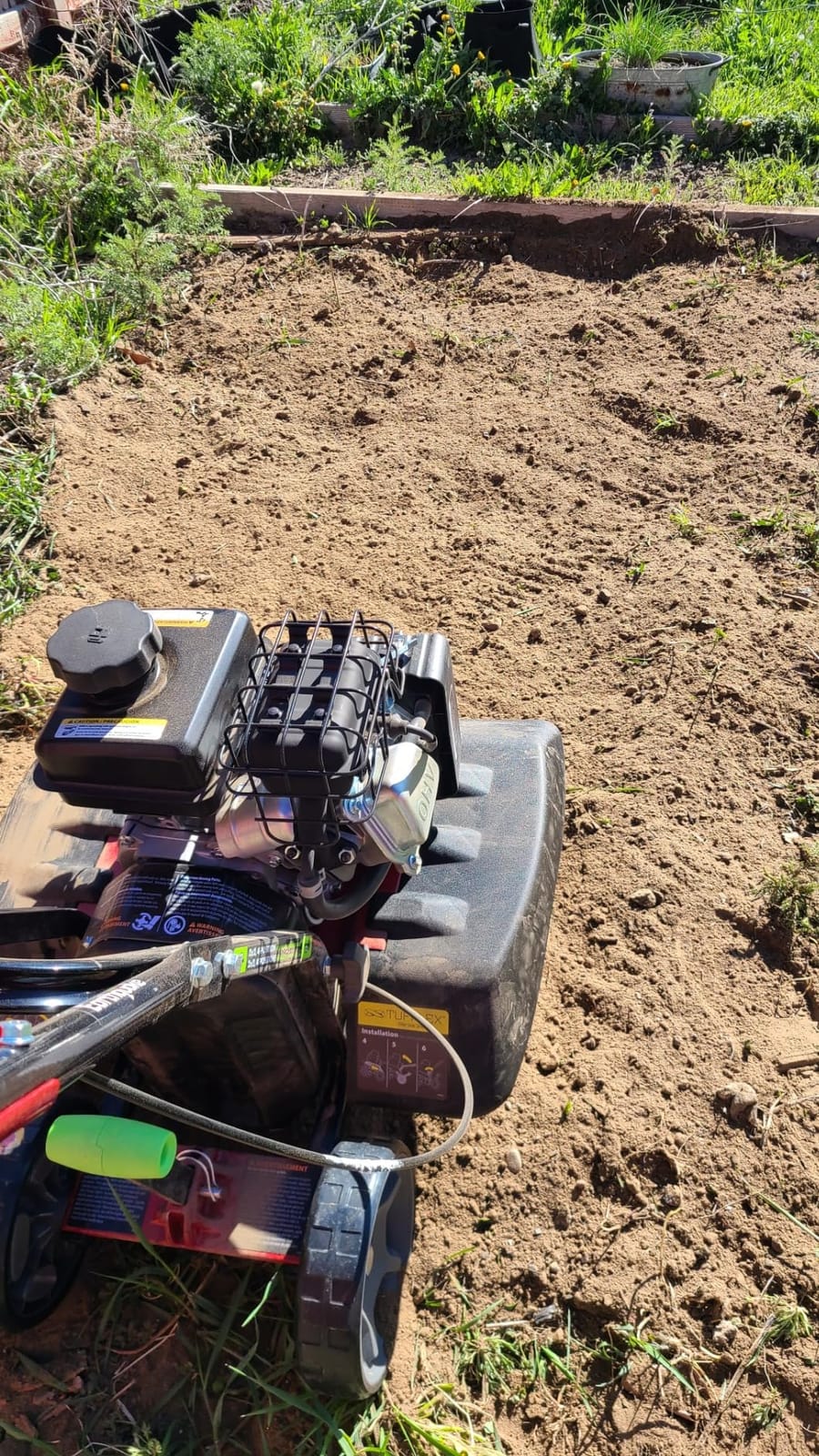
This machine bounces and bucks on hard or sod-heavy ground, and owners say it requires a firm grip. That is the same bouncing every lightweight tiller does, just less dramatically because of the weight. The fixes are mechanical rather than mystical: a heavier machine, more drive wheel, or pulling the tiller backward toward you so the tines cut toward you instead of shoving the machine forward.
Pulling a forward-rotating tiller backward is the technique experienced users fall back on for ground that will not yield. It is harder work and it is unglamorous, but it works on machines that would otherwise skate across the surface.
Where this tiller falls short
Owners report that soft steel hardware allows bolts to loosen during use, requiring retightening, and that the side tine panel can slide out of position when struck by thrown dirt. Assembly documentation is also confusing.
Those are annoying rather than disqualifying. The 5-year limited warranty is the longest in this group, which partly offsets them.
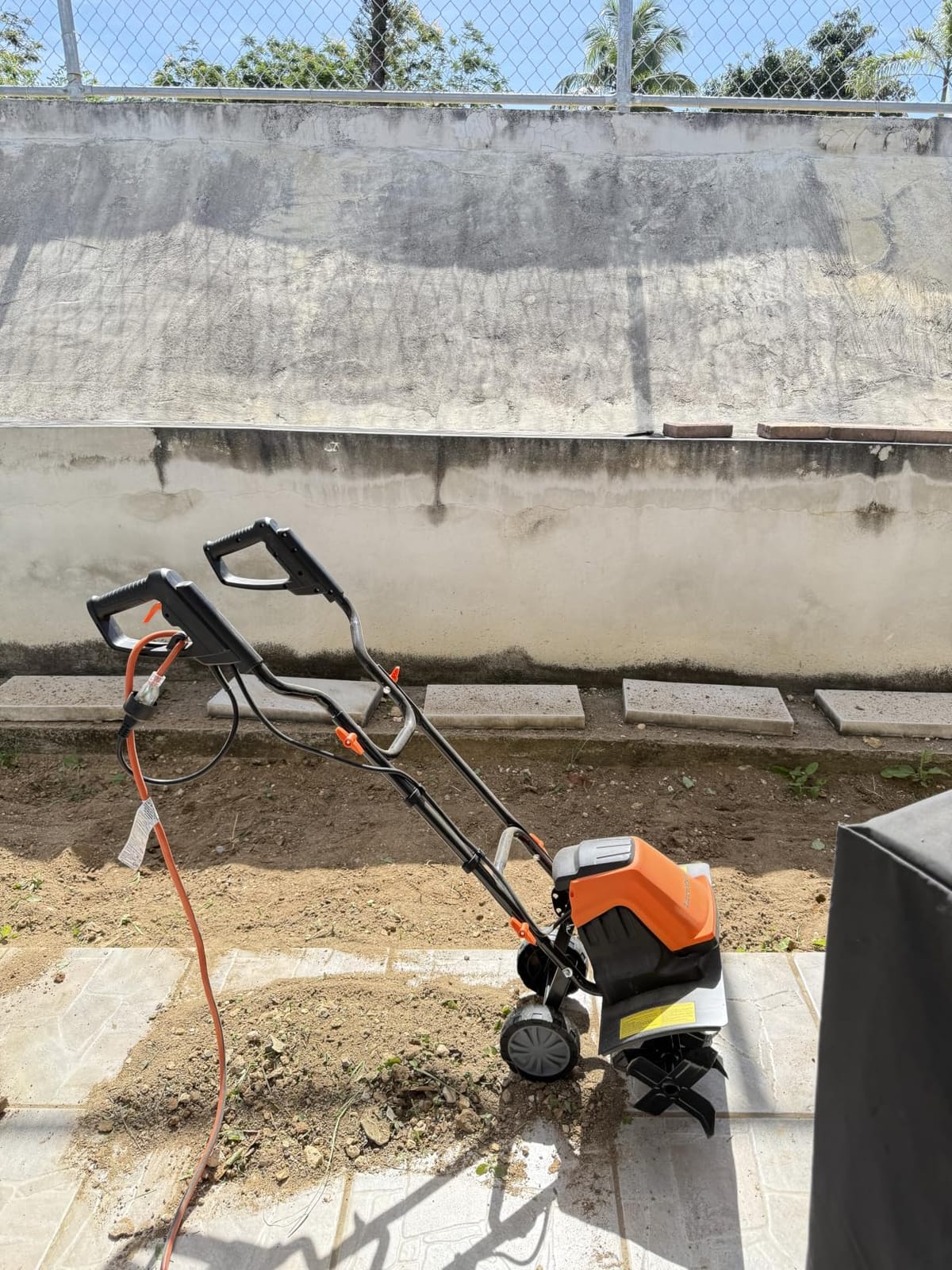
7. LawnMaster CLTE4814 – Cordless 48V for Medium Beds Without Fuel
LawnMaster Brushless 48V MAX Cordless Tiller Cultivator, CLTE4814
48V brushless motor
14.5 inch width
9 inch depth
2 batteries included
+ Pros
- 48V brushless motor delivers gas-class power with no fuel handling
- Dual batteries and a dual-port charger extend working time
- Cordless design works away from outlets
- 14.5 inch width and 9 inch depth for medium to large beds
- Cons
- 180 RPM tine speed is slower than gas front-tine classes
- About 35 minutes of runtime means battery swaps on larger plots
At 9 inches of rated depth this is the deepest-rated machine in the group outside of the gas front-tine and rear-tine options, and it comes with two batteries and a dual-port charger. Buyers like the quiet, clean cordless operation and find the 48V brushless motor strong enough for routine garden bed preparation.
Here is the honest qualifier that a lot of cordless tiller copy leaves out. The four steel blades turn at 180 RPM, and some owners note the lower rotation speed compared with gas tillers when breaking truly hard ground. On soil that has been worked before, this is a capable machine. On first-breaking compacted clay, the tine speed is the limiting factor.
Why brushless matters and 180 RPM is the trade
A brushless motor has no brushes wearing against each other, which is why it is quieter, more efficient, and does not degrade the way a brushed motor does under sustained load. That efficiency is what makes 35 minutes of runtime realistic from a 4.0Ah pack on a machine that digs 9 inches.
The 180 RPM figure is the honest limit. Slower tines tend to push clods rather than fracture them, so on the hardest ground this machine works harder for the same result. The depth rating is a maximum in prepared soil, not a promise about virgin clay.
Two batteries and a dual-port charger
The two 24V 4.0Ah batteries charge in parallel on the included dual-port charger, which roughly halves the time you spend waiting between passes. On a plot of any size, that is the feature that turns a cordless tiller from a nuisance into a usable tool.
Buyers consistently cite the quiet operation as the reason they reach for it, particularly in neighborhoods where a gas engine is unwelcome. For a hard-soil job in a densely built area, that matters.
Where this tiller falls short
About 35 minutes of runtime per charge means a battery swap partway through a long bed, and the two included batteries are the entire fleet. There is no third pack unless you own a compatible platform battery.
If your soil is genuinely compacted clay, I would choose this machine for convenience and buy the Mantis or Earthquake Versa for the breaking itself.
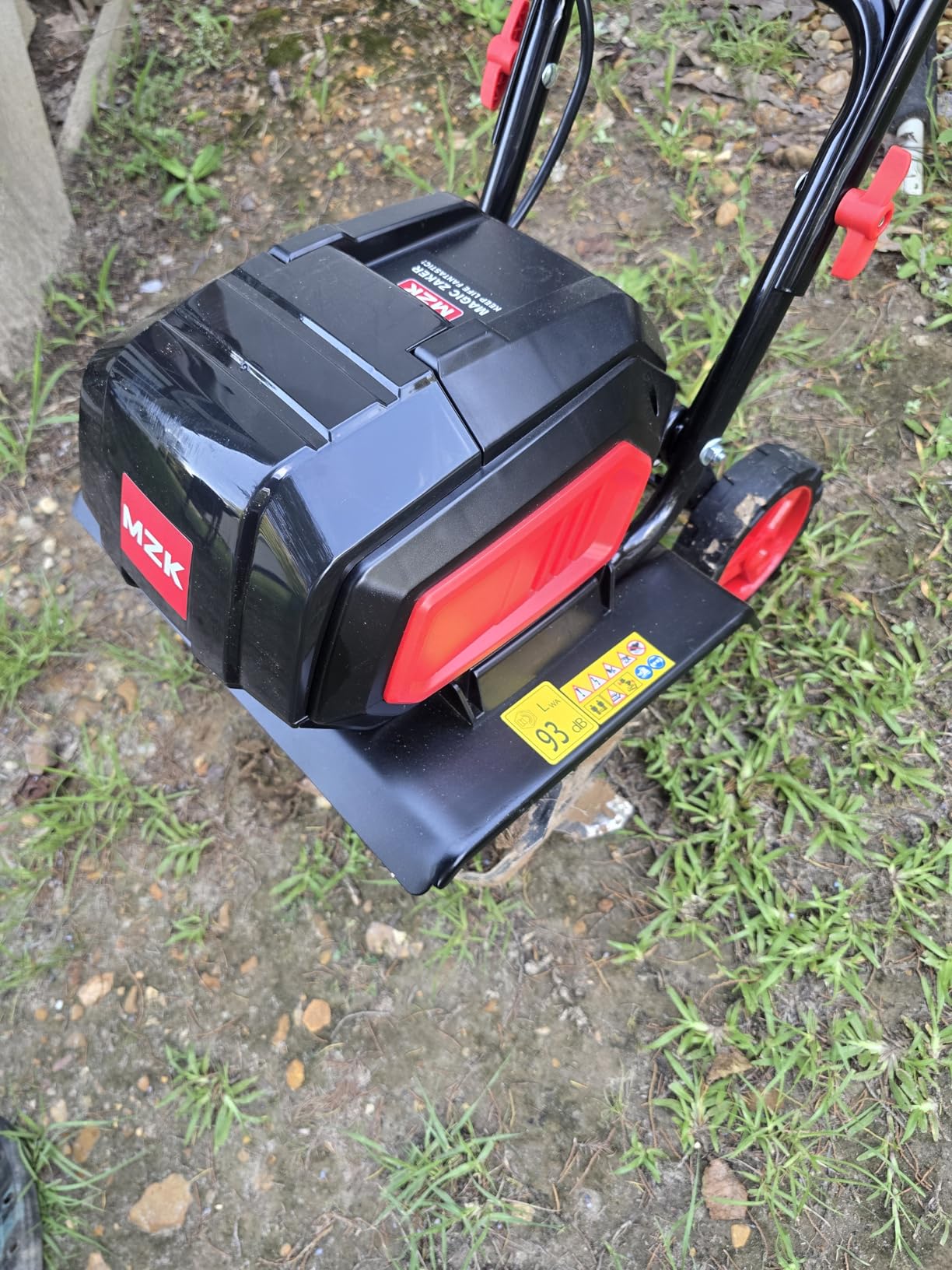
8. MZK 40V ET1402 – Dual Batteries for Tight Beds Away From Outlets
MZK 40V 12-Inch Cordless Garden Tiller Cultivator, 8.6-in Depth
40V cordless
16 steel tines
14 inch width
8.6 inch depth
+ Pros
- Two 4.0Ah batteries included for about 35 minutes of runtime
- Compact and lightweight for tight garden spaces
- Cordless operation removes extension cord management
- 8.6 inch till depth for the size class
- Cons
- 180 RPM rotation is slow in heavily compacted or clay soil
- Tines can wrap around roots during extended passes
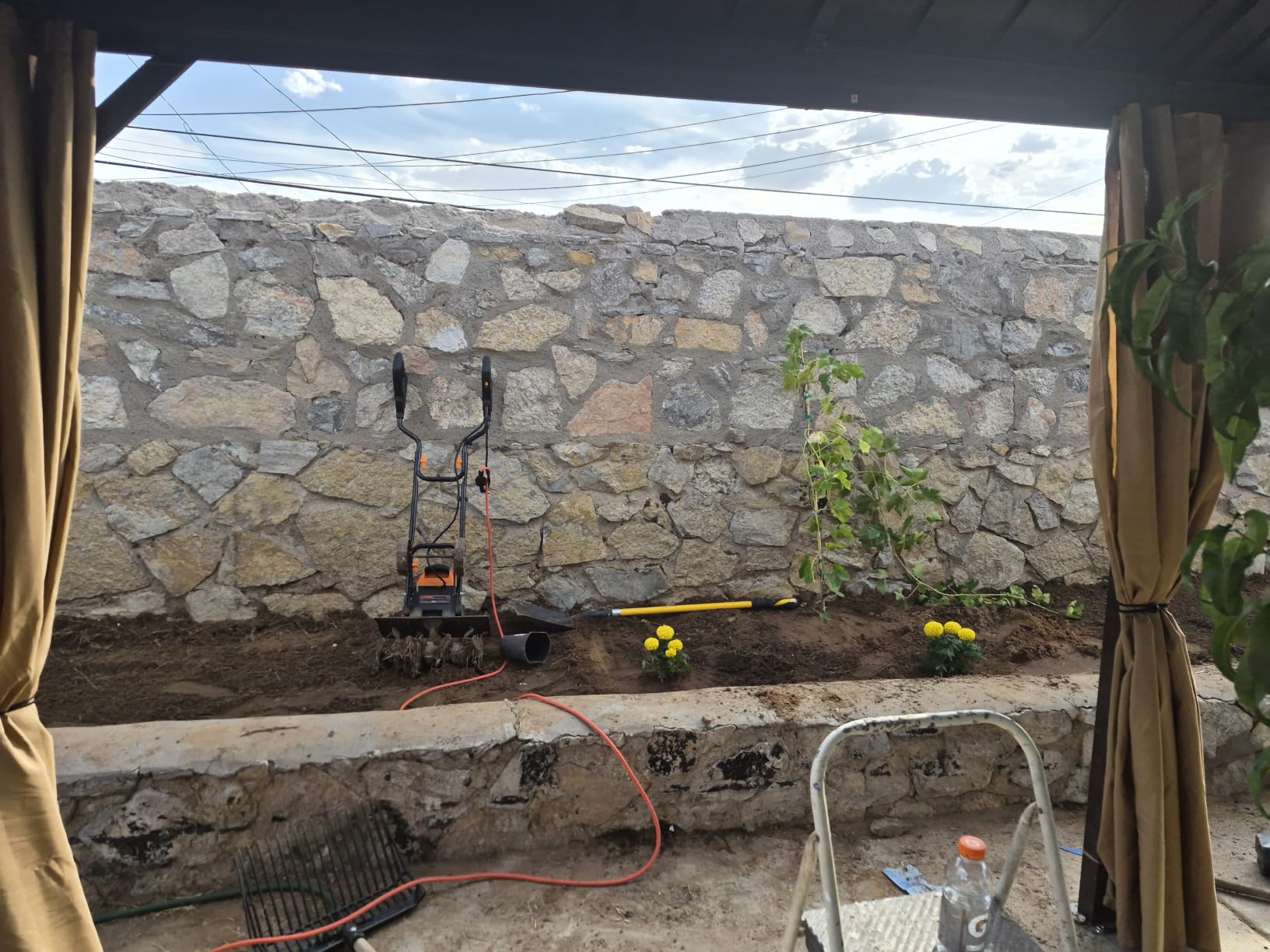
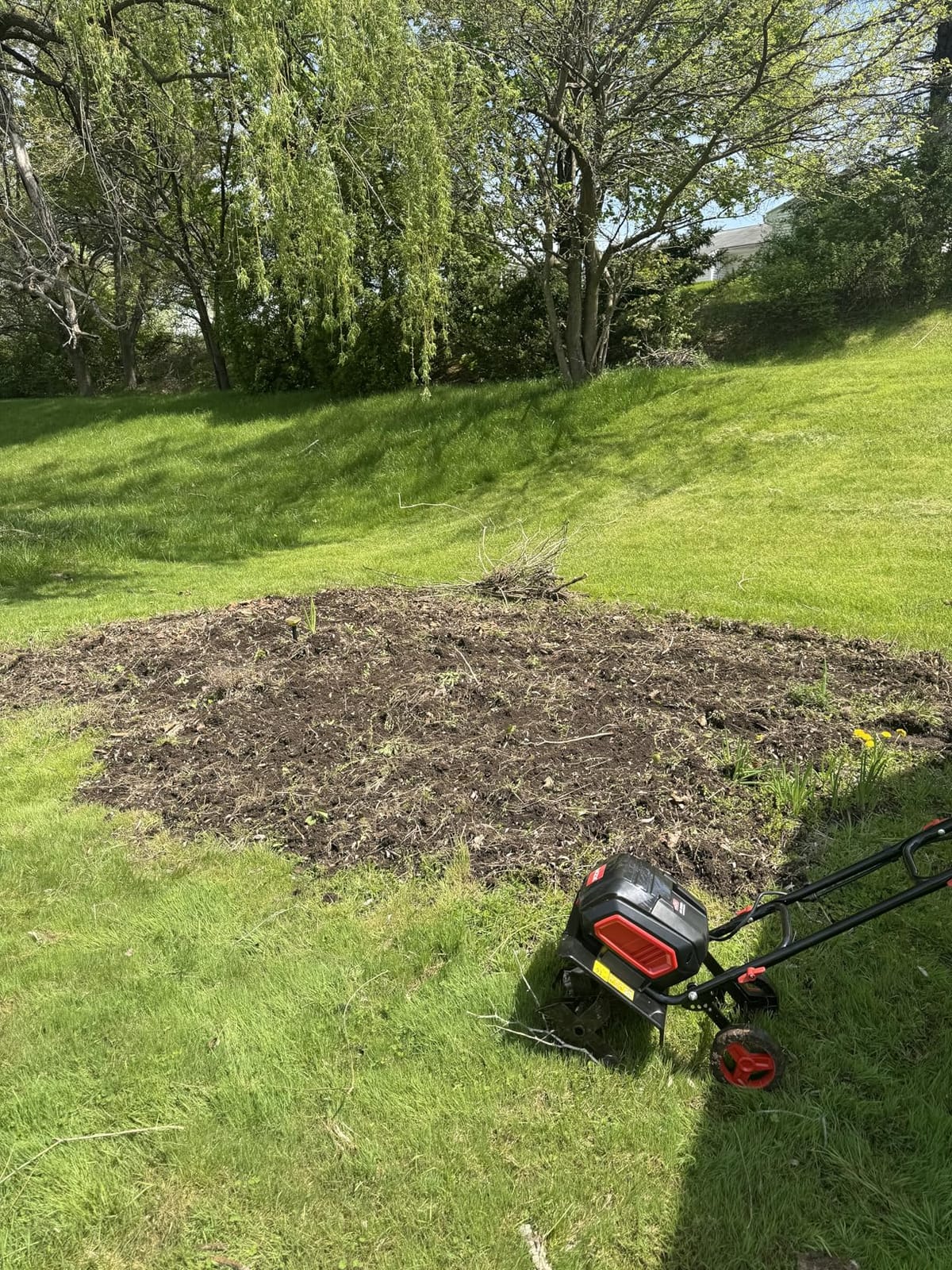
This is the machine I would put in a shed full of raised beds, and the reason is not power, it is the cable. With no cord to drag through a bed, trip over, or route from an outlet, you can work anywhere on the plot, including a far corner of a yard with no power access.
Reviewers value the ratio of features to cost and the included pair of batteries. The 16 steel tines across a 14 inch width at up to 8.6 inches of depth is a genuinely useful spec sheet for a machine of this type.
Where 180 RPM limits you on hard soil
The most common criticism is the modest 180 RPM tine speed, which can bog down in the hardest soil. That is the same limitation as the LawnMaster and for the same mechanical reason. When the tines are moving slowly, they push compacted clods ahead of themselves instead of cutting them, and resistance builds until the machine stalls.
On raised beds that have been filled with a decent soil mix, this is irrelevant, because there is nothing to break. On hard native clay, you will feel it immediately.
Adjustable wheels and the built-in safety switch
Adjustable wheels control tilling depth, which lets you start shallow on unfamiliar ground rather than burying the tines on the first pass. The built-in safety switch prevents accidental operation, which matters more than it sounds when you are repositioning a running machine between beds.
Two 4.0Ah batteries give about 35 minutes of runtime at 180 RPM, and reviewers appreciate not having to plan around an outlet.
Where this tiller falls short
Some owners report tines wrapping around roots during extended passes, which means stopping and clearing them, the least pleasant part of using any tiller. The 180 RPM speed is a real constraint in compacted clay.
For breaking ground, choose something with more tine speed or more weight. For maintaining raised beds, this does the job.
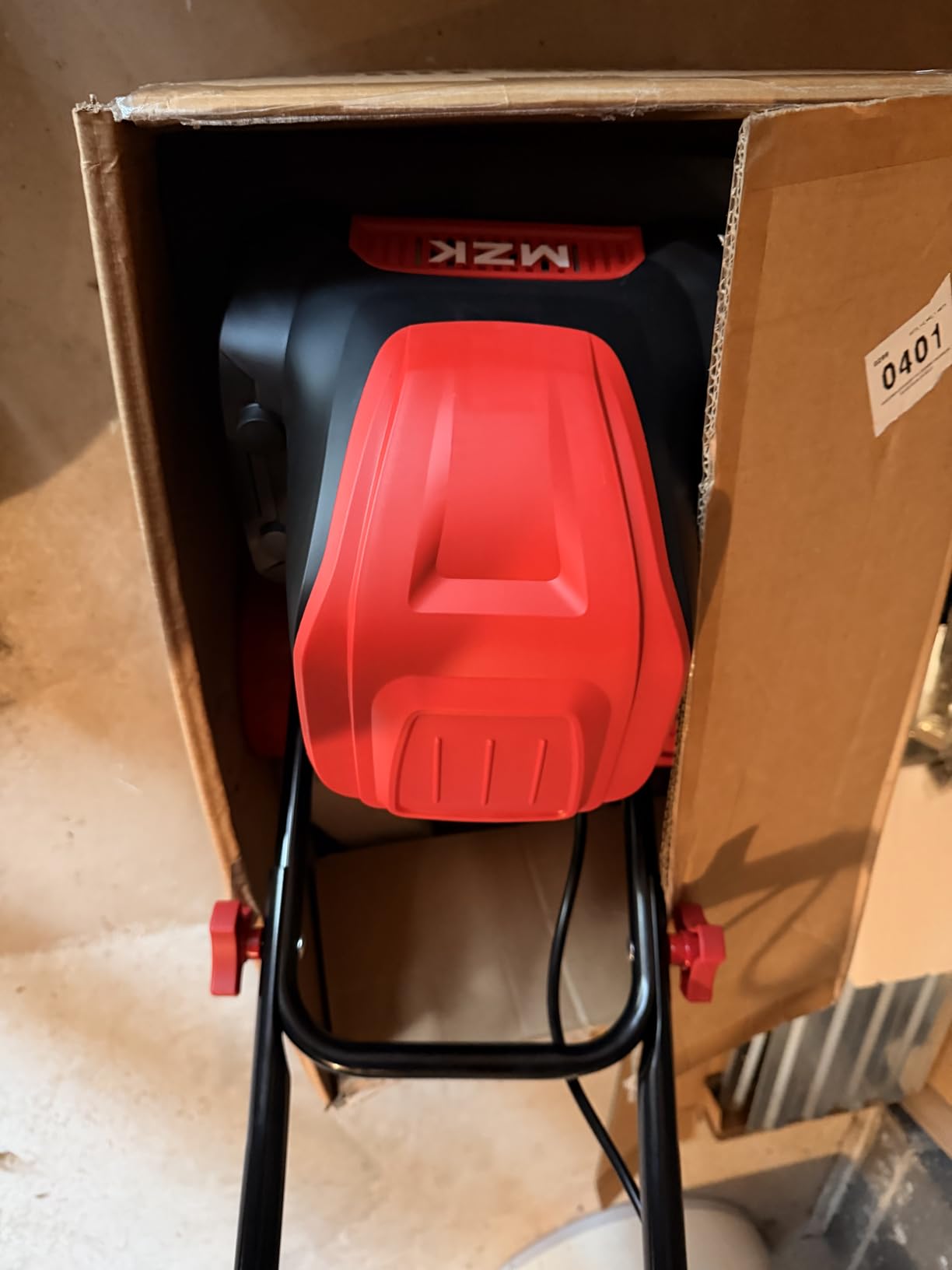
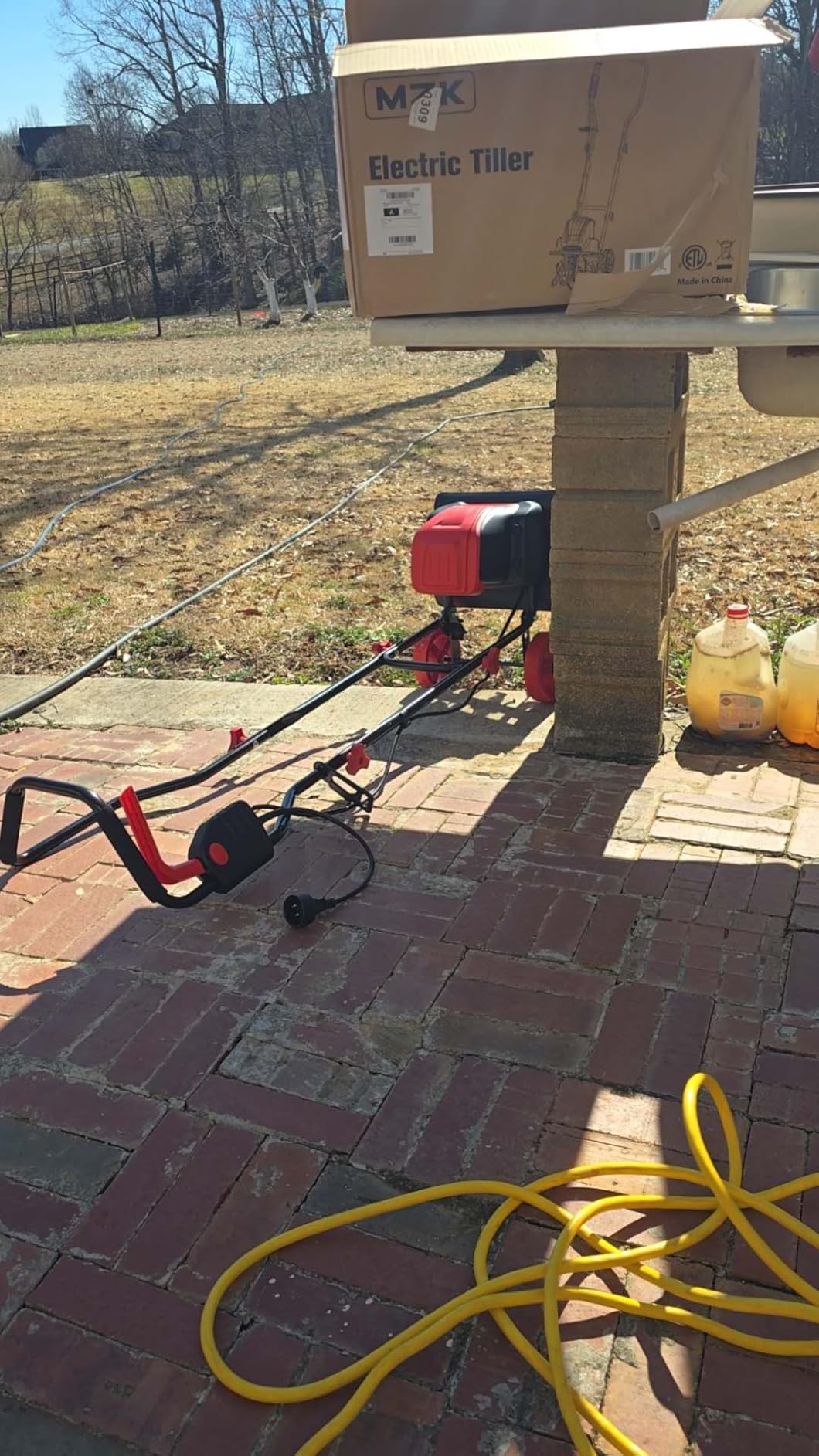
9. MZK 12 Inch 10.5-Amp – 430 RPM Speed at a Low Entry Point
MZK 12-Inch 10.5A Electric Tiller Cultivator,Garden Rototiller 8-Inch Depth
10-amp copper motor
430 RPM tine speed
12 inch width
8 inch depth
+ Pros
- Entry-level cost for a full-size electric tiller
- 430 RPM speed delivers quick soil turnover
- Light and quiet
- easy for older users to handle
- Compact enough for small storage spaces
- Cons
- Can surge forward when wheels are set for tilling
- Needs frequent tine clearing around 1 to 1.5 inch roots
- Requires arm strength if it catches a buried object
The number that makes this machine interesting for hard ground is 430 RPM. That is faster tine rotation than any other machine in this guide, including the corded models with larger motors, and reviewers consistently report that it genuinely moves soil, including red clay and rocky yards. Speed is not the same thing as weight, and this machine has neither, but it is fast enough to chip compacted ground rather than skate over it.
At the entry end of the market, that is a surprising amount of capability. Reviewers call it an exceptional value, and for a first tiller on a small plot with hard ground, it earns that description.
Surge forward is the behavior to expect
The most common complaint is that the machine can jump or advance too quickly when the wheels are set in the tilling position. At 430 RPM with a light frame, the tines generate more forward thrust than the machine can absorb, and the result is a sudden lunge that has to be controlled with your arms.
The fix is technique rather than a replacement. Start with the wheels raised so the tines barely touch, get a rhythm going, then lower them a notch at a time. Owners who do this report the machine tracking predictably through clay.
Roots and tine clearing
Reviewers report needing frequent tine clearing when cutting through roots between 1 and 1.5 inches thick, and needing arm strength to control the machine when it catches a root or a buried object. This is normal for a light electric tiller and it is the practical reason a heavy-gauge cord, gloves, and a clear mental map of buried obstacles matter before you start.
The 10-amp pure copper motor runs quiet and needs no gas or oil, which is why older users find this machine approachable.
Where this tiller falls short
There is no drive wheel and no weight behind the tines, so on the very hardest ground you are supplying all the force. The 430 RPM rotation compensates well on crust and moderately compacted soil, and it stops compensating on deep, wet compaction.
For a beginner on a small plot, this is a good way to learn tilling without a large purchase. For a large hard-clay project, it is not the machine I would pick.
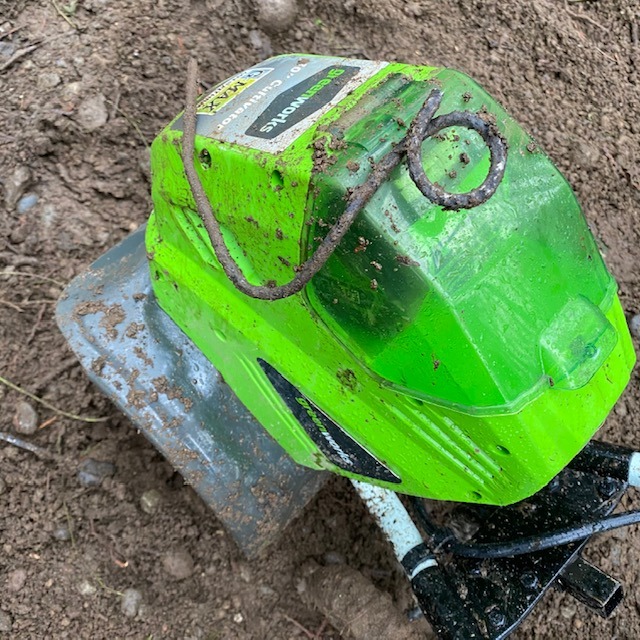
10. Greenworks 40V 10 Inch – Battery in the Box for Small Plots
Greenworks 40V 10″ Cordless Tiller / Cultivator, 4.0Ah Battery and Charger Included, Green
40V platform with 4.0Ah battery
Up to 45 minutes runtime
8.25 to 10 inch width
21 pounds
+ Pros
- Battery and charger included in the box
- Light 21 pound weight with 6 inch rear wheels for tight-space work
- No gas
- oil or emissions
- Three-year tool and three-year battery warranty
- Cons
- Narrowest tilling width in this group at 10 inches
- About 45 minutes of runtime limits large-plot work
- Less suited to very hard rocky clay than gas front-tine models
At 21 pounds with 6 inch rear wheels, this is the most maneuverable machine in the guide, and the complete package in the box is the reason owners are satisfied. The battery and charger are included, there is no gas or oil to store, and the three-year tool and battery warranty is the best coverage among the battery machines here.
Its limits are stated plainly in the reviews: the 10 inch width is the narrowest here, the runtime caps large-plot work, and it is less suited to very hard rocky clay than the gas front-tine machines. I include it because for a small hard plot, those limits are the right size of limitation.
Adjustable width from 8.25 to 10 inches
The width adjustment is a two-position setting that lets you narrow the swath for working between plants and open it up for open ground. On hard soil, the narrower setting reduces total resistance, which is a small but genuine advantage exactly when the machine is already working hard.
The 45-minute runtime on a 4.0Ah battery and a 120 minute charge time means roughly half a bed per charge, so plan the work around the packs rather than around the machine.
Why 21 pounds is both the strength and the limitation
Light weight is what lets you work between tight rows, lift into a car, and control in confined spaces with no fatigue. It is also what makes this machine bounce rather than dig on compacted ground. There is no way around that trade-off at this size.
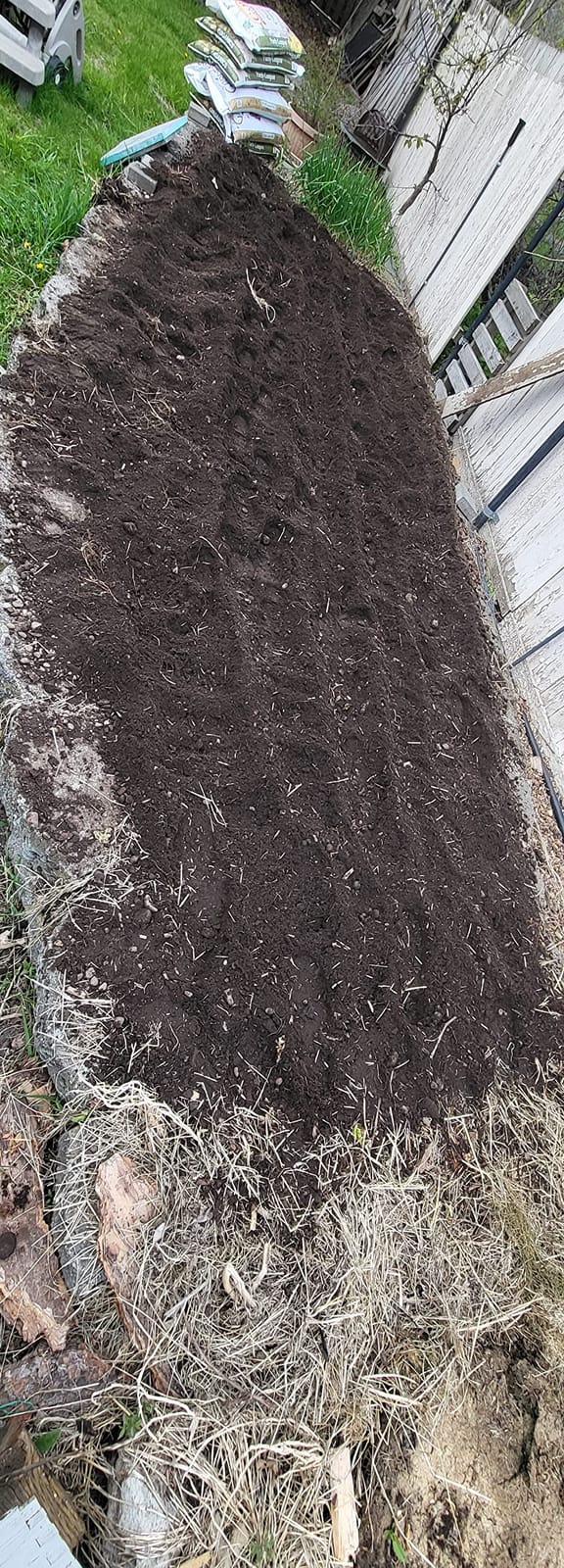
For a plot that has been walked on and needs loosening, with an already-worked section along the edge, the maneuverability wins.
Where this tiller falls short
Ten inches of width means more passes than anything else in this guide, and on hard soil passes are the expensive part. The 40V platform also produces less torque than the 48V machines here, which shows up as reduced performance on the stiffest ground.
For a large plot of compacted clay, this is the wrong tool. For a small bed that is hard in places, it is a clean, low-hassle answer.
How to Till Hard Clay Soil Without Making It Worse
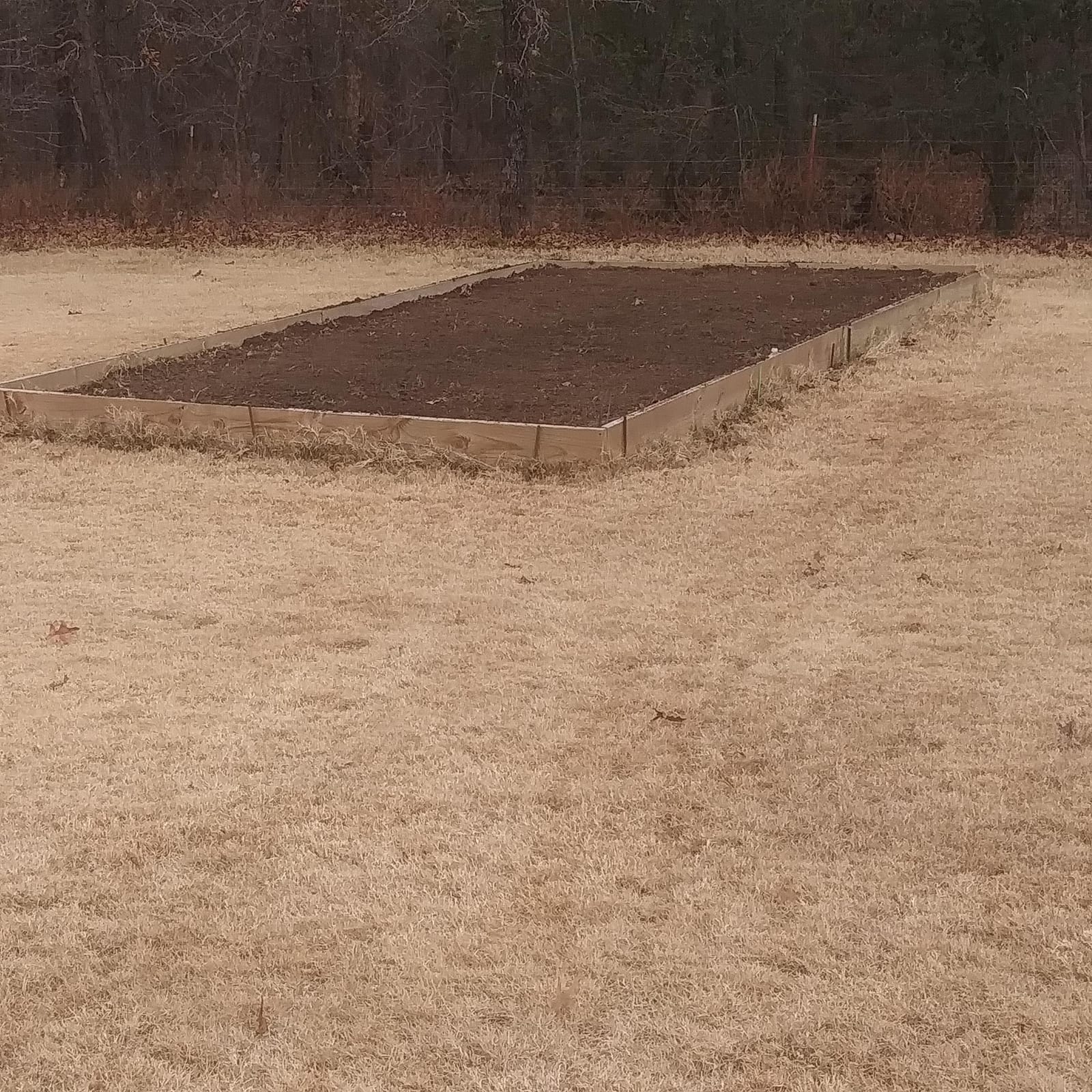
This is the sequence I use, and following it matters more than which tiller you own. Tilling wet clay is the single most common mistake, and it can leave a bed worse than the one you started with.
Step one is the one most people skip. Wait until the ground is dry enough to crumble in your hand. Take a handful of soil from a few inches down and squeeze it. If it forms a slick plastic ribbon, it is too wet. If it breaks into loose granules with a light squeeze, it is ready. Smearing wet clay spreads the compaction across the whole bed rather than relieving it, and the surface that dries afterward can be harder than the original ground.
Step two is to set the tines shallower than you think you need. Start with the drag stake or wheels one position up from full depth, make a pass, then lower one position and repeat. Machines bury themselves on the first pass and stall, and the instinct to force through is what makes people think their tiller is underpowered.
Step three is to work in rows rather than wandering. Set the width to full, keep a steady walking pace, and let the machine pull itself where it can. On forward-rotating machines in soil that will not yield, pull the tiller backward toward you so the tines cut toward you instead of pushing the machine away.
Step four is to manage the tines. Roots wrap around tine hubs, especially on the lower-speed battery machines, and every wrapped root multiplies drag. Stop and clear them rather than pushing through.
Step five is to lift the tines to travel position when you cross a path or lawn. Dragging tined blades over turf tears the grass and dulls the tines.
Step six is to finish the job. Leave the bed roughly level, walk the plot before and after with a narrow bed, and add compost or organic matter in a separate pass. Tilling does not add anything to your soil, it only makes room for what you add later.
How to Choose a Tiller for Hard Soil
Start with the class, not the size
A garden tiller, a rototiller, and a cultivator are usually the same machine described by its owner. The meaningful distinction is what the machine is designed to do. A tiller breaks ground to a depth of several inches. A cultivator works the surface layer of soil that is already loose. A broadfork is a manual tool that relieves compaction with leverage rather than rotation, and it is dramatically less destructive to soil structure than any powered tiller.
Counter-rotating tines are the specific mechanism that matters on hard ground, because they turn opposite to the wheels and drive the machine down into the soil instead of being pushed along it. Forward-rotating tines are standard and more affordable, but they need machine weight or operator force to stay engaged. Counter-oscillating tines, found on mini cultivators, move side to side rather than rotating, and they are the least effective of the three in compacted clay.
Match the machine to the actual ground
Compacted clay, no stones, plot larger than a few hundred square feet means a rear-tine or counter-rotating gas machine. The self-propelled drive and the weight are what make the difference, and this is the class that forum consensus names and that most roundups skip.
Hard ground with stones in it means a front-tine with forged steel tines and a low center of gravity that can lift over obstructions. A rear-tine with a gear transmission is more likely to be damaged by a rock jam, and one owner of the machine in this guide reported exactly that, with the damage not covered by warranty.
Already-worked beds that need loosening, compost incorporation, and weed control are the correct job for a corded or cordless electric machine. Expecting a 20 to 27 pound machine to break virgin clay is the mismatch that produces most disappointed owners.
Machine-compacted construction fill is none of the above. That is a different problem with a different answer.
Judge by torque, weight, tine speed and warranty
Horsepower headlines are the least useful number in this category. The four figures that predict hard-soil performance are engine torque or tine torque, machine weight, tine rotation speed, and how much of the tine width is driving the soil forward.
Weight is the single most useful one. Compare the numbers in the reviews above and you can see the pattern directly: the 154-pound machine and the 78-pound machine both dig into clay, and the 21-pound machine does not. Between 90 and 200 pounds is the range where compacted ground becomes manageable, and below about 30 pounds you should expect bouncing and the need for a pull-backward technique.
Tine speed explains the rest. 180 RPM machines are fine on worked beds and struggle on compaction, while 380 to 430 RPM machines chip crust much faster. Engine size matters mainly for fuel logistics: a 4-cycle engine runs straight gasoline with no mixing, and a 2-cycle engine means premixing fuel and oil every single time.
Driven rear wheels are the feature users most often underrate. A machine with one narrow drive wheel will not pull itself through clay the way one with a full-width or tandem drive wheel will, because the forward thrust is generated by the wheel diameter and width against the ground.
Fit the machine to the operator
Handle height and machine weight decide whether you will keep using the tool. Shorter users and anyone with back or shoulder problems should bias toward the lighter end and toward adjustable handlebars. The Mantis 7940 at 24 pounds and the TAZZ with four handlebar positions are both frequently praised by smaller-framed operators, and that is not a minor point in a machine that resists you.
The 154-pound Victory is the opposite case, and its three-position handlebar is what makes it manageable at all. On a wide open plot, weight is a feature. Between beds, it is a problem.
Know when renting is the better answer
If you have one hard plot and no idea whether you will ever do it again, renting is usually correct. A rental counter can provide a heavy rear-tine that you would not want to store for a decade, and the daily cost of a machine that solves the problem once is often less than the cost of a mid-range tiller used twice.
Ask for a self-propelled rear-tine by name, ask what depth it reaches, and ask whether the tines are counter-rotating. Those three questions separate a machine that will break your ground from one that will bounce across it.
When a tiller is the wrong tool entirely
If your soil is machine-compacted construction fill, a tiller is unlikely to be the answer. Forum discussions of this scenario describe even a four-tine broadfork failing to penetrate, and adding a powered tiller to ground that dense tends to produce exactly the bouncing and stalling that damages a machine’s reputation.
The better sequence for that ground is to break it up in vertical channels first, using a pick or mattock, a narrow spade, or a rented trencher-style tool, and then use a broadfork to lift and separate the loosened material. Once the structure is broken, a tiller can finish the job. Trying to do both steps at once is what produces a full weekend and a half-tilled plot.
Frequently Asked Questions
Will a tiller work on hard soil?
Yes, but only with enough torque, enough machine weight and tines that stay engaged. A light electric cultivator bounces along the surface of baked clay and breaks nothing. A rear-tine or counter-rotating machine with driven wheels buries itself to 10 inches. Wait until the soil is dry before you start, and set the tines shallower than you think you need on the first pass.
What is the best tool for breaking up hard soil?
For natural compacted clay, a self-propelled rear-tine or counter-rotating tiller, because the counter-rotating tines drive the machine down rather than being pushed along by it. For machine-compacted construction fill, a powered tiller is the wrong first tool, and the answer is a pick or mattock to break vertical channels first, then a broadfork, then a tiller to finish.
What is the difference between a tiller and a rototiller?
There is no real difference, and the terms are used interchangeably by most manufacturers. A tiller and a rototiller are both machines with rotating steel tines that break up and turn soil. A cultivator is the narrower tool, working only the surface layer of soil that is already loose rather than breaking new ground to depth.
Can you use a tiller on clay soil?
Yes, with two conditions. The soil must be dry enough to crumble rather than smear, because tilling wet clay spreads compaction instead of relieving it. And the machine must be heavy enough to stay engaged, so for clay you want a rear-tine, a counter-rotating design, or at minimum a mid-weight front-tine rather than a lightweight electric cultivator.
Should you till wet or dry soil?
Till dry. Take a handful from a few inches down and squeeze it, and if it forms a slick plastic ribbon it is too wet to work. Smearing wet clay pushes the problem across the whole bed, and the surface that dries afterward is often harder than what you started with. A light squeeze that breaks the clod into loose granules is the signal to begin.
Why not to use a tiller?
Four situations make a tiller the wrong tool. Machine-compacted construction fill, where you need a pick or mattock to open vertical channels first. Very stony ground, where a gear-driven rear-tine can take transmission damage that warranty excludes. Established perennial beds with heavy root networks, where tines sever roots and a broadfork lifts soil without cutting them. And paths, edges and turf, where a tiller is simply destructive.
How much horsepower does a tiller need for hard ground?
For compacted clay, roughly 99cc to 209cc of engine displacement, with a rear-tine or counter-rotating design preferred. What matters more than displacement is machine weight, because forward-rotating tines need mass or operator force behind them to stay buried. Below about 30 pounds, expect bouncing and the need to pull the tiller backward through the hard sections.
The Verdict on Hard-Soil Tilling in 2026
If you want the single best garden tiller for hard soil and you are not price-sensitive, take the Sun Joe TJ604E. A 4.6-star average across 16k+ reviews, with owners repeatedly reporting it working compacted clay to its rated depth, and the folding handle and 27-pound weight make it storable and movable. It is the safest recommendation in this guide because it is also the best documented.
If your ground is truly, deeply compacted clay rather than merely firm, the EARTHQUAKE Victory with counter-rotating tines is the machine that will actually get through it, and 154 pounds is the price of admission. If you have one plot and no intention of repeating the job, rent that class of machine instead of buying it.
If you have stony hard ground, take the TAZZ 35310, whose forged steel tines lift over buried stones rather than jamming a gear drive. If you have narrow beds and want gas torque in a frame you can lift with one hand, the Mantis 7940 is the answer, with the honest caveat that it is hard work on your arms.
If your beds are raised or already worked, the corded and cordless options here all do the job, and the choice comes down to outlet access and storage rather than power.
And if your soil is machine-compacted construction fill, start with a pick, not a tiller. Knowing when a machine is the wrong answer is worth more this season than any purchase you will make in 2026.