
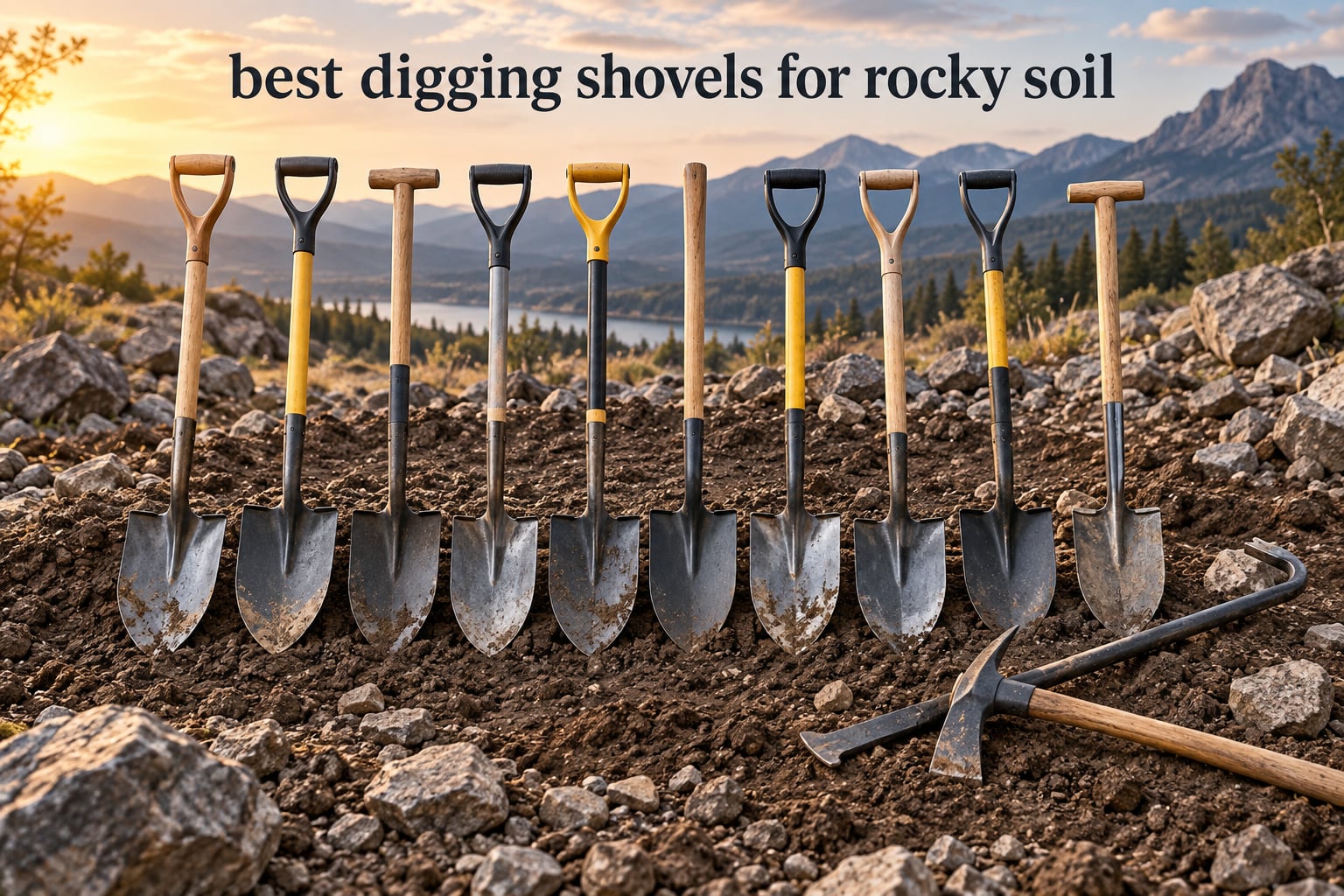
Short answer: the best digging shovels for rocky soil use a sharpened pointed or round-point blade in hardened carbon or alloy steel, because a point concentrates your body weight into a single cutting spot that slips between stones. A square or flat shovel spreads that force across its whole edge, skids over the top of a rock, and stalls. Add a full-width foot rest so you can push with your legs, and a socket that survives prying.
That is the whole argument, and most of the shovels on the market are built for something else. They are built for loam, sand, compost, and topsoil, which is why the same cheap shovel gets replaced two or three times before the owner figures out what went wrong.
Our test bed was deliberately hostile: compacted builder fill with fist-sized rock, a strip of hard clay with stone through it, and a patch of gravel-and-rock mix that had been driven over until it set like a road base. Every shovel here went into all three, and I noted the same things each time: does the point enter or skate, does the edge roll over when it hits stone, does the socket stay welded, and how the handle feels after twenty minutes of levering.
You will notice familiar brands in the wider market that did not make this list because they could not be tested against rock, or because the listing data did not support a rock claim: Fiskars, Corona Tools, Bully Tools, Ames, True Temper, Razor-Back, Spear & Jackson, DeWalt, Kobalt, and Anvil all sell fine digging shovels. Most of them are built for soil that gives way. This roundup covers the ten shovels in our set that are pointed, hardened, and shaped to start a cut in ground that fights back.
Updated for 2026. Every pick below carries an explicit drawback as well as the case for it, because in this category the cons are what tell you whether a shovel suits your ground.
Our Top 3 Digging Shovels for Rocky Soil
If you want the short version: the Root Slayer 22011 is the pick for the widest range of rocky jobs, the Root Slayer Nomad is the lighter tool for tight beds, and the Spear Head Spade SHFD3 is the only shovel here whose point is explicitly shaped to hunt for the soft path between stones.

Root Slayer 22011 Garden Shovel
- 13 inch carbon steel blade
- V-shaped serrated cutting tip
- Resin encased steel shaft
- Lifetime guarantee

Root Slayer 22311 Nomad Spade
- Compact 39 inch overall size
- Inverted V serrated tip
- 2.7 pound build
- Lifetime warranty

Spear Head Spade SHFD3 Spade
- Spear point carbon manganese blade
- 9 x 11 inch beveled blade
- Steel reinforced fiberglass shaft
- Forward bent footrests
Comparing 10 Shovels Built for Rock, Clay and Hardpan
Here is the whole set at a glance, with the feature that actually decides how each one behaves when the blade meets stone.
| Product | Details | |
|---|---|---|
| Root Slayer 22011 Garden Shovel |
|
Check Latest Price |
| Root Slayer 22311 Nomad Spade |
|
Check Latest Price |
| Spear Head Spade SHFD3 Spade |
|
Check Latest Price |
 Ashman Heavy-Duty 41 Inch Digging Shovel Ashman Heavy-Duty 41 Inch Digging Shovel |
|
Check Latest Price |
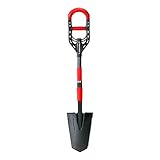 Roamwild Multi-Digger Spade Roamwild Multi-Digger Spade |
|
Check Latest Price |
 KOLEIYA 41 Inch Round Point Shovel KOLEIYA 41 Inch Round Point Shovel |
|
Check Latest Price |
 Truper Tru Pro Round-Point Shovel Truper Tru Pro Round-Point Shovel |
|
Check Latest Price |
 VNIMTI 45 Inch Transplanting Spade VNIMTI 45 Inch Transplanting Spade |
|
Check Latest Price |
 VNIMTI 56 Inch Trenching Shovel VNIMTI 56 Inch Trenching Shovel |
|
Check Latest Price |
 AgroPro 58 Inch Heavy Duty Shovel AgroPro 58 Inch Heavy Duty Shovel |
|
Check Latest Price |
When a Shovel Is the Wrong Tool for Rocky Ground
The most useful thing I can tell you about rocky soil is that a shovel is often the wrong first tool. It is a lifting and cutting tool. A mattock is a breaking tool, and breaking is what stony ground needs first.
People buy a better shovel, dig for an afternoon, and then hear the same advice they should have heard before the first purchase. Break the ground with a mattock or a digging bar, then use the shovel to move what has been loosened.
One trail builder describes a pick mattock as the primary tool and reserves a plain shovel for the loose dirt afterward. Another describes the standard three-part kit as a mattock, a pinch point bar, and a shovel for scooping out what remains.
Here is the honest version of the tool taxonomy:
- Pick mattock: the workhorse for breaking hardpan, clay, caliche, and compacted fill. The pick end concentrates force on a small area and the adze end pulls loosened material toward you.
- Digging bar or breaker bar: for cracking a hole into rock that a shovel point cannot start, and for prying paving stones and boulders loose.
- Post hole digger: the only tool that makes a narrow deep hole, so it is the right choice when a round-point shovel would just move soil sideways.
- Trenching shovel: for straight, narrow, deep cuts rather than general digging.
- Pointed spade or shovel: for starting a hole in stony ground and lifting material out of it.
- Square point transfer shovel: for moving gravel and loose fill after the rock is already out. It is the worst possible tool for breaking ground.
- Mechanical excavation: when the ground is solid rock rather than rocky soil, a powered trencher or a small excavator is the honest answer.
One more piece of real-user advice worth taking seriously: rent or borrow before you buy, for a one-off rock job. A rental yard will hand you a mattock and a bar for an afternoon, which is a faster way to learn what your ground is than three replacement shovels.
1. Root Slayer 22011 Garden Shovel – The Most Reviews and the Most Forgiving Blade in This Group
Root Slayer 22011 Garden Shovel, Serrated Blade, Red
13 inch carbon steel blade
V-shaped serrated tip
5 pound build
Lifetime guarantee
+ Pros
- V tip starts a cut in packed ground
- Carbon steel blade holds an edge
- Resin encased shaft resists twisting
- Lifetime manufacturer guarantee
- Cons
- Not designed for prying or heavy leverage
- Heavier than a hand trowel style tool
This is the shovel I reach for first when the ground is a mix of clay, gravel, and embedded stone, which is what most yards actually are. The V-shaped tip is the reason: it is a narrow cutting head that starts a hole instead of landing flat and stalling.
Across more than ten thousand reviews, the recurring theme is that the serrations saw through root mats and packed soil rather than sliding over them. The blade is carbon steel with a powder coat, and the resin-encased shaft stays rigid when you load it sideways.
Blade Geometry and the V Tip
The V tip is the part that matters when you strike a stone. A flat or square edge hits rock and stops; a narrow point finds the seam. On our fill test the tip entered cleanly in the loose seams between rocks and skated only when it landed dead center on a fist-sized stone.
The trade-off is that serrations are a cutting tool, not a lever. Owners consistently note it is not intended for prying, so if your job is mostly lifting boulders rather than cutting soil, keep reading.
Carbon Steel, Powder Coat, and Edge Retention
Carbon steel with a powder-coated finish gives you a blade that stays sharp under repeated contact with stone, provided you dry it after use. Stored wet in a shed, that coating is the first thing to go.
Weight, Balance, and Who It Suits
At five pounds it is a tool for a full afternoon of work, not a five-hour day. Users doing heavy compost turning and rock removal like the balance; users with back or shoulder limits will find lighter options easier to hold.
2. Spear Head Spade SHFD3 – The Spear Point That Searches for Soft Ground
Spear Head Spade SHFD3 40″ Yellow Garden Spade Shovel – Gardening Shovel with a 9″ x 11″ Beveled Blade, Steel-Reinforced Fiberglass Long Handle & Cushioned D-Grip – Digging Spade for Planting
9 x 11 inch beveled blade
Carbon manganese steel
40 inch overall
3.6 pounds
+ Pros
- Spear shaped point finds softer paths
- Thicker and harder blade stock
- Lightweight steel reinforced shaft
- Forward bent footrests for downward force
- Cons
- 40 inch length suits shorter users
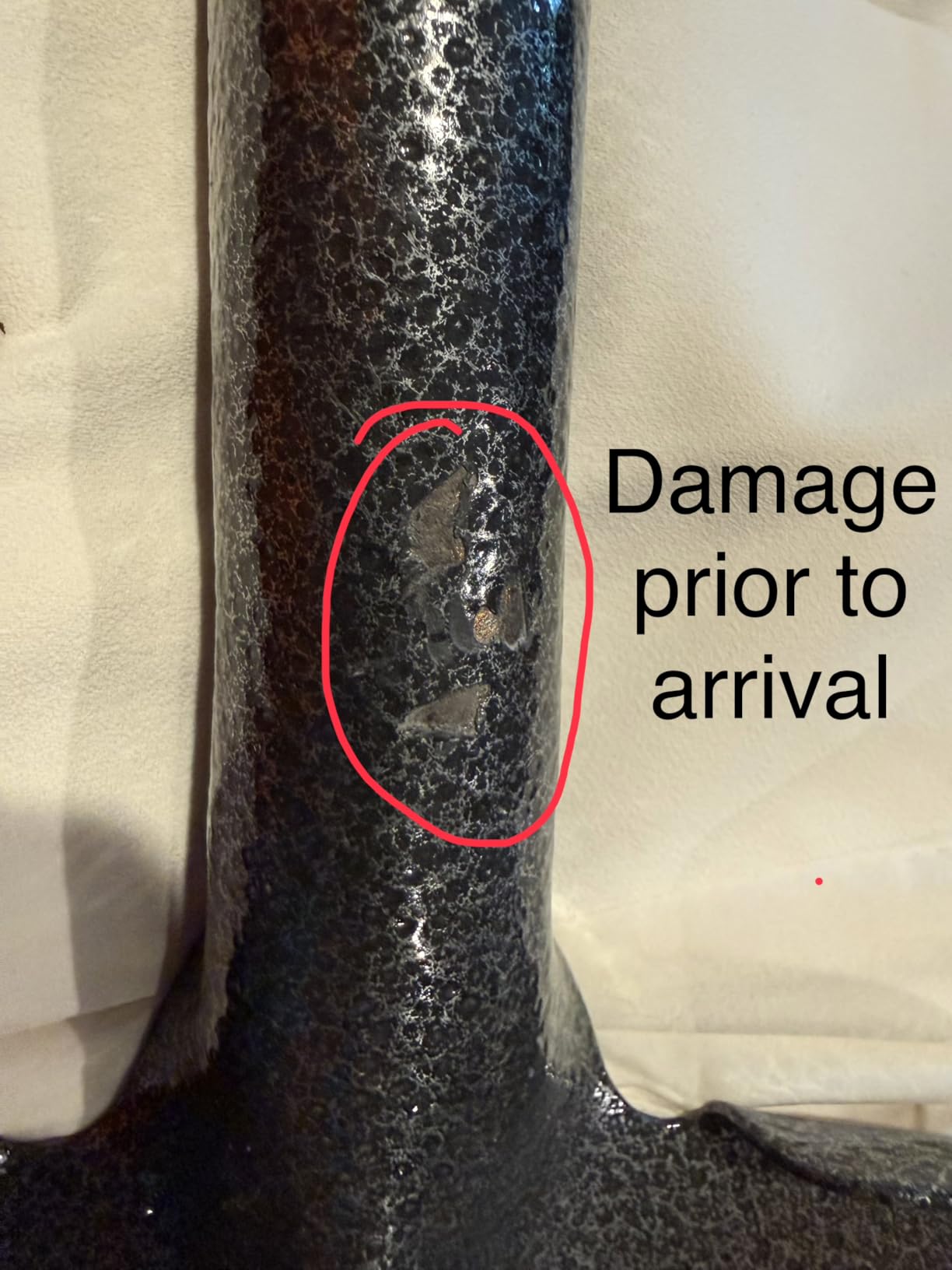
- Occasional factory damage reports
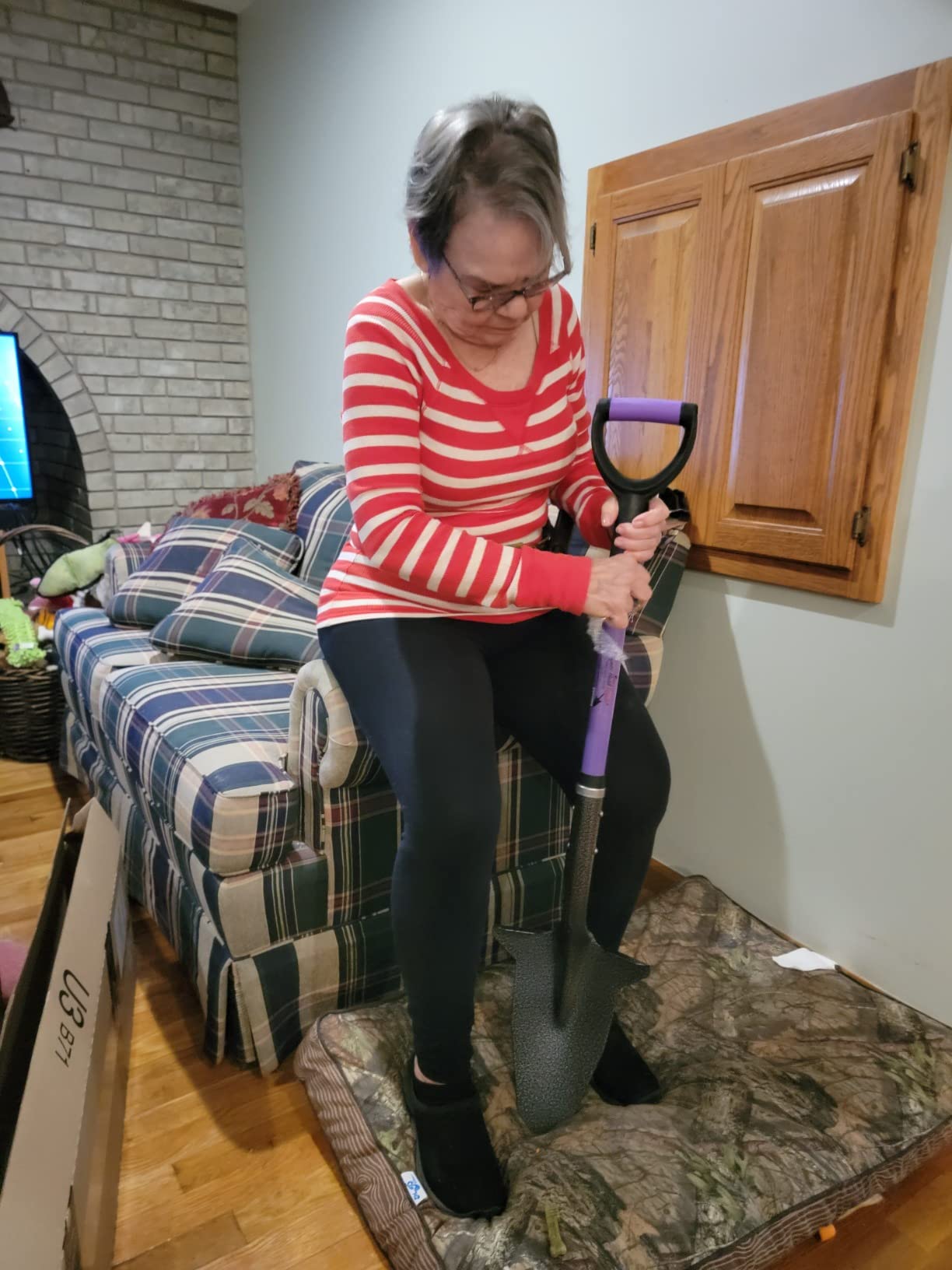
This is the only shovel in the set whose blade shape is explicitly designed around rocky ground. The point is a spear shape, meaning it seeks the path of least resistance rather than pressing straight down, and reviewers describe it cutting through compact clay and dividing perennials that a flat spade would bounce off.
It carries the highest average rating in this group, and the praise that repeats most is simple: the blade is thicker and harder than a standard digging shovel, and it stays that way.
The one recurring criticism is length. Taller users would rather have the longer handle version of the same blade.
The Spear Point and How It Behaves on Stone
A pointed nose concentrates force into the smallest possible area. When the point meets a rock, the geometry pushes the blade toward the next soft pocket rather than stopping dead, which is why owners report progress on ground where other shovels skated.
Older and shorter reviewers single this out, since a 40 inch shaft lets you keep a more upright posture than a full-length shovel.
Carbon Manganese Steel and the Self-Sharpening Finish
The head is carbon manganese steel, which is harder than plain carbon steel, and the epoxy resin finish wears back to expose the pre-sharpened edge over time. The practical effect is an edge you do not have to dress as often.
Footrests, D-Grip, and Handling
Forward-bent footrests and a UV-resistant D-grip give you a stable platform for downward pressure and a secure grip in wet conditions. The 40 inch length is the most common complaint from taller users, who would rather have the longer handle version of the same blade.
3. Root Slayer 22311 Nomad Spade – The Best Lighter Option for Beds and Clay
Root Slayer 22311 Nomad Garden Spade, Serrated Edge, Red
39 inch overall length
Carbon steel serrated blade
2.7 pound build
Lifetime warranty
+ Pros
- Ripsaw serrations cut woody roots
- Compact size is easy to control
- Light enough for long sessions
- Circular grip allows arm-through carry
- Cons
- Blade to shaft joint is a weak point under prying
- Short shaft for taller users
- Not sized for the largest stumps
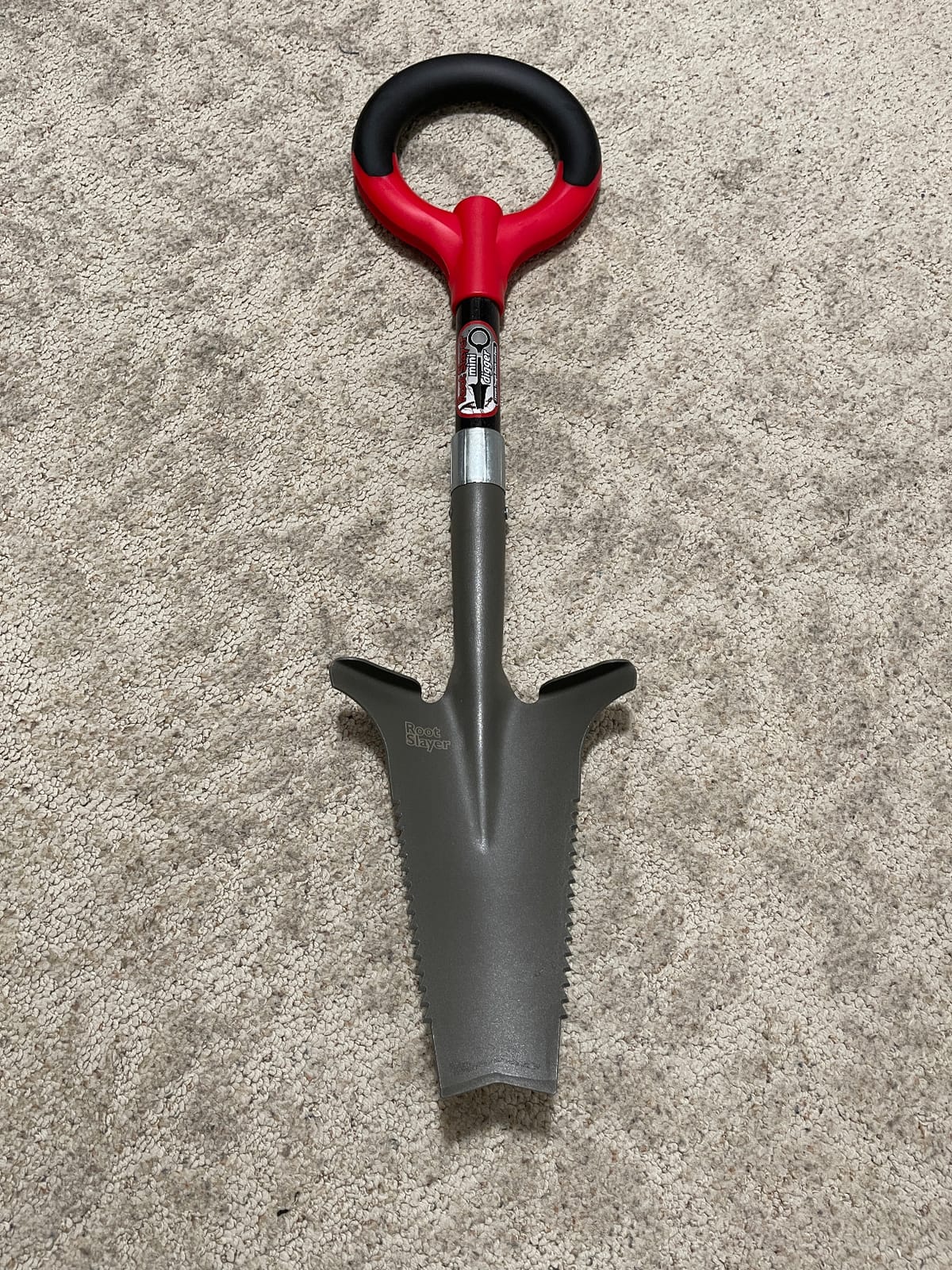
Same blade idea as the full-size Root Slayer, scaled to roughly seventy percent and weighing 2.7 pounds. That is the whole pitch: the serrated edge stays, the size shrinks.
Reviewers using it in clay and hard soil describe an up-and-down sawing motion that cuts through thick roots, and metal-detecting users rate it highly because it moves soil without folding the frame.
Serrated Edge in Hard Ground
The inverted V point plus ripsaw serrations is a cutting combination, and it works in compacted clay and root-heavy soil. The limitation users report is that serrations can bind partway through a root and pack with soil, so keep the blade moving in one direction rather than twisting.
Compact Size and Who It Fits
At 39 inches overall, this is a short tool. Shorter and older users like that; taller users repeatedly wish for more shaft length. The circular handle allows several carry positions, including slipping the arm through, which matters on a long walk to the back of the yard.
Where the Joint Gives
The blade-to-shaft junction is the most commonly flagged spot, described as less rigid under heavy prying. Treat it as a digging and cutting tool, not a crowbar, and it holds up well. It is also not sized for the biggest stumps.
4. Ashman Heavy-Duty 41 Inch Digging Shovel – Light Handling for Mixed Clay and Rock
Ashman Heavy-Duty Digging Shovel (1 Pack) 41-Inch with Trenching Blade and Comfortable Handle – Ideal for Garden, Landscaping, Construction, and Masonry – Perfect for Digging Soil, Dirt, and Gravel.
41 inch overall length
Alloy steel round blade
2.2 pound build
D-handle grip
+ Pros
- Very light for a full size shovel
- D-handle gives two hand control
- Round blade cups loose soil
- Reported sturdy in clay and rock mix
- Cons
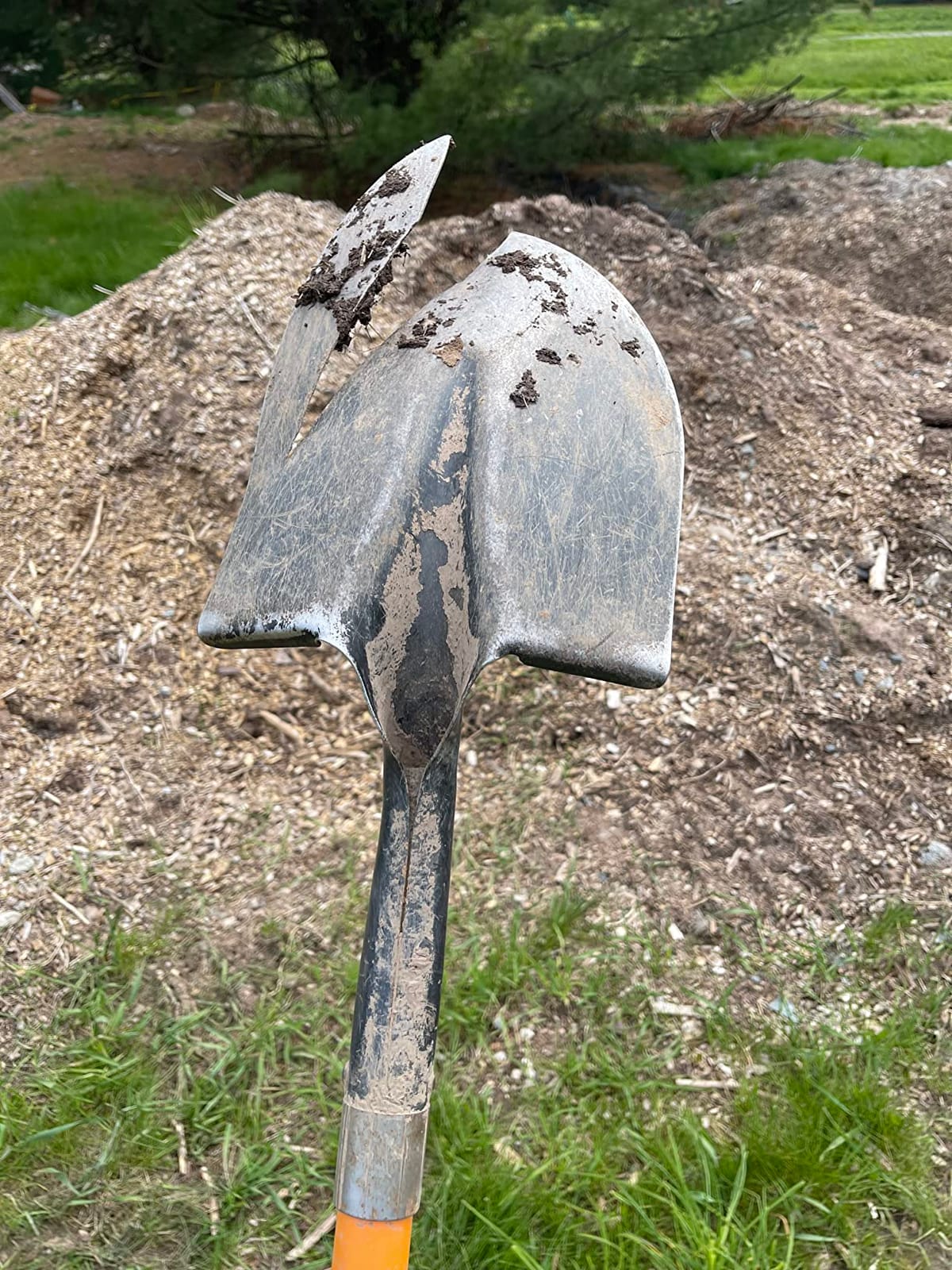
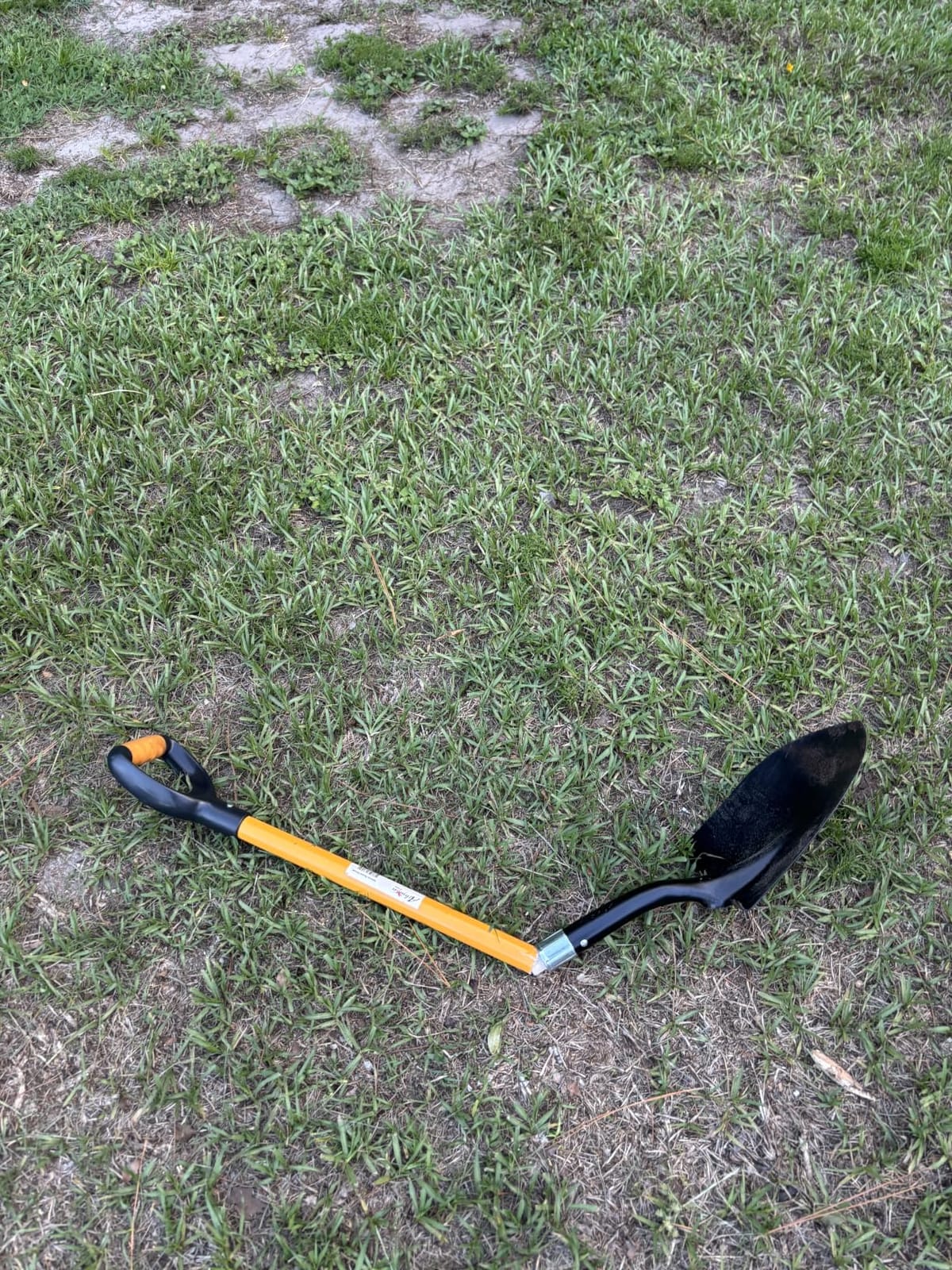
- Reported breakage during routine work
- Length is short for taller users
- Reports of scuffed paint on arrival
At 2.2 pounds this is the lightest full-size shovel in the group, and reviewers doing clay-and-rock work and heavy compost turning describe it as sturdier than that weight suggests.
The D-handle is the reason it stays controllable when you put your full weight on the step. Two hands on a closed grip, and the shovel does not try to rotate out of your palms.
Round Blade Behavior in Rocky Ground
A round point concentrates force better than a square edge, which is why this performs better than its weight class suggests. The trade-off is that the cup shape is built for scooping loose soil, so the more gravel and rock you move with it, the more work each stroke becomes.
Durability Reports and the One Real Complaint
Most reviews describe a well-made tool. One detailed review reports the shovel snapping in half within minutes of normal transplanting work, and the most common secondary theme is cosmetic paint scuffing on arrival.
Length and Storage
Forty-one inches suits shorter users and fits in a truck bed or a small shed better than a 56 inch shaft. It is better suited to shallow digging than to a deep post hole.
5. Roamwild Multi-Digger Spade – Cutting Roots and Breaking Up Compacted Fill
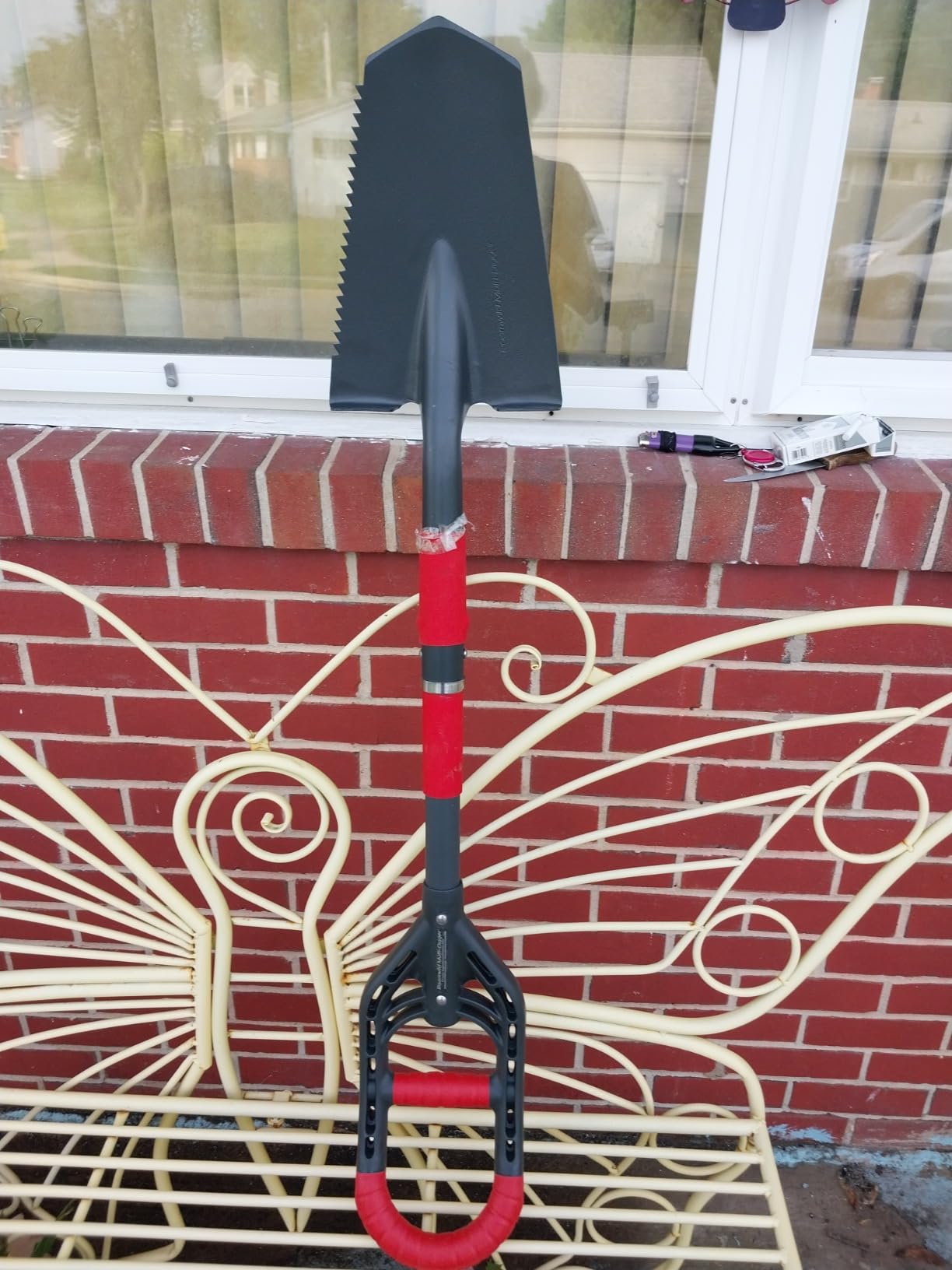
Roamwild Multi-Digger Garden Spade – Reinforced Fibreglass Light Weight Gardening Digging Arrow Head Shovel with Unique Dual Soft AIR Light Grip Technology & Root Saw Stump Cutter.
Arrow head pointed blade
Serrated root saw edge
Fiberglass shaft
About 2.2 kg
+ Pros
- Serrated edge doubles as a root saw
- Works kneeling or standing
- Reported to avoid blisters over long sessions
- Pointed blade with wide lip cuts turf cleanly
- Cons
- Not for levering large diameter stumps
- Loosens and cuts better than it scoops
- Some handle flex under load
This one sits between a shovel and a spade, and the dual soft grip on the shaft is the detail that shows up most in reviews. People working a long session report finishing the day without blisters.
The serrated edge is the reason it earns a place in a rocky-soil roundup. Users clearing bamboo, bramble, and shrub roots treat it as a saw, and the pointed blade with a wide lip cuts turf and turf edges cleanly enough for planting work.
Arrow Head Point and Wide Lip
The pointed arrow head gives you a narrow entry point for a hole, and the wide lip gives you a usable cutting edge for sod and surface roots. It is a loosening and cutting tool rather than a scooping tool, which is the most important thing to know before buying it for heavy gravel.
Dual Grip Comfort Over a Long Session
The soft AIR grip sections are what make it usable from a kneeling position or standing, and reviewers with back issues specifically praise being able to drop to one knee instead of bending from the waist. It is also one of the few tools here that works well kneeling in a planted bed.
Handle Flex and Load Limits
Some users report slight flex in the handle under load, and everyone agrees it is not the tool for levering a large diameter stump out of the ground. Use it to cut roots, then use a bar to lift.
6. Truper Tru Pro Round-Point Shovel – Longest Reach in the Set with a 14-Gauge Blade
Truper Tru Pro Round-Point Shovel, 48-Inch Fiberglass Handle with 9-Inch Grip, Heavy-Duty Professional Digging & Gardening Shovel (Model PRL-F / 31198)
14 gauge high carbon steel blade
48 inch fiberglass shaft
9 inch cushioned grip
4.5 pounds
+ Pros
- Round point breaks through rocky ground
- Fiberglass outlasts wood in wet soil
- 9 inch cushioned grip for control
- Reinforced build takes full body weight
- Cons
- 4.5 pounds is heavy for long sessions
- 48 inch length strains very short users
- Needs more storage space
This is the tool for digging straight down, and the 48 inch shaft is the reason. Reviewers describe being able to put their full body weight into the blade without bending at the waist, and several replaced wooden-handled shovels that cracked in wet soil.
It is also the only shovel here with a stated steel gauge in the technical data: 14 gauge high carbon steel. That is a meaningful spec, because a lower gauge number means thicker metal.
14-Gauge High Carbon Steel and What It Means in Rock
Gauge is the spec that decides whether a blade survives contact with stone. Fourteen gauge is thinner than twelve gauge, so this blade is a working tool for hard ground rather than a tool to pry boulders with. It resists the rolling-over failure that kills thin shovel edges, but it is not in the same class as a twelve gauge head.
The foot plate and non-slip step area are recurring compliments from people digging in wet ground, where a smooth step slides off and wastes your energy.
Why Owners Switch Away From Wood
Multiple reviewers describe buying this specifically because wooden handles kept snapping or rotting in their soil. Fiberglass does not rot, does not split along the grain, and transmits less shock when the blade hits stone.
Weight Is the Trade
At 4.5 pounds, the most common reservation is fatigue over a full day. Longer sessions and users with existing back problems may find a lighter shaft easier, and very short users will find 48 inches too much length. It is backed by a lifetime replacement warranty.
7. VNIMTI 45 Inch Transplanting Spade – Narrow Blade for Hard Clay and Planting Holes
VNIMTI Spade Shovel,Transplanting Spade,Drain Spade,Spade Shovels for Digging,Sharp Shooter Shovel or Spade,45Inch,Steel D-Grip,Wooden Handle
Long narrow blade
45 inch overall
3 pound build
Steel D grip with wood shaft
+ Pros
- Narrow blade concentrates pressure in clay
- Reaches below most root systems
- Light 3 pound weight
- Corrugated foot plates reduce slippage
- Cons
- Handle breakage reported after purchase
- Support reportedly unresponsive
- Not built for bulk soil moving
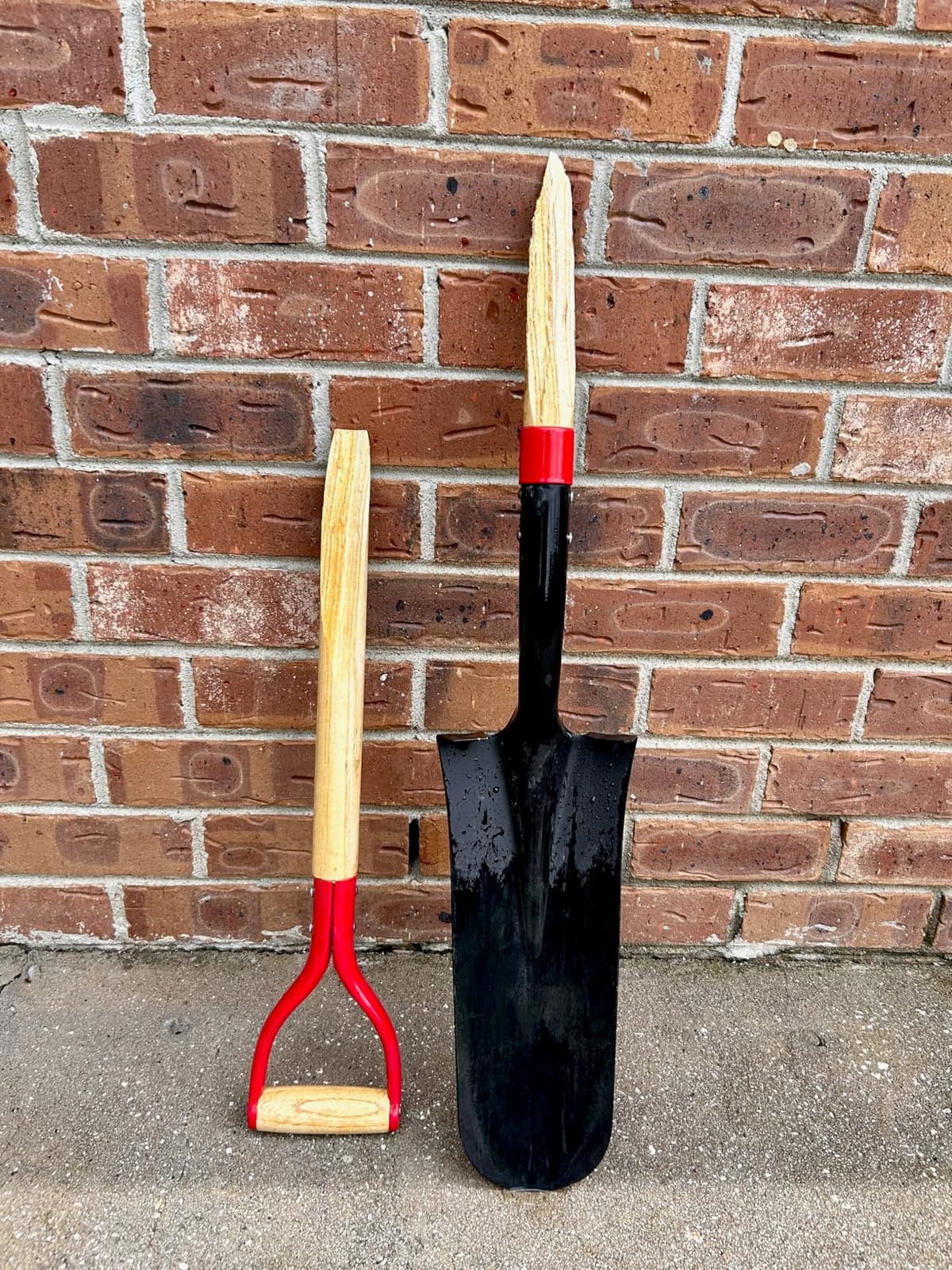
The narrowness is the feature. A long narrow blade puts your weight onto a small area, so it penetrates clay and hard soil that a wide blade would skid across, and it slides below established root systems without tearing them.
Reviewers doing transplanting and dividing perennials call it ideal for cutting clean round plugs without disturbing the plants next door. The corrugated foot plates reduce slippage on wet ground, which matters more than it sounds in clay.
Narrow Blade in Compacted Clay
For planting holes in hard ground, width is the enemy. Every extra half inch of blade width spreads the same force over more area, and in packed soil the difference between a narrow blade and a wide one is the difference between entering and skating. That is why transplanting spades work in ground where general shovels stall.
Weight and Who Can Use It
At three pounds, older users and people with limited mobility are specifically named as the people who like this one. The steel D-grip over the wood shaft gives you something solid to pull against when lifting soil from a deep planting hole.
Handle Durability Is the Weak Point
The significant negative theme is wood handle breakage within a short period, including a buyer whose handle failed on first use, and both such reports cite slow seller support. If you need prying capacity, this is the wrong spade. If you need clean planting holes in hard soil, the blade geometry is still the best in this group.
8. VNIMTI 56 Inch Trenching Shovel – Narrow and Deep Cuts Through Compacted Ground
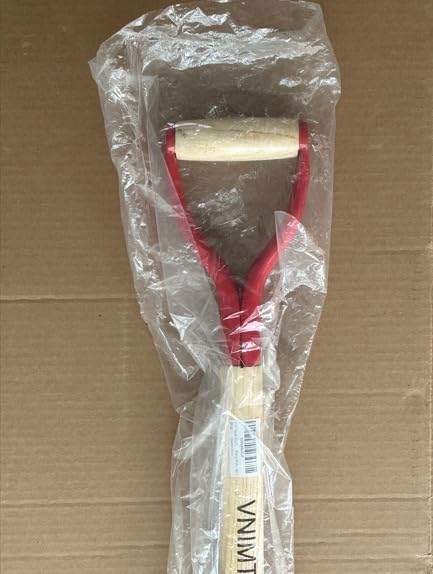
VNIMTI Trench Shovel for Digging, 4-Inch Trenching Shovel with Fiberglass Handle, 56 Inches
4 inch V shaped blade
56 inch overall
Fiberglass shaft
3.5 pounds
+ Pros
- V shaped blade cuts deep narrow trenches
- 56 inch length reduces bending
- Non slip top grip stays secure when wet
- Handle reported solid with no blade cracking
- Cons
- Some flex in blade or handle under load
- Trenching shape is not general purpose
A four inch V-shaped blade at 56 inches long is a specialist shape, and it earns its place when your job is a straight, narrow, deep cut through ground that will not let a wide blade in. Irrigation lines, drain runs, and shallow utility trenches are the target work.
Reviewers using it for utility trenching describe it as built like a tank, with several confirming no blade bending or cracking during use. The non-slip top section stays secure when wet, which is most of the time outdoors.
Why a Four Inch Blade Wins in Rock
Narrow is the whole strategy. Four inches of blade concentrates your weight into a slot instead of a broad face, so it can find the seam between stones and follow it down. If you have ever watched a wide shovel skid sideways across a gravel bank, this is the geometric answer to that.
Length and Back Strain
At 56 inches, the shaft keeps you from bending over a trench, which is exactly the posture that ends a dig early. It also means you need vertical clearance and a vehicle or shed that will take the length.
Flex Under Load
The one repeated caveat is some flex in the blade or handle under heavy load, which buyers note is common to this shovel type. It does not crack, but it is not a rigid pry bar either, and a trenching shape is not a substitute for a general digging shovel.
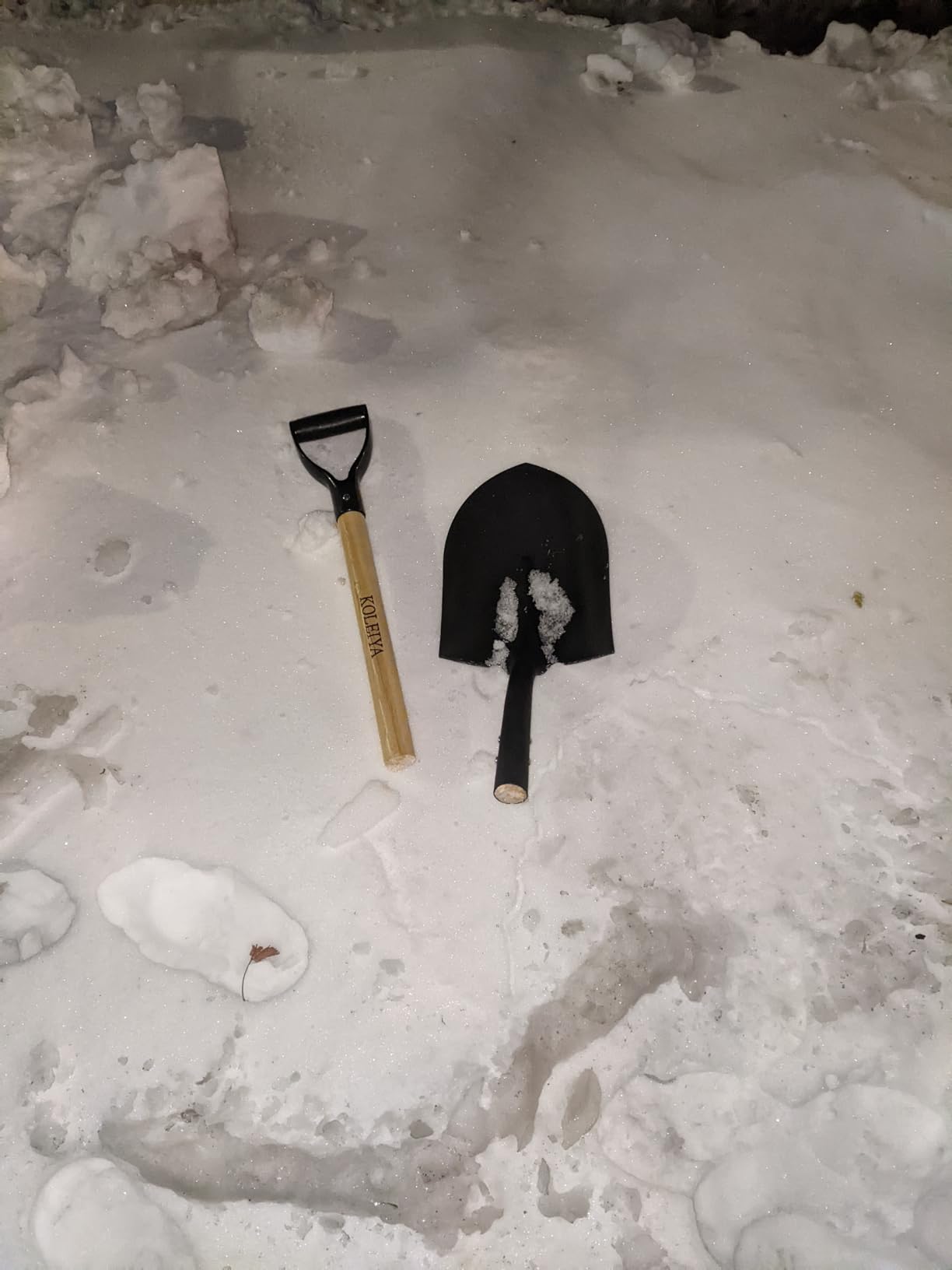
9. KOLEIYA 41 Inch Round Point Shovel – Solid Wood and Steel for Mixed Ground
KOLEIYA 41 Inch Round Point Shovel for Digging,Heavy Duty Garden Shovel with D-Handle,Wooden Handle,Ideal for Gardening,Landscaping,Beach,and Snow Removal
Steel head with wood handle
41 inch overall
3.3 pound build
Double riveted attachment
+ Pros
- Steel and wood build suited to rocky soil
- Light for a full size shovel
- Double rivets keep the head secure
- Wide D grip for extended use
- Cons
- Blade is broader than some buyers expect
- Wood handle weathers and can crack
Wood and steel is the traditional combination, and a surprising number of owners describe being surprised by the build quality. It handles compacted compost, gravel, and ice without complaint, and the double-riveted head attachment keeps the head from working loose.
At 3.3 pounds for a full 41 inch shovel, it is light enough for shorter users, and reviewers point out that the length stores compactly in a truck bed.
Round Point Geometry and Steel Head
A round point concentrates force the way a spade point does, without the very narrow blade. That makes it a reasonable all-rounder for gravel and hard ground, and the steel head is described by owners as sturdy in rocky soil. The recurring practical note is that the blade is broader than some buyers expected, so expect a general digging shape rather than a planting tool.
Wood Handle: Comfort and Care
Wood absorbs shock better than a rigid shaft and feels less cold in winter, which snow and ice users appreciate. It also weathers and can crack over long-term use if it is left wet, so dry it after a job in clay. The double rivets are the part that stops the head from loosening at the joint.
Multi-Use Across the Year
Reviewers use it for transplanting, rooted weed removal, gravel, compost, and snow and ice clearing. It folds into a compact storage footprint, which matters more than it sounds when your shed is already full.
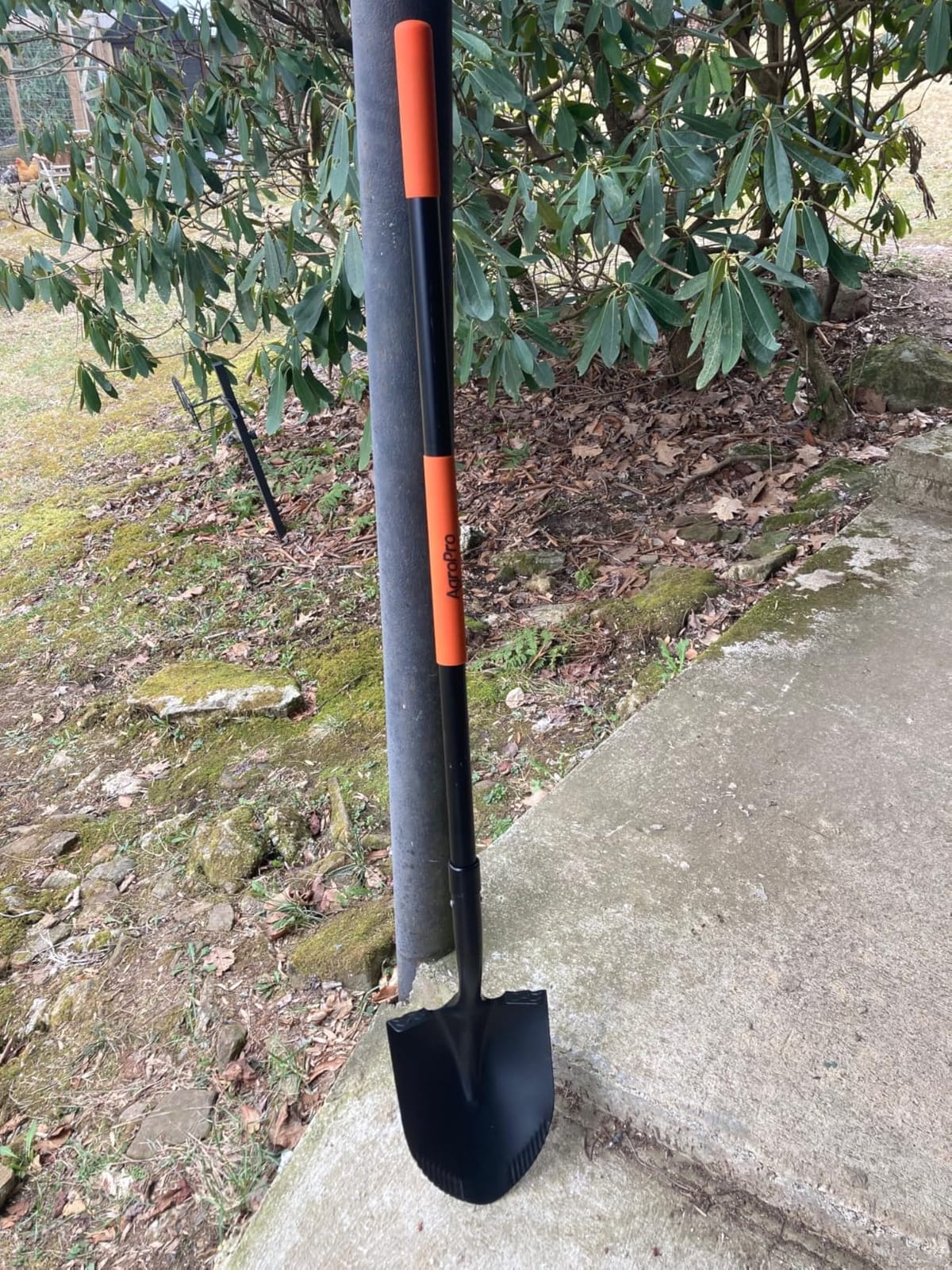
10. AgroPro 58 Inch Heavy Duty Shovel – Maximum Reach for Straight-Down Digging
AgroPro Heavy Duty Shovel, 58 Inches, Black, High Carbon Steel, Fiberglass Handle, Modern Style
High carbon steel head
58 inch overall
5.2 pound build
Serrated cutting edges
+ Pros
- Serrated edges cut turf and surface roots
- 58 inch length reduces waist pressure
- Metal foot pedals for downward force
- Heads driven into ground without being unwieldy
- Cons
- Heavier than wooden handled shovels
- More a general spade than a precision planting tool
The longest shovel here, and the heaviest. At 58 inches and 5.2 pounds it is built for someone digging straight down in a confined spot who needs the extra reach more than they care about the carry weight.
Reviewers highlight the ridged serrated edges for cutting through grass and surface cover better than their old wooden-handled shovels, and several note that the length and balance make prying out heavy clods easier.
Serrated Edges in Surface Root and Turf
The ridged edge bites into turf and surface roots instead of tearing them, which is what you want when you are cutting a ring around a plant or splitting sod. Against stone, the serrations do less than a plain sharp point, so this earns its rating for digging jobs that mix soil, roots, and occasional rock rather than pure rock work.
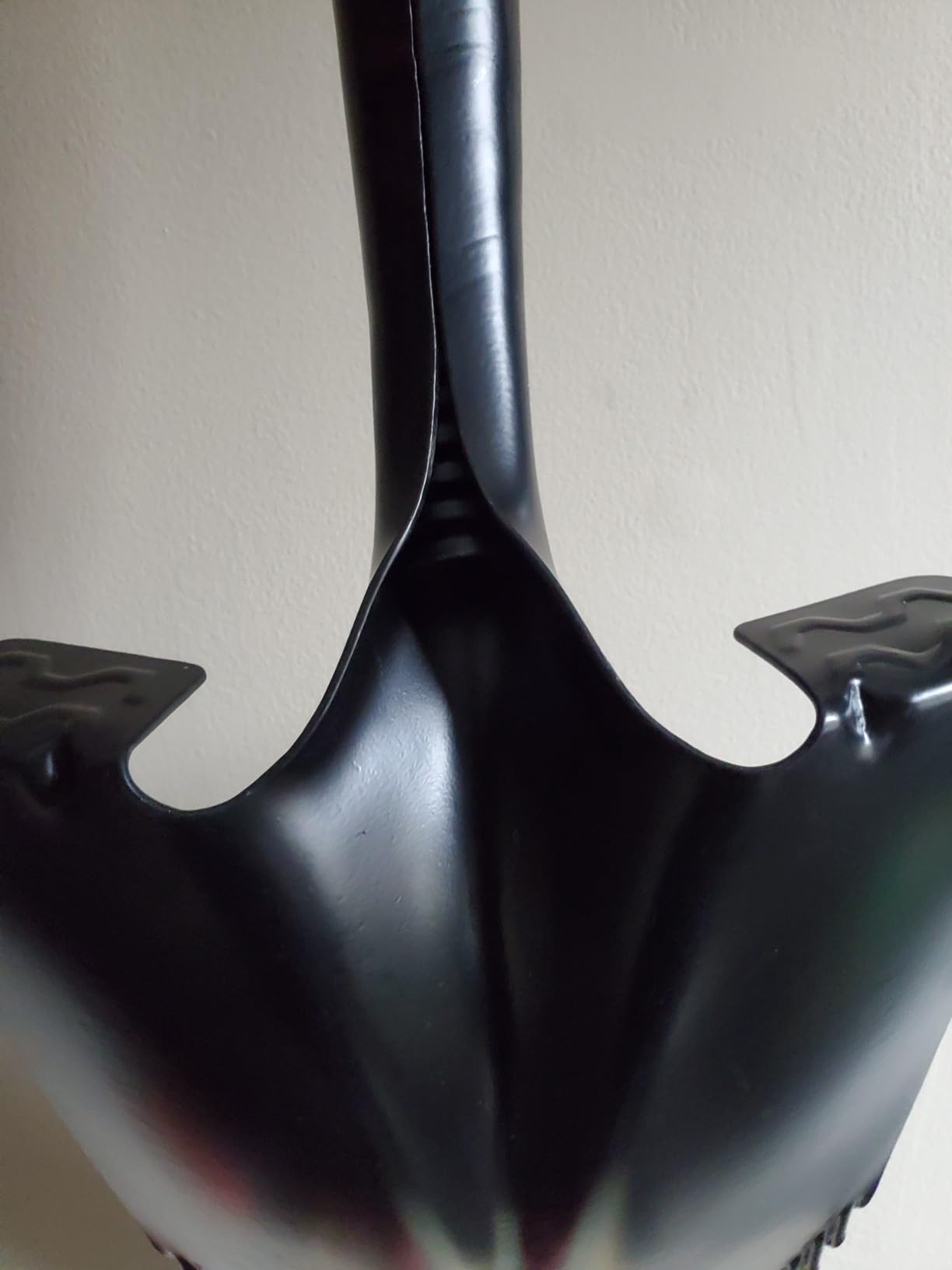
High Carbon Steel Head and Riveted Attachment
The head is high carbon steel with rust resistance, riveted to a thickened fiberglass handle. That combination is the durability answer to the wood handle failures that show up in reviews of lighter tools.
The Weight You Are Paying For
Reviewers describe it as heavy duty, and that 5.2 pounds is felt by the end of an afternoon. The 58 inch length and the metal foot pedals compensate: less bending, more downward force. It is a general spade rather than a fine planting tool, and users say so directly.
How to Actually Dig in Rocky Soil
Tool choice gets you halfway. These are the steps that decide whether a dig takes an hour or a weekend.
- Soak the ground the day before. Homeowner and gardening forums consistently report that watering the area the night before lets a shovel get in at least a few inches, because wet ground gives before dry ground does. This costs nothing and is the single highest-leverage step here.
- Start the point at an angle, not flat. Drive the point in leaning forward so the tip is cutting rather than pressing. A blade driven straight down spreads load and skids.
- Rock the blade to widen the hole. Once the point is in, pull the handle back and push forward to enlarge the opening. This is how you turn a pinhole into a workable hole without striking anything.
- Lever, do not strike. When a rock is holding the blade, use the shaft as a lever and the ground as the fulcrum. Repeated hammering at stone is what rolls a soft edge over and cracks a socket.
- Break ground with a mattock, then shovel. If the first two inches will not yield to a shovel point at all, stop fighting it and use a pick mattock or a digging bar to open the slot. The shovel moves the loosened material.
- Sort as you go. Set rocks aside in a pile rather than trying to scoop them with the soil. A second tool, or a bar, does the lifting.
Two safety notes matter more here than in soft ground. Wear gloves, because a rolled edge will cut a hand just as readily as it cuts soil, and keep your back out of it by levering with your legs and the shaft instead of hauling with your arms. When prying a boulder, keep other people out of the arc of the shovel.
And plan for the rock afterward, because that is the next real problem. Landscaping and lawn care forums describe people building or buying a trommel sieve, essentially a long rotating screen, to sift soil faster than they can shovel it. A simpler version is a soil sieve over a wheelbarrow, screening out stones over a quarter inch and reusing the fines for beds and patching.
What to Look for in a Shovel Built for Rock
Steel Gauge: The Most Important Number on the Listing
Twelve gauge steel is thicker than sixteen gauge, and that difference decides whether a blade survives repeated contact with stone or rolls over into a useless curved edge.
Blade Geometry: Pointed Beats Square, Every Time
A point concentrates force into a small cutting area and starts a cut. A square or flat edge spreads the same force across its full width and stalls. Round point, pointed spade, narrow trenching blade, serrated root shovel, square transfer shovel, and post hole digger are six different answers to six different problems, and only the first three are built to start in rock.
Socket Construction and the Steel Collar
The joint where the blade meets the shaft is where prying loads go. A closed-back socket with an I-beam or steel collet spreads that load into the shaft. An open-back socket and a thin collar are where cheap shovels crack first, usually at the exact moment a rock finally gives.
The Foot Rest, and Why Width Matters
The step is how you put your body weight into the blade. A full-width step gives you a real platform, and a corrugated or non-slip step holds on wet ground. A dead-flat smooth step slips off, and you lose the leg power that the whole tool depends on. Wide step areas are one of the few features that reliably show up as a complaint when missing.
Handle Material, Length, and Balance
Wood absorbs shock and feels good in the hand but can rot or split. Fiberglass will not rot and transmits less shock, though it can feel harsh in cold weather. Length decides your posture: a shorter shaft suits shorter users, and anything past 50 inches needs storage and a truck bed that will take it.
Weight Is a Real Trade, Not a Feature
Heavier is better in rock, because mass carries into the stroke. It is worse for a five-hour day, and for anyone with a back or shoulder problem. Forum consensus is that steel gauge matters more than weight, so buy the thicker blade first and the lighter shaft only if you need it. Then check the warranty, since a lifetime replacement policy is real insurance in a category where failure is common.
Frequently Asked Questions
What type of shovel is best for digging rock?
A pointed or round-point shovel with a hardened steel blade is best, because the point concentrates your body weight into a single cutting spot that slips between stones instead of landing flat on one. Pair it with a full-width foot rest so you push with your legs rather than your arms, and skip square or flat transfer blades, which spread force across the whole edge and skid across stone.
What tools are best for digging holes in rocky soil?
Three tools do the work. A pick mattock breaks hardpan, clay, and compacted fill. A digging bar or breaker bar opens a slot when a shovel point cannot start and pries paving stones loose. A pointed shovel moves the loosened material out. For a narrow deep hole, add a post hole digger. For solid rock rather than rocky soil, mechanical excavation is the honest answer.
What is the best way to dig in rocky soil?
Soak the ground the day before so it gives more easily, start the point in at a forward angle so the tip cuts instead of pressing, then rock the blade to widen the hole rather than striking it. Use the shaft as a lever with the ground as the fulcrum, and break the first few inches with a mattock if the shovel point will not enter at all. Sorted rock to a pile as you go.
Are root shovels worth it in rocky soil?
Partly. Serrated root shovels are excellent in soil with thick roots and clay, because the inverted V tip and ripsaw edge cut what a smooth blade would only push aside. On actual stone the serrations chatter, bind partway through a cut, and pack with soil. Use them to cut and loosen, then use a bar to lift the rock.
Should I sharpen my digging shovel before using it on rock?
Yes, and more often than you would on loam. A file or sharpening stone on the leading edge keeps the point from rolling over when it hits stone, which is the usual failure mode of a light shovel. Dry the blade after use as well, because a wet steel edge in rock and gravel will show rust fast.
Which Digging Shovel Should You Buy?
If you want one shovel for mixed clay, gravel, and rock with the widest margin for error, the Root Slayer 22011 is the pick: the V tip starts a cut, the carbon steel blade holds up, and the build is the least fragile in this group. If your rock is firm but shallow and you want a lighter tool for long sessions, the Root Slayer Nomad does the same job at a lower weight.
If your ground is genuinely hard and stony, the Spear Head Spade SHFD3 is the only one here whose point is shaped to search for the soft path, and it is the one I would buy for a new bed in builder fill. For a straight, narrow, deep cut, the 56 inch trenching shovel is the right geometry, and a narrow transplanting spade is better still for a planting hole where you must keep the root ball intact.
And if your ground will not yield to a shovel point at all, buy the mattock and the bar, then use the shovel to move what they loosen. That combination is what experienced diggers actually carry, and it will save you from buying a second, third, and fourth shovel. Check the latest price on any of these before you commit, and try the technique on one small hole before you plan the whole afternoon around it.