
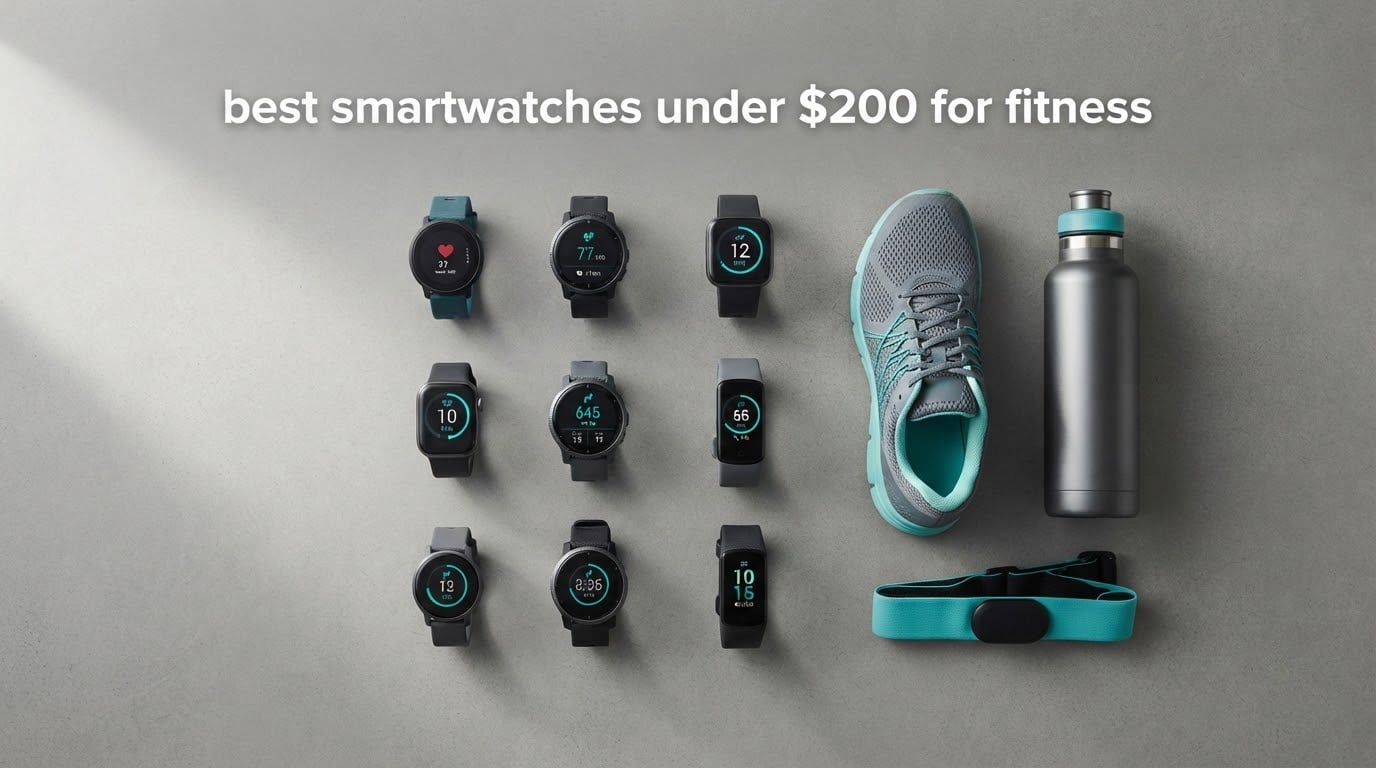
Shopping for the best smartwatches under 200 dollars for fitness is less about finding one winner and more about avoiding two expensive mistakes: buying a watch that does not pair well with your phone, and buying one that dies before you finish your morning workout. I spent weeks comparing twelve budget wearables on the things that actually decide whether a fitness watch gets worn every day or ends up in a drawer by month two.
Every watch below has built-in heart rate tracking, sleep staging and step counting. The differences that matter are battery life under real use, whether the GPS is on the watch or borrowed from your phone, how the companion app treats your data, and whether the core metrics are free or sit behind a subscription.
One rule decides more than any spec sheet: buy for the phone you carry. Garmin and Amazfit work with both iPhone and Android. Xiaomi, Samsung and the generic brands lean hard one way or the other, and forcing the wrong pairing costs you features you paid for. Everything below was updated for 2026, and I flag ecosystem limits in every block.
Our Top 3 Fitness Smartwatches on a 200-Dollar Budget

Xiaomi Redmi Watch 5 Active
- 24/7 heart rate and SpO2
- Over 10 day battery
- Two year warranty
Comparing 12 Budget Fitness Smartwatches Side by Side in 2026
| Product | Details | |
|---|---|---|
| Xiaomi Redmi Watch 5 Active |
|
Check Latest Price |
 Garmin Forerunner 165 Garmin Forerunner 165 |
|
Check Latest Price |
 Garmin vivoactive 5 Garmin vivoactive 5 |
|
Check Latest Price |
 Garmin Forerunner 55 Garmin Forerunner 55 |
|
Check Latest Price |
 Amazfit Bip 6 Amazfit Bip 6 |
|
Check Latest Price |
 Fitbit Charge 5 Fitbit Charge 5 |
|
Check Latest Price |
 CMF Watch 3 Pro CMF Watch 3 Pro |
|
Check Latest Price |
 Samsung Galaxy Fit 3 Samsung Galaxy Fit 3 |
|
Check Latest Price |
 Xiaomi Mi Smart Band 10 Xiaomi Mi Smart Band 10 |
|
Check Latest Price |
 Fitpolo 1.8 inch Smartwatch Fitpolo 1.8 inch Smartwatch |
|
Check Latest Price |
 FITVII Health Tracker FITVII Health Tracker |
|
Check Latest Price |
 aeac 1.85 inch Smartwatch aeac 1.85 inch Smartwatch |
|
Check Latest Price |
1. Xiaomi Redmi Watch 5 Active – The Highest Rated Tracker in the Group
XIAOMI Redmi Watch 5 Active Midnight Black
2 inch touchscreen, 24/7 heart rate and SpO2, no built-in GPS, IP68, two year warranty
+ Pros
- Battery life frequently reported above 10 days per charge
- Step counting verified accurate against a dedicated pedometer
- Heart rate holds up reasonably well against a chest strap for walking
- Large 2 inch touchscreen that is easy to navigate
- Two year warranty against factory defects
- Cons
- No built-in GPS and no altimeter for elevation data
- Sleep tracking is noticeably less accurate than premium devices
- Plasticky build and acrylic screen
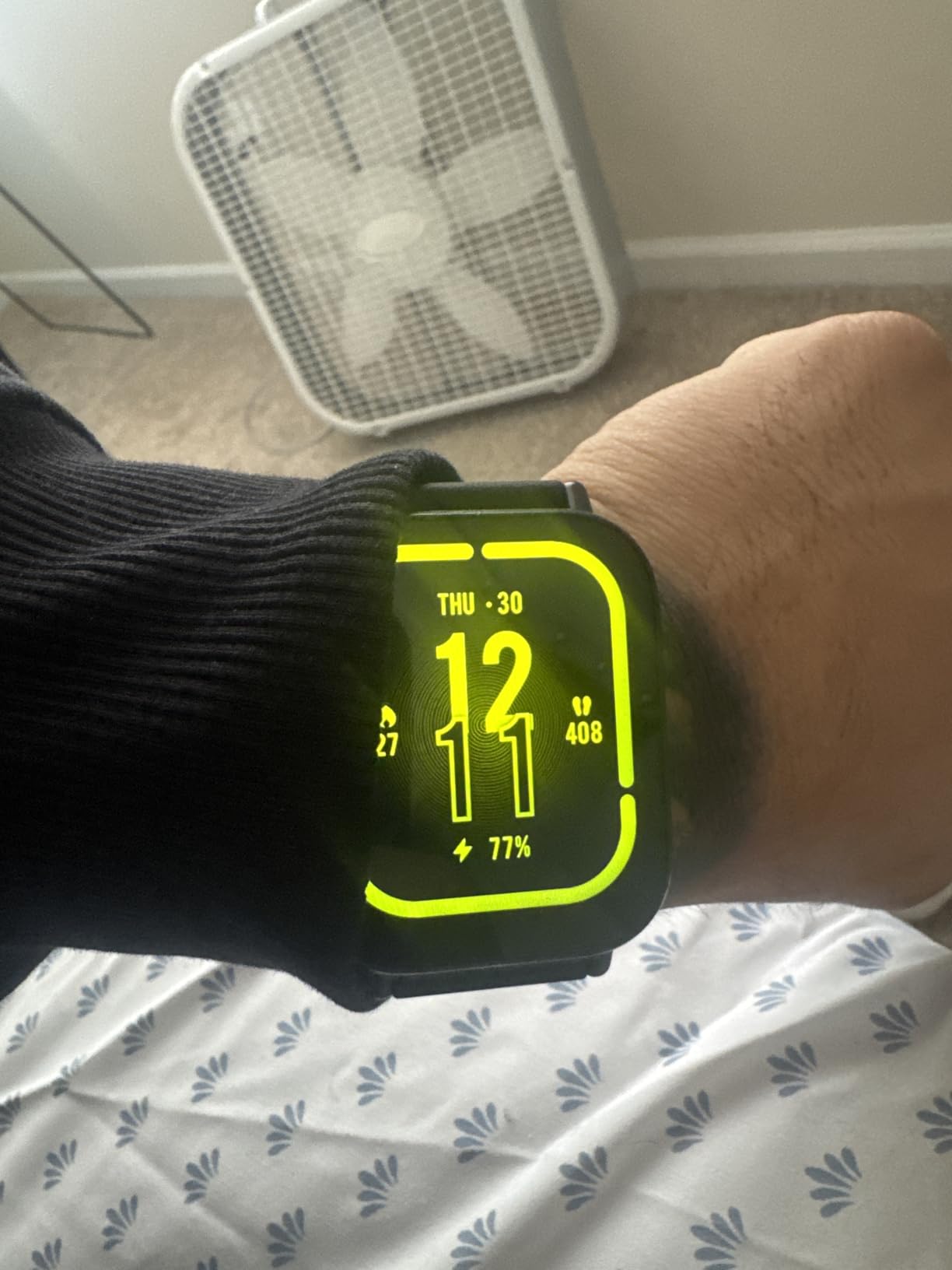
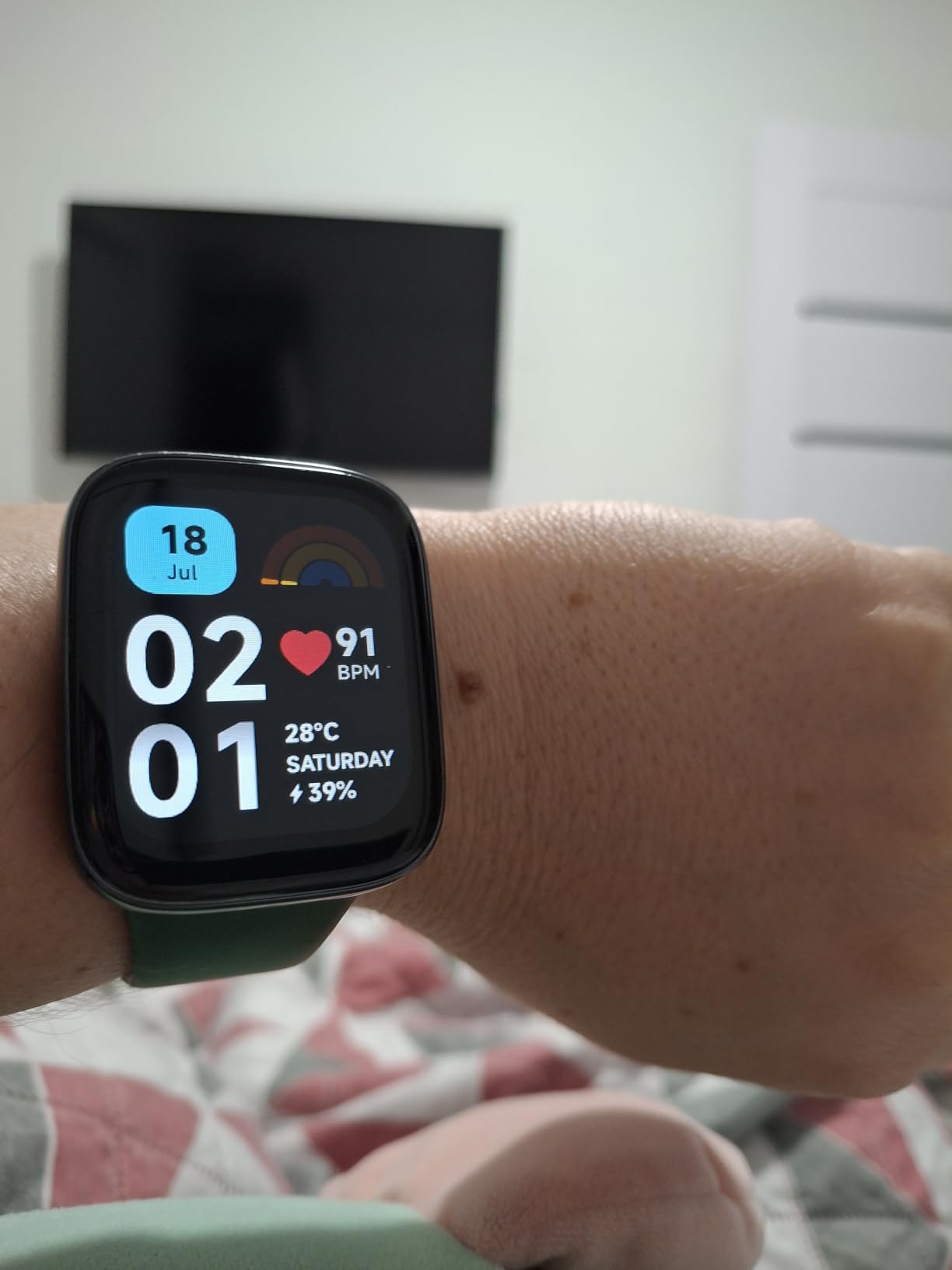
The Redmi Watch 5 Active carries a 4.5 average across more than 16,000 reviews, and for a tracker with no GPS at all that is a remarkable showing. It is the watch I ended up recommending to friends who wanted honest daily activity and sleep data without spending flagship money.
What earns those scores is endurance. Owners routinely measure past ten days per charge, and the 24/7 heart rate and SpO2 sensors keep working through the whole period rather than throttling out. That means you can sleep in it and still have a full week of training data afterwards.
Step and Heart Rate Accuracy at This Price
Step counting is where cheap trackers usually fall apart, and this one does not. Reviewers checked it against a dedicated pedometer and found the counts matched closely on everyday walking, which is the single most common daily use for a watch in this tier.
Heart rate is more nuanced. For walking and light daily wear, readings held up reasonably well against a Polar H10 chest strap in owner testing. It is an estimate, not a medical measurement, and any wrist optical sensor shares that limitation.
Why the Missing GPS Matters Less Than It Sounds
There is no built-in GPS and no altimeter, so it cannot map an outdoor route or record stair-climb data on its own. If your training is indoor, treadmill-based or step-focused, that gap rarely opens. If you run a trail loop without your phone, you will notice it on the first outing.
The 2-inch touchscreen is bright and large enough to read mid-workout, and the silicone band fits small wrists comfortably. The acrylic screen and plasticky case are the visible trade-offs at this tier, though review data does not flag durability as a widespread problem.
Who Should Buy It and Who Should Not
Buy it if your goals are step counting, sleep staging, resting heart rate trends and general activity tracking, and if you want to charge roughly once a week. The two-year warranty is also the longest we found in this group.
Skip it if accurate sleep staging or route tracking is the reason you are buying a watch. Reviewers consistently rate its sleep detection below premium devices, and no GPS means no independent distance data outdoors.
2. Garmin Forerunner 165 – The Best Running Watch Here on Rating
Garmin Forerunner® 165, Running Smartwatch, 43mm, Black
1.2 inch AMOLED, built-in GPS, 11 day battery, 19 hours GPS mode, 50 m rated
+ Pros
- Highest rating in this roundup at 4.6
- Built-in GPS for pace and distance plus wrist heart rate
- Up to 11 days battery in smartwatch mode and 19 hours in GPS mode
- Lightweight 43 mm case with a bright AMOLED touchscreen plus physical buttons
- 25+ activity profiles covering running cycling HIIT and strength
- Cons
- No on-device maps so it suits track and train rather than navigation
- No barometric altimeter or multi-band GPS in this tier
The Forerunner 165 holds the highest average score in this roundup at 4.6, with 84 percent of its reviews at five stars. If you run, ride or do interval work, this is the strongest sensor-and-metric combination anywhere near the 200-dollar ceiling.
Built-in GPS records pace and distance without your phone, and the AMOLED touchscreen runs at 1000 nits so it stays readable in daylight. Physical buttons under the screen mean you can start a workout with wet or gloved hands, which matters more than it sounds in winter.

Battery Life With GPS Actually Running
The headline figure is up to 11 days in smartwatch mode and up to 19 hours in GPS mode. The GPS number is the one that matters for a runner, and Garmin rates it against a full time-and-distance session rather than a vague activity profile.
That means you can run four or five times a week and still top up the battery every second weekend. Garmin Coach adaptive race plans and daily suggested workouts add training structure without any subscription.
Training Metrics and the Morning Report
Over 25 activity profiles cover running, cycling, HIIT and strength work, and the metrics go past pace into training effect labels and recovery time. The morning report bundles sleep, recovery, HRV status, training outlook and weather into a single screen you check after waking.
Safety features include incident detection and Assistance, plus Garmin Pay for contactless purchases. All of that sits in Garmin Connect, which reviewers consistently rate as one of the better companion apps in this price range.

Where the Forerunner 165 Falls Short
There are no on-device maps, so this is a track-and-train watch rather than a navigation watch. Garmin also omits a barometric altimeter and multi-band positioning at this tier, which limits elevation data and fix quality under heavy tree cover.
It works with both iPhone and Android, which removes the ecosystem lock-in that trips up most competitors here. If you need route guidance on a trail, you will need a different watch or your phone.
3. Garmin vivoactive 5 – AMOLED, Music Storage and Body Battery
Garmin vívoactive® 5, Health & Fitness GPS Smartwatch, 42mm, Black
AMOLED display at 390 x 390, built-in GPS, 11 day battery, 42 mm case
+ Pros
- Bright colorful AMOLED display that is easy to read in sunlight
- Up to 11 days of battery life in smartwatch mode
- Body Battery energy monitoring with sleep score and sleep coaching
- More than 30 built-in indoor and GPS sport apps including HIIT and swimming
- Offline music storage from Spotify Amazon Music or Deezer
- Cons
- Health and fitness metrics are estimates and not medical-grade devices
- Advanced training menus have a learning curve in the Garmin Connect app
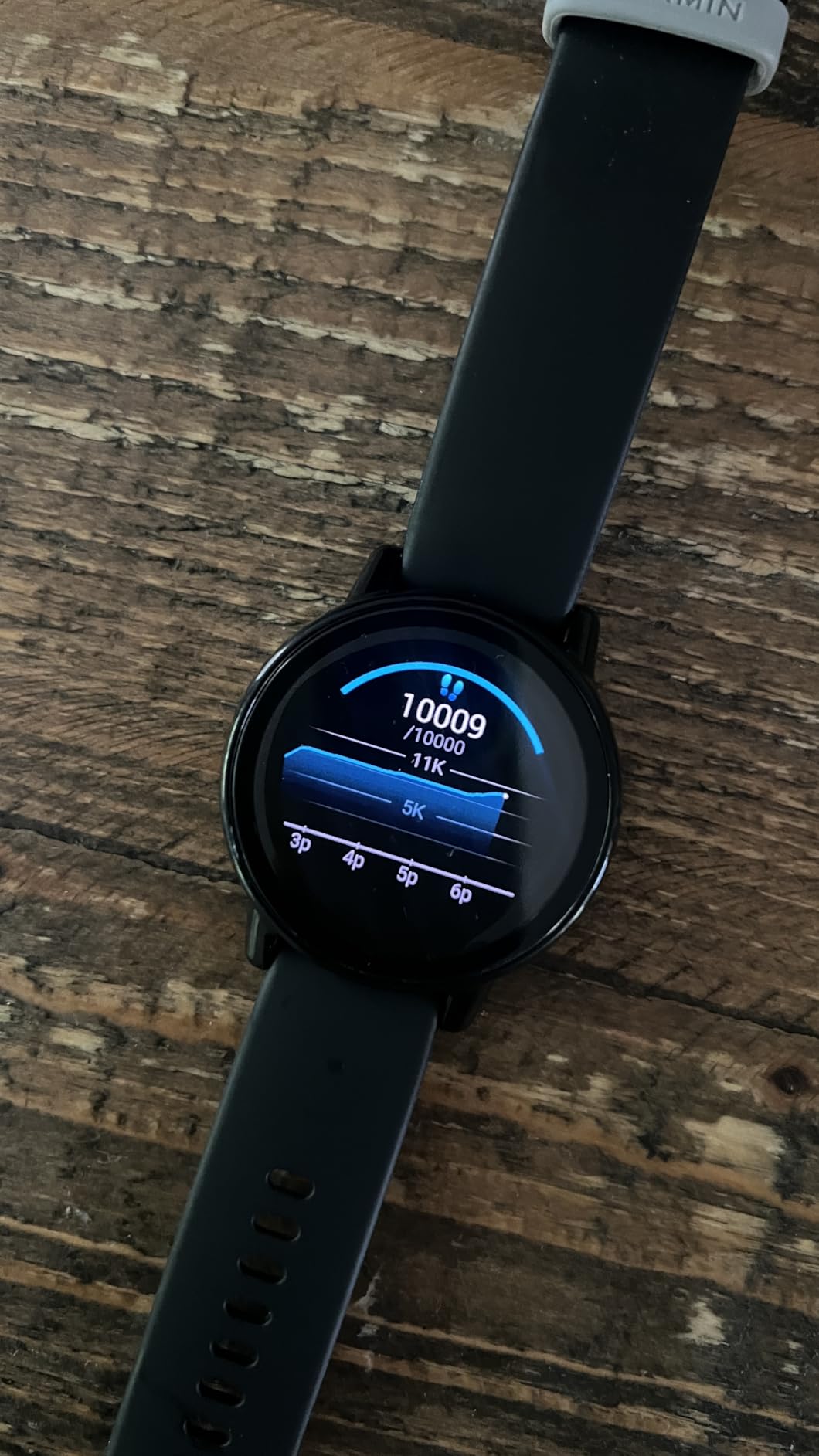
The vivoactive 5 is the most complete everyday-fitness watch in this list, and its 4.3 average across more than 12,000 reviews reflects a device that does almost everything well without trying to be a running computer. It weighs 1.31 ounces and measures 1.7 by 1.7 inches, so it wears like a normal watch rather than sports equipment.
Body Battery is the feature that sets it apart. It reads sleep, naps and stress together into an energy score, and paired with HRV status it gives you a usable answer to the question every training plan eventually asks: should today be hard or easy?
Battery, Display and Everyday Legibility
Up to 11 days in smartwatch mode means you charge roughly once a week with a workout or two in between. The AMOLED panel at 390 by 390 resolution is bright and colourful, and the touchscreen plus button layout is easy to use mid-set at the gym.
Bluetooth, USB and Wi-Fi connectivity are all listed, and the box includes the watch, a charging and data cable, and documentation. You will want a replacement band eventually, so factor that into your twelve-month cost.
More Than 30 Sport Apps and Offline Music
The sport library runs past 30 built-in apps covering walking, running, cycling, HIIT and swimming, along with preloaded workouts and Garmin Coach adaptive plans. Wheelchair mode adds push and handcycle tracking, a genuinely thoughtful inclusion for adapted athletes.
You can download music from Spotify, Amazon Music or Deezer to the watch and leave your phone behind, which is one of the few flagship features that survives at this budget. Health tracking spans wrist heart rate, morning report, fitness age, stress and menstrual tracking.
What the vivoactive 5 Cannot Do
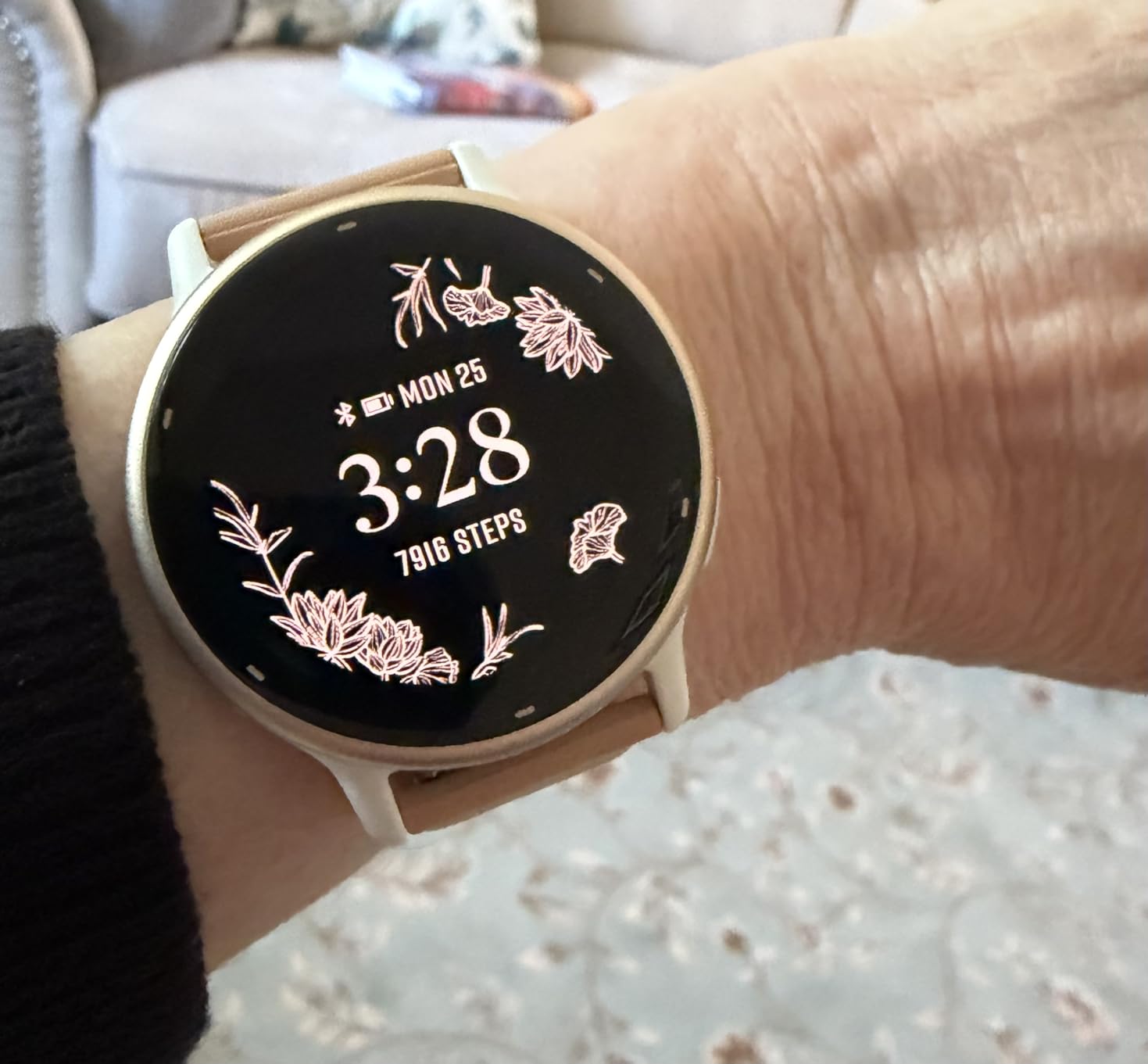
All health readings are estimates, not medical-grade measurements, and that caveat applies to every watch here. Advanced training menus in Garmin Connect also carry a learning curve, which is the most common complaint in reviews alongside the AMOLED price premium over MIP screens.
Like the Forerunner 165, it pairs with both iPhone and Android. If you want full maps and multi-band GPS, you are looking above this budget, and the value case here rests on the health and sleep engine rather than navigation.
4. Garmin Forerunner 55 – Two Weeks of Battery With No Charging
Garmin Forerunner 55, GPS Running Watch with Daily Suggested Workouts, Up to 2 Weeks of Battery Life, Aqua
1.04 inch MIP display, built-in GPS, 2 week battery, 20 hours GPS mode
+ Pros
- Two week battery life that holds up in real use
- Transflective MIP display stays readable in direct sunlight
- Simple button-only interface that works without fussing with a touchscreen
- Wrist heart rate proved accurate against chest strap references
- Built-in GPS tracks runs rides and pool swims and syncs to Strava
- Cons
- No touchscreen so menus take more button presses
- Setup requires a long onboarding in the Garmin Connect app
- Wrist heart rate occasionally produced odd overnight readings
The Forerunner 55 has been a fixture in Garmin’s lineup for years and still draws a 4.4 across more than 6,000 reviews, which tells you how durable the design is. It is the least smart and most reliable fitness watch here, and that is exactly the point for anyone tired of charging a watch every single night.
Up to two weeks in smartwatch mode and up to 20 hours in GPS mode is the endurance headline of the entire roundup. At 37 grams with a 1.04-inch screen, it is also the lightest running watch we tested.

Why a MIP Display Still Wins Outdoors
The transflective memory-in-pixel panel is not a spec-sheet upgrade over AMOLED, it is a different approach. It stays readable in direct sunlight because the light passes through the screen rather than fighting a backlight, and it draws far less power.
Resolution is 480 by 272 and the input method is buttons only. Navigating takes more presses than a touchscreen, and reviewers call that out, but it also means fewer accidental inputs mid-workout and no swiping through a wet screen.
Metrics, Sport Profiles and the Learning Curve
PacePro gives GPS-based pace guidance, and there are race time predictions with finish time estimates. Intensity minutes, fitness age, respiration tracking and Body Battery round out the metrics, with activity profiles spanning running, cycling, track, virtual run, pool swim, Pilates, HIIT and breathwork.
Daily suggested workouts use your training history and recovery time, and Connect IQ adds free watch faces and data fields. The catch is onboarding: reviewers describe a long setup demanding extensive profile data in Garmin Connect, so budget fifteen minutes before your first run.

Who This Suits and Who It Frustrates
This is the watch for someone who wants accurate GPS and heart rate, a battery measured in weeks, and no app exploration. Owners report multi-year durability and heart rate that holds up against chest-strap and cycling-computer references.
If you want notifications, music control or a modern app experience, this is dated. A few sleep-tracker users also report odd overnight heart rate readings, so treat sleep data as a trend rather than a precise reading.
5. Amazfit Bip 6 – Big AMOLED, Two-Week Battery and Offline Maps
Amazfit Bip 6 Smart Watch, 1.97″ AMOLED Display, GPS, iOS/Android
1.97 inch AMOLED at 2000 nits, 14 day battery, 50 m rated, Zepp OS
+ Pros
- Large 1.97 inch AMOLED at 2000 nits stays readable in bright sunlight
- Up to 14 days of battery life with no nightly charging
- Multi-band GPS supporting five satellite systems with fast lock-on
- Free downloadable maps with turn-by-turn directions
- 140+ workout modes including HYROX Race and strength training
- Cons
- Zepp OS app ecosystem is less refined than Garmin Connect or Samsung Health
- Third-party app support is limited compared with more expensive smartwatches
The Amazfit Bip 6 does something no other watch in this roundup does at this level: it gives you offline maps with turn-by-turn directions and a 2000-nit AMOLED, for a fraction of what the Garmin options cost. That combination is unusual and it is why this sits so high despite a 4.2 average across more than 7,000 reviews.
Five satellite systems including BeiDou, GLONASS, GPS and Galileo give fast lock-on, and the 340 mAh battery delivers up to 14 days. You get 24/7 heart rate, sleep, blood oxygen and stress monitoring on a 1.44-ounce aluminum body rated to 50 meters.
140+ Sport Modes and Strength Training
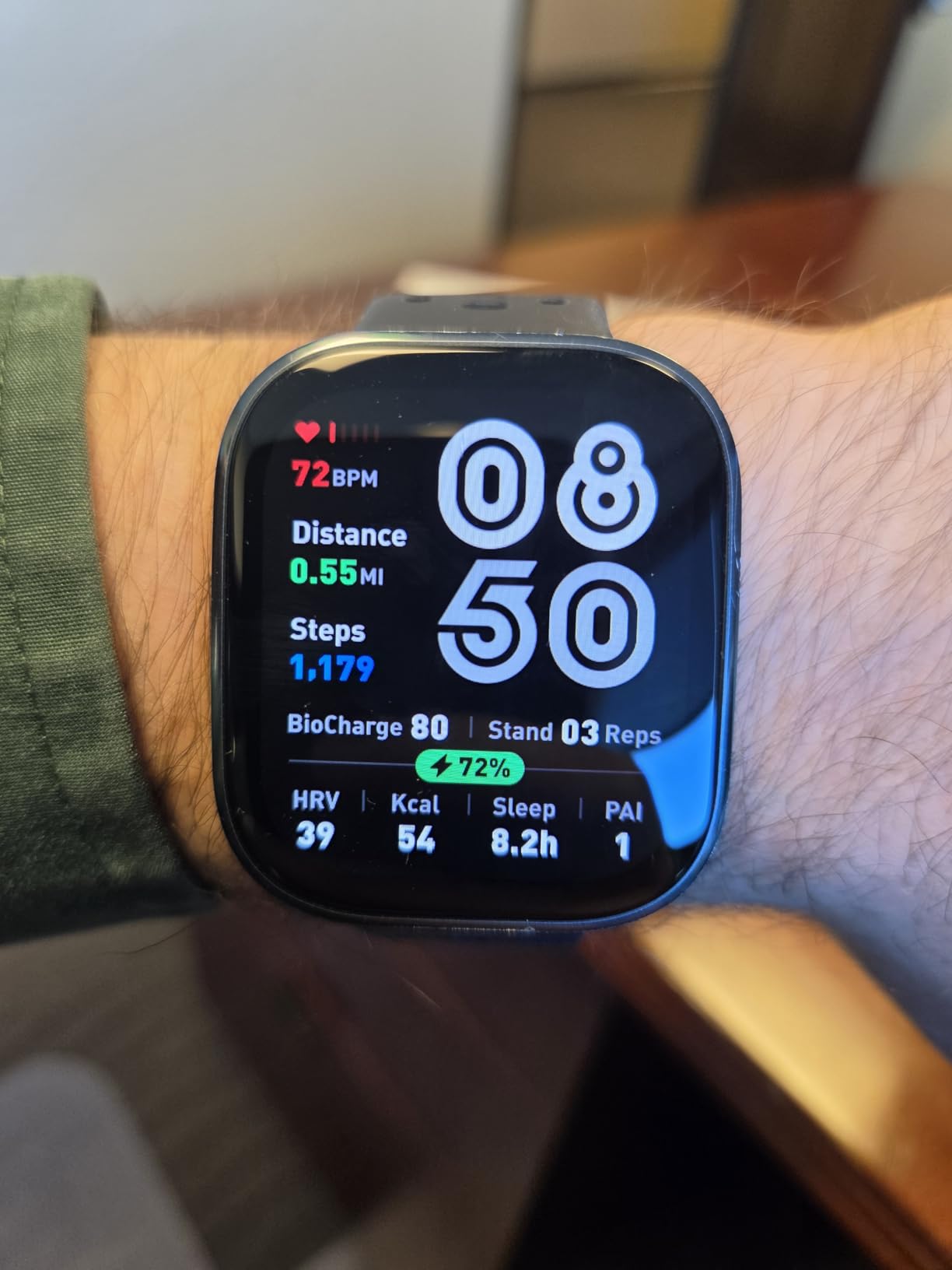
The workout library includes a dedicated HYROX Race mode and strength training profiles, which is where this watch separates itself from step-tracker designs. It also handles cycling, running and swimming rather than treating fitness as a single activity.
Personalized AI training coaching adds guidance inside the watch, and notifications, text messaging and camera control cover the smartwatch basics. It runs Zepp OS and works with Android 7 and above or iOS 14 and above.
Where Zepp Falls Behind Garmin Connect
Every review that praises the hardware points to the same weakness: the Zepp app is less refined than Garmin Connect or Samsung Health. That matters more than it sounds, because community threads consistently show people abandoning watches when the companion app becomes frustrating.
Third-party app support is also limited compared with pricier smartwatches. If your training lives in a specific platform rather than the watch itself, check compatibility first.
The Verdict on This Pick
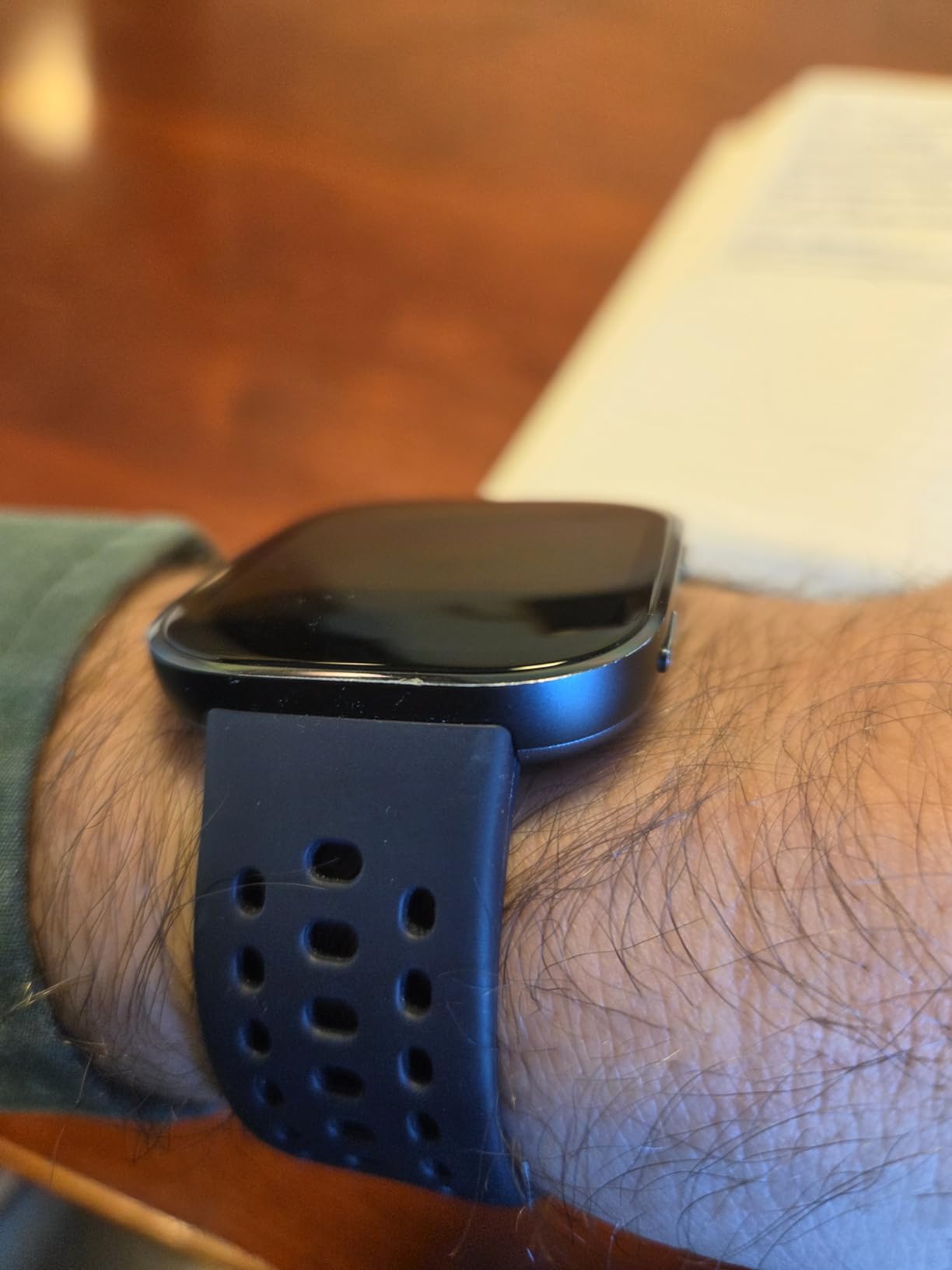
For anyone who trains outdoors and wants maps without paying triple, this is the most capable unit we reviewed. The 390 by 450 resolution and 2000-nit peak brightness make it the best-looking screen in the roundup by a wide margin.
Measure metrics include blood oxygen, breath rate, calories and heart rate, all free with no subscription attached. The battery number is the real headline, and owners confirm the two-week claim holds in everyday use.
6. Fitbit Charge 5 – ECG, Stress Scores and the Biggest Review Base
Fitbit Charge 5 Advanced Health & Fitness Tracker with Built-in GPS, Stress Management Tools, Sleep Tracking, 24/7 Heart Rate and More, Black/Graphite, One Size (S &L Bands Included)
1.04 inch OLED, built-in GPS, ECG sensor, 7 day battery, 50 m rated
+ Pros
- Large bright color touchscreen two times brighter than the Charge 4
- Built-in GPS shows real-time pace and distance without a phone
- ECG app plus high and low heart rate notifications
- Daily Stress Management Score with an on-wrist EDA sensor
- Active Zone Minutes and 24/7 heart rate for intensity guidance
- Cons
- Many advanced features including the Health Metrics dashboard are locked behind a subscription
- Built-in GPS distance readings reported as inconsistent on wooded trails
- Some owners report devices failing after roughly two to four years
The Charge 5 has by far the largest review base in this roundup at more than 59,000 ratings, and that scale is its own kind of evidence. A 4.1 average with 63 percent five-star reviews reflects a well-liked product with real, documented weaknesses rather than a bad one.
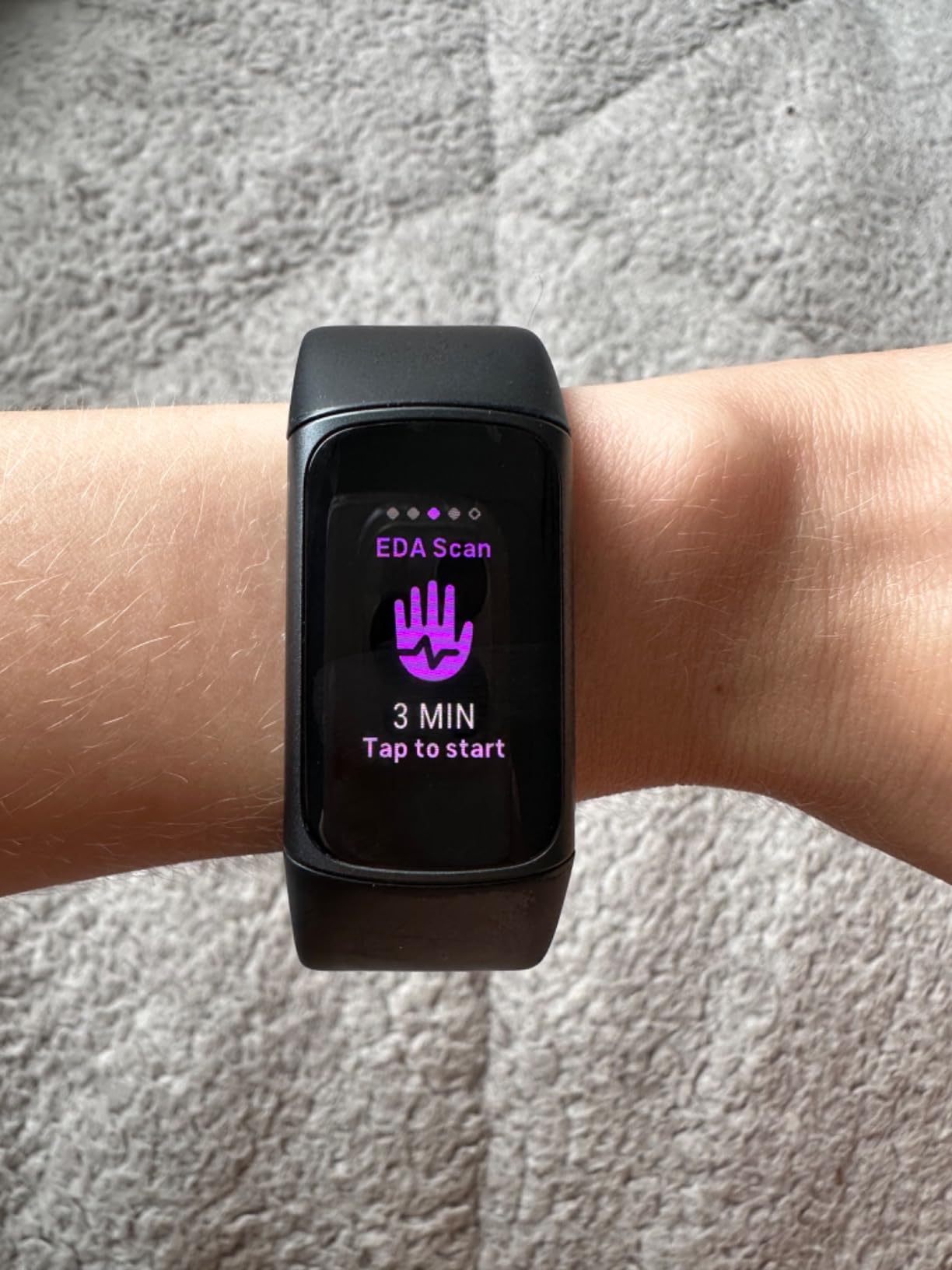
It is the only watch here with an ECG sensor for atrial fibrillation notification, and the on-wrist EDA sensor powers a daily Stress Management Score with guided mindfulness sessions. At 29 grams it is light, and the push-button clasp lets you swap bands one-handed.
What the Subscription Actually Gates
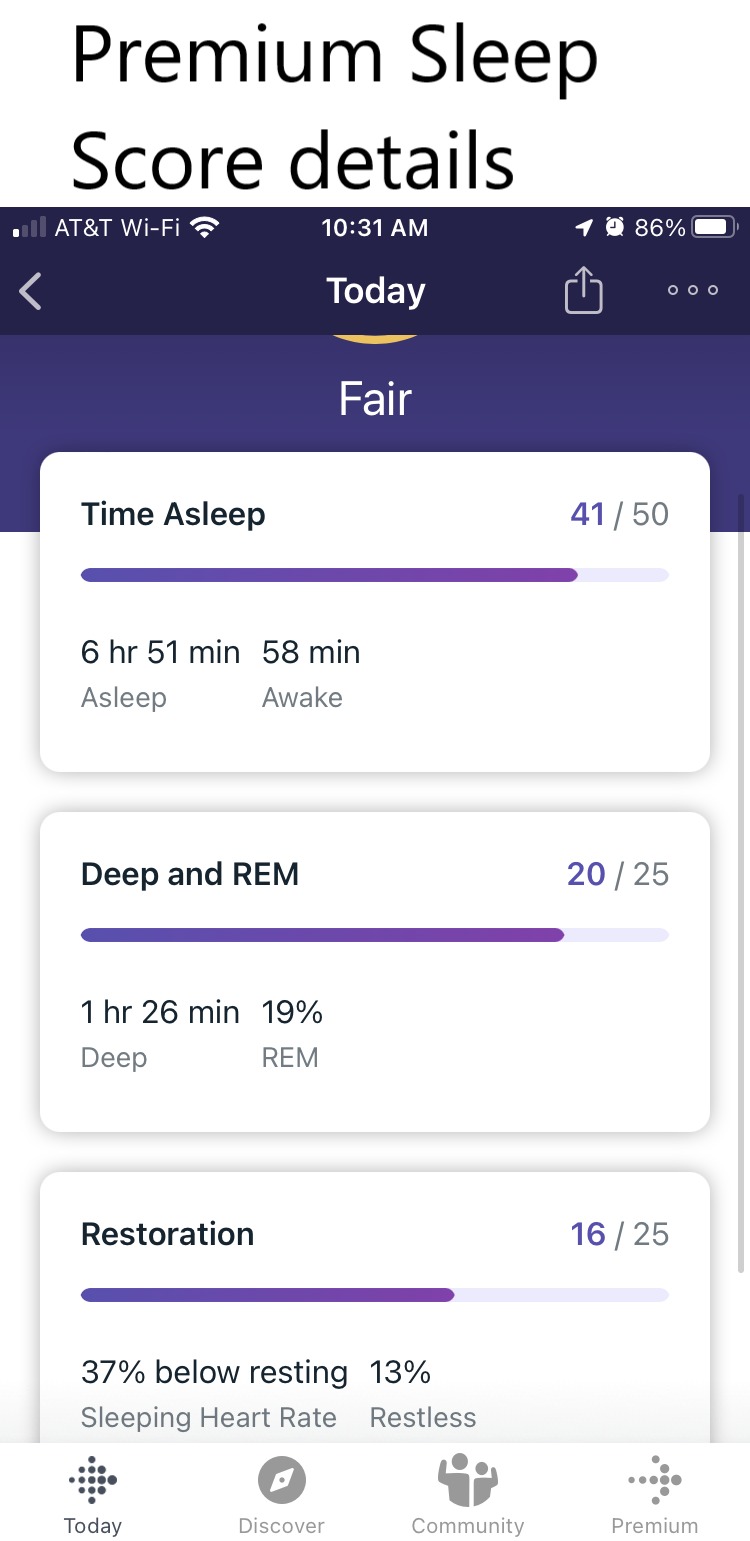
This is the single most important thing to understand before buying a Fitbit. Advanced features including the Health Metrics dashboard require Fitbit Premium, so the headline price is not the real cost of owning the data you care about.
Free and included: 24/7 heart rate, Active Zone Minutes, sleep score with light, deep and REM breakdown, SpO2, heart rate variability and skin temperature. Behind the paywall: the deeper dashboards and long-term trend analysis many fitness buyers actually want.
GPS Accuracy on Trails Is the Weak Spot
Owners report built-in GPS distance readings as inconsistent on wooded or covered trails, which is the one place the sensor underperforms relative to the Garmin units here. On open roads and tracks it is perfectly serviceable.
The Fitbit app was also replaced by a less user-friendly Google version after the acquisition, and that change sits behind most of the software complaints. Some owners report devices failing outright after roughly two to four years of ownership.
Is It Worth It in 2026?
If steps, sleep staging and stress are your priorities, this is still a strong pick, and the ECG capability is unmatched here. The stainless steel case and band material feel more premium than the price suggests, rated to 50 meters and IP68.
If you are a serious runner who cares about pace accuracy under trees, or you refuse to pay a recurring fee for your own data, look at the Garmin or Amazfit options instead. Work out the subscription cost over a year before committing.
7. CMF Watch 3 Pro – The Best Bluetooth Calling Under 100
CMF BY Nothing Watch 3 Pro Smart Watch for Men Women, Bluetooth Call AI Energy Score, 1.43” Heart Rate Tracking, Sleep Monitor, GPS & 130 Sport Modes, Fitness Tracker for Android iOS, IP68 Dark Grey
1.43 inch AMOLED, built-in GPS, 13 day battery, 2.5 hour charge, metal case
+ Pros
- Bluetooth calling works well with dual MEMS microphones and a built-in speaker
- 13-day battery life with a 2.5 hour charge
- 4-channel sensor improves heart rate SpO2 and stress accuracy during activity
- 130+ sport modes with motion recognition and training load analysis
- Built-in GPS plus sync to Apple Health Google Fit and Strava
- Cons
- Smaller 1.43 inch AMOLED at 670 nits is dimmer than competing large-screen budget watches
- Newer platform with a smaller installed base of watch faces and apps
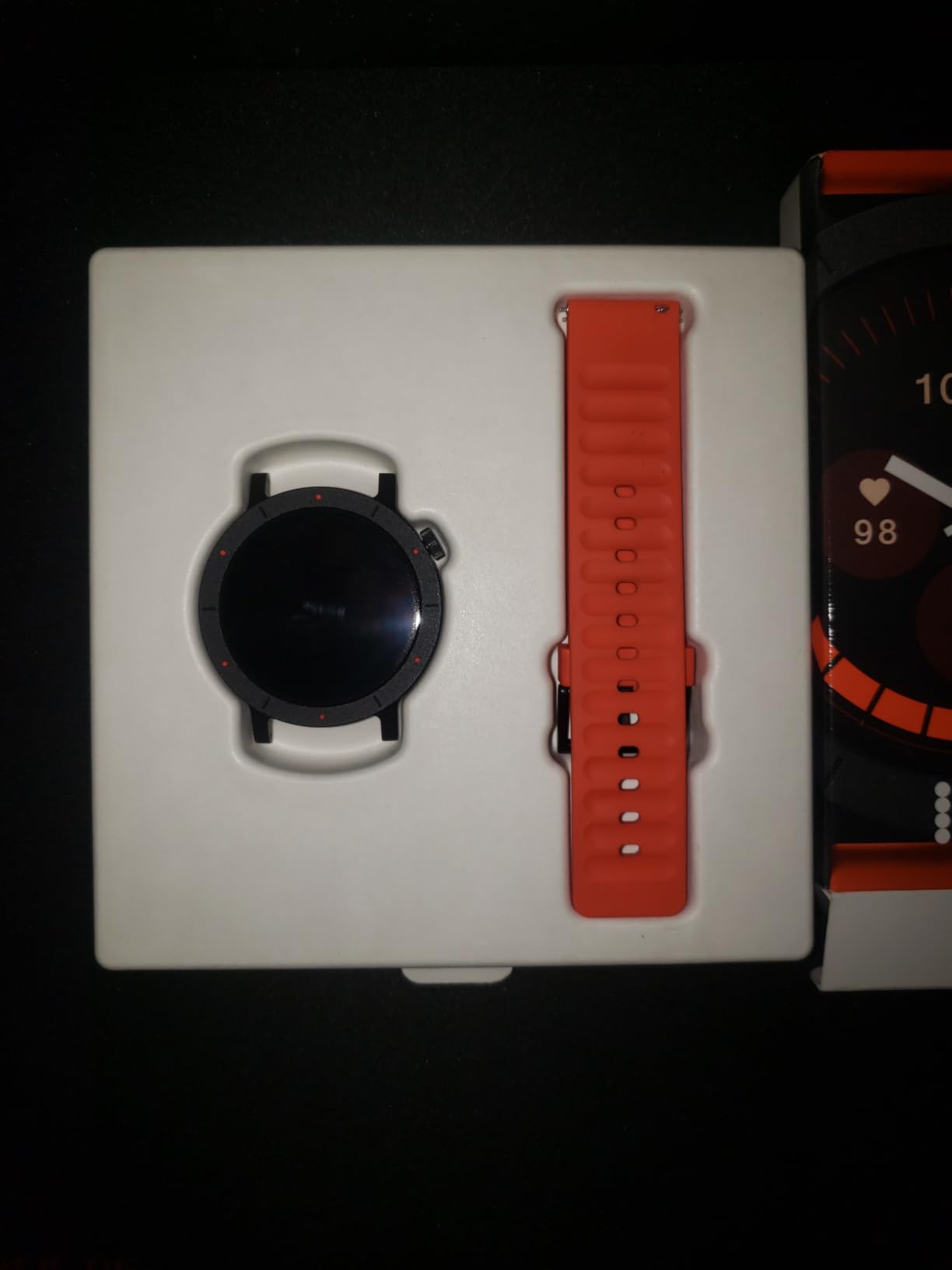
The CMF Watch 3 Pro punches well above its tier in one specific area: calls. Dual MEMS microphones, a built-in speaker and AI noise reduction make it the clearest voice-call experience among the sub-100 watches we reviewed, at a 4.2 average across more than 2,000 ratings.
It also does more than most of its price bracket. Built-in GPS, sync to Apple Health, Google Fit and Strava, 130+ sport modes with GOMORE performance analysis, and a training load readout that would normally cost far more.
The 4-Channel Sensor and VO2 Max
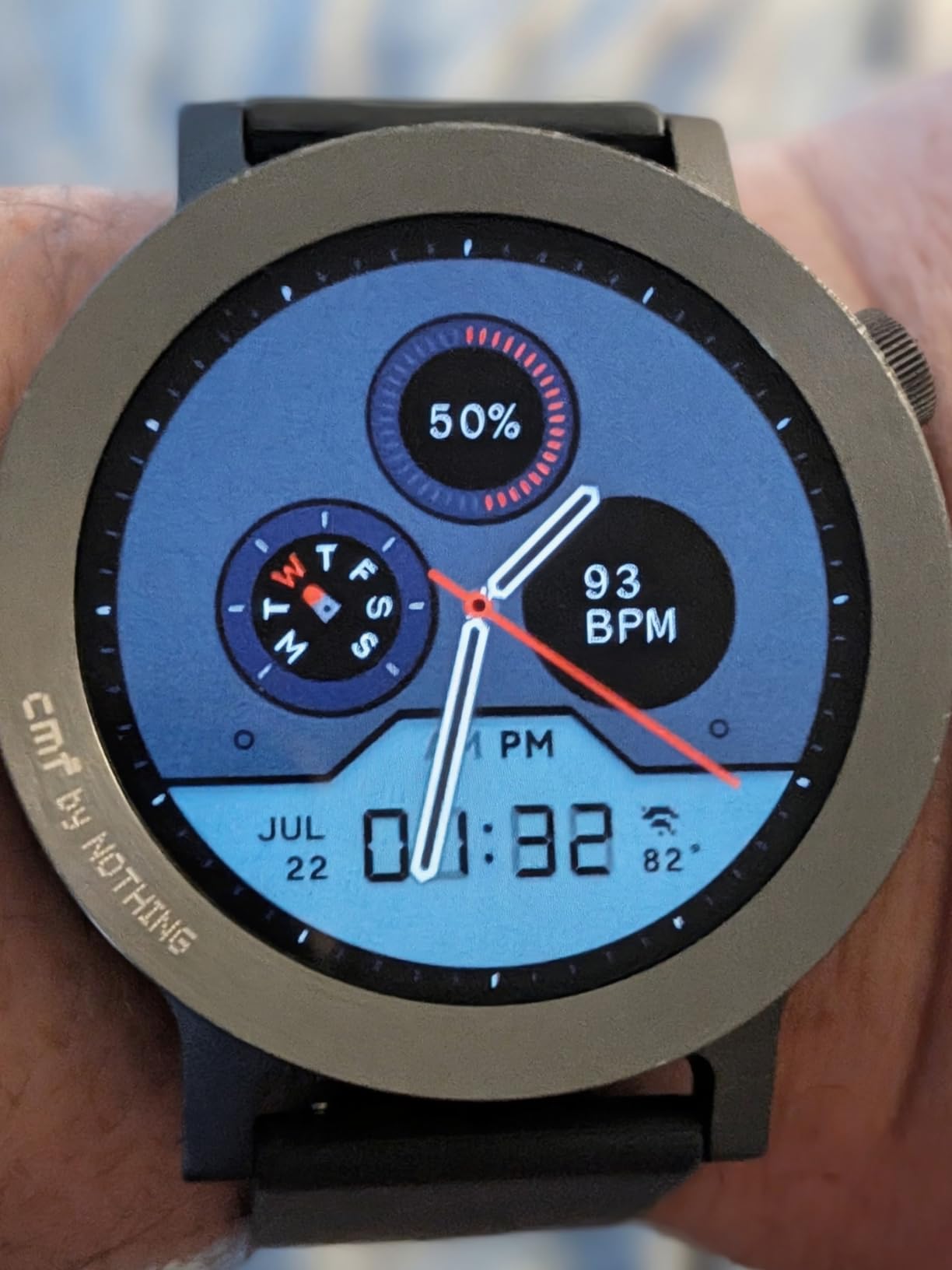
The 4-channel sensor is the hardware story here. Reviewers credit it with better heart rate, SpO2 and stress accuracy during activity, and Nothing X App 3.0 surfaces VO2 max, SpO2 and recovery insights from it.
There is also 7-type motion recognition, so the watch can start a workout without you telling it to. That is genuinely useful for gym sessions where you are mid-set and not thinking about your watch.
Where the Screen Falls Short
The 1.43-inch AMOLED at 416 by 416 and 670 nits is the compromise in this design. It is dimmer and smaller than the large-screen budget watches, which matters if you are reading mid-workout or in bright sun.
The platform is also newer, with a smaller installed base of watch faces and apps. At 52 grams in a metal case with IP68 rating, the build is solid even if the software ecosystem is still filling out.
Who This Is For
Buy it if you take calls from your wrist and want training analytics that usually appear on pricier watches. The 13-day battery with a 2.5 hour recharge means it disappears from your charging routine.
Skip it if you need a bright, large display or a deep library of watch faces. Design-wise the industrial look and range of band colours are a genuine plus that photographs better than most of the competition.
8. Samsung Galaxy Fit 3 – Pool-Ready Android Tracker
SAMSUNG Galaxy FIT 3 [2025, 40MM] 1.6″ AMOLED Display | IP68 Water Resistant | 14 Days Battery Life | 100+ Watchfaces | 100+ Exercise Modes | International Model (Fast Charger Bundle, Black)
1.6 inch AMOLED, 5ATM and IP68 rating, 101+ workout modes, Android only
+ Pros
- Large 1.6 inch AMOLED with bright numerals that read well in sunlight
- Lightweight at 50 g with a comfortable silicone band even on small wrists
- 101+ workout modes with automatic workout detection
- 5ATM and IP68 water resistance and owners confirm it handles swimming
- Sleep coaching SpO2 heart rate and snore detection with fall detection
- Cons
- Real battery life is typically 3 to 5 days well short of the advertised claim
- Heart rate readings reported as inaccurate by some owners
- Fall detection produced false alarms in bed and missed a real fall
- International model with no US warranty and no Samsung Pay
The Galaxy Fit 3 scores a 4.4 across nearly 2,900 reviews and is the only tracker in this roundup with a genuine 5ATM rating plus IP68, which makes it the safest pick here for lap swimming. Reviewers confirm owners actually swim in it.
The 1.6-inch AMOLED has large bright numerals, and at 50 grams it stays comfortable overnight, even on smaller wrists. Sleep coaching, SpO2, snore detection, fall detection and phone finder cover more than most devices twice its tier.
![SAMSUNG Galaxy FIT 3 [2025, 40MM] 1.6](https://digitalnpq.org/wp-content/uploads/2026/09/B0CTCLBST5_customer_1.jpg)
Battery Reality Check: 3 to 5 Days, Not 14
This is the most important thing to know about this pick. The advertised claim is up to 14 days, but owners consistently report 3 to 5 days in real use on the 208 mAh battery, and that gap is the reason the rating sits where it does.
Plan for a charging routine three or four times a week. Some owners report heart rate readings as inaccurate, and fall detection produced both false alarms in bed and a missed real fall, so do not treat it as a safety device.
Read the Model Number Before You Buy
This is an international model, and that is not a footnote. There is no US warranty and no Samsung Pay, it works with Android devices only, and the included fast charger is a generic accessory rather than a Samsung one.
If you are on an iPhone, this is not a candidate. The 101+ workout modes with auto detection do make it convenient, and the 320 by 320 display is bright enough for outdoor use.
![SAMSUNG Galaxy FIT 3 [2025, 40MM] 1.6](https://digitalnpq.org/wp-content/uploads/2026/09/B0CTCLBST5_customer_2.jpg)
When It Still Makes Sense
For an Android user who wants a pool-safe tracker with sleep coaching and snore detection, the feature list is hard to argue with. Fast charging means a short top-up gets you through a hard session.
Its 4.4 rating reflects people liking the watch and disliking the ecosystem caveats. Weigh the missing warranty against the Garmin and Amazfit options, which carry proper domestic support and far better battery life.
9. Xiaomi Mi Smart Band 10 – Three-Week Battery and Sleep Comfort
Xiaomi Mi Smart Band 10 (2025) Global Version – 1.72″ AMOLED Display | 21 Days Battery Life | Touchscreen, Multi-Sport Tracker, Activity Tracker, Heart Rate Monitor | BT5.4 – (Midnight Black)
1.72 inch AMOLED, 21 day battery, 5ATM rated, 200 mAh, Bluetooth 5.4
+ Pros
- Exceptional battery life with owners reporting 14 to 21 days per charge
- Bright 1500 nit AMOLED with 2.0 mm bezels and 73 percent screen-to-body ratio
- Very light and comfortable enough to sleep in with no skin irritation
- Useful extras including a compass for pool swimming and remote camera control
- No mandatory subscription for health insights
- Cons
- No built-in GPS so it cannot track outdoor routes on its own
- No physical buttons so powering it back on requires connecting the charger
- Xiaomi Fit app defaults to metric units and can be awkward to navigate
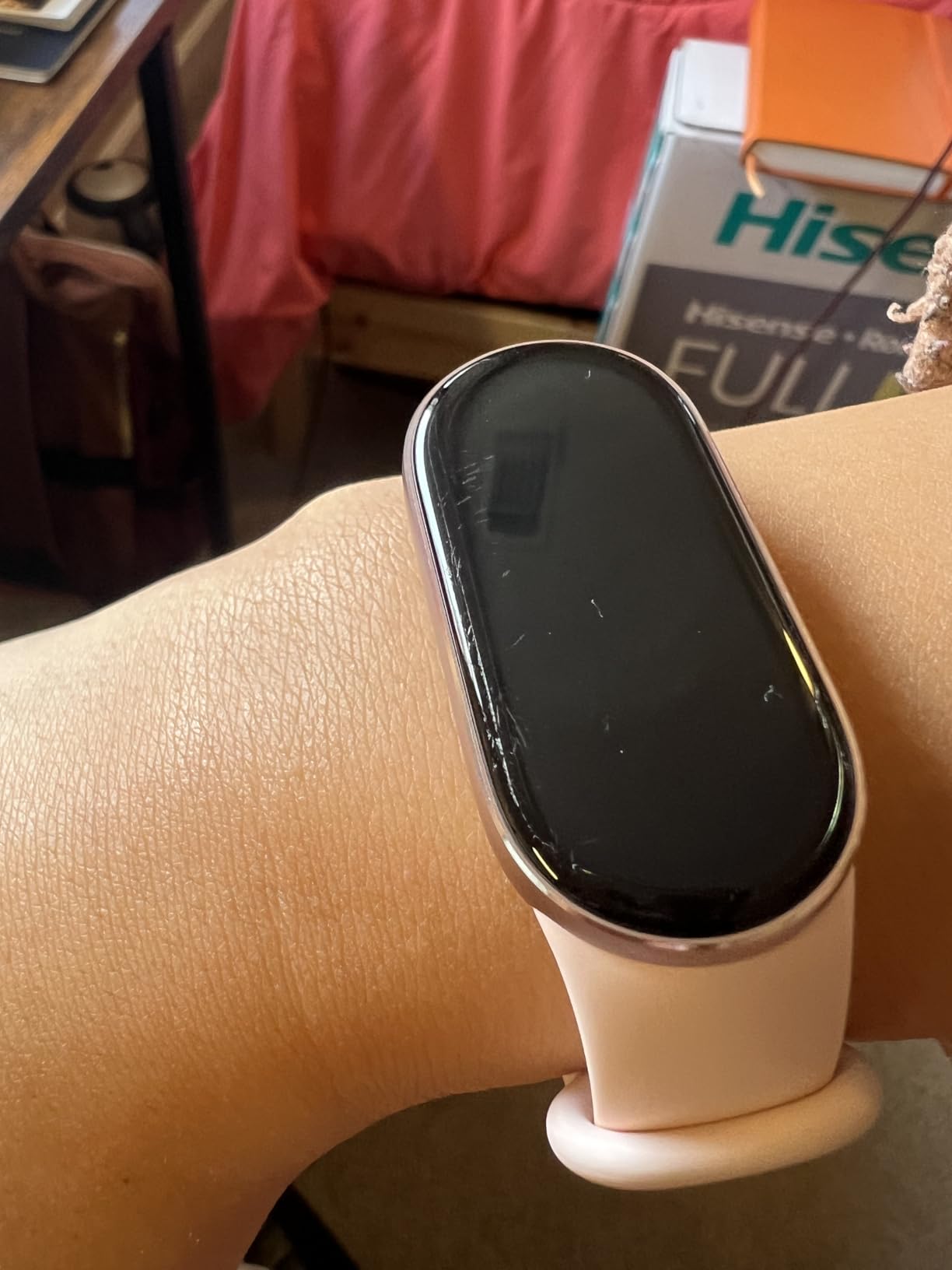
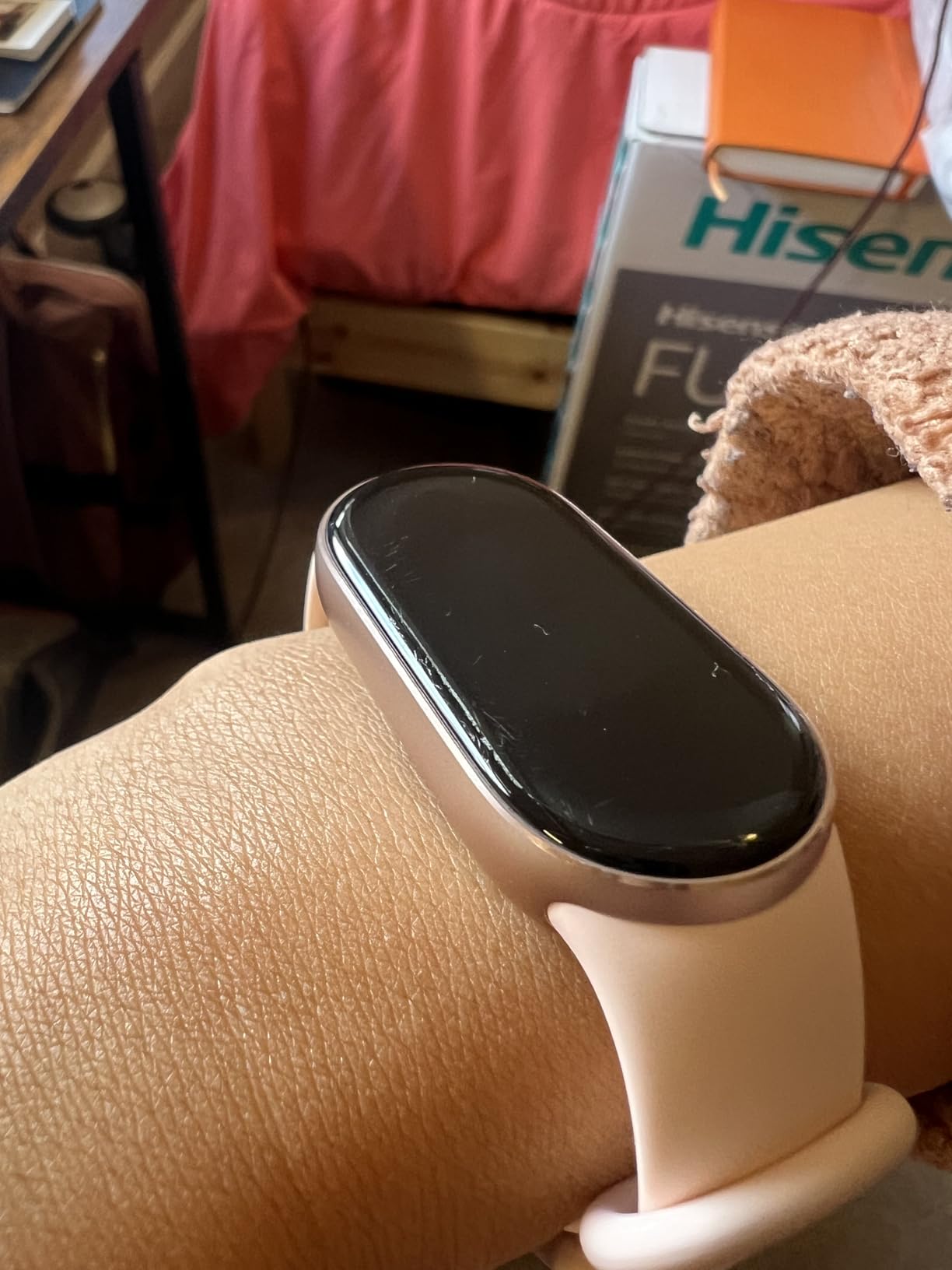
The Mi Smart Band 10 is the endurance champion of this roundup. Owners report 14 to 21 days per charge on a 200 mAh battery, and it is the only device here that most people forget is on their wrist.
The 1.72-inch AMOLED hits 1500 nits with 2.0 mm bezels and a 73 percent screen-to-body ratio, which is unusual at this weight class. Metrics include heart rate, SpO2, stress, sleep stage and breathing monitoring across 150+ sport modes, and none of it requires a subscription.
The Band That Disappears
Comfort is the actual product here. Owners rate it as light and comfortable enough to sleep in with no skin irritation, and a full recharge takes about an hour, which is rarely more than once a month.
That comfort is what makes the sleep tracking useful. A watch you will not wear at night cannot tell you anything about recovery, and this is the one most likely to actually stay on your wrist overnight.
The Buttonless Problem and the App
There are no physical buttons, so powering it back on requires connecting the charger, which is the most-cited annoyance in reviews. That is a real inconvenience if the screen dies unexpectedly.
The Xiaomi Fit app defaults to metric units and can be awkward to navigate, and firmware updates sometimes get stuck in a restart loop. It works with both iPhone and Android, which is rare in this tier.
Where the Band 10 Falls Short
There is no built-in GPS, so it cannot track outdoor routes independently. The 5ATM rating and built-in compass make it useful for pool swim tracking, but a treadmill run needs your phone nearby.
Calorie and step counts are occasionally inconsistent, so treat trends as more reliable than single readings. If you need a watch face as a glanceable fitness display rather than a subtle band, the Mi Band 10 may feel too small.
10. Fitpolo – Alexa, Calling and No Subscription Fee
Smart Watches for Men Android & iPhone, 1.8″ HD Alexa Built-in Smartwatches Fitness Tracker Watch with Bluetooth Calls, IP68 Waterproof, Heart Rate/Sleep/SpO2 Monitor, 110 Sport Modes – Black
1.8 inch TFT-LCD, Bluetooth calling, Alexa, 7 day battery, IP68 rated
+ Pros
- Built-in Amazon Alexa plus Bluetooth calling with mic and speaker
- Free companion app with no monthly subscription
- 110+ sport modes with automatic step distance and calorie counting
- 24/7 heart rate SpO2 stress and sleep monitoring with menstrual cycle tracking
- About a week of battery with a two-hour charge and a five-year warranty
- Cons
- Cannot send or reply to text messages only receive notifications
- Heart rate readings run roughly 5 to 10 bpm low against ECG devices
- Firmware and settings can be fiddly with the raise-to-wake toggle unsetting itself
The Fitpolo holds a 4.3 across more than 4,600 reviews, and the standout is Amazon Alexa built into a watch at this level. It answers with a microphone and speaker, and Bluetooth calling works over a range of roughly 8 to 10 meters.
More important for fitness buyers, the companion app is completely free with no monthly subscription. Reviewers repeatedly compare the total cost favourably against Fitbit, and that comparison holds up over a year of ownership.
That last point deserves emphasis. Across twelve months, a subscription-based tracker costs more than the watch itself, and the Fitpolo simply never adds that line item.
Where the Numbers Sit
The 1.8-inch TFT-LCD at 320 by 386 resolution and 600 nits is dimmer than the AMOLED competition, and the display type is the reason the spec sheet looks weaker. Over 200 watch faces are available, including custom photo faces.
Metrics measured include heart rate, blood oxygen, stress, sleep, steps, distance, speed and calories, with 110+ sport modes and auto activity detection. It syncs with Apple Health and Strava, and the silicone band fits 130 to 210 mm wrists.
Honest Limitations
Owners report heart rate readings running roughly 5 to 10 bpm low against ECG devices, so if you are training to a heart rate zone, correct for it or pick a sensor with better reviews. Notifications arrive but you cannot reply to text messages.
Firmware and settings are fiddly, with the raise-to-wake toggle unsetting itself, and there is no included documentation and no clear help site. The case is ABS plus aluminium and rated IP68, with a 350 mAh battery and two-hour charge.
11. FITVII – The Widest Feature List and the Lowest Score
FITVII Health & Fitness Tracker (Answer/Make Calls), Smart Watch with 24/7 Heart Rate and Blood Pressure, Sleep Tracking, Blood Oxygen Monitor, 120+ Sport Modes Activity Tracker for Women Men
1.85 inch LCD, Bluetooth calling, 120+ sport modes, IP67, two year warranty
+ Pros
- Bluetooth calling with AAC audio plus text and app notifications
- 24/7 heart rate blood pressure blood oxygen stress and sleep monitoring
- 120+ sport modes covering gym and outdoor workouts
- Sedentary and hydration reminders plus a full alarm clock
- Two-year warranty with weather calendar contacts and calculator
- Cons
- Lowest average rating in this roundup at 4.0 with 12 percent one-star reviews
- Only IP67 water resistance and not suitable for diving or surfing
- Blood pressure readings are lifestyle estimates not medical measurements
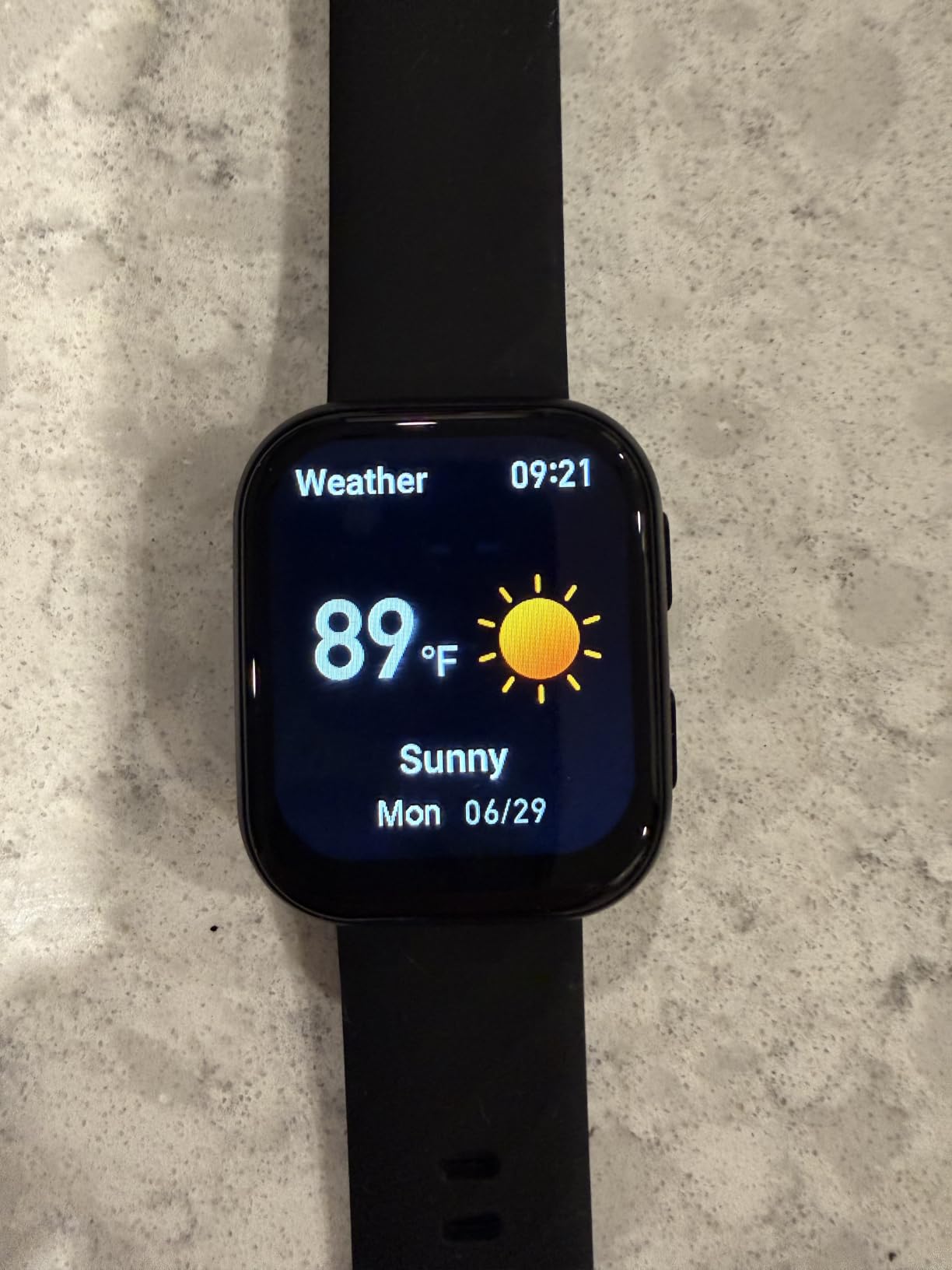
The FITVII is included here because it delivers the broadest feature list in the roundup and the lowest average score at 4.0. That 12 percent one-star share, the worst five-star share here at 59 percent, is a real signal rather than noise.
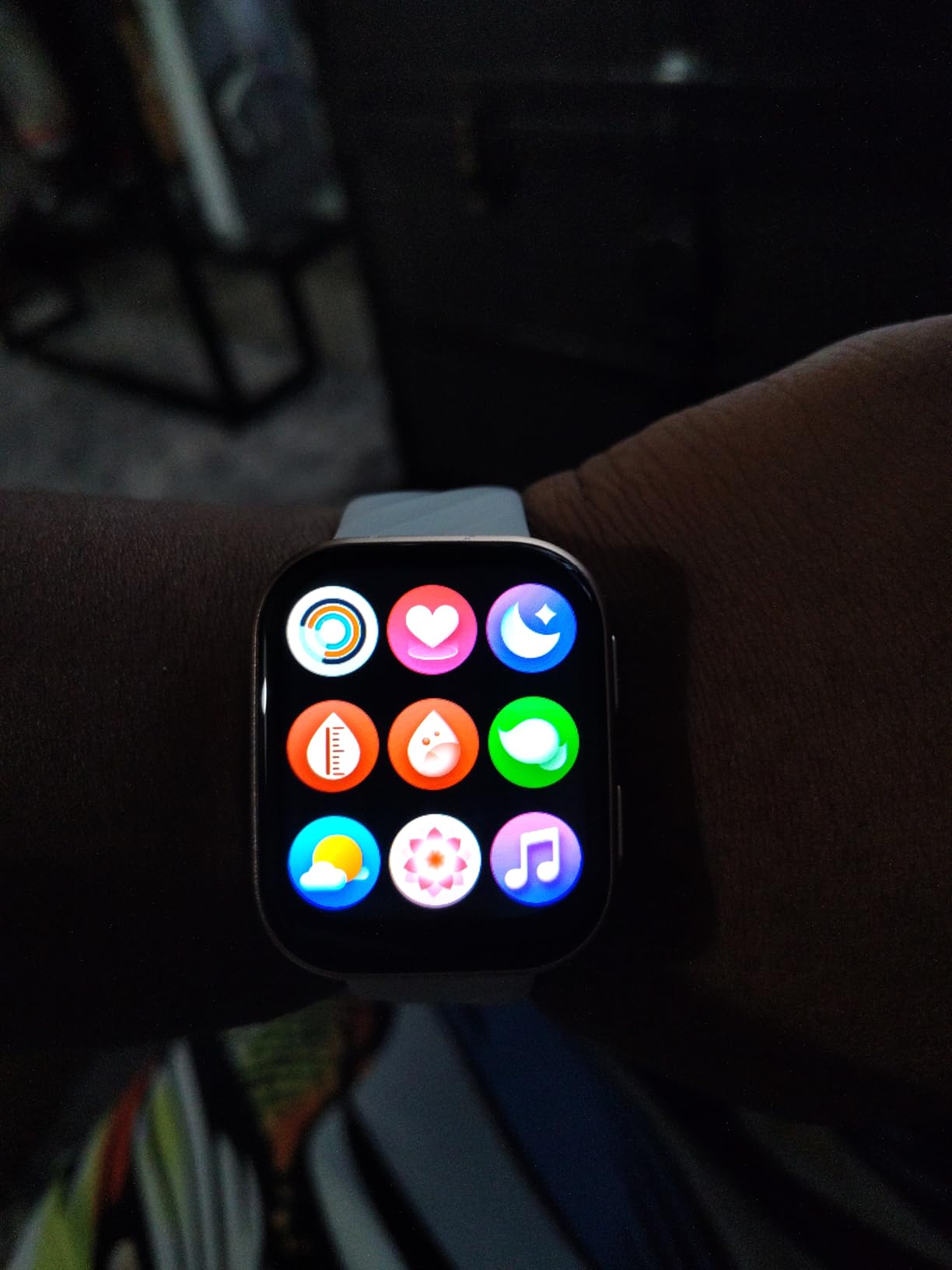
What you get is Bluetooth calling with AAC audio, text and app notifications, and monitoring across heart rate, blood pressure, blood oxygen, stress and sleep. That is more sensors than most watches twice its cost report.
Treating Blood Pressure as a Trend, Not a Measurement
The blood pressure reading is a lifestyle estimate, not a medical measurement, and the same caution applies to every watch here. Nobody should change medication based on a wrist reading from any watch at any price.
Used as a trend indicator alongside resting heart rate and sleep data, it is reasonable. Used as a diagnostic tool, it is not, and reviewers who expected medical-grade data are the ones leaving one-star reviews.
Water Resistance Is the Weak Point
The IP67 rating means no dust protection beyond that level and no immersion beyond one meter, so this is not suitable for diving or surfing. For pool laps, that rules it out where the Samsung Galaxy Fit 3 and the Amazfit Bip 6 are fine.
Sport modes number 120+ across climbing, cycling, fitness, running and walking, and the fit covers 5.71 to 8.86 inch wrists. Music playback control, remote camera control, a stopwatch and timer round out the extras.
Our Take
The feature-per-cost maths is genuinely good and the two-year warranty is longer than most. Sedentary and hydration reminders are small touches that experienced trackers tend to value.
What holds us back is the rating spread. When a watch carries a 12 percent one-star share, expect support and quality control to be inconsistent. If you want a cleaner track record for the same money, the aeac pick below or the Amazfit Bip 6 are stronger bets.
12. aeac Smart Watch – 10 Days of Battery Under 50
Smart Watches for Women Men, 1.85″ Smart Watch Compatible iPhone/Samsung/Android (Answer/Make), Fitness Tracker with Heart Rate/Sleep Monitor, Smartwatch 3ATM Waterproof 120+ Sport Modes, Step Counter
1.85 inch HD LCD, Bluetooth calling, Alexa, 10 day battery, IP68 and 3ATM
+ Pros
- Bluetooth calling plus an Alexa voice assistant in a very cheap watch
- 10-day battery life with owners confirming roughly 10 days in practice
- Accurate heart rate SpO2 and step tracking per owners
- 120+ sport modes covering walking running cycling yoga and swimming
- Five-year guarantee with support and setup under three minutes
- Cons
- Cannot reply to text messages only receive notifications
- Notification settings revert to all-on by default for some users
- App connectivity and the phone app can drop or behave inconsistently
The aeac watch closes the list with a 4.3 across more than 3,200 reviews at the cheapest end of this roundup. Calling plus Alexa in a watch this cheap is the headline, and owners confirm roughly 10 days of battery on a 350 mAh cell with a two-hour charge.
It is rated 3ATM and IP68, so unlike the FITVII it can handle swimming, and one reviewer swims in it. Pairs quickly with both iPhone and Android, with setup reported under three minutes.
What Works and What Bites
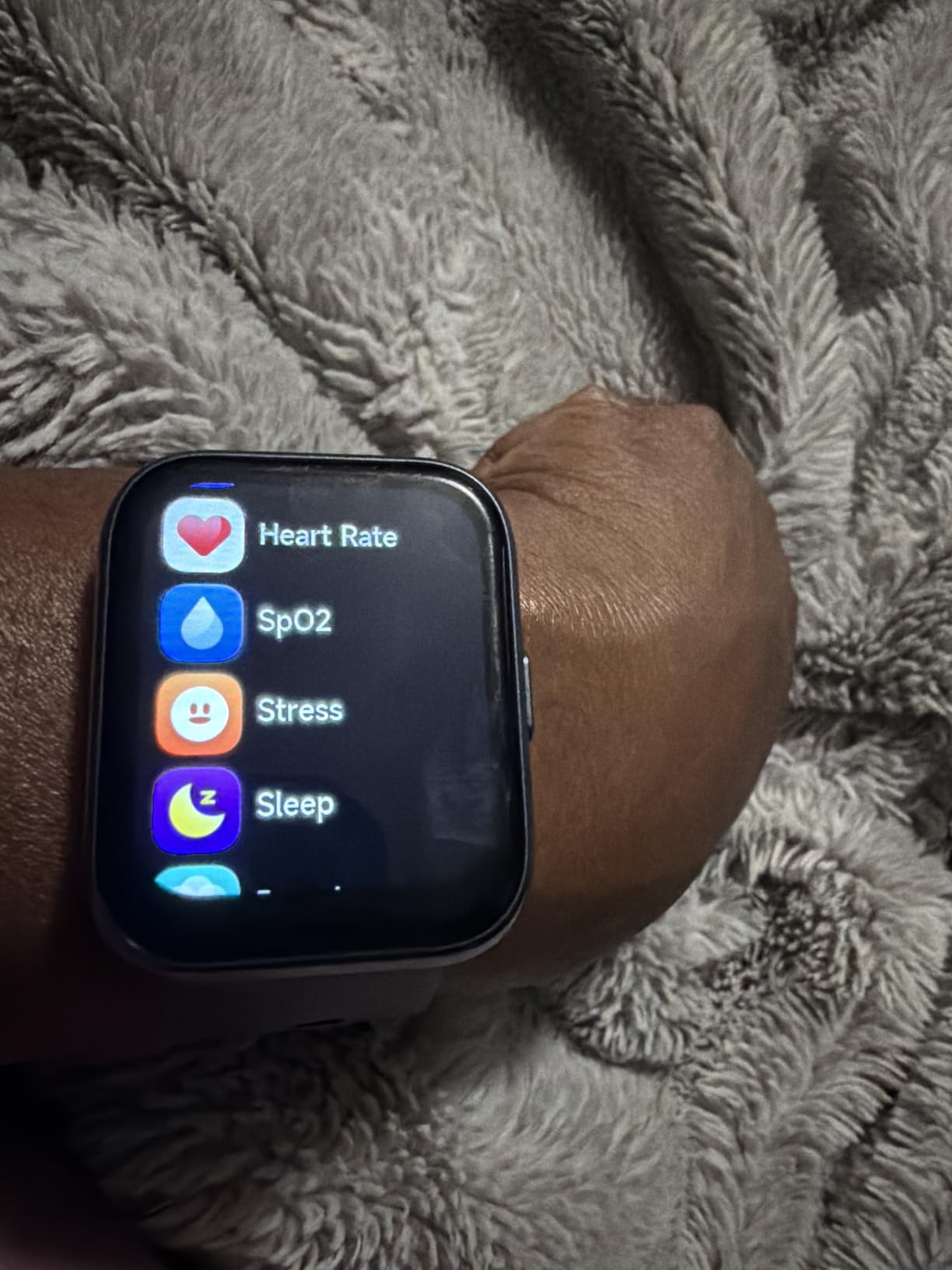
Owners report accurate heart rate, SpO2 and step tracking, and the 120+ sport modes cover walking, running, cycling, yoga and swimming. The 1.85-inch HD touchscreen at 500 nits offers over 200 dial options including custom photos.
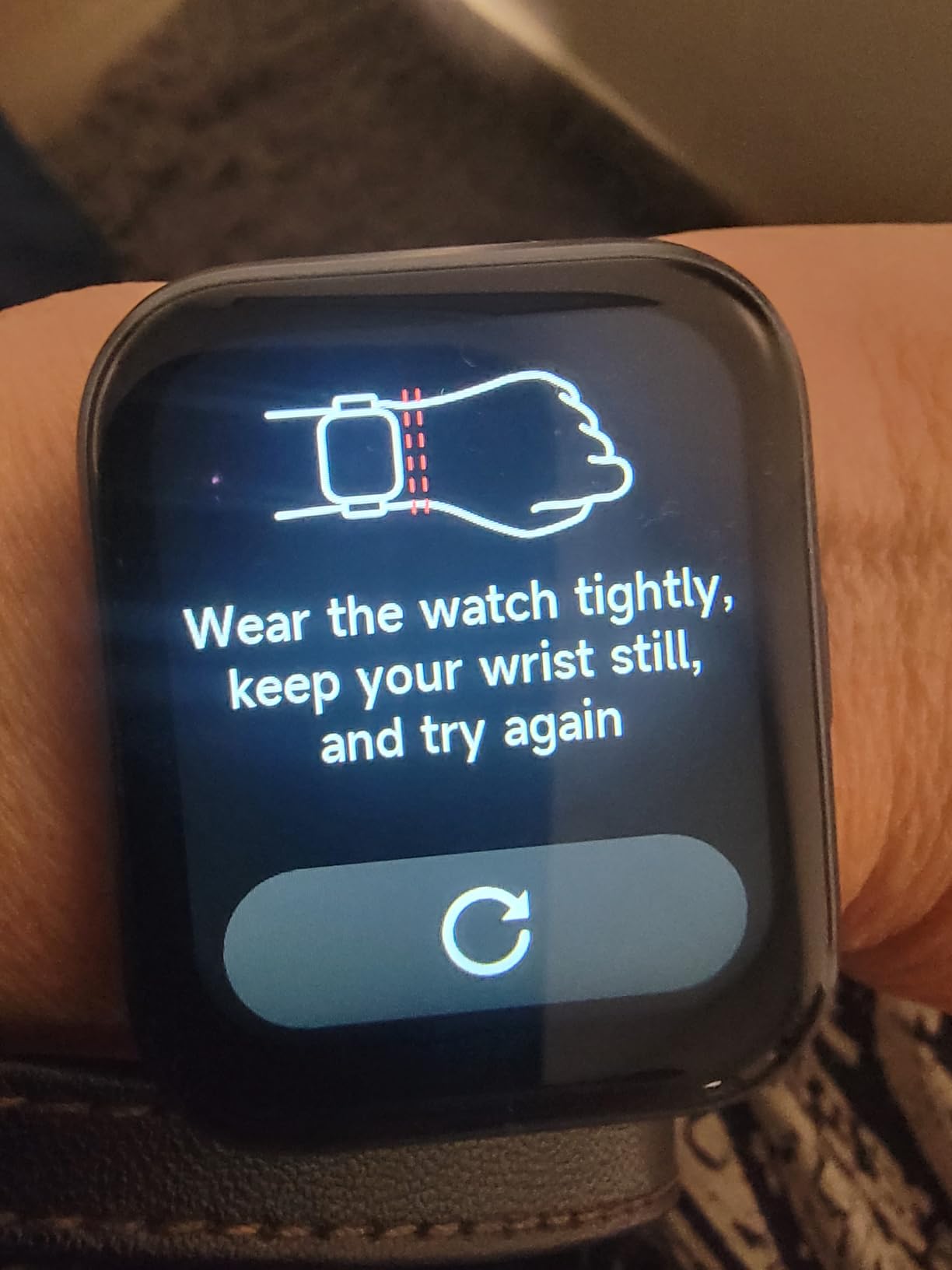
The recurring problems are software, not hardware. You cannot reply to text messages, only receive notifications, and notification settings revert to all-on by default for some users. App connectivity and the phone app can drop or behave inconsistently.
Where This Budget Buys You and Where It Stops
The feature set is basic by design, with only a couple of built-in games and no training load or recovery analysis. If you want VO2 max, training readiness or sport-specific metrics, this is the wrong tier.
It syncs through the VeryFit app plus Apple Health and Google Fit, so your data is not locked in. The five-year guarantee with support is unusually long, which partially offsets the software complaints.
Our Recommendation
Buy it as a step-and-notification device, or as a second watch for the gym where you do not want your main one scratched. The battery and water rating make it a dependable low-cost backup.
If you want fitness data you can actually train from, spend the difference on the Amazfit Bip 6 or the Redmi Watch 5 Active. Both cost more and both deliver metrics that change how you train.
Heart Rate and GPS Accuracy Tiers at This Price
No competitor on this search page quantifies how far optical heart rate drifts from a chest strap, so here is what the review evidence actually supports. Buyers evaluating accuracy should understand that every wrist sensor in this roundup produces an estimate, and none of them is a medical device.
Three of the listings include direct chest-strap comparisons. The Garmin Forerunner 55 has wrist heart rate that proved accurate against chest strap and cycling-computer references, and the Xiaomi Redmi Watch 5 Active held up reasonably well against a Polar H10 for walking. The Fitpolo is the outlier in the wrong direction, with readings running roughly 5 to 10 bpm low against ECG devices.
That last number is the most useful calibration point in the group. If you train to heart rate zones, know your device’s offset before you trust a zone readout.
How to Validate Your Own Watch
Wear a chest strap on the same run or ride as your watch, then compare the average heart rate over a steady 30-minute block rather than peak values. Steady-state is where optical sensors are most reliable, and interval peaks are where they lag most.
Check your step count against a known distance too. Walking a measured 400-meter track and comparing the watch figure tells you more than any specification, and it takes five minutes.
GPS Quality Tiers
Built-in multi-system GPS is the top tier here: the Amazfit Bip 6 supports five satellite systems with fast lock-on and downloadable offline maps. Solid built-in GPS is the middle, covering the Garmin Forerunner 165, the Forerunner 55, the vivoactive 5, the Fitbit Charge 5 and the CMF Watch 3 Pro.
Reviewers report the Fitbit Charge 5 as inconsistent on wooded or covered trails, so tier matters by environment. Below that sit phone-dependent GPS and no GPS at all, which covers the Galaxy Fit 3, the Mi Band 10 and the Redmi Watch 5 Active.
Which Fitness Features Actually Cost Extra
The question that changes the value maths more than any other is which metrics are free. Across this roundup, only one watch has a meaningful paywall, and knowing that before you buy prevents a bad first-year decision.
On the Fitbit Charge 5, 24/7 heart rate, Active Zone Minutes, sleep score with light, deep and REM breakdown, SpO2, HRV and skin temperature are all included. The Health Metrics dashboard and deeper long-term trend analysis sit behind Fitbit Premium, and that recurring fee is the reason the 4.1 rating draws steady criticism.
Every other watch here is free. Garmin’s training effect, recovery time, Body Battery, HRV status and Coach plans run without a subscription. The Amazfit Zepp app, Xiaomi Mi Fitness, the Nothing X App and the generic companions on the remaining picks all hand over the core fitness data at no recurring cost.
How This Changes the Ranking
Over a twelve-month ownership period, a subscription changes the effective cost of a watch by a meaningful margin, and the Fitbit’s feature advantage narrows quickly once you add that fee. That is a large part of why the Garmin and Amazfit picks rank above it here.
Replacement bands are the other hidden cost. Budget for at least one new strap in the first year, since sweat and sunlight degrade silicone faster than people expect, and generic 22 mm straps cost far less than branded ones.
Best Pick by Sport and by Phone
The fastest way to narrow this list is by sport and by phone, because those two answers eliminate most of the field immediately. Every recommendation below maps to a watch we covered above.
For running with a phone-free start, the Garmin Forerunner 165 wins on rating and built-in GPS. For trail work where you need directions, the Amazfit Bip 6 is the only watch here with offline maps and turn-by-turn. For ultra-low-maintenance endurance, the Garmin Forerunner 55 needs charging once or twice a month.
For cycling, the Forerunner 165 and the vivoactive 5 both track bike profiles well, and the CMF Watch 3 Pro syncs to Strava. For pool swimming, the Samsung Galaxy Fit 3 carries a genuine 5ATM rating, and the Mi Band 10 has a compass for lap tracking. For strength training and HIIT, the vivoactive 5 and Amazfit Bip 6 both ship dedicated strength profiles.
For walking and daily step goals, the Fitbit Charge 5 and the Redmi Watch 5 Active are the two strongest, and the aeac watch works as a cheap backup. For step counting where accuracy is the whole point, the Redmi Watch 5 Active has direct pedometer verification in its reviews.
By phone: on an iPhone, Garmin, Amazfit, CMF, Fitpolo and the Mi Band 10 all pair without issue. On Android, add the Samsung Galaxy Fit 3, though check the international model warranty first. If you are on iPhone, the Galaxy Fit 3 is not an option at all.
How to Choose a Fitness Smartwatch on a 200-Dollar Budget
Price bands determine what you can expect. In the 40 to 55 range you get heart rate, sleep and steps, usually with no GPS. From 70 to 100 you gain AMOLED screens and built-in GPS. From 180 to 200 you reach the sensor quality and training metrics that serious runners want.
Check the GPS Type First
Connected GPS, or built-in GPS, means the watch plots your own route. GPS via smartphone means it borrows your phone’s signal and dies the moment you leave without it. At this price, that single spec decides whether a watch is usable for outdoor training.
Be Honest About Which Metrics Drive You
Step count and basic sleep staging are solved problems in this tier. Training load, recovery time, VO2 max and readiness scores are where sensor quality separates devices. If your motivation is data you can train from, pay more.
Treat Battery Life Under Load, Not Headline Days
Always-on display, continuous GPS and music playback all draw heavily. A watch claiming two weeks may deliver five days once you turn those on, which is exactly the gap the Galaxy Fit 3 reviewers report. Assume charging every three to seven days for AMOLED models, and every ten to fourteen days for band-style devices.
Trial the Companion App Before You Buy
Community feedback is consistent on this point: people stop wearing watches because of the app, not the hardware. Zepp, VeryFit and the generic companions are less refined than Garmin Connect or Samsung Health, and if data is your reason for owning a watch, the app is the product.
Count the Twelve-Month Cost
Add one replacement band, which ranges from cheap generic to branded, and any subscription. That total, not the sticker number, is the real comparison between a Fitbit and a Garmin.
Decide by Sport Before Brand
Running, cycling and swimming reward GPS accuracy and sport profiles. Strength work rewards workout logging rather than routes. Walking and step goals reward battery and comfort. Pick the watch that matches your sport, then the brand that matches your phone.
Frequently Asked Questions
What is the best smartwatch under 200 dollars?
The answer depends on your phone. For fitness-first buyers, the Garmin Forerunner 165 leads with built-in GPS, a 4.6 average rating and 11 days of battery. Garmin and Amazfit options work with both iPhone and Android, while some Samsung and Xiaomi models are restricted to one ecosystem.
Which smartwatch has the best accuracy?
Among watches with direct chest-strap comparisons in their reviews, the Garmin Forerunner 55 and Xiaomi Redmi Watch 5 Active perform best. The Fitpolo runs roughly 5 to 10 bpm low against ECG devices, so it is the weakest for zone-based training. Every watch here produces an estimate rather than a medical measurement.
Do budget smartwatches need a subscription?
Most do not. The Fitbit Charge 5 gates the Health Metrics dashboard and deeper trend analysis behind Fitbit Premium, while core data including 24/7 heart rate, Active Zone Minutes and sleep staging remain free. Garmin, Amazfit, Xiaomi, CMF and the generic picks in this roundup include their core metrics at no recurring cost.
Is a cheap smartwatch worth buying?
Yes for step counting, sleep staging and casual runs, where watches under 100 perform genuinely well. No for training load, ECG or accuracy-critical interval work. The crossover point is around the 150 to 200 range, where sensor quality and sport-specific metrics become meaningfully better.
Which budget smartwatch has the longest battery life?
The Xiaomi Mi Smart Band 10 leads with 21 days claimed and 14 to 21 days reported by owners, followed by the Garmin Forerunner 55 at up to two weeks and the Amazfit Bip 6 at up to 14 days. The Samsung Galaxy Fit 3 claims 14 days but owners report 3 to 5 days in real use.
Our Verdict: Which One You Should Wear
The best smartwatches under 200 dollars for fitness list comes down to a few clear archetypes. If you want one watch that covers steps, sleep and daily activity honestly with a battery you rarely think about, the Xiaomi Redmi Watch 5 Active is our top pick, backed by the highest rating and review volume outside Fitbit and a two-year warranty.
If you run, ride or do interval work and want real GPS, pick the Garmin Forerunner 165 for the strongest sensor and metric set, or the Garmin Forerunner 55 if charging monthly matters more than a modern screen. If you train outdoors and want maps, the Amazfit Bip 6 is the only pick here that does it.
For daily health data and stress focus, the Garmin vivoactive 5 leads on Body Battery and sleep coaching. For pool swimming, choose the Samsung Galaxy Fit 3 and accept its shorter real battery life and international model limits. For the smallest outlay with the most features, the aeac watch and the Fitpolo deliver calling and multi-day battery without any subscription.
Whichever you pick, pair it with a chest strap for one workout before you trust a zone reading, and check the price when you are ready. This roundup is updated for 2026 as new models land.