
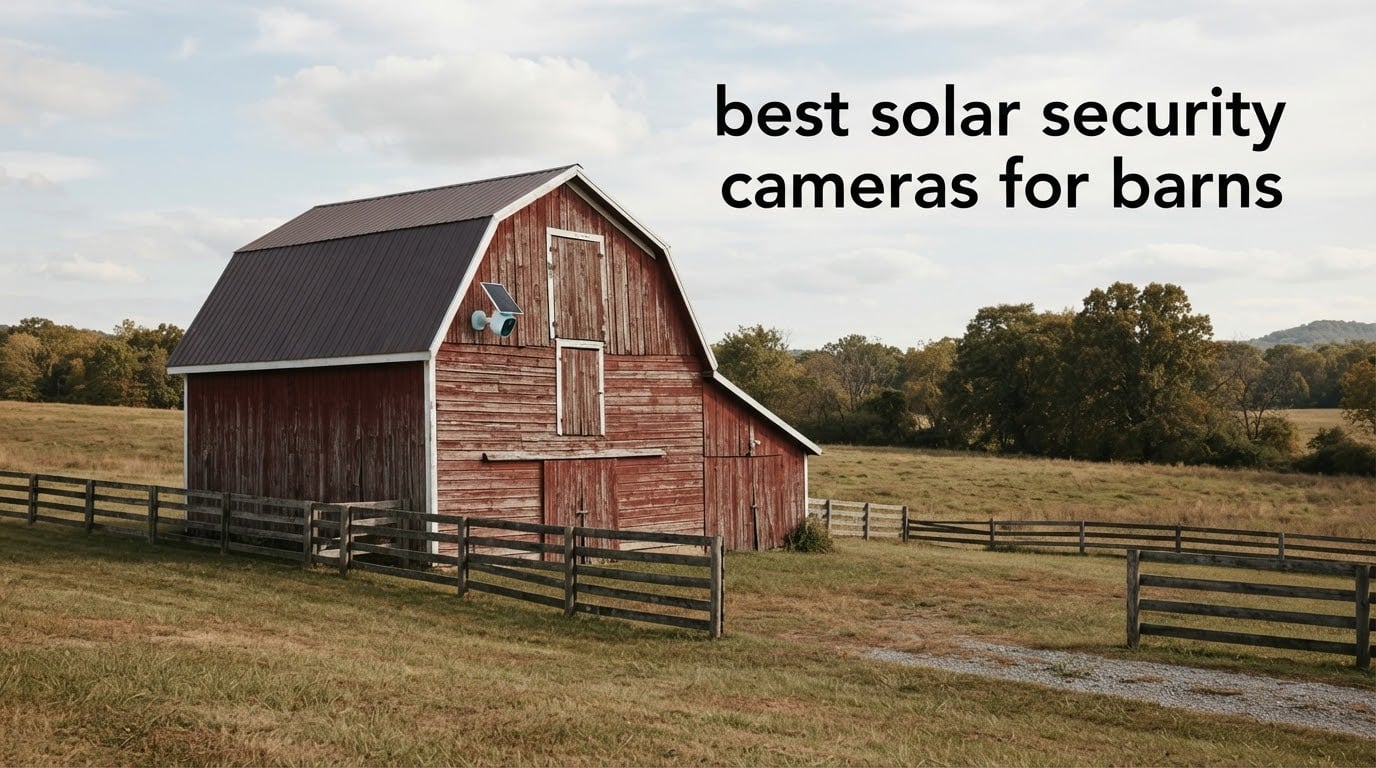
The barn is the least-protected building most farms own. No outlet, no Wi-Fi, no sightline from the house, and it holds the tractor, the fuel tank, the feed and the livestock. A solar security camera for barns is the only realistic way to put real-time eyes on that building without running conduit and ethernet out to it.
I have spent the last few months comparing these cameras the way an owner actually would: which one keeps recording through a wet October, which one still finds the SIM when it is bolted to the north gable, and which ones fill an app with alerts about a curious heifer at 2am. What follows is a ranked list of the ten I would consider mounting, plus the two decisions that decide whether any of them work at your barn at all: cellular signal testing and winter battery math.
Here is the short version. If your barn has bars from at least one major carrier, the SEHMUA 4G LTE unit is the one I would mount first because it carries the largest battery, a 360-degree view and the most owner history of anything here. If you have solid 2.4GHz Wi-Fi reaching the barn, the eufy SoloCam S340 gives you noticeably cleaner 3K video with no monthly fee. And if you are covering a whole property rather than one door, the aosu four-camera kit is the most complete package on this list.
One note on evidence before we get into the details. Every camera below is described using its published specifications and owner feedback, including the drawbacks owners actually report. Where an owner in a farming forum made a specific claim about a specific model, I name the source. Everything else is what reviewers report.
Our Top 3 Solar Barn Cameras After Comparing Ten Models

SEHMUA 4G LTE Solar Camera
- 4G LTE with no Wi-Fi needed
- 6W panel and 10400mAh battery
- 2K color night vision
- 360 degree pan and tilt
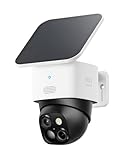
eufy SoloCam S340
- 3K dual-lens with 8x hybrid zoom
- Removable solar panel
- 360 degree AI tracking
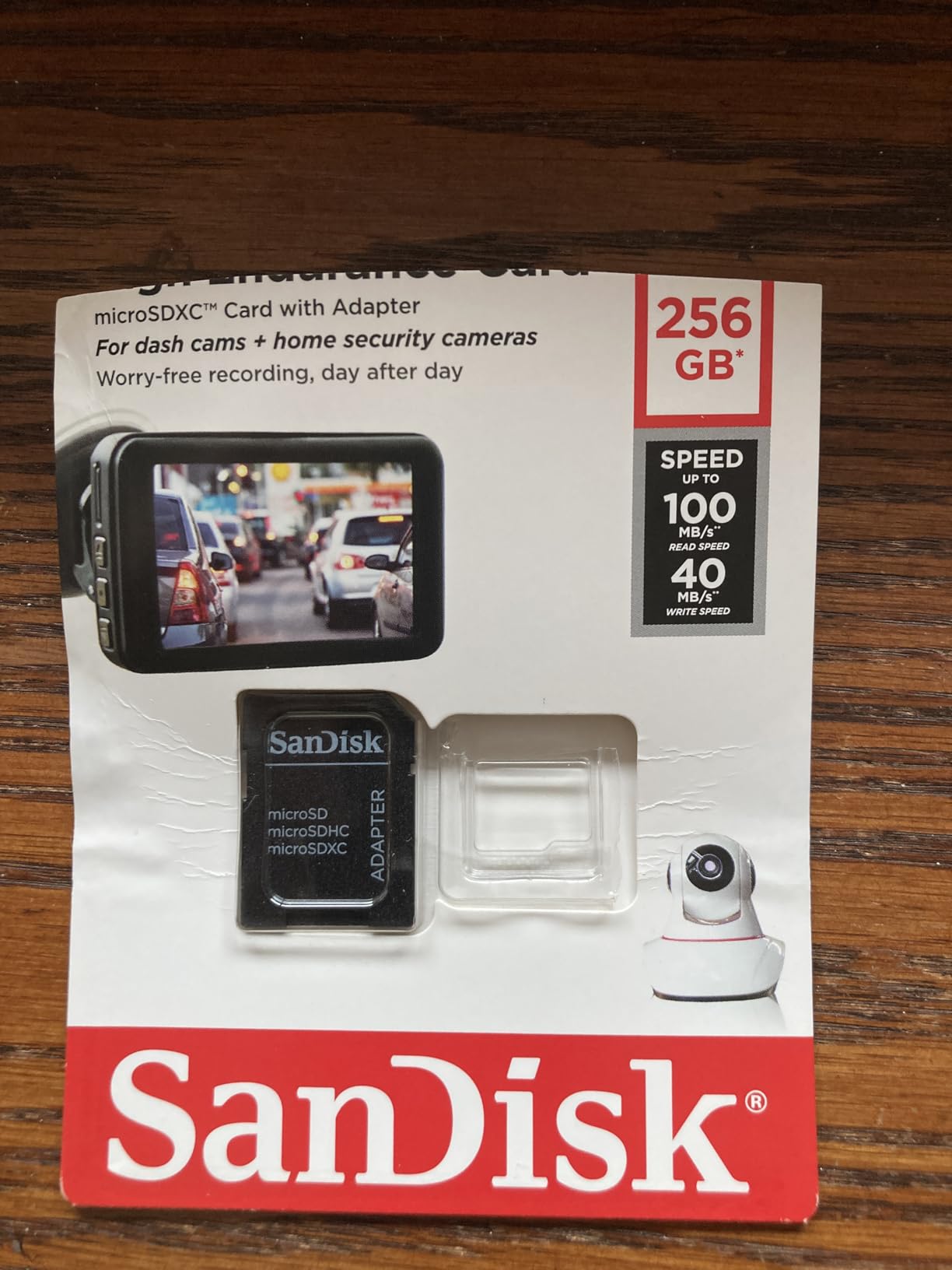
- 8GB local storage no fee

aosu D1 Classic 4-Cam Kit
- Four solar cameras plus base station
- 32GB onboard local recording
- Cross-camera tracking
- About three hours of sun per day
All 10 Solar Barn Cameras Compared Side by Side in 2026
| Product | Details | |
|---|---|---|
| SEHMUA 4G LTE Cellular Solar Camera |
|
Check Latest Price |
| eufy SoloCam S340 |
|
Check Latest Price |
 Cinnado B6 2-Pack Cinnado B6 2-Pack |
|
Check Latest Price |
 aosu Solar Camera aosu Solar Camera |
|
Check Latest Price |
| aosu D1 Classic 4-Cam Kit |
|
Check Latest Price |
 HOSAFE 4G LTE Two-Pack HOSAFE 4G LTE Two-Pack |
|
Check Latest Price |
 eufy 4G LTE Cam S330 eufy 4G LTE Cam S330 |
|
Check Latest Price |
 HOSAFE 4G LTE Solar Camera HOSAFE 4G LTE Solar Camera |
|
Check Latest Price |
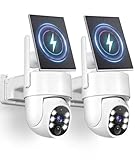 Gianteye 5G Solar 2-Pack Gianteye 5G Solar 2-Pack |
|
Check Latest Price |
 TACTACAM Defend 360 TACTACAM Defend 360 |
|
Check Latest Price |
1. SEHMUA 4G LTE Cellular Solar Camera – The Pick When the Barn Has No Wi-Fi at All
SEHMUA 4G LTE Cellular Solar Security Camera Wireless Outdoor, No Wi-Fi Solar Powered Camera, 360° Live View, 2K Color Night Vision, PIR Motion Sensor, Two-Way Talk, Built-in SIM Card
4G LTE cellular
Solar with 10400mAh battery
IP65
2K color night vision
+ Pros
- Works with no Wi-Fi and no power at all
- 10400mAh battery with 6W solar panel
- 360 degree pan and tilt
- 2K color night vision
- Simple setup with voice guidance
- Cons
- Two-way talk audio is weak
- PIR sensitivity often needs re-tuning
- Paid cellular plan needed after the trial
This is the camera I would put on the first barn I ever secured. It is a pure cellular device with a 6W solar panel and a 10400mAh battery, and that combination is why it works where nothing else does: a gate post two hundred yards past the end of your Wi-Fi, with no outlet within a hundred feet.
The 360-degree pan and tilt plus 4x digital zoom mean one camera can cover a door, a drive and a gate without a second mount. Daytime footage is a genuine 2K, and the night mode records in color rather than falling back to washed-out infrared, which matters when you are trying to identify a vehicle in a dark lane rather than just detect movement.
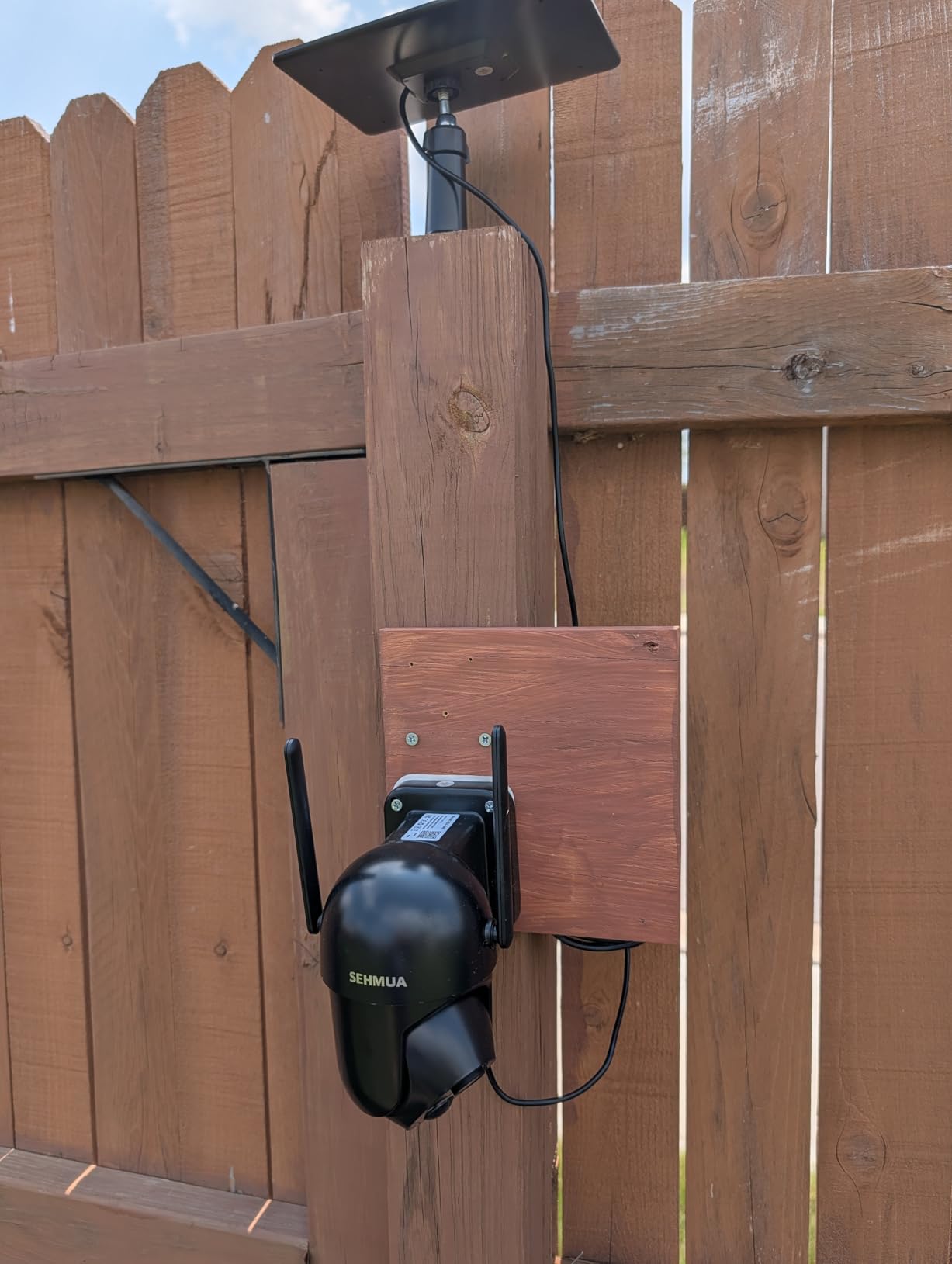
Owners consistently describe the setup as straightforward, with voice-guided app prompts getting them live in minutes. It carries the largest volume of owner feedback of any camera in this roundup, which means the failure modes are well documented rather than mysterious.
Battery and panel sizing for a barn door
The 10400mAh battery is the largest here, and that headroom matters more than resolution when a camera faces a driveway where vehicles pass several times a day. Each wake-up for motion drains power, so a bigger pack absorbs more of the cloudy stretches where the panel is producing very little.
The panel is 6W, which is modest but sufficient for a PIR-triggered camera that sleeps between events. It would be marginal for a unit expected to record continuously, and reviewers do note good battery retention in ordinary use.
Motion detection tuning is the real work
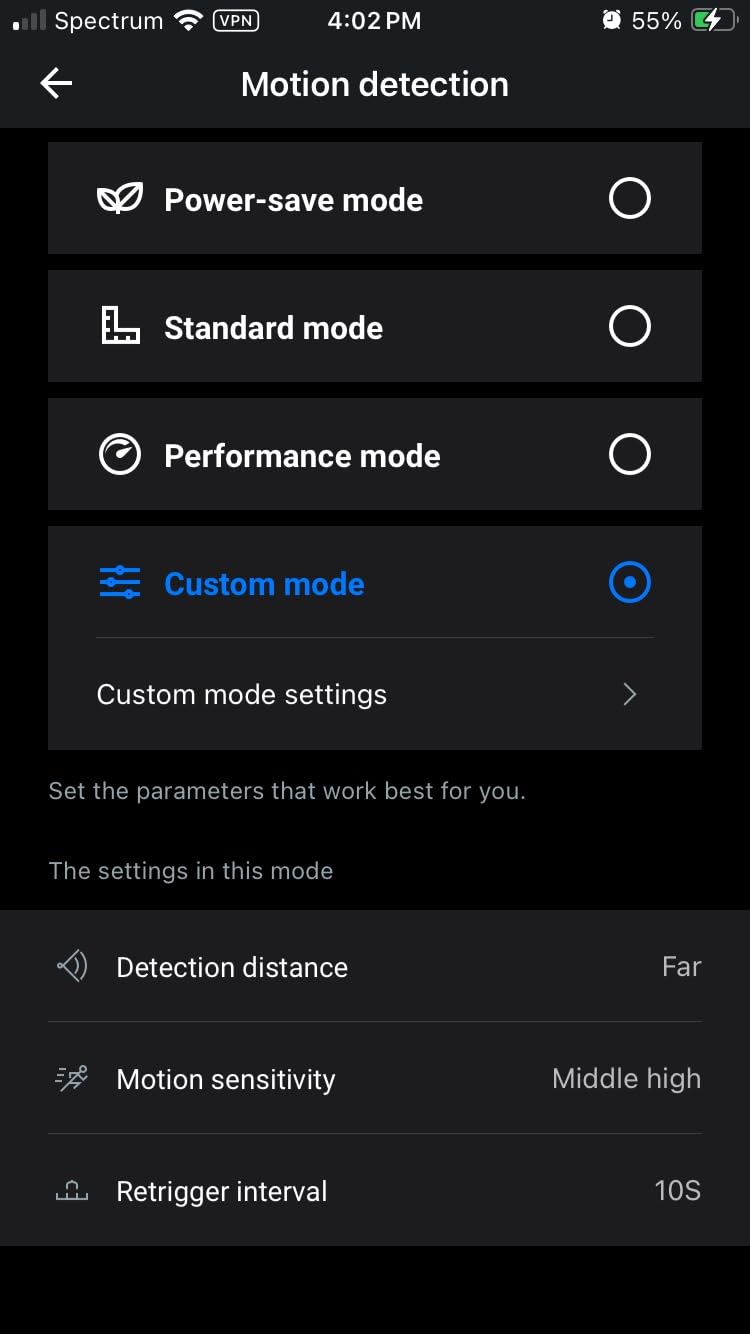
This is the most common complaint in the owner feedback: PIR sensitivity is not always dependable and needs periodic re-tuning. On a barn that is a mixed blessing, because the alternative is an app full of heifer alerts at all hours. Set the detection zone narrowly around the door or gate and disable it across the paddock.
What cellular does and does not solve
The SIM is built in and works across AT&T, T-Mobile and Verizon, so carrier choice is less of a headache than with some imports. A data plan is required after the trial period, which is the running cost most owners are surprised by.
Two other limitations worth knowing: the two-way talk audio is weak, so do not plan on shouting a warning through it, and there is no automated patrol mode. You aim the camera yourself and it stays where you put it.
2. eufy SoloCam S340 – Sharp 3K Solar Coverage With No Monthly Fee
eufy Security SoloCam S340, 3K Dual-Lens Solar Security Camera
3K dual lens with 8x zoom
10000mAh removable panel
8GB onboard storage
+ Pros
- Very sharp 3K dual-lens imagery with 8x zoom
- Removable solar panel with no monthly fee
- 360 degree pan and tilt with AI tracking
- Seven-minute install and intuitive app
- 8GB onboard storage plus SD card support
- Cons
- Two-way talk audio sounds tinny
- Plastic mount is easy to pull off
- Setup must be on a 2.4GHz network
Image quality is where this camera separates itself. The dual-lens 3K sensor with 8x hybrid zoom produces the sharpest stills of any Wi-Fi-only model here, and that is what lets you read a face or a plate from a camera you do not want to walk out to.
It is also the one model in this roundup with a documented full-winter survival story. An eufy SoloCam S340 owner on Reddit reported mounting it in a tree and holding battery above 95% through an entire winter, never dipping below 85% across six months or more. That is exactly the use case for a barn camera: a remote mount with no one to brush snow off it.
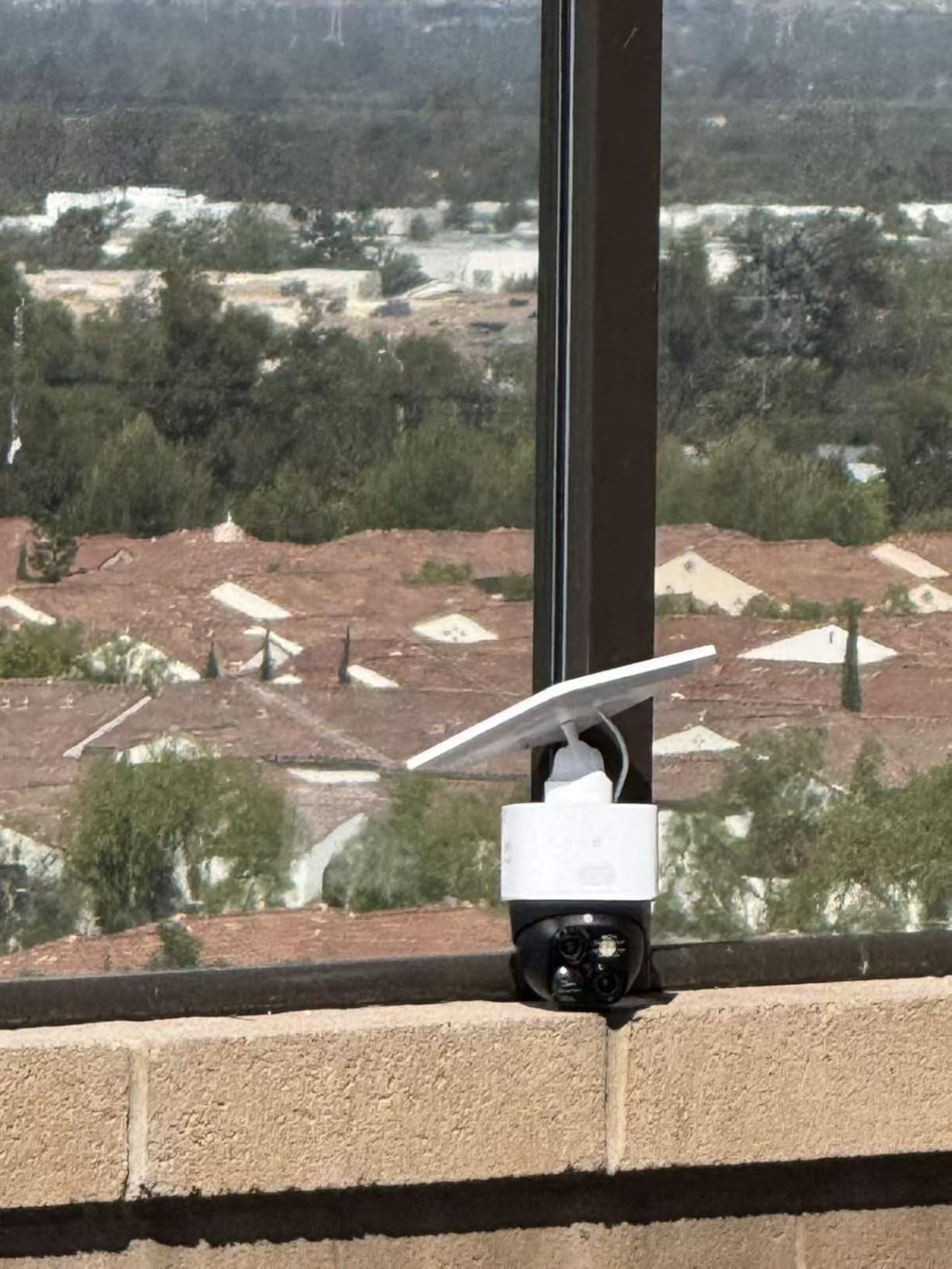
Setup took that owner seven minutes, and the same speed shows up repeatedly in the feedback. There is 8GB of storage built in plus SD card and HomeBase options, so you are not paying a subscription to keep recordings.
Zoom and detection range versus raw resolution
The 440-foot detection range is a motion-detection figure, not an identification range. In practice the 8x hybrid zoom is what matters, because it is the difference between a blob and a description of a person at the barn door.
Mounting matters more than usual on this model. The 135-degree field of view combined with 360-degree pan and tilt means a vertical mount can eliminate blind spots, but only if you give the lens room to swing.
The Wi-Fi requirement is the deciding factor
This is a Wi-Fi camera, so it needs a 2.4GHz signal at the barn. For a barn fifty feet from a router that is easy. For the gate at the far end of the property, it is a non-starter, and no amount of battery will fix it. Test your bars first, and if 2.4GHz does not reach, choose a cellular model.
Mount security and app behavior
The included plastic mounting bracket is flimsy and not theft resistant, which owners flag directly. On an exposed barn door a determined person can pull the camera off, so mount it high and out of arm’s reach, or use a tamper-resistant bracket.
The app can be slow to pan the lens and occasionally lags on notification recognition. The two-way talk is tinny and half-duplex, so treat it as a convenience rather than a deterrence.
3. Cinnado B6 2-Pack – Two Solar Cameras For Two Barn Corners
Cinnado 2K Solar Wireless Outdoor Cameras for Home Security White B6 2Pack
Two cameras and two panels
5000mAh per camera
IP65
2K with 33ft night vision
+ Pros
- Two cameras and two solar panels in one kit
- 2K sharp enough for short-range plate detail
- Color night vision with three modes
- No forced subscription and up to 128GB microSD
- Responsive customer support
- Cons
- 2.4GHz Wi-Fi only with no 5GHz support
- Not 24/7 recording and motion clips are short
- Basic app with delayed two-way audio
Most barn problems are two-point problems: the door where the tractor comes out and the gate where the trailer comes in. This two-pack puts a solar camera on each, with its own panel and its own 5000mAh battery, and it is the configuration I recommend first for a small holding.
Reviewers repeatedly describe using these on farms, barns, driveways and garages, with reliable solar charging and clear 2K daytime footage. Human-only detection filters out most of the livestock noise that makes generic PIR cameras maddening on a working farm.
Night vision has three modes including a human-triggered spotlight, which is useful when you want color rather than infrared for an identification shot.
Recording model: event clips, not continuous capture
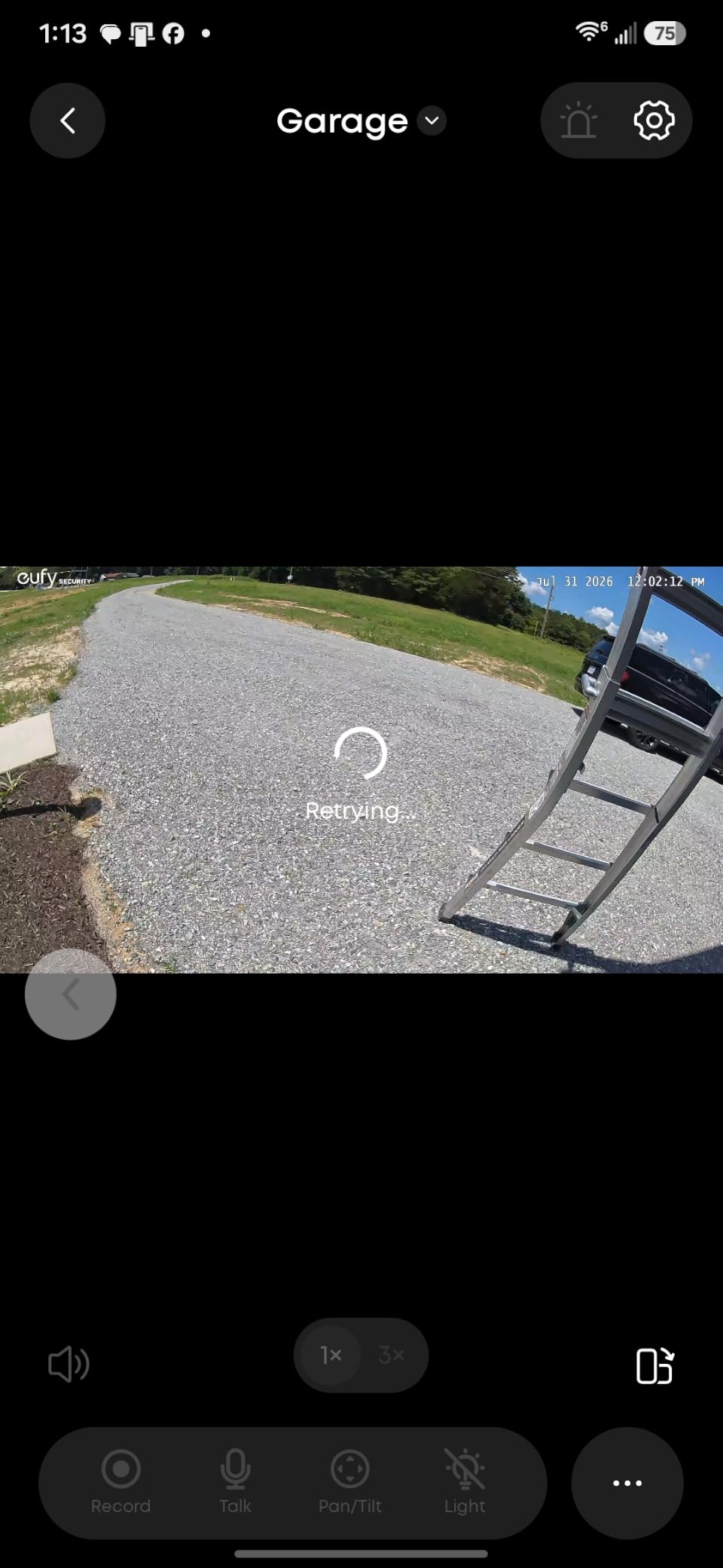
This is the most important thing to understand before buying. It does not record 24/7. It records motion events, and those clips are short. If you need a continuous record, you are looking at a wired base-station system instead.
For intruder alerting and evidence of a break-in, event clips are usually enough. For a livestock or predator timeline, they are not.
Wi-Fi limits and offline behavior
The 2.4GHz-only radio is the main constraint, and it is why I put this camera below the eufy in this ranking despite similar resolution. If your router broadcasts 5GHz, this camera simply will not join it.
Several cameras have dropped offline and required re-pairing, which owners mention often enough that it is worth knowing before you mount one a quarter mile from the house.
Storage and the two-way audio gap
There is no forced subscription. Local microSD up to 128GB works, and cloud is optional. The app is basic compared with Ring or Nest, and the two-way audio carries noticeable delay, so do not rely on it to talk someone out of opening a gate.
Zoom is 4x, which is modest, and it is the reason I would not put this camera on a long driveway where you need to identify a vehicle at distance.
4. aosu Solar Camera – A Fixed Panel That Keeps Charging Through Storms
aosu Solar Camera Outdoor Wireless for Home Surveillance,Fixed Solar Panel
Fixed solar panel
360 degree PTZ
IP65
2K day and night
+ Pros
- Fixed panel charges reliably through snow and partial shade
- 360 degree PTZ with clear 2K day and night image
- Automatic human tracking that follows movement
- App voice guidance and multi-camera management
- Responsive service that replaces faulty units
- Cons
- 2.4GHz Wi-Fi only
- Fixed panel cannot be re-aimed toward the sun
- Motion range can be limited
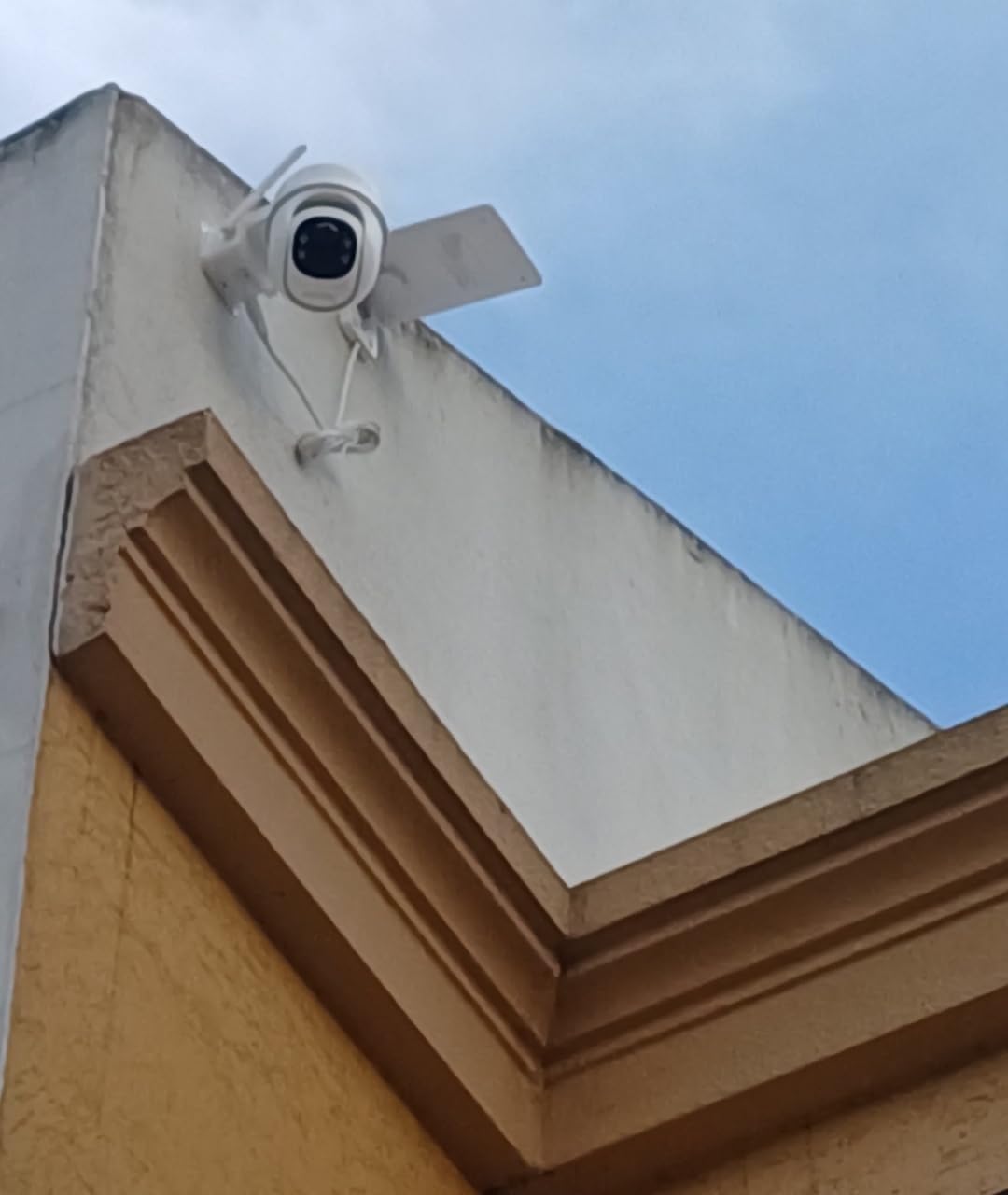
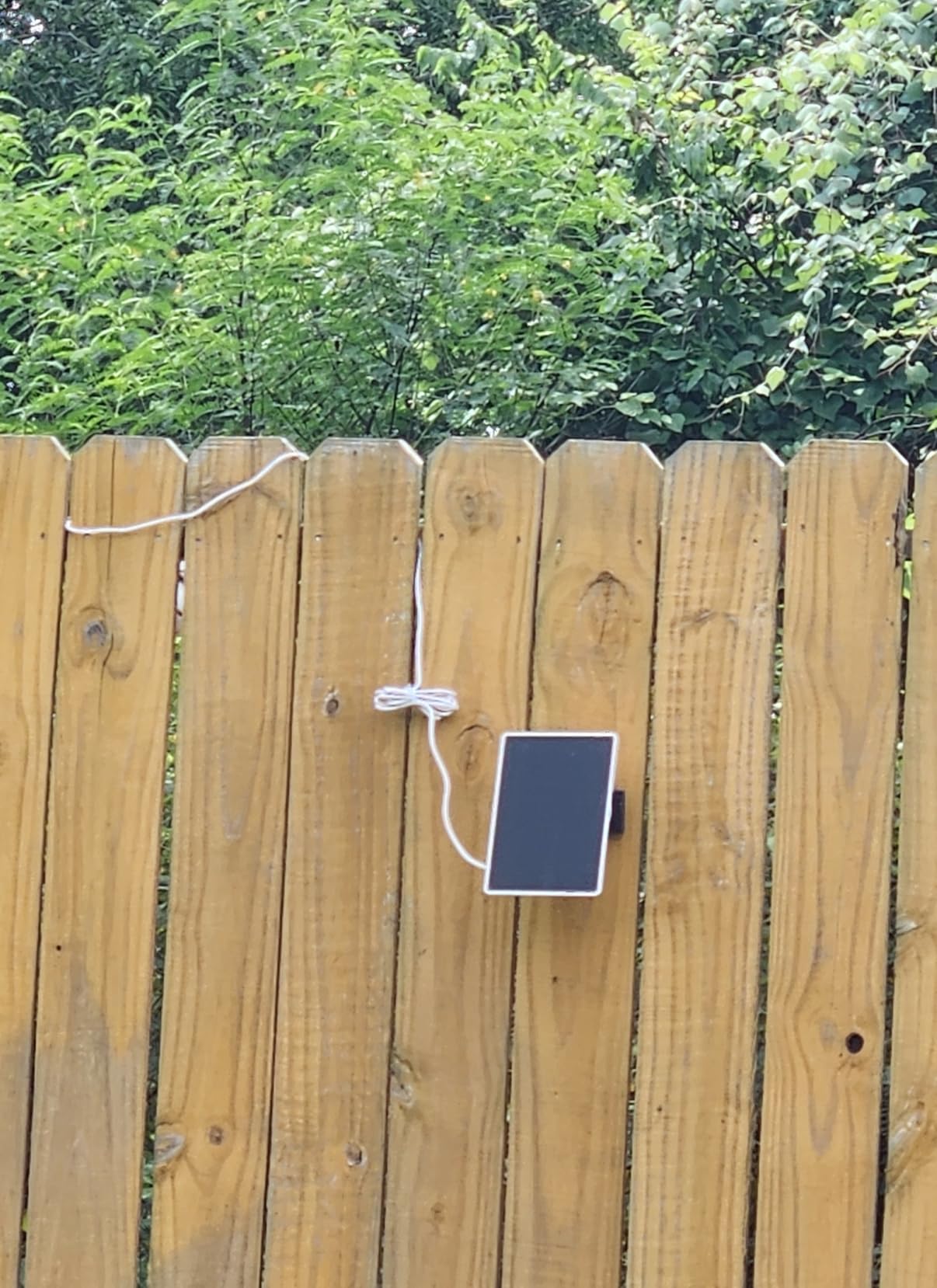
The reason this camera appears on barns more than you would expect is the panel. It is fixed and non-adjustable, which reads like a disadvantage on paper and works well in practice, because there is nothing to loosen and nothing to drift out of alignment after a season of wind.
Owners report the panel keeps the battery charged through snow, storms and partial shade. A fixed panel also means you mount it once and forget it, which matters on a barn with no convenient south-facing roof plane.
The 360-degree pan-tilt with tap-to-look control and automatic human tracking covers the full sweep of a barn wall from a single mount.
Mounting position dictates the sun angle
Because the panel cannot be re-aimed, you have to aim the camera so that the barn position catches whatever light that wall gets. Mount on the south or southwest face where you can, and check the shadow from the roofline in December rather than July.
On a gable end in partial shade, this camera is a good pick. On a north wall, no solar camera will do well, and moving the mount beats buying a bigger panel.
Motion range and the sleep behavior
Some owners report limited or inconsistent motion detection range, and a camera that appears to sleep when you walk past it. Tune the sensitivity before you climb down, and confirm it triggers from the phone while you are still standing in front of it.
Setup has one genuine trap: it must be charged with the included USB cable before first use, and the instructions do not make that clear.
Multi-camera management
The app supports multiple cameras in one account, which is how most people cover a barn, a gate and a run-in together. Compatibility with Alexa and Google Assistant is included, and both SD card and cloud storage are offered.
Being 2.4GHz only, it needs a clean 2.4GHz signal at the barn. Run a speed test at the mount point before you climb the ladder.
5. aosu D1 Classic 4-Cam Kit – Whole-Barn Coverage With 32GB On-Board Storage
aosu D1 Classic 4-Cam Kit, Security Cameras Wireless Outdoor, Solar Powered
Four solar cameras plus base
32GB onboard storage
3MP day and night
IP65 with 33ft night vision
+ Pros
- Four cameras plus base with 32GB local storage and no subscription
- Built-in panels keep batteries charged with about three hours of sun
- Cross-camera tracking and four-way simultaneous live view
- 360 degree pan and tilt with auto tracking
- 3MP day and night with 4-LED color night vision
- Cons
- Motion sensing lags 1-2 seconds on fast subjects
- Panning resets to default after a full 360 sweep
- Base has no card slot and caps at four cameras
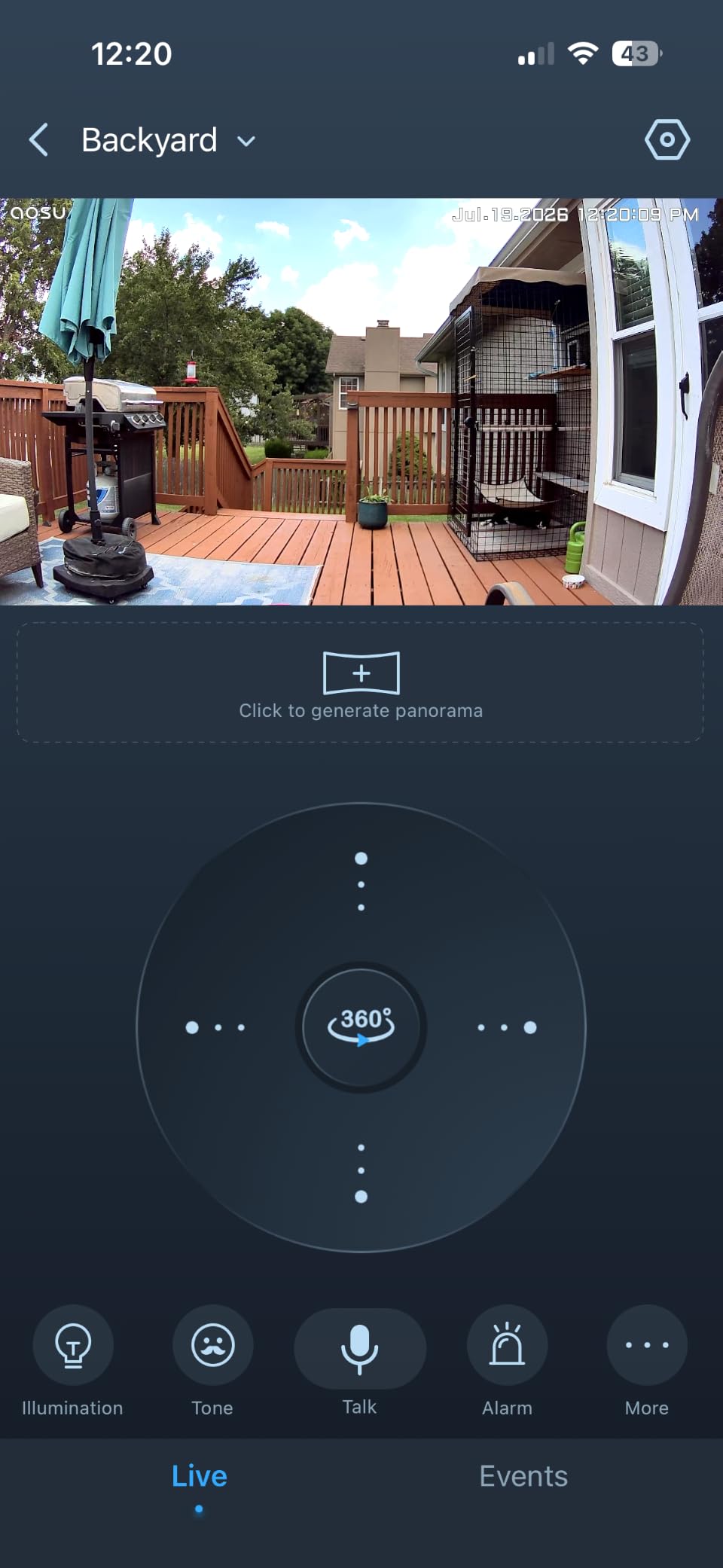
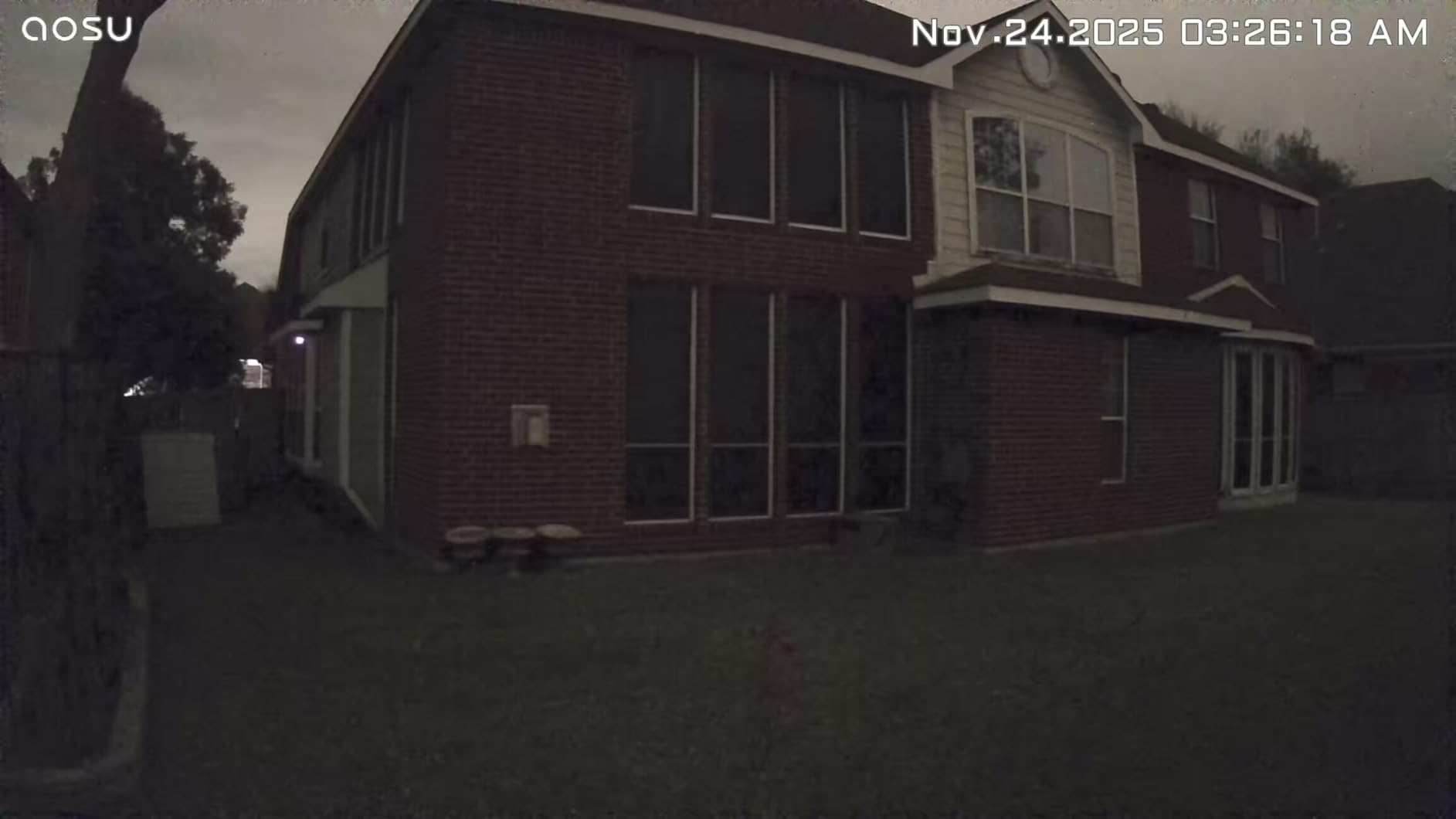
If you are covering a whole property rather than one building, this is the most complete package here. Four solar cameras, a base station with 32GB of local storage, cross-camera tracking and four-way simultaneous live view, with no monthly fee attached.
That base station is the part that matters on a farm. Cameras can sit on the far gable, the gate post and the equipment shed, and you watch all four from one screen without pulling up four apps.
Owners like the easy install and the reliable solar charging, with roughly three hours of daily sunlight described as enough to keep them running. Day and night footage is 3MP with four LEDs for color night vision at close range.
Local storage versus cloud storage
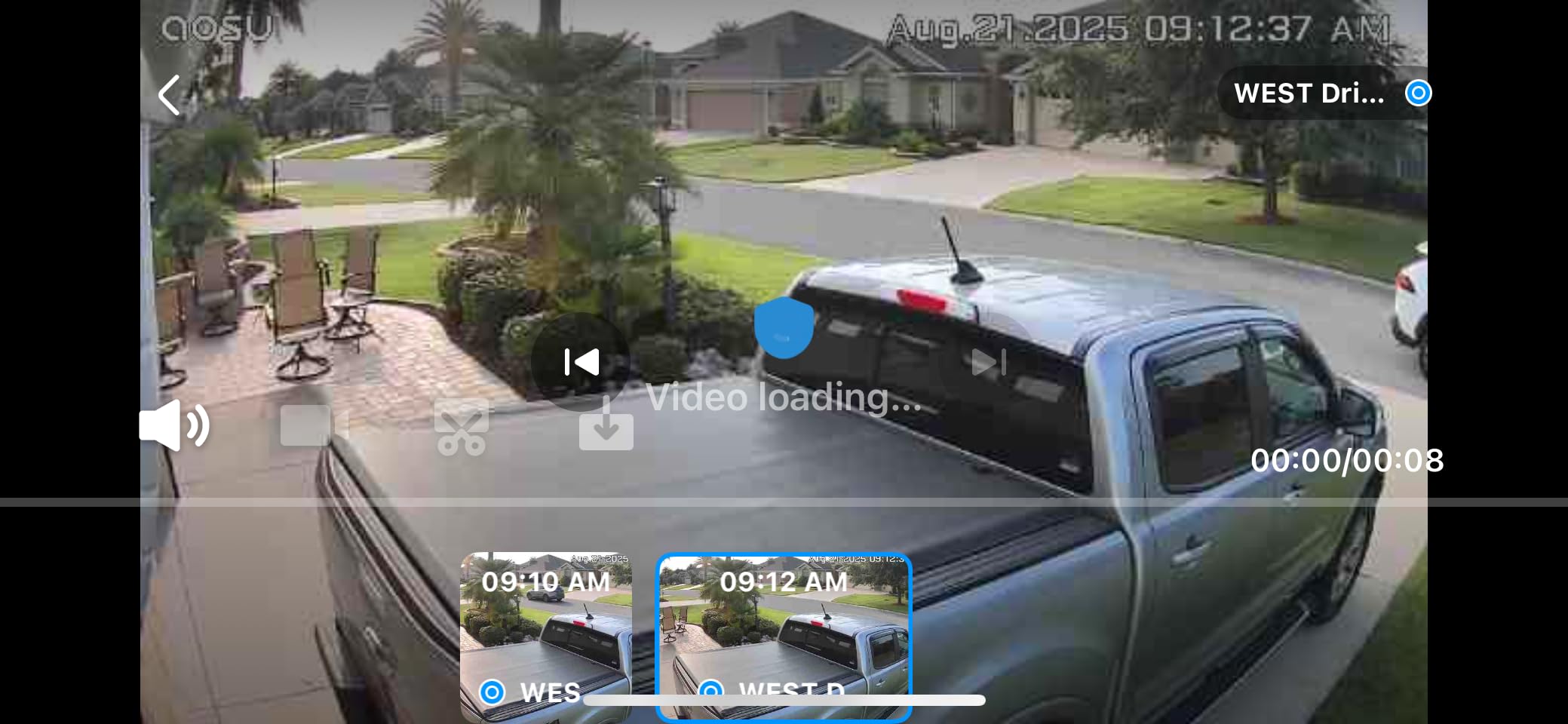
The 32GB onboard in the base loops recording and holds up to about four months depending on activity. That means footage stays available even if you cancel anything, and nothing is held behind a paywall when you need it for an insurance claim.
The tradeoff is that the base has no memory card slot for expansion and caps at four cameras. If you later want eight, you are starting a new system rather than adding a channel.
Where the motion delay bites
Motion sensing runs with a 1-2 second delay and may miss fast-moving subjects. A person walking is fine. A truck pulling away from a fuel tank at speed is not. This is exactly the scenario barn cameras get bought for, so set the sensitivity as tight as you can tolerate.
Panning also resets to the default view after a full 360-degree sweep, which is mildly irritating but not a security failure.
Subscription tiers and the Wi-Fi ceiling
Subscription options are priced per camera and only offered in three or five camera bundles, which tells you the manufacturer expects local recording as the normal path. A few owners reported battery or charging failures within weeks, so check early rather than at the first January storm.
Like the other aosu units, this is Wi-Fi dependent. The whole point of a kit is that all four cameras need signal, so confirm coverage before mounting rather than after.
6. HOSAFE 4G LTE Two-Pack – Dual Cellular Watch Over Two Separate Gates
4G LTE Cellular Solar Security Camera Wireless Outdoor, 2 PCS 360°Live View
Two independent 4G LTE cameras
10400mAh per camera
IP66
2K with 50ft night vision
+ Pros
- Two fully independent cellular cameras with their own panels and batteries
- No Wi-Fi needed at barns
- farms or remote buildings
- Solar holds the battery at or near full through cloudy days
- 2K video with 4x zoom and 360 pan-tilt
- MicroSD up to 128GB with two-way audio
- Cons
- Cellular signal is the limiting factor in semi-remote areas
- Data plan required after the trial
- Ubox app is functional but not polished
This is the cellular answer for a property with two spots that matter and no Wi-Fi at either one. Both cameras operate independently with their own solar panels and 10400mAh batteries, so one weak signal does not take the whole system down.
Buyers using these on livestock yards, farms and remote outbuildings report the panels holding the batteries at full charge in all but the darkest conditions. Several owners specifically mention using the speaker to deter raccoons and coyotes around the feed area.
IP66 is a step up from the IP65 models here, which matters on a barn wall that gets hosed down or hit with driving rain off a gate.
Signal, not hardware, decides if this works
The single caveat that appears in the owner feedback is that cellular reception determines whether the camera works at a given site. Some report cameras dropping the connection in semi-remote areas. Test the bars first, and if you have three bars from one carrier only, buy cross-carrier cameras like the SEHMUA.
Night vision reaches about 50 feet here, further than most of the Wi-Fi models in this roundup, which is useful for a yard lit by a single pole lamp.
The app and the ongoing data cost
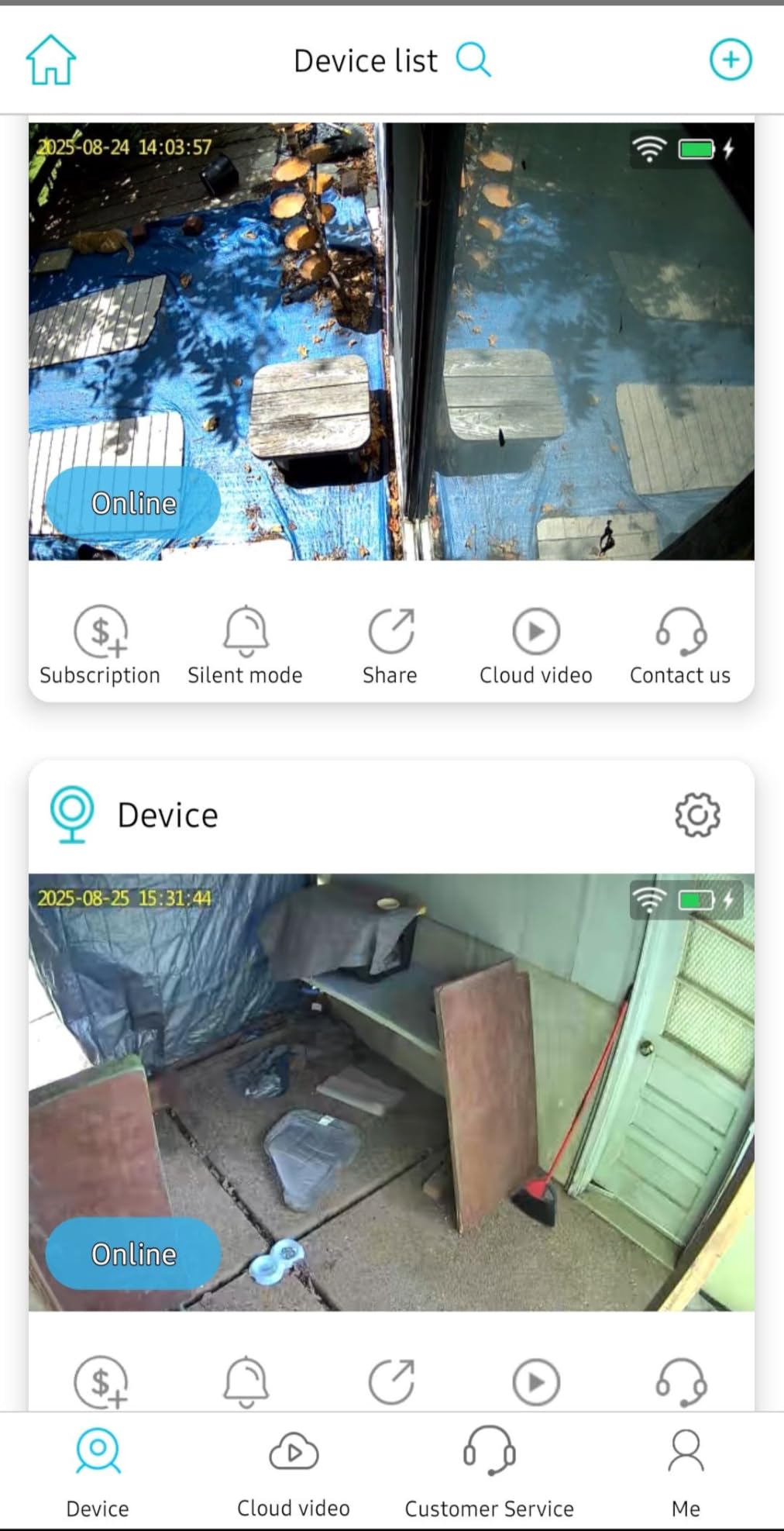
The Ubox app is functional rather than polished. Pan, tilt, zoom and two-way audio all work, but the interface will not win any awards.
A cellular data plan is required after the trial period, and with two cameras you are paying for two data lines unless the plan covers both. Budget for that before you mount, not after.
MicroSD as a free alternative
MicroSD support up to 128GB means both cameras can record locally without any cloud subscription at all. For an owner whose main goal is evidence rather than live alerts, that removes the running cost entirely.
The two-way audio is described as clear, better than several Wi-Fi models here, so it is usable as a talking deterrent.
7. eufy 4G LTE Cam S330 – 4K Detail and Dual-Mode Networking
eufy Security 4G LTE Cam S330, 4K Cellular Solar Security Cameras Wireless Outdoor, Pan and Tilt, 4G and Wi-Fi Duo-Mode, AI Tracking, with SIM Card and 32GB SD Card, No WiFi, No Problem
4G LTE and Wi-Fi dual-mode
9400mAh battery
4K with 100-lumen spotlight
32GB SD card
+ Pros
- 4K color video readable at about 30 feet
- Dual-mode Wi-Fi and 4G LTE with automatic failover
- 9400mAh battery with upgraded solar panel
- 360 degree pan and tilt with AI tracking
- SIM card and 32GB SD card bundled
- Cons
- Lowest average rating here at 4.0 with 15 percent one-star reviews
- IP55 is weaker than the IP65 and IP66 competitors
- Cellular data plan required for off-grid use
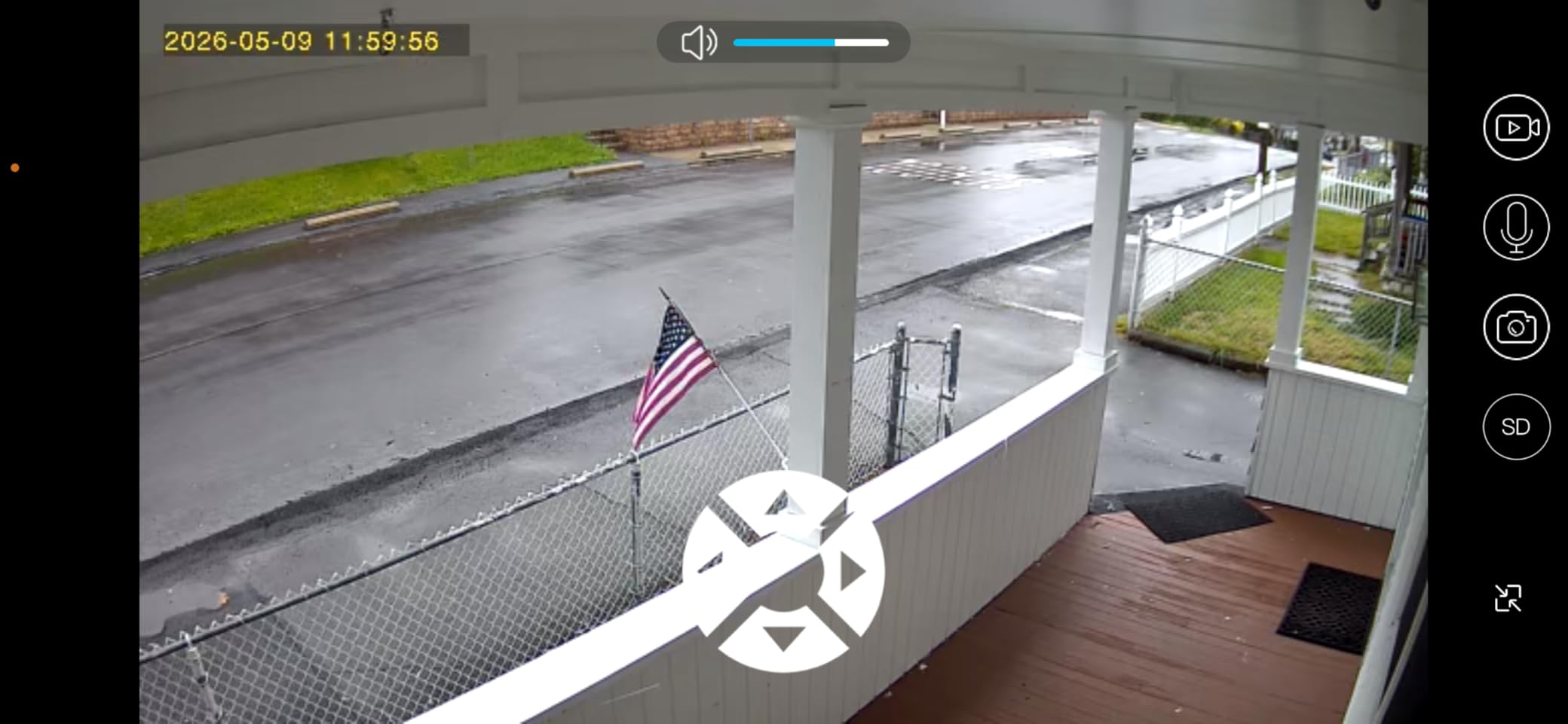
If your problem is identification rather than detection, this is the camera. The 4K sensor reads a license plate at roughly 30 feet, which no other camera in this roundup manages, and the 100-lumen spotlight stretches color viewing to about 26 feet at night.
The networking story is the genuinely clever part. It runs on 4G LTE and Wi-Fi and switches automatically when Wi-Fi drops. Mount it on a barn that has bars at the eave but a router inside, and you get cellular resilience without giving up local speed.
A 9400mAh battery and the upgraded solar panel give it real off-grid endurance, and a 32GB SD card is included so recording works without any cloud plan.
The weather rating is the weak point
IP55 is lower than the IP65 and IP66 cameras here. On a barn gable in open country that is a real consideration, because driving rain off a roof edge hits harder than rain over a patio. Mount it under an eave overhang or behind a fascia board rather than on an exposed corner.
Barn-mounted cameras also take a lot of vibration from livestock, and the IP55 housing is the least forgiving of the group in that respect.
Owner satisfaction is the lowest in this roundup
This camera averages 4.0 with about 15 percent one-star reviews, which is the weakest rating of the ten. The one-star share reflects a heavier concentration of hardware and app complaints than the other models here.
That is worth weighing against what you get. If you need readable 4K detail and the dual-mode failover, nothing else here offers both. If you want the smoothest ownership experience, pick a model with a thicker review base.
Storage and SIM handling
The bundled SIM works across AT&T, T-Mobile and Verizon, and the 32GB SD card is in the box. Local recording means your footage stays available even if the data plan lapses, which is the behavior most owners want.
AI tracking covers people and vehicles with 360-degree pan and tilt. A cellular plan is required for off-grid use, so add it to your running cost.
8. HOSAFE 4G LTE Solar Camera – The Straightforward Way to Add Cellular Eyes
HOSAFE.COM 4G LTE Cellular Security Camera No Internet Needed, 2K Solar No WiFi Security Camera Outdoor Wireless with SIM Card Jobsite,360 Live View, Motion Detection,Free Cloud Storage(Need Apply)
4G LTE with pre-activated SIM
64GB microSD included
IP66 rated -4 to 122 F
2K with four spotlights
+ Pros
- Lowest-cost way to add cellular coverage to a barn
- 2K sensor with four spotlights for color night vision
- 64GB microSD included plus free cloud on request
- IP66 rated for -4 to 122 degrees F
- 270 degree pan
- 90 degree tilt
- 4x zoom with two-way audio
- Cons
- Lowest average rating here at 4.0 with 14 percent one-star reviews
- Cellular data plan required after the built-in trial
- Performance depends entirely on local cellular coverage
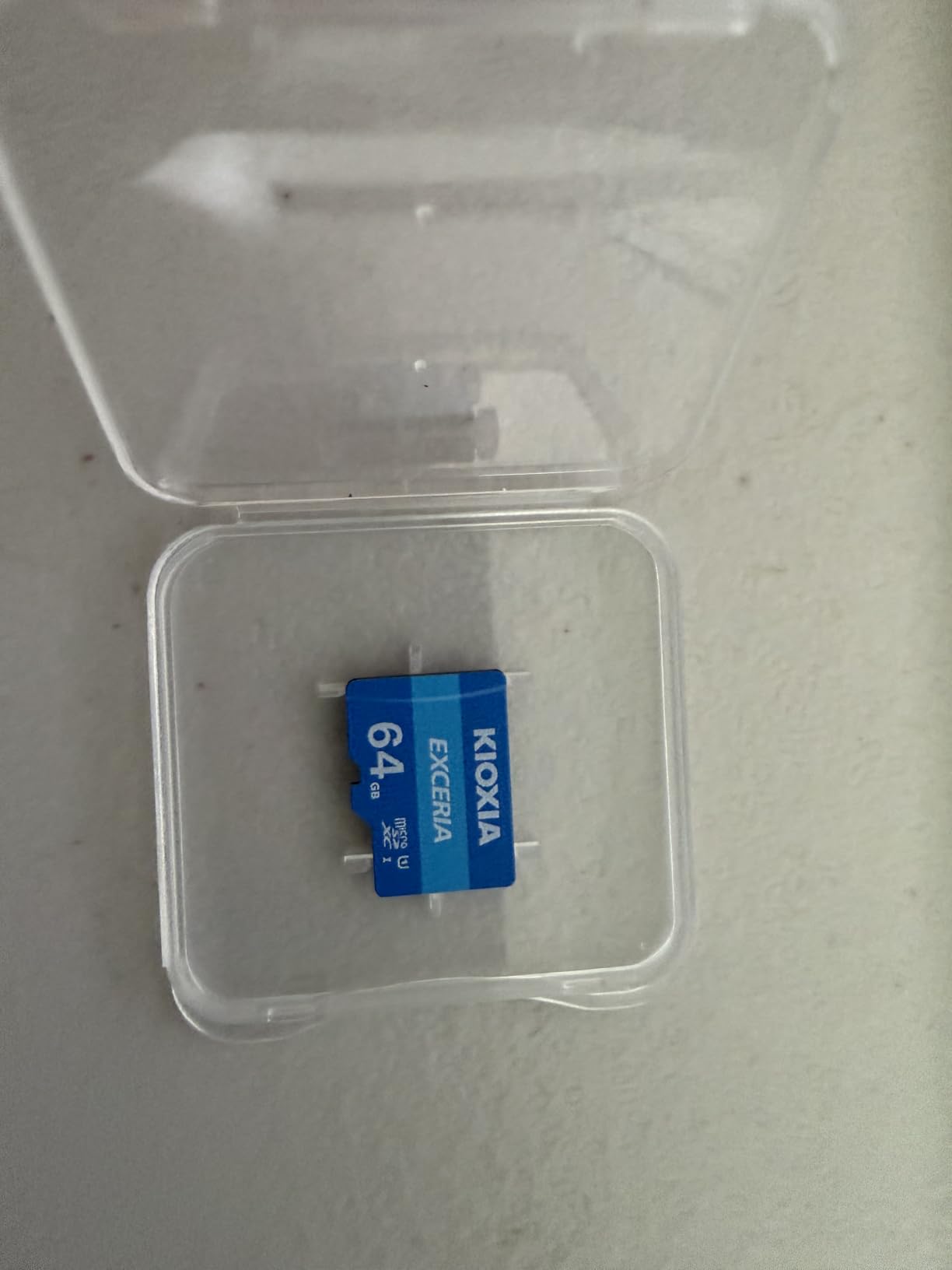
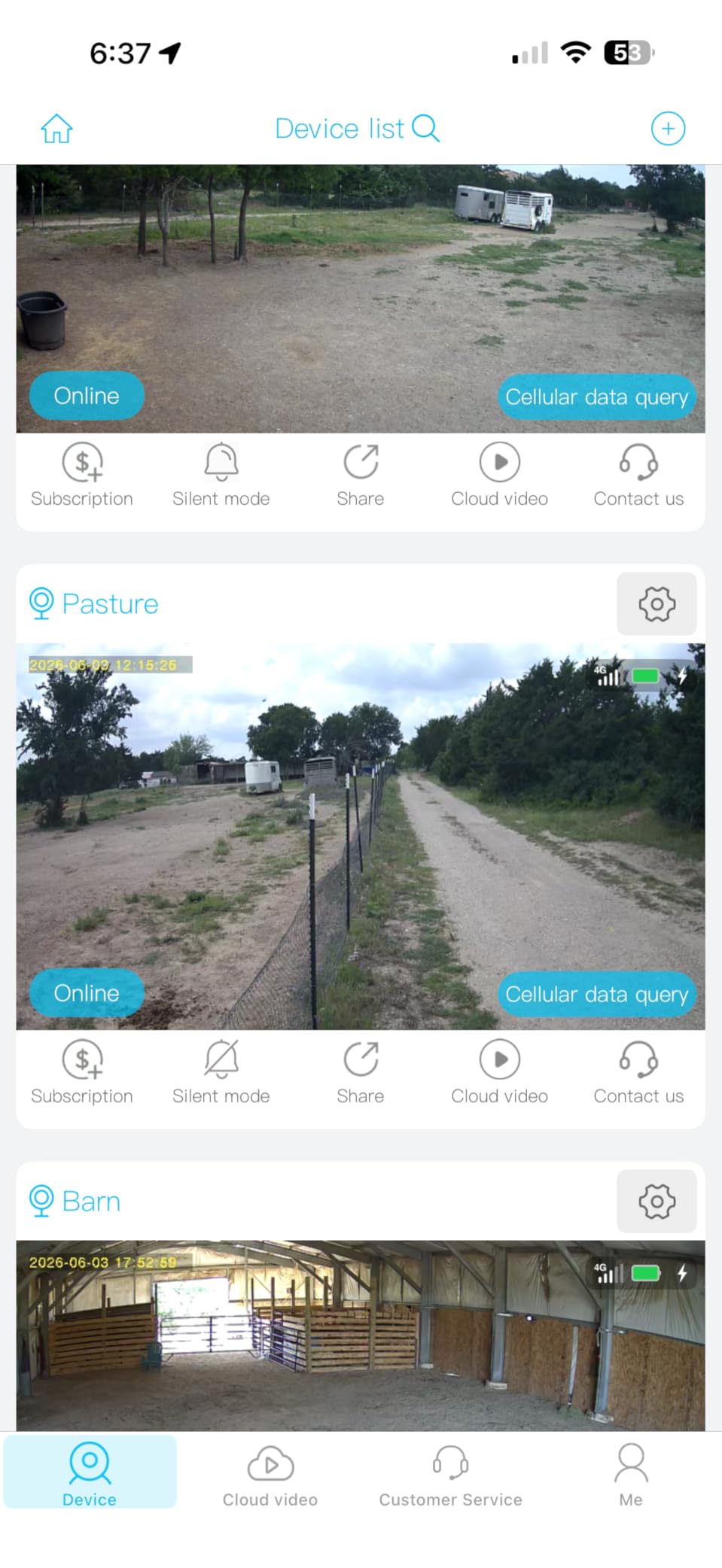
This is the entry point into 4G LTE solar cameras, and for a single barn door on a tight budget it does the job without ceremony. The SIM arrives pre-installed and pre-activated with a short trial, and a 64GB card is already in the box, so there is nothing extra to buy before mounting.
The 237-degree field of view is the widest here, which on a barn corner lets one camera watch two walls without any panning at all.
The stated operating range of -4 to 122 degrees F is one of the few temperature figures published in this roundup, and it is useful when you are picking hardware for a northern winter.
What the four spotlights get you
Four spotlights around the lens produce full-color night imaging rather than the grey wash of standard infrared. On a dark drive that means you can describe clothing and vehicle color instead of reporting a shape.
It is not the same as true low-light sensitivity. Anything beyond roughly 30 feet still falls away, so treat the spotlights as an identification aid at the door rather than a yard-lighting system.
Rating and what it reflects
The 4.0 average with about 14 percent one-star reviews is tied for the lowest here. The complaints concentrate on the two things that are not the camera’s fault: the paid data plan after the trial, and coverage gaps at sites with weak bars.
Setup, weather resistance and night-time color imaging are generally well received, and reviewers describe it as a sensible budget entry for a jobsite or a cabin with no Wi-Fi.
Pan, tilt and where to mount it
The PTZ gives 270 degrees of pan, 90 degrees of tilt and 4x digital zoom, with two-way audio. That range means you cannot tilt fully vertical, so place it above whatever it needs to see rather than trying to angle up from below.
Free cloud storage is available on request, and local microSD goes to 128GB if you would rather keep everything yourself.
9. Gianteye 5G Solar 2-Pack – Dual-Band Wi-Fi That Holds Up on a Long Driveway
Gianteye 5G Solar Security Cameras Wireless Outdoor, 2K Cameras for Home Security Outdoor, Security Cameras Wireless Outdoor with Color Night Vision, 2-Way Talk, PTZ Human Detection, 2 Packs
Dual-band 2.4GHz and 5GHz
2K with 328ft night vision
IP65
2 camera pack
+ Pros
- Highest average rating here at 4.4
- Dual-band support reduces dropouts and extends range
- 2K with human-triggered spotlight color night vision
- Solar with backup battery and IP65
- No mandatory subscription with microSD to 128GB
- Cons
- Not compatible with any base station
- App interface is complicated to work through
- Physical install takes longer and needs tools
- Long solar-to-camera cable needs bundling
This is the highest-rated camera in the roundup at 4.4, and the reason is specific: it is the only one that supports both 2.4GHz and 5GHz and switches intelligently between them. Reviewers cite that dual-band support as the thing that stopped the dropouts they had with other brands.
On a farm where you are pushing Wi-Fi to a barn or a long driveway, having a 5GHz-capable device matters because 5GHz carries more speed over distance in a cluttered environment.
The stated night vision range of 328 feet is the longest listed here. That figure is generous compared to what most owners actually resolve at that distance, but it means you have more usable range than with the 33-foot models.
Two cameras, two panels, two mounts
The pack covers two points with independent solar panels. Each camera has a solar panel plus a backup battery, so a stretch of dull weather does not immediately take a camera offline.
The long solar-to-camera cable is a genuine installation detail. Owners bundle it along the mount, and if you are going onto a barn wall, plan your cable run before you drill.
App complexity is the trade-off
The app interface is more complicated than the simpler options here and takes time to learn. If you are setting this up for a parent or a partner who will use it regularly, budget an hour of setup help.
Human detection is AI-assisted with adjustable PIR sensitivity from 16 to 29 feet, plus a siren and two-way talk. There is no base station compatibility, so multi-camera viewing happens in the app rather than on a dedicated local recorder.
Storage without a forced subscription
MicroSD up to 128GB or optional cloud, with no mandatory subscription. Alexa voice control is supported.
As with the other Wi-Fi models, everything depends on having signal at the barn. Run the speed test at the mount point before ordering, because dual-band help is much smaller than cellular help.
10. TACTACAM Defend 360 – Trail-Camera DNA With Cellular Reach
TACTACAM Defend 360 Cellular Security Camera, Solar Power, No WiFi
LTE cellular no Wi-Fi
Solar 10000mAh battery
4K stills, 1080p video
360 pan tilt zoom
+ Pros
- LTE cellular only works at remote gates and cabins
- True 360 degree remote pan
- tilt and zoom from the phone
- 4K still photos and 1080p video
- Built on the Tactacam trail-camera platform with strong battery life
- Support that transfers subscriptions and replaces units
- Cons
- Tiered subscription needed for most functions at roughly 20-50 dollars a month
- Push alerts unreliable and suppressed until the phone unlocks
- No auto-tracking and over a one-second trigger delay
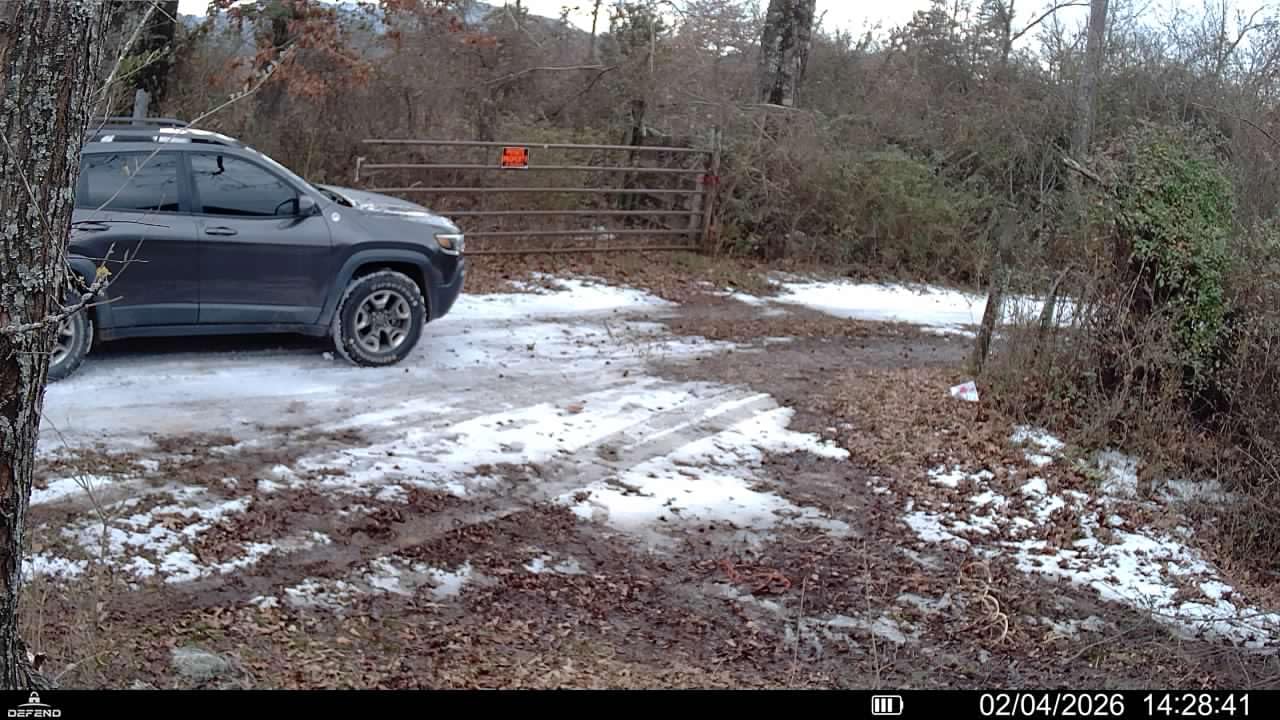
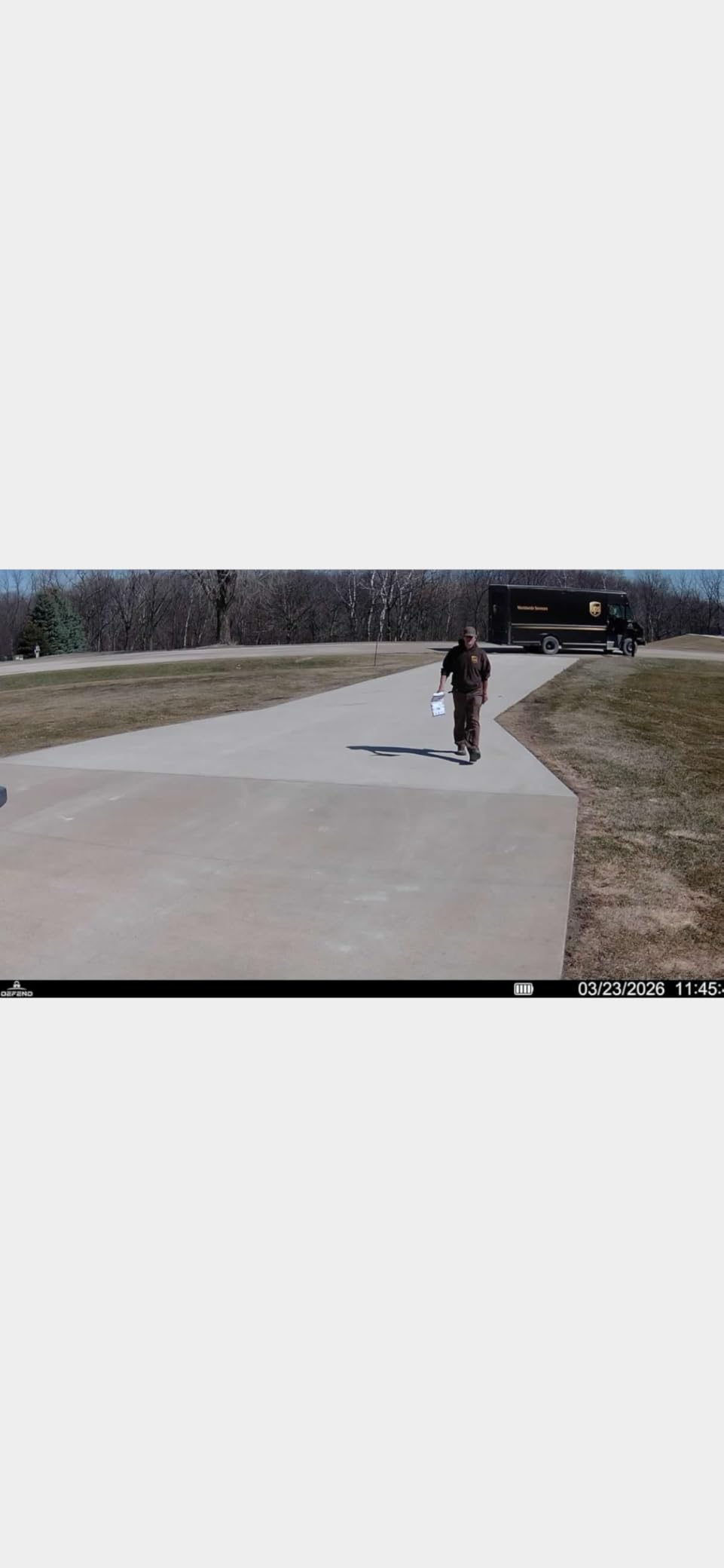
This one comes from the trail-camera world, and that heritage shows in the best way: strong battery life on the same platform, and a 10000mAh rechargeable battery kept topped up by solar. Trail-camera users and off-grid owners like the cellular-only design and the remote 360-degree control, with detection distances reported around 140 feet in daylight.
The 4K stills are genuinely useful. For predator investigation, a still frame you can zoom into is often more informative than a video clip.
It is also the smallest review base here at 198 reviews, which means the spread of opinion is wide in both directions.
The subscription reality
The subscription is what changes the math on this one. Most functions need a tiered plan at roughly 20 to 50 dollars a month, which over three years dwarfs any hardware difference between the cameras on this list.
Before buying, decide whether you want a security camera or a remote-viewing device. If you mostly want alerts, this is the wrong shape of product.
Alert behavior and the tilt limitation
Real-time push notifications are unreliable, and alerts are suppressed until the phone is unlocked. That means the alert is there when you pick the phone up, not when you need to act on it.
The PTZ cannot tilt above horizontal, so it must be mounted above whatever it watches. Combined with a strict letterbox field of view that covers nothing below the mount point, this dictates placement more than any other camera here.
Motion behavior
There is no motion auto-tracking, and there is over a one-second delay between trigger and photo. A deer crossing the frame is fine. Someone opening a gate and leaving immediately may not be.
Owners also report needing about six hours of charging before first use and losing charge during testing in full sun, which suggests the initial setup sequence matters more here than on the others.
How to Choose a Solar Barn Camera: 7 Decisions That Matter
The camera is the last decision. These seven come first, and each one can rule a camera out before you spend anything.
1. Test the cellular bars at the mount point before you buy
This is the single most common way a barn camera gets wasted. Owners on rural networking forums describe buying first and discovering the problem after mounting, which is the most expensive order of operations there is.
Here is the procedure:
1. Stand at the exact spot where the camera will mount, not at the barn door.
2. On a phone, check the signal strength for each carrier separately by disabling Wi-Fi and moving between SIMs.
3. Note the bars for each carrier. Two or more bars on at least one carrier is workable for stills and short clips; three or more supports smooth live view.
4. Test at the worst time of day, which for most rural sites is late evening when a nearby tower is congested.
5. If you are in a genuine dead spot, pick a multi-carrier camera. The SEHMUA and the eufy S330 bundles both support roaming across AT&T, T-Mobile and Verizon, so they will use whichever tower is strongest.
For Wi-Fi-only options, run an actual speed test at the mount point rather than trusting the bars in your phone. Speed drops with distance and walls, and a barn wall of corrugated steel is a genuine obstacle.
2. Winter and cloudy-season battery math
Solar cameras are usually specified on peak summer sun, which is the number that matters least if your barn is in a northern climate. What counts is the worst stretch of cloudy days your location sees, often three weeks in a northern winter.
Work the numbers this way. Take the battery capacity in mAh, then estimate daily event count. A barn door with ten vehicle passes a day is roughly ten wake-up cycles; a camera watching a quiet field all night on motion triggers may wake dozens of times.
Panel output is measured in peak watts, and winter light is weaker and shorter. Multiply your daily need by the days of autonomy you want, then check whether the panel can realistically refill that in the poor season. Larger mAh is the safety margin, and on this list the SEHMUA and the HOSAFE two-pack lead with 10400mAh.
The other winter factor is physical. Snow and ice on the panel is often the whole problem, not the battery chemistry. A panel mounted at an angle sheds snow; one mounted flat under an eave can sit covered for weeks. Check it in January, not in July.
3. IP65, IP66 or IP67 for barn dust, rain and wash-down
The first digit after IP is dust, the second is water. IP65 means dust-tight and protected against water jets. IP66 adds protection against powerful water jets, which is what driving rain off a barn roof delivers. IP67 survives temporary immersion.
For most barn eaves and gates, IP65 is the floor. If you hose down near the camera or mount it low where a tractor will throw water at it, step up to IP66. The eufy S330 at IP55 is the one in this roundup I would not put on an exposed corner in a wet climate.
Dust matters more than most buyers expect. Barns generate a lot of it, and cameras mounted near a feed alley collect it on the lens and inside the housing where it blocks the IR array.
4. Storage: microSD, base station or cloud
MicroSD in the camera is the simplest and free. It survives a cancelled subscription and keeps footage on your property. The limit is size, usually 128GB, and that is usually fine for a single door.
A base station such as the aosu D1 unit holds more and loops recording for months, but it caps camera count and has no expansion slot.
Cloud is the only option that gives you off-site access after a break-in, and it is the only one where footage can vanish when a subscription lapses. If you are filming for insurance evidence or police reports, prioritize local storage and export clips the same day.
5. Intruder detection versus livestock and predator watching
These are two different jobs and they need different hardware. For intruder detection you want person and vehicle AI, fast motion wake, two-way audio and a spotlight so you can identify.
For livestock and predator work, a wider detection range and longer battery life matter more than resolution, and human-only AI filtering saves you from an alert every time a heifer walks past. If your real concern is night-time predation on newborn calves, a trail-camera-style platform with strong battery life is a defensible choice, and it is why the TACTACAM is on this list despite its subscription.
The practical answer for most farms is both: a security camera on the door, a wide-angle low-power camera on the pasture.
6. Mounting height, panel angle and theft deterrence
Mount between 10 and 12 feet. Below 8 feet you are inside reach and inside the IR reflection zone of dust. Above 14 feet you need a ladder every time you clean a lens.
Camera height also decides what you can see. The eufy S330 at IP55 and the TACTACAM both have tilt limits that mean they must sit above their subject, so plan the mount height before the camera.
For theft deterrence, height does more work than any setting. A camera at 12 feet on a gable end with a visible solar panel tells a passerby the property is covered. Add a sign and a motion-activated light, and you have spent almost nothing.
The flimsy plastic bracket on the eufy S340 is a real concern on an exposed door. If the camera is within reach of a barn door, use a tamper-resistant mount with a security screw.
7. Solar, battery-only, or running power to the barn
Solar is right when there is no power at the structure and the mount gets real sun. Battery-only is right when you can reach the camera to swap a pack twice a year, and it often makes more sense than solar if the mount is shaded.
Running power to the barn changes the calculation entirely, and it is worth doing before you buy solar. If a trench to the barn is feasible, a wired or PoE system with a local NVR gives you continuous recording, no data plan, no battery to derate in January, and no subscription. That is a better security system, and the solar cameras on this list exist because barns rarely sit where the trench is easy.
Our test of the TACTACAM subscription at roughly 20 to 50 dollars a month shows what recurring cost looks like over three years. Add cellular data plans per camera on top, and a four-camera cellular setup can cost more over its life than the cameras did.
Frequently Asked Questions
Do solar-powered security cameras work in winter?
Yes, provided the panel gets enough light and the battery is large enough. Cold reduces battery output and shortens daylight hours, so what matters is the worst cloudy stretch your location sees rather than peak summer sun. Larger mAh ratings give more margin, and an angled panel sheds snow that a flat or sheltered panel traps. Check the panel in January, not July.
What is the best security camera for a barn?
For a barn with no power and no Wi-Fi, a 4G LTE solar camera with a large battery is the most practical choice, because cellular removes the need for a router at the building. A 10400mAh model gives the most headroom for winter. If the barn has a usable 2.4GHz signal, a Wi-Fi model with 3K or better and local SD storage avoids data plan costs entirely.
Do 4G LTE security cameras require a subscription?
Almost always. The hardware runs free, but you need a cellular data plan after any bundled trial period, and several cameras require a vendor plan for cloud features. Local microSD recording is the way to avoid it. One model in this roundup charges a tiered subscription of roughly 20 to 50 dollars a month for most functions, which is the running cost to compare against.
How do I know if cellular signal is strong enough at my barn?
Stand at the exact mount point with Wi-Fi turned off, then check signal strength for each carrier separately. Two or more bars supports stills and short clips; three or more supports smooth live view. Test in the evening, and buy a cross-carrier camera if only one tower reaches you, so the hardware can pick the strongest network.
Is a trail camera good enough for barn security?
For predator and livestock work, often yes. Trail-camera platforms tend to have better battery life and wider detection range, which suits watching animals rather than identifying a person. For intruder evidence you want person and vehicle AI, fast motion wake, a spotlight for color night images and two-way audio. Most farms end up using one camera for each job.
What are the disadvantages of solar security cameras?
The main ones are sun dependency, placement limits and winter performance. The panel fixes the location, shaded mounts underperform, and snow cover can stop charging for weeks. Solar units also usually record motion events rather than continuously, so they miss the first seconds before a wake-up and cannot replace a wired system for full-time recording.
The Right Solar Camera for Your Barn
If your barn has no Wi-Fi and at least two bars from a major carrier, start with the SEHMUA 4G LTE unit. The 10400mAh battery, cross-carrier SIM and 360-degree view make it the most forgiving first install, and it has the widest owner history here to help when something needs tuning.
If you need readable detail from a distance, the eufy 4G LTE Cam S330 gives you 4K identification at about 30 feet and dual-mode failover, with the caveat that its IP55 rating wants a sheltered mount. For the cleanest Wi-Fi-only picture and no monthly fee, the SoloCam S340 is the pick, and it has a documented full-winter battery record from a tree-mounted owner.
For whole-property coverage in one system, the aosu four-camera kit with 32GB onboard storage removes the per-camera data plan math entirely. If budget is the constraint and you only need one door covered, the HOSAFE 4G LTE unit gets cellular eyes on a barn for the least outlay.
Whatever you choose, test the bars and check the sun path before you climb the ladder. Those two hours of checking will save you a camera mounted in the wrong place.