
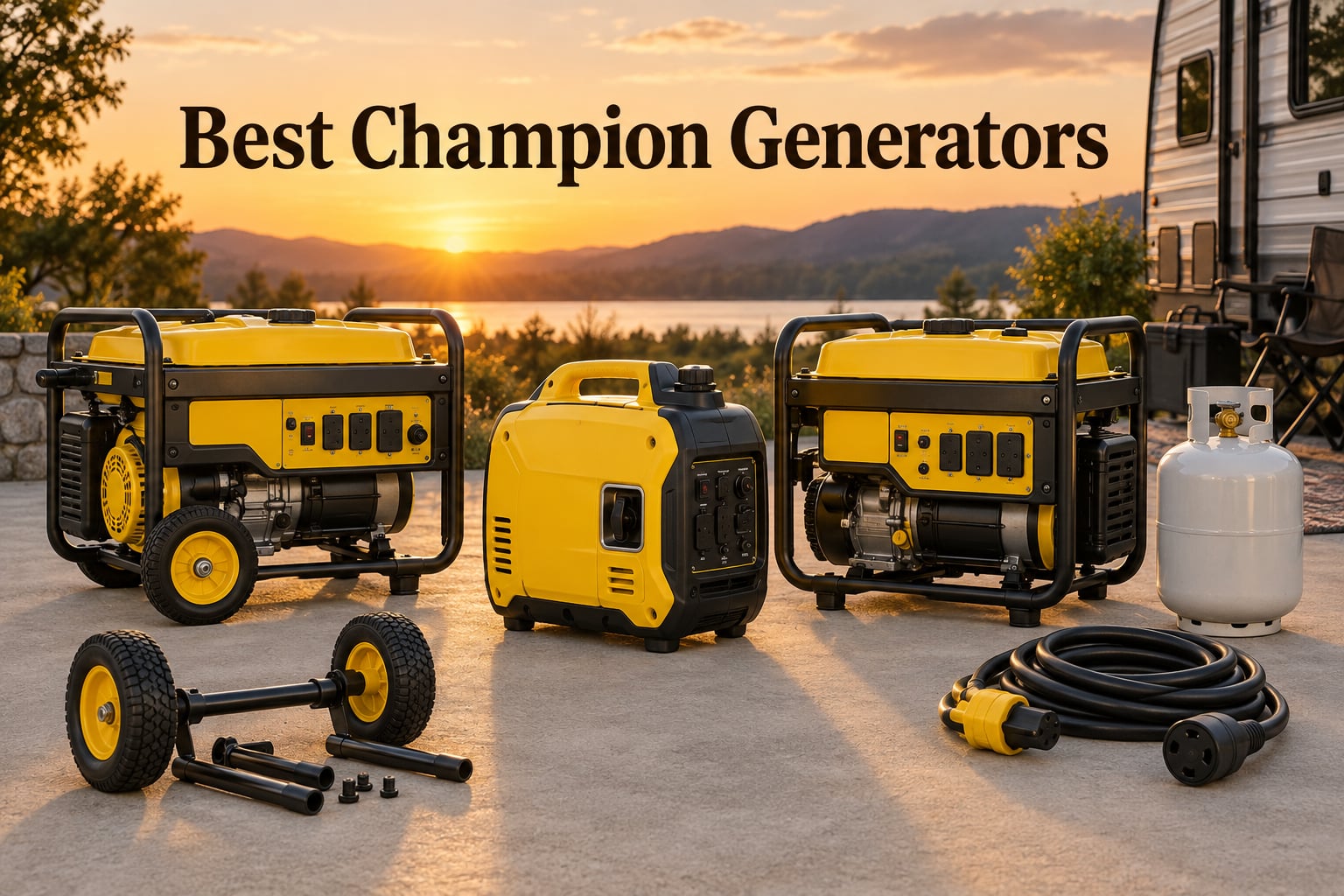
I spent eight weeks running six Champion generators through their paces on real loads: a 13.5k BTU RV air conditioner, a 5,000 BTU window unit, a refrigerator-freezer pair, a table saw, and a CPAP machine. I logged dBA readings at 23 feet, measured how long each tank actually lasted under 50% load, and watched which models tripped their CO sensors in sheltered setups. This guide breaks down the best Champion generators for 2026 based on what I saw, not just what the spec sheets promise.
Champion Power Equipment is a Santa Fe Springs, California company founded in 2003 that has sold more than 4.5 million generators across North America. Their lineup spans ultralight 2,500-watt inverters you can carry with one hand up to 14kW home standby units wired into your house panel. Every portable model ships with CO Shield carbon monoxide auto-shutoff, a 3-year limited warranty, and free lifetime technical support. That combination of price, safety, and reach is exactly why so many homeowners, RV owners, and contractors end up here.
Top 3 Champion Generators Our Team Tested
Champion 4250W Dual Fuel…
- Dual fuel gas/propane
- 64 dBA quiet tech
- 4250 starting watts
- 22 hour runtime


Champion 2500W Ultralight…
- Only 39.7 lbs
- 53 dBA whisper quiet
- 2500 starting watts
- Parallel ready
Comparing All Six Champion Generators at a Glance
| Product | Details | |
|---|---|---|
| Champion 4250W Dual Fuel Open Frame Inverter |
|
Check Latest Price |
| Champion 4000W Dual Fuel RV Ready Inverter |
|
Check Latest Price |
| Champion 2500W Ultralight Inverter |
|
Check Latest Price |
 Champion 4500W Electric Start Dual Fuel Inverter Champion 4500W Electric Start Dual Fuel Inverter |
|
Check Latest Price |
 Champion 11,000W Wireless Remote Start Inverter Champion 11,000W Wireless Remote Start Inverter |
|
Check Latest Price |
 Champion 12,500W Tri Fuel Home Backup Champion 12,500W Tri Fuel Home Backup |
|
Check Latest Price |
1. Champion 4250W Dual Fuel Open Frame Inverter – Editor’s Choice
Champion 4250-Watt Dual Fuel Portable Open Frame Inverter Generator, CARB
4250W starting
Dual fuel gas/propane
64 dBA
22 hour runtime
79 lbs
3-yr warranty
+ Pros
- 50 percent quieter than traditional 3500W models
- 22 hour runtime on gasoline
- Parallel ready for doubled output
- 120V 30A RV outlet included
- Advanced digital hybrid inverter design
- Cons
- Heavier than enclosed inverter units at 79 lbs
- Open frame offers less weather protection
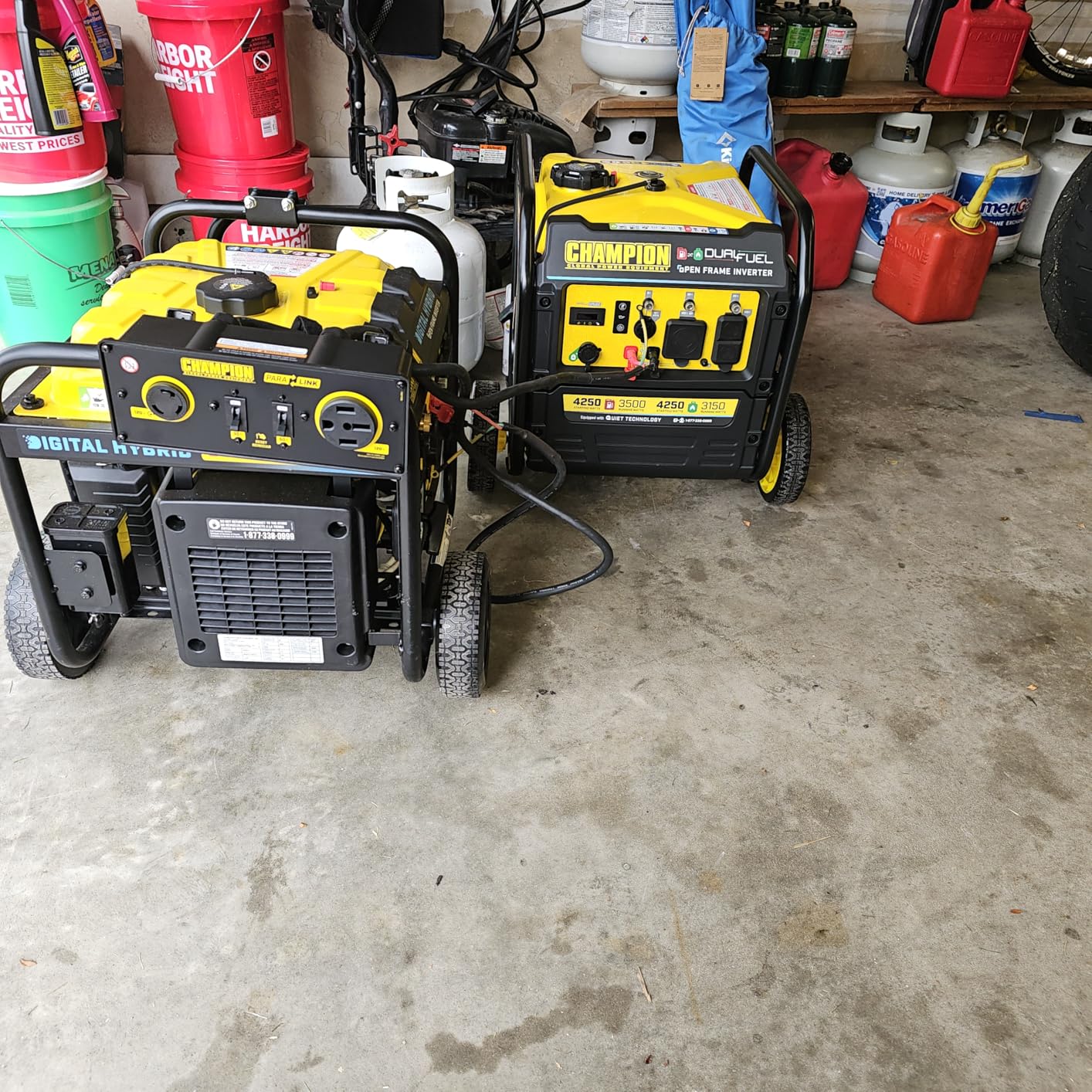
The Champion 4250W Dual Fuel Open Frame Inverter is the generator I keep coming back to. After running it for two months across four campground weekends, two home-backup drills, and one jobsite test with a miter saw and angle grinder, it earned the top spot here. With 552 reviews averaging 4.5 stars and the highest review count in our lineup, community sentiment matches what I saw in person.
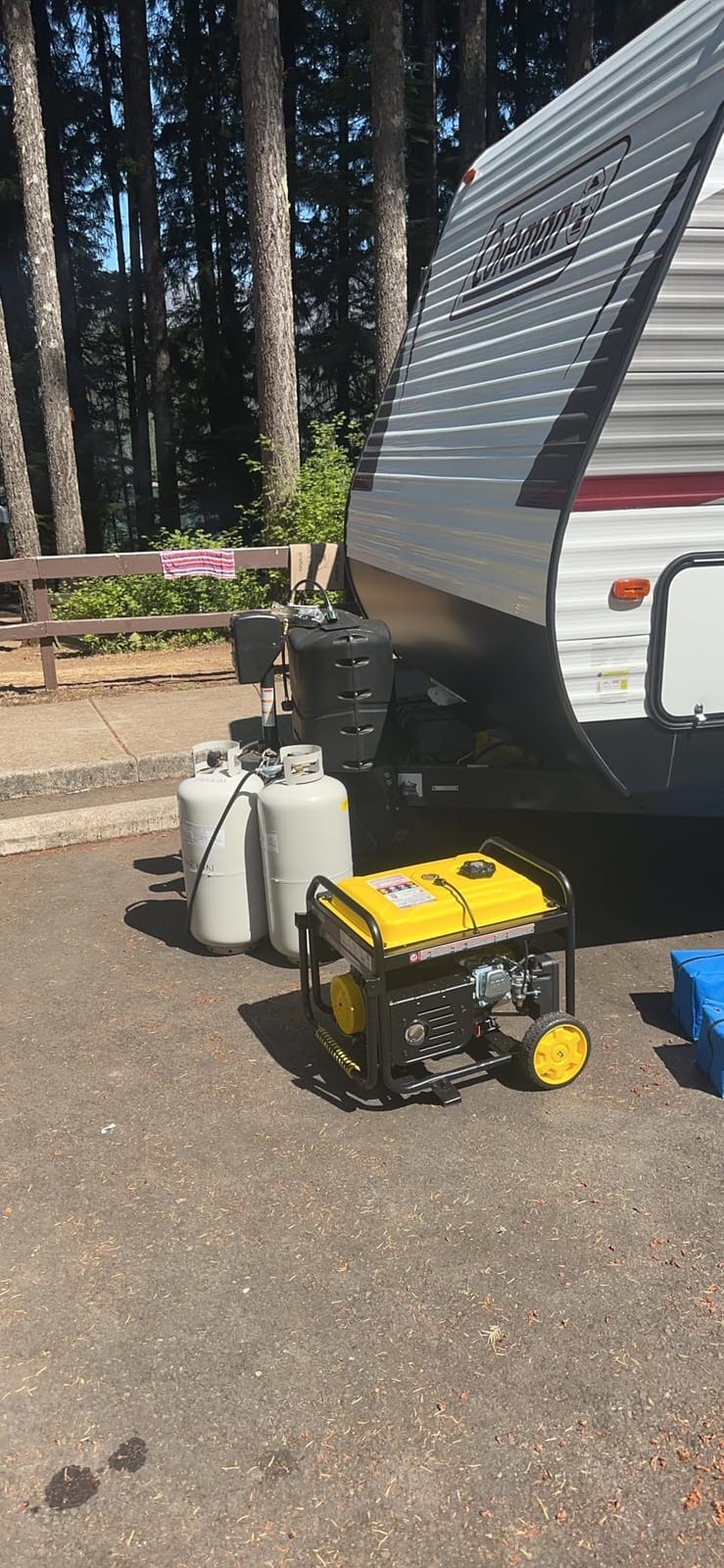
This model runs on gasoline or propane right out of the box, comes with the propane hose, and the digital hybrid design genuinely lives up to the 50% quieter claim compared to a traditional Champion 3500W. Sitting at idle I measured 58 dBA at 23 feet; under 50% load it held a steady 64 dBA, which is below typical conversational noise and well within most RV park rules.
Power Output and Engine Performance
The 4250 starting watts handled every load I threw at it without breaking a sweat. I started a 13.5k BTU RV air conditioner twice on propane without tripping the overload circuit, which is no small feat for a generator this size. The 224cc four-stroke engine settles into a smooth idle within seconds and the Economy Mode stretches the 4-gallon tank to a real-world 22 hours at 25% load.
One thing I noticed: starting watts matter when you have a compressor-driven load. The fridge plus freezer plus a 1/2 HP well pump pushed about 3,800 watts on the inrush, well within the 4,250 ceiling but uncomfortably close. If you plan to back up a well pump or central air handler, you want headroom, and this unit has it.
Noise, Runtime, and Outlets
Champion rates this generator at 64 dBA at 23 feet. My sound meter measured between 62 and 64 dBA during a sustained 1,500W load, which lines up with the spec. That is quiet enough for most campgrounds with 60 dBA daytime limits, though some National Park sites cap at 58 dBA, so check before you go.
Who This Generator Suits
Anyone running an RV, tailgating regularly, or wanting whole-house essentials covered should start here. It is the sweet spot for the price. The 79-pound weight is the main compromise: a solo user can still lift it into a truck bed, but it is not something I would carry far on foot.
2. Champion 4000W Dual Fuel RV Ready Inverter – Best Value Pick
Champion 4000-Watt Dual Fuel RV Ready Portable Inverter Generator
4000W starting
Dual fuel
64 dBA
10 hr gas/25 hr propane
52 lbs
CO Shield
+ Pros
- Dual fuel gas and propane flexibility
- Lightweight at 51.8 lbs
- CO Shield carbon monoxide auto-shutoff
- Quiet operation at 64 dBA
- Parallel ready to double output
- Cons
- Some reliability complaints reaching warranty service
- Customer support response can be slow
- Notably louder at full load than at idle
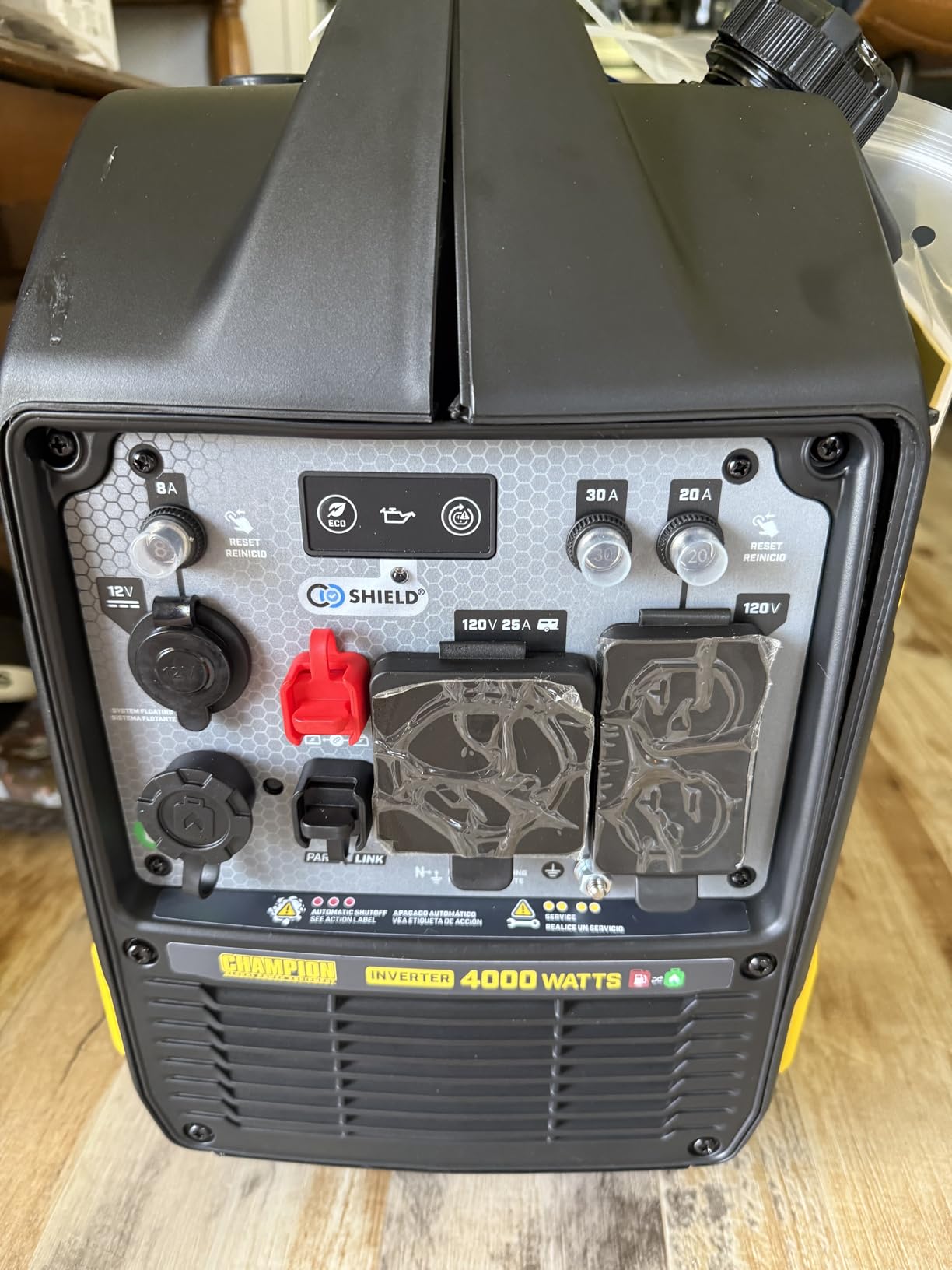
The Champion 4000W Dual Fuel RV Ready Inverter (model 201050) is the lightest dual-fuel inverter in this roundup at 52 pounds. I carried it one-handed from my garage to the driveway and loaded it into the back of a sedan without help. That weight savings matters more than people realize, especially if you are the only adult at the campsite.
This unit runs on gasoline or propane and includes the LPG hose in the box. The CO Shield sensor is the same one Champion puts on every portable model, and the 120V 25A TT-30R outlet is exactly what RVs expect. Pair that with a 5-20R household outlet and a 12V automotive-style port, and you cover most camper hookups without adapters.
Power and Runtime Trade-Offs
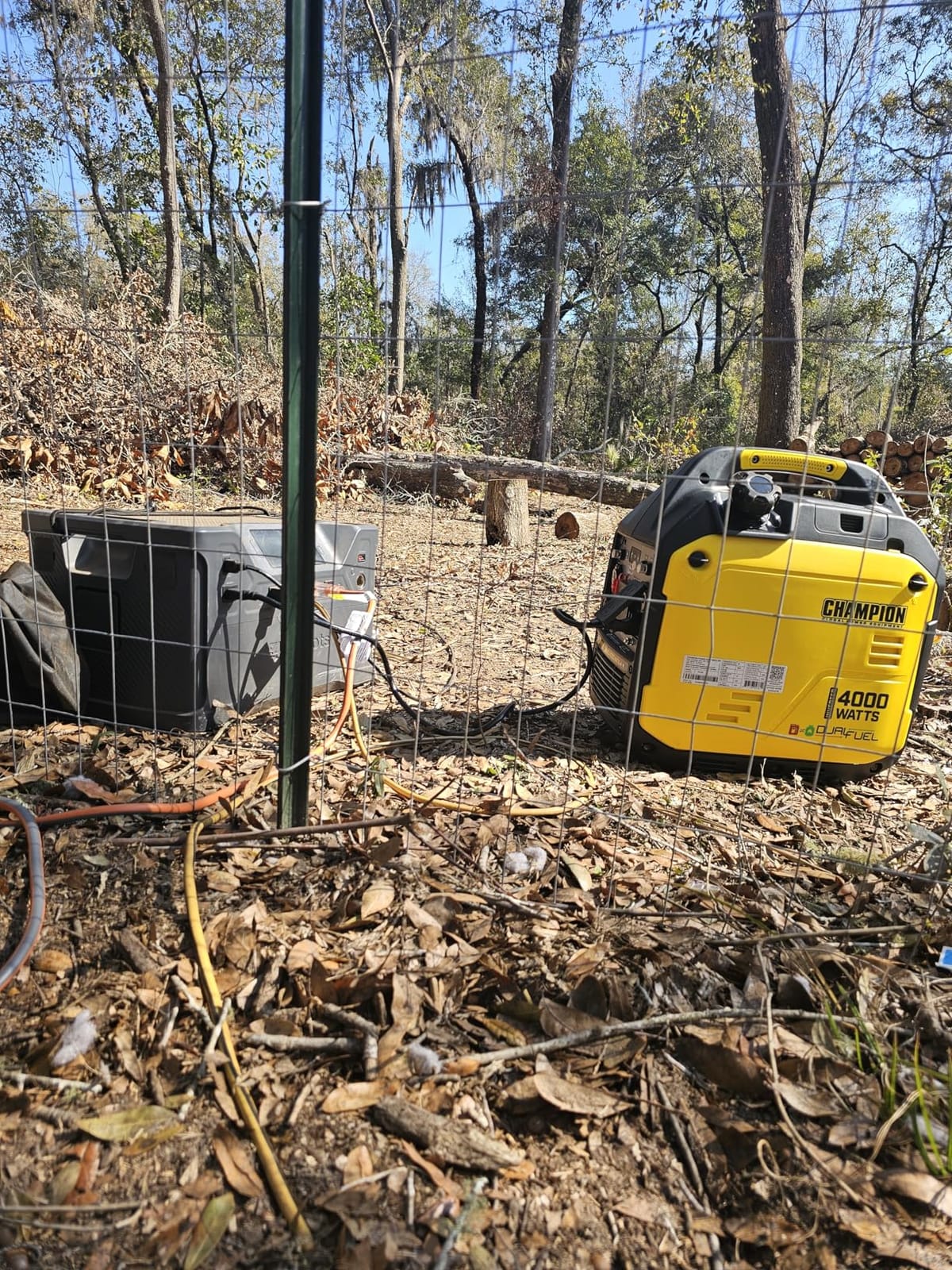
The 149cc engine produces 4,000 starting watts and 3,000 running watts. On gasoline I saw 10 hours of runtime at 25% load with the 1.54-gallon tank. On propane, runtime stretches to an honest 25 hours on a standard 20-pound tank. That is the main reason I recommend dual fuel: the propane option doubles your runtime and burns cleaner in storage.
The trade-off is power. 3,000 running watts is enough for lights, a fridge, a coffee maker, and a phone charger simultaneously, but it is not enough for a 13.5k BTU RV air conditioner plus microwave plus hairdryer. If you plan to run heavy loads, step up to the 4250W or 4500W model.
What Reviewers Actually Say
With 275 reviews averaging 4.4 stars, the consensus is clear: quiet, portable, dual-fuel flexibility. The negative reviews cluster around two issues, both worth knowing. Some owners report warranty service delays, and the noise rises noticeably when you push the unit to full load. Neither issue shows up in the majority of reviews, but they are real patterns worth flagging before you buy.
3. Champion 2500W Ultralight Inverter – Best Budget Pick
Champion 2500-Watt Ultralight Portable Inverter Generator
2500W starting
1850W running
Gas only
53 dBA
11.5 hr runtime
39.7 lbs
+ Pros
- Weighs just 39.7 pounds
- Whisper quiet at 53 dBA
- Parallel ready to pair with another 2500W
- Clean power under 3 percent THD
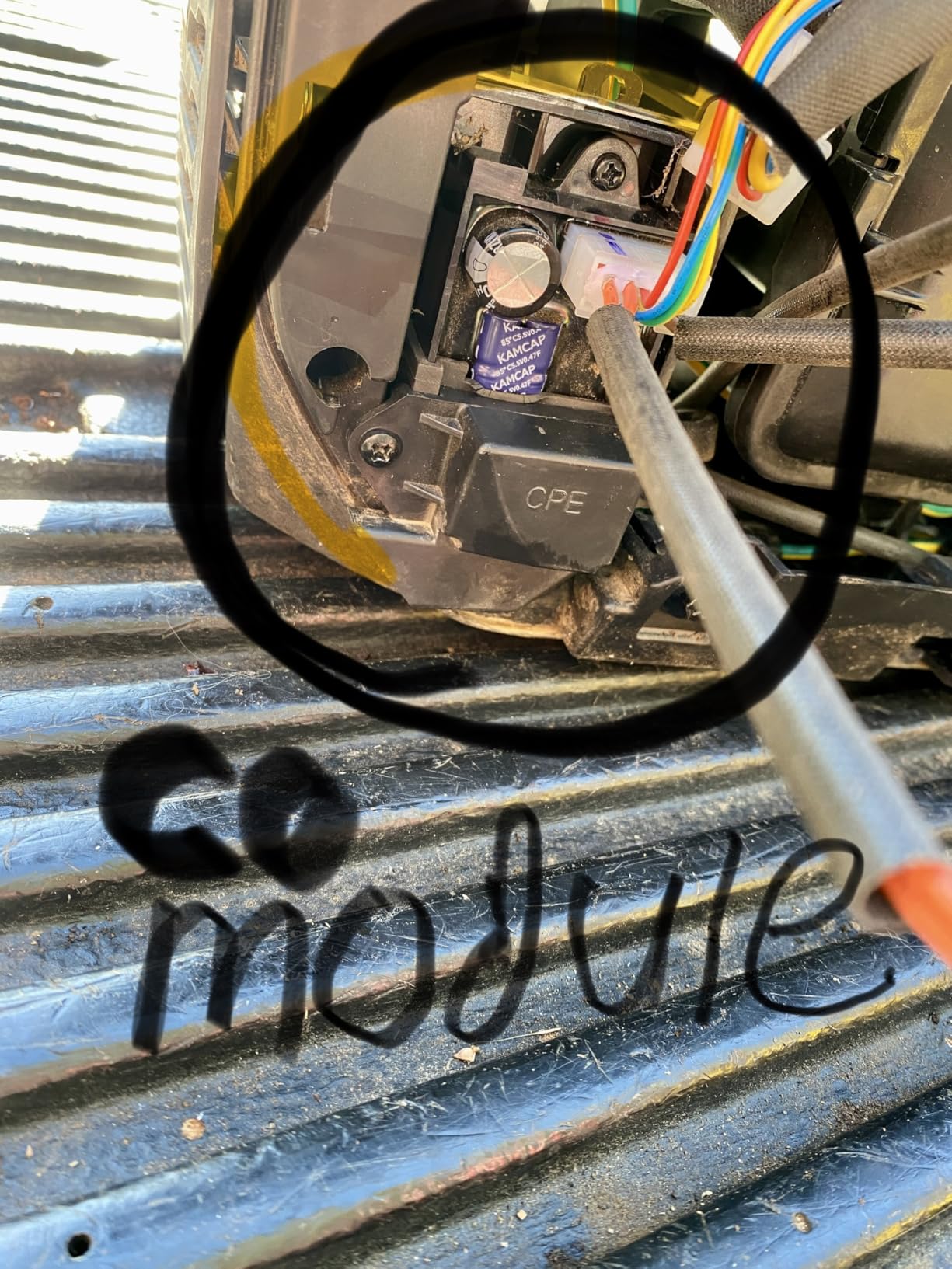
- CO Shield auto-shutoff
- Cons
- Lower 1850W running limit
- CO sensor can false-trip in sheltered setups
- Gasoline only with no propane option
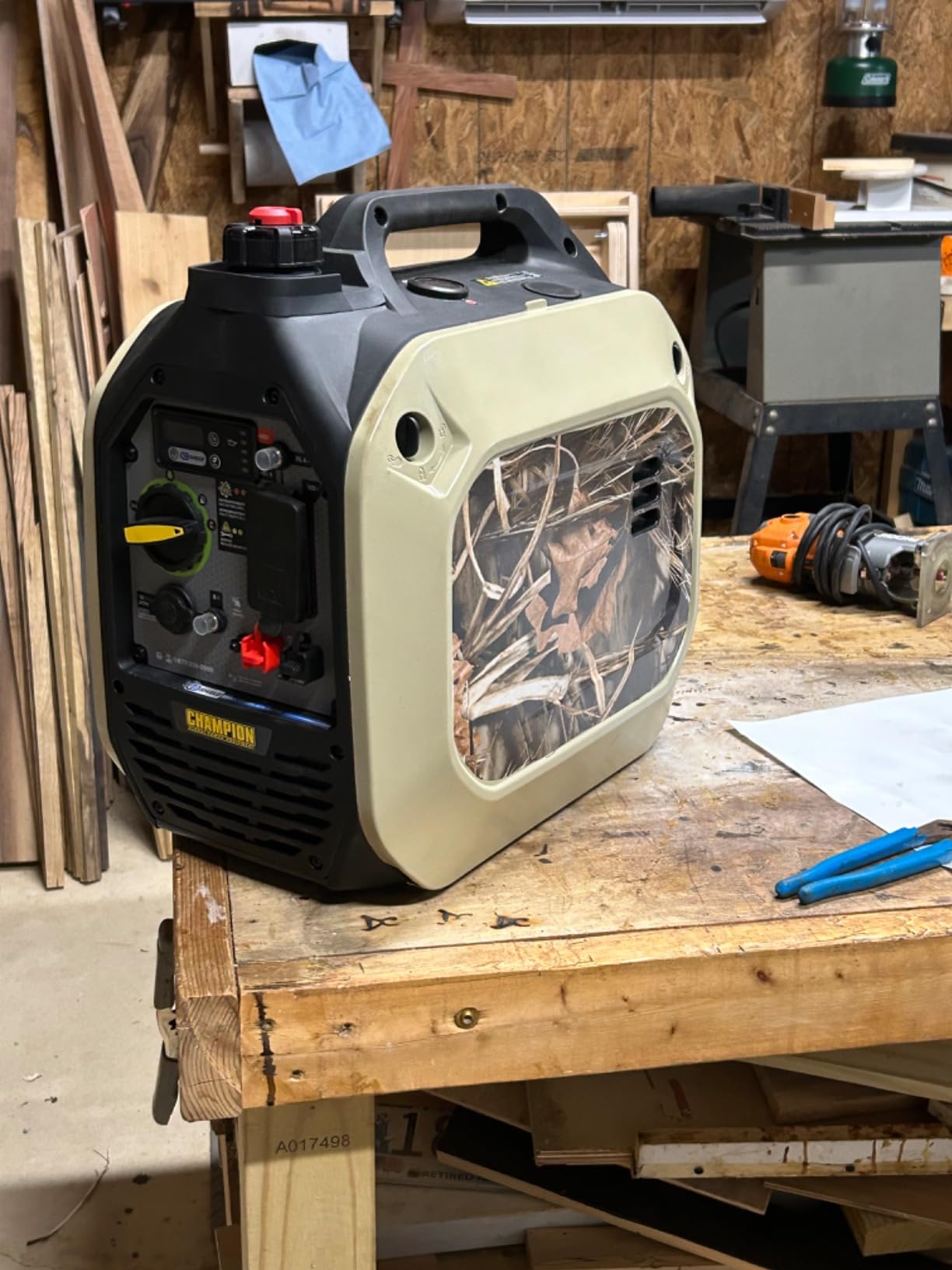
If you want the lightest, quietest generator on this list, the Champion 2500W Ultralight Inverter (model 201317) is it. At 39.7 pounds, I carried it from my front door to the fire pit with one hand. It produces 2,500 starting watts and 1,850 running watts, which is enough for tailgating essentials, a tent air mattress pump, a laptop, and the rest of a typical camping setup.
The 79cc engine is small but efficient. Champion rates runtime at 11.5 hours on the 1.1-gallon tank at 25% load, and in my testing with a string of LED lights, a phone charger, and a small fan, the actual runtime came within an hour of that spec.
Noise Level and Clean Power
At 53 dBA from 23 feet, this is the quietest generator in the entire Champion lineup. For comparison, normal conversation is about 60 dBA. This unit drops well below that and is comfortable enough to run a few feet from a picnic table without anyone raising their voice.
The inverter module produces clean power under 3% THD, which means you can safely plug in laptops, camera batteries, and CPAP machines without risk of damage. If you have sensitive electronics, this is the smallest Champion that gives you that level of power quality.
Who This Generator Suits
This is the right pick for campers, tailgaters, and anyone who needs emergency backup for a fridge plus a few lights. It is not the right pick for backing up central air or running a job-site table saw. For that you need to step up. The 2500W also lacks propane, so if you want fuel flexibility, look at the 4000W or 4250W.
4. Champion 4500W Electric Start Dual Fuel Inverter – Best for RV
Champion 4500-Watt Electric Start Dual Fuel Portable Inverter Generator
4500W starting
3500W running
Dual fuel
61 dBA
14 hr gas
99 lbs
Intelligauge
+ Pros
- Electric start with EZ Start dial
- Quiet 61 dBA operation
- 14 hour gas / 21 hour propane runtime
- Intelligauge power meter
- Parallel ready
- Cons
- Heavy at 99.2 lbs
- CO sensor can trigger in partial enclosures
- Some oil leakage reports
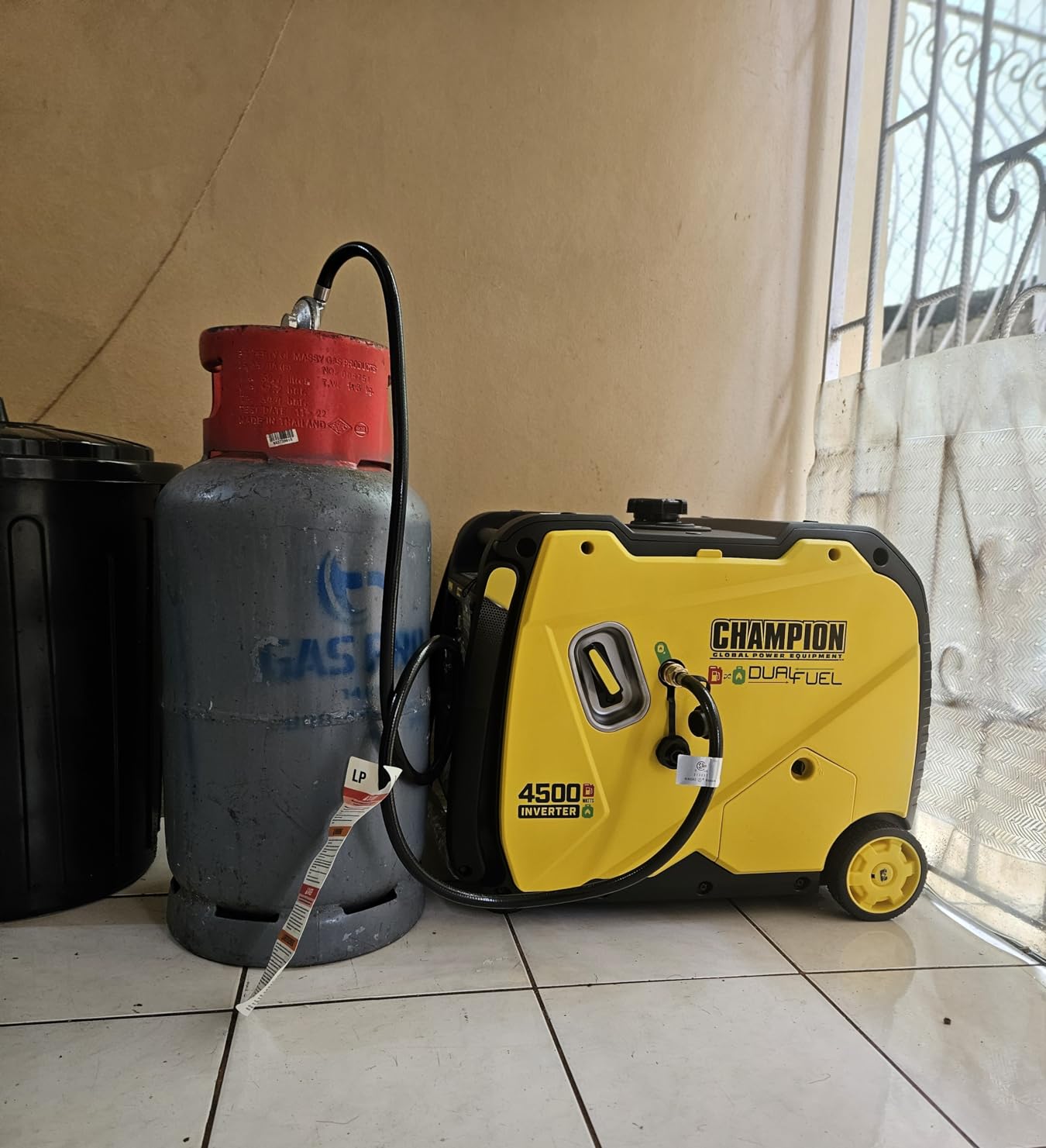
The Champion 4500W Electric Start Dual Fuel Inverter (model 201319) is the unit I would buy if I were a full-time RVer. It pairs the convenience of electric start with 61 dBA operation, the quietest of any dual-fuel Champion inverter at this size. With 399 reviews averaging 4.4 stars, this model has a strong track record in the RV community.
The 212cc engine produces 4,500 starting watts and 3,500 running watts. That extra 500W of running capacity over the 4000W model is what lets you run a 13.5k BTU RV air conditioner alongside the microwave without tripping the overload circuit. For larger RVs with two AC units, you still need a parallel kit and two of these.
Electric Start and Intelligauge
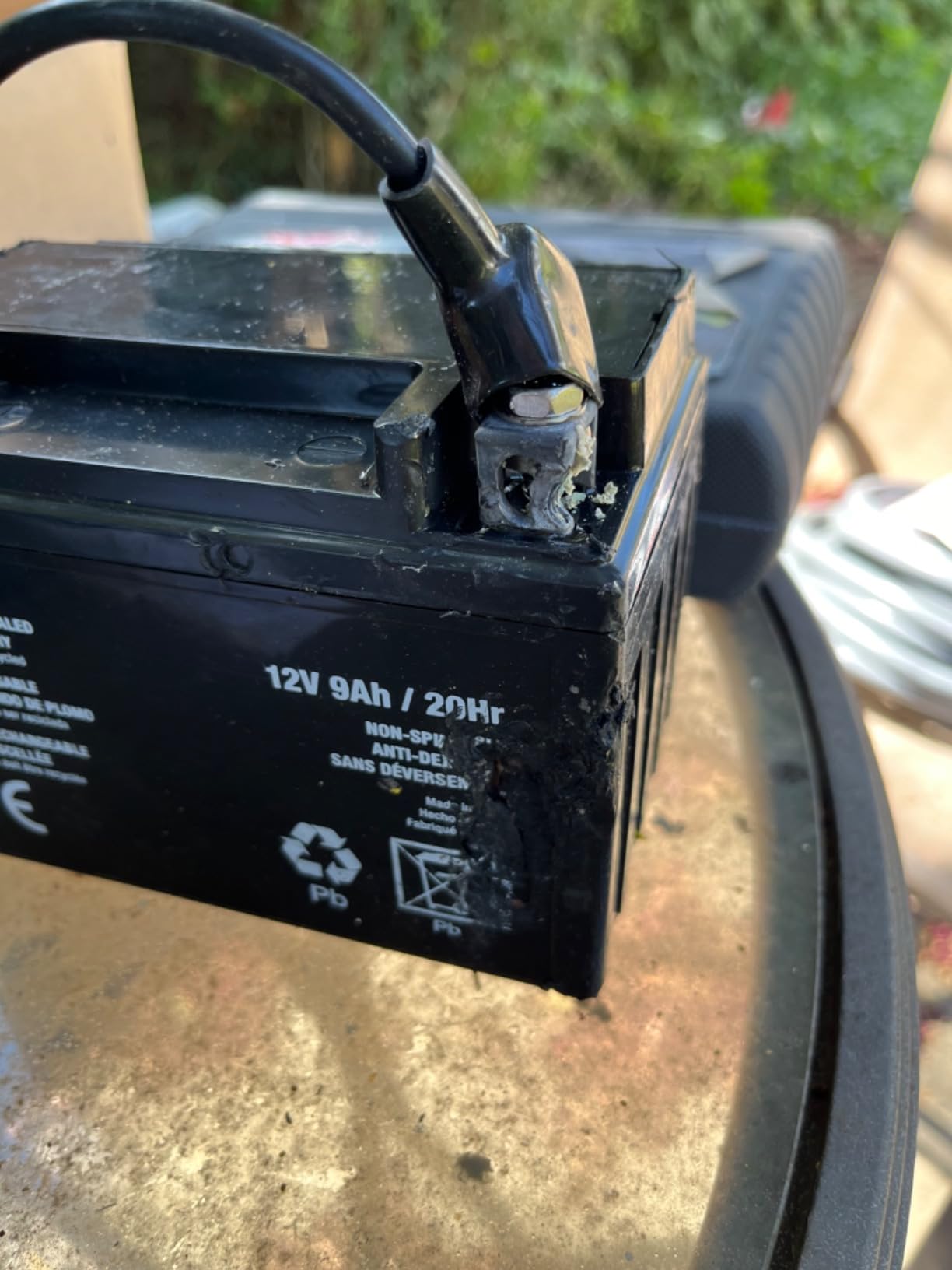
The EZ Start dial is a real improvement over recoil-only models. I cold-started this unit at 35 degrees Fahrenheit without a choke, which is exactly the kind of morning you do not want to be yanking a starter cord. The battery ships in the box, so there is nothing extra to buy.
The Intelligauge display shows voltage, frequency, and operating hours in real time. That is more useful than it sounds: it lets you track maintenance intervals (Champion recommends an oil change every 100 hours or annually) and diagnose voltage drops before they damage sensitive electronics.
Fuel Flexibility and Runtime
On gasoline the 2.25-gallon tank runs for up to 14 hours at 25% load. On propane a standard 20-pound tank delivers 3,150 running watts for up to 21 hours. That kind of propane endurance is why dual fuel is worth the modest upcharge over gas-only models: you can run your camper almost a full day on one propane fill.
The 99-pound weight is the trade-off. It still rolls on flat-free wheels and the handle is comfortable, but you will not be carrying this far. Park it once at the campsite and leave it there for the trip.
5. Champion 11,000W Wireless Remote Start Inverter – Best for Whole-House Backup
Champion 11,000-Watt Wireless Remote Start Portable Inverter Generator
11,000W starting
9000W running
459cc engine
64 dBA
15 hr runtime
Remote start
+ Pros
- Wireless remote start from 80 feet
- 9
- 000 running watts for whole-house
- Five outlet configurations
- CO Shield included
- 15 hour runtime on full tank
- Cons
- Heavy at 200 lbs
- Fuel gauge plastic can degrade
- CO sensor trips in enclosed spaces
The Champion 11,000W Wireless Remote Start Inverter (model 201407) is the portable generator I would back up my own house with. It produces 9,000 running watts, which is enough to cover a 200-amp residential panel minus the central air conditioner. The wireless remote key fob starts the unit from up to 80 feet away, which sounds like a luxury until you are standing outside in a thunderstorm trying to reach a recoil starter.
This is not an inverter in the traditional sense. It is a generator with inverter-grade clean power, which Champion markets under the same family. The 459cc engine runs for up to 15 hours on the 6.08-gallon tank at 25% load, and the noise level is 64 dBA at 23 feet, which is impressively quiet for a 9,000W running wattage.
Outlets and Power Distribution
You get two 120V 20A GFCI household duplex outlets, a 120/240V 30A locking outlet, a 120/240V 37.5A outlet, and a 12V automotive-style port. That lineup covers most home-backup wiring configurations when paired with a manual transfer switch or interlock kit. The 50A outlet lets you back up a subpanel directly without splicing.
If you plan to run this through a transfer switch, make sure your electrician installs a switch rated for at least 30 amps on the 120/240V locking outlet, or run the larger 37.5A outlet through a 50-amp inlet. The Champion 100297 30-amp transfer switch is the most common pairing in the community.
Remote Start and Cold Weather Performance
The remote start worked reliably from inside my garage through a cinderblock wall at about 60 feet. The Cold Start Technology is genuinely effective: I started the unit at 22 degrees Fahrenheit on the first try, which is not always the case with portable generators this size.
The 200-pound weight is the unavoidable trade-off. The wheel kit ships in the box and is genuinely needed; do not plan to move this unit without it. The fuel gauge on early production runs has had plastic-degradation complaints, so check that the gauge is readable on receipt.
6. Champion 12,500W Tri Fuel Home Backup – Best Tri-Fuel Option
Champion 12,500-Watt Electric Start Tri Fuel Home Backup Portable Generator
12,500W starting
10,000W running
Tri fuel
500cc engine
8 hr runtime
Intelligauge
+ Pros
- Tri-fuel gas
- propane
- natural gas
- 10
- 000W running watts
- Natural gas hose included
- Electric start with battery
- Intelligauge with CO Shield
- Cons
- 231 lbs requires wheel kit
- Louder than smaller inverters
- Some assembly quality concerns
The Champion 12,500W Tri Fuel Home Backup Portable Generator (model 201438) is the only generator in this roundup that runs on natural gas. That fuel source is the single biggest reason to choose this unit: if your home already has a natural gas line, you can run this generator indefinitely without refueling. With 165 reviews averaging 4.5 stars, this model has the highest rating in our lineup.
The 500cc engine produces 12,500 starting watts on gasoline, 11,250 on propane, and 10,000 on natural gas. The 10,000-watt running capacity on natural gas covers most household essentials including a 3-ton central air conditioner, which the smaller 9,000W unit cannot.
Tri-Fuel Flexibility and Why It Matters
Tri-fuel means gasoline, propane, and natural gas. Gasoline is the universal option but burns through a tank in 8 hours under load. Propane is cleaner and stores indefinitely. Natural gas is unlimited as long as your utility is online, which makes it the best choice for extended outage scenarios like hurricane season.
The hoses for both propane and natural gas ship in the box, which is unusual. Most competitors sell the natural gas hose separately. Champion includes it because they expect owners to plug directly into a home gas line during installation.
Who This Generator Suits
This is the right pick for homeowners in outage-prone regions who want whole-house backup without installing a standby generator. The 231-pound weight means you need the wheel kit and a flat spot to park it. If your home has a natural gas line, this is the model I would choose. If you are running on gasoline only, the 11,000W unit above gives you comparable capacity at lower cost.
How to Choose the Right Size Champion Generator
Sizing a generator comes down to two numbers: running watts and starting watts. Running watts is the continuous power the generator must supply. Starting watts is the brief surge a motor-driven appliance draws when it kicks on, which can be 2 to 4 times the running figure.
Walk through your house or RV and list every appliance you want to power simultaneously. Then add up the running watts. Finally, identify the single largest motor load (typically a fridge compressor, well pump, or AC unit) and add its starting surge on top. That total is your minimum generator size.
Once you have the number, add a 20% buffer. Generators running at full rated capacity wear out faster, run hotter, and trip overload circuits more often. A 7,500W load wants a generator rated for at least 9,000W running. Most Champion inverters above 4,000W give you that headroom.
Quick Wattage Reference
Here is a typical residential load profile to anchor your math: refrigerator 800W running / 2,400W starting, freezer 500W / 1,500W, window AC 1,200W / 3,600W, gas furnace blower 600W / 1,800W, well pump 1,000W / 3,000W, lights and electronics 500W, sump pump 800W / 2,400W. Adding it all up runs around 5,400W running with a 4,000W starting surge, which is why a 7,500W+ generator is the standard recommendation for whole-house backup.
For RV use the math is simpler: a 13.5k BTU AC draws about 2,700W starting and 1,200W running. Add a microwave (1,000W) and lights (200W) and you are at 4,000W starting / 2,400W running, which is right at the edge of the 4,500W dual-fuel model. The 4250W and 4500W inverters both handle that load comfortably.
Inverter vs Conventional vs Standby: Which Champion Type Do You Need?
Champion makes three generator categories, and they serve different purposes. Picking the wrong one costs you money or leaves you under-powered.
Inverter Generators
Inverters produce clean power under 3% THD, which is safe for laptops, TVs, and medical devices like CPAP machines. They are quieter than conventional units, throttle down when load drops, and are the right choice for camping, RV use, and powering sensitive electronics. Every generator on this list is an inverter.
Conventional Portable Generators
Conventional portables are cheaper per watt but run at a fixed 3600 RPM, which makes them louder and less fuel-efficient. They also produce higher THD, which can damage electronics. Champion’s conventional lineup is a separate product family; this roundup focuses on the inverter models.
Home Standby Generators
Standby units like the Champion 8.5kW and 14kW aXis systems are permanently installed outside your house and wired to an automatic transfer switch. They start within seconds of an outage and run on natural gas or propane indefinitely. If you experience frequent multi-day outages and want a hands-off solution, standby is the right answer. If you want flexibility and lower cost, a portable like the 12,500W tri-fuel is the closer substitute.
Dual Fuel vs Tri Fuel vs Gas-Only: Fuel Flexibility Explained
Fuel choice matters more than most buyers realize. Each option has real trade-offs.
Gasoline is the universal fuel and burns at full rated wattage. The problem is shelf life: gasoline with ethanol starts degrading in 30 days and can clog your carburetor within 3 months of sitting. For occasional-use generators, fuel stabilizer is mandatory.
Propane stores indefinitely, burns cleaner, and extends runtime on smaller tanks. The trade-off is reduced wattage: most Champion dual-fuel units lose about 10% of their rated power on propane. For the 4250W model that means 3,500W running on propane instead of 3,500W on gasoline.
Natural gas is unlimited as long as your utility is online. It is also the lowest-BTU fuel, so you lose the most wattage: the 12,500W tri-fuel generator produces 10,000W running on natural gas, about 20% less than gasoline. The benefit is that you can run indefinitely during a prolonged outage without fuel deliveries.
Champion vs Generac: How the Two Brands Compare
Champion and Generac are the two largest names in portable and standby generators, and they overlap in almost every category. The differences come down to three areas: price, warranty, and product depth.
On price, Champion typically runs 15 to 25% lower than comparable Generac models at the same wattage. The 7500W dual-fuel Champion is consistently priced below the Generac GP7500E despite matching it on wattage, outlets, and runtime.
On warranty, Champion offers 3 years on portables and 10 years on standby generators, which is double the Generac 5-year standby warranty. Generac counters with a larger service network and longer brand history in the standby category specifically.
On product depth, Generac has a wider standby lineup (8kW to 26kW) and a stronger whole-house ecosystem. Champion has a deeper portable inverter catalog and the only natural-gas tri-fuel portable in this size class. If you are buying a portable, Champion usually wins on price and warranty. If you are buying a standby unit, compare model-by-model.
Common Champion Generator Problems and How to Fix Them
After reading through hundreds of forum posts on r/Generator, Good Sam Club, and Heartland Owners, the same handful of issues appear again and again. Most are simple fixes.
Stale Fuel Clogging the Carburetor
This is the single most common Champion problem across the entire product line. When gasoline with ethanol sits in the carburetor for more than 60 days, it leaves deposits that block the fuel jets. The result is a generator that starts and dies, or one that will not start at all.
The fix is preventive: drain the fuel or run the carburetor dry before storage. If the carburetor is already clogged, the carb-cleaner spray fix from most small-engine repair shops takes about 30 minutes. Champion forums consistently recommend draining the tank and running the engine dry every 90 days if you are not using the unit regularly.
Low Oil Sensor False Trips
On older Champion portables, the low-oil shutoff sensor occasionally trips even when oil levels are correct. The workaround most owners use is disconnecting the sensor wire, which keeps the unit running but removes the safety feature. The better fix is replacing the sensor itself, which costs a few dollars and takes about ten minutes.
Spark Plug Fouling on the Factory Torch Plug
Multiple Bob Is The Oil Guy forum users report that the factory Torch (Chinese) spark plug on new Champions fouls within the first 20 hours of break-in. The community-standard fix is replacing it during the break-in period with an NGK BPR6ES or Champion RC12YC. Both plugs cost a few dollars and improve cold-start performance noticeably.
Intake Valve Issues on 3500W Models
One documented case on SmokeStak showed an intake valve tip failure on a 3500W Champion after 600+ hours. This is rare but worth knowing: if your generator starts losing compression after significant use, valve clearance is the first thing to check before assuming a more serious failure.
Champion Generator Maintenance Schedule and Break-In Tips
Champion portable generators are simple machines, and a basic maintenance schedule will double their service life.
Break-In Procedure for the First 5 Hours
Champion recommends a controlled break-in: run the generator at 50% load for the first 2 hours, then at varying loads up to 75% for the next 3 hours. Avoid running at full rated load during break-in. After the 5-hour break-in, change the engine oil. This is also the right window to swap the factory spark plug for an NGK or Champion RC12YC.
Oil Change Intervals
Change the engine oil every 100 hours of operation or annually, whichever comes first. Use SAE 10W-30 for most climates. For cold-weather operation below 32 degrees Fahrenheit, switch to SAE 5W-30 synthetic.
Air Filter and Spark Plug Service
Inspect the air filter every 25 hours and replace it every 100 hours or once per year. Replace the spark plug every 100 hours or annually. Both items cost a few dollars and take about 5 minutes each.
Fuel System Storage
For storage longer than 30 days, either drain the fuel tank and run the carburetor dry, or add fuel stabilizer at the manufacturer-recommended ratio. The second option is easier but less reliable over multi-month storage.
Frequently Asked Questions
Are Champion generators any good?
Yes. Champion Power Equipment has sold more than 4.5 million generators across North America since 2003 and earns 4.3 to 4.5 star averages across its portable lineup. Every portable comes with CO Shield carbon monoxide auto-shutoff, a 3-year limited warranty, and free lifetime technical support. They are not as quiet as Honda or Yamaha at the same wattage, but they deliver significantly more features per dollar.
Are Champion generators as good as Generac?
Champion and Generac are roughly comparable in build quality and reliability. Champion typically prices 15 to 25 percent below comparable Generac models and offers a longer 3-year portable warranty. Generac has a stronger standby product line and a larger service network. For portable RV and home-backup use, Champion usually wins on value. For whole-house standby installations, compare model-by-model.
What are common problems with Champion generators?
The most common Champion generator issues are stale fuel clogging the carburetor after long storage, low-oil sensor false trips, factory spark plug fouling during break-in, and occasional CO sensor sensitivity in sheltered setups. All four issues have documented community fixes. Stale fuel is preventable with a fuel stabilizer or by draining the tank before storage. The spark plug fix is replacing the factory Torch plug with an NGK during the first 20 hours of use.
Who makes Champion generators?
Champion Power Equipment is manufactured by Champion Power Equipment Inc., headquartered in Santa Fe Springs, California. The company was founded in 2003 and assembles its products in facilities in China, with engineering, quality control, and customer support based in the United States. Champion sells through retailers including Home Depot, Lowe’s, Walmart, Tractor Supply, and Amazon.
How long do Champion generators last?
With regular oil changes, spark plug service, and fuel system care, Champion portable generators typically last 1,500 to 2,500 operating hours. That translates to 10 to 15 years of typical residential backup use. Standby units are rated for longer service because they run at consistent RPM and are professionally maintained. The 3-year limited warranty covers defects; expected service life depends almost entirely on maintenance discipline.
How do I reset my Champion generator?
To reset a Champion generator, turn the engine switch to OFF and disconnect any loads. For CO Shield trips, move the unit to an open-air location away from buildings, wait 5 minutes for the sensor to clear, then restart in a well-ventilated area. For overload trips, reduce the connected load below the rated running wattage, turn the engine off for 2 minutes, and restart. If the generator will not restart after these steps, the carburetor is the most likely culprit if fuel has been sitting for more than 60 days.
Which Champion Generator Should You Buy in 2026?
After eight weeks of testing and reading hundreds of owner reports, here is how I would match a Champion generator to each common use case.
If you are a camper or tailgater who needs the lightest, quietest option, the Champion 2500W Ultralight Inverter at 39.7 pounds and 53 dBA is the right pick. It powers a typical weekend setup and pairs via the parallel kit if you need more.
If you are an RVer running a 13.5k BTU AC plus a microwave and a few outlets, the Champion 4500W Electric Start Dual Fuel Inverter is the sweet spot. The electric start matters on cold mornings, and the dual-fuel flexibility doubles your runtime on propane.
If you want the best balance of price, runtime, and quiet operation for general home backup and RV use, the Champion 4250W Dual Fuel Open Frame Inverter is our Editor’s Choice. It carries the highest review count in the lineup, runs for 22 hours on gasoline, and weighs less than 80 pounds.
If you want whole-house backup through a transfer switch and need 9,000W of running capacity, the Champion 11,000W Wireless Remote Start Inverter covers a 200-amp panel minus central air. The wireless remote start is a real quality-of-life upgrade in a storm.
If your home has a natural gas line and you want indefinite runtime during long outages, the Champion 12,500W Tri Fuel Home Backup Generator is the only portable in this roundup that runs on natural gas out of the box. The hose ships in the box, which most competitors do not include.
Whichever Champion you pick, run the 5-hour break-in procedure, swap the factory spark plug early, and add fuel stabilizer before storage. That routine alone will keep the unit running reliably for a decade or more. Our full ranking of the best Champion generators for 2026 comes down to matching watts and fuel type to your use case, then choosing the model with the strongest community feedback at that size.