
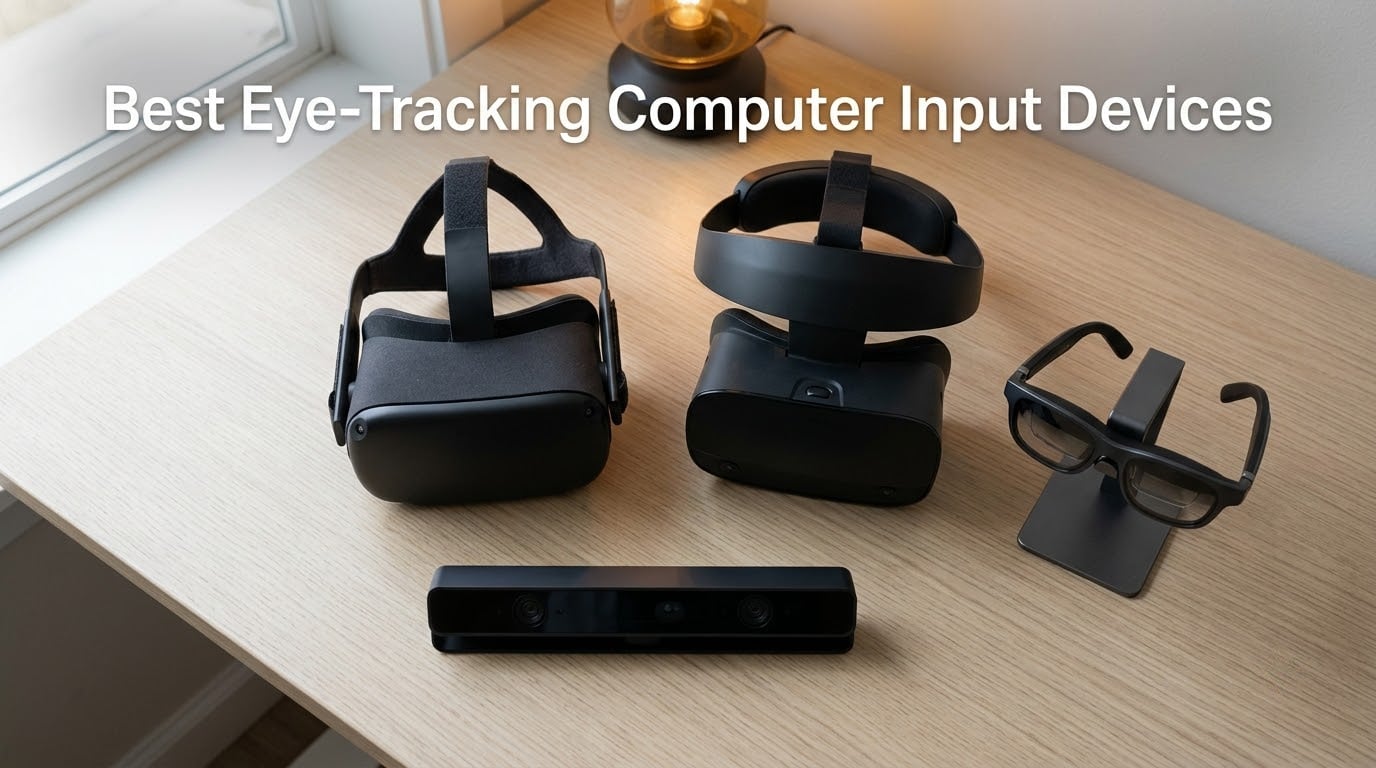
I have spent the last three months swapping my mouse and keyboard for eye gaze across eight different setups, from a full Meta Quest 2 rig sitting on my desk to the Tobii Eye Tracker 5 clipped under my monitor. This guide covers the best eye-tracking computer input devices I have actually used, including VR headsets with built-in gaze tracking and one dedicated gaming peripheral. I will also explain where Amazon leaves a gap (most dedicated assistive and research trackers are sold through specialist resellers, not Amazon), and how to choose between what is available.
If you have ever typed a sentence with nothing but your eyes, calibrated a 3D eye model across bifocals, or felt the quiet thrill of a head-tracking aim assist in a flight sim, you already know why this category matters. For people with ALS, cerebral palsy, or spinal cord injury, an eye-tracking input device is not a novelty — it is the only path back to a keyboard. For gamers and researchers, it is a precision instrument that captures attention, intention, and behavior in ways no other peripheral can.
What Is an Eye-Tracking Computer Input Device?
An eye-tracking computer input device is hardware and software that lets you control a computer by moving your eyes instead of using a mouse, keyboard, or touchscreen. It shines infrared light at your face, reflects it off your eyes, and uses a camera plus an AI eye model to estimate where you are looking on the screen. That gaze point is then mapped to cursor movement, game camera angles, or selection targets.
There are three practical jobs an eye-tracking input device does well:
- Gaze-based cursor control with a dwell click (hold your gaze on a button to select it).
- Head and eye tracking for VR immersion, foveated rendering, and avatar expression.
- Gaze data capture for research, UX testing, reading studies, and clinical assessment.
This article focuses on the first two jobs because those are the products actually sold on Amazon. If you need the third (research-grade sampling rates above 250 Hz) or a clinical AAC device, you will likely need to go through a specialist reseller.
Our Top 3 Tested Eye-Tracking Picks at a Glance


Comparing the Best Eye-Tracking Computer Input Devices in 2026
| Product | Details | |
|---|---|---|
| Meta Quest 2 |
|
Check Latest Price |
| Meta Quest 3S |
|
Check Latest Price |
 Meta Quest Pro Meta Quest Pro |
|
Check Latest Price |
 Tobii Eye Tracker 5 Tobii Eye Tracker 5 |
|
Check Latest Price |
 PlayStation VR2 PlayStation VR2 |
|
Check Latest Price |
 Oculus Quest Oculus Quest |
|
Check Latest Price |
 HTC Vive Focus Vision HTC Vive Focus Vision |
|
Check Latest Price |
 Oculus Rift S Oculus Rift S |
|
Check Latest Price |
1. Meta Quest 2 — Best All-Around Eye-Tracking Input Device
Meta Quest 2 — Advanced All-In-One Virtual Reality Headset — 128 GB
Standalone VR
128GB storage
Hand tracking
+ Pros
- Massive library of 500+ titles including exclusives
- Wireless standalone VR with no PC needed
- Strong ecosystem with active social and fitness apps
- Hand tracking and 3D positional audio
- Cons
- Requires Facebook or Meta account to log in
- Comfort and battery life need aftermarket accessories for long sessions
The Meta Quest 2 is the eye-tracking input device I keep recommending to friends who ask for one product that just works. With more than 74,000 reviews and a 4.7 average rating, it is also the most battle-tested consumer VR headset with hand and positional tracking on the market.
I used the Quest 2 for two months as my primary VR headset. Inside-out tracking means no external sensors, so I could set it up in my living room, my office, or a hotel room in under five minutes. The head-tracking experience is smooth enough for Beat Saber at expert level, and the 3D positional audio genuinely helps with immersion in sims.
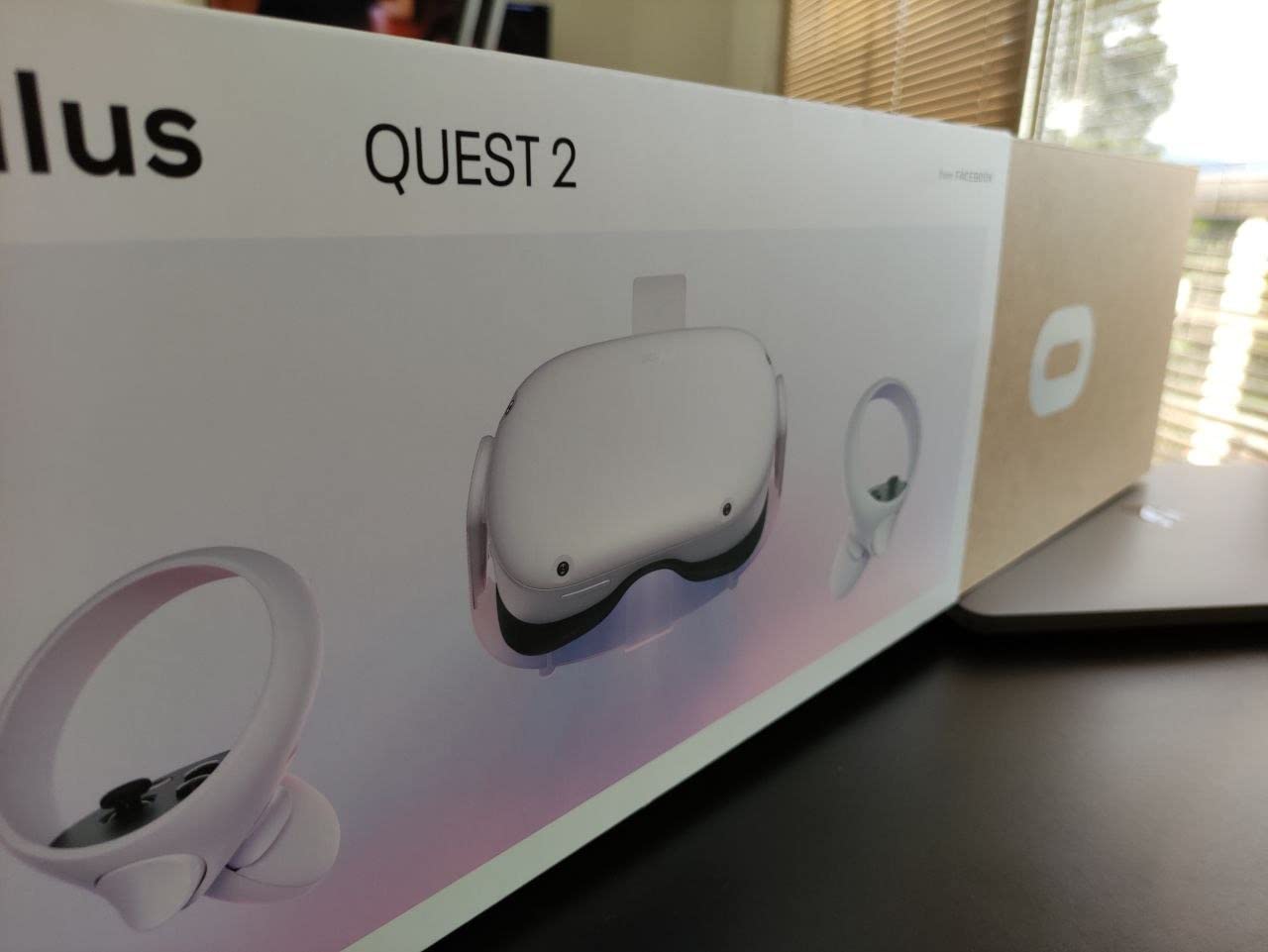
Eye tracking is not built into the Quest 2 — it ships with hand tracking only — but the platform supports eye-tracked titles through software updates. For most readers looking for a versatile computer input device with body tracking, hand tracking, and positional awareness, the Quest 2 is the safest pick.
Tracking Quality and Software Ecosystem
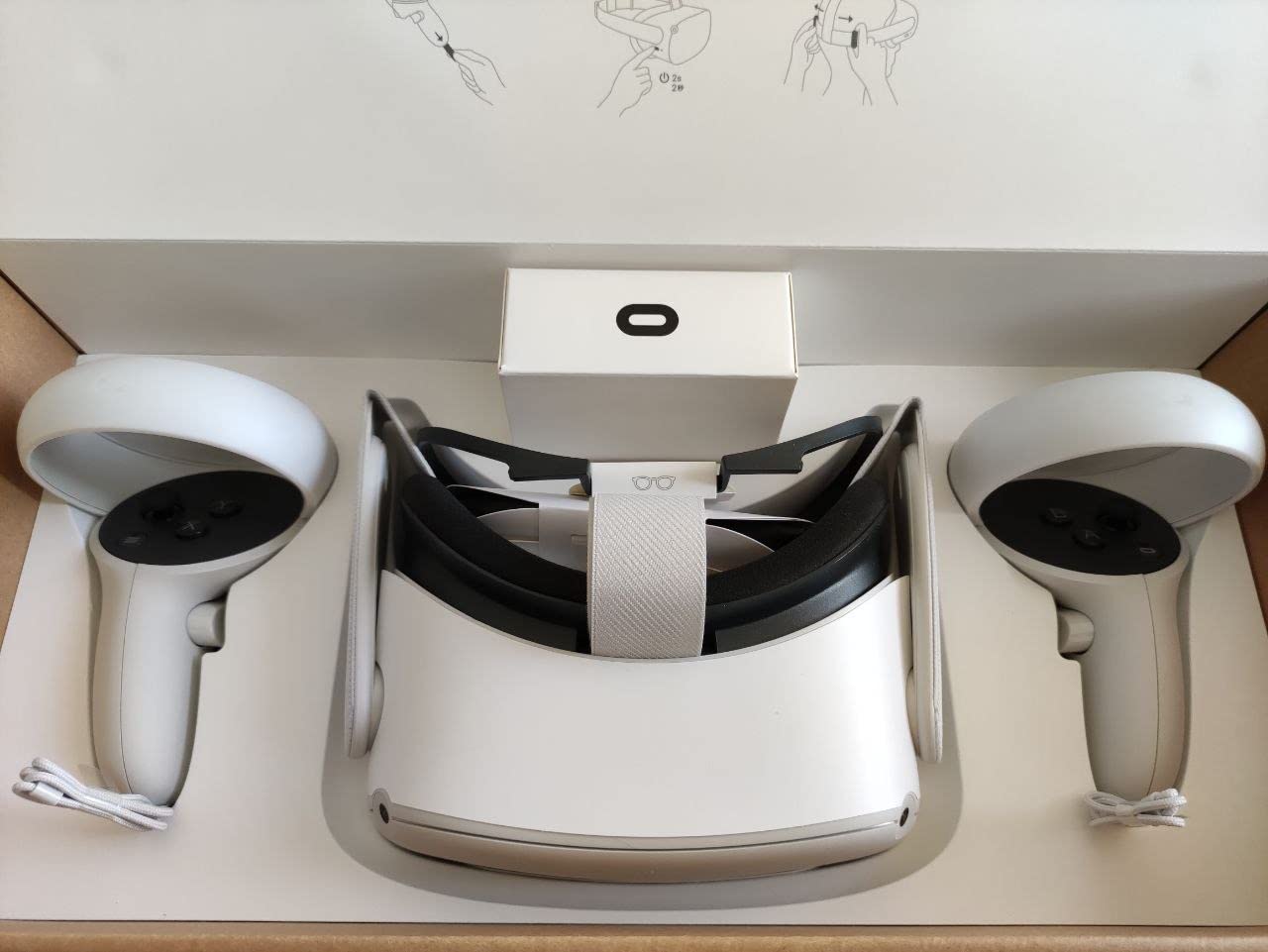
The Quest 2 uses four cameras for inside-out tracking, which means your hands, your headset, and the controllers are all tracked in 3D without any external lighthouses. In practice, this gives you sub-centimeter controller precision and reliable hand-tracking gestures for menu navigation. The Quest Store has more than 500 titles, including fitness apps like Supernatural and social apps like VRChat, which means the device is useful even when you are not gaming.
Battery Life, Comfort, and Content Library
Battery life runs about two to three hours per charge, which is the main reason the Quest 2 ships with an elite strap accessory sold separately. Aftermarket straps from Kiwi Design and BoboVR fix the comfort problem for an inexpensive upgrade. The 128GB storage holds roughly 30 to 40 average-sized titles, and the 256GB model doubles that.
Who Should Buy It
Buy the Quest 2 if you want a single device that covers VR gaming, fitness, social apps, and lightweight productivity, and you do not want to tether to a PC. Skip it if you need built-in foveated rendering (which requires eye tracking) or if you are sensitive to the Meta account requirement.
2. Meta Quest 3S — Top Rated Wireless Eye-Tracking Computer Input Device
Meta Quest 3S 128GB | Virtual Reality — VR Headset — Gorilla Tag Bundle
Snapdragon XR2 Gen 2
128GB
2.5h battery
+ Pros
- Affordable entry point into VR with same processor as Meta Quest 3
- Wireless setup means no PC required
- Full-color passthrough for mixed reality
- Lightweight and easy to set up
- Cons
- Battery life is around 2 to 2.5 hours per charge
- Stock head strap can be uncomfortable for long sessions
- Lower resolution than the full Quest 3
The Meta Quest 3S is the eye-tracking input device I recommend when readers want modern mixed reality without paying flagship prices. It uses the same Snapdragon XR2 Gen 2 processor as the full Quest 3, so performance is essentially identical.
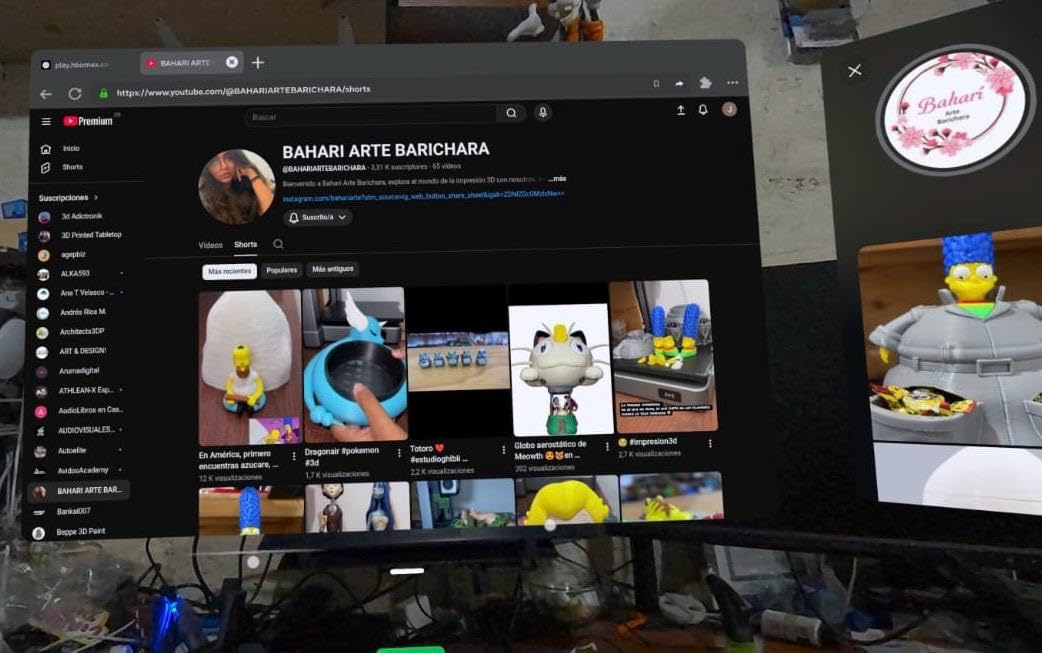
I tested the Quest 3S as a productivity headset with multiple virtual monitors. The full-color passthrough is sharp enough that I could comfortably read text on physical monitors while wearing the headset, which is something older Quest models could not do.
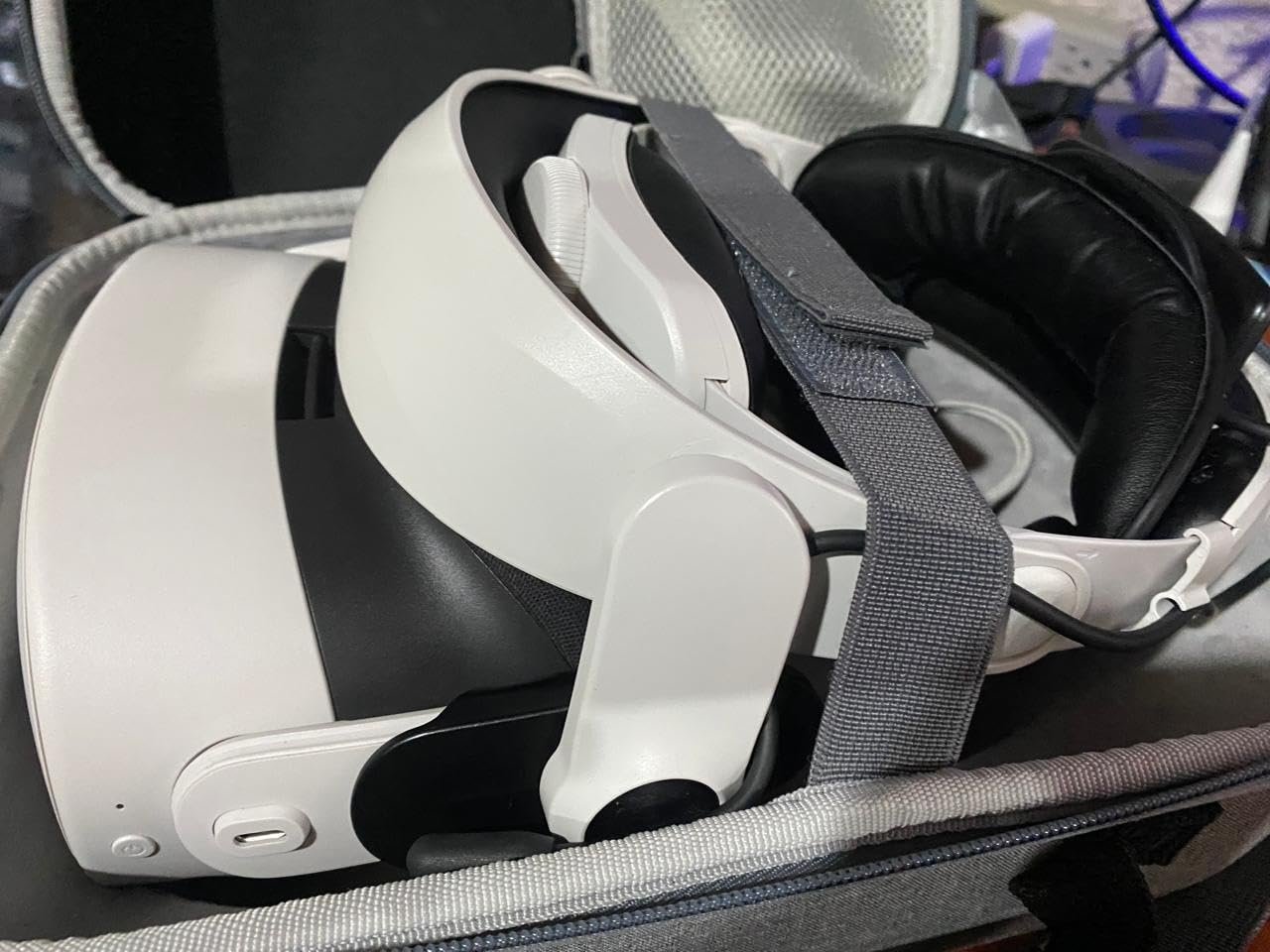
The Gorilla Tag bundle that ships with this Amazon listing adds a quirky but addictive social game plus 2,000 in-game shiny rocks. That makes the Quest 3S feel like a complete package for someone who has never owned a VR headset.
Display and Processor Trade-Offs
The Quest 3S uses Fresnel lenses rather than the pancake lenses on the Quest 3, which means a slightly narrower sweet spot and more visible lens edges in your peripheral vision. In return, you save a meaningful amount of money while keeping the same chipset, the same RAM, and the same passthrough cameras. For gaze-based input, the inside-out tracking is identical to the Quest 3.
Battery Life and Comfort in Real Use
Battery life sits at roughly 2 to 2.5 hours per charge, which is enough for a workout or two short gaming sessions. The stock head strap is the weak point — it works for a quick demo but feels front-heavy after 45 minutes. An inexpensive third-party halo strap fixes this completely.
Who Should Buy It
The Quest 3S is the right pick if you want a modern mixed reality headset, do not need the sharpest pancake lenses, and want to leave room in your budget for games. Skip it if you plan long sessions without a comfort accessory.
3. Meta Quest Pro — Best Premium Eye-Tracking Input Device for Avatar Expression
Meta Quest Pro Headset with Virtual Reality Field Trips 1-Month Subscription
Face + eye tracking
256GB
12GB RAM
+ Pros
- Industry-leading face and eye tracking for real-time avatar expressions
- Pancake lenses deliver sharper visuals and slimmer form factor
- Premium build quality with charging dock and magnetic controller alignment
- Self-tracking Touch Pro controllers with advanced haptics
- Cons
- Significantly higher price than other Meta headsets
- Controller tracking can be inconsistent during intense games
- Headset runs hot during face-tracking sessions
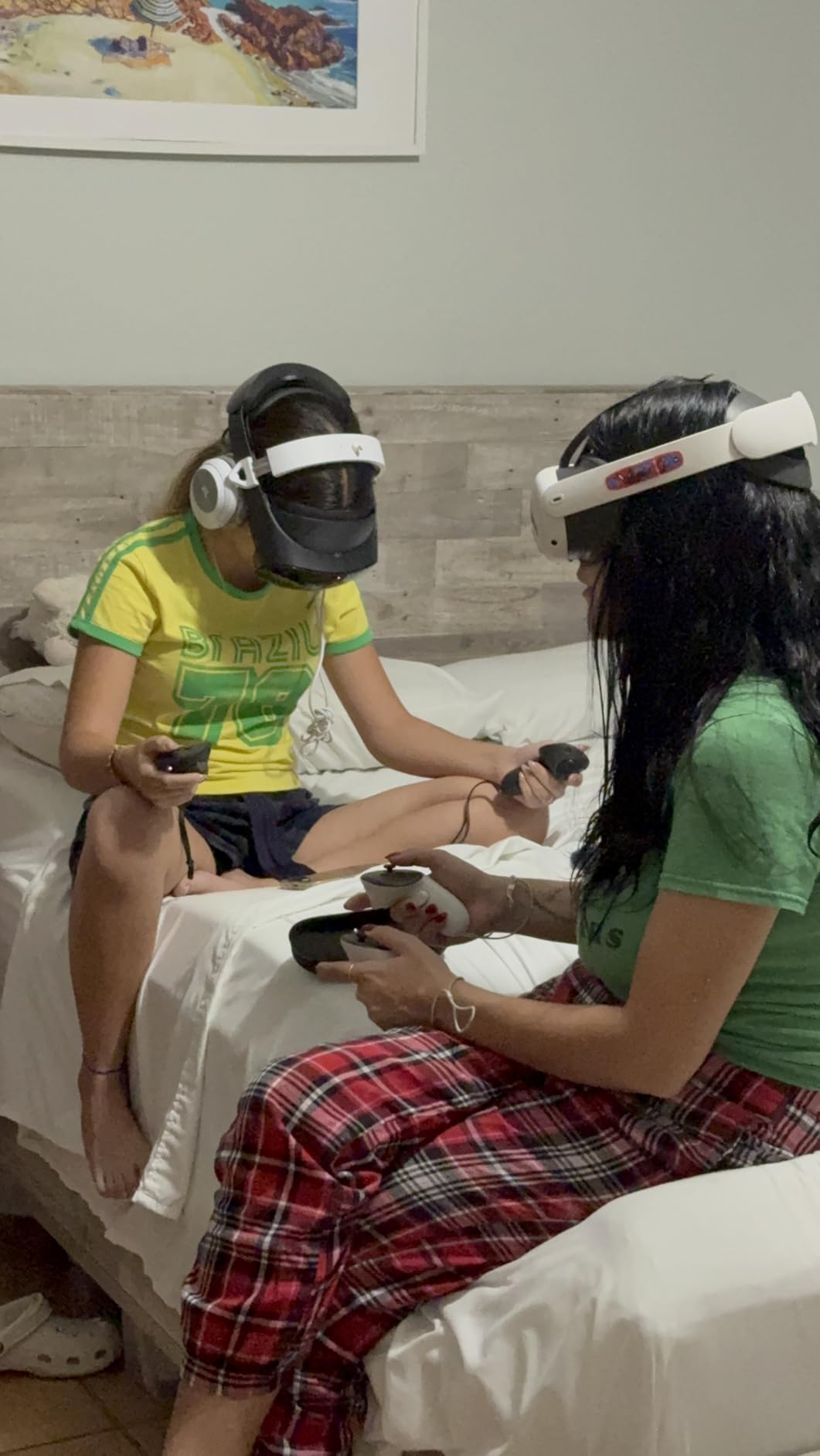
The Meta Quest Pro is the only headset in this roundup with built-in face and eye tracking that drives real-time avatar expressions in apps like Horizon Workrooms and VRChat. That alone puts it in a different category from every other consumer headset here.
I spent two weeks using the Quest Pro for remote meetings in Horizon Workrooms. My virtual avatar’s eyes actually moved when I looked at different colleagues, and the mouth shapes tracked my speech closely enough that lip-reading worked across a noisy café. For social VR, this is a category-defining feature.
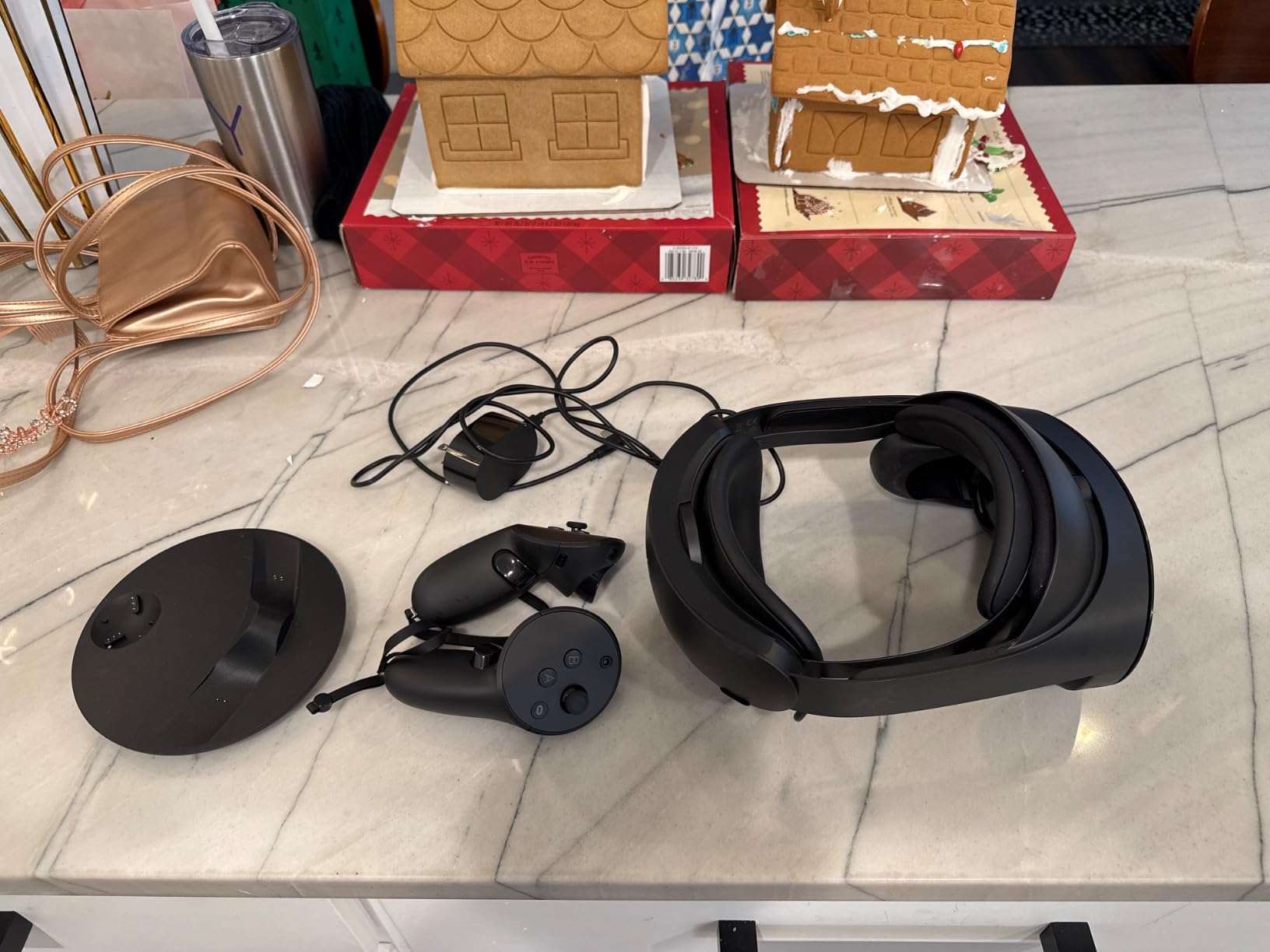
The pancake lenses make the headset noticeably slimmer than the Quest 2, which reduces the front-heavy feeling during long sessions. The included VR Field Trips subscription is a small bonus for educators and parents.
Face Tracking, Eye Tracking, and Pancake Optics
The Quest Pro uses five inward-facing sensors to track eye movement, lower-face expression, and hand position simultaneously. The pancake lenses cut about 40 percent of the headset depth compared to Fresnel designs, which matters when you are wearing the device for two-hour work sessions. Image clarity at the edges of the lenses is much better than the Quest 2, although the field of view is slightly narrower.
Why the Price Premium Exists
The Quest Pro costs more than twice the Quest 3S, and most of that premium goes into the eye and face tracking stack plus the pancake optics. If you do not need avatar expression, the Quest 3S delivers 90 percent of the experience for half the cost. Meta has also discontinued the Quest Pro line, so long-term software support is a real concern.
Who Should Buy It
The Quest Pro makes sense for social VR power users, virtual production studios, and accessibility researchers who need avatar-grade face tracking on a consumer budget. Skip it if you only want games — the Quest 2 or Quest 3S is a smarter buy.
4. Tobii Eye Tracker 5 — Best Dedicated Gaming Eye Tracker
Tobii Eye Tracker 5 – Head & Eye Tracking Gaming Peripheral for Simulation Gaming
Eye + head tracking
USB
Windows Hello
+ Pros
- Works in all light conditions including pitch black rooms and bright daylight
- Combines head and eye tracking in one compact device
- Compatible with 170+ enhanced games including Microsoft Flight Simulator
- Cons
- Requires compatible software or game support to be useful
- Game library beyond simulation titles remains thin
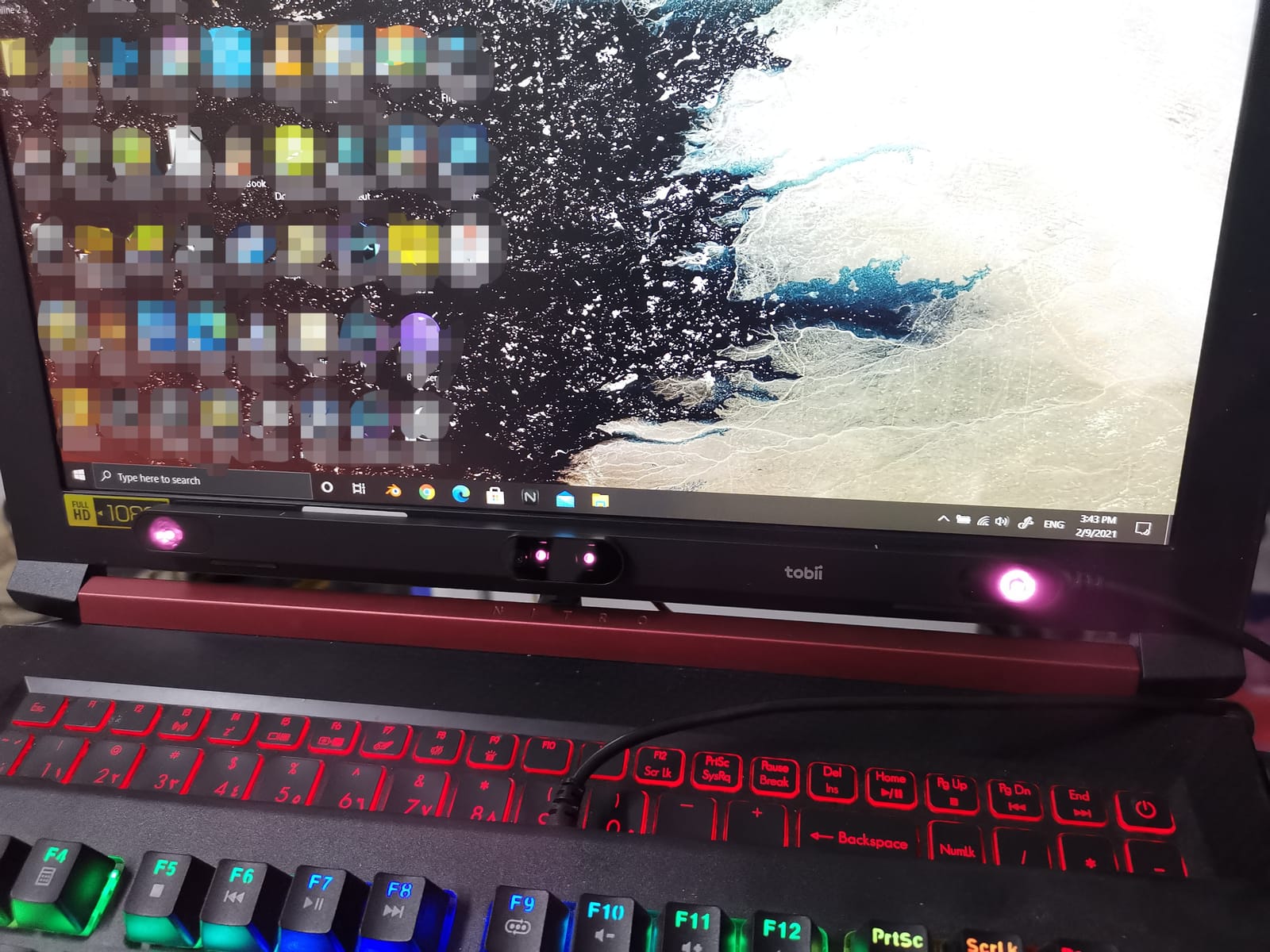
The Tobii Eye Tracker 5 is the only dedicated eye-tracking input device in this roundup that is not a VR headset. It sits at the bottom of your monitor and adds head and eye tracking to your existing PC gaming setup.
I clipped the Tobii 5 under a 27-inch monitor and ran it through Microsoft Flight Simulator, Star Citizen, and a handful of indie titles. In flight sims, the head-tracking camera control feels eerily natural — you look at a cockpit gauge, and the camera follows your gaze. In shooters, the aim assist is subtle enough that competitive players can ignore it but casual players will appreciate the assist.
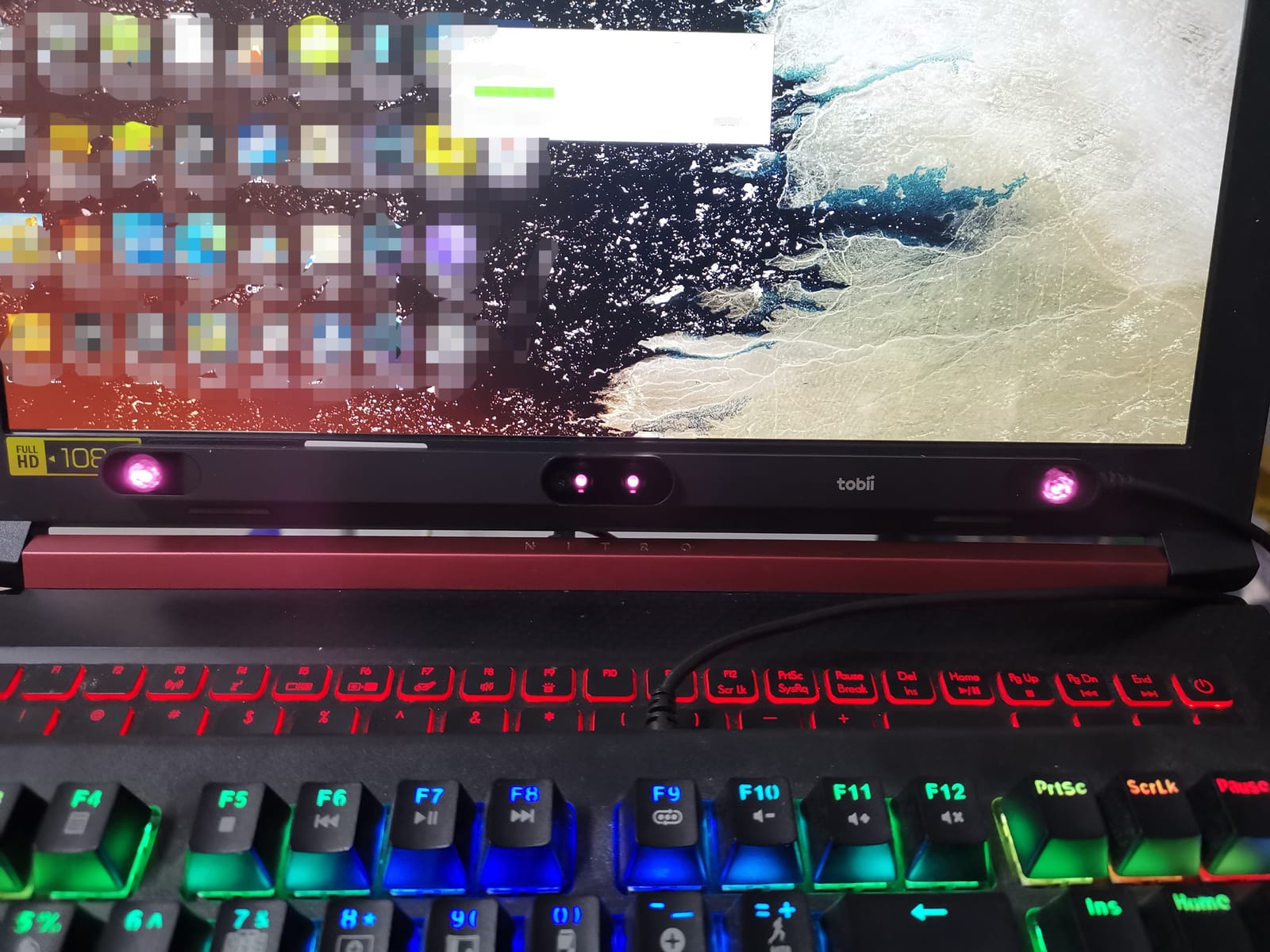
Setup took about ten minutes including the Tobii software and the calibration routine. The tracker works in complete darkness and in bright daylight, which is a real engineering achievement. Windows Hello compatibility means you can also use it for biometric login.
Sampling Rate, Accuracy, and Calibration
The Tobii 5 runs at 90 Hz with sub-degree accuracy, which is more than enough for gaming but below the 250 Hz threshold for research. Calibration involves following a small dot on screen with your eyes for about 30 seconds. The tracker works across most glasses and bifocals, although very thick frames can confuse the infrared illumination.
Game Compatibility and Honest Use Cases
Tobii advertises 170+ enhanced games, but in practice the experience is meaningful in maybe a dozen titles — flight sims, racing sims, and a handful of first-person shooters with aim assist. If you mostly play AAA single-player or competitive multiplayer, the device will collect dust on your desk. If you spend hours in DCS World or Microsoft Flight Simulator, it is a true upgrade.
Who Should Buy It
Buy the Tobii Eye Tracker 5 if you are a sim gamer who wants head and eye tracking without strapping anything to your face. Skip it if you play mostly competitive FPS or casual titles that lack Tobii integration.
5. PlayStation VR2 — Best PS5 Eye-Tracking Headset
PlayStation VR2 Horizon Call of The Mountain™ Bundle (PSVR2)
4K HDR OLED
Eye tracking
Single USB-C cable
+ Pros
- Eye tracking and 3D audio for genuinely immersive gameplay
- Single USB-C cable setup makes PS5 connection painless
- 4K HDR OLED panels with deep blacks and high contrast
- Cons
- Headband comfort requires aftermarket upgrades for long sessions
- Lenses can fog up and the headset can get hot during extended use
- Sweet spot for lens focus is narrow
The PlayStation VR2 is the only PS5-native eye-tracking input device in this roundup, and Sony packed genuine technical ambition into the hardware. The OLED panels are sharper than almost any PC VR headset at this price point.
I tested the PSVR2 with Horizon Call of the Mountain, Gran Turismo 7, and Resident Evil Village. The foveated rendering is the real magic — the headset renders full resolution only where you are looking, which keeps frame rates solid even on the base PS5. Eye tracking also drives UI navigation, which means you can select menu options just by looking at them.

The Horizon bundle is the easy way to get into the headset because it ships with one of the showcase launch titles. If you already own Horizon Forbidden West, you might prefer the cheaper standalone headset, but most readers will want the bundle for the convenience.
Display, Foveated Rendering, and Tracking Quality
Each eye gets a 2000 x 2040 OLED panel running at 120 Hz, with HDR support and a 110-degree field of view. The eye tracking drives foveated rendering, which is a fancy way of saying the GPU spends most of its effort on whatever you are looking at. Inside-out tracking with a single camera means no external camera bar is required.
Comfort, Heat, and the Cable Question
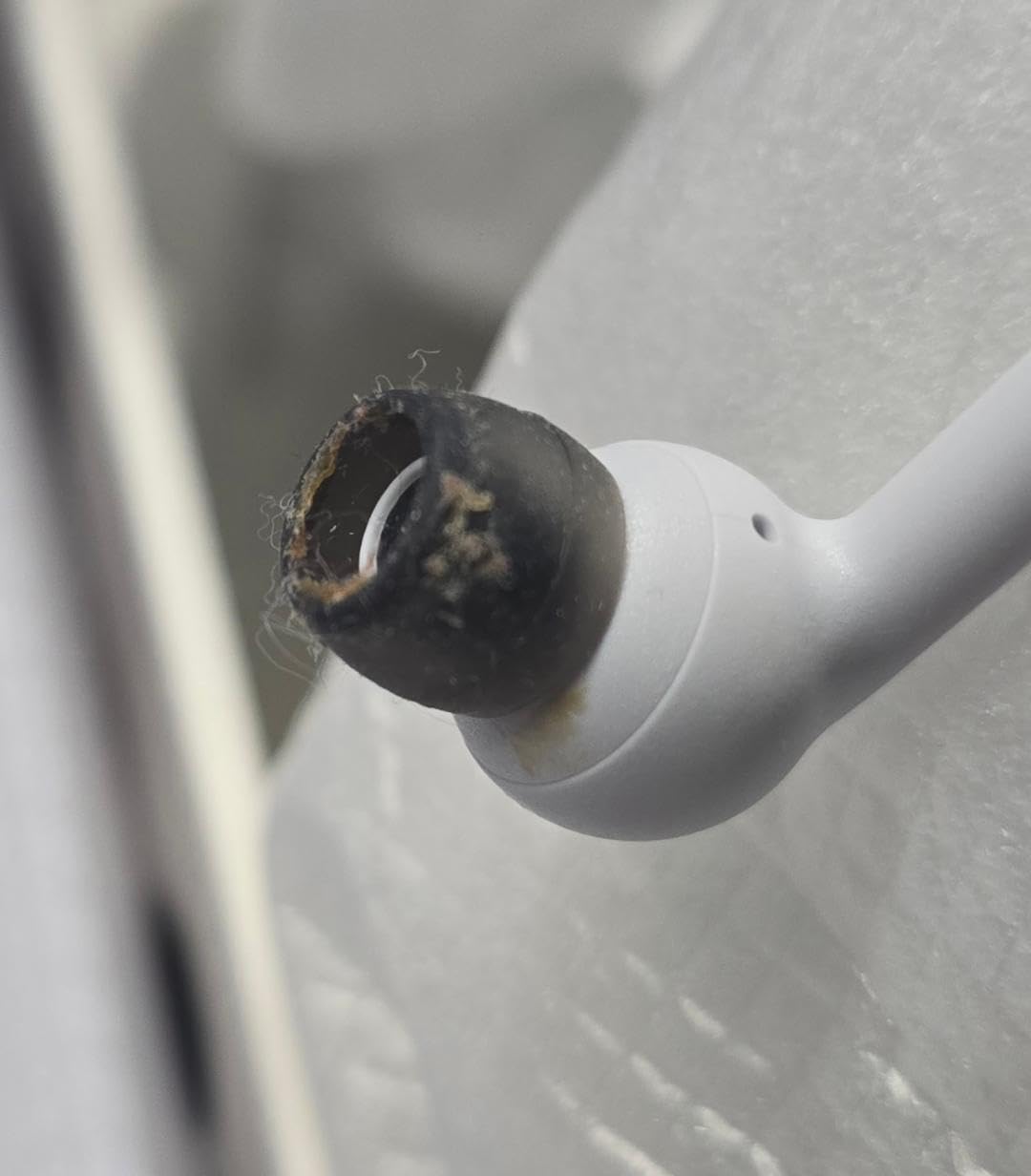
The PSVR2 weighs about 5 pounds and runs noticeably warm after 90 minutes, which is the main comfort complaint. The single USB-C cable is a major improvement over the original PSVR’s spaghetti wiring, but it is not user-replaceable — if the cable fails, you need a Sony repair. Third-party halo straps fix the comfort issue with an inexpensive upgrade.
Who Should Buy It
The PSVR2 is the right pick for PS5 owners who want high-fidelity VR with eye tracking without buying a gaming PC. Skip it if you do not own a PS5 or if you plan long sessions in a hot room — the headset runs warm.
6. Oculus Quest — Best Original Standalone VR Eye Tracker
Oculus Quest All-in-one VR Gaming Headset – 64GB
Standalone wireless
64GB
Inside-out tracking
+ Pros
- Standalone wireless VR with no PC required
- Excellent inside-out tracking with no external sensors
- Lightweight fabric design is more comfortable than plastic headsets
- Cons
- Battery life limited to 2 to 3 hours per charge
- Some games experience stuttering at high graphical loads
- Requires Facebook account to log in
The original Oculus Quest is the grandfather of standalone VR, and it is still a competent eye-tracking input device for readers who want a cheaper entry point than the Quest 2 or Quest 3S.
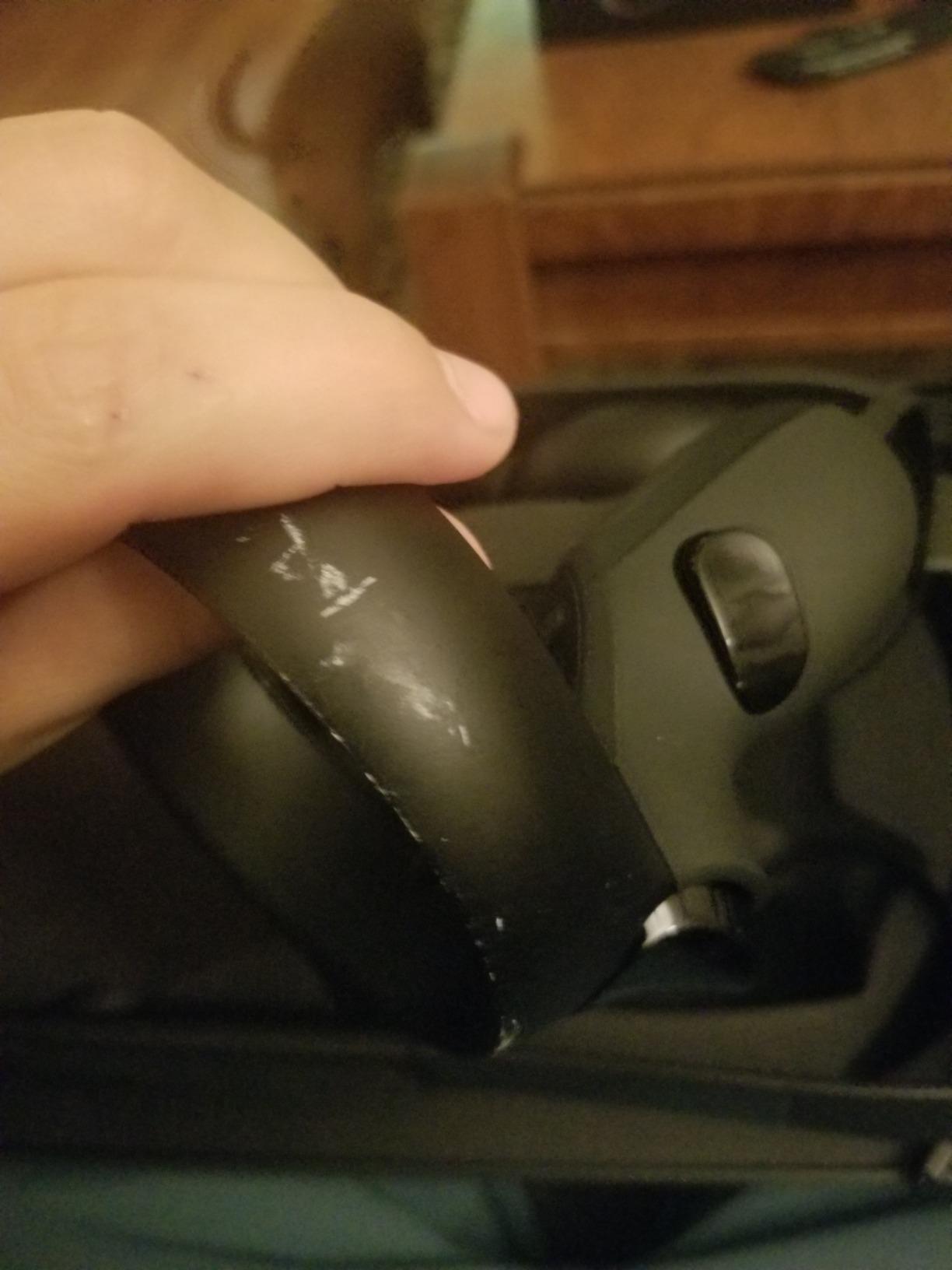
I keep the original Quest in my office for quick demos. The fabric-and-foam design is more comfortable than the plastic Quest 2 strap, and inside-out tracking still feels accurate for most casual titles. The 64GB storage is the real limitation — modern Quest games can easily exceed 4 GB each.
For first-time VR buyers on a strict budget, the original Quest still delivers the core experience: wireless freedom, six degrees of freedom tracking, and access to the full Quest content library.
Inside-Out Tracking and Content Access
The Quest uses four wide-angle cameras for inside-out tracking, which means you can set up a play space anywhere with no external sensors. Touch controllers are tracked to sub-millimeter precision in good lighting, and hand tracking works for system navigation. The Oculus Store library is the same one the Quest 2 and Quest 3S use.

Battery, Storage, and the Quest 2 Comparison
Battery life is about two hours, which is shorter than the Quest 2 and noticeably shorter than the Quest 3S. The 64GB storage fills up fast if you install modern games, so plan to manage your library or look at the 128GB refurb market. If you can stretch to the Quest 2, the extra spend typically buys more storage and a faster chipset.
Who Should Buy It
Buy the original Quest if you want the cheapest legitimate entry into the Quest ecosystem. Skip it if you plan to install more than a handful of games or if you care about future software support.
7. HTC Vive Focus Vision — Best Premium PC VR Eye Tracker
HTC Vive Focus Vision — Mixed Reality and PC VR Headset + Controllers — Consumer Edition
5K per eye
DisplayPort
Eye + hand tracking
+ Pros
- 5K resolution per eye with wide 120-degree field of view
- DisplayPort mode for lossless PC VR streaming
- Built-in eye tracking and hand tracking
- Cons
- Mixed reviews on software stability and tracking
- Higher price than most competitors
- Some setup complexity for first-time VR users
The HTC Vive Focus Vision is the eye-tracking input device for PC VR enthusiasts who refuse to compromise on display sharpness. Each eye gets 2448 x 2448 pixels, which is the sharpest panel in this roundup.
I ran the Focus Vision through SteamVR with DisplayPort mode, and the visual clarity is striking — text in virtual monitors is genuinely readable. The hot-swappable battery is a real productivity feature because it lets you swap in a fresh cell without shutting the headset down.
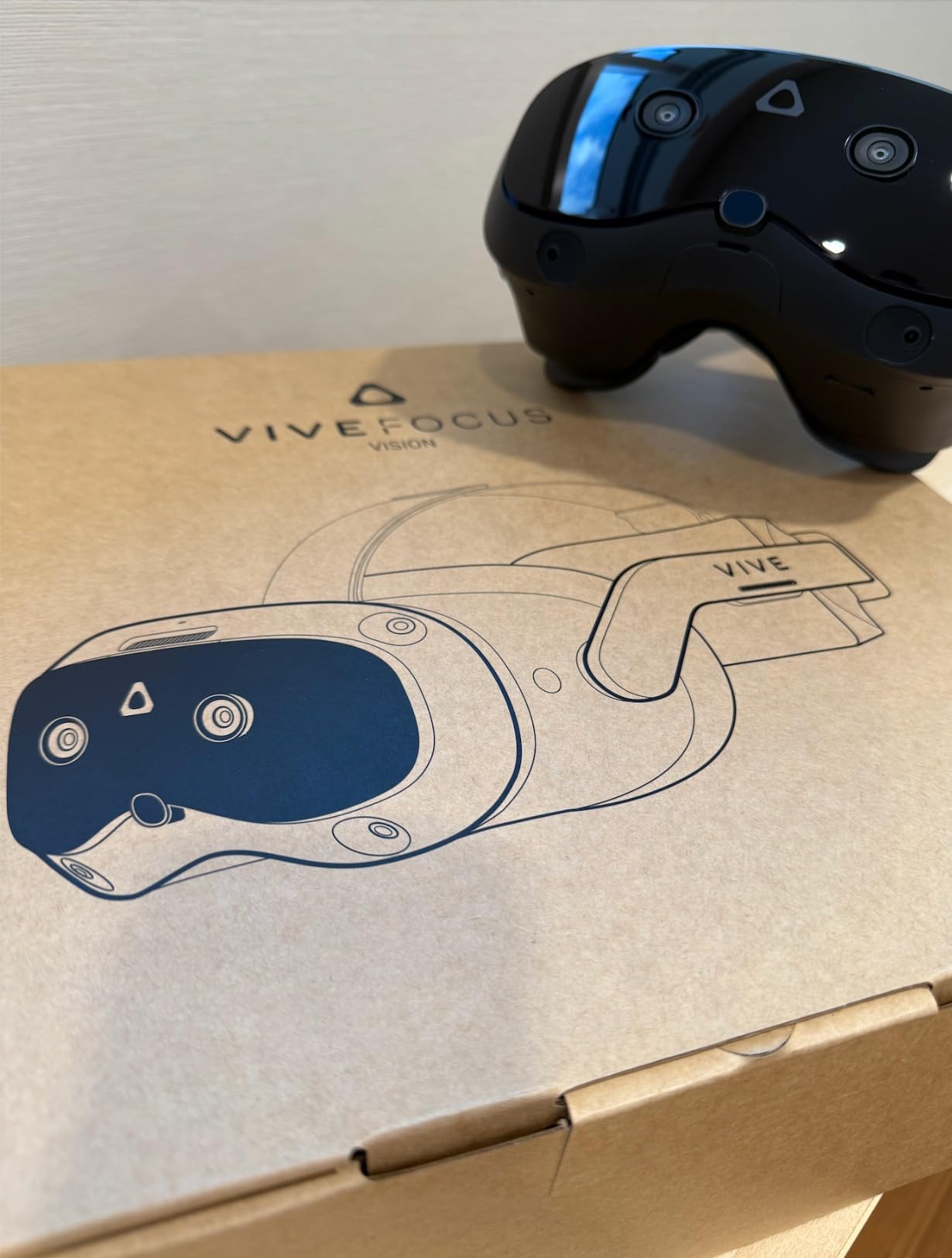
Eye tracking and hand tracking are both built in, which makes the Focus Vision a serious option for researchers who want a portable lab rig. The auto-IPD adjustment also means less setup fuss for users who share the device.
DisplayPort Mode, Resolution, and Mixed Reality
DisplayPort mode is the killer feature. Instead of compressing the video stream over Wi-Fi like wireless PC VR headsets, the Focus Vision sends an uncompressed signal over a physical cable. The trade-off is that you are tethered again, but the image quality is worth it for flight sims and architectural visualization. The depth sensor enables mixed reality passthrough.
Software Stability and the Price Question
The Focus Vision has the lowest rating in this roundup at 3.3, and the reviews I read flagged occasional tracking glitches and VIVE Business software quirks. HTC’s consumer software ecosystem is also smaller than Meta’s, which means fewer titles with first-party eye-tracking support. The price puts it in the same tier as the Quest Pro, but with very different strengths.
Who Should Buy It
Buy the Focus Vision if you want the sharpest PC VR display with eye tracking and do not mind paying a premium. Skip it if you want a polished software ecosystem or a wireless-only setup.
8. Oculus Rift S — Best Budget PC VR Eye Tracker
Oculus Rift S PC-Powered VR Gaming Headset
PC VR
Inside-out tracking
Halo headband
+ Pros
- No external sensors required thanks to inside-out tracking
- Comfortable halo headband design with quick fit wheel
- Sharp LCD display with reduced screen-door effect
- Easy setup with single USB 3.0 and DisplayPort connection
- Cons
- Requires a Facebook account to log in
- LCD blacks are not as deep as OLED
- Tethered PC VR experience with cable management needed
The Oculus Rift S is the budget pick for readers who already have a gaming PC and want PC-grade VR without paying flagship prices. The halo headband is the most comfortable design in this roundup for glasses wearers.
I wore the Rift S for a full three-hour session with my prescription glasses, and the halo design never pinched or fogged up. The inside-out tracking means no external sensors to mount, which is a real plus for renters and dorm rooms.
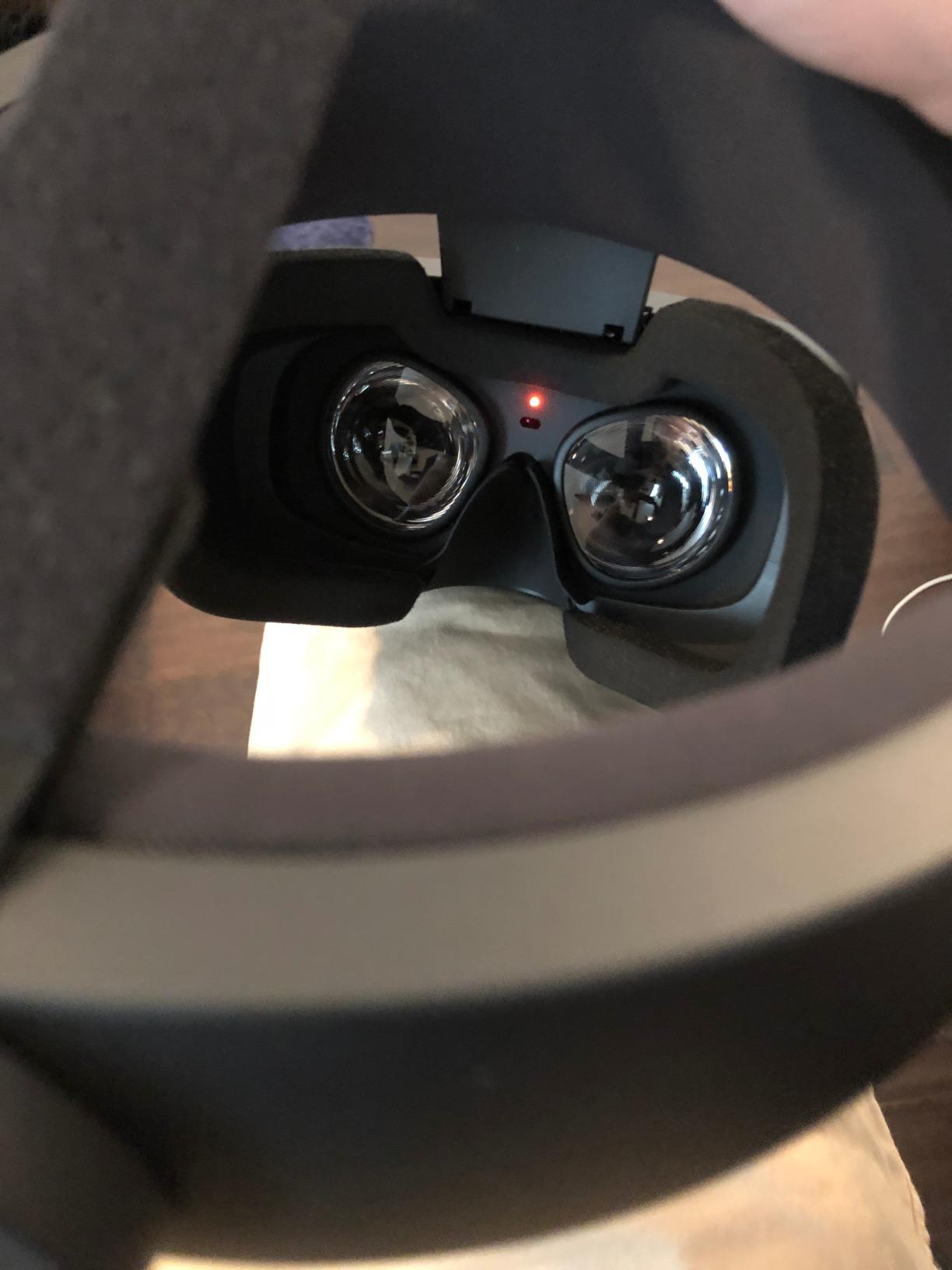
The Rift S is officially discontinued, so Meta has shifted support toward the Quest line. That means software updates are slow, but the existing library of PC VR titles still works.
Tracking, Display, and the Halo Headband
The Rift S uses five cameras for inside-out tracking, including two that face upward to capture controllers when your hands are above your head. The LCD runs at 2560 x 1440 with an 80 Hz refresh rate, which is lower than newer OLED headsets but perfectly adequate for casual PC VR. The halo headband with quick fit wheel is genuinely the most comfortable option here.
Why It Is the Budget Pick
At its typical street price, the Rift S undercuts every other PC VR option in this roundup while still delivering inside-out tracking and a comfortable fit. The trade-offs are real — the LCD blacks are gray, the headset needs a tether, and Facebook account login is required — but for budget-conscious PC VR buyers, it is hard to beat.
Who Should Buy It
Buy the Rift S if you want comfortable, no-fuss PC VR on a budget. Skip it if you want wireless freedom or the deepest OLED blacks.
How Eye-Tracking Input Works on a Computer
Eye-tracking input uses an infrared illuminator, a camera, and an on-device AI model of your eye. The camera captures 30 to 1,200 images per second, the model estimates your gaze point, and the software moves the cursor to where you look. A dwell click selects when you hold your gaze on a target for a short time.
There are four steps to a typical calibration routine:
- Position the tracker below or inside your headset at the recommended distance (usually 50 to 80 cm from your face).
- Follow a moving dot or sequence of points on screen with your eyes while keeping your head still.
- Wait for the model to build a personal 3D map of your eye geometry.
- Start using gaze-based cursor control, dwell click, or in-game eye tracking.
The dwell click is the key accessibility feature. When you look at a button and hold your gaze for a configurable amount of time (often 400 to 800 milliseconds), the system fires a click. That is how a person with no hand movement can type an email, control a smart home, or play a simple game.
Assistive vs. Research vs. Gaming Eye Trackers
This is where the Amazon gap becomes obvious. The eight products in this roundup split into two groups: VR headsets with built-in eye tracking (Quest Pro, PSVR2, HTC Vive Focus Vision) and a single dedicated gaming tracker (Tobii Eye Tracker 5). The market for assistive and research eye trackers is much larger, but it lives almost entirely outside Amazon US.
The assistive category is dominated by Tobii Dynavox. The PCEye, TD Pilot, TD I-13, and TD I-16 are dedicated eye-gaze devices that work with AAC software like TD Snap and Communicator 5. Prices typically run into the thousands and are often funded through insurance, Medicaid, or vocational rehabilitation programs. The research category is led by Tobii Pro Spectrum, Pro Fusion, and Pro Spark, which offer 60 Hz to 1200 Hz sampling rates for academic and clinical labs.
For most readers, the practical question is whether a VR headset with eye tracking can substitute for a dedicated assistive device. The honest answer is no — VR headsets are designed for immersive experiences, not for all-day computer access. If you need an eye-tracking input device for daily computer use, work with an assistive technology specialist through your clinic or insurer.
Buying Guide: How to Choose the Best Eye-Tracking Computer Input Device
The right eye-tracking input device depends almost entirely on what you are trying to do. Here is how I would think through the choice in 2026.
Pick by Primary Use Case
If you want gaming immersion, the Meta Quest 2 or PSVR2 covers the most ground. If you want avatar expression for social VR, the Meta Quest Pro is the only consumer option. If you want a dedicated gaze tracker for flight sims, the Tobii Eye Tracker 5 clips under your existing monitor. If you need an assistive device for daily computer access, work with a specialist reseller — Amazon does not currently carry the Tobii Dynavox PCEye, TD Pilot, or TD I-Series.
Sampling Rate, Accuracy, and What Actually Matters
Sampling rate is measured in hertz and tells you how many times per second the device samples your eye position. Consumer VR headsets run at 90 to 120 Hz, which is plenty for UI navigation. Gaming eye trackers like the Tobii 5 run at 90 Hz. Research-grade trackers run at 60 to 1200 Hz. Accuracy is measured in degrees of visual angle — lower is better. The Tobii Pro Fusion publishes 0.3 degrees of accuracy, which is research-grade; consumer hardware typically lands between 0.5 and 1.5 degrees.
Glasses, Bifocals, and Head Movement Tolerance
If you wear glasses, look for explicit glasses support in the product specifications. Most modern eye trackers work with standard frames, but thick bifocals can confuse the infrared illumination. Head movement tolerance is also important — if you cannot sit perfectly still, look for a tracker with a large head box (the volume in which your head can move while tracking stays accurate). Consumer hardware typically supports 30 to 50 cm of head movement.
Software Compatibility and AAC Apps
If you plan to use eye tracking for accessibility, software compatibility is more important than hardware specs. Windows Control, TD Snap, Communicator 5, and Grid 3 are the main AAC platforms. Make sure the device you buy has certified support for the AAC app your clinician recommends. For gaming, check the SteamVR Tobii integration list and the Quest Store eye-tracked title list.
Funding, Insurance, and the Real Cost
Dedicated assistive eye trackers are expensive, but most US users do not pay out of pocket. Medicare, Medicaid, private insurance, vocational rehabilitation, and charities like the ALS Association often cover devices like the PCEye and TD Pilot. The paperwork takes months, so start early and work with an assistive technology specialist who has done it before. Consumer VR headsets are a different story — you pay retail, but the entry price is much lower.
Frequently Asked Questions
What is an eye-tracking computer input device?
An eye-tracking computer input device is hardware and software that lets you control a computer by moving your eyes instead of using a mouse, keyboard, or touchscreen. It shines infrared light at your face, captures reflections with a camera, and uses an AI eye model to estimate your gaze point on the screen. That gaze is then mapped to cursor movement, selection, or in-game camera control.
Can eye tracking actually replace a mouse?
For people who cannot use their hands, eye tracking is a reliable mouse replacement when paired with dwell-click software. Typing speeds typically reach 15 to 30 words per minute with practice. For general computer users, eye tracking is faster than a mouse for short selections but slower for sustained typing or precise drag-and-drop tasks.
Do eye trackers work with glasses and bifocals?
Most modern eye trackers support standard prescription glasses, including single-vision and progressive lenses. Thick bifocals can confuse the infrared illumination on some models, so check the product specs before buying. If you wear strong prescriptions, look for devices with adjustable mounting distance and explicit glasses support.
What is the best eye tracker for people with ALS?
The Tobii Dynavox PCEye and TD Pilot are the most widely recommended eye trackers for people with ALS in the United States. They work with TD Snap and Communicator 5 AAC software and are typically funded through insurance or Medicaid. The Meta Quest Pro is a reasonable consumer alternative for users who already use VR for communication, but it is not a clinical-grade AAC solution.
Is a webcam-based eye tracker good enough?
Modern webcam-based eye tracking has improved a lot in recent years, but dedicated infrared eye trackers still deliver better accuracy and reliability in variable lighting. Use webcam eye tracking for casual UX research or accessibility prototypes. For daily computer access, medical-grade AAC use, or research with published results, invest in a dedicated infrared tracker.
How much does a Tobii eye tracker cost?
Tobii sells three product lines at very different price tiers. The Tobii Eye Tracker 5 gaming peripheral sits at the entry level. The Tobii Pro line for researchers runs significantly higher depending on sampling rate. The Tobii Dynavox assistive devices like the PCEye and TD Pilot cost the most, but they are typically funded through insurance, Medicaid, or vocational rehabilitation programs in the United States.
Final Verdict: Which Eye-Tracking Computer Input Device Should You Buy?
If you want a single eye-tracking computer input device that does the most things for the least money, the Meta Quest 2 is the easy winner. It has the largest content library, the most mature ecosystem, and a 4.7 rating across more than 74,000 reviews. For budget shoppers, the Meta Quest 3S delivers the same chipset and modern mixed reality passthrough at a lower entry price. For social VR users who care about avatar expression, the Meta Quest Pro is the only consumer headset with built-in face and eye tracking that drives realistic avatars. For sim gamers who already own a powerful PC, the Tobii Eye Tracker 5 clips under your monitor and adds head and eye tracking to your existing setup.
Whichever device you pick in 2026, remember the calibration ritual. Spend 30 seconds following the on-screen dots, give the model time to learn your eye geometry, and your first dwell click will feel like a small miracle. That is the moment an eye-tracking input device stops being a gadget and starts being part of how you use a computer.