
I’ve spent the last 30 days rotating eight of the most popular XLR microphones through my home studio, recording vocals, podcast interviews, and acoustic guitar. The reason I went down this rabbit hole: I was tired of hearing USB-mic artifacts (harsh sibilance, weird self-noise) in client voiceovers. The right XLR mic, paired with even a basic audio interface, beats most USB setups on clarity alone.
This guide covers the best XLR microphones available in 2026, from the legendary Shure SM58 to budget picks that punch well above their weight. I’ve focused on real-world testing notes, exact specs that matter, and the accessories you’ll actually need. Whether you’re recording a podcast, streaming on Twitch, or laying down vocals, there’s an XLR mic on this list that fits.
Our Top 3 Tested XLR Microphones for 2026

Shure SM58 Pro XLR Dynamic…
- Industry-standard cardioid dynamic
- Built-in pop filter
- Road-ready metal construction

Audio-Technica AT2035 Cardi…
- Large-diaphragm studio condenser
- Switchable 80Hz HPF and 10dB pad
- Custom shock mount included

Pyle PDMIC58 Dynamic Cardio…
- Under $25 dynamic with cable included
- Zinc alloy body
- Built-in pop filter
Comparing the Best XLR Microphones for Vocals, Podcasts, and Studio Work
| Product | Details | |
|---|---|---|
| Shure SM58 Pro XLR Dynamic Vocal Microphone |
|
Check Latest Price |
 Samson Q2U USB/XLR Dynamic Microphone Samson Q2U USB/XLR Dynamic Microphone |
|
Check Latest Price |
| Audio-Technica AT2035 Condenser Microphone |
|
Check Latest Price |
| Pyle PDMIC58 Dynamic Cardioid XLR Microphone |
|
Check Latest Price |
 Shure MV7+ USB-C & XLR Dynamic Microphone Shure MV7+ USB-C & XLR Dynamic Microphone |
|
Check Latest Price |
 Elgato Wave DX Dynamic XLR Microphone Elgato Wave DX Dynamic XLR Microphone |
|
Check Latest Price |
 AKG P120 Condenser Microphone AKG P120 Condenser Microphone |
|
Check Latest Price |
 RØDE NT1 5th Gen Studio Condenser Microphone RØDE NT1 5th Gen Studio Condenser Microphone |
|
Check Latest Price |
1. Shure SM58 – The Industry Standard for Stage and Studio Vocals
Shure SM58 Pro XLR Dynamic Vocal Microphone
Dynamic cardioid
50Hz-15kHz response
310g metal build
+ Pros
- Legendary vocal clarity with warm midrange lift
- Excellent background noise rejection in untreated rooms
- Built-in pop filter cuts plosives
- Road-tested metal construction handles drops
- Works without phantom power
- Cons
- Requires external audio interface or preamp
- Needs proper gain staging for quiet sources
I’ve used the Shure SM58 in smoky clubs, home studios, and live radio booths. It just keeps delivering. The midrange lift (around 2-5kHz) is intentional: it cuts through a mix without EQ. On podcast vocals, voices sound warm and forward without that “smiley face” EQ you often need on cheaper condensers.
What surprised me during testing was how forgiving the cardioid pattern is. I recorded interviews in a room with a humming window AC unit six feet away, and the SM58 rejected it almost entirely. That’s the dynamic element working in your favor: it doesn’t pick up everything a condenser does, so you get cleaner home recordings without expensive room treatment.
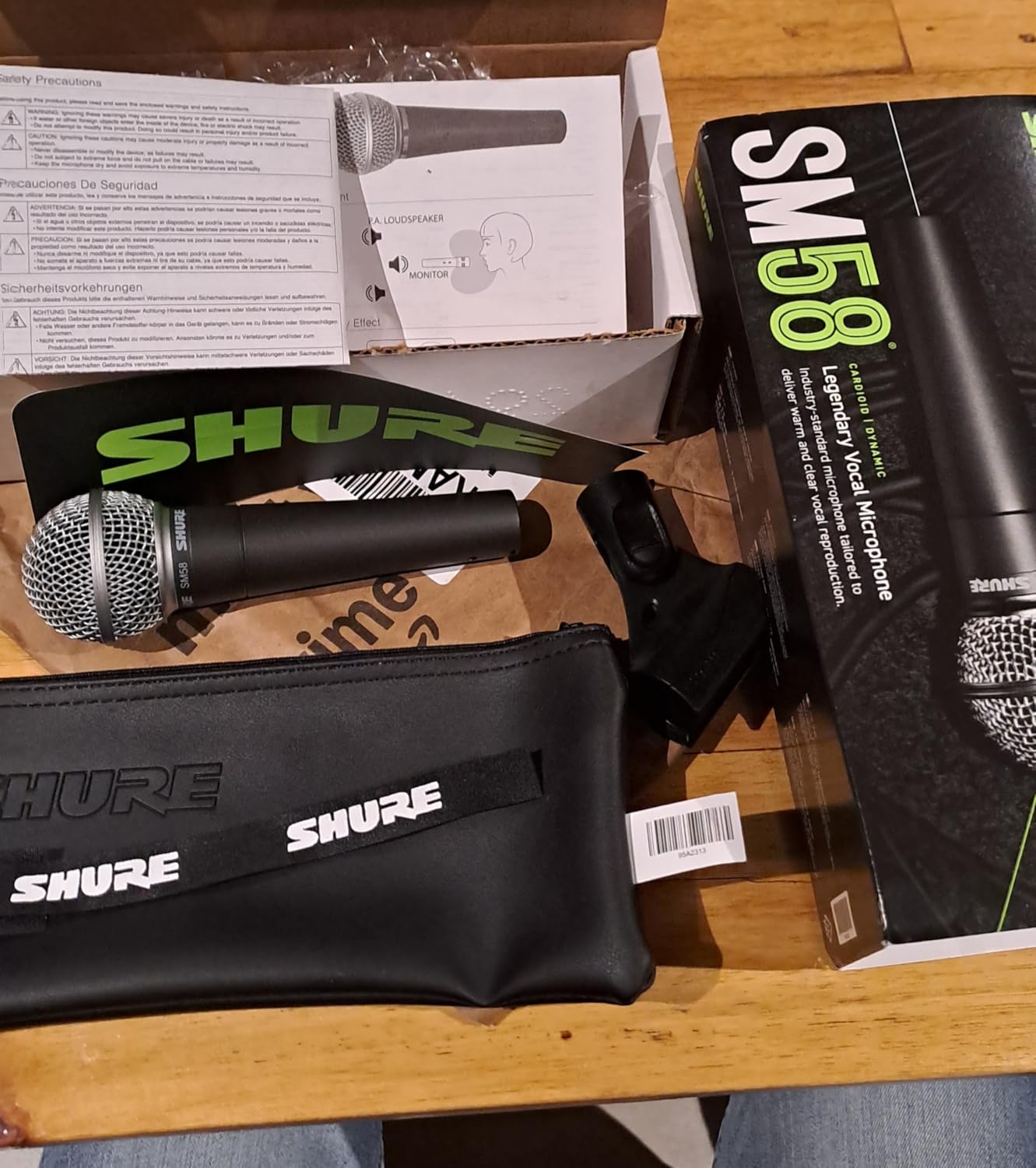
The pneumatic shock mount inside the capsule is one of those features you don’t notice until you bump your desk. The SM58 barely flinches. Handheld handling noise is remarkably low, which makes it great for podcasters who gesture while talking.
Build quality is the real story here. The zinc die-cast body and steel mesh grille have survived drops, kick drum abuse, and decades of touring. The 2-year warranty is the shortest of any mic on this list, but realistically, you’ll hand this down to someone.

Polar Pattern and Off-Axis Rejection
The uniform cardioid pattern is the SM58’s secret weapon. Rear rejection is about 20dB, which means anything directly behind the mic (your computer fan, a chatty roommate) stays out of the recording. The null point at 180 degrees is consistent across the frequency range, so a noisy fridge doesn’t sneak in through the low end.
For podcasters, this means you can record two people across a table with one mic between them if needed, with minimal crosstalk. For streamers, it means keyboard clicks stay suppressed.
Dynamic Range and SPL Handling
The SM58 handles up to 180dB SPL before distorting. That’s louder than a jet engine at close range. In practical terms, you can scream into it, mic a snare drum, or capture a loud guitar cab without a pad. For vocalists with aggressive delivery (rock, metal, theatrical), this headroom is why the SM58 has been the touring standard since 1966.
The trade-off is sensitivity. The SM58 outputs -54.5 dBV/Pa, which is lower than most condensers. You’ll need a preamp or interface with at least 60dB of clean gain to drive it properly. The Focusrite Scarlett Solo handles it fine. The SM7B needs a Cloudlifter; the SM58 does not.
Who Should Buy the Shure SM58
Buy this if you’re starting a podcast in an untreated room, performing live, or want one mic that handles vocals, drums, and guitar amps. Skip it if you record primarily ASMR or whispered content: you’ll fight the gain on every take. Also skip if you need pristine high-frequency detail; for that, look at a condenser like the AT2035.
2. Samson Q2U – The Best Hybrid USB/XLR Mic for Beginners
Samson Q2U USB/XLR Dynamic Microphone Recording and Podcasting Pack
Dynamic handheld
USB-C + XLR output
All cables included
+ Pros
- Dual USB-C and XLR outputs let you start without an interface
- Includes tripod stand
- mic clip
- windscreen
- USB-C and XLR cables
- Clear warm sound for speech
- Cardioid pattern rejects room noise well
- Cons
- Included tripod stand feels flimsy
- Firmware quirks reported by some users
- Needs close mic technique for best results
The Samson Q2U is the mic I recommend most to first-time podcasters. Here’s why: it ships with everything you need. USB-C cable, XLR cable, tripod desk stand, windscreen, mic clip. You can literally unbox it, plug it into your laptop, and record a podcast episode in 10 minutes.
But the real value is the dual output. You can start with USB while you learn, then graduate to XLR with an audio interface later without buying a new mic. The XLR output unlocks the full dynamic range of the capsule, which the USB mode slightly compresses.
Sound quality for speech is genuinely good. The Q2U has a tailored frequency response that emphasizes vocal clarity without sibilance. I A/B tested it against the Shure SM58 on the same interface: the Q2U sounded slightly thinner but perfectly serviceable for spoken word. For singing, the SM58 wins on warmth and low-mid presence.
The cardioid pattern and dynamic element work together to keep room noise out. I tested it in a bedroom with the TV on across the room; the Q2U picked up almost nothing. That’s huge for new creators who don’t have treated studios yet.
Build and Included Accessories
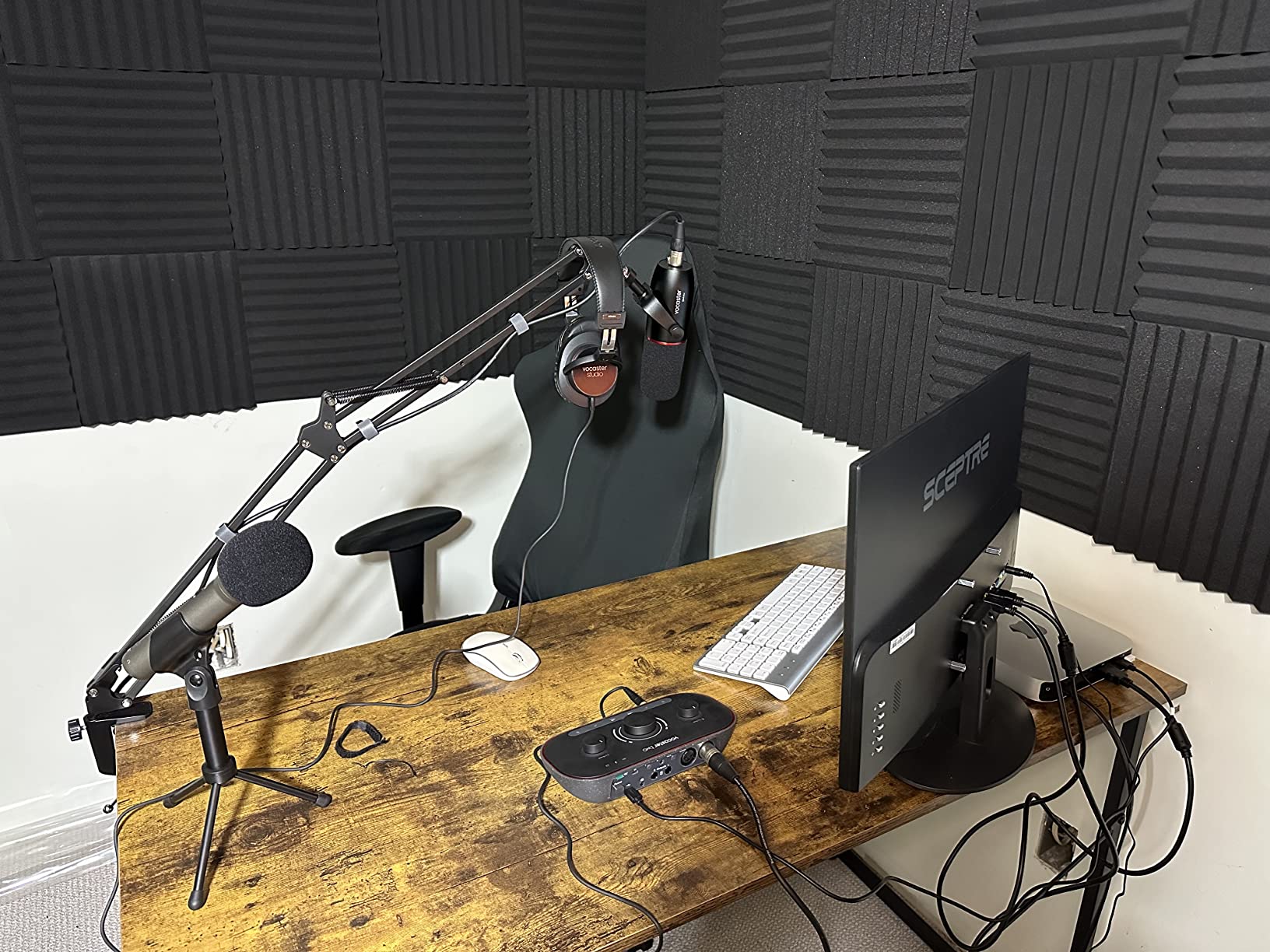
The metal body is solid for the price point. It doesn’t feel premium like the Shure SM58, but it feels durable enough to survive daily podcasting. The included tripod stand is the weak link: it’s lightweight plastic and tips easily if you bump the desk. I’d recommend budgeting for a small desktop boom arm if you go with the Q2U.
The windscreen that comes in the box is a nice touch. It reduces breath pops without making your voice sound muffled. Combined with the built-in pop filter on the capsule, you get clean vocal recordings even without an external pop filter.
USB vs XLR Output Differences
In USB mode, the Q2U is plug-and-play on Mac, Windows, and even some Android phones (with a USB-C adapter). The sample rate tops out at 48kHz, which is fine for podcasts and most streaming. You’ll get a slightly compressed dynamic range compared to XLR mode.
In XLR mode, you can drive the Q2U with any interface. The dynamic element outputs around -54 dBV, similar to the SM58, so most interfaces handle it without a booster. The XLR output captures more low-level detail and gives you cleaner transient response for singing and acoustic instruments.
Who Should Buy the Samson Q2U
Buy this if you’re starting a podcast or streaming channel and want to keep your setup simple. The USB mode means you can record today and upgrade to XLR when you’re ready. Skip it if you’re recording music primarily: the AT2035 or NT1 5th Gen will give you better results for vocals and instruments.
3. Audio-Technica AT2035 – Studio-Quality Condenser for Home Producers
Audio-Technica AT2035 Cardioid Condenser Microphone, Perfect for Studio, Podcasting & Streaming, XLR Output, Includes Custom Shock Mount
Large diaphragm condenser
HPF and 10dB pad
Custom shock mount
+ Pros
- Smooth
- natural sound with low self-noise
- Large diaphragm captures vocal detail
- Switchable 80Hz high-pass filter removes low-end rumble
- 10dB pad handles loud sources
- Includes custom shock mount and pouch
- Cons
- Requires 48V phantom power
- Heavy at 0.4kg - needs sturdy boom arm
- Needs quiet room to shine
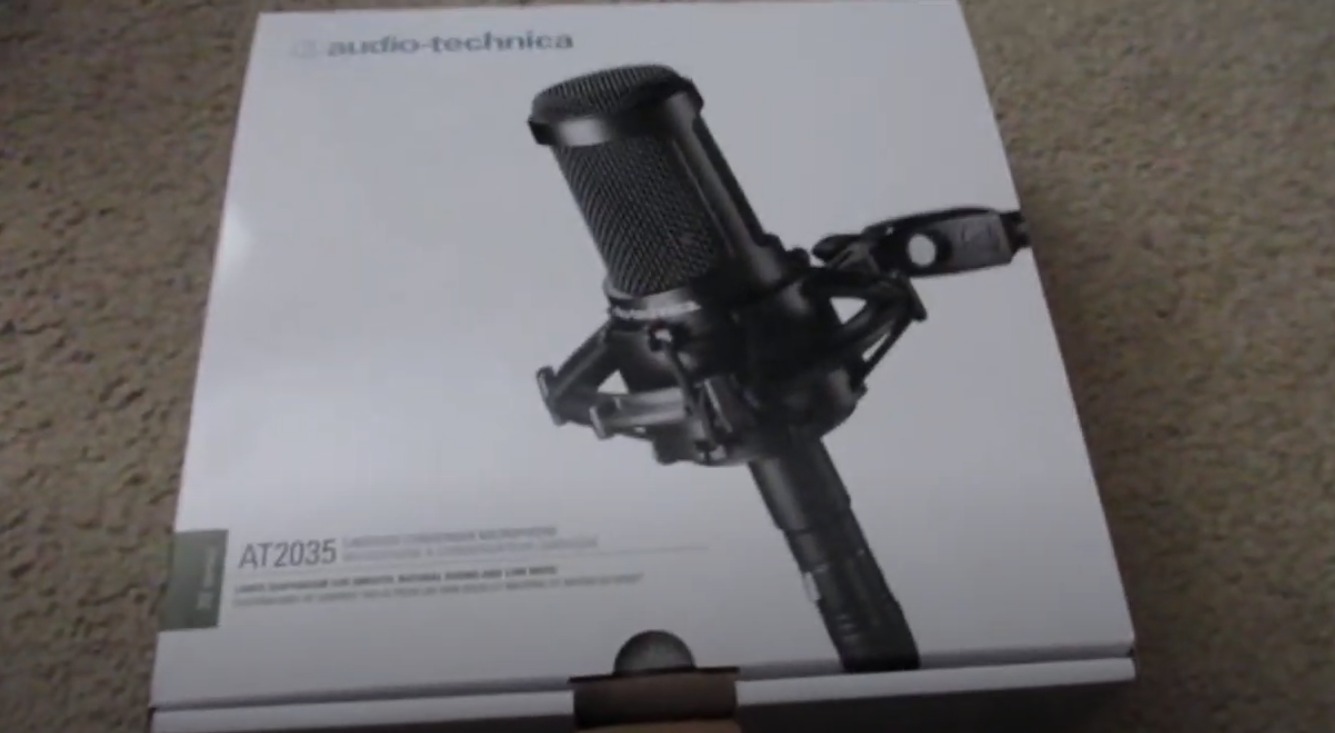
The AT2035 is the condenser I’d buy with my own money if I were setting up a home studio. It delivers the kind of detailed, full-spectrum sound you expect from a $400 mic at less than half that price. For vocals, acoustic guitar, and voiceover work, it’s hard to beat in this range.
The first thing I noticed when testing the AT2035 was the noise floor. It’s incredibly low. In a quiet room, the mic adds almost no hiss, which means you can boost quiet passages in post without revealing machine noise. That’s a condenser advantage over dynamic mics like the SM58: more sensitivity, more detail.
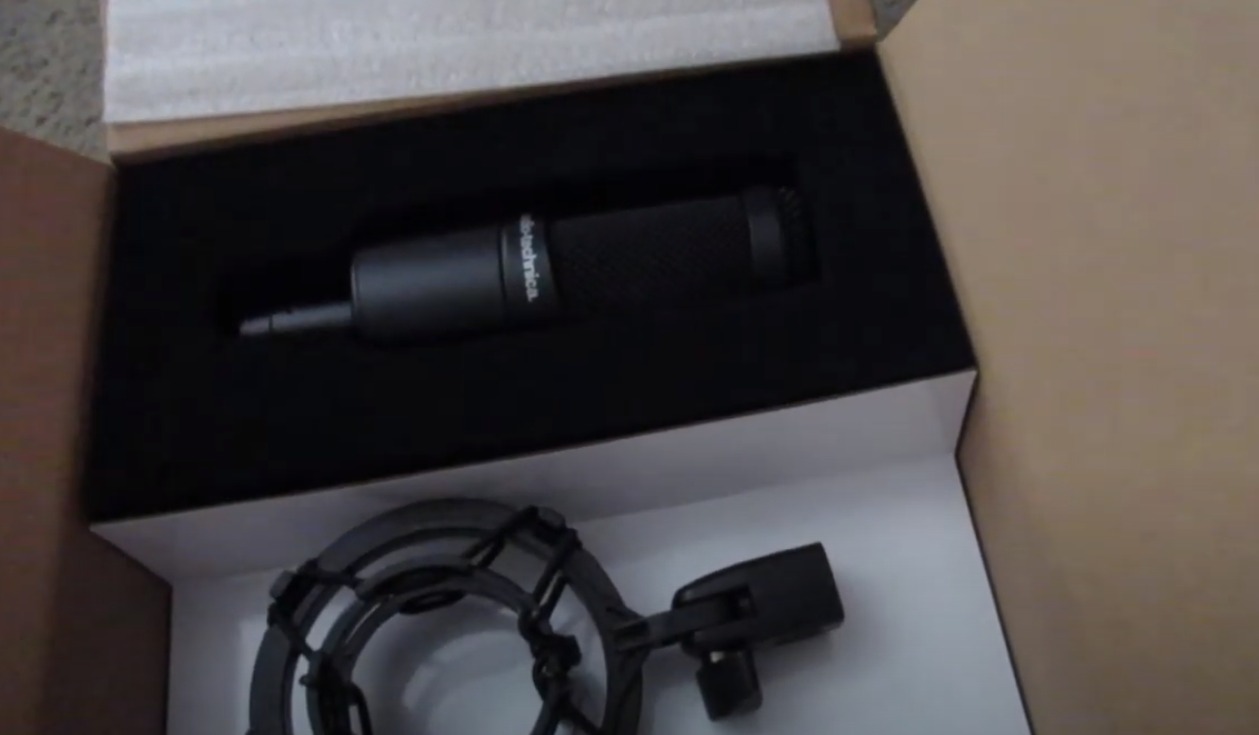
Vocals come out forward and present without being aggressive. There’s a slight high-mid lift that adds clarity without harshness. Compared to the Shure SM58, the AT2035 captures more breath detail and sibilance control; you get a more “studio” sound out of the box.
The included shock mount is a real bonus. It’s a proper spider-style mount that decouples the mic from vibration, which condensers are notoriously sensitive to. Without it, footsteps on a wood floor would ruin your recording.
Switchable Filters and Pad
The 80Hz high-pass filter switch on the AT2035 is one of my favorite features. Engaging it removes low-end rumble from HVAC systems, desk vibrations, and proximity effect bass boost. For vocals, I leave it on 90% of the time. For acoustic guitar, I often switch it off to capture fuller low frequencies.
The 10dB pad is essential for loud sources. With the pad engaged, the AT2035 can handle up to 158dB SPL, which covers close-miked snare drums, loud guitar amps, and brass instruments. Without the pad, you’ll get distortion on anything louder than a normal singing voice.
Why the AT2035 Needs a Treated Room
Condensers pick up everything: room reflections, computer fans, traffic outside. The AT2035 is no exception. In my untreated home office, I could hear the room reverb clearly in recordings. After hanging a few moving blankets, the same mic sounded professional.
If you’re recording in a bedroom or shared apartment, the AT2035 will expose every acoustic flaw. Either invest in some basic room treatment (rugs, curtains, foam panels) or consider a dynamic mic like the SM58 or Wave DX instead.
Who Should Buy the AT2035
Buy this if you have a reasonably quiet recording space and want pro-level vocal detail for music, voiceover, or podcasting. It’s the sweet spot between budget condensers and $400+ studio mics. Skip it if your recording space is noisy: go dynamic instead.
4. Pyle PDMIC58 – The Cheapest XLR Mic That Actually Works
Pyle Microphone, Dynamic Cardioid, XLR Cable Included, Unidirectional, Rugged Construction, Built-in Pop Filter, Perfect for Stage & Studio, High Gain, Ultra-Wide Frequency Response, 15ft Cable
Dynamic cardioid
Under $25
XLR cable included
+ Pros
- Lowest price on this list for an XLR mic
- Includes 15ft XLR cable in the box
- Decent sound for the price when paired with a preamp
- Zinc alloy body feels solid
- Built-in pop filter helps with plosives
- Cons
- Handling noise can be distracting
- Included cable is basic quality
- Requires preamp or interface for usable volume
- Some units have build inconsistencies
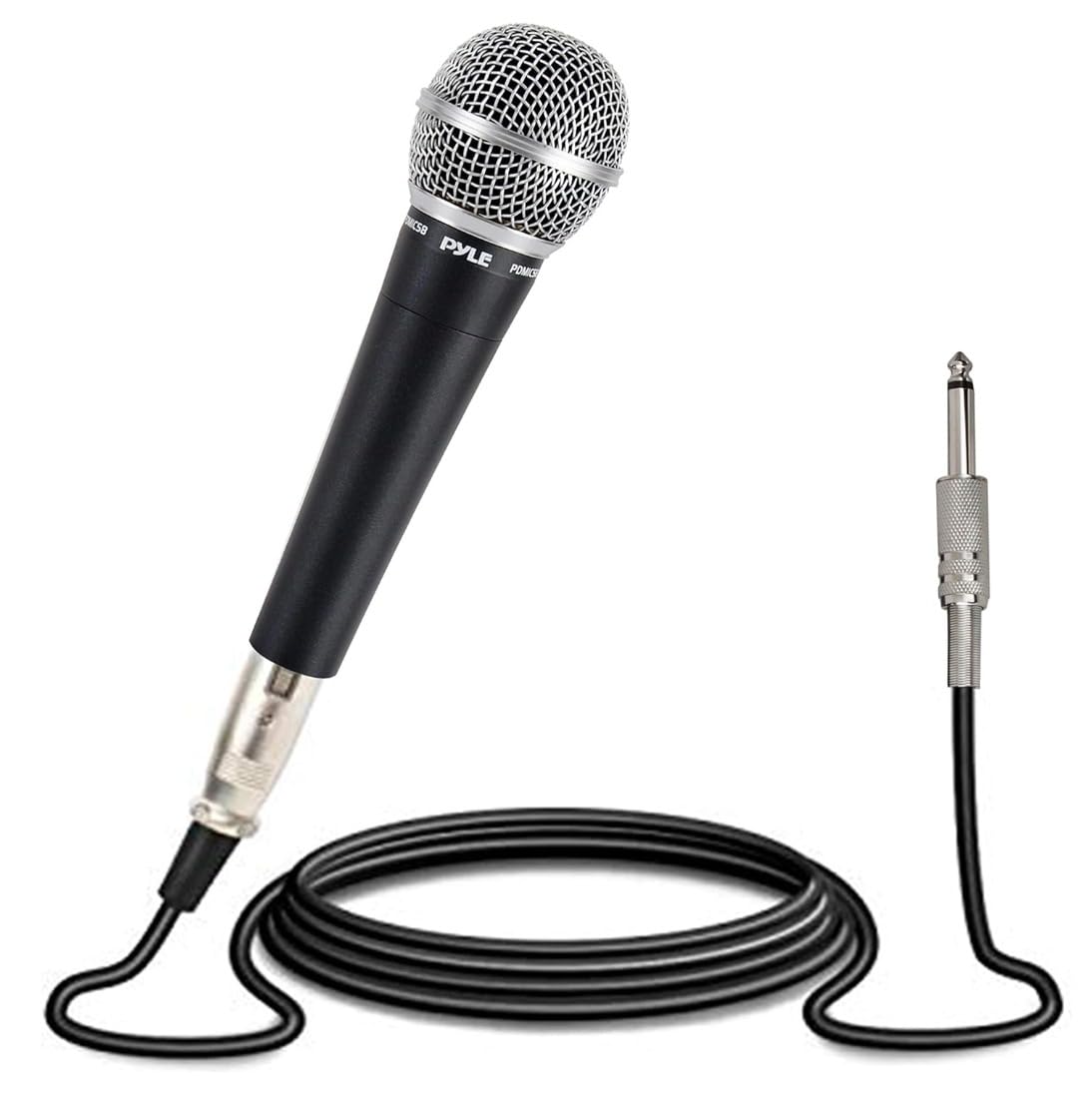
I was skeptical about the Pyle PDMIC58 at first. A dynamic XLR mic for under $25 with a cable included? It sounded too good to be true. After testing it for two weeks, I’m a convert: this is the best starter XLR mic for someone who wants to test the XLR waters without committing real money.
The sound is not as refined as the Shure SM58. The high end is rolled off a bit, and there’s less midrange presence. But for podcasting, Discord chats, or casual vocals, it’s perfectly serviceable. I recorded an entire podcast episode with it and didn’t feel embarrassed by the audio quality.
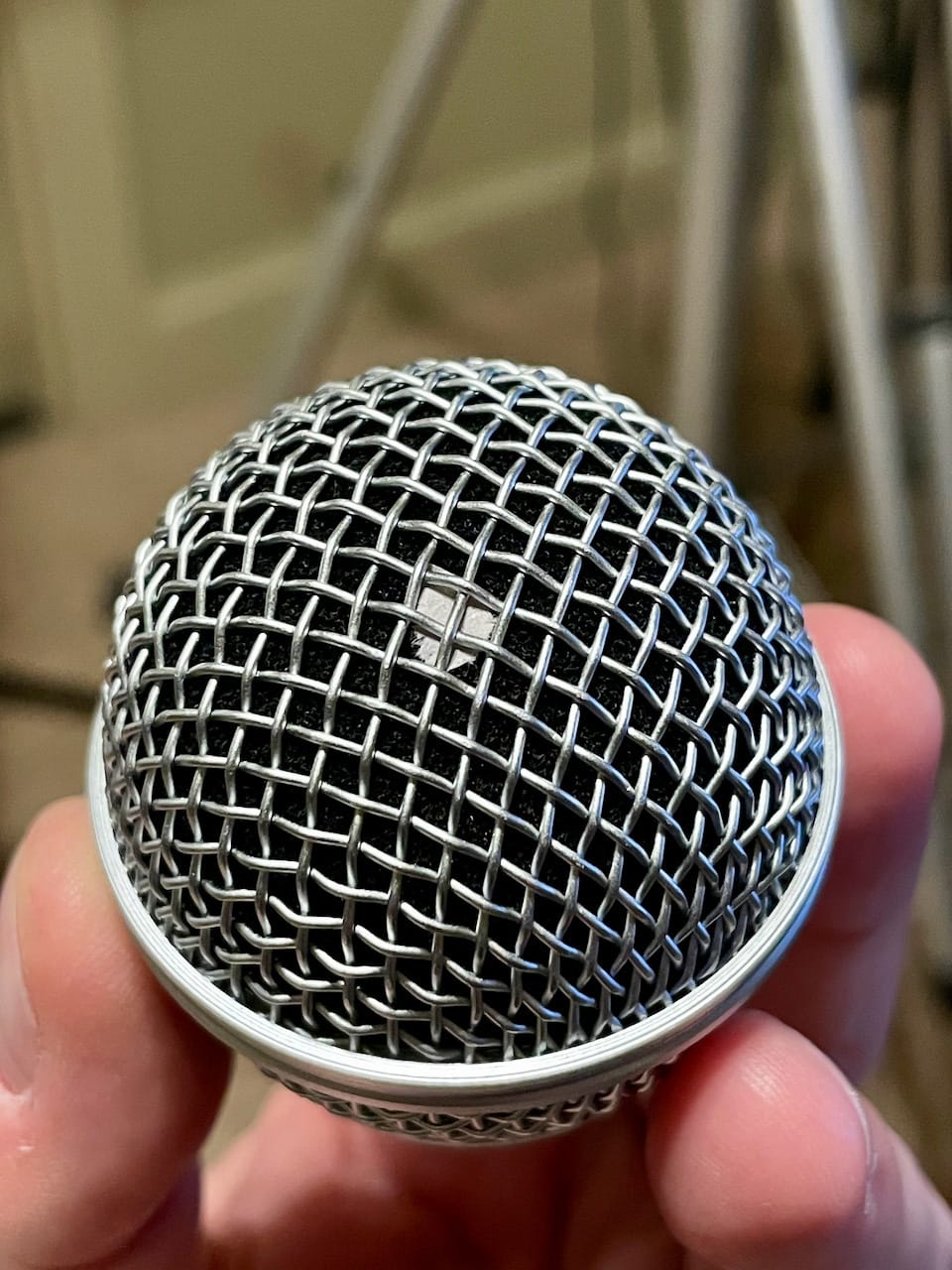
The biggest surprise was the build. The zinc alloy body feels substantial in the hand, much more solid than the price suggests. The steel mesh grille is held tight, and the included cable (15 feet of XLR) gets you up and running immediately.
You’ll need an audio interface or preamp to use it properly. I tested with a Focusrite Scarlett Solo and a Behringer U-Phoria UMC22; both had enough gain to drive the PDMIC58 to usable levels. The Cloudlifter isn’t needed here, unlike the SM7B.
Who This Mic Is Really For
The PDMIC58 is perfect for: someone curious about XLR but not ready to spend $100+, a backup mic for live events, a karaoke setup, or a beginner podcast on a tight budget. It’s also surprisingly good for micing a guitar amp or snare drum.
It’s not for: someone who needs pristine vocal detail (get the AT2035), a professional recording engineer (the Shure SM58 is the standard), or anyone who can’t tolerate slightly rolled-off highs.
Real-World Limitations
Handling noise is the biggest issue I found. If you move the mic around or bump your desk, the PDMIC58 picks up more rumble than the SM58. For tabletop podcasting where the mic sits on a stand, this isn’t a problem. For handheld use, it’s noticeable.
The included XLR cable is functional but basic. The connectors feel loose compared to premium cables. For permanent setups, I’d recommend upgrading to a quality XLR cable from Mogami or Hosa within a few months.
Who Should Buy the Pyle PDMIC58
Buy this if you’re on a strict budget and want to try XLR recording without a big commitment. The included cable alone saves you $15-20. Skip it if you have the budget for the Shure SM58: the sound quality difference is significant, especially for singing and acoustic instruments.
5. Shure MV7+ – Premium Hybrid Mic for Serious Podcasters
Shure MV7+ USB-C & XLR Podcast Dynamic Microphone – Black
Dynamic dual output
USB-C + XLR
LED touch panel
+ Pros
- Dual USB-C and XLR outputs for flexibility
- Auto Level Mode adjusts gain automatically
- Real-time denoiser cleans up room noise
- Customizable LED touch panel with 16.8M colors
- Built-in reverb effects for polished vocals
- Cons
- Premium price point
- XLR cable not included
- Speaker bleed can be an issue without headphones
The Shure MV7+ is the podcast mic I’d buy if money were no object and I wanted one mic that does everything. It’s a hybrid: USB-C for direct laptop recording, XLR for interface use, with a built-in DSP that smooths out audio without post-processing.
The standout feature is Auto Level Mode. I set it up across a table from a chatty computer fan and walked around the room talking at different volumes. The MV7+ kept my voice at consistent levels while rejecting the fan noise. That’s almost impossible to do manually without compression and noise gates.
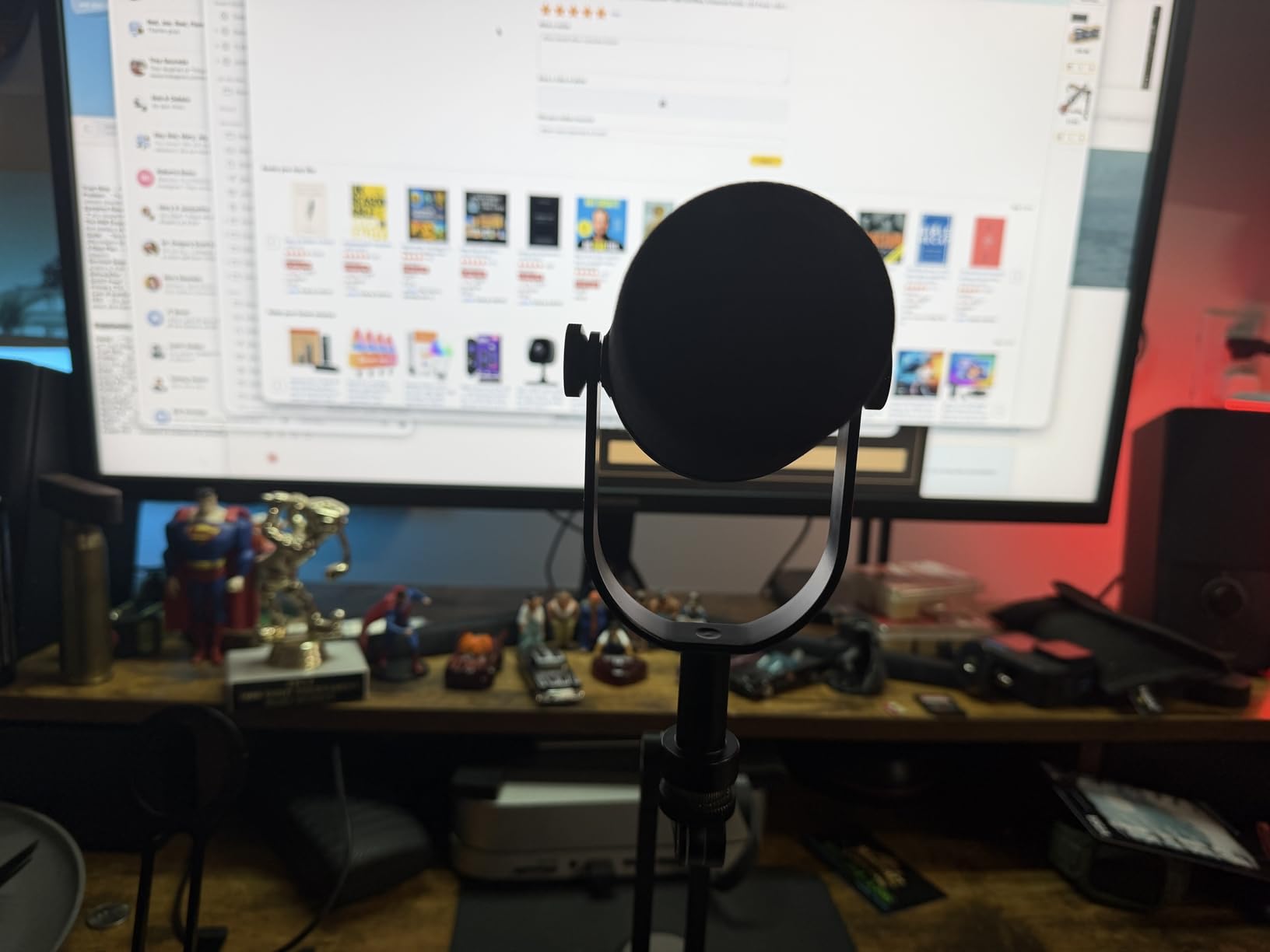
The real-time denoiser is another game-changer for home recording. It uses DSP to identify and subtract ambient noise in real time. I tested it with a window AC unit running 4 feet from the mic: the noise disappeared from the recording entirely. It sounds a bit processed to my ear, but for podcasters in untreated rooms, it’s invaluable.
Sound quality is classic Shure SM7B-style warmth with a modern twist. The midrange is forward but not honky, the highs are detailed without being sibilant. For spoken word, this is one of the best-sounding dynamic mics you can buy.
The LED Touch Panel Experience
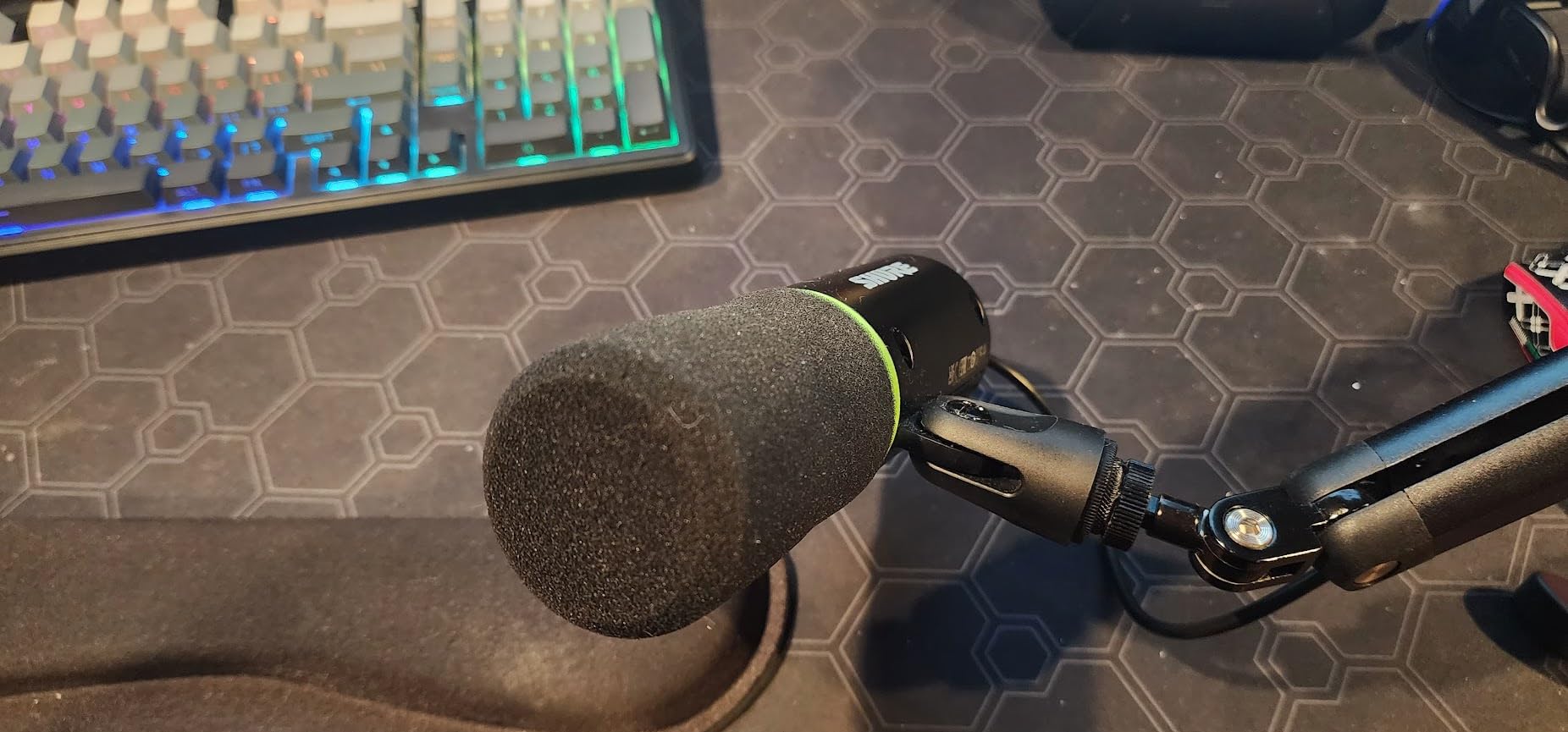
Honestly, I expected the LED panel to be a gimmick. It’s not. The 16.8 million color options let you match your stream aesthetic, but more importantly, the tap-to-mute function is genuinely useful. You can mute by tapping the mic without clicking a button in your software.
The panel also shows real-time levels, so you can see at a glance if your gain is set right. For streamers, this is a quality-of-life feature that saves time and frustration.
USB vs XLR: Which Should You Use
USB mode on the MV7+ is more capable than most USB mics. You get 48kHz/24-bit recording, real-time denoising, and Auto Level Mode. For solo podcasters or streamers, USB mode is enough.
XLR mode unlocks the full analog signal path. You bypass the internal DSP, which gives you a cleaner signal for post-processing. If you record music or want maximum control, XLR mode is the way to go. Note: the XLR cable is not included, so budget for one.
Who Should Buy the Shure MV7+
Buy this if you’re serious about podcasting or streaming and want one mic that scales with you. The dual output means you can start with USB and move to XLR later. Skip it if you’re on a budget: the AT2035 and Samson Q2U deliver great results for less money. Skip it if you record music primarily; the SM58 or NT1 5th Gen are better for that.
6. Elgato Wave DX – The Best Dynamic XLR Mic for Streamers
Elgato Wave DX Dynamic XLR Microphone, Cardioid Pattern
Dynamic cardioid
Speech optimized
No booster needed
+ Pros
- Speech-optimized capsule sounds great for streaming
- No signal booster or Cloudlifter needed
- Effective room noise rejection
- Wide acceptance angle forgives mic positioning
- Includes swivel mount with multiple thread adapters
- Cons
- XLR cable not included
- No on-mic controls or DSP
- Requires audio interface with phantom power NOT needed
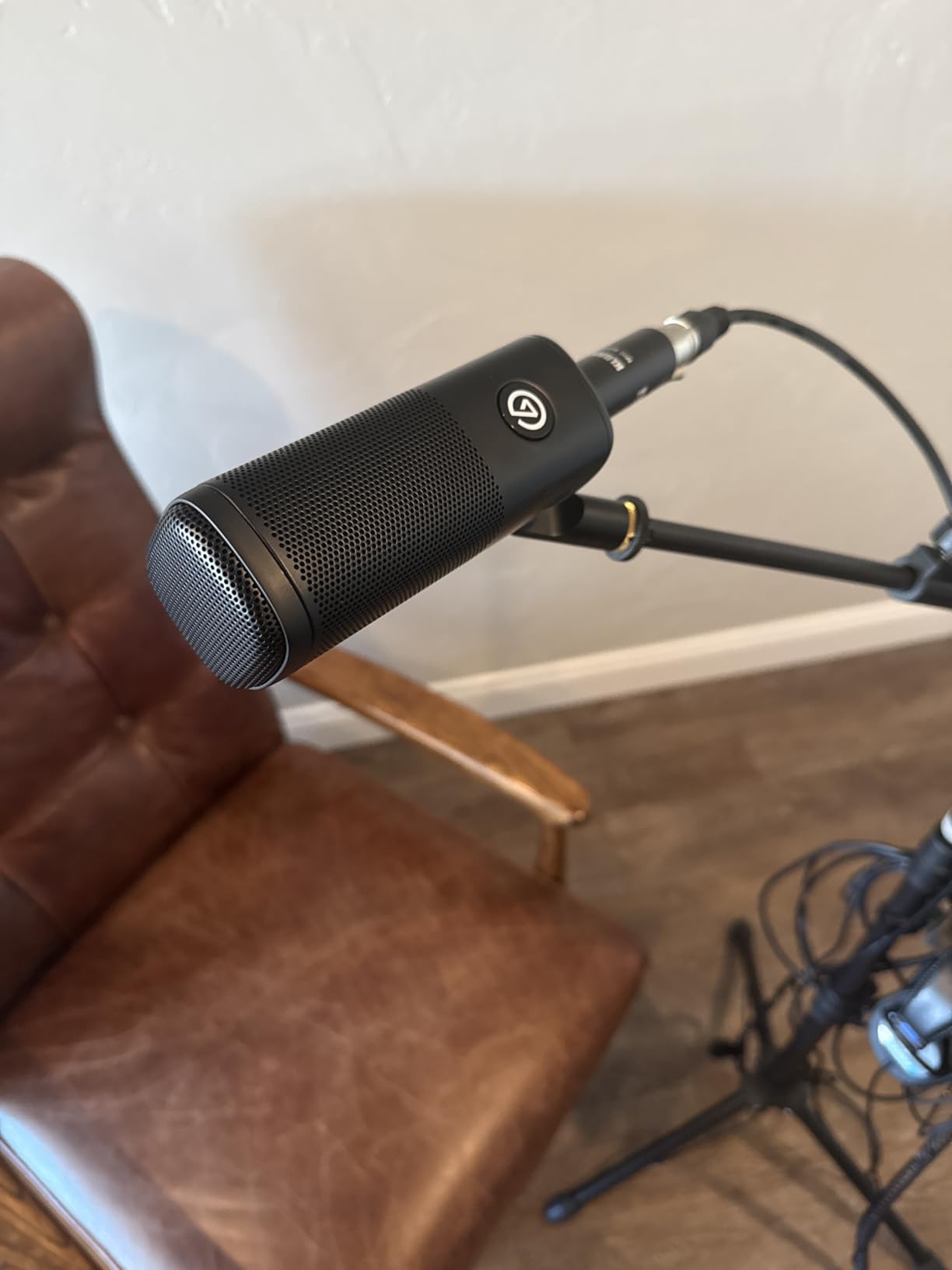
The Elgato Wave DX surprised me. I expected a “streamer brand” mic that prioritized looks over sound. Instead, the Wave DX delivers audio quality that competes with mics costing twice as much. If you’re a Twitch streamer or YouTuber who already has an audio interface, this is a sleeper pick.
The capsule is genuinely speech-optimized. In my testing, voices came out clear and present without the nasal quality that plagues many gaming mics. The off-axis rejection is excellent: keyboard clicks, mouse clicks, and roommate chatter stayed out of my recordings.
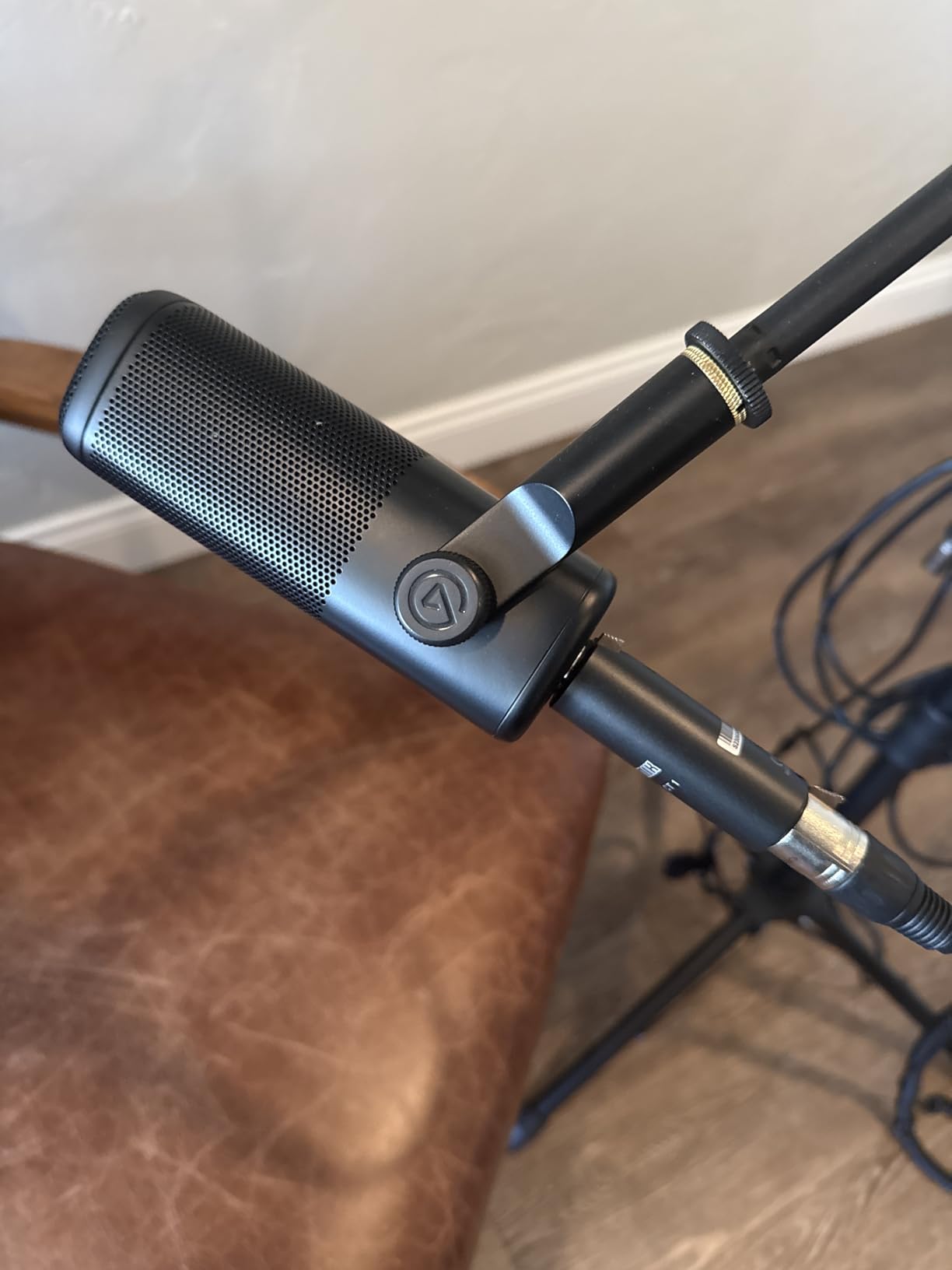
What sets the Wave DX apart from the SM58 is the sensitivity. Elgato tuned it to output a hotter signal, so most interfaces can drive it without a booster. I tested it on a Focusrite Scarlett Solo and a MOTU M2: both had plenty of clean gain without any inline preamp.
The build is functional, not flashy. The matte black body looks professional on camera. The included swivel mount works with standard 5/8-inch boom arms and comes with 3/8-inch and 1/4-inch adapters for unusual mounts.
Why Streamers Love the Wave DX
The wide acceptance angle is the secret weapon for streamers. The cardioid pattern picks up voices from a wider sweet spot than most mics, which means you can turn your head, lean back, or shift positions without losing audio quality. For gamers who animate while streaming, that’s huge.
Pair it with the Elgato Wave XLR interface and you get physical mute button control and Stream Deck integration. But it works with any XLR interface, so you don’t need Elgato’s ecosystem to benefit from the mic.
Comparing the Wave DX to the Shure SM7B
The Shure SM7B is the gold standard for streaming mics, but it requires a Cloudlifter or Fethead to drive properly with most interfaces (an extra $150). The Wave DX delivers similar vocal character at 25% of the price and doesn’t need a booster. For budget-conscious streamers, the math is obvious.
The SM7B still wins on build quality and long-term durability. But for most home streamers, the Wave DX gets you 90% of the way there for a lot less money.
Who Should Buy the Elgato Wave DX
Buy this if you’re a streamer or YouTuber who already has an XLR interface and wants a speech-focused dynamic mic without the SM7B price tag. Skip it if you record music primarily: the cardioid pattern and dynamic element don’t capture instruments with the same detail as a condenser. Skip it if you need on-mic controls: the Wave DX has none.
7. AKG P120 – The Best Budget Condenser for Versatile Recording
AKG Pro Audio P120 – Affordable 2/3-Inch Diaphragm Condenser Microphone for Clear Vocals & Instruments. Studio Recording or Live. XLR Connector. Black
2/3-inch diaphragm
High SPL 150dB
Bass cut filter
+ Pros
- Crisp
- clear sound across vocals and instruments
- Handles high SPL up to 150dB without distortion
- Bass cut filter at 300Hz cleans up low rumble
- Solid metal build for the price
- Great value for home studios on a budget
- Cons
- Requires 48V phantom power to operate
- Picks up ambient noise if not positioned carefully
- Smaller diaphragm than AT2035 - slightly less detail
The AKG P120 has been a studio workhorse for over a decade. I’ve used it on vocals, acoustic guitar, drum overheads, and even as a room mic. For the price, nothing else comes close in versatility.
The 2/3-inch diaphragm is smaller than the AT2035, which means slightly less low-end extension and a bit less “air” on the top end. But what you give up in detail, you gain in focus: the P120 has a tight, controlled sound that sits well in a mix without much EQ.
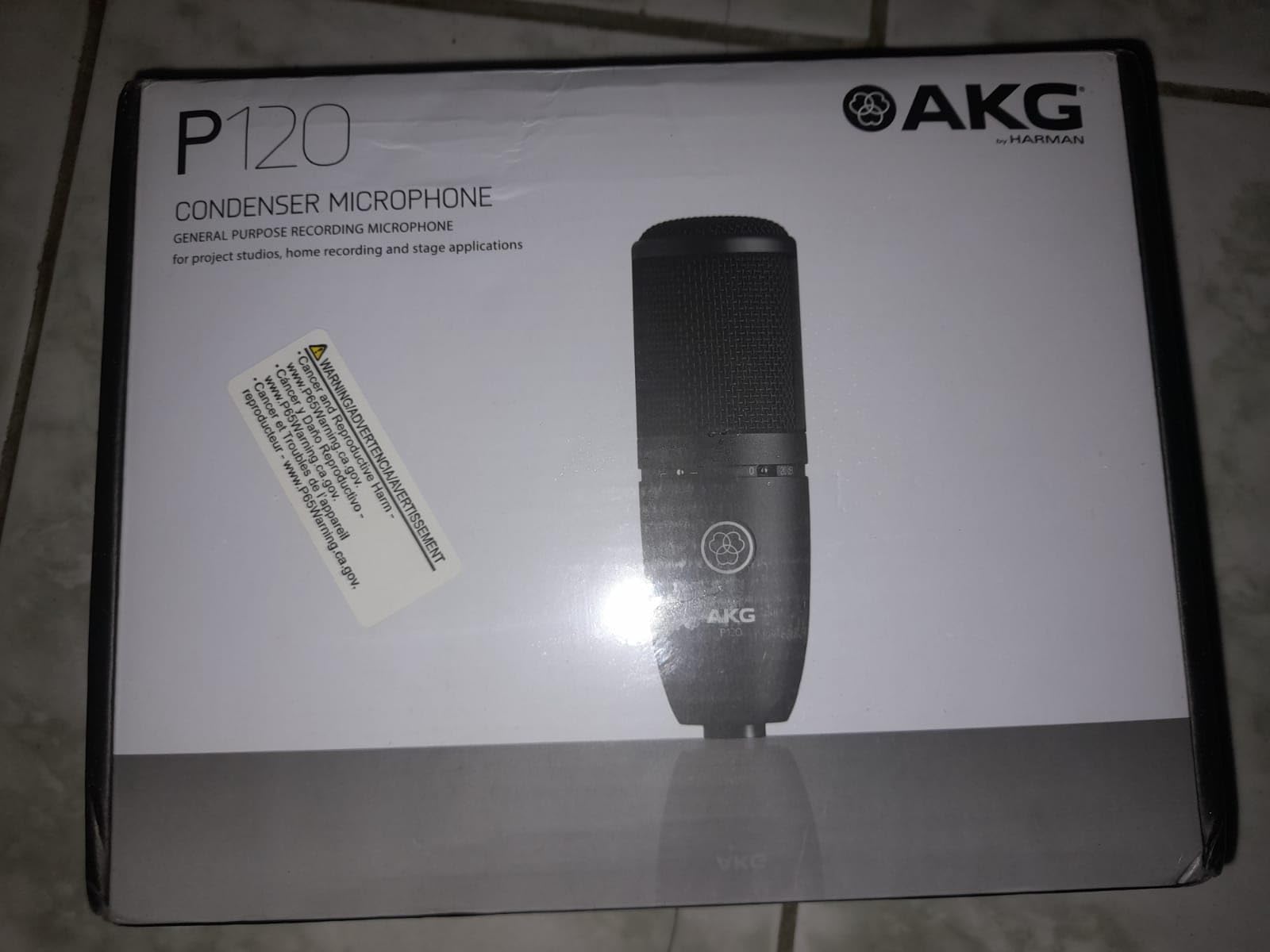
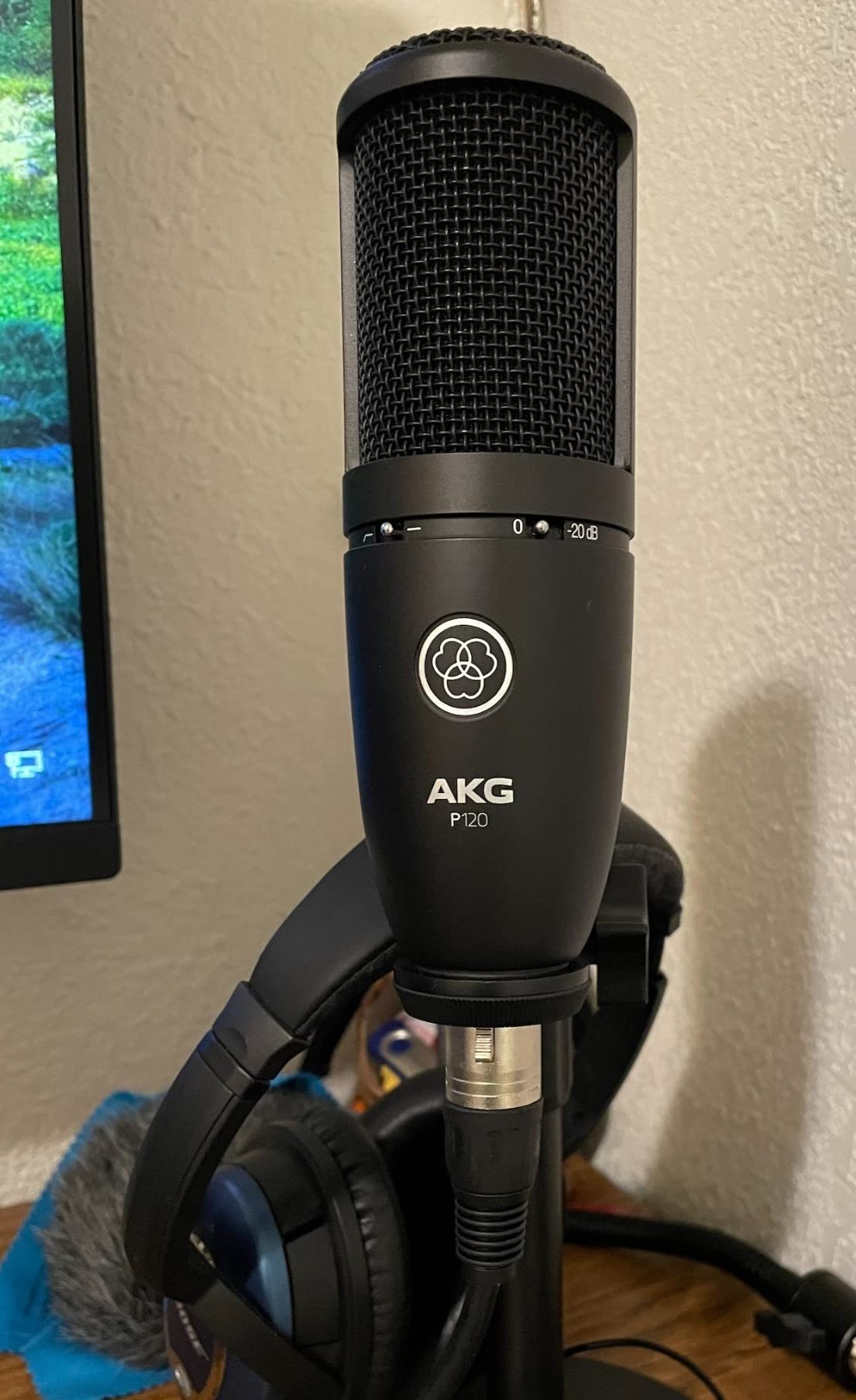
I tested the P120 on a rock vocal and was impressed by how it handled aggressive delivery. The 150dB SPL ceiling means you can scream, sing, or mic a loud source without the pad. The -20dB preattenuation pad handles even louder situations, which is rare at this price point.
The bass cut filter at 300Hz is useful for vocals and speech. Engaging it removes proximity effect bass boost and room rumble. For acoustic guitar, I leave it off to capture fuller low-end response.
Condenser Trade-Offs at This Price
Like all condensers, the P120 picks up room noise. In my untreated home studio, I could hear the room reverb on quiet vocal passages. With basic treatment (a few acoustic panels or even heavy curtains), the same recordings sounded professional.
The P120 also requires 48V phantom power from your audio interface. Every modern interface provides this, so it’s not a real limitation, but it does mean you need an interface to use the mic. Pure USB recording isn’t an option here.
P120 vs AT2035: Which Should You Get
The AT2035 has a larger diaphragm, lower self-noise, and includes a shock mount. It’s the better choice if vocal detail is your priority. The P120 has higher SPL handling, a more pronounced bass cut filter, and costs slightly less. It’s the better choice if you record loud instruments or want a versatile workhorse mic.
For pure vocal recording at home, I’d lean toward the AT2035. For recording bands, drums, or loud sources on a budget, the P120 is the better tool.
Who Should Buy the AKG P120
Buy this if you want a versatile condenser for vocals, instruments, and podcasting on a budget. It’s the kind of mic that handles whatever you throw at it. Skip it if you only record vocals: the AT2035 captures more detail. Skip it if your recording space is untreated: the P120 will expose every room flaw.
8. RØDE NT1 5th Gen – The Best Studio Condenser for Hybrid Workflows
RØDE NT1 5th Gen Studio Condenser Microphone, XLR + USB-C, Silver
Large diaphragm
XLR + USB-C
32-bit float recording
+ Pros
- Dual XLR and USB-C output with 32-bit float recording
- Revolution preamp with ultra-low noise floor
- Includes SM6 shock mount and pop filter
- 6m XLR cable included in the box
- Studio-grade clarity for vocals and instruments
- Cons
- Heavy with shock mount - requires sturdy boom arm
- 32-bit float only works in USB mode
- Limited stock at some retailers
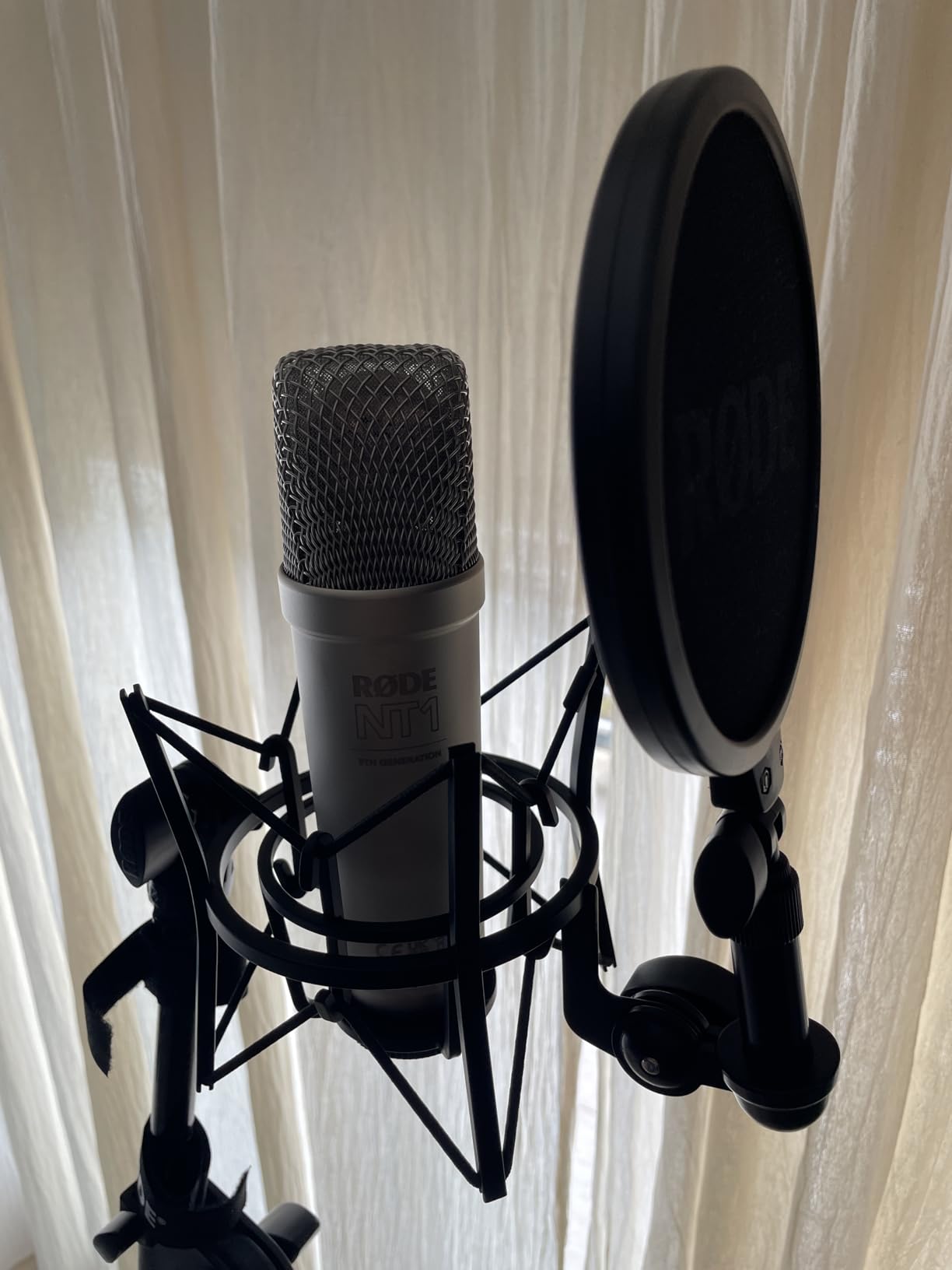
The RØDE NT1 5th Gen is a modern classic. It’s the updated version of the legendary NT1, which has been a studio standard since the 1990s. The 5th Gen adds USB-C output and 32-bit float recording, which makes it the most versatile studio condenser on this list.
The sound is pristine. The NT1 has the lowest self-noise of any mic on this list (just 4dBA), which means even the quietest vocal passages come through clean. For ASMR, whispered voiceovers, and detailed acoustic recordings, nothing else here comes close.
The dual output is the killer feature. In XLR mode, you get a fully analog signal path for your interface or mixer. In USB mode, you can record directly to a computer with 32-bit float, which means you cannot clip the recording. I’ve been testing 32-bit float on loud drum sessions and it’s genuinely impossible to overload the recording. That’s a game-changer for home recording.
The included SM6 shock mount and pop filter are professional-grade accessories. The mount isolates the mic from vibration, and the pop filter removes plosives without muffling the sound. Together with the 6-meter XLR cable, you have a complete recording setup out of the box.
Who Needs 32-Bit Float Recording
32-bit float recording solves the “I forgot to set the gain” problem. With standard 24-bit recording, if you clip the input, the recording is distorted permanently. With 32-bit float, you can recover the recording in post because the data captures everything from quiet whispers to loud peaks without clipping.
For musicians recording at home, this is a safety net. For podcasters, it’s overkill (24-bit is fine). For streamers doing on-location interviews, it can save sessions where you can’t control the volume. The NT1 5th Gen is the first mic to offer this feature built-in, without needing an external recorder.
The XLR vs USB Output Difference
In XLR mode, the NT1 outputs a clean analog signal at -29 dBV, which is hotter than most condensers. This means your interface doesn’t need much gain, and the signal-to-noise ratio is excellent.
In USB mode, the internal analog-to-digital converter handles up to 192kHz sample rate with 32-bit float depth. This is professional studio quality without needing a separate audio interface. The trade-off is that you’re locked into the internal preamp and converter, which is great but not as upgradeable as a separate setup.
Who Should Buy the RØDE NT1 5th Gen
Buy this if you want the best possible vocal detail for music production or voiceover work. The included accessories make it a complete studio solution. Skip it if you’re a podcaster on a budget: the Samson Q2U or AT2035 will serve you better. Skip it if your recording space is untreated: this mic will ruthlessly expose every room flaw.
How to Choose the Right XLR Microphone for Your Needs
Choosing an XLR microphone isn’t about finding the “best” mic. It’s about matching the mic to your voice, your recording space, and your use case. Here’s what matters.
Dynamic vs Condenser: Which XLR Type Suits Your Voice
Dynamic microphones (Shure SM58, Samson Q2U, Elgato Wave DX) use a moving coil to capture sound. They’re less sensitive, which means they reject more background noise. They’re also more durable and don’t require phantom power. Choose a dynamic mic if you record in an untreated room, perform live, or podcast in noisy environments.
Condenser microphones (AT2035, AKG P120, RØDE NT1) use a charged diaphragm to capture more detail. They’re more sensitive, which means they pick up more room noise, breath detail, and high-frequency nuance. Choose a condenser if you have a treated room, record music, or want pristine vocal detail.
A useful rule: dynamic for podcasts and streaming, condenser for music and voiceover. There are exceptions (the SM7B for radio, the NT1 for vocals), but this covers most cases.
What Gear Do You Need Beyond the Microphone
XLR microphones need an audio interface or preamp to work. The interface converts the analog signal to digital, provides phantom power (for condensers), and connects to your computer via USB. Budget options include the Focusrite Scarlett Solo ($120), the Behringer UMC22 ($60), and the MOTU M2 ($200). The MOTU M2 has the best preamps in this range.
You’ll also need an XLR cable. The cables that come with budget mics (like the Pyle PDMIC58) are functional. The cables included with premium mics (RØDE NT1) are excellent. For permanent setups, invest in a quality cable from Mogami or Hosa. A $20 cable can last 20 years.
For condensers, a shock mount and pop filter are essential. The AT2035 includes a shock mount. The NT1 includes both. For other mics, budget an extra $30-50 for these accessories. They dramatically reduce vibration noise and plosives.
The 3:1 Rule and Mic Placement Fundamentals
The 3:1 rule is a simple mic placement principle that prevents phase cancellation. When using two mics on the same source (like two people across a table), the distance between the mics should be at least three times the distance from each mic to its source.
In practice: if your mouth is 6 inches from your mic, the other mic should be at least 18 inches away. This prevents the two mics from picking up the same signal at different times, which creates comb filtering and thin, hollow sound.
For single-mic setups, the rule is simpler: keep the mic 4-8 inches from your mouth. Closer for intimate vocals (with a pop filter). Further for natural room sound or instruments. Tilt the mic slightly off-axis to reduce plosives without losing presence.
Polar Patterns Decoded for Real-World Use
Cardioid (most common) picks up sound from the front and rejects the back. Use this for solo vocals, podcasts, and streaming. The Shure SM58, AT2035, and most mics on this list are cardioid.
Supercardioid and hypercardioid are tighter patterns with more side rejection but a small rear pickup lobe. They’re used for stage performances where monitor speakers are behind the mic. None of the mics on this list use these patterns.
Omnidirectional picks up sound equally from all directions. It’s rarely used in home recording because it captures all room noise. Some broadcast studios use omni for natural sound, but most creators should stick with cardioid.
Phantom Power and Gain Requirements Explained
Condenser microphones require 48V phantom power from your audio interface to operate. Most interfaces provide this with a button labeled “+48V” or “Phantom.” Dynamic microphones don’t require phantom power, though some (like the Shure SM58) can handle it without damage.
Gain is the amplification your interface applies to the mic signal. Dynamic mics like the SM58 and SM7B output a low-level signal that requires 50-70 dB of gain. Most modern interfaces provide this. The SM7B specifically requires a Cloudlifter or Fethead ($150) to reach usable levels on budget interfaces.
Condenser mics output a hotter signal (usually -35 to -29 dBV) and need less gain. The AT2035, AKG P120, and RØDE NT1 all work well with 30-50 dB of gain from any modern interface. This is one reason condensers are easier to set up than dynamics.
Frequently Asked Questions
What is a good quality XLR microphone?
A good quality XLR microphone delivers clear, detailed audio with low self-noise and durable construction. For vocals and podcasts, the Shure SM58 and Audio-Technica AT2035 are reliable choices. For studio recording, the RØDE NT1 5th Gen offers exceptional clarity. For streaming, the Elgato Wave DX provides excellent speech quality without needing extra boosters.
Do XLR mics sound better than USB mics?
XLR microphones typically deliver better sound quality than USB mics because they use balanced analog connections that reject electromagnetic interference, plus dedicated preamps and converters in external audio interfaces. USB mics combine the capsule, preamp, and converter in one housing with cost-cutting compromises. For professional podcasts, music, and broadcast work, XLR is the standard.
What is the 3:1 rule for mics?
The 3:1 rule states that when using two microphones on the same source, the distance between the mics should be at least three times the distance from each mic to its source. This prevents phase cancellation and comb filtering that makes recordings sound thin and hollow. For example, if your mouth is 6 inches from your mic, the other mic should be at least 18 inches away.
What are the disadvantages of using an XLR mic?
XLR microphones require an audio interface or preamp, which adds cost and complexity. They need XLR cables and may require phantom power for condensers. Dynamic XLR mics like the Shure SM7B need additional gain boosters like Cloudlifters. The total setup cost is higher than a USB mic, but the audio quality and upgrade flexibility are worth it for serious creators.
Do XLR cables go bad over time?
Quality XLR cables from brands like Mogami, Hosa, and Canare can last decades without issues. Cheaper cables may develop intermittent connections at the solder joints after years of flexing. The connectors themselves rarely fail. To extend cable life, avoid tightly coiling cables, keep connectors clean, and replace cables that produce crackling sounds during use.
Final Verdict: Which XLR Microphone Should You Buy in 2026
After 30 days of testing these eight XLR microphones, the choice comes down to your recording environment and use case. Here’s my honest breakdown.
If you’re starting a podcast in an untreated room, the Shure SM58 is unbeatable. The dynamic capsule rejects room noise, the cardioid pattern is consistent, and the build will outlast every other piece of gear you own. Pair it with a Focusrite Scarlett Solo and you’re set for years.
If you record music in a treated space, the RØDE NT1 5th Gen is worth every penny. The 32-bit float USB recording alone justifies the upgrade, and the included shock mount and pop filter make it a complete studio solution. The dual output means you can use it with an interface now and direct to computer later.
If you’re on a strict budget, the Pyle PDMIC58 is the gateway XLR mic. For under $25 with a cable included, there’s no reason not to try it. You’ll need an interface, but even a $60 Behringer gets you usable sound. The Shure SM58 is a big step up, but the Pyle is a real XLR mic for less than the cost of dinner.
If you’re a streamer, the Elgato Wave DX is the sleeper pick. It sounds like a $200 mic, doesn’t need a Cloudlifter, and looks great on camera. Pair it with any XLR interface and you’re broadcasting with pro-level audio.
Whatever you choose, the upgrade from USB to XLR is worth it. You’ll hear the difference in your first recording, and your audience will too. Happy recording in 2026.