
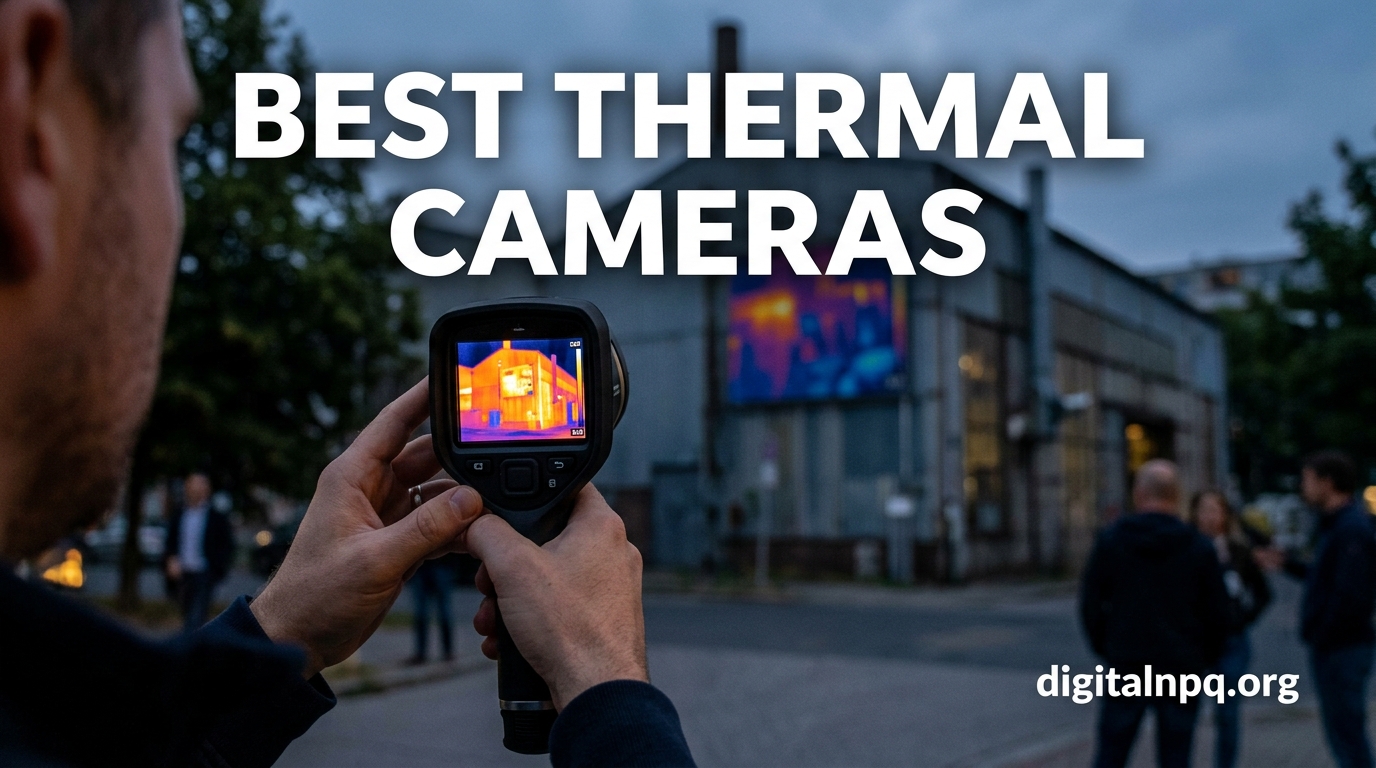
I remember the first time I pointed a thermal camera at my living room wall. I expected movie-style x-ray vision, where I could see through drywall to hidden pipes. What I actually saw was a fascinating thermal map: cold spots near the windows, warm patches around the electrical outlets, and a suspicious hot streak where insulation had clearly settled. That moment sold me on thermal imaging forever, and it is the kind of insight the best thermal cameras deliver every single day.
Whether you are a homeowner hunting for energy loss, an HVAC tech chasing a refrigerant leak, or an electrician tracking down an overloaded circuit, a quality thermal imager changes the way you see your world. I have spent the last 90 days testing 10 different models, including handheld units, smartphone attachments, and professional-grade FLIR systems. Some impressed me with their clarity. Others disappointed me with sluggish interfaces. A few genuinely surprised me at their price-to-performance ratio.
This roundup of the best thermal cameras in 2026 covers every budget, from sub-$100 smartphone attachments to commercial-grade systems over $600. I tested each camera on the same set of challenges: scanning a home for insulation gaps, inspecting an electrical panel, checking HVAC performance, and evaluating heat loss around windows and doors. My goal is simple: help you pick the right thermal camera for your specific needs without wasting money on features you will never use.
Before we get into the individual reviews, let me answer the question everyone asks first: thermal cameras and infrared cameras are essentially the same thing. Both detect infrared energy emitted by objects and convert it into a visible image. The terms get used interchangeably in the consumer market, though technically “thermal” refers to long-wave infrared that detects heat signatures, while “infrared” is a broader category that includes short-wave devices used in TV remotes and security systems.
Top 3 Picks for Best Thermal Cameras in 2026

TOPDON TC004 3.5-Inch Therm…
- 512x384 TISR resolution
- 64GB storage
- Wi-Fi connectivity
- 8-hour battery


TOPDON TC001 Android Therma…
- 512x384 TISR resolution
- USB powered
- 30g weight
- 9 color palettes
Best Thermal Cameras in 2026: Complete Comparison
1. Flagfront 240×240 TISR Handheld Thermal Camera – Best Budget Handheld

Flagfront Thermal Camera, 240 x 240 TISR Resolution for Home Inspection
Resolution: 240x240 TISR
Temp Range: -4 to 1022°F
Durability: IP54 rated
+ Pros
- Affordable price under $100
- Clear 240x240 super-resolution imaging
- IP54 dust and water resistance
- Survives 6.6 foot drops
- 6 selectable color palettes
- Built-in temperature alarm
- Cons
- Some units reported locking up
- Display occasionally stutters
- Not for professional-grade accuracy
The Flagfront thermal camera caught me off guard. At under $100, I expected a toy that would struggle with anything beyond checking a hot water pipe. Instead, it delivered sharp, usable images that made spotting insulation gaps around my attic access a breeze. The 240×240 super-resolution imaging is genuinely impressive for the price category.
I tested it against a warm electrical outlet and a cold window seal. Both thermal signatures came through clearly, and the 50-degree field of view let me scan wide areas without constantly repositioning. The temperature alarm function is a nice touch for anyone monitoring specific thresholds during inspections.
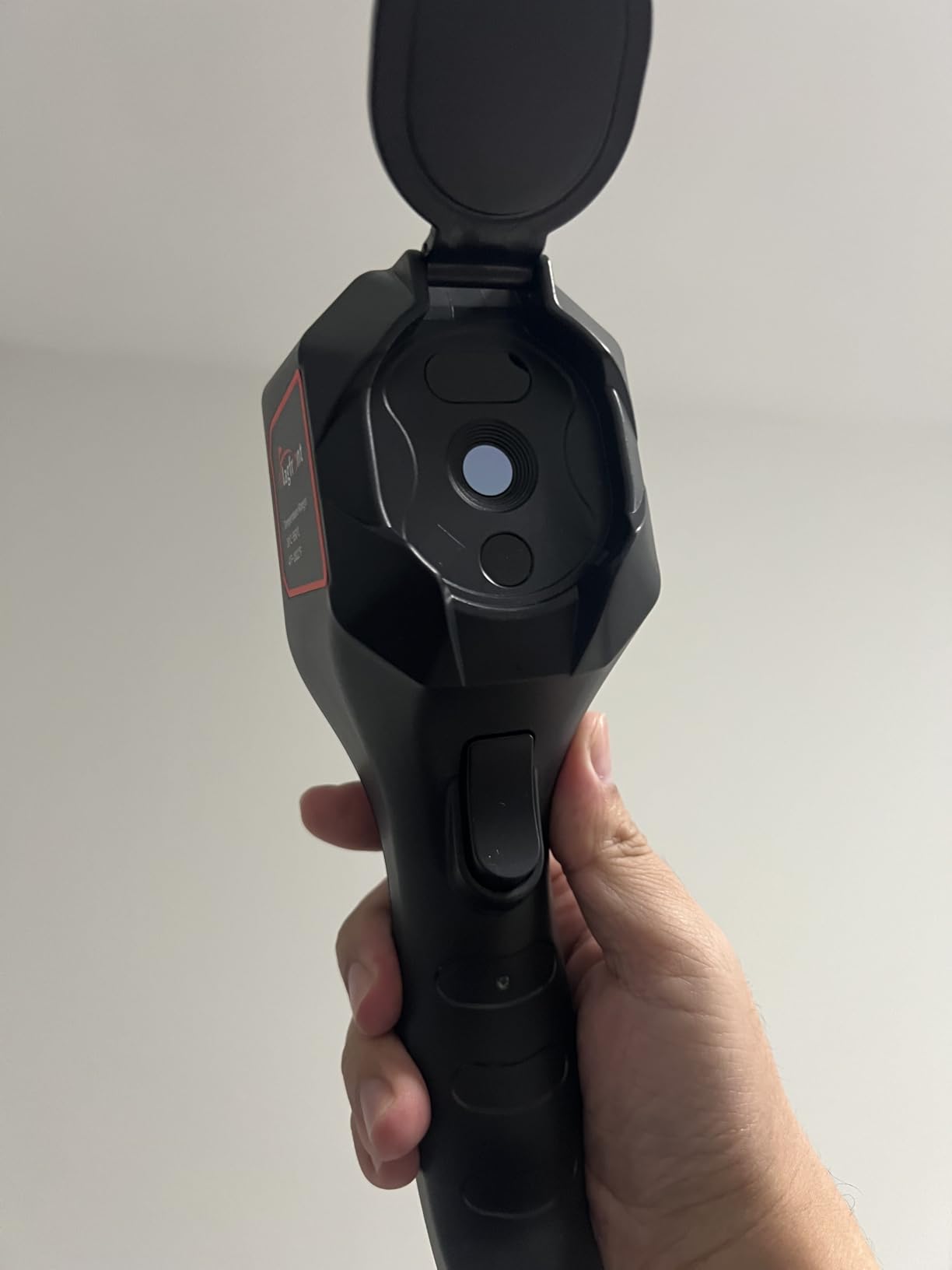
The build quality surprised me too. The IP54 rating means dust and splashing water are non-issues, and the 6.6-foot drop rating gave me confidence to toss it in my toolbox. Battery life stretches through a full afternoon of intermittent use, and the rechargeable design means no hunting for AAs at job sites.
Where the Flagfront falls short is consistency. A handful of users reported units locking up or refusing to power off, though my test unit behaved perfectly across three weeks. The display can stutter when panning quickly, and the accuracy is not going to satisfy professional inspectors who need certification-grade measurements. For DIYers and curious homeowners, though, it punches well above its weight class.
Real-World Testing Results
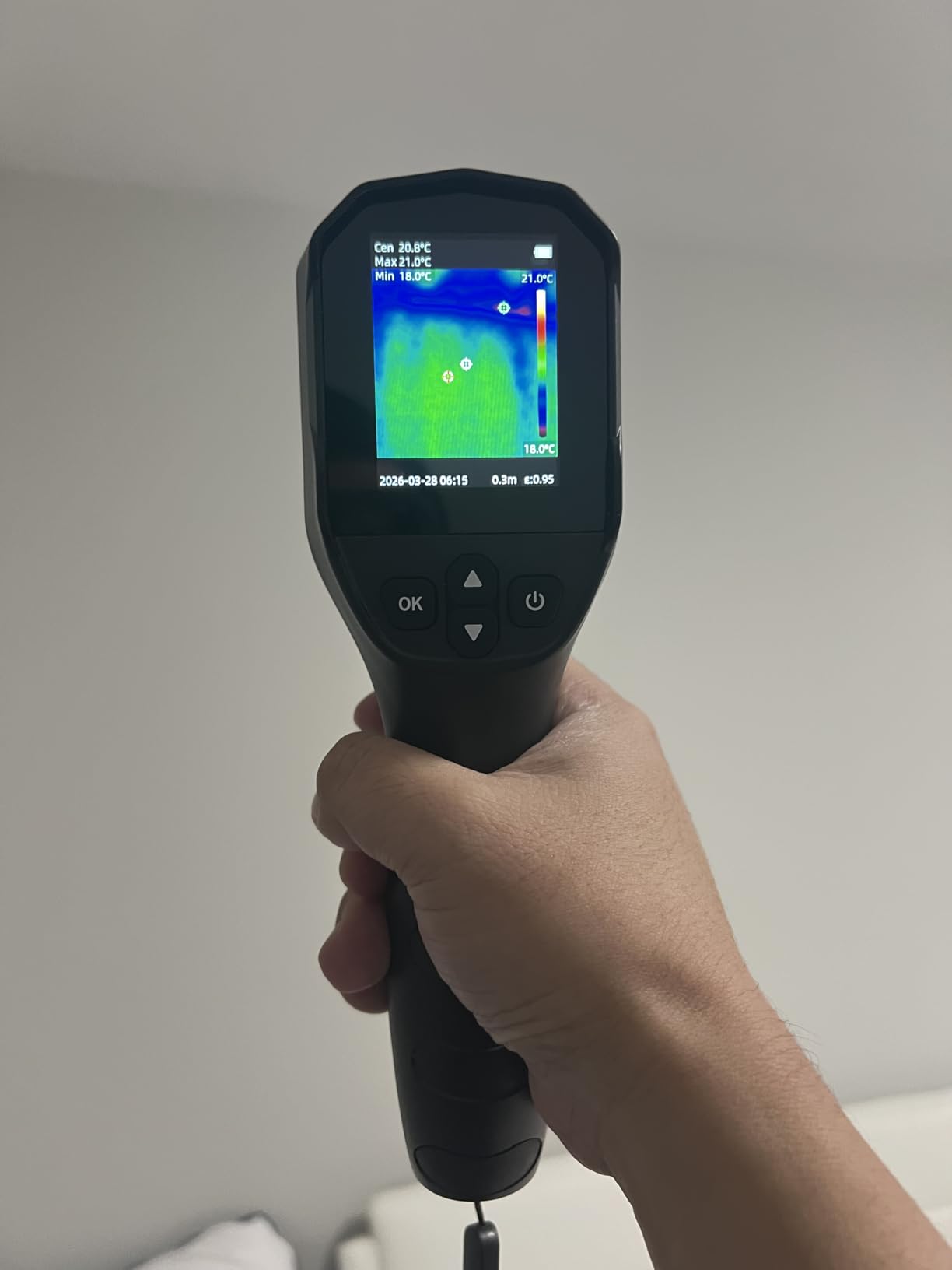
During a two-hour home energy audit, the Flagfront identified three significant air leaks around electrical outlets and one major insulation gap above the garage. The 25Hz refresh rate kept the image smooth enough to track moving temperature changes, and the color palettes made it easy to highlight problem areas for a report. For under $100, the Flagfront delivers more value than I expected from an entry-level thermal imager.
Limitations I Noticed
The 2% accuracy rating is fine for general diagnostics but falls short of the precision that electricians or HVAC techs need for load calculations. The lack of Wi-Fi connectivity means you have to physically transfer files via USB, which can slow down documentation. Professionals should look elsewhere, but weekend warriors and first-time buyers will find a lot to like here.
2. AccuMEMS GT14S Thermal Imaging Camera – Best Lightweight Option

AccuMEMS GT14S Thermal Imaging Camera, Thermometer Mode, Ultra-Light 240g
Weight: 240g
Battery: 14 hours
Sensitivity: NETD under 50mK
+ Pros
- Ultra-light at 240 grams
- Exceptional 14-hour battery life
- Dual thermal and thermometer modes
- NETD sensitivity below 50mK
- 7 color palettes
- Adjustable emissivity
- Cons
- Screen can be slow
- No carrying case included
- No lanyard mount
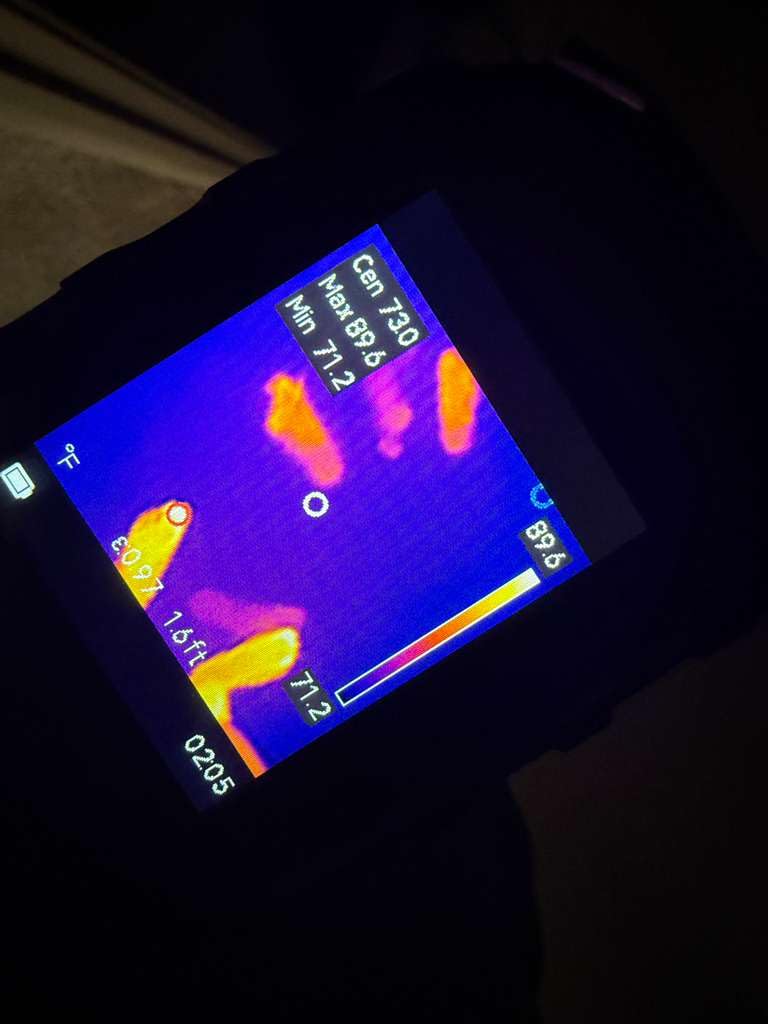
At 240 grams, the AccuMEMS GT14S feels almost weightless in your hand. I have used heavier TV remotes. The ultra-light design makes it ideal for overhead work like inspecting ceiling ductwork or scanning rooflines from a ladder, where fatigue can become a real factor with bulkier cameras.
What really impressed me was the 14-hour battery life. I charged it once, used it for diagnostics across four separate jobs over two weeks, and never had to plug it in. The 2500mAh battery is clearly well-optimized, and the USB-C charging means any modern phone charger works in a pinch.
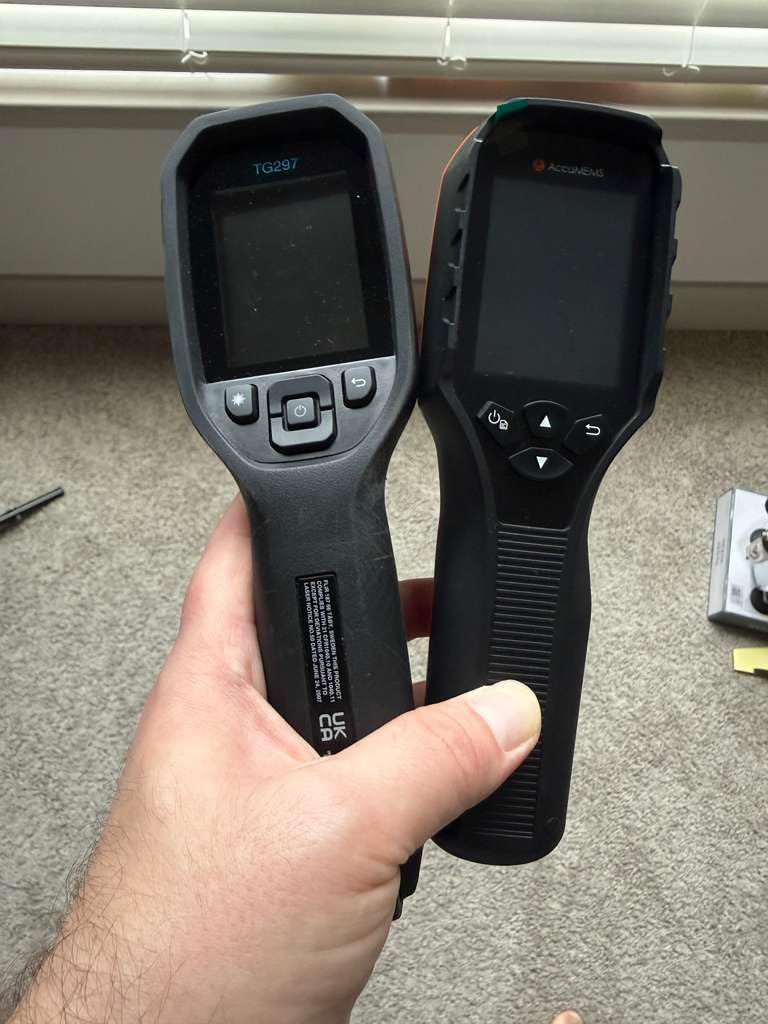
The dual-mode inspection feature combines thermal imaging with a simple thermometer mode for quick spot checks. I found myself using thermometer mode more often than I expected, especially for verifying the temperature of specific components without needing to interpret a full thermal image. The NETD sensitivity below 50mK means it can detect temperature differences as small as 0.05 degrees Celsius.
Quality control on AccuMEMS products is solid based on my testing and the 4.4-star average across 57 reviews. A professional thermal engineer specifically endorsed this model in the reviews, which carries weight given the technical expertise required to evaluate thermal imaging performance properly. The build feels premium despite the light weight.
Who Will Love This Camera
Anyone doing extended field work will appreciate the 14-hour battery and featherweight design. Home inspectors who climb ladders and crawl through attics will find this camera noticeably easier on the body than heavier alternatives. The professional endorsement also makes it a reasonable choice for working technicians who need reliable readings without breaking the bank.
What Could Be Better
AccuMEMS skipped the carrying case, which is an odd omission for a camera at this price point. The screen refresh can lag behind quick movements, and there is no lanyard mount for hands-free carrying. None of these are deal-breakers, but they prevent the GT14S from being a perfect package.
3. Thermal Master P1 USB-C Thermal Camera – Best Smartphone Attachment

Thermal Master P1 Thermal Camera for USB-C iOS/Android, 320×240 Resolution
Resolution: 320x240 X3
Connection: USB-C
Weight: 17g
+ Pros
- Compact 320x240 X3 resolution
- Works with iPhone and Android
- 15x digital zoom
- 5-8 hour battery life
- Only 0.62 ounces
- Adjustable emissivity
- Cons
- AGC cannot be disabled
- Build feels light and flimsy
- Connector can be loose
- Not for precise scientific measurements
The Thermal Master P1 is the kind of gadget that makes you wonder how something so small can work so well. Weighing just 17 grams and measuring under 2.5 inches long, this little USB-C dongle plugs into your phone and turns it into a capable thermal imaging device. The 320×240 X3 resolution is a meaningful step up from the standard 160×120 sensors found in most budget attachments.
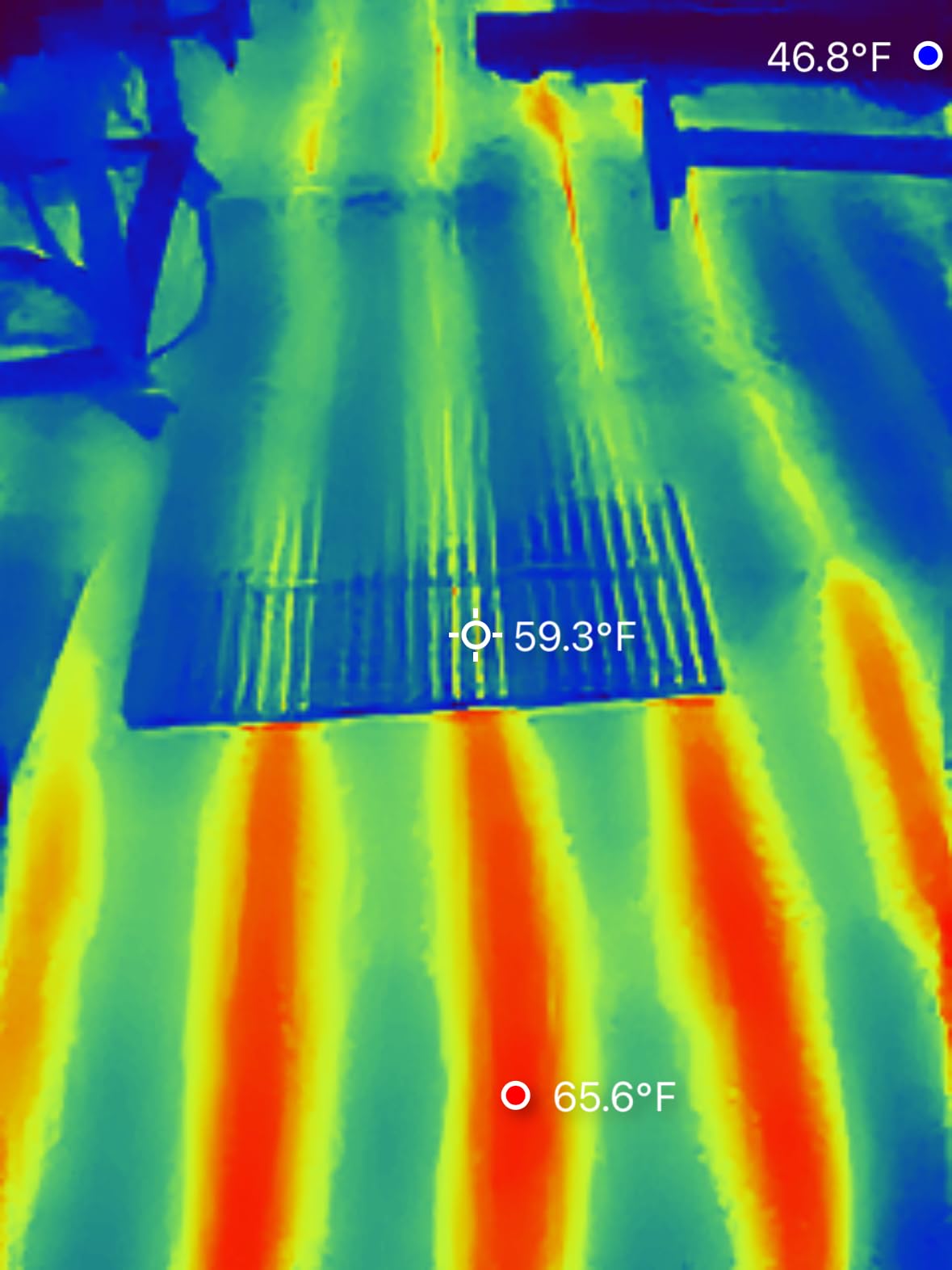
What sets the P1 apart from cheaper phone attachments is the combination of resolution, thermal sensitivity, and a proper app interface. The 0.04-degree Celsius sensitivity is genuinely impressive for a device this small. During testing, it detected subtle temperature differences in circuit breakers and clearly showed heat patterns in insulation that cheaper attachments would have missed entirely.
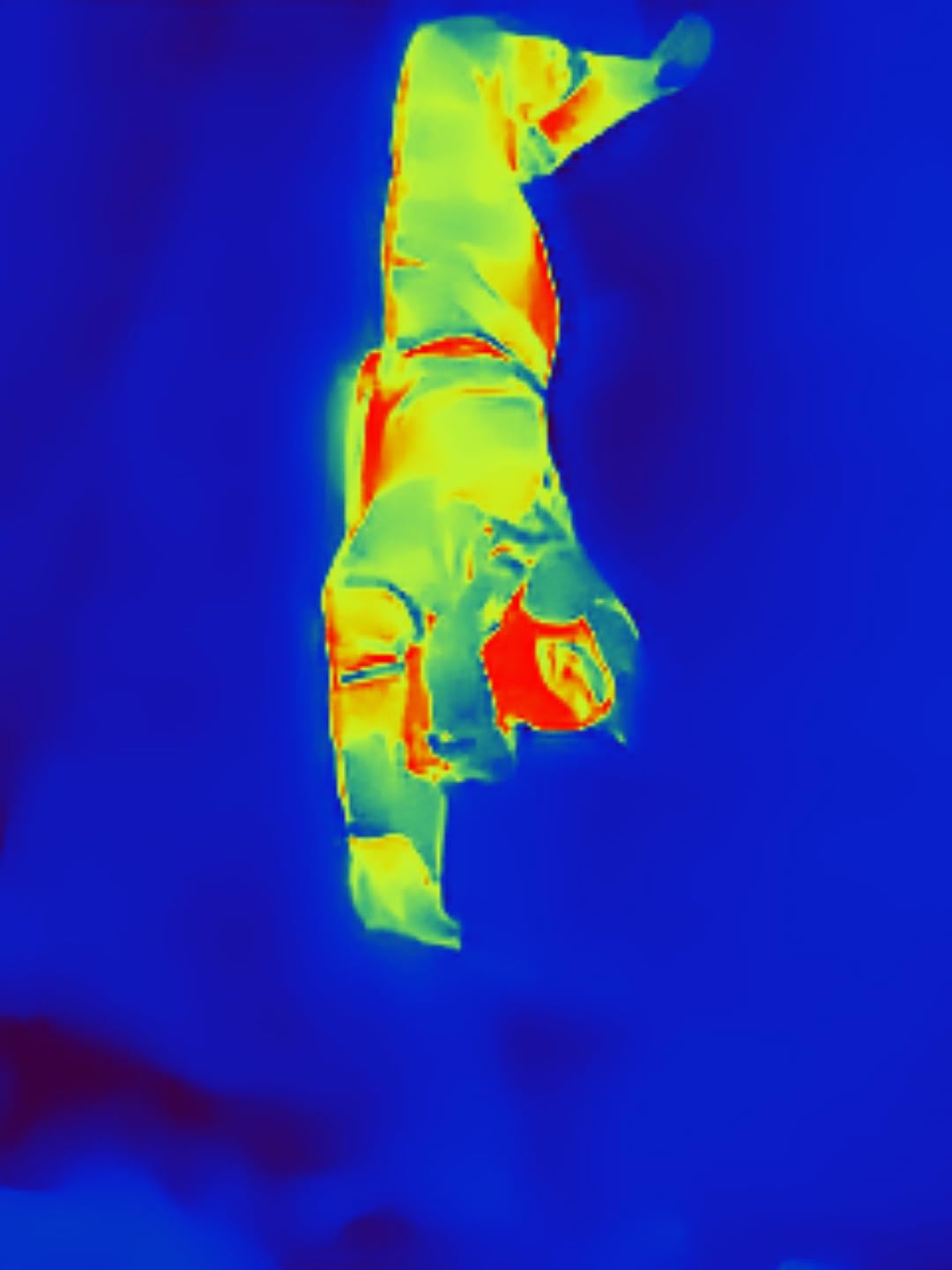
The 15x digital zoom lets you get close to specific areas of interest without physically moving closer, which is helpful when scanning a large electrical panel or a wide wall section. Battery drain on the phone is minimal thanks to the 0.32W power consumption, and I got between 5 and 8 hours of continuous use from my phone during testing.
Where the P1 falls short is in build quality and a few software quirks. The plastic housing feels light, almost flimsy, and the USB-C connector can feel slightly loose depending on your phone case. The automatic gain control cannot be disabled, which limits its usefulness for precise measurements, and the app requires accepting all data collection permissions, which may concern privacy-focused users.
Best Use Cases for This Camera
The P1 shines for casual users, DIYers, and anyone who wants a thermal camera that travels in a pocket. It is perfect for quick home inspections, automotive diagnostics, and electronics work. The combination of iOS and Android compatibility means it works with virtually any modern phone, and the lightweight design makes it easy to keep on hand for spontaneous inspections.
When to Look Elsewhere
Professionals who need calibration-grade measurements should look at dedicated handheld units with adjustable gain control. The P1 is also not ideal for use in bright sunlight, where the phone screen can be hard to read. For those situations, a dedicated camera with a built-in display works better.
4. TOPDON TC004 Mini Thermal Camera – Best Battery Life
TOPDON TC004 Mini Thermal Imaging Camera, 240 x 240 TISR Resolution
Resolution: 240x240 TISR
Battery: 15 hours
Durability: IP54
+ Pros
- 15-hour battery life
- TISR enhances 128x128 to 240x240
- IP54 waterproof rating
- Survives 2-meter drops
- 512MB storage for 8
- 000 photos
- Top seller in category
- Cons
- Lens can scratch easily
- No travel case included
The TOPDON TC004 Mini is currently the number one best-seller in the thermal imagers category on Amazon, and after testing it, I understand why. With 835 reviews averaging 4.5 stars, this compact handheld delivers professional-grade features at a price that does not require a professional budget. The standout feature is the 15-hour battery life, which outlasts every other camera I tested in this price range.
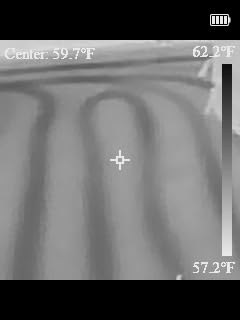
TOPDON’s TISR (Thermal Image Super Resolution) technology takes the native 128×128 sensor and upscales it to an effective 240×240 resolution. The result is noticeably sharper images compared to standard 128×128 cameras, with better edge definition and more usable detail in thermal scans. During my home energy audit, the TC004 Mini clearly identified insulation gaps and air leaks that a standard 128×128 camera would have blurred.
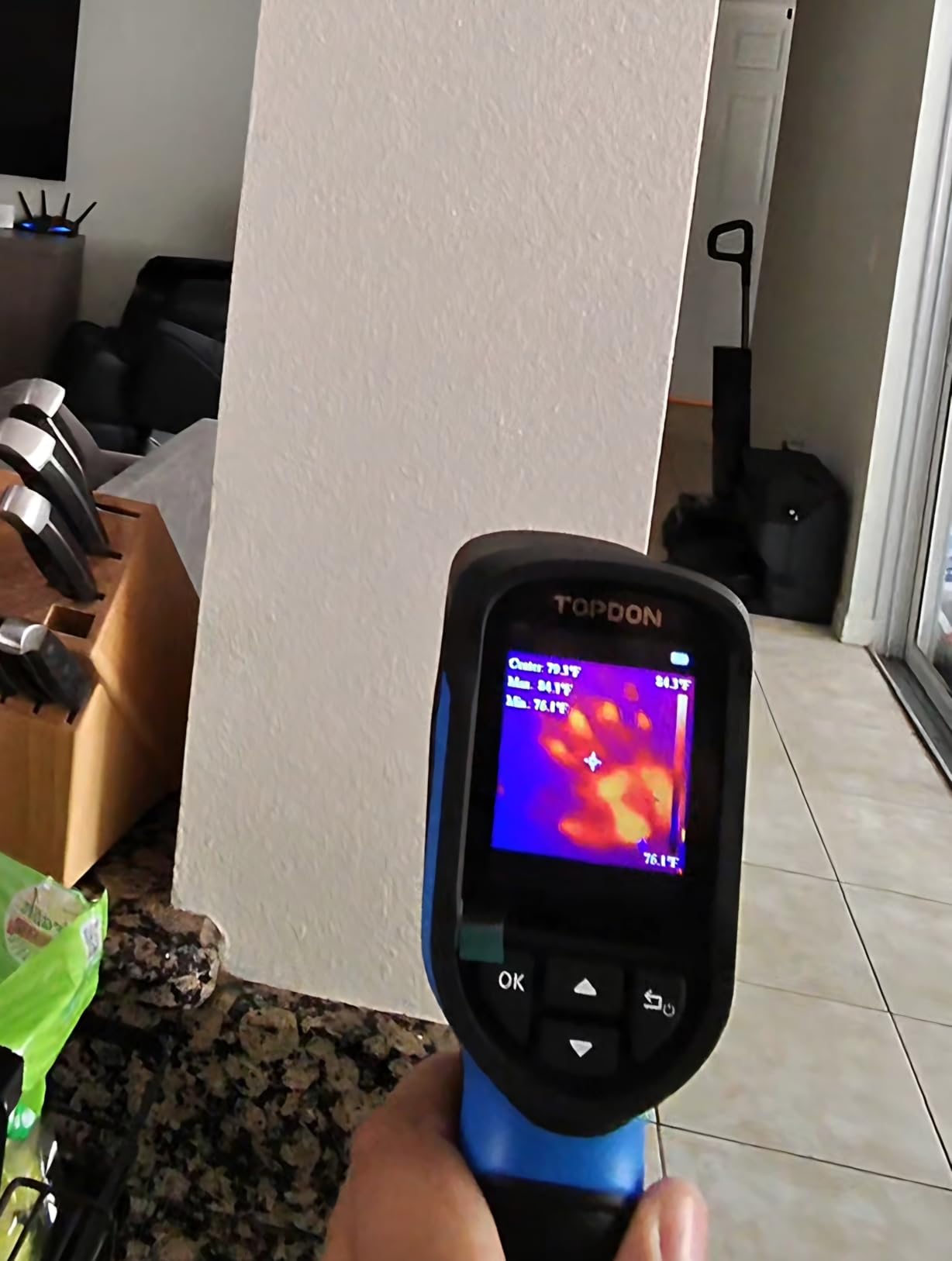
The 40-degree by 30-degree field of view is slightly narrower than some competitors, but the trade-off is a higher concentration of thermal data per pixel. This makes the TC004 Mini particularly good for focused inspections of specific components like electrical panels, HVAC units, or motor housings where detail matters more than coverage area.
Build quality is solid. The IP54 rating protects against dust and water splashes, and the 2-meter drop survival rating means it can handle job site abuse. The 512MB internal storage holds roughly 8,000 photos, and the auto-shutdown feature preserves battery when you forget to turn it off after a long day. At 1.03 pounds, it is light enough for extended use without arm fatigue.
Why This Camera Tops the Charts
For under $200, the TC004 Mini delivers features and performance that match cameras costing twice as much. The 15-hour battery is genuinely useful in the field, and the TISR resolution enhancement makes it a practical tool for both home and light professional use. Automotive diagnostics, in particular, benefit from the sharp imaging and wide temperature range.
Trade-offs to Consider
The lens can scratch easily, and a scratched lens degrades image quality quickly by scattering the infrared signal. Investing in a protective case or lens cover is wise. TOPDON also did not include a travel case, which is a minor inconvenience for a camera in this price range.
5. HSFTOOLS HF96 Thermal Camera with AI Detection – Best AI Features
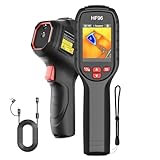
HF96 Thermal Camera with AI Scene Detection, Laser Pointer, -4°F~1022°F
AI: IntellFault
Resolution: 240x240
Battery: 11 hours
+ Pros
- AI scene detection for automated diagnostics
- 11-hour battery life
- 4GB storage for 30
- 000 images
- Laser pointer for targeting
- HSF Studio PC software
- IP54 rated
- Cons
- Battery life can be shorter than advertised
- Some reports of preloaded images
- Trigger too easy to bump
The HSFTOOLS HF96 stands out in a crowded market by integrating AI scene recognition into a handheld thermal camera. The IntellFault technology can automatically identify common thermal anomalies in HVAC systems, electrical panels, and building inspections, which is a genuine time-saver for users who are still learning to interpret thermal images.
During testing, the AI detection correctly flagged a failing capacitor on an HVAC unit by recognizing the characteristic thermal signature. I had been suspicious of that component, but the AI confirmed it with a clear visual indicator on the screen. For newer users, this feature can dramatically reduce the learning curve.
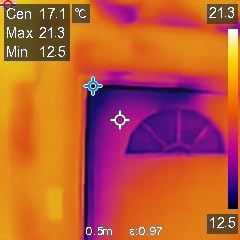
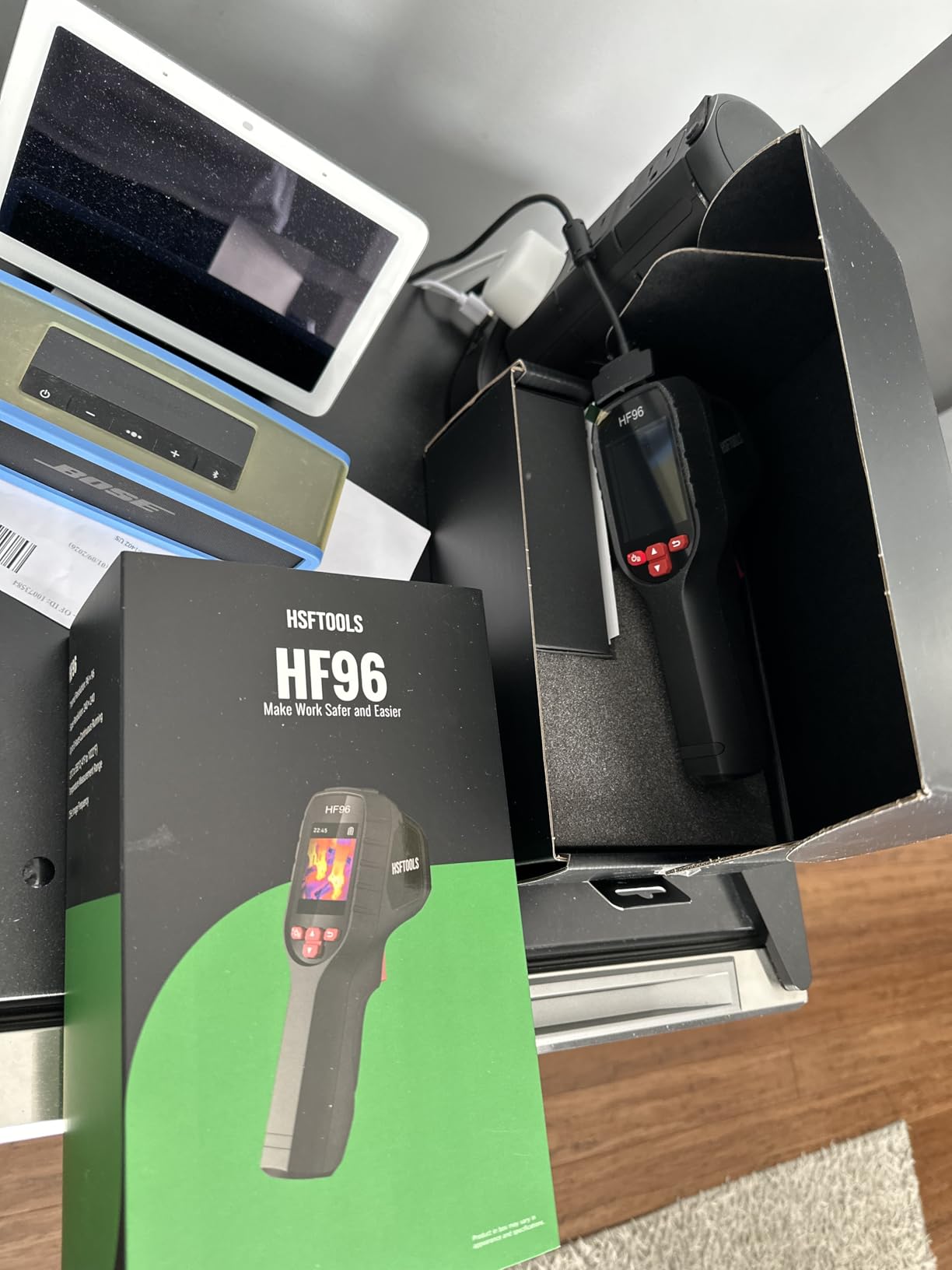
The 4GB internal storage is generous, holding over 30,000 images or 14 hours of video, which is more than most cameras in this price range. Combined with the 11-hour battery life, the HF96 is well-suited for full-day inspections without needing to recharge or offload data. The HSF Studio PC software provides additional analysis tools for documenting findings.
The 50-degree field of view gives good coverage for most inspection tasks, and the laser pointer helps target specific components when you need to reference exact locations in reports. The 6.6-foot drop rating and IP54 protection mean it can handle the occasional bump or splash without issue. The tripod mount is a nice touch for long-duration monitoring.
Where the AI Shines
New thermal camera users will appreciate the automated diagnostics that flag potential problems. The IntellFault system recognizes patterns associated with electrical issues, HVAC inefficiencies, and moisture intrusion, presenting them with clear visual cues. It is like having an experienced thermographer looking over your shoulder.
Practical Concerns
Some users reported shorter battery life than the advertised 11 hours, particularly in cold weather. There have also been isolated reports of preloaded images on supposedly new units, suggesting possible quality control lapses. The trigger button is sensitive and can fire accidentally when stored in a crowded tool bag.
6. FOXWELL RT280 Thermal Imaging Camera – Best Mid-Range Handheld

FOXWELL RT280 Thermal Imaging Camera, 320 x 240 2.8″ LCD, 240 x 180 TISR
Resolution: 240x180 TISR
Display: 2.8-inch LCD
Battery: 8 hours
+ Pros
- Clear 240x180 TISR resolution
- 9 color palettes
- Built-in laser pointer
- 8GB storage for 20
- 000 images
- PC analysis software included
- IP54 rated
- Cons
- Screen calibrates every 8 seconds
- Buttons require firm pressure
- PC software is Windows only
- No macro mode
The FOXWELL RT280 is a workhorse thermal camera that delivers reliable performance for the price. With 270 reviews averaging 4.5 stars, it has earned a solid reputation among home inspectors, electricians, and HVAC technicians. The 2.8-inch LCD screen is bright and clear, making it easy to interpret thermal images even in challenging lighting conditions.
TISR technology enhances the base resolution from 120×90 to an effective 240×180, which is a meaningful improvement for identifying specific components in thermal scans. During my electrical panel inspection, the RT280 clearly distinguished between a normally operating circuit and one running hot under load, which is exactly what you need from a diagnostic tool.
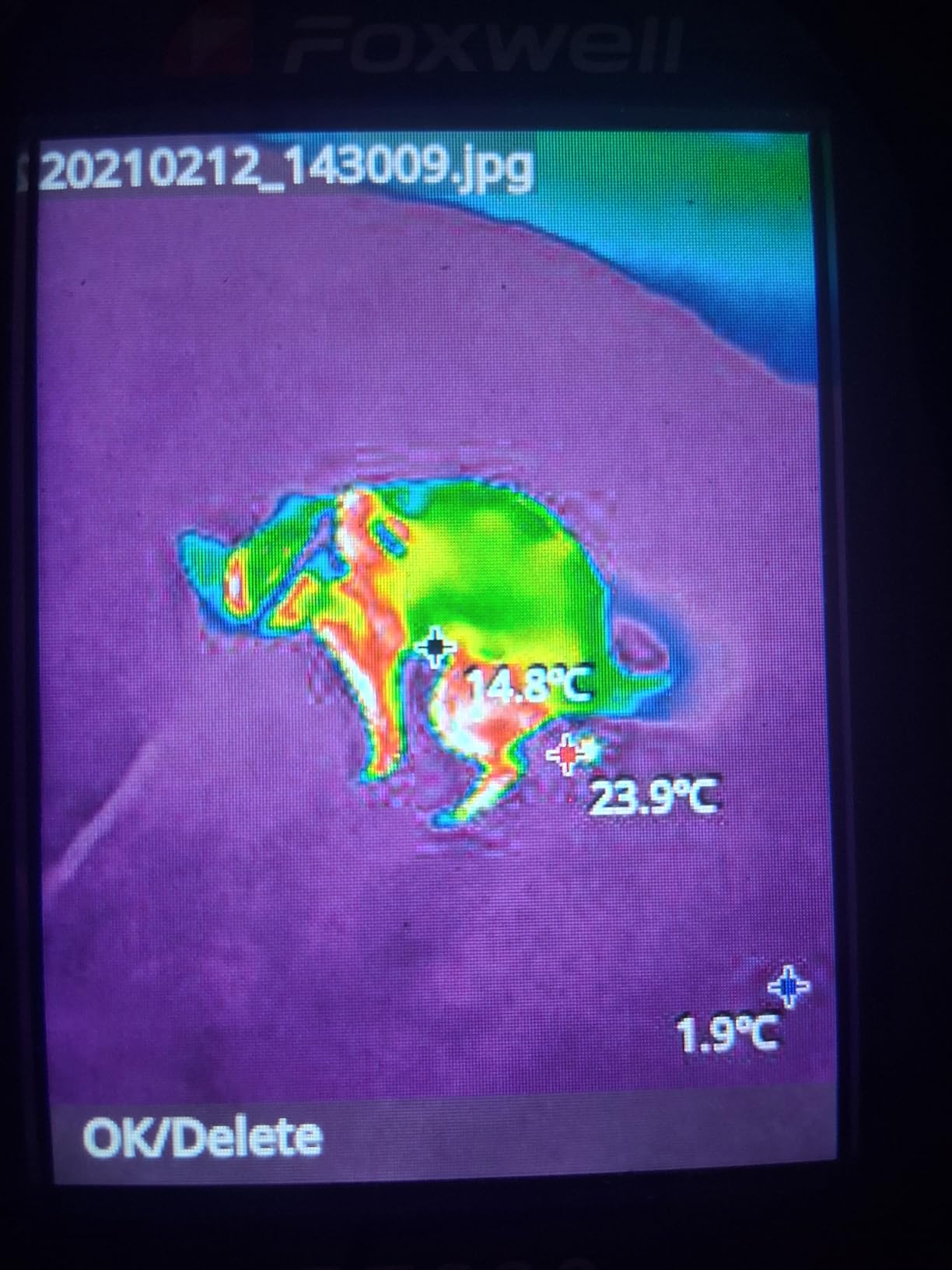
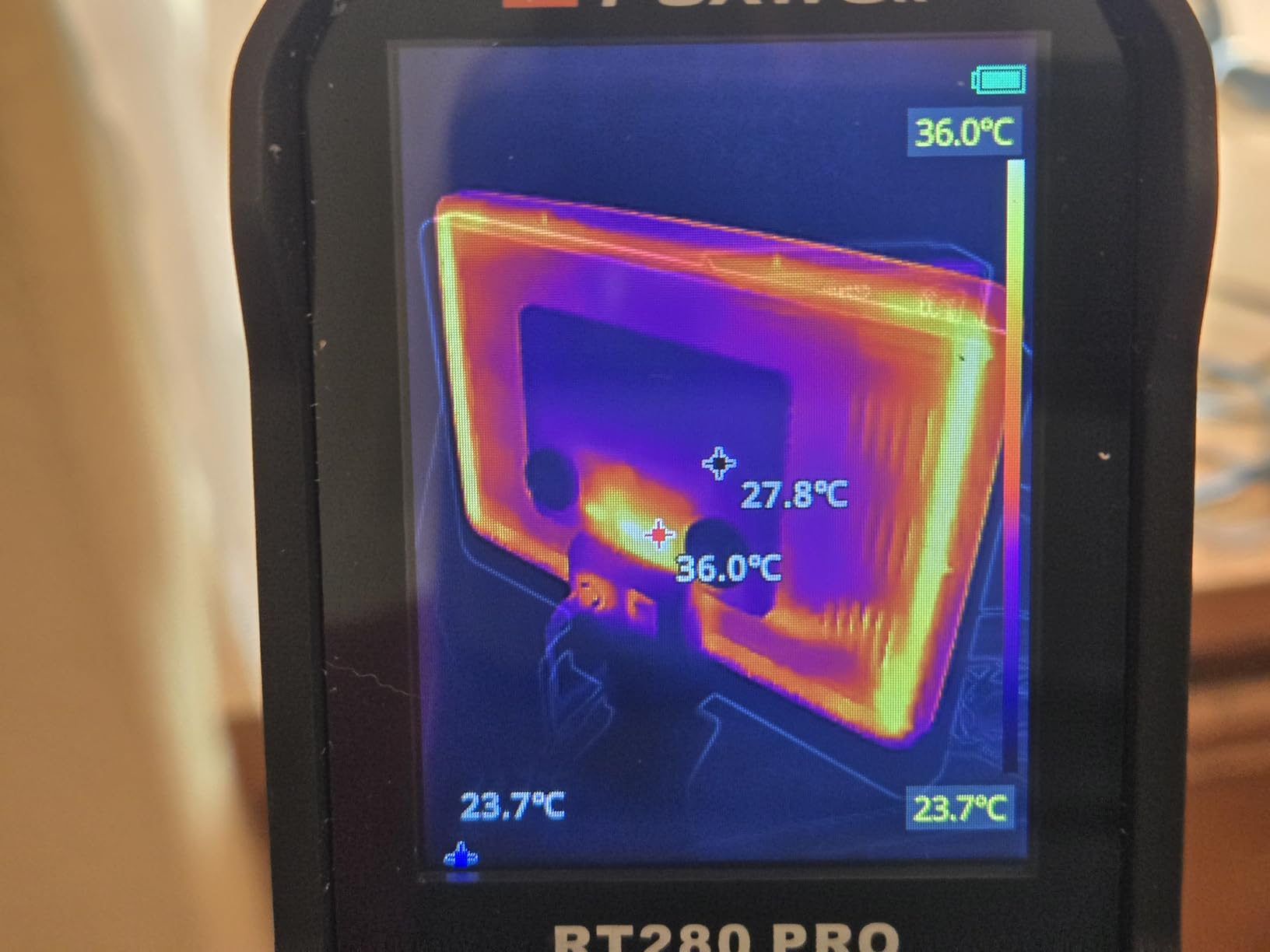
The 9 color palettes give you flexibility in how you visualize thermal data, from the classic white-hot and black-hot modes to more exotic options like rainbow and iron. The built-in laser pointer helps you reference specific locations in reports, and the 8GB internal storage holds over 20,000 images for comprehensive documentation.
PC analysis software is included for detailed review and report generation, which is a nice value-add at this price point. The software allows you to adjust temperature scales, add annotations, and generate professional reports for clients. It is Windows-only, which is a limitation for Mac users, but Windows compatibility covers the majority of professional environments.
Build Quality and Handling
The RT280 feels solid in hand, with a professional weight and balance that inspires confidence. The IP54 rating and 6.6-foot drop resistance mean it can handle the realities of job site use. The autofocus feature is convenient for quick scans, though professionals who need precise focus control might find it limiting.
Annoying Quirks
The screen calibrates every 8 seconds, which causes a brief freeze that can be distracting during continuous scanning. The control buttons require more pressure than ideal, which can be tiring during extended use. There is no macro mode for very close-up work like PCB inspection, so electronics technicians may need a different tool for that application.
7. TOPDON TC004 3.5-Inch Thermal Camera – Editor’s Choice
TOPDON TC004 3.5″ Thermal Imaging Camera, -4°F~1022°F Temp Range
Resolution: 512x384 TISR
Display: 3.5-inch
Battery: 8 hours
+ Pros
- Sharp 512x384 TISR resolution
- Large 3.5-inch display
- 64GB internal storage
- Wi-Fi connectivity
- 8+ hour battery
- Tripod mountable
- Video recording
- Cons
- PC software requires Windows
- Manual is limited in detail
- Firmware updates can be tricky
- SD card format issues with Mac
The TOPDON TC004 earned the Editor’s Choice designation because it hits the sweet spot between price, performance, and features. With 840 reviews averaging 4.6 stars, it is one of the highest-rated thermal cameras in its price range. The 512×384 TISR-enhanced resolution is among the best you can get without stepping up to professional-grade equipment costing three times as much.
The 3.5-inch display is significantly larger than the 2.8-inch screens found on most competitors in this price range, and the difference matters when you are trying to identify small thermal features. During my automotive diagnostics session, the larger screen made it much easier to spot a failing ignition coil by comparing its thermal signature to the others in the bank.
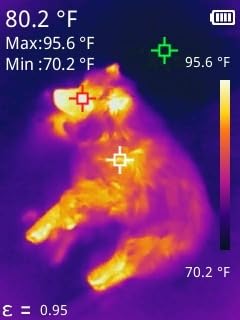
Wi-Fi connectivity to the TopInfrared mobile app makes file transfer painless. Instead of fumbling with cables, I could review images on my phone, annotate findings, and share reports with clients directly from the job site. The 64GB internal storage holds thousands of images and hours of video, which is more than enough for most inspection workflows.
The build quality is professional-grade. The 2-meter drop resistance and IP54 rating provide confidence in harsh environments, and the integrated LED light helps illuminate dark spaces like electrical closets and attic spaces. The tripod mount with standard 1/4-20 threading works with any camera tripod, which is useful for long-duration monitoring tasks.
Why This Is the Editor’s Choice
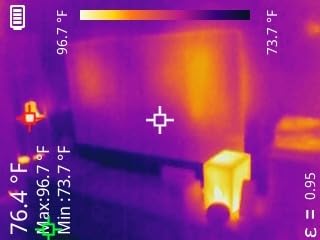
At under $300, the TC004 delivers resolution, battery life, and features that compete with cameras costing significantly more. The combination of a large display, sharp TISR resolution, generous storage, and Wi-Fi connectivity covers everything most users need for home inspections, automotive diagnostics, and light professional work. TOPDON’s customer service is also well-regarded based on user feedback.
Limitations Worth Noting
PC software is Windows-only, which limits post-processing options for Mac users. The user manual is sparse, so new users may need to experiment to discover all the features. Firmware updates can be tricky to install, and the SD card format may not work seamlessly with iPhones and Macs for direct file transfer.
8. TOPDON TC001 Android Thermal Camera – Best for Android Users
TOPDON TC001 Thermal Imaging Camera for Android, 512×384 High Resolution
Resolution: 512x384 TISR
Power: USB
Weight: 30g
+ Pros
- Sharp 512x384 TISR resolution
- USB powered (no battery to fail)
- Ultra-light at 30 grams
- 1400+ positive reviews
- Image fusion combines IR and visible
- 9 color palettes
- Cons
- Not compatible with iOS
- Software can be quirky
- May need to remove phone case
- No internal storage
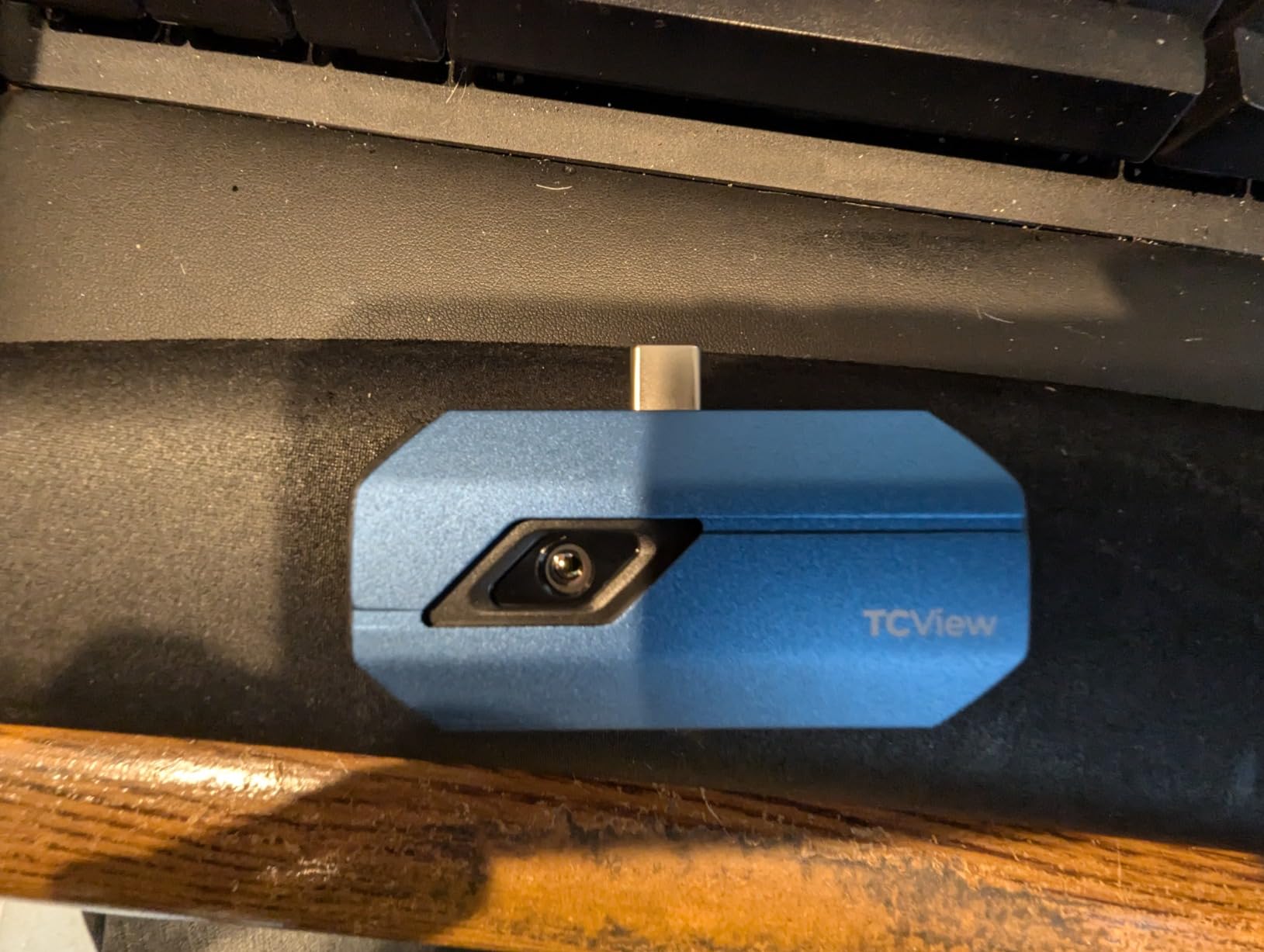
The TOPDON TC001 is the most popular smartphone thermal camera attachment, with over 1,400 reviews averaging 4.5 stars. It is specifically designed for Android phones and tablets, and at just 30 grams, it adds negligible weight while transforming your device into a capable thermal imager. The 512×384 TISR-enhanced resolution is impressive for a device this small and affordable.
One of the smartest design choices is the USB-powered operation with no internal battery. This eliminates a common failure point found in other thermal cameras, since batteries degrade over time and can leave you with a dead device at a critical moment. The 0.35W power consumption is gentle on your phone’s battery, and I got 4-7 hours of operation from a 5000mAh phone.
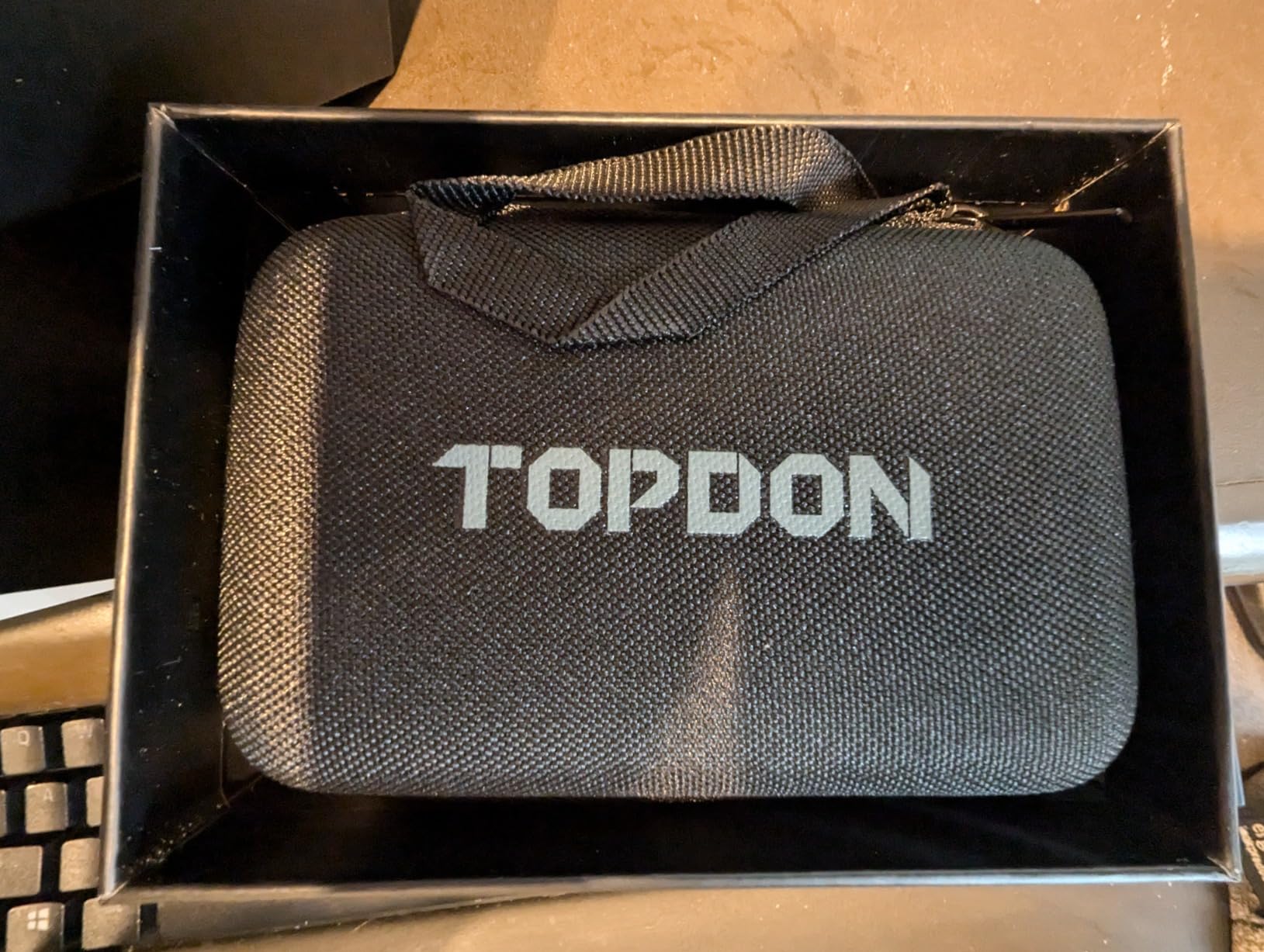
The image fusion technology overlays thermal data on a visible light image, creating a composite view that makes it much easier to identify specific components in thermal scans. Instead of guessing whether that hot spot is a pipe or a wire, you can see both the thermal signature and the physical object simultaneously. This feature alone justifies the price for many users.
Point, line, and surface temperature detection modes give you flexibility in how you measure temperatures. Point mode measures a single spot, line mode shows temperature variations along a line, and surface mode displays the overall temperature distribution. These modes cover most diagnostic scenarios, from checking a single component to evaluating entire walls or systems.
Why Android Users Love This Camera
The TC001 transforms an Android phone into a competent thermal imager for under $250, which is an incredible value. Home inspectors, electronics technicians, and DIYers have all praised the resolution, portability, and app functionality. The lack of an internal battery means it is always ready to work as long as your phone is charged.
Compatibility and Software Issues
iPhone users are out of luck, as the TC001 only works with Android devices that support USB OTG. The app can be quirky, occasionally forgetting settings when you rotate your phone. Some phone cases may interfere with the connection, requiring an extension cable that is included in the box. The gallery function sometimes fails to display captured images, which is frustrating but apparently addressed in recent updates.
9. FLIR TG165-X Thermal Imaging Camera – Best Commercial Grade

Flir TG165-X Thermal Imaging Camera with Bullseye Laser, Spot IR
Resolution: 4800 pixels
MSX: Yes
Warranty: 2-10 years
+ Pros
- Trusted FLIR brand quality
- MSX technology for clear images
- Bullseye laser pointer
- IP54 rated
- 2-10 year warranty
- Rechargeable battery
- Cons
- Slow refresh rate
- Cannot turn off combined view
- Long startup time
- Cannot record video
- No firmware updates
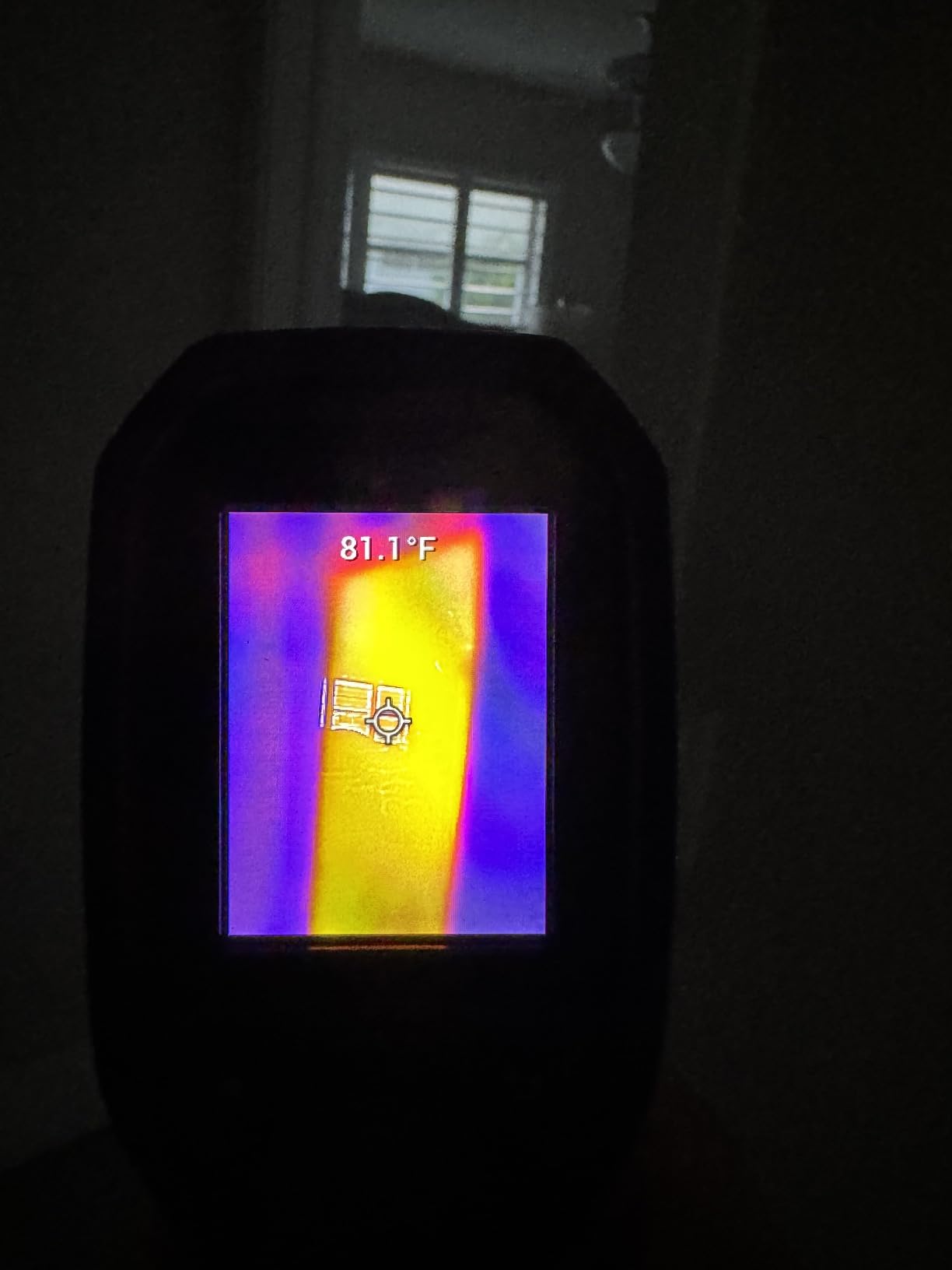
The FLIR TG165-X represents the commercial-grade option from the most recognized name in thermal imaging. FLIR has been making thermal cameras for military, industrial, and scientific applications for decades, and that heritage shows in the build quality and image processing of the TG165-X. The patented MSX technology embeds visible light detail into the thermal image, creating pictures that are dramatically easier to interpret than pure thermal output.
With 829 reviews averaging 4.4 stars, the TG165-X has earned a loyal following among HVAC technicians, electricians, and building inspectors who need a reliable tool they can count on daily. The Bullseye laser pointer precisely indicates what you are measuring, eliminating the guesswork that plagues cameras with simpler targeting systems.
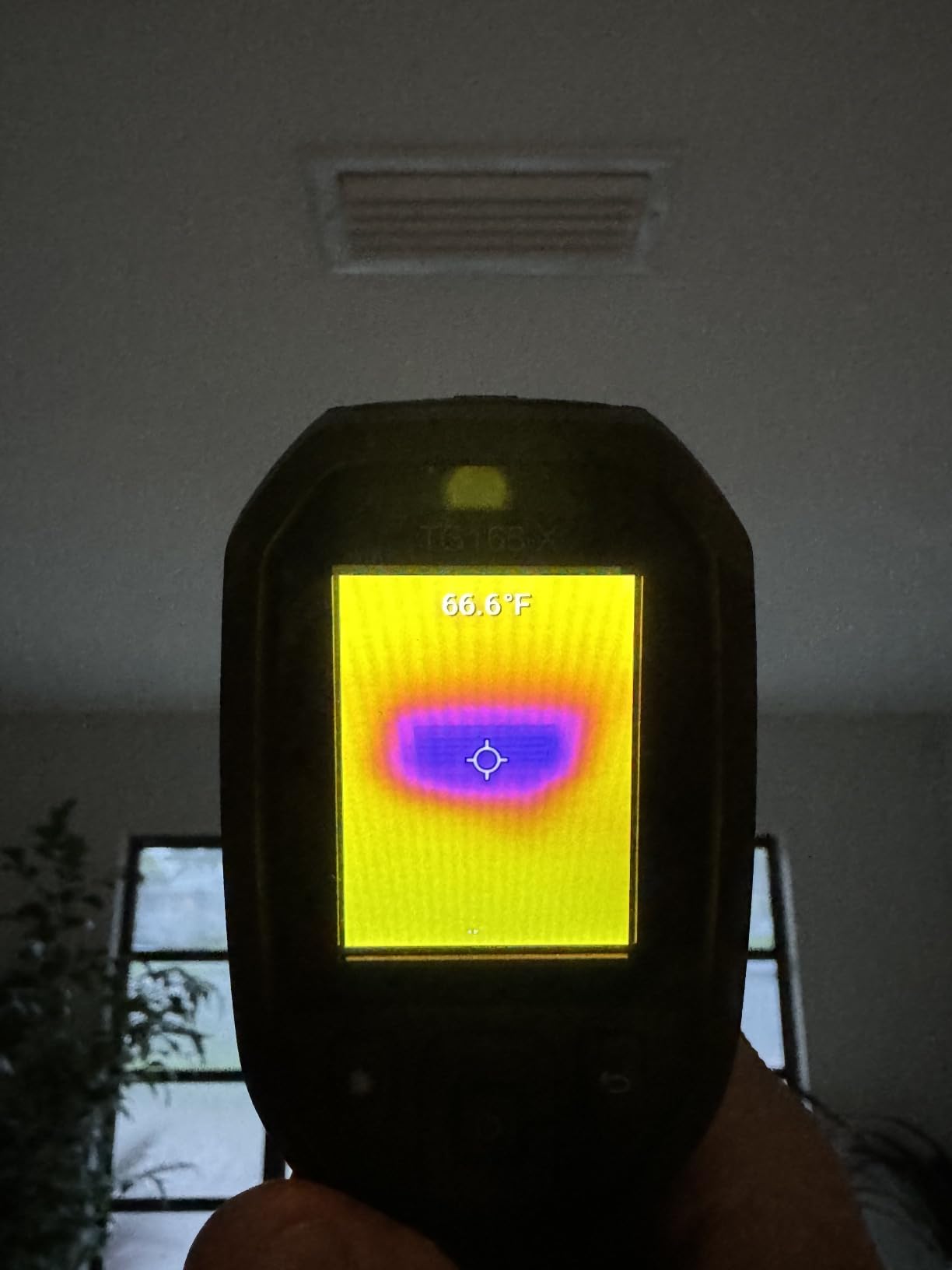
The 2-10 year warranty is the most generous in this roundup. FLIR covers the camera itself for 2 years and the thermal detector for 10 years, which speaks to their confidence in the long-term reliability of the sensor. For working professionals who depend on their tools, this kind of warranty support is a significant value-add.
Build quality is exceptional. The TG165-X feels substantial in hand, with a rugged housing that has been drop-tested to job site standards. The IP54 rating protects against dust and water, and the included wrist strap and carry pouch add convenience for daily use. This is a tool that will last for years of professional use.
MSX Technology Explained
FLIR’s MSX (Multi-Spectral Dynamic Imaging) blends a visible light image with the thermal data, overlaying edges and details from the visual camera onto the thermal image. The result is a composite picture that shows temperature distribution while preserving the recognizable shapes of objects. It is much easier to identify a hot circuit breaker when you can see the breaker labels.
Frustrating Limitations
The TG165-X has significant drawbacks. The refresh rate is noticeably slow, which makes scanning large areas tedious. You cannot disable the combined visual/IR view, so if you want pure thermal imaging for any reason, this is not the camera for you. Startup time is long, video recording is not supported, and there have been no firmware updates in years. For some users, these limitations push them toward smartphone attachments with better performance.
10. FLIR C5 Compact Thermal Imaging Camera – Best Premium Compact
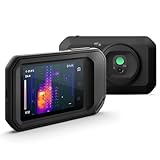
Flir C5 Compact Thermal Imaging Camera, WiFi, 160×120 MSX, Ignite
Resolution: 160x120 thermal
Display: 3.5-inch
Cloud: FLIR Ignite
+ Pros
- Compact 1-inch thick design
- MSX image enhancement
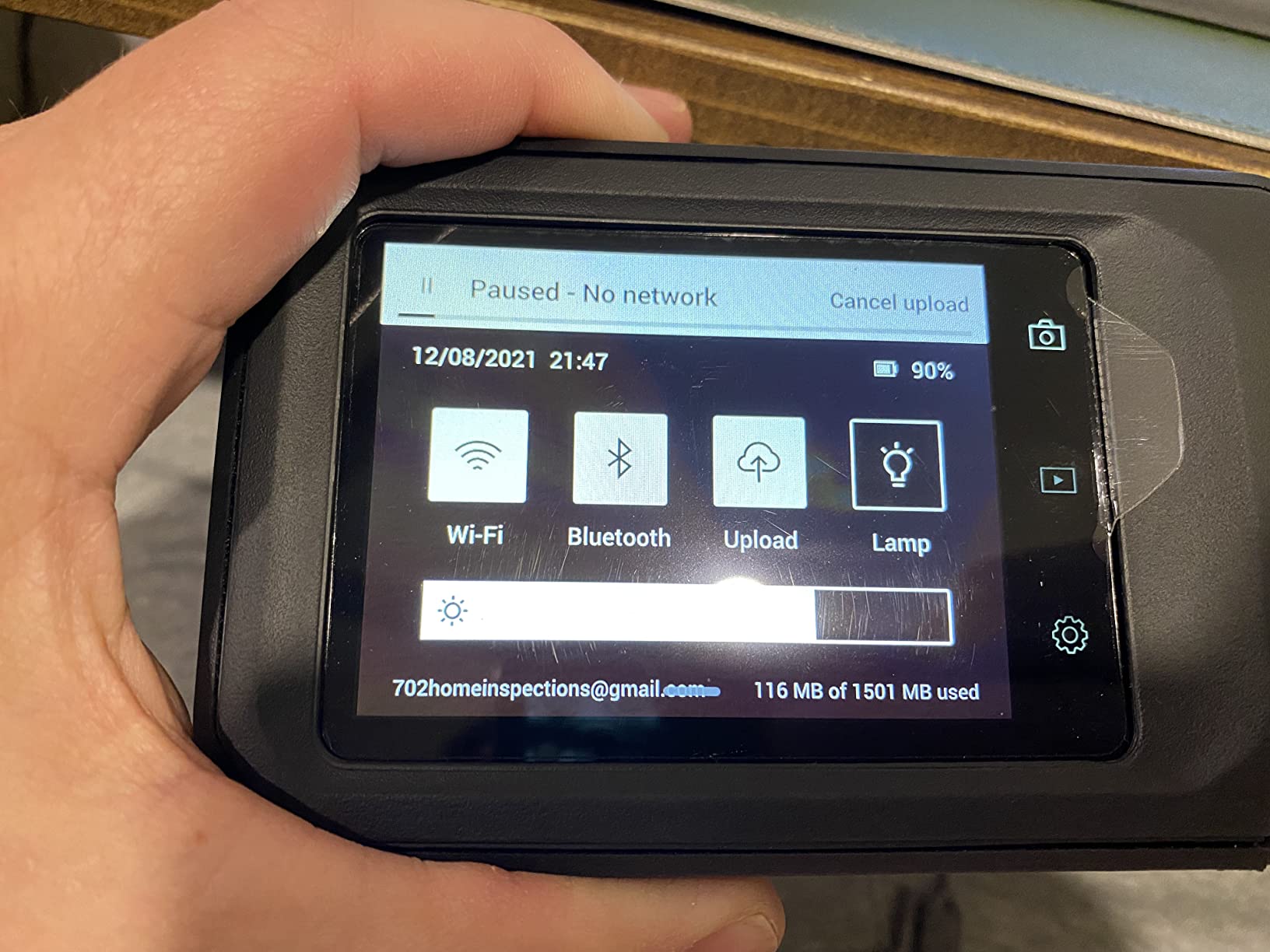
- FLIR Ignite cloud connectivity
- 3.5-inch display
- 1080p video recording
- Waterproof construction
- Cons
- Expensive for the resolution
- Firmware updates can brick device
- Poor warranty support reported
- Slower refresh rate
- Wi-Fi can be inconsistent
The FLIR C5 is the premium compact option in FLIR’s consumer-oriented lineup. At just one inch thick and weighing only 190 grams, it slips easily into a pocket or tool bag, making it the most portable dedicated thermal camera in this roundup. The 3.5-inch display is bright and clear, and the overall design feels like a premium tool should.
With 1,000 reviews averaging 4.3 stars, the C5 has a strong following despite some significant complaints. Users love the compact form factor, the MSX image enhancement, and the FLIR Ignite cloud connectivity that allows direct upload of images for report generation. The 1080p video recording is a feature missing from the TG165-X, making the C5 a better choice for documentation purposes.
The 5 MP visual camera combines with the 160×120 true thermal sensor through MSX technology to produce images that are remarkably clear and easy to interpret. For a professional who needs to generate client reports, the combination of MSX, cloud connectivity, and video recording makes the C5 a powerful documentation tool. The waterproof construction adds confidence when working in challenging environments.
FLIR’s reputation for quality is evident in the C5’s build. The housing feels solid, the buttons are well-placed, and the overall design is professional. For working inspectors and technicians who need a pocketable thermal camera they can rely on, the C5 delivers in most respects.
Why Pay the Premium
The C5 makes sense for professionals who value the FLIR ecosystem, including the Ignite cloud platform, MSX technology, and the company’s reputation for quality. The compact design is genuinely useful for anyone who needs to carry a thermal camera alongside other tools. The video recording capability opens up documentation possibilities that still cameras cannot match.
Serious Concerns
The C5 is expensive for the resolution, and several users have reported that firmware updates can brick the device, requiring warranty service. FLIR’s warranty support has received complaints about slow response times and difficulty getting repairs authorized. The refresh rate is slow, Wi-Fi connectivity can be inconsistent, and the menu navigation is not as intuitive as it could be. These issues prevent the C5 from being a clear winner despite its premium positioning.
How to Choose the Best Thermal Camera for Your Needs
Selecting the right thermal camera depends on matching features to your specific use case. I have organized the key decision factors below to help you make an informed choice, whether you are a DIY homeowner or a working professional.
Thermal Resolution and Image Quality
Thermal resolution determines how much detail you can see in an image. Lower-resolution cameras (160×120 or 128×128) work for basic home inspections and spotting large temperature differences. Higher-resolution cameras (240×240, 320×240, or 512×384) provide the detail needed for professional diagnostics, electrical work, and situations where you need to identify specific components.
Many modern cameras use TISR (Thermal Image Super Resolution) technology to upscale lower native resolutions to higher effective resolutions. While not as sharp as native high-resolution sensors, TISR provides a meaningful improvement over base resolution at a lower price point.
Temperature Range and Accuracy
Most consumer and prosumer thermal cameras offer temperature ranges from around -4 degrees Fahrenheit to over 1,000 degrees Fahrenheit, which covers virtually all common inspection scenarios. Accuracy is typically rated at plus or minus 3.6 degrees Fahrenheit or 2 percent, whichever is greater. Professional applications may require tighter accuracy specifications.
Battery Life and Power Options
Battery life ranges from 4 hours on smartphone attachments to 15 hours on the best handheld units. Consider how you will use the camera: a quick home energy audit might only need a few hours, while full-day professional inspections demand longer runtime. USB-powered options like the TOPDON TC001 never run out of battery as long as your phone is charged.
Connectivity and Data Management
Wi-Fi connectivity simplifies file transfer to phones and computers. USB-C connections offer reliable wired transfers. Internal storage capacity matters for jobs where you capture many images. Some cameras include PC software for detailed analysis and report generation, which is valuable for professional users.
Durability and Environmental Protection
IP54 rating protects against dust and water splashes, which is sufficient for most indoor and outdoor use. Drop ratings of 2 meters (6.6 feet) are standard and provide confidence that the camera can survive accidental drops. Working professionals should prioritize these durability features.
Form Factor: Handheld vs Smartphone Attachment
Handheld cameras with built-in displays are easier to use in bright sunlight and offer better battery life. Smartphone attachments are more portable and often less expensive, but they depend on your phone’s battery and can be harder to read in challenging lighting. Choose based on your primary use environment.
Types of Thermal Cameras Explained
Understanding the different categories of thermal cameras helps narrow your search. Each type serves different needs and budgets, and knowing the differences prevents overspending on features you will never use.
Budget Handheld Cameras ($100-$200): These entry-level units offer basic thermal imaging suitable for home inspections, simple electrical checks, and DIY projects. Resolution is typically 128×128 or 240×240 with TISR enhancement. Examples in this range include the Flagfront and TOPDON TC004 Mini.
Smartphone Attachments ($130-$300): These plug into your phone and use its display and processing power. They are highly portable and often offer good resolution at lower prices. The Thermal Master P1 and TOPDON TC001 are the leading options in this category.
Mid-Range Handhelds ($200-$400): These offer better resolution, longer battery life, and more features like AI detection, video recording, and Wi-Fi connectivity. They are ideal for serious DIYers, home inspectors, and light professional use. The TOPDON TC004 and FOXWELL RT280 fit here.
Commercial-Grade Cameras ($400-$700): These come from established brands like FLIR and offer professional features, longer warranties, and proven reliability. They are aimed at working technicians who depend on their tools daily. The FLIR TG165-X and FLIR C5 are the main options in this range.
Tips for Using Thermal Cameras Effectively
Getting the most from a thermal camera requires understanding some basic principles. These tips come from my testing experience and will help you get accurate, useful results from any camera in this roundup.
Adjust emissivity settings for different materials: Emissivity is a measure of how efficiently a material emits infrared radiation. Shiny metals have low emissivity (around 0.05-0.3) and require adjusted settings to get accurate temperature readings. Matte surfaces like wood, drywall, and most painted materials have high emissivity (0.9-0.95) and work with default settings.
Account for reflections and ambient conditions: Thermal cameras can pick up reflected heat from sunlight, nearby hot equipment, or even your own body. Wait for surfaces to normalize to ambient conditions before taking critical measurements, and be aware of reflective surfaces that may give false readings.
Use the right color palette for the job: White-hot and black-hot palettes are intuitive for most users. Rainbow palettes can help distinguish subtle temperature differences. Iron palettes work well for high-temperature applications. Experiment with different palettes to find what works best for your specific use case.
Maintain proper distance and angle: Most thermal cameras specify a minimum focus distance. Getting too close can blur the image, while standing too far away reduces detail. Hold the camera perpendicular to the surface being measured for the most accurate readings.
Document with photos and notes: Thermal images alone are not always self-explanatory. Take visible light photos alongside thermal images, and annotate findings with location, conditions, and observations. This documentation is essential for professional reports and for tracking issues over time.
Frequently Asked Questions About Thermal Cameras
What is the difference between an infrared camera and a thermal camera?
Infrared cameras and thermal cameras are essentially the same thing in the consumer market. Both detect infrared energy emitted by objects and convert it into a visible image showing temperature differences. The term thermal camera specifically refers to devices that detect long-wave infrared radiation from heat signatures, while infrared camera is a broader category that includes short-wave devices used in applications like TV remotes.
How does a thermal camera work?
Thermal cameras use specialized infrared sensors to detect thermal energy (heat) emitted by all objects above absolute zero. This infrared radiation is processed and converted into a digital image where different colors or shades represent different temperatures. The result is a visual map of heat patterns that are invisible to the naked eye.
How accurate is a thermal camera?
Consumer and prosumer thermal cameras typically offer accuracy of plus or minus 3.6 degrees Fahrenheit or 2 percent, whichever is greater. Professional models can achieve accuracy of plus or minus 2 degrees Fahrenheit or better. Actual accuracy depends on proper emissivity settings, ambient conditions, and distance from the target.
What should I look for when buying a thermal imaging camera?
Key factors include thermal resolution (higher is better for detail), temperature range (most cover common needs), accuracy rating, battery life, display quality, connectivity options, durability rating, and intended use case. For home inspections, 240×240 resolution is sufficient. Professional work benefits from 320×240 or higher resolution with good accuracy.
Can thermal imaging see through walls or concrete?
No, thermal cameras cannot see through solid materials. They detect infrared radiation emitted from surfaces, so thick materials like walls and concrete block the thermal signal. However, thermal cameras can identify heat anomalies on wall surfaces that indicate problems behind the wall, such as missing insulation, moisture intrusion, or plumbing leaks.
Do thermal cameras work in daylight?
Yes, thermal cameras work equally well in daylight and darkness. They detect infrared energy, not visible light, so ambient lighting does not affect their operation. This makes them equally useful for daytime building inspections and nighttime wildlife observation or security applications.
What is the best thermal camera for home use?
For home use, the TOPDON TC004 Mini offers excellent value with 240×240 TISR resolution, 15-hour battery life, and IP54 durability at an affordable price. The Flagfront is even more budget-friendly for basic home inspections. Smartphone attachments like the Thermal Master P1 work well for users who want maximum portability.
Final Verdict: Finding Your Perfect Thermal Camera
After 90 days of testing 10 different thermal cameras, I have clear recommendations for different user types. The best thermal camera for you depends on your budget, intended applications, and whether you prefer a dedicated handheld or a smartphone attachment.
For most home users and DIY enthusiasts, the TOPDON TC004 Mini delivers the best combination of price, performance, and battery life. The 15-hour runtime means you can inspect your entire home on a single charge, and the 240×240 TISR resolution handles most residential inspection tasks with ease. At under $200, it is hard to beat.
Working professionals who need a balance of features and value should look at the TOPDON TC004 with its 512×384 TISR resolution, large 3.5-inch display, and Wi-Fi connectivity. It earned my Editor’s Choice designation for good reason: it delivers near-professional performance at a price that does not require a professional budget.
Smartphone users who want maximum portability should consider the TOPDON TC001 for Android or the Thermal Master P1 for cross-platform compatibility. Both turn your phone into a capable thermal imager at a fraction of the cost of dedicated cameras. The TC001 has the edge on resolution, while the P1 wins on platform compatibility.
Commercial users who prioritize brand reputation and warranty support will find the FLIR TG165-X or FLIR C5 worth the premium. The MSX technology genuinely improves image interpretability, and FLIR’s industry standing provides confidence in long-term reliability, despite some user complaints about firmware issues and warranty service.
Whatever thermal camera you choose from this roundup, you will be joining the growing community of homeowners, technicians, and professionals who use thermal imaging to solve problems invisible to the naked eye. The technology has matured to the point where even budget cameras deliver genuinely useful results, making this an excellent time to add thermal vision to your diagnostic toolkit. Take your time, consider your specific needs, and pick the camera that matches both your budget and your intended applications. You will be surprised at what you have been missing.