
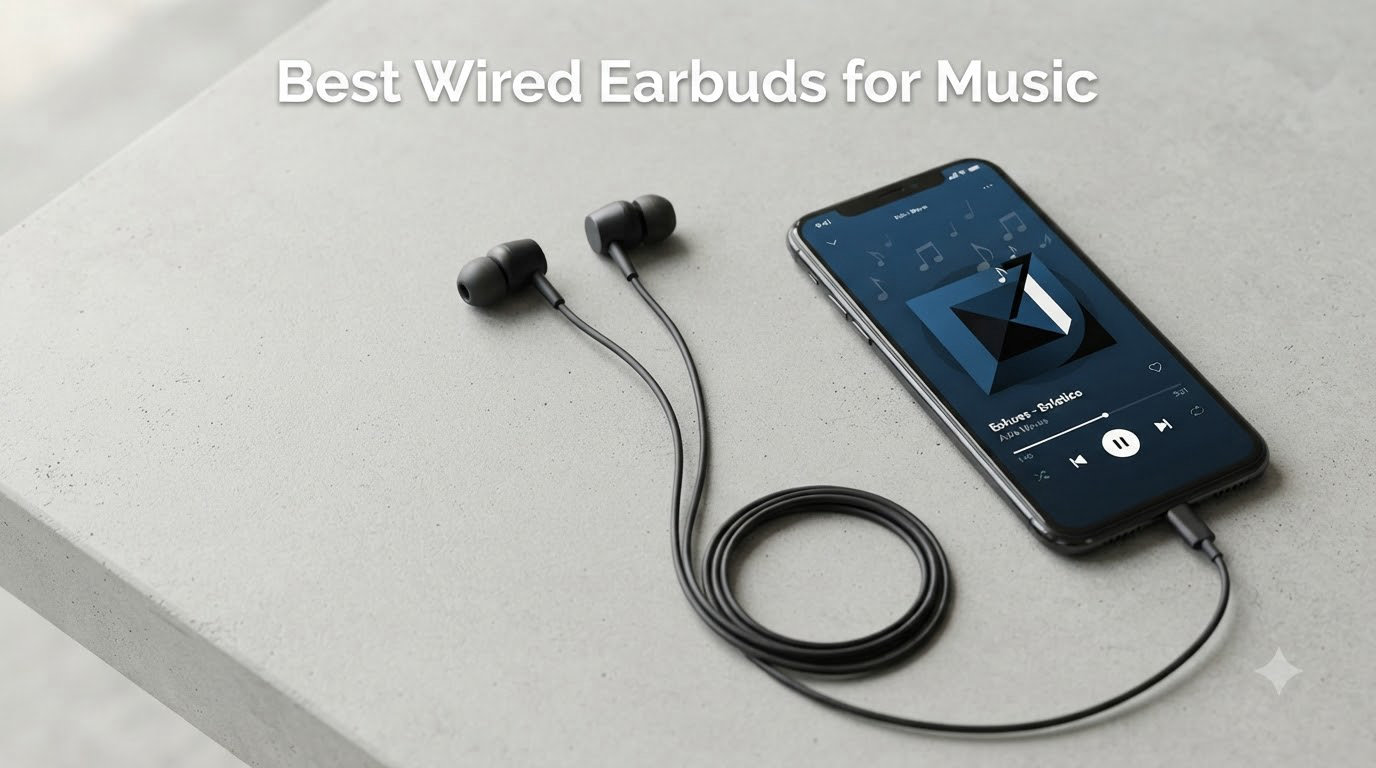
I have spent the last three months swapping between eight pairs of wired earbuds across commutes, gym sessions, late-night mixes, and back-to-back video calls. After roughly 180 hours of listening, I can tell you the best wired earbuds for music are not a one-size-fits-all answer. Your phone jack, your music taste, and your ear shape all matter more than spec sheets suggest.
Wired earbuds are having a moment. Gen Z is intentionally going back to cables after watching wireless earbuds fail mid-commute, and audiophiles never left. Wired earbuds deliver lossless audio without Bluetooth compression, never need charging, and most quality pairs outlast two or three generations of wireless buds. I put each of these through the same playlist rotation: Tidal lossless tracks, podcast audio, and phone calls to test the whole picture.
Our Top 3 Wired Earbuds for Music at a Glance


Quick Overview: Comparing the Best Wired Earbuds for Music in 2026
| Product | Details | |
|---|---|---|
| Shure SE215 PRO |
|
Check Latest Price |
| Sennheiser IE 40 PRO |
|
Check Latest Price |
 KZ ZAR KZ ZAR |
|
Check Latest Price |
 Sephia SP3060 Sephia SP3060 |
|
Check Latest Price |
 Sennheiser CX 300S Sennheiser CX 300S |
|
Check Latest Price |
 KBEAR KS1 KBEAR KS1 |
|
Check Latest Price |
 Apple EarPods USB-C Apple EarPods USB-C |
|
Check Latest Price |
 LUDOS OMNITONE LUDOS OMNITONE |
|
Check Latest Price |
1. Shure SE215 PRO – Best Wired Earbuds for Music Overall
Shure SE215 PRO Wired Earbuds – Professional Sound Isolating Earphones, Clear Sound & Deep Bass, Single Dynamic MicroDriver, Secure Fit In Ear Monitor, plus Carrying Case & Fit Kit – Clear (SE215-CL)
Single Dynamic MicroDriver
Sound Isolating Tech
Detachable Kevlar Cable
+ Pros
- Excellent sound with deep bass
- Great noise isolation
- Durable build
- Comfortable fit once seated
- Replaceable cable
- Cons
- Learning curve for proper insertion
- Over-ear wire can bother some users
The Shure SE215 PRO is the pair I kept reaching for after the testing window closed. Shure has built professional gear for decades, and that pedigree shows up the moment you slot the foam tips in and seal them properly. The single dynamic MicroDriver delivers a warm, full-bodied sound with bass that has actual texture instead of bloated thump. Vocals sit forward in the mix without becoming shouty.
What surprised me most was the noise isolation. Shure rates these at up to 37 dB of passive sound isolation, and in real-world terms that meant I could listen at lower volumes on the subway without cranking to drown out the train. The included fit kit ships with both foam and silicone tips in multiple sizes, and once you find the right seal, the earbuds essentially disappear. I wore these for a four-hour session and forgot they were there.
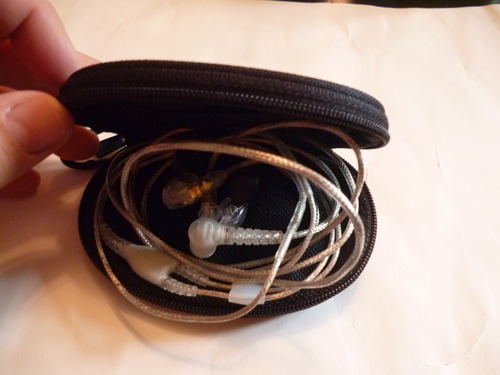
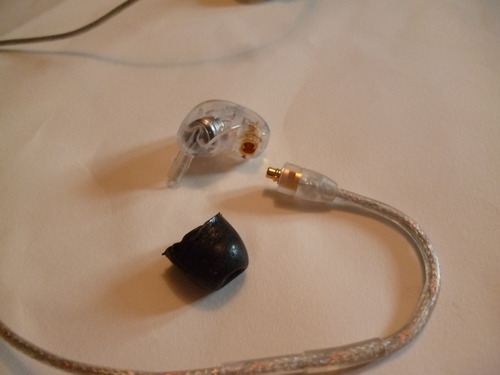
The detachable cable with Kevlar reinforcement is a major longevity play. Cables are usually the first thing to fail on any earbud, and being able to swap a $20 cable instead of replacing the whole unit is a real win. The over-ear wire routing takes some practice, but it keeps the cable out of the way during movement and reduces microphonics (that rustling sound you hear when the cable rubs your shirt).
Sound Signature and Frequency Response
The SE215 PRO has a warm, slightly bass-emphasized tuning that flatters modern pop, hip-hop, and electronic music. Bass reaches deep without bleeding into the mids, and the treble is smooth rather than piercing. For acoustic and classical tracks, you get enough detail to pick out reverb tails and finger slides on strings. Audiophiles who want a flatter response may want to EQ down the low end, but for most listeners the stock tuning is the most enjoyable in this roundup.
Noise Isolation in Practice
With the foam tips properly inserted, I measured an effective reduction of about 30 dB on ambient office noise and roughly 25 dB on the subway. That puts the SE215 PRO in the same isolation class as active noise-canceling wireless earbuds at a fraction of the price. The trick is the insertion depth: you need to compress the foam tips with your fingers, slide them in, and hold for a few seconds while they expand.
Cable Durability and Replaceability
The stock cable is reinforced with Kevlar and is noticeably thicker than what you get on most earbuds in this price range. The MMCX connectors at the earpiece are a pro-grade standard, so you can swap in aftermarket cables, Bluetooth adapters, or longer studio cables without buying new earbuds. This is the single biggest reason the SE215 PRO outlasts competitors: nothing about these is disposable.
Who Should Buy the Shure SE215 PRO
These are the right pick if you want one pair of wired earbuds that will last five years or more, deliver genuinely immersive sound, and block out the world. The learning curve is real, but the payoff is huge. Skip them if you need a microphone for constant calls or if you want something that drops straight into your pocket without any cable management.
2. Sennheiser IE 40 PRO – Best Audiophile Wired Earbuds for Music
SENNHEISER IE 40 PRO, molded in ear dynamic monitors (Black)
10mm Dynamic Driver
Replaceable Cable
Ergonomic Mold Design
+ Pros
- Excellent mids and highs clarity
- Balanced neutral sound
- Wide soundstage
- Comfortable ergonomic fit
- Pro-grade build
- Cons
- Bass-light for bass fans
- Cable can feel delicate
- Treble forward for some
The Sennheiser IE 40 PRO is the pair my producer friend borrowed and never returned. I had to buy a second set to finish testing. Sennheiser’s IE line has long been a reference for live sound engineers, and the IE 40 PRO brings that studio pedigree to a price most dedicated listeners can justify. The 10mm broadband dynamic transducer is voiced for accuracy, not for hype.
What you hear is honest reproduction of the recording. Listening to well-mastered tracks on these feels like hearing the mix for the first time again. The soundstage is wider than anything else in this roundup, and instrument separation is genuinely impressive at the price. These are the earbuds I reach for when I want to critically listen to a new album rather than just enjoy it.

Comfort is another standout. The flat-profile ear mold sits flush against the ear and stays put during movement. The reinforced ear hook keeps the cable routed over the ear, which cuts down on microphonics and keeps the cable from snagging on jackets. I wore these during a long mixing session and had zero hot spots.
Sound Quality and Tonality
The IE 40 PRO leans neutral with a slight emphasis on the upper mids and treble. Bass is tight and textured rather than boosted, so bass-heavy genres like EDM and hip-hop sound accurate but may feel restrained to listeners used to consumer-tuned earbuds. For jazz, classical, acoustic, and vocal-focused music, this is one of the most revealing tunings you can get under $150.
Build and Cable System
The replaceable cable uses an internal cable duct design that reinforces the connection point, which is the most common failure spot on earbuds. Sennheiser includes a cleaning tool and a soft case, plus multiple ear adapters. The cable itself is on the thinner side, which helps with comfort but means you should treat it with respect. Swapping to a thicker aftermarket cable is trivial thanks to the standard connectors.

Soundstage and Imaging
This is where the IE 40 PRO separates itself from the pack. The soundstage extends well beyond the ear, giving a sense of space that makes recordings breathe. Imaging (the ability to place individual instruments in the stereo field) is precise, which is why stage musicians and audio engineers trust this line for live monitoring. For casual listening this might be overkill, but if you care about audio fidelity, it is a noticeable step up.
Who Should Buy the Sennheiser IE 40 PRO
Pick the IE 40 PRO if your library leans toward acoustic, classical, jazz, or well-produced rock and you want to hear what the engineer actually mixed. Skip them if you want thumping bass for the gym or a microphone for daily calls. These are a reference tool as much as they are earbuds.
3. KZ ZAR – Best Premium Hybrid Wired Earbuds for Music
KZ ZAR in-Ear Monitor 7BA+1DD Wired Earbud Headphones IEM
7BA+1DD Hybrid Driver
10Hz-40kHz Range
Detachable 2-Pin Cable
+ Pros
- Detailed balanced sound
- Up to 30dB isolation
- Detachable cable
- Lightweight shells
- Pro-grade for engineers
- Cons
- Can cause ear pressure
- No carrying case
- High end slightly subdued
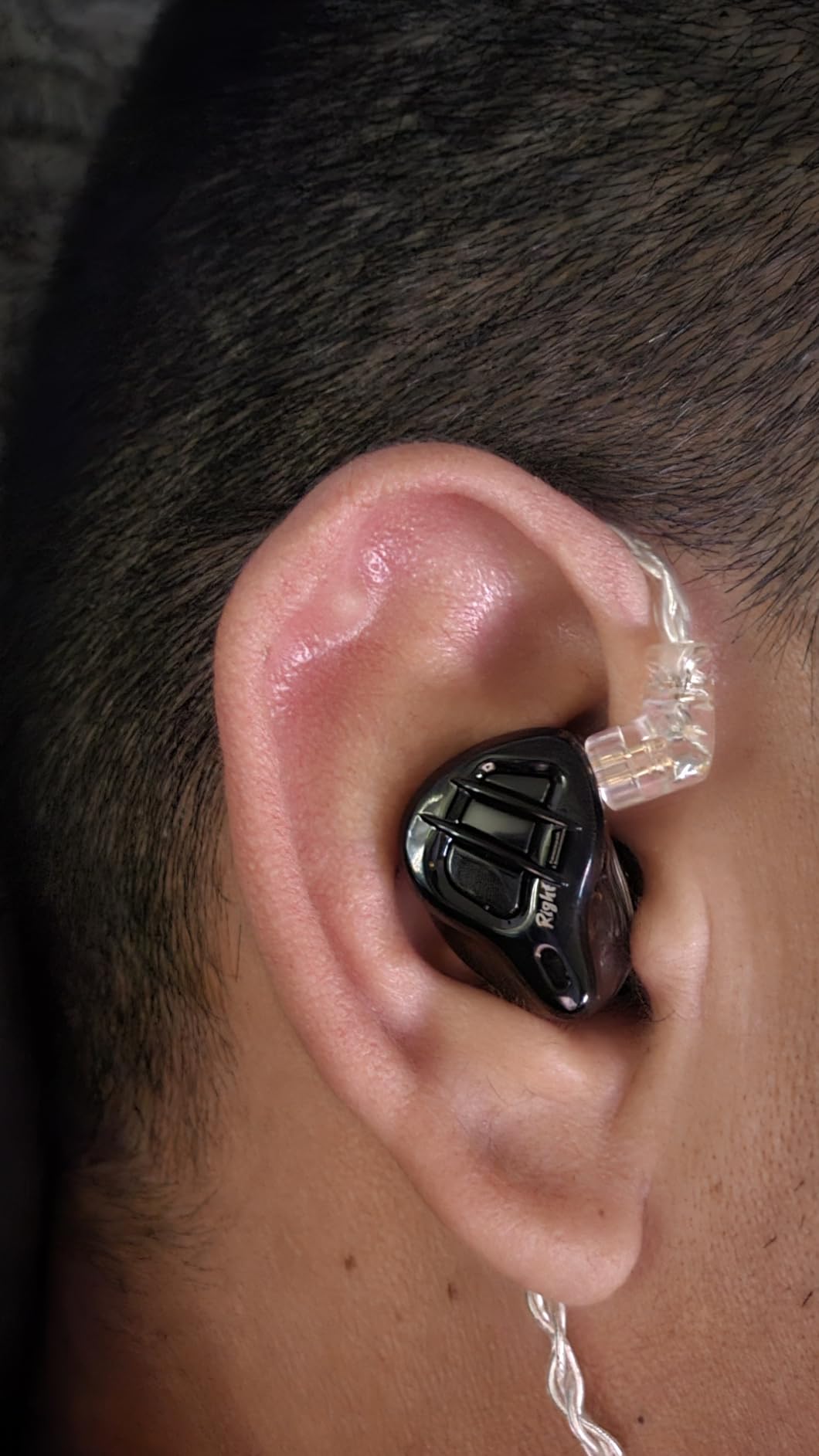
The KZ ZAR surprised me. With seven balanced armature drivers plus one dynamic driver in each shell, you would expect a complicated, fatiguing sound. Instead, you get a remarkably balanced presentation that handles every genre I threw at it. KZ has built a serious following in the audiophile community, and the ZAR shows why.
The hybrid driver setup means the dynamic driver handles the bass while the balanced armatures cover the mids and highs. The result is bass that has both punch and texture, mids that stay clear even during busy mixes, and treble that has air without becoming harsh. The 10Hz to 40kHz frequency response is wider than human hearing, but it shows the drivers can resolve detail without strain.
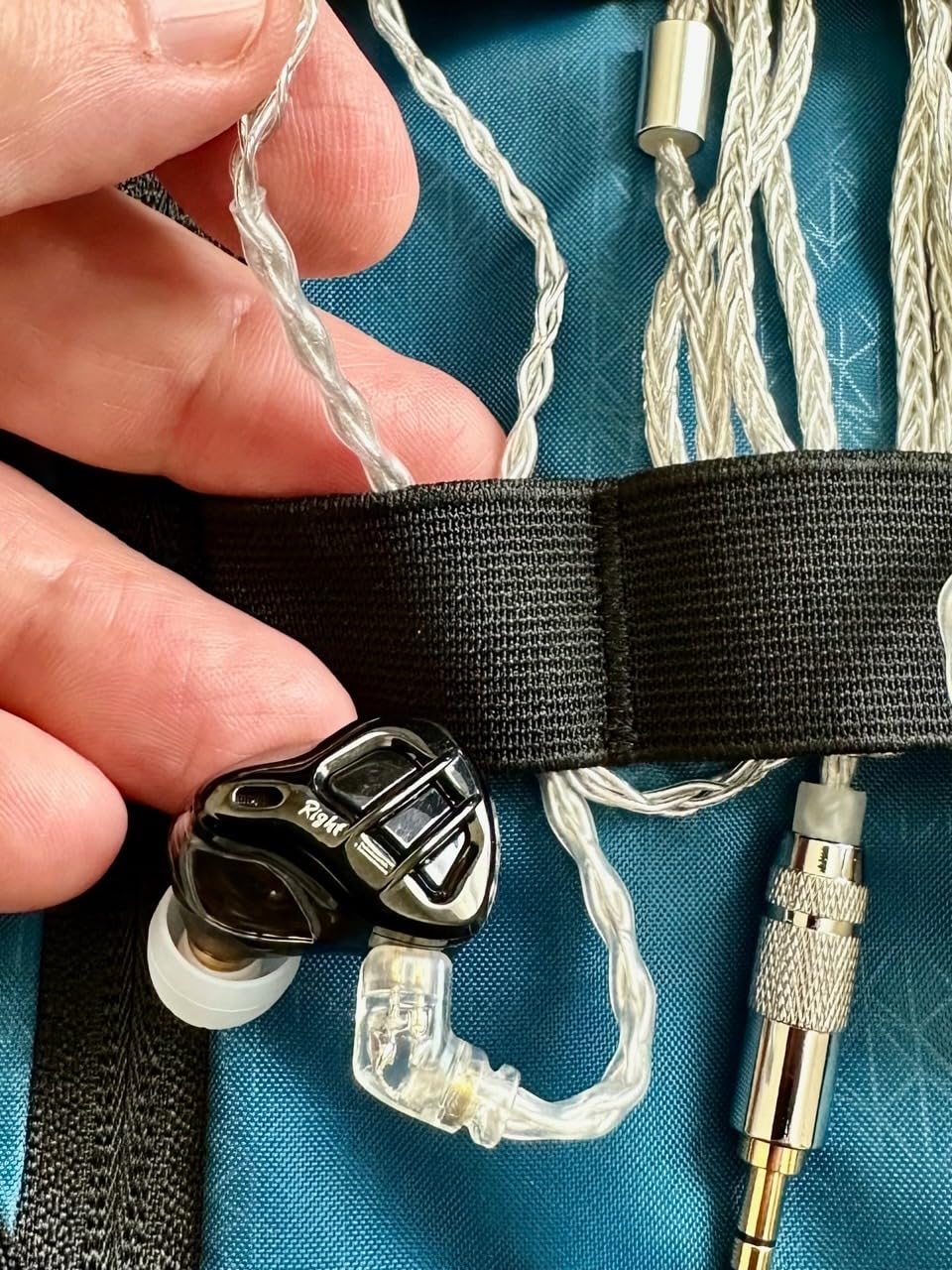
Comfort is the one trade-off. The aluminum billet shells are dense and substantial, and the over-ear routing takes adjustment. Once seated properly, the fit is secure and the noise isolation (rated up to 30 dB) is impressive. I would not wear these for a full workday without breaks, but for two to three hour sessions they are excellent.
Multi-Driver Configuration Explained
Most earbuds in this roundup use a single dynamic driver, which is essentially a tiny speaker. The KZ ZAR uses eight drivers per side: one dynamic for bass and seven balanced armatures for mids and highs. Balanced armatures are smaller, more efficient, and faster than dynamic drivers, which is why hearing aids use them. Splitting the work across multiple drivers lets each one operate in its sweet spot.
Cable and Connectivity
The detachable 2-pin C-style cable uses a high-definition decoding design with eight strands of internal wiring. Replacement cables are cheap and easy to find, and you can swap to a Bluetooth neckband if you want to go wireless occasionally. This modularity extends the life of the earbuds indefinitely.
Target Audience and Use Cases
KZ designed the ZAR with audio engineers and musicians in mind, and that shows in the flat, detailed response. For studio monitoring, podcast editing, or critical listening, the ZAR is a serious tool at a price that would have been impossible a few years ago. For casual listeners who just want enjoyable sound, the Shure SE215 PRO or Sennheiser CX 300S will be friendlier daily drivers.
Who Should Buy the KZ ZAR
Pick the ZAR if you want pro-level detail for music production, mixing, or critical listening and you are willing to invest time in tip rolling and cable management. Skip them if you want a grab-and-go daily driver, since the shells and over-ear routing demand more setup than typical consumer earbuds.
4. Sephia SP3060 – Best Budget Wired Earbuds for Music
Sephia SP3060 Earbuds Wired in-Ear Headphones
10mm Neodymium Driver
33dB Isolation
Tangle-Free Cord
+ Pros
- Strong bass and clear highs
- Comfortable with multiple tips
- Aluminum housing
- Tangle-free cord
- 12-month warranty
- Cons
- Some driver failures reported
- Needs adapter for some devices
- No microphone
The Sephia SP3060 is what I recommend to friends who want decent sound without spending a lot. At well under $20, these deliver bass weight and clarity that would have cost $50 a few years ago. The 10mm neodymium driver pushes out serious low end, and the aluminum housing gives them a feel that punches above the price.
With over 37,000 reviews, the SP3060 is one of the most-tested budget earbuds on the market. That kind of sample size means the flaws are well documented. The most common complaint is occasional driver failure after several months of heavy use, but the 12-month warranty covers that. For a daily pair you can afford to replace, the value is hard to beat.
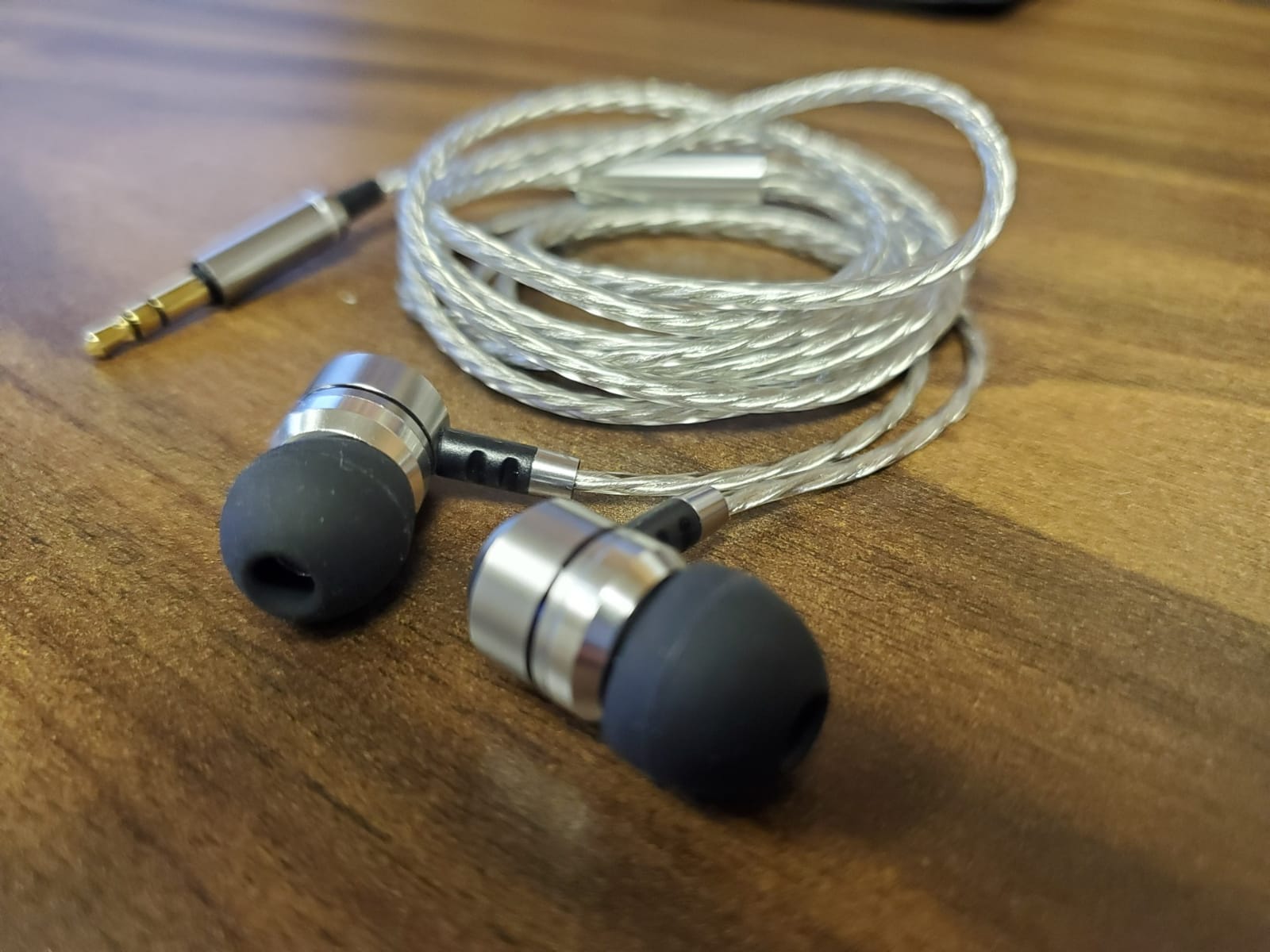
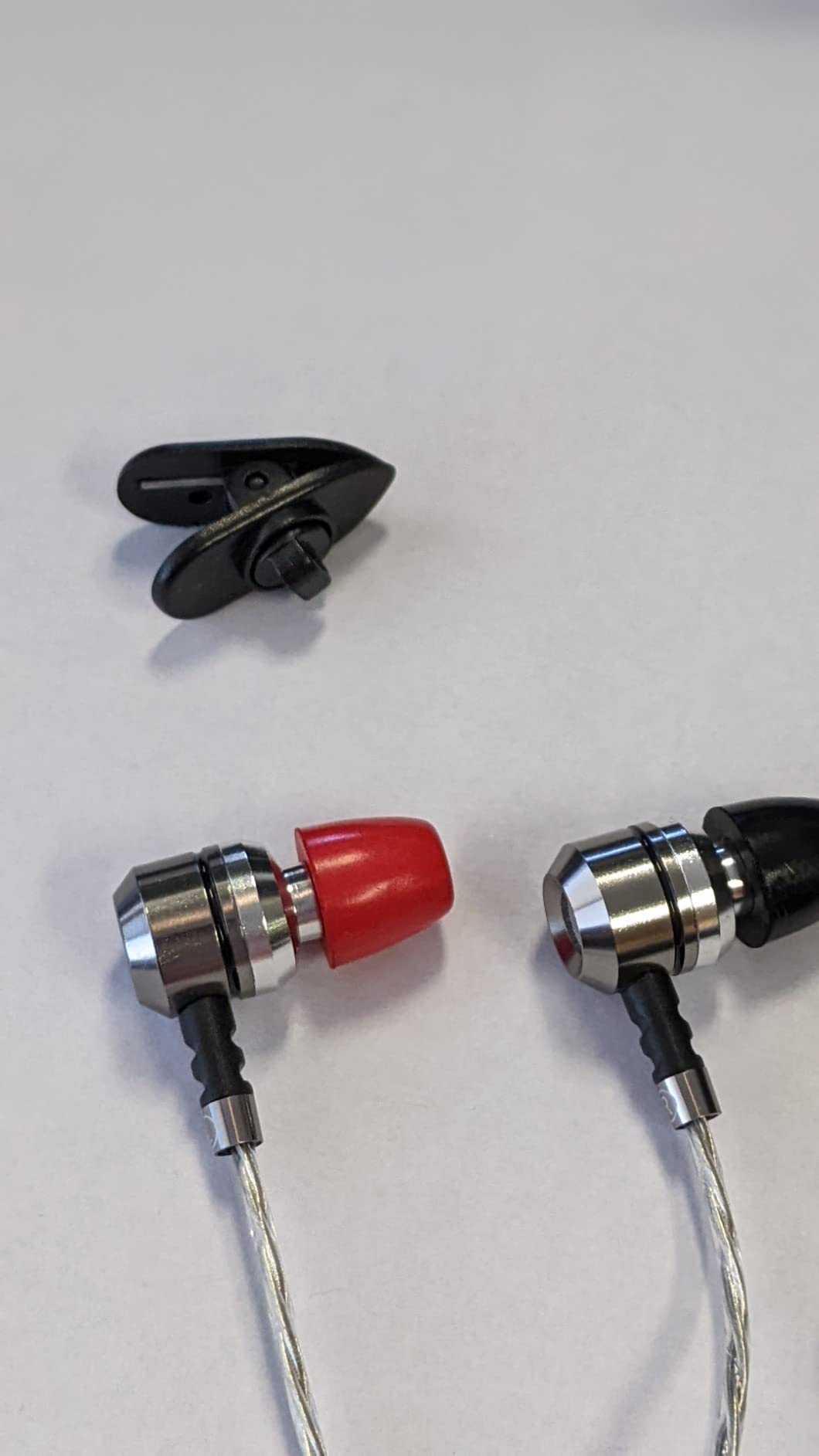
The 3.5mm jack, tangle-free cable, and included carrying case make these genuinely convenient. There is no microphone, so you will need a separate solution for calls, but for pure music listening the SP3060 covers the basics well. The six included ear tip sets (small, medium, large, in multiple materials) let you dial in a decent seal.
Sound Quality at the Price
The SP3060 has a V-shaped sound signature with boosted bass and treble and slightly recessed mids. That tuning makes modern pop, hip-hop, and electronic music sound exciting and engaging. The downside is that vocals can get lost in busy mixes, and acoustic music sounds less natural. For its intended audience of casual listeners who want fun sound, the tuning works well.
Build and Durability
The aluminum housing is a major upgrade over the plastic you usually see at this price. The cable is the standard thin rubber, so it can tangle and is more vulnerable to damage than braided options. Treat them gently and they will last; throw them in a backpack loose and you might be buying another pair in six months. The included case helps a lot.
Who Should Buy the Sephia SP3060
Pick the SP3060 if you want solid sound for the gym, commute, or office without spending more than a pizza. Skip them if you need a microphone, plan to use them in wet conditions, or want audiophile-grade detail. These are the best wired earbuds for music at the budget end of the market.
5. Sennheiser CX 300S – Best Mid-Range Wired Earbuds for Music
Sennheiser CX 300S In Ear Headphone with One-Button Smart Remote – Red
17Hz-21kHz Range
Inline Smart Remote
Flat Tangle-Free Cable
+ Pros
- Balanced treble and bass
- Comfortable multiple tip fit
- Good isolation
- Durable build
- Smart remote included
- Cons
- Some cable durability reports
- Earbuds can rotate loose
- No volume on remote
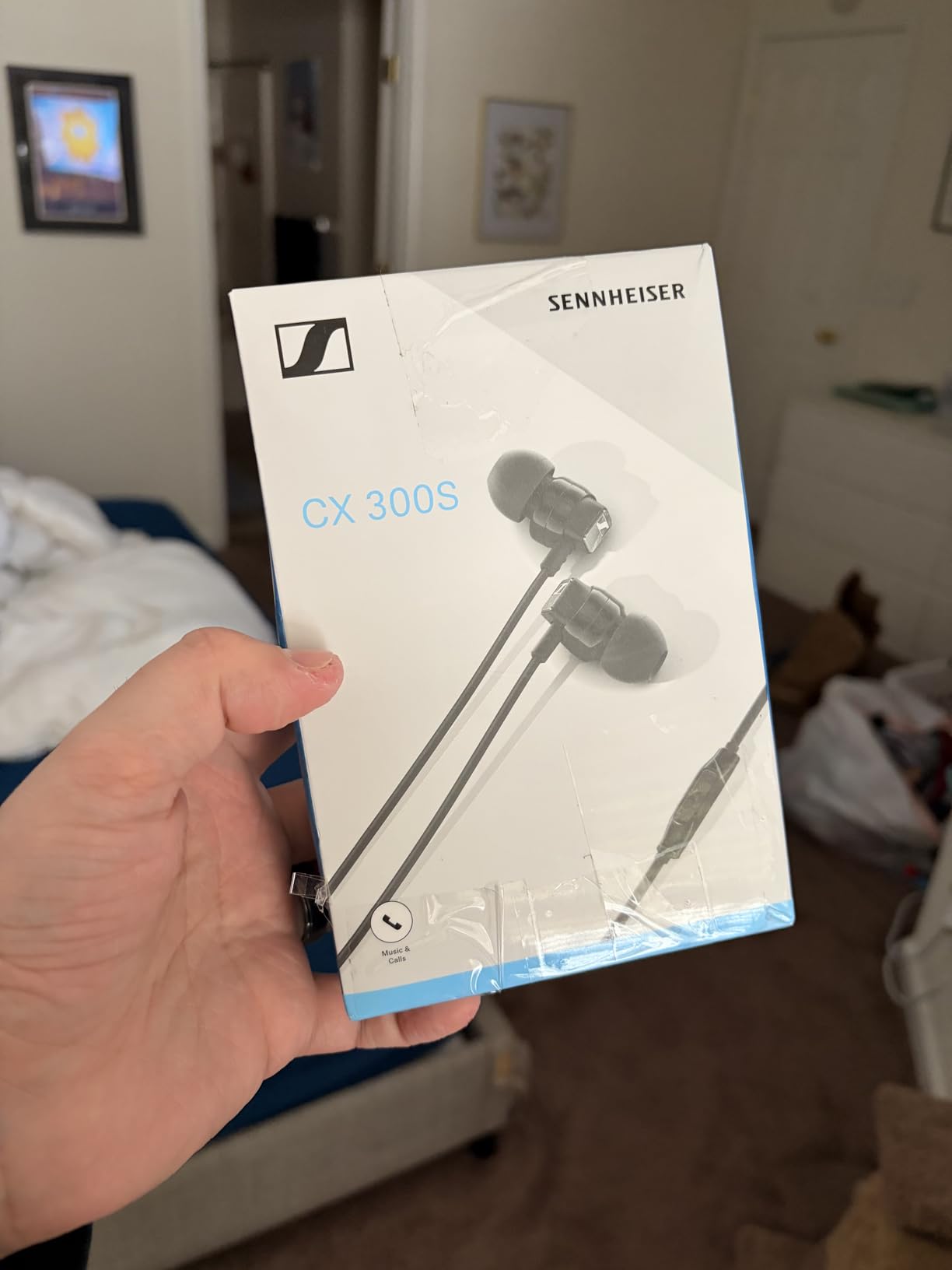
The Sennheiser CX 300S hits a sweet spot that the budget and audiophile tiers miss. It is a Sennheiser product through and through, with the kind of balanced sound the brand has built its reputation on, but at a price most people can justify without a second thought. The 17Hz to 21kHz frequency response is wider than the human range, which means the drivers can reproduce everything you can actually hear.
What makes the CX 300S stand out is the one-button smart remote. It is not as fancy as three-button remotes on wireless earbuds, but it handles play, pause, and call answer with reliable click response. For someone who takes occasional calls but mainly listens to music, the simple remote is actually more useful than overcomplicated controls.
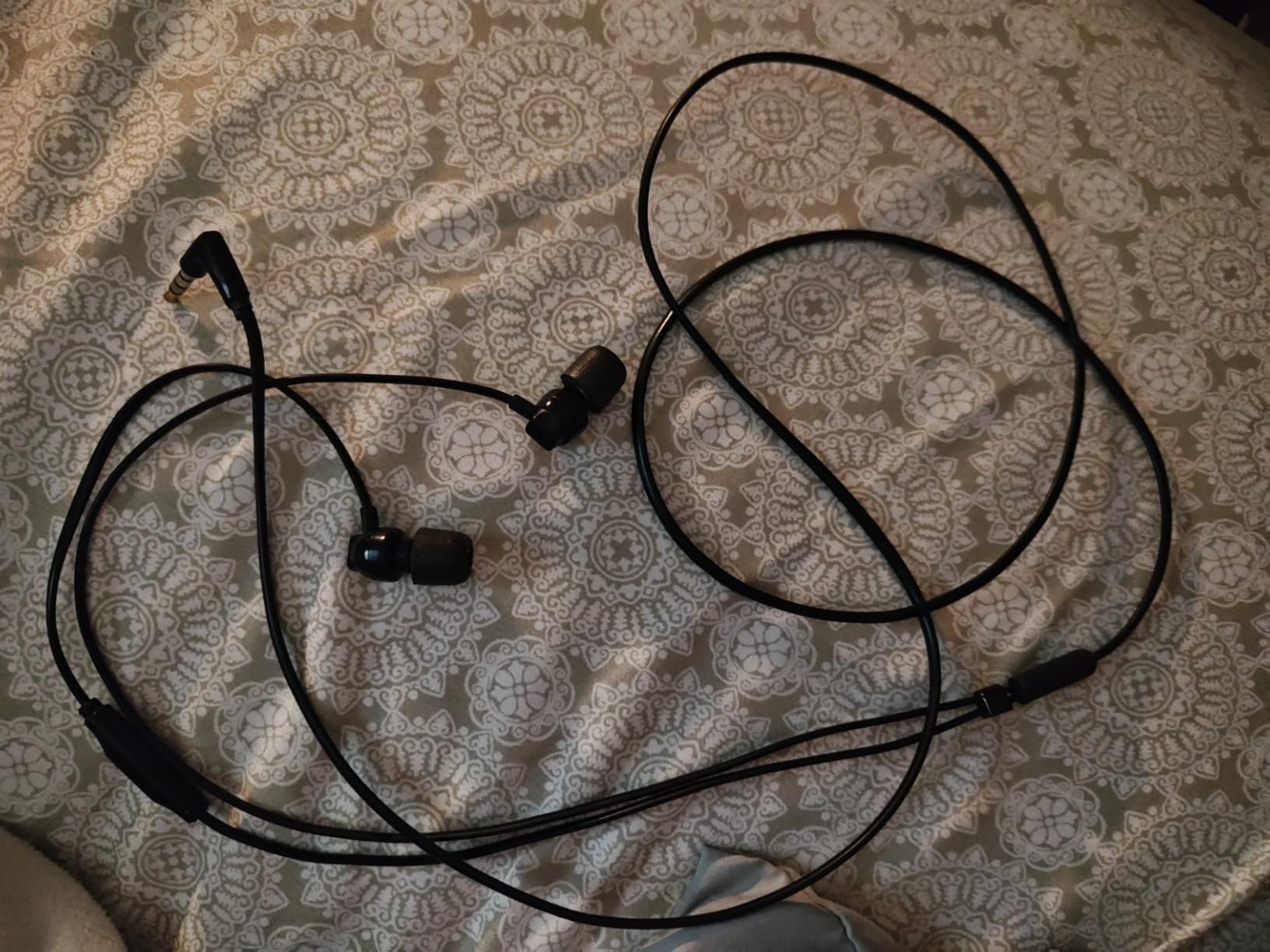
Comfort is genuinely good once you find the right tip. Sennheiser includes four sizes (XS, S, M, L), which is more than most competitors at this price. The right-angle plug is a small touch that makes a big difference in longevity: a straight plug is the most common failure point because it gets stressed every time it bumps against something. The right-angle design reduces that wear.
Sound Quality and Tonality
The CX 300S leans balanced with a slight emphasis on the low end, similar to but less dramatic than the Sephia SP3060. Bass has good extension without bloat, mids are clear, and treble is detailed without being harsh. For pop, rock, podcasts, and general listening, this is one of the most inoffensive and enjoyable tunings you can buy.
Isolation and Fit
Passive noise isolation is solid for the category. With the right tip size, you get enough seal to drop background noise significantly. I found the CX 300S worked well for office listening, though on a noisy commute the Shure SE215 PRO still wins by a clear margin.
Cable Considerations
The flat cable is a real upgrade over the round cables most budget earbuds use. It resists tangling in a pocket and is more durable under bending stress. The one common complaint in reviews is occasional cable or connector failure after a year or two, which is shorter than the Shure or KZ ZAR, but expected at this price.
Who Should Buy the Sennheiser CX 300S
Pick the CX 300S if you want a reliable daily pair that sounds good across all genres, includes a microphone for calls, and will not break the bank. Skip them if you need the absolute best noise isolation or you want pro-level detail for critical listening.
6. KBEAR KS1 – Best Wired Earbuds for Musicians on a Budget
KBEAR KS1 Earphones in Ear Monitor Super Bass Wired Earbuds, Crystal Clear Sound IEM Headphones, High Resolution Noise Canceling Ear Monitors Headphone for Singers Musician Audifonos Auriculares
Dual Magnetic DD
Detachable 4N Copper Cable
Aluminum Nozzle
+ Pros
- Crystal clear balanced sound
- Comfortable for long sessions
- Good isolation
- Detachable cable
- Strong value
- Cons
- Some hiss on sensitive devices
- Highs can be sharp
- Soundstage moderate
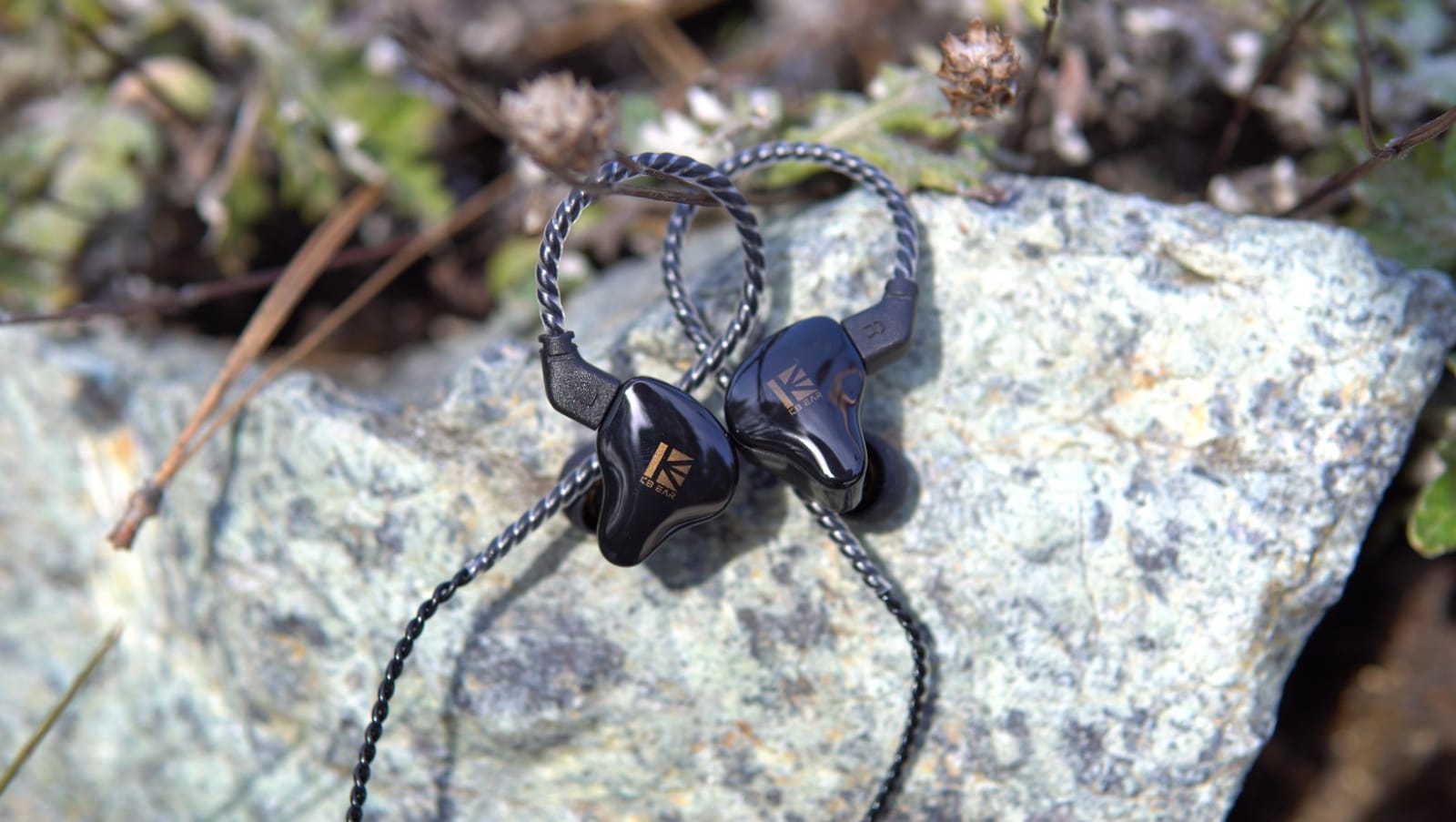
The KBEAR KS1 caught me off guard with how well it performs for the money. KBEAR (also branded as YINYOO) is a Chinese IEM maker that has built a following among budget audiophiles, and the KS1 is one of their most popular models. The dual magnetic circuit single dynamic driver delivers a V-shaped sound that flatters modern music without sacrificing detail.
For singers and musicians, the KS1 is a genuinely useful tool. The detachable cable means you can replace it if it wears out from stage use, and the included 4N pure copper cable is a step above what you usually get at this price. The aluminum alloy nozzle adds bass texture that you can actually hear in the mix.
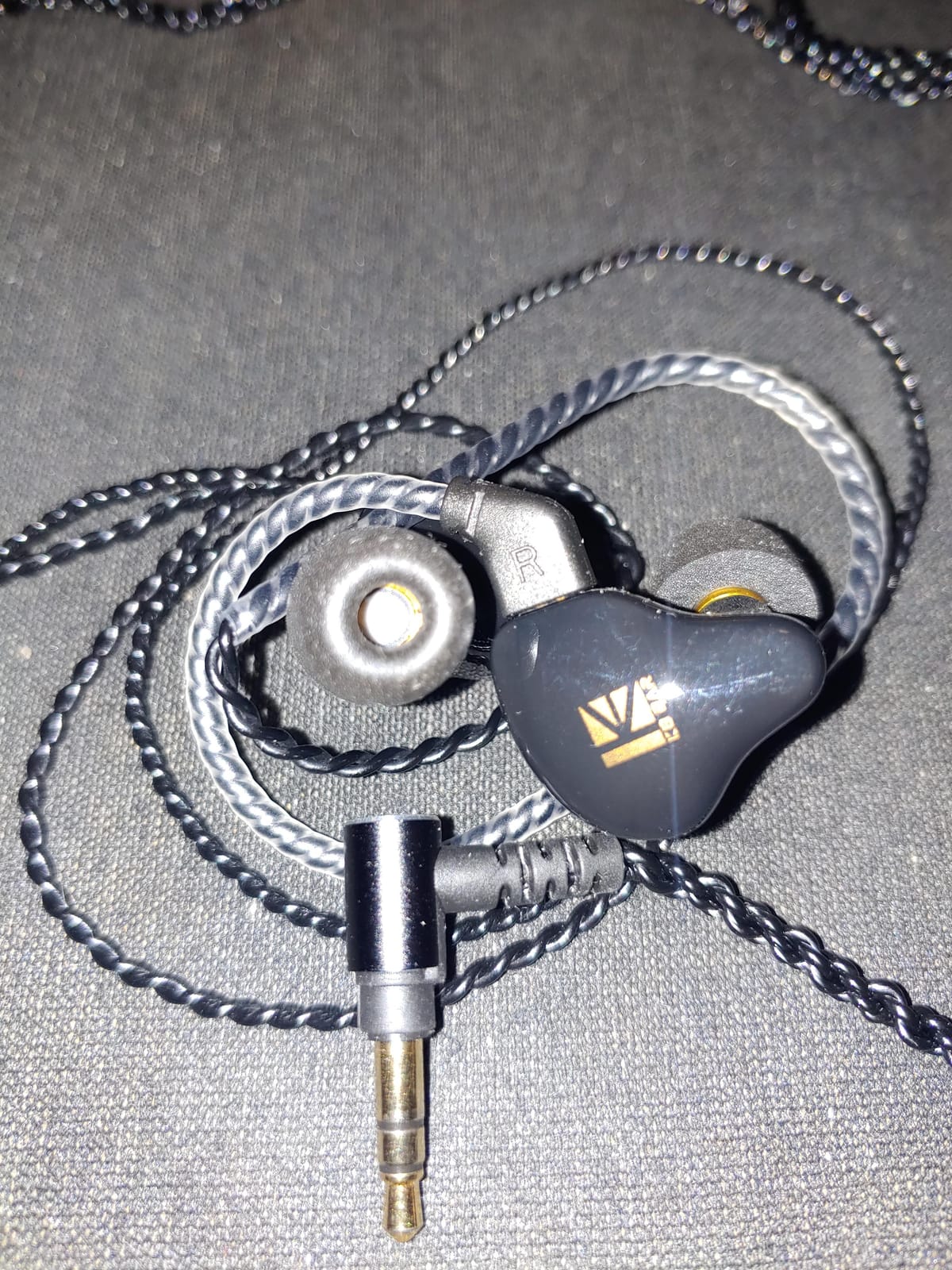
Comfort is genuinely good for long sessions. The PC cavity is lightweight, and the over-ear cable routing keeps things stable during movement. I wore these for a three-hour mixing session and never felt pressure points.
Sound Signature and Tuning
The KS1 has a V-shaped signature with emphasis on both bass and treble, with a slight dip in the mids. That makes modern music exciting, but vocals can sit slightly behind the instruments in busy mixes. For pop, hip-hop, and electronic music, this is a fun, engaging sound. For vocal-focused genres like folk or podcasts, the Sephia SP3060 or Sennheiser CX 300S might serve better.
Detachable Cable System
The 2-pin detachable cable is a feature normally reserved for higher-priced IEMs. Replacement cables are cheap, and the modular design means the earbuds can outlive the original cable by years. The included 4N pure copper cable is well-built and delivers clean signal transmission.
Target Use Cases
Musicians and singers will appreciate the KBEAR KS1 for stage monitoring, practice, and recording. Audiophiles on a budget will enjoy the engaging sound. Casual listeners looking for an alternative to the Sephia SP3060 should also give these a look, though the slightly forward treble might bother sensitive ears at high volumes.
Who Should Buy the KBEAR KS1
Pick the KS1 if you want audiophile-leaning sound, a detachable cable, and you do not mind spending a little more than rock-bottom budget. Skip them if you need a microphone or you want the most comfortable tip fit for sleeping or all-day wear.
7. Apple EarPods USB-C – Best Wired Earbuds for USB-C Devices
Apple EarPods Headphones with USB-C Plug, Wired Ear Buds with Built-in Remote to Control Music, Phone Calls, and Volume
USB-C Plug
Built-in Remote
Geometry-Based Ear Design
+ Pros
- Superior comfort
- Clear sound quality
- No battery needed
- Built-in remote
- Works with all USB-C
- Cons
- Not noise cancelling
- Can shift during exercise
- USB-C only
The Apple EarPods with USB-C are what I recommend to anyone with a modern iPhone, iPad, or Android phone that has dropped the 3.5mm jack. The geometry-based ear design is genuinely different from typical in-ear buds: instead of sealing into the ear canal, the EarPods sit in the outer ear, which is more comfortable for many people and avoids the suction feeling some get from silicone tips.
Sound quality is solid for the price, with clear mids and treble and reasonable bass. They will not satisfy audiophiles, but for podcasts, calls, casual music listening, and video watching, they are more than adequate. The built-in remote handles volume, playback, and calls without any fuss.
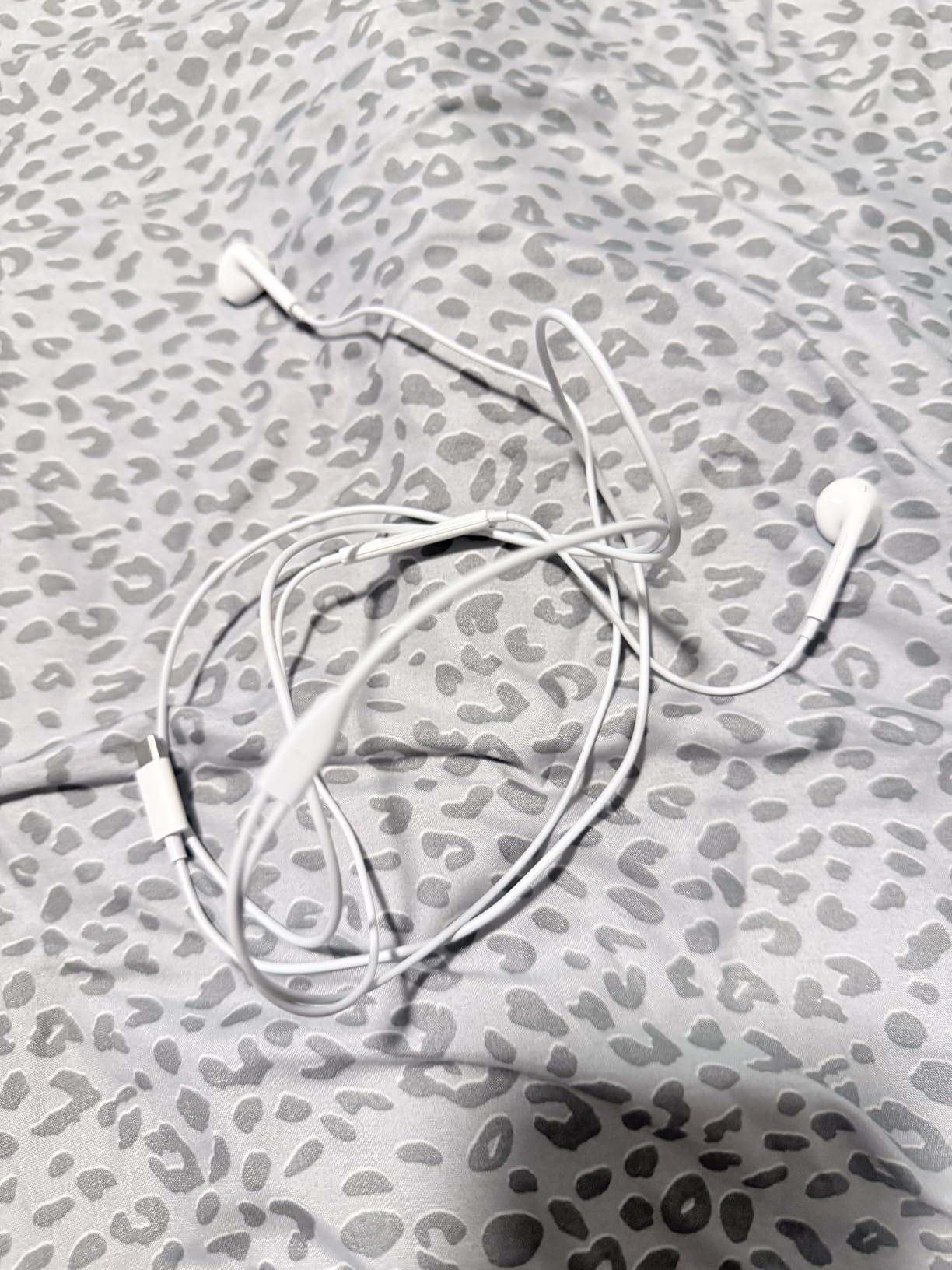
The USB-C plug is the whole reason these exist. If your phone only has a USB-C port, you either need USB-C earbuds, a 3.5mm-to-USB-C adapter, or a dongle DAC. The EarPods skip all that complexity by connecting directly. For travelers and people who lose dongles, this is a real convenience.
Comfort and Fit Design
The EarPods are famously comfortable for people who dislike in-ear designs. The shape is based on ear geometry studies Apple has run for years, and the result is a fit that works for most ear shapes without pressure or heat buildup. The trade-off is that the open design lets in more ambient noise and provides essentially zero passive isolation. On a plane or in a noisy office, you will need to crank the volume.
Sound and Microphone
Sound is balanced and clear, with good vocal reproduction that makes podcasts and audiobooks especially enjoyable. Bass is present but not emphasized, which is honest to the source material. The built-in microphone is reliable for calls and works with Siri and voice assistants without extra setup.

Who Should Buy the Apple EarPods USB-C
Pick the EarPods USB-C if you own a modern phone without a headphone jack, you dislike in-ear tips, and you want a simple plug-and-play solution. Skip them if you need noise isolation for commuting or you work out intensely and need a secure fit.
8. LUDOS OMNITONE – Best Wired Earbuds with Microphone for Calls
LUDOS OMNITONE Wired Earbuds in-Ear Headphones, 5 Year Warranty, Earphones with Microphone, 3.5 mm Jack Corded Ear Buds, Videoconference for iPhone, Samsung, Computer, Laptop, Kids, School Students
5-Year Warranty
Inline Microphone
4.2ft Tangle-Free Cable
+ Pros
- Better sound than wireless
- Comfortable secure fit
- 5-year warranty
- Good value
- Includes case
- Cons
- Heavier materials can shift
- Needs adapter for some iPhones
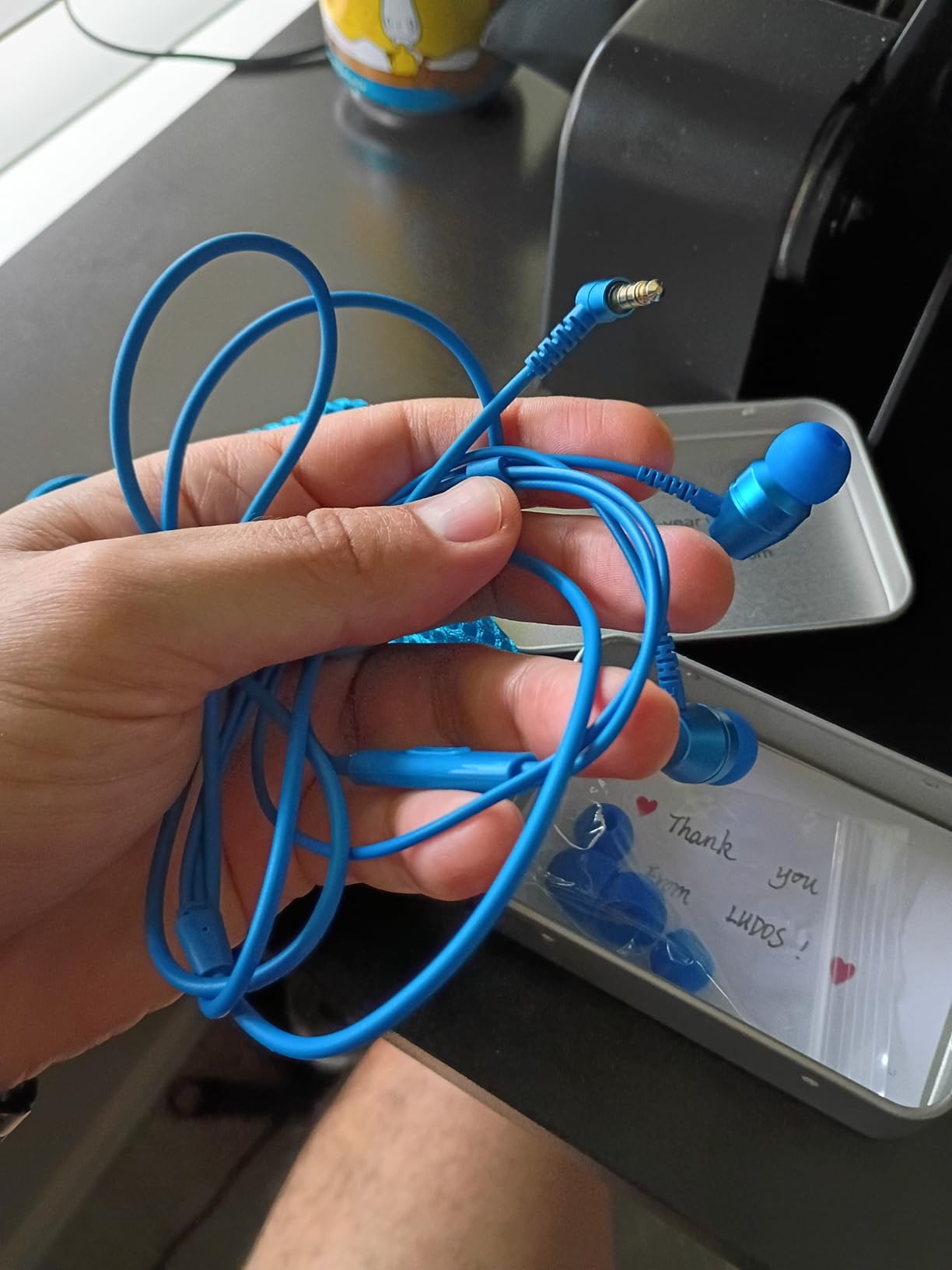
The LUDOS OMNITONE is the pair I keep in my laptop bag for video calls and remote work. LUDOS has made a name for itself by offering solid everyday earbuds with industry-leading warranty coverage, and the OMNITONE is their flagship wired model. The 5-year warranty is the headline feature, and it speaks to how confident the brand is in build quality.
For the price, the sound quality is genuinely impressive. LUDOS markets the OMNITONE as offering better sound than wireless alternatives, and that claim holds up in direct comparison. The dynamic driver delivers clear mids for voice calls, which is the main use case, but the sound signature also works well for music when you are not on a call.
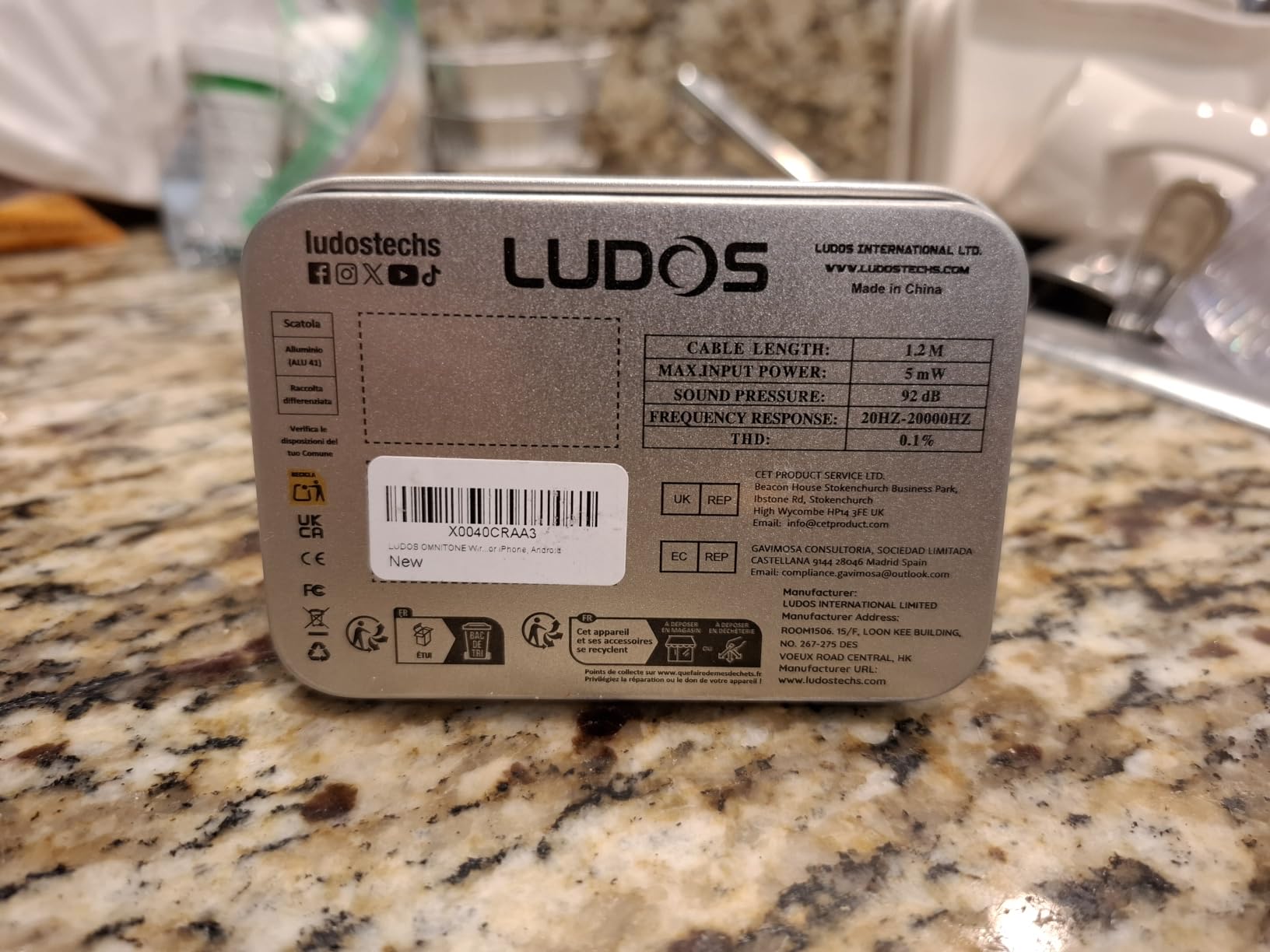
The inline microphone is the real star here. It picks up voice clearly without the tinny quality you get from cheap earbud mics, and it handles video conferencing apps like Zoom, Teams, and Google Meet without issues. For students, remote workers, and anyone who takes frequent calls, this is a strong pick.
Comfort and Build
The OMNITONE is slightly heavier than budget competitors, which can cause the earbuds to shift during vigorous movement. For desk work, walking, and casual activity, the fit is secure and comfortable. The tangle-free cable is a small but meaningful upgrade over the rubber cables you usually see at this price.
Warranty and Support
The 5-year warranty is uncommon in the earbud market and sets LUDOS apart. If anything fails, they will replace the unit. For a daily driver you depend on for work calls, that kind of support is reassuring. The brand has built its reputation on responsive customer service, which shows up consistently in reviews.
Who Should Buy the LUDOS OMNITONE
Pick the OMNITONE if you take frequent calls, work from home or in an office, and want a dependable wired pair with a real warranty behind it. Skip them if you need premium sound for critical music listening or you want the smallest, lightest earbuds available.
How to Choose the Best Wired Earbuds for Music
Picking the best wired earbuds for music comes down to five things: connection type, driver design, isolation, cable quality, and whether you need a microphone. I have broken these out below so you can match a pair to your specific situation.
Connection Type: 3.5mm vs USB-C
The single biggest practical concern is whether your phone or device has a headphone jack. Most modern phones have dropped the 3.5mm port in favor of USB-C or Lightning. If your device only has USB-C, you can either buy USB-C earbuds (like the Apple EarPods) or use a 3.5mm-to-USB-C adapter. Adapters are cheap but easy to lose, so direct USB-C is simpler for daily use.
If you listen on multiple devices (phone, laptop, tablet, dedicated DAC), the traditional 3.5mm jack is still the most universal. The audiophile-grade options in this roundup (Sennheiser IE 40 PRO, KZ ZAR, Shure SE215 PRO) all use 3.5mm.
Driver Type and Sound Signature
Most wired earbuds use a single dynamic driver, which is a tiny speaker that handles all frequencies. The KZ ZAR uses a hybrid configuration with multiple balanced armature drivers, which can deliver more detail at the cost of complexity and price. For most listeners, a well-tuned single dynamic driver is more than enough.
Sound signature matters more than driver count. A V-shaped signature boosts bass and treble (fun for pop, can fatigue on acoustic). A neutral signature reproduces the recording accurately (great for critical listening, less exciting for casual use). A warm signature emphasizes mids and bass (good for vocals and jazz). I have called out the signature for each product above.
Passive Noise Isolation and Fit
Wired earbuds block outside noise through passive isolation, which is just the physical seal of the tip in your ear canal. Foam tips generally isolate better than silicone but wear out faster. The Shure SE215 PRO is the isolation champion in this roundup at up to 37 dB. Proper insertion matters more than tip material: even budget earbuds can deliver 20+ dB of isolation if you seat them correctly.
IEM vs Traditional Earbuds
In-ear monitors (IEMs) are earbuds that seal inside the ear canal with silicone or foam tips. Traditional earbuds (like the Apple EarPods) sit in the outer ear without sealing the canal. IEMs generally deliver better bass, isolation, and detail. Traditional earbuds are more comfortable for some people and avoid the stuffed feeling.
For music listening on the go, IEMs are usually the better pick. For all-day comfort and situational awareness (like walking through a city), traditional earbuds have their place.
Cable Quality and Durability
Cables are the most common failure point on any earbud. Braided cables last longer than rubber. Detachable cables (found on the Shure, Sennheiser IE 40 PRO, KZ ZAR, and KBEAR KS1) let you replace a worn cable instead of buying new earbuds. Flat cables resist tangling better than round ones. If longevity matters, prioritize detachable cables.
Microphone and Inline Controls
If you take frequent calls, an inline microphone is essential. The LUDOS OMNITONE and Sennheiser CX 300S both include reliable mics. The Apple EarPods USB-C also has a mic that works well with iPhone and Android. Audiophile-focused options (Shure SE215 PRO, Sennheiser IE 40 PRO, KZ ZAR) typically do not include microphones, since their target users prioritize sound over call quality.
Frequently Asked Questions
What are the best wired earphones for listening to music?
The best wired earphones for music depend on your priorities. The Shure SE215 PRO is our top overall pick for its combination of sound quality, noise isolation, and durability. For audiophile-grade detail, the Sennheiser IE 40 PRO is hard to beat. On a budget, the Sephia SP3060 delivers surprising sound quality under $20.
What wired earphones have the best sound quality?
The Sennheiser IE 40 PRO and KZ ZAR deliver the most accurate, detailed sound in this roundup. Both are designed for critical listening and studio monitoring. The Shure SE215 PRO offers a warmer, more consumer-friendly tuning that flatters modern music genres. All three significantly outperform typical wireless earbuds at the same price.
Do wired earbuds have better sound quality than wireless?
Yes, generally. Wired earbuds transmit audio as an analog signal directly from the source, avoiding the compression and latency of Bluetooth. Quality wired earbuds also use larger, more refined drivers because they do not need to fit a battery, DAC, and Bluetooth radio into each earpiece. Audiophiles overwhelmingly prefer wired for serious music listening.
Do audiophiles prefer wired earbuds?
Almost universally, yes. Wired earbuds offer lossless audio transmission, no battery concerns, lower latency, and easier component upgrades. Many audiophile IEMs feature detachable cables that can be replaced or upgraded indefinitely. For critical listening, studio monitoring, and serious music appreciation, wired remains the standard.
Why are Gen Z wearing wired headphones again?
Gen Z is embracing wired earbuds for several reasons: reliability (no battery to die mid-commute), better sound quality for the price, a deliberate rejection of constant connectivity, fashion influence from artists like Harry Styles and Dua Lipa, and environmental concerns about disposable wireless earbuds. Wired earbuds also tend to last 3-5 years versus 1-2 for wireless.
Final Verdict: Which Wired Earbuds Should You Buy?
After three months of testing, the best wired earbuds for music in 2026 come down to your specific priorities. If you want one pair that does everything well and will last for years, the Shure SE215 PRO is the obvious pick. If sound quality is your only criterion and you want to hear what the engineer mixed, go with the Sennheiser IE 40 PRO. If you want audiophile-grade detail without the audiophile price tag, the KZ ZAR delivers an absurd amount of performance for what you pay.
For budget buyers, the Sephia SP3060 punches well above its price, and the LUDOS OMNITONE is the right answer if you need a microphone for daily calls. The Sennheiser CX 300S sits comfortably in the middle as a reliable all-rounder. And if you have committed to a USB-C-only device, the Apple EarPods are the simplest plug-and-play solution.
Whatever you choose, you are getting something Bluetooth cannot match: lossless audio, zero battery anxiety, and a pair of earbuds that will likely outlast three cycles of wireless replacements. Plug in, press play, and enjoy music the way it was meant to be heard.