
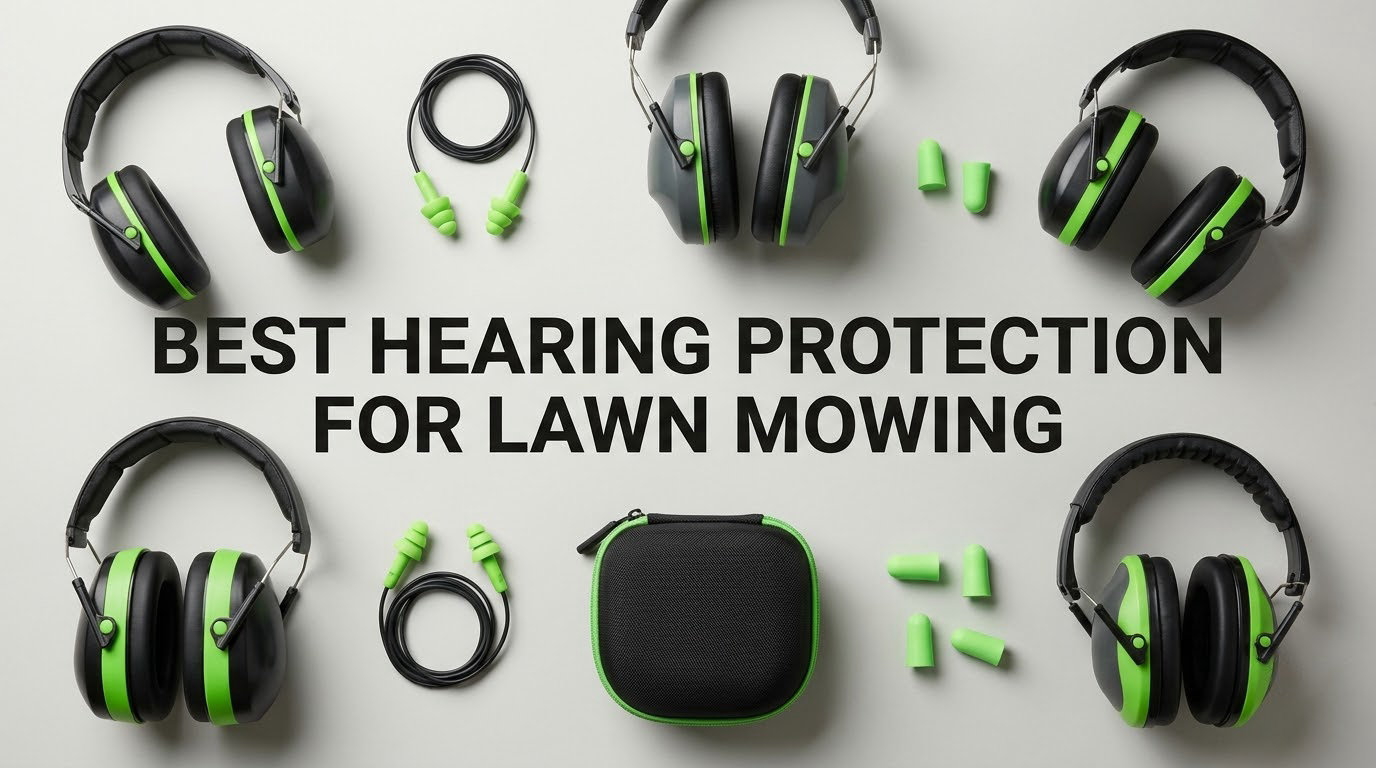
Finding the best hearing protection for lawn mowing comes down to one number: a gas push mower puts out roughly 90 to 100 dB at the operator’s ear, and OSHA’s legal exposure limit is 85 dB for eight hours. That means a single hour of mowing in July uses up an entire day’s permitted noise budget. The damage is silent and cumulative, and tinnitus that starts after a few seasons never fully switches off.
Our team spends a lot of time in this category. We have compared muffs and plugs across gas push mowers, riding mowers, string trimmers and leaf blowers, and we read what actual buyers report after a full season of wear rather than a five-minute unboxing. The picks below came from ten products with thousands of verified reviews, and the ranking reflects the factor that decides whether protection actually gets worn: comfort through a hot afternoon.
We also did not use a dosimeter. The decibel figures quoted here come from published sound-level testing and safety guidance, and every NRR and SNR number is copied from the manufacturer’s own listing. Where a spec is contested by buyers, we say so.
One thing worth stating up front. Active noise-cancelling headphones are not hearing protection, and no competitor page in this category will tell you that clearly enough, so we cover it in its own section below.
Our Top 3 Lawn Mowing Protectors for 2026
The three picks below cover the most common situations: a slim electronic muff you can wear under a cap, a Bluetooth muff for people who refuse to mow in silence, and the highest passive attenuation available in this group.

Walker’s Razor Slim Electronic Muff
- Ultra low-profile extra slim ear cups
- Two hi-gain microphones amplify safe sounds
- Rugged rubberized coating and metal wire frame

3M WorkTunes
- 26 dB Noise Reduction Rating
- 40+ hours rechargeable battery via USB-C
- Automatic safe volume control limiter
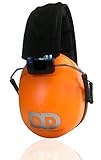
DECIBEL DEFENSE 37 dB NRR Ear Muffs
- 37 dB NRR passive protection
- ANSI S3.19 and CE EN 352-1 certified
- Regular and XL sizes
- 12 oz foldable design
How 10 Hearing Protectors Compare for Lawn Mowing
Every product below appears in this table with its certification rating and the single feature that matters most for mowing. Scan the NRR or SNR column first, then the type, then the trade-off.
| Product | Details | |
|---|---|---|
| Walker’s Razor Slim Electronic Muff |
|
Check Latest Price |
 Mack’s Ultra Soft Foam Earplugs 50 Pair Mack’s Ultra Soft Foam Earplugs 50 Pair |
|
Check Latest Price |
 Flents Protechs Quiet Contour Foam Earplugs Flents Protechs Quiet Contour Foam Earplugs |
|
Check Latest Price |
| 3M WorkTunes |
|
Check Latest Price |
 Dr.meter Noise Cancelling Headphones Dr.meter Noise Cancelling Headphones |
|
Check Latest Price |
| DECIBEL DEFENSE 37 dB NRR Ear Muffs |
|
Check Latest Price |
 PROHEAR 037 Bluetooth Hearing Protection PROHEAR 037 Bluetooth Hearing Protection |
|
Check Latest Price |
 3M PELTOR Optime 105 Earmuffs 3M PELTOR Optime 105 Earmuffs |
|
Check Latest Price |
 3M Pro-Grade Earmuff 3M Pro-Grade Earmuff |
|
Check Latest Price |
 Husqvarna Professional Headband Protectors Husqvarna Professional Headband Protectors |
|
Check Latest Price |
How Many Decibels Is Lawn Mowing?
A typical gas push mower measures 90 to 100 dB(A) at the operator’s ear, and riding and zero-turn mowers run at the loud end of that range or above. OSHA’s permissible exposure limit is 85 dB averaged over eight hours, and roughly 90 dB counts as noise dose for 4 hours. One hour of gas mowing therefore exceeds the daily limit several times over.
Other yard equipment sits in the same range. String trimmers, hedge trimmers and gas leaf blowers are all loud enough to demand the same protection, which is why many people buy one pair of earmuffs and use them for the whole Saturday list.
Cordless electric mowers land considerably lower, in the mid-70s dB range at the operator’s ear. That is below the OSHA action level, so a short electric mowing session is lower risk. Most owners still wear protection, because a full bag of clippings and a dry lawn in July is loud work, and nobody wants to start the habit of ignoring a noise source.
Here is the practical translation. A well-sealed 30 dB muff derated the OSHA way, using the (NRR – 7) / 2 method, delivers roughly 11 dB of real protection. Against a 95 dB mower that brings you to about 84 dB, right at the limit. This is exactly why doubling up with plugs under muffs matters on the loudest equipment.
1. Walker’s Razor Slim Electronic Muff
Walker’s Razor Slim Electronic Muff, Black
Weight: 12.63 oz
Dimensions: 5.47 x 4.92 x 4.37 in
Two hi-gain microphones
Audio input jack
+ Pros
- Incredibly slim cups that disappear under a cap
- Electronic amplification keeps you aware of cars and people
- Rubberized coating and metal wire frame survive toolbag abuse
- Audio jack turns it into plain headphones
- Cons
- Amplified sound has noticeable latency
- Digital artifacts reduce music quality
The first thing I noticed putting these on was how little head they take up. The extra slim ear cups disappear under a baseball cap in a way that no full-size muff in this group manages, and at 12.63 ounces the whole thing is light enough that the clamp never becomes the thing you think about.
This is an electronic muff, not a passive one. Two hi-gain microphones amplify safe ambient sound so you can hear a neighbor pull into the driveway or a kid wander toward the mower, and the housing attenuates the peaks that come off the engine. That awareness matters more than most buyers expect, because a fully isolating muff removes one of your early-warning systems.
Walker’s has been the most-endorsed name in the mowing threads I read, with owners reporting years of service rather than weeks. The build supports that. A rubberized outer coating, a sound-dampening composite housing and a padded metal wire headband are a sensible combination for gear that gets tossed in a truck bed.
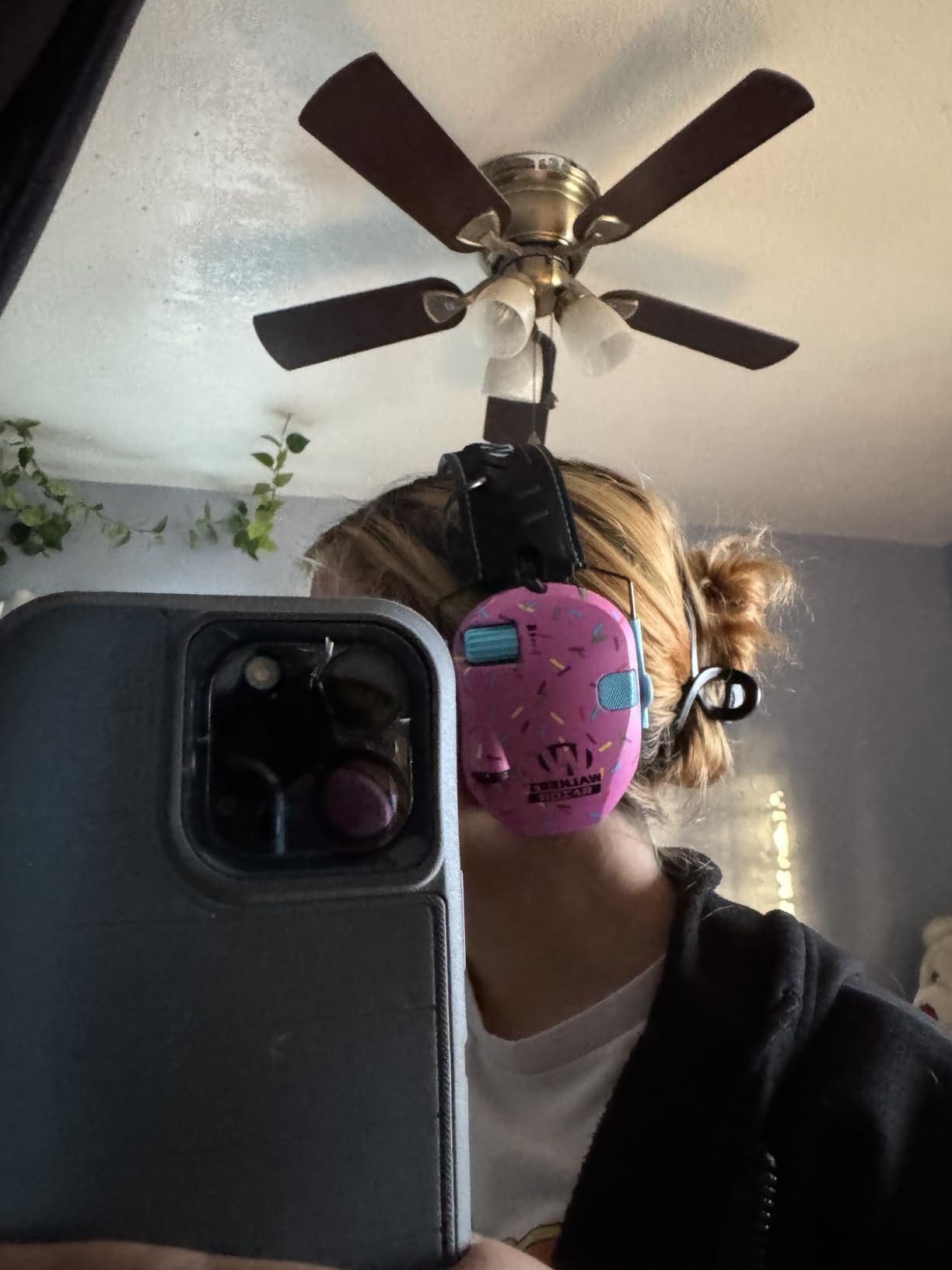
The recessed volume knob on the outside is a genuinely smart detail. It is findable with gloves on and recessed enough that brushing a mower handle will not spike the volume, which is the exact failure mode that turns Bluetooth muffs into a hazard.
The audio input jack is the sleeper feature. Plug a phone in and the Razor becomes a pair of headphones that also protect your ears, which solves the boring-yard problem without anyone cranking a speaker to compete with the engine.

Sound Quality and the Limits of Amplification
Owners are consistently positive on the amplified audio for situational awareness. What you are hearing is a microphone feed, not hi-fi, and the review pattern is clear: pass-through latency and faint digital artifacts are the two recurring complaints. For music, the wired jack is the better path.
Note that this product’s rating comes from a huge review base, one of the largest in the category, and 88 percent of those reviews are five star. A large sample makes a 4.8 far more meaningful than a 4.8 on fifty reviews.
Who This Pair Is Right For
This is the pick for someone who mows in a neighborhood where hearing a car approach genuinely matters, and who wears a cap while working. It is also the safest first Bluetooth muff because of that recessed, glove-friendly volume control.
Skip it if your priority is raw passive attenuation. Electronic amplification is an awareness feature, and this is not the model to reach for when you are running a loud riding mower or a commercial string trimmer all day.
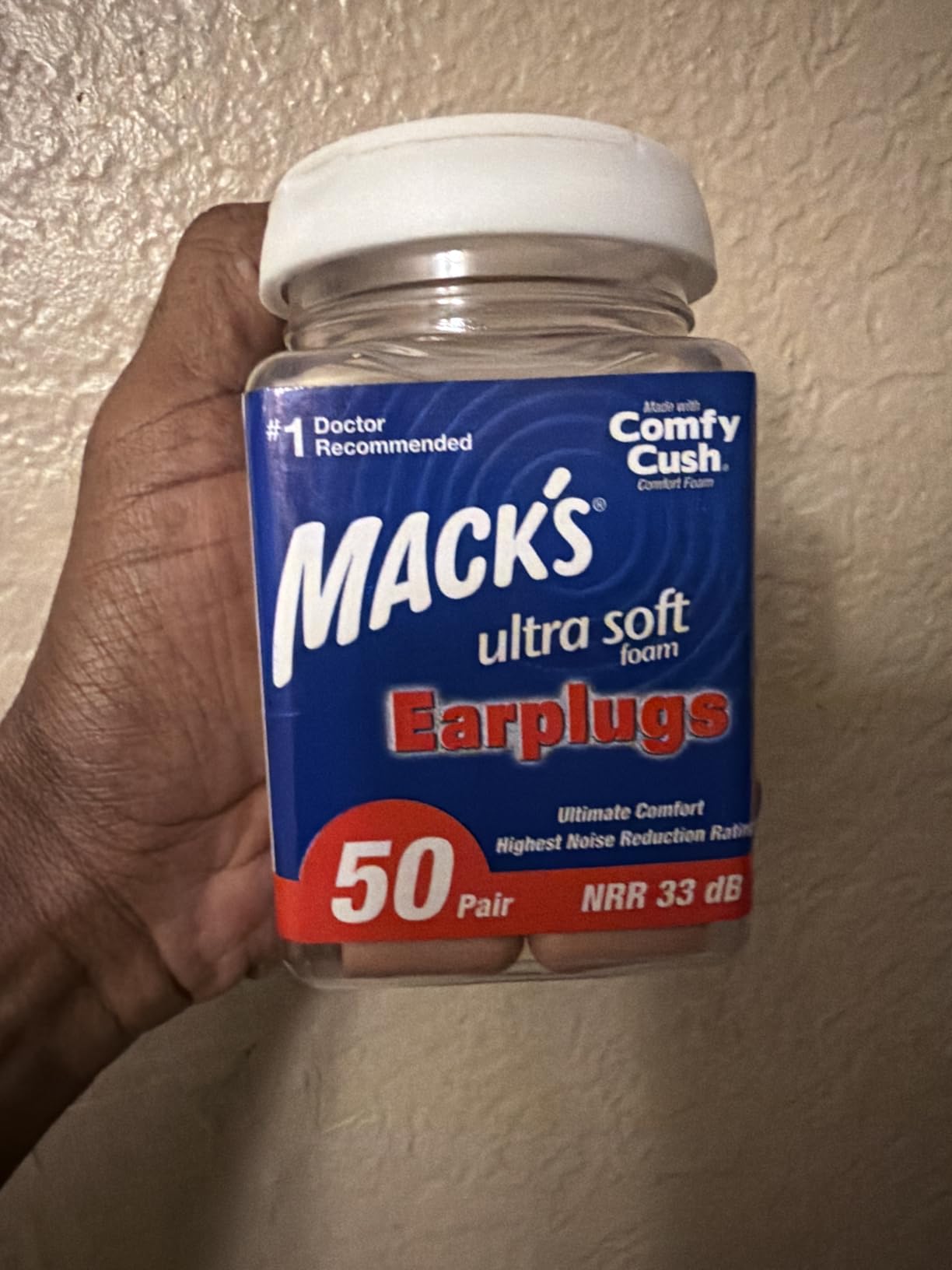
2. Mack’s Ultra Soft Foam Earplugs, 50 Pair
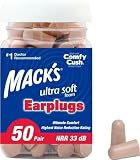
Mack’s Ultra Soft Foam Earplugs, 50 Pair – 33dB Highest NRR | Made in USA
NRR: 33 dB
Comfy Cush slow-release foam
50 pairs per jar
1.59 oz jar
+ Pros
- Super low-pressure foam stays comfortable for hours
- High 33 dB NRR for a disposable plug
- Small diameter is easy to roll and insert
- Works under a hat and with glasses
- Cons
- Very soft foam feels firm in cold weather
- Foam is not washable and loses memory
Plugs get dismissed as an afterthought, and that is a mistake for mowing. These carry a 33 dB NRR in a jar small enough to live in a glovebox, they never trap heat, and they work with a hat, sunglasses and glasses in a way no over-ear muff does.
The material is the story here. Mack’s Comfy Cush foam is engineered to expand at a slow, low-pressure rate, so it fills the canal without the pressure ache that makes people rip plugs out after twenty minutes. Users describe them as genuinely forgettable, which is the highest compliment a plug can earn.
Fifty pairs per safety-sealed flip-top jar is the practical advantage. You do not think about restocking, and the small diameter rolls between thumb and forefinger easily, which is the step most people get wrong.

Getting the Full 33 dB Requires Correct Insertion
This is the part that decides whether these work. The 33 dB figure assumes a proper seal, and the review data is blunt about it: roll the plug thin, pull the ear up and back to open the canal, insert deep, then hold it in place until the foam has fully expanded before you let go. Skip the hold step and you get maybe half the rated protection.
Cold weather is the one genuine drawback. Very soft foam stiffens when it is cold, so on a frosty April morning it can feel firm and may benefit from a touch of moisture before rolling to help it seal.
When Plugs Beat Muffs Entirely
For an electric mower on a small suburban lot, plugs are the whole answer. For a gas mower, doubling up means wearing these under a muff, which adds meaningful protection on the loudest equipment without adding heat.
They are the pick for anyone whose sensory profile rejects a headband clamp, and for anyone who already wears glasses or a sun hat and refuses to fight the seal. The 4.5 average across more than 50k reviews reflects a product that simply does not fail at its one job.
3. Flents Protechs Quiet Contour Foam Earplugs
Flents Protechs Quiet Contour Foam Ear Plugs, NRR 33, 10 Pair, Green
NRR: 33
Contoured bell shape with flared end
Latex-free foam
0.96 oz
+ Pros
- Contoured shape stays put better than cylindrical plugs
- Very soft foam wearable for hours
- Bright green color signals protection is in use
- Cheapest way to reach 33 dB
- Cons
- Flared base leaves more material in the outer ear
- Soft foam is harder to grip during insertion
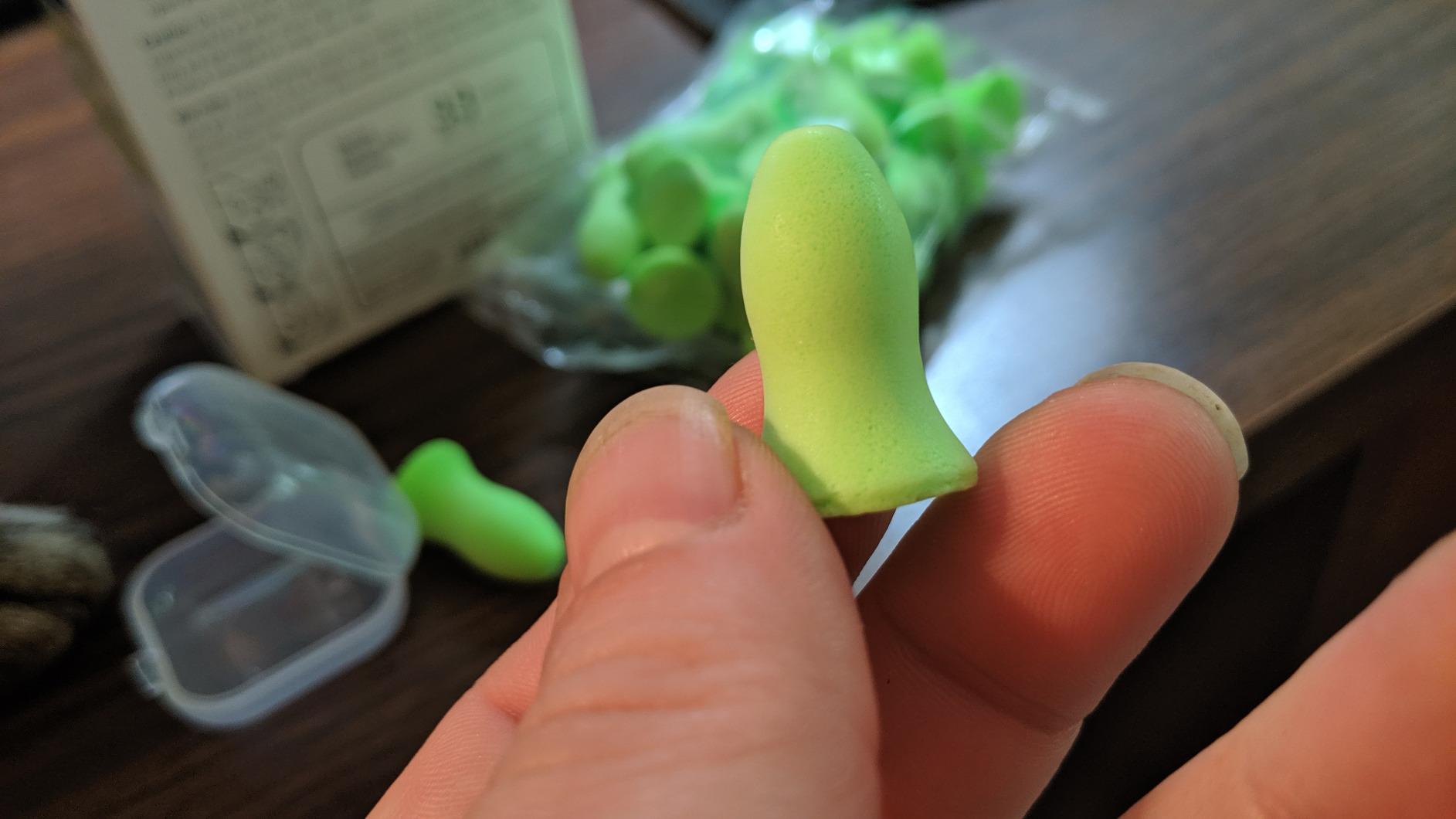
The Flents Protechs hit the same 33 dB rating as the Mack’s in a different shape, and the shape is the entire argument. The bell-style contour tapers toward the canal and flares at the end you can see, which is why these stay put better than a plain cylinder when you are bent over a mower handle and sweating.
That green flared end is not decoration. It is a visibility feature, and it matters in commercial settings where a supervisor needs to see at a glance that hearing protection is in use. In a home yard it is still nice, because a bright green plug on the deck of a mower is proof you are wearing it.
Foam is latex-free, which removes a real allergy concern for a product that goes in your ear for hours. Made in the USA, and the price point is the lowest per-pair cost of any 33 dB option in this group.
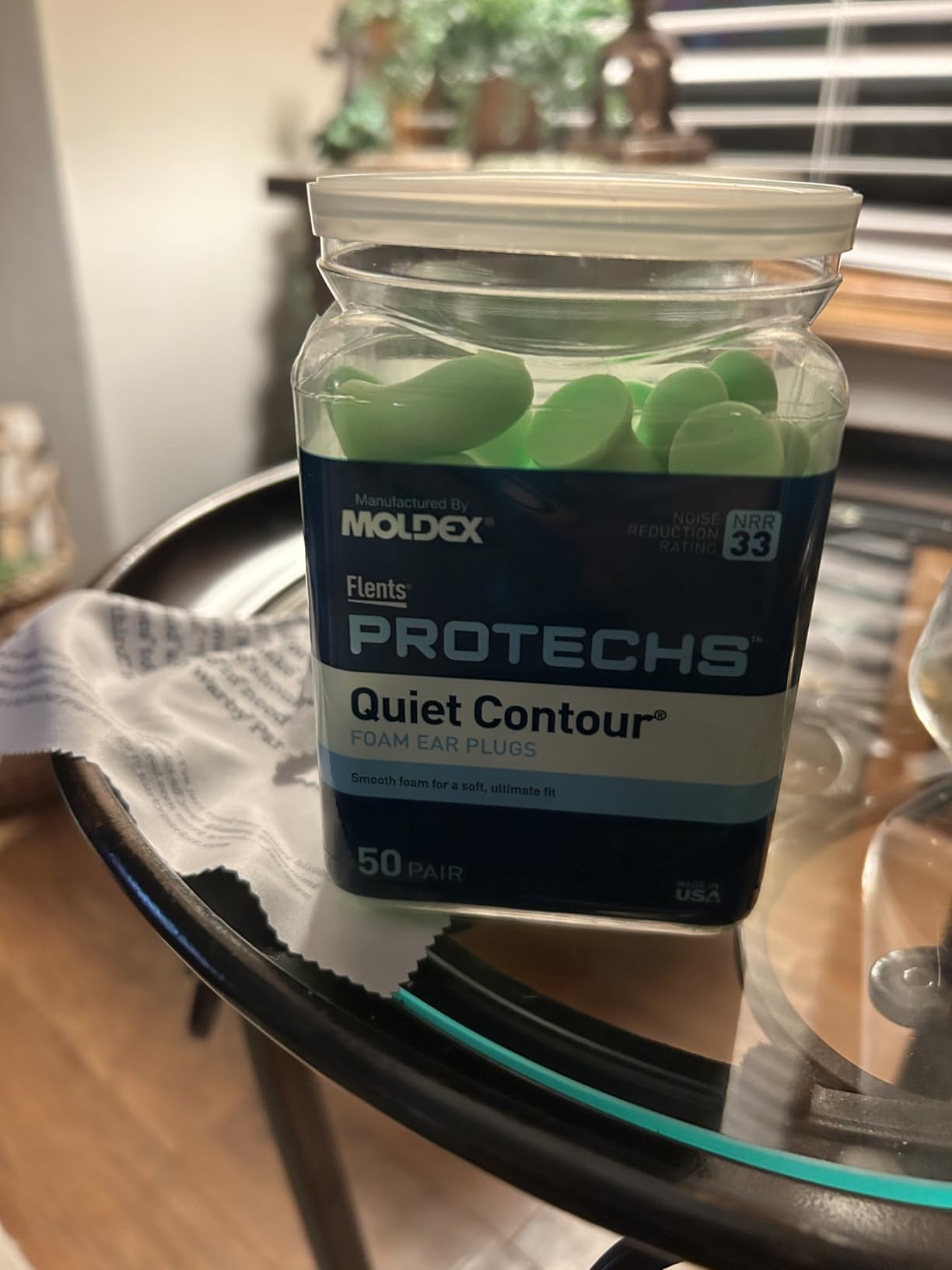
Contour Shape Versus Cylindrical Foam
The tradeoff with the flared base is that more material sits in the outer ear, and a small share of users find that bulky, particularly side sleepers who use the same plugs at night. If you are buying strictly for mowing, that is irrelevant. If you double up plugs under muffs, also irrelevant.
Because the foam is soft, gripping it for rolling takes a little more care than a firmer plug. The flared end actually helps, giving you something to pinch. Hold the rolled plug in place after insertion, the same as with any foam plug, and the seal is reliable.
Best Budget Ear Protection With No Compromises on Rating
A 4.3 average is the lowest in this group, and the distribution explains it: 67 percent five star, 15 percent four star, and a 5 percent tail of one-star feedback that clusters around comfort for side sleepers. For mowing use, the complaints mostly do not apply.
Buy these as the yard pair and keep a bulk jar of the Mack’s for sleep and travel. Between them you cover every loud Saturday task and every quiet night without repurchasing.
4. 3M WorkTunes
3M WorkTunes Connect Hearing Protector with Bluetooth Wireless Technology, 24 dB NRR, Hearing Protection Safety Earmuffs, Black
NRR: 26 dB
Bluetooth wireless
40+ hours rechargeable battery
USB-C
+ Pros
- Blocks equipment noise while streaming music or podcasts
- Battery outlasts a full work session
- Fast reliable Bluetooth with good range
- Padded fit comfortable for hours
- Cons
- Ear cups do not breathe so sweat builds up
- Headband pad can press on the scalp
- Microphone quality is poor for calls
3M’s Bluetooth muff is the one buyers name most often when asked what they wear for yard work, and the reason is simple: it turns a punishing chore into a tolerable one. The 26 dB passive rating handles the engine, and Bluetooth handles the boredom.
Battery life is the standout spec. Forty-plus hours on the built-in rechargeable cell, charged over USB-C, means you are not plugging in between Saturday jobs. Multiple owners mention years of service and fast, reliable pairing that holds up through walls, which matters if you leave the phone in the house while the mower stays outside.
The safe volume control limiter is the feature that separates this from ordinary Bluetooth headphones. It caps output so you cannot crank past the point where the entertainment becomes the hazard. That is the exact failure mode forum users warn about with cheaper Bluetooth muffs.
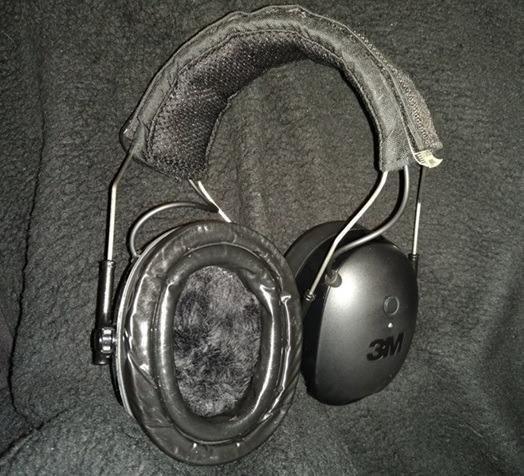
Why 26 dB Is Enough and Where It Falls Short
Being straight about this: 26 dB is the lowest passive rating among the muffs in this roundup. It is a sensible balance for a pair you might also use for a push mower on a normal day, but for a riding mower or a commercial string trimmer, a higher-attenuation passive muff is the better tool.
The honest weakness is heat. These cups are sealed, so they do not breathe, and reviewers consistently flag sweat and moisture buildup in warm weather. The headband pad can also press on the scalp over long sessions. Neither ruins the product, but both are why this is a spring-and-autumn pick for many owners.
Water and sweat resistance is at least specified, which matters for an outdoor tool. High-fidelity speakers get repeated praise for music quality, far better than the small drivers in most hearing protectors.
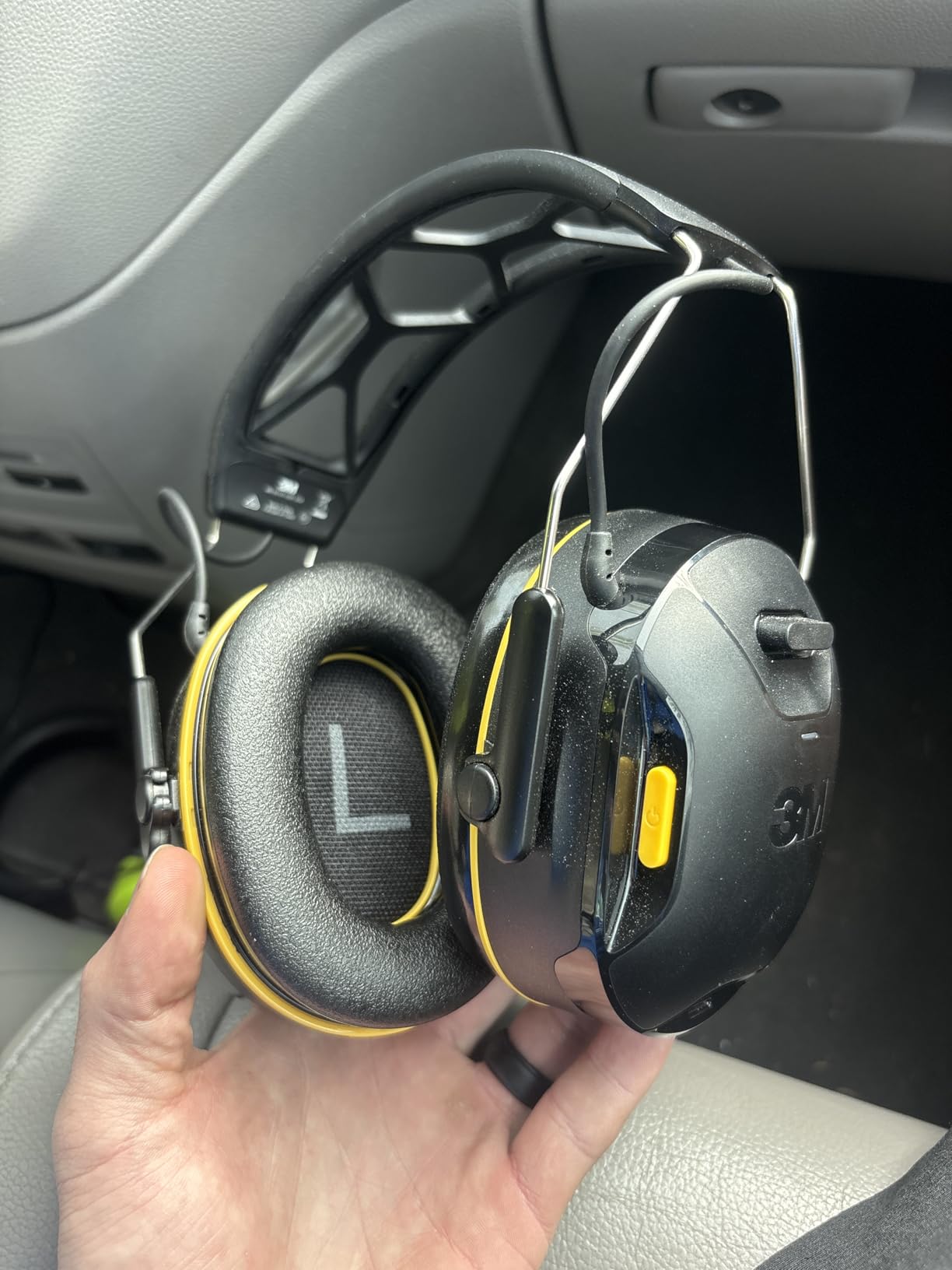
The Best Pick for People Who Mute Out Loud
Choose this if the deciding factor is that you will not wear anything that leaves you in silence. Landscape business owners specifically ask for Bluetooth protection because crews work full days and will not do the job in total quiet, and this is the model that most reliably satisfies them.
The weak microphone is the one to know about. Nobody is taking calls through these, and audio quality varies by paired device. If you take calls while mowing, use a separate headset.
5. Dr.meter Noise Cancelling Headphones
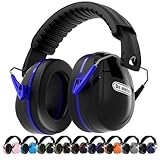
Dr.meter Noise Cancelling Headphones for Adults Kids Ear Protection Mowing
SNR 31 dB and NRR 26 dB
ANSI S3.19 and CE EN 352-1
Foldable with pouch
Memory foam cores
+ Pros
- Soft memory foam and PU leather without heavy clamping
- Adjustable headband fits kids through adults
- Folds small enough for a toolbelt or glovebox
- Fun colors that get children willing to wear them
- Cons
- Cushioning can make ears sweaty over long sessions
- Runs slightly tight on larger heads at the loosest setting
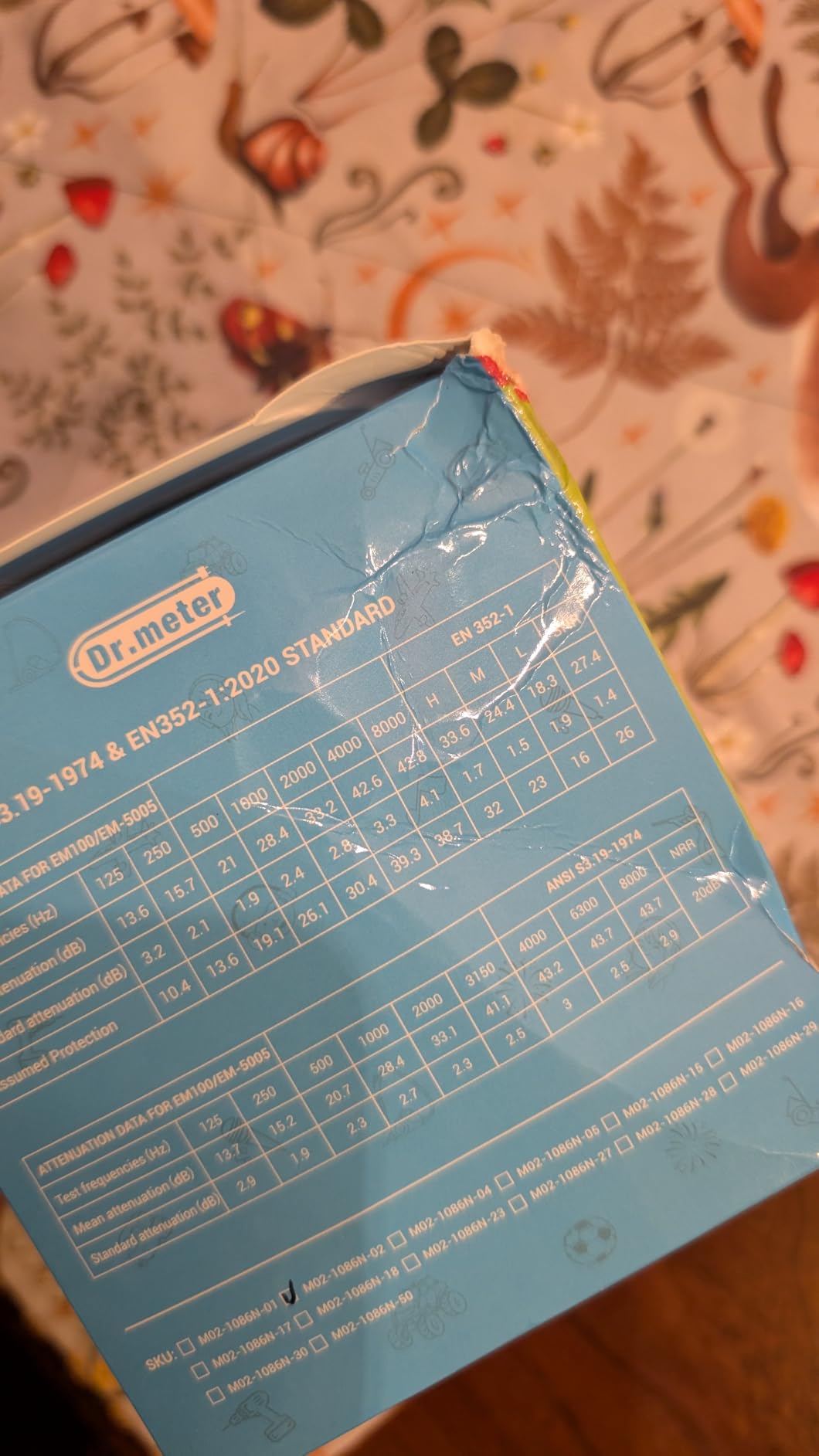
Two certifications on one budget muff is unusual. The Dr.meter carries both ANSI S3.19-1974 and CE EN 352-1, rated at 31 dB SNR and 26 dB NRR, which means the listing gives you a number to verify rather than a vague claim to trust.
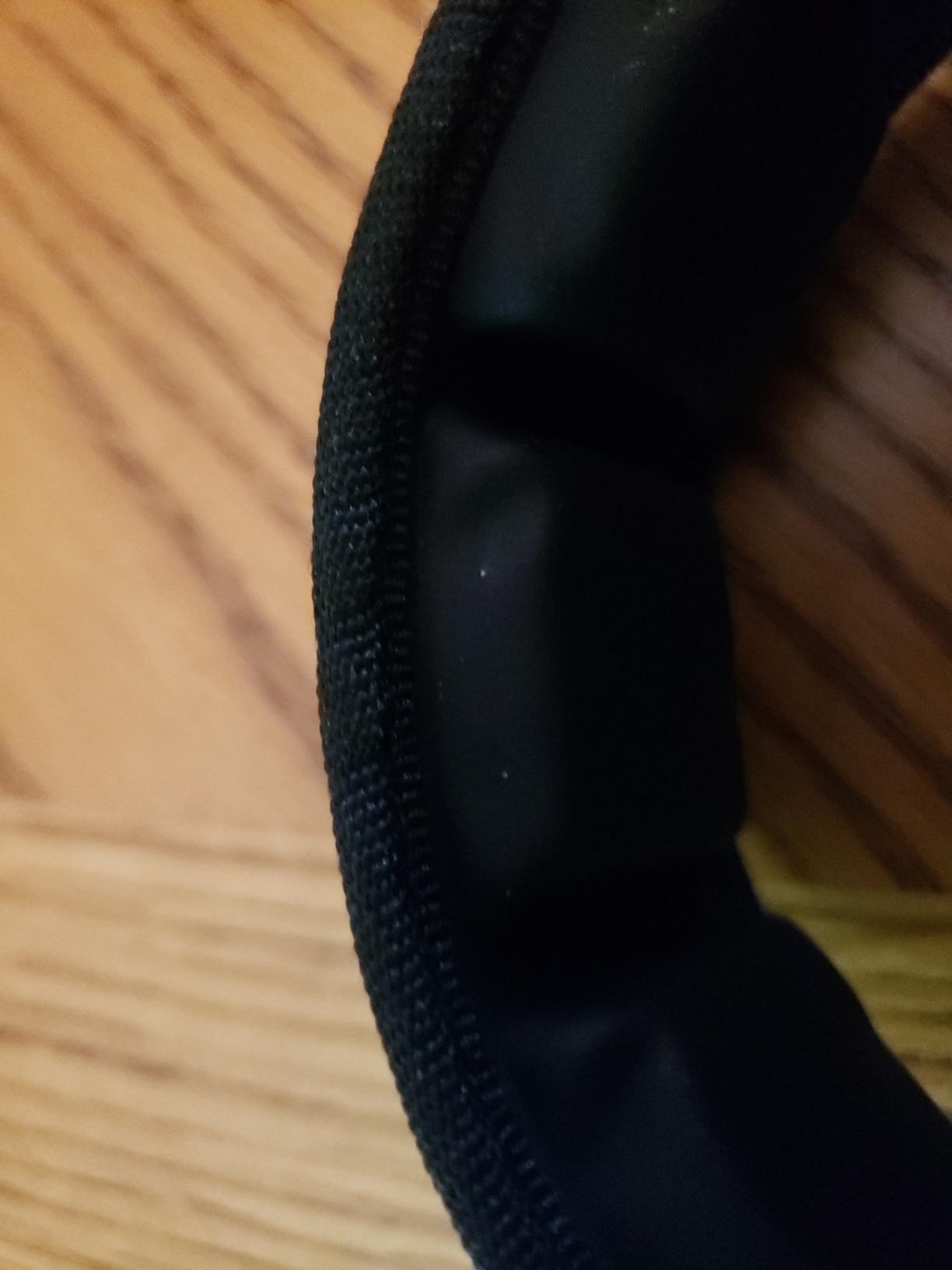
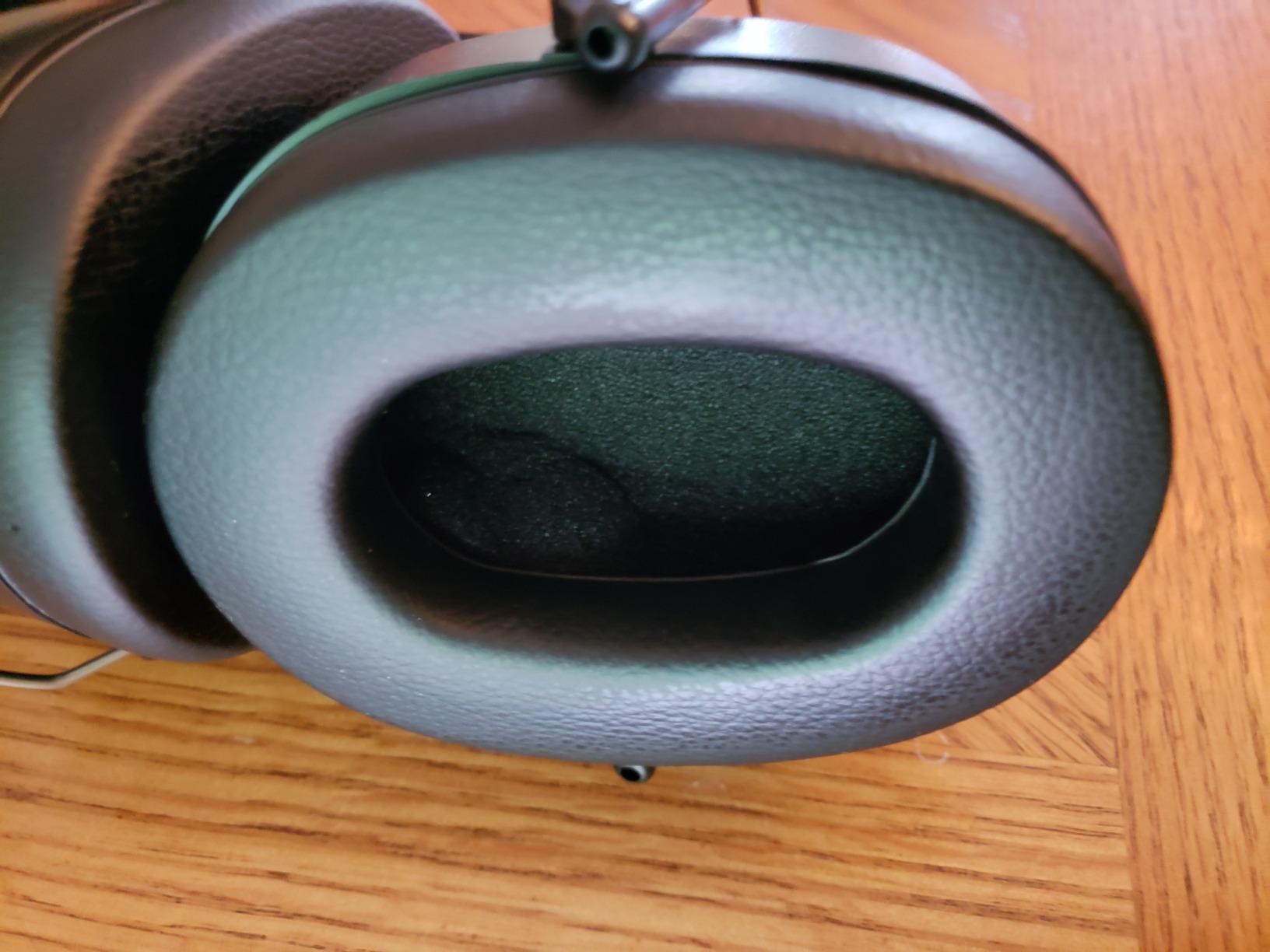
The build uses ABS shells with triple-layer acoustic foam and memory foam cores under PU leather padding. The result is soft contact with no aggressive clamping, and the adjustable headband spans a genuinely wide size range, adults through kids.
It folds smaller than most competitors and comes with a pouch. That changes behavior more than comfort does, because a muff that lives in the glove compartment is a muff you actually have on the mower deck when it matters.
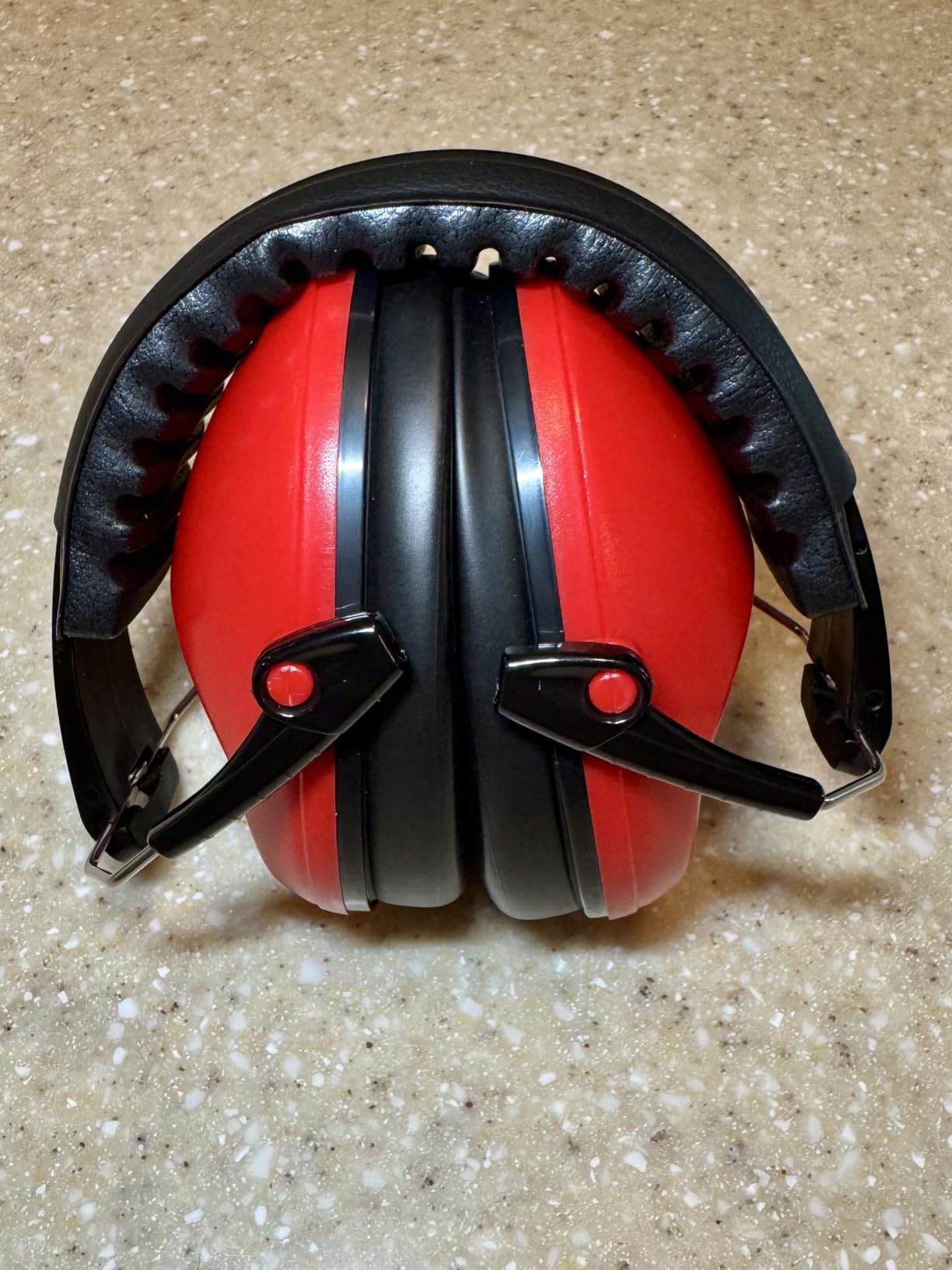
Reading NRR and SNR on the Same Box
This listing is a clean example of the two rating systems sitting side by side. NRR is the US number under ANSI S3.19. SNR is the European equivalent under CE EN 352-1. They are measured differently and are not interchangeable, which is why the same product shows 31 and 26 here. Check the NRR if you are in the US.
Users also note the product name says noise cancelling, which can mislead. This is passive attenuation, the same physical sealing as a standard muff. There are no microphones and no electronics. The name describes marketing, not a feature list.
Two fit notes: the padding can warm up over long sessions, and the headband runs slightly tight even at its loosest setting on larger heads. Adjust it before the first cut, not after.
Best Choice for Sensory-Sensitive Users and Children
Several reviewers in this space use these for sensory overload and autistic users, where predictable, gentle attenuation matters more than maximum dB. A 4.6 across more than 20k reviews with 78 percent five star says the soft contact holds up.
For families, the color range does real work. A child who picks the color wears the muff; a child who is handed plain black sometimes refuses. That is a feature, even though no spec sheet lists it.
6. DECIBEL DEFENSE 37 dB NRR Ear Muffs
DECIBEL DEFENSE Ear Protection, 37 dB NRR Ear Muffs (HI-VIZ ORANGE)
NRR: 37 dB
ANSI S3.19 and CE EN 352-1
11.7 oz
Regular and XL sizes
+ Pros
- Strongest passive noise reduction in this group
- Soft non-irritating seal comfortable for extended wear
- Easy to adjust with limited hand dexterity
- Two sizes including XL for larger heads
- Cons
- Bulkier profile than slim electronic muffs
- Cup adjusters move one side at a time
- Regular size can feel tight on larger heads
When the noise is genuinely loud, this is the pair to reach for. Thirty-seven decibels NRR is the highest passive rating in this roundup, and it is achieved with a passive design, so there is no battery, no firmware and nothing to fail in the middle of a job.
Users describe lawn equipment, leaf blowers and storm noise as dramatically reduced rather than merely softened. Several also describe them as comfortable enough to sleep in, which tells you something about the seal quality, because a poor seal is uncomfortable and a good one is not.
Construction is a padded headband over soft dBTech foam cushions, at 11.7 ounces. The two-size system, Regular and XL, addresses the most common reason high-NRR muffs get returned, and the sliding metal cup adjusters let you dial the fit without a separate tool.
Where 37 dB Actually Earns Its Keep
Applying the OSHA (NRR – 7) / 2 method to 37 dB gives roughly 15 dB of real-world protection. Against a 95 dB riding mower that is a meaningful drop compared to what a 26 dB Bluetooth muff delivers after derating. The gap widens on the loudest equipment, which is where the extra attenuation matters.
The honest tradeoff is bulk. These are deeper cups than the slim electronic muffs, so they sit further from your head and will not disappear under a cap. Users also note the cup adjusters move one side at a time, so fine tuning takes a little patience, and the Regular can run tight on a large head, which is why the XL exists.
Best Noise Reduction for Loud Equipment and Long Days
Pick this for riding mowers, zero-turns, string trimmers and commercial landscaping where exposure is measured in hours rather than minutes. The passive design also means it works in the rain, in the cold and with dead batteries, which matters when your work schedule is not yours.
One practical note that comes up repeatedly with high-NRR passive muffs: the seal is tighter, so heat builds up faster. Pair it with a plug option for the hottest days rather than trying to power through.
7. PROHEAR 037 Bluetooth Hearing Protection
PROHEAR 037 Bluetooth 6.0 Hearing Protection Headphones with Rechargeable 1100mAh Battery, 30dB SNR Safety Noise Reduction Ear Muffs 120H Playtime for Mowing, Workshops, Snowblowing – Black
SNR 30 dB
Bluetooth 6.0 with 80 ft range
1100mAh battery, 120 hours
3.5mm aux input
+ Pros
- Stable Bluetooth with generous wireless range
- Very long runtime from the 1100mAh cell
- Raised buttons work with work gloves on
- Soft breathable ear pads and padded headband
- Cons
- Rating sits below comparable models
- Sound quality and attenuation less refined than premium alternatives
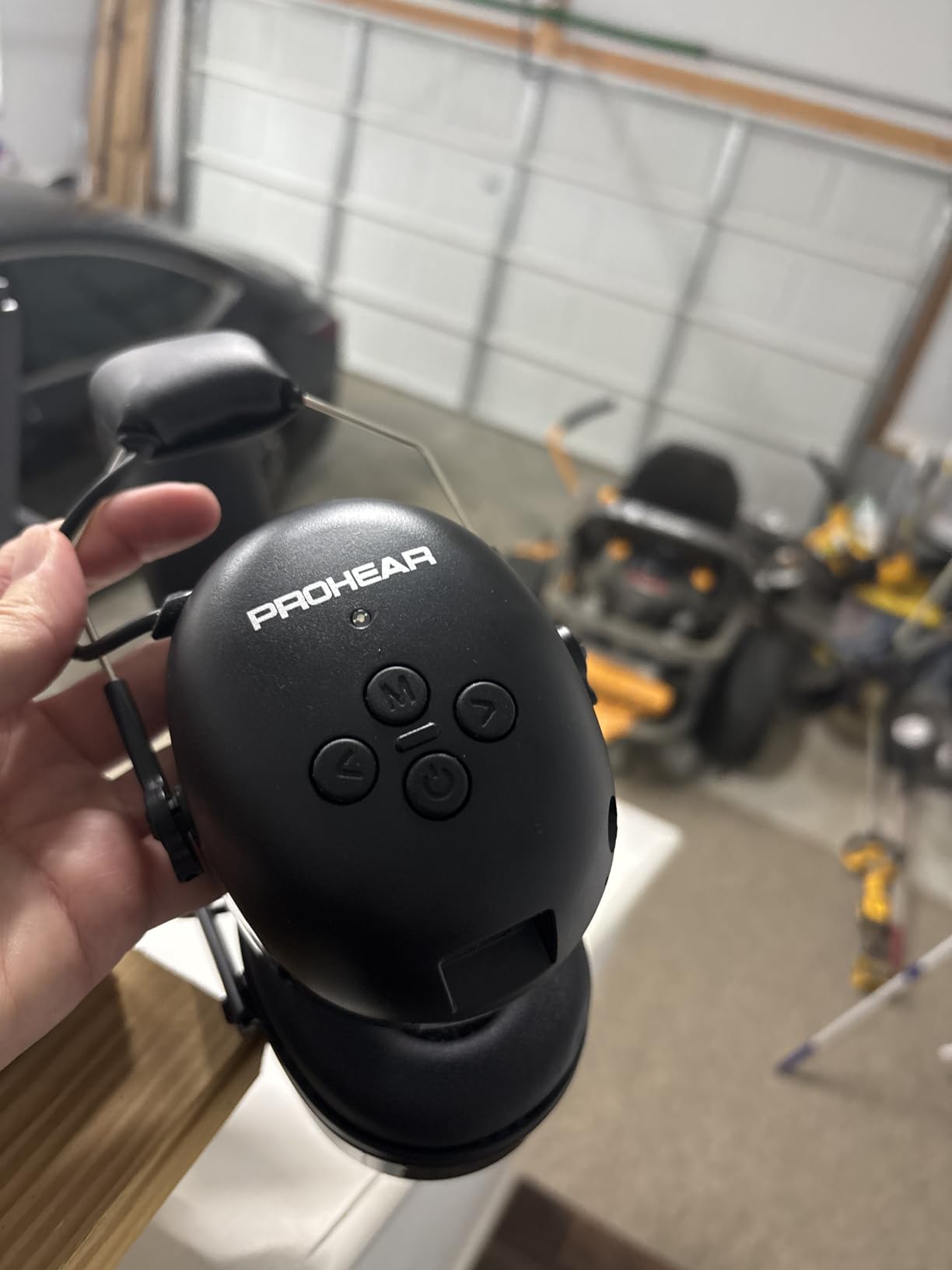
The battery is the reason to look at this one. A 1100mAh rechargeable lithium cell delivers up to 120 hours of playtime, which is roughly three times what the 3M WorkTunes offers. For a landscaping crew or anyone who mows several properties a day, that is a genuine differentiator rather than a spec-sheet line.
Bluetooth 6.0 with an advertised 80 ft range gives a stable connection that holds up across a yard. The 3.5 mm connector is there for wired listening, and a leather carrying bag and charging cable come in the box.
The control design is the detail I would highlight. Raised tactile buttons let you find and press them without taking the muffs off, which matters if you are operating a mower with both hands. Owners consistently praise that they work through work gloves.
Hearing a 4.3 Average Honestly
This product’s 4.3 average comes with 6 percent one-star and 2 percent two-star feedback, a heavier negative tail than the other Bluetooth options here. Buyers in that group report audio that is less refined and noise reduction weaker than expected, which is a fair summary of what separates a value muff from a premium one.
At 30 dB SNR, the passive rating is respectable, though it is published as SNR rather than a US NRR. If you need a number you can check against OSHA, look for NRR on the listing. The soft breathable ear pads are a genuine plus for long sessions in warmer conditions.
It weighs 11.52 ounces and the box measures 6.29 by 4.13 by 8.07 inches, which is compact enough to live in a truck cab.

Best for Full-Day and Multi-Job Work
This is the pick when runtime is the top of the list and the budget is not unlimited. For a single weekend yard, the 3M covers it. For someone mowing five properties a week, charging once instead of twice changes the whole experience.
The trade is audio refinement. If your priority is how music sounds between jobs, spend up. If your priority is uninterrupted protection across a long day, the 120-hour figure is hard to argue with.
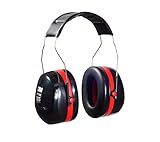
8. 3M PELTOR Optime 105 Earmuffs
3M H10A Peltor Optime 105 Over the Head Earmuff, Ear Protectors, Hearing Protection, NRR 30 dB
NRR: 30 dB
Rated to 105 dBA exposure
Double-shell technology
Stainless steel headband
+ Pros
- Effective protection for exposures up to 105 dBA
- Stainless steel headband resists bending and warping
- Tilting pivot cups spread pressure for long wear
- E-A-Rfit compatible cushions hold a consistent tight seal
- Cons
- E-A-Rfit cushion replacements are extra purchases
- Bulkier steel frame than plastic muffs
The PELTOR Optime 105 is the workshop veteran here, built for assembly, sanding and grinding rather than the yard, and it transfers well to mowing because the problem is identical: sustained noise near the 100 dB mark. It is rated for exposures up to 105 dBA.
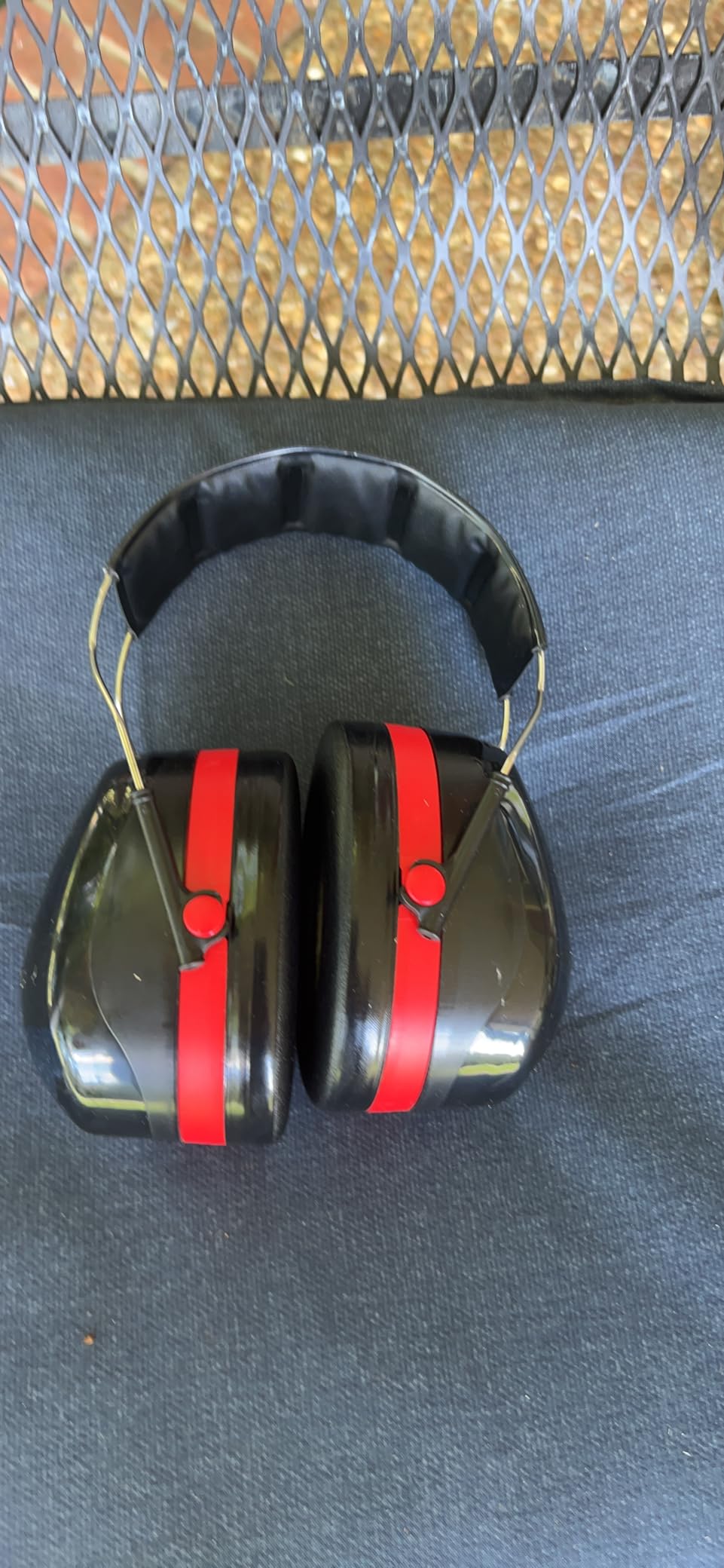
Double-shell technology is the quiet advantage. Two shells with an air gap between them break up resonance in a way a single wall cannot, which is why the attenuation stays effective across the frequency range of an engine rather than only at the peaks.
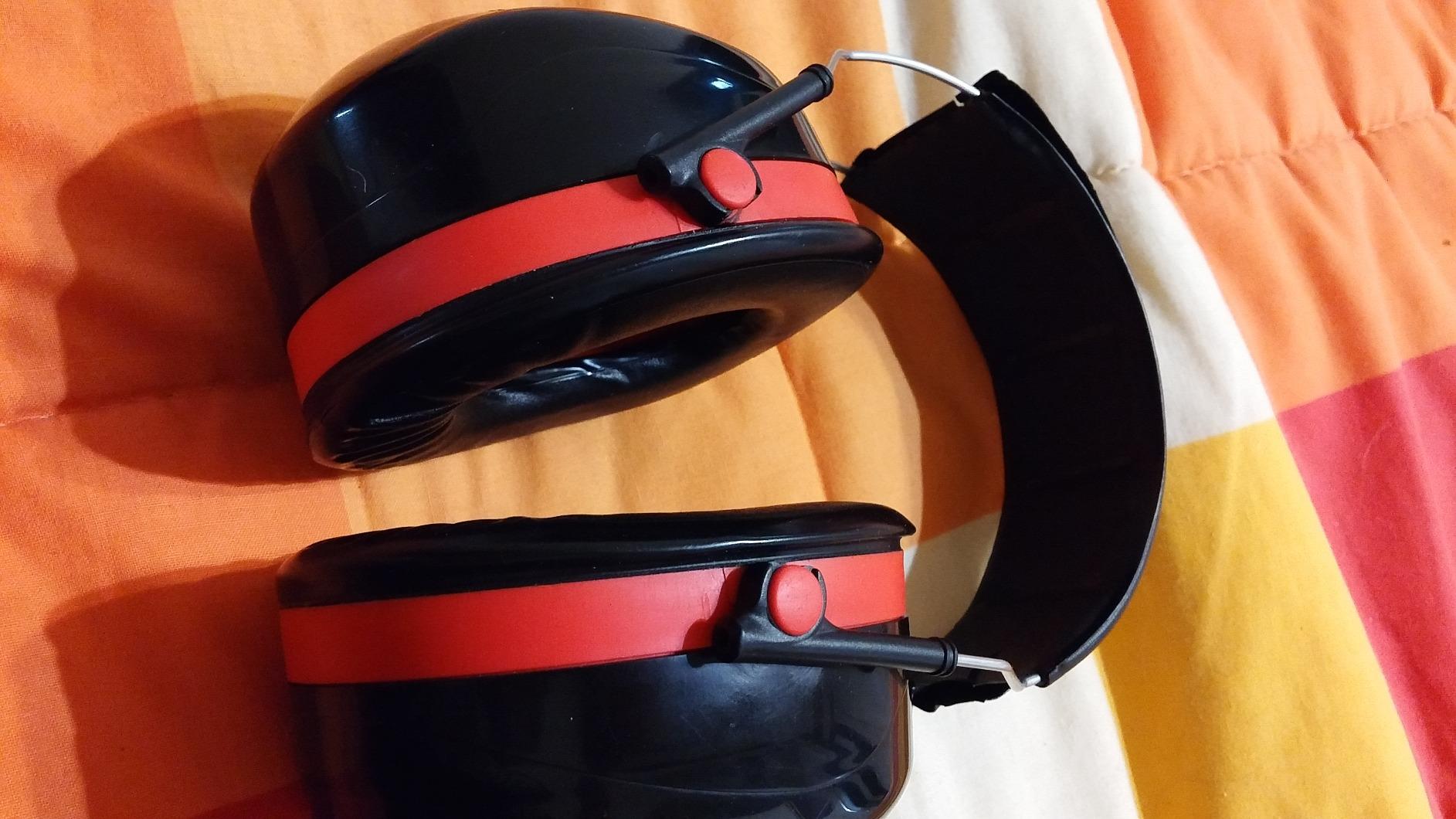
The stainless steel headband is the part that outlasts the competition. It resists bending and warping, so the clamping force you set on day one is still the clamping force two seasons later, which is the number one reason budget muffs get binned.
Why Pivot Points Matter More Than They Sound
Earcup pivot points that tilt let the seal settle against the side of your head rather than pressing straight in. That distributes pressure, reduces the hot spot behind the ear and, importantly, keeps the seal consistent as your head moves. A seal that shifts when you turn is a seal that leaks.
At 30 dB NRR this sits in the middle of the range in this roundup, below the 37 dB passive maximum but well above the Bluetooth models. For most residential mowing that difference is theoretical. For someone running a mower as part of paid work, it is not.
The real limitation is replacement cushions. E-A-Rfit compatible cushions are an extra purchase rather than an included spare, so factor the ongoing cost in if you plan to keep this for years.
Best for Paid Work and Workshop Durability
A 4.7 average with 80 percent five star feedback, and the review language is consistent: strong attenuation, a headband that holds its shape, and pivoting cups comfortable enough for a full shift.
Choose it if you want one pair of muffs that handles mowing, trimming and shop work with a frame that will not sag. The steel bulk is the price of that durability, and it is a trade most people accept once.
9. 3M Pro-Grade Earmuff
3M Pro-Grade Noise-Reducing Earmuff, NRR 3 dB, Lightweight and Adjustable
NRR: 30 dB
Steel wire headband with rubber overmold
Lightweight adjustable design
Pivoting cups
+ Pros
- Solid 30 dB NRR in a light comfortable frame
- Rubber-overmolded steel wire headband is durable
- Pivoting cups and premium cushions hold a good seal
- No-frills design from a trusted safety brand
- Cons
- No electronics so it cannot double as entertainment headphones
This is the one to buy if you want a serious passive muff and nothing else. Thirty decibels NRR, a light adjustable frame, premium cushioning and pivoting cups, with no electronics, no battery and no Bluetooth to pair, fail or distract you.
That simplicity is why it is a good value. The steel wire headband carries a rubber overmold, which is the same basic idea as the Optime 105 and the same reason it holds shape. A metal frame that does not deform is a muff you will still own in three years.
Reviewers describe the lightweight adjustable design as reducing pressure points, which is the practical word for not having a hot spot on the crown of your head after an hour.

What You Give Up by Staying Passive
There is exactly one complaint in the review data, and it is not a fault: no electronics, so it cannot double as headphones. If you want music while mowing, this is the wrong product. If you want protection that just works, there is nothing on the list to beat it for simplicity.
At 30 dB NRR it derates to roughly 11 dB of real protection under the OSHA method, the same working figure as the Optime 105. Applied to a 95 dB gas mower, that lands you around 84 dB, inside the limit for a normal session.
Multiple variants exist in different mounting styles, so if you also need a hard hat or behind-the-ear configuration for trimming, look at the other options in the 3M range before settling.

Best Value for a Plain, Durable Passive Muff
A 4.6 average with 80 percent five star feedback. Owners cite solid attenuation, a durable headband and comfortable pivoting cups, and nothing else to report.
This is the pair to buy first if you have never owned proper hearing protection. It does the one thing right, it will not fail in a wet workshop, and it does not need charging before you head out to the yard.
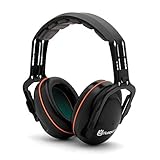
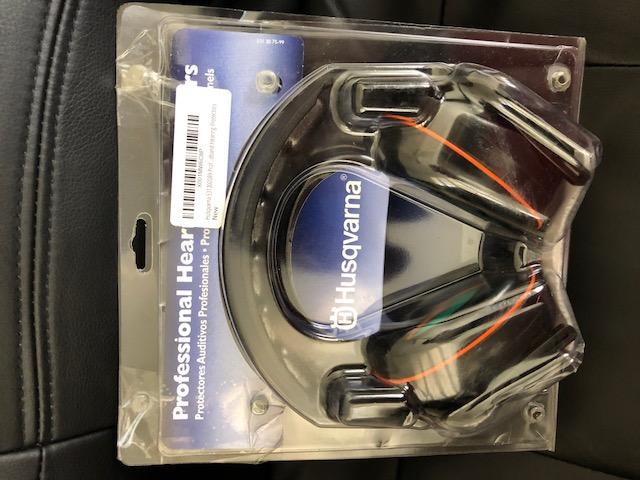
10. Husqvarna Professional Headband Hearing Protectors
Husqvarna Professional Headband Hearing Protectors 25dB(A) NRR, Lightweight Ear Protectors with Padded Headband and Clamshell Design for Hearing Protection, Black
NRR: 25 dB(A)
Clamshell full-coverage design
Side tension sliders
One size fits most
+ Pros
- Supple padding avoids pressure headaches on long jobs
- Tension sliders give a wide range of fit for head sizes
- Tough plastic tolerates drops sweat and rain
- Effective for mowing blowing trimming and chainsaws
- Cons
- Firm clamping can get uncomfortable over many hours
- Fit runs tight on larger heads
- Does not fold flat for packing
Long-term owners of the Husqvarna report eight months or more of mowing, trimming and chainsaw work without head pain, and that durability is the headline. The plastic shell takes drops, sweat and rain without complaint, which is what you want from gear that lives on a mower deck.
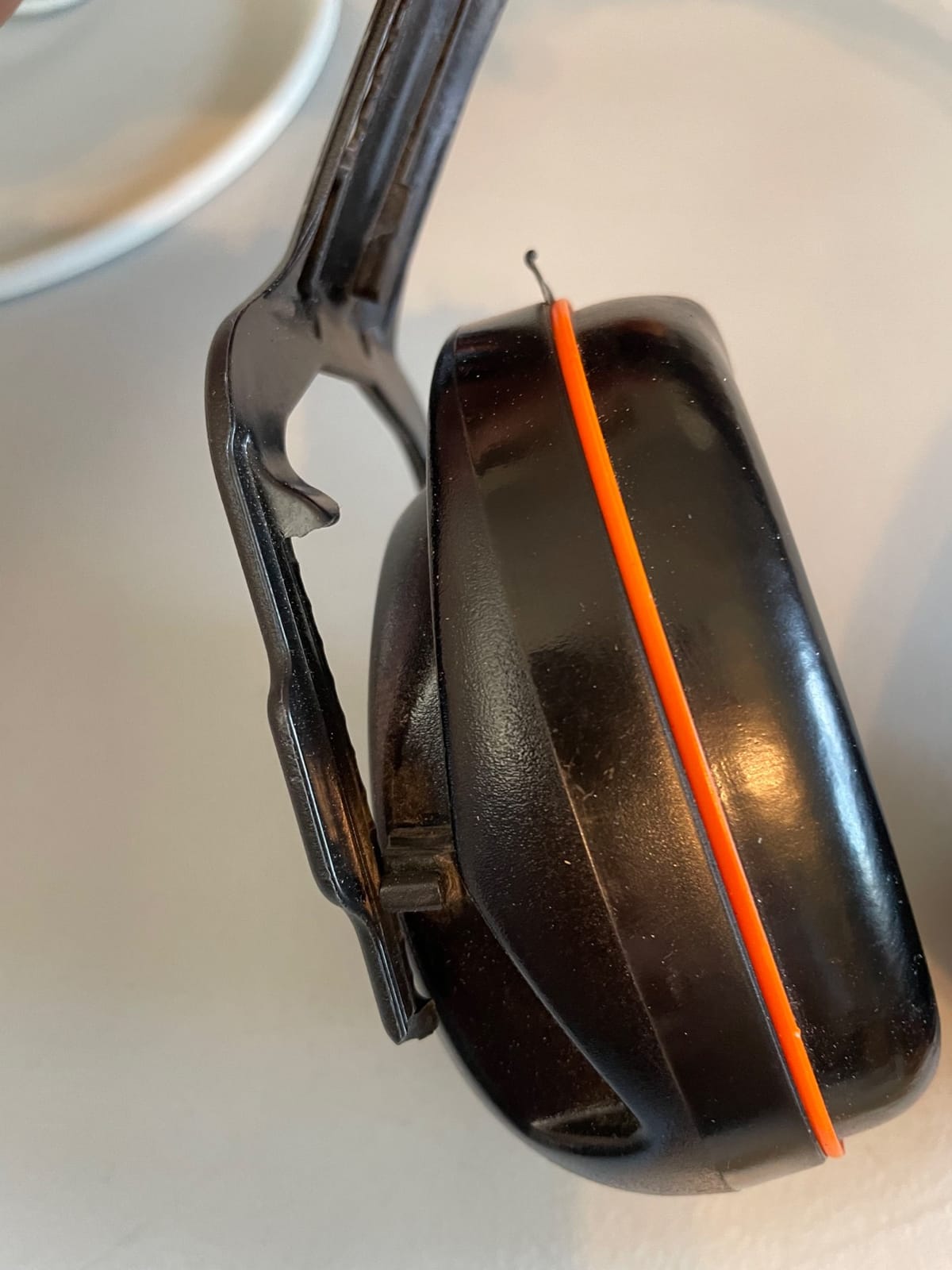
Comfort comes from supple padding on a lightweight, flexible headband rather than from a stiff frame. The clamshell ear cup design gives full coverage, and the side tension sliders let you spread the fit across a wide range of head sizes.
It is designed for Husqvarna power equipment and works for any outdoor machine, including trimmers, blowers, mowers and chainsaws, which makes it a natural single-pair solution for the whole property.
Where 25 dB Is Enough and Where It Is Not
Twenty-five decibels NRR is the lowest rating among the muffs in this roundup, and it is a deliberate trade for a lighter, softer, less fatiguing frame. Under the OSHA method it gives roughly 9 dB of real protection, which is adequate for a gas push mower on a residential lot and thin for a riding mower in tall grass.
The caveat in the reviews is consistent and worth taking seriously: the seal is snug, and long all-day sessions can get hot. If you are running equipment for a full workday, plan on a break every 45 minutes or double up with plugs underneath.
It also does not fold flat, so it lives in a truck rather than a glovebox. That is a small thing, but it is the difference between wearing it and not.
Best for One-Pair Total Yard Coverage
A 4.7 average with 81 percent five star feedback, and the positive reviews are about feel rather than numbers. Choose this if you want a single pair that handles every machine on the property and weighs less than the alternatives.
Skip it for the loudest gas equipment, and consider the XL equivalent or a higher-NRR model if your head runs large. Everything else about it lands well for weekend yard work.
Why Noise-Cancelling Headphones Are Not Hearing Protection
Consumer noise-cancelling headphones and earbuds are not certified hearing protection, and using them around a mower is a genuine risk rather than a harmless shortcut. This is the most repeated correction in the lawn care forums, and the majority of the roundups ranking for this keyword never mention it.
The reason is straightforward. Active noise cancelling works by playing an opposing sound wave to cancel low-frequency noise, and it is tuned for the hum of an aircraft cabin or an air conditioner. A lawn mower at 95 dB is not in that band, and even in the bands it does address, the attenuating layer is a thin foam pad rated in single-digit decibels, not a sealed acoustic cup rated at 26 to 37.
So you end up with a bad outcome. The headphones are not attenuating the engine, so you turn the volume up to drown it out, and you are now listening to music at levels that damage hearing over time while the mower keeps doing what it always did. Forum users describe this precisely: more damaging than wearing nothing at all.
The second problem is a safety one. Certified muffs and plugs at least leave you able to hear a car, a dog or a child, and electronic hearing protectors like the Walker’s Razor amplify safe sounds deliberately. Ordinary ANC headphones actively remove the sound of an approaching vehicle.
The fix is simple. Look for a published NRR under ANSI S3.19, or an SNR under CE EN 352-1, printed on the product by a recognized manufacturer. If a listing shows no rating and no certification, it is not hearing protection no matter what the product name says, which is also the fastest way to spot inflated marketplace claims.
How to Choose Hearing Protection for Lawn Mowing
1. Work out the real number your ears see
Start with NRR for US products or SNR for European ones, then apply the OSHA derating formula of (NRR – 7) / 2 to get an estimate of real protection. A 33 dB plug becomes about 13 dB. A 30 dB muff becomes about 11 dB. A 26 dB Bluetooth muff becomes about 9 dB. The labels are laboratory numbers measured on an ideal seal, and the derating accounts for real fit, movement and the fact that muffs are not worn correctly all day.
For a gas push mower around 95 dB, any of the plugs or muffs on this list get you under the limit for a normal session. For a riding mower or a commercial string trimmer, higher attenuation and double protection make the difference. If your equipment is electric and you mow for under half an hour, a decent foam plug is more than enough.
2. NRR and SNR are not the same number
NRR is the US standard under ANSI S3.19, measured in a laboratory with a very controlled seal. SNR is the European CE EN 352-1 equivalent. The same physical product often shows different values on each, as the Dr.meter listing does at 31 dB SNR and 26 dB NRR. Use the number that matches your certification, and do not compare an SNR to an NRR as though they were the same unit.
Neither figure is a guarantee. A 37 dB muff fitted badly protects less than a 30 dB muff fitted well, and fit is the single biggest variable you control.
3. Choose muffs or plugs based on heat, not on NRR
Earmuffs win on attenuation and on the fact that you cannot leave them on a shelf by accident. They lose on heat, on clamping pressure over long sessions, and on the eyeglass problem. Earplugs win on heat and on compatibility with hats and glasses. They lose on the fact that most people insert them badly and never achieve the rated seal.
For most homeowners mowing in summer, plugs are the more realistic choice because you will actually keep using them. If you are running loud equipment for extended periods, muffs are worth the heat.
4. Double up on the loudest equipment
Wearing plugs under muffs is standard practice for riding mowers, trimmers and blowers, and the ratings do not simply add. Followers of this approach report the combination is meaningfully better in practice, with less sound leaking around the cup edges and better low-frequency reduction.
The insertion technique decides whether it works. Roll the plug thin, pull the ear up and back, insert as deep as is comfortable, and hold it until the foam has fully expanded. Then put the muffs on without dislodging them. Skipping the hold step is the most common reason people report doubled protection that did nothing.
5. Fix the eyeglass seal before you buy
Glasses are the top fit complaint in the lawn care forums. Temple arms under an ear cup break the seal and let sound leak straight in, and the arms themselves get crushed by the cushion. Three things help. First, choose a muff with slim low-profile cups, which is why the Walker’s Razor works well here. Second, adjust the cup height so the seal sits on your skull behind the ear rather than on the arm. Third, if you wear glasses every day and mow often, plugs remove the problem entirely.
Hats conflict in a similar way. A wide-brim sun hat and a muff headband fight for the same space, and the muffs usually win, which leaves your neck burning. A cap with a slim muff works; a wide brim and a full-size muff does not.
6. Break in new muffs and clean them properly
New muffs often feel tight out of the box because the cushions and headband have not settled. The fix is to clamp them over a cardboard box overnight, which stretches the headband into a realistic shape so the first real session is not the break-in session.
For storage, always leave the cups open. Sealing them shut compresses the cushions, and a compressed cushion loses its seal and takes weeks to recover. Store them on the mower deck or in the truck cab, not in a hot shed, which is the habit that actually gets people into trouble. People who keep protection on the machine rarely forget it.
Replace cushions as soon as they crack or flatten, because degradation is quiet. A cushion that has lost its foam density looks fine and protects noticeably less. Wipe pads with a damp cloth, avoid solvents, and let everything dry fully before it goes back in the case.
7. On Bluetooth muffs, treat the volume limiter as the deciding feature
Bluetooth hearing protectors reduce noise passively, then add music or radio on top. The risk is obvious and widely discussed: if the entertainment is not capped, users turn it up to compete with the mower, and the protection benefit is cancelled by the music exposure.
Prefer a model with an explicit safe volume control limiter. Check battery life against your real schedule, since 40 hours covers a busy week for most people while a shorter runtime means charging before every job. Look for raised, glove-friendly physical controls, because fumbling for a small button while both hands are on a mower is how people stop using the feature at all.
Frequently Asked Questions
Should you wear ear protection when lawn mowing?
Yes, if you run a gas mower, riding mower, string trimmer or leaf blower. Gas push mowers measure roughly 90 to 100 dB at the operator’s ear, and OSHA’s limit is 85 dB averaged over eight hours, so a single hour of mowing exceeds a full day’s permitted exposure. Damage is cumulative and silent. Cordless electric mowers run closer to 75 dB, so short sessions are lower risk, though many owners still wear plugs.
How many decibels is lawn mowing?
A typical gas push mower produces about 90 to 100 dB(A) at the operator’s ear, with riding and zero-turn mowers at the louder end of that range or above. String trimmers, hedge cutters and gas leaf blowers sit in a similar range. For comparison, OSHA’s permissible exposure limit is 85 dB over eight hours and cordless electric mowers fall in the mid-70s dB range.
Will noise cancelling headphones block a lawn mower?
No. Active noise-cancelling headphones and earbuds are not certified hearing protection. ANC targets low-frequency hum and the attenuating layer in consumer headphones is thin foam, not a sealed acoustic cup. The result is that you raise the volume to drown out the mower, which can be more damaging than wearing nothing, and you lose the ability to hear a vehicle or a person approaching.
Are earmuffs better than earplugs for lawn mowing?
Neither is universally better. Earmuffs provide more attenuation and are impossible to leave off by accident, but they trap heat and clamp over time. Earplugs stay cool and work with hats and glasses, but they only reach their rated NRR if inserted correctly. Most homeowners do better with plugs because they actually keep wearing them. Loud equipment benefits from both worn together.
Can you listen to music while mowing?
Yes, with Bluetooth hearing protectors that provide a real NRR or SNR rating. Choose a model with an automatic safe volume control limiter so the entertainment cannot be pushed past a safe level. Expect 40 hours or more on a good rechargeable model, and look for raised physical buttons you can operate with gloves on while both hands are on the mower.
Final Verdict
If you want one pair that handles everything, start with the Walker’s Razor Slim. The 4.8 average across more than 85k reviews, the slim cups that fit under a cap, and the recessed volume control make it the most complete answer in 2026 for a residential yard.
If you will not mow in silence, the 3M WorkTunes is the pick, with 26 dB of passive protection, a safe volume limiter and 40-plus hours per charge. If you are outside all day across multiple properties, the PROHEAR 037 trades some audio refinement for a 120-hour battery that charges roughly once a week.
If raw protection is the goal, the DECIBEL DEFENSE at 37 dB NRR is the highest passive rating available here, and it works with no battery at all. For the workshop and paid work, the 3M PELTOR Optime 105 pairs a 30 dB rating with a steel headband that will not warp.
If heat, hats and glasses are what stop you wearing protection, skip muffs entirely. The Mack’s Ultra Soft Foam plugs give 33 dB in a package that lives in a glovebox, stay cool all afternoon and work under a hat. Add them under a muff for the loudest equipment.
Whatever you choose, put it on the mower tonight so it is there next weekend. Protection you do not have on you is not protection at all.