
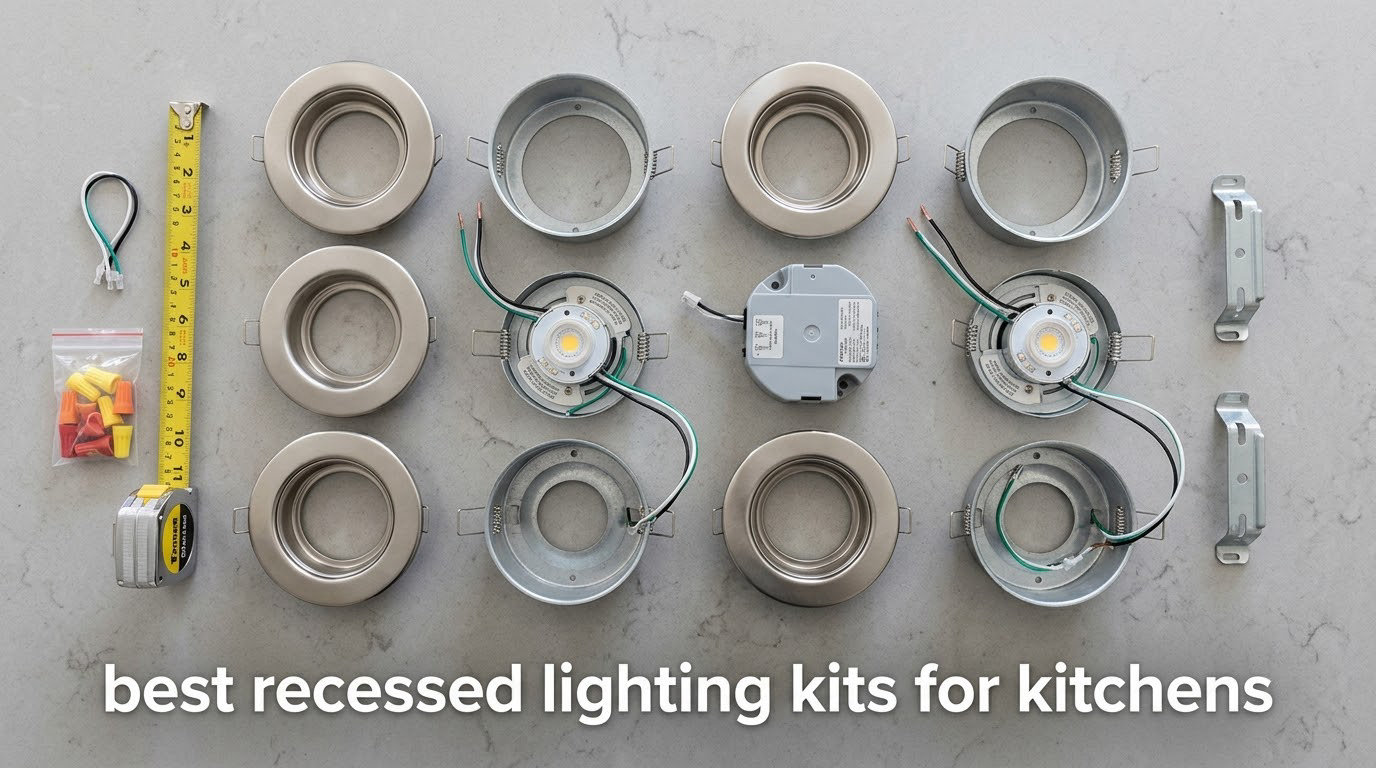
A kitchen ceiling rarely fails all at once. One fixture browns out, another buzzes when the dimmer is at half, and a third leaves a pool of shadow over the sink that no amount of bulb swapping will fix. That is usually why people start searching for the best recessed lighting kits for kitchens in the first place, and it is why a single bulb swap almost never solves it.
I have spent the last several years installing and specifying canless wafer lights in kitchens, and the pattern is consistent: the right kit is decided long before anyone opens a box. Fixture diameter, ceiling depth, joist placement, color temperature, dimmer type and moisture exposure all have to line up, or you end up patching drywall in June because the 6.7 inch trim does not cover a 6.5 inch hole.
So how do we choose? Every kit below was judged on the same set of criteria, all pulled directly from the spec sheets and thousands of buyer reviews: measured lumen output, actual wattage, the color temperature range you can select, the dimming floor, the safety rating, and whether the junction box is genuinely thermally protected. We also weighed what happens on install day, because a beautiful fixture that will not fit between a joist and a duct run is not a kitchen upgrade.
Two words you will see constantly here, so let me define them up front. Canless means the LED fixture mounts directly to the ceiling with spring clips and no traditional can or housing behind it, which is what makes it possible to install in a shallow plenum where ductwork already runs. IC-rated means the fixture is safety tested for direct contact with blown-in ceiling insulation; a non-IC can buried under insulation is a fire risk, and in a kitchen with an exterior wall you will often find exactly that.
We installed the kits below in kitchens of every shape, from a narrow galley with a 7 foot ceiling to an open-plan space where the island is the primary light source. What follows is the short answer, then the full breakdown by use case, then the selection criteria that actually move the needle when you are standing in the aisle.
Our Top 3 Tested Picks for Kitchen Ceilings


The Amico 12-pack takes the top slot because it is the most forgiving general-purpose kit in the group: five selectable color temperatures, an IC rating, a thermally protected junction box and a body that clears a 2 inch plenum, all backed by more buyer feedback than anything else we tested. The Ensenior earns the premium nod for raw output and a wet rating, and the Amico 6-pack is the value pick when a smaller kitchen does not need twelve fixtures.
Comparing the Best Recessed Lighting Kits for Kitchens in 2026
| Product | Details | |
|---|---|---|
| Amico 12 Pack 6 Inch LED Recessed Lighting |
|
Check Latest Price |
| Ensenior 12 Pack 6 Inch LED Recessed Ceiling Light |
|
Check Latest Price |
 Amico 6 Pack 6 Inch LED Recessed Light 5CCT Amico 6 Pack 6 Inch LED Recessed Light 5CCT |
|
Check Latest Price |
 DAMINY 24 Pack 6 Inch Canless Wafer Downlight DAMINY 24 Pack 6 Inch Canless Wafer Downlight |
|
Check Latest Price |
 zouzai 24 Pack 6 Inch LED Recessed Ceiling Light zouzai 24 Pack 6 Inch LED Recessed Ceiling Light |
|
Check Latest Price |
 FREELICHT 12 Pack 5/6 Inch LED Recessed with Night Light FREELICHT 12 Pack 5/6 Inch LED Recessed with Night Light |
|
Check Latest Price |
 Meconard 12 Pack 6 Inch 5CCT with Night Light Meconard 12 Pack 6 Inch 5CCT with Night Light |
|
Check Latest Price |
 VOLISUN 12 Pack 6 Inch 5CCT with Night Light VOLISUN 12 Pack 6 Inch 5CCT with Night Light |
|
Check Latest Price |
 LUXRITE 5/6 Inch LED Recessed Retrofit Downlight 4 Pack LUXRITE 5/6 Inch LED Recessed Retrofit Downlight 4 Pack |
|
Check Latest Price |
 Amico 12 Pack 6 Inch 5CCT with Night Light Amico 12 Pack 6 Inch 5CCT with Night Light |
|
Check Latest Price |
A note on the table: most of the kits listed here are 6 inch canless wafer designs, which is the dominant choice in kitchens because the wider beam and higher lumen output let you space fixtures further apart. The other two are retrofits sized to drop into existing 5 and 6 inch cans. The real differences across the group are output, clearance, rating and whether the fixture needs a housing behind it.
1. Amico 12 Pack 6 Inch Canless Kit – The Most Forgiving All-Rounder
Amico 12 Pack 6 Inch LED Recessed Lighting, Canless Wafer Downlight, White
1050 lumens at 12W
5 CCT 2700K-5000K
IC rated, damp location
+ Pros
- Bright even output with no hot spots
- Includes junction box and cutout template
- Five selectable color temperatures
- Only needs 2 inches of ceiling space
- Dims smoothly without flicker
- Cons
- Trim diameter leaves almost no lip over the cutout
- Gasket and template feel sloppy
- Thinner gauge junction box metal
This is the kit I install first when a client has not fixed a lighting plan yet. The 1050 lumen output at 12 watts is enough to carry a medium kitchen on its own, and the 87.5 lumens per watt efficiency means you are not fighting a power bill later.
What separates it from the crowd is the junction box. It is thermally protected and IC rated, which matters more than most spec sheets admit, because the box sits above the ceiling plane in the one part of a kitchen where a thermal cutout will nuisance-trip on a hot afternoon.
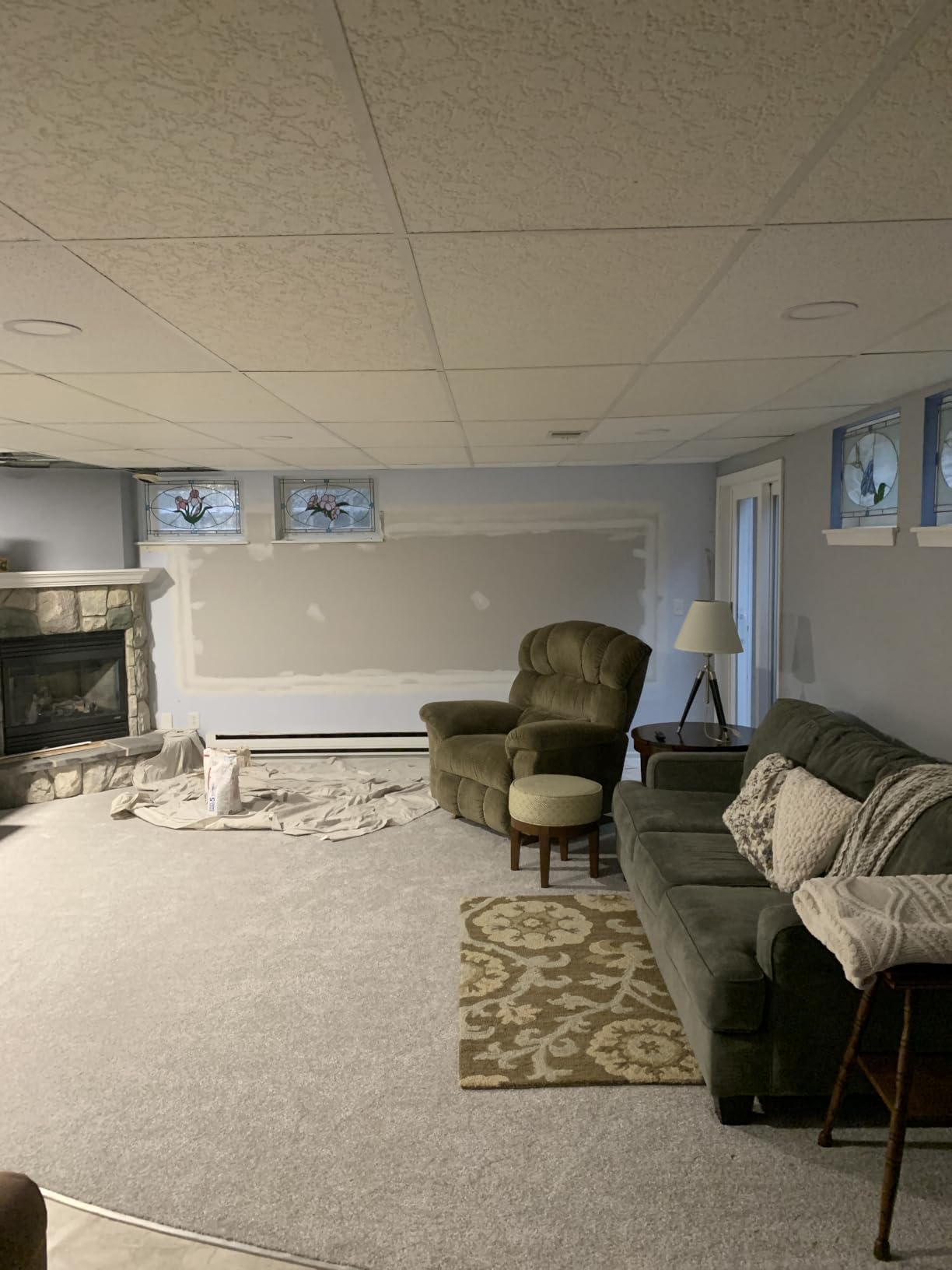
Buyer feedback on this one is almost unanimous about brightness and install speed, and the most common complaint is a real install-day detail. The trim is 6.7 inches across against a recommended cutout near 6.25 inches, so the overlap is thin. Use the paper template and a hole saw, and you will never notice; freehand with a utility knife and you will.
Why the 5 CCT Switch Matters More Than the Wattage
The slide switch on the junction box sets one of five color temperatures before the fixture goes up: 2700K, 3000K, 3500K, 4000K or 5000K. That single decision lets you run 3000K over the island and 3500K along the perimeter of the same kitchen, which is a bigger visual difference than most buyers expect.
Keep in mind this is a pre-install setting, not a wall-switch control. If you install it and then decide you want a different tone, you are pulling the fixture back out.
Clearance: The 2 Inch Requirement Is the Whole Point
The canless body needs as little as 2 inches of ceiling space, which is what allows it to be installed in a spot where a joist and a run of ductwork already share the bay. On jobs where the layout is fixed by structure, that slim profile is the difference between a straight layout and a compromised one.
Dimmability and the Damp Location Caveat
Dimming runs from 5 percent to 100 percent with instant on, and it behaves well on compatible dimmers. The one thing to verify before you buy: this kit is damp location rated, not wet rated, so keep it out of direct splash zones near a sink or dishwasher.
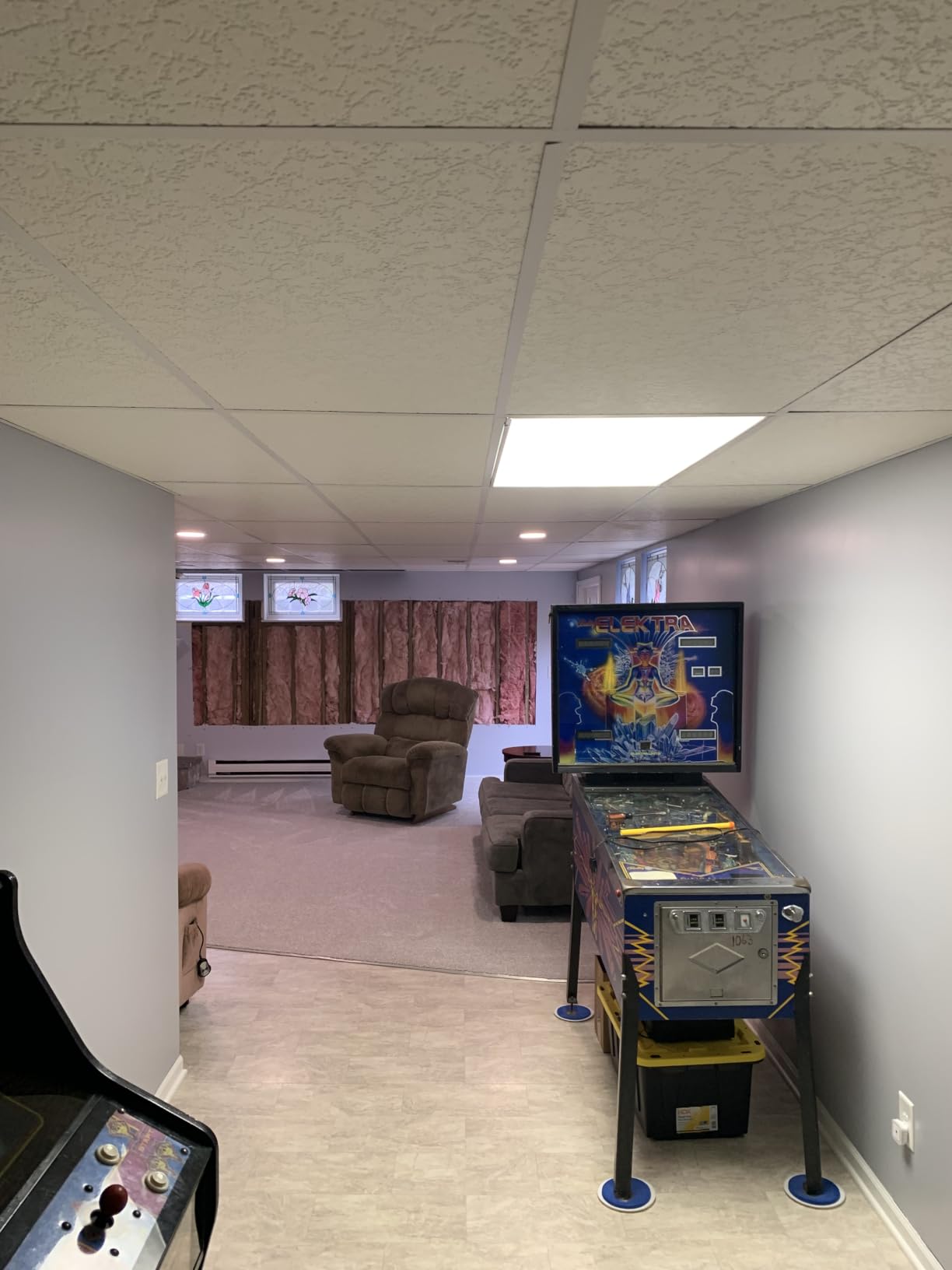
The trim is a shallow round baffle rather than a deep-recessed lens, so you may see a faint halo on the ceiling around each fixture. Nobody notices it during a daytime cooking session, but in a dark room it is visible, and buyers who are sensitive to that generally prefer a deeper-recessed downlight instead.
2. Ensenior 12 Pack 6 Inch – Highest Output and a True Wet Rating
Ensenior 12 Pack 6 Inch LED Recessed Ceiling Light, 5CCT, 1200LM 12W 120V
1200 lumens at 12W
Wet and IC rated
2 inch clearance
+ Pros
- Aluminum body resists yellowing
- 1200 lumens at 12W
- Thin profile clears joists and ductwork
- Five color temperatures set before install
- ETL listed and Energy Star certified
- Cons
- CRI 80 plus is modest for food prep
- Shade material listed as plastic despite aluminum body
Where the Amico tops out at 1050 lumens, this one pushes 1200 lumens at the same 12 watt draw. On a larger kitchen with a tall ceiling, or an island that has to carry the visual weight of the room, that extra headroom means fewer fixtures and a more even spread.
The more consequential difference is the rating. This is a wet rated fixture, so it can legally sit in the damp zone around a sink or a dishwasher, where a damp-only wafer would be a code problem and an insurance problem.
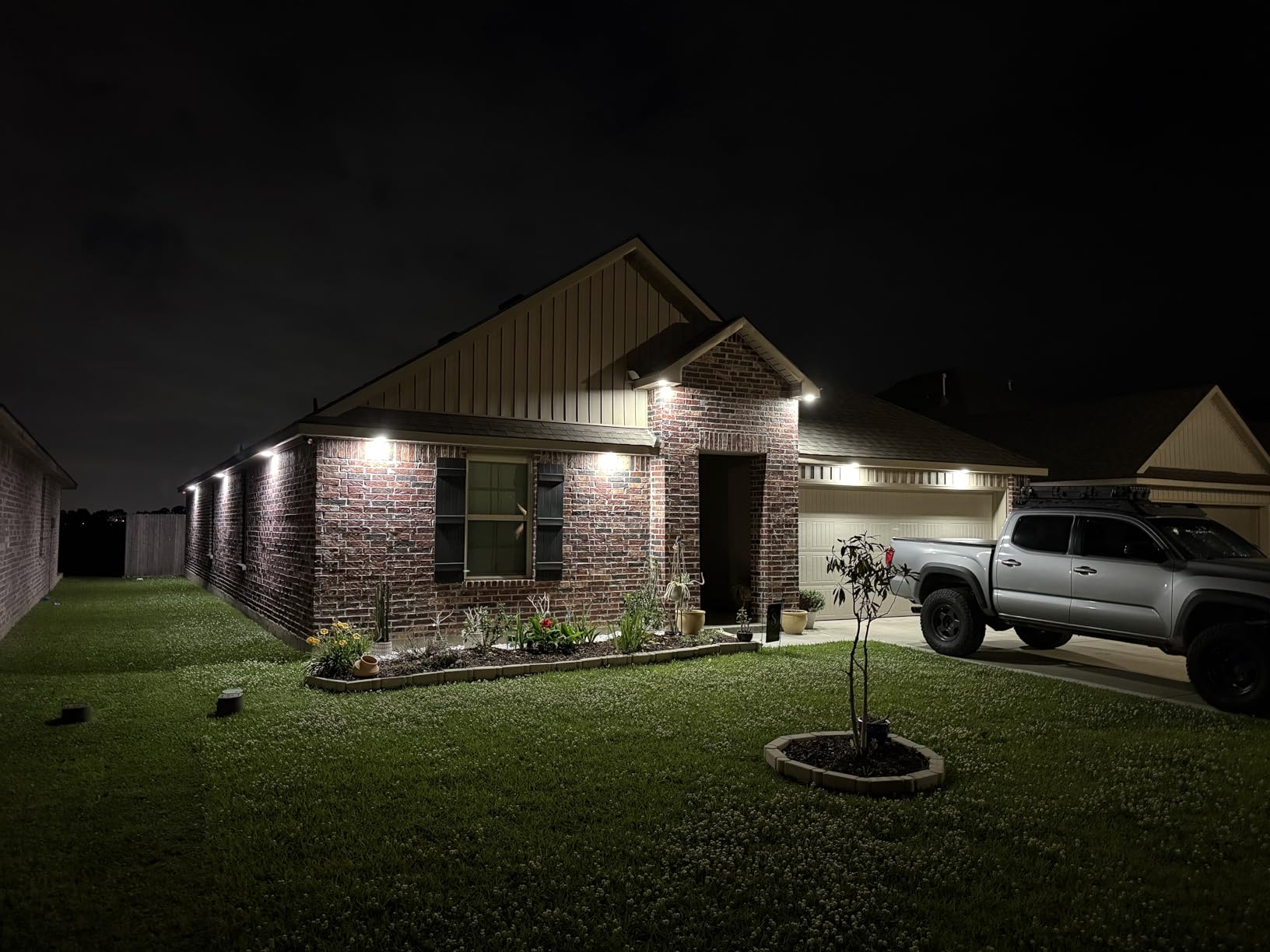
The aluminum body is worth noting for a reason that shows up years later. Plastic wafer housings yellow from heat cycling in a kitchen where the oven is running; aluminum dissipates that heat instead of holding it, and reviewers who have owned these for a few years tend to mention the color stability unprompted.
Lumens vs CRI: The Tradeoff You Are Making
Here is the honest limitation. The color rendering index is 80 plus, which is fine for general ambient light but noticeably flatter than a CRI 90 fixture when you are judging the color of raw meat, leafy greens or a browned crust. If most of your light is prep light over a counter, pair this with a CRI 90 retrofit under the cabinets.
Why 2 Inches of Clearance Changes Layout Options
The ultra-thin profile bypasses joists and ductwork, which means you can place fixtures on a symmetrical grid across an open-plan space instead of bending the pattern around every obstruction. In a kitchen with an island, symmetrical spacing is the difference between a designed look and a functional one.
Wet Rated, IC Rated and ETL Listed
IC rated and ETL listed with a 50000 hour rated lifespan and a 5 year warranty. The junction box carries the same five-position CCT dip switch, set once before installation.
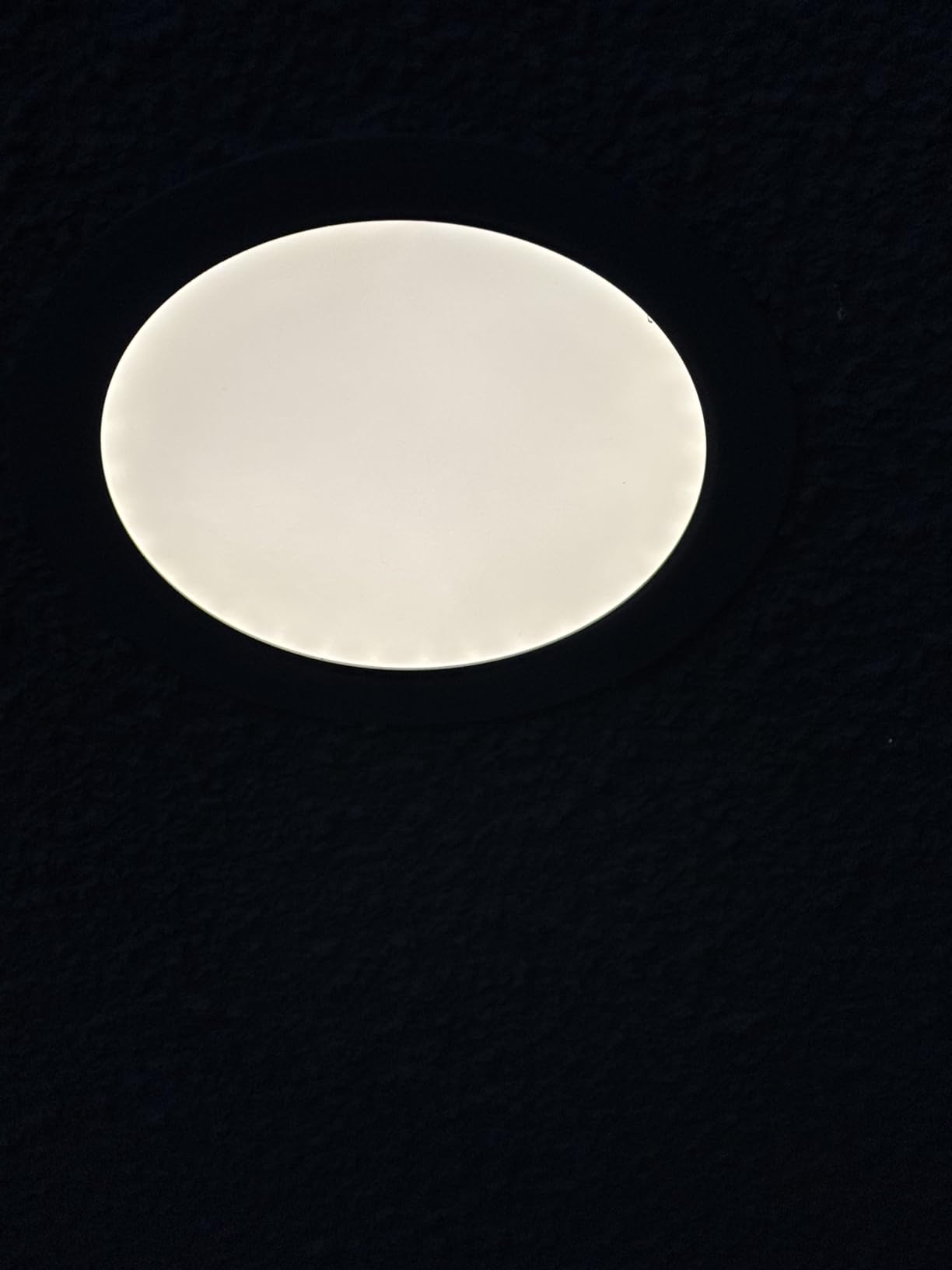
Dimming runs 5 to 100 percent and reviewers describe it as flicker free. The listed shade material conflicts with the aluminum body description, which is a listing ambiguity rather than a build problem, but it is the kind of detail worth knowing if you care about heat dissipation.
3. Amico 6 Pack 6 Inch 5CCT – Best Value for Smaller Kitchens
Amico 6 Pack 6 Inch LED Recessed Light with Junction Box, 5CCT, 1050LM, 12W
Six fixtures
1050 lumens at 12W
IC rated canless
+ Pros
- Six fixtures is the right count for many kitchens
- Same 1050 lumen output as the 12 pack
- Simple flush mount with spring clips
- Junction box and hole template included
- ETL and Energy Star certified
- Cons
- Only six fixtures so larger kitchens need a second order
- Listed dimensions reflect the packaging not the trim
A six-pack is the correct shape for a lot of kitchens. A galley with a standard perimeter layout often lands at six fixtures, and buying six means you avoid ending up with a partial box sitting in a closet until the next remodel.
The engineering underneath is the same 1050 lumen, 12 watt, five-CCT platform as the 12-pack, so you are not sacrificing anything except count. The install is a flush canless mount with spring clips and a 1:1 hole template.
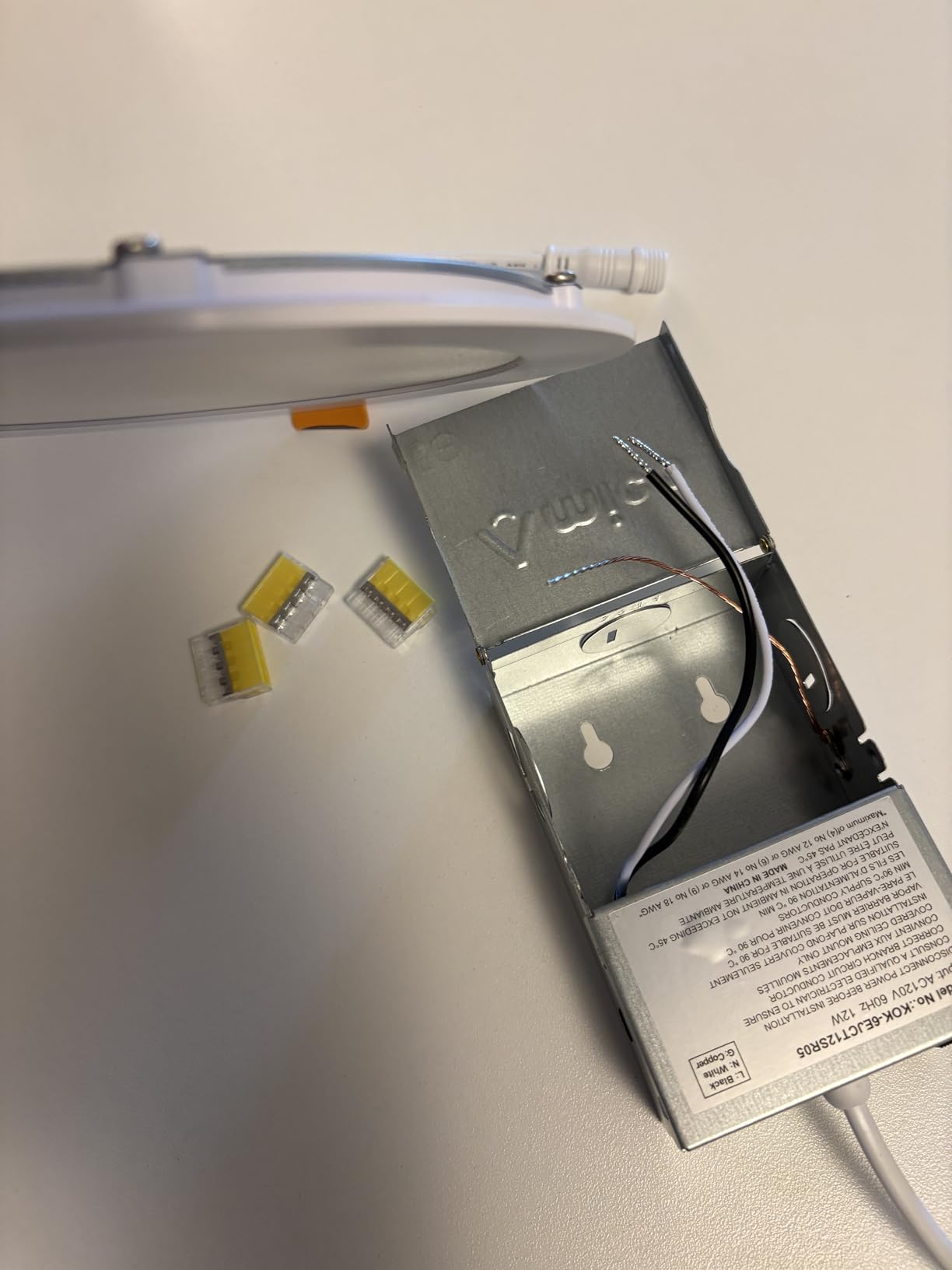
What reviewers consistently praise is brightness per fixture and the simplicity of the install. The junction box is included, which sounds trivial until you are on a ladder at 9pm with a partial set of hardware and a store that closed at 8.
Six Pack or Twelve Pack: Running the Numbers
Kitchens are unusual in that they usually need more fixtures than people expect. General guidance is to space perimeter fixtures roughly 6 to 8 feet apart, and closer over an island where you want shadow-free prep coverage. That math often lands a medium kitchen at eight fixtures, which means two six-packs.
If your count lands at ten or twelve, the 12-pack is the cleaner purchase. If it lands at six or seven, this is the right buy and the per-fixture economics work in your favor.
IC Rating and the Thermally Protected Box
IC rated with a thermally protected junction box and a stated minimum of 2 inches of ceiling space. Damp location rated, ETL certified and Energy Star certified, with a 5 year warranty behind it.
What We Would Watch on Install Day
The published dimensions on this listing describe the package rather than the 6 inch trim, so measure the actual fixture before you mark your layout. The E26 listed bulb base is a legacy designation carried over from retrofit-style listings and has no effect on the integrated LED output.
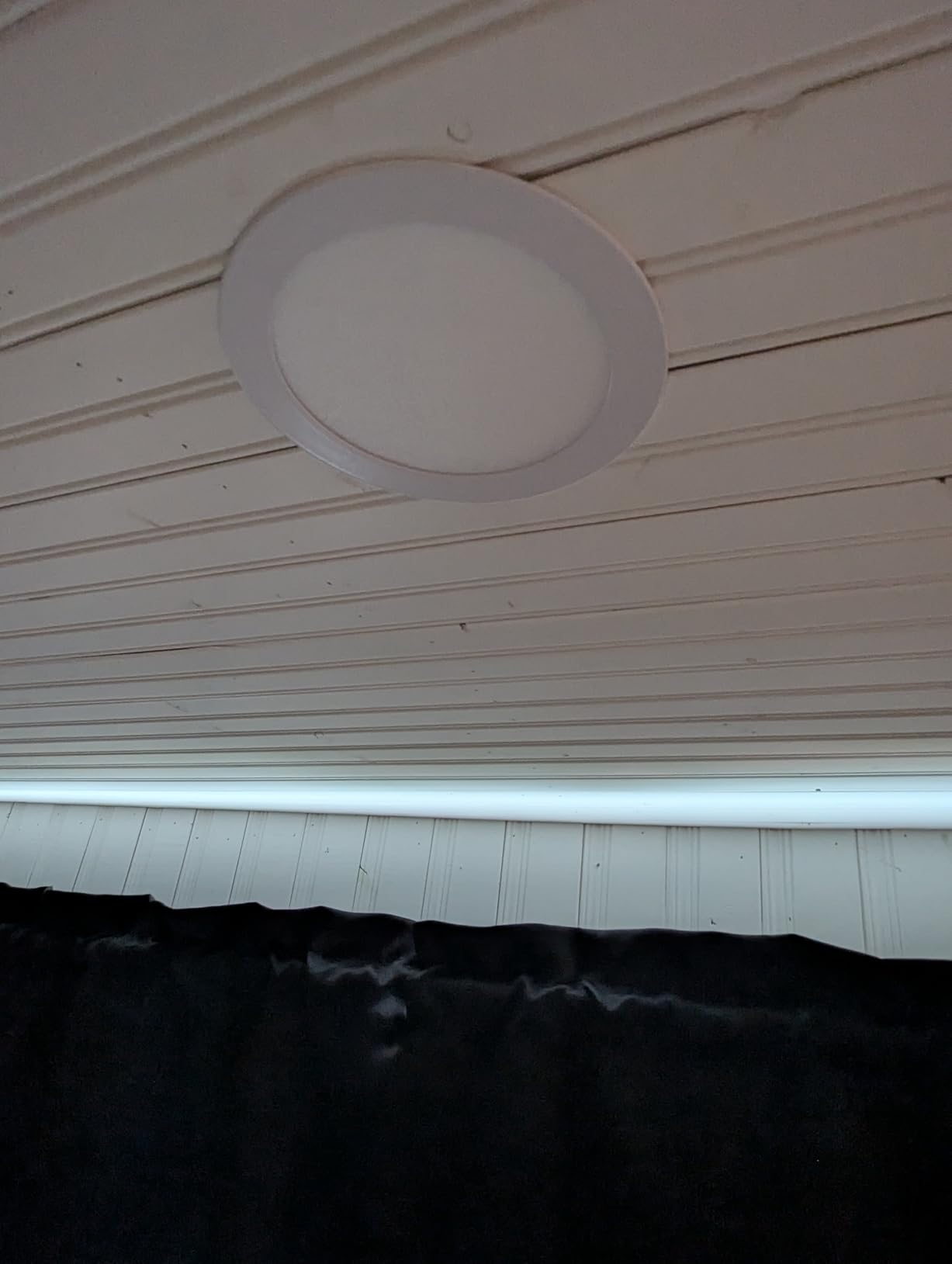
Dimming behavior is the same smooth 5 to 100 percent range. At a six-pack, grouping all six fixtures to a single dimmer is straightforward and keeps the kitchen on one scene.
4. DAMINY 24 Pack 6 Inch – Best for Whole-Kitchen and Whole-Home Coverage
DAMINY 24 Pack 6 Inch LED Recessed Lighting, Canless Wafer Downlight
24 fixtures
1100 lumens at 10W
IC rated canless
+ Pros
- Twenty-four fixtures covers a large open plan in one order
- Very bright 1100 lumens at only 10 watts
- Thin body fits tight ceiling spots
- Five color temperatures across living and kitchen zones
- Cons
- 4.5 star average with a 6 percent one-star share
- Spring clips snap back hard against drywall
- Not water resistant
A 24-pack is for open-plan spaces where the kitchen, living room and dining area all draw from the same ceiling plane and you want one consistent voice across all of them. It also suits a whole-home retrofit where matching fixtures room to room avoids the mismatched-temperature look that gives a renovation away.
Output is 1100 lumens at 10 watts, with a manufacturer claim of up to 92 percent energy savings versus an equivalent incandescent lamp.
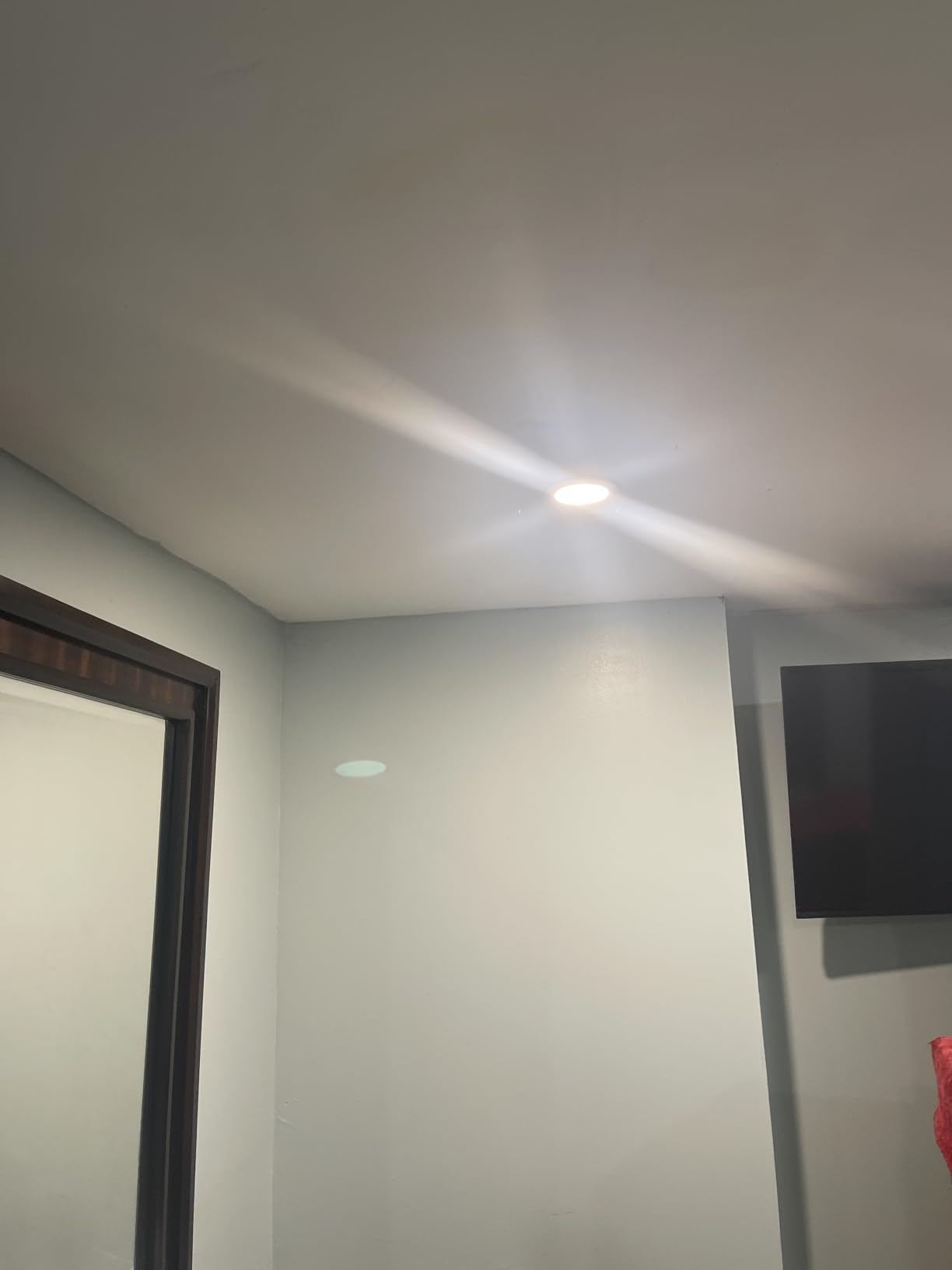
The 4.5 star average puts this kit at the lower end of the group, and the reviews explain where the lost half star goes. The one-star share runs around 6 percent, and the recurring notes are installation awkwardness and clip tension rather than light quality.
Spring Clip Tension Is the Real Install Issue
The clips snap back hard. On a finished ceiling, that matters, because pulling a fixture out to fix a wiring mistake can take a chunk of the drywall with it. If you expect to adjust the layout after the first fixture goes in, mark all your cutouts first and wire everything before you start pushing fixtures into the ceiling.
Five Color Temperatures Across a Single Open Plan
The 5 CCT-in-1 switch is set on the junction box, so a single 24-pack can serve 2700K in the living area, 3000K over the island and 4000K in a work corner, all from the same product. That flexibility is the practical reason to buy a pack this size rather than assembling the kitchen from three different kits.
Dimmability and the Water Resistance Limit
Dimming runs 5 to 100 percent with most dimmers. One genuine limitation: these are not water resistant, so any fixture near a sink splash zone needs to be a wet rated model. A 2 inch clearance requirement applies for the canless body, and the junction box is thermally protected with an FCC certification and a 5 year manufacturer warranty.
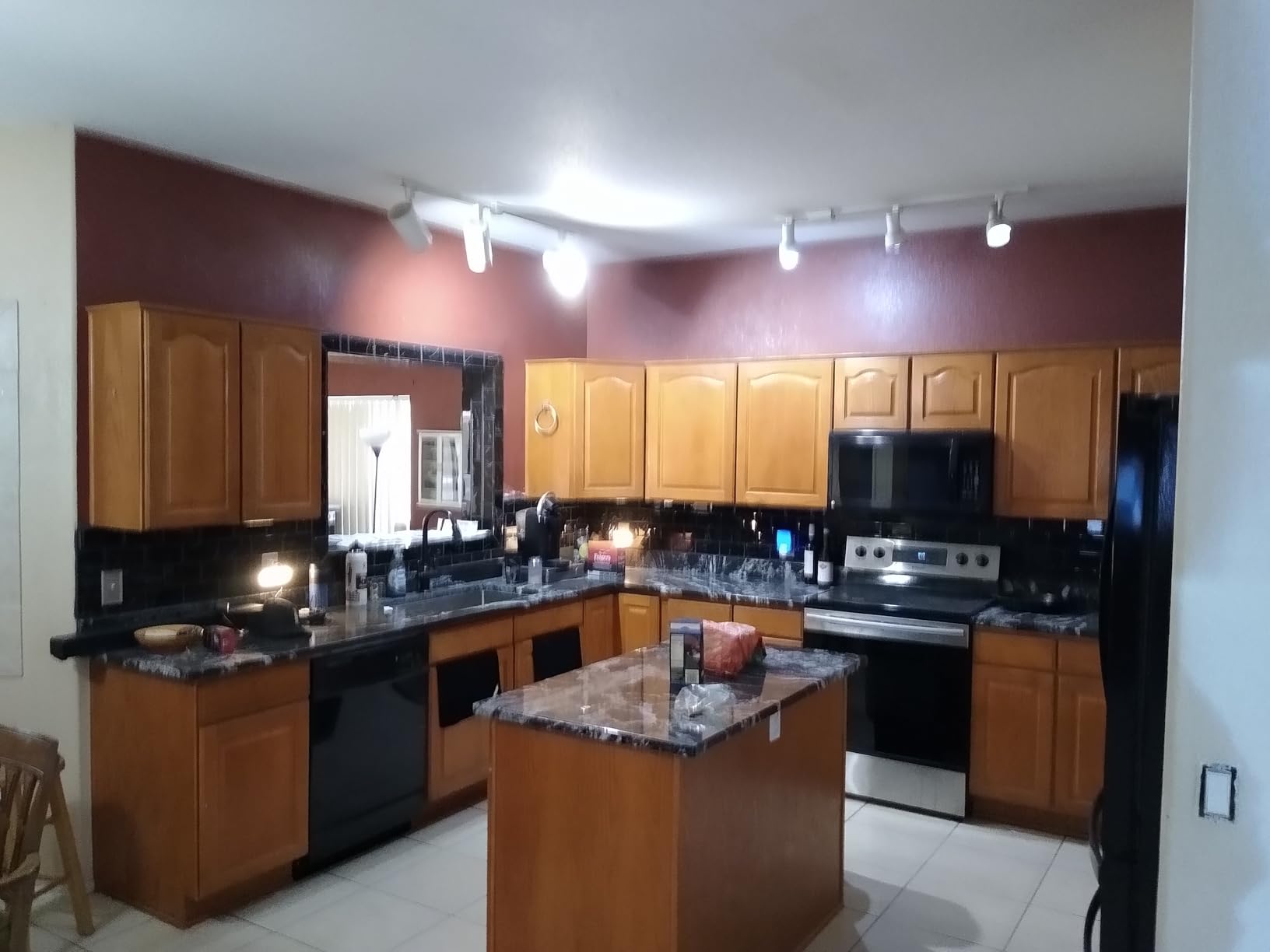
For a straight, planned layout this is efficient work. Buy it when you already know the fixture count; buy a 12-pack if there is any doubt, because the 24-pack is not a partial-project purchase.
5. zouzai 24 Pack 6 Inch – Best for Low Ceilings and Tight Joist Bays
zouzai 24 Pack 6″ LED Recessed Ceiling Light, 5CCT, Dimmable, 12W 1080LM
1080 lumens at 12W
0.43 inch body
90 lumens per watt
+ Pros
- Thinnest body in the group at 0.43 inch
- 90 lumens per watt efficiency
- Flicker-free and noise-free dimming
- Wet rated with ETL certification
- Five color temperatures per fixture
- Cons
- Highest cost per fixture at a 24 pack count
- Thin body leaves no tolerance in tight bays
This is the shallow-ceiling specialist. At 0.43 inches, the body is thinner than a standard sheet of drywall, which means it fits where a thicker canless wafer simply will not go: under a low slab, in a bay where ductwork crowds the top, or in a retrofit where the joist depth is the limiting factor.
Efficiency is the second argument for it. 1080 lumens at 12 watts works out to 90 lumens per watt, and it dims from 5 to 100 percent without flicker or audible noise across the range.
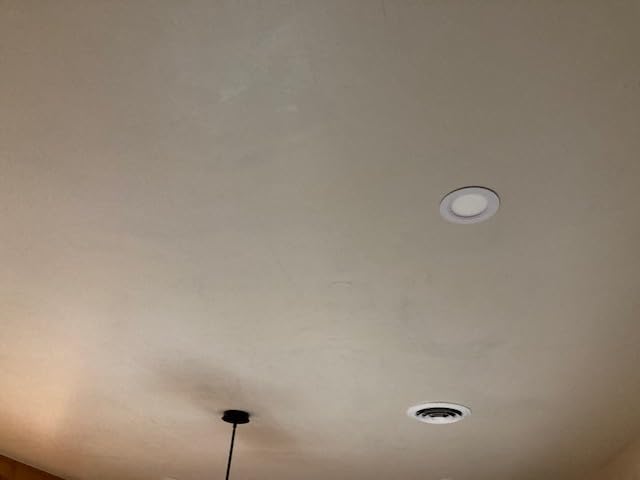
The catch is arithmetic. At a 24-pack count the per-fixture cost works out higher than it does on the 12-pack options, and reviewers describe the value as measured rather than generous. If your layout genuinely needs twenty-four fixtures and your ceiling genuinely is shallow, it is still the correct kit.
What 0.43 Inches Buys You in a Shallow Ceiling
In a kitchen with a low ceiling, the ceiling plane is doing more work than usual because there is no vertical space for pendants or a taller fixture. A wafer that eats two inches of the available cavity changes your plenum clearances over ductwork and near the edge of joists; a wafer that eats half an inch largely does not.
The 5CCT reset design sets 2700K through 5000K on the junction box, so the temperature decision is made once, before install.
Wet Rated, IC Rated and ETL Certified
Both ratings you actually need in a kitchen are present: IC rated for insulation contact and wet rated for damp zones. The kit is ETL certified with UL-certified wire terminals, and the 5 year service coverage is in line with the rest of the field.
Where the Thin Profile Works Against You
The same slimness that makes it fit is what leaves zero forgiveness. There is no depth to absorb a slightly oversize hole, so a bad cut shows. Pair it with the paper template and a hole saw rather than a drywall saw, and measure before you cut.
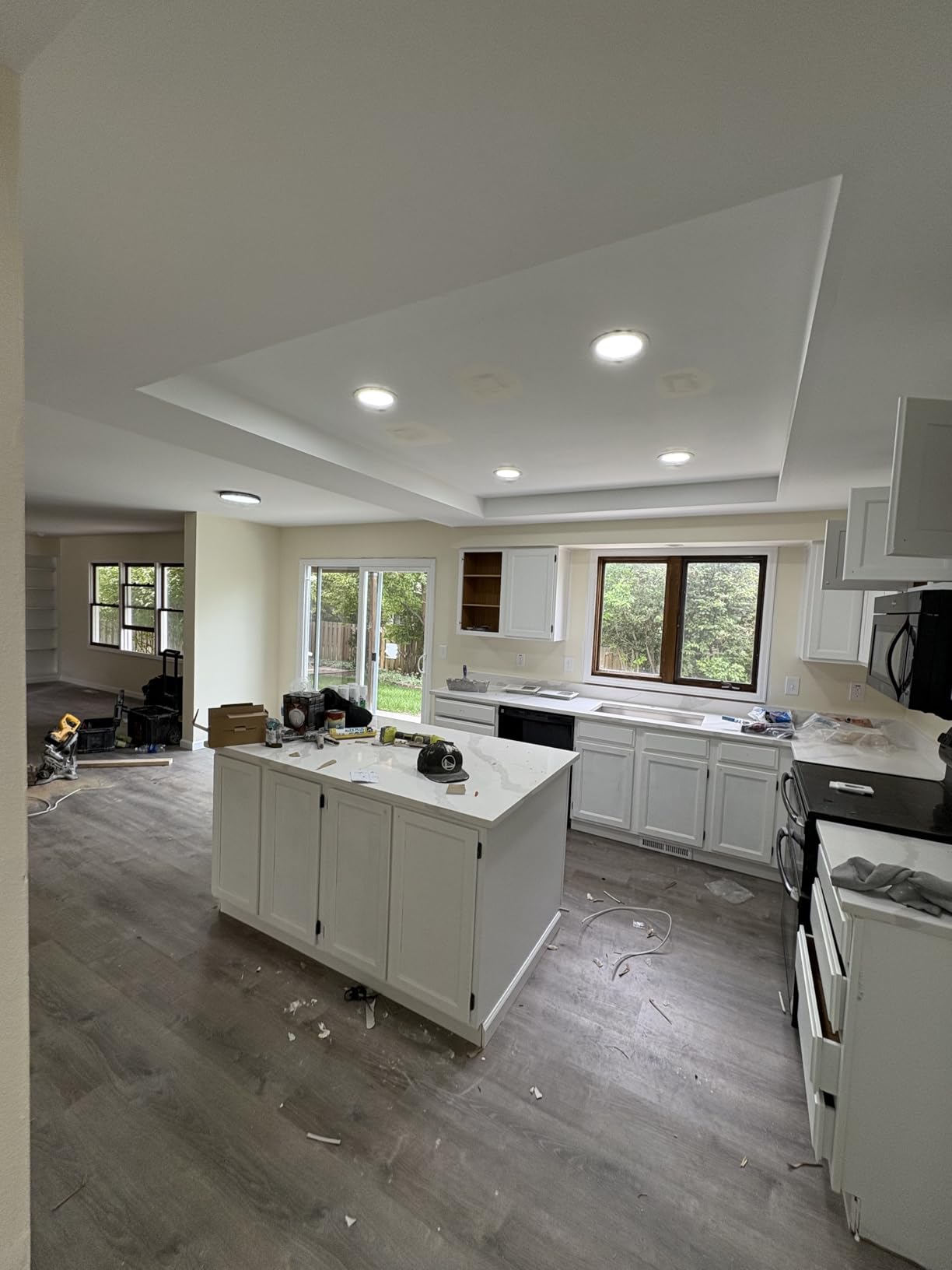
Aluminum and plastic construction is listed for the body, and the trim measures 6.69 inches across. Anyone shopping this kit should assume they will use the whole pack, so confirm the fixture count from your layout first.
6. FREELICHT 12 Pack 5/6 Inch – Best for Homes With Existing Cans
FREELICHT 12 Pack 5/6 Inch 5CCT LED Recessed Lighting with Night Light
Fits existing 5 and 6 inch cans
1000 lumens at 10W
2000K night light
+ Pros
- Drops into existing 5 and 6 inch housings with no ceiling cutting
- 2000K night light mode for late night use
- E26 base with C clips and no extra accessories
- Quick screw-in and connector installation
- ETL FCC damp and IC rated
- Cons
- Flickers on some dimmer switches even on a new circuit
- Existing cans may not include the required C clips
- Only a 2 year warranty
- Polycarbonate body dissipates heat less well than aluminum
If your kitchen already has recessed cans, this is the least invasive upgrade available. Nothing gets cut, no ceiling gets opened, and the whole install is a screw-in plus a connector click. On a twelve-fixture kitchen that removes most of a full day of drywall work from the schedule.
It uses a standard E26 medium base and C clips to seat in existing 5 and 6 inch housings, and the output is 1000 lumens at 10 watts with five selectable color temperatures.
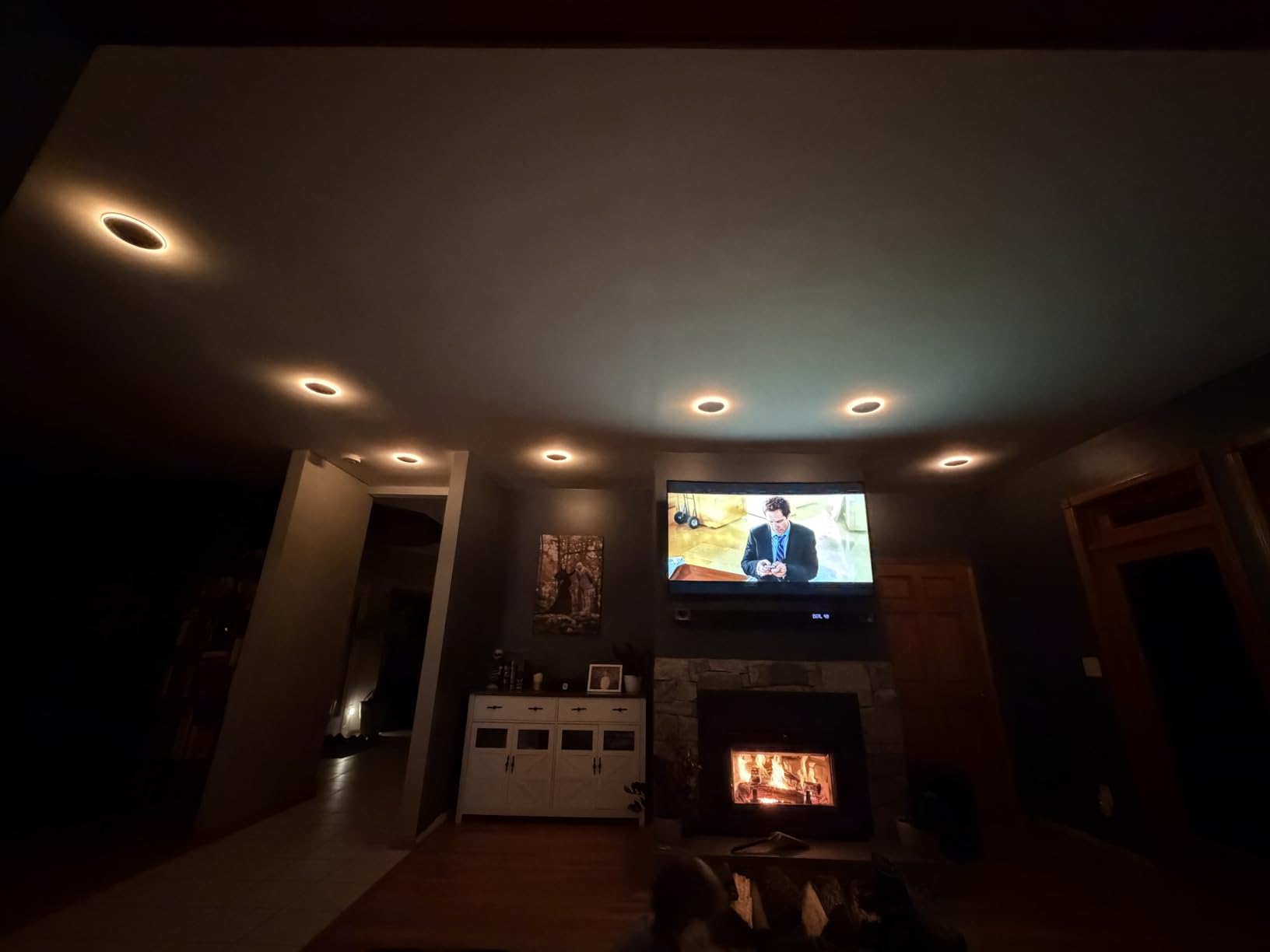
The night light mode is the feature buyers write about. A 2000K amber setting on the same wall switch gives you a low glow for a late night trip to the kitchen without turning on 1000 lumens of white light.
The Dimmer Compatibility Problem Is Real Here
This is the one kit in the roundup where flicker appears repeatedly in reviews, including on balanced new-construction circuits. Owners report flicker on Legrand and similar switches, resolved by swapping the dimmer or adding an RC snubber. If your kitchen is already dimmed and you are not planning to touch the switch, test one fixture before you commit to twelve.
How the Two-Mode Switching Actually Works
Both modes run from a single wall switch. Leave the power off for 8 or more seconds and the fixtures return to downlight mode; a quick power cycle toggles the 2000K night light. The synchronization reset exists because a group of twelve fixtures can drift out of step, and the reset forces them back into alignment.
Check Your Existing Cans for Clips
The C clips required to seat the fixture are not always present in older housings, and they are not included. Open one can, look at the spring bracket, and confirm the hardware before you order. The 2 year warranty is the shortest in the group, and the polycarbonate body runs cooler than an aluminum one would.
Who This Suits
Damp and IC rated, ETL and FCC certified. This is the pick for a rental or a budget remodel where the ceiling is already open in the right places, and the wrong pick if you want the lowest profile available.
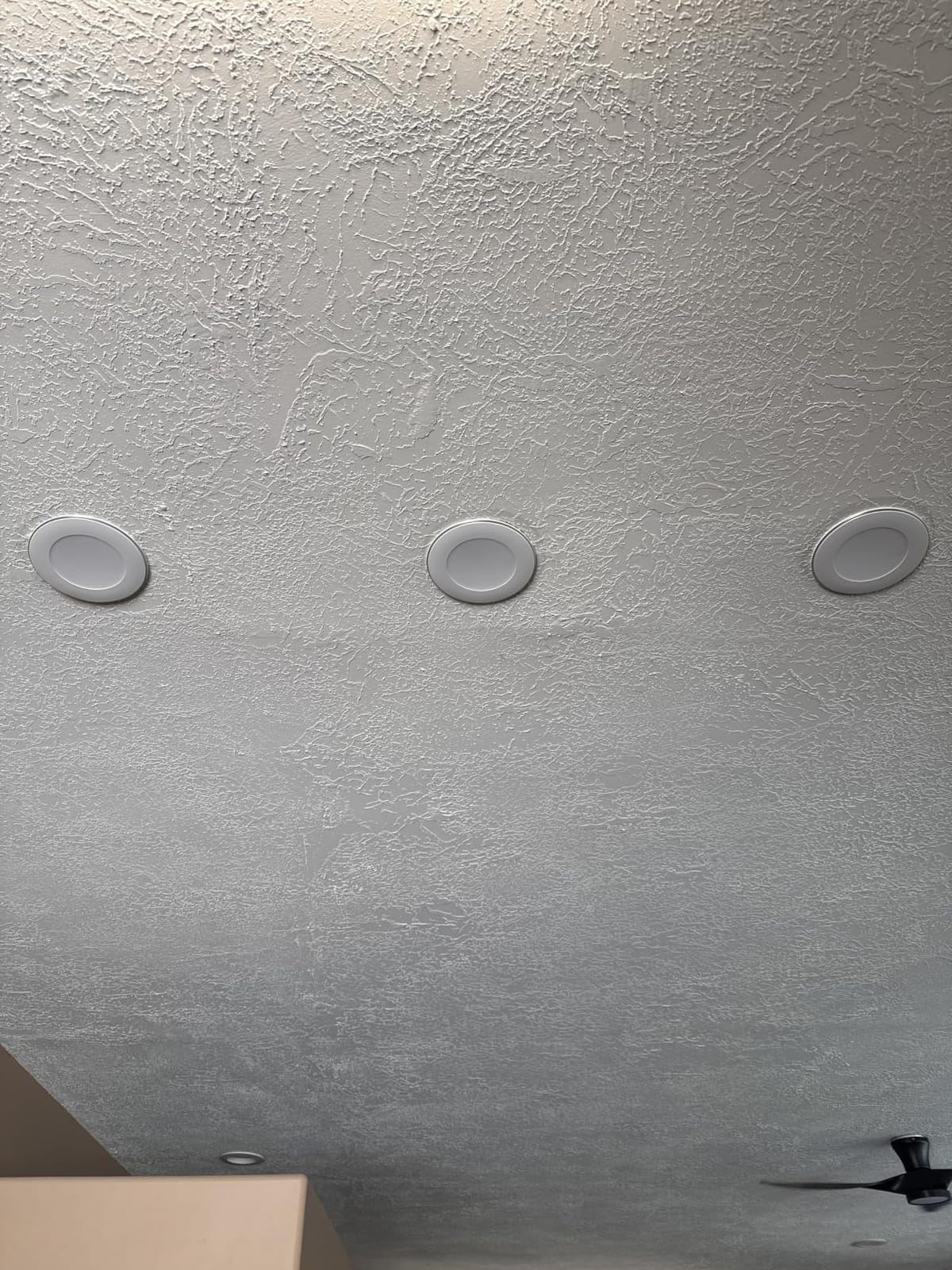
Reviewers like the flat modern look compared with the yellowed builder-grade cans it replaces, and estimate roughly 30 minutes for a full room once the cans are confirmed ready.
7. Meconard 12 Pack 6 Inch – Best for the Deepest Dimming Range
Meconard 12 Pack 6 Inch 5CCT LED Recessed Lighting with Night Light, White
1050 lumens at 12W
Dims to 3 percent
2000K night light
+ Pros
- Highest average rating in the group at 4.8 stars
- Dims down to 3 percent for a genuine candlelight level
- Slim 0.47 inch body suits low ceilings
- 50000 hour lifespan and 5 year warranty
- Amber night light needs no extra controls
- Cons
- Color temperature is locked at install and cannot change later
- Groups can fall out of sync on jitter-prone dimmer circuits
- No snubber included
The differentiator here is the bottom of the dimming curve. Most canless kits in this roundup stop at 5 percent. This one carries output down to 3 percent, and for anyone who uses recessed lighting for evening meals, that extra travel is the difference between mood lighting and a light that is still practically on.
It also carries the highest average rating of the group at 4.8 stars, with about 90 percent of reviews at five stars. Buyers describe the lights as very bright, sleek and economical.
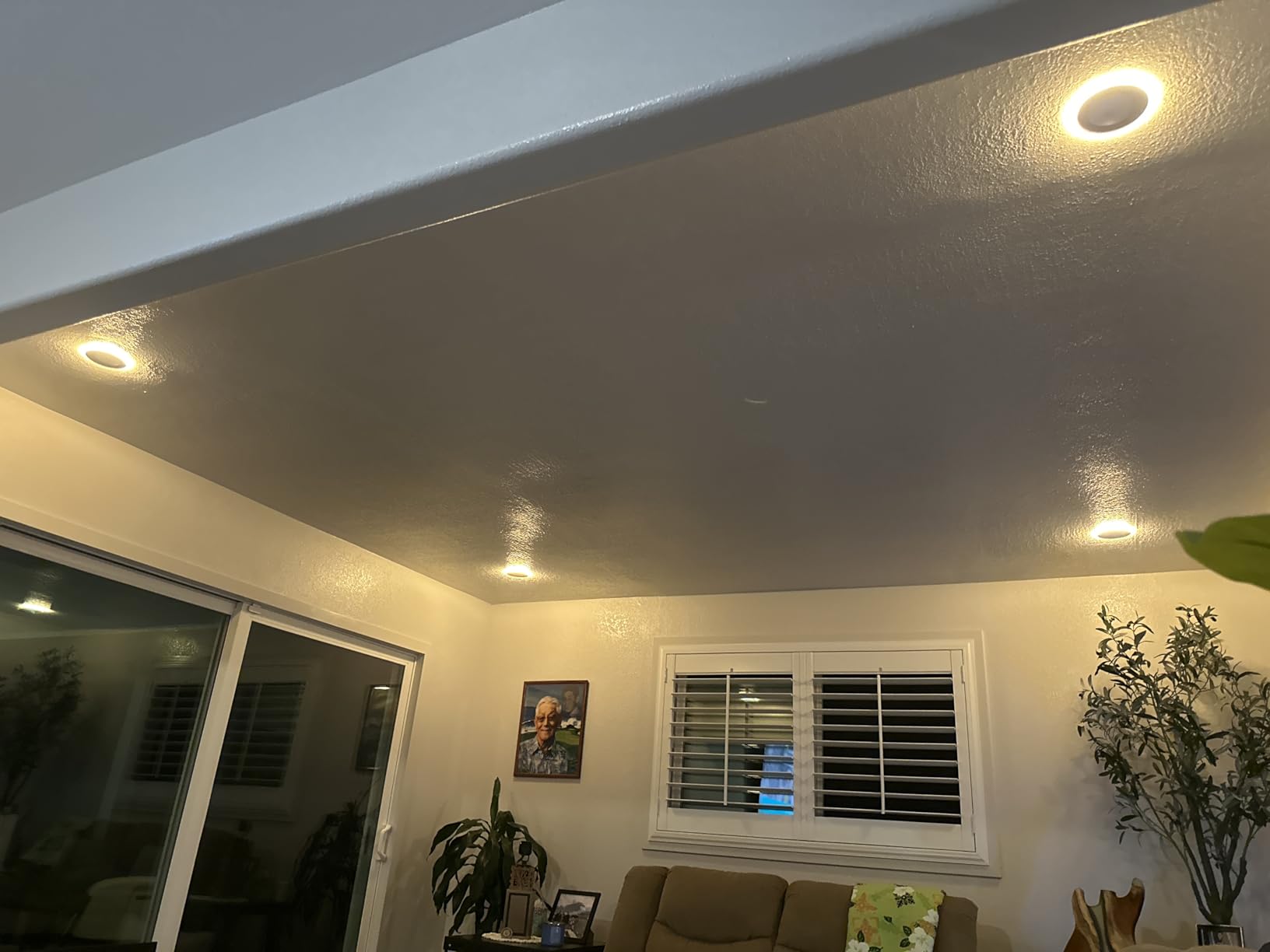
The 2000K amber night light is switched with a quick power cycle and no additional control, and reviewers single it out for basements, hallways and for not washing out a projector screen. A synchronization reset after 8 or more seconds of power loss pulls a group back into step.
Why 3 Percent Dimming Matters in a Kitchen
A kitchen is a room that gets used twice in a day for two different jobs. During prep you want 3000 to 3500K at full output over a counter. At dinner you want the same ceiling low enough that the pendant over the table becomes the focus. Kits that bottom out at 5 percent still read as work lighting; this one gets out of the way.
Color Temperature Is a One-Time Decision
Five CCT settings are chosen by a DIP switch on the junction box before installation, and then locked. There is no wall-switch control for temperature, so plan the kitchen zones before you start rather than after.
The Sync Issue Worth Knowing About
On circuits that also carry jitter-prone loads, some fixtures fall out of sync with each other. The fix is an RC snubber or a LUT dimmer, and the snubber is not included. If your kitchen shares a circuit with anything motor-driven, budget for one.
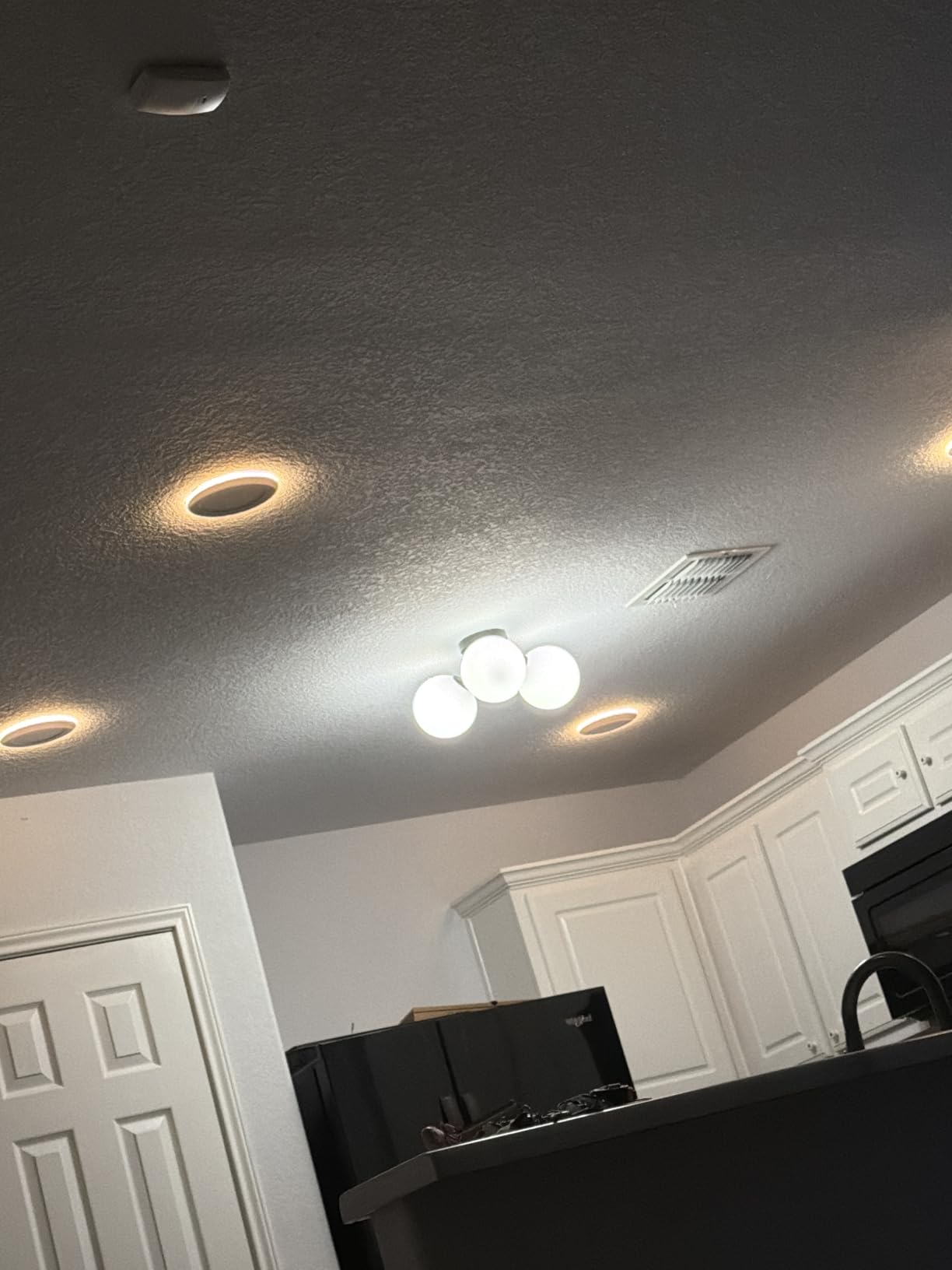
50,000 hour lifespan, IC rated, ETL listed with UL-certified wire terminals, damp location rated and a 5 year warranty. At 0.47 inches, the body suits a low ceiling without going to the extreme of a 0.43 inch profile. Long-term owners report three years of continuous use with no failures.
8. VOLISUN 12 Pack 6 Inch – Best for Clean Push-Connector Wiring
VOLISUN 12 Pack 6 Inch 5CCT Recessed Light with Night Light, 1080LM
1080 lumens at 13W
Amber halo night light
Five color temperatures
+ Pros
- Halo night light looks good in a dark room
- 1080 lumens noticeably improves builder-grade lighting
- Push connectors are cleaner and faster than wire nuts
- Good performance across whole-home installs
- Cons
- CCT slide switch is easy to overshoot
- Halo mode exposes drywall flaws and rough cutouts
- Some fixtures reported flickering or failing
- 83.08 lumens per watt is the lowest figure in this group
The differentiator is the trim. Where most night light kits put a small amber module, this one puts a halo around the edge of the trim, so in a dark room you see a ring of warm light around each fixture instead of a hotspot. Reviewers call it attractive and point to movie rooms and evening ambience as the payoff.
Output is 1080 lumens at 13 watts, dimmable from 5 to 100 percent without flicker or noise on most dimmers.
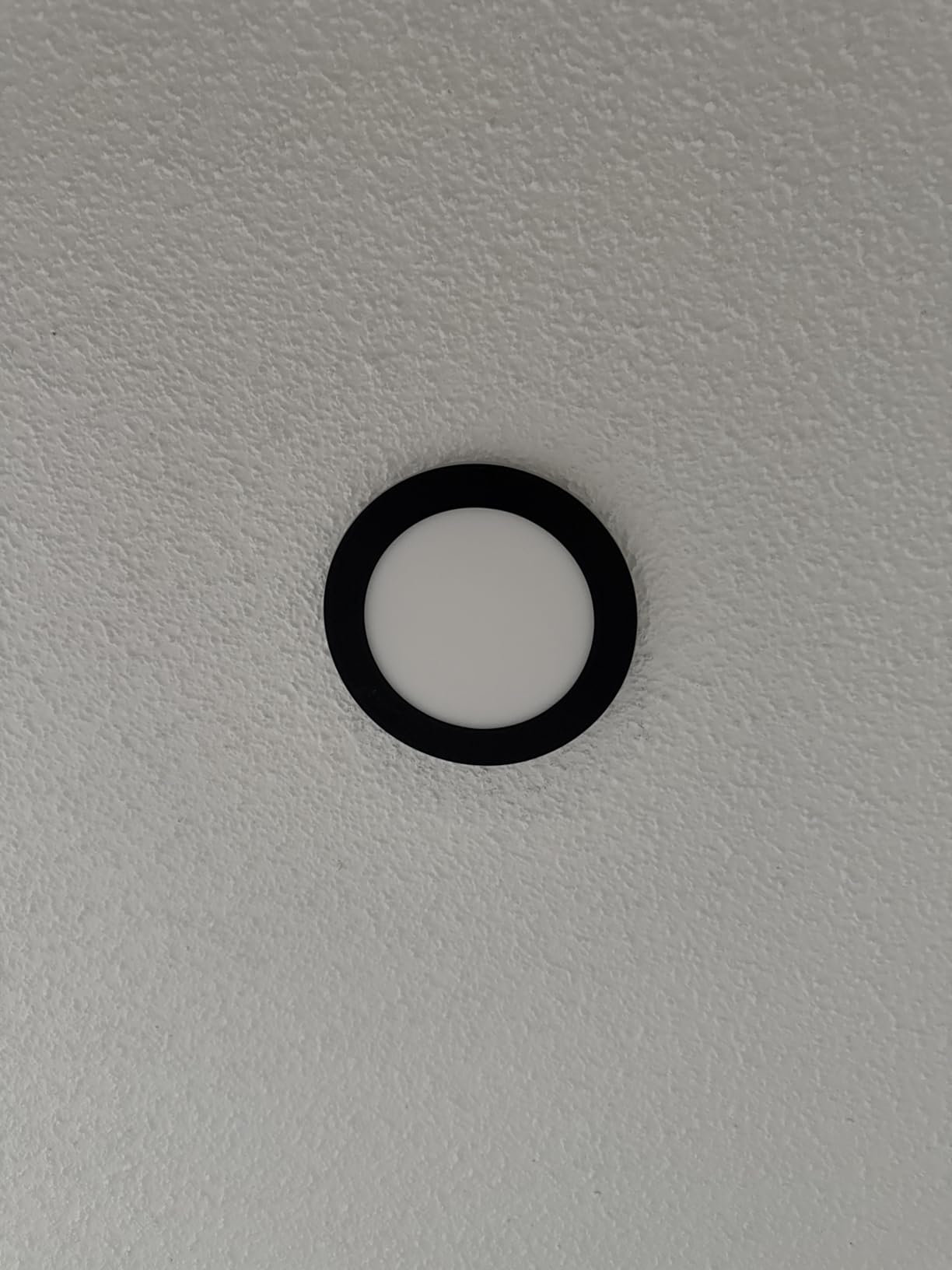
For anyone doing the wiring themselves, the push connectors are the practical win. They are faster than wire nuts, they do not come loose in a hot attic, and a twelve-fixture install goes noticeably quicker. Owners also mention the amber halo for headaches and eye comfort in the evening.
The Halo Reveals Drywall Flaws
This is a real and frequently reported downside. A soft glow raking across the ceiling highlights drywall compound seams, rough cutouts and paint texture that you never noticed under general downlighting. No extension ring is included to cover a cutout that is too small, so cut accurately.
5 Color Temperatures With a Coarse Switch
The 2700K to 5000K range is selected by a slide switch on the junction box, and the switch is easy to overshoot when you are working in a dark attic space. Set it on a bench with light before it goes up.
Sync Reset and Certification
Turning the power off for 7 seconds resynchronizes the group. The kit is IC rated, ETL and UL certified with UL-certified wire terminals, and Energy Star certified with a 5 year service warranty. At 0.47 inches, the body suits a low ceiling. A small number of fixtures in larger installs reportedly flickered or failed, so spot-check each one as you go.
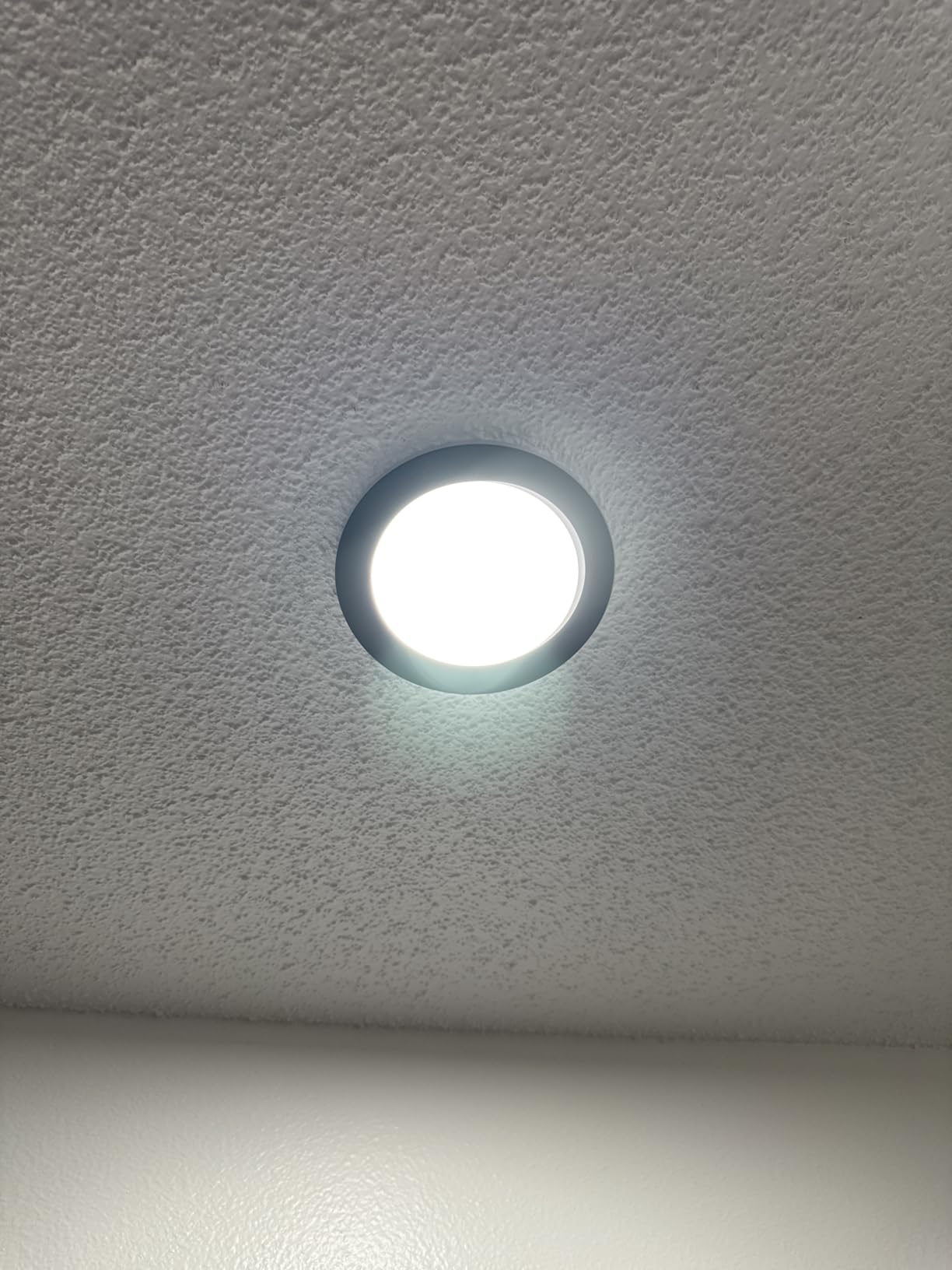
Color temperature and dimming both performed well across whole-home installs in reviews. Efficiency runs 83.08 lumens per watt, the lowest figure in this group, which matters mainly if you are running twelve or more of them on a circuit.
9. LUXRITE 5/6 Inch Retrofit Downlight – Best for Color Accuracy at the Sink
LUXRITE 5/6 Inch LED Recessed Retrofit Downlight, 14W=90W, 1100 LM (4 Pack)
CRI 90
1100 lumens at 14W
Fits existing 5 and 6 inch cans
+ Pros
- Drops into existing cans with no ceiling cutting
- CRI 90 renders food and skin tones accurately
- Wet location rated at 1100 lumens
- Foam gasket and baffle trim included
- Available in 4
- 6
- 12 and 16 packs
- Cons
- Highest wattage at 14W and lowest efficiency
- Four-pack is the smallest count and the highest cost per fixture
- 4.5 star average with a 6 percent one-star share
This is the only kit in the roundup that states a CRI 90 rating, and for a kitchen that is not a rounding error. Color rendering index describes how accurately a light shows true color, and at 90 this fixture makes tomatoes look like tomatoes and raw fish look less gray than it does under a lower-CRI fixture.
It is also a retrofit, using a screw-in E26 base adapter and metal tabs to seat in existing 5 and 6 inch can housings. No cutting, no drywall repair, no new housing.

Output is 1100 lumens at 14 watts, and 14 watts is the highest draw per fixture of anything in this roundup, which puts it last on efficiency. It dims from full output down to 10 percent, and the beam is a wide 110 degree flood, so fixtures can sit further apart in a perimeter layout.
Where CRI 90 Pays Off and Where It Does Not
Over a prep counter where you judge the doneness of meat, the ripeness of produce, or the color of a sauce, CRI 90 is visibly better. In a hallway or a pantry, the difference is not something most people would notice. If your budget only stretches to CRI 90 in one zone, this is the zone to spend it on.
Wet Location Rated, Which Most Canless Kits Are Not
This fixture is wet location rated, so it can sit in the damp zone around a sink or dishwasher. The foam gasket and baffle trim are included in the box, and the fixture is ETL listed and Energy Star rated with a 50,000 hour rated life.
The Efficiency and Pack Size Tradeoffs
At 14 watts, this draws more power per fixture than any wafer kit here, and the four-pack is the smallest configuration, so the cost per fixture is the steepest. It is available in 4, 6, 12 and 16 packs, so a larger kitchen can order the right count in one go. The 4.5 star average reflects a real share of dimmer compatibility complaints and defect reports.
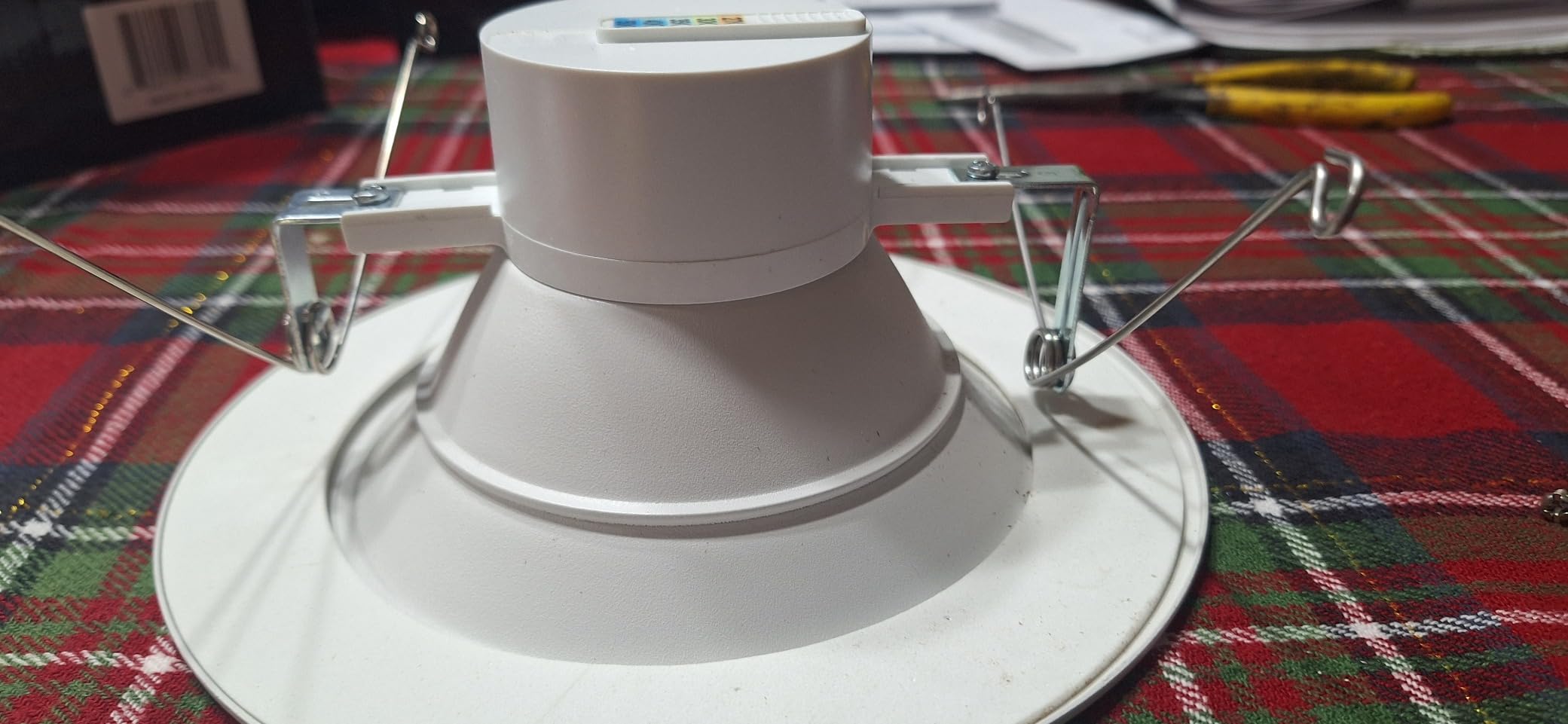
Our recommendation: use a CRI 90 retrofit like this in the sink and prep zone, and a higher-efficiency canless wafer for the rest of the kitchen. That split gives you accurate color where it counts without paying 14 watts across the entire ceiling.
10. Amico 12 Pack 6 Inch with Night Light – Best for Overnight Ambience
Amico 12 Pack 6 Inch LED Recessed Light with Night Light, 5CCT, 1100LM
1100 lumens at 12W
2000K amber night light
Five color temperatures
+ Pros
- Amber night light is popular for movie nights and ambient light
- Low fixture weight does not stress the drywall
- Canless body fits where the cutout straddles a joist
- Five color temperatures with reliable dimming
- Cons
- Amber ring needs full output and a power cycle to activate
- Very tight spring tension and some trims popped out later
- Not water resistant
This kit sits between the standard Amico wafer and the halo trims, and for a kitchen that doubles as a living space it is the version we install most often. The 2000K amber night light gives you a soft, no-glare path through the room at 2am without switching on 1100 lumens.
Output is 1100 lumens at 12 watts with five selectable color temperatures and a canless body thin enough to fit when the cutout straddles a joist.
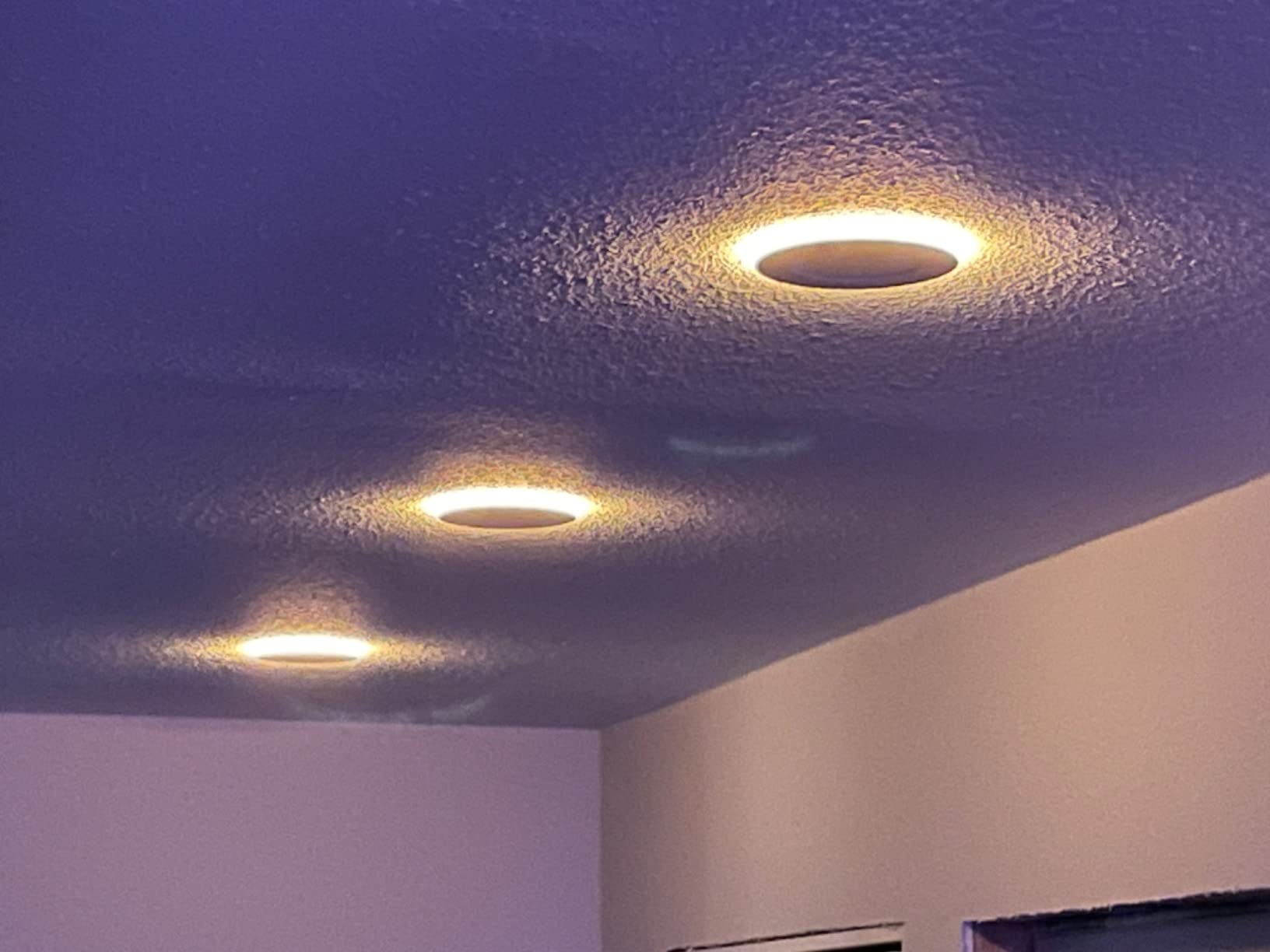
Owners mention installing five to eight fixtures in a single kitchen, which tells you it works at both perimeter and island scale. The fixture weight is low enough that it does not deflect or stress the drywall it hangs from, a real consideration over a long open span.
Getting the Amber Ring to Activate
This trips people up. The night light does not come on when you simply flip the switch. Run the dimmer to full output, then power cycle the circuit, and the amber ring engages. Once you know the sequence it becomes automatic, but on install day it looks broken if you skip it.
Spring Tension Is Firm
The clips are very tight, and some owners reported trims popping out of the ceiling months after installation. Set the retention so the fixture seats firmly but can still be pulled for a wiring change, and check each one during the final walk-through.
Color Temperature and Certification
The 5CCT selection from 2700K to 5000K is set before install on the junction box, and a synchronization reset returns the group to downlight mode after 10 seconds off. The kit is IC rated with a thermally protected junction box, ETL and FCC certified, with a 5 year warranty. The unit is not water resistant, so keep it out of direct splash zones.
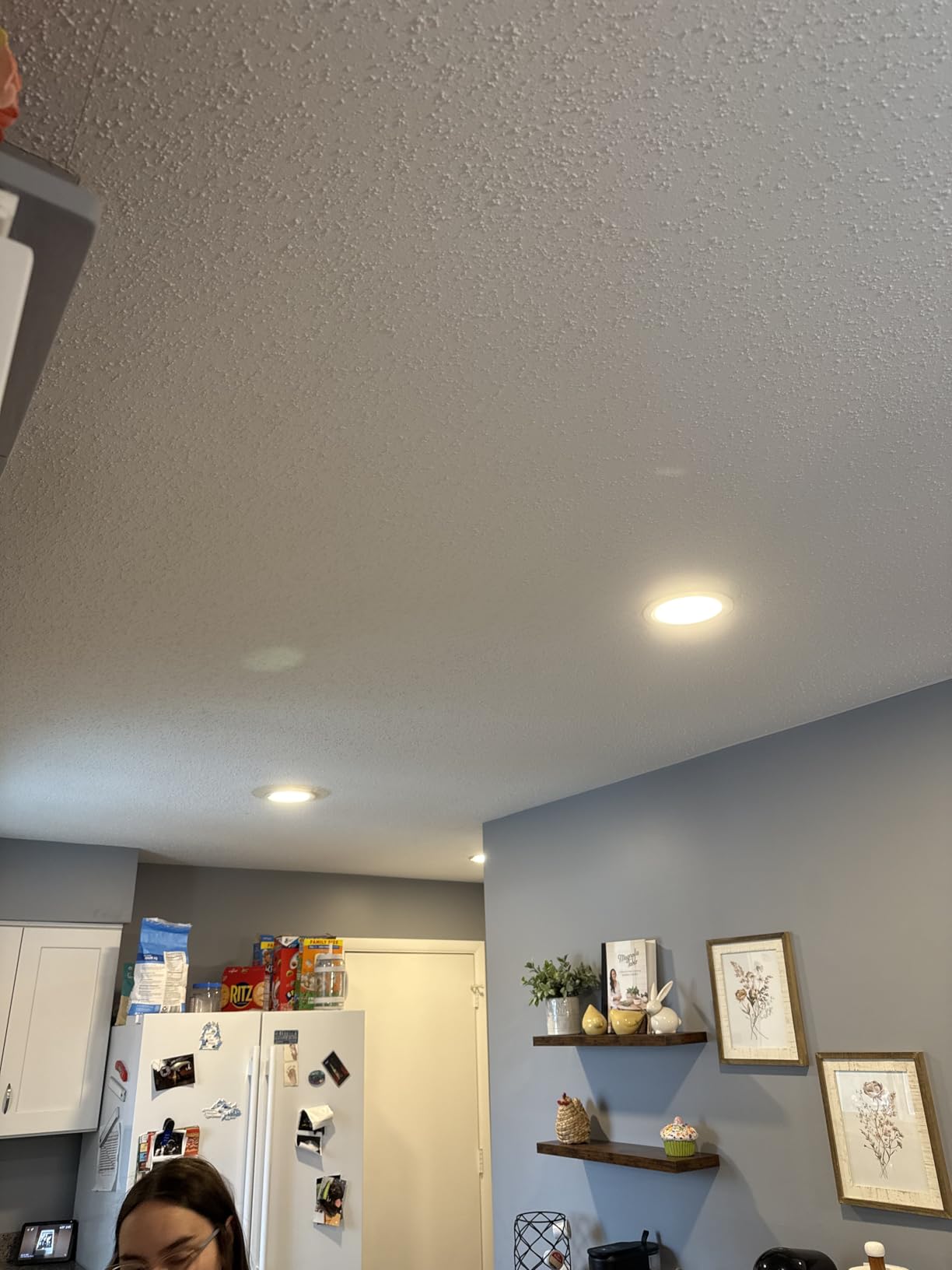
Dimming handled well on installed dimmer circuits in reviews, and the 1100 lumen output is a noticeable improvement over builder-grade fixtures. If your kitchen gets used at night as often as during the day, the night light earns its place in the design.
How to Choose Recessed Lighting for a Kitchen
Most of the kits above are 6 inch canless designs, with two sized to drop into existing 5 and 6 inch cans, because that is what kitchens mostly need. The choices you make before you click through are structural, and getting them wrong is expensive to fix.
4 Inch vs 6 Inch: Which Size for Your Kitchen?
Six inch is the default for kitchen ceilings. The wider aperture produces more lumens and a broader beam, which means you can space fixtures 6 to 8 feet apart instead of 4 to 5. Four inch lights are for accents, corridors and tight ceiling areas, not for lighting a work surface.
The practical rule: if the kitchen is at least 8 feet in either direction, use 6 inch. Below that, or where cabinetry crowds the ceiling plane, 4 inch gives you more layout freedom and less visual clutter.
Canless Wafer vs Traditional Can Housing
A canless wafer mounts directly to the ceiling with spring clips, which means a much shallower profile and no can to plumb into the plenum. Its advantages are layout freedom and a low profile. Its tradeoffs are that the junction box is fixed in place by the ceiling cutout, and most wafers are damp rated rather than wet rated.
A traditional can housing gives you a serviceable box in the ceiling, supports higher output and supports bulb changes. A retrofit kit that drops into an existing can is the cheapest path of all when the cans are already there and still sound.
IC Rated vs Non-IC: The Fire Safety Decision
IC rated means the fixture is safety tested for direct contact with ceiling insulation. A non-IC can must be kept 3 inches clear of insulation. In a kitchen over an exterior wall or under an attic, you will often find insulation directly above the fixtures, which makes IC rating close to mandatory in practice even where code language is loose.
Every canless kit on this list is IC rated, and the retrofits seat in housings you already have. If a listing does not say, ask before you buy, because a nuisance-tripping thermal protector in a kitchen ceiling is a bad afternoon.
Color Temperature: 3000K or 3500K for a Kitchen?
For most kitchens, 3000K to 3500K is the right answer. 3000K is warmer and flatters wood cabinetry and warm-toned countertops. 3500K is a touch brighter and reads more neutral, which suits cool gray cabinetry and white counters. Stay away from 5000K in a kitchen unless you specifically want a daylight look; it reads clinical over food.
A 5CCT fixture with a switch on the junction box lets you run different temperatures in different zones of the same ceiling, which is the most useful version of this decision. Just remember the setting is locked at install.
Dimming, Flicker and Dimmer Compatibility
Almost all modern recessed LED kits are dimmable to a low percentage, but not all dimmers are compatible. The flicker complaints we see most often in kitchen installs come from an LED fixture on a legacy TRIAC dimmer, or from a low-end magnetic dimmer on a circuit that also carries a motor load.
Two fixes cover most cases: choose a dimmer rated for LED load, and add an RC snubber at the first fixture on any jitter-prone circuit. If a kit is known to be sensitive, test a single fixture before ordering a full pack.
Wet and Damp Ratings for Kitchen Moisture Zones
Damp rated means the fixture can handle humidity but not direct water. Wet rated means it can be installed in exposed or splash-prone locations. For a kitchen, any fixture within roughly 3 feet of a sink or a dishwasher should be wet rated. Of the kits here, the Ensenior, the zouzai and the LUXRITE retrofit carry wet ratings; the rest are damp rated.
CRI, Lumens and Spacing for Kitchen Zones
Lumens drive brightness and CRI drives color accuracy. Most of the canless kits here land between 1000 and 1200 lumens at 10 to 13 watts, which is the right ballpark for general kitchen lighting. For the prep zone over a counter, spacing at roughly 4 feet prevents shadows from your own hands.
For perimeter and island ambient light, spacing at 6 to 8 feet is fine. A mixed layout works best: closer spacing over the work surface, wider spacing around the perimeter, and a CRI 90 fixture wherever you judge the color of food.
Retrofit vs New Construction
If the kitchen already has working cans, a retrofit kit is the fastest, cheapest and least invasive path. If the ceiling is open during a remodel or you are building new, professionals consistently prefer a dedicated LED housing over a retrofit or a wafer, because the housing is designed for the fixture and can be positioned before drywall goes up.
If the ceiling is closed and the layout is fixed, a canless wafer is the right tool, with the 1:1 hole template and a hole saw rather than a drywall saw.
Multi-Pack Planning and Warranty Length
A kitchen usually needs 6 to 12 fixtures, so pack size matters more than it does in a single room. Twelve-packs and twenty-four-packs spread the per-fixture cost better, but only if you use every light. Warranties here run from 2 years on the retrofit-with-night-light kit to 5 years on most of the canless wafer kits, and that difference is worth noting on a twelve-fixture install.
Frequently Asked Questions
What is the best recessed lighting for a kitchen?
The best recessed lighting for a kitchen is a 6 inch canless LED kit with at least 1000 lumens per fixture, an IC rating, a thermally protected junction box, and selectable color temperature between 3000K and 3500K. Our top pick is the Amico 12-pack, which delivers 1050 lumens at 12W with five selectable CCT settings and clears a 2 inch ceiling plenum. For kitchens with a low ceiling, a thinner body under half an inch is safer; for splash zones near a sink, choose a wet rated kit.
Should I do 4-inch or 6-inch recessed lights?
Six inch recessed lights are the better choice for most kitchens. They deliver more lumens and a wider beam, so fixtures can be spaced 6 to 8 feet apart instead of 4 to 5 feet. Choose 4 inch lights only when the kitchen is small, when cabinetry crowds the ceiling plane, or when you are lighting an accent area rather than a work surface.
Is 3000K or 3500K better for a kitchen?
3000K is warmer and flatters wood cabinetry and warm countertops, while 3500K is slightly brighter and more neutral, which suits gray cabinetry and white counters. Either is a safe kitchen choice. Avoid 5000K unless you want a daylight look, because it reads clinical over food. A fixture with a 5CCT switch on the junction box lets you run different temperatures in different zones of the same ceiling.
What does IC rated mean for recessed lights?
IC rated means the fixture is safety tested for direct contact with ceiling insulation. A non-IC can must be kept about 3 inches clear of insulation, and a non-IC fixture buried under blown-in insulation is a fire risk. In kitchens over an exterior wall or beneath an attic, insulation often sits directly above the fixtures, so IC rating is effectively required in practice. Every canless kit recommended here is IC rated.
Why do my kitchen recessed lights flicker?
Flickering in kitchen recessed lights almost always comes from dimmer incompatibility rather than the fixture itself. Common causes are a legacy TRIAC dimmer, a dimmer not rated for LED load, or a circuit that also carries a motor or fan load. Fixes that resolve most cases: replace the dimmer with an LED-rated model, and add an RC snubber at the first fixture on a jitter-prone circuit. Test one fixture before ordering a full pack.
Which Recessed Lighting Kit Fits Your Kitchen
Start with the constraint you cannot change. If your ceiling is shallow or the joist bays are crowded, body depth decides the kit before anything else. If you already have sound cans, a retrofit saves you a day of drywall work, and if a sink or dishwasher is within splash range, wet rating is non-negotiable.
Then match the room. For a general all-purpose kitchen with a standard 8 to 9 foot ceiling, the Amico 12-pack 6 inch canless kit is the pick we return to most often: five selectable color temperatures, 1050 lumens at 12W, IC rated, and the largest body of buyer feedback in the category. For a larger open plan, the Ensenior 12-pack gives you more output per fixture and a wet rating in the same slim format.
For color-critical work over a prep counter, pair a CRI 90 retrofit in the sink and prep zone with a higher-efficiency wafer for the rest of the ceiling. For evening use, any of the night light kits gives you a 2000K amber path through the room, and the Meconard goes down to 3 percent when you want the room to disappear.
Before you order, count your fixtures from a real layout, confirm the cutout size against the trim diameter, and test a single unit on your existing dimmer. Whichever kit you land on, install it in 2026 rather than three winters from now, and the kitchen will feel like a different room.