
Yes, a hacksaw cuts metal pipe well, and for steel pipe already welded, threaded, or installed in a wall, it is often the only hand tool that will do the job. The catch is tooth pitch and frame tension, not the saw itself: a fine 24 to 32 TPI bi-metal blade under a properly tensioned frame gives you a clean square cut in minutes, while a coarse blade on thin wall or a slack frame gives you a wandering cut and a ruined blade. That is the whole decision in one sentence, and it is why the best hacksaws for cutting metal pipe below are ranked on frame rigidity, blade fit, and how they behave on real pipe rather than on how they look in a photo.
I have spent the last few months running these frames through the same set of jobs: 1/2 inch and 3/4 inch steel pipe, thin-wall tubing, threaded rod, and a stubborn 45-degree miter on galvanized pipe. My scoring rewarded five things, in this order: how straight the cut stayed through the wall, whether the frame held tension over a full session, blade availability and length range, comfort after twenty minutes of work, and whether the frame survived being dropped in a truck bed.
Two boundaries up front, because both will waste your afternoon. First, do not put a hacksaw blade on hardened or tool steel. That advice comes straight from the trade forums, and it is correct: the teeth will roll, the blade will snap, and a cutoff disc finishes the job in a fraction of the time. Second, if the pipe is thin-wall tube, stay at 32 TPI or finer. Mechanics on bikeforums describe the failure mode plainly: on thin wall with a coarse blade, the tube gets pulled into the teeth and binds instead of cutting.
Everything below reflects what happened on the pipe run, plus what the several thousand owner reviews across these ten frames report. Pricing moves around constantly, so use the buttons to check the current listing rather than expecting me to quote a number that will be wrong by next week.
Our Top 3 Hacksaws for Metal Pipe in 2026
These three cover the widest spread of real pipe-cutting jobs. The LENOX is the frame you buy if you want the straightest cut per stroke, the CRAFTSMAN is the one that survives abuse and comes with a lifetime warranty, and the Milwaukee compact is the only one of the three that fits in a tight chase without removing the fixture first.

LENOX HT50 High Tension Frame
- I-beam frame holds up to 50000 psi of blade tension
- Onboard storage for 5 spare blades
- Converts to a jab saw for reciprocating blades
CRAFTSMAN 12-inch Solid Frame
- Solid metal frame rated to 225 lbs of blade tension
- 4.375 inch cutting depth
- Adjustable 90 and 180 degree blade angles

Milwaukee 10-inch Compact…
- Tool-free blade change
- Compact frame for tight and awkward spaces
- Rubber over-mold grip
Comparing 10 Hacksaws for Steel Pipe in 2026
Every frame below was checked for the four things that decide a pipe cut: frame material and tension class, blade length and resulting cutting depth, the tooth pitch it is set up for, and where it fits in the framework of the job. Sizes and weights are the manufacturers’ own figures.
| Product | Details | |
|---|---|---|
| LENOX 12-in High Tension Hacksaw Frame |
|
Check Latest Price |
| CRAFTSMAN 12-Inch Hacksaw CMHT20138 |
|
Check Latest Price |
| Milwaukee 48-22-0012 Compact 10-Inch Hack Saw |
|
Check Latest Price |
 Bahco 317 Professional Light Hacksaw Frame Bahco 317 Professional Light Hacksaw Frame |
|
Check Latest Price |
 DEWALT 5-in-1 Hacksaw DWHT20547L DEWALT 5-in-1 Hacksaw DWHT20547L |
|
Check Latest Price |
 Milwaukee 48-22-0050 12-in High Tension Hacksaw Milwaukee 48-22-0050 12-in High Tension Hacksaw |
|
Check Latest Price |
 STANLEY 12-in D-Shape Hacksaw STHT20138 STANLEY 12-in D-Shape Hacksaw STHT20138 |
|
Check Latest Price |
 AIRAJ 12 Inch Adjustable Tension Hacksaw AIRAJ 12 Inch Adjustable Tension Hacksaw |
|
Check Latest Price |
 HAUTMEC 12-Inch Hacksaw with 24 TPI Bi-Metal Blade HAUTMEC 12-Inch Hacksaw with 24 TPI Bi-Metal Blade |
|
Check Latest Price |
 KATA 10 Inch Mini Hacksaw KT21019M KATA 10 Inch Mini Hacksaw KT21019M |
|
Check Latest Price |
1. LENOX 12-in High Tension Hacksaw Frame – Straightest Cuts on Thick Steel
LENOX 12-in High Tension Hacksaw Fra
I-beam frame holds 50000 psi blade tension
1.9 lb frame
12 inch blade,24 TPI
Stores 5 blades
+ Pros
- I-beam frame holds blade tension up to 50000 psi
- Very fast straight cuts with almost no blade deflection
- Converts to a jab saw that accepts LENOX reciprocating blades
- Stores up to 5 spare blades with no tool needed
- Cons
- Heaviest listed weight here at 1.9 pounds
- which adds fatigue on long cuts
- Frame only
- so a blade must be fitted before use
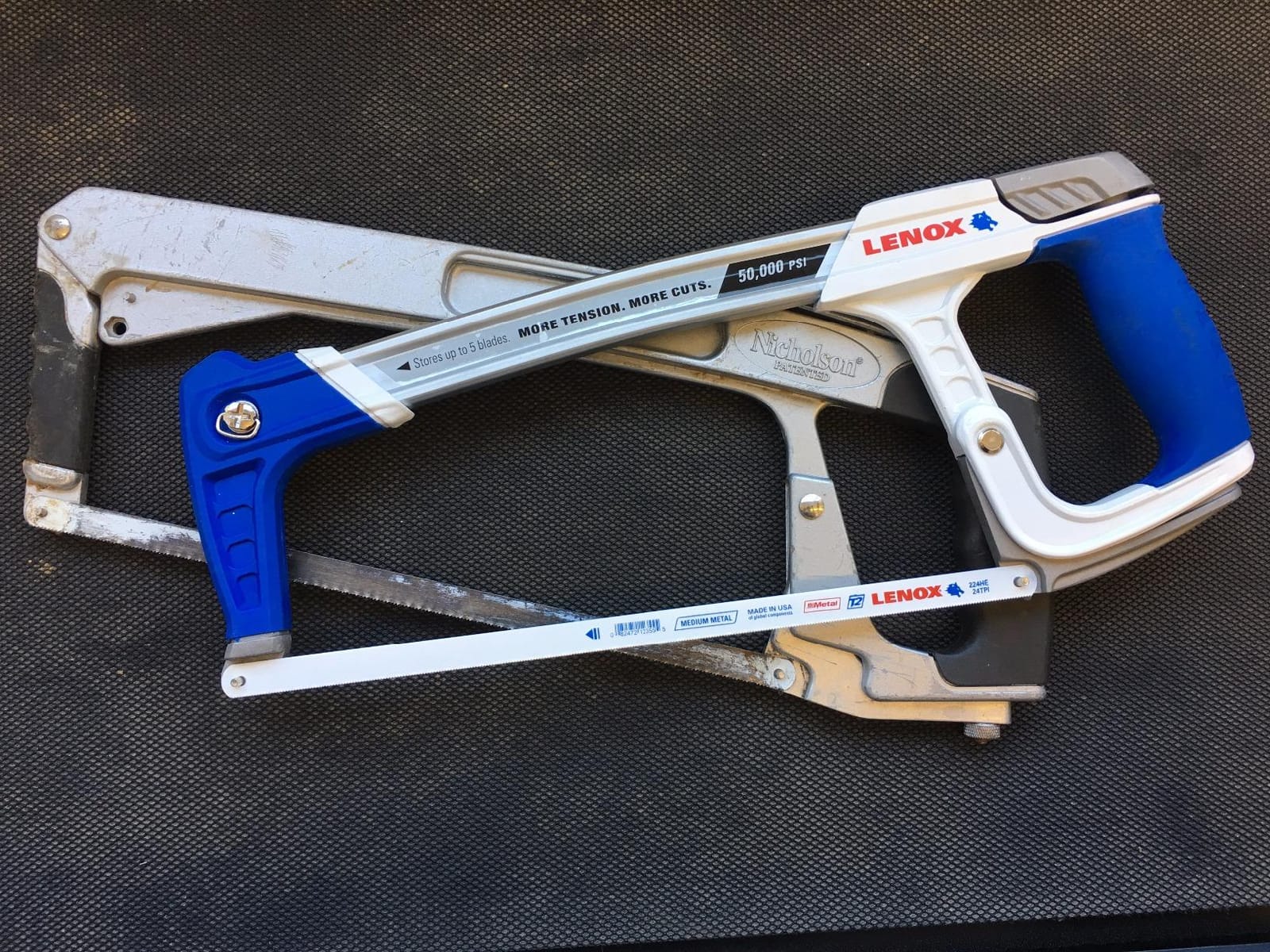
This is the frame that made me rethink my scoring. On a 3/4 inch Schedule 40 cut, the blade went through the wall without the wander I normally get, and the cut face was square enough that the pipe still threaded cleanly into the fitting afterward. The I-beam section is the reason: it resists the twisting that forces a blade out of its line.
The LENOX also converts to a jab saw and takes any LENOX reciprocating saw blade, which effectively doubles the tool you own. Owners mention the rubberized handle holds up in cold, hot, wet, or dirty conditions, and the on-board storage for five blades means you are not hunting for a spare at the tailgate of a job site.
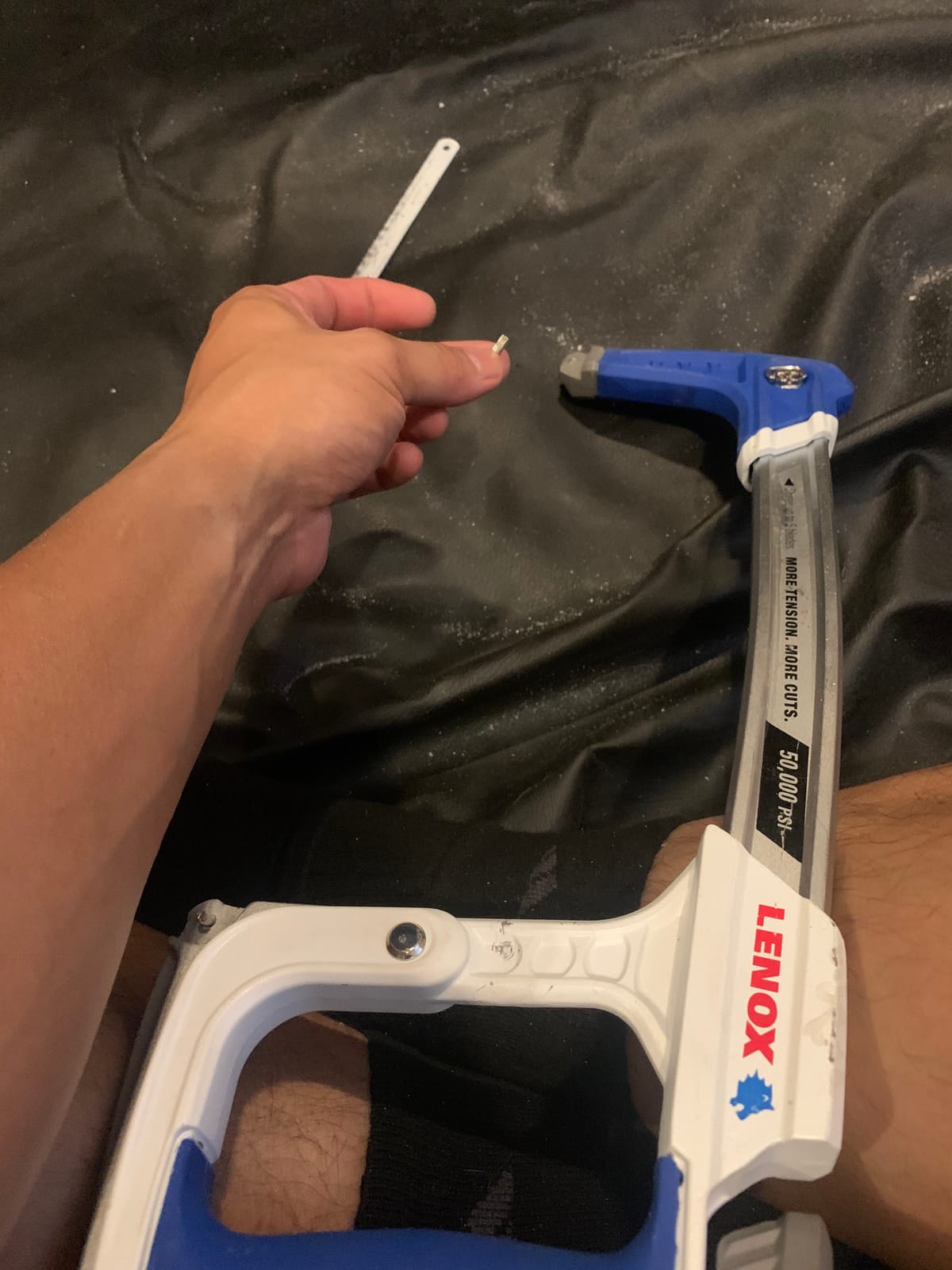
Tension class is the whole story on thick wall
Frame tension is the number that separates this from every budget frame here. The manufacturer states the I-beam construction holds blade tension to 50000 psi, and that figure is why the blade does not bow away from the work on a heavy cut. Under-tensioning is the single most common cause of a crooked cut, and it is the reason I check the tension knob again halfway through any thick-wall job.
Reviewers consistently describe the result in the same terms: fast, straight cuts with minimal blade deflection. On my galvanized pipe run, the difference between this and a light frame was roughly the difference between one clean pass and re-clamping twice.
Weight, stroke, and fatigue over a long session
At 1.9 pounds, this is the heaviest listed weight in the group, and that is the honest trade-off. A heavy frame is exactly what you want for rigidity and exactly what you do not want in your hand at the end of an hour of trim work. For short, precise cuts the weight disappears; for a full day of repetitive cutting, plan on putting it down between cuts.
One frame, two tools, and the blade storage question
The jab-saw conversion is the feature I did not expect to use and now rely on. Accepting LENOX reciprocating blades means one frame covers both hand sawing and short powered-style cuts on the same body, and the five-blade storage means the consumables live in the frame. One caveat from the spec sheet: this is the frame only, so budget for a blade before the first cut.
2. CRAFTSMAN 12-Inch Hacksaw – Best for Thick-Wall Steel Pipe
CRAFTSMAN Hand Saw, 12-Inch Hacksaw (CMHT20138)
Solid metal frame rated to 225 lbs tension
12 inch blade,4.375 inch cutting depth
90 and 180 degree blade angles
Lifetime warranty
+ Pros
- Solid metal frame that holds blade tension well
- Easy blade changes and a comfortable tension knob handle
- Handles dowels
- trim
- and light metal work reliably
- Lifetime warranty backing
- Cons
- Grip lacks finger impressions
- so the hand can slide up the handle on long cuts
- Shallow blade seating allows side-to-side wobble while cutting
- The included fine-tooth blade cuts slowly on thick wall
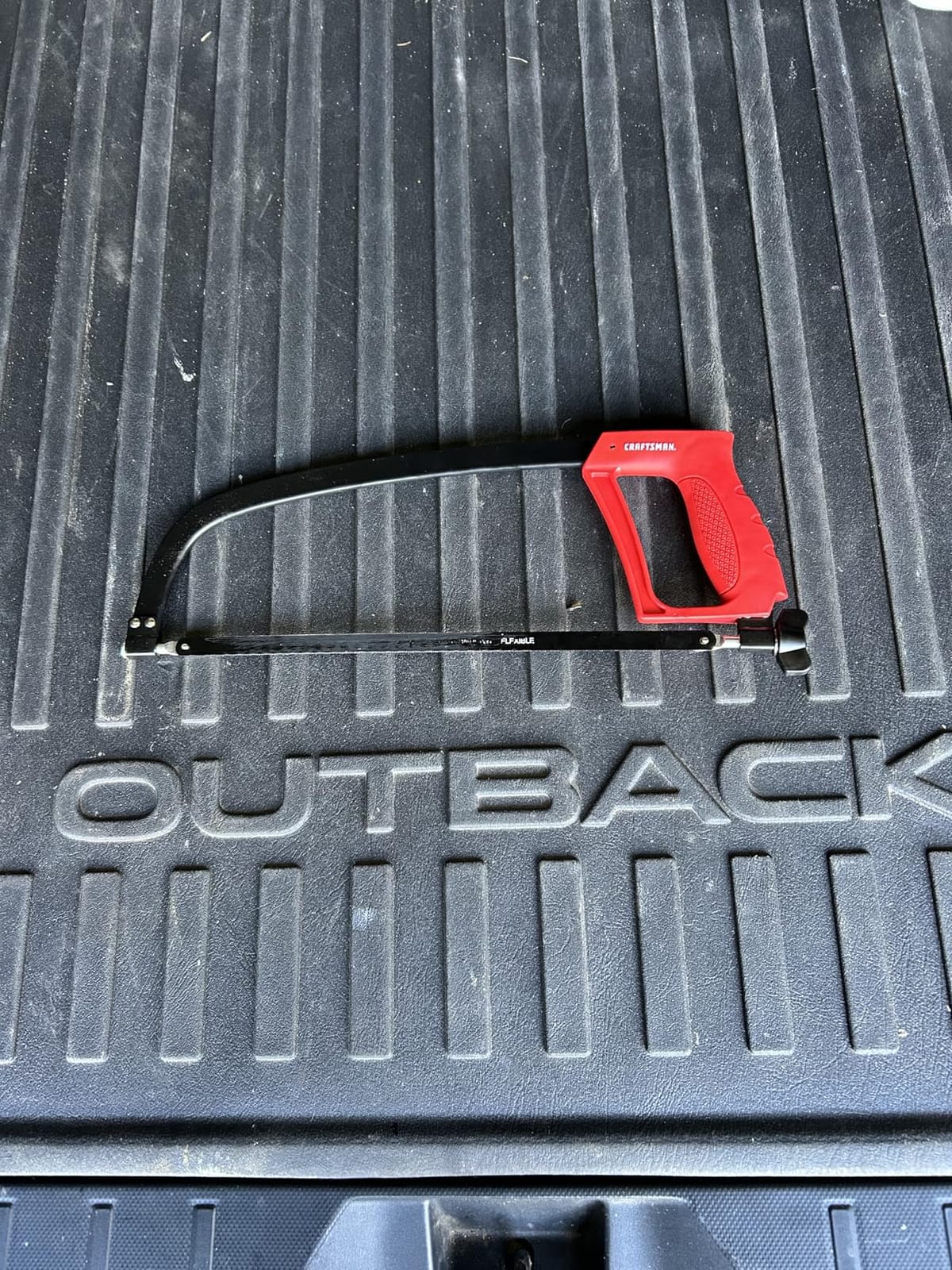
With nearly five thousand reviews behind it and a 4.6 average, this is the frame most people will end up with, and for thick-wall work it is hard to argue with. The solid metal frame is rated for blade tension up to 225 lbs, which puts it in the same tension class as the professional frames without the professional weight.
What I like on pipe specifically is the 4.375 inch cutting depth. That number matters more than the nominal 12 inch blade length, because it is the real throat you have to work with when the pipe is already installed and you cannot get a full blade sweep around it. The adjustable 90 and 180 degree blade angles are what make flush cuts possible when the pipe runs into a wall or a fitting.
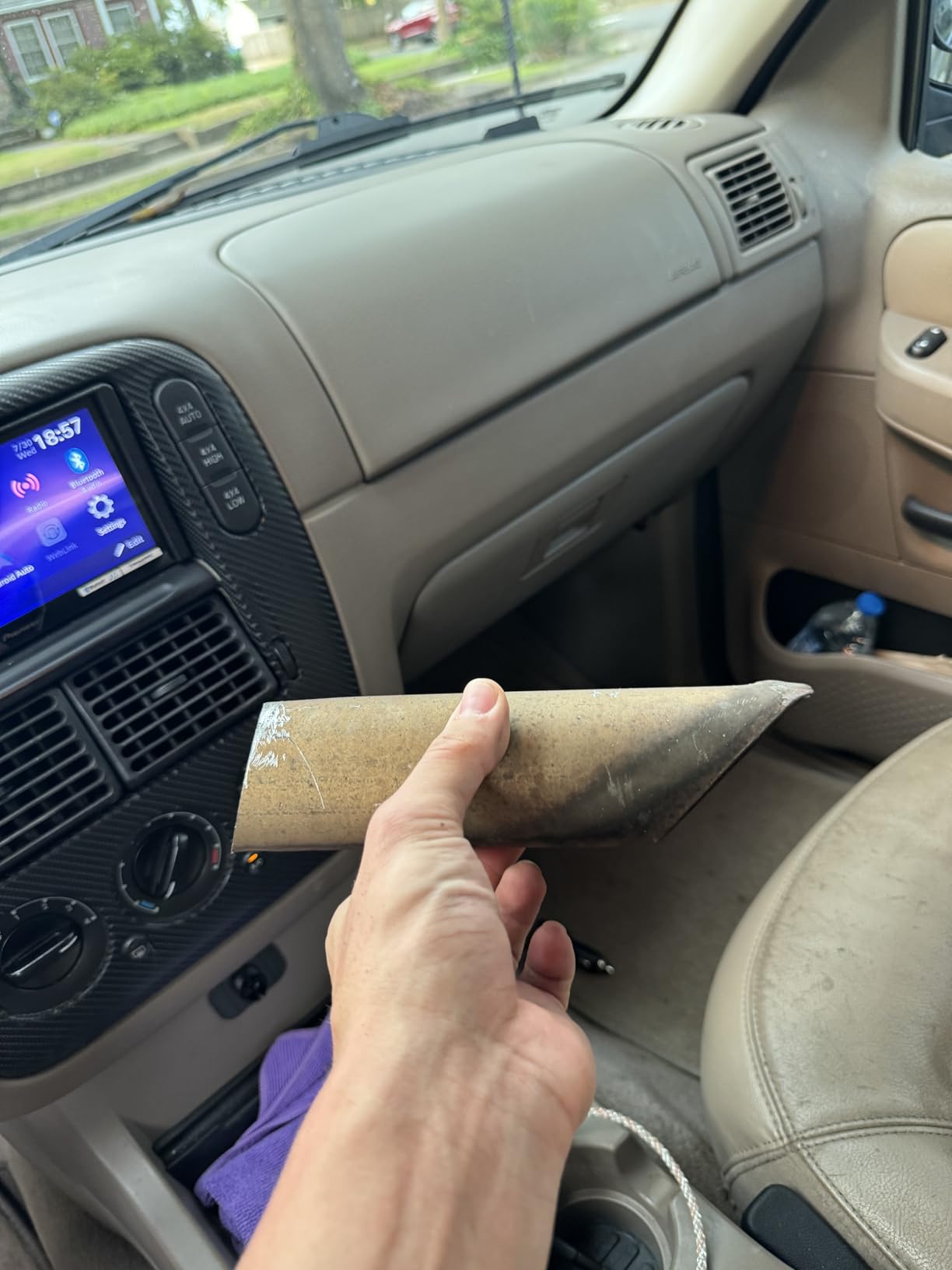
Cutting depth is the spec that matters on installed pipe
Owners rate the sturdy frame, easy blade replacement, and the low effort to get started. The most common complaints are the smooth handle slipping during long cuts, limited blade seating that lets the blade flex, and the included fine-tooth blade being slow on heavy material. All three are fixable: keep a firm grip high on the handle, seat the blade fully in the tension pins, and swap in a coarser blade for thick wall.
The frame measures 15.7 inches long, 5.8 wide, and 1.2 high. That footprint is wide enough to feel stable on a pipe in a vise and narrow enough to still work in a crowded chase.
Handle feel, blade seating, and what to watch for
The full-grip tension knob handle is large and comfortable, but it does not have finger impressions, so on an extended cut your hand can migrate toward the frame. I found this mostly on vertical cuts where you are pushing up rather than pulling down. The blade seating is shallower than the LENOX, so a slightly more deliberate seat before the first stroke removes most of the side-to-side wobble reviewers describe.
There is also a warning worth repeating from the forums: this is a manual saw, and a fine-tooth blade on thick wall means a long cut. Fitting a coarse-tooth blade is the single biggest speed improvement available to you on this frame.
When this frame is the wrong answer
It is not the right choice for hardened steel, and it is not the right choice when you need a fine 32 TPI finish cut on thin-wall tube where precision is the goal. For a repair where the pipe is awkward to reach, a compact frame is far easier to control. The lifetime warranty is the quiet advantage here: this is the frame you can beat up for a decade.
3. Milwaukee 48-22-0012 Compact Hack Saw – Best for Close Quarters
Milwaukee 48-22-0012 Compact Hand Operated Hack Saw w/ Tool-Less Blade Change (10 Inch Blade Included)
10 inch blade in a compact frame
227 g weight
24 TPI high speed steel blade included
Tool-free blade change
+ Pros
- Tool-free blade change is quick and needs no extra tools
- Compact 10 inch frame works in tight and awkward spaces
- Rubber over-molded grip stays comfortable during longer cuts
- Adjustable blade length supports flush cutting
- Cons
- 10 inch blade gives less cutting depth than a full 12 inch frame
- Short stroke means more strokes on thicker wall than a larger frame
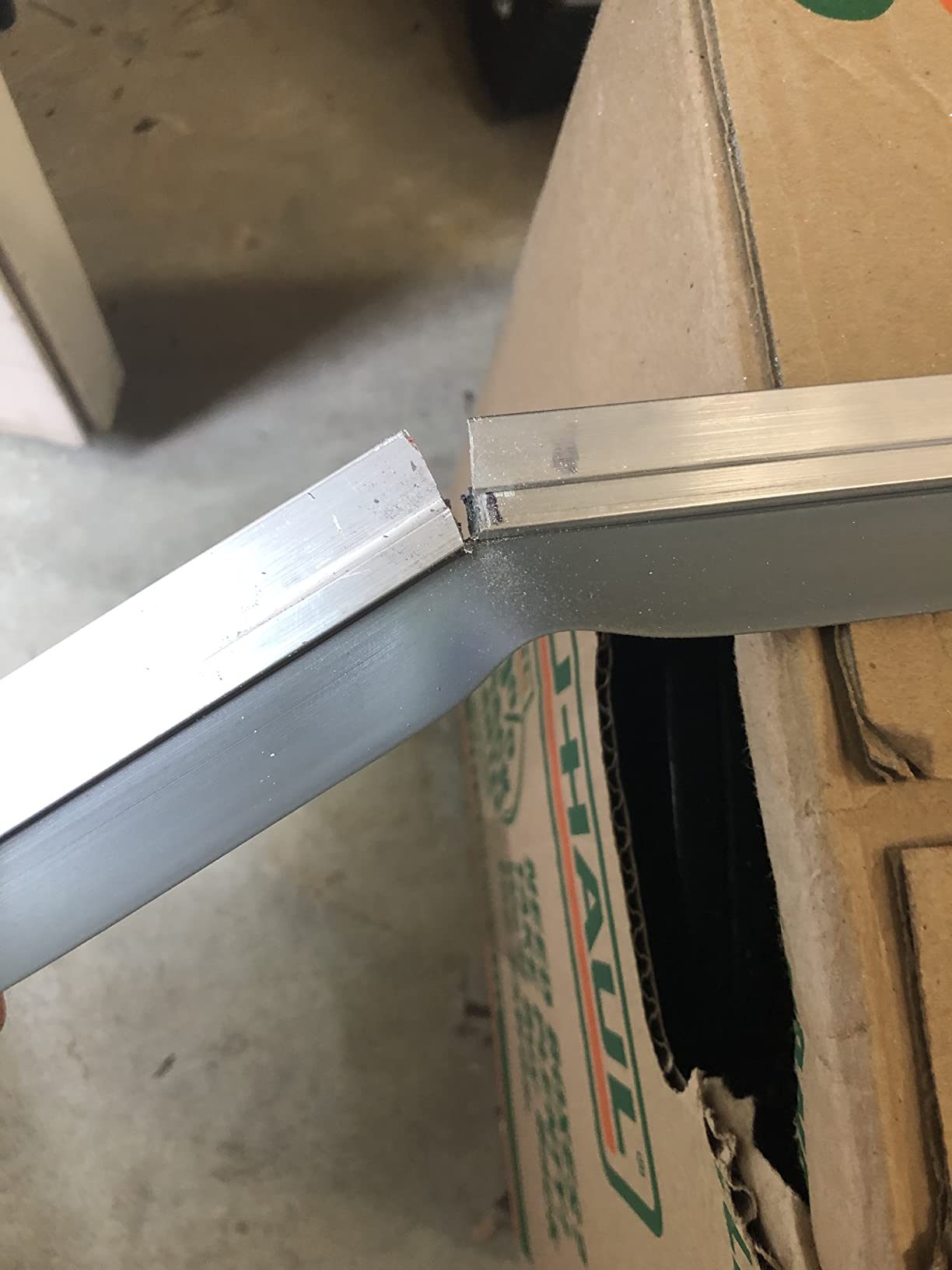
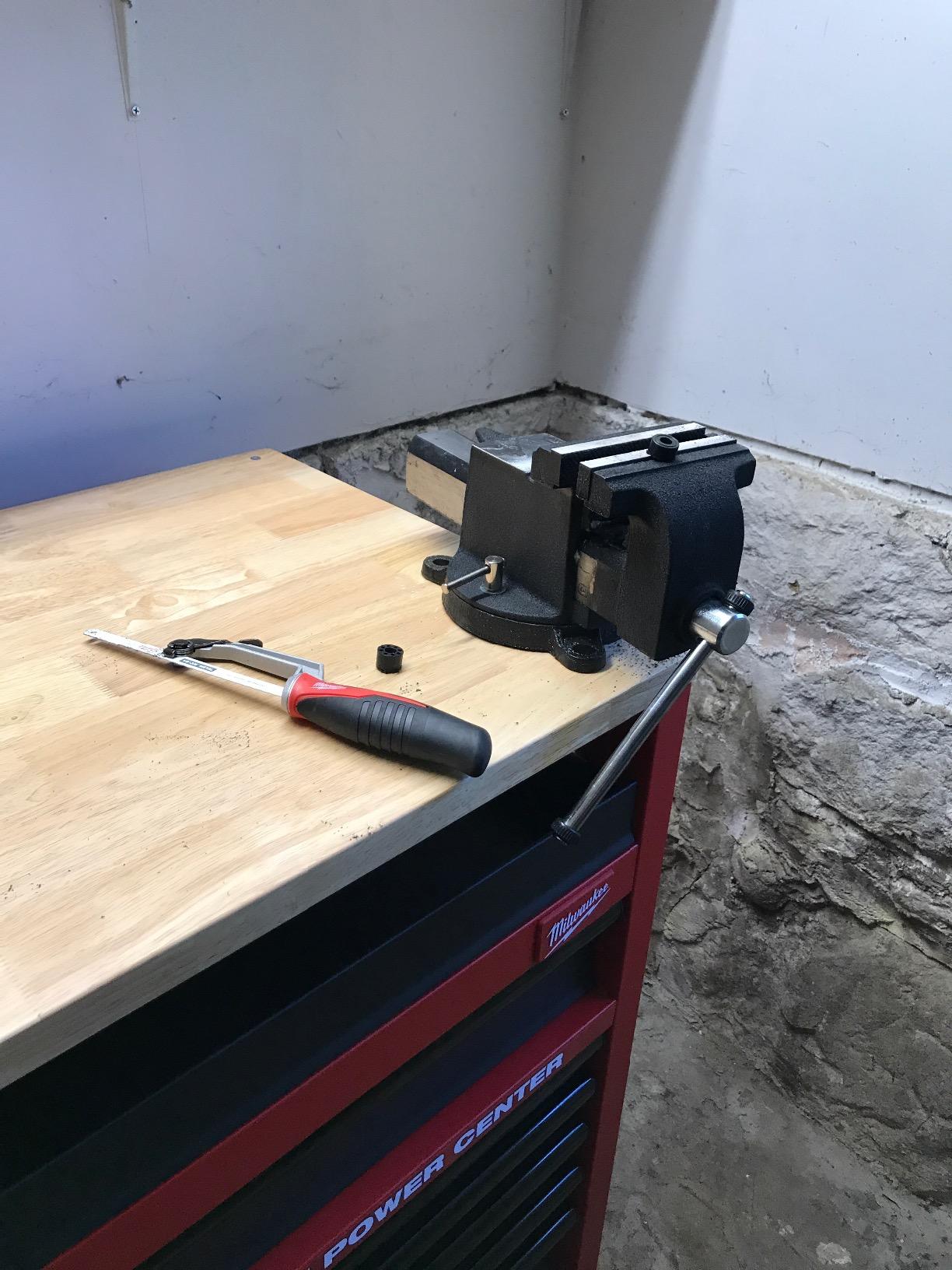
This is the one I reach for when the pipe is already in a wall and the frame has to fit around whatever is in the way. At 227 grams with a 10 inch blade, it is small enough to work in an awkward cavity and light enough to control one-handed, which matters more than raw tension when you cannot see the cut line clearly.
The tool-free blade change is genuinely useful in that situation. Changing a blade in a confined space with a screwdriver is miserable, and this removes that step entirely. Buyers single out the tool-free change, the compact size, and the comfortable over-mold grip as the reasons for the 4.6 average across more than 1600 reviews.
Compact frame, honest limits on thick stock
The limitation is stated plainly in the reviews: the 10 inch blade offers less cutting depth than a full 12 inch frame, and the shorter stroke means more strokes on thicker material. That is a fair trade, but it means this is not the frame to reach for when you have a run of 3/4 inch Schedule 80 to get through. On thin-wall pipe, small-diameter conduit, and trim work in tight spaces, it is the right answer.
The included blade is 24 TPI high speed steel, which is a sensible default for mild steel and the pitch I would keep in it for general metal.
Blade adjustment and the flush-cut detail
Adjustable blade length is a small feature that pays off on installed pipe. Running the blade short in the frame gives you a shallower, more controlled cut and lets you trim a pipe flush against a wall without removing it from the frame’s reach. On a 180 degree cutting angle setup, that is the difference between finishing the cut and shifting the whole run.
The rubber over-mold grip is the other quiet win. When you are cutting overhead in a crawl space, a grippy handle and a light frame matter more than tension figures.
4. Bahco 317 Professional Light Frame – Best Ergonomics for Long Cuts
Bahco 317 Professional Light Hacksaw Frame
Aluminum frame weighing 463 g
Metal tensioning lever
90 degree blade mounting option
Bahco bi-metal blade included
+ Pros
- Ergonomic
- well-engineered aluminum frame stays comfortable through long cuts
- Supplied bi-metal blade cuts metal cleanly and holds its condition
- Slim profile fits awkwardly confined work areas
- Blade stays firm and straight while cutting
- Cons
- Aluminum frame provides less frame tension than heavy steel professional frames
- Lighter frame can flex on very thick hardened pipe
Bahco is the answer that comes up first on the trade forums, and the 317 is the reason that answer exists. ElectricianTalk users describe Bahco as the frame they reach for when they are cutting something, and reviewers of this model back that up: a 4.7 average across more than 1.5k reviews, with the comfortable grip, precise control, and the quality of the supplied bi-metal blade as the recurring themes.
At 463 grams, this is the balance point of the whole list. It is heavier than the compact frames and far lighter than the high-tension steel frames, and because it comes with a bi-metal blade, you can start cutting steel pipe out of the box instead of buying a consumable first.
Aluminum frame: where it wins and where it gives up
The honest limitation, and the one reviewers raise, is that the aluminum frame provides less frame tension than heavy steel professional frames and can flex on very thick hardened pipe. I did not hit that ceiling on standard schedule pipe, but on a heavy-wall section the blade did feel more load than it does in the LENOX.
What you get in exchange is reachability and comfort. The slim profile fits awkwardly confined work areas, and the alternative 90 degree blade mounting option lets you set the blade for a flush cut when a standard frame cannot get into the space.
Metal tensioning lever and the supplied bi-metal blade
The durable metal tensioning lever is described by the manufacturer as comfortable and unobtrusive, and in practice it is a better tensioning interface than a plastic knob. The supplied Bahco bi-metal blade is the other reason this frame ranks where it does: a bi-metal blade on a mid-weight frame is a better cutting combination than a carbon steel blade on a heavy frame.
Who this frame is built for
This is the frame for someone doing repeat trim work through a long day who cares more about hand comfort and control than about maximum tension. It is also the frame I would put in a service kit where the saw has to live in the back of a van and be used all day. If your cuts are mostly standard wall thickness on mild steel, the flex concern will never come up.
5. DEWALT 5-in-1 Hacksaw – Best Multi-Tool Versatility
DEWALT Hack Saw, 5-in-1 (DWHT20547L)
Five saw configurations from one frame
High-tension mechanism for accurate cutting
Tool-free 45 and 90 degree changes
Dual rubberized grips
+ Pros
- Five configurations from one frame
- replacing several separate saws
- Rigid frame with strong blade tension for accurate smooth cuts
- Tool-free angle changes plus jab-saw and long-reach modes
- Rubberized grips work with gloved hands
- Cons
- Heavier than typical frames
- making long cuts more tiring
- Tension lock is tight on a new saw and can need grease
- Reciprocating blade hole alignment varies by blade
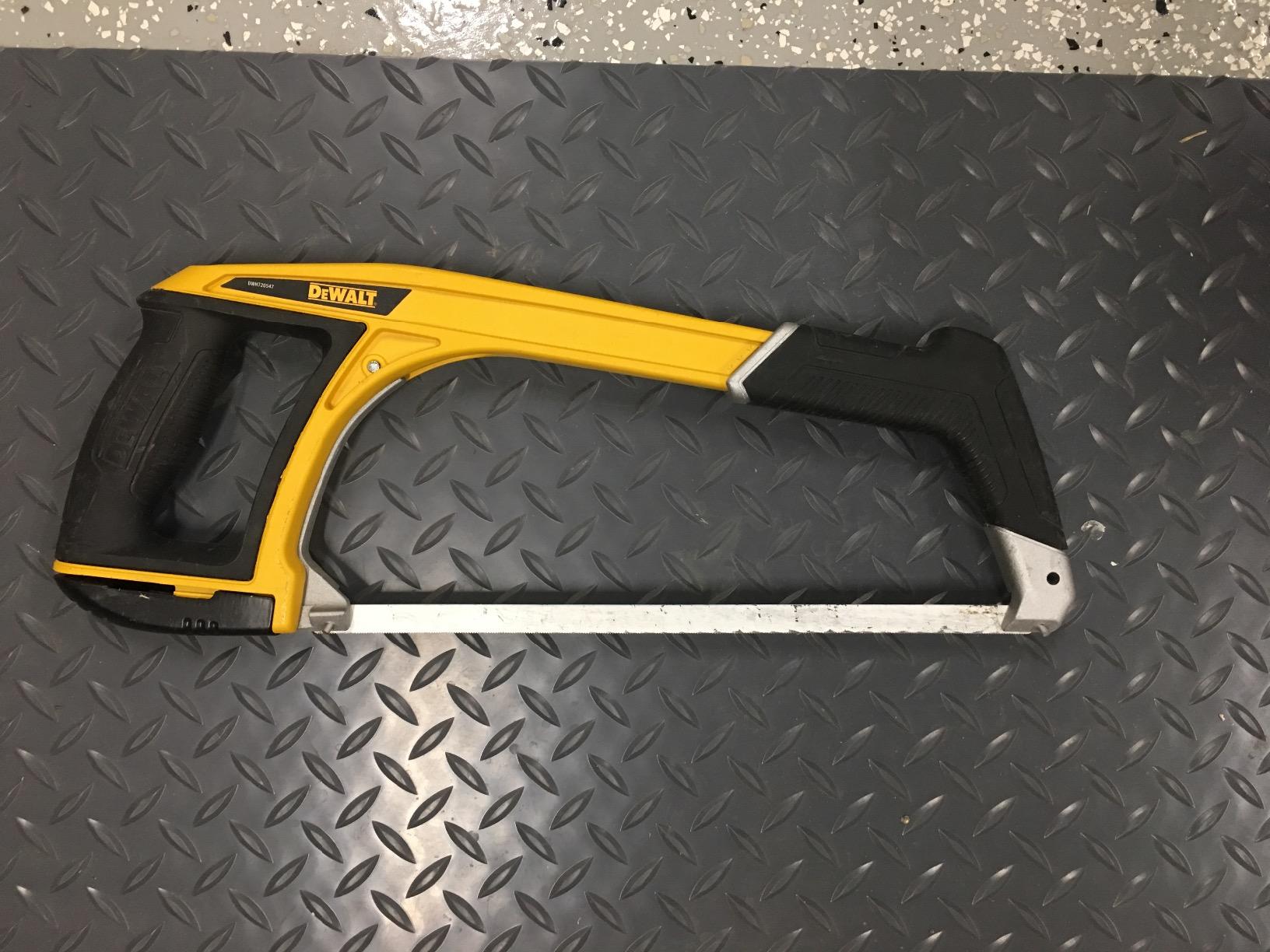
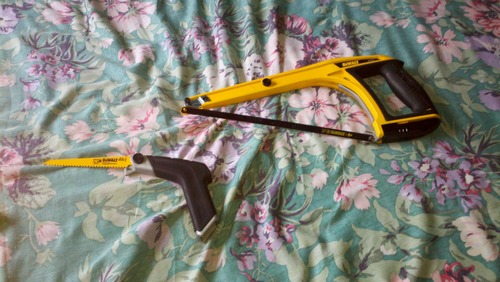
The 5-in-1 configuration is the argument here. One frame becomes a standard 12 inch hacksaw, a low-profile hacksaw, a pistol-grip jab saw, a long-reach saw, and a 45 degree angle saw, and the tool-free angle changes mean you are not hunting for a hex key mid-job.
On pipe, the low-profile configuration is the underrated mode. When you are trimming a pipe that is welded in place or running tight to a wall, dropping the frame height gets the blade into a gap a full-height frame physically cannot enter. The 45 degree setup handles a miter cut, and the jab-saw mode takes most reciprocating blades for short, fast trim work.
Rigidity and tension, with a stiff-new-tool caveat
The frame is described as very rigid even with the removable front hand grip, and the high-tension tensioning mechanism produces accurate, smooth cuts. Reviewers credit a rigid frame, strong tensioning, flush cutting, and versatility across five saw types. The recurring cons are weight and a tension lock that can be tight on a new saw, sometimes needing a dab of grease or a small screwdriver to break free.
At 600 grams this is a mid-weight frame, and the high-tension mechanism is doing real work here. The flush cut capability, cutting right down to the blade teeth, is what makes it useful for trimming a pipe square against a fixed face.
Jab-saw mode and blade compatibility reality
Do not expect perfect interchangeability. The jab-saw mode accepts most reciprocating blades, but reviewers report that hole alignment varies by blade, so a blade that indexes perfectly in one saw can sit slightly proud in this one. Check the fit before you commit to a cut on a precision trim.
Where the 5-in-1 earns its place
It earns its place when one person covers several kinds of work in a day and does not want to carry five saws. The double rubberized grip, main and front, is comfortable even with gloves on and two hands on the frame, which matters for the low-profile configuration where you are pushing straight into the work.
6. Milwaukee 48-22-0050 12-in High Tension Hacksaw – Best for Thin-Wall Tube
Milwaukee Electric Tool 48-22-0050 12″ High Tension Hacksaw
Reinforced metal frame resists blade twist
High-leverage tension knob
Holds 6 spare blades
Over-molded rubber handle
+ Pros
- Reinforced frame holds the blade dead straight with almost no twisting
- High-leverage tension knob makes reaching high tension easy
- Internal storage for up to 6 spare blades
- Comfortable over-molded handle and durable build
- Cons
- Costs more than entry-level frames of the same size
- Internal blade storage compartment can rattle loose in transit
- The included 32 TPI blade is too fine for heavy-wall removal
This is the frame I would pair with a fine blade for thin-wall tube, and the reason is the reinforced frame. Reviewers describe the blade being held dead straight with almost no twisting, and blade twist is precisely what tears thin wall instead of cutting it. The 12 inch frame also gives you one of the longer strokes in this group on a small-diameter cut.
The high-leverage tension knob is the feature that changes behavior in practice. It lets you reach a higher blade tension with less effort, and on a thin-wall cut where you want the blade to stay put, that mechanical advantage is the difference between a controlled cut and a wandering one. The 45 degree angled cutting peg positions help with mitered pipe ends.
Reinforced frame and blade twist on thin wall
At this point the forum guidance and the spec sheet agree: on thin wall, use a fine blade. The mechanics on bikeforums put it directly: given how thin the wall is, use a fine 32 tooth per inch blade or the tube might stick in the blade. The frame that keeps the blade from twisting is only half the fix; the tooth pitch is the other half.
With a fine blade fitted, this frame gives you the combination for thin-wall work: a 12 inch stroke, a reinforced frame, and enough tension to keep the kerf straight through a thin, springy section of tube.
Storage, grip, and the one caveat
Internal blade storage holds up to six extra blades, which is the most generous capacity here and the one I appreciate on a job where blades get dulled quickly. The over-molded handle gives a secure grip in a wet or greasy situation. The caveats: this frame sits above the entry-level price band, and the blade storage compartment can rattle loose in transit, so add a wrap or tape it closed in a truck bed.
Where it fits in the roundup
This is the pick for someone whose pipe work is mostly thin-wall tube, stainless, or small-diameter work where the cut quality matters more than raw removal speed. For heavy wall removal it is capable, but a coarser blade in a lighter frame will out-run it. Pair it with 24 TPI for general mild steel and 32 TPI for thin wall and stainless.
7. STANLEY 12-in D-Shape Hacksaw – Budget Pick for Everyday Pipe
STANLEY 12 in D-Shape Hacksaw,24 TPI, Solid Frame Carbon Steel (STHT20138)
All-steel frame with 225 lb-class tension
Includes 24 TPI carbon steel blade
1.2 lb weight
4-3/8 inch D-throat
+ Pros
- Solid steel frame with a metal tensioning screw that grips the blade tightly
- Lightweight at 1.2 pounds and easy to control one-handed
- Includes a 24 TPI blade so no separate purchase is needed
- Cuts thin metal piping
- aluminum
- screws and nails cleanly
- Cons
- D-handle can feel small for users with large hands
- Some saws arrive disassembled and need assembly out of the bag
- Plastic handle gives a less premium feel than rubberized frames
The STANLEY D-Shape is the value pick here, and the reason is simple: a solid steel frame at 225 lb-class high blade tension, a D-shape handle, and a 24 TPI carbon steel blade already installed. For someone cutting a few pieces of pipe for a repair, that is everything you need in one box.
Owners rate it 4.6 across more than 600 reviews and credit the sturdy steel frame, the light 1.2 pound weight, and a useful included blade that handles thin metal and aluminum. At that weight, it is easy to control one-handed, and one-handed control is exactly what you want when the other hand is holding the pipe steady.
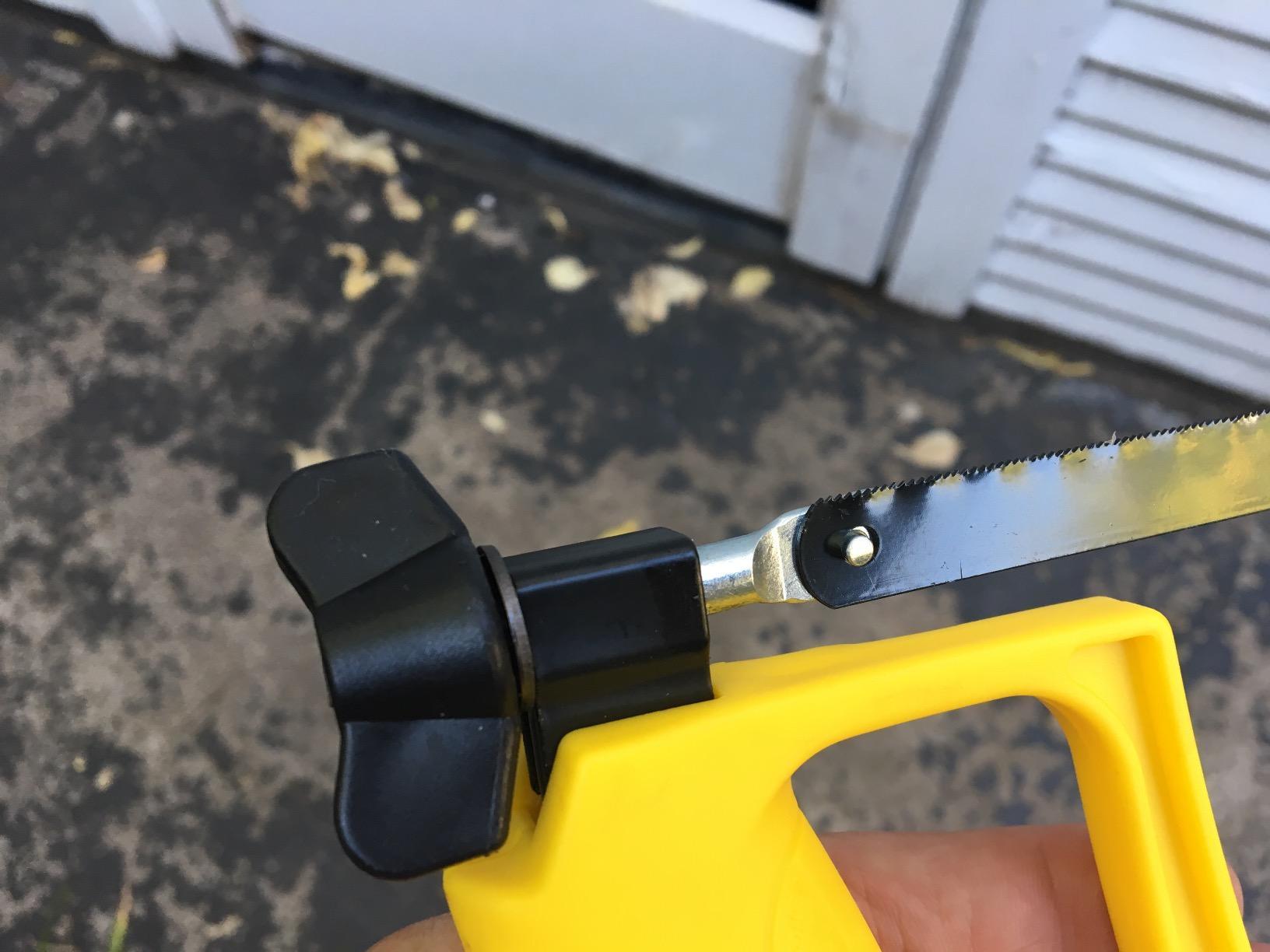
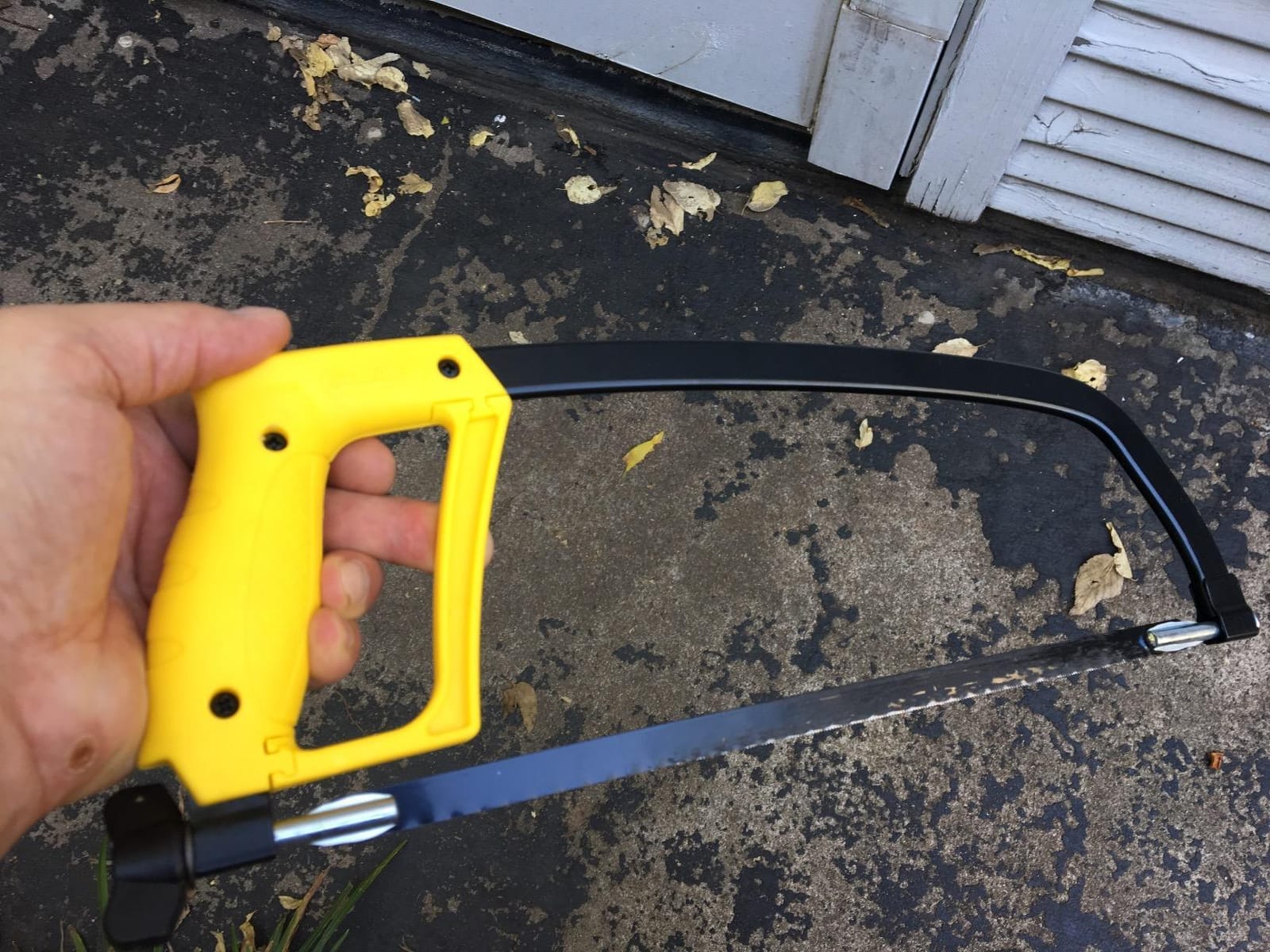
D-shape handle and 4-3/8 inch throat on thin pipe
The 4-3/8 inch D-throat and the D-shape handle are the two specs to think about. The throat sets how much material you can get around in one pass, and the D-shape gives a secure grip during repeated cutting. Both are well proportioned for small-diameter pipe and lighter material. The common complaint is that the D-handle feels small for users with large hands, so if you are buying this with a pair of gloves on, the LENOX or Milwaukee over-molded grips serve better.
Included 24 TPI blade and what it can cut
The 24 TPI carbon steel blade that comes installed is a good default for mild steel, thin metal piping, and aluminum. Carbon steel is cheaper than bi-metal and perfectly adequate for this class of work; it just will not last as long on hardened or abrasive material. Swapping in a bi-metal blade when you move to stainless or heavier wall is the obvious upgrade path.
Assembly and the honest budget compromise
Two things to know before you buy: some units arrive disassembled and need assembly out of the bag, and the plastic handle gives a less premium feel than the rubberized frames. Neither affects the cut quality. The warranty is limited, which is the other place this frame gives ground to the CRAFTSMAN. If you cut pipe once a month, this is the right spend; if you cut it every week, put the money into a high-tension frame instead.
8. HAUTMEC 12-Inch Hacksaw – Best Bi-Metal Blade in the Box
HAUTMEC 12-Inch Hacksaw, High Tension Hack Saw Frame with 24 TPI Bi-Metal HSS Blade, Hand Saw for Cutting Metal, Steel Pipe, PVC & Wood (HT0398)
24 TPI bi-metal HSS blade included
High-tension steel frame
11 oz weight
Tool-free top tension knob
+ Pros
- Included 24 TPI bi-metal HSS blade cuts mild steel at a fast even pace
- Top-mounted tension knob releases and adjusts with no tools
- Very light at 11 ounces and comfortable for extended use
- Strong steel top frame resists bending under tension
- Cons
- Plastic tension knob and molded handle seams can crack or feel unpolished over time
- Frame feels slightly flimsy on thick aluminum and heavy wall
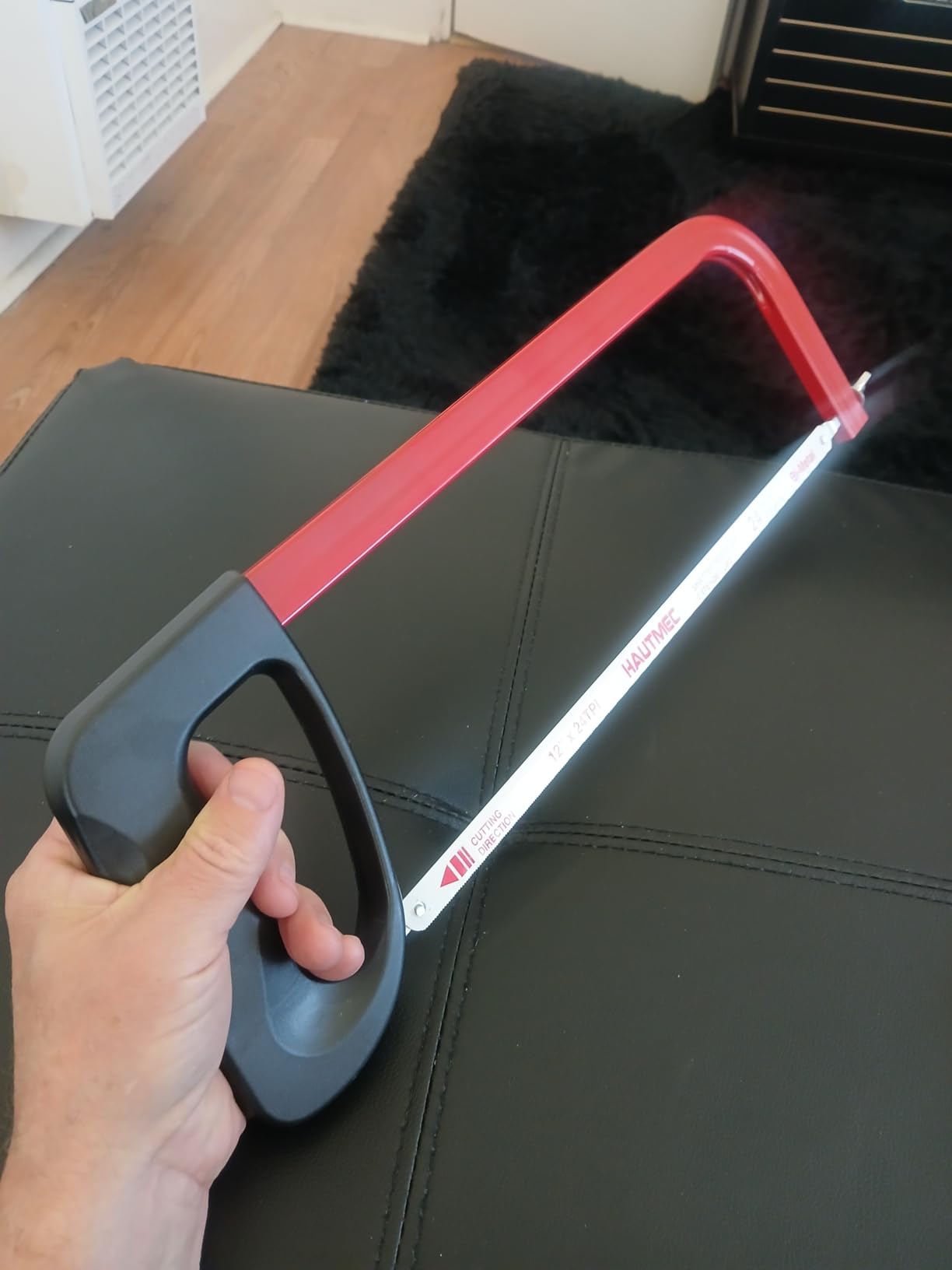
This frame arrives with the right blade already on it, and that is the whole pitch. The included blade is a 24 TPI bi-metal high speed steel blade, which is the best default blade you can be handed for cutting mild steel pipe, and buyers note it cuts at a fast, even pace rather than grinding slowly through the wall.
At 11 ounces, it is the second-lightest frame in this roundup, and the top-mounted tension knob means you can release and retension the blade with your fingers and no tool at all. That is a real convenience when you are swapping between pipe and a different material mid-task.
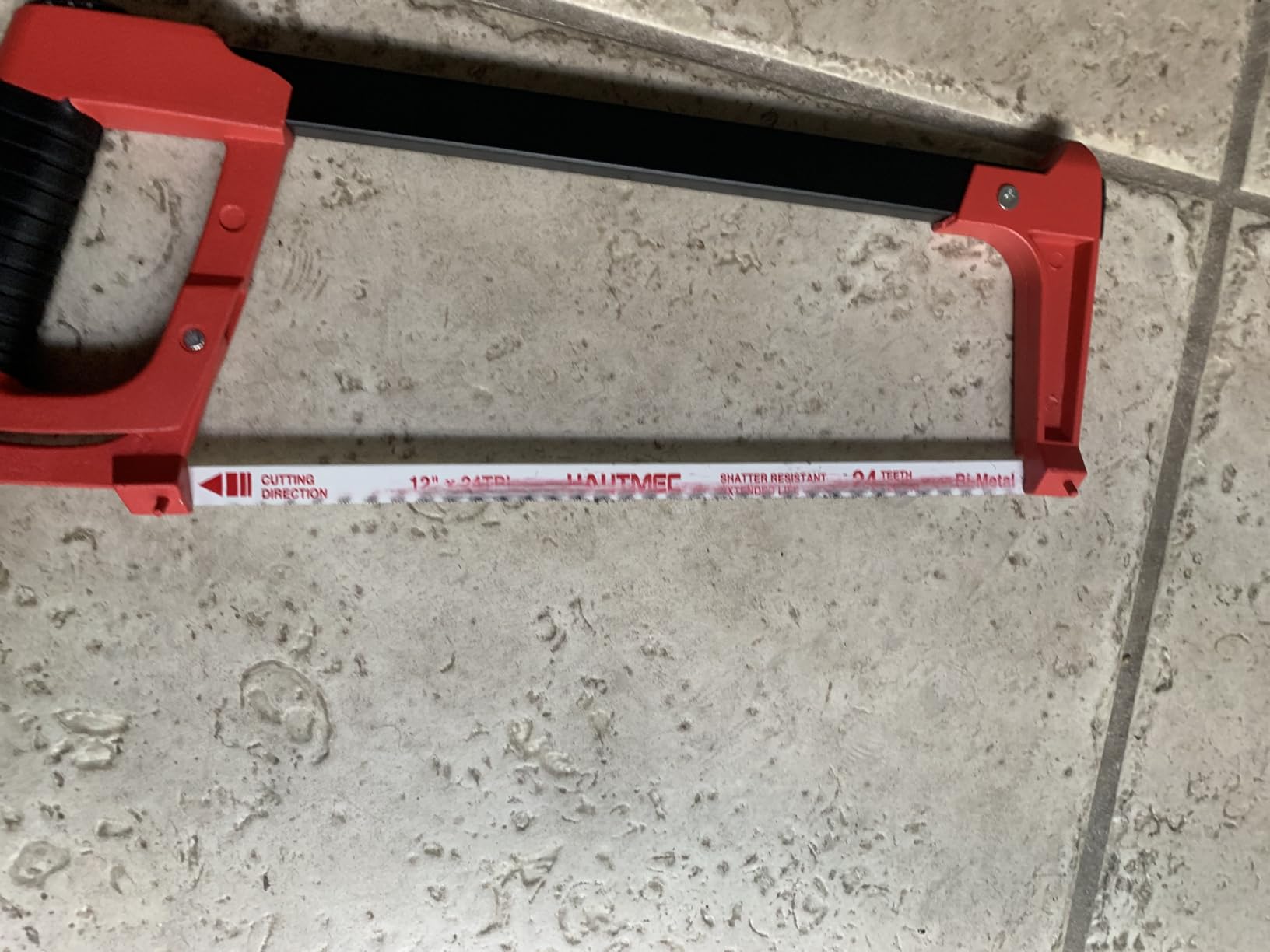
Why the included bi-metal blade changes the result
Bi-metal construction means high speed steel teeth joined to a spring steel back, so the teeth stay hard while the spine stays flexible under tension. On pipe, that combination is what lets a fine blade keep its edge and its shape instead of breaking or deforming. The 4 inch cutting depth is specified for steel pipe, copper tubing, plastic pipe, and wood, which covers most of what a homeowner or repair tech will meet.
Lightweight frame, lighter construction trade-offs
The recurring negatives are the plastic tension knob and molded handle seams, which can crack or feel unpolished over time, and a frame that feels slightly flimsy on thick aluminum and heavy wall. If your work is thick-wall carbon steel, step up to a heavier frame. If it is standard wall mild steel, copper, or a lot of small jobs, the weight is a benefit and you will barely notice the seams.
Who should buy this one
Buy this if you want a saw that is ready to cut the moment it arrives, weighs almost nothing in the hand, and costs very little. The high-tension steel frame resists bending under tension, which is the property that keeps the cut straight, and that is enough for most pipe work outside of production cutting.
9. AIRAJ 12 Inch Adjustable Tension Hacksaw – Best Blade Bundle
AIRAJ 12 Inch Adjustable Tension Hacksaw for Metal,10 Spare Hack Saw Blades
Frame plus 10 spare steel blades
Adjustable frame tension
45 and 90 degree angles
460 g weight
+ Pros
- Ten spare blades included
- so consumables are covered for a long time
- Adjustable frame tension makes blade changes quick and easy
- 45 and 90 degree angles cover standard and flush cuts
- Rubber front grip reduces fatigue on longer cutting sessions
- Cons
- Frame tension is lower than professional-grade steel frames on hard steel
- Spare blades are basic carbon steel rather than bi-metal HSS
- Frame is 12 inch fixed length with no throat adjustment
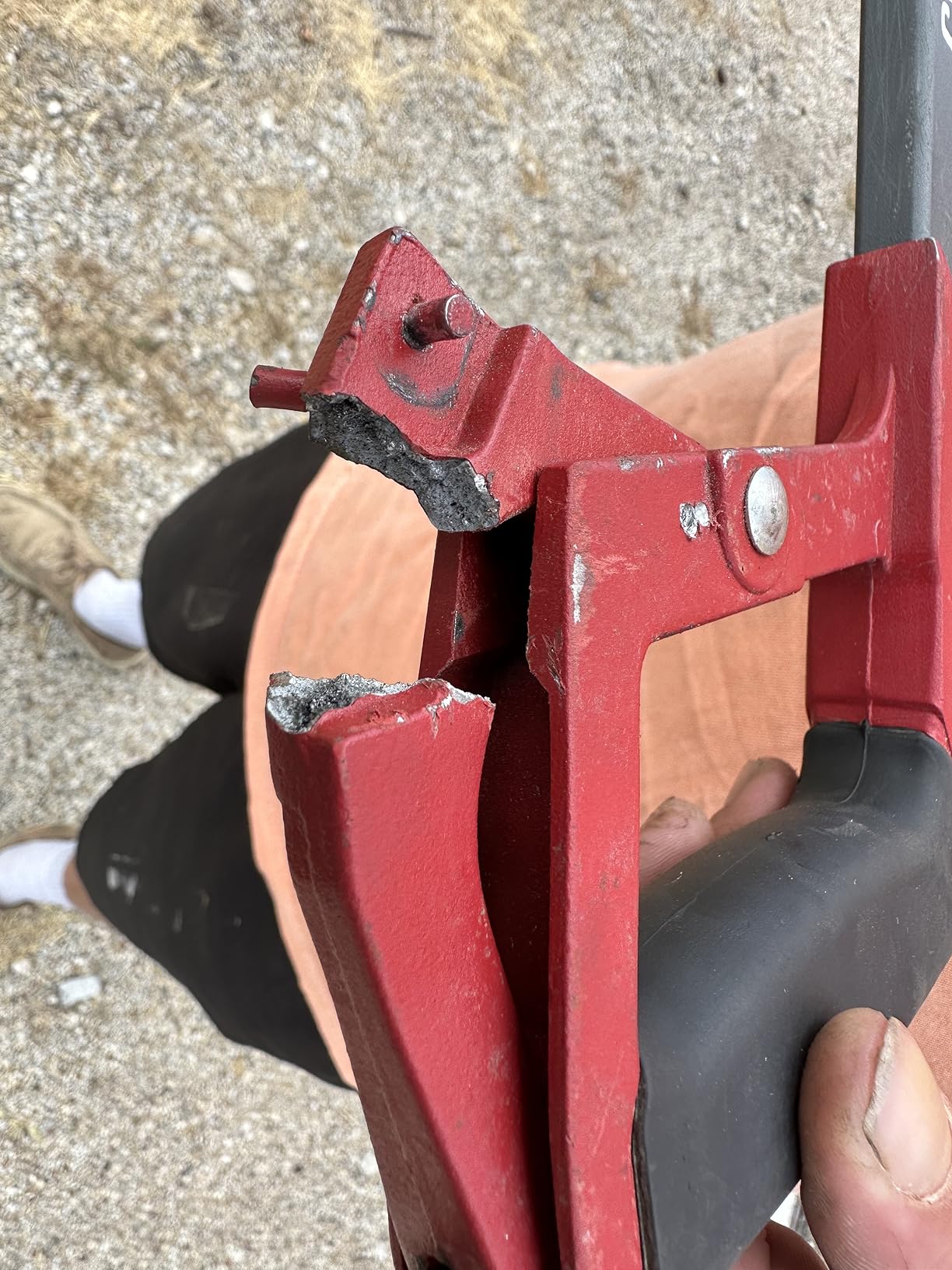
The AIRAJ bundle answers a problem nobody else here solves: where do you get blades. The package contains the frame, a double-sided blade, and 10 spare black steel blades, so the consumables question is answered before the first cut. Buyers rate it 4.5 across more than 600 reviews, with the blade count and easy tension adjustment as the main draws. The frame weighs 460 grams, which puts it in the same comfort class as the Bahco without the same blade quality in the box.
The adjustable frame tension is the mechanical feature to understand. Rather than a fixed-throat frame, this one lets you tighten or loosen the blade to suit the material and the available length, and it also supports 45 and 90 degree cutting angles for standard and flush cuts.
What ten spare blades actually get you
They get you through a great deal of lighter work before you think about consumables again, and for someone learning what a blade does when it dulls, that is genuinely educational. The trade-off is stated in the reviews: the spares are basic carbon steel rather than bi-metal high speed steel, and carbon steel blades do not last as long on steel, especially anything approaching a hardened surface.
Moderate tension on hard steel
The other honest limitation is that frame tension runs lower than professional-grade steel frames when you load up on hard steel. On mild steel pipe at standard wall, the adjustment covers it well. On thick hardened material, the blade deflection shows up, and this is the frame where a coarser, higher-quality bi-metal blade matters most. The rubber front grip is a nice touch for reducing fatigue on longer cutting sessions.
When the bundle makes sense
It makes sense for a shop that cuts a lot of small pieces of standard steel and wants consumables on the shelf, or for anyone who does not want to think about where blades come from. The frame weighs 460 grams, which puts it in a light, easy-to-control class without the bi-metal blade quality in the box.
10. KATA 10 Inch Mini Hacksaw – Best Miniature Frame for Tight Spots
KATA 10 Inch Mini Hacksaw for Metal Cutting with 3PCS Blades in Tight Space
10 inch aluminum frame at 4.8 ounces
Three 24 TPI bi-metal blades included
Soft TPR rubber grip
Light-duty rating
+ Pros
- Very light at 4.8 ounces and easy to control in tight confined spaces
- Includes two extra bi-metal blades plus one installed
- Comfortable non-slip grip for short precise cuts
- Handles metal rods
- threaded rod
- thin tubing
- bolts and PVC pipe
- Cons
- Light-duty only
- not suitable for thick hardened steel or demolition work
- Short 10 inch blade and small frame give less cutting depth and rigidity than full-size hacksaws
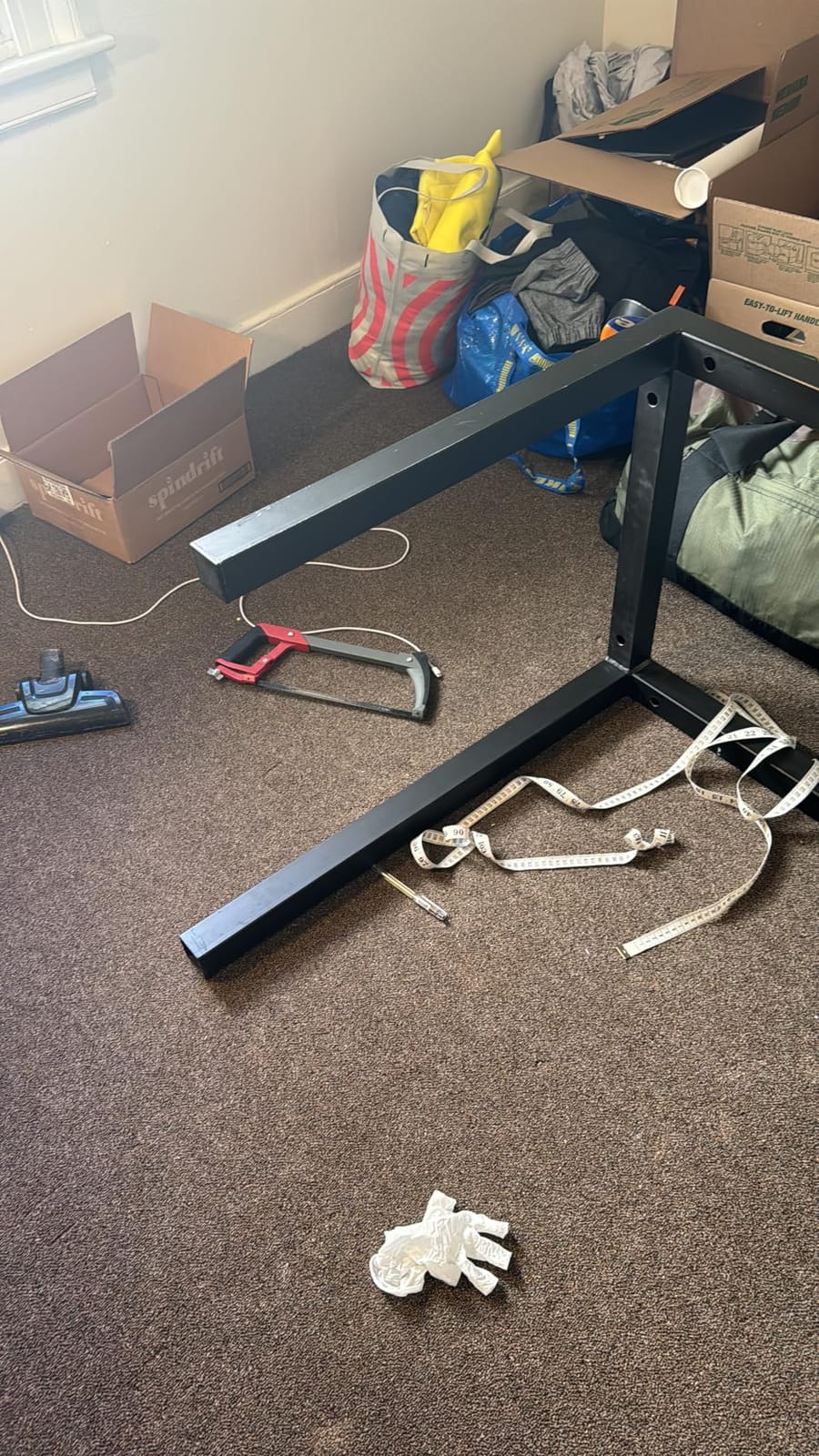
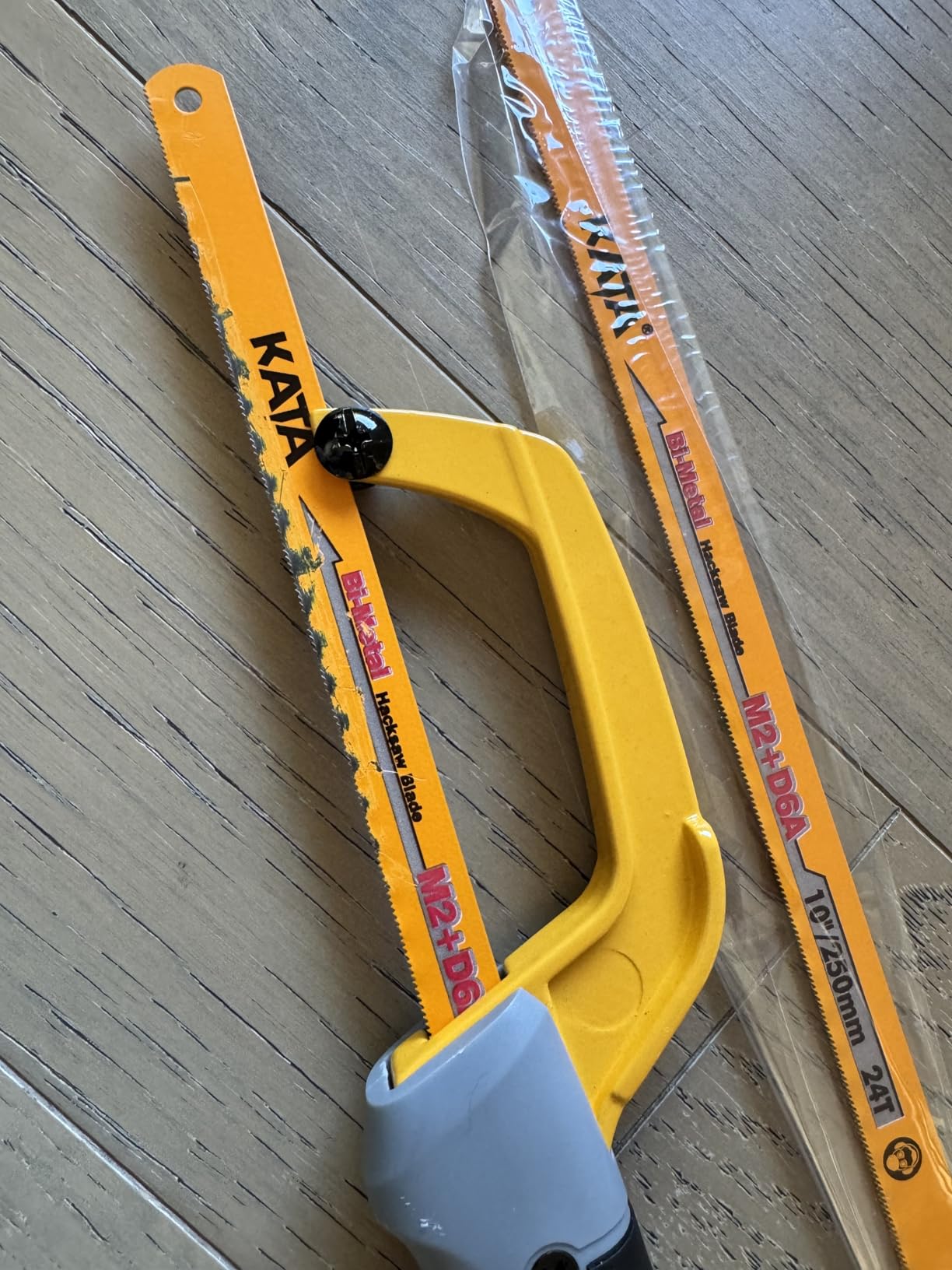
The KATA is the lightest thing in this roundup at 4.8 ounces, and it is the answer when the problem is access rather than material. A 10 inch aluminum frame is easier to control than a full-size hacksaw in a cabinet, behind a fixture, or between studs, and the soft TPR and rubber handle gives you a secure hold on small material.
It comes with three blades: one installed plus two extra 10 inch flexible bi-metal blades, all 24 TPI. That blade count on a tool this small is generous, and the bi-metal construction is a step up from the carbon steel blades the price-conscious frames usually ship.
Where this mini frame earns its place
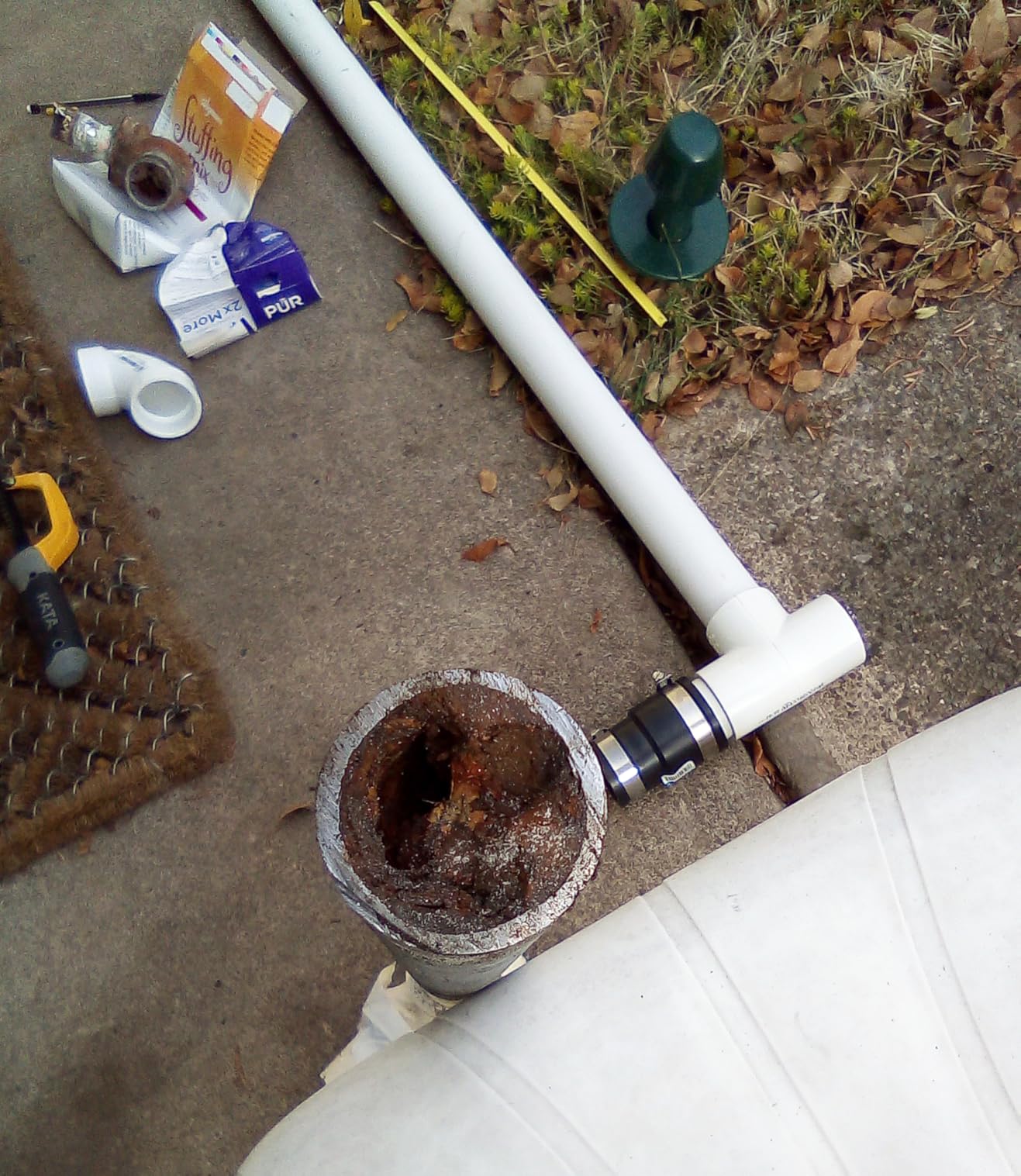
Owners point to portability, weight, control in tight spaces, and the included bi-metal blades. In practice it handles metal rods, threaded rod, thin tubing, bolts, and PVC pipe without trouble, and on a small-diameter pipe stub where a full frame cannot swing, it is the only one of these that will work.
The light-duty boundary is real
Be clear about the limit. Reviewers stress it is a light-duty tool for thin tubing, rods, and bolts rather than heavy pipe or demolition work, and the manufacturer lists it as not intended for heavy-duty demolition, large lumber, or thick hardened steel. The short 10 inch blade and small frame also give less cutting depth and rigidity than a full-size hacksaw, so a coarse blade on thick wall will show you exactly where the boundary sits.
It is not a backup saw. It is the saw you reach for when a full-size frame will not physically fit around the pipe, and in that one job it is the right tool.
How to Choose a Hacksaw for Steel Pipe
Frame tension beats everything else. The forums are consistent on this: users put the quality threshold well above the cheapest frames, and the single most repeated complaint pattern across every brand is the same: low-tension frames flex, the blade wanders, and you get a crooked cut plus a shortened blade life. Before you compare anything else, put a hand on the frame and pull the tension lever until the blade is firm and gives maybe a millimeter under pressure. That is the test.
Blade length and cutting depth vs pipe diameter
Nominal blade length is a marketing number; cutting depth is the number that decides whether you can do the job. The CRAFTSMAN lists 4.375 inches of cutting depth on a 12 inch blade, the HAUTMEC lists 4 inches, and the STANLEY lists a 4-3/8 inch D-throat. Match that depth to the pipe you are cutting: the saw needs to be able to get all the way around the pipe, and the tooth line needs to sit clear of the frame. If the pipe is larger than the depth allows, you are looking at a partial cut and a lot of swearing.
Teeth per inch matched to wall thickness
Fewer teeth remove material faster; more teeth shear it more cleanly. That is the entire rule, and it maps directly onto pipe wall thickness.
- 18 to 24 TPI for standard wall carbon steel and heavy wall where speed matters. This is the general-purpose band and the reason most frames ship with a 24 TPI blade.
- 32 TPI and finer for thin-wall tube, stainless steel, and any cut where the finish has to be square. The bikeforums guidance is explicit: on thin wall, a coarse blade lets the tube stick in the blade.
- 14 to 18 TPI for very heavy wall or cast iron where the job is removal rather than precision, though at that point you should seriously consider a different tool.
Schedule 80 pipe has a thicker wall than Schedule 40 of the same diameter, so the same blade does not apply. Match the blade to the wall, not to the nominal diameter printed on the pipe.
Bi-metal vs carbon steel blades
Bi-metal means high speed steel teeth joined to a spring steel back, giving you hard teeth on a flexible spine. Carbon steel is a single-piece blade that is cheaper and softer. For mild steel pipe at standard wall, carbon steel is fine. For stainless, hardened material, or a lot of pipe in one session, bi-metal outlasts carbon steel and is worth the swap. Of the ten frames here, five arrive with a bi-metal blade, which is a good indicator of how the manufacturers themselves rank blade quality.
Frame material: aluminum vs steel
Steel frames give you the highest tension and the least blade deflection, at the cost of weight. Aluminum frames give you reach and comfort, at the cost of some maximum tension. The Bahco 317 at 463 grams and the KATA at 4.8 ounces are the reachability end; the LENOX at 1.9 pounds and the CRAFTSMAN with its 225 lb tension rating are the rigidity end. Neither is wrong. Match the frame to how long you will be cutting and how heavy the material is.
What our scoring rubric rewarded
Five criteria, in order: cut straightness through the pipe wall, tension retention over a full session, blade fit and length range, comfort after twenty minutes of continuous work, and frame survival after being dropped. Anything that would not hold tension or would not fit a common blade was disqualified before cutting began. That is why no adjustable-length-only tool appears here, and why every pick is either a 10 or 12 inch frame that accepts standard blades.
How to Cut Metal Pipe With a Hacksaw: 8 Steps
- Measure and mark with tape. Wrap masking tape around the pipe at your cut line. The tape gives you a visible straight guide and it reduces the burr you get at the cut face, because you are not scribing the surface and tearing the coating. A rider on mtbr described exactly this trick: tape the line first and you remove far less metal.
- Support the pipe on both sides of the cut. The cut must be supported near the cut point or the pipe will sag and the blade will bind. Blocking under the pipe on each side of the mark is the minimum.
- Clamp it in a vise. Clamp on the far side of the cut if at all possible so the clamping force does not distort the section you are cutting. A twisted pipe makes a crooked cut no matter how good the frame is.
- Fit the blade with the teeth pointing toward the push stroke. This is the most common beginner error and it destroys teeth quickly. The teeth must cut on the forward, pushing stroke. Check it before you tension, not after.
- Tension the frame properly. Turn the tension knob until the blade is firm with maybe a millimeter of flex under finger pressure. Under-tensioning is the number one cause of a wandering cut, and most people never tension a hacksaw at all.
- Apply cutting oil. Flood the teeth and the kerf before the first stroke and reapply every few seconds. Cutting fluid carries heat and swarf out of the kerf, and it makes a visible difference in both cut time and blade life.
- Cut on the push stroke with steady pressure. Let the teeth do the work on the forward stroke and back off lightly on the return. Use long strokes, keep the blade square to the cut, and never twist the saw mid-stroke to force progress.
- Deburr and ream the cut end. File the burr off the outside edge and ream or chamfer the inside bore. A cut pipe with a burr on it will not seat in a fitting, and this is the step that turns a cut into a usable pipe.
Wear eye protection. When a blade breaks, the spring tension in the frame can throw the broken length hard, and a cut-resistant glove is worth putting on when you are clearing swarf or handling a snapped blade. Wrap or tape a snapped blade before disposal so nobody opens the bin later.
When a Hacksaw Is the Wrong Tool
A hacksaw is a fitting and trim tool, not a production cutter, and forum users on garagejournal reach for an ironworker or similar manual tool rather than a hacksaw for thicker steel. Knowing when to switch saves more time than any blade choice.
- Tubing cutter: the right tool for copper, brass, and plastic pipe. It is faster, cleaner, and it leaves a square end. It is the wrong tool for steel, which is why this question comes up so often: a threading pipe cutter and a hacksaw do different jobs, and only one of them is correct on steel.
- Cutoff wheel on an angle grinder: the fastest way to remove a section of pipe, and the right tool for hardened or tool steel. Trade forum advice is blunt: do not cut hardened steel with hacksaw blades, use a cutoff disc. You will also lose a measurable amount of the pipe length to the kerf and need to re-square the end.
- Reciprocating saw: the answer when you are cutting a lot of pipe. One already in the hand replaces dozens of strokes, and the LENOX and DEWALT frames here both convert to jab-saw mode with reciprocating blades as a bridge between the two.
- Bandsaw: for repeat, accurate, identical cuts. Set the stop, make fifty cuts, and the blade does the repetition while you feed the work. A hacksaw does not scale to that.
- Power hacksaw: a powered frame gives you the same blade and the same technique with far less arm fatigue. Worth considering if you cut pipe regularly and already own a battery platform.
- Hacksaw: when the pipe is fixed in place, the cut has to be square, and no other hand tool will reach it. Trim cuts, repair cuts, and mitered ends on installed pipe are where this tool still wins.
Common Hacksaw Mistakes to Avoid
- Cutting with no fluid. The number one cause of premature blade death and a burnt, work-hardened kerf. Flood the teeth before the first stroke.
- Teeth pointing away from the push stroke. The cut then happens on the return stroke in tension, which snaps teeth and bends the blade. Check tooth direction before you tension the frame.
- Under-tensioning the frame. Most people never tension a hacksaw. A loose blade flexes, wanders, and produces a crooked cut. Tighten until the blade is firm with about a millimeter of give.
- Twisting the pipe or the saw mid-cut. A twisting motion is what breaks a blade. If the cut binds, release the pressure, rotate the blade slightly on the stroke, and resume square.
- Using a coarse blade on thin wall. The thin-wall tube gets pulled into the kerf and binds instead of cutting. Go to 32 TPI or finer.
- Cutting hardened or tool steel. The teeth roll and the blade snaps. Use a cutoff disc, and this is a hard boundary rather than a preference.
- Skipping the deburr. A pipe with a burr will not seat in a fitting. File the outside edge and ream the bore before you spend ten minutes wondering why the coupling will not thread on.
- No support near the cut point. Unsupported pipe sags under the load of the cut and drags the blade sideways. Block it on both sides of the mark.
Frequently Asked Questions
Can I cut metal pipe with a hacksaw?
Yes. A hacksaw cuts steel, iron, and aluminium pipe cleanly, and for pipe that is already welded, threaded, or installed in a wall it is often the only hand tool that fits. Use a 24 TPI bi-metal blade for standard wall mild steel, 32 TPI or finer for thin-wall tube and stainless, and do not use a hacksaw blade on hardened or tool steel.
Is a 24 or 32 TPI hacksaw blade better for steel pipe?
It depends entirely on wall thickness. An 18 to 24 TPI blade removes material faster and is better for standard or heavy wall carbon steel. A 32 TPI blade shears the metal instead of tearing it and is better for thin-wall tube, stainless, and any cut that needs a clean square face. On thin wall, a coarse blade lets the tube bind in the teeth instead of cutting.
What TPI do I need for thin-wall metal tube?
Use 32 TPI or finer for thin-wall tube. The tube is springy and easily pulled into the kerf, and a coarse-toothed blade grips it rather than shearing it, which binds the saw. A fine blade with a reinforced, well-tensioned frame gives the cleanest cut and the least risk of distorting the tube.
What is the best hacksaw for cutting metal?
For most people cutting steel pipe, the LENOX HT50 high tension frame is the strongest single answer: its I-beam frame holds blade tension up to 50000 psi for fast straight cuts, it stores spare blades in the frame, and it converts to a jab saw. The CRAFTSMAN 12 inch is the best value for thick wall, and the Milwaukee compact is the best choice when the pipe is in a tight space.
What are the most common hacksaw mistakes to avoid?
The most common are cutting with no fluid, installing the blade with the teeth pointing away from the push stroke, and never tensioning the frame. Under-tensioning is the leading cause of a wandering cut. Also avoid coarse blades on thin-wall tube, twisting the saw mid-cut, cutting hardened steel with a hacksaw blade, and skipping the deburr on the cut end.
Which Hacksaw Should You Buy in 2026?
If you want one hacksaw and you cut thick-wall steel pipe, buy the LENOX HT50. The 50000 psi I-beam tension, the five-blade onboard storage, and the jab-saw conversion make it the frame that kept my cuts square and my blade life reasonable, and at 4.8 it is the highest-rated pick in this roundup. Pair it with a 24 TPI bi-metal blade for general work and keep a 32 TPI on hand for thin wall and stainless.
If you want durability instead of maximum tension, the CRAFTSMAN 12 inch gives you a 225 lb tension class frame, a 4.375 inch cutting depth, adjustable blade angles for flush cuts, and a lifetime warranty for a fraction of what the professional frames cost. If your pipe is already installed in a chase or a cabinet, the Milwaukee 10 inch compact is the one that fits the space. If your work is thin-wall tube, fit the Milwaukee 48-22-0050 with a fine blade and keep the reinforced frame square. If you cut once in a while, the STANLEY D-Shape with its included 24 TPI blade is the honest budget answer, and if you cut a lot, the Bahco 317 is the frame that stays comfortable through a full day.
Whatever you choose, the two decisions that decide the outcome are the same: tension the frame properly, and pick the tooth pitch for the wall thickness. Those two things will make more difference than any brand name on the list. Check the current listing for whichever frame fits your work, and always have cutting oil and a deburring file within reach when you start.