

Finding the best headphones for music production changed everything about how I work in the studio. After spending years mixing on consumer cans that boosted bass and hid problems, I finally switched to proper studio headphones and immediately heard issues I had been missing for months.
If you are serious about your mixes translating across speakers, cars, and earbuds, you need headphones designed for accurate sound reproduction. Not flashy headphones with bass boost. Not gaming headsets with virtual surround. You need flat, honest reference headphones that tell you exactly what is in your track.
Our team tested 12 of the most popular studio headphones across mixing sessions, vocal tracking, late-night mastering, and casual listening. We compared frequency response, comfort during 6-hour sessions, sound isolation, build quality, and value. Whether you need closed-back headphones for tracking vocals or open-back cans for critical mixing, this guide covers every option at every budget in 2026.
Top 3 Picks for Best Headphones for Music Production (October 2026)

Audio-Technica ATH-M50X
- 45mm drivers
- Detachable cable
- 90-degree swivel earcups
- 38 Ohm impedance

Sony MDR7506
- 40mm neodymium drivers
- Industry standard since 1991
- Folds for travel
- 63 Ohm impedance

AKG K240 Studio
- 30mm Varimotion diaphragms
- Semi-open design
- Self-adjusting headband
- 55 Ohm impedance
These three stand out for different reasons. The ATH-M50X delivers the best all-around performance for producers who need one pair for everything. The Sony MDR7506 remains the industry standard at a price that makes sense for any studio. And the AKG K240 Studio gives you professional semi-open sound on a tight budget.
Best Headphones for Music Production in 2026: Quick Overview
| Product | Details | |
|---|---|---|
| Audio-Technica ATH-M50X |
|
Check Latest Price |
| Sony MDR7506 |
|
Check Latest Price |
 beyerdynamic DT 770 PRO beyerdynamic DT 770 PRO |
|
Check Latest Price |
 beyerdynamic DT 990 PRO beyerdynamic DT 990 PRO |
|
Check Latest Price |
 Sennheiser HD 280 Pro Sennheiser HD 280 Pro |
|
Check Latest Price |
| AKG K240 Studio |
|
Check Latest Price |
 Audio-Technica ATH-M40x Audio-Technica ATH-M40x |
|
Check Latest Price |
 Shure SRH840A Shure SRH840A |
|
Check Latest Price |
 beyerdynamic DT 700 PRO X beyerdynamic DT 700 PRO X |
|
Check Latest Price |
 Sennheiser HD 490 PRO Sennheiser HD 490 PRO |
|
Check Latest Price |
 AKG K361 AKG K361 |
|
Check Latest Price |
 Sony MDR-M1 Sony MDR-M1 |
|
Check Latest Price |
The table above gives you a quick snapshot of all 12 headphones side by side. Now let me walk you through each pair with my hands-on experience from real studio sessions.
1. Audio-Technica ATH-M50X – The All-Round Studio Champion
Audio-Technica ATH-M50X Professional Studio Monitor Headphones, Black, Professional Grade, Critically Acclaimed, with Detachable Cable
Closed-back
45mm drivers
38 Ohm impedance
Detachable cable
90-degree swivel earcups
+ Pros
- Critically acclaimed accurate sound
- Excellent clarity across frequencies
- Detachable cable with multiple options
- Durable metal-reinforced build
- Comfortable for extended sessions
- Cons
- Treble peaks at high volumes
- Headband padding could be thicker
- Bass slightly colored for purists
The Audio-Technica ATH-M50X was the first pair of studio headphones I ever bought, and it remains my go-to recommendation for producers who want one pair that handles everything. Those 45mm proprietary drivers deliver a level of detail that immediately exposes problems in your mix. I remember putting on a track I thought was finished and hearing a harsh resonance in the high mids that my old headphones had completely hidden.
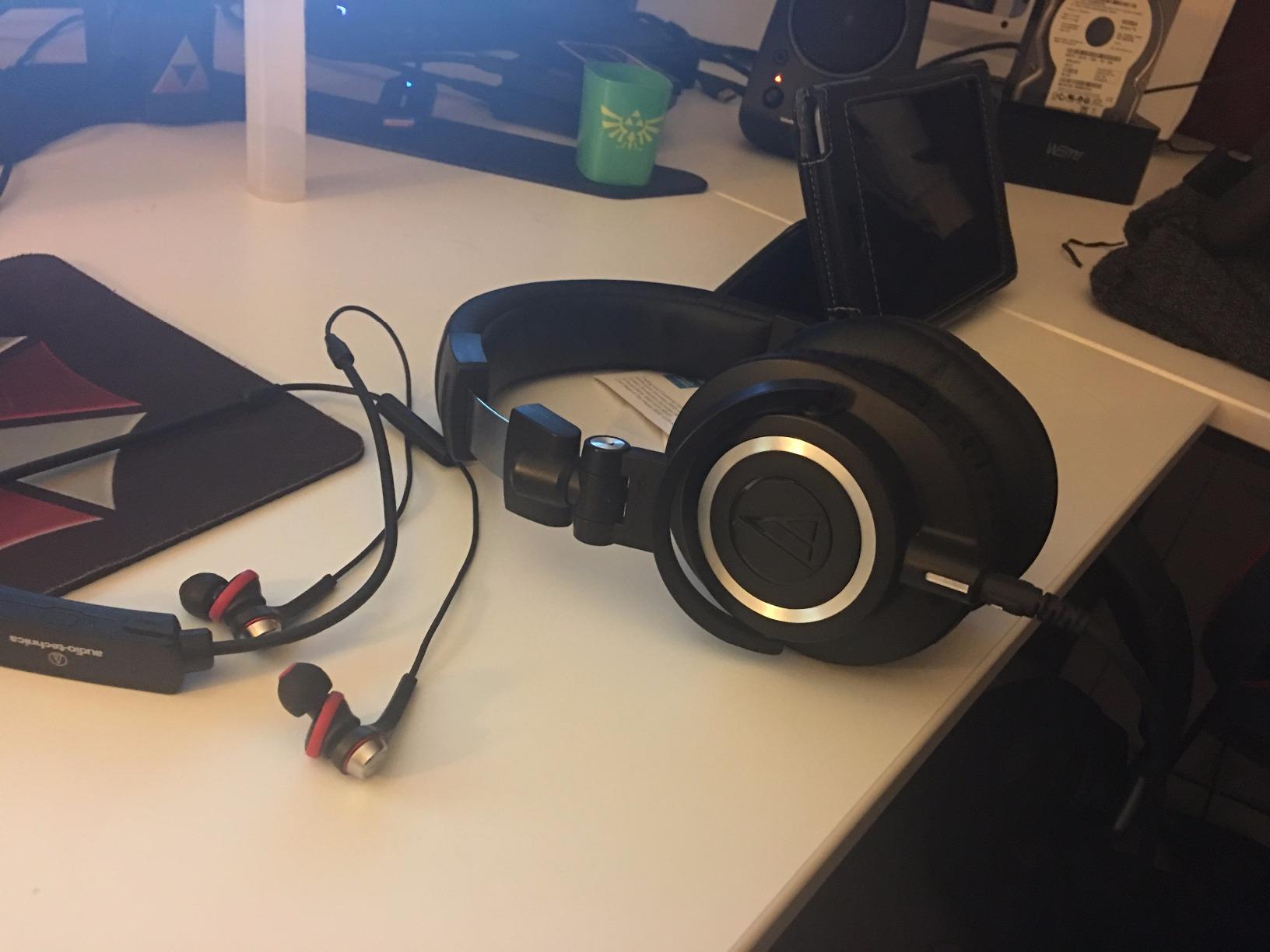
What makes the ATH-M50X one of the best headphones for music production is its versatility. The closed-back design provides enough isolation for vocal tracking. The frequency response is detailed enough for mixing. And the 90-degree swiveling earcups let you flip one side off for one-ear monitoring when you need to compare against your studio monitors.
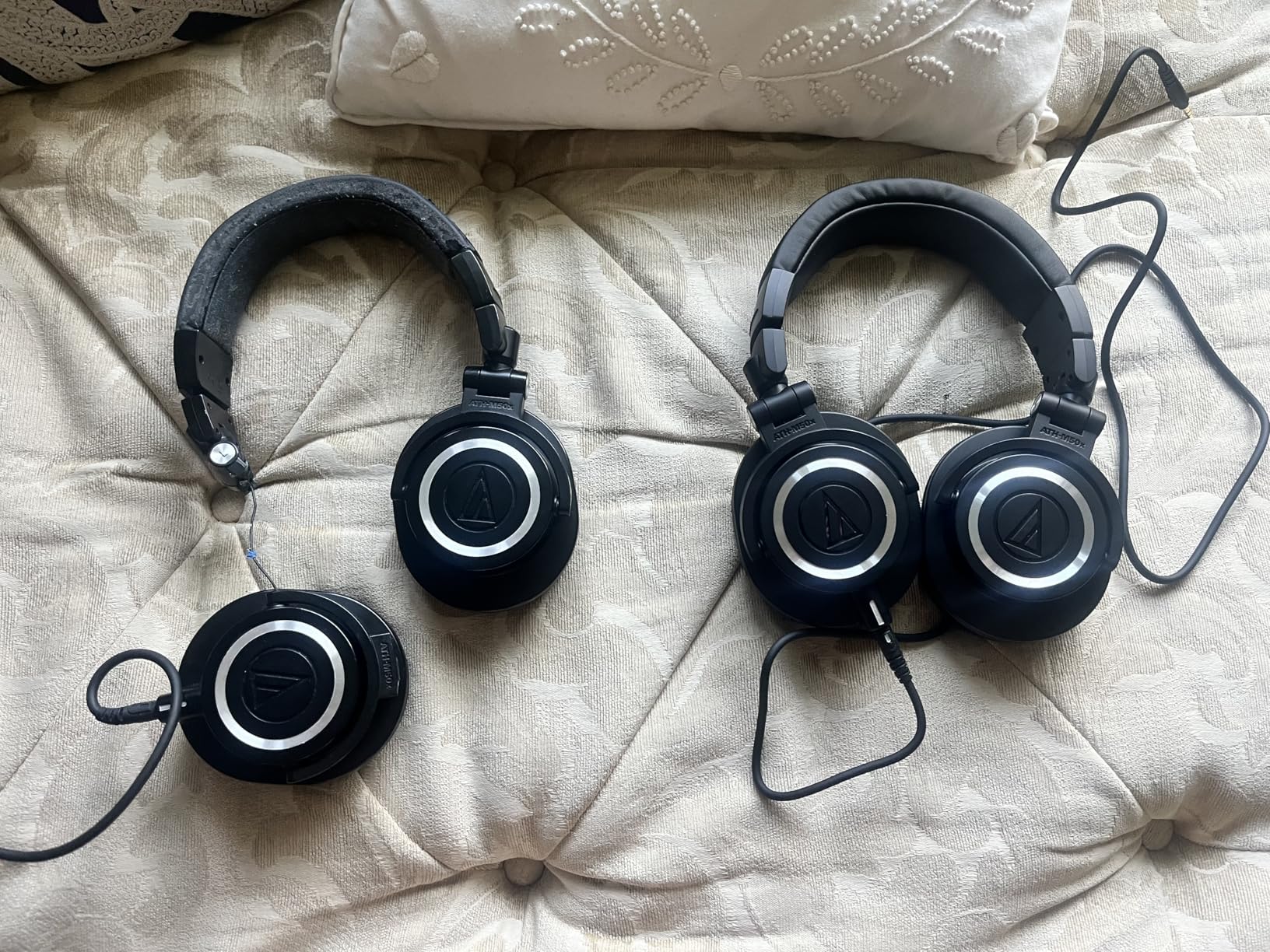
The detachable cable system is a feature I did not fully appreciate until I accidentally stepped on a cable and broke the connector. Instead of replacing the entire headphone, I just swapped in a new cable. Audio-Technica includes three cable options in the box, which covers every studio scenario from desk work to movement around the room.
Sound-wise, the M50X has a slightly V-shaped signature with elevated lows and highs. This is not a perfectly flat reference, but many producers actually prefer this because it makes fatigue-inducing frequencies more obvious. The bass response is deep and accurate without bleeding into the mids, and the highs reveal detail that cheaper headphones smear together.
Best Use Cases for the ATH-M50X
These headphones excel as a single-pair solution for home studios and bedroom producers. If you can only afford one pair for tracking, mixing, and casual listening, the M50X covers all three admirably. They are also excellent for DJ monitoring thanks to the swiveling earcups and isolation.
Who Might Want Something Else
If you need absolutely neutral frequency response for mastering, you may prefer open-back options like the DT 990 PRO or HD 490 PRO. The slight V-shape of the M50X, while useful for mix checking, is not the last word in neutrality. Some users also find the clamping force tight during the first few weeks.
2. Sony MDR7506 – The Studio Industry Standard Since 1991
Sony MDR7506 Professional Large Diaphragm Headphone
Closed-back
40mm neodymium drivers
63 Ohm impedance
9.8ft coiled cable
Folds for travel
+ Pros
- Industry standard trusted by professionals
- Exceptional clarity and detail
- Outstanding sound isolation
- Legendary 10-20 year durability
- Excellent value price
- Cons
- Non-detachable cable
- Ear pads need replacement over time
- Slightly bright treble
- Narrow soundstage
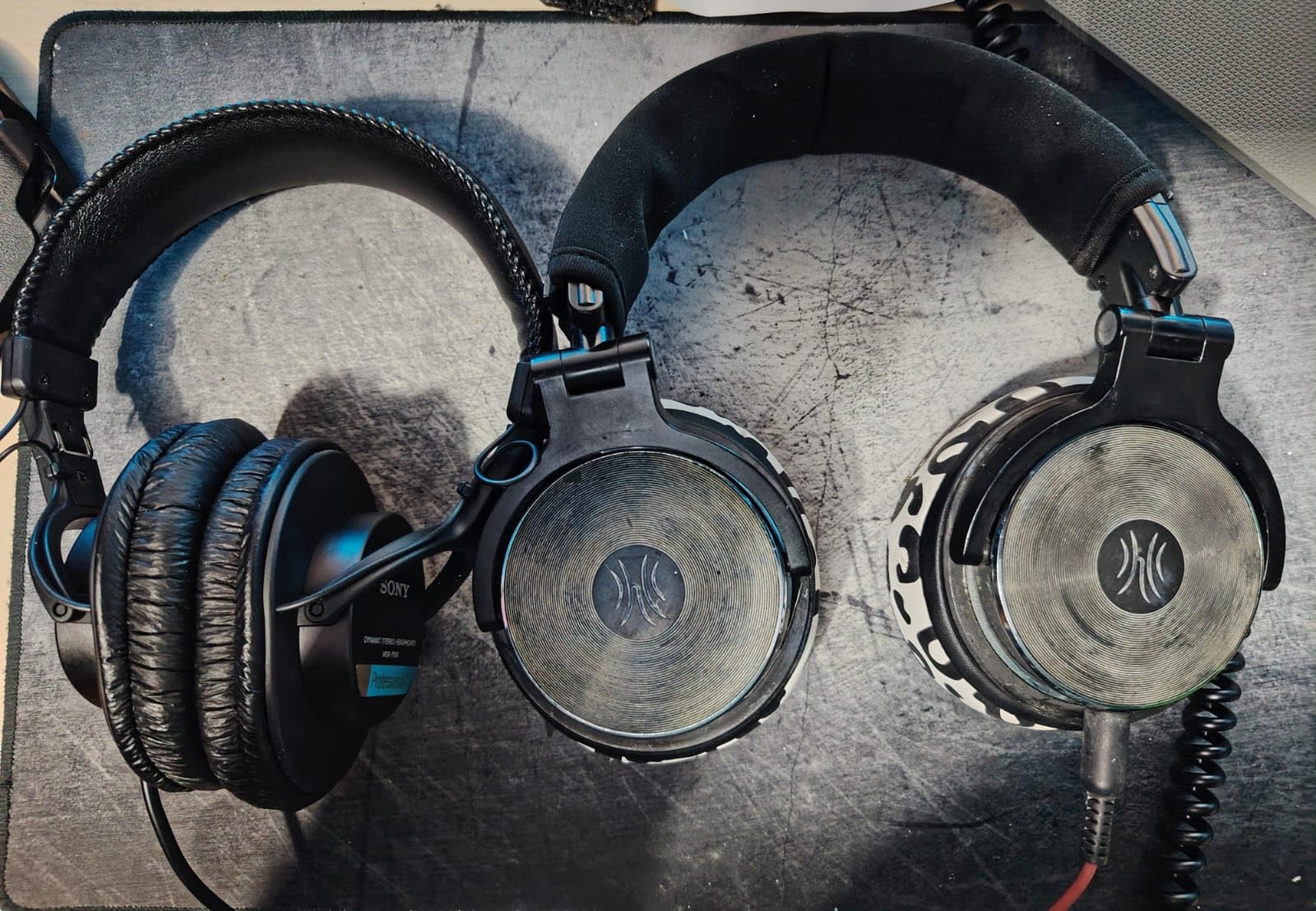
Walk into any professional recording studio in the world and you will almost certainly find a pair of Sony MDR7506 headphones hanging on a hook. These have been the studio standard since 1991, and for good reason. When I first tried a pair, I understood why every major studio keeps multiples on hand for tracking sessions.
The 40mm neodymium drivers deliver clarity that punches well above the price point. The MDR7506 has a slightly bright signature in the upper mids and highs that makes it incredibly useful for vocal tracking. You hear every breath, every sibilance, every detail that needs attention. Many engineers specifically reach for these when recording vocals because they reveal problems before they become permanent.
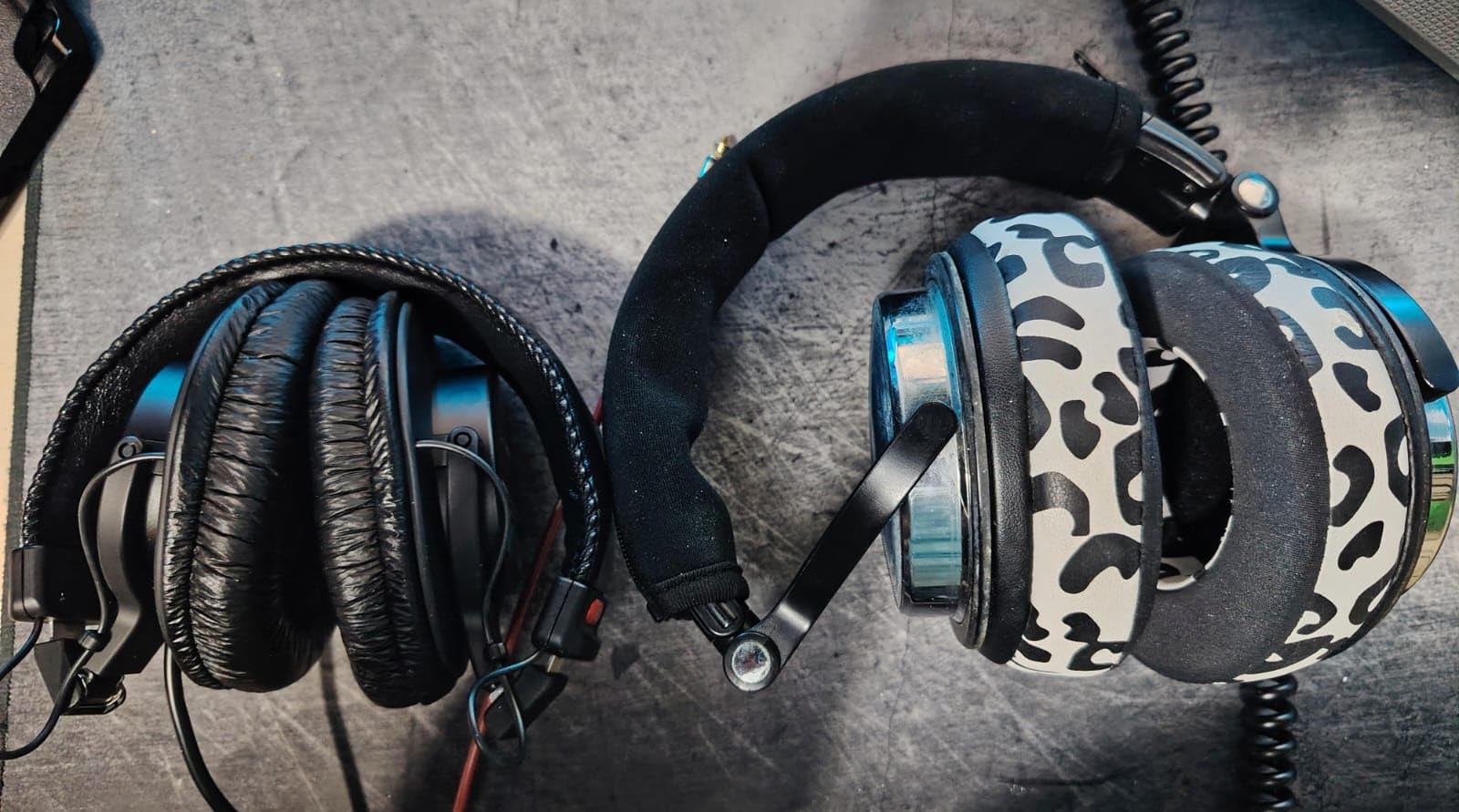
What sets the MDR7506 apart from other budget studio headphones is the build quality. These things are tanks. Multiple engineers I know have pairs that are 15 to 20 years old and still going strong. The closed-back design provides excellent passive isolation, blocking enough ambient noise for tracking even in rooms with loud computer fans.
The 9.8-foot coiled cable gives you freedom to move around without the cable getting tangled. The headphone folds up into a compact soft case for transport. The only real downside is the non-detachable cable, which means if the cable fails, you need to do some soldering or send it for repair.
Why Studios Love the MDR7506
Studios buy these in bulk because they offer professional sound at a price that makes sense for multiple pairs. They are reliable, consistent, and every musician knows how they sound. When you hand a musician MDR7506 headphones for tracking, they immediately recognize them and feel comfortable.
Limitations to Consider
The soundstage is narrower than open-back alternatives, which makes them less ideal for critical mixing of spatial elements like reverb and panning. The bright treble can also be fatiguing during very long mixing sessions. For mixing, pair these with an open-back option for a complete studio setup.
3. beyerdynamic DT 770 PRO 80 Ohm – Closed-Back Comfort King
beyerdynamic DT 770 Pro Studio Headphones (80 Ohm, Black)
Closed-back
80 Ohm impedance
Velour ear pads
5Hz-35kHz
German-made
+ Pros
- Exceptional velour pad comfort
- Balanced sound for mixing
- Excellent noise isolation
- Fully serviceable replaceable parts
- Robust German build quality
- Cons
- Can sound bright at high volumes
- Requires amp for optimal performance
- Ear cups get warm over time
- Bass emphasis may need EQ
The beyerdynamic DT 770 PRO is the headphone I recommend most often to producers who complain about discomfort during long sessions. Those velour ear pads are a revelation. After 6 hours of mixing, most closed-back headphones leave your ears sore and sweaty. The DT 770 PRO stays breathable and comfortable hour after hour.
Sound-wise, the 80 Ohm version delivers a balanced frequency response that works well for mixing and mastering. The bass extends deep without overwhelming the mids. The treble is detailed but can be slightly bright at higher volumes, which some users address with a small EQ cut around 8-10 kHz.

The closed-back design provides excellent isolation for tracking. Sound leakage is minimal, making these safe for vocal recording where headphone bleed into the microphone is a concern. The 3-meter straight cable gives you room to move around your studio space.
One of the best things about the DT 770 PRO is that it is fully serviceable. The ear pads, headband padding, and even the drivers can be replaced. This means a single pair can last you a decade or more with basic maintenance. The 80 Ohm impedance works well with most audio interfaces without requiring a dedicated headphone amplifier.

Impedance Considerations
The 80 Ohm version strikes a balance between sound quality and ease of driving. It works acceptably with most audio interfaces like the Focusrite Scarlett or PreSonus AudioBox. If you want maximum sound quality and have a dedicated headphone amp, consider the 250 Ohm version instead.
Tracking vs Mixing Performance
These excel at tracking thanks to the isolation and comfort. For mixing, they are very good but the slightly elevated treble can lead you to under-compensate highs in your mix. Always cross-reference your mixes on other systems when using these.
4. beyerdynamic DT 990 PRO 250 Ohm – Open-Back Mixing Reference
beyerdynamic DT 990 Pro (250 Ohm), Open-Back Studio Headphones, Black
Open-back
250 Ohm impedance
Wide soundstage
Velour ear pads
Handcrafted in Germany
+ Pros
- Exceptional wide natural soundstage
- Outstanding clarity and detail
- Extremely comfortable velour pads
- Good bass impact for open-back
- Excellent instrument separation
- Cons
- Sound leakage in both directions
- Requires dedicated headphone amp
- High impedance needs power
- Treble can be harsh at loud volumes
When I need to make critical mixing decisions about reverb tails, stereo placement, and spatial depth, I reach for the beyerdynamic DT 990 PRO. The open-back design creates a soundstage that closed-back headphones simply cannot match. Instruments feel placed in a three-dimensional space rather than stuffed inside your head.
The 250 Ohm impedance means you need a proper headphone amplifier or a quality audio interface with a strong headphone output. Plugged directly into a laptop, these will sound thin and lifeless. But give them enough power and they reward you with incredible detail across the entire frequency spectrum.
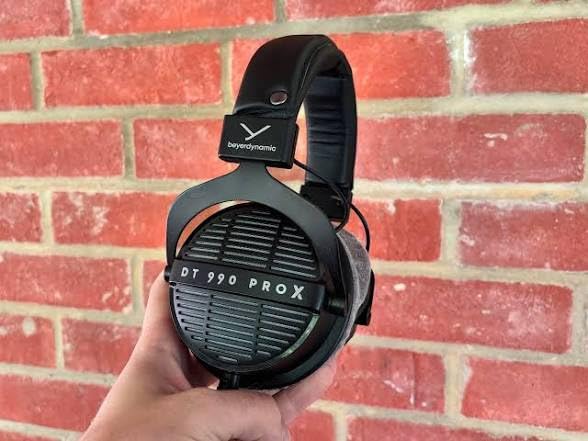
The frequency response extends from 5 Hz to 35,000 Hz, giving you incredible low-end detail and airy highs. The bass has impact and texture that surprises people who assume open-back headphones lack low end. The mids are where these truly shine, with a natural presentation that makes vocals and instruments sound real.
Comfort is outstanding with the same velour pads as the DT 770 PRO. Long mixing sessions are no problem. The open design also prevents the heat buildup that closed-back headphones suffer from, keeping your ears cool during marathon sessions.
Amplification Requirements
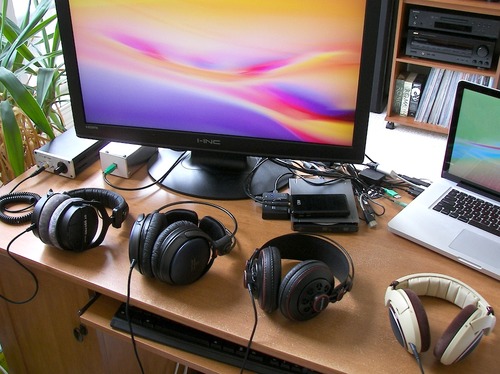
At 250 Ohms, these need proper amplification. A dedicated headphone amp like the Schiit Magni or JDS Labs Atom will unlock their full potential. Most entry-level audio interfaces may struggle to drive them to satisfying volumes. Budget for an amp if you choose these.
Best Applications
These are ideal for mixing and critical listening in a quiet environment. They are terrible for tracking because sound leaks in both directions. Use them for late-night mixing sessions where you need to hear every detail and your room acoustics are less than ideal.
5. Sennheiser HD 280 Pro – Isolation Specialist on a Budget
Sennheiser HD 280 Pro Headphone, Black
Closed-back
32dB noise attenuation
64 Ohm impedance
Detachable coiled cable
Collapsible
+ Pros
- Exceptional 32dB passive noise isolation
- Warm natural sound reproduction
- Durable with replaceable parts
- Comfortable ergonomic design
- Excellent value price
- Cons
- Tight clamping force initially
- Coiled cable can be heavy
- Narrow soundstage
- Ear pad material quality varies
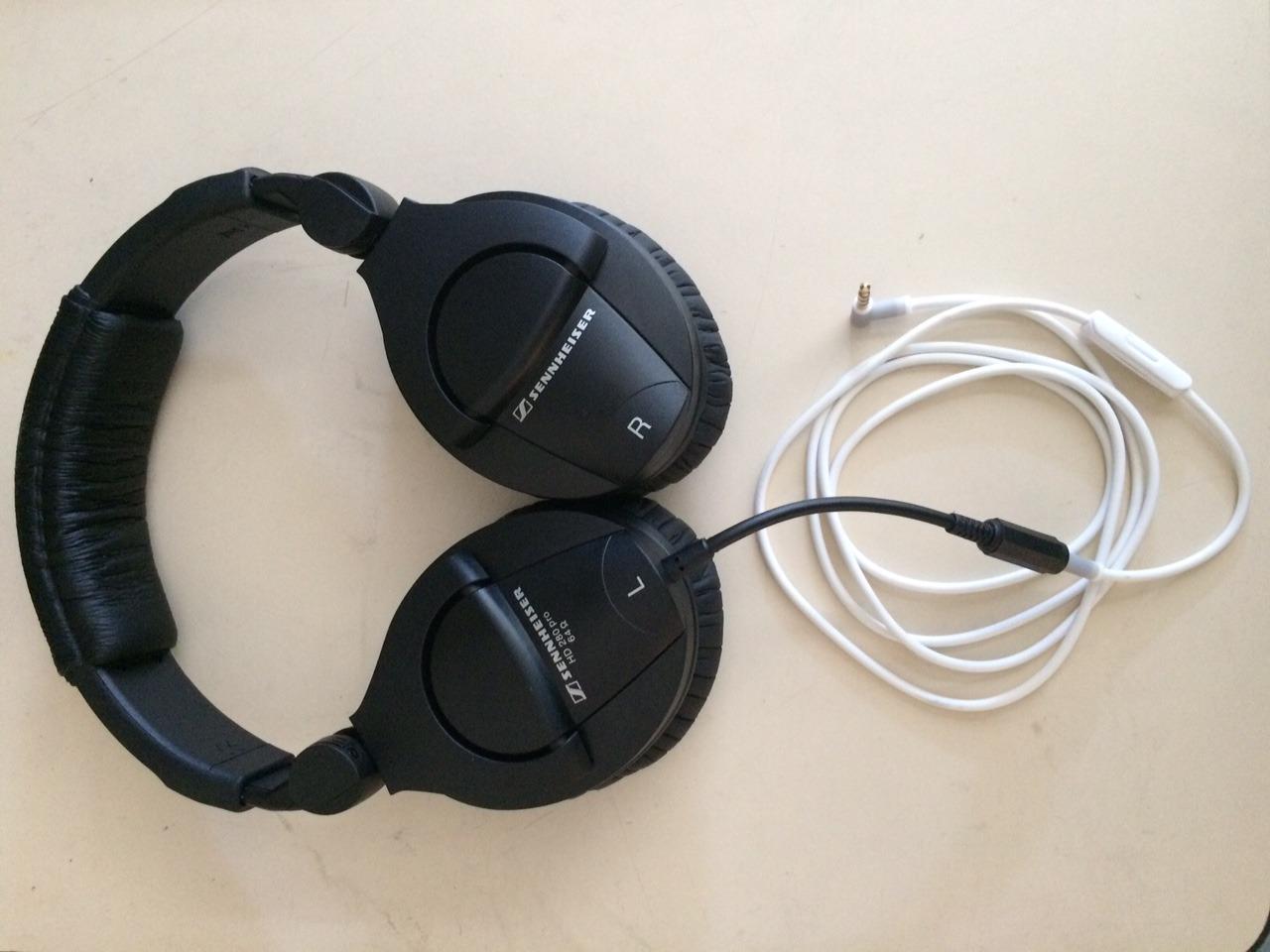
The Sennheiser HD 280 Pro is the headphone I recommend when isolation is your top priority. With up to 32 dB of passive noise attenuation, these block out more ambient sound than almost any other headphone on this list. If your studio space has loud computer fans, noisy neighbors, or poor acoustic treatment, the HD 280 Pro lets you focus on your mix.
The sound signature is warm and natural, which many producers prefer over the brighter signatures of Sony or beyerdynamic options. The mids have a pleasant presence that works well for vocal mixing. The bass is controlled and accurate rather than exaggerated.
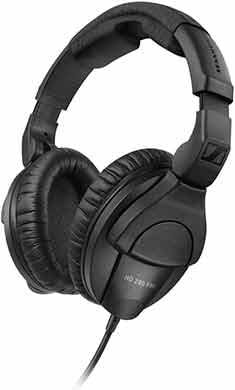
At this price point, the HD 280 Pro offers remarkable value. The build is sturdy with a collapsible design for transport. The coiled cable stretches from 3.3 to 9.8 feet, giving you flexibility without excess cable getting in the way.
The main drawback is the clamping force, which is quite tight out of the box. This helps with isolation but can be uncomfortable for the first few weeks until the headband breaks in. Once adjusted, they become much more comfortable for extended wear.
Ideal Recording Environments
These shine in less-than-ideal acoustic spaces where you need to block out the world. They are perfect for location recording, podcast production in untreated rooms, and tracking sessions where bleed from other instruments is a concern.
Sound Character vs Other Options
The warmer sound signature makes these less fatiguing than brighter headphones for long sessions. However, this warmth can mask some high-frequency detail. If your mixes sound dull on other systems, you may be overcompensating. Cross-reference your work on brighter headphones.
6. AKG K240 Studio – Professional Sound at Entry-Level Pricing
AKG K240STUDIO Semi-Open Studio Headphones
Semi-open
55 Ohm impedance
Varimotion diaphragms
Self-adjusting headband
Detachable cable
+ Pros
- Neutral flat sound signature
- Very comfortable self-adjusting design
- Excellent mid and high detail
- Detachable cable option
- Outstanding value
- Cons
- Limited sub-bass response
- Semi-open design leaks sound
- May need amp for best performance
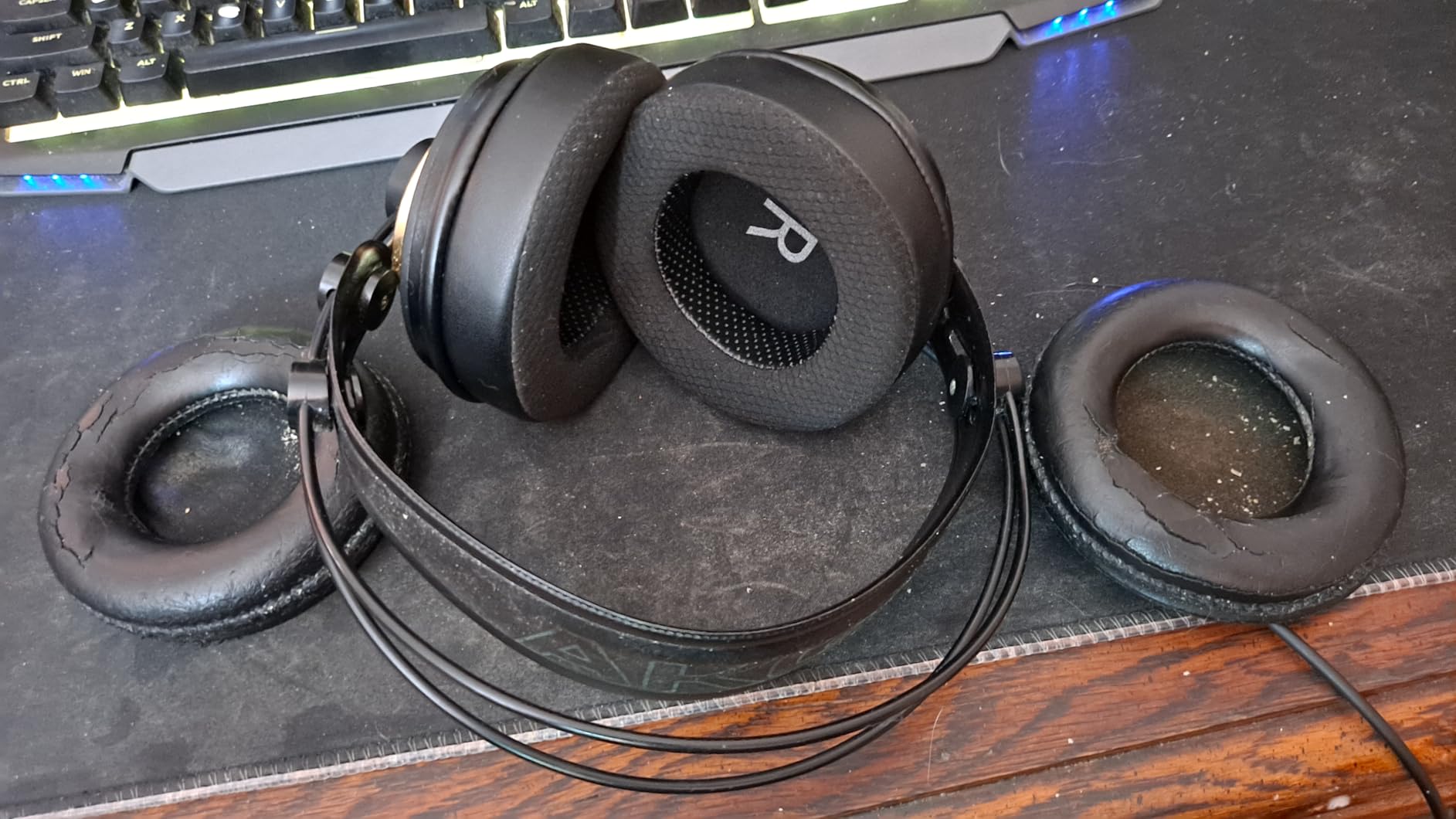
The AKG K240 Studio is proof that professional-quality sound does not require a huge budget. These have been a studio staple for decades, and when I first heard a pair, I was genuinely shocked at how good they sound for the price. The semi-open design gives you a wider soundstage than closed-back options while still maintaining reasonable isolation.
The patented Varimotion diaphragms in the 30mm transducers deliver a neutral, flat response that is ideal for mixing. Unlike consumer headphones that boost bass and treble to sound impressive, the K240 tells you the truth about your mix. If something sounds good on these, it will translate well across playback systems.
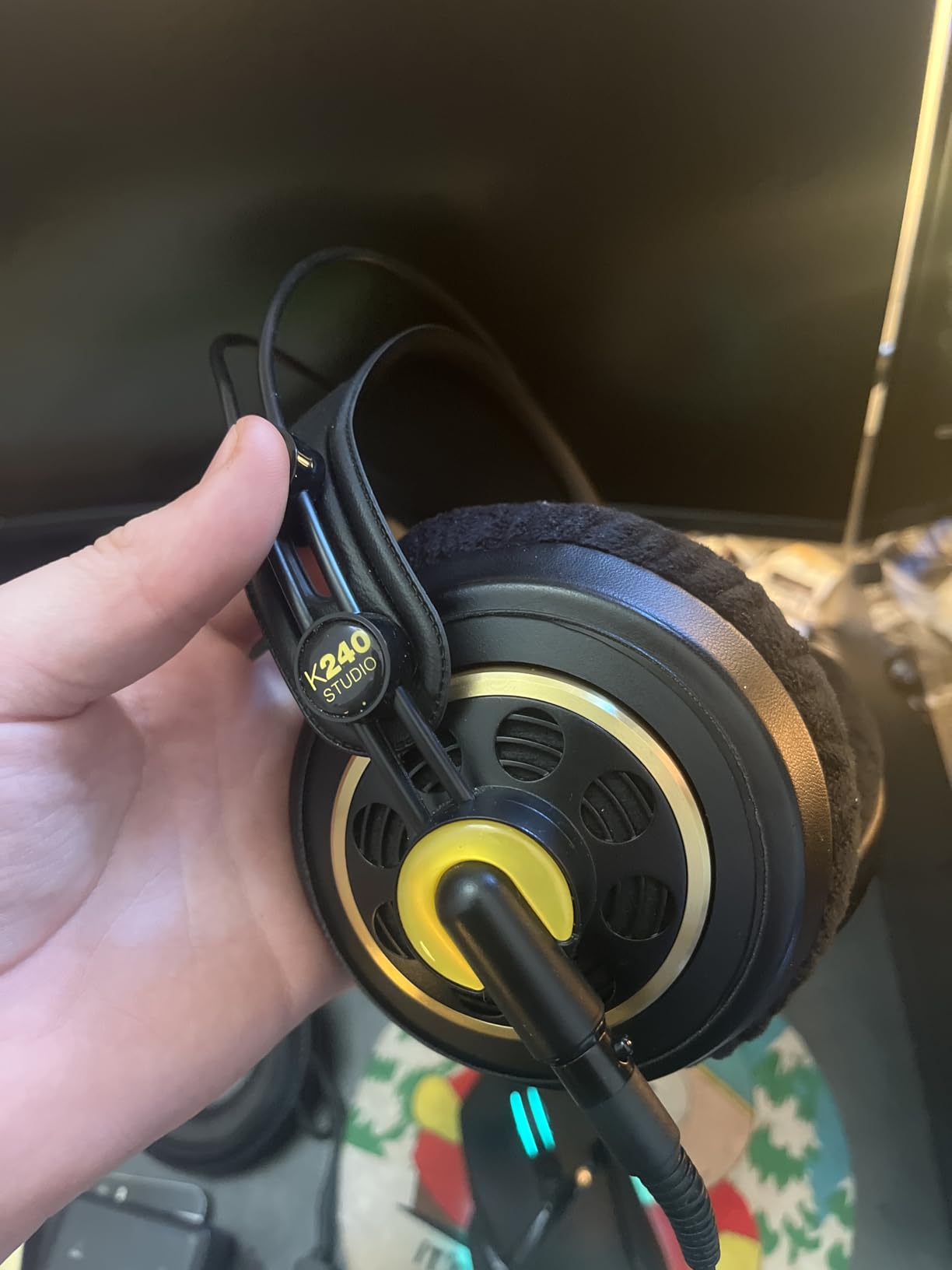
The self-adjusting headband is one of my favorite design features. You just put them on and the headband automatically adjusts to your head size. No fiddling with sliders. The lightweight design at just 240 grams means you barely notice them during long sessions.
The detachable cable uses a mini-XLR connector on the headphone end, which is more secure than a standard 3.5mm connection. The 3-meter cable gives you plenty of length for studio movement. The semi-open design does leak some sound, so these are not ideal for vocal tracking.
Perfect for Beginners and Students
If you are just starting out in music production and cannot spend more, the K240 Studio gives you genuinely professional sound at an entry-level price. They are the headphones I recommend to audio engineering students who need reference-quality monitoring on a student budget.
What to Watch Out For
The sub-bass response is limited, so if you produce bass-heavy genres like EDM or hip-hop, you may not hear low-frequency issues clearly. The semi-open design means sound leaks both ways, making these unsuitable for vocal tracking. Pair them with closed-back headphones for a complete setup.
7. Audio-Technica ATH-M40x – The Neutral M50X Alternative
Audio-Technica ATH-M40x Professional Studio Monitor Headphone, Black, with Cutting Edge Engineering, 90 Degree Swiveling Earcups, Pro-Grade Earpads/Headband, Detachable Cables Included
Closed-back
40mm drivers
35 Ohm impedance
Detachable cable
Swivel earcups
+ Pros
- Excellent neutral tonal balance
- Superior sound isolation
- Great value price
- Detachable twist-lock cable
- 90-degree swivel earcups
- Cons
- Stock ear pads may be small
- Connector can feel tight
- Headband pressure after extended use
The Audio-Technica ATH-M40x is the headphone I recommend when people find the M50X too colored. The M40x has a flatter, more neutral response that many engineers actually prefer for mixing. The 40mm drivers deliver accurate sound reproduction without the slight V-shape of their bigger brother.
What surprised me most about the M40x is how much isolation they provide for a closed-back headphone at this price. The circumaural design seals around your ears effectively, blocking a significant amount of ambient noise. This makes them versatile enough for both tracking and mixing.
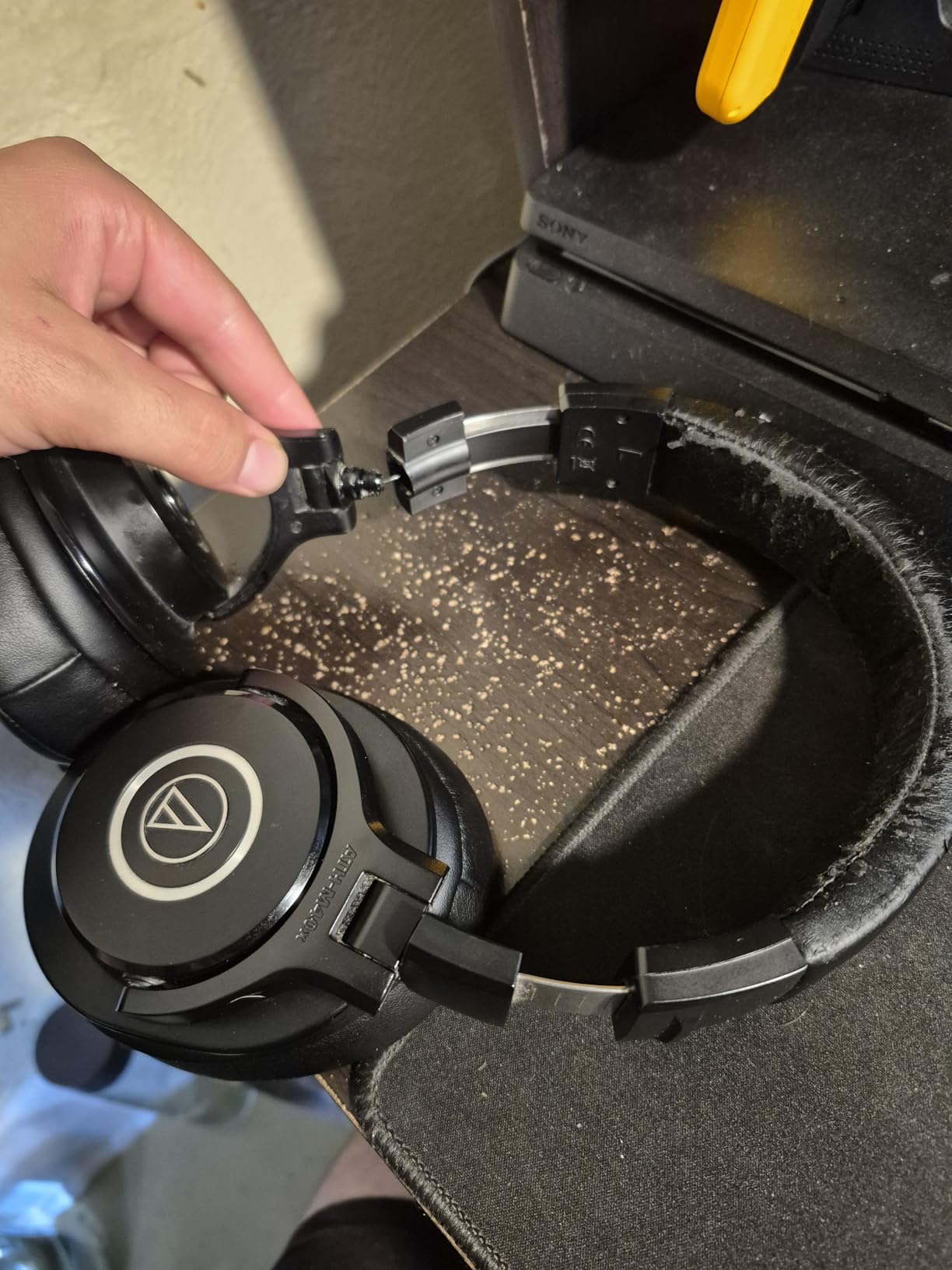
The 35 Ohm impedance means these are easy to drive from any audio interface, laptop, or even a phone. No headphone amplifier required. The detachable cable uses a twist-lock connector that clicks securely into place, so you never have to worry about it pulling out during a session.
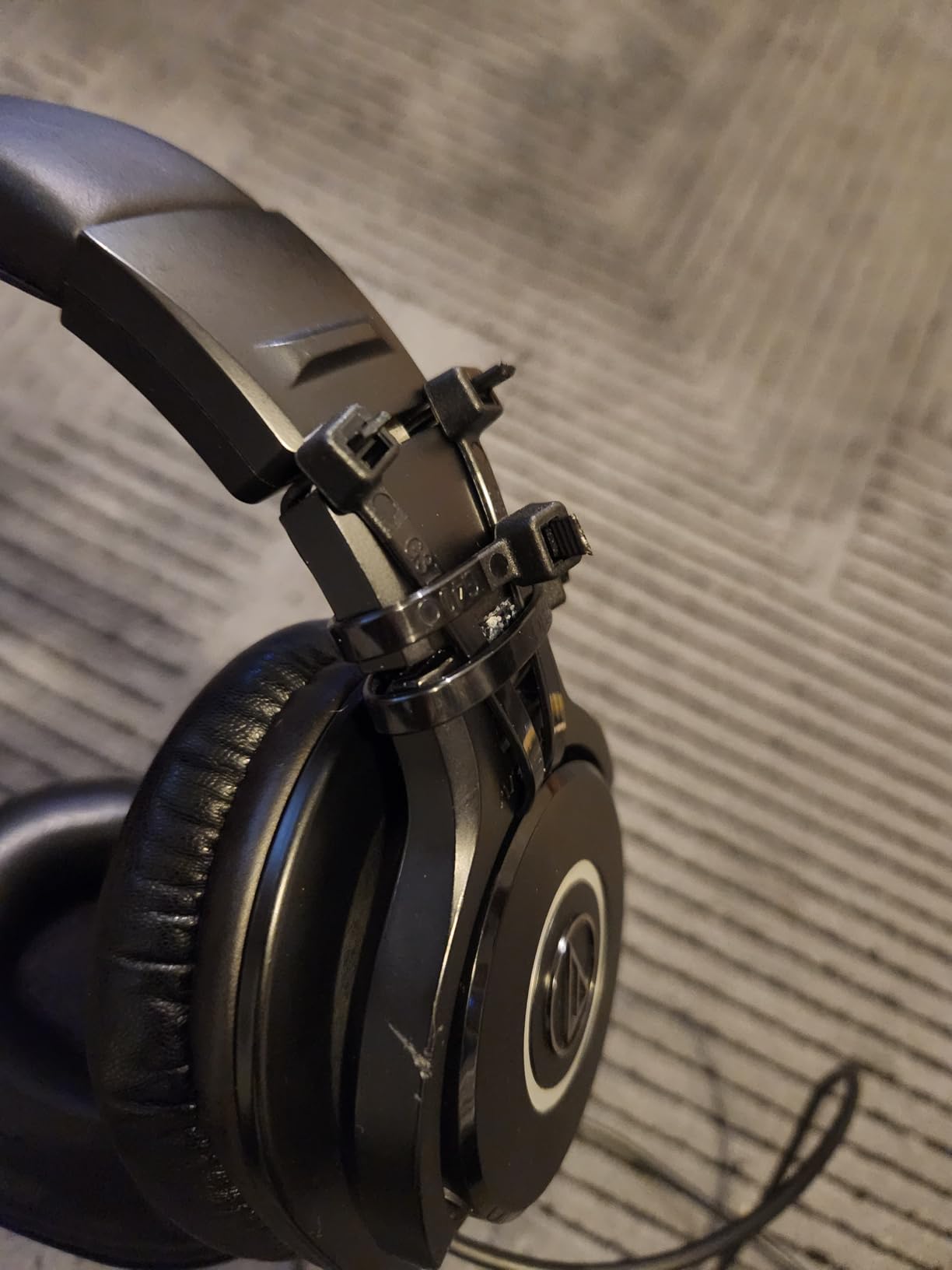
At this price, the M40x represents one of the best values in studio headphones. You get professional features like swiveling earcups, detachable cables, and professional build quality for significantly less than the M50X.
How It Compares to the M50X
The M40x has a flatter, more neutral frequency response compared to the slightly V-shaped M50X. If your priority is accurate mixing, the M40x may actually be the better choice. If you want more excitement and energy in your listening, the M50X delivers more impact in the lows and highs.
Upgrading the Ear Pads
The stock ear pads are the main weakness. They can feel small and warm during extended sessions. Many users replace them with aftermarket pads from Brainwavz or Dekoni, which dramatically improves comfort. This is a small investment that transforms the headphone.
8. Shure SRH840A – Detailed Mixing and Monitoring Workhorse
Shure SRH840A Over-Ear Wired Studio Monitoring Headphones
Closed-back
40 Ohm impedance
Tailored response
Detachable locking cable
Plush ear cushions
+ Pros
- Natural balanced sound signature
- Excellent for critical listening
- Very comfortable plush design
- Detachable locking cable
- Strong controlled bass
- Cons
- Slightly heavy for some users
- Cable feels less premium
- Can be uncomfortable after very long use
The Shure SRH840A is the headphone that surprised me the most during testing. Shure is known for microphones, but their headphone engineering is equally impressive. The SRH840A delivers a natural, balanced sound that makes it excellent for critical mixing decisions where accuracy matters most.
The tailored frequency response features controlled bass that does not overwhelm the mids. This is crucial for mixing because exaggerated bass leads to thin-sounding mixes on other systems. The SRH840A keeps the low end honest, so your kick and bass levels translate accurately.
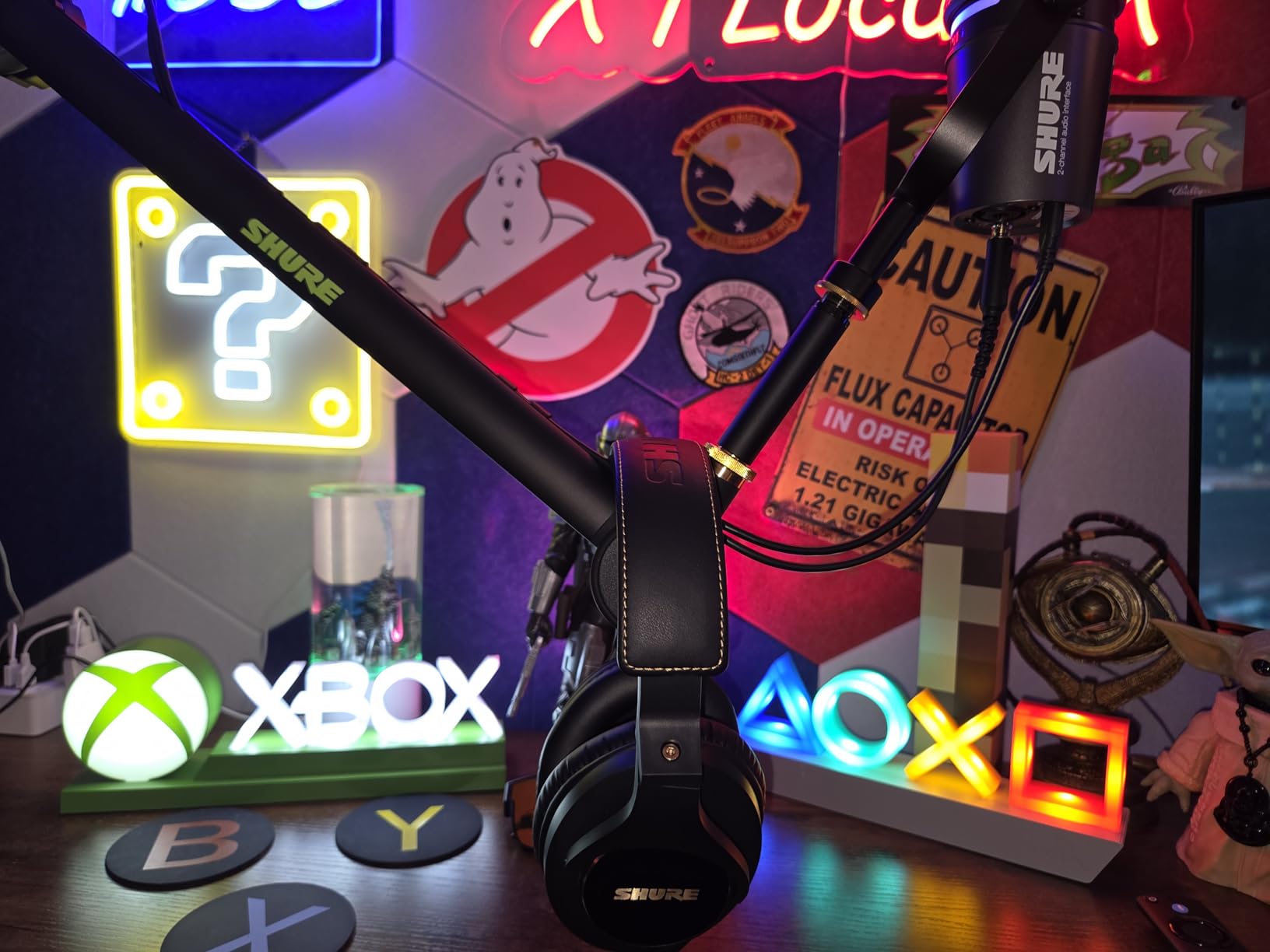
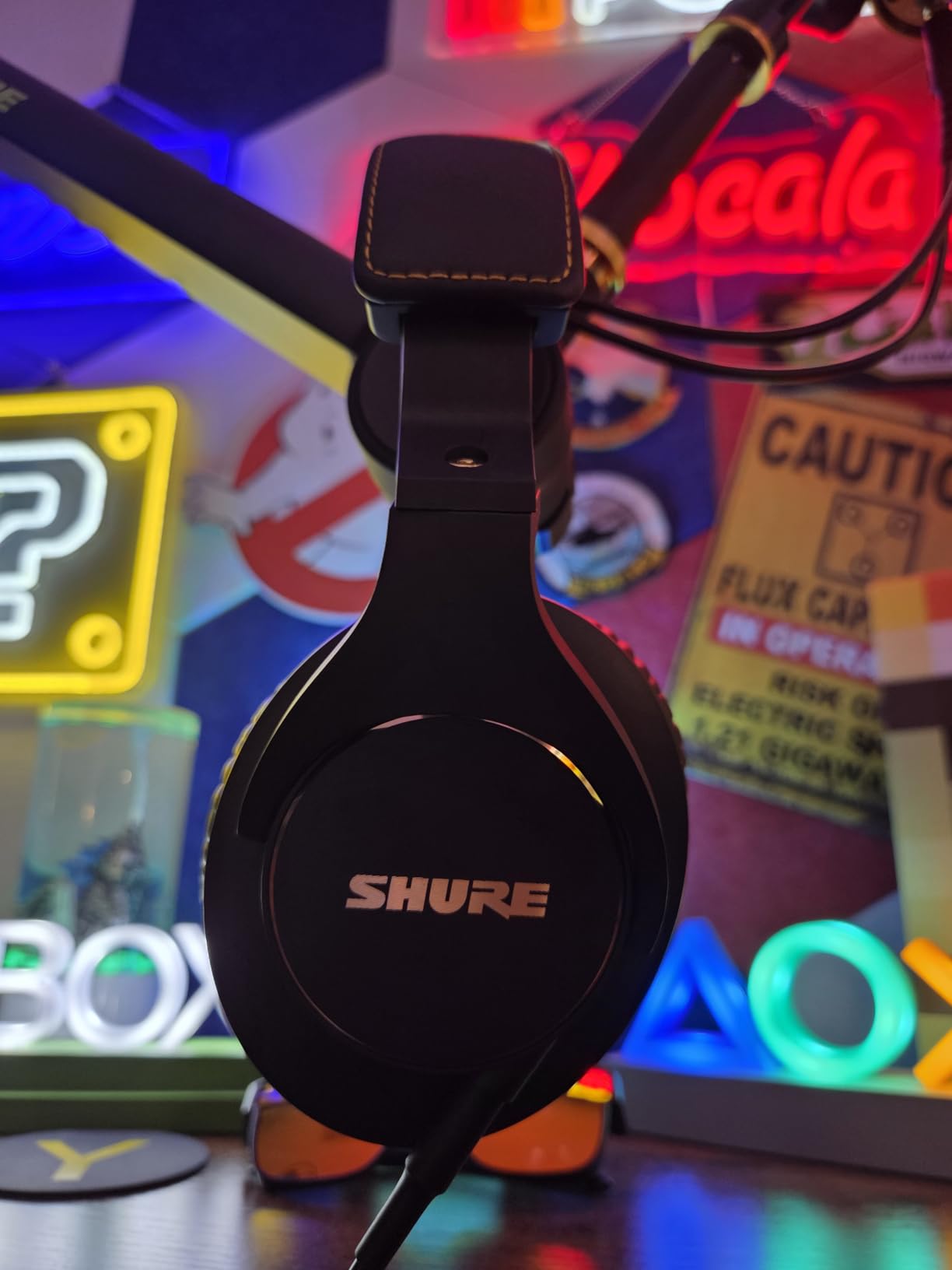
The wide padded headband and plush ear cushions make these comfortable for extended sessions. The detachable locking cable provides a secure connection that will not accidentally pull out. The 40 Ohm impedance is easy to drive from any audio interface without external amplification.
Build quality is solid with professional-grade materials throughout. The closed-back design provides good isolation for tracking while maintaining enough openness for mixing comfort. These are a genuine dual-purpose headphone that handles both tasks well.
Mixing Accuracy and Translation
The SRH840A excels at revealing midrange detail, which is where most of your mix lives. Vocals, guitars, and snare drums all have incredible presence. Mixes done on these tend to translate well to other systems because the midrange is so clearly represented.
Weight and Comfort Considerations
At 0.57 pounds, these are slightly heavier than some competitors. The weight distribution is good thanks to the wide headband, but users with smaller heads may find them less comfortable than lighter options like the AKG K361.
9. beyerdynamic DT 700 PRO X – Premium Closed-Back Performance
beyerdynamic DT 700 PRO X Closed-Back Studio Headphones with Stellar.45 Driver for Recording and Monitoring on All Playback Devices
Closed-back
Stellar.45 driver
48 Ohm impedance
Velour pads
Made in Germany
+ Pros
- Excellent soundstage for closed-back
- Deep controlled bass
- Very comfortable velour pads
- Detachable mini-XLR cables
- Sturdy premium build
- Cons
- Premium price point
- Headband cushion may wear
- Initially tight clamping force
The beyerdynamic DT 700 PRO X represents the modern evolution of the legendary DT 770 lineage. The new Stellar.45 driver technology delivers performance that justifies the premium price tag. When I compared these side by side with the DT 770 PRO, the difference in detail retrieval and imaging was immediately apparent.
The 48 Ohm impedance is one of the smartest design choices here. It means these headphones sound great driven directly from an audio interface, unlike the 80 Ohm and 250 Ohm versions of the DT 770 that benefit from amplification. You get professional sound quality without needing additional equipment.
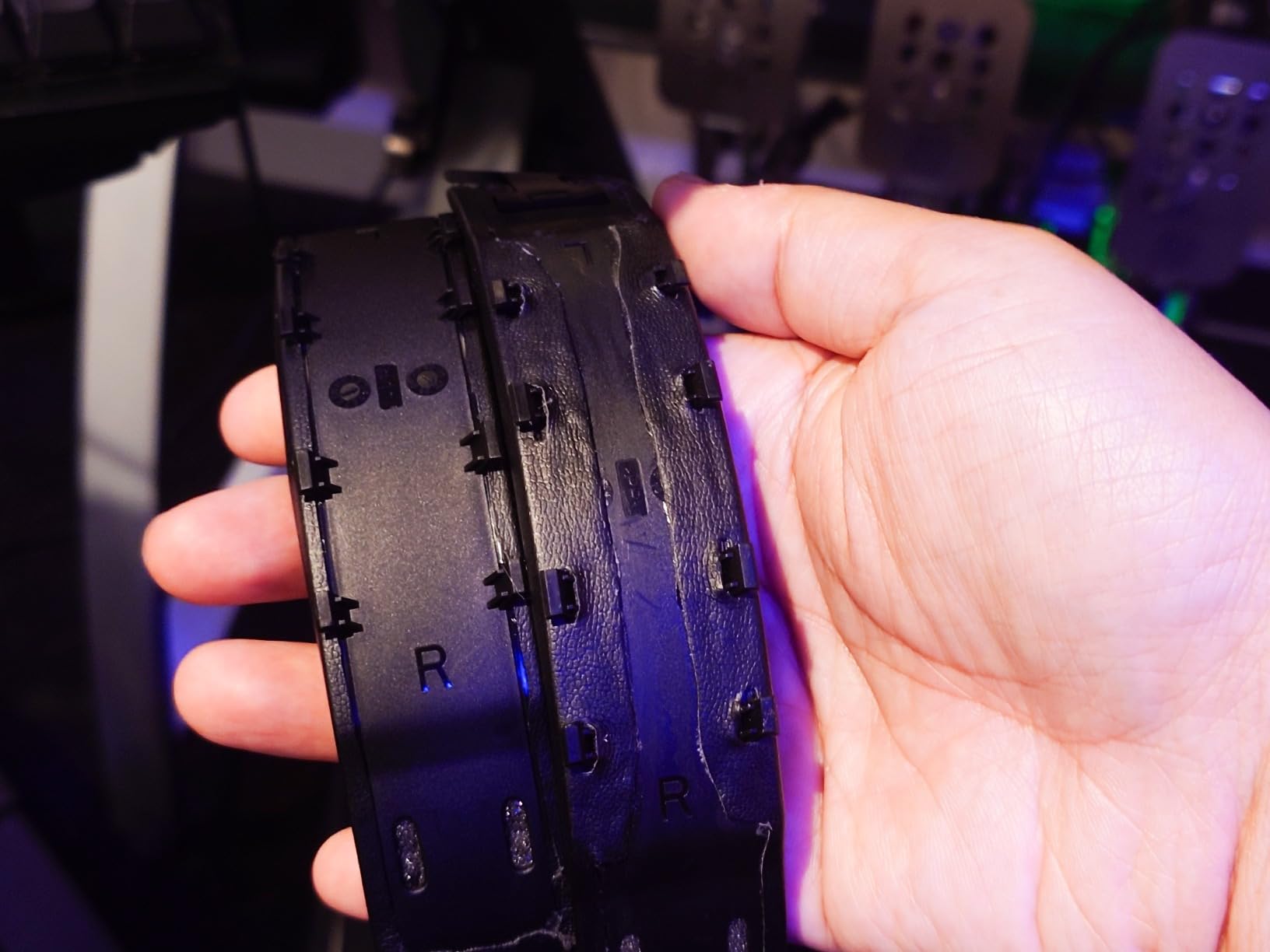
The velour ear pads are incredibly comfortable and breathable. The memory-foam headband distributes weight evenly across your head. beyerdynamic includes both a 1.8-meter and 3-meter straight cable with mini-XLR connectors, giving you options for different studio setups.
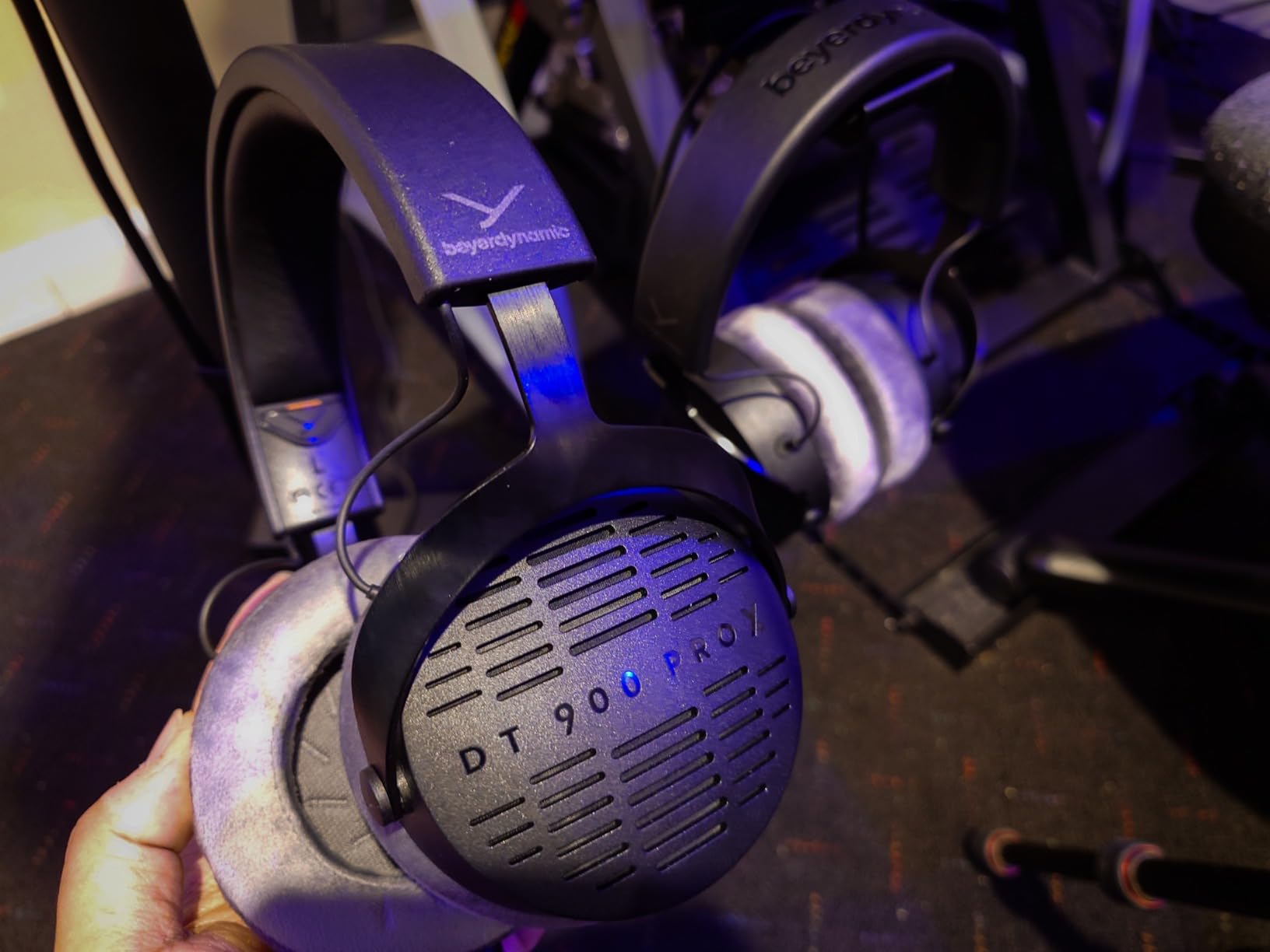
The closed-back design provides excellent isolation comparable to the DT 770 PRO. Sound leakage is minimal, making these suitable for vocal tracking. The soundstage is remarkably wide for a closed-back headphone, approaching what you would expect from an open-back design.
Worth the Premium Price?
If you are deciding between the DT 770 PRO and the DT 700 PRO X, the question is whether the improved driver, easier impedance, and included cables justify the price difference. For professional use, absolutely. For hobbyists, the DT 770 PRO remains an excellent value.
Driver Technology Benefits
The Stellar.45 driver was designed specifically for this headphone line. It delivers more detail and better transient response than the older DT 770 driver. The bass is tighter, the mids are clearer, and the highs are smoother. Every aspect of the sound is a step up.
10. Sennheiser HD 490 PRO – Open-Back Versatility Redefined
HD 490 PRO Open-Back Professional Headphone
Open-back
130 Ohm impedance
Dual ear pad sets
5Hz-36kHz
Aluminum construction
+ Pros
- Exceptional soundstage and imaging
- Rich full bass for open-back
- Two ear pad sets included
- Excellent for mixing and producing
- Comfortable lightweight design
- Cons
- 130 Ohm needs amplification
- Premium price point
- Proprietary ear pads
The Sennheiser HD 490 PRO is one of the most exciting studio headphones released in recent years. Sennheiser designed these with direct input from working producers and engineers, and it shows. Every feature feels purposeful and considered for real-world studio use.
The standout feature is the inclusion of two different ear pad sets. One set is tuned for mixing, with a flatter response. The other is tuned for producing, with slightly more energy in the lows and highs for creative inspiration. This dual-pad system gives you two headphones in one, which I found genuinely useful in practice.
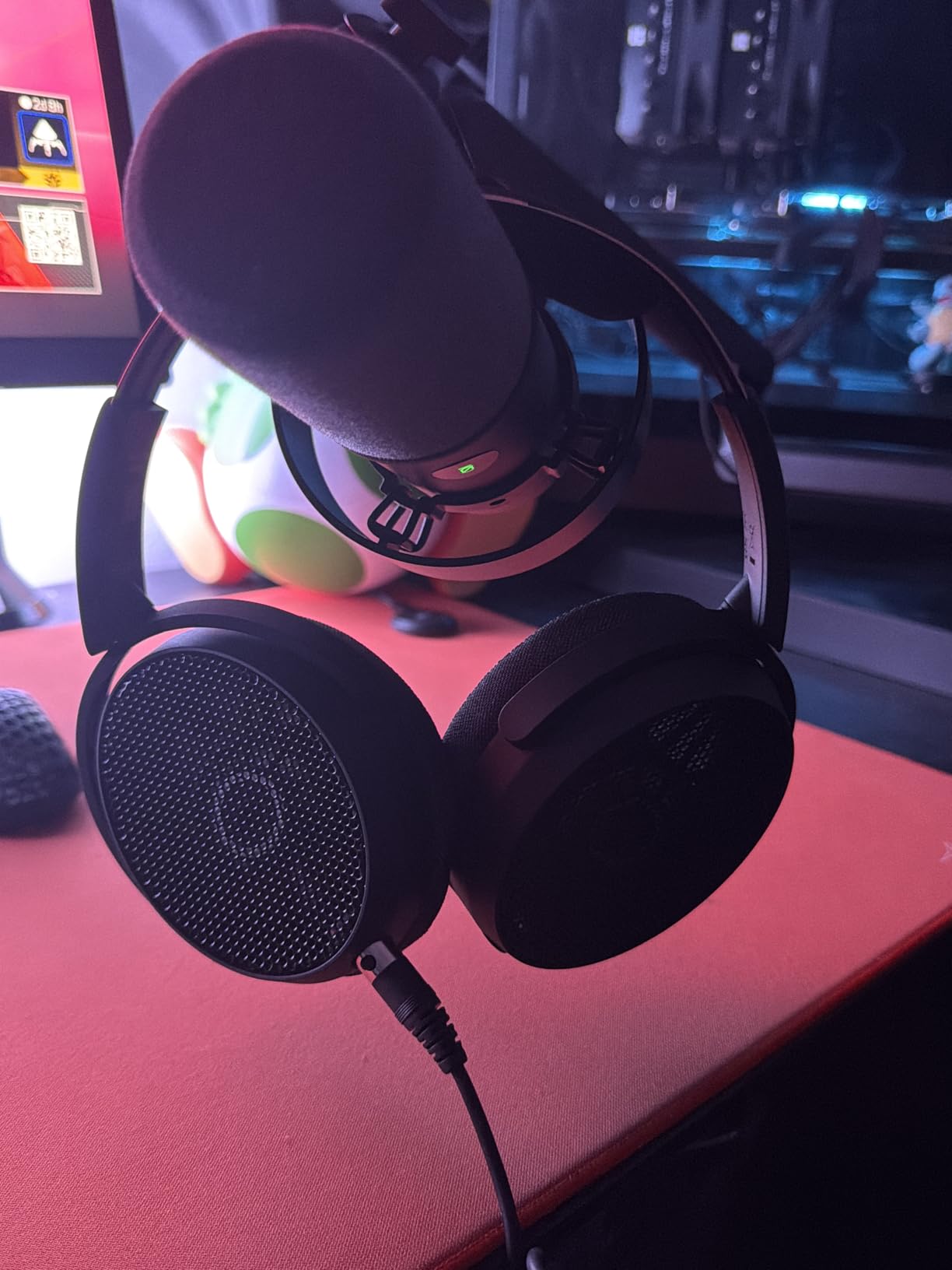
The soundstage is exceptional, rivaling headphones costing significantly more. Instruments are placed precisely in a wide, deep space. The bass response for an open-back headphone is impressive, with real weight and extension. The mids are natural and uncolored, making vocals and acoustic instruments sound authentic.
At 130 Ohms, these benefit from a quality headphone amplifier. The open-frame architecture reduces total harmonic distortion, resulting in a cleaner, more transparent sound. The aluminum construction keeps weight down to just 200 grams, making these among the lightest professional headphones available.
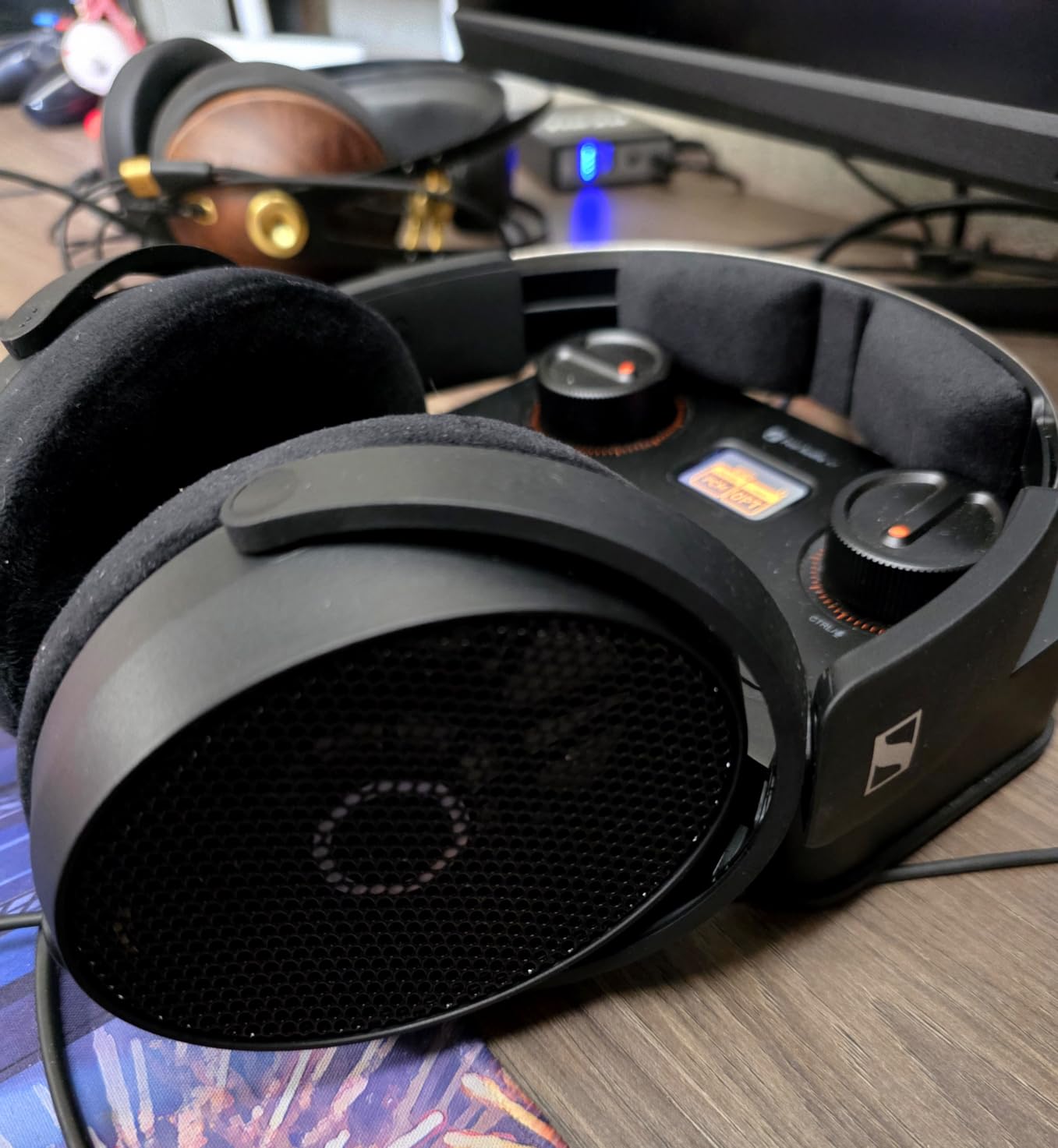
Mixing vs Producing Ear Pads
Switching between the two ear pad sets genuinely changes the sound character. The mixing pads give you a flatter, more analytical response for critical decisions. The producing pads add a subtle energy boost that makes long creative sessions more inspiring. This is a brilliant design choice.
Who Should Invest in These
These are for serious producers who want a premium open-back headphone that adapts to different stages of their workflow. If you have a treated room and a quality headphone amp, the HD 490 PRO rewards your investment with sound quality that competes with reference headphones at twice the price.
11. AKG K361 – Lightweight Neutral Monitoring at a Great Price
AKG Pro Audio K361 Wired, Over-Ear, Closed-Back, Light Weight, Foldable, Professional Recording Studio Headphones, Studio Monitor Mixing, Podcast, DJ Stereo Headsets, Black
Closed-back
50mm drivers
32 Ohm impedance
Foldable
114dB sensitivity
+ Pros
- Excellent neutral sound quality
- Very lightweight at 219 grams
- Foldable with carrying pouch
- Includes two cables
- Balanced accurate signature
- Cons
- Unusual locking plug cable
- Bass may lack punch
- Headband durability concerns
- Ear cups can get warm
The AKG K361 is a headphone that flies under the radar but deserves way more attention. Weighing just 219 grams, these are among the lightest professional studio headphones you can buy. The 50mm drivers deliver a neutral, balanced sound that works well for mixing and monitoring.
What impressed me most about the K361 is the midrange clarity. Vocals and instruments have a natural presence that makes mixing decisions easier. The frequency response is designed to be flat and honest, which is exactly what you want from studio headphones.
The 32 Ohm impedance means these are incredibly easy to drive. Plug them into any phone, laptop, or audio interface and they sound great. No amplifier needed. This makes them perfect for mobile producers who work on laptops in different locations.
AKG includes both a 1.2-meter and 3-meter cable along with a 6.5mm adapter and a protective carrying pouch. The foldable design makes them compact for transport. The slow-retention foam ear pads provide a good seal for isolation and comfort.
Portability and Mobile Production
If you produce music on the go, the K361 is hard to beat. The lightweight design, foldable construction, and easy-to-drive impedance make them the perfect travel companion for laptop-based producers. They pack small and deliver professional sound anywhere.
Durability Concerns to Know
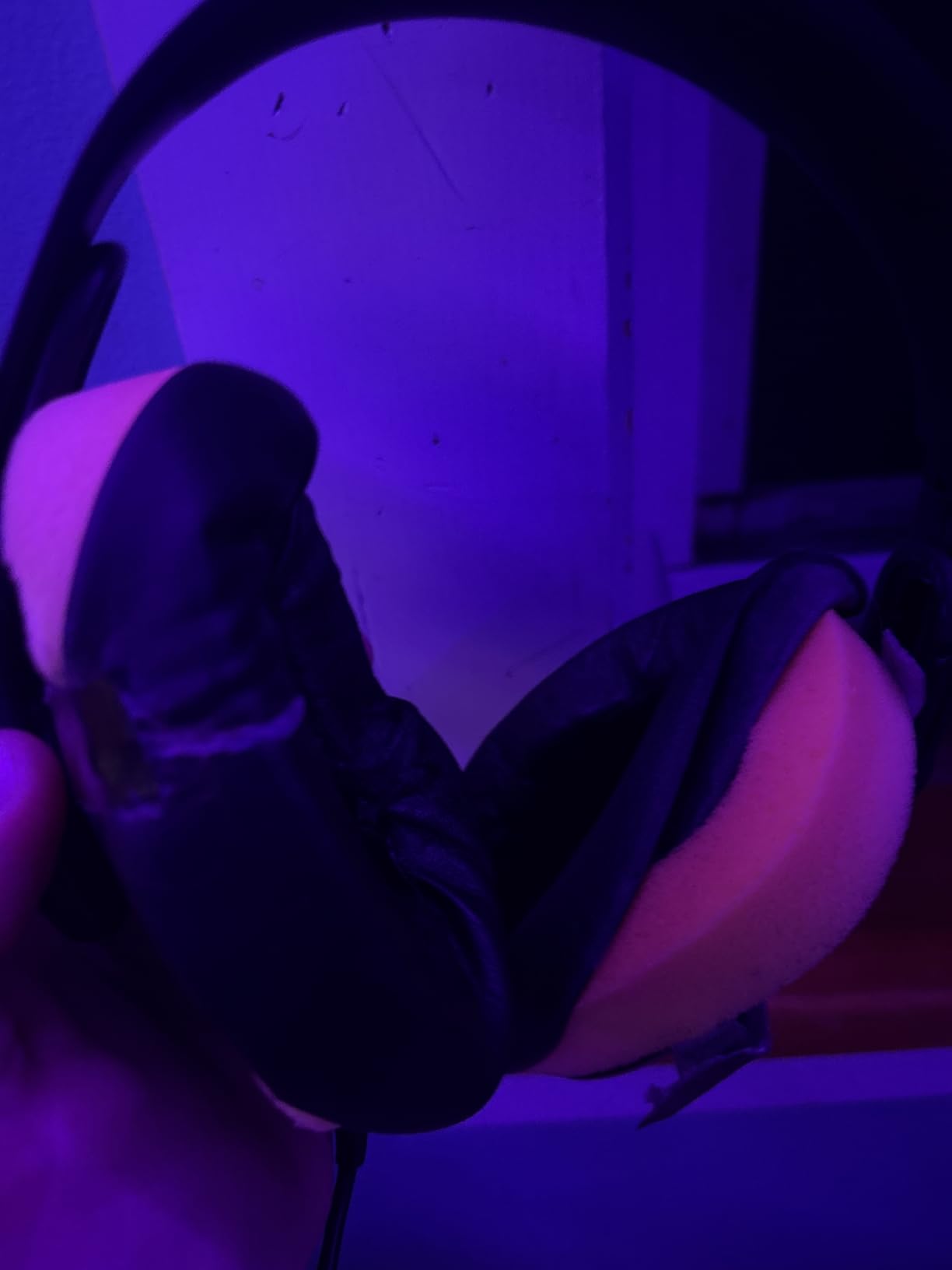
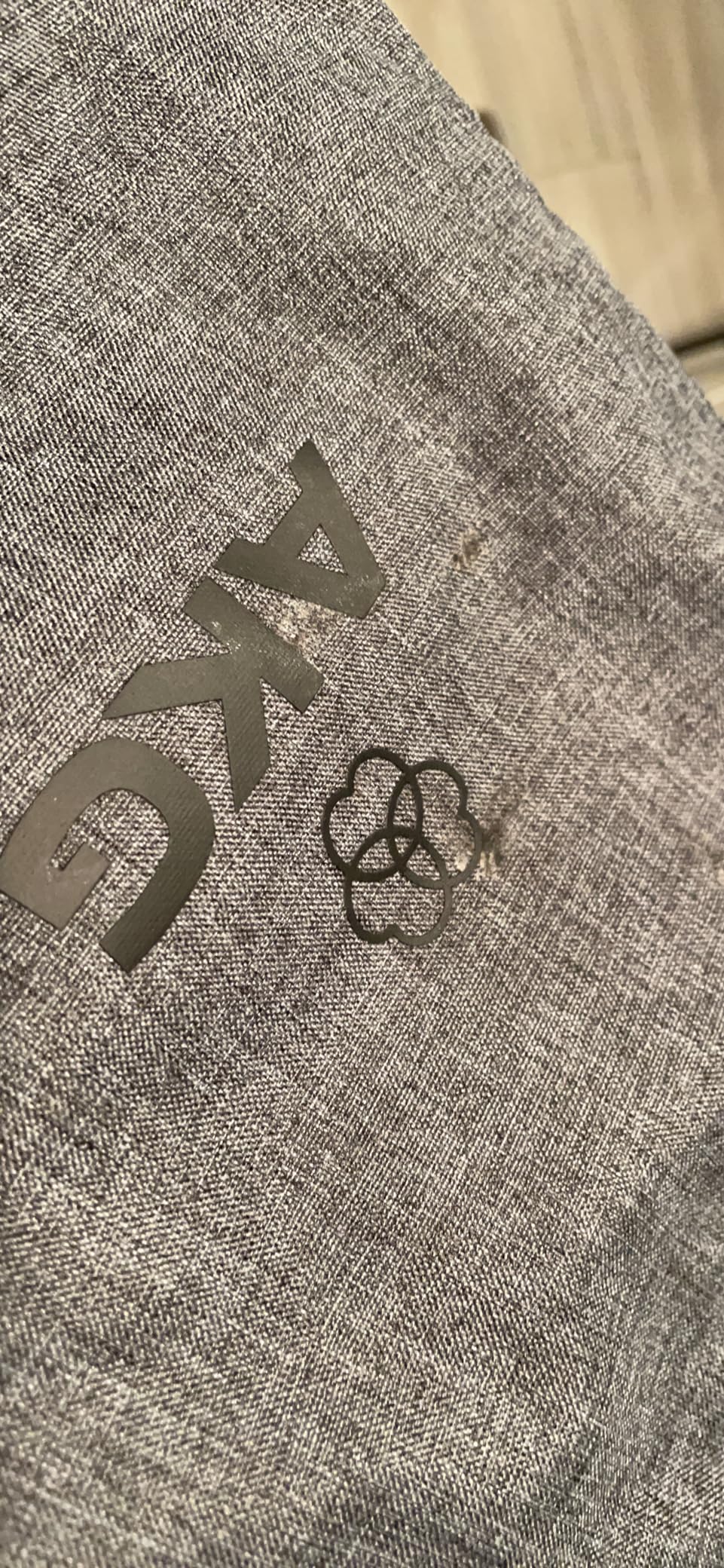
The main complaint from long-term users is durability. The headband can crack with rough handling, and the ear cups may separate over time. Treat them with care and they will serve you well. The unusual cable connector also makes replacements harder to find.
12. Sony MDR-M1 – The Modern Reference Monitor
Sony MDR-M1 Professional Reference Closed Monitor Headphones
Closed-back
50 Ohm impedance
5Hz-80kHz
216g lightweight
Detachable dual cables
+ Pros
- Phenomenal neutral sound quality
- Extremely lightweight and comfortable
- Excellent midrange clarity
- Wide soundstage for closed-back
- Pinpoint precise imaging
- Cons
- Ear pads get warm during long use
- Some sibilance out of the box
- Bass may be understated
- No storage case included
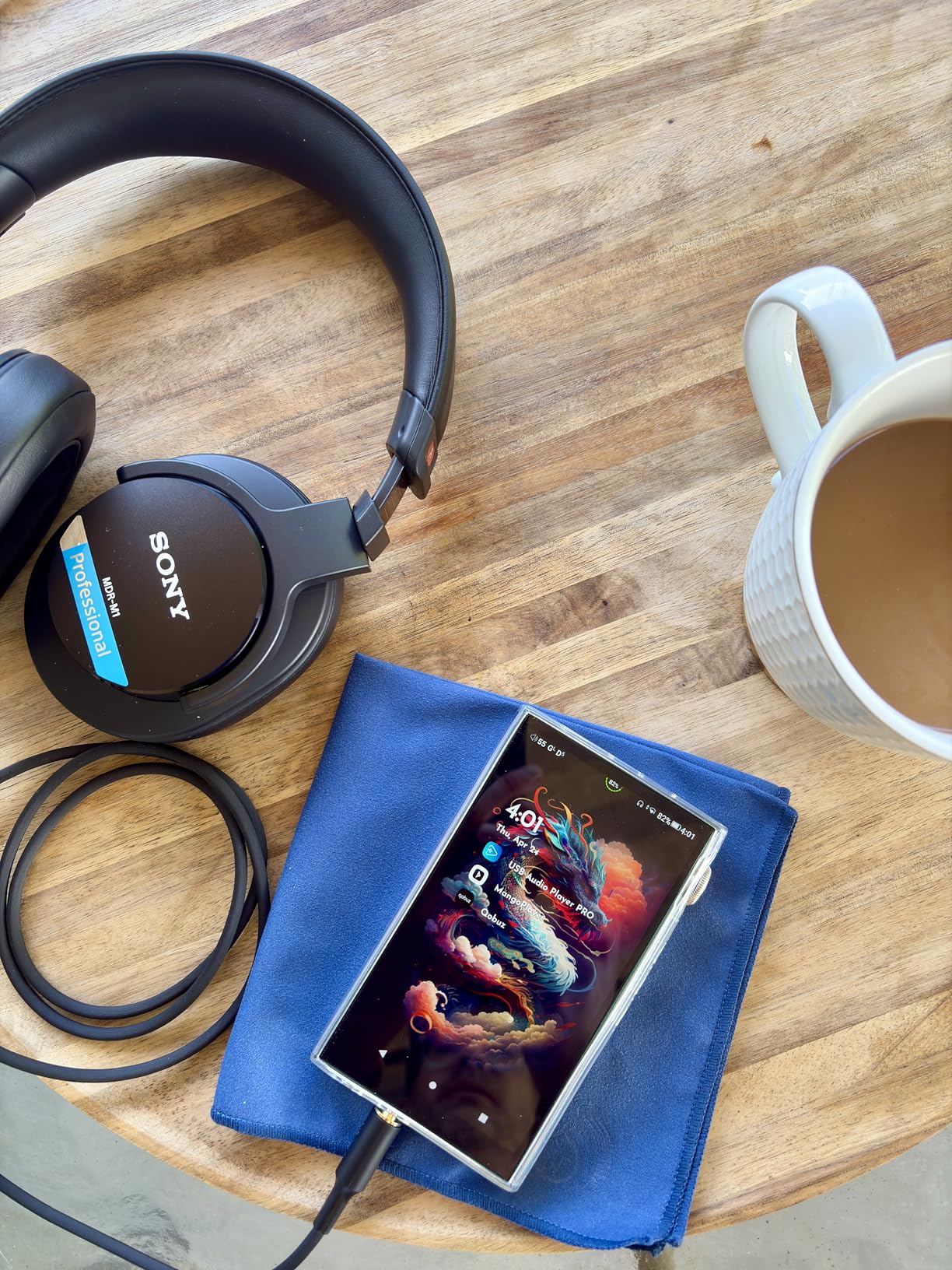
The Sony MDR-M1 is Sony’s answer to modern studio headphone needs. Designed in collaboration with industry engineers, these deliver a neutral reference sound that makes them suitable for precise audio production work. At just 216 grams, they are remarkably light for a professional closed-back headphone.
The frequency response spans an incredible 5 Hz to 80 kHz, far exceeding the audible range. This extended response contributes to the headphone’s exceptional transient detail and imaging accuracy. When I first put these on, the imaging precision immediately stood out. Instruments are placed in space with a clarity that few closed-back headphones achieve.
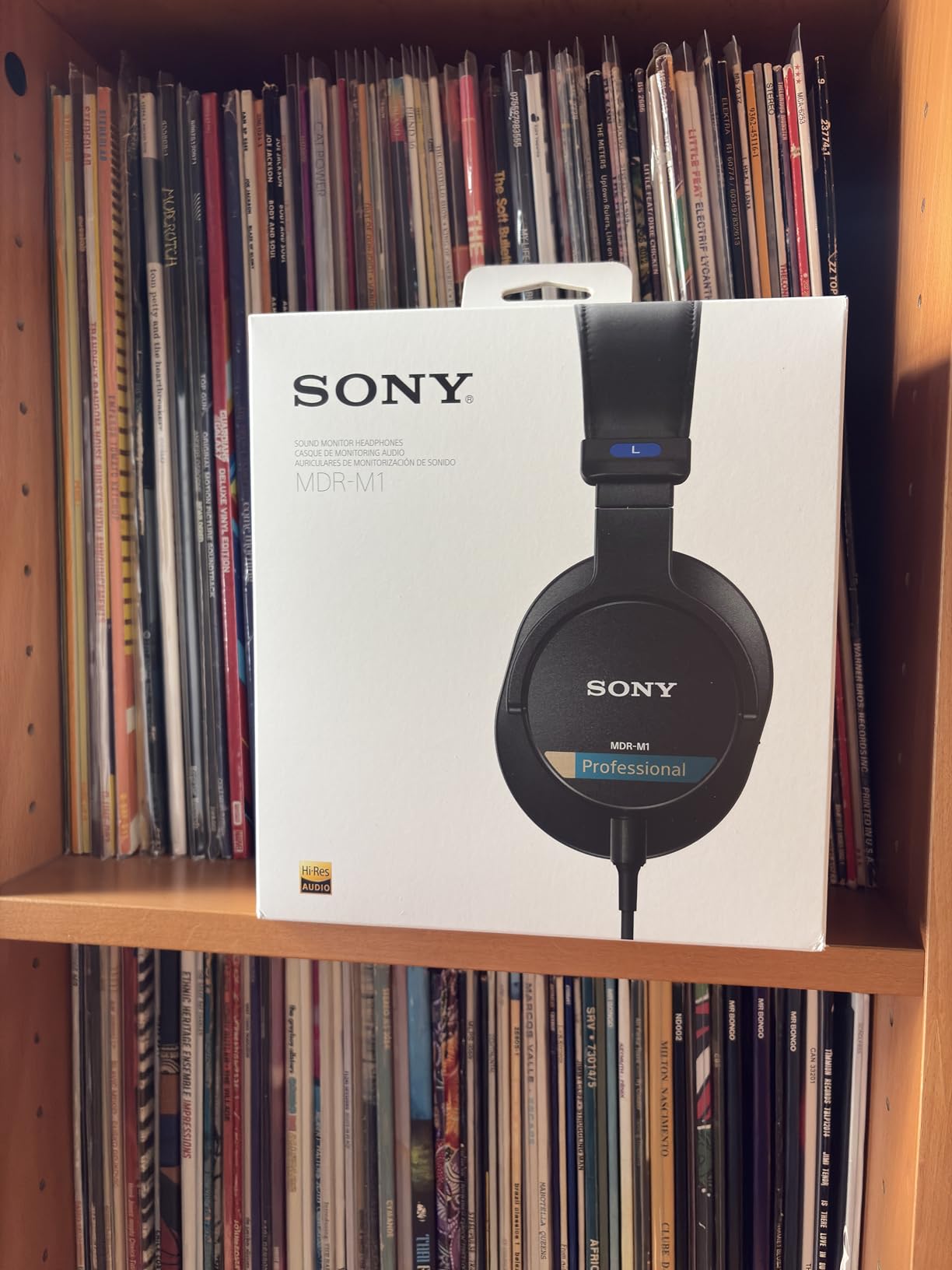
The midrange clarity is where the MDR-M1 truly excels. Vocals, snare drums, and rhythm guitars all have incredible presence and definition. This midrange focus makes the MDR-M1 particularly useful for mixing genres where midrange clarity is critical, like rock, pop, and acoustic music.
Sony includes two detachable cables with a screw-type connector system for secure attachment. The replaceable ear pads ensure longevity. The closed acoustic structure provides high sound isolation for tracking sessions.
How It Compares to the MDR7506
While the MDR7506 is the classic studio workhorse, the MDR-M1 is the modern reference. The M1 has a wider soundstage, more neutral frequency response, and lighter weight. The MDR7506 has a brighter signature that some prefer for vocal tracking. Both are excellent but serve slightly different purposes.
Ideal Genres and Applications
The neutral, mid-forward sound makes these excellent for mixing rock, pop, acoustic, and orchestral music. The understated bass means they are less ideal for EDM and hip-hop mixing where low-frequency accuracy is paramount. They are outstanding for podcast production and voice work thanks to the midrange clarity.
Buying Guide: How to Choose Studio Headphones for Music Production
Choosing the right studio headphones depends on your specific workflow, budget, and production style. Here are the key factors to consider when selecting headphones for your studio.
Open-Back vs Closed-Back: The Critical Decision
This is the most important choice you will make. Closed-back headphones seal sound in and block external noise. They are essential for recording vocals and acoustic instruments because they prevent headphone sound from leaking into the microphone. Open-back headphones allow air and sound to pass through the ear cups, creating a wider, more natural soundstage. They are better for mixing but useless for tracking because sound leaks in both directions.
Some producers solve this by owning both types. A closed-back pair for tracking sessions and an open-back pair for mixing. If you can only afford one pair, closed-back is the more versatile choice because you can both track and mix with them, even if mixing is not quite as precise.
Impedance and Amplification Explained
Impedance, measured in Ohms, determines how much power your headphones need to reach adequate volume. Low impedance headphones (16-64 Ohms) are easy to drive from phones, laptops, and basic audio interfaces. High impedance headphones (150-600 Ohms) require dedicated headphone amplifiers to sound their best.
If you are just starting out, choose headphones under 80 Ohms so you can use them with any equipment. As your studio grows and you invest in a quality headphone amp, you can explore higher impedance options that often deliver better sound quality and lower distortion.
Frequency Response and Flat Sound
For music production, you want headphones with a relatively flat frequency response. This means no exaggerated bass boost, no hyped treble, no scooped mids. Flat response ensures your mixing decisions are based on what is actually in the recording rather than what the headphone adds or removes.
That said, perfectly flat headphones do not exist. Even reference monitors have slight variations. The key is learning your headphones. Spend time listening to commercially released tracks you know well on your studio headphones. This trains your brain to understand how your headphones color the sound, so you can compensate during mixing.
Comfort for Long Sessions
Studio sessions can last 6 to 8 hours. If your headphones are uncomfortable, your mixes will suffer because you will rush to finish. Look for headphones with large ear cups that fully surround your ears rather than pressing against them. Velour pads breathe better than leather or pleather, reducing heat buildup.
Weight matters too. Headphones over 300 grams can cause neck fatigue during long sessions. The AKG K361 at 219 grams and Sony MDR-M1 at 216 grams are among the lightest professional options. The beyerdynamic models with velour pads strike an excellent balance between comfort and durability.
The 60/60 Rule for Hearing Protection
Here is something most headphone guides never mention: the 60/60 rule. Listen at no more than 60 percent of maximum volume for no more than 60 minutes at a time. This protects your hearing during long mixing sessions.
Hearing damage is cumulative and irreversible. Many producers develop tinnitus from years of loud monitoring. Using quality studio headphones at moderate volumes actually helps because you can hear detail clearly without needing high volume. Take a 10-minute break every hour to let your ears rest. Your mixes will also improve because ear fatigue causes you to make poor decisions in the final hours of a session.
Matching Headphones to Your Use Case
For tracking vocals and acoustic instruments, choose closed-back headphones with good isolation like the Sony MDR7506, beyerdynamic DT 770 PRO, or Sennheiser HD 280 Pro. For mixing, choose open-back headphones with wide soundstage like the beyerdynamic DT 990 PRO or Sennheiser HD 490 PRO. For an all-in-one solution, the Audio-Technica ATH-M50X or beyerdynamic DT 700 PRO X handle both tasks competently.
For budget-conscious beginners, the AKG K240 Studio or AKG K361 deliver professional sound quality at entry-level prices. For professionals who want the best, the Sennheiser HD 490 PRO and beyerdynamic DT 700 PRO X represent the current state of the art.
FAQs
Which headphones do music producers use?
Most professional music producers use closed-back headphones like the Sony MDR7506, Audio-Technica ATH-M50X, or beyerdynamic DT 770 PRO for tracking, and open-back headphones like the beyerdynamic DT 990 PRO or Sennheiser HD 490 PRO for mixing and critical listening. The Sony MDR7506 has been the industry standard since 1991 and is found in virtually every professional recording studio worldwide.
What headphones do musicians use in the studio?
Musicians in the studio typically use closed-back headphones that provide sound isolation and prevent audio bleed into microphones. The Sony MDR7506, Audio-Technica ATH-M50X, and Sennheiser HD 280 Pro are the most common choices because they offer clear sound, reliable durability, and excellent isolation at reasonable prices that studios can afford to buy in multiples.
What is the 60 60 rule for headphones?
The 60/60 rule states you should listen at no more than 60 percent of maximum volume for no more than 60 minutes at a time. This practice protects your hearing during long music production sessions by preventing cumulative noise exposure damage. Taking regular breaks also reduces ear fatigue, which leads to better mixing decisions.
Do I need good headphones for music production?
Yes, quality studio headphones are essential for music production. Consumer headphones color the sound with boosted bass and treble, hiding mix problems that become obvious on other playback systems. Studio headphones with flat frequency response reveal imperfections so you can fix them, resulting in mixes that translate accurately across speakers, earbuds, car stereos, and club systems.
What impedance headphones do I need for music production?
For music production without a dedicated headphone amplifier, choose headphones with impedance between 16 and 80 Ohms. These work well with standard audio interfaces like the Focusrite Scarlett or PreSonus AudioBox. If you have a quality headphone amplifier, higher impedance models (150-250 Ohms) like the beyerdynamic DT 990 PRO often deliver superior sound quality and lower distortion.
Conclusion: Finding Your Ideal Studio Headphones in 2026
After testing all 12 headphones across weeks of real studio work, a few clear winners emerged. For the best all-around headphones for music production, the Audio-Technica ATH-M50X remains the top pick thanks to its versatility, sound quality, and value. For budget-conscious producers, the Sony MDR7506 and AKG K240 Studio deliver professional sound at accessible prices.
If you are serious about mixing and have a headphone amplifier, the beyerdynamic DT 990 PRO open-back headphones provide an unmatched soundstage for critical listening. And for those who want the absolute best modern design, the Sennheiser HD 490 PRO with its dual ear pad system represents the future of professional studio headphones.
The right headphones for you depend on your specific needs, budget, and workflow. Start with one pair that matches your primary use case, learn how they sound by referencing professional tracks, and build your monitoring chain from there. Your mixes will thank you.