
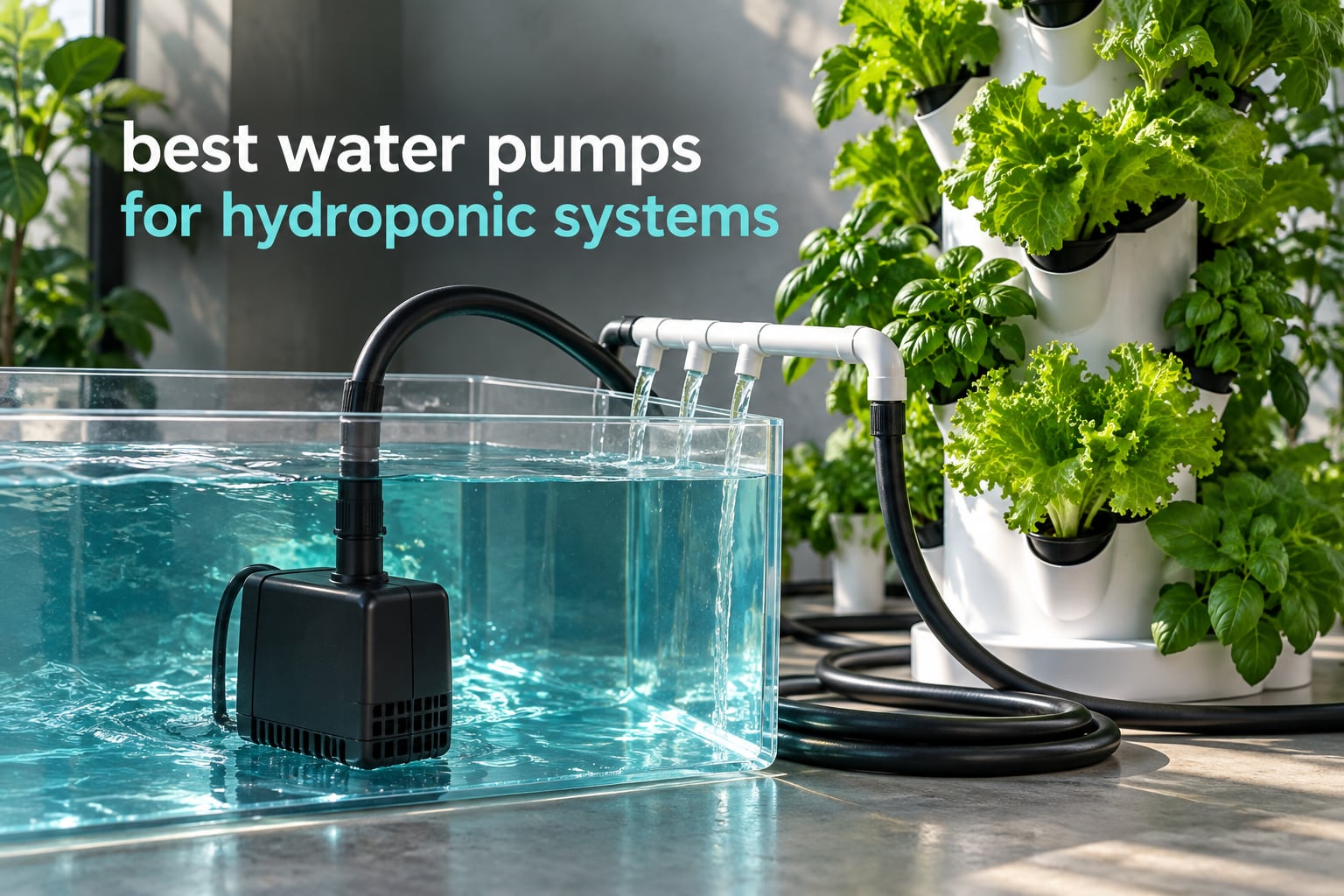
A hydroponic system lives or dies by its pump. Get the flow wrong and roots starve or roots drown; get the lift wrong and the solution never reaches the top of a tower. I spent weeks going through the specs, owner reports and failure patterns behind the best water pumps for hydroponic systems available right now, and I picked ten that each cover a real gap rather than ten versions of the same plastic box.
The short sizing answer: a 10 gallon system needs roughly 100 to 200 GPH, a 20 to 40 gallon bucket or RDWC loop wants 250 to 500 GPH, and anything above 100 gallons wants 800 GPH or more. Add vertical lift to that number before you buy, because the GPH printed on the box is measured at zero head.
Two things shaped this list more than anything else. First, forum growers repeatedly describe pumps dying because roots grew into the intake or the return line, so intake screening matters as much as flow rate. Second, the loud hum of a cheap AC pump is the reason many indoor growers move to a 24V DC pump with a speed controller, a category that almost no competitor guide covers.
Our Top 3 Water Pumps for Hydroponic Systems in 2026

Active Aqua 1000 GPH Magnetic Drive
- 1000 GPH
- ceramic shaft and impellor
- adjustable flow valve

hygger 1060GPH 24V DC with Controller
- 71-step digital flow control
- auto shut-off
- 33W DC draw

All three deliver roughly 1000 GPH of class capacity, but they solve different problems. The Active Aqua is the durability benchmark, the hygger is the quiet-and-adjustable option for indoor rooms, and the EcoPlus covers small systems where 290 GPH is genuinely all you need.
Comparing the Best Water Pumps for Hydroponic Systems in 2026
| Product | Details | |
|---|---|---|
| Active Aqua 1000 GPH Magnetic Drive Pump |
|
Check Latest Price |
| hygger 1060GPH 24V DC Pump with Controller |
|
Check Latest Price |
| EcoPlus 290 GPH Submersible or Inline Pump |
|
Check Latest Price |
 VIVOSUN 660GPH Submersible Pump VIVOSUN 660GPH Submersible Pump |
|
Check Latest Price |
 OYO WATER 1800GPH Pond Pump OYO WATER 1800GPH Pond Pump |
|
Check Latest Price |
 VIVOSUN 4500GPH Submersible or Inline Pump VIVOSUN 4500GPH Submersible or Inline Pump |
|
Check Latest Price |
 CWKJ 400GPH Submersible Fountain Pump CWKJ 400GPH Submersible Fountain Pump |
|
Check Latest Price |
 GROWNEER 550GPH Submersible Pump GROWNEER 550GPH Submersible Pump |
|
Check Latest Price |
 VIVOSUN 1050GPH Submersible Pump VIVOSUN 1050GPH Submersible Pump |
|
Check Latest Price |
 AC Infinity 850 GPH Submersible Pump AC Infinity 850 GPH Submersible Pump |
|
Check Latest Price |
Everything above is a submersible or amphibious recirculation pump, which covers the vast majority of home and small commercial systems. If you are running a pressurised aeroponic sprayer or a drip manifold that needs real pressure, jump to the high-lift entries.
1. Active Aqua 1000 GPH Magnetic Drive Pump – the durability benchmark for recirculating systems
Active Aqua Submersible Water Pump, 1000 GPH, Magnetic Drive, Hydroponic
1000 GPH rated flow
99W motor
9.45 inch long body
1-year manufacturer warranty
+ Pros
- Owners report 4 to 10 years of continuous service
- Magnetic drive runs with no audible hum
- Ceramic shaft and impellor resist wear
- Adjustable flow valve
- Works in fresh and salt water
- Cons
- Internal foam filter clogs fast in nutrient water
- Not inline rated with the filter fitted
- Occasional units reported stopping within weeks
This is the pump I keep coming back to for anyone building a system meant to run for years. It is a magnetic drive wet-rotor design, which means the impeller spins in water with no lubricating oil anywhere near it, and the shaft and impellor are ceramic rather than cheap plastic.
The headline figure is 1000 GPH, and it is a genuinely large amount of solution to move. For a 40 gallon RDWC loop that recirculates in under five minutes, or for a multi-site NFT system where one pump feeds several channels, that capacity is what you are paying for.
Owners running these continuously report service lives measured in years rather than months, and reviewers single out the silent magnetic drive as the reason it disappears into a grow room. The flow valve lets you dial the output back when a small channel network gets oversaturated.
There is one thing every experienced owner tells you to do on day one, and it is not optional: take the internal foam filter out. Reviewers report it clogs within days in nutrient-rich water and chokes flow substantially until you pull it.
Why the magnetic drive design matters in a nutrient reservoir
A magnetic drive motor has no shaft seal, so there is no gasket that can weep oil into your solution and no bearing to seize. In a system where water chemistry is already adjusted with salts and nutrients, that removes a whole class of contamination worries.
The ceramic shaft and impellor pair is the other half of the story. A ceramic shaft does not rust, does not warp and wears slowly against the impellor bore, which is why long-running owners keep reporting steady flow after years.
Flow valve, fittings and the 1000 GPH question
The rated 1000 GPH is a zero-head figure. Once you push solution up a return line, real output drops, so for anything above about 4 feet of lift you should treat the rating as a ceiling rather than a promise.
Multiple hose fittings ship in the box, which is what makes this practical for NFT and drip plumbing without hunting for adapters. The flow valve is a simple mechanical restriction, so it reduces output but does not reduce power draw.
Who this pump is right for
Choose the Active Aqua if you run a 20 to 100 gallon recirculating system, plan to keep it running around the clock, and would rather buy once. It suits RDWC bucket systems, recirculating drip lines and multi-channel NFT racks.
It is also a sensible aquaponics choice because the sealed magnetic design keeps oil out of the water column entirely. Reviewers confirm it runs in both fresh and salt water.
Who should skip it
Skip it if your system is small. A 10 gallon DWC loop does not need 1000 GPH, and forcing that much water through a small reservoir creates turbulence that can strip oxygen from the solution.
Also skip it if you want silent fine control without a flow valve guess. The valve is a mechanical restriction, not a digital controller, and if you plan to run the pump at partial output for a whole season, a DC speed-controlled pump is a better match.
2. hygger 1060GPH 24V DC Pump with Controller – the quiet one for indoor rooms
hygger 1060GPH Quiet Submersible and External 24V Water Pump, with Controller (30%-100% Settings), Powerful Return Pump for Fish Tanks, Aquariums, Ponds, Fountains, Sump, Hydroponics (33W, 13.1ft)
1060 GPH rated flow
33W DC draw
13.1 ft head
controller not waterproof
+ Pros
- 71 digital flow settings from 30 to 100 percent
- Virtually silent when submerged
- Auto shut-off when water is low
- Only 33W of DC power for the flow class
- Two removable intake screens included
- Cons
- Inline use needs tightening and gluing
- Controller must stay indoors and dry
- Listed width slightly understated
If your system is inside a house, a bedroom or an office, pump noise is the first thing people complain about and the first thing they regret. This 24V DC pump is the answer to that, and the controller is the reason it works.
Instead of a ball valve that you set once and forget, the external LED controller offers 71 flow settings between 30 and 100 percent, with up, down and pause buttons. That means you can match flow to a seedling system and then dial it up for a mature one without rewiring anything.
Owners consistently describe it as the quietest pump they have run, both submerged and as an external return pump. The 33 watt DC motor is genuinely efficient for a 1060 GPH class, which matters if you are running this continuously.
Two removable intake screens are included, one for normal levels and one for low water above 0.8 inch. The auto shut-off stops pumping if no water is detected or the level drops too low, which protects the pump during a dry cycle.
Digital flow control versus a mechanical valve
A mechanical flow valve is a partial obstruction. A speed controller changes how fast the impeller turns. That difference shows up in how the pump draws power and how much surface agitation it creates in the reservoir.
Because you can step the output down rather than strangling it, you can run a gentle 30 percent circulation overnight and a full flood during the light cycle. Pause is genuinely useful for dosing nutrients or feeding a fish tank.
Head, dry-run protection and install constraints
The 13.1 foot rated head covers everything from a bench-top NFT rack to a stacked tower without needing a second pump. Real-world flow runs meaningfully below the 1060 GPH rating once head and hose restriction are counted, so size with that in mind.
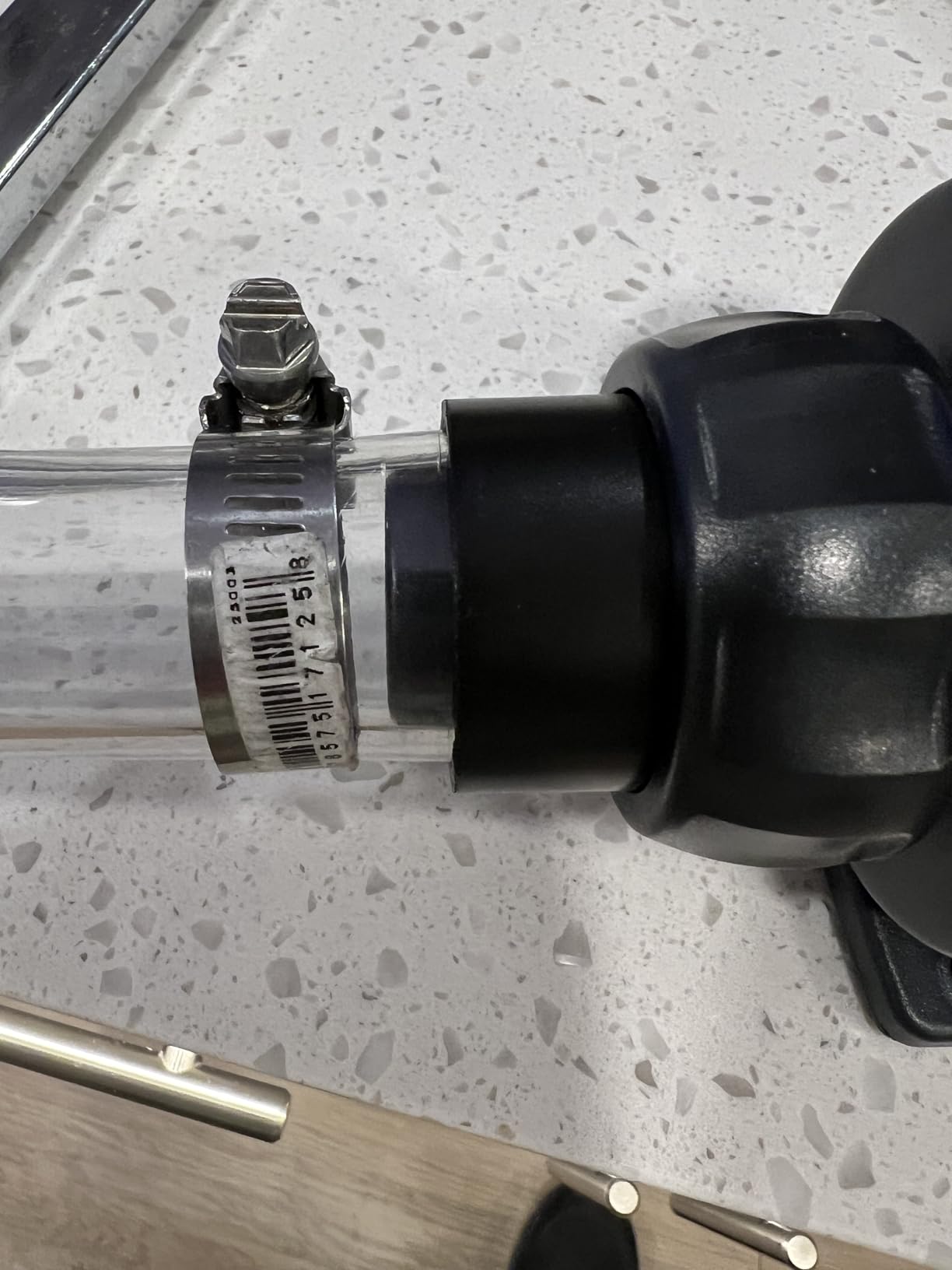
Two constraints are worth knowing before you buy. The controller is not waterproof and has to live indoors in a dry spot, and running the pump externally means tightening and gluing the fittings, so an O-ring failure can leak rather than just unscrew.
Who this pump is right for
It fits indoor grow rooms, offices and living spaces where a constant hum would be genuinely annoying. It also suits aquaponics, since the ceramic shaft and magnetic drive are fresh and salt water compatible and there is no oil in the water column.
It connects to 1 inch or 3/4 inch pipe, which covers most return line plumbing, and it runs either submerged or externally so you can put it in a sump when space is tight.
Who should skip it
Skip it if your system is outdoors and exposed. A controller that must stay indoors limits where you can run the pump, and it is not a fit for a greenhouse or rooftop install you cannot cable back to a dry socket.
Also skip it if you want a big headline flow number. At 1060 GPH rated it is mid-sized, and the flow you get depends on the setting you choose, not the label.
3. EcoPlus 290 GPH Pump – the sensible pick for small recirculating loops
EcoPlus 290 GPH (1098 LPH, 17W) Submersible Water Pump w/ 6 ft Power Cord | Aquarium, Fish Tank, Fountain, Pond, Hydroponics
290 GPH rated flow
28W motor
69 inch pre-wired cord
submersible or inline
+ Pros
- Runs submerged or on dry land
- Low power draw suits continuous use
- Barbed and threaded fittings included
- Compact body fits small reservoirs
- Cons
- 290 GPH is a modest ceiling
- Fixed flow with no throttling adjustment
Not every system needs a thousand gallons an hour. For a 10 to 20 gallon recirculating DWC loop or a small NFT channel run, the EcoPlus 290 is the pump that most people should actually be buying, and it comes from a manufacturer that builds hydroponics equipment rather than aquarium décor.
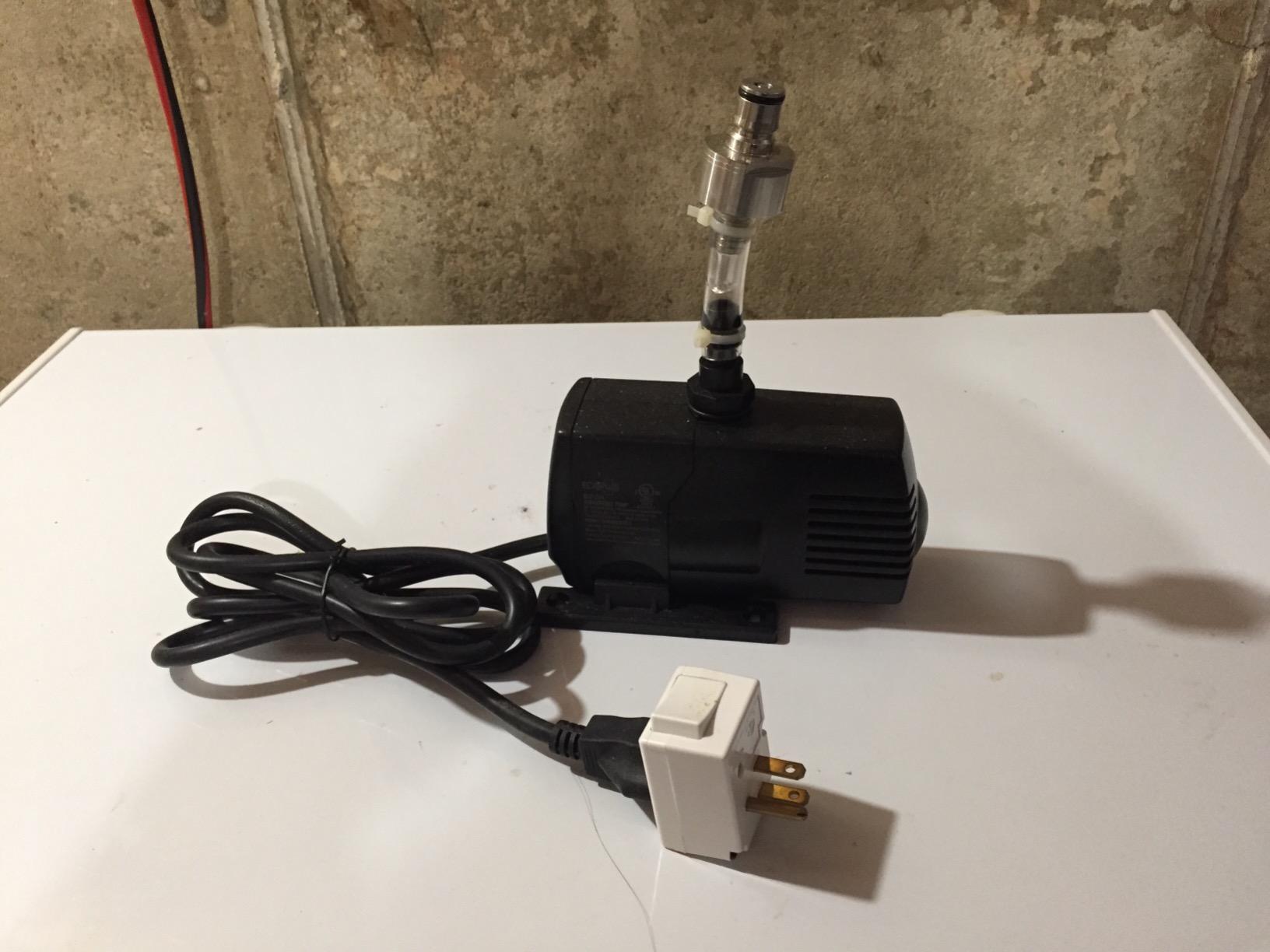
The useful thing about it is flexibility. It installs in-line on dry land or drops straight into the reservoir, so the same unit covers a shelf-mounted loop and a sump-fed return.
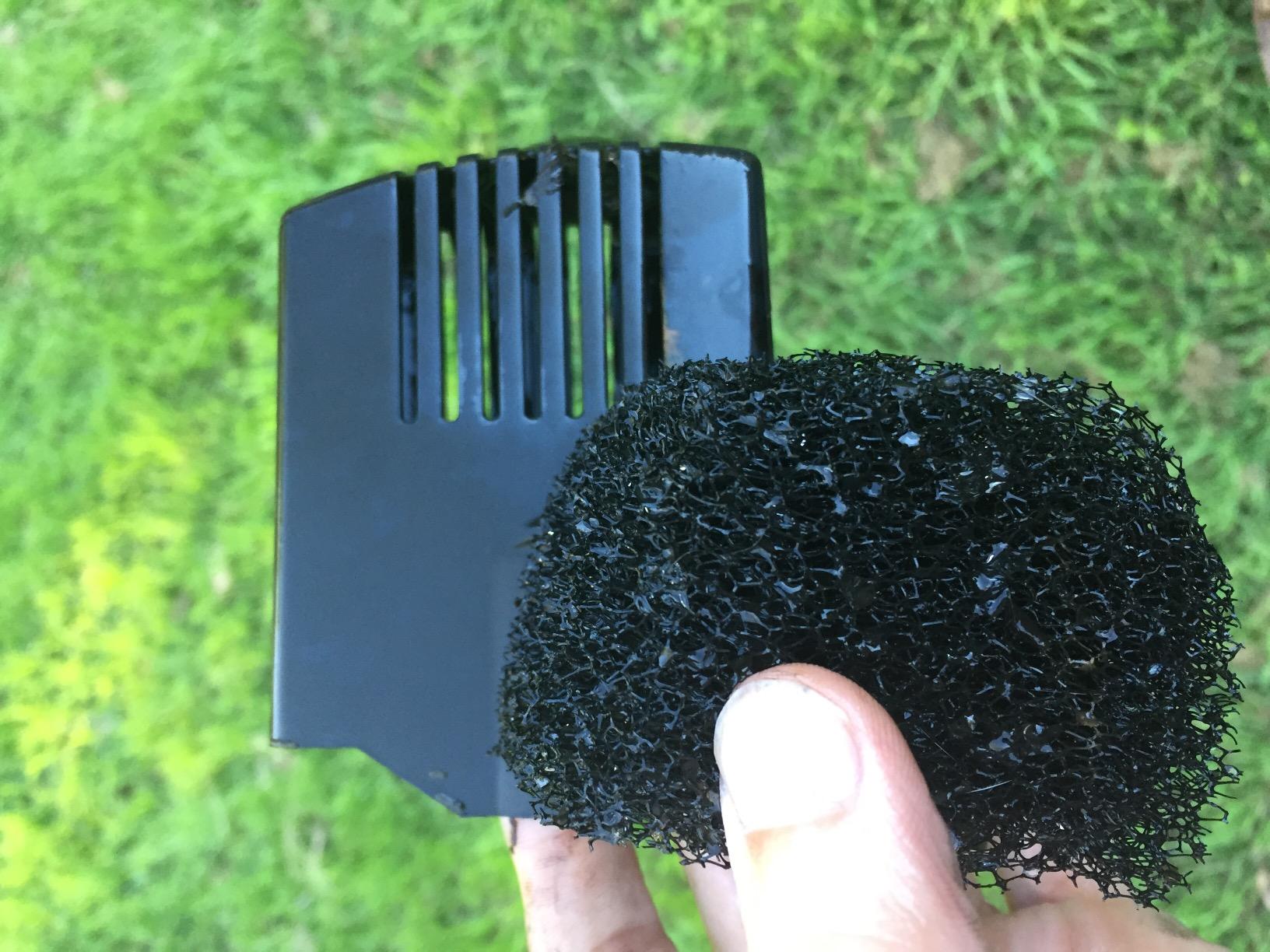
Owners rate the build quality, the low power draw and the fittings that come in the box, which saves a trip to the hardware store before you can even plumb the thing. Flow is steady and gentle, which is what small root zones need.
The honest limitation is the ceiling. 290 GPH is enough to move a small system comfortably and not much more, and there is no flow control, so you are running it flat out or not at all.
Why a small fixed-flow pump can be the right answer
Big growers on forums often talk about buying a pump that is far too powerful for the system, and that is a real problem. Excess flow creates turbulence, which strips dissolved oxygen from the solution and pushes oxygenation work onto an air pump you may not have.
A modest pump also draws less power, which matters if it runs continuously. Over a season that difference shows up on the electricity bill even though the pump itself is inexpensive.
Fittings, installation and the dry land option
The box includes 3/4 inch barbed to 3/4 inch threaded fittings, two 1/2 inch barbed to 3/4 inch threaded fittings and a nozzle. That is enough to connect most 1/2 inch and 3/4 inch tubing without adapters.
Installing it on dry land under a shelf keeps it out of the nutrient solution entirely, which means roots can never reach the intake. The pre-wired 69 inch cord reaches most bench-height setups without an extension lead.
Who this pump is right for
It suits first-time builders, propagation setups and anyone with a reservoir under about 20 gallons. It is a good supplementary circulation pump for a larger system that needs gentle top-water movement rather than a full return loop.
Because the body is plastic and oil-free, it works in aquaponics setups where fish share the water, as long as the flow is gentle.
Who should skip it
Skip it if you are building anything above 20 gallons or feeding multiple channels from one pump. You will be throttling it with fittings and losing efficiency for the privilege of owning a pump rated too low.
Also skip it if you need to tune flow. There is no valve, no dial and no controller, so the only control you have is the plumbing you build around it.
4. VIVOSUN 660GPH Submersible Pump – strong output in a small body for larger reservoirs
VIVOSUN 660GPH Sub Water Pump for Fish Tank, Pond, Aquarium, Hydroponics
660 GPH maximum flow
40W motor
8.2 ft maximum lift
28db operating noise
+ Pros
- 660 GPH in a compact body
- 28db with a ceramic shaft core rotor
- Shallow-water bottom inlet for skimming
- Built-in dry-run thermal protection
- Detachable outlet fits several pipe sizes
- Cons
- Intake filter needs regular rinsing in dirty water
- Fixed flow with no output regulation
The 660 GPH class is the sweet spot for a 20 to 40 gallon reservoir, and this is the pump that fills it. It moves a lot of solution without turning into a bulky object you have to wrestle into a grow closet.
Two details set it apart from generic pond pumps. The bottom inlet is designed to draw from as little as 5mm of water, so it can skim the very bottom of a reservoir and catch settled sediment, and the built-in thermal protector cuts power at 185F if it ever runs dry.
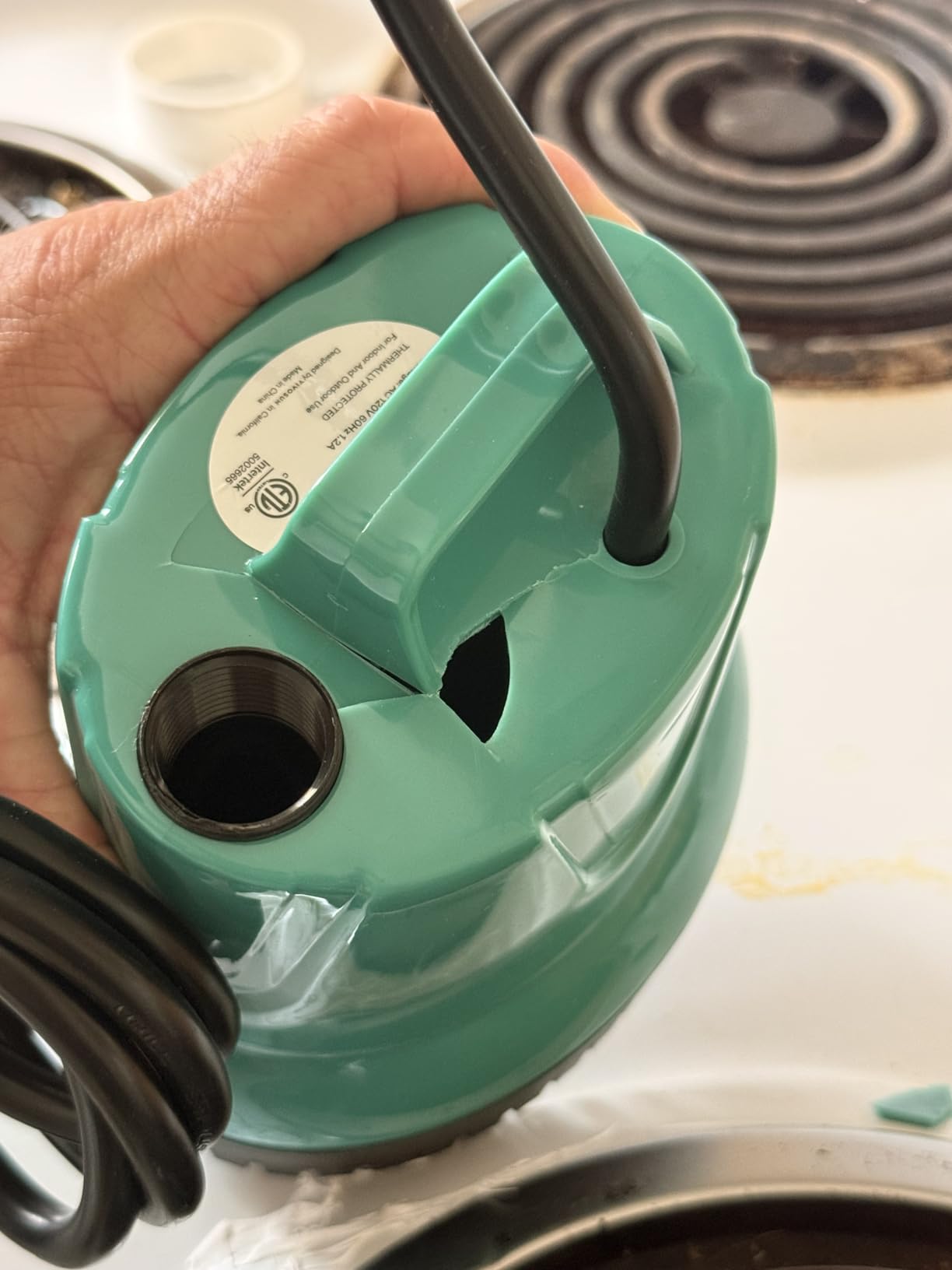
Reviewers rate it highly for power-to-cost ratio and low noise, and the 360 degree intake screen is repeatedly praised for keeping debris out of the impeller. At 28db it is one of the quieter conventional AC pumps in this group.
The recurring instruction from owners is simple: rinse that intake screen regularly in a debris-heavy reservoir, or flow will drop noticeably within days.
Bottom inlet design and shallow reservoirs
Most submersible fountains pull from the side or bottom of a shroud, which means a shallow waterline can starve them. A bottom inlet that works at 5mm changes that, and it lets you run a pump in a shallow tray or a low reservoir that would stall a conventional design.
The detachable outlet accepts several pipe sizes, so you can move from flexible tubing to rigid plumbing without buying a converter. That matters when you are transitioning from a bucket system to fixed fittings.
Dry-run protection and what a fixed flow really means
The thermal protector is a genuine safety net in a system where a reservoir can drop faster than you expect, for example during a topping-off mistake or a failed float switch. It will not save a pump from repeated dry running, but it stops a single mishap from destroying the motor.
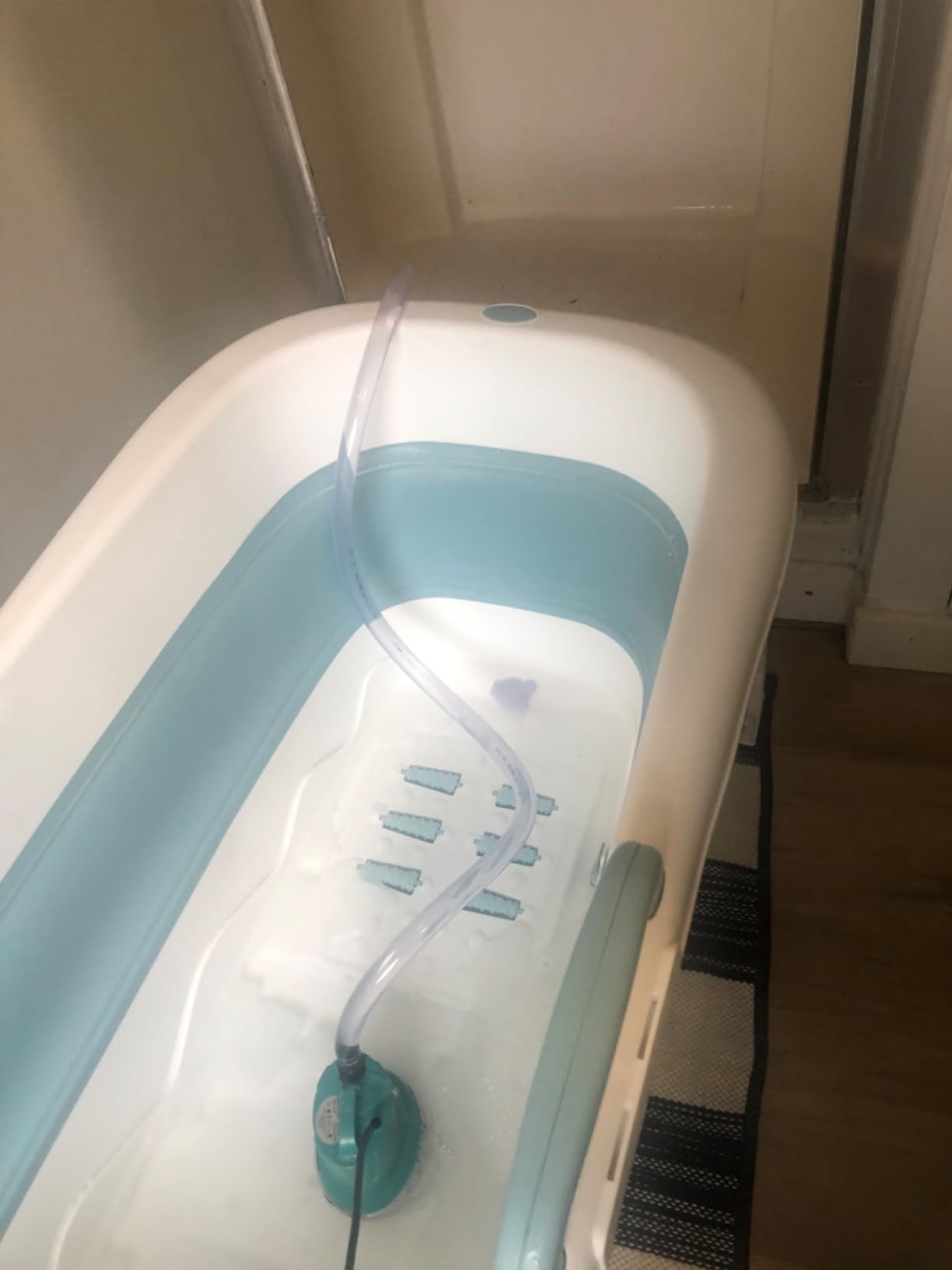
Flow is fixed, with no throttle. If your loop needs to be dialled back, do it with a valve in the line rather than expecting the pump itself to regulate. Reviewers also note the ceramic shaft core rotor helps with both wear and noise.
Who this pump is right for
It fits RDWC setups with several buckets, mid-size NFT channel runs, and any 20 to 40 gallon reservoir that needs a genuine return. The 8.2 foot lift handles a two or three tier rack.
It is also fine for aquaponics circulation because the body is plastic and the dry-run protection limits the damage from a level drop.
Who should skip it
Skip it if you have a very dirty or algae-heavy reservoir. A fine intake screen that works beautifully in clean water becomes a maintenance burden in water with lots of suspended root matter, and it will need rinsing more often than you want.
Also skip it for towers above three tiers. Eight feet of lift is respectable but modest, and real flow falls off as you climb.
5. OYO WATER 1800GPH Pond Pump – the one that handles serious vertical lift
OYO WATER Submersible Water Pump, 1800 GPH Pond Pump for Outdoor Ponds 32.8ft Long Power Cord, Barrier Filter Bag, Ipx8 Waterproof Ultra Quiet Fountain Water Pump for Waterfall, Hydroponic
1800 GPH output
14 ft head
100W motor
32.8 ft power cord
+ Pros
- High flow at a moderate 100W draw
- Exceptionally quiet when submerged
- 32.8 ft cord removes extension leads
- Mesh bag and detachable rotor aid cleaning
- Amphibious for inline or submerged use
- Cons
- Mesh bag clogs in debris-heavy water
- Some units needed support to prime
- One report of tripping a surge protector
This is the pick for vertical towers, stacked beds and any layout where the water has to travel upward a real distance. 1800 GPH with a 14 foot rated head is a lot of headroom, and headroom is what you spend once a tower adds vertical distance.
It is also amphibious, meaning it runs submerged in the reservoir or on dry land in a wet housing, which gives you flexibility if the reservoir is too shallow to submerge a body this size.
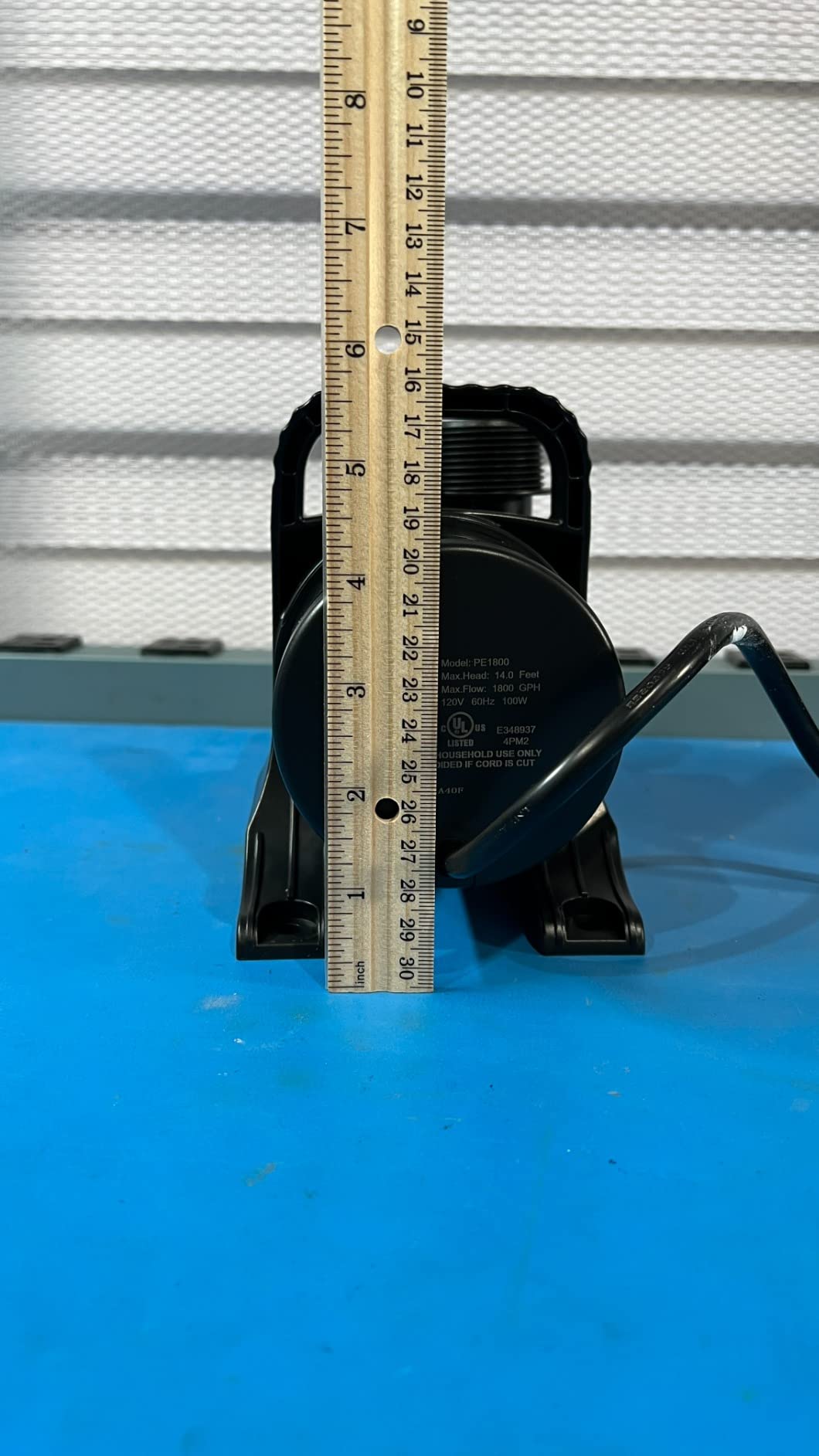
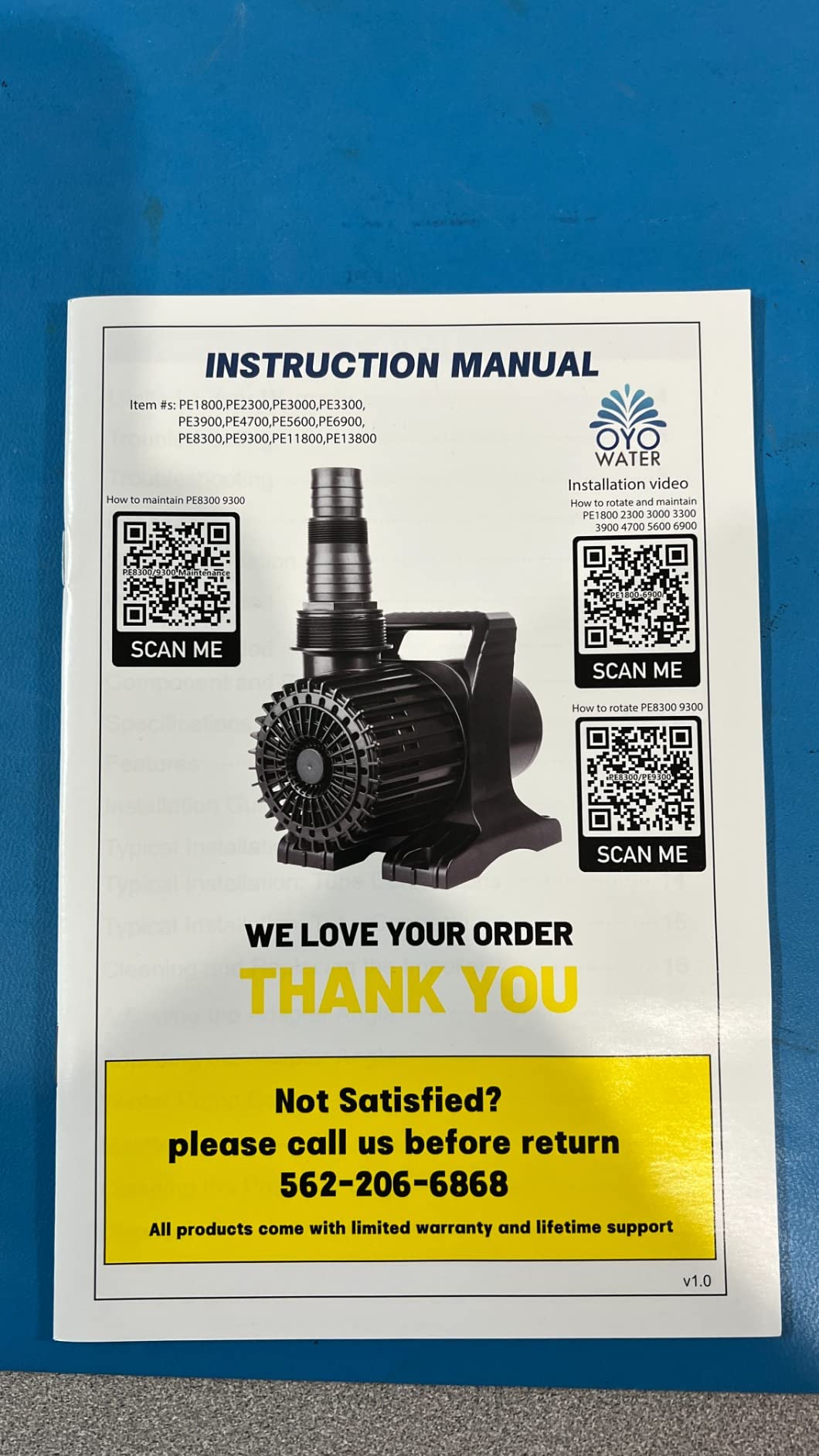
It carries the highest average rating in this group at 4.5, and reviewers of the second season report strong quiet flow. The removable rotor assembly and detachable filter cover make scheduled cleaning straightforward, which is where most pump failures are actually won or lost.
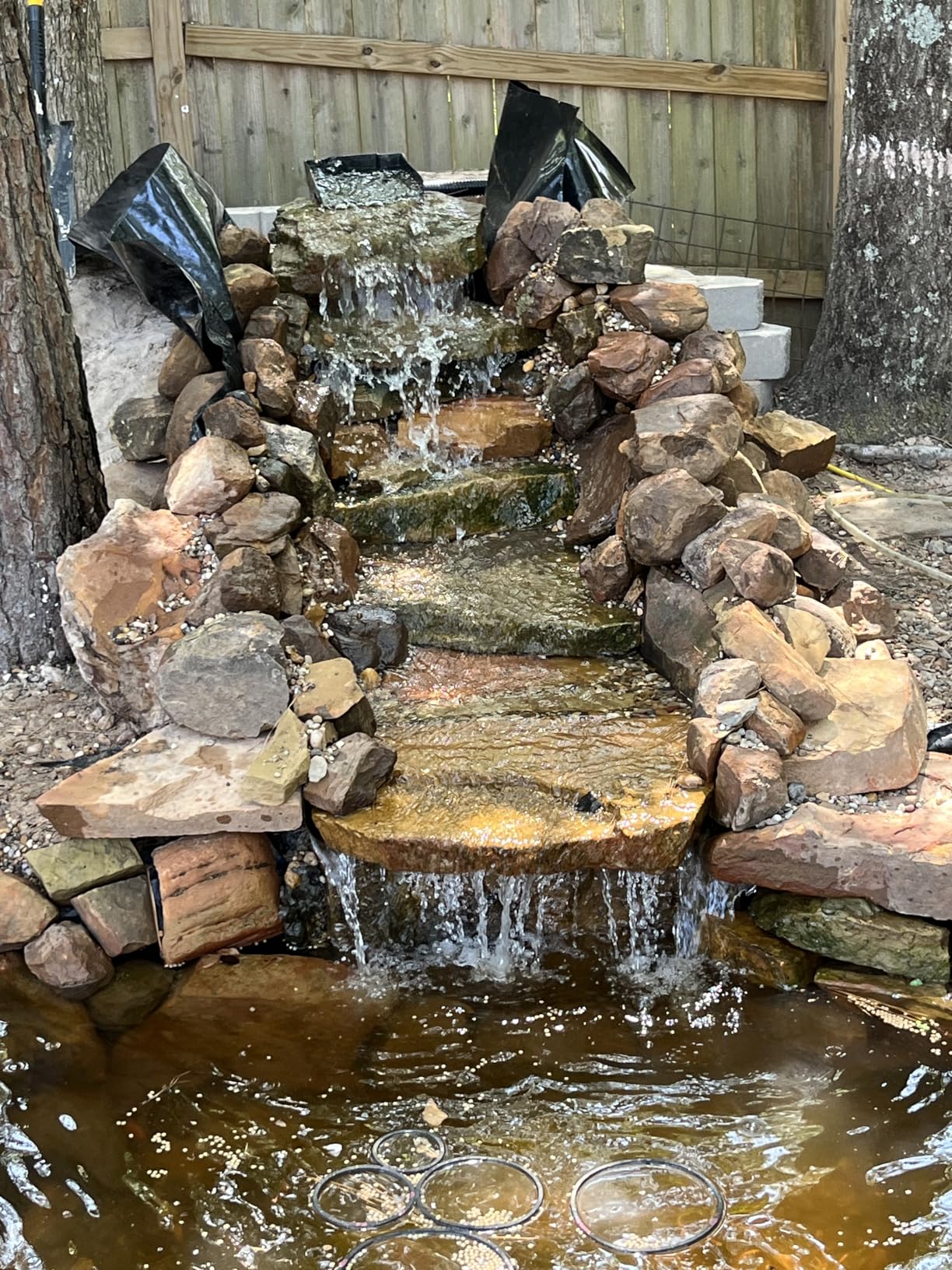
Users of duck ponds and waterfalls are the loudest advocates. Several growers recommend framing the included barrier mesh bag in PVC so it does not collapse inward and restrict flow once loaded with debris.
Why lift matters more than headline GPH
Flow falls as vertical lift rises, and the drop is steep. A pump rated 1800 GPH at zero head might deliver a fraction of that at 14 feet, so the rating tells you the pump can physically reach the top of your tower, not that it will blast solution to it.
For a pressurised system such as an aeroponic sprayer or a drip manifold, this is the difference between working and not working. For a low tower under 4 feet, you are paying for capability you will not use, which also means more power than necessary.
Materials, intake protection and maintenance access
The motor uses 100 percent copper wire with a ceramic shaft, and the housing carries IPX8 waterproofing with a heat overload sensor for continuous 24/7 running. The IPX8 rating matters when the pump sits inches from a wet reservoir lid.
The 32.8 foot cord is unusual in this category and removes the need for extension leads, which are a common source of voltage drop and pump noise. A one year quality guarantee with California-based technical support backs it up.
Who this pump is right for
It suits vertical tower gardens, multi-tier racks, aquaponics filter loops and drip manifolds that need pressure. It is also a good match for large mixed reservoirs feeding several subsystems.
If you are running it outdoors with fish or wildlife nearby, the sealed design and oil-free construction keep the water column clean.
Who should skip it
Skip it for a small indoor system. At 7 pounds and 10.87 inches long it is a heavy object to position in a grow closet, and the 100W draw is more than a small loop needs.
Also skip it if you leave your water dirty. The mesh bag is helpful but still clogs, and a collapsed bag is a common complaint worth planning around with a PVC frame.
6. VIVOSUN 4500GPH Submersible or Inline Pump – for ponds, waterfalls and commercial volume
VIVOSUN 4500GPH Sub Water Pump for Pond Waterfall, Statuary, Hydroponics
4500 GPH maximum flow
220W motor
19 ft maximum lift
IPX8 housing
+ Pros
- Very high flow for the power draw
- 19 ft lift handles tall waterfalls
- Quiet for a pump of this output
- Works submerged or inline
- Detachable filter pulls out easily
- Cons
- Fixed flow with no throttling valve
- Heavy and bulky for a grow room
- Highest power draw in this group
At 4500 GPH and 19 feet of lift, this pump is built for moving very large volumes of water vertically. That covers ornamental ponds, tall waterfalls and commercial greenhouse loops, and it sits well above anything a domestic hydro system requires.
The useful flexibility is that it works both submerged and inline. Inline capability matters when you want the pump in a separate dry housing feeding a filter vessel before the water reaches the growing system.
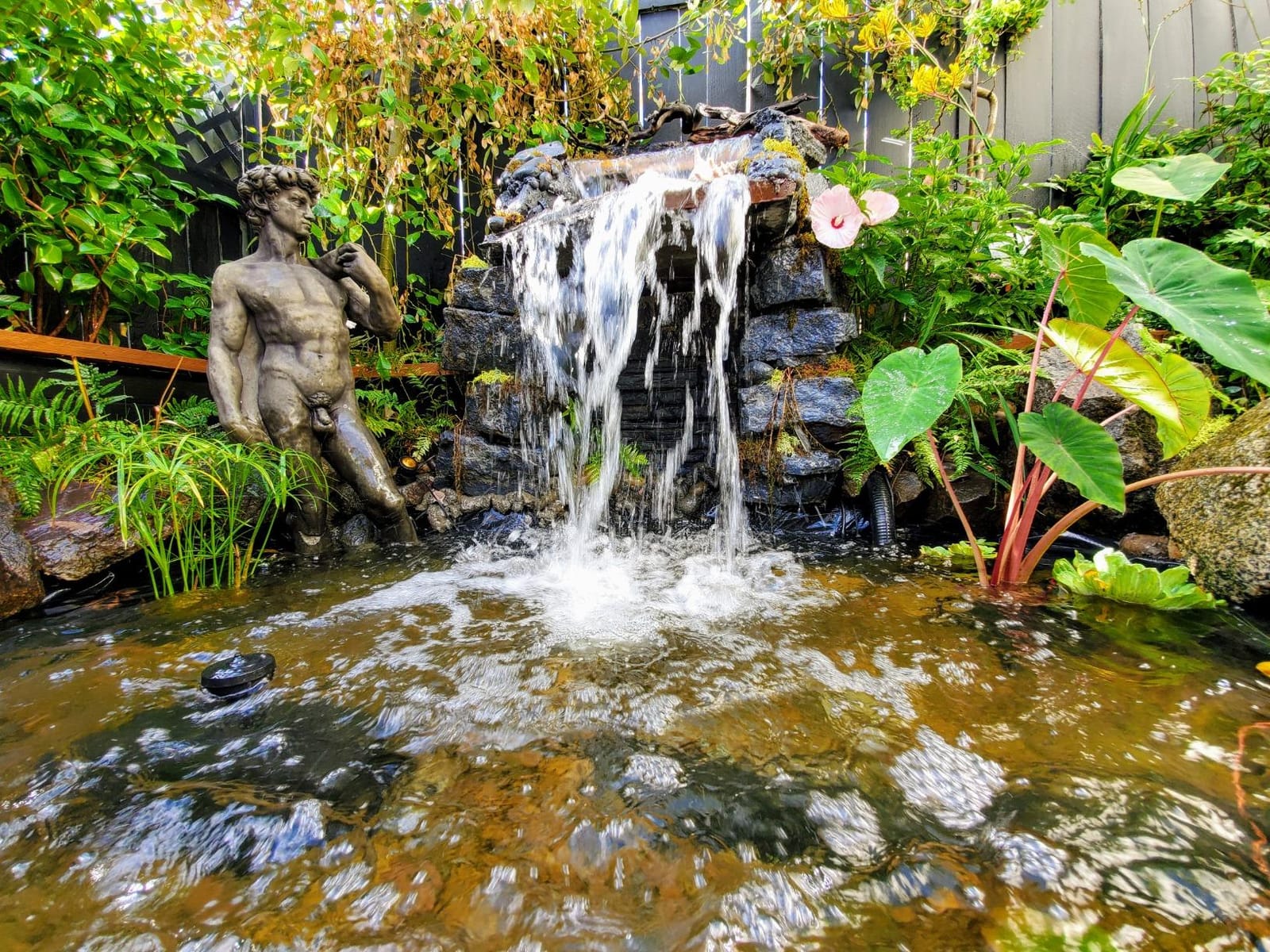
Reviewers note the flow-to-noise ratio is strong for a unit this size, and the detachable filter and long cord make installation flexible. It is a proven choice for pond and waterfall work where the water volume genuinely justifies the size.
Be realistic about power. At 220W this is the highest draw in the group, and a fixed-flow design gives you no way to reduce it, so on a timer you would be switching the whole thing off rather than trimming it.
When 19 feet of lift earns its keep
Nineteen feet of rated head is roughly a five to six storey vertical drop. Very few indoor systems need that, but a stacked greenhouse, a rooftop installation with a raised reservoir, or a water feature that returns to a pond below the growing level will.
The silicon carbide shaft and drive ring are built for that duty, reducing wear in a pump that is expected to run hard. IPX8 waterproofing with overload protection covers the wet side of the install.
Plumbing, tubing sizes and placement
The outlet accepts 1 1/4 inch or 1 1/2 inch tubing, which is larger than most hydroponic return lines. You will need a reducer to step down to 1 inch or 3/4 inch plumbing, so plan the fittings before you commit.
At 8.8 pounds and just over 11 inches tall, this is not a pump you reposition casually. Set it once, on a stable base, and plan cable routing around it.
Who this pump is right for
It fits commercial growers, greenhouse operators and anyone combining a hydroponic loop with a large water feature. It also works as a transfer pump between reservoirs or a sump.
If you are pumping from a pond into a growing system, the sealed design and inline option make it straightforward to plumb.
Who should skip it
Skip it if your system holds less than about 100 gallons. A pump that oversized will create turbulence, waste significant power and be awkward to fit under a shelf or in a closet.
Skip it for fish systems where you need gentle circulation, and skip it if you have no room for a pump this heavy. This is a fixed-output machine, not a fine-tuned one.
7. CWKJ 400GPH Submersible Fountain Pump – the compact option for tower gardens
CWKJ 400GPH Submersible Fountain Water Pump for Pond Aquarium Hydroponics
400 GPH flow
25W motor
6.56 ft maximum lift
2.3 by 2.8 by 3.2 inches
+ Pros
- Quiet for its class
- Adjustable pressure knob
- Compact enough to hide in a reservoir
- Shell disassembles for cleaning
- Suction cups hold position
- Cons
- Flow knob is imprecise at the low end
- Must stay mostly submerged
- No dry-run shut-off
- Minority of units failing early
Small tower gardens and desktop systems need a pump that disappears. At 2.3 by 2.8 by 3.2 inches and 5.6 ounces, this is one of the smallest capable units here, and it still delivers 400 GPH with 6.56 feet of lift.
Three interchangeable nozzles and an adjustable pressure knob let you shape the output for a tower top, a small return line or a decorative spout without changing pumps.
It has by far the largest review base in this group, and while most of that comes from fountain and pond use, a consistent number of owners use it successfully for small hydroponic circulation. Quiet running and suction strength are the most common praises.
The manual shell opens so you can clean the intake port and impeller, which matters more in a nutrient reservoir than in a decorative fountain. Four rubber suction cups keep it fixed to the reservoir wall.
Small footprint, real limits
The 6.56 foot lift ceiling covers a modest tower or a two tier rack, and nothing beyond that. If your tower is taller, the flow at the top will fall away fast and the topmost ports will run dry.
The pressure knob is coarse, particularly at the low end, so treat it as an on or near-off control rather than a precise regulator. For gentle circulation in a small loop this is fine, but it is not a metering tool.
Submersion and dry-run behaviour
This pump must stay mostly submerged, because a submersible design with no external cooling loses the water jacket that carries heat away. There is no auto shut-off, so running it dry can damage it permanently.
That is the single biggest thing to get right with this unit: set the water level so the pump stays covered even at the lowest point of the cycle. If you cannot guarantee that, choose a model with dry-run protection instead.
Who this pump is right for
It suits small vertical towers, desktop hydroponic kits and tabletop systems where reservoir volume is measured in single figures. It also works as a supplementary circulation pump in a compact setup.
If you are building a system in a tight space, the small body and suction cup mounting are the deciding factors.
Who should skip it
Skip it if your reservoir level drops during a cycle, since there is no dry-run cut-off to catch you. Skip it if you need precise flow control, because the knob is coarse.
Reviewers do report a minority of units failing well before expected, so treat it as a pump you may replace rather than a lifetime purchase.
8. GROWNEER 550GPH Submersible Pump – a certified workhorse for small systems
GROWNEER 550GPH Submersible Pump 30W Ultra Quiet Fountain Water Pump, 2000L/H, with 7.2ft High Lift, 3 Nozzles, 4.9 Feet Tubing for Aquarium, Fish Tank, Pond, Hydroponics, Statuary
550 GPH flow
30W motor
7.2 ft lift
UL 1081 certified
+ Pros
- UL 1081 certified
- Adjustable flow control knob
- Tubing and three nozzles included
- Suction cups hold vertically or horizontally
- Cons
- Modest flow and lift for the class
- Small intake clogs quickly in dirty water
The distinguishing feature here is certification. This pump carries UL 1081 certification, which means it has been tested to a recognised standard for this class of product, and that matters more than most buyers expect in a wet electrical environment.
It ships with 4.9 feet of tubing, three nozzle sizes and four suction cups, so you can build a complete small loop on the same afternoon you unbox it. The body is only 3.3 by 2.6 by 2.29 inches, so it mounts on a vertical reservoir wall or under a shelf without crowding the space.
Owners mainly use it for desktop fountains, small aquariums and light circulation duties, and they praise the UL listing, the flow control and the fact that everything needed is included.
Its 550 GPH and 7.2 foot lift sit at the lower end of what a recirculating system wants, and the small intake means debris can restrict flow faster than on a larger pump.
Because there is no dry-run cut-off on this model, set the water level so the body stays covered at the low point of the cycle, exactly as you would with any small submersible.
What UL 1081 certification actually tells you
UL 1081 is a standard covering household pumps of this type. A listed pump has been evaluated for things like leakage, abnormal operation and dielectric strength, which are exactly the failure modes that matter when a motor sits in water next to a reservoir.
It does not guarantee long life, and only a few models in this category carry it. But when two otherwise similar pumps differ on this point, the listed one is the safer bet in a wet room.
Included accessories and installation
Three nozzles at 0.51, 0.62 and 0.75 inch cover most small tubing, and the suction cups work in vertical or horizontal orientation, which makes it useful for feeding a channel from the side of a reservoir.
The 5.9 foot power cord is short, so plan on a socket within reach or accept an extension lead. At 30W the motor is efficient and the pump stays cool enough for continuous running.
Who this pump is right for
It fits small DWC loops, seedling propagation stations, desktop systems and light circulation tasks in a larger setup. The suction cup mounting is a genuine advantage on vertical reservoir walls.
It is also a reasonable aquaponics circulation pump for a small, lightly stocked tank where you want low flow.
Who should skip it
Skip it if your reservoir carries heavy root growth or suspended solids, because the small intake will need frequent cleaning. Skip it if you need more than about 7 feet of lift.
For anything above 20 gallons, one of the larger pumps here will serve you far better and last longer.
9. VIVOSUN 1050GPH Submersible Pump – the complete kit for a ready-to-run system
VIVOSUN 1050GPH Submersible Fountain Water Pump for Aquarium, Hydroponics
1050 GPH maximum flow
100W motor
13.1 ft head lift
adjustable front dial
+ Pros
- Tubing
- clamps and adapters included
- 1050 GPH with 13.1 ft of head
- Three outlet adapter sizes
- Quiet for a pump with a copper motor
- Cons
- Delivered flow often below the 1050 GPH rating
- Large footprint for a 1000 GPH pump
- Some units failed within months
If you want everything in one box, this is the one. The package includes 6.6 feet of tubing, four rubber suction cups, two stainless steel clamps and three outlet adapters, so nothing else needs buying before you can plumb a system.
On paper the numbers are strong for the class: 1050 GPH with 13.1 feet of lift from a 100 watt pure copper motor, plus an adjustable dial on the front filter cover.
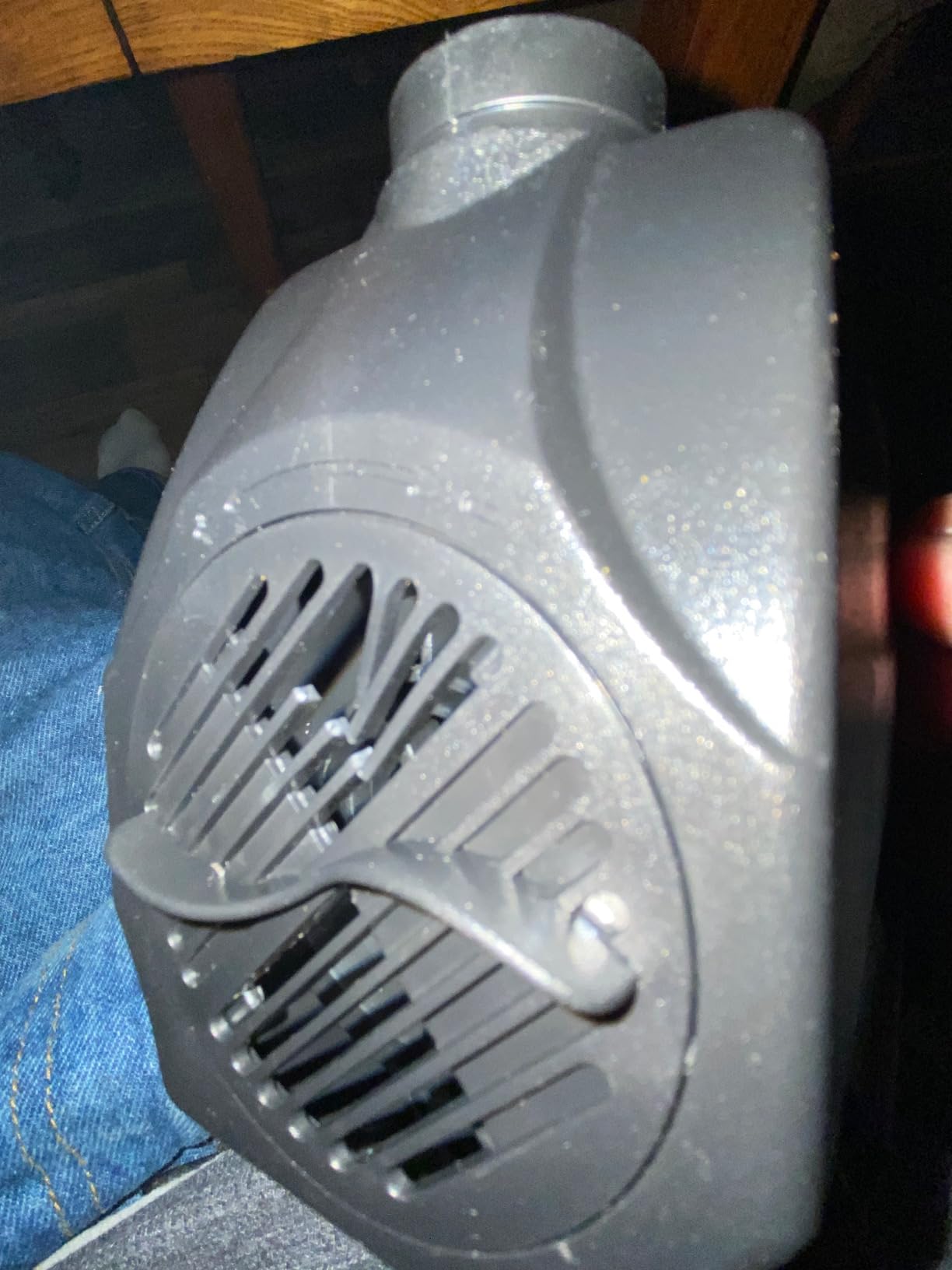
Buyers like the plug-and-play packaging and the quietness that comes with the copper motor. The three adapter sizes mean you can push 1/2 inch, 5/8 inch or 3/4 inch tubing straight off the outlet.
The most repeated caveat is that real flow comes in below the rated figure once real head and friction are counted. At 13.1 feet of head that gap widens, so read the number as a ceiling.
Head height versus delivered flow
Every pump in this roundup loses flow as it climbs, but a 13.1 foot rated head means this one is comfortable across most indoor and light greenhouse layouts, including two or three tier towers and stacked beds.
That makes it a good middle ground between the small reservoir pumps and the dedicated high-lift units. The 100W draw is higher than the 660 GPH class, so check it against your circuit if you are running other equipment on the same outlet.
Accessories, mounting and physical size
Stainless steel clamps and suction cups give you secure mounting options that cheaper kits do not include, which matters when a pump rattle is audible through a quiet room.
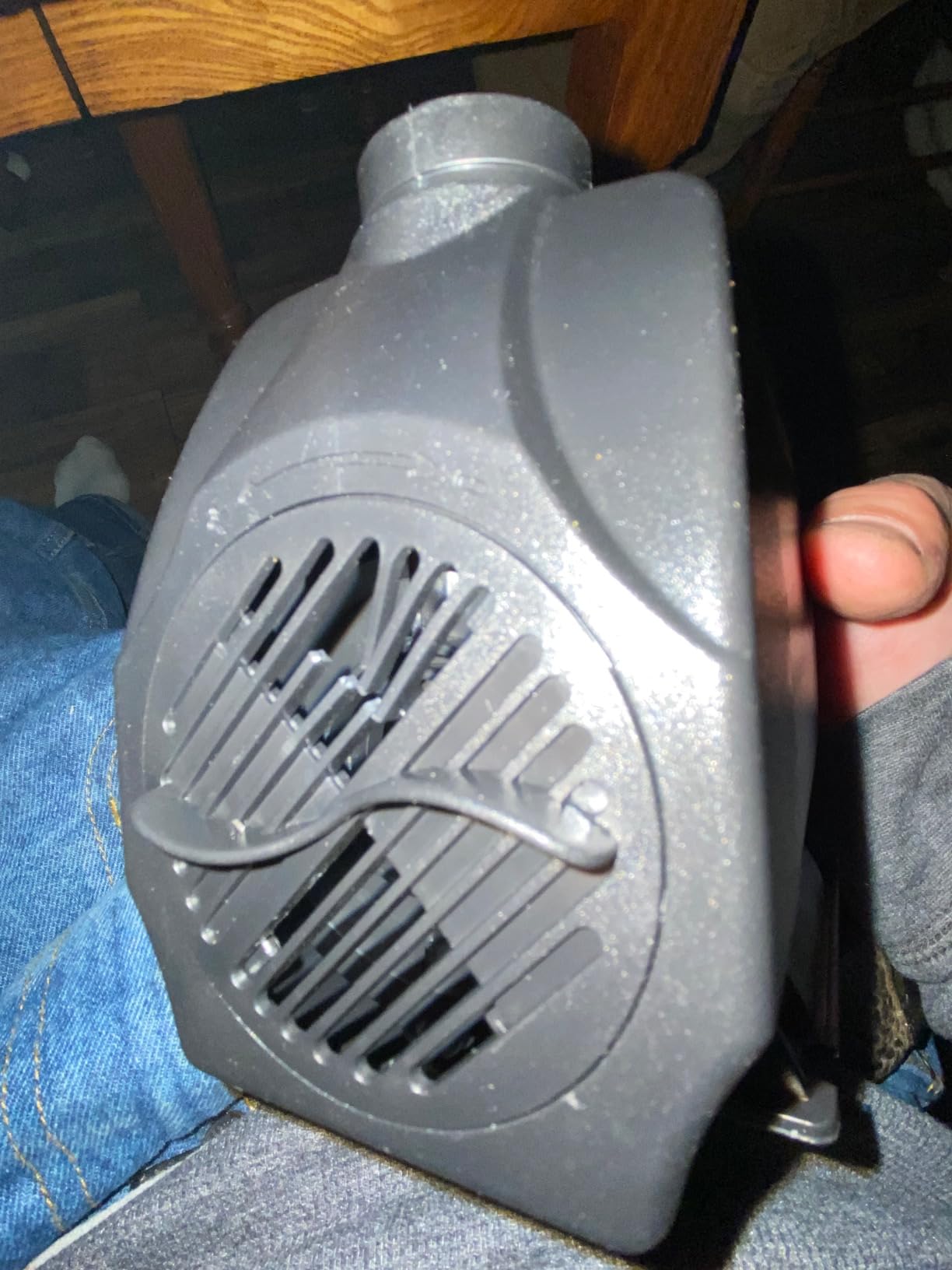
Reviewers do flag that the body is larger than expected for a 1000 GPH pump, so measure the reservoir before ordering. Clearance is the most common surprise with this unit.
Who this pump is right for
It suits anyone building a 20 to 40 gallon recirculating system who wants a complete package and decent head height. It also works for medium NFT channel runs and small drip manifolds.
For a first build, having the tubing, clamps and adapters in the box removes the most common early mistake, which is under-plumbing a pump that could do more.
Who should skip it
Skip it if reservoir clearance is tight, because the footprint is larger than the flow rating suggests. Skip it if you need delivered flow to hit a specific number reliably, since owners report output below rating.
A small number of units failed within months with no warranty remedy, so if you want long-horizon reliability and parts support, the longer-established models here are the safer route.
10. AC Infinity 850 GPH Submersible Pump – the smoothest flow adjustment here
AC Infinity Submersible Pump 850 GPH for Hydroponics, Aquariums & Fountains
850 GPH maximum flow
36W motor
9.85 ft maximum lift
IP-X8 housing
+ Pros
- Valve-based flow control is smooth and precise
- Quiet running with stainless steel construction
- Three interchangeable nozzles
- IP-X8 sealing with suction cup feet
- Cons
- Smallest review base of the group
- Fixed AC power with no DC controller
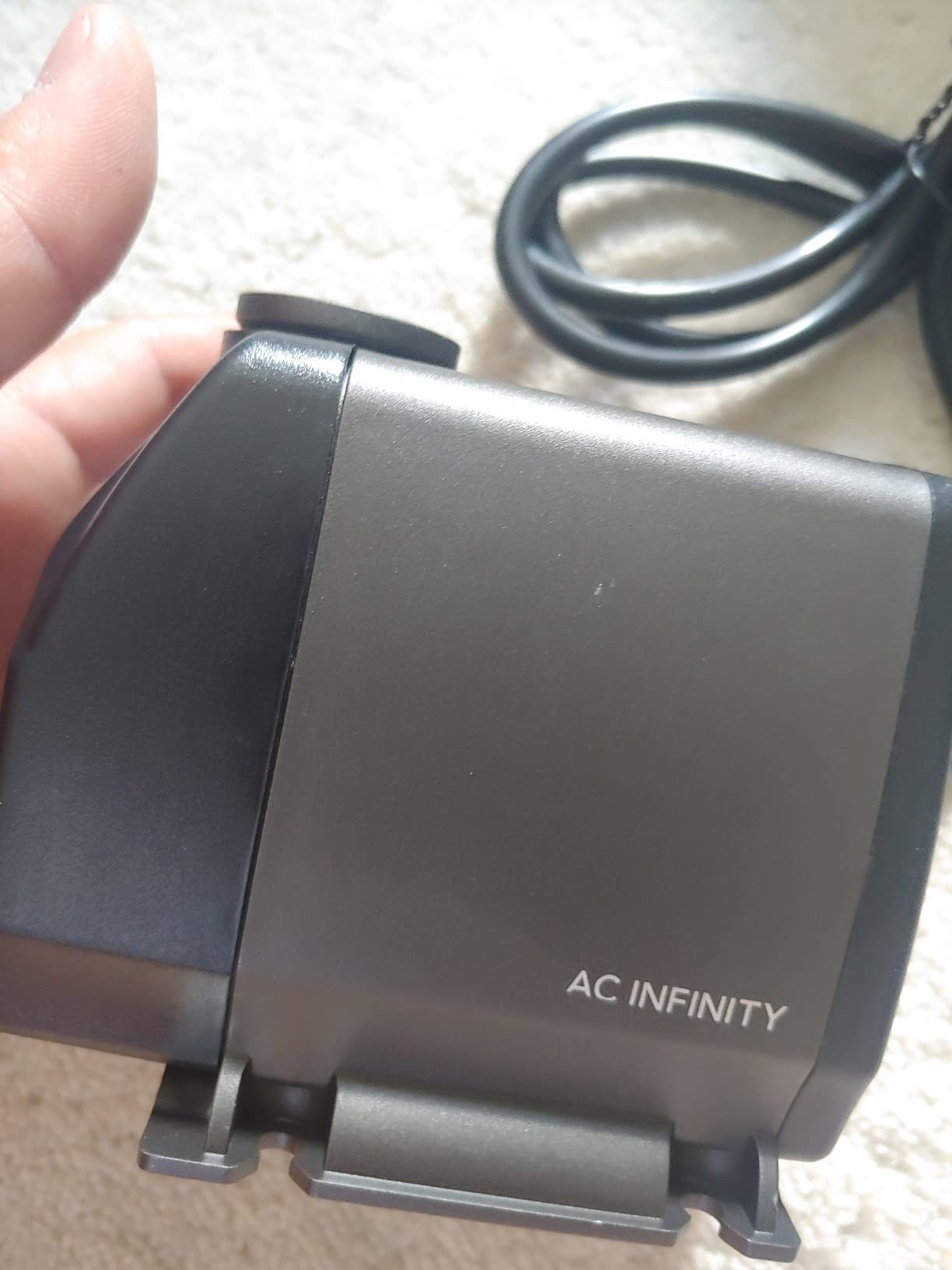
This is the pump I would look at first if your main frustration is that most flow controls jump in big steps. The valve knob adjusts intake and flow pressure smoothly, which is a different experience from a coarse regulator or a fixed-flow pump with a ball valve jammed half open.
At 850 GPH with roughly 10 feet of lift and a 36 watt motor, it is efficient for the flow it delivers, and the three interchangeable nozzles let you shape the output for different tubing.
Buyers highlight the smooth valve-controlled adjustment and the quiet running. The IP-X8 waterproof body and built-in suction cup feet hold it in any orientation, which is useful on a vertical reservoir wall.
Be aware of the evidence available. This is the most lightly reviewed model here at 76 reviews, so long-term failure data is thinner than for the established pumps, and the unit is fixed AC with no DC controller option.
What smooth valve control actually changes
With a knob, you set flow and leave it. With a step controller, you change it whenever the system changes. Valve control sits between the two, and it works well when your system is stable and you dial it in once.
The stainless steel construction is a quiet bonus compared with all-plastic bodies, and the suction cup feet are moulded into the housing rather than stuck on, so they will not detach.
Where it fits in the range
At 850 GPH and just under 10 feet of head, it slots between the mid-size submersibles and the larger high-lift units. That makes it a good match for a 20 to 40 gallon reservoir with a two or three tier rack.
Because it is a fixed-power AC unit, it will hum slightly more than a 24V DC pump of the same output. If noise is your top priority, the DC option earlier in this list addresses that more directly.
Who this pump is right for
It suits growers who want one pump that can serve several different loop sizes without rewiring, and it works for aquaponics circulation where the sealed, oil-free design keeps the water column clean.
The stainless steel body also makes it a reasonable choice where the pump sees occasional handling or a harder environment than a shelf-mounted indoor unit.
Who should skip it
Skip it if you want the reassurance of a long review history, because the review base here is far smaller than the rest of this group. Skip it if you need a controller or DC power.
It is also not the answer for high-lift towers or pressurised drip, where the dedicated high-head units in this roundup perform better.
How to Choose a Water Pump for a Hydroponic System
How many GPH do you need?
Match the pump to your system volume, not to your ambition. As a working rule, a 10 gallon system needs 100 to 200 GPH, a 20 gallon loop wants 250 to 400 GPH, a 40 gallon recirculating system wants around 500 GPH, and anything past 100 gallons needs 800 GPH or more.
The number that gets quoted constantly is worth learning: at 500 GPH, a 40 gallon system recirculates in 4.8 minutes, which is generally considered fast enough to keep dissolved oxygen and temperature stable in the root zone.
There is an upper bound too. Growers on forums regularly report buying a pump that is far too powerful, and excess flow creates turbulence that strips dissolved oxygen and makes a system harder to control than a gentle circulation.
Head height: the number that quietly ruins purchases
Head height is the vertical distance from the reservoir surface to the highest point the water must reach. Every pump’s rated GPH is measured at zero head, so a pump rated 1000 GPH will deliver far less once it has to climb.
A worked example: if you are running a 500 GPH pump to a tower 6 feet above the reservoir, check the performance curve at 6 feet of head before you buy, and size upward from the figure you find there rather than from the box rating.
Add a margin for fittings, elbows and long hose runs, because every bend costs flow. A simple rule is to buy the next size up from your measured lift rather than the exact one.
Submersible, inline or sump: which type do you need?
Submersible pumps sit inside the reservoir. They are simple, cheap and quiet, and they need no dry housing, which is why most home systems use them. Their weakness is intake vulnerability, since roots and debris can reach them.
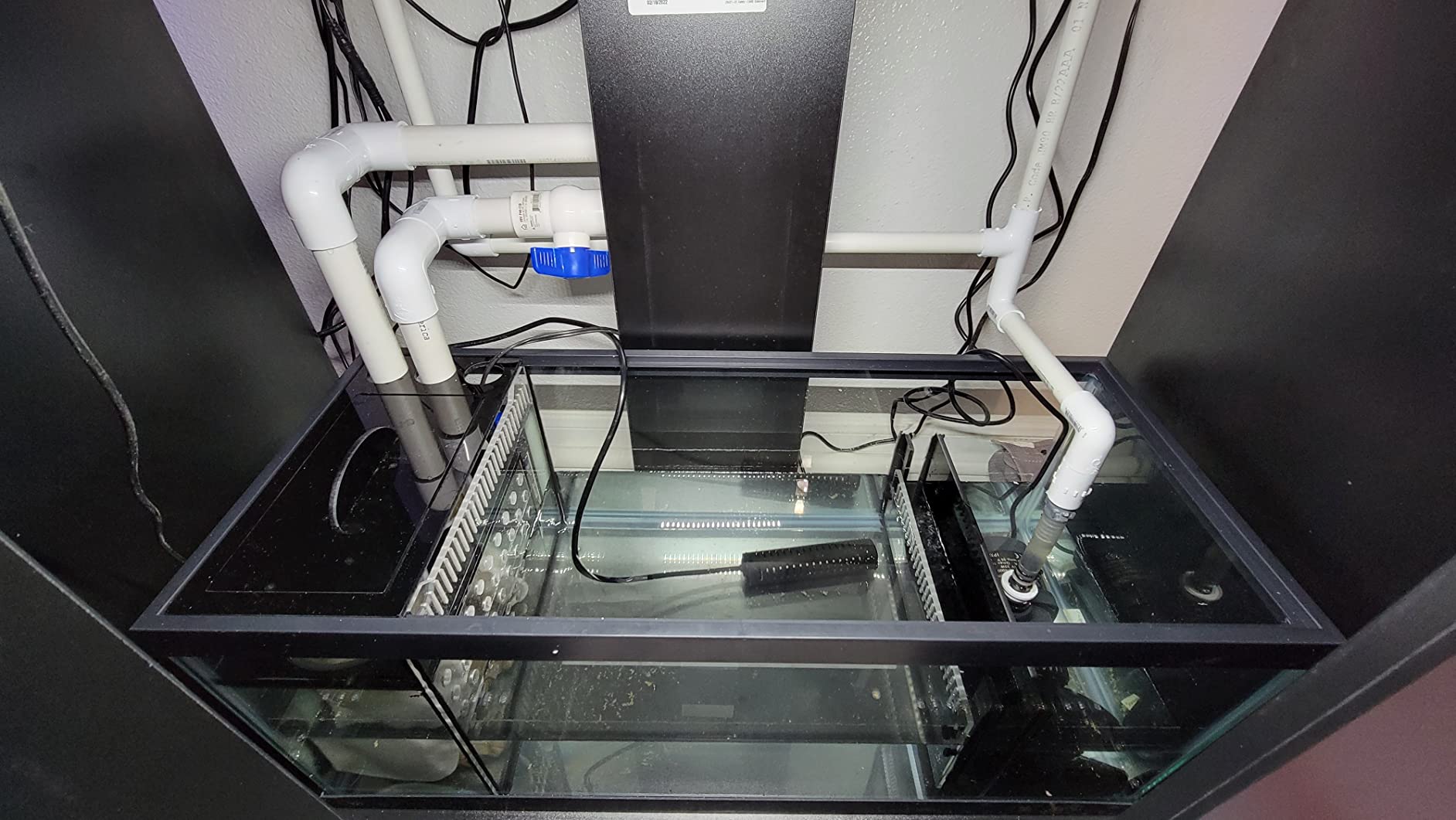
Inline pumps sit outside the reservoir and push water through hoses. They handle higher pressure, keep the pump away from nutrient water and are easier to service, but they must be able to self-prime and run wet internally. Several pumps in this roundup, including the EcoPlus and the OYO WATER, are amphibious and do both.
Sump pumps serve a third role, moving water out of a lower basin back up to the reservoir. They matter when gravity cannot do the job, such as a reservoir below floor level.
Which pump does your system type need?
Wick systems need no water pump at all. Neither do top-fed DWC buckets, where you pour solution in manually a couple of times a day. Buying a pump for either setup is money spent on a problem you do not have.
For DWC and RDWC you want a submersible sized to the reservoir plus a screen against roots. NFT channels need steady low flow rather than volume. Ebb and flow needs a pump only if you are automating the flood, otherwise a pump with a timer or controller is ideal. Towers need the most head. Drip and aeroponic manifolds need the most pressure, which means a high-lift unit. Aquaponics needs fish-safe, oil-free materials and gentle flow.
Quiet DC pumps and speed controllers
AC pumps hum, and in a room you live or work in that hum becomes the thing you notice. A 24V DC pump driven by an external controller is quieter, more efficient at part load, and lets you change flow on demand.
This is the most repeated recommendation in indoor growing conversations and the category least covered by buying guides. If your system runs indoors, put a DC pump with a controller near the top of your shortlist even if its headline GPH is lower.
Aquaponics and fish safety
Fish tolerance narrows your options. Look for oil-free magnetic drive designs, ceramic shafts, and plastic or stainless bodies with no metals that can leach into the water column.
Flow matters as much as material. Fish and biofilm in a heavily circulated tank get stressed, so for aquaponics look for a pump you can throttle, which is one more argument for an adjustable unit over a fixed-flow one.
Reliability, warranty and lifespan
Brands that recur in long-term grower reports include EcoPlus, Active Aqua and Hydrofarm, AC Infinity, VIVOSUN, Neptune and specialist pump makers. What matters more than the name on the box is whether the motor is magnetic drive, whether the shaft is ceramic, and whether the pump is UL listed.
Owners of magnetic drive pumps in this roundup report service lives of four to ten years, while some cheaper fixed-flow units fail within months. Check that replacement parts or at least a full rebuild kit are available before you buy, because a sealed unit with no parts is a consumable.
Preventing root clogs and bio-slime
This is the most repeated failure in the field. Roots growing into the pump intake or the return line is the single most common complaint, and it usually ends a cycle early.
Four habits prevent it. Sit the pump in a slotted or mesh basket so roots cannot wrap the intake. Use a return line with a 45 or 90 degree elbow rather than a straight discharge, so roots hit the wall instead of the tube opening. Keep the reservoir light-tight so no light enters the water. And check the intake every week, because a clog builds quietly.
Bio-slime in return tubing is the second problem, and it worsens in warm water. Growers report 66 to 68F water as the difference between a clean loop and a slimed one, so if you are already running a chiller, the return line benefits from that as much as the reservoir does.
Air pumps are a different product
Water pumps move nutrient solution. Air pumps push air into a reservoir to dissolve oxygen into it. They solve a different problem and they are not interchangeable, and confusing the two is the most common buying mistake in this category.
You need a water pump for any recirculating system. You may also want an air pump if your flow is gentle and you want extra dissolved oxygen, but many systems get enough from circulation alone.
Frequently Asked Questions
What size water pump do I need for a hydroponic system?
Match the pump to system volume. A 10 gallon system needs roughly 100 to 200 GPH, a 20 gallon loop wants 250 to 400 GPH, a 40 gallon recirculating system wants about 500 GPH, and systems above 100 gallons need 800 GPH or more. Then add vertical lift to the calculation, because rated GPH is measured at zero head.
How many GPH for hydroponics?
About 500 GPH recirculates a 40 gallon system in 4.8 minutes, which is the most widely used sizing figure in hydroponics. Smaller systems need proportionally less: 100 to 200 GPH for a 10 gallon setup and 250 to 400 GPH for a 20 gallon loop.
What is the best type of pump for hydroponic systems?
A submersible pump is best for most home systems because it is simple, quiet and self-starting. Use an inline or amphibious pump when you need higher pressure, easier servicing or a pump kept out of the nutrient water. Vertical towers and drip manifolds need a high-head model, while wick systems and top-feed DWC need no pump at all.
Which brand of water pump is the most reliable?
Reliability tracks design more than branding. Magnetic drive pumps with ceramic shafts and impellers, such as the Active Aqua models, regularly report four to ten years of continuous service. Check for UL listing, oil-free construction, ceramic wear parts and available replacement parts before buying.
Can I use a fish tank pump for hydroponics?
You can, and many growers do. A fish tank or aquarium circulation pump is oil-free, quiet and safe around roots. The limitation is output, since most aquarium pumps deliver far less than a recirculating system needs, so they work as supplementary circulation rather than as the main return pump.
How do I quiet a noisy hydroponic pump?
The most effective change is switching to a 24V DC pump with an external speed controller, which runs far quieter than a conventional AC motor. You can also set the pump on a rubber or neoprene mat to kill vibration, mount it so the body does not rattle against the reservoir wall, and keep it fully submerged for cooling.
Conclusion
Pick the Active Aqua 1000 GPH if you want one pump that runs for years and handles a 20 to 100 gallon system without thinking about it. Pick the hygger 1060GPH if noise is driving your decisions, because the 71-step controller solves both quietness and control. Pick the EcoPlus 290 GPH if your loop is small and you would rather not over-pump it.
For vertical towers, drip manifolds and anything needing real pressure, the OYO WATER 1800GPH has the head to do the job. For a compact tower or desktop kit, the CWKJ 400GPH hides out of sight. For a build where you want every fitting in the box, the VIVOSUN 1050GPH saves a hardware run.
Whichever you choose, sit it in a screened basket, check the intake weekly, and remember that rated GPH is measured at zero head. Check the latest price for each of the best water pumps for hydroponic systems above, and size the pump to the system you actually built rather than the one you are planning.