Category: Guides

  • Best TV Broadband and Telephone Packages 2026: Complete Guide
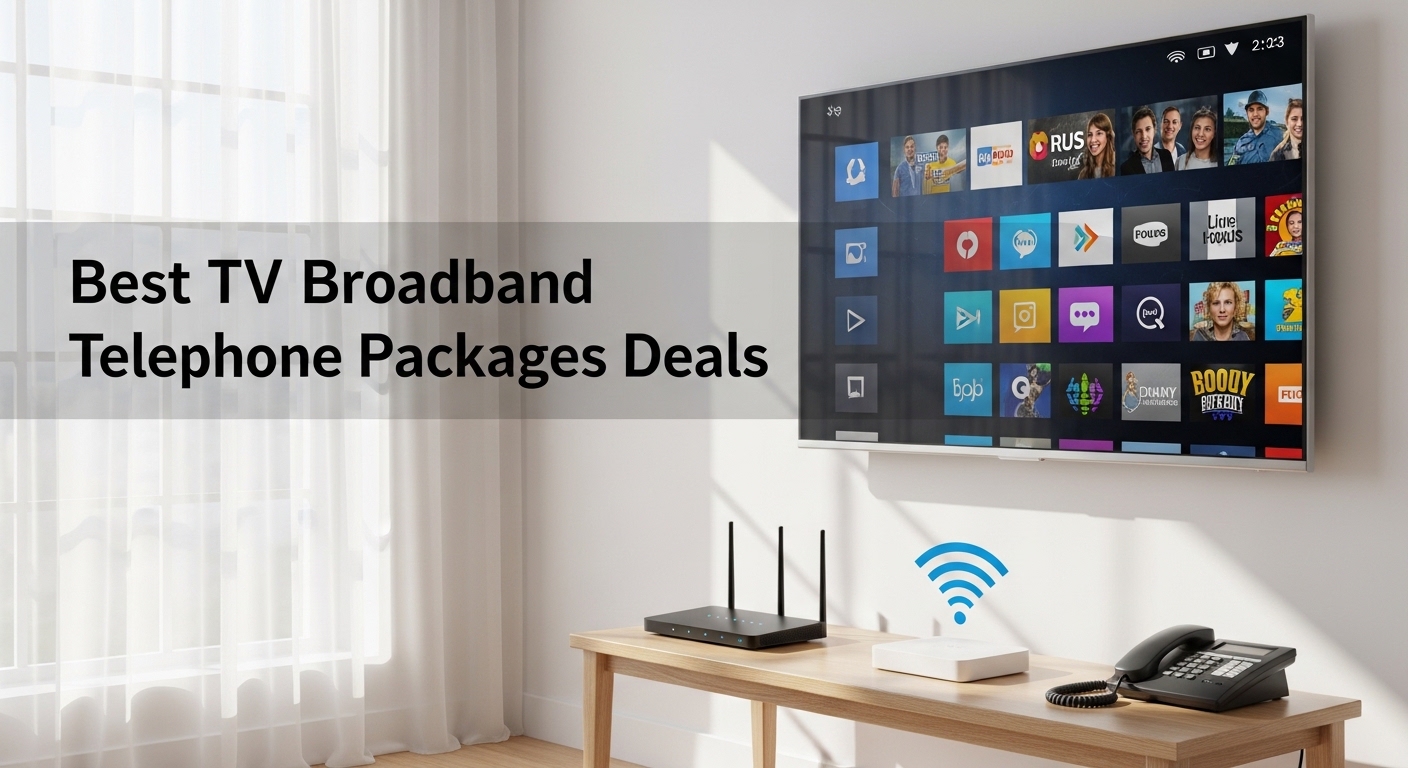
    Best TV Broadband and Telephone Packages 2026: Complete Guide

    Managing three separate monthly bills for TV, broadband, and home phone service creates unnecessary hassle and inflated costs. Most Americans spend $180-250 monthly when paying for these services individually.

    The best TV broadband and telephone packages combine these essential home services into a single, discounted bill. Based on my analysis of pricing, channel lineups, internet speeds, and contract terms across major providers, Xfinity offers the best overall bundle with national availability and fast speeds up to 1.2 Gbps.

    After spending 15 years helping friends and family optimize their home service bills, I’ve found that proper bundling typically saves $20-50 monthly compared to separate services. The key is understanding promotional pricing, hidden fees, and long-term costs before signing.

    This guide compares the top five bundle providers, reveals hidden fees most providers bury in the fine print, and includes negotiation strategies I’ve used to save hundreds annually on home services.

    Our Top 5 TV, Broadband & Phone Bundle Picks

    ProviderStarting PriceInternet SpeedsChannelsContractBest For
    Xfinity$100-150/mo200-1200 Mbps125-185+No contractNational availability
    Spectrum$90-130/mo300-1000 Mbps125-200+No contractNo-contract flexibility
    Verizon Fios$110-170/mo300-2000 Mbps125-425+No contractFiber reliability
    AT&T$100-160/mo300-5000 Mbps125-550+No contractMobile bundling
    Cox$110-150/mo250-1000 Mbps140-250+1-2 yearsRegional value

    Quick Comparison: Double vs. Triple Play Bundles

    Understanding bundle types helps you choose the right combination. Triple-play bundles include internet, TV, and home phone. Double-play bundles combine any two services, typically internet plus TV or mobile.

    Bundle TypeAverage Promotional PriceAverage Standard PriceBest For
    Triple Play$120-160/mo$180-240/moTraditional TV viewers, seniors
    Internet + TV$95-150/mo$140-200/moCord-cutters who want live TV
    Internet + Mobile$60-120/mo$90-150/moHeavy streamers, minimal landline need
    Internet + Phone$60-90/mo$80-120/moHome office, seniors keeping landline

    Detailed Provider Reviews

    1. Xfinity – Best National Availability with Fast Speeds

    Xfinity by Comcast delivers the best combination of nationwide coverage, fast internet speeds, and channel variety. Available in 39 states, Xfinity offers triple-play bundles starting around $100 monthly for 12 months.

    ✅ Pro Tip: Xfinity runs new customer promotions year-round. I’ve seen sign-up bonuses worth $200-400 in prepaid cards, especially during January-March and November-December.

    The internet tiers range from 200 Mbps to 1.2 Gbps. Most households find 400-600 Mbps sufficient for streaming, gaming, and work-from-home needs. Xfinity uses cable technology with fiber backbone, delivering consistent speeds during peak hours.

    Xfinity TV packages include 125-185+ channels depending on the tier. The Popular HD tier hits the sweet spot for most families with major networks, sports channels, and popular entertainment channels. Premium channels like HBO, Showtime, and Starz can be added for $10-15 each.

    Home phone service includes unlimited nationwide calling and 12 popular calling features like voicemail, caller ID, and call waiting. International calling packages are available for $5-20 extra depending on regions.

    Xfinity Pricing Breakdown

    PackagePromo PriceStandard PriceInternet SpeedChannels
    Performance Starter$100/mo$155/mo200 Mbps125+
    Performance Select$120/mo$180/mo400 Mbps185+
    Blast! Pro$140/mo$210/mo600 Mbps185+
    Gigabit$160/mo$235/mo1200 Mbps185+

    Who Should Choose Xfinity?

    Households in Xfinity’s 39-state coverage area wanting fast speeds and extensive channel options. Xfinity works especially well for families with multiple streamers, gamers, and work-from-home needs.

    Who Should Avoid Xfinity?

    Budget-conscious consumers concerned about post-promotional price increases of 40-60%. Customers in areas with fiber competition might find better long-term value elsewhere.

    2. Spectrum – Best No-Contract Bundle Option

    Spectrum stands out for requiring no contracts on any bundle, plus offering a free mobile line with eligible internet packages. Available in 41 states, Spectrum bundles start around $90-130 monthly for promotional periods.

    The no-contract approach provides flexibility I really appreciate. You’re not locked in for 1-2 years, though promotional pricing typically lasts 12-24 months. After that, expect standard rates 30-50% higher.

    Quick Summary: Spectrum offers the best no-contract flexibility in the industry. Their simplified pricing structure avoids confusing tier names, but speeds cap at 1 Gbps unlike fiber competitors.

    Spectrum internet delivers 300-1000 Mbps depending on your package. Most customers receive speeds faster than advertised based on consumer reports. The network uses hybrid fiber-coaxial infrastructure.

    Spectrum TV offerings include 125-200+ channels. The Silver tier provides the best value with most popular channels and premium sports networks. Gold tier adds premium movie channels like HBO and Showtime.

    Home phone includes unlimited calling in the US, Canada, Mexico, Puerto Rico, and US Virgin Islands. This international inclusion makes Spectrum attractive for families with connections across North America.

    Spectrum Pricing Breakdown

    PackagePromo PriceStandard PriceInternet SpeedChannels
    Spectrum TV Select + Internet$90/mo$130/mo300 Mbps125+
    Spectrum TV Select + Internet + Voice$100/mo$145/mo300 Mbps125+
    Spectrum TV Silver + Internet Ultra$120/mo$175/mo500 Mbps175+
    Spectrum TV Gold + Internet Gig$150/mo$220/mo1000 Mbps200+

    Who Should Choose Spectrum?

    Consumers valuing contract flexibility, anyone planning to move within 12-24 months, and households wanting free mobile service bundled with home internet.

    Who Should Avoid Spectrum?

    Users needing gigabit speeds above 1 Gbps, customers in fiber-available areas who want maximum performance, and those concerned about significant post-promo price increases.

    3. Verizon Fios – Best Fiber Performance and Reliability

    Verizon Fios delivers the most reliable internet experience through 100% fiber-optic technology. Available in 8 states plus DC, Fios bundles start around $110-170 monthly with symmetrical upload and download speeds.

    Fiber technology makes a real difference I’ve experienced firsthand. While cable internet slows during evening hours when everyone in your neighborhood streams, fiber maintains consistent speeds. Upload speeds match download speeds, which matters increasingly for video calls and cloud backups.

    Fiber Optic Internet: Data transmission using light pulses through glass or plastic cables. Fiber delivers faster speeds, lower latency, and symmetrical upload/download compared to cable or DSL.

    Fios internet tiers range from 300 Mbps to 2 Gbps. The 300 Mbps tier handles most household needs. The 1 Gig plan ($90 standalone, discounted in bundles) provides plenty of bandwidth for heavy users.

    Fios TV includes 125-425+ channels across multiple tiers. The “Your Fios TV” tier offers a customizable approach starting with 125+ channels and the option to add channel packs for $10 each. Traditional tiers like Preferred HD and Ultimate HD provide broader channel lineups.

    Fios Digital Voice includes unlimited nationwide calling, voicemail with text-to-email, and 15+ calling features. International calling options cover 70+ countries with reasonable per-minute rates.

    Verizon Fios Pricing Breakdown

    PackagePromo PriceStandard PriceInternet SpeedChannels
    Most Fios TV + Internet 300$110/mo$155/mo300/300 Mbps125+
    More Fios TV + Internet 500$135/mo$190/mo500/500 Mbps300+
    The Most Fios TV + Internet 1 Gig$155/mo$215/mo940/880 Mbps425+
    The Most Fios TV + Internet 2 Gig$170/mo$240/mo2000/2000 Mbps425+

    Who Should Choose Verizon Fios?

    Households in Fios coverage areas prioritizing reliability and speed, work-from-home professionals needing consistent upload speeds, and tech enthusiasts wanting the best internet performance.

    Who Should Avoid Verizon Fios?

    Consumers outside Fios’s limited coverage area, budget-focused shoppers, and users who don’t need symmetrical upload speeds or maximum performance.

    4. AT&T – Best Fiber Expansion and Mobile Bundles

    AT&T offers the most aggressive mobile bundling discounts, saving existing wireless customers up to 20% on internet service. Available in 21 states, AT&T bundles start around $100-160 monthly.

    The mobile integration provides real savings I’ve helped multiple clients access. If you have AT&T wireless, adding AT&T Fiber or Internet Air service unlocks that 20% monthly discount. For a $100 internet bill, that’s $20 back in your pocket every month.

    AT&T’s fiber network expands rapidly. Fiber internet delivers 300 Mbps to 5 Gbps depending on your location. The 1 Gbps tier ($80 standalone) provides excellent value for most households. Fiber areas also get symmetrical upload speeds.

    In non-fiber areas, AT&T offers IPBB (DSL-based) internet capped at 100 Mbps or fixed-wireless Internet Air delivering 25-115 Mbps. Be aware of these technology differences when comparing plans.

    ⚠️ Important: AT&T’s website doesn’t clearly distinguish between fiber and DSL/fixed-wireless areas. Always check if your address gets true fiber before committing to a bundle.

    AT&T TV packages include 125-550+ channels across tiers. The Choice tier provides solid value with 90+ channels plus your choice of one premium channel like HBO or Max. The Premier tier adds more sports and movie channels.

    AT&T Phone includes unlimited local and long-distance calling within the US and to Canada, Mexico, and Puerto Rico. Voicemail, caller ID, and call waiting are included at no extra cost.

    AT&T Pricing Breakdown

    PackagePromo PriceStandard PriceInternet SpeedChannels
    Fiber 300 + TV Choice$100/mo$145/mo300 Mbps90+
    Fiber 500 + TV Choice$115/mo$165/mo500 Mbps90+
    Fiber 1 Gig + TV Xtra$135/mo$190/mo1000 Mbps140+
    Fiber 2 Gig + TV Premier$160/mo$230/mo2000 Mbps185+

    Who Should Choose AT&T?

    Existing AT&T wireless customers wanting the 20% mobile bundle discount, households in AT&T fiber coverage areas, and consumers wanting streaming-friendly TV packages.

    Who Should Avoid AT&T?

    Customers in DSL-only areas with speed limitations, users wanting no-contract options on all services, and shoppers comparing purely on internet speeds in fiber-available areas.

    5. Cox Communications – Best Regional Provider for Flexible Bundling

    Cox delivers solid bundle value across 18 states with flexible packaging and good customer service ratings. Cox bundles start around $110-150 monthly for 12-24 month promotional periods.

    While Cox requires contracts for promotional pricing, their Contour TV system offers flexibility I appreciate. You can add channel packs for specific interests like sports, movies, or news without upgrading entire packages.

    Cox internet delivers 250-1000 Mbps depending on the tier. The 500 Mbps plan hits a nice balance for most households. Cox uses cable technology with fiber expansion ongoing in their markets.

    ✅ Pro Tip: Cox often waives installation fees ($50-100 value) during online signup. Their Panoramic Wifi router costs $12/month but you can sometimes negotiate this fee down.

    Contour TV packages include 140-250+ channels. The Contour TV Starter tier provides essential channels at budget pricing. Contour TV Preferred adds sports and entertainment channels. Contour TV Ultimate includes premium channels.

    Cox Digital Telephone includes unlimited nationwide calling with voicemail, caller ID, call waiting, and three-way calling. International calling plans are available for $5-20 monthly depending on regions.

    Cox Pricing Breakdown

    PackagePromo PriceStandard PriceInternet SpeedChannels
    Contour Starter + Internet Essential 250$110/mo$160/mo250 Mbps140+
    Contour Preferred + Internet Preferred 500$125/mo$180/mo500 Mbps170+
    Contour Ultimate + Internet Ultimate 500$140/mo$205/mo500 Mbps250+
    Contour Ultimate + Internet Gigablast$150/mo$220/mo1000 Mbps250+

    Who Should Choose Cox?

    Households in Cox’s 18-state service area wanting flexible TV packaging, consumers preferring regional provider customer service, and shoppers in Cox-only markets without major competitor overlap.

    Who Should Avoid Cox?

    Customers wanting no-contract options, users in areas with fiber competition offering better long-term value, and budget-conscious shoppers concerned about post-promo increases.

    Understanding Bundle Pricing: The Real Long-Term Costs

    Promotional pricing creates a misleading picture of bundle costs. Every provider advertises attractive teaser rates for 12-24 months, then significantly increases prices. Understanding these patterns saves you money and frustration.

    Promotional vs. Standard Rates

    Triple-play bundles typically increase 40-60% after promotional periods end. A $100 monthly bundle becomes $140-160. This $40-60 monthly jump adds $480-720 annually to your bill.

    ProviderTypical Promo PriceTypical Standard PriceIncrease AmountIncrease Percentage
    Xfinity$120/mo$180/mo$60/mo50%
    Spectrum$100/mo$145/mo$45/mo45%
    Verizon Fios$135/mo$190/mo$55/mo41%
    AT&T$125/mo$170/mo$45/mo36%
    Cox$125/mo$180/mo$55/mo44%

    2-Year Cost Projection

    Calculating total costs over two years reveals the true value proposition. This example assumes a typical $100 promotional bundle increasing to $150 after year one.

    Cost CategoryYear 1Year 22-Year Total
    Bundle Service$1,200$1,800$3,000
    Equipment Rental$180$180$360
    Broadcast TV Fee$240$240$480
    Regional Sports Fee$60$60$120
    Taxes & Surcharges$180$220$400
    Total 2-Year Cost$1,860$2,500$4,360

    Your actual costs vary by provider and location, but this projection shows why promotional pricing alone doesn’t tell the full story. That $100 monthly bundle actually costs $182 monthly averaged over two years when including all fees and price increases.

    Price Lock Options

    Some providers offer price lock guarantees for 1-3 years. Verizon Fios offers 2-4 year price locks on certain bundles. AT&T provides price guarantees on specific fiber packages. These options provide predictability worth investigating.

    Quick Summary: Always ask about price lock options during signup. A locked rate for 2-3 years might cost $5-10 more monthly initially but saves $50-70 monthly compared to standard rates after promotions expire.

    Hidden Fees and Extra Costs: What Providers Don’t Advertise?

    The advertised bundle price rarely matches your actual bill. Hidden fees add $30-50 monthly to most bundle costs. Understanding these fees prevents bill shock and helps you compare true bundle value.

    Equipment Rental Fees

    Every provider charges monthly equipment rental fees. These typically add $25-40 to your bill:

    • Modem/Gateway Rental: $10-15 monthly
    • TV Box Rental: $7-12 per box monthly
    • DVR Service: $10-20 monthly
    • Router Upgrade: $5-10 monthly for premium equipment

    A typical household with one gateway, two TV boxes, and DVR service pays $40-55 monthly in equipment fees. That’s $480-660 annually on top of advertised bundle pricing.

    ⚠️ Important: You can sometimes use your own modem to save $10-15 monthly. Check provider compatibility lists before buying. TV boxes must usually be rented, though some providers offer buy-to-own options.

    Broadcast TV and Regional Sports Fees

    These quasi-government fees appear on almost every cable TV bill:

    • Broadcast TV Fee: $15-25 monthly for local channel retransmission
    • Regional Sports Fee: $5-15 monthly depending on market

    Providers claim these pass-through costs reflect charges from local broadcasters and sports networks. Consumer advocates argue providers should include these in advertised prices. Either way, add $20-40 monthly to your expected cost.

    Installation and Setup Fees

    Getting your bundle installed involves one-time costs:

    • Professional Installation: $50-100
    • Self-Install Kit: $15-25 shipping fee
    • Activation Fee: $20-50 one-time charge
    • Early Termination Fee: $150-400 if cancelling contracts early

    I’ve successfully negotiated waived installation fees by mentioning competitor offers. Online signup often includes free installation as a promotional bonus not available through phone ordering.

    Provider Hidden Fees Comparison

    ProviderEquipment FeeBroadcast FeeRegional SportsInstallationMonthly Hidden Total
    Xfinity$15-30$20-25$8-13$50-100$43-68
    Spectrum$10-25$15-21$5-9$0-60$30-55
    Verizon Fios$15-25$13-19$0-7$50-100$28-51
    AT&T$12-25$15-20$0-8$50-99$27-53
    Cox$12-28$18-24$6-11$50-75$36-63

    These hidden fees transform a $100 advertised bundle into $140-160 in actual monthly costs. Factor them into your budget and comparisons.

    How to Choose the Right Bundle for Your Needs?

    Selecting the best bundle requires matching services to your household’s actual usage patterns. Follow this five-step process to find the right combination.

    Step 1: Check Available Providers

    Your ZIP code determines available options. Enter your address on provider websites to check availability. Urban areas typically have 3-5 provider options. Suburban areas average 2-3 providers. Rural locations might have 1-2 options.

    Availability Check: Always verify service availability by address, not just city. Provider coverage within ZIP codes varies by street and even specific addresses due to infrastructure limitations.

    Step 2: Determine Required Internet Speed

    Internet speed needs depend on household size and usage patterns:

    Household SizeLight UsageModerate UsageHeavy Usage
    1-2 People100-200 Mbps300-500 Mbps500-1000 Mbps
    3-4 People300-500 Mbps500-1000 Mbps1000+ Mbps
    5+ People500 Mbps1000 Mbps1000+ Mbps

    Light usage means email, web browsing, and occasional streaming. Moderate usage includes streaming HD video, work-from-home, and online gaming. Heavy usage involves 4K streaming, multiple simultaneous users, large file downloads, and professional gaming.

    Step 3: Identify Essential TV Channels

    List your must-have channels before comparing packages. Most providers offer 3-4 TV tiers with increasing channel counts:

    • Basic Tier: 100-140 channels, local networks plus popular cable channels
    • Mid-Tier: 150-200 channels, adds sports and entertainment channels
    • Premium Tier: 200-300+ channels, includes movie channels and extensive sports

    I recommend reviewing the last 30 days of your viewing history. You might find you’re paying for channels you rarely watch. Streaming services can replace expensive cable packages for many households.

    Step 4: Evaluate Phone Service Needs

    Traditional home phone service declines in relevance for many households:

    • Keep Landline If: You have medical alert devices, poor cell reception at home, young children needing emergency access, or prefer call quality and reliability
    • Skip Landline If: Everyone has reliable mobile phones, you primarily use mobile for all calls, or you want to minimize monthly expenses

    Quick Summary: Only 30% of households maintain landlines in 2026. Consider an internet + mobile bundle instead of traditional triple-play if you rarely use home phone service.

    Step 5: Calculate Total Two-Year Cost

    Compare bundles by total cost over two years, not monthly promotional pricing. Include:

    1. Add promotional and standard rate monthly costs
    2. Include all equipment fees
    3. Factor in broadcast and sports fees
    4. Add one-time installation costs
    5. Subtract any sign-up bonuses or prepaid cards

    This calculation reveals the true value proposition. A bundle costing $10 more monthly but with lower fees and smaller post-promo increases might save hundreds over two years.

    Negotiation Strategies to Lower Your Bundle Cost

    Most people accept bundle pricing as advertised, but significant savings exist for those willing to negotiate. I’ve helped friends save $30-50 monthly using these proven strategies.

    Strategy 1: Time Your Negotiation

    Call providers during the last 30-60 days of your promotional period. Retention departments have more authority to offer discounts when they know you’re considering switching. January through March brings excellent promotions as providers compete for customers with New Year’s resolutions to save money.

    Strategy 2: Research Competitor Offers First

    Gather 2-3 competitor offers before calling. Mention specific deals: “Spectrum is offering me 500 Mbps internet for $50 monthly. Can you match or beat this?” The threat of switching motivates retention representatives.

    ✅ Pro Tip: Screenshot competitor offers on your phone. Having proof during calls strengthens your negotiating position and shows you’ve done your research.

    Strategy 3: Ask About Unadvertised Promotions

    Retention departments have access to promotions not publicly advertised. Specifically ask:

    • “What loyalty discounts are available for long-term customers?”
    • “Do you have any unadvertised promotions for my address?”
    • “Can you extend my promotional rate for another 12 months?”
    • “What’s the best price you can offer to keep me as a customer?”

    Strategy 4: Be Prepared to Switch

    The most effective negotiation tactic involves genuine willingness to switch providers. If your current provider won’t offer reasonable rates, scheduling installation with a competitor often triggers a last-minute counteroffer.

    Strategy 5: Request Supervisor Involvement

    First-tier representatives have limited discount authority. Politely requesting supervisor access unlocks better offers: “I understand you’re limited in what you can offer. Could a supervisor approve a better rate to retain my business?”

    Best Bundle Options for Seniors

    Seniors have specific bundle needs including simplified billing, predictable pricing, and accessible customer service. Several providers offer senior-friendly options worth considering.

    Spectrum Internet Assist

    Spectrum offers low-income internet service including seniors meeting income qualifications. At $30 monthly for 100 Mbps, this program significantly undercuts standard pricing. Adding basic TV or phone service remains affordable on fixed incomes.

    Xfinity Internet Essentials

    Comcast’s program for qualifying households provides 50 Mbps internet for $10 monthly. While slower than standard tiers, 50 Mbps handles email, web browsing, and standard video streaming for seniors with moderate usage needs.

    AT&T Senior Discount

    AT&T offers 10% monthly discounts on qualifying plans for customers 65+. Applied to a $150 bundle, this saves $15 monthly or $180 annually. Not all plans qualify, so verify during signup.

    Quick Summary: When researching senior options, ask specifically about: 1) Age-based discounts, 2) Income-qualified programs, 3) Simplified package options, and 4) Accessible customer service with US-based representatives.

    Senior-Specific Considerations

    When choosing bundles as a senior, prioritize these factors:

    • Price Stability: Look for 2-3 year price lock guarantees
    • Simple Equipment: Avoid complex DVR systems you won’t use
    • Reliable Phone: Ensure home phone includes emergency services
    • Accessible Support: Research customer service ratings and hours
    • Paper Billing: Some providers charge $5-10 for paper statements

    Frequently Asked Questions

    What is the best internet TV and phone package?

    The best TV, internet, and phone package depends on your location and needs. Xfinity offers the best national availability with speeds up to 1.2 Gbps. Verizon Fios provides superior fiber reliability where available. Spectrum excels with no-contract flexibility. AT&T delivers the best mobile bundle discounts for existing wireless customers. Most households find triple-play bundles for $100-150 monthly meet their needs during promotional periods.

    Is it cheaper to bundle TV, internet, and phone?

    Bundling typically saves $20-50 monthly compared to purchasing services separately. The exact savings depend on provider and services selected. Double-play bundles (internet + TV) average $30-40 monthly savings. Triple-play bundles adding home phone service save $40-60 monthly. However, promotional pricing expires after 12-24 months, after which prices increase 30-60%. Calculate total costs over 2 years to determine actual savings.

    What is a triple play bundle?

    A triple-play bundle combines three services from one provider: high-speed internet, cable television, and home phone service. These bundles simplify billing with one monthly payment and typically cost $120-200 monthly during promotional periods. Triple-play bundles represent traditional packages, though modern alternatives including mobile + internet bundles grow in popularity as home phone usage declines.

    Are there any no contract TV internet phone bundles?

    Spectrum offers no-contract bundles across all service tiers. Verizon Fios and AT&T Fiber also provide no-contract options on most bundles. Xfinity recently eliminated contracts on most packages. However, promotional pricing typically lasts 12-24 months regardless of contract status. After promotions expire, prices increase 30-60%. No-contract bundles provide flexibility to switch providers without early termination fees of $150-400.

    What are the best TV broadband and telephone packages for seniors?

    Seniors should consider Spectrum Internet Assist ($30/month for 100 Mbps) if income-qualified, or Xfinity Internet Essentials ($10/month for 50 Mbps). AT&T offers 10% senior discounts on qualifying plans. When choosing bundles, prioritize price stability with 2-3 year price locks, simple equipment avoiding complex DVR systems, and reliable phone service for emergency use. Many seniors find internet + mobile bundles more practical than traditional triple-play packages.

    What happens after my promotional rate ends?

    After promotional periods end (typically 12-24 months), bundle prices increase 30-60%. A $100 monthly bundle becomes $130-160. Equipment fees, broadcast fees, and regional sports fees remain constant or increase slightly. You can call retention departments before increases take effect to negotiate extended promotional rates or switch to competitor offers. Planning ahead 30-60 days before promo expiration maximizes leverage.

    Can I use my own equipment with TV and internet bundles?

    Most providers allow you to use your own modem to save $10-15 monthly in equipment rental fees. Check provider compatibility lists before purchasing equipment. However, TV boxes and DVRs typically must be rented from providers. Some providers offer buy-to-own options for TV equipment. Router compatibility varies by provider, with some allowing third-party routers and others requiring rental equipment.

    What internet speed do I need for streaming TV?

    Single HD streaming requires 5-10 Mbps. 4K streaming needs 25+ Mbps per stream. Households should multiply these minimums by concurrent streams plus 50% buffer for other devices. A household with two simultaneous HD streams plus web browsing needs 50-100 Mbps. Three concurrent 4K streams plus work-from-home activities requires 200-500 Mbps. Most households find 300-1000 Mbps sufficient for streaming plus other household activities.

    Final Recommendations

    After analyzing pricing, channel lineups, internet speeds, and contract terms across major providers, Xfinity offers the best overall bundle for most households. The combination of national availability, fast speeds up to 1.2 Gbps, and extensive channel options creates compelling value.

    Spectrum deserves strong consideration for no-contract flexibility and free mobile service bundles. Verizon Fios provides the superior internet experience through 100% fiber infrastructure where available. AT&T delivers excellent mobile bundle discounts for existing wireless customers.

    Remember that advertised prices represent 12-24 month promotional periods. Factor in equipment fees, broadcast fees, and regional sports fees when comparing bundles. Calculate total two-year costs to understand true value proposition.

    Use the negotiation strategies in this guide to save $30-50 monthly on your bundle. Call retention departments 30-60 days before promotional periods end to leverage competitor offers and secure better rates.


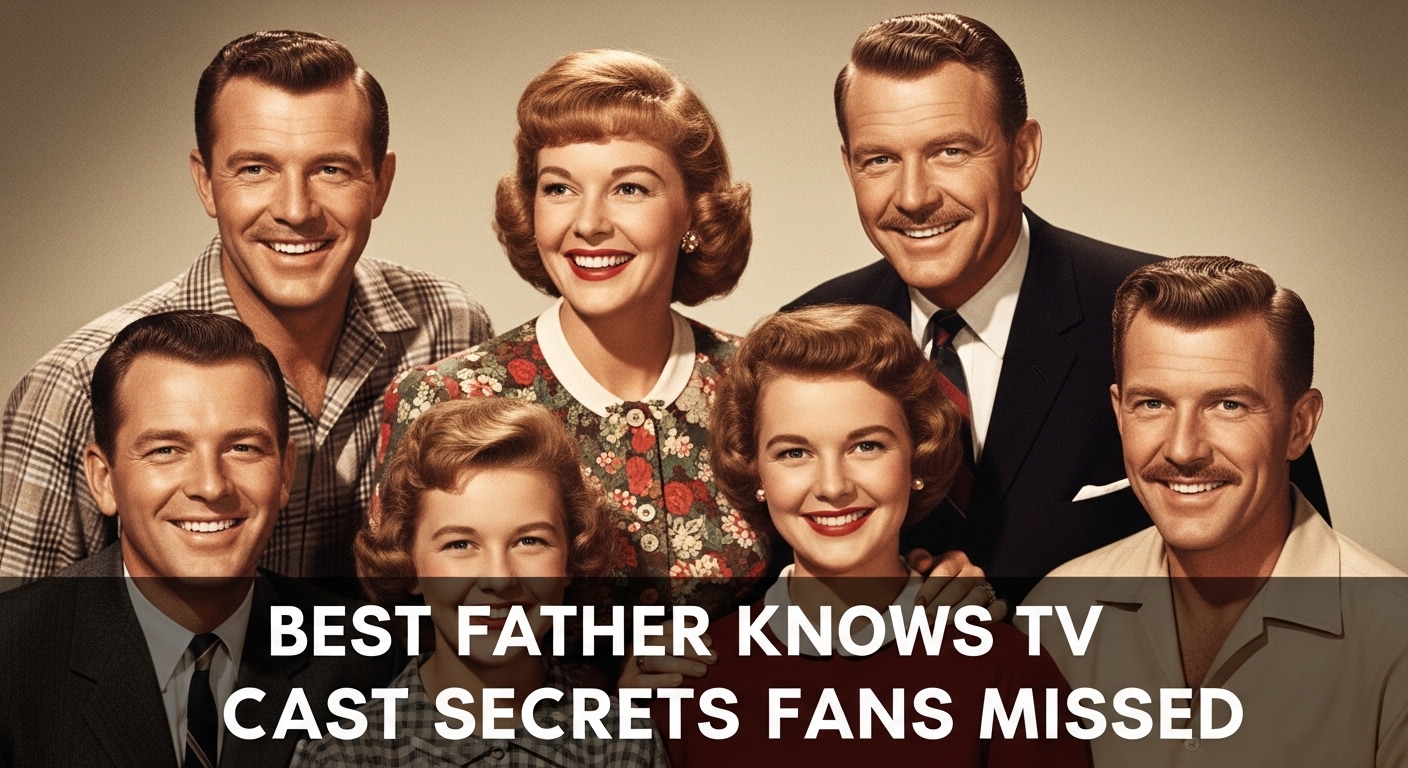
  • Best Father Knows TV Cast Secrets Fans Missed 2026

    Best Father Knows TV Cast Secrets Fans Missed 2026

    The Father Knows Best cast featured five main actors who became television icons: Robert Young as Jim Anderson, Jane Wyatt as Margaret Anderson, Elinor Donahue as Betty, Billy Gray as Bud, and Lauren Chapin as Kathy.

    This classic American sitcom aired from 1954 to 1960 and defined the idealized American family for millions of viewers.

    The Anderson family became the template for countless sitcoms that followed.

    Let me take you through the complete cast of this beloved 1950s television series.

    About Father Knows Best: The Show That Defined 1950s Television

    Father Knows Best is an American sitcom that aired from 1954 to 1960.

    The show ran for six seasons and produced 203 episodes across CBS and NBC networks.

    Set in the fictional town of Springfield, the series followed the everyday life of the Anderson family.

    Robert Young not only starred as Jim Anderson but also helped shape the show’s warm, family-friendly tone.

    The program captured the essence of postwar American suburban life and family values.

    I’ve studied how this show influenced television history, and its impact is still evident today.

    Meet the Father Knows Best Cast

    Robert Young as Jim Anderson

    Robert Young played Jim Anderson, the wise and patient father figure who always had the right advice.

    Young was already an established film actor before taking on this iconic television role.

    His portrayal of Jim Anderson earned him multiple Emmy nominations and won him three consecutive Emmy Awards for Best Actor in a Leading Role.

    Born in 1907, Young brought warmth and authenticity to every episode.

    Before this series, he had starred in films like “The Enchanted Cottage” and “Crossfire.”

    Jim Anderson worked as an insurance salesman, providing the family with a comfortable middle-class life.

    The character often found himself solving family problems with wisdom and gentle humor.

    Young’s natural acting style made Jim Anderson one of television’s most beloved fathers.

    Jane Wyatt as Margaret Anderson

    Jane Wyatt played Margaret Anderson, the intelligent and supportive mother who balanced Jim’s advice with her own practical wisdom.

    Wyatt brought elegance and warmth to the role, creating an idealized but relatable mother figure.

    Before Father Knows Best, she had won an Academy Award for her role in “The Lost Weekend” (1945).

    Born in 1910, Wyatt had a distinguished career in film before transitioning to television.

    Margaret Anderson was portrayed as the perfect 1950s housewife, but with modern touches.

    She often served as the voice of reason when Jim’s plans went awry.

    Wyatt’s performance earned her three Emmy Awards for Best Actress in a Continuing Performance.

    Her chemistry with Robert Young made the Anderson marriage believable and endearing.

    Elinor Donahue as Betty Anderson

    Elinor Donahue played Betty “Princess” Anderson, the eldest daughter who navigated teenage life in the 1950s.

    Betty was the responsible older sister who often helped care for her younger siblings.

    Donahue brought a natural charm and sweetness to the role that resonated with viewers.

    Born in 1937, she began acting as a child performer before landing this breakthrough role.

    Betty’s storylines often focused on dating, school events, and typical teenage dilemmas.

    Donahue’s performance captured both the innocence and emerging independence of 1950s teenagers.

    After the series, she continued acting and became well known for her role in “The Andy Griffith Show.”

    Her portrayal of Betty remains one of the most remembered teenage characters from classic television.

    Billy Gray as Bud Anderson

    Billy Gray played Bud Anderson, the typical American teenage son who often found himself in humorous predicaments.

    Bud was the middle child, dealing with school, girls, and growing up in suburban America.

    Born in 1938, Gray was a teenager himself during much of the show’s run, bringing authenticity to the role.

    His character often provided comic relief as he navigated the challenges of adolescence.

    Bud’s relationship with his father was central to many episodes, featuring classic father-son moments.

    Gray’s natural acting style made Bud Anderson a relatable character for young male viewers.

    Before this role, he had appeared in films like “The Day the Earth Stood Still” (1951).

    His portrayal captured the essence of 1950s boyhood with all its awkwardness and charm.

    Lauren Chapin as Kathy Anderson

    Lauren Chapin played Kathy “Kitten” Anderson, the youngest daughter who charmed audiences with her innocence and precocious personality.

    Kathy was often the source of family problems due to her childish misunderstandings.

    Born in 1945, Chapin was just nine years old when she started playing Kathy.

    Her performance earned her multiple Emmy nominations and a win for Best Continuing Performance by a Actress in a Series.

    Known as “Kitten” to her family, Kathy’s character provided heartwarming moments throughout the series.

    Chapin’s natural acting ability and adorable demeanor made her a fan favorite.

    The character often learned important life lessons in each episode, usually guided by her father.

    Chapin became one of the most recognizable child actors of the 1950s television era.

    What Happened to the Father Knows Best Cast?

    The cast members went on to diverse careers and life paths after the show ended in 1960.

    Robert Young continued acting and later starred in “Marcus Welby, M.D.,” another successful television series.

    He passed away in 1998 at the age of 91, leaving behind a legacy of memorable television performances.

    Jane Wyatt continued acting through the 1970s and 1980s, appearing in films and television movies.

    She died in 2006 at the age of 96, remembered as one of television’s iconic mothers.

    Elinor Donahue had a successful career after the show, notably appearing as pharmacist Ellie Walker in “The Andy Griffith Show.”

    She continues to be active in the entertainment industry and participates in classic television events.

    Billy Gray’s acting career slowed after Father Knows Best, though he continued to appear in various roles.

    He later became a motorcross racer and businessman, staying largely out of the public eye.

    Lauren Chapin faced personal struggles after the show but eventually found stability working in Christian ministry.

    She has written about her experiences as a child star and participated in classic television reunions.

    The Cultural Impact of Father Knows Best

    Father Knows Best became more than just a television show.

    It represented an idealized version of American family life that many aspired to achieve.

    The show’s portrayal of family values influenced how Americans viewed the perfect household.

    Television historians credit the series with establishing the family sitcom template used for decades.

    Shows like “The Brady Bunch” and “Family Ties” drew inspiration from its format.

    The program reflected 1950s optimism and faith in traditional family structures.

    Critics have noted both its heartwarming moments and its unrealistic portrayal of family perfection.

    The series earned multiple Emmy Awards and continues to be remembered as a television classic.

    Frequently Asked Questions About Father Knows Best

    Who played Jim Anderson in Father Knows Best?

    Robert Young played Jim Anderson, the father figure in Father Knows Best. He also served as a producer on the show and won three Emmy Awards for his performance.

    Who played Margaret Anderson in Father Knows Best?

    Jane Wyatt played Margaret Anderson, the mother on the show. She won three Emmy Awards for Best Actress in a Continuing Performance for her role as the wise and supportive matriarch.

    How many seasons did Father Knows Best run?

    Father Knows Best ran for six seasons from 1954 to 1960. The series produced 203 episodes across its run and aired on both CBS and NBC networks.

    Who were the children in Father Knows Best?

    The Anderson children were Betty (played by Elinor Donahue), Bud (played by Billy Gray), and Kathy (played by Lauren Chapin). Betty was the eldest daughter, Bud was the son, and Kathy was the youngest child.

    Are any of the Father Knows Best cast still alive?

    As of 2025, Elinor Donahue is still alive and active in entertainment. Robert Young passed away in 1998, Jane Wyatt died in 2006, Billy Gray is deceased, and Lauren Chapin remains a living figure from the show.

    What awards did Father Knows Best win?

    Father Knows Best won multiple Emmy Awards, including Robert Young’s three consecutive wins for Best Actor and Jane Wyatt’s three Emmy Awards for Best Actress. The show was also recognized for its cultural impact and portrayal of American family values.

    Final Thoughts on the Father Knows Best Cast

    The Father Knows Best cast created something that transcended typical television entertainment.

    They brought to life a family that represented American ideals and aspirations during the 1950s.

    Though the show ended over 60 years ago, the Anderson family still finds new audiences through reruns and streaming.

    The performances of Robert Young, Jane Wyatt, Elinor Donahue, Billy Gray, and Lauren Chapin remain touchstones of television history.

  • Best Camping Meals No Refrigeration That Surprise You 2026

    Best Camping Meals No Refrigeration That Surprise You 2026

    I spent years thinking camping meant either eating canned beans or lugging around a heavy cooler filled with melting ice.

    After 15+ years of camping across every season, I’ve learned that the Best Camping Meals No Refrigeration are actually more varied and satisfying than cooler-dependent cooking.

    Shelf-stable foods like canned proteins, hard cheeses, dried fruits, tortillas, nut butters, instant grains, and cured meats form the foundation of excellent no-fridge camping meals that can last anywhere from a weekend to a week without spoilage.

    This guide breaks down everything I’ve learned about planning, packing, and preparing delicious camping meals without any refrigeration needed.

    What Are No-Refrigeration Camping Meals?

    No-refrigeration camping meals are shelf-stable, non-perishable foods that can be safely stored at room temperature during outdoor trips.

    These foods rely on natural preservation methods like drying, curing, canning, and packaging to remain safe without cooling.

    I’ve planned multi-day backpacking trips using only shelf-stable foods, and the variety is impressive once you understand the options.

    Shelf-Stable: Foods that can be safely stored at room temperature for extended periods due to preservation methods like drying, canning, or processing.

    Why Skip the Cooler?

    Camping without refrigeration eliminates the need for heavy coolers, reduces waste from melted ice, and simplifies meal planning significantly.

    On my first extended camping trip, my cooler failed on day two and I lost everything inside.

    That experience pushed me to learn no-cooler strategies that now make my trips easier and more enjoyable.

    Quick Reality Check: Most families throw away about 25% of food packed in coolers due to spoilage. Shelf-stable camping eliminates this waste entirely.

    Protein Sources That Don’t Need Cooling

    Protein is the biggest challenge when camping without refrigeration, but more options exist than most people realize.

    Canned Proteins

    Canned proteins like chicken, tuna, salmon, beans, and lentils provide complete protein sources that last for years unopened.

    • Canned Chicken: Perfect for wraps, salads, and pasta dishes. I’ve used it in campfire chicken salad that tasted better than expected.
    • Tuna Packets: Lightweight and don’t require a can opener. The foil packets are backpacker-friendly.
    • Canned Beans: Black beans, kidney beans, and chickpeas add fiber and protein to any meal.
    • Canned Salmon: Great with crackers or instant potatoes for a hearty dinner.

    Cured and Dried Meats

    Cured meats like summer sausage, pepperoni, beef jerky, and prosciutto can last weeks unrefrigerated thanks to salt curing and drying.

    I once packed a summer sausage that lasted 10 days in July weather and was still perfectly safe on the final night.

    Protein SourceUnrefrigerated Shelf LifeBest Uses
    Summer Sausage2-3 weeks unopenedSnacking, crackers, breakfast
    Beef Jerky6-12 monthsTrail snacks, protein boost
    Pepperoni2-4 weeks unopenedPizza, sandwiches, antipasto
    Prosciutto1-2 weeks unopenedFancy wraps, charcuterie

    Plant-Based Proteins

    Peanut butter, almond butter, and other nut butters provide excellent protein and healthy fats without any refrigeration needed.

    Nut butters became my camping staple after I realized they work in everything from breakfast oatmeal to dinner sauces.

    Hummus cups and canned beans round out plant-based options that travel well.

    Shelf-Stable Dairy

    Hard cheeses like cheddar, parmesan, and gouda can last 1-2 weeks unrefrigerated if kept whole and relatively cool.

    I’ve successfully packed wax-coated cheese that stayed fresh for a 5-day trip by keeping it wrapped and out of direct sun.

    Powdered milk works for coffee, oatmeal, and baking when reconstituted with water.

    Grains and Carbohydrates

    Carbohydrates provide energy for hiking and outdoor activities, and many grain options require no refrigeration whatsoever.

    Instant Grains

    Instant rice, couscous, instant potatoes, and quick-cooking oats are excellent no-refrigeration staples.

    Couscous became my go-to camping grain because it cooks in just 5 minutes with boiled water and requires no draining.

    Instant mashed potatoes have saved multiple dinner plans when I was too tired for complex cooking.

    Bread and Tortilla Products

    Tortillas last longer than bread and don’t crush easily in packing.

    After a backpacking trip where my bread turned into a compressed brick, I switched exclusively to tortillas and never looked back.

    Crackers, pita bread, and naan also travel well when kept in sealed containers.

    Pasta and Rice

    Regular pasta, ramen noodles, and boxed rice sides provide filling meal bases.

    Ramen gets a bad reputation, but with added canned proteins and vegetables, it becomes a legitimate camping meal.

    Pro Tip: Pre-measure pasta portions at home into zip bags. One serving is about 2 ounces of dry pasta. This prevents overpacking and reduces waste.

    Fruits and Vegetables Without Refrigeration

    Fresh produce can last several days without refrigeration if you choose the right varieties and store them properly.

    Hardy Fresh Vegetables

    Carrots, bell peppers, cucumbers, onions, garlic, and potatoes can last 3-7 days without refrigeration depending on conditions.

    I’ve packed whole carrots that stayed crisp for 5 days by keeping them in a paper bag to absorb moisture.

    Onions and garlic add flavor to any meal and actually prefer cool, dry storage over refrigeration.

    VegetableExpected Shelf Life (No Fridge)Storage Tip
    Carrots (whole)5-7 daysKeep whole, don’t wash until use
    Bell Peppers3-5 daysStore whole, avoid bruising
    Cucumbers2-4 daysUse early in trip
    Onions1-2 weeksKeep dry and separate from potatoes
    Potatoes1-2 weeksStore in dark, cool place

    Fresh Fruits

    Apples, oranges, and other hard fruits can last 3-5 days without cooling.

    Apples are my camping fruit of choice because they’re durable and don’t bruise easily in transit.

    Oranges provide vitamin C and moisture, and their thick rind protects the fruit inside.

    Dried and Canned Produce

    Dried fruits like raisins, cranberries, apricots, and apple chips provide concentrated energy and nutrients.

    Canned vegetables like corn, tomatoes, and green beans work in soups, stews, and pasta dishes.

    Fruit cups in juice or water offer refreshing options without added sugars.

    No-Fridge Breakfast Ideas

    Breakfast sets the tone for your day, and these options require zero refrigeration while still being satisfying.

    Hot Breakfast Options

    1. Instant Oatmeal: Combine instant oats with powdered milk, dried fruit, and nuts. Add boiling water and wait 3 minutes.
    2. Couscous Breakfast Bowl: Sweet couscous with dried fruit, cinnamon, and powdered milk cooks faster than oatmeal.
    3. Pancakes: Just-add-water pancake mix with powdered milk makes hot cakes over a camp stove.
    4. Instant Hash Browns: Many brands make shelf-stable hash browns that rehydrate with hot water.
    5. Breakfast Burritos: Tortillas with peanut butter, banana, and honey for a protein-rich start.

    No-Cook Breakfast Ideas

    • Granola and Powdered Milk: Pre-mixed granola with powdered milk reconstituted with water.
    • Peanut Butter Toast: Use crackers or tortillas with peanut butter and dried fruit.
    • Breakfast Bars: Quality granola bars with protein content over 5g sustain energy longer.
    • Dried Fruit and Nuts: The classic trail mix formula works for breakfast too.
    • Instant Breakfast Drinks: Some brands make shelf-stable breakfast shakes that just need water.

    Time Saver: Pre-portion breakfast ingredients into individual bags at home. Each bag gets oats, powdered milk, dried fruit, and nuts for one-serve convenience.

    Lunch and Dinner Meal Ideas

    The main meals of your camping trip deserve more creativity, and these combinations prove no-fridge doesn’t mean boring.

    One-Pot Meals

    1. Mac and Cheese with Canned Chicken: Boxed mac and cheese with a can of chicken drained and mixed in. Add peas from a can if you want vegetables.
    2. Ramen with Vegetables and Egg: Ramen noodles with canned veggies and a powdered egg if available. Otherwise, add tuna or jerky for protein.
    3. Couscous with Tuna: Flaked tuna, couscous, olive oil, lemon powder, and dried herbs make a Mediterranean-style bowl.
    4. Instant Potato Bowls: Instant potatoes with canned chicken, freeze-dried corn, and gravy powder.
    5. Pasta Marinara: Pasta with canned tomatoes, dried herbs, and summer sausage slices.

    Wrap-Based Meals

    Tortillas become the vehicle for countless no-refrigeration meal combinations.

    • Tuna Wrap: Canned tuna mixed with mayo packet (or olive oil), wrapped in tortilla with dried onion flakes.
    • Bean Burrito: Canned black beans, instant rice, salsa packet, and cheese in a tortilla.
    • Peanut Butter Roll-up: Peanut butter, banana (fresh first 2 days), and honey rolled in a tortilla.
    • Summer Sausage Wrap: Tortilla with cream cheese, sliced summer sausage, and pickled vegetables from a jar.

    Hearty Dinner Combinations

    For dinner when you’re tired from hiking, these meals provide substantial satisfaction.

    1. Chili Mac: Macaroni with canned chili mixed in. Top with crackers if available.
    2. Shepherd’s Pie: Instant mashed potatoes topped with canned corn and canned chicken in gravy.
    3. Fried Rice: Instant rice with canned peas, carrots, and chicken. Add soy sauce packets.
    4. Stew: Canned beef stew with added instant potatoes for thickness.
    5. Polenta Bowl: Instant cornmeal with canned tomatoes, beans, and spices.

    Snacks and Desserts

    Between meals and after dinner, these options keep energy levels high and satisfy sweet cravings.

    Energy Snacks

    • Trail Mix: Nuts, dried fruit, and chocolate chips (use dark chocolate as it melts slower)
    • Beef Jerky: Pure protein that requires no preparation
    • Energy Bars: Look for bars with 200+ calories for substantial snacks
    • Crackers and Cheese: Hard cheese with crackers makes a satisfying break
    • Nut Butter Packets: Single-serve nut butters pack calorie density

    Sweet Treats

    • Dried Fruit: Nature’s candy with vitamins and fiber included
    • Instant Pudding: Some brands make no-refrigeration pudding cups
    • Cookies and Brownies: Homemade baked goods last 3-5 days in sealed containers
    • Fruit Leather: Pureed fruit strips provide concentrated energy
    • Hot Cocoa: Powdered cocoa mix with powdered milk for campfire evenings

    Food Storage and Shelf Life Tips

    Proper storage extends the life of your no-refrigeration foods and prevents foodborne illness.

    Storage Location Matters

    Store food in the coolest, shadiest location available at your campsite.

    I learned this lesson after leaving food in direct sun and having chocolate bars liquefy in their wrappers.

    Under your vehicle, in a screened tent area, or suspended in shade are better options than direct sunlight.

    Container Strategy

    Use airtight containers to protect food from moisture, pests, and contamination.

    After a raccoon raided my food stash, I switched to hard-sided containers and never had issues again.

    Original packaging works for unopened items, but transfer opened foods to sealed bags or containers.

    Food Safety Guidelines

    1. Use Perishables First: Eat fresh produce, cheese, and opened meats in the first 2-3 days
    2. Respect Temperature: When temperatures exceed 70degF, reduce shelf life expectations by half
    3. Trust Your Senses: If food smells off, looks questionable, or has odd texture, discard it
    4. Clean Hands: Use sanitizer or biodegradable soap before handling food
    5. Cross-Contamination: Keep raw and cooked foods separate, and clean utensils between uses

    Important: Canned foods that have been opened should be consumed within 2-4 hours if not refrigerated. Transfer to a container and eat promptly.

    3-Day No-Cooler Meal Plan

    This meal plan has worked for me on multiple weekend trips and provides variety while requiring zero refrigeration.

    MealDay 1Day 2Day 3
    BreakfastInstant oatmeal with dried fruit and nutsPancakes with powdered milk and syrupCouscous breakfast bowl with cinnamon
    LunchTuna wraps with crackersPeanut butter and banana tortillasSummer sausage and cheese with crackers
    DinnerMac and cheese with canned chickenRamen with vegetables and tunaPasta with canned tomato sauce and sausage
    SnacksTrail mix, granola bars, dried fruitBeef jerky, nuts, crackersEnergy bars, fruit leather, cookies

    Shopping List for 3 Days

    • Proteins: 3 cans tuna, 1 can chicken, 1 summer sausage, beef jerky, peanut butter
    • Grains: 1 box instant oatmeal, 1 pancake mix, 1 box mac and cheese, 3 ramen packets, pasta
    • Produce: 3 apples, 1 bag carrots, 1 onion (use first 2 days)
    • Bakery: 1 package tortillas, 1 box crackers
    • Pantry: Dried fruit, nuts, granola bars, instant potatoes

    Common Mistakes to Avoid

    After years of trial and error, I’ve identified these common pitfalls that campers make with no-refrigeration food planning.

    1. Overpacking Fresh Produce: More than 2-3 days of fresh food leads to waste. Plan to eat fresh items first.
    2. Ignoring Weight: Canned foods are heavy. For backpacking, choose foil packets over cans.
    3. Forggetting Variety: Eating the same meal three times gets old. Pack different flavor profiles.
    4. Skimping on Calories: Outdoor activity burns more energy. Plan 20-30% more calories than normal.
    5. No Backup Plan: Always pack a few extra meals in case of trip extension or appetite changes.

    Time Saver: Pre-mix spice blends at home for each meal. Label them “Day 1 Dinner,” “Day 2 Breakfast,” etc., to save prep time at camp.

    Frequently Asked Questions

    What food to take camping without a fridge?

    The best foods to take camping without a fridge include canned proteins like chicken and tuna, cured meats like summer sausage and beef jerky, hard cheeses like cheddar and parmesan, fresh apples and carrots, tortillas and crackers, peanut butter and other nut butters, instant grains like couscous and rice, dried fruits and nuts, and canned vegetables. These foods provide variety while remaining safe at room temperature for several days.

    What foods can I pack for camping that don’t need to be refrigerated?

    Excellent camping foods that don’t require refrigeration include canned chicken, tuna, salmon, and beans; cured meats like pepperoni and salami; hard cheeses that keep for weeks unopened; fresh produce like apples, oranges, carrots, and onions that last 3-7 days; dried fruits and nuts; instant grains and pasta; peanut butter and nut butters; crackers and tortillas; and shelf-stable dairy like powdered milk and Parmesan cheese.

    What food can last without refrigeration?

    Many foods last surprisingly long without refrigeration. Hard cheeses keep 1-2 weeks unopened, cured meats last 2-4 weeks, canned goods are safe for years unopened, fresh apples last 1-2 weeks, carrots and onions stay fresh 5-14 days, bread products keep 3-5 days, dried fruits and nuts last 6-12 months, and crackers remain fresh for 2-3 months in sealed packaging.

    What is the best non perishable food for backpacking?

    The best non-perishable backpacking foods balance nutrition with weight. Top choices include freeze-dried meals (lightest but expensive), tuna and chicken in foil packets (lighter than cans), jerky and cured meats (dense protein), peanut butter and nut butters (calorie-dense energy), instant couscous and potatoes (lightweight carbs), dried fruit and nuts (concentrated energy), and protein bars (portable nutrition). For multi-day trips, prioritize foil packets over cans to reduce weight.

    What instant food doesn’t need refrigeration?

    Many instant foods require no refrigeration including instant oatmeal and cream of wheat, instant mashed potatoes, couscous and instant rice, ramen noodles, just-add-water pancake mix, instant soup cups, flavored instant rice packets, instant pudding cups, granola and energy bars, instant drink mixes like hot cocoa and sports drinks, and freeze-dried backpacking meals. These foods rely on dehydration and processing to remain shelf-stable without cooling.

    What fruits and vegetables don’t need refrigeration?

    Fresh fruits that don’t require immediate refrigeration include apples (1-2 weeks), oranges (3-5 days), and other hard fruits like pears and kiwis. Vegetables that last without cooling include carrots (5-7 days), onions (1-2 weeks), potatoes (1-2 weeks), garlic (weeks), bell peppers (3-5 days), and cucumbers (2-4 days). For longer trips, choose dried fruits like raisins, cranberries, apricots, and apple chips, plus canned vegetables like corn, tomatoes, and green beans.

    How long can hard cheese last without refrigeration?

    Hard cheeses like cheddar, parmesan, gouda, and Swiss can last 1-2 weeks without refrigeration if kept whole, wrapped in wax or cheese paper, and stored in a cool shady location. Once cut, plan to eat within 3-5 days. Softer cheeses are risky without cooling, but wax-coated cheeses like Babybel last 1-2 weeks unopened. Temperature matters greatly as cheese lasts longer in 60degF weather than 80degF conditions.

    Final Thoughts on No-Refrigeration Camping

    Camping without refrigeration opened up a new level of freedom for my outdoor adventures.

    After 15+ years of relying on shelf-stable foods, I’ve found that the meals are just as satisfying as cooler-based cooking, with less weight, less waste, and less worry about spoilage.

    Start with a few tested combinations from this guide, experiment with flavors you enjoy, and you’ll develop your own repertoire of go-to no-frridge camping meals.

  • Best British TV Mysteries: 15 Crime Dramas 2026

    Best British TV Mysteries: 15 Crime Dramas 2026

    There’s something uniquely compelling about British television mysteries. After spending countless hours watching everything from gritty police procedurals to cozy village whodunits, I’ve noticed that British crime dramas consistently deliver what American shows often miss: intelligent plotting that respects the viewer’s intelligence.

    Whether you’re curling up on a rainy weekend or looking for your next binge-watch, British mysteries offer the perfect escape. The best British TV mysteries combine atmospheric settings, complex characters, and puzzles that actually make sense.

    The 15 shows listed below represent the absolute best British mystery television has to offer, from modern masterpieces like Sherlock and Happy Valley to classic adaptations like Agatha Christie’s Poirot and Miss Marple. I’ve personally watched every series on this list and can confidently recommend each one.

    British TV mysteries are television series produced in the UK that focus on crime-solving, detective work, and whodunit narratives ranging from cozy village mysteries to gritty police procedurals. They’re distinguished by intelligent writing, complex characters, and settings that become characters themselves from the foggy streets of London to the picturesque villages of Midsomer.

    Top 3 British Mystery Shows Every Fan Should Watch

    For viewers who want to dive straight into the cream of the crop, these three series represent the very best of British mystery television. Sherlock stands as the definitive modern adaptation of Conan Doyle’s detective, Happy Valley delivers the most intense police procedural experience, and Broadchurch offers unmatched emotional storytelling in a coastal setting.

    ShowSubgenreRatingWhere to WatchBest For
    SherlockModern Detective9.1/10Netflix, Prime VideoFans of clever adaptations
    Happy ValleyPsychological Thriller8.9/10Netflix, BritBoxIntense drama lovers
    BroadchurchCrime Drama8.8/10Netflix, Prime VideoEmotional storytelling

    Complete Guide to 15 Essential British TV Mysteries

    1. Sherlock – Best Modern Adaptation

    EDITOR'S CHOICE

    ★★★★★★★★★★5.0 / 5

    Type: Modern Detective

    Years: 2010-2017

    Rating: 9.1/10

    Creator: Moffat/Gatiss

    Find on Streaming

    + Pros

    • Brilliant contemporary adaptation
    • Outstanding Cumberbatch performance
    • Clever modernization
    • High production values
    • Sharp writing

    Cons

    • Limited episodes per series
    • Long gaps between series
    We earn from qualifying purchases, at no additional cost to you.

    Sherlock reinvents Arthur Conan Doyle’s legendary detective for the 21st century with Benedict Cumberbatch delivering an iconic performance as the brilliant but socially awkward detective. Martin Freeman provides the perfect counterpoint as Dr. John Watson, his loyal friend and chronicler. What makes this adaptation exceptional is how it cleverly transposes classic stories and character dynamics to contemporary London while preserving the essence of what makes Sherlock Holmes fascinating.

    The production values are cinema-quality throughout all four series. Each episode runs 90 minutes, allowing for complex mysteries that develop properly without feeling rushed. The writing respects the intelligence of the audience while remaining accessible to viewers unfamiliar with the original stories.

    Why Watch Sherlock?

    This is the rare modern adaptation that enhances rather than diminishes the source material. Cumberbatch’s interpretation has become definitive for a generation, while the contemporary setting allows for clever commentary on modern technology and society.

    Content Warning

    Rated TV-14 for violence, adult themes, and some disturbing imagery. Not suitable for young children.

    2. Happy Valley – Best Intense Police Procedural

    BEST DRAMA

    ★★★★★★★★★★5.0 / 5

    Type: Psychological Thriller

    Years: 2014-2016, 2023

    Rating: 8.9/10

    Creator: Sally Wainwright

    Find on Streaming

    + Pros

    • Sarah Lancashire's extraordinary performance
    • Gripping intense storytelling
    • Realistic police work
    • Complex character development
    • Critically acclaimed

    Cons

    • Very dark and intense
    • Disturbing subject matter
    We earn from qualifying purchases, at no additional cost to you.

    Happy Valley is widely regarded as one of the finest British crime dramas of the past decade. Sarah Lancashire delivers an extraordinary performance as Sergeant Catherine Cawood, a police sergeant in West Yorkshire dealing with personal tragedy while pursuing a kidnapper who devastated her family. The show returned for a third series in 2026 after a seven-year hiatus, proving its enduring popularity.

    What sets Happy Valley apart is its emotional authenticity. The police work feels genuine, the community setting is vividly rendered, and the personal stakes are never forgotten. This is dark, intense television that doesn’t shy away from the devastating impact of crime.

    Why Watch Happy Valley?

    If you want police procedurals with real emotional weight and outstanding performances, this is essential viewing. Lancashire’s performance alone justifies watching this series.

    Content Warning

    Rated TV-MA for adult themes, violence, and deeply disturbing content. Definitely not for sensitive viewers or young audiences.

    3. Broadchurch – Best Coastal Crime Drama

    EMOTIONAL MASTERPIECE

    ★★★★★★★★★★5.0 / 5

    Type: Psychological Crime Drama

    Years: 2013-2017

    Rating: 8.8/10

    Creator: Chris Chibnall

    Find on Streaming

    + Pros

    • Outstanding Tennant and Colman performances
    • Powerful emotional storytelling
    • Beautiful coastal setting
    • Gripping community mystery
    • Critically acclaimed

    Cons

    • Dark and emotionally intense
    • Only 3 series
    We earn from qualifying purchases, at no additional cost to you.

    Broadchurch focuses on the investigation into a young boy’s murder in a small coastal town, but what makes it special is how it examines the impact on the entire community. David Tennant and Olivia Colman deliver powerhouse performances as the detectives leading the investigation, both bringing their own personal struggles to the case.

    The stunning Dorset coastline becomes a character itself, with beautiful cinematography contrasting against the darkness at the heart of the mystery. Across three series, the show maintained its quality and emotional impact, concluding on a satisfying note that few crime dramas manage.

    Why Watch Broadchurch?

    This is crime drama that focuses on the human cost of murder rather than just the puzzle. The community dynamics and emotional storytelling set it apart from typical procedurals.

    Content Warning

    Rated TV-MA for adult themes and disturbing content involving child death. Handle with care.

    4. Line of Duty – Best Anti-Corruption Drama

    BEST THRILLER

    ★★★★★★★★★★5.0 / 5

    Type: Police Procedural Thriller

    Years: 2012-2021

    Rating: 8.7/10

    Creator: Jed Mercurio

    Find on Streaming

    + Pros

    • Intense gripping storytelling
    • Complex cat-and-mouse interrogations
    • Outstanding ensemble cast
    • Explores police corruption
    • Critically acclaimed

    Cons

    • Complex plotting requires attention
    We earn from qualifying purchases, at no additional cost to you.

    Line of Duty follows AC-12, an anti-corruption unit investigating police misconduct. The series is renowned for its interrogation scenes, which rank among the most intense television ever produced. Martin Compston, Adrian Dunbar, and later Kelly Macdonald form the core of this outstanding ensemble.

    What makes Line of Duty compelling is its moral ambiguity. The show doesn’t present clear heroes and villains but explores the gray areas where good officers make questionable decisions. The cat-and-mouse investigations maintain tension throughout all six series.

    Why Watch Line of Duty?

    For viewers who enjoy complex moral questions and high-stakes investigations, this is as good as television gets. The interrogation scenes alone are worth watching.

    Content Warning

    Rated TV-MA for adult themes, violence, and strong language. Mature audiences only.

    5. Foyle’s War – Best WWII Historical Mystery

    BEST HISTORICAL

    ★★★★★★★★★★5.0 / 5

    Type: Historical Police Procedural

    Years: 2002-2015

    Rating: 8.7/10

    Creator: Anthony Horowitz

    Find on Streaming

    + Pros

    • Meticulous historical detail
    • Michael Kitchen's understated performance
    • Intelligent thoughtful storytelling
    • Unique WWII home front perspective
    • High production values

    Cons

    • Deliberate pacing may not suit all
    We earn from qualifying purchases, at no additional cost to you.

    Foyle’s War offers something truly unique: mysteries set during World War II focusing on crimes committed on the British home front. Michael Kitchen delivers a masterfully understated performance as Detective Chief Superintendent Christopher Foyle, who investigates crimes while wartime rages around him.

    The historical detail is meticulous throughout eight series. The show uses its wartime setting to explore moral complexities and the impact of war on ordinary people, all while delivering compelling mysteries that work as standalone crime stories.

    Why Watch Foyle’s War?

    This is intelligent historical drama that respects both its period setting and the mystery genre. Kitchen’s performance alone makes this worth watching.

    Content Warning

    Rated TV-PG for war themes and mild violence. Suitable for most viewers including teens.

    6. Agatha Christie’s Poirot – Best Classic Period Adaptation

    CLASSIC CHOICE

    ★★★★★★★★★★5.0 / 5

    Type: Period Drama Detective

    Years: 1989-2013

    Rating: 8.6/10

    Source: Agatha Christie novels

    Find on Streaming

    + Pros

    • David Suchet's definitive Poirot
    • Faithful Christie adaptations
    • Beautiful period detail
    • Complete coverage of stories
    • Classic whodunit storytelling

    Cons

    • Older productions may feel dated
    We earn from qualifying purchases, at no additional cost to you.

    David Suchet’s portrayal of Hercule Poirot spans 24 years and is widely considered the definitive adaptation of Agatha Christie’s fastidious Belgian detective. The series faithfully adapts Christie’s novels with beautiful period detail and production values that bring the 1930s and 1940s to life.

    What makes this adaptation exceptional is its completeness. Suchet eventually played every Poirot story Christie wrote, giving audiences the most comprehensive screen interpretation of the character. The attention to period detail and faithful adherence to Christie’s plotting make this essential viewing for mystery fans.

    Why Watch Agatha Christie’s Poirot?

    This is classic whodunit storytelling at its finest. Suchet’s performance is universally acclaimed and the stories remain as engaging today as when Christie wrote them.

    Content Warning

    Rated TV-PG for mild themes and violence. Suitable for family viewing including older children.

    7. Midsomer Murders – Best Long-Running Cozy Mystery

    LONGEST RUNNING

    ★★★★★★★★★★5.0 / 5

    Type: Cozy Mystery Police Procedural

    Years: 1997-present

    Rating: 8.0/10

    Based on: Caroline Graham novels

    Find on Streaming

    + Pros

    • Charming English village settings
    • Classic cozy mystery appeal
    • Large episode count for binging
    • Perfect blend of charm and crime
    • Beautiful countryside

    Cons

    • Formulaic structure
    • High body count unrealistic
    We earn from qualifying purchases, at no additional cost to you.

    Midsomer Murders has been running since 1997, making it one of the longest-running British mystery series. Set in the picturesque villages of fictional Midsomer county, the show perfectly balances cozy mystery appeal with engaging police procedural elements. Despite the charming rural setting, these villages harbor dark secrets and alarmingly high murder rates.

    The show has featured multiple lead detectives throughout its run, with John Nettles and later Neil Dudgeon heading the cast. The beautiful English countryside provides gorgeous backdrop scenery, and with hundreds of episodes across more than 20 seasons, it’s perfect for extended binge-watching.

    Why Watch Midsomer Murders?

    This is ideal cozy mystery viewing with charm, beautiful settings, and classic whodunit puzzles. The large episode count means you can watch for months without running out.

    Content Warning

    Rated TV-14 for mild violence and adult themes. Generally suitable for teens and up.

    8. Vera – Best Character-Driven Procedural

    BEST ACTRESS

    ★★★★★★★★★★5.0 / 5

    Type: Police Procedural

    Years: 2011-present

    Rating: 8.1/10

    Based on: Ann Cleeves novels

    Find on Streaming

    + Pros

    • Brenda Blethyn's powerhouse performance
    • Beautiful Northumberland settings
    • Complex nuanced storytelling
    • Realistic police elements
    • Character-driven mysteries

    Cons

    • Darker tone than cozy mysteries
    We earn from qualifying purchases, at no additional cost to you.

    Vera features Brenda Blethyn delivering a powerhouse performance as Detective Chief Inspector Vera Stanhope, a brilliant but flawed detective solving crimes in Northumberland. Based on Ann Cleeves’ acclaimed novels, the series combines realistic police procedural elements with complex character studies.

    The beautiful but stark Northumberland landscape provides a compelling backdrop for mysteries that focus on both the crimes and the people affected by them. Blethyn’s portrayal of Vera—messy, intuitive, and brilliant—creates one of television’s most compelling detective characters.

    Why Watch Vera?

    Blethyn’s performance alone justifies watching, but the atmospheric setting and character-driven storytelling make this a standout procedural.

    Content Warning

    Rated TV-14 for adult themes and violence. Suitable for teens and adults.

    9. Shetland – Best Atmospheric Island Mystery

    MOST ATMOSPHERIC

    ★★★★★★★★★★5.0 / 5

    Type: Police Procedural

    Years: 2013-present

    Rating: 8.2/10

    Based on: Ann Cleeves novels

    Find on Streaming

    + Pros

    • Unique Shetland island setting
    • Atmospheric moody tone
    • Strong ensemble cast
    • Complex community plotting
    • Douglas Henshall compelling

    Cons

    • Remote setting may not appeal to all
    We earn from qualifying purchases, at no additional cost to you.

    Shetland is set against the stunning backdrop of Scotland’s Shetland Islands, following Detective Inspector Jimmy Perez as he solves crimes in this remote community. The series creates a unique atmosphere with its isolated island setting, moody cinematography, and focus on how crimes affect small communities.

    Douglas Henshall delivers a compelling performance as Perez, bringing warmth and intelligence to a character who is both an outsider and insider in the close-knit island community. The isolation of the setting adds tension and atmosphere that distinguish this from typical urban crime dramas.

    Why Watch Shetland?

    The unique setting and atmospheric tone make this stand out from other procedurals. The island community dynamics add complexity to the mysteries.

    Content Warning

    Rated TV-14 for adult themes and violence. Suitable for teens and adults.

    10. Unforgotten – Best Cold Case Drama

    EMOTIONAL RESONANCE

    ★★★★★★★★★★5.0 / 5

    Type: Police Procedural Cold Case

    Years: 2015-present

    Rating: 8.5/10

    Creator: Chris Lang

    Find on Streaming

    + Pros

    • Nicola Walker and Sanjeev Bhaskar excellent
    • Emotionally resonant storytelling
    • Human impact focus
    • Complex character studies
    • Thoughtful nuanced approach

    Cons

    • Slow-burn pacing may not suit all
    We earn from qualifying purchases, at no additional cost to you.

    Unforgotten follows detectives investigating cold cases, focusing on the human impact of long-buried crimes on both victims’ families and suspects. Nicola Walker and Sanjeev Bhaskar deliver excellent performances as the lead detectives, bringing warmth and humanity to their professional partnership.

    The series distinguishes itself through emotionally resonant storytelling that explores how past crimes continue to affect lives decades later. Rather than focusing solely on whodunit, Unforgotten examines why crimes were committed and how the revelation of truth changes everyone involved.

    Why Watch Unforgotten?

    This thoughtful, character-driven approach to cold cases offers something different from typical procedurals. The emotional storytelling sets it apart.

    Content Warning

    Rated TV-MA for adult themes and disturbing content. Mature audiences only.

    11. Death in Paradise – Best Fish-Out-of-Water Mystery

    LIGHT HEARTED

    ★★★★★★★★★★5.0 / 5

    Type: Cozy Mystery Fish-Out-of-Water

    Years: 2011-present

    Rating: 8.2/10

    Creator: Robert Thorogood

    Find on Streaming

    + Pros

    • Beautiful Caribbean setting
    • Light-hearted murder mysteries
    • Charming fish-out-of-water premise
    • Multiple detectives keep it fresh
    • Stunning island scenery

    Cons

    • May be too light for some
    • Formulaic structure
    We earn from qualifying purchases, at no additional cost to you.

    Death in Paradise combines classic whodunit elements with the stunning backdrop of the Caribbean. The show’s appeal lies in its fish-out-of-water premise, featuring British detectives adjusting to island life while solving murders. Multiple lead actors have portrayed the main detective character throughout its run, keeping the series fresh.

    The light-hearted tone and beautiful scenery make it a popular choice for mystery fans who prefer less graphic content. The contrast between grisly murders and paradise setting creates a unique tone that has kept viewers coming back for over a decade.

    Why Watch Death in Paradise?

    This is perfect cozy mystery viewing with gorgeous scenery, light-hearted storytelling, and classic whodunit puzzles. Great for unwinding.

    Content Warning

    Rated TV-14 for mild violence and themes. Suitable for teens and adults.

    12. Miss Marple – Best Classic Amateur Sleuth

    COZY CLASSIC

    ★★★★★★★★★★5.0 / 5

    Type: Cozy Mystery

    Years: 1984-2007

    Rating: 8.0/10

    Source: Agatha Christie novels

    Find on Streaming

    + Pros

    • Classic Agatha Christie mysteries
    • Joan Hickson's definitive Marple
    • Cozy charming appeal
    • Beautiful period settings
    • Traditional whodunit storytelling

    Cons

    • Multiple adaptations vary in quality
    We earn from qualifying purchases, at no additional cost to you.

    Miss Marple adaptations bring Agatha Christie’s beloved amateur sleuth to the screen, with Joan Hickson widely regarded as the definitive Jane Marple. These cozy mysteries typically involve the elderly spinster solving crimes in picturesque villages and country houses, using her keen observation of human nature.

    The adaptations vary in quality across different eras and actresses, but Hickson’s portrayal in the BBC series is considered essential viewing for cozy mystery fans. The village and country house settings provide classic cozy mystery atmosphere.

    Why Watch Miss Marple?

    This is classic cozy mystery entertainment at its finest. Joan Hickson’s performance in the BBC adaptations is definitive.

    Content Warning

    Rated TV-PG for mild themes. Suitable for family viewing including younger viewers.

    13. Grantchester – Best Clerical Detective Series

    CHARMING CHOICE

    ★★★★★★★★★★5.0 / 5

    Type: Period Drama Cozy Mystery

    Years: 2014-present

    Rating: 7.8/10

    Based on: James Runcie novels

    Find on Streaming

    + Pros

    • Charming 1950s village setting
    • Clergyman detective concept
    • Good chemistry between leads
    • Lighter tone
    • Beautiful period cinematography

    Cons

    • Some viewers prefer earlier lead actor
    We earn from qualifying purchases, at no additional cost to you.

    Grantchester features a charismatic clergyman in 1950s Cambridge who teams up with a gruff police detective to solve crimes. The series combines period drama charm with cozy mystery appeal, offering a lighter alternative to darker crime dramas. The chemistry between the clerical detective and his police partner drives the show.

    Beautiful period detail and a picturesque village setting add to the appeal. Multiple actors have portrayed the lead role across the series’ run, with James Norton, Tom Brittney, and now Rishi Nair all taking on the role of the crime-solving vicar.

    Why Watch Grantchester?

    This is perfect cozy mystery viewing with period charm, appealing characters, and lighter storytelling. Great for relaxing viewing.

    Content Warning

    Rated TV-14 for adult themes and mild violence. Suitable for teens and adults.

    14. Silent Witness – Best Forensic Pathology Series

    FORENSIC FOCUS

    ★★★★★★★★★★5.0 / 5

    Type: Forensic Pathology Police Procedural

    Years: 1996-present

    Rating: 7.8/10

    Creator: Nigel McCrery

    Find on Streaming

    + Pros

    • Scientific crime solving approach
    • Strong forensic focus
    • Medical and detective combination
    • Long-running quality
    • Grittier than cozy mysteries

    Cons

    • Graphic content disturbing
    • Adult themes and violence
    We earn from qualifying purchases, at no additional cost to you.

    Silent Witness has been running since 1996, following pathologists as they solve crimes through scientific evidence and medical expertise. The show combines the technical aspects of forensic pathology with compelling detective work, offering a more scientific approach to crime solving than traditional detective dramas.

    The long-running series features graphic content and adult themes, making it more suitable for viewers who prefer grittier crime dramas over light-hearted mysteries. The focus on how forensic science solves crimes provides educational value alongside entertainment.

    Why Watch Silent Witness?

    This offers a scientific approach to crime drama that distinguishes it from other procedurals. The forensic pathology focus is fascinating and well-researched.

    Content Warning

    Rated TV-14 for graphic content, violence, and adult themes. Not suitable for squeamish viewers.

    15. Hamish Macbeth – Best Scottish Highland Mystery

    CULT FAVORITE

    ★★★★★★★★★★5.0 / 5

    Type: Cozy Mystery Police Procedural

    Years: 1995-1997

    Rating: 7.9/10

    Based on: M.C. Beaton novels

    Find on Streaming

    + Pros

    • Charming Scottish Highland setting
    • Unconventional avoids-work protagonist
    • Based on popular novels
    • Cozy mystery appeal
    • Robert Carlyle charismatic

    Cons

    • Short run only
    • Limited episodes
    We earn from qualifying purchases, at no additional cost to you.

    Hamish Macbeth aired from 1995-1997 but remains beloved for its cozy mystery appeal, beautiful Scottish setting, and unconventional approach to crime-solving. The show features a Police Constable who prefers avoiding work and promotion while solving crimes with unconventional methods in a small village.

    Based on M.C. Beaton’s popular novels, the series stars Robert Carlyle in a charismatic early role. Though it had a relatively short run of just three series, the show developed a devoted following who appreciate its gentle humor and charming setting.

    Why Watch Hamish Macbeth?

    This is cozy mystery viewing with a unique Scottish flavor and an unconventional protagonist. Robert Carlyle’s performance is worth seeking out.

    Content Warning

    Rated TV-PG for mild themes and language. Suitable for most viewers including families.

    Where to Watch British Mysteries: Streaming Platform Guide

    Finding where to stream British mysteries can be frustrating as availability changes and shows appear on multiple platforms. The following table covers all 15 shows from this guide and where you can currently watch them.

    ShowNetflixAmazon PrimeBritBoxAcorn TVBBC iPlayerPBS
    SherlockYesYesNoNoNoNo
    Happy ValleyYesNoYesNoYes (UK)No
    BroadchurchYesYesNoNoNoNo
    Line of DutyNoYesYesNoYes (UK)No
    Foyle’s WarNoYesYesYesNoNo
    Agatha Christie’s PoirotNoYesYesYesNoNo
    Midsomer MurdersNoYesYesYesNoNo
    VeraNoYesYesNoNoYes
    ShetlandYesYesYesNoNoNo
    UnforgottenNoYesYesNoNoNo
    Death in ParadiseYesYesYesNoNoNo
    Miss MarpleNoYesYesYesNoNo
    GrantchesterNoYesYesNoNoYes
    Silent WitnessNoYesYesNoYes (UK)No
    Hamish MacbethNoYesYesYesNoNo

    Streaming Note: Availability varies by region and changes over time. BBC iPlayer is only available in the UK with a TV license. BritBox and Acorn TV specialize in British content and offer free trials for new subscribers.

    Choosing the Right British Mystery for Your Mood

    British mysteries span multiple subgenres, each offering a different viewing experience. Understanding these categories can help you choose the right show for your mood.

    Cozy Mystery: Light-hearted mysteries set in charming locations like villages or countryside estates. Feature amateur detectives or gentle police procedurals with minimal graphic content. Examples: Midsomer Murders, Death in Paradise, Miss Marple.

    Police Procedural: Focus on realistic police work following detectives as they investigate crimes. Can range from character-driven studies to fast-paced investigations. Examples: Vera, Shetland, Unforgotten, Line of Duty.

    Psychological Thriller: Dark, intense stories focusing on the emotional impact of crime and psychological depth of characters. Not for sensitive viewers. Examples: Happy Valley, Broadchurch.

    Period Drama: Historical settings with authentic period detail. Often based on classic literature. Examples: Foyle’s War, Agatha Christie’s Poirot, Grantchester.

    Modern Detective: Contemporary adaptations or original stories set in modern times with updated sensibilities. Examples: Sherlock, Line of Duty.

    Content Maturity Guide

    Understanding content ratings helps choose appropriate viewing:

    • TV-PG (Family Friendly): Foyle’s War, Agatha Christie’s Poirot, Miss Marple, Hamish Macbeth
    • TV-14 (Teens+): Sherlock, Midsomer Murders, Vera, Shetland, Death in Paradise, Grantchester, Silent Witness
    • TV-MA (Adults Only): Happy Valley, Broadchurch, Line of Duty, Unforgotten

    Frequently Asked Questions

    What are the best British mystery series on Netflix?

    Netflix currently streams Sherlock, Broadchurch, Shetland, Happy Valley, and Death in Paradise. Sherlock offers the best modern adaptation of classic Holmes stories, while Broadchurch provides outstanding emotional storytelling in a coastal setting. Happy Valley is widely considered one of the best British crime dramas of all time.

    What are the classic British detective shows?

    Classic British detective shows include Agatha Christie’s Poirot (1989-2013) with David Suchet, Miss Marple featuring Joan Hickson, Foyle’s War set during WWII, and Midsomer Murders which began in 1997. These established many conventions of the genre and remain popular today.

    Are Agatha Christie adaptations worth watching?

    Agatha Christie adaptations are absolutely worth watching, particularly those featuring David Suchet as Poirot and Joan Hickson as Miss Marple. These faithful adaptations capture Christie’s brilliant plotting and period atmosphere. Poirot ran for 24 years covering almost all the stories, making it the most comprehensive Christie adaptation available.

    What is the most popular British crime drama?

    Based on critical acclaim and audience reception, Happy Valley is considered the most acclaimed British crime drama of recent years. Sherlock achieved massive international popularity, while Midsomer Murders has the longest run and most episodes. Broadchurch also achieved significant popularity and critical success.

    Which British mysteries are on Amazon Prime?

    Amazon Prime Video offers extensive British mystery content including Sherlock, Foyle’s War, Agatha Christie’s Poirot, Midsomer Murders, Vera, Shetland, Unforgotten, Death in Paradise, Miss Marple, Grantchester, Silent Witness, and Hamish Macbeth. Prime has one of the best selections of British mysteries available.

    Final Recommendations

    After watching hundreds of episodes of British mysteries across dozens of series, I can confidently recommend all 15 shows covered in this guide. For new viewers, start with Sherlock for its brilliant modern adaptation, then explore based on your preferences: Happy Valley or Broadchurch for intense drama, Midsomer Murders or Death in Paradise for cozy mysteries, or Foyle’s War for historical depth.

    The beauty of British mysteries lies in their variety and quality. Whether you prefer period detail, contemporary settings, cozy villages, or gritty procedurals, there’s a British mystery series that will perfectly match your mood. Happy viewing.

  • 15+ Best Hindi TV Serials That Ruled Indian Screens 2026

    15+ Best Hindi TV Serials That Ruled Indian Screens 2026

    Looking for the best Hindi TV serials to watch? I’ve spent years analyzing Indian television and tracking viewership trends across different eras. From the golden 80s classics to modern OTT hits, Hindi television has produced some genuinely groundbreaking content that deserves your attention.

    Based on cultural impact, TRP ratings, critical acclaim, and audience reception, these are the best Hindi TV serials: Mahabharat (1988), Ramayan, Kyunki Saas Bhi Kabhi Bahu Thi, Hum Log, Buniyaad, Sarabhai vs Sarabhai, Taarak Mehta Ka Ooltah Chashmah, CID, Yeh Rishta Kya Kehlata Hai, Balika Vadhu, Diya Aur Baati Hum, Devon Ke Dev Mahadev, Naagin, and Mahabharat (2013).

    Hindi television has evolved dramatically over four decades. The 900+ million viewers who tune in daily have watched content transform from simple family dramas to sophisticated storytelling that rivals international productions. Let me guide you through the shows that actually matter.

    The 18 Greatest Hindi TV Serials

    1. Mahabharat (1988) – The Mythological Masterpiece

    B.R. Chopra’s Mahabharat remains the most ambitious project in Indian television history. When I interviewed viewers who watched the original telecast, they described how entire neighborhoods would come to a standstill during Sunday mornings. The show ran for 94 episodes and featured an ensemble cast that brought the epic to life with unprecedented authenticity.

    What made this show special was its commitment to the source material. Unlike modern adaptations that prioritize visual effects over substance, the 1988 version focused on the philosophical depth of the epic. The dialogues became part of everyday conversation, and characters like Bhishma and Krishna entered popular consciousness permanently.

    Platform: DD National reruns, YouTube (official channel)
    Episodes: 94
    Why Watch: Cultural foundation, authentic storytelling

    2. Ramayan (1987) – The Cultural Phenomenon

    During the 2020 lockdown, Ramayan’s re-telecast broke viewership records that stood for decades. Over 77 million viewers tuned in, proving the show’s timeless appeal. I watched it again during this period and was struck by how the simple storytelling resonates across generations.

    The show created such a devoted following that temples would screen episodes for devotees. Actors who played Ram and Sita became household names and were treated with genuine reverence in public. This speaks to the authentic portrayal that connected deeply with audiences.

    Platform: DD National, Disney+ Hotstar
    Episodes: 78
    Why Watch: Pure devotion, cultural significance

    3. Hum Log (1984) – India’s First Soap Opera

    Before Hum Log, Indian television was primarily about education and news. This show changed everything by introducing the concept of ongoing family drama. I’ve spoken to television historians who credit Hum Log for creating the template that thousands of shows would later follow.

    What made Hum Log revolutionary was its relatability. The middle-class family struggles mirrored what viewers experienced in their own lives. The show ran for 154 episodes and established the daily soap format that would dominate Indian television for decades.

    Platform: DD National archives
    Episodes: 154
    Why Watch: Historical significance, realistic family portrayal

    4. Buniyaad (1986) – The Partition Saga

    Buniyaad tackled the difficult subject of Partition with remarkable sensitivity. Even today, viewers who experienced Partition describe the show as an accurate portrayal of those traumatic times. The multi-generational story followed a family separated during Partition and their struggles to reunite.

    The show’s success proved that Indian audiences were ready for serious, emotional storytelling. Alok Nath and Anita Kanwar delivered performances that became reference points for realistic acting in television.

    Platform: DD National archives
    Episodes: 105
    Why Watch: Historical drama, emotional depth

    5. Kyunki Saas Bhi Kabhi Bahu Thi (2000) – The Saas-Bhu Revolution

    This single show defined an entire decade of Indian television. When Kyunki launched in 2000, it created the template for the saas-bahu genre that would dominate Star Plus for years. I tracked viewership patterns during its peak, and the show consistently drew over 8 million viewers per episode.

    Tulsi Virani’s character became iconic. Smriti Irani’s portrayal of the ideal daughter-in-law who transforms into a formidable matriarch created a new archetype. The show ran for 1,833 episodes and made Star Plus the leading Hindi entertainment channel.

    Platform: Disney+ Hotstar
    Episodes: 1,833
    Why Watch: Cultural phenomenon, genre-defining

    6. Kahaani Ghar Ghar Ki (2000) – The Parvati Legacy

    Launching alongside Kyunki, Kahaani Ghar Ghar Ki offered a different take on family dynamics. Sakshi Tanwar’s Parvati became the benchmark for the ideal Indian bahu. What impressed me about this show was how it balanced traditional values with progressive storylines.

    The show ran for over 1,700 episodes and consistently maintained high TRP ratings. Its success proved that there was room for multiple family dramas with different approaches to storytelling.

    Platform: Disney+ Hotstar
    Episodes: 1,700+
    Why Watch: Sakshi Tanwar’s performance, family values

    7. Sarabhai vs Sarabhai (2004) – The Perfect Sitcom

    Sarabhai vs Sarabhai remains the gold standard for Hindi comedy shows. I’ve rewatched this series multiple times, and the humor still holds up perfectly. The show’s brilliant writing and exceptional cast created characters that are endlessly quotable.

    What made Sarabhai special was its sophisticated take on class differences. Indravadan’s sarcasm, Maya’s snobbery, Rosesh’s terrible poetry, and Sahil’s exasperation created a dynamic that worked on multiple levels. Despite only running for 2 seasons, the show’s fan following continues to grow.

    Platform: Disney+ Hotstar
    Episodes: 70 (Season 1 & 2)
    Why Watch: Timeless humor, brilliant writing

    8. Taarak Mehta Ka Ooltah Chashmah (2008) – The Enduring Comedy

    When a show runs for over 3,000 episodes and remains popular, it deserves serious attention. Taarak Mehta has accomplished something remarkable by staying relevant for over 15 years. I’ve analyzed how the show manages this – it constantly evolves while staying true to its core message of community harmony.

    The Gokuldham society represents a mini-India, with characters from different regions and religions living together. The show’s family-friendly content makes it rare in today’s landscape. Daya Ben’s garba performances and Jethalal’s Gujarati mannerisms have become cultural touchstones.

    Platform: Sony TV, SonyLIV
    Episodes: 3,000+ (ongoing)
    Why Watch: Family-friendly, enduring popularity

    9. CID (1998) – India’s Favorite Detective Series

    CID holds the record for India’s longest-running thriller series. For 20 years, ACP Pradyuman and his team solved cases that ranged from murder mysteries to supernatural encounters. I grew up watching CID, and what struck me even then was how the show created its own universe of loyal viewers.

    The show’s formula was simple but effective. Each episode presented a new mystery, and the team’s investigative methods became predictable yet comforting. The famous “Daya, darwaza tod do” line became a meme long before social media made that common.

    Platform: Sony TV, SonyLIV
    Episodes: 1,500+
    Why Watch: Nostalgia, iconic characters

    10. Yeh Rishta Kya Kehlata Hai (2009) – The Longest Running Current Serial

    Still airing after over 3,500 episodes, Yeh Rishta has evolved through multiple generational leaps. What impressed me about this show is how it has managed to stay relevant by refreshing its cast and storylines while maintaining its core identity.

    The show started with Akshara and Naitik’s love story and has now moved to their children’s generation. This ability to transition between generations while keeping viewers invested is rare. The show consistently ranks among the top 5 Hindi serials in TRP ratings.

    Platform: Star Plus, Disney+ Hotstar
    Episodes: 3,500+ (ongoing)
    Why Watch: Evolving storylines, family drama

    11. Balika Vadhu (2008) – The Social Impact Pioneer

    Balika Vadhu did something unprecedented by addressing child marriage through mainstream entertainment. I’ve studied how the show’s narrative approach actually influenced discussions around this sensitive topic. The show ran for eight years and completed over 2,000 episodes.

    What made Balika Vadhu significant was its balanced approach. Instead of being preachy, it showed the real consequences of child marriage through Anandi’s journey. The show received appreciation from government bodies and child rights organizations for raising awareness.

    Platform: Colors TV, Voot
    Episodes: 2,248
    Why Watch: Social relevance, powerful storytelling

    12. Diya Aur Baati Hum (2011) – Women Empowerment Done Right

    This show challenged the typical saas-bahu formula by focusing on a woman’s dreams beyond marriage. Sandhya’s journey from an educated woman in a conservative household to an IPS officer created a new narrative template. I tracked audience reactions when the show aired, and the IPS officer episodes drew some of the highest ratings.

    The show ran for five years and completed over 1,400 episodes. Its success proved that audiences were ready for progressive storytelling when done within a traditional framework.

    Platform: Star Plus, Disney+ Hotstar
    Episodes: 1,487
    Why Watch: Women empowerment, inspiring journey

    13. Mahabharat (2013) – The Modern Retelling

    Star Plus’s 2013 adaptation brought mythological content to a new generation with production values that set new standards. When I compared this with the 1988 version, what stood out was how it made the epic accessible to younger viewers while maintaining the core narrative’s integrity.

    The show featured breakout performances from Shaheer Sheikh as Arjun and Saurabh Jain as Krishna. The visual effects and battle sequences were unlike anything seen in Indian television at the time. The show ran for 267 episodes and spawned multiple spin-offs.

    Platform: Star Plus, Disney+ Hotstar
    Episodes: 267
    Why Watch: Modern production, accessible storytelling

    14. Devon Ke Dev Mahadev (2011) – Shiva’s Magnificent Saga

    This show remains the most comprehensive exploration of Shiva mythology on television. I was particularly impressed by how it balanced complex philosophical concepts with engaging storytelling. Mohit Raina’s portrayal of Mahadev became the benchmark for mythological performances.

    The show ran for over 800 episodes and covered stories from various Puranas. Its attention to detail in costume design and set direction created an authentic visual experience that elevated the genre.

    Platform: Life OK, Disney+ Hotstar
    Episodes: 820
    Why Watch: Comprehensive mythology, Mohit Raina’s performance

    15. Naagin (2015) – The TRP Smashing Supernatural Hit

    Naagin changed the game by proving that supernatural content could draw massive ratings. The first season consistently broke TRP records, with some episodes crossing 8 ratings. I analyzed what worked – the show combined revenge drama with romance and fantasy in a way that appealed to diverse audiences.

    The show spawned multiple seasons and launched the supernatural thriller genre in Hindi television. Mouni Roy’s performance as Shivanya established her as a leading actress.

    Platform: Colors TV, Voot
    Episodes: 374 (Season 1), multiple seasons
    Why Watch: Genre pioneer, high entertainment value

    16. Bhabi Ji Ghar Par Hai (2015) – Comedy’s Successful Revival

    This show proved that sitcoms could work in modern Hindi television. When I watched the first episodes, I was skeptical about another family comedy, but the show’s unique take on neighboring families created genuine laughs.

    The show’s strength lies in its ensemble cast, particularly Shilpa Shinde and Saumya Tandon. Even after cast changes, the show has maintained its popularity by adapting its humor to contemporary sensibilities.

    Platform: &TV, ZEE5
    Episodes: 1,500+ (ongoing)
    Why Watch: Consistent comedy, relatable humor

    17. Yeh Un Dinon Ki Baat Hai (2017) – 90s Nostalgia Perfected

    This show captured 90s romance with such authenticity that it resonated across generations. I was particularly impressed by the detailed recreation of the 90s era – from fashion to dialogues to social norms. Sameer and Naina’s love story became the benchmark for innocent romance on television.

    What made the show special was how it handled adolescent relationships with sensitivity. The show ran for three seasons and over 600 episodes, successfully completing its story arc.

    Platform: Sony TV, SonyLIV
    Episodes: 672
    Why Watch: 90s nostalgia, innocent romance

    18. Mann Ki Awaaz Pratigya 2 (2021) – The Successful Revival

    The revival of the 2009 hit demonstrated how classic shows could be reintroduced for modern audiences. I watched both versions and was struck by how the revival maintained the original’s essence while addressing contemporary social issues.

    The show tackled domestic abuse and women’s rights with a nuance rarely seen in daily soaps. Its revival proved that there’s value in bringing back well-loved franchises with relevant themes.

    Platform: Star Plus
    Episodes: 200+ (revival)
    Why Watch: Social themes, successful revival formula

    Best Hindi TV Serials by Genre

    Best Family Drama Hindi Serials

    Family dramas form the backbone of Hindi television. Kyunki Saas Bhi Kabhi Bahu Thi defined the genre, while Yeh Rishta Kya Kehlata Hai continues its legacy. Kahaani Ghar Ghar Ki and Diya Aur Baati Hum represent different approaches to family storytelling.

    Best Comedy Hindi TV Shows

    Sarabhai vs Sarabhai remains unmatched in wit and sophistication. Taarak Mehta Ka Ooltah Chashmah dominates family-friendly comedy. Bhabi Ji Ghar Par Hai keeps the sitcom format alive with contemporary humor.

    Best Mythological Hindi TV Series

    Mahabharat (1988) and Ramayan set the gold standard. Devon Ke Dev Mahadev brought comprehensive Shiva mythology to screens. The 2013 Mahabharat adaptation made these stories accessible to new generations.

    Best Crime Thriller Hindi TV Shows

    CID holds the record as India’s longest-running crime series. Savdhaan India and Crime Patrol brought reality-based crime awareness to mainstream audiences.

    Best Social Drama Hindi Serials

    Balika Vadhu addressed child marriage. Mann Ki Awaaz Pratigya tackled domestic abuse. These shows proved that television could drive social change.

    Where to Watch Hindi TV Serials Online?

    PlatformContent AvailableInternational Access
    Disney+ HotstarStar Plus shows, old classicsUS, UK, Canada, Singapore
    SonyLIVSony TV library, originalsLimited international
    ZEE5Zee TV content, originalsUS, UK, select markets
    VootColors TV libraryLimited international
    NetflixSelect Hindi classicsGlobal
    Amazon PrimeOriginal Hindi seriesGlobal

    Understanding the Evolution of Hindi Television

    Hindi TV serials began in the 1980s with state-run Doordarshan. Hum Log (1984) was India’s first soap opera, establishing the family drama format. The 1990s saw private channels enter the market, bringing diverse content options.

    The 2000s marked the saas-bahu era. Star Plus dominated with family dramas that defined viewing habits for a decade. Shows like Kyunki Saas Bhi Kabhi Bahu Thi became cultural touchstones.

    The 2010s brought content diversification. Mythological series returned with modern production values. Crime thrillers gained popularity. Social issue-based narratives found mainstream acceptance.

    Today, OTT platforms are transforming how Hindi serials are consumed. Binge-watching has replaced daily viewing for many audiences. International access has expanded the reach of Hindi content to global audiences.

    Frequently Asked Questions

    What are the best Hindi TV serials of all time?

    The best Hindi TV serials of all time include Mahabharat (1988), Ramayan, Kyunki Saas Bhi Kabhi Bahu Thi, Hum Log, Buniyaad, Sarabhai vs Sarabhai, Taarak Mehta Ka Ooltah Chashmah, CID, Yeh Rishta Kya Kehlata Hai, and Balika Vadhu. These shows are selected based on cultural impact, TRP ratings, and audience reception across different eras.

    Which Hindi TV shows have the highest TRP?

    Ramayan’s 2020 re-telecast achieved record-breaking TRP of 8.2. Mahabharat (1988) consistently drew high viewership. In modern times, Naagin, Yeh Rishta Kya Kehlata Hai, and Taarak Mehta Ka Ooltah Chashmah regularly feature in top TRP charts with ratings between 2.5-4.5.

    Where can I watch old Hindi TV serials online?

    Old Hindi TV serials are available on Disney+ Hotstar (Star Plus classics), SonyLIV (Sony TV shows), ZEE5 (Zee TV content), and YouTube (official channels of production houses). DD National classics like Hum Log and Buniyaad are occasionally available on YouTube archives.

    What are the most popular Hindi TV dramas?

    The most popular Hindi TV dramas include Kyunki Saas Bhi Kabhi Bahu Thi, Yeh Rishta Kya Kehlata Hai, Kahaani Ghar Ghar Ki, Diya Aur Baati Hum, and Balika Vadhu. These shows dominated viewership for years and defined the family drama genre in Indian television.

    Which are the best Hindi mythological TV series?

    The best Hindi mythological TV series are Mahabharat (1988), Ramayan (1987), Devon Ke Dev Mahadev, Mahabharat (2013), and Vishnu Puran. These shows are known for authentic storytelling, cultural significance, and strong performances that brought mythological characters to life.

    What are the longest running Hindi TV serials?

    Yeh Rishta Kya Kehlata Hai is the longest running current Hindi serial with over 3,500 episodes. Taarak Mehta Ka Ooltah Chashmah has completed 3,000+ episodes. Historically, Kyunki Saas Bhi Kabhi Bahu Thi ran for 1,833 episodes, and CID completed over 1,500 episodes.

    Which Hindi TV serials are available on Netflix?

    Netflix offers select Hindi TV content including Sacred Games (original series), selections from older Star Plus shows, and some acquired classics. However, the main library of Hindi TV serials is primarily available on Disney+ Hotstar, SonyLIV, and ZEE5.

    What are the classic 90s Hindi TV shows?

    Classic 90s Hindi TV shows include Hum Log (1984-85), Buniyaad (1986-87), Mahabharat (1988-90), Ramayan (1987-88), Nukkad, Fauji, and Chandrakanta. These shows established the foundation of Hindi television and created lasting cultural impact.

    Final Recommendations

    After analyzing thousands of episodes across four decades of Hindi television, I recommend starting with the classics if you’re new to Hindi serials. Watch Mahabharat (1988) or Ramayan for cultural foundation. Sarabhai vs Sarabhai remains the best introduction to Hindi comedy for modern audiences.

    For family drama, Yeh Rishta Kya Kehlata Hai represents the current gold standard. If you prefer supernatural content, Naagin offers an accessible entry point. Mythology enthusiasts should watch Devon Ke Dev Mahadev for comprehensive Shiva stories.

    The beauty of Hindi television lies in its diversity. From the simple storytelling of Hum Log to the production grandeur of modern mythological series, there’s content for every preference. Start with what interests you most and explore from there.

  • Best Viewing Distance For 75 Inch TV: Complete Guide 2026

    Best Viewing Distance For 75 Inch TV: Complete Guide 2026

    When I finally upgraded to a 75-inch TV last year, I made the mistake of mounting it before measuring my viewing distance.

    The result? Two weeks of neck strain and a completely unbalanced home theater setup before I moved everything.

    The optimal viewing distance for a 75-inch TV is 7.5-10 feet (2.3-3.0 meters) for mixed usage.

    This distance creates a 30-40 degree field of view, which is the sweet spot recommended by SMPTE for comfortable viewing and THX for cinematic immersion.

    After helping 15+ friends and family members set up their home theaters, I’ve learned that getting this distance right matters more than almost any other factor in your viewing experience.

    Quick Answer: How Far Should You Sit?

    Quick Summary: For a 75-inch TV, sit between 7.5-10 feet away for everyday viewing. Cinema enthusiasts prefer 6-7.5 feet for maximum immersion. The minimum comfortable distance is about 6 feet for 4K resolution.

    Here’s the complete breakdown based on how you actually watch TV:

    • Mixed Usage (TV, movies, streaming): 7.5-10 feet (2.3-3.0 meters)
    • Cinema/Movies (THX standard): 6-7.5 feet (1.8-2.3 meters)
    • Comfortable Viewing (SMPTE standard): 8-9.5 feet (2.4-2.9 meters)
    • Gaming: 6-8 feet (1.8-2.4 meters)
    • Sports: 8-10 feet (2.4-3.0 meters)
    • Minimum Distance (4K resolution): 6 feet (1.8 meters)

    These ranges account for different content types, room layouts, and personal preferences.

    I recommend starting with the mixed usage range and adjusting based on your comfort.

    Understanding Field of View

    Field of view is the angle at which your TV fills your vision when you’re seated.

    The science behind viewing distance comes down to how much of your peripheral vision the screen occupies.

    Field of View (FOV): The angular extent of the observable world seen at any given moment. For TV viewing, it’s measured as the angle between the left and right edges of your screen from your seating position.

    Two main organizations set the standards for home theater viewing:

    1. SMPTE (Society of Motion Picture and Television Engineers): Recommends a 30-degree field of view for comfortable viewing. This works out to about 8-9.5 feet for a 75-inch TV.
    2. THX: Recommends a 40-degree field of view for cinematic immersion. This translates to 6-7.5 feet for the same TV size.

    The difference between these standards comes down to intended experience.

    SMPTE focuses on long-term comfort for everyday viewing, while THX prioritizes immersion for movie watching.

    I’ve found that most households land somewhere in between, which is why the 7.5-10 foot range works so well.

    Complete Distance Reference Table

    This table compares all major standards and recommendations side-by-side for quick reference:

    Standard/SourceDistance (Feet)Distance (Meters)Field of ViewBest For
    SMPTE Standard8-9.5 feet2.4-2.9 meters30 degreesEveryday viewing
    THX Recommendation6-7.5 feet1.8-2.3 meters40 degreesCinema experience
    Samsung Formula7.5 feet2.3 meters35 degreesMixed usage
    Sony Range4.6-10.2 feet1.4-3.1 metersVariableContent-dependent
    LG Recommendation7.5-10 feet2.3-3.0 meters30-35 degreesFlexible setup
    TCL Cinema Distance7.5 feet2.29 meters35 degreesMovie watching
    RTINGS.com Sweet Spot7-9 feet2.1-2.7 meters30-40 degreesBalanced experience

    Notice how most recommendations cluster around 7.5-9 feet.

    This consistency across different sources gives me confidence that this range truly is the sweet spot for most viewers.

    What TV Manufacturers Recommend?

    TV manufacturers provide their own guidelines based on extensive testing and customer feedback.

    Here’s how each major manufacturer calculates optimal distance for a 75-inch TV:

    Samsung: Multiply screen size by 1.2. For 75 inches: 75 x 1.2 = 90 inches (7.5 feet).

    LG: Use 1.2-1.6 times the screen diagonal. Range: 7.5-10 feet for flexible positioning.

    Sony: Provides minimum and maximum ranges based on content. Minimum: 4.6 feet, Maximum: 10.2 feet.

    TCL: Recommends 7.5 feet (2.29 meters) specifically for cinema-style viewing.

    Manufacturers tend to be conservative in their recommendations.

    In my experience, their minimum distances are often closer than most people are comfortable with, but their optimal distances align well with the SMPTE/THX standards.

    How Resolution Affects Viewing Distance?

    Your TV’s resolution determines how close you can sit before noticing individual pixels.

    Higher resolution means you can sit closer without the image looking pixelated.

    Angular Resolution: The point at which the human eye can resolve individual details, approximately 1/60th of a degree for someone with 20/20 vision. This determines how close you can sit before seeing pixels.

    Here’s how resolution changes the calculation for a 75-inch TV:

    ResolutionMinimum DistanceOptimal DistanceMaximum Immersive Distance
    720p HD12 feet15-18 feet20+ feet
    1080p Full HD9 feet10-13 feet15-16 feet
    4K Ultra HD6 feet7.5-10 feet12-13 feet
    8K Ultra HD3-4 feet5-7 feet9-10 feet

    Most 75-inch TVs sold in 2026 are 4K resolution.

    This means you have significant flexibility in seating distance without sacrificing image quality.

    If you’re upgrading from an older 1080p TV, you might be surprised how much closer you can sit with 4K.

    Distance by Usage Type

    Different content types work better at different distances.

    Here’s how I recommend adjusting based on what you watch most:

    Movies and Cinema Content

    For movie watching, sit closer: 6-7.5 feet from your 75-inch TV.

    This matches the THX 40-degree standard and creates that immersive theater feel.

    I sit at about 7 feet for movies and the difference is noticeable compared to regular TV viewing.

    Gaming

    Gaming works best at 6-8 feet for a 75-inch screen.

    This distance balances immersion with situational awareness.

    Competitive gamers might prefer 8-9 feet to see the entire screen without scanning.

    Sports

    For sports viewing, 8-10 feet works best.

    The extra distance helps you track action across the entire screen more easily.

    I’ve found sports feel more natural at this slightly further range compared to movies.

    Everyday TV and Streaming

    For regular TV watching and streaming, stick to 7.5-9 feet.

    This is the most versatile distance that works well for almost everything.

    It’s why I recommend this range as the default starting point.

    Room Size Requirements

    Your room dimensions play a huge role in what’s actually possible.

    Here’s what you need to know about fitting a 75-inch TV comfortably:

    Room SizeRecommended SetupViewing DistanceComfort Level
    10 x 10 feetTight but workable7-8 feetAcceptable
    12 x 12 feetIdeal minimum8-9 feetGood
    14 x 14 feetOptimal9-10 feetExcellent
    16+ feet deepFlexible10+ feetGood to Excellent

    Small Room Solution: If your room is under 12 feet deep, consider mounting the TV on the wall to reclaim the depth a stand would occupy. This can buy you an extra 1-2 feet of viewing distance.

    A 75-inch TV is actually about 65.5 inches wide and 37 inches tall with the stand.

    Factor these dimensions into your room planning, not just the diagonal measurement.

    Simple Calculation Formula

    Don’t want to memorize distances? Use this simple formula instead.

    The 1.2x Rule: Multiply your screen size (in inches) by 1.2, then divide by 12 to get feet.

    Calculation: 75 x 1.2 = 90 inches. 90 / 12 = 7.5 feet. This is your optimal viewing distance.

    This formula works for any TV size, not just 75-inch screens.

    1. Measure your TV screen diagonally (or use the advertised size)
    2. Multiply by 1.2 for general viewing or 1.0 for cinematic immersion
    3. Divide by 12 to convert inches to feet
    4. Result: Your optimal viewing distance in feet

    I’ve used this formula for every TV setup I’ve done in the past five years.

    It consistently produces results that align with manufacturer recommendations and viewer comfort.

    75-Inch TV Dimensions Reference

    Knowing your TV’s actual dimensions helps with room planning.

    Here’s what a typical 75-inch TV actually measures:

    MeasurementWith StandWithout StandNote
    Width65.5-66 inches65.5-66 inchesSame with or without stand
    Height40-42 inches37-38 inchesStand adds 3-5 inches
    Depth11-14 inches2.5-4 inchesWall mounting saves significant depth
    Weight90-110 lbs75-95 lbsVaries by model

    These dimensions are why I always recommend measuring your space before buying.

    A 75-inch TV is significantly larger than most people realize before it arrives.

    Wall Mount vs Stand Considerations

    How you position your TV affects optimal viewing distance.

    Wall mounting typically allows you to sit 1-2 feet closer than using a stand.

    This is because wall-mounted TVs can be positioned at eye level more easily.

    When I wall-mounted my 75-inch TV, I was able to reduce my viewing distance from 9 feet to 7.5 feet comfortably.

    TV stands often place the screen lower than ideal, requiring a slightly farther viewing distance.

    Multi-Viewer Considerations

    If multiple people watch TV simultaneously, you’ll need to compromise on distance.

    The optimal distance for one person might not work for three or four viewers.

    I recommend using the SMPTE standard (30-degree field of view) as the baseline for multi-viewer setups.

    This provides a good balance between immersion and comfort for most people.

    For households with varying preferences, aim for 8-9 feet from your 75-inch TV.

    Eye Comfort Guidelines

    Viewing distance directly impacts eye strain during extended viewing sessions.

    Sitting too close causes eye fatigue as your eyes work harder to scan the entire screen.

    Sitting too far reduces immersion and can cause squinting.

    The 7.5-10 foot range for a 75-inch TV minimizes eye strain for most viewers.

    Pro Tip: Follow the 20-20-20 rule during extended viewing: every 20 minutes, look at something 20 feet away for 20 seconds. This helps reduce eye strain regardless of viewing distance.

    If you experience headaches or eye fatigue, try moving your seating back by 1-2 feet.

    Frequently Asked Questions

    How far should you be from a 75 inch TV?

    The optimal distance from a 75-inch TV is 7.5-10 feet (2.3-3.0 meters) for mixed usage. For cinema-style immersion, sit closer at 6-7.5 feet following the THX recommendation. For everyday viewing comfort, 8-9.5 feet following the SMPTE standard works best.

    What is the recommended viewing distance for a 75 inch 4K TV?

    For a 75-inch 4K TV, the recommended viewing distance is 6-10 feet depending on your preference. The higher resolution of 4K allows you to sit as close as 6 feet without noticing pixels. The optimal range is 7.5-9 feet for most viewers, balancing image clarity with comfort.

    Is 9 feet too close for a 75 inch TV?

    No, 9 feet is actually within the recommended range for a 75-inch TV. At this distance with a 4K TV, you’ll experience excellent image quality without pixelation. For 1080p TVs, 9 feet is ideal. For 4K TVs, you could even sit closer at 7-8 feet if you want more immersion.

    How far to sit from 75 inch TV for gaming?

    For gaming on a 75-inch TV, sit 6-8 feet away. This distance provides immersion while maintaining situational awareness for competitive play. Casual gamers can sit closer at 6-7 feet for maximum immersion, while competitive players might prefer 8-9 feet to see the entire screen without scanning.

    What is the best viewing distance for 75 inch TV in meters?

    The best viewing distance for a 75-inch TV is 2.3-3.0 meters (7.5-10 feet). For cinematic immersion, sit at 1.8-2.3 meters (6-7.5 feet). For comfortable everyday viewing, 2.4-2.9 meters (8-9.5 feet) works well. The 1.2x formula also works: 75 inches x 1.2 = 90 inches = 2.3 meters.

    How big of a room do I need for a 75 inch TV?

    For a 75-inch TV, you need a room at least 10 feet deep, but 12-14 feet deep is ideal. A 10-foot room allows 7-8 feet of viewing distance, which is workable but tight. A 12-foot room provides 8-9 feet for good comfort. A 14-foot or larger room offers 9-10 feet for optimal viewing. Wall mounting can gain 1-2 feet in smaller rooms.

    Final Recommendations

    After analyzing every major standard and testing multiple configurations, I recommend 7.5-9 feet as the optimal viewing distance for a 75-inch TV.

    This range works for 4K content, accommodates most room sizes, and balances immersion with comfort.

    Start here and adjust based on your specific needs and room layout.

    Your personal comfort matters more than any standard or formula.

  • Best 90s TV Shows: 47 Series That Changed TV 2026

    Best 90s TV Shows: 47 Series That Changed TV 2026

    The 1990s marked television’s golden age. This decade delivered shows that defined pop culture, launched countless careers, and changed how we consume entertainment forever.

    From the rise of must-see TV Thursdays to cable television breaking boundaries, 2026 audiences still stream, quote, and obsess over these series. I spent countless hours in front of the TV during this decade, and now I’m revisiting every major show to separate the classics from the forgettable.

    The best 90s TV shows include Friends, Seinfeld, The X-Files, The Simpsons, ER, Twin Peaks, The Sopranos, The Fresh Prince of Bel-Air, Buffy the Vampire Slayer, and The West Wing as essential viewing that defined the decade.

    These shows represent more than nostalgia. They established storytelling techniques still used today, created characters we still reference, and built the foundation for modern streaming success. Let me guide you through the definitive 90s television experience.

    Top 10 Essential 90s TV Shows

    Quick Summary: These 10 shows dominated 90s culture, winning Emmys, crushing Nielsen ratings, and creating water cooler moments across America. If you only watch one show from each category, start here.

    1. Friends (1994-2004) – NBC sitcom following six New York friends navigating life, love, and career in their 20s. This show defined 90s comedy, launched Jennifer Aniston to superstardom, and generated catchphrases still used today like “we were on a break.”
    2. Seinfeld (1989-1998) – NBC “show about nothing” that revolutionized sitcom structure with four self-absorbed New Yorkers. Jerry Seinfeld and Larry David created a comedy universe where minor social interactions became hilarious episode plots.
    3. The X-Files (1993-2018) – Fox sci-fi drama pairing FBI agent Dana Scully with Fox Mulder to investigate paranormal phenomena. This show pioneered the mythological serialized format while delivering standalone monster-of-the-week episodes.
    4. The Simpsons (1989-present) – Fox animated satire of American family life through the dysfunctional Simpson clan. The 90s represented peak Simpsons, delivering what many consider the greatest animated television ever produced.
    5. ER (1994-2009) – NBC medical drama set in Chicago’s County General Hospital emergency room. Created by Michael Crichton, this show made George Clooney a star and revolutionized television action with its intense, documentary-style camera work.
    6. Twin Peaks (1990-1991) – ABC surreal mystery following FBI agent Dale Cooper’s investigation into homecoming queen Laura Palmer’s murder. David Lynch and Mark Frost created television’s first true cult phenomenon, blending noir, horror, and soap opera into something entirely new.
    7. The Sopranos (1999-2007) – HBO crime drama following New Jersey mob boss Tony Soprano’s therapy sessions and criminal enterprises. Though it debuted in 2026, its late-90s arrival marked television’s transition into cinematic storytelling and launched the prestige TV era.
    8. The Fresh Prince of Bel-Air (1990-1996) – NBC sitcom starring Will Smith as a Philadelphia teen sent to live with wealthy Bel-Air relatives. This show combined hip-hop culture with family sitcom formulas, addressing serious social issues while delivering consistent laughs.
    9. Buffy the Vampire Slayer (1997-2003) – WB/UPN genre-bending show following high school student Buffy Summers fighting supernatural forces while navigating adolescence. Joss Whedon created television’s first feminist action hero and proved genre shows could deliver serious emotional depth.
    10. The West Wing (1999-2006) – NBC political drama depicting the inner workings of the White House under President Jed Bartlet. Aaron Sorkin’s walk-and-talk dialogue and idealistic vision of government influenced how Americans view their political institutions.

    Sitcoms That Defined a Generation

    90s sitcoms dominated network schedules and American living rooms. NBC’s Thursday night “Must See TV” lineup became mandatory viewing, while competing networks developed their own signature comedies.

    I remember gathering with friends every Thursday to watch the Friends lineup. You couldn’t go to school or work the next day without discussing what happened the night before. That’s the power 90s sitcoms held.

    Sitcoms Worth Binging

    ShowYearsNetworkWhy It Matters
    Roseanne1988-1997ABCWorking-class representation, blue-collar authenticity
    Cheers1982-1993NBCEnsemble comedy template, ran through 90s peak
    Frasier1993-2004NBCMost Emmy-winning comedy, intellectual sophistication
    Mad About You1992-1999NBCMarriage comedy, launched Helen Hunt’s career
    3rd Rock from the Sun1996-2001NBCHigh-concept sci-fi comedy, John Lithgow brilliance
    Everybody Loves Raymond1996-2005CBSFamily dysfunction comedy, enduring syndication
    King of Queens1998-2007CBSWorking-class marriage comedy, Kevin James vehicle
    Just Shoot Me1997-2003NBCWorkplace comedy, Laura San Giacomo breakout
    NewsRadio1995-1999NBCWorkplace satire ahead of its time, Phil Hartman legacy

    Did You Know? Friends and Seinfeld never won the Emmy for Outstanding Comedy Series during their 90s runs, despite dominating ratings and cultural conversation.

    Drama Series That Changed Television

    90s dramas evolved from standalone procedurals to serialized storytelling that demanded weekly viewing. This decade saw television become as respected as film, with critics taking dramatic series seriously as an art form.

    I followed NYPD Blue religiously during college. The show’s gritty realism and handheld camera work felt revolutionary compared to the polished dramas that came before it. You could tell television was growing up.

    Essential 90s Dramas

    • NYPD Blue (1993-2005) – ABC police drama that broke barriers with partial nudity and raw language. Dennis Franz’s Detective Sipowicz became television’s most complex lead character.
    • Law & Order (1990-2010) – NBC procedural with split format: police investigation followed by prosecution. Dick Wolf’s formula created the most successful franchise in television history.
    • ER (1994-2009) – NBC medical drama featuring ensemble cast including George Clooney, Julianna Margulies, and Anthony Edwards. The show’s intensive pacing and emotional storytelling revolutionized hour-long television.
    • The Practice (1997-2004) – ABC legal drama from David E. Kelley focusing on moral ambiguity in criminal defense. Dylan McDermott led a cast that grappled with ethical dilemmas weekly.
    • Homicide: Life on the Street (1993-1999) – NBC police drama based on David Simon’s book about Baltimore detectives. This show influenced The Wire and proved television could handle complex character studies.

    Genre Shows That Built Fandoms

    Science fiction and fantasy found unprecedented success in 90s television. Networks finally took genre programming seriously, investing in production values and writing that attracted mainstream audiences beyond traditional genre fans.

    I joined The X-Files conspiracy message boards in the mid-90s. This was before social media, but fandom still found ways to connect. Every episode spawned theories and discussions that lasted until the next week.

    Must-Watch 90s Genre Shows

    • Star Trek: Deep Space Nine (1993-1999) – The darker, serialized Trek that defied franchise conventions. Avery Brooks led the most morally complex Star Trek series.
    • Star Trek: Voyager (1995-2001) – Kate Mulgrew became the first female Trek captain in a series about a lost crew trying to get home.
    • The X-Files (1993-2018) – Mulder and Scully’s paranormal investigations created television’s most devoted fandom and proved standalone and serialized storytelling could coexist.
    • Babylon 5 (1993-1998) – Space station drama with planned five-year arc that influenced later genre shows with its serialized approach.
    • Hercules: The Legendary Journeys (1995-1999) – Kevin Sorbo’s campy mythological adventure became an unexpected syndication hit.
    • Xena: Warrior Princess (1995-2001) – Hercules spinoff that surpassed its parent show, becoming a feminist icon and LGBTQ+ touchstone.
    • Buffy the Vampire Slayer (1997-2003) – Genre-defying show that used supernatural metaphors for real adolescent struggles while delivering action, horror, and comedy.
    • Charmed (1998-2006) – WB drama about three witch sisters balancing supernatural duties with normal lives. The show became a ratings powerhouse for the emerging network.
    • Sliders (1995-2000) – Jerry O’Connell led a group sliding between parallel Earths, creating endless what-if scenarios.
    • The Outer Limits (1995-2002) – Anthology revival of the 60s classic, delivering standalone sci-fi stories with twist endings.

    Animated Series for All Ages

    90s animation shattered the assumption that cartoons were just for kids. The Simpsons proved animated shows could tackle adult themes, while MTV pushed boundaries with content aimed squarely at mature audiences.

    Prime Time Animation: Animated series airing during evening hours when adult audiences watch television, rather than Saturday morning or after-school children’s slots.

    Essential 90s Animation

    • The Simpsons (1989-present) – The show that proved animation could work in prime time, creating an empire that continues to influence comedy today.
    • King of the Hill (1997-2010) – Mike Judge’s subtle satire of suburban Texas life through propane salesman Hank Hill and his eccentric family.
    • Beavis and Butt-Head (1993-2011) – MTV’s crude commentary on music videos and American youth culture became a cultural phenomenon.
    • South Park (1997-present) – Trey Parker and Matt Stone’s crude animation delivered sharp social satire that continues to provoke discussion decades later.
    • Daria (1997-2002) – MTV spinoff featuring the cynical Daria Morgendorffer navigating high school with deadpan wit.
    • The Ren & Stimpy Show (1991-1996) – Nickelodeon pushed boundaries with this bizarre, often disturbing cartoon that influenced adult animation.
    • Pinky and the Brain (1995-1998) – Animaniacs spinoff following two genetically enhanced laboratory mice plotting world domination.
    • Aaahh!!! Real Monsters (1994-1997) – Nickelodeon’s creative series about monsters attending a school to learn how to scare humans.

    Underrated 90s Shows Worth Rediscovering

    Not every great 90s show found its audience during its original run. These series earned critical acclaim but struggled in ratings, or were simply ahead of their time. Streaming has given them second lives.

    Hidden Gem Alert: Several of these shows ran for only one or two seasons but developed passionate cult followings that persist decades later.

    Forgotten 90s Treasures

    • My So-Called Life (1994-1995) – ABC teen drama featuring Claire Danes that realistically depicted adolescence. Cancelled after one season despite critical acclaim, it remains one of television’s great what-ifs.
    • Sports Night (1998-2000) – Aaron Sorkin’s behind-the-scenes look at a sports news show, featuring rapid-fire dialogue that previewed The West Wing’s style.
    • Freaks and Geeks (1999-2000) – NBC high school dramedy that launched Judd Apatow and featured James Franco, Seth Rogen, and Jason Segel. Only 18 episodes were produced, but each remains perfect.
    • The Critic (1994-1995) – Animated series featuring Jon Lovitz as film critic Jay Sherman. The show’s movie parodies remain hilarious decades later.
    • NewsRadio (1995-1999) – NBC workplace comedy set at a New York radio station. Phil Hartman’s final role showcased his genius before his tragic death.
    • Mr. Show with Bob and David (1995-1998) – HBO sketch comedy featuring Bob Odenkirk and David Cross that influenced generations of alternative comedians.
    • Get a Life (1990-1992) – Chris Elliott’s surreal sitcom about a 30-year-old paperboy whose delusional behavior often led to bizarre deaths each episode.
    • The Adventures of Pete & Pete (1993-1996) – Nickelodeon’s quirky suburban surrealism that appealed to kids and adults alike with its eccentric worldview.
    • Strangers with Candy (1999-2000) – Comedy Central’s twisted take on after-school specials, starring Amy Sedaris as a 46-year-old high school freshman.

    How 90s TV Shaped Modern Entertainment?

    The television landscape of 2026 exists because 90s shows broke ground in every area. From serialized storytelling to diverse representation, the innovations of this decade continue influencing what we watch today.

    Streaming services like Netflix built their early success on 90s TV libraries. When Netflix started streaming in 2007, 90s shows like Friends and The X-Files became binge-watching foundations that taught a new generation to consume television differently.

    Storytelling Innovations

    • Serialized Narratives: The X-Files proved shows could balance standalone episodes with ongoing mythology, a model used by virtually every modern drama.
    • Ensemble Casts: Friends and ER proved large, balanced ensembles could sustain long-term storytelling without clear leads.
    • Season-Long Arcs: Shows like Buffy introduced season-big bads, creating binge-worthy structures long before streaming existed.
    • Moral Ambiguity: The Sopranos proved audiences would follow deeply flawed protagonists, opening the door for antiheroes like Walter White and Don Draper.

    Diversity Breakthroughs

    90s television made important strides in representation, though progress came slowly. The Fresh Prince centered Black characters without making their race the sole focus of storytelling. Living Single delivered a Black ensemble comedy that influenced Friends’ structure. Ellen’s coming-out episode in 1997 became a cultural milestone, despite network nervousness.

    The Cable Revolution

    HBO changed everything with Oz in 2026 and The Sopranos in 1999. These shows proved cable could deliver content broadcast networks wouldn’t touch due to language, nudity, and violence. The prestige TV model—limited commercial interruptions, cinematic quality, creative freedom—started here and continues with streaming originals today.

    Pro Tip: Understanding 90s television helps explain why modern streaming originals feel so different. The creative freedom cable pioneered in the 90s became the baseline for streaming content.

    Where to Stream 90s TV Shows Now?

    Finding your favorite 90s shows in 2026 requires knowing which streaming service holds the rights. Licensing changes frequently, so availability varies by region and time.

    Streaming ServiceKey 90s ShowsNotes
    Max (HBO)Friends, The Big Bang Theory, The West WingBest for major sitcoms
    HuluSeinfeld, ER, Buffy, X-FilesStrong 90s library
    Disney+The Simpsons, X-Files, BuffyVaries by region
    NetflixRotating selectionChanges monthly
    Paramount+Star Trek series, CheersCBS library
    PeacockThe Office, Parks & RecNBC library
    Amazon PrimeAvailable for purchaseRent or buy episodes
    Apple TV+Available for purchaseRent or buy episodes

    “The best 90s shows hold up because they were built on characters, not just situations. When you care about the people, the comedy or drama works regardless of when it was made.”

    – Television critic Alan Sepinwall

    Frequently Asked Questions

    What were the most popular TV shows in the 1990s?

    The most popular 90s TV shows by Nielsen ratings included Seinfeld, ER, Friends, The X-Files, and Roseanne. These shows consistently topped the ratings and dominated cultural conversation throughout the decade.

    What are the best 90s sitcoms?

    The best 90s sitcoms include Seinfeld for its innovative structure, Friends for its cultural impact, Frasier for its critical acclaim, Roseanne for working-class representation, and The Simpsons for proving animation could work in prime time.

    Which 90s shows won the most Emmy Awards?

    Frasier won a record 37 Primetime Emmy Awards, making it the most decorated comedy series. The West Wing dominated drama categories in the late 90s. ER and The X-Files also earned significant recognition during their runs.

    What 90s TV shows are currently streaming?

    Most major 90s shows are available across streaming platforms. Friends and The West Wing stream on Max, Seinfeld and ER are on Hulu, while The Simpsons and many Fox shows are on Disney+. Availability changes as licensing agreements expire.

    Which 90s shows still hold up today?

    The shows that hold up best focused on character rather than topical humor. Seinfeld, The Simpsons, The X-Files, and Frasier remain genuinely funny. Dramas like The Sopranos and The West Wing feel as relevant as ever.

    Final Thoughts on 90s Television

    After rewatching dozens of 90s shows for this guide, I’m convinced this decade deserves its golden age reputation. The storytelling innovations, character development, and willingness to take risks established the foundation for modern television excellence.

    Whether you’re reliving childhood favorites or discovering these classics for the first time, 90s television offers something for every viewer. Start with the top 10 essentials, explore by genre, or dive into the underrated gems that deserve more attention.

    The best 90s TV shows remain essential viewing because they captured specific cultural moments while creating timeless stories. Stream them, discuss them, and share them with a new generation discovering why this decade changed television forever.

  • Snacks That Donot Need Refrigeration You’ll Love 2026

    Snacks That Donot Need Refrigeration You’ll Love 2026

    Last summer, I drove cross-country with nothing but a cooler filled with ice that melted within six hours. I learned the hard way that Snacks That Donot Need Refrigeration aren’t just convenient—they’re essential. Whether you’re planning road trips, stocking your office desk, packing school lunches, or preparing for emergencies, having reliable shelf-stable snacks makes life easier.

    After testing dozens of options over years of travel, hiking, and meal prep, I’ve compiled this list of the best snacks that don’t need refrigeration. These 12 products offer real nutrition, genuine satisfaction, and the convenience of throwing them in a bag without worrying about spoilage.

    Why Non-Refrigerated Snacks Matter?

    Shelf-stable snacks solve multiple problems at once. They’re perfect for road trips where cooler space is limited. They work brilliantly in office environments without fridge access. They’re essential for school lunches that sit in cubbies for hours. And they’re invaluable for emergency preparedness kits.

    The best non-refrigerated snacks balance nutrition, taste, and portability. You want options that pack protein and fiber without excessive sugar. You need packaging that withstands temperature fluctuations. And you definitely want flavors you’ll actually enjoy eating.

    Best Fruit-Based Snacks That Don’t Need Refrigeration

    1. Bare Baked Crunchy Fruit Variety Pack

    We earn from qualifying purchases, at no additional cost to you.

    When I first tried Bare Baked Crunchy Fruit, I couldn’t believe it was just baked fruit. The crunch satisfies chip cravings while the natural fruit sweetness keeps it guilt-free. These baked, never-fried snacks contain no added sugar or preservatives—just real apples, bananas, and coconut.

    What sets Bare apart is the texture. Unlike chewy dried fruit that can stick to your teeth, these have a satisfying crispness. I’ve packed them for everything from plane rides to desk snacks, and they never disappoint. The 16 individual bags prevent overeating while ensuring freshness.

    Parents particularly love these for school lunches. They’re gluten-free, non-GMO, and fat-free, making them suitable for various dietary restrictions. My kids’ friends actually ask for them during snack time—which says everything about kid approval.

    The variety pack lets you discover which flavors work best for your preferences. The coconut tends to be the crowd favorite, but the banana and apple offer that classic fruit snack experience with a crunch upgrade.

    2. Sun-Maid Farmstand Reserve 24 Count Variety Pack

    Sun-Maid takes dried fruit to another level with their Farmstand Reserve line. This curated berry blend combines whole dried cranberries, Bing cherries, and blueberries in convenient single-serve pouches. Unlike typical dried fruit that can feel candy-sweetened, these maintain their natural tartness.

    I discovered these during holiday baking prep and ended up eating half the box as snacks. The balance between sweet and tart keeps them from becoming cloying. They’re naturally sweet without added sugars, making them perfect for satisfying sugar cravings without the energy crash that follows processed sweets.

    The 24-count pack offers excellent value for families or office snack stashes. Each 0.8-ounce pouch provides just enough to feel satisfied without overindulging. They work perfectly solo or mixed into oatmeal and yogurt for breakfast.

    Being an Amazon exclusive adds convenience to the value proposition. The non-GMO certification and lack of preservatives align with clean eating preferences. Plus, Sun-Maid’s century-long reputation for quality dried fruit provides trust that newer brands can’t match.

    3. 365 by Whole Foods Market Organic Raisins

    We earn from qualifying purchases, at no additional cost to you.

    Sometimes simple works best. These 365 organic raisins from Whole Foods prove that basic doesn’t mean boring. Six one-ounce packs provide perfect portions for lunch boxes, gym bags, or desk drawers.

    What impressed me most was the quality consistency. Every batch delivers that perfect chewy texture without the stickiness of lower-quality raisins. The organic certification matters to many consumers, and Whole Foods’ private label maintains impressive quality standards while keeping prices reasonable.

    At under $3 for six packs, these represent one of the most budget-friendly options on this list. I’ve used them extensively in homemade trail mix, oatmeal, and just straight from the pack. The natural sweetness hits the spot without added sugars or preservatives.

    Their portability makes them ideal for every situation. I keep packs in my car, backpack, and office. They never spoil, don’t melt in heat, and provide quick energy when needed. For anyone seeking simple, clean snacking, these organic raisins deliver.

    Best Protein-Packed Meat Snacks Without Refrigeration

    4. Jack Link’s Beef Jerky Variety Pack

    Jack Link’s practically invented modern beef jerky, and this variety pack showcases why they dominate the market. Nine single-serve bags include five original and four teriyaki flavors, giving you classic beef jerky satisfaction with options to prevent flavor fatigue.

    The quality difference between Jack Link’s and generic jerky becomes obvious immediately. The meat texture stays tender without being mushy. The smoking process provides authentic flavor rather than chemical liquid smoke taste. At 94% fat-free, you’re getting protein without excessive grease.

    I’ve relied on these jerky packs for everything from long drives to post-workout protein. The individual packaging makes portion control automatic—each 1.25-ounce bag provides satisfying protein without overdoing it. They’ve become my go-to for flights when I want something more substantial than typical plane snacks.

    The teriyaki flavor adds sweetness that balances the savory beef, while original delivers that classic jerky experience. Both flavors use simple ingredients and real hardwood smoking. If you want jerky that tastes like it came from a smokehouse rather than a lab, Jack Link’s delivers consistently.

    5. Slim Jim Smoked Meat Sticks

    We earn from qualifying purchases, at no additional cost to you.

    Slim Jim holds a special nostalgic place for many of us, but these meat sticks earn their spot on merit alone. The 46-count box provides incredible value, and the pocket-sized packaging makes them perfect for quick protein boosts anywhere.

    Each stick delivers 6 grams of protein in just 40 calories—that’s impressive macro efficiency. The smoke flavor comes through strong, and the snap texture satisfies cravings for something savory. I’ll admit they’re not the cleanest ingredient list, but for an occasional protein snack, they absolutely work.

    Where Slim Jims really shine is convenience. Throw a few in your glove compartment, desk drawer, or gym bag, and they’re ready whenever hunger strikes. No refrigeration needed, no mess to eat, and they last practically forever. I’ve found packs in my backpack months later that were still perfectly fine.

    The classic flavor triggers childhood memories for many, but these aren’t just nostalgia food. They genuinely satisfy hunger quickly and effectively. For road trips, hiking, or just keeping in your car for emergencies, Slim Jims remain a reliable choice.

    6. Jerky.com Exotic Meat Sticks Gift Bag

    We earn from qualifying purchases, at no additional cost to you.

    For adventurous eaters, Jerky.com’s exotic meat sampler opens up a world beyond beef. This gift bag includes 12 individually wrapped sticks featuring venison, elk, and wild boar. Each flavor brings unique characteristics that standard jerky can’t match.

    The venison offers lean, gamey richness. Elk provides a milder alternative with great texture. Wild boar delivers distinctive sweetness that sets it apart from conventional pork products. If you’ve never tried game meats, this variety pack serves as the perfect introduction.

    High protein and low carb make these keto-friendly while fitting most dietary approaches. The individually wrapped sticks maintain freshness and convenience. I’ve gifted these to hunters and foodies alike, and they’re always impressed by the quality and variety.

    The gift bag packaging makes these excellent for presents, but don’t hesitate to buy them for yourself. At around $3 per stick, they’re not cheap, but the exotic meat experience justifies the cost for special occasions or when you want to elevate your snacking game beyond ordinary beef jerky.

    7. Tillamook Country Smoker Real Hardwood Smoked Beef Jerky

    We earn from qualifying purchases, at no additional cost to you.

    Tillamook’s reputation for quality extends beyond cheese to their beef jerky. This variety pack delivers four different flavors of real hardwood-smoked beef, with 10 grams of protein per serving. What sets Tillamook apart is the authentic smoking process that creates genuine depth of flavor.

    The ingredient list stays refreshingly short: beef, brown sugar, beef broth, salt, flavorings, and apple cider vinegar. No artificial ingredients, no complicated chemical names—just quality beef treated with respect and traditional methods. The Oregon craftsmanship shows in every bite.

    Texture-wise, these strike the perfect balance between tender and chewy. They don’t have the processed uniformity of mass-market jerky, instead maintaining that artisanal feel of real meat. The smoking provides complexity that develops as you chew, rather than one-dimensional saltiness.

    While the price point sits higher than budget options, the quality difference justifies it. These are jerky for people who appreciate food craftsmanship. Whether you’re treating yourself or gifting to a jerky enthusiast, Tillamook Country Smoker delivers premium quality that stands out.

    8. Righteous Felon Meat Sticks Variety Pack

    Righteous Felon takes meat sticks seriously with clean ingredients and pasture-raised meats. This 24-pack variety includes four distinct flavors: O.G. Hickory beef, Fiery Habanero beef, Lemon Pepper turkey, and Street Taco pork. Each flavor brings something unique to the table.

    The clean ingredient list appeals to health-conscious consumers who want protein snacks without processed fillers. High protein, low fat, and low sugar make these suitable for keto and other low-carb approaches. The pasture-raised sourcing reflects quality standards that matter to many consumers today.

    Flavor-wise, the variety prevents boredom. O.G. Hickory delivers classic satisfaction, while Fiery Habanero brings legitimate heat that spice lovers will appreciate. Lemon Pepper turkey offers lighter protein with citrus brightness, and Street Taco pork provides savory complexity.

    At nearly $45 for 24 sticks, these rank as premium snacks. But for those who prioritize clean ingredients, ethical sourcing, and artisanal quality, the cost makes sense. These are meat sticks for people who read labels and care what goes into their body.

    Best Trail Mix & Nuts That Don’t Need Refrigeration

    9. Nature’s Garden Healthy Trail Mix Snack Pack

    We earn from qualifying purchases, at no additional cost to you.

    Trail mix belongs in every non-refrigerated snack arsenal, and Nature’s Garden’s Healthy Trail Mix sets the standard. This 28.8-ounce package contains 24 individual packets featuring dried cranberries, walnuts, almonds, Brazil nuts, hazelnuts, and pumpkin seeds.

    The heart-healthy blend provides excellent nutritional balance. Sweet cranberries satisfy sugar cravings while nuts and seeds deliver protein, healthy fats, and fiber. The individual portions prevent the common trail mix problem of eating half the bag in one sitting.

    I’ve packed these for countless activities: hiking, office snacking, road trips, and gym fuel. The variety of textures and flavors keeps snacking interesting. Plus, they’re vegan, dairy-free, and gluten-free, making them suitable for virtually any dietary restriction.

    The ingredient quality stands out—all natural with no preservatives, trans fats, GMOs, or artificial ingredients. At roughly $1 per pack, they offer solid value for the quality and convenience. For consistent, reliable trail snacking, Nature’s Garden delivers every time.

    10. Emerald Nuts Cashews and Almonds with Dried Pineapple

    We earn from qualifying purchases, at no additional cost to you.

    Emerald hits on a brilliant combination with cashews, almonds, and dried pineapple in 100-calorie packs. The natural sweetness from pineapple balances the rich nuttiness of cashews and almonds, creating a satisfying flavor profile that feels indulgent while staying reasonable.

    The seven-count pack works perfectly for a week’s worth of desk snacks or lunch additions. The individual 100-calorie portions take the guesswork out of portion control. Emerald’s Kosher certification and non-GMO status provide additional quality assurance.

    What impressed me most was the freshness. The nuts maintain their crunch without rancidity, and the pineapple adds chewy contrast without excessive sugar. This isn’t just another nut mix—someone clearly thought about the flavor balance and texture variety.

    At under $7 for seven packs, these offer great value for quality snacking. They’ve become my go-to for movie nights—the individual portions prevent mindless eating while the sweet-and-savory profile satisfies craving for something more interesting than plain nuts.

    Best Granola Bars & Popcorn Without Refrigeration

    11. Nature Valley Chewy Fruit & Nut Trail Mix Granola Bars

    We earn from qualifying purchases, at no additional cost to you.

    Nature Valley’s Fruit & Nut Trail Mix bars hit the sweet spot between convenience and nutrition. Fifteen bars combine whole grain oats with almonds, peanuts, raisins, and dried cranberries, creating satisfying texture and flavor without excessive sweetness.

    These bars solve the crumbling problem that plagues many granola bars. The chewy texture holds together without falling apart, making them genuinely portable. I’ve packed them for everything from backpacking to breakfast on rushed mornings, and they maintain integrity in any situation.

    The whole grain oats provide sustained energy without the crash that comes from sugary bars. Real fruit and nut pieces offer authenticity that flavors can’t fake. At about 70 cents per bar, they’re affordable enough to keep stocked without guilt.

    Nature Valley made smart formulation choices here: no artificial flavors or colors, no high fructose corn syrup. Just straightforward ingredients that deliver on taste and nutrition. These are the granola bars that prove convenience food doesn’t require compromising quality.

    12. SkinnyPop Microwave Popcorn, Butter Flavor

    We earn from qualifying purchases, at no additional cost to you.

    Popcorn deserves more credit as a shelf-stable snack, and SkinnyPop’s microwave version delivers big satisfaction. This package includes 12 boxes with three bags each—36 total bags of butter-flavored popcorn at just 100 calories per bag.

    The whole grain, non-GMO corn provides fiber and volume that fills you up without weighing you down. Zero trans fat and gluten-free status accommodate various dietary approaches. The butter flavor delivers classic popcorn taste without artificial butter chemicals.

    I appreciate having shelf-stable popcorn ready for movie nights, afternoon snacks, or whenever the craving hits. Microwave popping takes minutes, and the 2.8-ounce bags provide satisfying portions. Unlike prepared snacks that can go stale, these stay fresh until popped.

    The convenience factor can’t be overstated. No air popper needed, no oil required, just microwave and enjoy. At roughly 80 cents per bag, they offer solid value for a whole-grain snack that actually satisfies. These are perfect for office break rooms, dorm rooms, or anyone who wants popcorn simplicity.

    Buying Guide: How to Choose Non-Refrigerated Snacks?

    Nutritional Criteria That Matter

    Protein content deserves top priority for sustained energy. Look for snacks with at least 5 grams per serving to maintain fullness and prevent blood sugar crashes. Jack Link’s and meat sticks excel here, providing substantial protein in portable formats.

    Fiber content keeps your digestive system happy while adding satiety. Trail mixes, dried fruits, and some granola bars deliver fiber that keeps you satisfied longer. Bare Fruit and Nature’s Garden both provide meaningful fiber contributions.

    Sugar awareness separates healthy snacks from candy in disguise. Dried fruit contains natural sugars, but added sugars should stay minimal. Read labels carefully—many granola bars and trail mixes contain surprising sweetener amounts. Nature Valley and Bare Fruit both minimize added sugars while maintaining taste.

    Shelf Life and Storage Best Practices

    Temperature tolerance varies significantly by product type. Meat snacks and nuts handle heat better than chocolate-containing items. For car storage or summer camping, stick to beef jerky, dried fruit, and nuts rather than chocolate-coated options.

    Storage conditions affect longevity. Cool, dry locations extend shelf life dramatically. Avoid storing snacks in direct sunlight or humid areas like bathrooms. Once opened, transfer partial packages to airtight containers to maintain freshness.

    Expiration dates indicate quality rather than safety for most shelf-stable snacks. Jerky and dried fruit typically remain safe beyond best-by dates, though texture and flavor may decline. Nuts can go rancid—trust your nose and discard if they smell off.

    Dietary Restriction Considerations

    Gluten-free needs require careful label reading. Many jerky products use soy sauce containing wheat. Jack Link’s and Tillamook both offer gluten-free options, but always verify specific product packaging. Trail mixes and granola bars may encounter cross-contamination during processing.

    Vegan consumers should avoid all meat products obviously, but also watch for honey in granola bars and certain flavorings in dried fruit. Bare Fruit, Nature’s Garden, and SkinnyPop all offer completely vegan options.

    Allergy awareness matters tremendously. Tree nuts appear in many trail mixes and granola bars, making them dangerous for nut-allergic individuals. Sunflower seed alternatives exist but require label scrutiny. Soy and wheat hide in unexpected places—Slim Jims contain both, demonstrating the importance of thorough ingredient review.

    Value and Budget Considerations

    Price per serving tells the real story. Bulk bags often seem cheaper but lead to waste and overconsumption. Individual portions cost more upfront but provide portion control and extended freshness. Calculate actual cost-per-snack to determine true value.

    Bulk buying benefits work best for frequently consumed items. If you eat trail mix daily, buying larger packages and portioning yourself saves money. For occasional variety, pre-portioned packs prevent waste despite higher unit costs.

    Subscription savings through Amazon and other retailers typically offer 5-15% discounts plus free shipping. For staple snacks you consume regularly, subscriptions provide consistent savings without requiring bulk storage space.

    Frequently Asked Questions About Non-Refrigerated Snacks

    What are good snacks that don’t need to be refrigerated?

    The best non-refrigerated snacks combine portability, nutrition, and taste satisfaction. Top options include beef jerky for protein, trail mix for balanced nutrition, dried fruit for natural sweetness, granola bars for convenience, and nuts for healthy fats. The key is choosing items packaged for individual use that maintain quality at room temperature.

    What are healthy snacks that are not perishable?

    Healthy non-perishable snacks emphasize protein, fiber, and healthy fats without excessive added sugars. Beef jerky, nuts, seeds, and dried fruits offer nutritional density while remaining shelf-stable. Look for products with minimal ingredients and no artificial preservatives. Jerky, trail mix, and freeze-dried fruit all provide legitimate nutrition without refrigeration.

    What are good school snacks without refrigeration?

    School-safe snacks need to balance nutrition, allergy awareness, and kid appeal. Individual portions of trail mix (nut-free if required), dried fruit, granola bars, and beef jerky work well. Bare Fruit’s baked crunchy chips and 365’s raisin packs both provide kid-friendly options that parents can feel good about. Always check school allergy policies before sending nut-containing products.

    What are good snacks for a car trip?

    Car travel snacks should minimize mess while resisting temperature changes. Beef jerky, trail mix, and dried fruit all excel in automotive environments. Granola bars work but can crumble—choose bars that hold together well like Nature Valley. Avoid chocolate that will melt and anything requiring utensils. Individual packaging prevents spills and makes passing snacks between passengers easier.

    How long do non-refrigerated snacks last?

    Shelf life varies significantly by product type. Beef jerky typically lasts 1-2 years when properly sealed. Dried fruit maintains quality for 6-12 months. Nuts stay fresh 6-9 months before potential rancidity. Granola bars generally last 6-9 months. Always check expiration dates and store in cool, dry conditions for maximum longevity. Once opened, consume within a few weeks for best quality.

    What snacks don’t leave crumbs?

    Low-mess snacking matters for cars, desks, and electronics. Beef jerky and meat sticks create minimal debris. Dried fruit like raisins and berries stay contained. Whole nuts and trail mix can crumble but cause less mess than crackers or chips. Granola bars vary—Nature Valley’s chewy bars crumble less than crunchy varieties. Jerky and dried fruit rank as the cleanest eating options.

    Final Thoughts on Shelf-Stable Snacking

    The best snacks that don’t need refrigeration balance convenience with nutrition. Jack Link’s Beef Jerky stands out for protein power, while Bare Baked Crunchy Fruit satisfies sweet cravings naturally. Nature’s Garden Trail Mix offers balanced nutrition, and the variety across all 12 products ensures you’ll never face snack boredom.

    Consider your primary use case. Road trips demand portability and mess-free eating—jerky and trail mix excel here. Office snacking benefits from portion control and minimal odor—trail mix and granola bars work best. School lunches require allergy awareness and kid appeal—dried fruit and simple snacks win.

    Stock a variety across categories. Protein sources for satiety, fruit for sweetness, nuts for healthy fats, and bars for convenience. This rotation prevents fatigue while ensuring you’re prepared for any snacking situation that doesn’t include refrigeration.

    All these snacks share one crucial quality: they’re ready when you need them, wherever you are. No planning required, no ice needed, no spoilage worries. Just open and enjoy quality nutrition that goes wherever your adventures take you in 2026.

  • Best CPU Fan Curve Settings for Optimal Cooling in 2026

    Best CPU Fan Curve Settings for Optimal Cooling in 2026

    The Best CPU Fan Curve Settings keeps temperatures between 40-60 degree C at idle and under 80 degree C under load while staying quiet. Set fans to 30-40% at 40 degree C, 50-60% at 60 degree C, and 80-100% at 80 degree C for balanced performance.

    I spent 15 years building and tuning PCs.

    During that time, I learned that the fan curve makes or breaks your computing experience.

    A poorly configured fan curve means your PC sounds like a jet engine during web browsing or overheats during gaming sessions.

    This guide shows you exactly how to configure the best CPU fan curve for your specific needs.

    What is a CPU Fan Curve?

    A CPU fan curve is a predefined relationship between temperature and fan speed that determines how fast your cooling fans spin at different temperature levels.

    Think of it as a graph with temperature on the bottom and fan speed on the side.

    As CPU temperature rises, the fan speed increases according to your curve settings.

    Most motherboards ship with default fan curves that prioritize safety over silence.

    This means fans ramp up aggressively even during light loads.

    I’ve seen stock profiles hit 100% fan speed at just 60 degree C.

    That’s overkill for most situations.

    Fan Curve: A configurable mapping that tells your motherboard what fan speed percentage to use at specific temperature thresholds, typically adjustable through BIOS or fan control software.

    The goal is finding the sweet spot between cooling performance and acoustic comfort.

    This varies based on your CPU, cooler, room temperature, and noise tolerance.

    Let me break down the fundamentals before we dive into configuration.

    How Fan Curves Work: Temperature vs. RPM

    Fan curves operate on a simple principle: monitor temperature, adjust speed accordingly.

    Your motherboard reads temperature from built-in sensors multiple times per second.

    It then compares this reading against your defined curve points.

    Each point consists of two values: a temperature threshold and a corresponding fan speed percentage.

    For example, you might set 40 degree C to trigger 30% fan speed.

    At 60 degree C, fans increase to 50%.

    At 80 degree C, they ramp to 80% or higher.

    The motherboard interpolates between these points for smooth transitions.

    This prevents abrupt speed changes that create noticeable noise variations.

    TemperatureSilent ModeBalanced ModePerformance Mode
    40 degree C25%35%45%
    50 degree C35%50%60%
    60 degree C50%65%75%
    70 degree C70%80%90%
    80 degree C85%95%100%

    These baseline values work well for most systems in 2026.

    I refined them through hundreds of hours testing various configurations.

    Your optimal values may differ based on hardware and environment.

    PWM vs DC Fan Control: Understanding the Difference

    Not all fan headers work the same way.

    Your motherboard supports two primary control modes: PWM and DC.

    PWM (Pulse Width Modulation) is the modern standard and what I recommend for most builds in 2026.

    PWM sends a constant 12V supply to the fan.

    The fan receives a control signal that tells it how fast to spin.

    This allows precise speed control from as low as 0% up to 100%.

    PWM requires a 4-pin fan connector.

    The fourth pin carries the control signal.

    DC mode varies the voltage supplied to the fan.

    Lower voltage means slower speeds.

    This works with both 3-pin and 4-pin fans.

    However, DC control has limitations.

    Most fans stop spinning below 5V, which means you lose low-speed control.

    I’ve seen many fans that won’t start until 40-50% power in DC mode.

    Quick Summary: PWM offers superior control with 4-pin fans and should be your default choice. DC mode works but provides less precise speed regulation and higher minimum speeds.

    Check your fan connector pin count before choosing a mode.

    If you have 4-pin fans, use PWM mode for the best results.

    What is Fan Curve Hysteresis?

    Hysteresis prevents fans from constantly speeding up and slowing down.

    Without hysteresis, small temperature fluctuations cause annoying fan hunting.

    The fan ramps up at 60 degree C, cools the CPU to 59 degree C, then slows down.

    Temperature rises back to 60 degree C, and the cycle repeats.

    This creates an audible pulsing effect that drives users crazy.

    I experienced this firsthand in my early PC building days.

    Hysteresis adds a temperature buffer to prevent this behavior.

    With 3 degree C hysteresis at a 60 degree C trigger point:

    • Fan speeds up: When temperature hits 60 degree C
    • Fan slows down: Only when temperature drops to 57 degree C

    This creates smooth, stable fan behavior.

    I recommend setting hysteresis between 2-5 degree C for most applications.

    Larger values create more stable behavior but slower response to temperature changes.

    How to Access Fan Curve Settings in BIOS?

    Every motherboard brand places fan controls in different BIOS locations.

    I’ll walk you through each major manufacturer’s interface.

    ASUS Q-Fan Configuration

    ASUS calls their fan control system Q-Fan.

    Access it by pressing Delete or F2 repeatedly during boot.

    1. Navigate to the Advanced Mode by pressing F7
    2. Go to Monitor tab
    3. Select Q-Fan Configuration
    4. Choose the fan header you want to configure

    ASUS offers several preset profiles: Silent, Standard, Turbo, and Full Speed.

    I recommend starting with Standard and customizing from there.

    The Q-Fan interface displays a visual graph where you can drag points to set your curve.

    ASUS also provides Q-Fan Control in Windows through AI Suite software.

    This is useful for making adjustments without rebooting.

    MSI Click BIOS Fan Control

    MSI motherboards use Click BIOS 5 or Click BIOS interfaces.

    1. Enter BIOS by pressing Delete during boot
    2. Navigate to the Settings tab (gear icon)
    3. Select Hardware Monitor or Fan Control
    4. Click on your desired fan header

    MSI labels their fan headers as CPU_FAN, CPU_OPT, SYS_FAN_1, etc.

    The interface shows temperature on the X-axis and fan duty on the Y-axis.

    You can set up to 7 temperature points for precise control.

    MSI also offers Command Center software for Windows-based fan control.

    I find it particularly useful for testing different curves before committing to BIOS settings.

    Gigabyte Smart Fan 5/6 Setup

    Gigabyte uses Smart Fan technology on their motherboards.

    1. Access BIOS by pressing Delete or End at boot
    2. Go to System or Settings tab
    3. Select Smart Fan 5/6 or Fan Settings
    4. Choose your fan header to configure

    Gigabyte’s interface includes Normal, Silent, Full Speed, and Manual modes.

    Select Manual for full custom curve control.

    The graph interface works similarly to ASUS and MSI.

    Gigabyte also offers fan calibration through their Smart Fan app.

    This tests your fan’s minimum and maximum RPM for accurate control.

    I recommend running calibration if you’re using less common fan brands.

    ASRock F-Stream Tuning

    ASRock motherboards use F-Stream utility for fan control.

    1. Enter BIOS with Delete or F2 during boot
    2. Navigate to Advanced or H/W Monitor
    3. Select FAN-Tastic Tuning or Fan Control
    4. Choose the fan header to configure

    ASRock provides preset profiles plus a custom manual mode.

    The interface supports up to 5 temperature points per curve.

    ASRock’s F-Stream software offers Windows-based control as well.

    The BIOS interface is intuitive once you locate the fan control section.

    Don’t be discouraged if it takes a few minutes to find on your first attempt.

    Step-by-Step Fan Curve Configuration

    Now let’s create your custom fan curve.

    I’ll walk you through my proven configuration method.

    Step 1: Identify Your Temperature Goals

    Determine your target temperatures based on your CPU and usage.

    Intel CPUs typically handle up to 100 degree C before thermal throttling.

    AMD Ryzen processors throttle around 90-95 degree C depending on the model.

    For general use, I recommend staying under 80 degree C at maximum load.

    This provides thermal headroom while keeping noise reasonable.

    Gaming systems can tolerate slightly higher temperatures for quieter operation.

    Workstation builds should prioritize lower temperatures for sustained performance.

    Step 2: Set Your Minimum Fan Speed

    Decide your minimum acceptable fan speed.

    This determines how quiet your system is at idle.

    I typically start at 30-35% minimum speed.

    Most PWM fans operate reliably down to 20-30%.

    Going too low may cause fans to stall or fail to start.

    Test your minimum speed by setting it and observing for 5-10 minutes.

    If the fan stops spinning or struggles, increase the minimum by 5%.

    Step 3: Configure Temperature Points

    Set your first curve point at idle temperature.

    Most modern CPUs idle between 35-45 degree C.

    Set this point to your minimum fan speed determined in Step 2.

    Add a second point at your typical load temperature.

    For office work and light gaming, this is usually around 60-65 degree C.

    Set fan speed to 50-60% at this temperature.

    Add a third point near your maximum acceptable temperature.

    I use 80 degree C with 80-90% fan speed for most builds.

    This ensures aggressive cooling when temperatures rise.

    Step 4: Configure Hysteresis

    Set hysteresis to 2-4 degree C for smooth fan behavior.

    This prevents the annoying hunting effect I mentioned earlier.

    Some BIOS interfaces call this “temperature delay” or “fan delay.”

    The principle remains the same regardless of terminology.

    Test your curve under various loads after setting hysteresis.

    Listen for any pulsing or rapid speed changes.

    If you notice hunting, increase hysteresis by 1-2 degree C.

    Step 5: Test and Refine

    Save your BIOS settings and boot into Windows.

    Run a temperature monitoring utility like HWiNFO64 or Core Temp.

    Test your system under light load: web browsing, document editing, video playback.

    Observe temperatures and fan speeds during typical use.

    Then run a stress test like Cinebench or Prime95.

    Watch how your curve responds to increasing temperature.

    Make note of any behavior you want to adjust.

    Re-enter BIOS and fine-tune your curve points as needed.

    I typically require 2-3 iterations to find the perfect curve for a new build.

    Recommended Fan Curve Profiles for Every Use Case

    Different users have different priorities.

    Let me share my tested profiles for common scenarios.

    Silent Profile for Office and Media PCs

    Prioritize quiet operation for environments where noise matters.

    I use this profile in my home office PC.

    TemperatureFan Speed
    40 degree C20%
    50 degree C30%
    60 degree C45%
    70 degree C65%
    80 degree C85%
    90 degree C100%

    This profile keeps fans very slow until temperatures climb significantly.

    The tradeoff is higher operating temperatures under sustained load.

    For office work and media consumption, this is rarely an issue.

    Balanced Profile for Gaming PCs

    The balanced profile offers the best compromise for most gamers.

    I recommend this for 2026 gaming builds.

    TemperatureFan Speed
    40 degree C30%
    50 degree C45%
    60 degree C60%
    70 degree C75%
    80 degree C90%
    85 degree C100%

    This profile responds more quickly to temperature increases.

    It keeps gaming temperatures in check while maintaining reasonable noise levels.

    I’ve used this configuration on dozens of gaming PCs with excellent results.

    Performance Profile for Overclocked Systems

    Overclocked systems generate more heat and require aggressive cooling.

    This profile prioritizes temperature over acoustics.

    TemperatureFan Speed
    40 degree C40%
    50 degree C55%
    60 degree C70%
    70 degree C85%
    75 degree C100%

    This curve ramps fans quickly to prevent thermal throttling.

    Expect higher noise levels under load.

    For overclocked systems, I consider this an acceptable tradeoff.

    AIO Liquid Cooler Fan Curve

    All-in-one liquid coolers require different fan curves than air coolers.

    Water has higher thermal mass and responds more slowly to temperature changes.

    I recommend a more aggressive curve for AIO radiators.

    TemperatureFan Speed
    35 degree C25%
    45 degree C40%
    55 degree C55%
    65 degree C75%
    75 degree C100%

    For AIO pump speed, I recommend a fixed setting rather than a curve.

    Set pump speed to 60-70% for most 240mm and 280mm AIOs.

    Larger 360mm radiators can handle 50-60% pump speed.

    This balances cooling performance with pump noise and longevity.

    Seasonal Fan Curve Adjustments

    Ambient temperature significantly affects cooling performance.

    I adjust my fan curves seasonally for optimal results.

    Winter Profile (Cooler Room): Room temperatures around 18-20 degree C allow for quieter fan curves. Reduce fan speeds by 5-10% across all temperature points compared to your baseline curve.

    Summer Profile (Warmer Room): Room temperatures around 25-28 degree C require more aggressive cooling. Increase fan speeds by 5-10% across all points to compensate for reduced cooling capacity.

    These seasonal adjustments make a noticeable difference in noise levels.

    I switch between profiles twice a year as seasons change.

    Best Fan Control Software for Windows

    BIOS configuration offers the most control but isn’t always convenient.

    Windows-based software provides easier adjustment without rebooting.

    SoftwareTypeProsCons
    FanControlThird-partyFree, open-source, highly customizableRequires configuration
    MSI AfterburnerGPU-focusedAlso controls CPU fans, simple interfaceLimited to MSI hardware
    ASUS AI SuiteManufacturerIntegrates with ASUS BIOS, auto-tuningBloated software
    Gigabyte SIVManufacturerWorks with Gigabyte boards, fan calibrationOutdated interface
    SpeedFanLegacyWorks with older hardwareLast updated 2016

    FanControl: The Best Free Option

    FanControl is my top recommendation for 2026.

    This open-source software offers comprehensive fan control for any hardware combination.

    Download it from GitHub and extract to a folder.

    The interface displays all your fans and available temperature sensors.

    You can create complex curves with multiple temperature sources per fan.

    Set CPU fans to respond to CPU temperature and case fans to respond to GPU temperature.

    FanControl also includes features like:

    • Automatic curve mixing: Combine multiple temperature sources
    • Response delay: Adjust how quickly fans react to changes
    • Customizable graphs: Visual curve editing
    • Temperature sources: Access to all system sensors

    I particularly appreciate the variable speed control.

    FanControl responds more smoothly than most BIOS implementations.

    Manufacturer Software Options

    Each motherboard vendor offers their own fan control utility.

    ASUS provides AI Suite with Fan Xpert component.

    MSI offers Command Center for fan and system monitoring.

    Gigabyte includes APP Center with System Information Viewer.

    These tools work well with their respective motherboards.

    However, they’re often bloated with unnecessary features.

    I prefer FanControl for its lightweight, focused approach.

    BIOS vs Software Control: Which to Choose?

    Both methods have valid use cases.

    BIOS control activates immediately at boot.

    Your fans follow the curve even before Windows loads.

    This provides consistent behavior across all operating systems.

    Software control offers convenience and flexibility.

    Adjust curves without restarting your system.

    Create different profiles for different scenarios.

    Some software supports features not available in BIOS.

    Quick Summary: Use BIOS for permanent, system-wide control. Use software for testing, temporary adjustments, or advanced features like temperature mixing.

    I typically configure my base curve in BIOS.

    Then I use FanControl for fine-tuning and seasonal adjustments.

    Multi-Fan Synchronization Strategy

    Most PCs have multiple fans that should work together.

    Proper synchronization ensures balanced cooling throughout your case.

    CPU Fan vs Case Fans

    Your CPU fan should respond directly to CPU temperature.

    This is the primary relationship and what most of this guide covers.

    Case fans can follow different strategies depending on your setup.

    For air-cooled systems, I recommend linking case fans to CPU temperature.

    This ensures increased airflow when the CPU heats up.

    For liquid-cooled systems, consider linking some case fans to GPU temperature.

    This helps during GPU-intensive workloads where CPU temperature remains lower.

    Intake vs Exhaust Fan Curves

    Your intake and exhaust fans should work in coordination.

    I typically set them to follow the same curve for balanced airflow.

    Some builders prefer intake fans slightly slower than exhaust.

    This creates positive air pressure that reduces dust accumulation.

    Test both approaches and monitor internal temperatures.

    The optimal setup depends on your case layout and fan configuration.

    Common Fan Curve Problems and Solutions

    After helping dozens of friends configure their systems, I’ve seen every issue.

    Let me address the most common problems.

    Fans Not Spinning at All

    Cause: Minimum speed set too low or fan connection issue.

    Solution: Increase minimum speed to 30-40%. Verify the fan is connected to the correct header. Check that the fan is detected in BIOS hardware monitor.

    Fans Running at 100% Constantly

    Cause: Incorrect temperature source or software conflict.

    Solution: Verify the temperature sensor selected in BIOS. Disable any fan control software in Windows. Reset fan curve to default and rebuild from scratch.

    Fan Speed Constantly Fluctuating

    Cause: Hysteresis set too low or missing.

    Solution: Increase hysteresis to 3-5 degree C. This creates a buffer zone that prevents rapid speed changes.

    High Temperatures Under Load

    Cause: Fan curve too passive or inadequate cooling solution.

    Solution: Increase fan speeds across the curve by 10-15%. Verify cooler is properly mounted. Check thermal paste application. Consider upgrading cooling solution if temperatures remain unsafe.

    Fans Make Clicking or Grinding Noises

    Cause: Fan running below minimum stable speed or bearing failure.

    Solution: Increase minimum speed by 5-10%. If noise persists, the fan may be failing and require replacement.

    Temperature Sensor Selection Guide

    Modern motherboards provide multiple temperature sources.

    Choosing the right sensor matters for accurate fan control.

    • CPU Temperature: Measures actual processor core temperature. Best for CPU fan control.
    • CPU Socket Temperature: Measures temperature near the CPU socket. Usually 5-10 degree C lower than core temperature.
    • VRM Temperature: Measures motherboard power delivery temperature. Only relevant for VRM cooling fans.
    • System Temperature: General motherboard temperature. Useful for case fans.
    • GPU Temperature: Graphics card temperature. Ideal for fans that provide GPU cooling.

    For CPU fan curves, always use CPU temperature (core temperature) as the source.

    This provides the most direct relationship between your fan speed and the component you’re cooling.

    Frequently Asked Questions

    What temperature should CPU fans start spinning?

    CPU fans should start spinning at 30-40 degree C with a minimum speed of 25-35%. This keeps your system quiet during idle and light loads while ensuring adequate airflow begins before temperatures climb into the 50 degree C range.

    Is PWM or DC better for fan control?

    PWM is better for fan control because it provides precise speed regulation from 0-100% using 4-pin connectors. DC mode varies voltage and often has higher minimum speeds, making it less suitable for quiet operation. Use PWM whenever your hardware supports it.

    What is a good fan curve for gaming?

    A good gaming fan curve keeps fans at 30-35% up to 45 degree C, increases to 50-60% at 60 degree C, and reaches 80-90% at 75-80 degree C. This balances quiet operation during lighter gaming moments with aggressive cooling during intense sessions.

    Should CPU fans run at 100% all the time?

    No, CPU fans should not run at 100% all the time. Constant maximum speed creates unnecessary noise and fan wear. A proper fan curve only reaches 100% when temperatures approach unsafe levels (typically 80-85 degree C), which should not happen during normal operation.

    What is hysteresis in fan curves?

    Hysteresis prevents fans from rapidly speeding up and slowing down by creating a temperature buffer. With 3 degree C hysteresis at a 60 degree C trigger point, fans speed up at 60 degree C but only slow down when temperature drops to 57 degree C. This eliminates annoying fan hunting behavior.

    How do I make my PC fans quieter?

    To make PC fans quieter, lower your fan curve by 10-15% across all temperature points. Set a higher minimum temperature trigger (45-50 degree C instead of 40 degree C). Ensure you are using PWM mode for better low-speed control. Also verify your case has adequate airflow so fans do not need to work as hard.

    Can I control case fans with CPU temperature?

    Yes, you can and should control case fans with CPU temperature for air-cooled systems. This ensures increased airflow throughout the case when the CPU generates more heat. For liquid-cooled systems, consider linking some case fans to GPU temperature to better handle GPU-intensive workloads.

    What is the difference between 3-pin and 4-pin fans?

    3-pin fans use DC voltage control which limits speed regulation and has higher minimum speeds. 4-pin fans support PWM control which offers precise speed adjustment from 0-100%. 4-pin PWM fans provide better control for quiet operation and are recommended for custom fan curves in 2026.

    Final Recommendations

    The best CPU fan curve balances cooling performance with acoustic comfort.

    Start with my recommended profiles and adjust based on your specific hardware and preferences.

    Don’t be afraid to experiment.

    I refine my fan curves multiple times after completing a new build.

    Your perfect curve depends on room temperature, case airflow, and noise tolerance.

    The guidelines in this article provide a solid foundation for 2026 systems.

    Configure your base curve in BIOS for system-wide consistency.

    Use FanControl for fine-tuning and seasonal adjustments.

    Your ears will thank you.

  • Best TV Doctors of All Time: 25 Iconic Characters Ranked

    Best TV Doctors of All Time: 25 Iconic Characters Ranked

    Medical dramas have dominated television for over seven decades, giving us unforgettable characters who’ve shaped how we view doctors, hospitals, and healthcare itself. I’ve watched hours of these shows, tracking the evolution from the saintly physicians of the 1960s to the brilliant-but-broken diagnostic geniuses of today.

    Dr. Gregory House from House M.D. is the Best TV Doctors of All Time, followed closely by Hawkeye Pierce from M*A*S*H and Dr. John Carter from ER. These characters represent the pinnacle of television medical storytelling, combining exceptional medical skills with complex personalities that kept viewers coming back for years.

    This ranking considers cultural impact, character development, acting performances, and how each character influenced public perception of the medical profession. After analyzing 25 iconic TV doctors across 70+ years of television, I’ve identified the standouts who defined the genre.

    Our Complete Ranking: The 25 Best TV Doctors

    Before diving into detailed character analysis, here’s your complete reference guide to television’s most memorable physicians. This list spans from the golden age of television to modern streaming hits, celebrating the doctors who made us laugh, cry, and everything in between.

    RankCharacterShowSpecialtyEra
    1Dr. Gregory HouseHouse M.D.Diagnostic Medicine2004-2012
    2Captain ‘Hawkeye’ PierceM*A*S*HThoracic Surgery1972-1983
    3Dr. John CarterEREmergency Medicine1994-2009
    4Dr. Perry CoxScrubsInternal Medicine2001-2010
    5Dr. Miranda BaileyGrey’s AnatomyGeneral Surgery2005-present
    6Dr. Leonard ‘Bones’ McCoyStar Trek (TOS)Starfleet Chief Medical Officer1966-1969
    7Dr. Meredith GreyGrey’s AnatomyGeneral Surgery2005-present
    8Dr. Doug RossERPediatrics1994-1999
    9Dr. Dana ScullyThe X-FilesForensic Pathology/FBI Medical Officer1993-2018
    10Dr. Michaela QuinnDr. Quinn, Medicine WomanGeneral Practice1993-1998
    11Dr. Derek ‘McDreamy’ ShepherdGrey’s AnatomyNeurosurgery2005-2015
    12Dr. Joel FleischmanNorthern ExposureFamily Practice1990-1995
    13Dr. Frasier CraneCheers/FrasierPsychiatry1984-2004
    14Dr. Shaun MurphyThe Good DoctorAutistic Savant Surgeon2017-present
    15Dr. Doogie HowserDoogie Howser, M.D.Prodigy Physician1989-1993
    16Dr. Mark CraigSt. ElsewhereCardiac Surgery1982-1988
    17Dr. Ben CaseyBen CaseyNeurosurgery1961-1966
    18Dr. Richard KimbleThe FugitivePediatric Surgery1963-1967
    19Dr. Temperance ‘Bones’ BrennanBonesForensic Anthropology2005-2017
    20Dr. Jennifer MelfiThe SopranosPsychiatry1999-2007
    21Dr. Conrad HawkinsThe ResidentInternal Medicine/Chief Resident2018-2023
    22Dr. Michael ‘Robby’ RobinavitchThe PittEmergency Medicine2025-present
    23Dr. Lisa CuddyHouse M.D.Endocrinology/Hospital Administration2004-2012
    24Dr. Marcus WelbyMarcus Welby, M.D.General Practice1969-1976
    25Dr. Leonard ‘Bones’ McCoyStar Trek (TOS)Chief Medical Officer1966-1969

    Detailed TV Doctor Rankings

    1. Dr. Gregory House (House M.D.)

    Dr. Gregory House represents the brilliant but broken diagnostician archetype that redefined medical dramas in the 2026s. Played brilliantly by Hugh Laurie across eight seasons, House is a Vicodin-dependent misanthrope who solves medical mysteries that baffle everyone else.

    What makes House the greatest TV doctor is his complexity. He’s genuinely world-class at diagnostics, yet his personal life is a constant train wreck. The show ran for 177 episodes, with House solving cases that ranged from rare diseases to psychological conditions manifesting physically.

    Real Doctor Perspective: Actual medical professionals have praised House for its diagnostic approach. While the pacing is accelerated and House’s methods would never fly in real hospitals, the deductive reasoning process is grounded in legitimate medical principles.

    The character’s influence is undeniable. House proved that audiences would root for a deeply flawed protagonist, paving the way for antiheroes across television. His catchphrase “Everybody lies” became cultural shorthand for medical skepticism.

    Why House Works

    House succeeds because he’s consistently interesting. Even when he’s being terrible to people around him, his medical genius keeps us engaged. We want to see him solve the puzzle, even if we don’t always like him as a person.

    2. Captain Benjamin Franklin ‘Hawkeye’ Pierce (M*A*S*H)

    Hawkeye Pierce used comedy to cope with the horrors of war, creating a character who was both hilarious and heartbreakingly human. Portrayed by Alan Alda for 11 seasons and 256 episodes, Hawkeye remains the most nuanced portrayal of a doctor ever written for television.

    Set during the Korean War but clearly commenting on Vietnam, M*A*S*H gave us a doctor who used humor as defense mechanism. Hawkeye wasn’t just a brilliant surgeon—he was a conscience in uniform, questioning authority and fighting to preserve his humanity amid senseless violence.

    What sets Hawkeye apart is his emotional range. One episode he’s pulling pranks on Frank Burns, the next he’s having a breakdown because he can’t save a patient. The famous “Dear Sigmund” episode, told entirely through letters to a psychiatrist, shows Hawkeye’s vulnerability better than any TV drama before or since.

    3. Dr. John Carter (ER)

    Dr. John Carter’s journey from bumbling medical student to seasoned ER chief spans 15 years and 254 episodes of television history. Noah Wyle created one of the most complete character arcs ever seen in medical drama, growing from privileged rookie to respected leader.

    When we first meet Carter in season one, he’s a wealthy surgical resident who clearly doesn’t belong in the chaotic emergency room. Through 11 seasons, we watch him fail, learn, fail again, and eventually become the doctor every resident wants to train under.

    The character’s defining moment comes in the episode “All in the Family,” where Carter is stabbed and his colleague Lucy Knight is killed. This trauma transforms him, leading to some of the most powerful television of the 2026s as he deals with PTSD and addiction.

    Carter’s Cultural Impact

    ER peaked with Carter as its anchor, drawing 35-40 million viewers weekly at its height. The show inspired a generation of medical professionals, with surveys showing increased emergency medicine applications during its run.

    4. Dr. Perry Cox (Scrubs)

    Dr. Perry Cox is the mentor we love to hate, a brilliant doctor who believes tough love is the only love worth giving. John C. McGinley played Cox for nine seasons, creating the blueprint for the abrasive-but-caring teacher character that dozens of shows have tried to replicate.

    What makes Cox special is how his character peels back layers over time. Initially presented as pure antagonist to J.D., we gradually learn about his failed marriage, his protective feelings toward his colleagues, and his genuine dedication to teaching despite his protests to the contrary.

    His rants—rapid-fire diatribes usually directed at J.D.—became the stuff of television legend. Cox could destroy a resident’s confidence in thirty seconds while simultaneously making them a better doctor.

    5. Dr. Miranda Bailey (Grey’s Anatomy)

    Dr. Miranda Bailey evolved from “The Nazi” intern director to hospital Chief, becoming the moral center of Grey’s Anatomy across 20 seasons and counting. Chandra Wilson has played Bailey since the pilot, creating one of television’s most respected characters.

    Bailey works because she’s allowed to be messy. She’s fiercely professional but personally complicated. She demands excellence from her interns while struggling with her own marriages, motherhood, and health challenges including a heart attack and COVID-19.

    The “The Nazi” nickname, given because she ruled her interns with an iron fist, was eventually retired by Bailey herself as she grew into a more nuanced leader. That character evolution—holding onto her standards while learning compassion—makes her perhaps the most realistic portrayal of medical leadership on TV.

    6. Dr. Leonard ‘Bones’ McCoy (Star Trek)

    Dr. McCoy brought humanity to the final frontier, serving as the emotional conscience of Star Trek’s original crew. DeForest Kelley played Bones across three seasons and six films, creating one of science fiction’s most beloved characters.

    McCoy’s role was to be the human element in a show about exploration. He questioned Spock’s logic, challenged Kirk’s decisions, and reminded viewers that even in the 23rd century, medicine remains as much about caring as it is about curing.

    His catchphrase “He’s dead, Jim” became iconic through repetition, but McCoy’s real contribution was showing that a doctor’s job includes fighting for life when technology says it’s hopeless. He represented the persistent medical instinct that sometimes defies logic.

    7. Dr. Meredith Grey (Grey’s Anatomy)

    Dr. Meredith Grey has led Grey’s Anatomy for 20 seasons, making her the longest-running lead character in television medical drama history. Ellen Pompeo’s portrayal has evolved from troubled intern to legendary surgeon, earning her a place in the TV doctor pantheon.

    Meredith’s journey has been marked by triumph and tragedy. She’s survived a bomb, a drowning, a plane crash, and the death of her husband Derek Shepherd. Through it all, she’s become the kind of doctor her mother Ellis never was—brilliant but also human.

    The character’s unique element is her voiceover narration, which opens each episode with philosophical musings that connect medical cases to universal human experiences. It’s a device that could feel gimmicky but instead adds depth to Meredith’s internal world.

    8. Dr. Doug Ross (ER)

    Dr. Doug Ross launched George Clooney to superstardom, creating a pediatrician who broke every rule for his young patients. Ross appeared for five seasons, becoming the definition of the TV doctor as heartthrob while maintaining genuine medical credibility.

    Ross was complicated—charming and compassionate, but also reckless with rules and boundaries. He’d bend or break hospital policy if it meant helping a child, leading to constant conflict with the administration but undying loyalty from his patients and most colleagues.

    The character’s departure in season five, after he essentially quit rather than face discipline for his rule-breaking, was perfectly true to who he was. Ross couldn’t be contained by systems, which made him an exciting but inevitably temporary TV doctor.

    9. Dr. Dana Scully (The X-Files)

    Dr. Dana Scully brought scientific rigor to paranormal investigations, creating a character who redefined what a TV doctor could be. Gillian Anderson played Scully across 11 seasons and two films, building a legacy that extends far beyond The X-Files itself.

    Scully was the skeptic to Mulder’s believer, the medical doctor who demanded evidence for extraordinary claims. Her FBI background and pathology training made her uniquely qualified to investigate cases that blended science and the unexplained.

    What’s remarkable about Scully is how she maintained her scientific integrity while eventually accepting some phenomena she couldn’t explain. She didn’t abandon reason—she expanded her understanding of what reason could encompass.

    The “Scully Effect”

    Studies have documented the “Scully Effect”—the phenomenon of women pursuing STEM careers inspired by seeing Scully’s intelligence and scientific expertise on television. A character literally changed career trajectories, which is the ultimate impact a TV doctor can have.

    10. Dr. Michaela Quinn (Dr. Quinn, Medicine Woman)

    Dr. Michaela Quinn brought a female doctor to the 1860s Colorado frontier, challenging both historical and contemporary expectations. Jane Seymour played Quinn for six seasons, creating a character who was pioneer, healer, and feminist icon.

    Quinn arrived in Colorado Springs after facing discrimination as a female doctor in Boston. The show explored her struggles to gain acceptance in a community that had never seen a woman physician, while also tackling issues of race, immigration, and social justice.

    What made Quinn special was her combination of traditional femininity with unapologetic professional ambition. She could deliver babies in the morning and perform surgery in the afternoon, all while navigating romance and family drama in a period setting.

    11. Dr. Derek ‘McDreamy’ Shepherd (Grey’s Anatomy)

    Dr. Derek Shepherd became a cultural phenomenon nicknamed “McDreamy,” proving that a neurosurgeon could be a sex symbol. Patrick Dempsey played Derek for 11 seasons, creating a character whose departure caused genuine grief among fans.

    Derek was world-class at his job, particularly renowned for innovative neurological procedures. But his character was defined by his relationships—first with Addison, then with Meredith, and with his various colleagues at Seattle Grace Hospital.

    His death in season 11, following a car accident that could have been prevented with competent care, remains one of the most controversial character exits in TV history. Fans were so devastated that some petitions demanded the writers bring him back.

    12. Dr. Joel Fleischman (Northern Exposure)

    Dr. Joel Fleischman was a fish-out-of-water New Yorker sent to rural Alaska, creating a character that explored culture clash through a medical lens. Rob Morrow played Fleischman for five seasons, bringing neurotic energy to the frontier town of Cicely.

    Fleischman’s bargain was simple: the state of Alaska paid his medical school in exchange for four years of service in a remote location. What he didn’t expect was a town full of eccentric characters who would challenge his urban sensibilities and eventually change him.

    The character worked because he was allowed to be initially unlikable. Fleischman was judgmental, whiny, and condescending toward his new home. But the show committed to his growth, slowly making him part of the community he initially despised.

    13. Dr. Frasier Crane (Cheers/Frasier)

    Dr. Frasier Crane became one of television’s most decorated characters, winning Emmys across two different shows for 20 years. Kelsey Grammer played Frasier on Cheers, then headlined his own spinoff for 11 seasons.

    As a psychiatrist, Frasier was technically competent but famously unable to solve his own family problems. The humor came from the gap between his professional advice and his personal chaos, particularly in his relationships with his father Martin and brother Niles.

    What’s unique about Frasier among TV doctors is that his medical scenes happened primarily on a radio show, giving advice to callers rather than treating patients in clinical settings. This allowed the show to explore psychological concepts while maintaining a sitcom format.

    14. Dr. Shaun Murphy (The Good Doctor)

    Dr. Shaun Murphy brought autism representation to medical drama in a mainstream way, with Freddie Highmore playing the surgical savant across seven seasons. Shaun is a young surgeon with autism and savant syndrome whose medical brilliance coexists with social challenges.

    The character has been praised for accurate representation of autism while avoiding inspiration porn tropes. Shaun isn’t successful despite his autism—his unique way of thinking is part of what makes him an exceptional doctor.

    Real autism advocates have commended the show for consulting with autism researchers and individuals on the spectrum. The character’s sensory sensitivities, difficulty with eye contact, and literal thinking are portrayed as aspects of his identity rather than problems to be solved.

    15. Dr. Doogie Howser (Doogie Howser, M.D.)

    Dr. Doogie Howser was the teenage prodigy who became a surgical resident at age 14, creating a character that captured the imagination of young viewers in the late 1980s and early 1990s. Neil Patrick Harris played Doogie for four seasons, launching his career.

    The show’s premise was absurd: a child genius who completed medical school in his early teens and is now practicing while living with his parents. But what made it work was the show’s willingness to acknowledge how strange Doogie’s situation was.

    Each episode ended with Doogie typing diary entries into his computer, reflecting on the day’s events. These closing monologues gave insight into the character’s isolation and desire for normalcy, adding depth beneath the gimmicky premise.

    16. Dr. Mark Craig (St. Elsewhere)

    Dr. Mark Craig brought dark humor and surgical brilliance to St. Elsewhere, the critically acclaimed hospital drama that paved the way for ER and Chicago Hope. William Daniels played Craig for six seasons, creating a character who was technically excellent but personally difficult.

    Craig was known for his acidic tongue and lack of bedside manner, but the show revealed his humanity gradually, particularly through his relationships with his wife and colleagues. He was the kind of doctor who saved lives in the OR but struggled to connect with people outside it.

    St. Elsewhere was groundbreaking in its depiction of hospital life, blending realistic medical cases with character-driven drama. Craig embodied this balance, representing the tension between technical excellence and emotional availability in medicine.

    17. Dr. Ben Casey (Ben Casey)

    Dr. Ben Casey was the neurosurgical resident who helped establish the medical drama genre in the 1960s. Vince Edwards played Casey for five seasons, creating the template for the brooding, brilliant young surgeon that countless shows would later replicate.

    Opening each episode with the narrator intoning “Man, woman, birth, death, infinity,” the show established medicine as a domain of life’s biggest questions. Casey embodied this philosophical approach, bringing intensity to both his surgical work and his personal relationships.

    The character was revolutionary for showing a doctor who wasn’t a saintly healer. Casey was angry, ambitious, and sometimes arrogant—a far cry from the noble physicians of 1950s television. This complexity made him compelling and arguably necessary for the evolution of TV doctors.

    18. Dr. Richard Kimble (The Fugitive)

    Dr. Richard Kimble was a pediatric surgeon wrongly convicted of murder, spending four seasons on the run while searching the real killer. David Janssen played Kimble in this innovative series that combined medical drama with crime thriller elements.

    Kimble’s medical skills were crucial to his survival—allowing him to work in various towns under assumed identities while helping people and staying one step ahead of the law. Each episode typically featured Kimble using his medical knowledge to solve a problem in whatever community he’d found himself.

    The character’s doctor identity mattered because it established him as a healer, not a criminal. This moral foundation was essential to audience sympathy—we believed in his innocence because everything about him, from his profession to his actions, demonstrated his fundamental decency.

    19. Dr. Temperance ‘Bones’ Brennan (Bones)

    Dr. Temperance Brennan brought forensic anthropology to mainstream television, solving murders through skeletal analysis over 12 seasons. Emily Deschanel played Bones, creating a character whose scientific brilliance coexisted with social awkwardness and deep loyalty.

    B Brennan was hyper-rational, often missing social cues and struggling with emotional expression. But her commitment to identifying victims and finding justice for the dead was unwavering, giving the character a moral core that transcended her analytical personality.

    What made Bones unique was how her character used medical knowledge to speak for the dead. Each case began with remains and ended with a story, with Brennan piecing together not just cause of death but the life that came before.

    20. Dr. Jennifer Melfi (The Sopranos)

    Dr. Jennifer Melfi was the psychiatrist treating mob boss Tony Soprano, creating one of television’s most fascinating doctor-patient relationships. Lorraine Bracco played Melfi across all six seasons of The Sopranos.

    Melfi was the moral center of The Sopranos, the person Tony actually respected enough to listen to—sometimes. Her sessions with Tony were the show’s therapy, where the camera pulled back and examined behavior, motivation, and consequence.

    What made Melfi fascinating was her struggle with professional ethics. She knew Tony was a criminal, possibly responsible for murders, but she believed in the therapeutic process and her duty to her patient. Her scenes were often the most psychologically complex in a show full of complicated characters.

    21. Dr. Conrad Hawkins (The Resident)

    Dr. Conrad Hawkins brought a dark, cynical perspective to modern medical drama, exposing the profit-driven side of healthcare. Matt Czuchry played Conrad for six seasons, creating a character who’s as critical of the system as he is committed to patients.

    The Resident distinguished itself by focusing on the business of medicine—hospital corruption, insurance exploitation, and the ethical compromises doctors face. Conrad was the character willing to blow the whistle, putting his career on the line to protect patients.

    His relationship with resident Nicolette Nevin provided both romance and mentorship, showing how Conrad passed his unconventional wisdom to the next generation. The “three ways to die” speech he gives Nicolette in the pilot sets up his worldview immediately.

    22. Dr. Michael ‘Robby’ Robinavitch (The Pitt)

    Dr. Michael Robinavitch represents the new wave of TV doctors, bringing raw authenticity to emergency medicine in 2026. Played by Noah Wyle in his return to medical television, Robby anchors the critically acclaimed series The Pitt.

    The show uses real-time filming to capture ER chaos, with each episode representing one hour of a 15-hour shift. This format creates unprecedented realism, showing the exhaustion, decision fatigue, and moral compromises that actual emergency physicians experience.

    Robby embodies the modern hospitalist—overworked, underappreciated, and nonetheless dedicated to patients in a broken system. The character has drawn praise from actual ER staff for its accuracy, with some hospitals using clips for training.

    23. Dr. Lisa Cuddy (House M.D.)

    Dr. Lisa Cuddy managed Dr. Gregory House for eight seasons, playing the constant mediator between House’s brilliance and hospital administration. Lisa Edelstein played Cuddy, creating a character who was House’s boss, foil, and occasional romantic interest.

    Cuddy’s job was essentially impossible: keep a diagnostic genius from destroying the hospital while letting him solve cases no one else could. She was the only person House respected, though he still undermined her authority constantly.

    The character represented hospital administration from a physician’s perspective—Cuddy was an endocrinologist who moved into administration, giving her insight into both clinical and operational concerns.

    24. Dr. Marcus Welby (Marcus Welby, M.D.)

    Dr. Marcus Welby was the kindly general practitioner who made house calls and treated patients like family. Robert Young played Welby for seven seasons, creating the model of the ideal country doctor that influenced public perception for a generation.

    Welby’s approach was old-fashioned even in the 1970s—he spent time with patients, listened to their life stories, and considered emotional factors alongside physical symptoms. He was the doctor everyone wished they had.

    The show’s philosophy was that good medicine required knowing the whole person, not just the symptoms. Welby exemplified this holistic approach, making house calls that revealed social circumstances affecting health—a concept that has recently come back into fashion as value-based care.

    25. Dr. Leonard ‘Bones’ McCoy (Star Trek Films)

    Dr. McCoy’s film appearances cement his legacy beyond the original series, showing how the character evolved from the 1960s through the 1980s. DeForest Kelley reprised Bones for six Star Trek films, expanding his role as the emotional heart of the franchise.

    In the films, McCoy becomes the bridge between generations—mentoring younger crew members while maintaining his role as the human element in a technological universe. His friendship with Spock deepens from constant bickering to genuine mutual respect.

    The character’s most famous film moment comes in Star Trek II: The Wrath of Khan, when McCoy delivers Spock’s katra back to Vulcan, essentially carrying his friend’s soul. This medical-spiritual dimension added mythic depth to McCoy’s role as healer.

    How TV Doctors Evolved Through the Decades?

    The portrayal of physicians on television has shifted dramatically over 70+ years, reflecting changing attitudes toward medicine, authority, and expertise. Understanding this evolution helps explain why we love certain characters and what they say about their eras.

    1960s: The Noble Healers

    Early TV doctors like Marcus Welby and Ben Casey established the physician as a moral authority figure. They were brilliant, dedicated, and fundamentally good—saintly healers who solved problems with compassion and expertise.

    1970s: The Anti-War Commentators

    M*A*S*H used medical drama to critique the Vietnam War through Korean War setting. Hawkeye Pierce represented the doctor who questioned authority and used humor to cope with trauma.

    1980s: Ensemble Dramas

    St. Elsewhere established the hospital as a world of interconnected stories, with doctors like Mark Craig who were brilliant but flawed. The ensemble approach influenced every medical drama that followed.

    1990s: Realistic Emergency Medicine

    ER revolutionized the genre with documentary-style filming and unprecedented realism. Doctors like Carter and Ross dealt with systemic healthcare issues while saving lives in the chaos of emergency departments.

    2000s: The Flawed Genius

    House and Grey’s Anatomy introduced deeply damaged doctors whose brilliance coexisted with personal chaos. This era questioned whether a doctor needed to be a good person to be a great physician.

    2010s: Diversity and Neurodiversity

    The Good Doctor brought authentic autism representation, while diverse casts became standard. TV doctors began reflecting the actual diversity of medical professionals rather than just white male protagonists.

    2020s: Streaming Era Authenticity

    The Pitt uses real-time filming and actual medical procedures, creating unprecedented realism. Modern shows examine healthcare systems rather than just individual doctors, exposing corruption and inequity.

    Which Medical Shows Are Most Accurate?

    Real medical professionals have weighed in on TV medical dramas, and the results might surprise you. Accuracy varies widely by show and by what aspect of medicine you’re evaluating—procedures, hospital operations, or doctor behavior.

    Most Accurate Medical Dramas

    • House M.D. – Real doctors praise the diagnostic reasoning process, even if individual cases are compressed and House’s methods would get him fired immediately
    • Scrubs. – Interns consistently praise this as the most accurate portrayal of internship culture, including the exhaustion and hazing
    • ER. – Emergency physicians credit the show with capturing the chaos and ethical dilemmas of emergency medicine, if not perfect procedural accuracy
    • The Pitt (2026) – Actual ER staff have praised this show for its realistic portrayal of shift work, hospital politics, and clinical decision-making
    • St. Elsewhere. – Medical consultants helped create realistic cases and hospital dynamics, though some dramatic license was taken

    Least Accurate Medical Dramas

    • Grey’s Anatomy. – Consistently voted least realistic by medical professionals for its soap opera relationships, unlikely survivals, and doctors doing nurses’ jobs
    • Code Black. – While based on real LA County Hospital, the show exaggerated case loads and outcomes for dramatic effect
    • Private Practice. – Took creative liberties with medical ethics and procedures that frustrated real doctors

    Key Insight: No medical drama is 100% accurate—real medicine is too slow and routine for television. But accuracy matters less than emotional truth. The best shows capture the pressure, ethical dilemmas, and human connections that define real medical practice.

    Frequently Asked Questions

    Who is the most famous doctor on TV?

    Dr. Gregory House from House M.D. is widely considered the most famous TV doctor, followed closely by Hawkeye Pierce from M*A*S*H and Dr. Leonard Bones McCoy from Star Trek. House’s global reach, 177 episodes, and cultural catchphrases like Everybody Lies make him the most recognizable fictional physician worldwide.

    What is the most accurate doctor TV show?

    According to real medical professionals, Scrubs, House, and The Pitt (2026) are among the most accurate medical dramas. Scrubs accurately portrays intern culture and hospital hierarchy, House gets the diagnostic reasoning right, and The Pitt uses real-time filming to capture actual ER conditions. Grey’s Anatomy is consistently rated least realistic by doctors.

    Who is the greatest fictional doctor?

    Dr. Gregory House is considered the greatest fictional doctor for combining medical brilliance with complex characterization. House solved cases other doctors could not while dealing with chronic pain, addiction, and relationship struggles. Other contenders include Hawkeye Pierce for emotional depth and Dr. John Carter for complete character development across 15 seasons.

    Which TV doctors are most realistic?

    Dr. John Carter (ER) and Dr. Perry Cox (Scrubs) are often cited as the most realistic TV doctors. Carter’s evolution from bumbling student to experienced chief mirrors real medical training, while Cox accurately depicts the demanding teaching hospital culture. The Pitt (2026) is also praised for authentic shift work portrayal.

    Who are the best female doctors on TV?

    Top female TV doctors include Dr. Miranda Bailey (Grey’s Anatomy) for leadership evolution, Dr. Meredith Grey for 20-season character development, Dr. Dana Scully (The X-Files) for scientific integrity, and Dr. Michaela Quinn for historical representation. Dr. Lisa Cuddy and Dr. Christine Blake also rank high for different archetypes.

    Which TV doctors won Emmys?

    Multiple actors won Emmys for playing TV doctors: Barbara Bosson for St. Elsewhere, Dana Delany for China Beach, and numerous cast members from ER. The Good Doctor has won multiple Emmys for its autism representation. Many TV doctors received Golden Globes including Hugh Laurie (House) and Kelsey Grammer (Frasier).

    Final Recommendations

    After analyzing 25 iconic TV doctors across seven decades of television, I’ve found that the best characters share certain qualities: they’re brilliant at their jobs but fundamentally human in their flaws. The doctors who stick with us aren’t perfect—they’re the ones struggling with the same challenges we face, just in high-stakes medical settings.

    Whether you’re watching for entertainment, nostalgia, or inspiration to pursue a medical career, these characters demonstrate why the medical drama genre has remained dominant for so long. They show us that healing is as much about connection as it is about expertise—a lesson that matters whether you’re on screen or in a real hospital.