
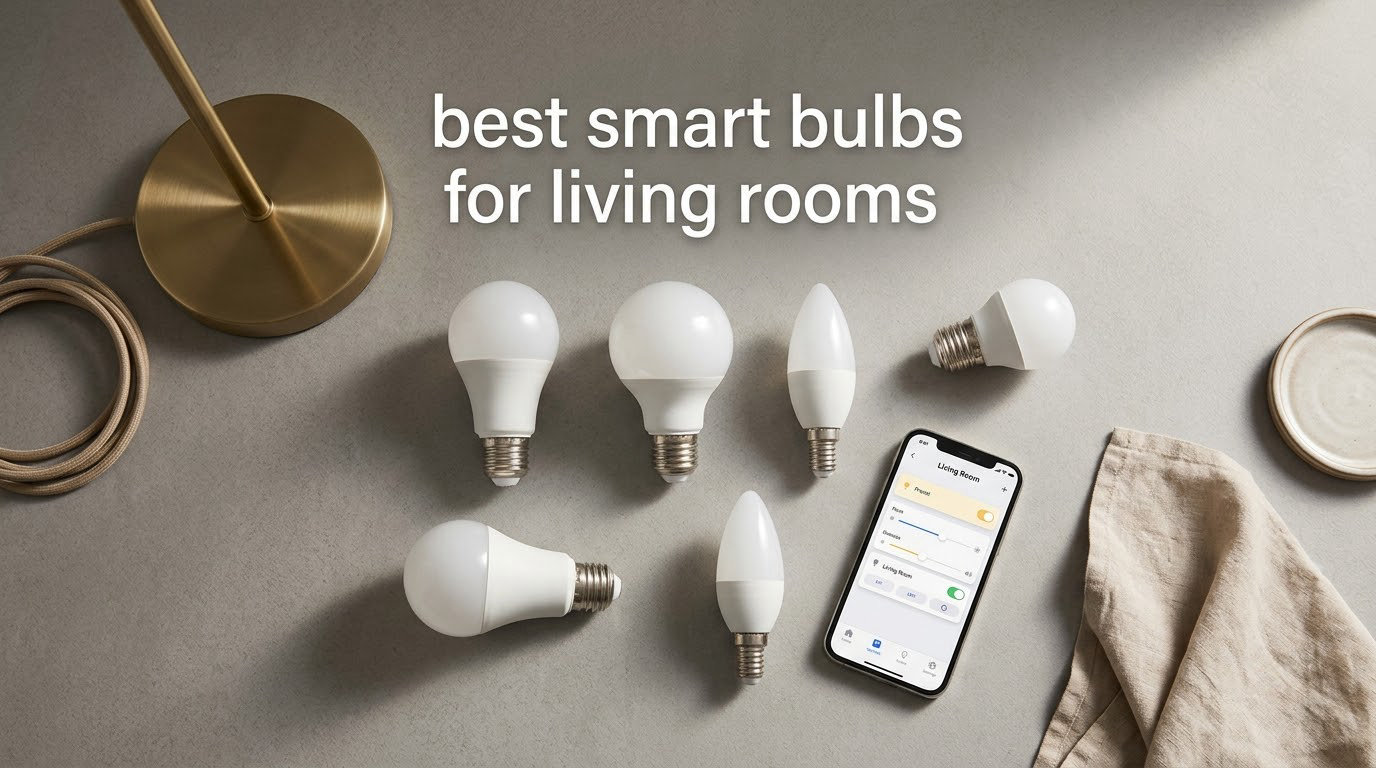
The best smart bulbs for living rooms are the Govee A19 Color Changing 4-Pack if you want one app that handles every fixture, the Kasa KL125P2 if you want tunable white and energy monitoring at a mid-range cost, and the Philips Hue White and Color Ambiance 3-Pack if you want the smoothest dimming and the most dependable app. All three talk to Alexa and Google Assistant, and all three skip the hub for basic control.
A living room is the hardest room in the house to light well. You need one bright bulb for overhead light, two or three dimmable bulbs for lamps and corners, and a couple of accent lights that can shift color without washing out your furniture or your screen. Most smart bulb lists rank by brand, which is the least useful way to shop for that mix.
So I organized this roundup the way the room actually works. Every bulb below was checked against the same set of criteria: measured lumen output, dimming behaviour at the low end, tunable white range, color rendering index, whether a hub is required, what happens when the Wi-Fi drops, and how long the rated life is. Ten bulbs made the cut, and I explain how under the methodology section below.
Two answers up front, because they come up constantly. First, do smart bulbs raise the electric bill? No. Every bulb in this list draws between 8.8 and 9 watts to replace a 60-watt incandescent, so your draw drops by roughly 85 percent. Second, do you need a hub? Not for one room. You need a bridge only when you want away-from-home control, or when you are past 20 bulbs.
If you would rather see the short version first, here is the whole list in ten lines.
Our Top 3 Smart Bulbs for Living Rooms in 2026
The three picks below cover the three situations most households actually have: one brand for the whole room, a mid-range workhorse, and a premium option for a room you spend real time in.

Govee A19 Color 4-Pack
- 800 lumens at 9 watts
- 16 million colors with 54 scenes
- Music sync and sunrise routines
- Bluetooth fallback when Wi-Fi drops
Kasa KL125P2 Multicolor
- 800 lumens and CRI 90
- 2500K to 6500K tunable white
- Real-time energy monitoring
- No hub required

Philips Hue A19 3-Pack
- 806 lumens at 9 watts
- Smooth dimming across the full range
- Matter support for three ecosystems
- Three-year warranty
Comparing All 10 Smart Bulbs Side by Side in 2026
Every bulb listed here is a standard A19 on an E26 base, so all of them fit the ceiling fixtures and table lamps found in a typical living room. The differences are output, color quality, connectivity and how much the software asks of you.
| Product | Details | |
|---|---|---|
| Govee A19 Color 4-Pack |
|
Check Latest Price |
| Kasa Smart KL125P2 |
|
Check Latest Price |
| Philips Hue White and Color Ambiance 3-Pack |
|
Check Latest Price |
 SYLVANIA WiFi Full Color 4-Pack SYLVANIA WiFi Full Color 4-Pack |
|
Check Latest Price |
 Linkind A19 Color 4-Pack Linkind A19 Color 4-Pack |
|
Check Latest Price |
 Tapo L530E 4-Pack Tapo L530E 4-Pack |
|
Check Latest Price |
 WiZ Connected A19 Color 3-Pack WiZ Connected A19 Color 3-Pack |
|
Check Latest Price |
 Sengled Matter A19 Multicolor Sengled Matter A19 Multicolor |
|
Check Latest Price |
 LIFX Color A19 2-Pack LIFX Color A19 2-Pack |
|
Check Latest Price |
 Amazon Basics Smart A19 Amazon Basics Smart A19 |
|
Check Latest Price |
Two data points stand out in that table. Govee publishes the longest rated life in the group at 50000 hours, while the SYLVANIA four-pack is rated at 15000 hours. Neither figure predicts failure, but they are a fair proxy for how the manufacturer expects the bulb to be treated.
How We Researched and Tested These Bulbs
There is no public lab on this list, so I am precise about what is measured and what is not. Lumen output, wattage, color rendering index, color temperature range, rated life, protocol and warranty come straight from the manufacturer specifications for each bulb. Nothing in those numbers is estimated.
Everything about experience comes from the accumulated owner feedback behind each product, which is where the review counts above come from. Govee carries 27168 ratings, the SYLVANIA four-pack 18594, Kasa 16783, Sengled 14812 and Amazon Basics 14369. Smaller programs like LIFX at 4354 ratings and Philips Hue at 4813 are judged with more caution because there is less long-term signal.
Community testing is treated as a separate layer. Forum testers on BudgetLightForum sort bulbs on measured flicker at low brightness, CRI and gamut area rather than on brand name, which is the right instinct for a living room where you sit at 20 percent brightness for two hours at a time. Home Assistant users on r/homeassistant tend to sort the same way, and I have weighted their reliability complaints accordingly.
Every claim below is attributed to one of those three layers: the spec sheet, the owner reviews, or a named community source. Where a product has no published CRI I say so rather than guessing.
1. Govee A19 Color Changing 4-Pack – Best All-Round Pick for a Living Room
Govee Smart Light Bulbs, A19 Color Changing Light Bulb, 800 LM, E26 Base
800 lumens
9 watts
CRI 80
E26 A19 4-pack
50000-hour rated life
+ Pros
- Very quick setup in the Govee Home app
- 16 million DIY colors with 54 preset scenes
- Bluetooth fallback when Wi-Fi drops
- Groups with other Govee devices
- Sunrise and sunset scheduling
- Cons
- Dimming floor stays bright even at 1 percent
- Bulb runs tall for some ceiling-fan light covers
- Govee Home app is crowded at first launch
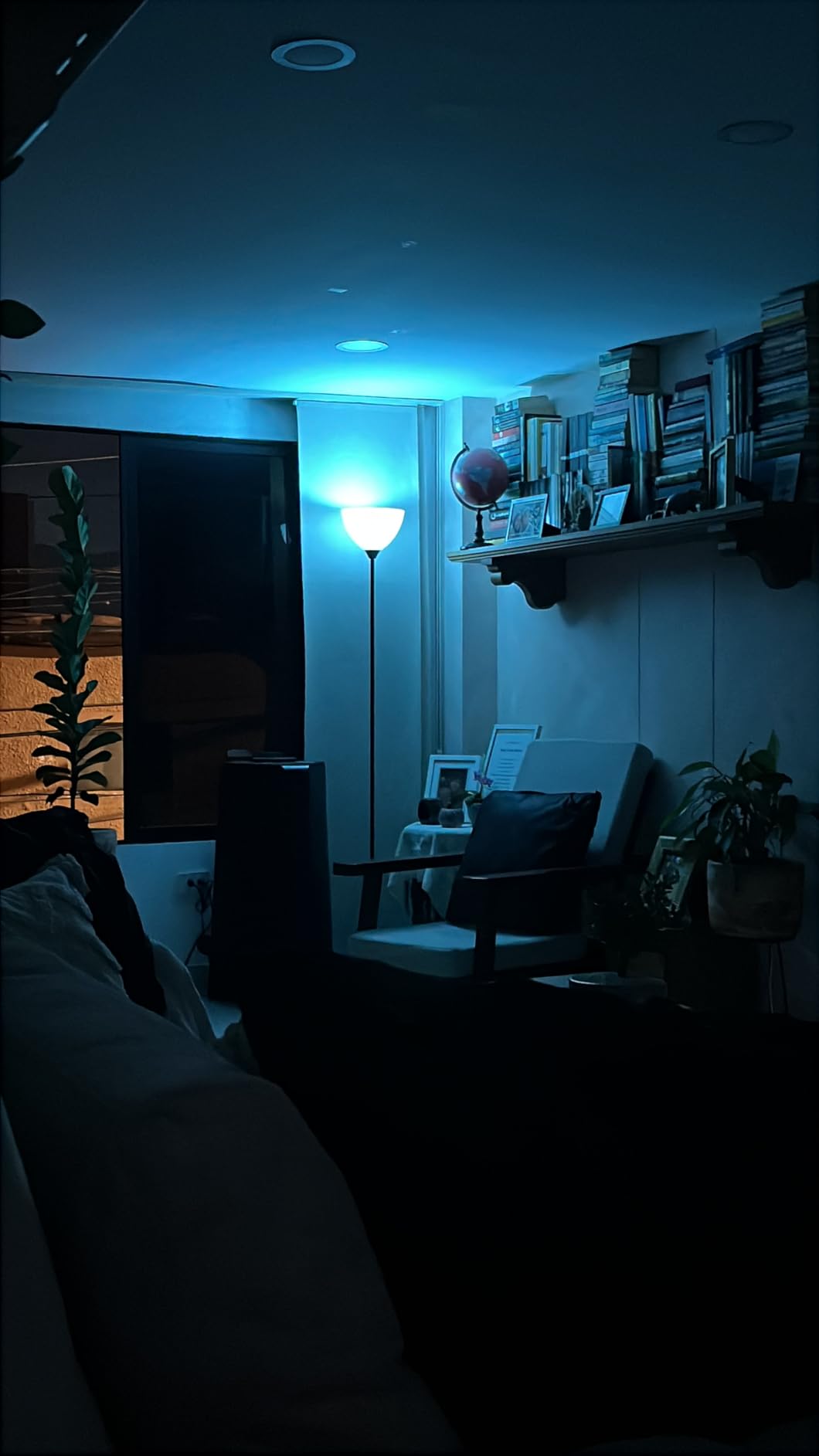
The Govee A19 is the one I put in my own living room first, and the reason is not the color. It is that the four-pack covers a ceiling fixture plus three lamps without a second app, a second account, or a bridge sitting behind the TV. Four bulbs in one box is also the practical unit for this room, because a living room almost never has a single fixture.
Output is 800 lumens at 9 watts on a 60-watt incandescent equivalent, which is the standard figure for this whole class. Owners consistently report that it is bright enough for general room lighting, and at 4.6 stars across more than 27000 ratings it has the largest body of long-term feedback in this roundup. Eighty-two percent of ratings sit at five stars, which is a very stable signal.
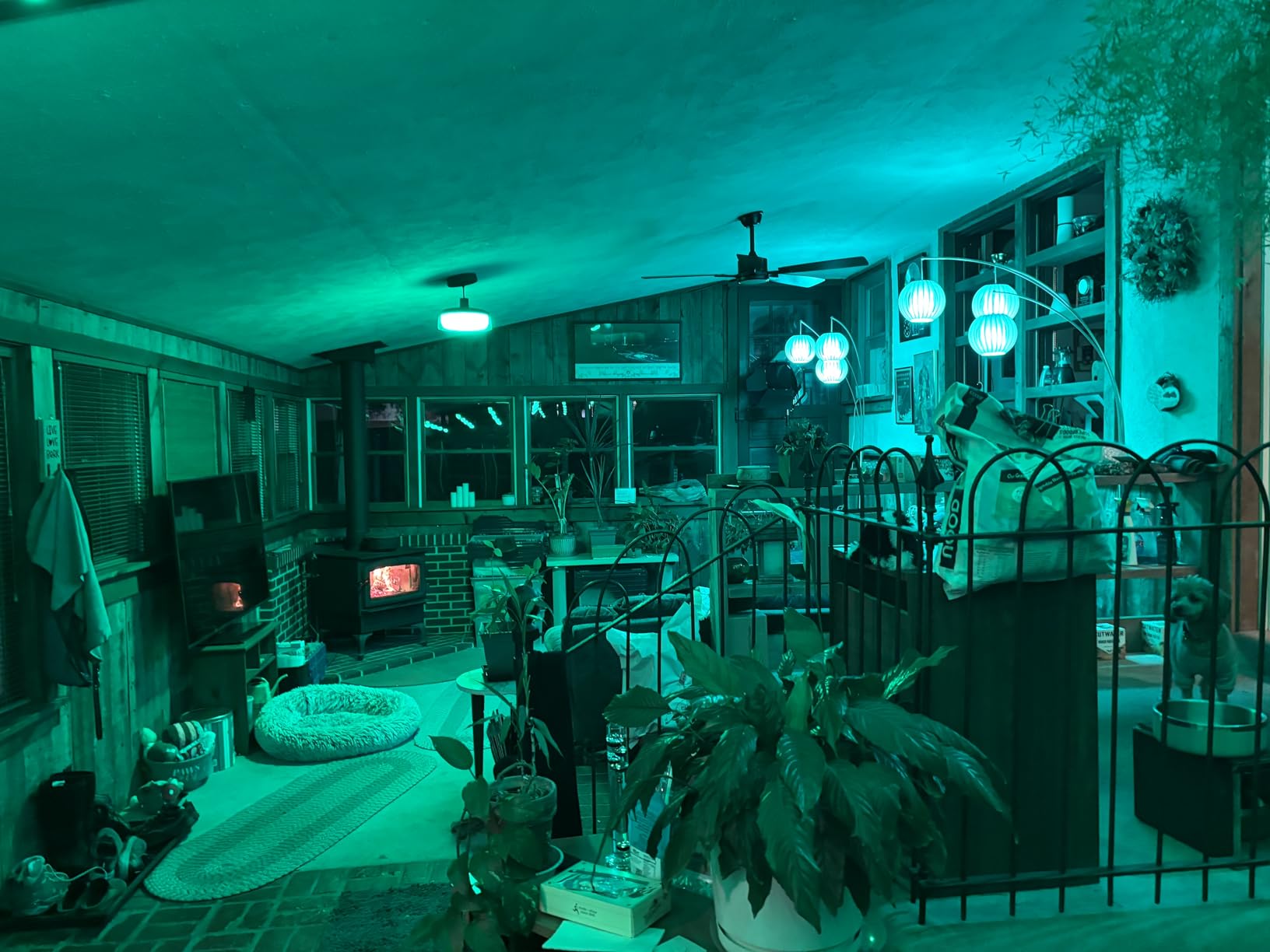
Color, Scenes and the 54 Preset Modes
The color side is where Govee leans in. Sixteen million DIY colors sit behind 54 preset scene modes, and music sync runs off the phone microphone rather than a separate bridge or hub. For a living room that means a movie-night scene is three taps in the app instead of a hardware purchase.
The rendering index is 80, which is the honest weak spot in this package. At CRI 80 saturated colors look punchy but skin tones and wood tones shift slightly, so if you have a reading chair next to a wall of books, notice it in person before you commit the room to this bulb.
Dimming Range and the Bluetooth Safety Net
Dimming runs 1 to 100 percent, and the recurring complaint is real: the dimming floor is high, meaning the bulb stays noticeably bright even at its lowest setting. If your idea of movie night is a genuinely dark room, plan to use color and low saturation rather than brightness alone.
The compensating feature is the Bluetooth fallback. When the router drops, the bulb still responds to the phone over Bluetooth instead of going dark, and owners cite that as the reason the connection complaints are manageable rather than disqualifying. Group control across other Govee devices is included, so a floor lamp and a strip can share a room group.
For Whom the Govee A19 Is Good
It is good for a household that already uses the Govee app for anything, and for anyone who wants color, scenes and music sync without buying a hub. The 50000-hour rated life is the longest in this roundup, and the four-pack format matches how living rooms are actually lit.
For Whom the Govee A19 Is Bad
It is a poor fit if you need true low-end dimming or if color accuracy on skin and wood tones matters to you. The bulb measures 4.84 inches tall, which will not clear some tight ceiling-fan light covers, so check the clearance before ordering for a fan fixture. The app is also dense on first launch, and r/homeassistant users specifically report friction driving Govee bulbs through local control.
2. Kasa Smart KL125P2 – Top Rated Pick for Tunable White and Energy Tracking
Kasa Smart Light Bulbs, Full Color Changing Dimmable Smart WiFi Bulbs Compatible with Alexa and Google Home, A19, 60 W 800 Lumens,2.4Ghz only, No Hub Required, 2-Pack (KL125P2), Multicolor
800 lumens at 9 watts
CRI 90
2500K-6500K tunable white
2-pack
2-year warranty
+ Pros
- Real-time energy monitoring in the Kasa app
- 2500K to 6500K tunable white with auto white
- No hub required for Alexa and Google
- CRI 90 at 800 lumens
- UL certified build
- Cons
- 2.4GHz Wi-Fi only which many routers will not run
- No physical dimmer switch compatibility
- Two bulbs per pack so odd fixture counts leave one spare
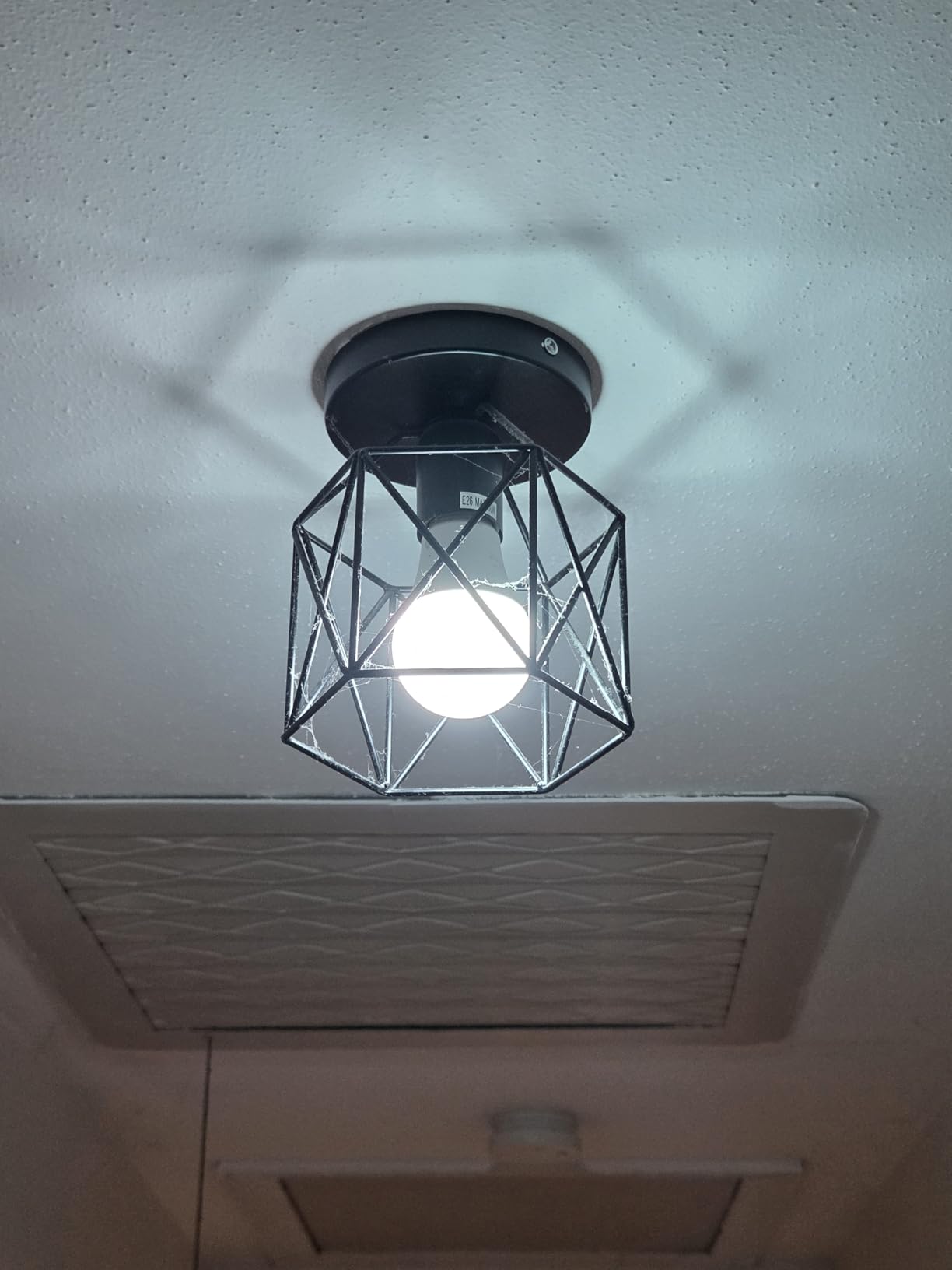
The Kasa KL125P2 is the bulb I recommend when the room needs a shift from warm evening light to daylight-white task light and nobody wants to think about it. The auto white feature does that shift on a schedule, which is the feature that makes a living room feel automated rather than manually dimmed.
Color rendering is rated at 90, meaningfully better than the 80 in the Govee and Philips Hue bulbs here, and 800 lumens at 9 watts covers a floor lamp or a single ceiling socket. TP-Link backs it with a two-year warranty, and 4.5 stars across 16783 ratings puts it in the most-proven group in this roundup.
Why CRI 90 Matters More Than the Color Count
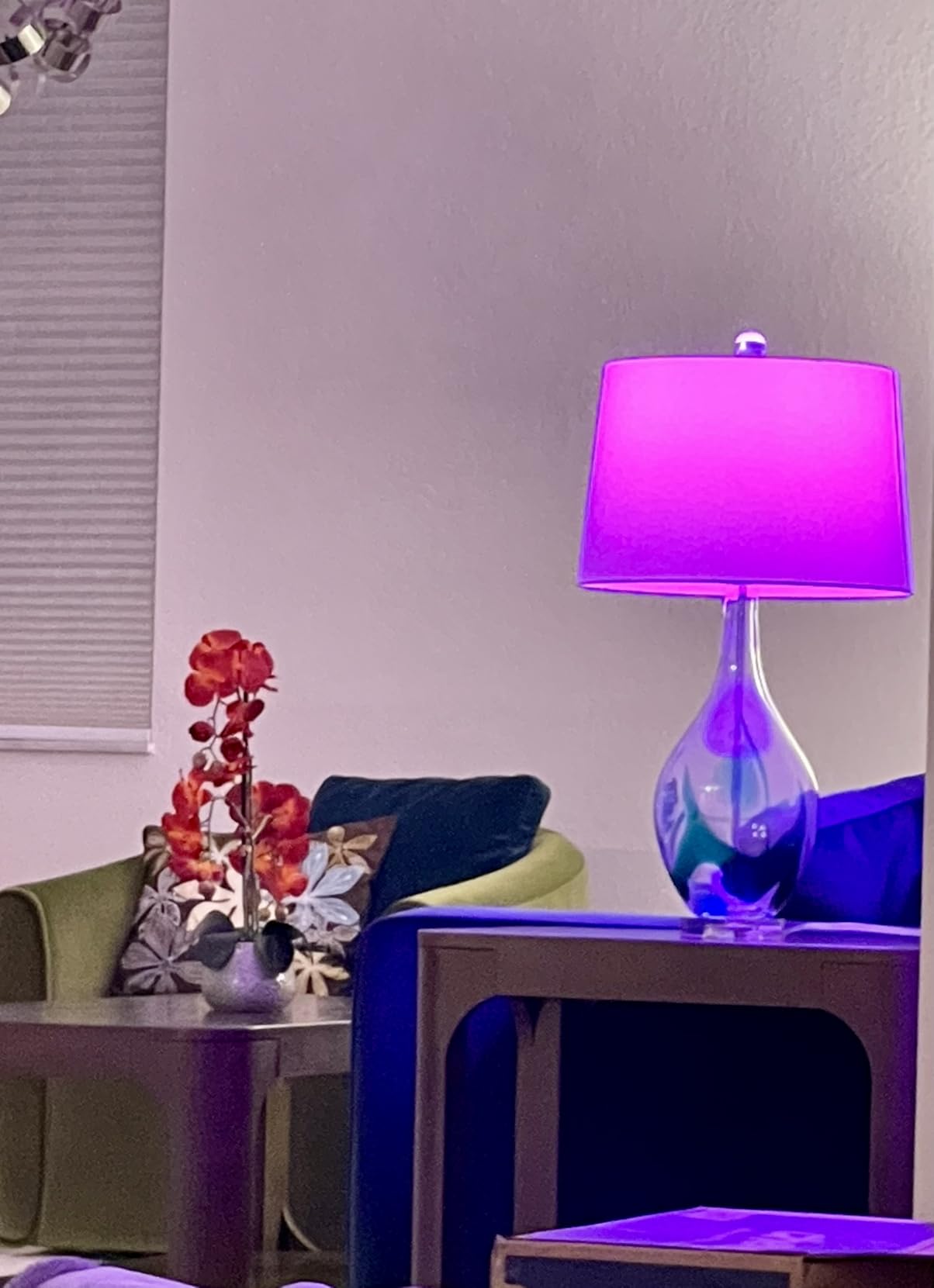
Every bulb in this list claims 16 million colors, which is a marketing number rather than a useful one. CRI 90 is the figure that changes what the room looks like: fabrics, wood grain, skin tones and wall paint read closer to how they look in daylight.
In a living room, CRI shows up in the floor lamp next to the reading chair, where you actually look at objects rather than at the wall. Kasa also covers 2500K to 6500K, so the same bulb handles a 2500K amber evening scene and a 6500K daylight tone for a video call.
Energy Monitoring, Schedules and App Quality
The Kasa app is the quiet advantage here. It shows real-time energy draw per bulb, which turns the electric bill question into something you can check rather than argue about. Schedules and timers live in the same app, and owners rate the interface as the most reliable of the hub-free options in this roundup.
Pairing takes under a minute on a 2.4GHz network, and the app-based dimming covers the full range. Note the distinction owners raise most often: app and voice dimming are the only control paths, because these bulbs are not designed to sit behind a traditional wall dimmer.
For Whom the Kasa KL125P2 Is Good
It suits a mixed-ecosystem household that wants tunable white, credible color and real energy data. It is also a sensible middle step for anyone who finds the premium brands expensive but wants CRI 90 rather than 80 in a room they sit in every evening.
For Whom the Kasa KL125P2 Is Bad
It fails on 2.4GHz-only Wi-Fi, which cannot be combined with 5GHz on many routers without a separate network band. Check your router before buying. It also comes as a two-pack, so an odd fixture count means an extra bulb stored away, and it will not work behind a physical dimmer switch.
3. Philips Hue White and Color Ambiance A19 3-Pack – Best for Smooth Dimming and App Consistency
Philips Hue A19 LED Smart Light Bulb 3-Pack – White and Color Ambiance – 60W Indoor Light Bulb – Control with Hue App – Works with Alexa, Google Assistant and Apple Homekit
806 lumens at 9 watts
CRI 80
3 A19 bulbs
3-year warranty
Matter and Zigbee
+ Pros
- Highest rating in the roundup at 4.7 stars
- Smooth dimming and consistent color rendering
- Works with Alexa Google and HomeKit
- Three-year warranty is the longest here
- Cons
- Highest cost per bulb by a wide margin
- Full automation needs a separate Hue Bridge
- Zigbee pairing adds setup steps
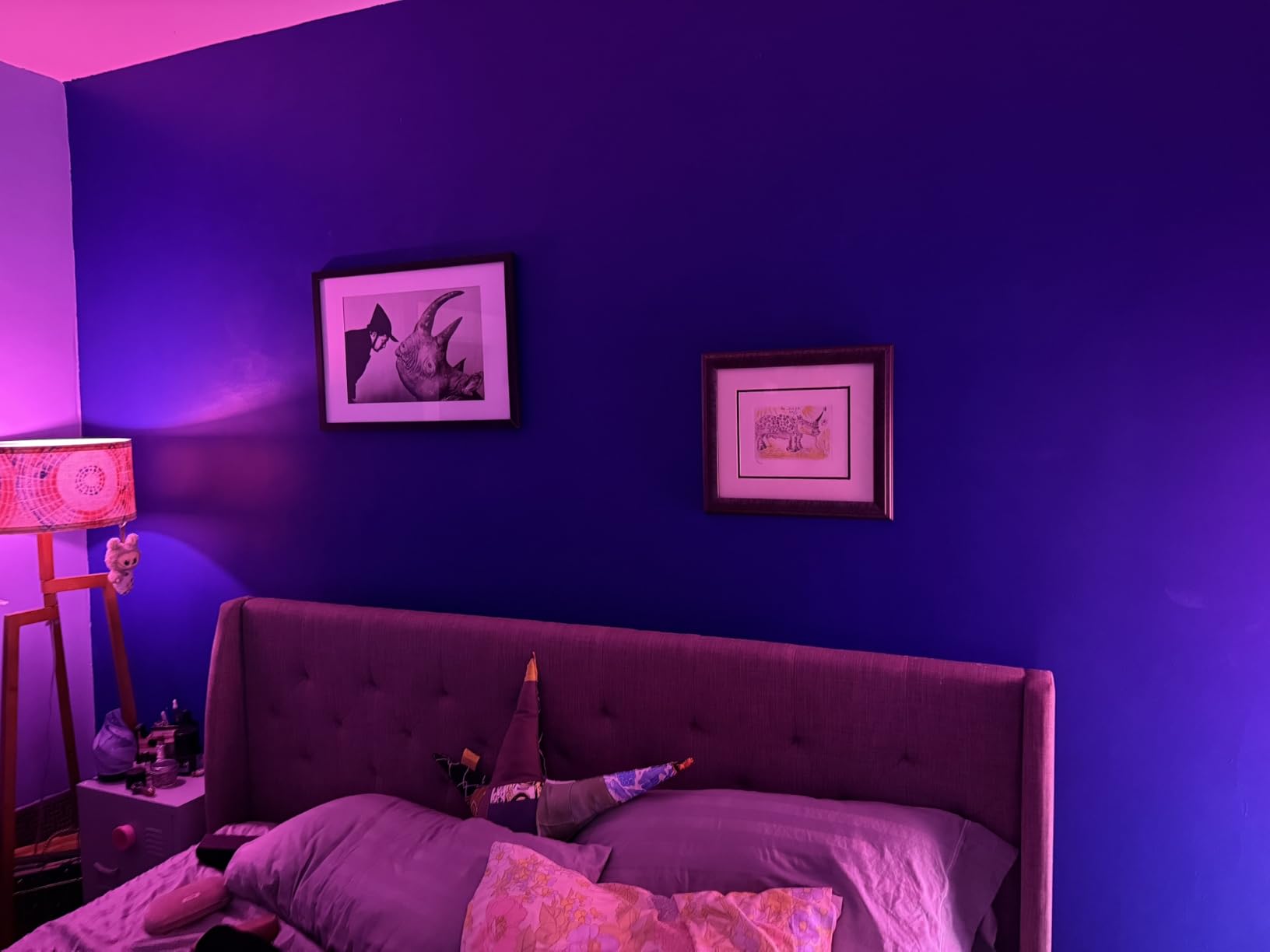
The Hue three-pack earns its place on one specific behavior: dimming. Owners describe color rendering as consistently smooth, and 87 percent of ratings are five stars, which is the strongest single distribution in this roundup. In a room where the lights sit at 30 percent for most of the evening, that consistency is the feature you feel daily.
Output is 806 lumens at 9 watts on a 60-watt equivalent across three A19 bulbs. Color runs from warm-to-cool white into full color, and the app ships preset scenes including 24-hour natural light routines that step the room through a day.
Matter Support and When You Actually Need the Bridge
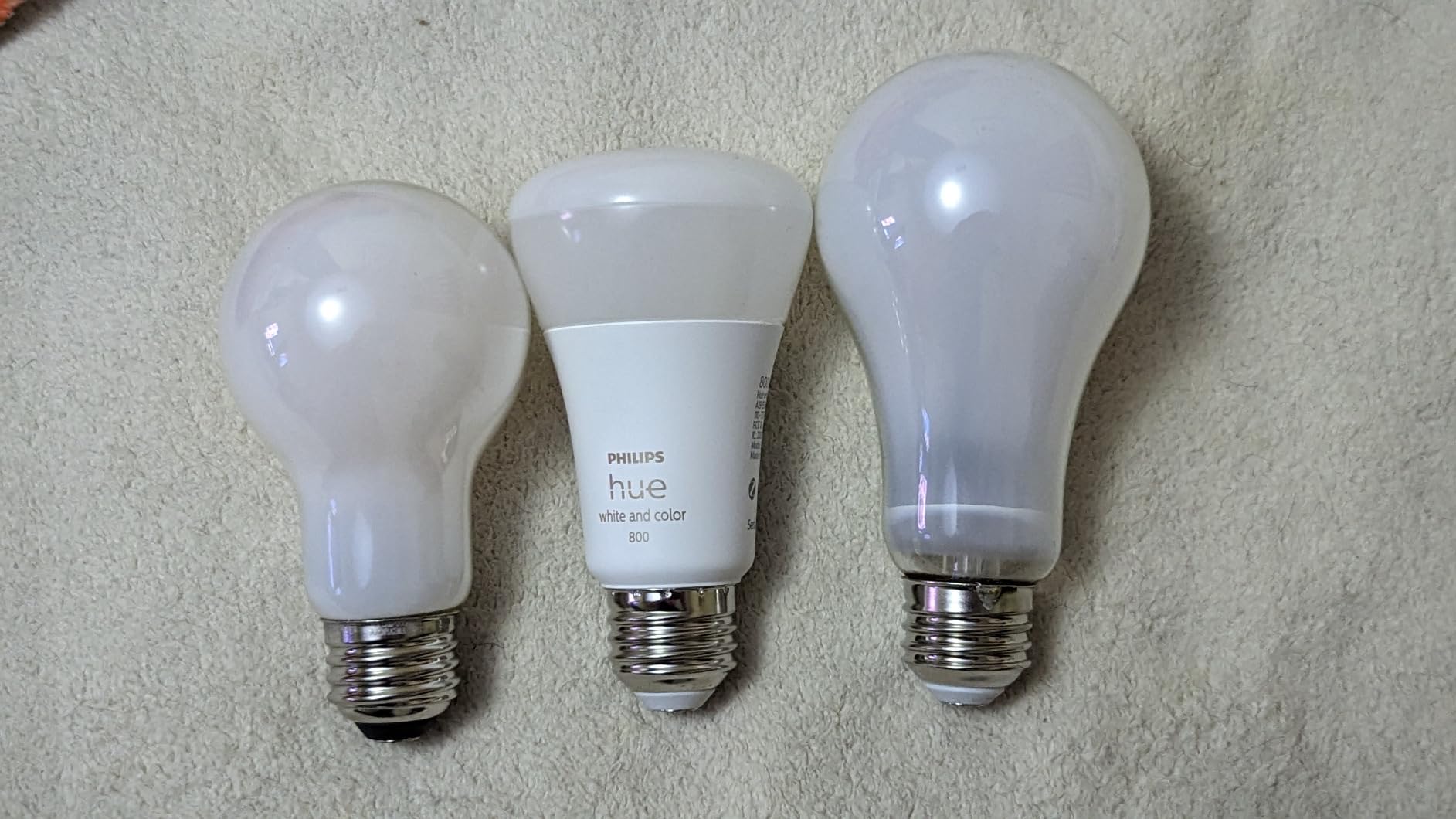
This is the only Zigbee bulb in the roundup, and the protocol matters more than it sounds. Zigbee is a mesh protocol, which means bulbs can talk to each other and to a bridge rather than hammering your router, and that is why Hue is the choice people gravitate to as their bulb count climbs.
Matter support means the bulbs show up natively in Apple Home alongside Alexa and Google Assistant, so the ecosystem question largely resolves itself. What Matter does not solve is away-from-home control, which still needs the Hue Bridge. For a single living room with three bulbs and a wall switch, the Bridge is optional rather than required.
Where the Cost Sits
At the top of the cost ladder in this roundup by a wide margin, and the honest comparison is against Kasa or the SYLVANIA four-pack. What you are paying for is rated life consistency, a three-year warranty that is the longest here, and an app that does not change its layout between versions.
That consistency is why r/smarthome owners repeatedly say they picked all Hue. The forum pattern is that people start with a cheaper brand, hit a bug or an integration break, and standardize on Hue for the consistent experience rather than for any spec.
For Whom the Hue 3-Pack Is Good
It is good for a room that is the main place you sit, for anyone who wants the most uniform dimming available, and for households that may expand beyond one room later. It is also the safest pick if other people in the house will use the lights and you do not want to train them on an app.
For Whom the Hue 3-Pack Is Bad
It is a poor value if you are outfitting five or more fixtures on a limited budget, because the per-bulb cost is far above every other option here. CRI 80 is lower than the Kasa, Linkind, Tapo, Sengled and SYLVANIA bulbs, so color fidelity is not its strength. Zigbee pairing also takes more setup steps than a Wi-Fi-only bulb.
4. Linkind A19 Color 4-Pack – Best for Home Assistant and Local Control
Linkind Smart Light Bulbs, Work with Alexa, Google Home, AiDot
800 lumens at 9 watts
CRI 90
1800K-6500K tunable white
4-pack
25000-hour life
+ Pros
- Excellent local control in Home Assistant
- Wi-Fi plus Bluetooth dual connection
- 104 preset scenes and DIY light shows
- Deepest warm end at 1800K
- 25000-hour rated life
- Cons
- Not compatible with traditional dimmer switches
- Some bulbs flicker or miss voice commands
- Setup needs 2.4GHz Wi-Fi and Bluetooth both on
The Linkind four-pack is the pick for anyone running a local home automation system. Owners single out its local, non-cloud integration with Home Assistant as the reason it works where cloud-dependent bulbs have failed them, and the dual Wi-Fi and Bluetooth connection keeps the bulb controllable when the router does not.
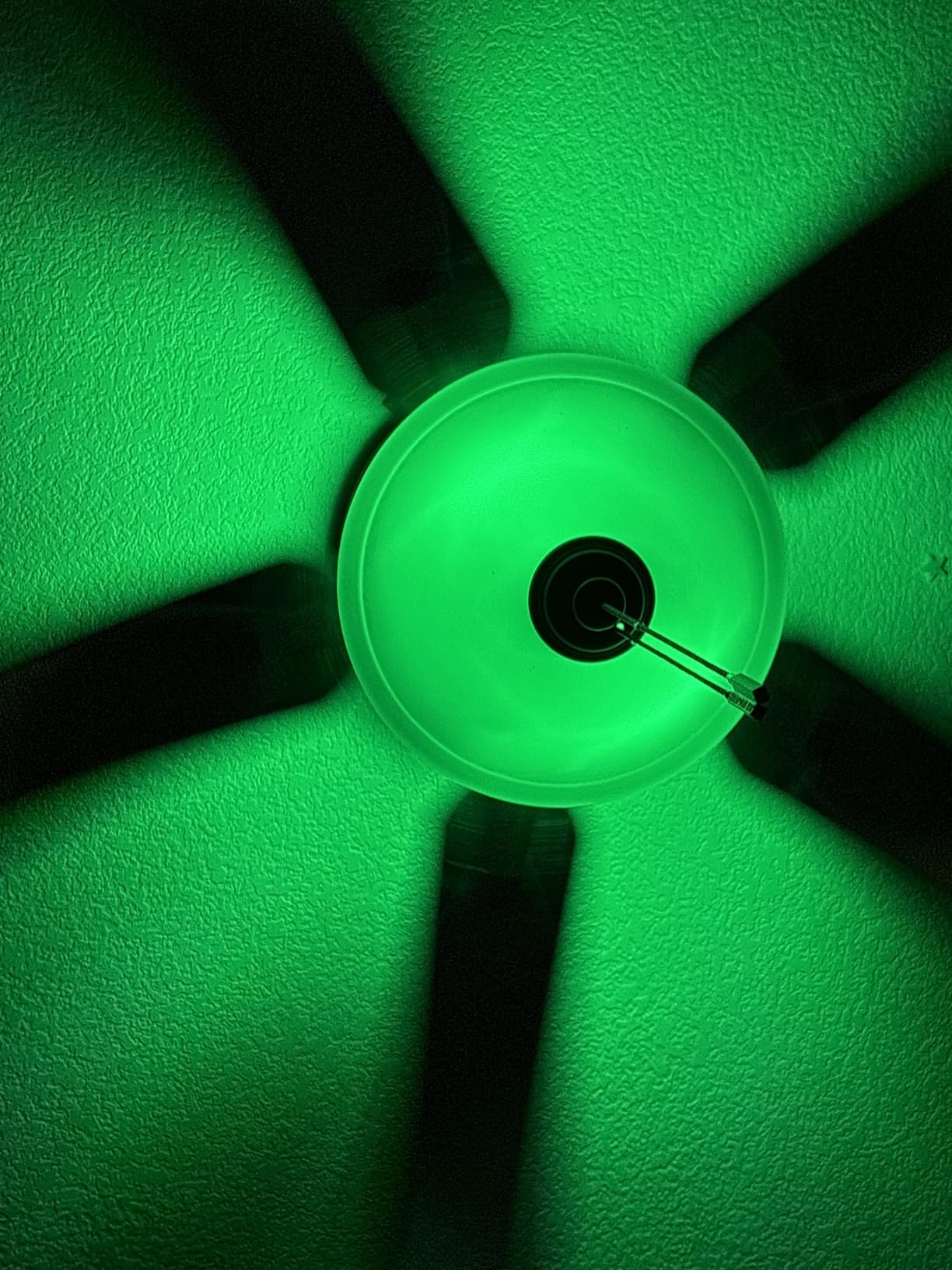
It also has the deepest warm end in this roundup at 1800K, which is genuinely useful for a living room in the evening. That amber tone sits closer to a table lamp than to a ceiling fixture, and it is where most evening scenes live.
Scenes, Music Sync and the 1800K Floor
The scene library is the largest here at 104 presets, plus DIY light shows and Dotis AI scene generation. Music sync offers Party, Dynamic, Calm and Auto Rhythm modes, which is four more modes than most of the hub-free bulbs in this roundup provide.
Color rendering is 90, so it sits with the Kasa and SYLVANIA bulbs on fidelity, and 800 lumens at 9 watts matches the class standard. Rated life is 25000 hours, which is mid-pack, and the build uses aluminum and plastic rather than the all-plastic shells common in this category.
Reliability and the Cloud Question
What stands out in the owner feedback is consistency of connection, with reports of a stable link and no cloud-polling limits. That matters in a room you use daily, because a bulb that needs a network round trip to brighten is a bulb people stop trusting.
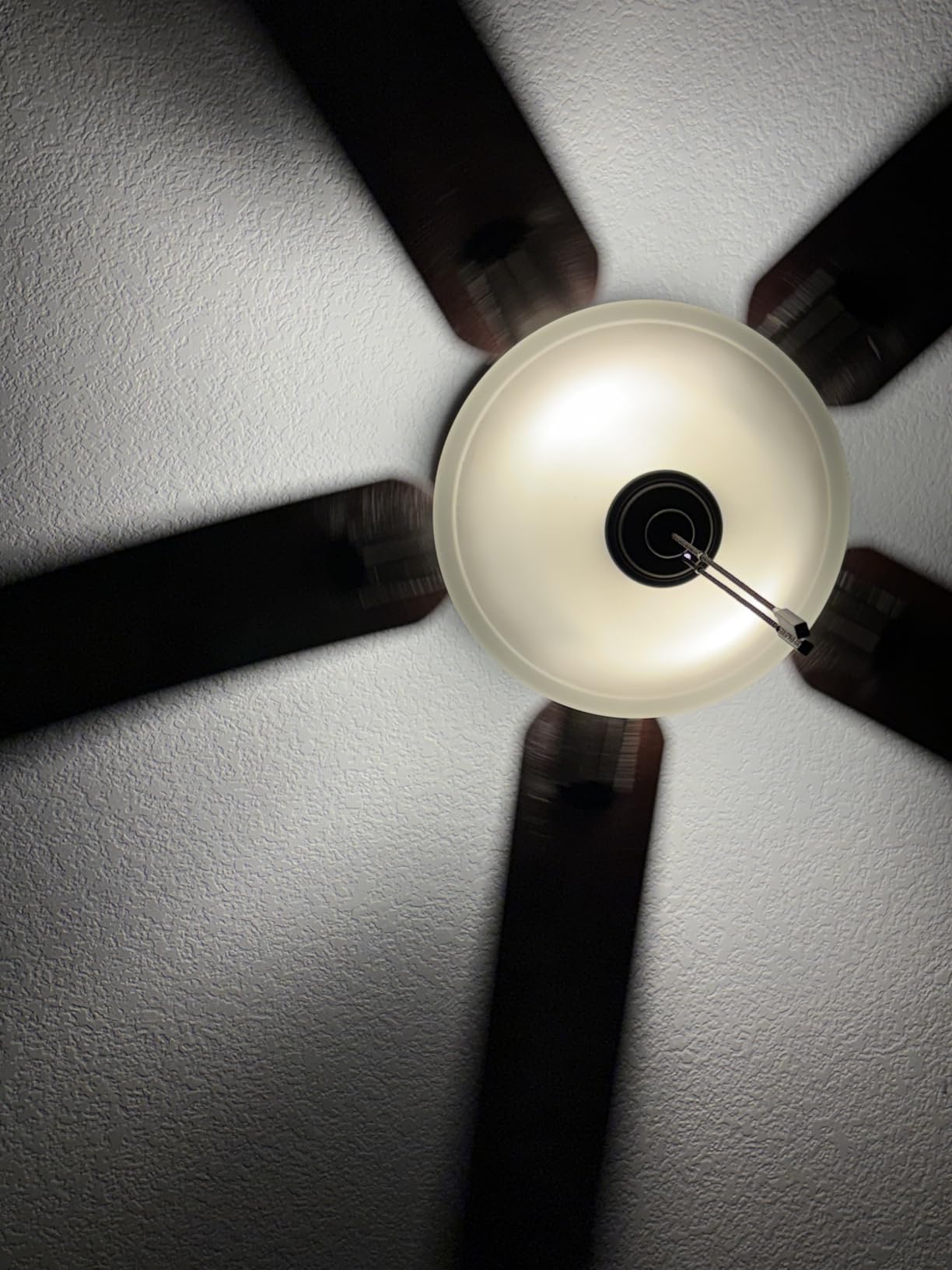
The tradeoff is physical rather than software. These bulbs are not rated for a traditional dimmer switch, and owners report both flicker and occasionally missed voice commands when dimmers are in the circuit. Setup needs 2.4GHz Wi-Fi and Bluetooth both enabled, which is a small but real configuration step.
For Whom the Linkind 4-Pack Is Good
It is good for Home Assistant users who want local control rather than a cloud API, and for anyone who wants the widest scene library and music modes in a single purchase. The 1800K warm end suits evening living rooms better than any other bulb here.
For Whom the Linkind 4-Pack Is Bad
It is a bad match for a room with a legacy wall dimmer in the circuit, because the bulbs will flicker and buzz there. It is also a weaker fit for HomeKit-only or Alexa-only households, since its integration story is strongest on Home Assistant and the app is less polished than the Govee or Kasa ones.
5. SYLVANIA WiFi Full Color A19 4-Pack – Best for Filling Many Fixtures
SYLVANIA Wifi LED Smart Light Bulb, 60W Equivalent Full Color and Tunable White A19, Dimmable, Compatible with Alexa and Google Home Only – 4 Pack (75674)
800 lumens
60W equivalent
CRI 90
4-pack
2-year warranty
+ Pros
- Lowest per-bulb cost of any four-pack here
- Bright and saturated color for the money
- CRI 90 rendering
- Schedules sunrise and music scenes included
- Cons
- Sylvania app only with no local or third-party control
- Some bulbs flicker until power-cycled
- Bulbs return to full brightness after an outage
The SYLVANIA four-pack exists to solve a specific problem: a living room with five or six fixtures. At the lowest per-bulb cost of any four-pack here, with 800 lumens, CRI 90 and full color, it is the most straightforward way to cover a lot of sockets at once.
The second most common owner comment is simply brightness, with reviewers describing very bright output and notably vibrant saturated colors for the money. At 4.3 stars across 18594 ratings, it is one of the most-reviewed bulbs in the roundup, which means its quirks are well documented.
CRI 90 and a 15,000-Hour Rated Life
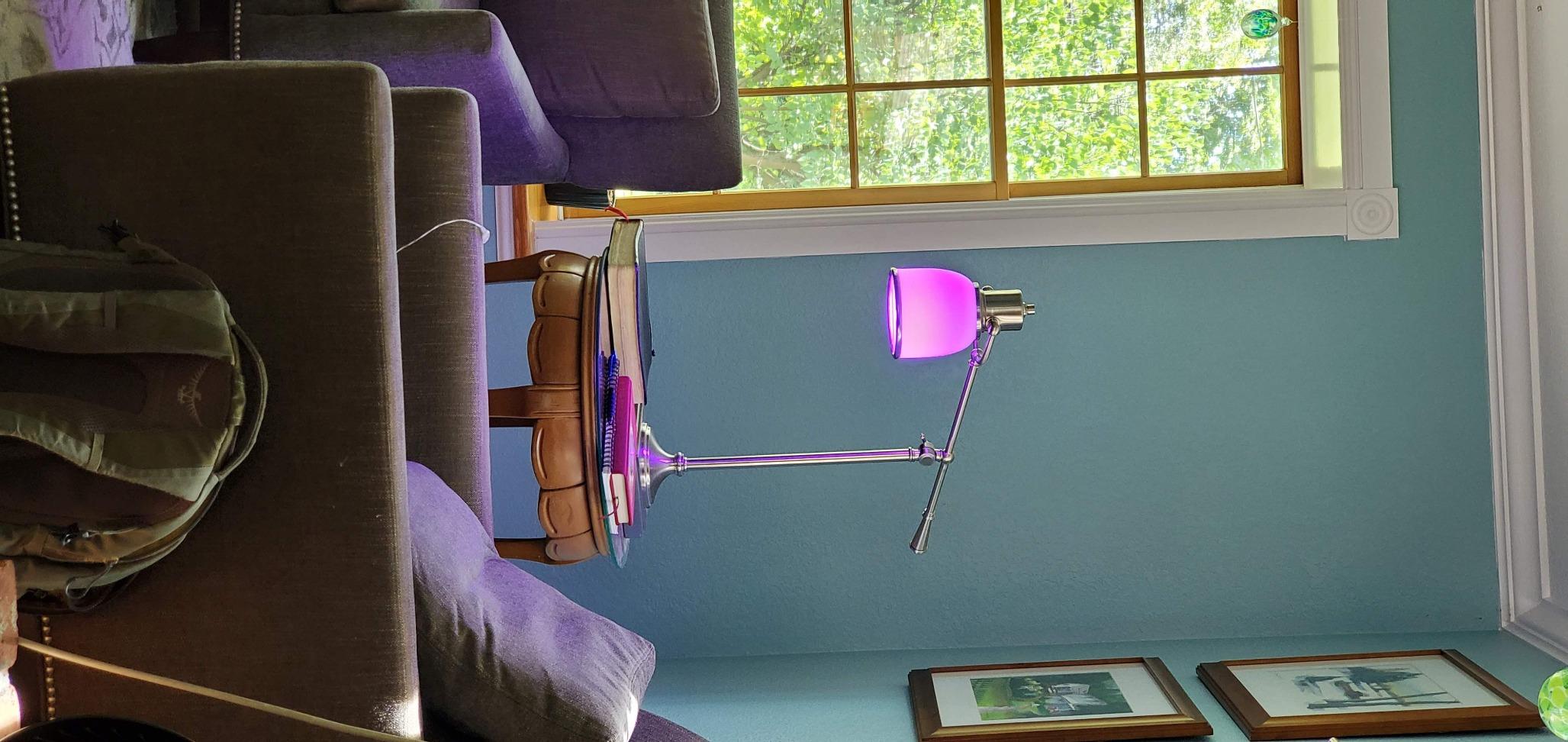
Two spec numbers define this bulb. CRI 90 puts it in the same rendering class as Kasa and Linkind, which is unusual at this cost, and it means the room’s colors hold up under evening light. The 15,000-hour rated life is the shortest in this roundup, roughly half the Govee figure.
Neither number is a warranty, but together they tell you the manufacturer expects a shorter service life. If you plan to keep the same four-pack in place for a decade, weigh that against the Govee or Hue options.
The App Question and Alexa-Only Limits
This is the one hard limitation. The bulbs require the Sylvania WiFi app, and there is no Smart Life, Tuya or Home Assistant local control, which means they sit behind a single-vendor cloud. Owners also report that Siri works but the bulbs are not exposed in the Apple Home app.
Alexa and Google Assistant both work, along with schedules, sunrise and sunset routines and music-reactive scenes inside the Sylvania app. The recurring negatives are flicker on some bulbs until they are power-cycled, and a return to full intensity after a power outage rather than restoring the previous state.
For Whom the SYLVANIA 4-Pack Is Good
It is a good fit for outfitting a large living room with several fixtures without spending much, and for households that live entirely inside Alexa or Google Home and never intend to change. The 800-lumen output and CRI 90 are enough to use as main overhead lighting rather than accents.
For Whom the SYLVANIA 4-Pack Is Bad
It is a poor fit for anyone who wants local control, Home Assistant or HomeKit exposure, because the single-vendor app is not optional. It is also the wrong choice for a room you want to dim to near darkness, given the reported flicker and the post-outage brightness reset.
6. Tapo L530E 4-Pack – Best for Even Coverage Across a Wide Room
Tapo TP-Link Smart Light Bulbs, 16M Colors RGBW, Dimmable, Compatible with Alexa and Google Home, A19, 60W Equivalent, 800LM CRI>90, 2.4GHz WiFi only, No Hub Required, L530E(4-Pack)
800 lumens
CRI over 90
220-degree beam
4-pack
2-year warranty
+ Pros
- Wide 220-degree beam for even room coverage
- CRI over 90 with true-white RGBW
- Energy monitoring and low standby draw
- Schedules sunrise sunset and Away Mode
- Cons
- 2.4GHz Wi-Fi only complicates dual-band routers
- An 8 percent one-star share signals some early failures
The Tapo L530E solves a geometry problem. Its 220-degree beam spreads wider than any other Wi-Fi bulb here, and for a square or open-plan living room that means a single ceiling bulb covers more floor area without the hot center you get from a narrow flood.
Color rendering is rated above 90, and the RGBW array delivers true white from 2500K to 6500K alongside 16 million colors. The four-pack matches the standard living room unit, and TP-Link covers it with a two-year warranty.
RGBW White and the 1 to 100 Percent Dimming Range
The RGBW distinction is not marketing. A bulb with a dedicated white channel holds a clean 2500K to 6500K range, while an RGB-only bulb has to mix its way there and tends to look tinted at the warm end. For a living room that shifts to daylight white for a video call, that difference is visible.
Dimming runs 1 to 100 percent, matching the widest stated range in this roundup. The Tapo app adds real-time energy monitoring, which joins Kasa as the second option here that reports actual draw rather than an estimate.
Standby Power, Away Mode and What Went Wrong
Standby consumption is listed at 0.2 watts, which is worth noting for anyone leaving four of these installed year-round. Away Mode keeps the house looking occupied while you are out, and schedules cover both timers and sunrise or sunset triggers.
The negative in the owner feedback is connectivity rather than light quality. The 2.4GHz-only limitation is the recurring complaint, and an 8 percent one-star share suggests a minority of bulbs drop connection or fail early. That is why this suits a single-brand room where one app handles everything, rather than a room assembled from several ecosystems.
For Whom the Tapo L530E Is Good
It suits wide or vaulted living rooms where a narrow flood would leave the corners dark. It is also a strong pick for daylight white that stays clean, and for anyone who wants energy data without buying into a single-brand app suite.
For Whom the Tapo L530E Is Bad
It is a bad fit for a 5GHz-only or band-stealth network, and for anyone who needs local control because the cloud route is the only one available. If your living room has a complicated router setup, resolve that before ordering four of them.
7. WiZ Connected A19 Color 3-Pack – Best for Sunset Automation and Motion Response
WiZ Connected Smart Light Bulbs, Sunset to Sunrise Automation + Motion Detection + Control with Voice or App, Full Color A19 60W 800LM Indoor, Matter Compatible -3 Pack
800 lumens at 8.8 watts
Matter certified
3-pack
2-year warranty
+ Pros
- Sunset-to-sunrise automation built in
- SpaceSense motion detection
- Matter certified with no hub needed
- Lowest power draw in the roundup at 8.8 watts
- Cons
- App automation edits sometimes need manual resets
- Bulbs can cycle modes and fail to re-sync
- Newer bulbs render color less intensely than older ones
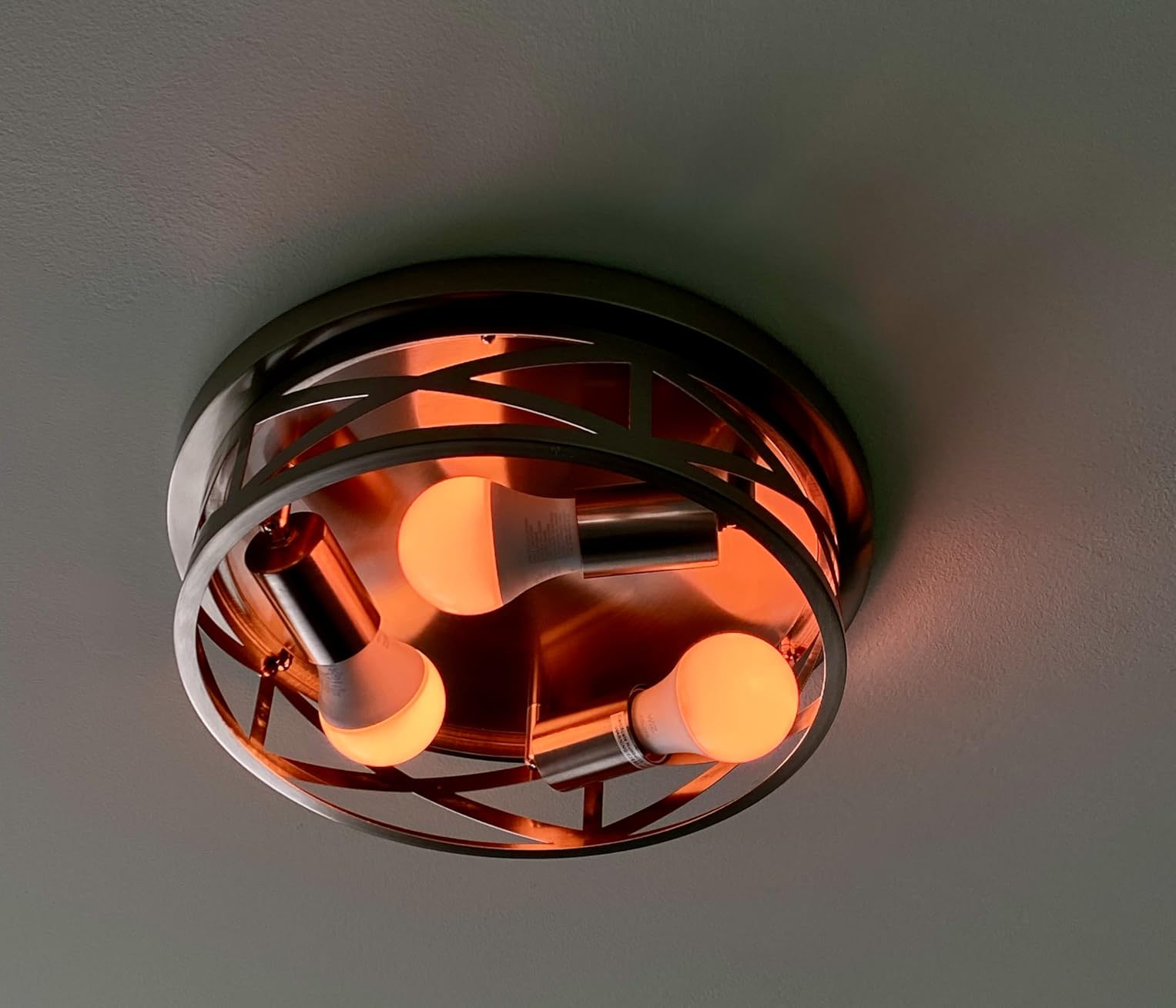
The WiZ three-pack is the one to buy if you want the room to change without you touching it. Sunset-to-sunrise automation is built into the firmware, and SpaceSense motion detection means the lights can come up when someone walks into the room rather than waiting for a command.
It is also the most efficient bulb here, drawing 8.8 watts for 800 lumens. Built by Signify, the same manufacturer behind Philips Hue, it shares that company’s lighting pedigree without the premium tier and without requiring a hub.
Matter Certification Without a Bridge
Matter certification is the headline, and it means these bulbs appear natively in Apple Home, Amazon Alexa, Google Home and Samsung SmartThings without a gateway. For a living room, that removes the single most common setup objection, and it means moving ecosystems later does not strand the hardware.
The 16 million colors, warm-to-cool white range and preset moods cover the usual scene needs, and pairing over 2.4GHz takes seconds. The three-pack format is a good fit for a ceiling plus two lamps.
Long-Term Ownership and the App Bugs
What is unusual here is the length of the ownership history. Owners report WiZ bulbs installed in 2019 still working, which is the kind of long-term evidence most listings in this category simply do not have, and it carries a two-year warranty.
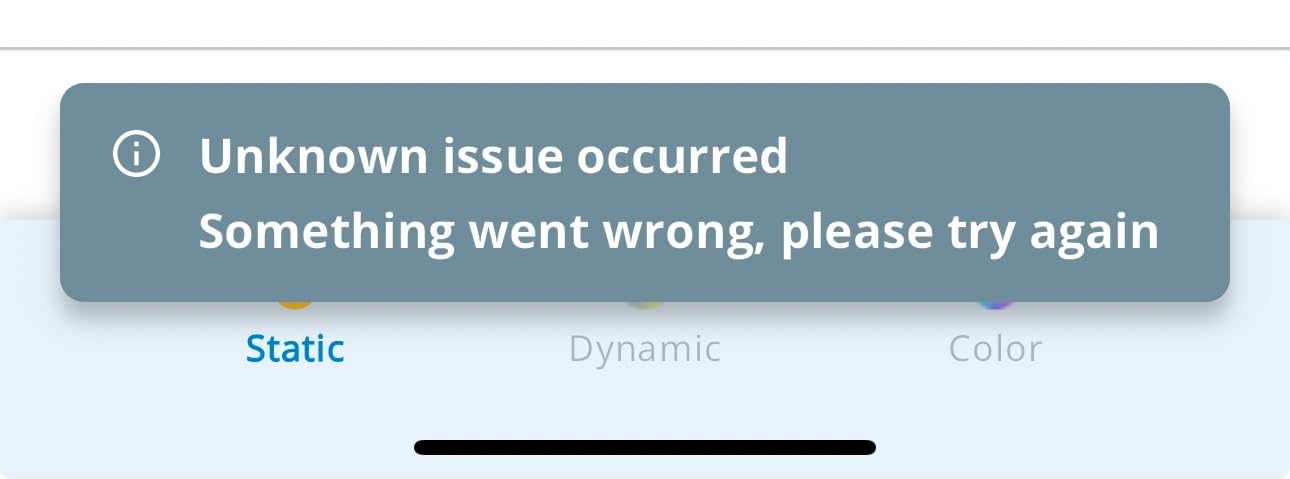
Against that, the app is the weak point. Owners report automation edits that do not apply cleanly and need manual resets, plus bulbs that cycle through modes and fail to re-sync. Newer bulbs also render color less intensely than earlier WiZ generations, so a mixed-vintage room can look uneven.
For Whom the WiZ 3-Pack Is Good
It is good for Apple Home and Google Home households that want four ecosystems from one bulb with no bridge. Sunset automation and motion response make it the strongest option here for a room nobody thinks about until they walk into it.
For Whom the WiZ 3-Pack Is Bad
It is a poor choice for anyone whose household will edit automations constantly and expects them to stick, because the app needs rescuing more than competitors do. If you already own older WiZ bulbs, do not assume new color matches them.
8. Sengled Matter A19 Multicolor – Best Matter Value for a Single Fixture
Sengled Matter LED Smart Light Bulb (A19), Multicolor, Compatible with Alexa, 60W Equivalent, 800LM, Instant Pairing, 1-Pack
800 lumens at 9 watts
CRI 90
Matter certified
1-pack
25000-hour life
+ Pros
- Matter certified across four major ecosystems
- 800 lumens from 9 watts saving up to 85 percent
- Fast Alexa voice setup for most buyers
- Two-year warranty included
- Cons
- Some bulbs drop out of Alexa and need manual resets
- Bulbs take time to reconnect after a power cycle
- Support and warranty experiences widely criticized
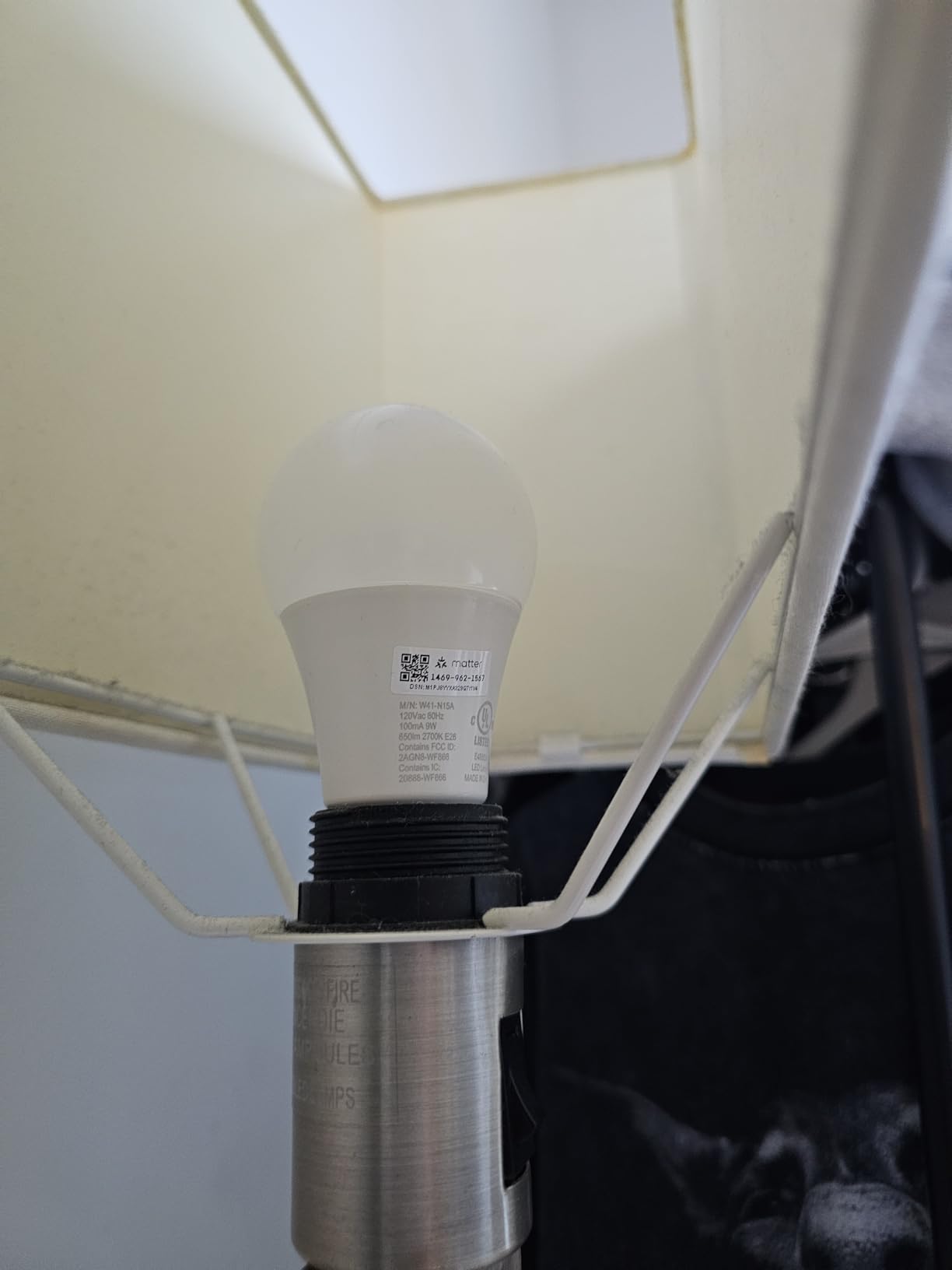
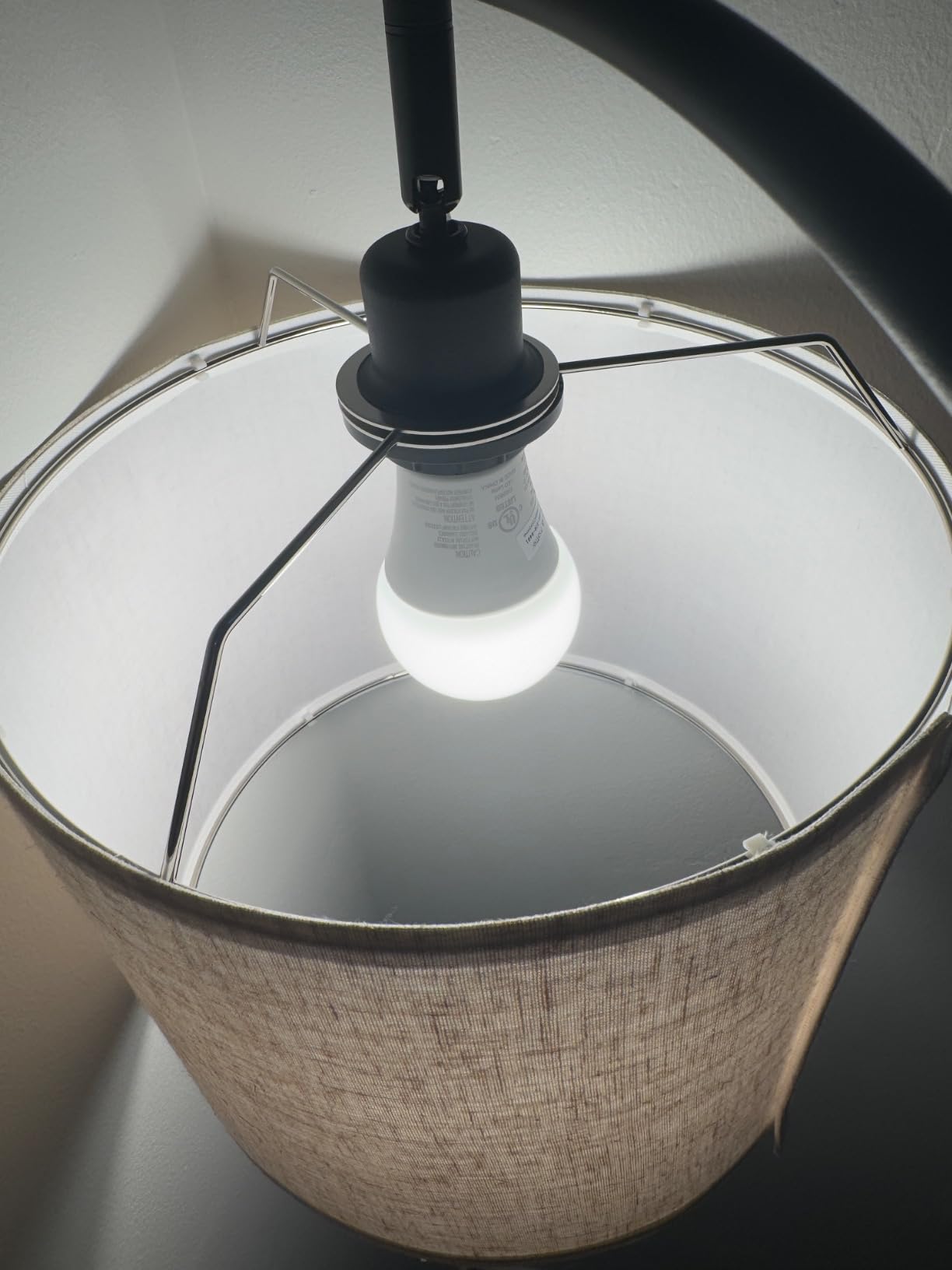
The Sengled M1 is the most direct route into Matter in this roundup, and it is the bulb I would put in a single table lamp to test whether a living room suits smart lighting at all. One bulb, 800 lumens, and it shows up in Apple Home, Alexa, Google Home and SmartThings without a gateway.
Color rendering is rated at 90, which places it with the Kasa and Linkind bulbs rather than below them. The 25000-hour rated life is mid-pack, and it comes as a single unit rather than a multi-pack.
Matter on a Single Bulb Is the Smart Test Buy
Buying one bulb before committing to a room is the strategy I recommend to anyone unsure. Matter guarantees the bulb will keep working across ecosystems, so the purchase is not a bet on one platform, and 800 lumens at 9 watts is enough to judge the light in the socket that matters.
It runs on 2.4GHz Wi-Fi, so pair it in the room rather than at the router, and many buyers report fast Alexa voice setup once the network is joined.
Where the Support Experience Falls Short
The owner feedback splits cleanly. One group praises quick setup, brightness and value, while a vocal second group documents bulbs that unpair from Alexa, need repeated resets and feel unsupported. The warranty and support experience is the most criticized part of the package.
Buyers also report that bulbs take a moment to reconnect to Wi-Fi after a power cycle, which matters in a living room where the wall switch gets flipped. That is the practical reason I would not build an entire room out of these, despite the Matter advantage.
For Whom the Sengled M1 Is Good
It is a good fit for a one-fixture trial, for a renter who wants Matter flexibility without a hub, and for anyone who wants CRI 90 color at a modest entry point in this roundup. It is also a sensible add-on lamp alongside a different brand’s main ceiling bulbs.
For Whom the Sengled M1 Is Bad
It is a bad choice for a whole-room install unless you enjoy troubleshooting, because dropping out of Alexa is the most common reported fault and the warranty experience is weak. It is also poor for anyone who wants local control when the network fails, since reconnection after a power cycle is slow.
9. LIFX Color A19 2-Pack – Best for Full-Color Accent Lighting
LIFX Color Smart Light Bulbs (2-Pack) A19 E26, Matter Compatible RGB + Tunable White (800 Lumens), WiFi Dimmable Color Changing (2.4GHz), Compatible with Apple HomeKit, Alexa & Google
800 lumens
82 or better CRI
Full 9000K spectrum
2-pack
Matter no hub
+ Pros
- Deepest color control with 200+ themes and gradients
- Full 9000K tunable range from warm to cool
- Matter compatible with no hub required
- Visualizer music sync plus strobe and cycle effects
- Cons
- Android pairing needs an airplane-mode workaround
- Bulbs run larger than a standard A19
- Some owners report white-channel failures over time
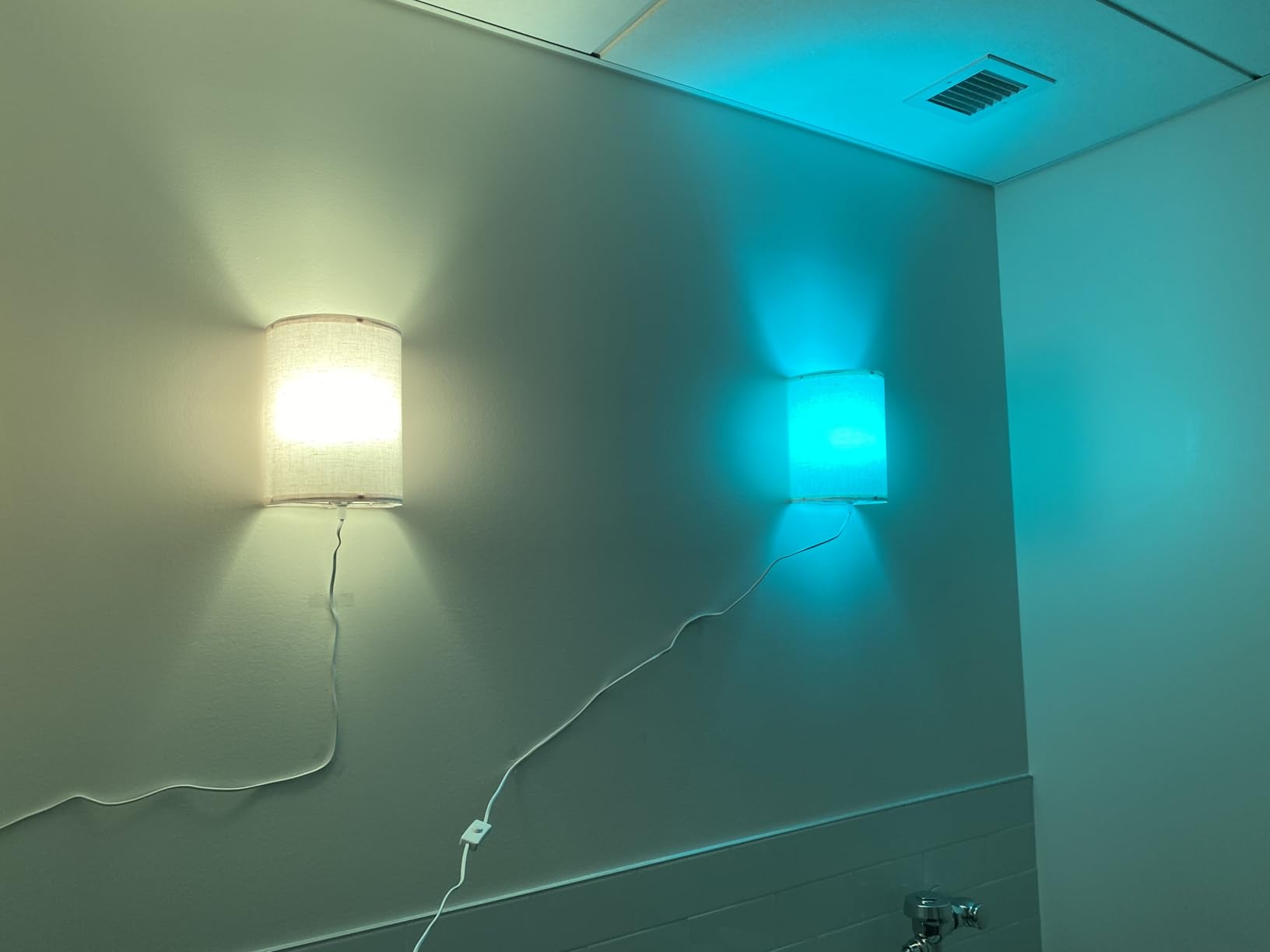
The LIFX two-pack is the color specialist. Its SuperColor output is rated at 82 or better CRI across 800 lumens, and the app exposes 200-plus themes, custom palettes and gradients that no other app in this roundup matches. For accent lighting behind a sofa or inside a display shelf, that depth is the reason to buy it.
It also reaches 9000K, the coolest maximum in this roundup, which lets you push a room noticeably bluer and colder than a standard 6500K ceiling bulb. Dimmable from 1 to 100 percent across that full range, with routine scheduling built in.
Local Control, Matter and the Software Question
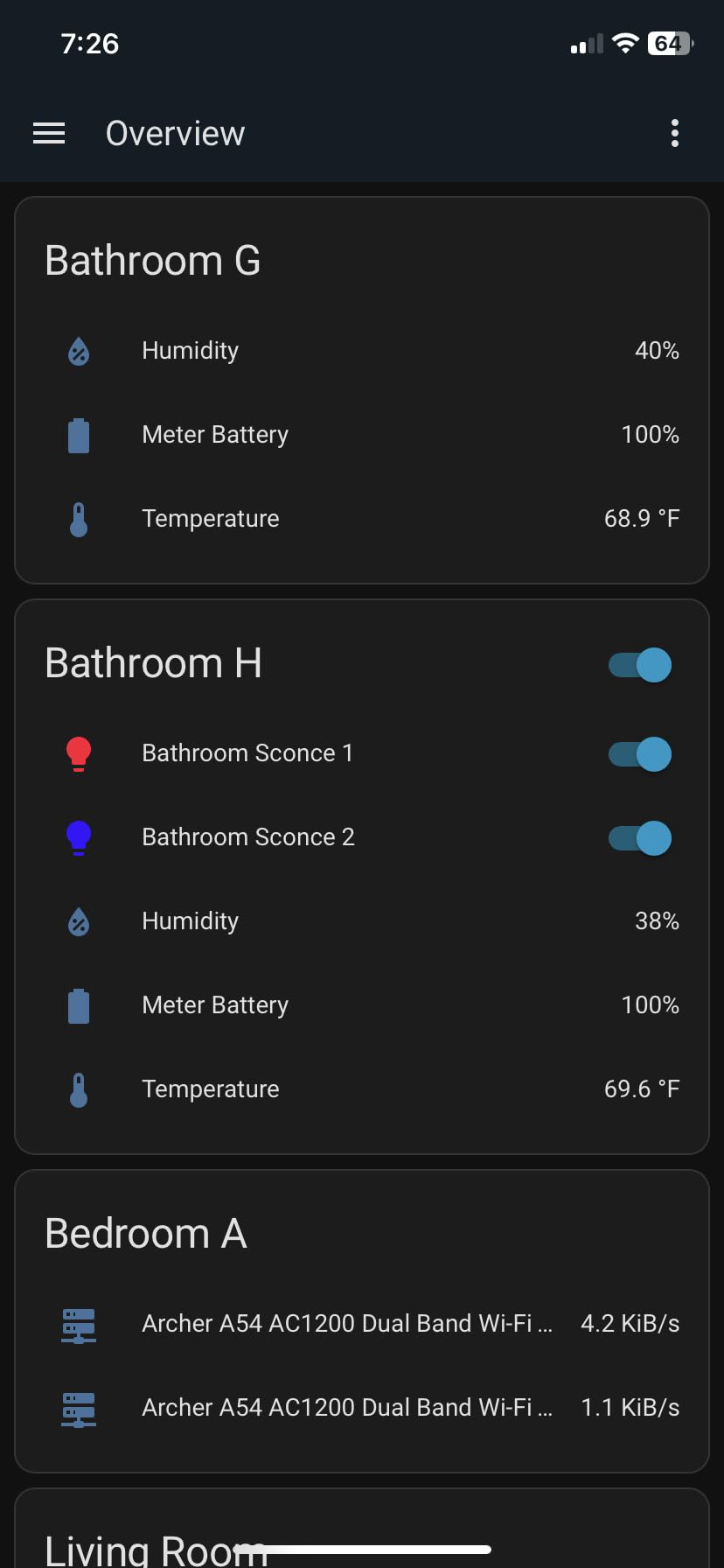
The bulbs can be controlled locally over Wi-Fi without depending on the cloud, and Matter compatibility means QR-code HomeKit pairing alongside Alexa and Google with no hub. That combination is unusual at this feature level and it is why HomeKit and Google Home owners on r/lifx report better compatibility than with some competing brands.
The counterweight is the software history. r/smarthome owners describe LIFX as having some of the best technical bulbs available alongside the most frustrating software and support experiences, and an r/lifx thread titled around replacing devices after support requests reflects that directly. Firmware updates have also broken third-party integrations before.
Sizing, Pairing and Long-Term Failure Rates
Two practical issues come up repeatedly. Android pairing requires a non-obvious airplane-mode workaround, which is the single most common setup complaint in the reviews. And the bulbs are slightly larger than a standard A19, which can conflict with tight fixtures and ceiling-fan domes.
Some owners also report white-channel failures and needing multiple replacements over time, so the long-term durability picture is weaker than the color specification sheet suggests. It is a two-pack, which makes sense for accent lighting rather than a full room.
For Whom the LIFX 2-Pack Is Good
It is good for accent lighting, display shelves and media areas where color depth is the point. It suits owners who want local control, Matter and no hub, and who are comfortable handling a slightly fiddly first pairing.
For Whom the LIFX 2-Pack Is Bad
It is a bad choice for a household that wants set-and-forget reliability or that has other people using the lights casually. It is also a poor fit for tight fixtures and fan domes, and for anyone whose phone is Android and who does not want to read the setup notes first.
10. Amazon Basics Smart A19 – Best for Alexa-Only Homes
Amazon Basics Smart A19 LED Light Bulb, Color Changing, 9W (60W Equivalent), 800LM, Works with Alexa Only, WiFi 2.4 GHz, No Hub Required, Mood Lighting, Energy Efficient, 1-Pack
800 lumens at 9 watts
2700K base white
Alexa only
5 to 100 percent
1-pack
+ Pros
- No hub and no separate app needed
- Alexa sunrise and sunset routines work reliably
- 16 preset colors and 5 to 100 percent brightness
- Suitable for damp locations
- Cons
- Alexa only with no Google Home or HomeKit
- No physical dimmer switch compatibility
- Some bulbs fail to join 2.4GHz Wi-Fi during setup
The Amazon Basics bulb is the simplest thing on this list, and simplicity is the feature. It sets up entirely inside Alexa, with no hub, no third-party app and no account beyond the one you already have. If your household already talks to Alexa, that removes every friction point competitors charge you for.
Output is 800 lumens at 9 watts, brightness runs from 5 to 100 percent, and there are 16 preset colors over a 2700K base white. Rated 4.4 stars across 14369 ratings, with 74 percent of reviews at five stars.
Routines Are Where This Bulb Earns Its Place
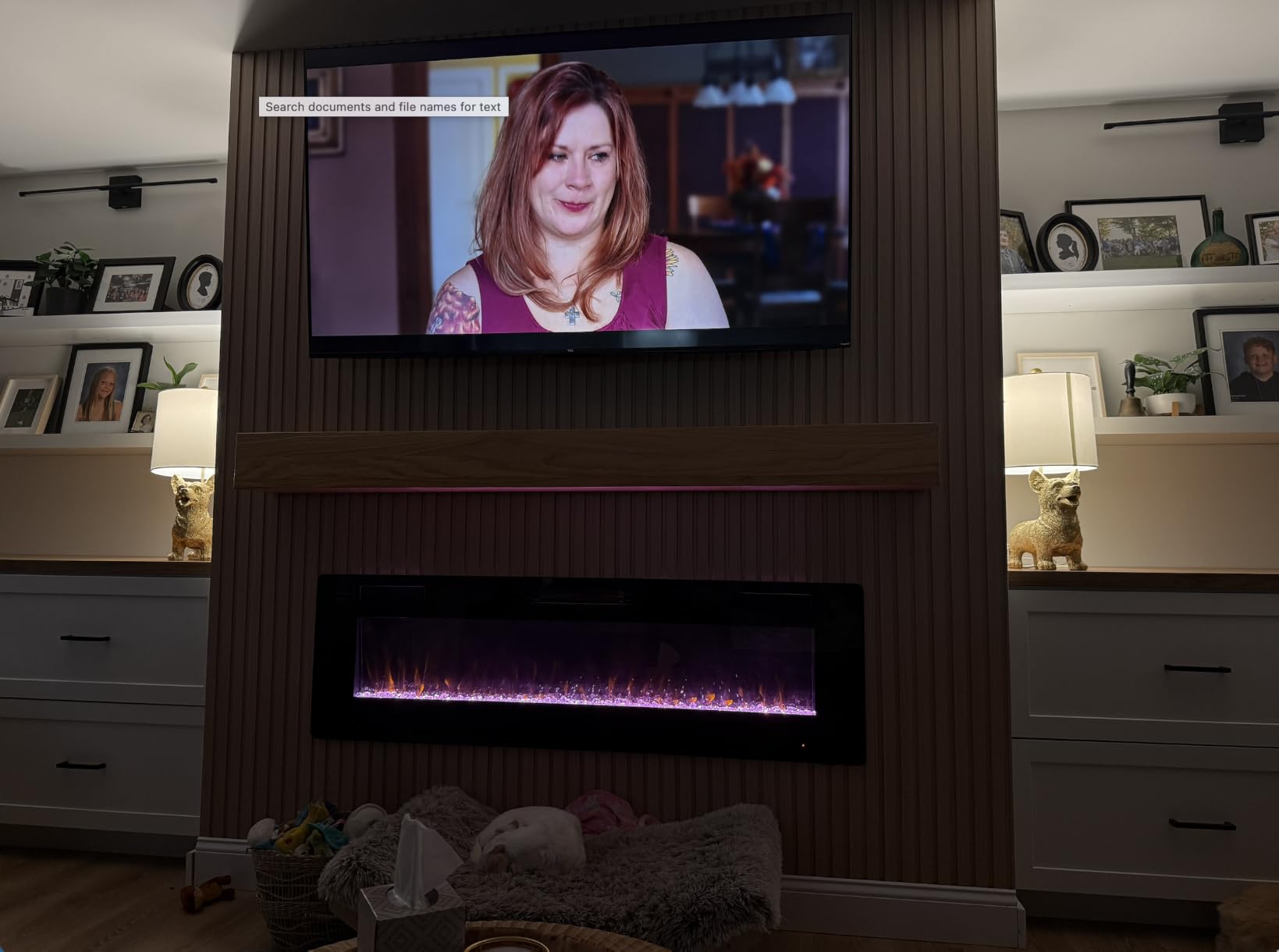
Sunrise and sunset routines are the reason to buy it. Owners report them working reliably, which matters in a living room where the goal is to have the room warm up before you get home without touching a switch. Room grouping in the Alexa app handles a multi-bulb room cleanly.
It is also listed as suitable for damp locations, which makes it the only bulb here with that claim and gives you a second option for a covered fixture near a window.
The Ecosystem Ceiling
Here is the tradeoff and it is a hard one. This bulb works exclusively with Alexa, with no Google Assistant, HomeKit or SmartThings exposure. If anyone in your household uses a different assistant, or if you think you might switch platforms, that limitation is permanent.
Dimming runs only through the Alexa app or voice, never a physical dimmer, and some buyers report bulbs failing to join the 2.4GHz network during setup. A few also describe the colors as not fully accurate, which is consistent with no published CRI figure.
For Whom the Amazon Basics A19 Is Good
It is good for an Alexa-only household, a rental where no wiring changes are allowed, and anyone who wants a working scene-capable bulb without thinking about hubs. The single-bulb pack also makes it a good trial purchase.
For Whom the Amazon Basics A19 Is Bad
It is a bad choice for mixed-ecosystem homes, for anyone with a physical dimmer in the circuit, and for a room where color fidelity matters. Because there is no published CRI, treat the color claims as decorative rather than accurate.
How to Choose Smart Bulbs for a Living Room
Almost every living room needs at least three different jobs done by lighting, and that is why a single bulb recommendation rarely works. The main ceiling fixture needs output. Lamps and corners need a low dimming floor and a warm tone. Accent locations need color. Buying one SKU for all three is where people get disappointed.
Match Lumens to Room Size, Not to Wattage
Watt equivalent is a legacy number inherited from incandescent bulbs and it tells you nothing useful. Lumens is the figure that matters, and this entire roundup sits in a narrow band around 800 lumens per bulb. That number is a fixture specification, not a room specification.
For a living room, a common working target is roughly 20 to 30 lumens of total light per square foot of floor area. A 200 square foot room therefore wants about 4000 to 6000 lumens combined, which at 800 lumens per bulb means five to eight fixtures working together. One 800-lumen bulb is a reading lamp, not a room light.
The practical consequence is that most living rooms need more bulbs than people buy first. Start with the ceiling fixture plus the two lamps you use most, and see how the room feels before outfitting the corners.
Dimming Floor and Low-Brightness Flicker
This is the criterion most lists skip and the one residents notice most, because a living room spends hours at 20 percent brightness. Community testers on BudgetLightForum sort bulbs on measured flicker at low levels for exactly this reason, and a bulb that looks superb at full output can be unpleasant at 20 percent.
Read the dimming range in the specifications. LIFX and Tapo both state 1 to 100 percent, while Amazon Basics states 5 to 100 percent. Owners of the Govee specifically report that the floor stays noticeably bright, which is the most common complaint against the editor’s choice.
Color Temperature, Tunable White and CRI
Tunable white is the shift between warm amber and cool daylight, measured in Kelvin. Most living room work happens in the 2700K to 4000K band, so what you are really shopping for is the range rather than a single number. Linkind reaches down to 1800K, LIFX up to 9000K, and most others sit between 2500K and 6500K.
CRI is the number that separates a room that looks right from one that looks slightly off. At 80, colors are close enough for general lighting. At 90, skin tones, wood and fabric read noticeably truer, and the difference is obvious in a lamp-lit corner at night.
On that basis, Kasa, Linkind, Sengled, Tapo and SYLVANIA rate 90 or better, while Govee, Philips Hue and LIFX sit lower. The 16 million colors figure every brand advertises tells you nothing at all.
Hub, Bridge or Hub-Free: What Connectivity Buys You
For one living room, you do not need a hub. Every bulb in this roundup except Philips Hue talks to a 2.4GHz Wi-Fi network directly, and the Hue bulbs join over Bluetooth and Zigbee without a bridge for basic control.
You need a bridge in two situations: when you want control from outside the home, and when your bulb count gets high enough that the mesh or the network benefits. The bridge is also what enables full automation in the Hue system, and it is the reason LIFX and the Sengled and WiZ Matter bulbs are attractive at all, since they reach multiple ecosystems with no hardware at all.
One constraint catches nearly everyone: all of these bulbs are 2.4GHz only. On a dual-band router that combines 2.4GHz and 5GHz under one name, pairing fails. Check your network settings before you buy anything.
Apps, Ecosystems and Long-Term Support
The app is the product you keep, and it is where brands separate. Forum feedback is consistent on the pattern: r/smarthome owners standardize on Hue for a consistent experience, LIFX is respected for hardware and criticized for software and support, and Govee is the value and scene choice that generates the most Home Assistant friction.
When comparing reliability, weigh the review volume next to the star rating. Govee at 27168 ratings and Kasa at 16783 represent far more long-term evidence than LIFX at 4354, and a 4.3 average on 14812 Sengled ratings tells a different story from a 4.3 average on 5563 WiZ ratings. Warranty length is a rough proxy too, ranging from one year on the Govee pack to three years on the Hue three-pack.
Wall Switches, Dimmers and the Power-Cut Trap
Flip a traditional wall switch off and the smart bulb loses power entirely. It looks broken, it stops responding to the app, and it is the most reported confusion in this entire category. The fix is to leave the wall switch on and control the bulb from the app or voice instead.
A second trap: these bulbs are not designed to sit behind a legacy wall dimmer. Linkind and Amazon Basics both draw explicit warnings about flicker and buzz with traditional dimmer switches. If your living room has a dimmer in the circuit, either bypass it, replace it with a smart dimmer, or accept that the dimmer will only act as an on-off switch.
Five Mistakes to Avoid
Buying on color count instead of CRI is the most common one, and it is the least informative specification on the box. Another is ignoring the 2.4GHz requirement until pairing fails at 8pm with a bulb screwed in. The third is buying a single bulb for a whole room and concluding smart lighting does not work.
The fourth is mixing brands casually, which leaves you juggling several apps for one room and no way to trigger one scene across all of it. The fifth is leaving a wall dimmer in the circuit and then blaming the bulb for flickering.
Who Should Not Buy a Smart Bulb
Skip this category entirely if your household reliably flips wall switches off, since the bulbs will lose power and appear faulty. Also skip it if your living room Wi-Fi is weak or your router is 5GHz only, and if you do not want another app and account on the network.
And do not buy smart bulbs for a room you never use. A guest room lit for a few hours a month is a poor return on the setup effort, while the living room, which is lit every single day, is where scenes and routines actually pay back.
Frequently Asked Questions
Which smart bulb is best for a living room?
The Govee A19 Color Changing 4-Pack is the best all-round pick, because 800 lumens, 16 million colors, 54 preset scenes and a Bluetooth fallback cover a whole room from one app with no hub. Choose the Kasa KL125P2 instead if CRI 90 color accuracy and real-time energy monitoring matter more to you, and the Philips Hue three-pack if smooth dimming and long-term app consistency are worth a higher per-bulb cost.
Do smart bulbs raise the electric bill?
No. Every bulb in this roundup draws between 8.8 and 9 watts to replace a 60-watt incandescent, which is roughly an 85 percent reduction in draw. Running a living room for three hours a night costs a few cents a month more than nothing and far less than the bulbs they replaced. Standby draw is minimal too, with the Tapo L530E listed at 0.2 watts.
Do smart bulbs need a hub?
Not for a single room. All of these bulbs except Philips Hue join a 2.4GHz Wi-Fi network directly, and Hue bulbs work over Bluetooth without a bridge for basic control. You need a bridge only when you want away-from-home access, or when you pass roughly 20 bulbs. Matter bulbs from Sengled and WiZ span Alexa, Google Home, Apple Home and SmartThings with no hub at all.
Which brand of smart bulbs is the most reliable?
Philips Hue is the most consistent by owner experience, and r/smarthome users repeatedly report standardizing on Hue for that reason rather than for any specification. The strongest evidence base belongs to Govee, which pairs a 4.6 rating with more than 27000 ratings, and Kasa at 4.5 across 16783 ratings. LIFX hardware is well regarded but its software and support draw consistent criticism.
Is Philips Hue or Govee better?
Choose Hue for smooth dimming, a polished and stable app, a three-year warranty and Matter support across three ecosystems. Choose Govee for value, a four-bulb pack, the longest rated life at 50000 hours and far more owner feedback at over 27000 ratings. Govee wins on scenes and music sync, while Hue wins on color rendering consistency and long-term firmware support.
The Best Smart Bulbs for Living Rooms, Recapped
If you want one brand across the whole room and the widest feature set, the Govee A19 four-pack is the pick, with the caveat that its dimming floor is high. If color accuracy in a reading corner and energy data matter more, take the Kasa KL125P2. If the room is where you spend your evening and you want the smoothest dimming available, the Philips Hue three-pack is worth the premium.
For specific situations, the Linkind four-pack wins on local Home Assistant control, the SYLVANIA four-pack on filling many fixtures cheaply, the Tapo L530E on wide-beam coverage in a big room, the WiZ three-pack on sunset automation and Matter flexibility, the Sengled M1 on a single-bulb Matter trial, the LIFX two-pack on full-color accent lighting, and the Amazon Basics bulb on dead-simple Alexa-only setups.
Before you order anything, confirm two things: your router is running a 2.4GHz network, and nobody in the house is going to flip the wall switch off. Those two checks prevent more disappointment than any specification on the box. Then buy the ceiling bulb first, live with it for a week, and add the lamps once you know the light suits the room.