
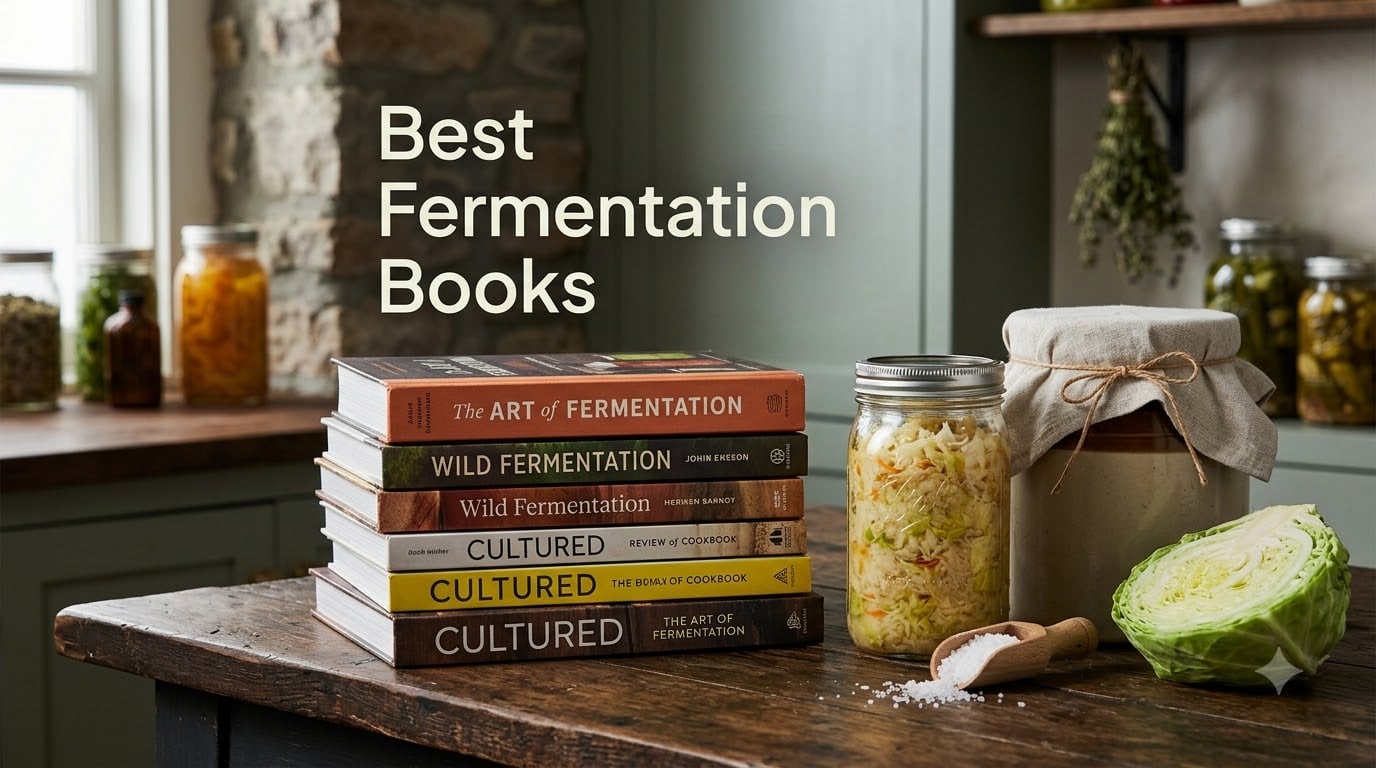
Finding the best fermentation books is the single fastest way to go from nervous beginner to confident fermenter, because a good author has already made every mistake for you. I know that because my first jar of sauerkraut turned to mush before I understood what salt concentration actually does. After that failure, I built a small library of fermentation guides, cooked through them for months, and compared notes with home fermenters on Reddit’s r/fermentation and a few long-running fermentation Facebook groups.
What I learned is that no single book covers everything. Some are recipe-driven cookbooks, some are concept manuals that teach you the science, and a few are specialized deep dives into koji, hot sauce, or kefir. The right pick depends on where you are right now and what you want to ferment next.
Below are the 12 books I would actually recommend in 2026, including the ones the fermentation community keeps coming back to and the budget titles worth considering. I have organized them by strength so you can match a book to your goals instead of guessing.
Our Top 3 Fermentation Books for 2026

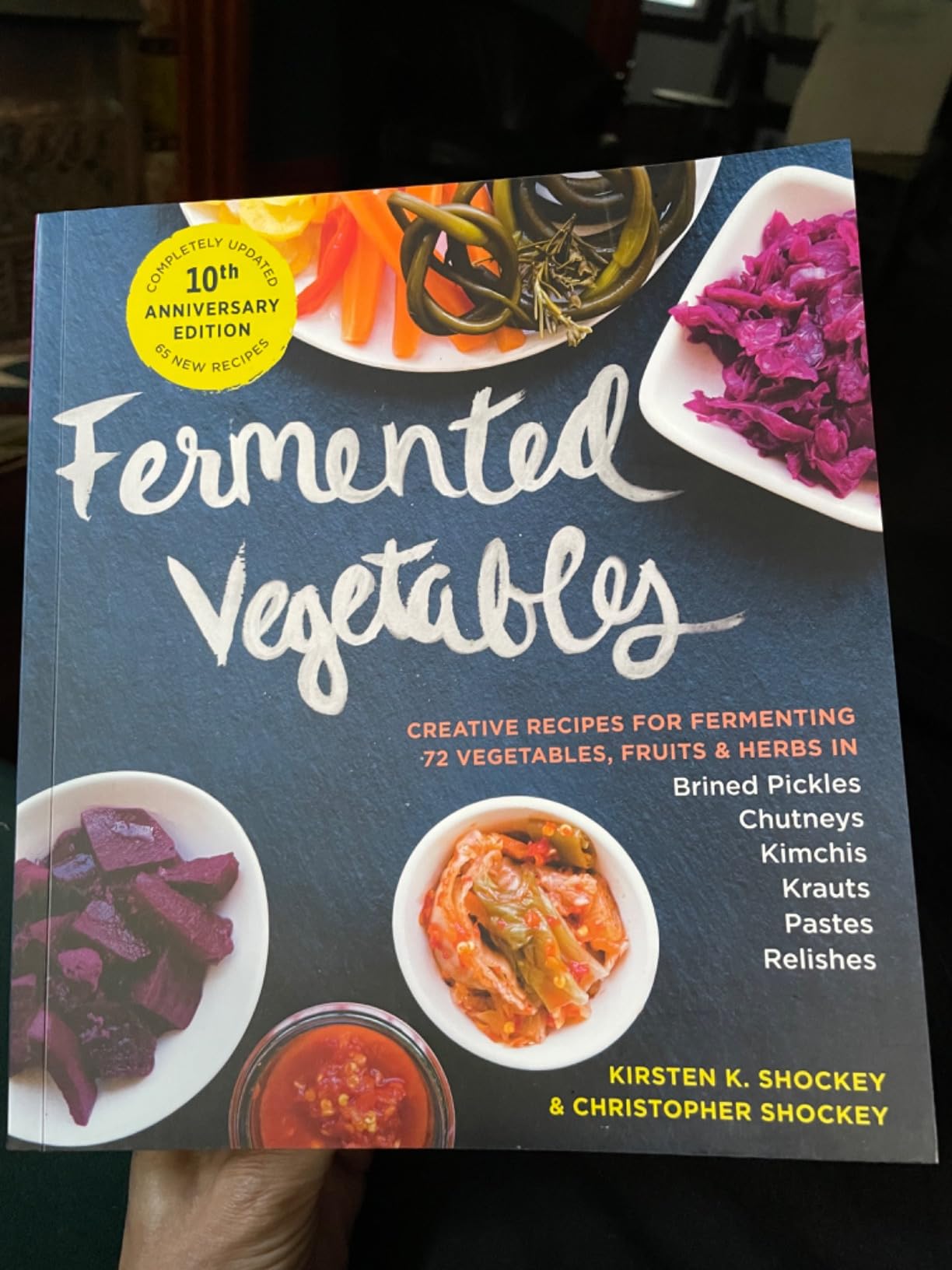
Fermented Vegetables, 10th…
- Covers 72 vegetables fruits and herbs
- Troubleshooting photos
- Great for beginners

The Art of Fermentation
- Complete fermentation encyclopedia
- Vegetables to meats to grains
- Teaches concepts not just recipes
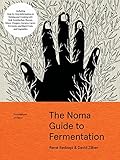
The Noma Guide to Fermentation
- Koji miso shoyu and garums
- 500+ step-by-step photos
- Restaurant-level techniques
If you only buy one book this year, make it Fermented Vegetables by Kirsten and Christopher Shockey. It is the most reliable starting point for vegetable lacto-fermentation, with tested recipes and a troubleshooting section that saved more than one of my batches.
The Art of Fermentation is the reference work you graduate to when you want to understand why ferments behave the way they do. And the Noma Guide to Fermentation is the pick for ambitious cooks who want restaurant-grade techniques like koji and garum at home.
Comparing the 12 Best Fermentation Books of 2026
| Product | Details | |
|---|---|---|
| Fermented Vegetables, 10th Anniversary Edition |
|
Check Latest Price |
| The Art of Fermentation |
|
Check Latest Price |
| The Noma Guide to Fermentation |
|
Check Latest Price |
 Wild Fermentation, 2nd Edition Wild Fermentation, 2nd Edition |
|
Check Latest Price |
 Fiery Ferments Fiery Ferments |
|
Check Latest Price |
 Miso, Tempeh, Natto and Other Tasty Ferments Miso, Tempeh, Natto and Other Tasty Ferments |
|
Check Latest Price |
 The Farmhouse Culture Guide to Fermenting The Farmhouse Culture Guide to Fermenting |
|
Check Latest Price |
 Cultured Food for Health Cultured Food for Health |
|
Check Latest Price |
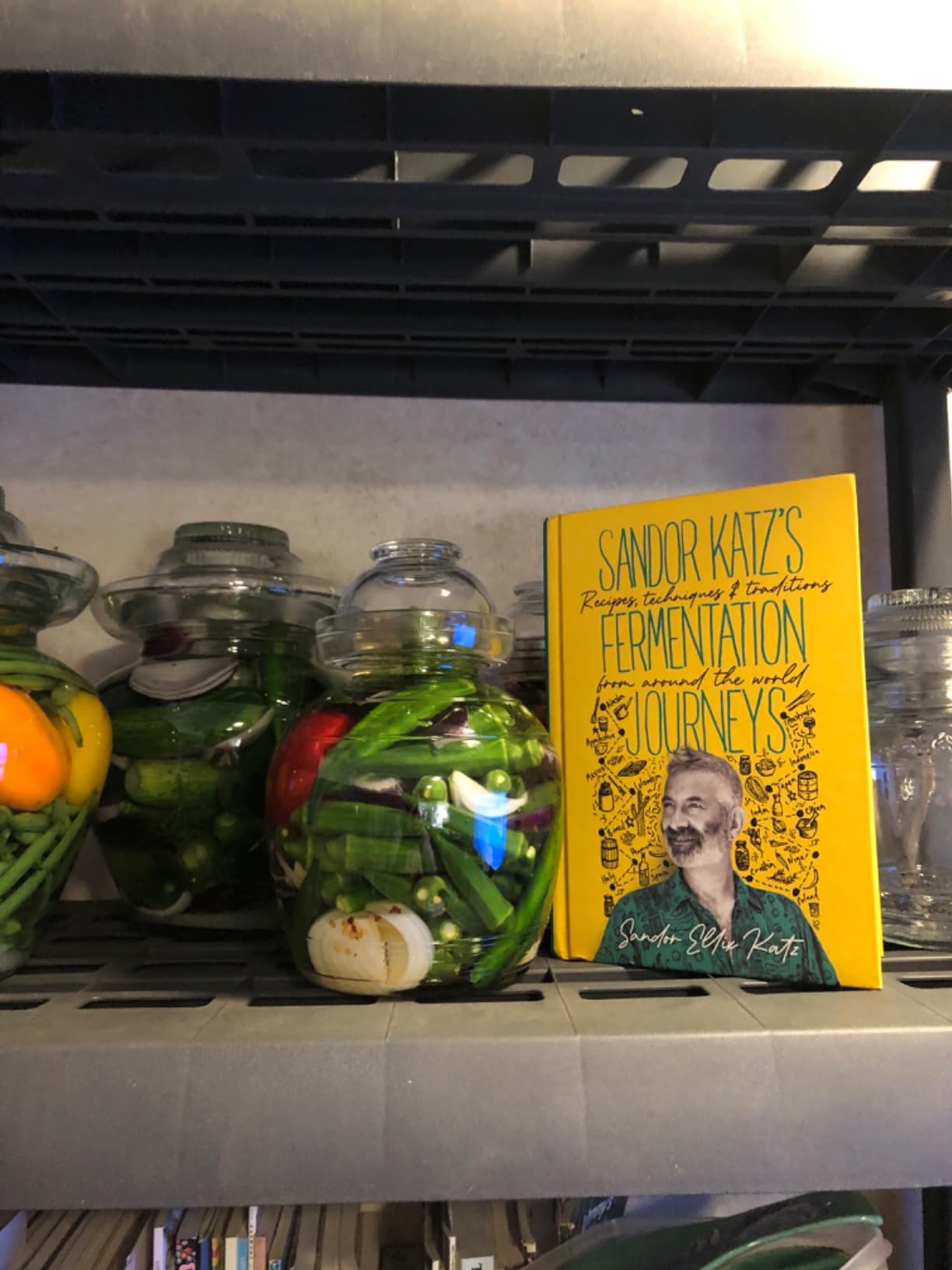
 Sandor Katz’s Fermentation Journeys Sandor Katz’s Fermentation Journeys |
|
Check Latest Price |
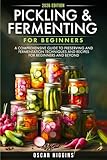 Pickling and Fermenting for Beginners Pickling and Fermenting for Beginners |
|
Check Latest Price |
 Fermentation Made Easy Fermentation Made Easy |
|
Check Latest Price |
 Fermented Vegetables: The Ultimate Guide Fermented Vegetables: The Ultimate Guide |
|
Check Latest Price |
Every book in this table earned its place through consistent reader results, community recommendations, or a specialty no other title matches. Here is the full breakdown of each one.
1. Fermented Vegetables, 10th Anniversary Edition – The Best Starting Point for New Fermenters
Fermented Vegetables, 10th Anniversary Edition: Creative Recipes for Fermenting 72 Vegetables, Fruits, & Herbs in Brined Pickles, Chutneys, Kimchis, Krauts, Pastes & Relishes
Authors: Kirsten and Christopher Shockey
440 pages
Covers 72 vegetables, fruits and herbs
A-Z reference format
+ Pros
- Perfect starter book with tested reliable recipes
- Excellent scum gallery photos for troubleshooting
- Covers 72 vegetables fruits and herbs
- Explains the science behind lacto-fermentation
- Cons
- Strictly lacto-fermentation only
- No coverage of starter cultures or whey
This is the book I hand to anyone who says fermenting intimidates them. The Shockleys walk you through your first jar of kraut with the patience of people who have taught thousands of workshops, and the recipes simply work. My first successful batch of kimchi came straight from these pages after two failed attempts using random internet instructions.
The 10th anniversary edition refines the original with updated recipes and even better photography. At 440 pages it is substantial, but the A-to-Z vegetable organization means you can jump straight to whatever is in your fridge.
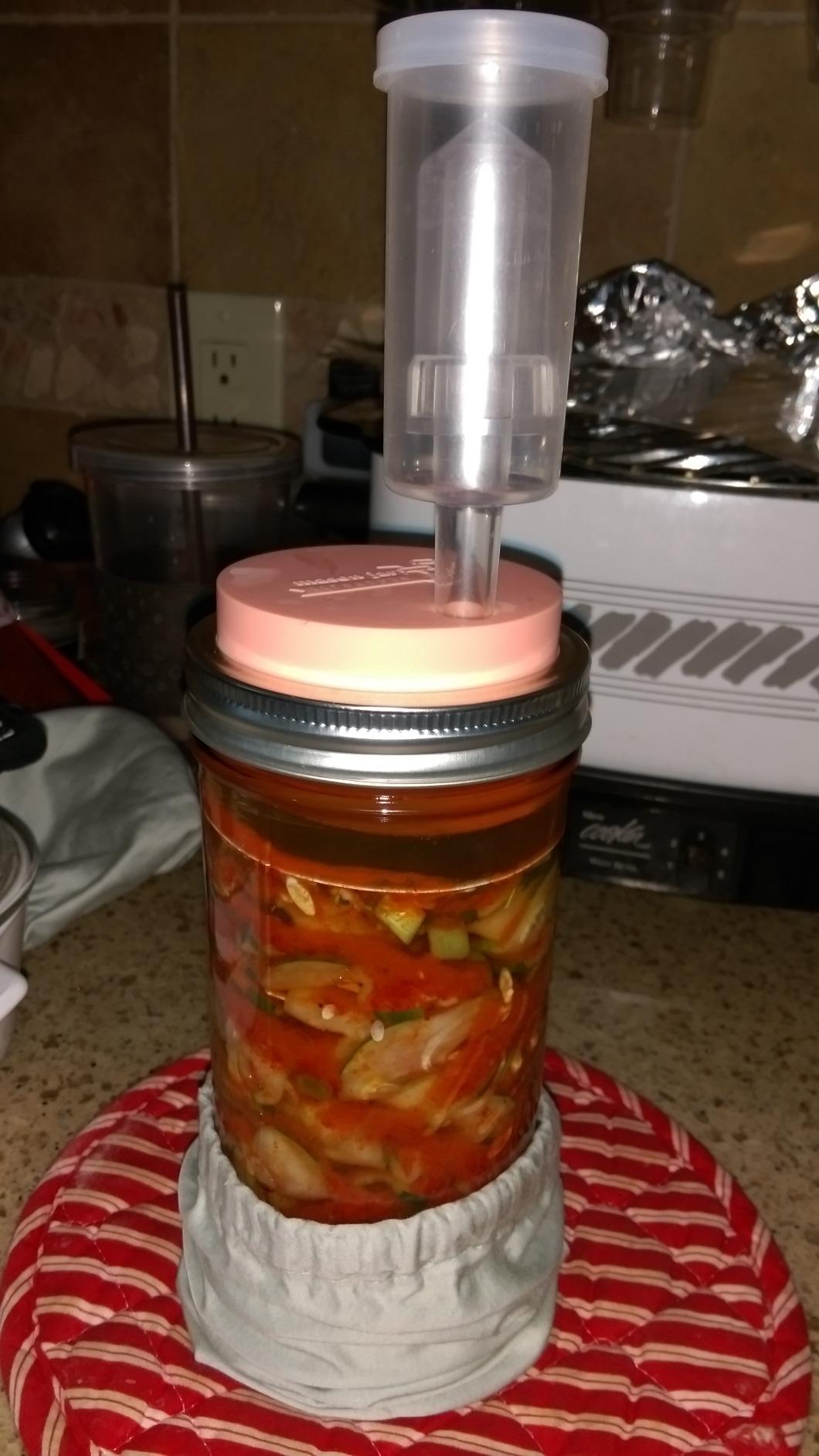
Recipe Reliability and Variety
With 72 vegetables, fruits, and herbs covered, each with multiple recipe variations, this book removes the fear of the unknown. The recipes are tested, which forum users consistently praise because failed batches are the number one reason beginners quit.
The variations also teach you to think in techniques rather than rigid recipes. After a few months I was inventing my own combinations without a recipe at all.
The Scum Gallery and Troubleshooting
The famous “scum gallery” shows photos of what mold, kahm yeast, and normal fermentation actually look like on your jar. This single section answers the question that sends most beginners to forums in a panic.
Knowing what is safe to skim off and what demands starting over is the difference between confidence and quitting. This book teaches that judgment visually.
Who Should Buy It
Buy this if you are starting out, want to preserve garden vegetables, or need tested recipes you can trust. It earns our Editor’s Choice because it balances science, photos, and reliability better than any other beginner title.
Skip it if you want kombucha, sourdough, or meat ferments, since it stays strictly within vegetable lacto-fermentation.
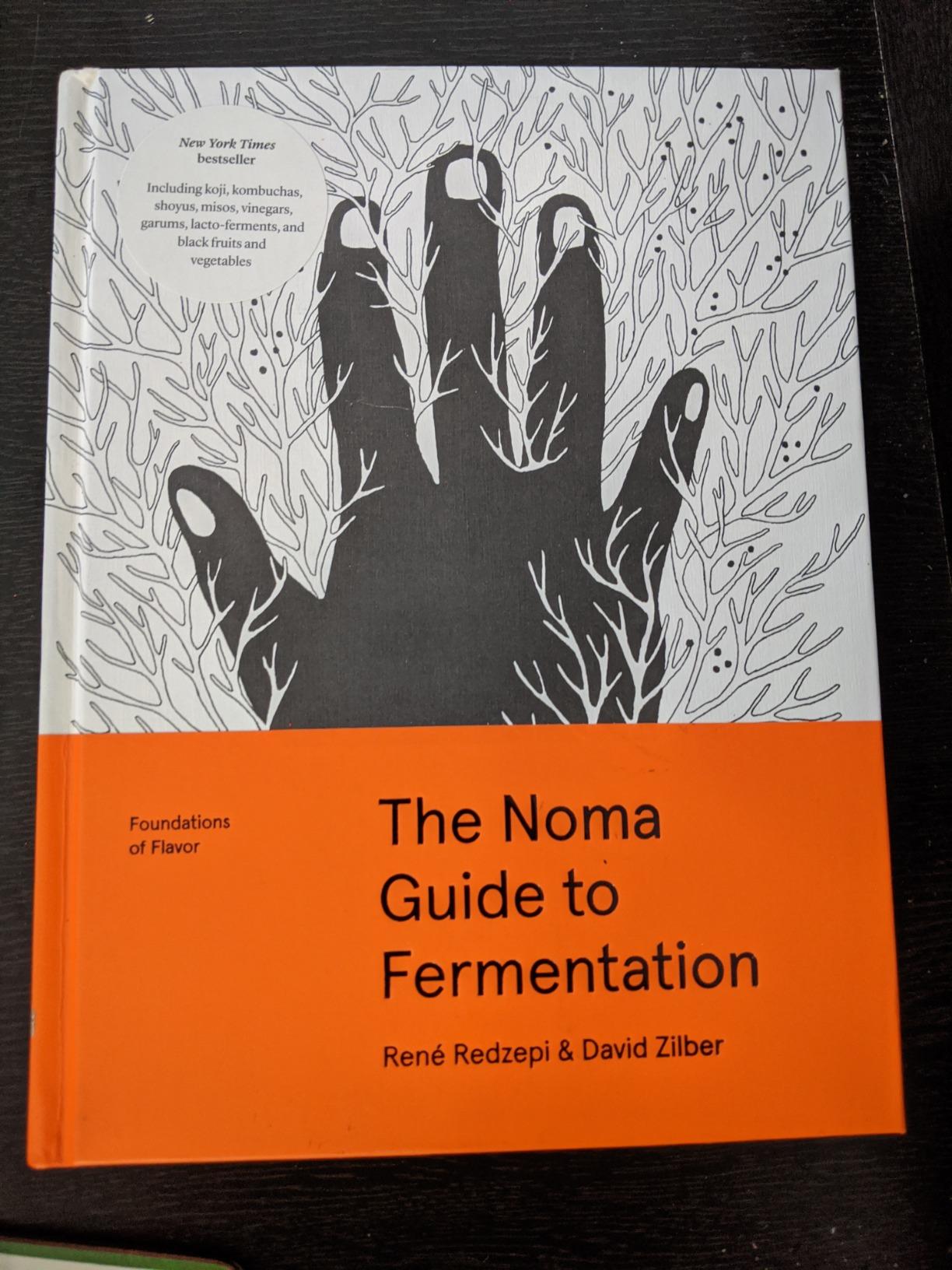
2. The Noma Guide to Fermentation – Restaurant-Level Techniques for Ambitious Home Cooks
The Noma Guide to Fermentation: Including koji, kombuchas, shoyus, misos, vinegars, garums, lacto-ferments, and black fruits and vegetables (Foundations of Flavor)
Authors: Rene Redzepi and David Zilber
456 pages
Koji, kombucha, shoyu, miso, garums
500+ photographs
+ Pros
- Definitive manual for savory umami-rich ferments
- Over 500 step-by-step photographs
- Explains the why and how of fermentation
- Hardcover production quality
- Cons
- Not a beginner book
- Some ingredients are hard to source
- Several recipes need specialty tools
From the kitchen of the world-famous Noma restaurant, this book translates professional fermentation into home practice. Growing your first tray of koji or brewing a liter of garum feels genuinely advanced, yet the instructions are clear enough that I pulled off both in an ordinary kitchen.
With over 4,800 ratings averaging 4.8 stars, it is the most acclaimed advanced fermentation book on the market. It is the one experienced fermenters on forums consistently recommend once you have the basics down.
Koji, Misos, and Shoyus at Home
The heart of the book is its treatment of koji, the mold culture behind miso, soy sauce, and sake. The step-by-step photography makes an intimidating process feel manageable, showing exactly what sporulated koji should look like.
The miso chapter alone changed how I season food. A simple chickpea miso made from these pages became the umami backbone of my cooking for a year.
Photography and Instruction Quality
More than 500 photos mean you rarely have to guess whether you are on track. For processes defined by visual cues, like garum color shifts or black fruit transformations, this is irreplaceable.
The explanations of why each step matters help you adapt recipes when your climate or ingredients differ from the restaurant’s.
Who Should Buy It
Buy this if you already ferment comfortably and want to push into restaurant territory, or if you love deep-dive food science. Pair it with a beginner book rather than starting here.
Skip it if you want simple vegetable ferments, because specialty ingredients and gear are assumed.
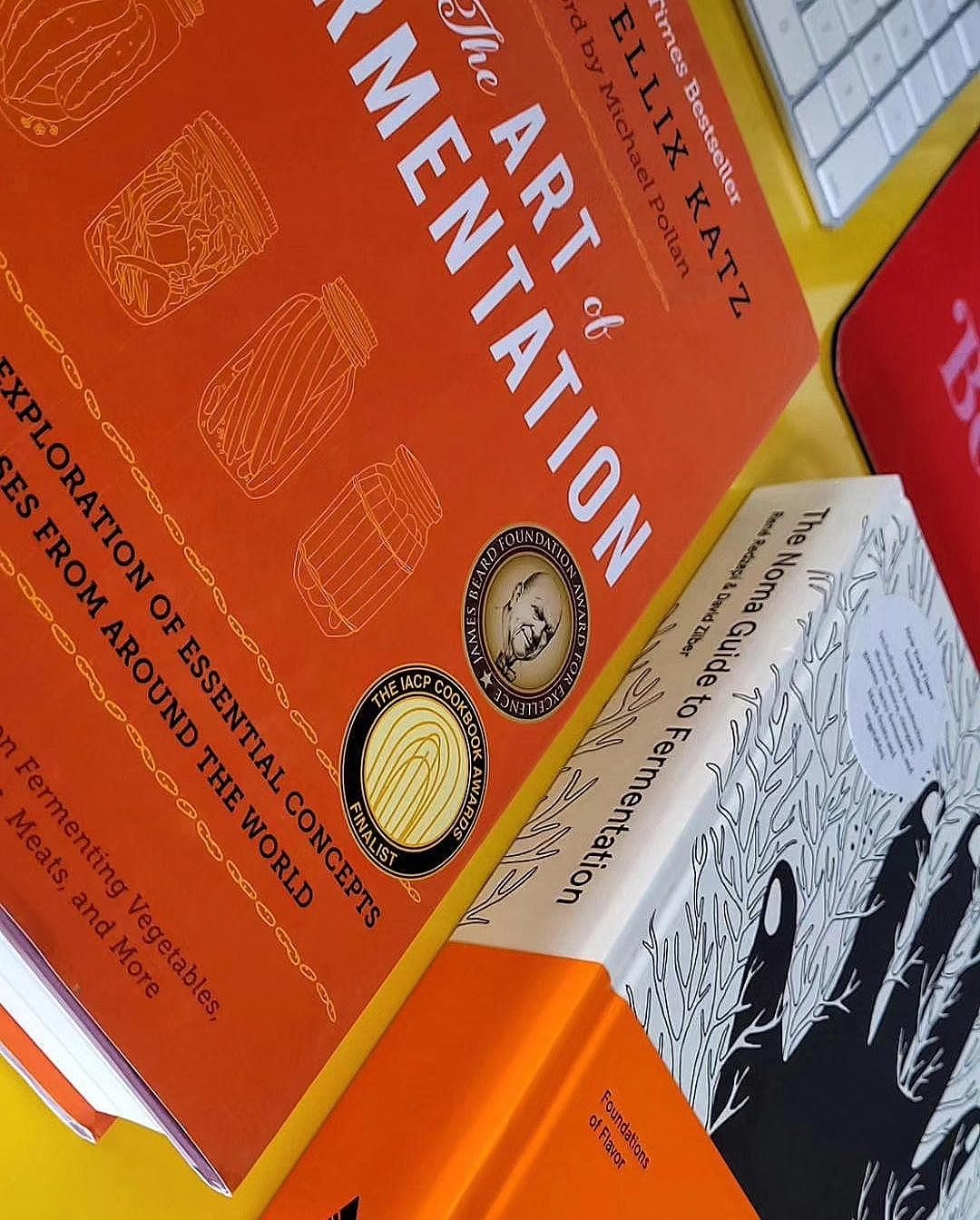
3. The Art of Fermentation – The Encyclopedia Every Serious Fermenter Owns
The Art of Fermentation: With Practical Information on Fermenting Vegetables, Fruits, Grains, Milk, Beans, Meats, and More
Author: Sandor Ellix Katz
498 pages
Covers vegetables grains milk beans meats
Full-color illustrated edition
+ Pros
- Comprehensive encyclopedia of every fermentation type
- Teaches the why and how behind processes
- Extensive references glossary and resources
- Covers non-food applications like compost
- Cons
- Not a step-by-step recipe cookbook
- Too conceptual if you want simple recipes
- Some binding quality complaints
Community members call this the bible of fermentation, and the nickname fits. Sandor Katz covers vegetables, grains, milk, beans, meats, and even non-food applications across nearly 500 pages. It won a James Beard Award and remains the reference work everyone else is measured against.
Reading it changed how I think about fermentation entirely. Instead of following recipes, I started understanding variables like salt, temperature, and time well enough to improvise confidently.

Concepts Over Recipes
This is a manual of principles, not a cookbook. Katz deliberately teaches ranges and concepts so you can ferment whatever you have on hand rather than shopping for a fixed ingredient list.
If you want exact gram-level recipes, the Shockey books or the Farmhouse Culture guide serve better. If you want to understand fermentation deeply, nothing rivals this.
Breadth of Coverage
Virtually every fermentation tradition in the world gets treatment here, from sourdough and kefir to tempeh and mead. That makes it the one book that answers questions across the whole craft.
The glossary, resources, and works cited sections turn it into a genuine reference you will return to for years.
Who Should Buy It
Buy this as your second book or as a gift for a fermenter who owns a couple of recipe books already. It is our Top Rated pick because no other title matches its depth and authority.
Skip it as a very first book if you learn best from photos and precise recipes.
4. Wild Fermentation, 2nd Edition – The Friendliest Introduction to the Craft
Wild Fermentation: The Flavor, Nutrition, and Craft of Live-Culture Foods, 2nd Edition
Author: Sandor Ellix Katz
320 pages
Second edition
No specialized equipment required
+ Pros
- Beginner-friendly with easy-to-follow recipes
- No fancy equipment needed
- Engaging philosophical writing style
- Comprehensive coverage of ferment varieties
- Cons
- More techniques and possibilities than strict recipes
- Not primarily a recipe book
Katz’s first book remains the one Reddit threads recommend most often as a starting point, because it is short, warm, and readable. Where The Art of Fermentation is an encyclopedia, Wild Fermentation is a friendly conversation that convinces you fermenting is easy.
The core message is empowering: the microbes do the work, and you mostly need to keep things salty and submerged. That mindset lowered the barrier enough for me to start experimenting the same week I finished it.
Zero-Equipment Approach
Every technique uses jars and tools you already own. There is no shopping list of airlocks, ceramic crocks, or pH meters, which matters if you want to try fermenting before investing in gear.
This makes it the cheapest path to a first successful batch, since a cabbage and some salt are genuinely all you need.
Who Should Buy It
Buy this if you want an inspiring first read or a low-pressure introduction to wild fermentation. Many fermenters own both this and The Art of Fermentation and use them as companions.
Skip it if you want glossy photography and precise recipe formatting, since the focus is philosophy and technique over polish.
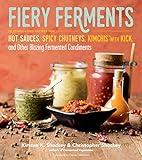
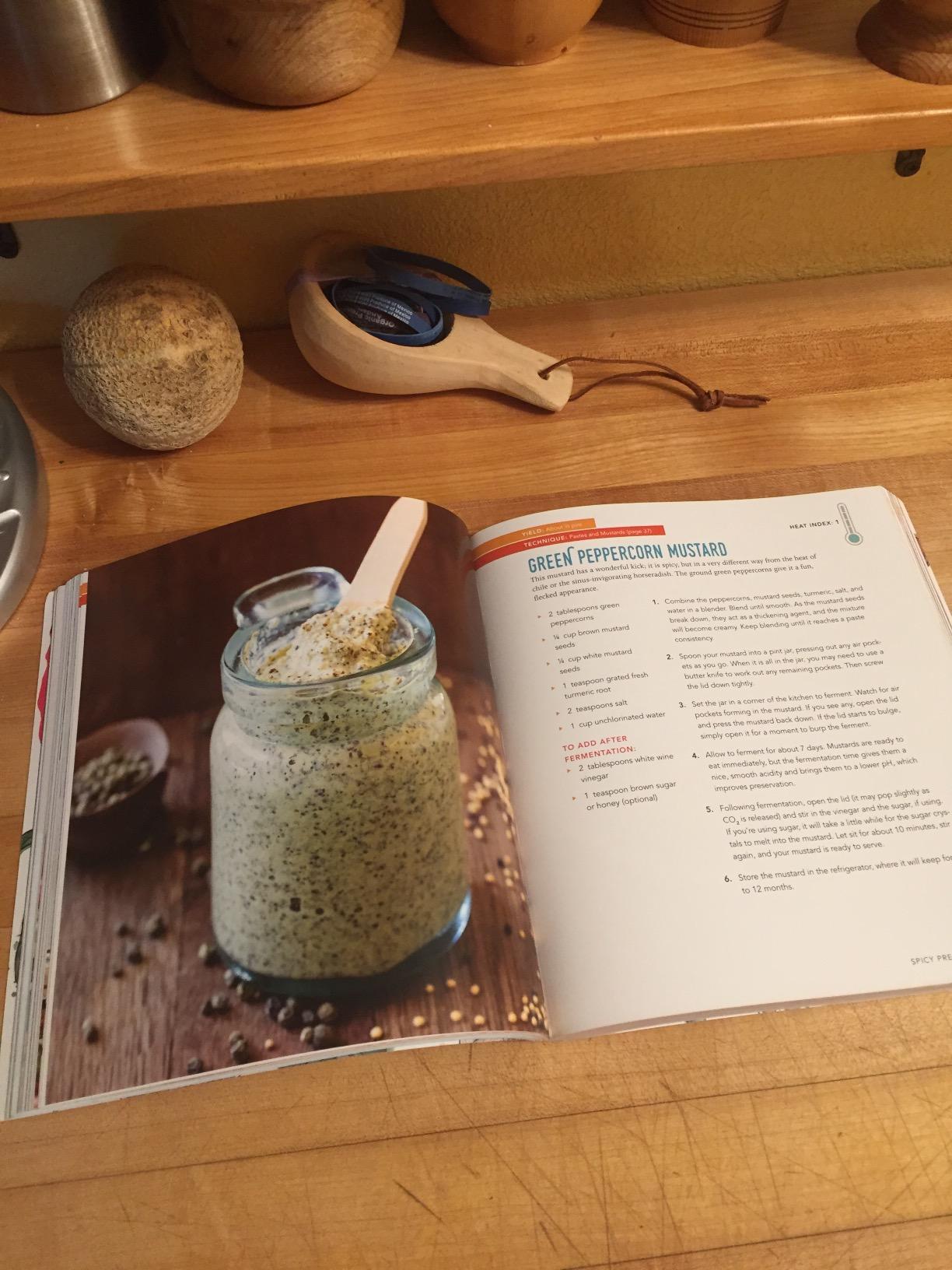
5. Fiery Ferments – The Best Book for Spicy Hot Sauces and Kimchis
Fiery Ferments: 70 Stimulating Recipes for Hot Sauces, Spicy Chutneys, Kimchis with Kick, and Other Blazing Fermented Condiments
Authors: Kirsten Shockey, Christopher Shockey
272 pages
70 spicy recipes
Hot sauces to kimchis
+ Pros
- 70 diverse recipes from hot sauces to beverages
- Beautiful photography throughout
- Easy-to-find ingredients for most recipes
- Encourages creative experimentation
- Cons
- Some recipes need many chili varieties
- Heat levels are left to the cook
- Some ingredients hard to find locally
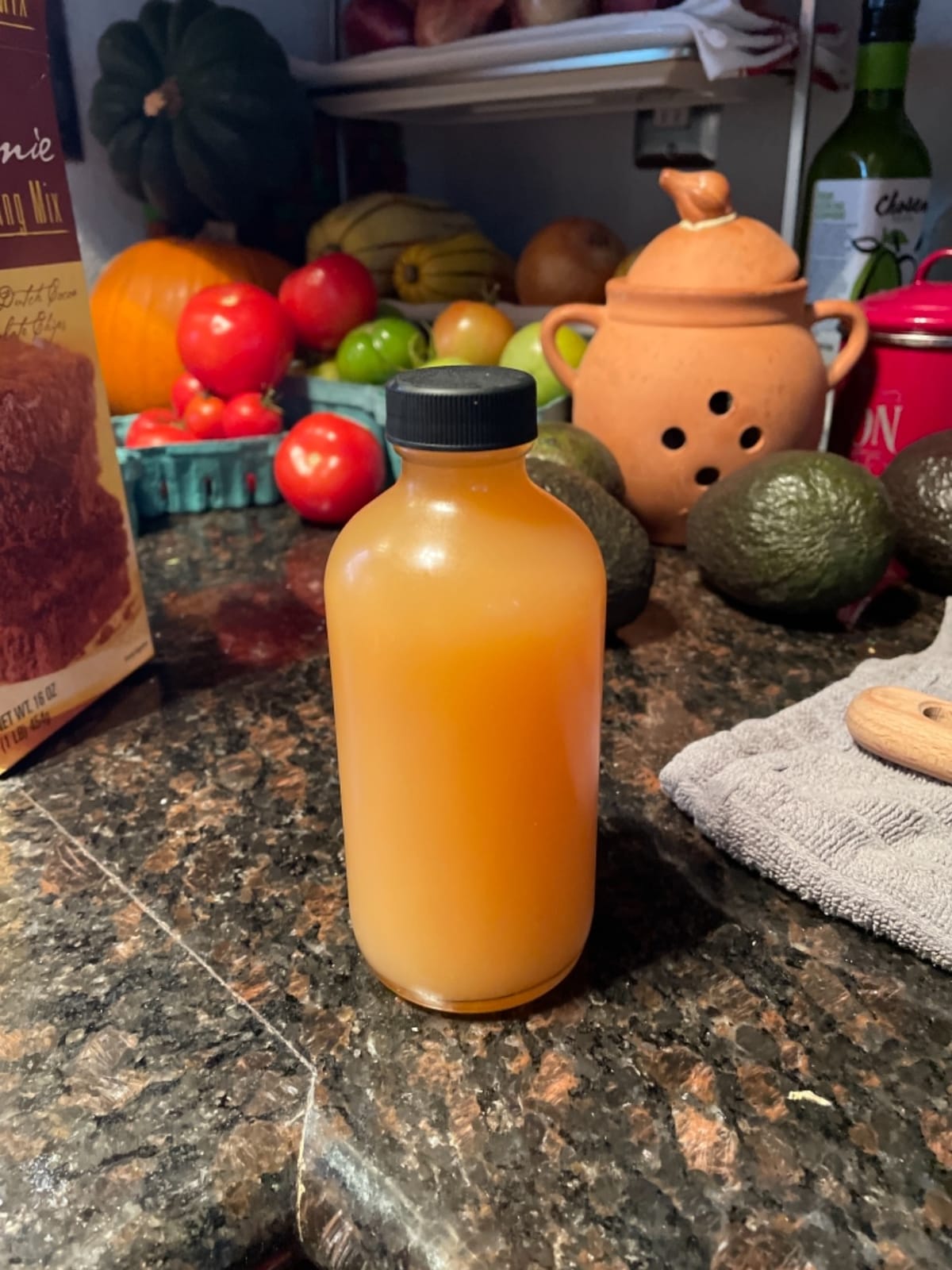
Once basic kraut gets boring, this is the book that reignites the hobby. The Shockleys turn fermentation toward heat, with 70 recipes covering fermented hot sauces, spicy chutneys, kimchis with kick, and even fiery beverages.
My fermented jalapeno hot sauce from this book beat anything store-bought, and the recipe flexed easily to whatever peppers my garden produced. At 4.8 stars it ties the Noma guide as the highest-rated title in this list.
Hot Sauce and Condiment Recipes
The hot sauce chapter teaches the lacto-fermented base that craft sauce makers use, then layers in flavor variations. The logic of brine, ferment, blend, and age is explained clearly enough to improvise your own signature sauce.
Recipes for spicy pastes and chutneys give you probiotic condiments that upgrade every meal from eggs to rice bowls.
Who Should Buy It
Buy this if you love heat, grow chilies, or want probiotic versions of your favorite spicy condiments. It pairs perfectly with Fermented Vegetables by the same authors.
Skip it if spicy food is not your thing, since nearly every recipe brings fire.
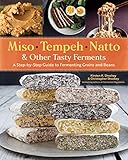
6. Miso, Tempeh, Natto & Other Tasty Ferments – The Definitive Asian Ferments Guide
Miso, Tempeh, Natto & Other Tasty Ferments: A Step-by-Step Guide to Fermenting Grains and Beans
Authors: Kirsten Shockey, Christopher Shockey
408 pages
Miso tempeh natto koji
Grain and bean fermentation
+ Pros
- Extremely detailed step-by-step instructions
- Comprehensive coverage of Asian ferments
- Includes koji cultivation
- Goes beyond soy to other beans and grains
- Cons
- Natto texture challenges some palates
- Some shipping quality complaints
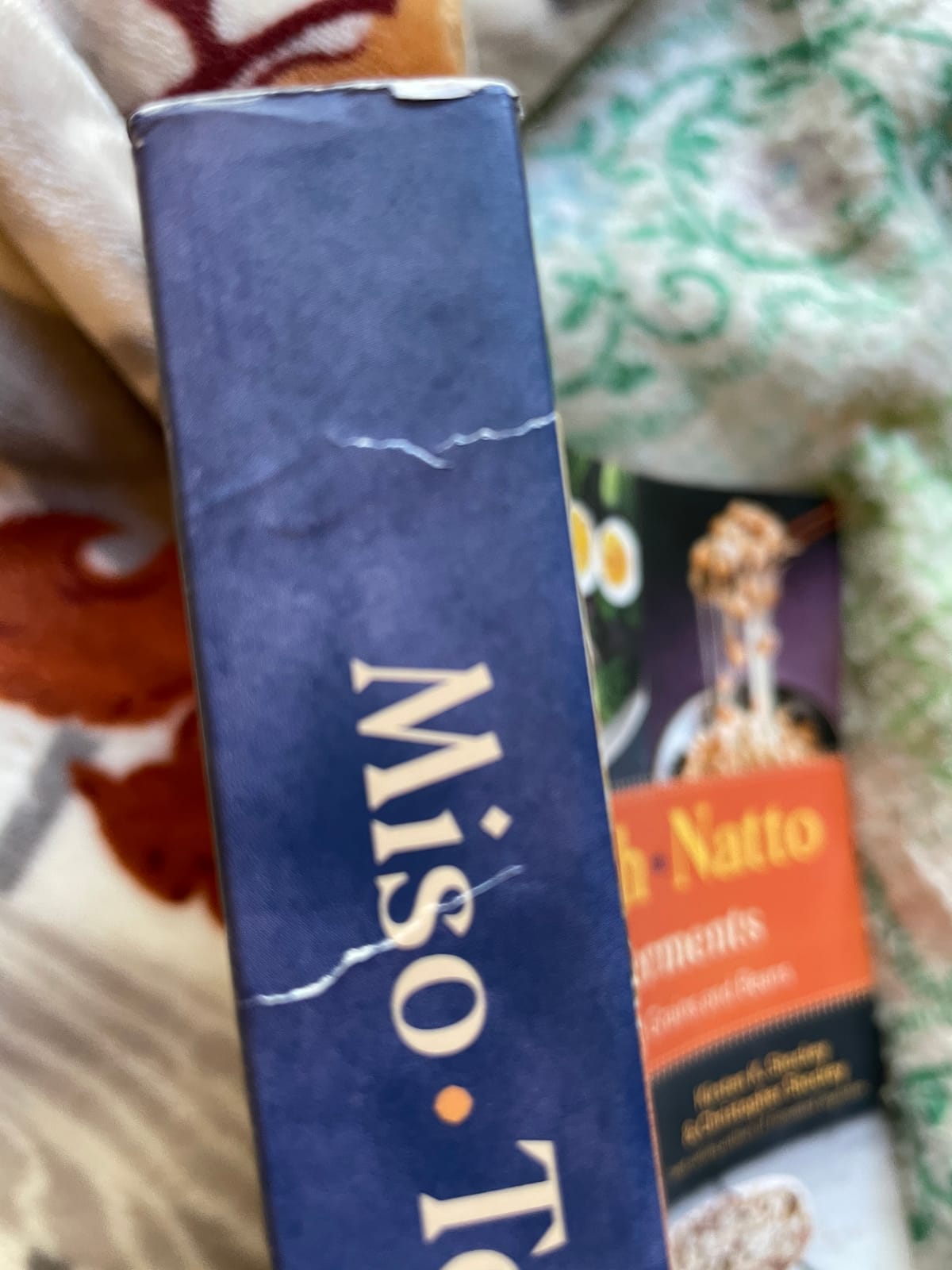
Where most fermentation books stop at vegetables, this one goes deep into grains and beans. Miso, tempeh, natto, shoyu, and koji each get exhaustive, photo-rich treatment across 408 pages.
Reviewers repeatedly call it a must-have and a bible for grain and bean fermentation. Making my first chickpea tempeh from these instructions worked on the first try, which still surprises me.
Koji Cultivation at Home
The koji chapter is the best beginner-friendly treatment I have found outside the Noma guide. Step-by-step photos show inoculation, incubation, and the visual cues of ready koji.
Once you can grow koji, a whole world of misos, shoyus, and amazake opens up with ingredients from any grocery store.
Who Should Buy It
Buy this if you want to make your own miso or tempeh, or if you cook a lot of Asian food and want deeper flavor control. It is the essential companion to a general fermentation library.
Skip it if your interest is strictly vegetables and drinks, since none of that is covered here.
7. The Farmhouse Culture Guide to Fermenting – The Best All-Around Cookbook
The Farmhouse Culture Guide to Fermenting: Crafting Live-Cultured Foods and Drinks with 100 Recipes from Kimchi to Kombucha[A Cookbook]
Authors: Kathryn Lukas and Shane Peterson
368 pages
100 recipes kimchi to kombucha
Professional chef background
+ Pros
- Professional recipes with exact measurements
- Fermentation time tables by temperature
- Explains what happens at each step
- Gorgeous photography and binding
- Cons
- Mostly metric measurements
- Not every recipe has a photo
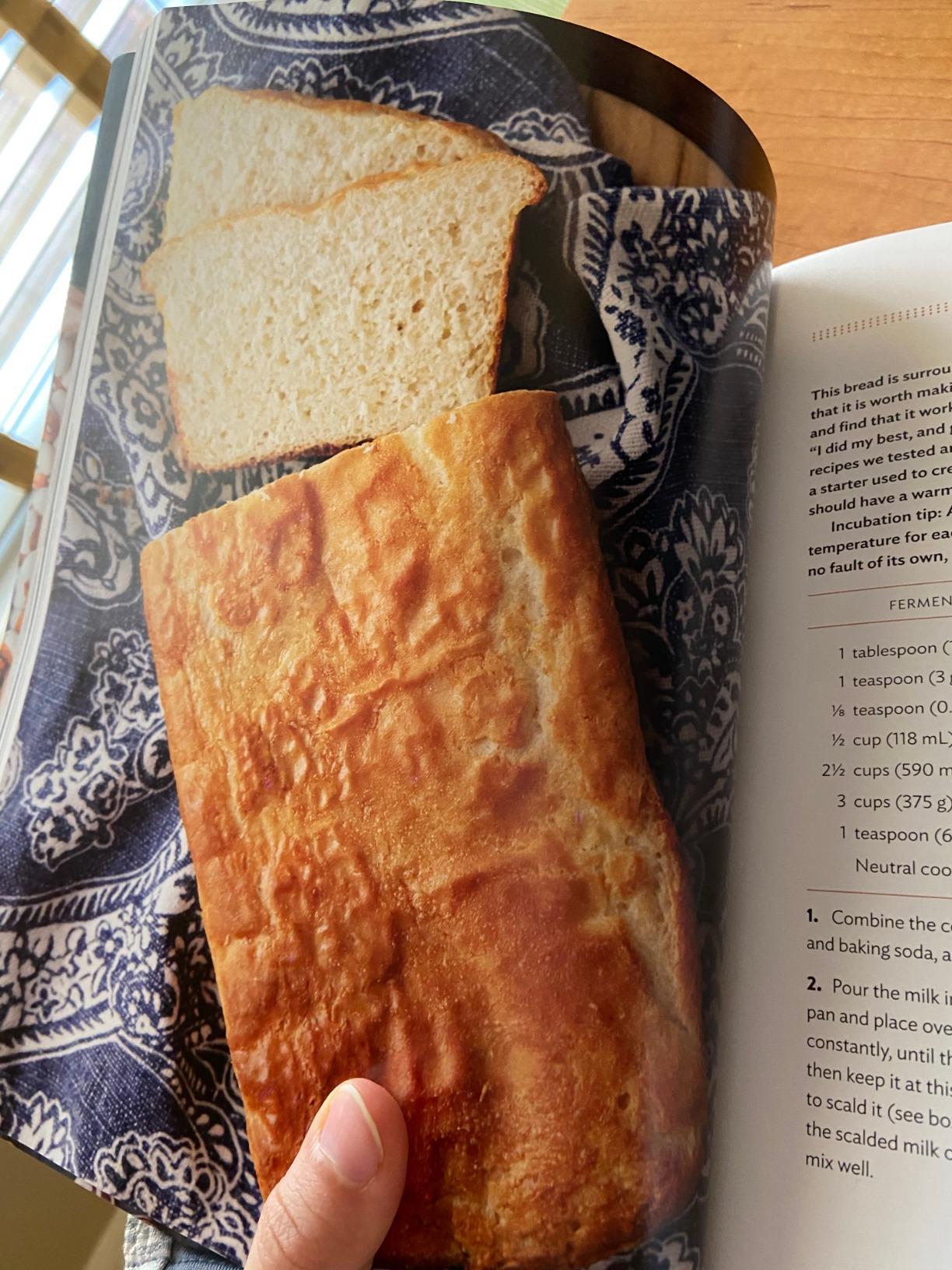
Written by the founders of Farmhouse Culture, this is the most cookbook-like title on the list. One hundred recipes run from kimchi to kombucha, each with the precision of trained chefs rather than homestead improvisers.
The fermentation time tables organized by temperature solved a real problem for me. My kitchen runs cold in winter, and finally I could look up how much longer a ferment needed instead of guessing.
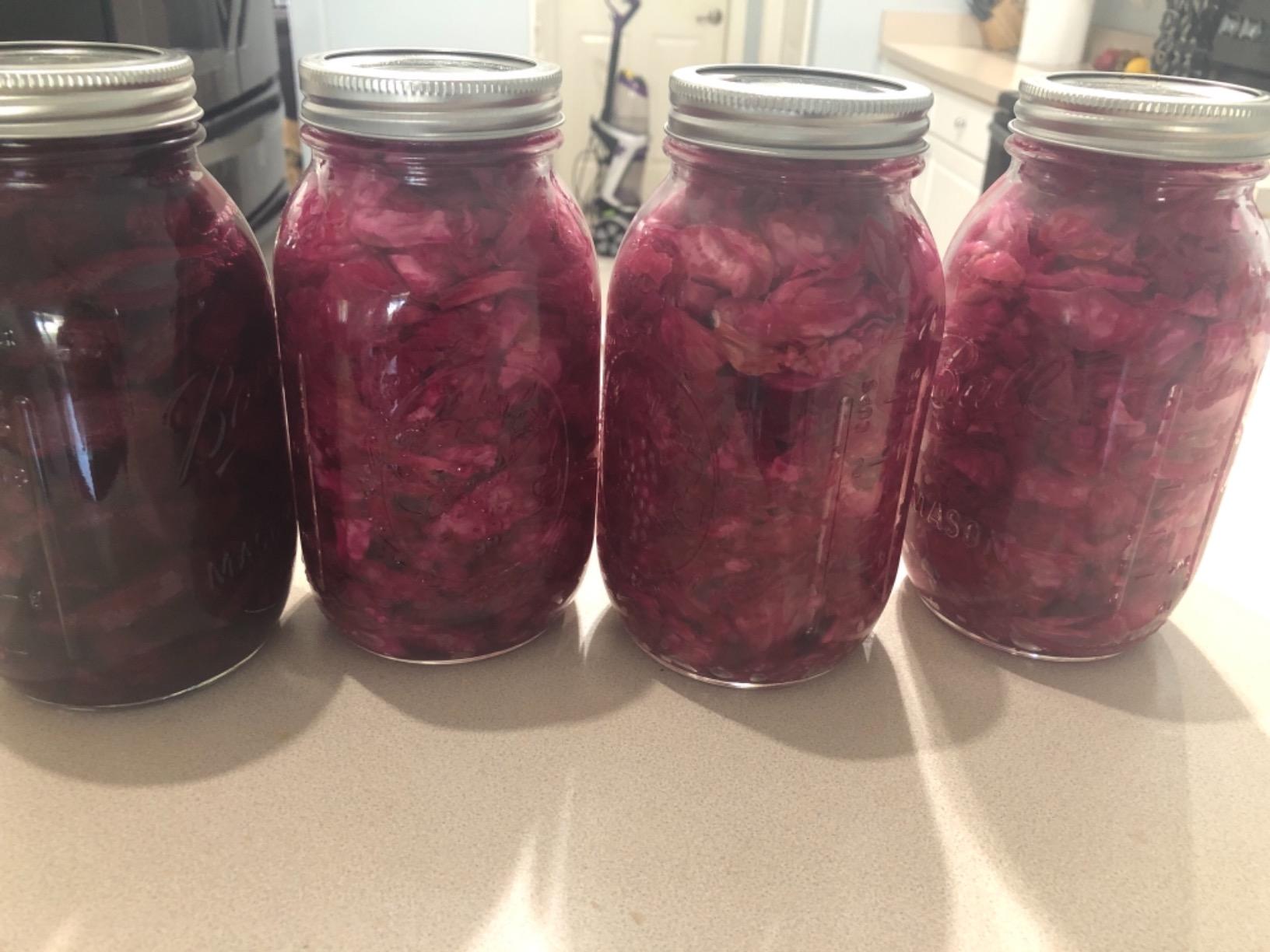
![The Farmhouse Culture Guide to Fermenting: Crafting Live-Cultured Foods and Drinks with 100 Recipes from Kimchi to Kombucha [A Cookbook] customer photo 1](https://digitalnpq.org/wp-content/uploads/2026/08/0399582657_customer_1.jpg)
Exact Measurements and Time Tables
Gram-level precision makes recipes repeatable, which matters when you want your second batch to taste like your first. The temperature tables acknowledge that kitchens differ from test labs.
Note that measurements lean metric, so US cooks may want a scale or do quick conversions. A cheap digital scale solves this permanently.
Who Should Buy It
Buy this if you want one attractive cookbook covering many ferment types, or if you appreciate chef-level precision and storytelling. It makes an excellent gift thanks to its production quality.
Skip it if metric measurements annoy you and you refuse to use a kitchen scale.
![The Farmhouse Culture Guide to Fermenting: Crafting Live-Cultured Foods and Drinks with 100 Recipes from Kimchi to Kombucha [A Cookbook] customer photo 2](https://digitalnpq.org/wp-content/uploads/2026/08/0399582657_customer_2.jpg)
8. Cultured Food for Health – The Best Book for Gut Health and Healing
Cultured Food for Health: A Guide to Healing Yourself with Probiotic Foods: Kefir, Kombucha, Cultured Vegetables
Author: Donna Schwenk
264 pages
Kefir kombucha cultured vegetables
Health-focused approach
+ Pros
- Excellent for gut health focus
- Detailed probiotic and prebiotic explanations
- Personal stories keep it motivating
- Easy-to-follow instructions with website support
- Cons
- Print could be darker and bigger
- Pages feel thin for kitchen use
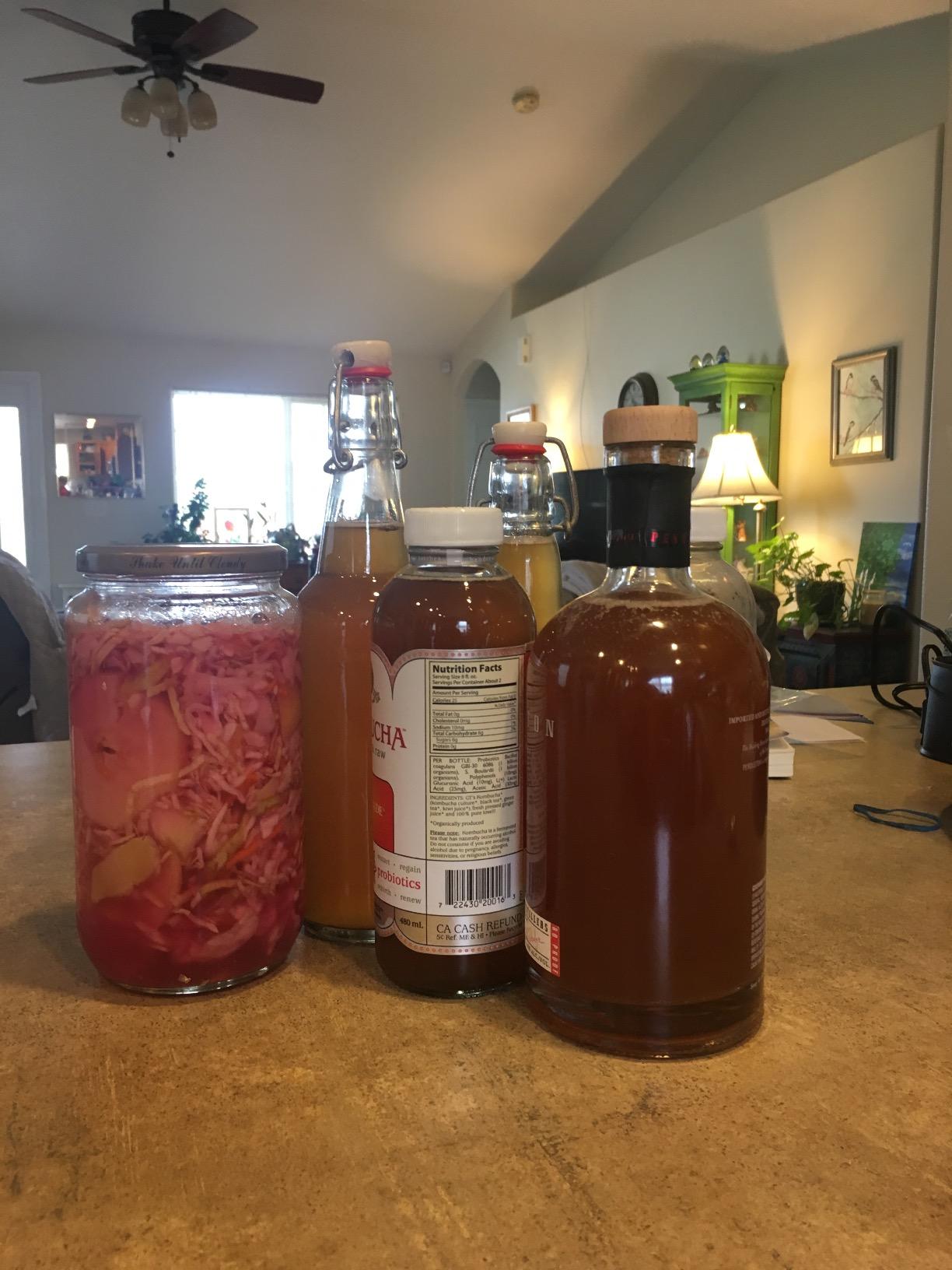
Donna Schwenk’s book approaches fermentation as wellness practice rather than hobby. Kefir, kombucha, and cultured vegetables are framed around gut microbiome health, with personal stories from people who changed their digestion.
This is the title I suggest to friends who come to fermentation from the health side rather than the foodie side. The instructions are simple, and the supportive tone keeps anxious beginners going.
Kefir, Kombucha, and Cultured Vegetables
The three core ferments are each covered with clear starting instructions and daily routines. If you have never maintained a kefir culture, this is the gentlest possible introduction.
Schwenk explains probiotics and prebiotics in plain language, so you understand what you are eating and why it matters.
Who Should Buy It
Buy this if digestive health is your main motivation, or if you want a motivating, story-driven introduction to cultured foods.
Skip it if you want a technical reference or wide recipe variety, since the scope stays on the three core cultured foods.
9. Sandor Katz’s Fermentation Journeys – The Best Cultural Read
Sandor Katz’s Fermentation Journeys: Recipes, Techniques, and Traditions from around the World
Author: Sandor Ellix Katz
Global fermentation traditions
Travel writing meets technique
Coffee table quality
+ Pros
- Gorgeous coffee table production with matte paper
- Fascinating cultural and historical context
- Recipes work in simple kitchens
- Respectful global perspective
- Cons
- Less focus on step-by-step recipes
- More cultural journey than technique manual
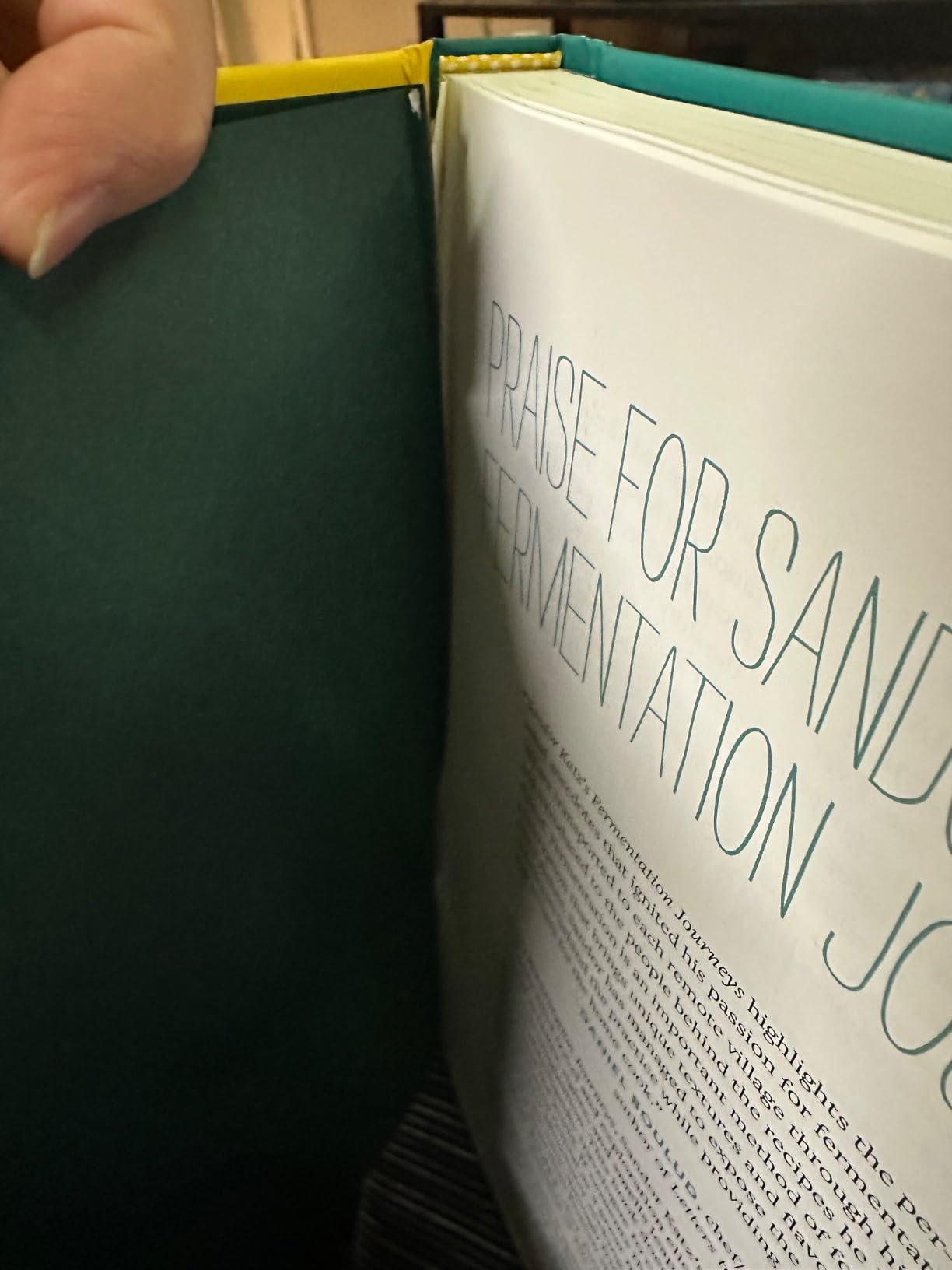
This is Katz’s most beautiful book, a travelogue of fermentation traditions from around the world. Heavy matte paper and rich photography make it the one fermentation book that lives on the coffee table instead of the kitchen shelf.
I found it inspiring in a different way than his technique books. Reading about persimmon vinegar in Korea and inherited starter cultures made me appreciate fermentation as a human universal.
Traditions and Stories Over Techniques
Each chapter pairs a place and a tradition with a workable recipe. The recipes are simplified enough for ordinary kitchens, which keeps the book practical despite its travel focus.
Treat it as motivation and context rather than your primary manual, and it succeeds completely.
Who Should Buy It
Buy this for the fermenter who already owns the technique books, or as a gift thanks to its production values. It is a lovely third or fourth book.
Skip it as your only fermentation book, because it will not teach you fundamentals systematically.
10. Pickling and Fermenting for Beginners – The Best Budget Starter Guide
Pickling and Fermenting for Beginners: A Comprehensive Guide to Preserving and Fermentation Techniques and Recipes for Beginners and Beyond (Cookbook for Beginners and Beyond)
Author: Oscar Higgins
160 pages
Pickling vs fermenting explained
Safety and troubleshooting basics
+ Pros
- Very beginner-friendly instructions
- Clearly distinguishes pickling from fermenting
- Includes safety guidelines and troubleshooting
- Color images throughout
- Cons
- Some find it too basic
- Could use more detail on supplies and spice blends
Not everyone wants a 450-page tome to make their first jar of pickles. This slim 160-page guide covers the essentials of both pickling and fermenting without overwhelming a newcomer.
Its clearest contribution is explaining the difference between vinegar pickling and live fermentation, a distinction that confuses most beginners. Once that clicks, the rest of the craft makes sense.
Safety and Troubleshooting Basics
The safety guidelines and troubleshooting section cover the failure modes beginners actually encounter, like soft pickles and surface yeast. Color images throughout help you recognize normal from worrying.
It is admittedly basic, and experienced fermenters will outgrow it within months. As an on-ramp, though, it does its job well.
Who Should Buy It
Buy this if you want the cheapest possible competent introduction before committing to a bigger book.
Skip it if you already ferment or want depth, because you will exhaust it quickly.
11. Fermentation Made Easy – The Best Low-Cost Confidence Builder
Fermentation Made Easy: A Beginner’s Guide to Fermentation with Recipes for Fermented Vegetables, Kimchi, Kombucha, Pickles and more
Author: Addison Hall
242 pages
Vegetables kimchi kombucha pickles sourdough
Beginner troubleshooting focus
+ Pros
- Clear instructions with excellent beginner tips
- Covers vegetables kimchi kombucha and sourdough
- Step-by-step troubleshooting for diagnosing problems
- Helpful for people who failed before
- Cons
- No recipe index
- Some want more recipe variety
This independently published guide targets people whose earlier attempts failed. The writing assumes zero background and patiently explains both how and why each step matters across vegetables, kimchi, kombucha, pickles, and sourdough.
The troubleshooting tips are its strongest feature, walking you through diagnosing problems instead of just abandoning a batch. For the price of a few coffees, it removes most reasons beginners quit.
Breadth on a Budget
Covering five fermentation categories in 242 pages means nothing gets exhaustive treatment. But sampling sourdough, kombucha, and vegetable ferments in one place helps you discover what you enjoy before buying specialist books.
The missing recipe index is a small annoyance in an otherwise well-organized beginner text.
Who Should Buy It
Buy this if a past fermentation failure shook your confidence and you want a patient, inexpensive restart.
Skip it if you want polished production or deep technique, since this is a functional primer rather than a reference.
12. Fermented Vegetables: The Ultimate Guide – A Budget Option with Caveats
Fermented Vegetables: The Ultimate Guide to Fermentation and Pickling Techniques and Recipes for Beginners and Beyond (Cookbook for Beginners and Beyond)
Author: Oscar Higgins
192 pages
Fermentation and pickling techniques
Tools and materials guidance
+ Pros
- Detailed beginner-friendly instructions
- Explains fermentation science
- Tools and materials coverage
- Troubleshooting with each section
- Cons
- Typo on cover and editing issues
- Fewer recipes than expected
- Quality concerns raised by reviewers
This vegetable-focused guide earns a spot on price and accessibility, but I want to be straight with you about its weaknesses. A number of reviewers flag editing problems, a typo on the cover, and fewer recipes than the title suggests.
Still, at 4.4 stars with 75 percent five-star ratings, many beginners find the step-by-step roadmap genuinely helpful. The science explanations and per-section troubleshooting tips do teach the fundamentals.
What Works and What Does Not
The instructional content on tools, raw materials, and technique is solid for a first vegetable ferment. The ferment-versus-pickle distinction is clearly drawn, which is where most confusion starts.
Set expectations toward informational content over a big recipe collection, and check the editing quirks do not bother you before buying.
Who Should Buy It
Buy this only if budget is the deciding factor and the Shockey book is out of reach. It can get a first batch made.
Skip it in favor of Fermented Vegetables by Kirsten Shockey if you can stretch, because the difference in polish and recipe reliability is significant.
How to Choose the Right Fermentation Book
Choosing well the first time saves money and failed batches, because forum posts reveal most beginners own the wrong book for their goals. Here is how I match readers to titles.
Match the Book to Your Skill Level
Complete beginners learn fastest from photo-driven, recipe-tested books like Fermented Vegetables or Wild Fermentation. Intermediate fermenters get more from concept-driven works like The Art of Fermentation.
Advanced cooks ready for koji, garum, and experimental work should go straight to the Noma Guide. Buying above your level causes frustration, and buying below it causes boredom.
Check the Scope Against Your Interests
Vegetable lovers need a different book than kefir enthusiasts or hot sauce fans. Specialized titles like Fiery Ferments, Cultured Food for Health, and Miso, Tempeh, Natto each dominate their niche.
If you want one book that samples everything, The Farmhouse Culture Guide covers kimchi to kombucha in a single volume. Generalists should start broad and specialize later.
Verify Author Credibility
The most trusted authors are active in the fermentation community. Sandor Katz literally revived American interest in live-culture foods, and the Shockleys teach workshops and have fermented professionally for decades.
Community standing matters because these authors answer real questions from real fermenters. Books from authors with that track record simply fail less often.
Prioritize Troubleshooting Coverage
The most common pain point in fermentation forums is panic over mold, smell, or texture, not a lack of recipes. Books with photo troubleshooting sections, like the Shockley titles, resolve these moments fast.
Before buying any book, check whether it explains what went wrong and how to fix it. That content is worth more than fifty extra recipes.
Consider Format and Kitchen Durability
Hardcovers with quality bindings survive kitchen splatter better than paperbacks, which matters for a reference you consult mid-recipe. The Noma Guide and Farmhouse Culture Guide are notably well made.
If you prefer reading away from the counter, check Kindle availability, though photography-heavy books lose impact on small screens.
Frequently Asked Questions
What are the best books to learn fermentation?
The best books to learn fermentation are Fermented Vegetables by Kirsten and Christopher Shockey for beginners, Wild Fermentation by Sandor Katz for an inspiring first read, The Art of Fermentation as a comprehensive reference, and The Noma Guide to Fermentation for advanced techniques. Most home fermenters start with one beginner title and add a reference work within a year.
What is the best book about lacto fermentation?
Fermented Vegetables by Kirsten and Christopher Shockey is widely considered the best lacto fermentation book. It covers 72 vegetables, fruits, and herbs in brined pickles, kimchis, krauts, and relishes, explains the science of lacto-fermentation, and includes photo-based troubleshooting that resolves most beginner problems.
What is the best cookbook for fermented food?
The Farmhouse Culture Guide to Fermenting is the best pure cookbook, with 100 tested recipes from kimchi to kombucha, exact professional measurements, and fermentation time tables by temperature. For vegetables specifically, Fermented Vegetables by the Shockleys offers the most reliable tested recipes.
Are fermentation books worth it?
Yes, fermentation books are worth it because they provide tested recipes, safety guidance, and troubleshooting that random online recipes lack. A single good book typically costs less than one failed batch of wasted produce and prevents the common mistakes, like wrong salt ratios, that cause beginners to quit.
Is there a downside to fermented foods?
Fermented foods are safe for most people, but drawbacks exist. Some contain high sodium, first-time eaters may experience temporary bloating as gut bacteria adjust, and improperly made ferments can spoil. Following a reputable book’s safety guidance minimizes risk, and anyone with a compromised immune system should consult a doctor before eating homemade live-culture foods.
Final Verdict on the Best Fermentation Books
If you are starting from zero, get Fermented Vegetables by the Shockeyes and a cabbage, and you will have living food in your kitchen within a week. If you want to understand the whole craft, The Art of Fermentation is the reference that will serve you for a decade.
Ambitious cooks should add the Noma Guide for koji and garum, spice lovers need Fiery Ferments, and health-motivated beginners will connect with Cultured Food for Health.
Whichever title matches your goals, the best fermentation books pay for themselves the first time a batch succeeds instead of spoiling. Pick your match, salt your first jar, and let the microbes do the rest.